







Abstract
BACKGROUND:
Work-related musculoskeletal disorders (WMSDs) are prevalent and have an impact across occupations. However, there are very few studies that document the prevalence of WMSDs in the pump industry. In manufacturing industries, the common issue for WMSDs and physiological stress among the workers is caused by poor working posture.
OBJECTIVE:
To investigate the occupational risks at the winding station in the pump manufacturing industry. In addition, this study examined the influence of work-study on mitigating occupational risks.
METHODS:
Workers who were involved in circular coil winding and insulation testing were considered for the study. Awkward postures adopted while performing these tasks cause fatigue, injuries and WMSDs. Tasks were evaluated as per the National Institute for Occupational Safety and Health (NIOSH) standards. A work-study was conducted to better understand the workflow. Virtual ergonomic postural evaluation (Rapid Upper Limb Assessment, RULA) was used to identify the occupational risks.
RESULTS:
Time taken for making circular windings and insulation testing (7.5 Hp submersible motor) was found to be 4.04 minutes and 0.95 minutes, respectively. A CAD model was used for ergonomic evaluation in the virtual environment. The RULA final score of 2 and 3 is attributed to coil winding and insulation testing.
CONCLUSION:
For further studies, the whole pump manufacturing process should be taken into account. The ergonomic tools used in this study will considerably reduce the occupation risks at the winding station in the pump manufacturing industry.
Introduction
Industrial workplaces are a big part of the manufacturing sector and are needed to accomplish a wide variety of tasks. The quality of workplace construction according to the need of the employee has a significant effect on making the job easier. Improper workplace design can be an important factor in the development of various work-related musculoskeletal disorders (WMSD). WMSDs pose a hazard in the workplace to employees as it reduces productivity and affects employee health [1]. Business productivity loss and employee fatigue may result from unnecessary tasks and motion. Successful business without loss, the global environment should not be harmful. To enhance productivity in business the work-study analyses the operation and helps to grasp the business to improve the supply and to reduce the negative effect of productivity.
Studies by Battini et al. show the impact of ergonomics efficiency in designing workplaces for better interaction between human-machine systems [2]. Musculoskeletal disorders are injuries of muscles, nerves, and joints. WMSDs deteriorate the workers’ efficiency and performance due to an improperly designed work environment. The symptoms are muscle tightness, joint stiffness, and swelling. To prevent WMSDs, the workplace has to be reviewed and modified according to worker anthropometry. The workplace should be adjustable corresponding to the work nature. Proper design of the workplace could reduce WMSDs and other work-related problems. Thereby, the productivity of the industry will be improved. As a result of poor health, workers face many health problems such as shoulder pain, neck pain, and back pain. The lumbar spine can gain a lot of strength during operations due to the gravitational force acting on the upper body when bending the trunk forward, so the worker need to restrain the load on the spine within the limits as recommended by the National Institute for Occupational Safety and Health (NIOSH) limit. Granata et al. attempted to obtain acceptable ergonomic parameters according to the NIOSH standard [3]. NIOSH recommendations help to identify specific lifting activities that jeopardize the musculoskeletal system for the development of low back pain (LBP).
English et al. reported that high levels of twisting/stretching and prolonged shoulder rotation with the raised arm increase the risk of soft tissue disorders [4]. The tight grip on the palm and fingers increase the risk of infection. These back problems can be corrected using appropriate ergonomic interventions to reduce the chances of WMSDs. Research was conducted in the working environment of staff who participated in the use of assorted post-diagnostic tools and also the various problems related to WMSDs. Associations between risk factors and muscle complaints are well separated [5] and reported in various literature.
Manual material handling
According to the international labour organization, manual material handling (MMH) is the act of holding, grasping, seizing, and other hand-related tasks. Awkward postures and repetitive motion at work lead to a waste of human resources in terms of time and energy. The influencing factors that increase human risks at manual material handling are stature, age, gender, and strength. In addition, the activities at the workplace such as moving, pushing, pulling, holding, lifting, and lowering of parts/loads/materials, contribute to the risks.
Many researchers studied employees’ wellness, health and their work environment in the past. Bernardino Ramazzini reports on work being asked to be performed by employees and published a book with the diseases of workers with trauma disorders [6]. He reported that workplace design is one of the main factors for musculoskeletal disorder and other work-related problems. The musculoskeletal disorder and physiological stress cannot be fully avoided but may be reduced by a proper working environment and workplace design. Causes that contribute to musculoskeletal disorders were identified among the workers and observed that 58 percent of the employees are affected by WMSDs and physiological stress. The study showed that the efficiency and productivity of workers are improved by adopting good working postures at workplace [5, 6]. The industry workplace should be designed as per worker comfort to avoid WMSDs, which also improves the productivity of the industry.
The time-related fatigue experienced among workers is predicted in a major pump manufacturing industry. Previous growth of fatigue among older workers does not seem to affect their performance more than younger ones. It was also observed that the magnitude of discomfort is the most important factor in predicting fatigue in the selected activity. Some types of forecasts presented in this paper help to set time-based strategies to reduce fatigue.
Socio-demographic features, poor posture and repetitive movements play a role in causing WMSDs among the workers involved in pump manufacturing industries. Employees from the pump manufacturing industry are particularly affected by muscle damage and a poor working environment. Statistical analysis revealed that 67.39% of workers in these industries report WMSDs. However, it is suggested that ergonomic studies and engineering controls should be used to reduce WMSDs and levels of unhappiness among workers in the pump manufacturing industries in developing countries [7]. In addition, the study should be focussed to understand the reasons behind the increased level of work associated fatigue. The prevalence of muscle-related complications and risks among workers in the pump manufacturing industry has to be quantified. The results suggest further research on various preventive and ergonomic interventions to reduce the risk of LBP among workers in the pump manufacturing industry. Employees of the pump manufacturing industries who participated in this study were therefore found to have both WMSDs and ergonomic risks, which do not appear to interfere with work performance or daily life.
Workers working in the manufacturing sector are facing major health-related problems. Through research, risk reduction recommendations have been given to improve working conditions. In a risk assessment, recommendations for risk reduction were provided to improve working conditions. The rear axle assembly was adjusted to eliminate the minimum risk of collision. To overcome WMSDs, the transmission height was changed according to the NIOSH standard [8].
A sample of employees were included in the assembly of a multi stage pump from an Indian pump manufacturing plant. NIOSH standards are followed in these activities. The inconsistent posture displayed within these activities causes discomfort to workers leading to fatigue, injury, and muscle disorders [7]. Significant understanding is gained through standards and testing techniques to detect the possibility of muscle injury. It is the responsibility of the management of each company to produce a workplace with trained staff and to support the welfare of employees.
Digital human modelling
Work related to functional posture, visual ergonomic testing, Computer Aided Design (CAD), and Digital Human Modelling (DHM) to simulate human machine interaction are highlighted in this section. It has been shown that DHM was widely used to promote such ergonomic interventions in the workplace [8, 9], retail outlets [10, 11], and products [12, 13]. Doi et al. [14] used DHM and virtual workplaces to analyse the background performance of sewing machine operators. DHM is also reliable in detecting awkward posture and visual inspections in the workplace [15]. The Rapid Upper Limb Assessment (RULA) is a static posture analysis tool developed to analyse performance status and external loads that meet the task. The RULA final score is used to generate a list of actions that indicate the level of intervention needed to reduce the risk. The popularity of this tool has led the CAD packages to include it as a module [14–16].
A significant attempt has been made to understand and identify work activities that contribute significantly to WMSDs. In a study, RULA was used to conclude that the rear wheel alignment and rear mirror functionality are incorrect and require changes. This study can be enhanced by analysing the psychological aspects of work, energy use, and variations in heart rate. The model provides the complexity of the situation facing WMSDs. The ergonomic tool used during this study has the potential to reduce industrial hazards within the assembly station in the pump industry. This study adopts the condition to test using the RULA and biomechanical method to look at the functions. Posture tests were performed on workers during the stator assembly shop and the result was compared with CATIA and Biomechanics analysis. Jack’s software - Task Analysis Toolkit (TAT) is another tool that can be used to perform virtual posture analysis with various percentile Indian anthropometric data [14].
Prioritizing the selected jobs based on an analysis of collected data and deriving guidelines for ergonomic interventions reduce the potential of risk in critical jobs within small-to-medium enterprises (SME). The mean risk index and paired comparison method have been used for prioritizing the jobs based on criticality. All selected jobs having a higher potential of discomfort, can be adequately identified by perceived self-reports [11]. The methodology consists of the selection of critical jobs based on the discussions with the managerial, supervisory staff and by a screening of time study data. Industry sustainability has three main pillars namely, environment, economics, and society. The industry should not underestimate the reasonable application of human factors and ergonomics principles to the workplace. Assessment has been carried out for environmental, economic, and social sustainability assessment remains lacking in structured methods and tools, although humans have always played a key role in the industry. The variation of overall risk indices show that selected jobs belonging to the same category of risk has the highest prevalence of WMSDs. It is found in a study that stage casing (drilling and tapping) job has got the highest [15]. In addition, statistical analysis has been conducted and results indicate that the selected jobs have a high potential of discomfort and has become most critical.
Based on the summary of the above studies, there is a need to investigate the workers’ occupational risk at the pump manufacturing industry. In addition, the advantages of virtual ergonomic assessment shall be harnessed for improved design of workstation. Redesigned workstation contributes to higher productivity, safer environment, and reduced human errors. The main objective of this study is to identify and evaluate the risks at winding station of pump manufacturing industry. Preliminary study was carried out for better understanding of the tasks involved. Two-handed process chart is used to determine the workflow during the process. Virtual postural assessment will be used to decide on the workstation redesign.
Method
In order to assess the workers occupational risk in the identified winding section of pump manufacturing industry, the following strategy has been adopted. Manual posture analysis is performed among Indian workers at the pump manufacturing industries. Ergonomic studies on circular coil winding process in the pump manufacturing industry were conducted using questionnaires, direct interviews, and archived data. To identify and eliminate or minimize health-related risks, the working conditions involved in this activity is carefully evaluated.
Information about the participants has been collected before and after training in the pump manufacturing industry. Collected data were compared and interpreted. If results reveal any scope in improvement, a virtual environment is iteratively designed. The ergonomically designed environment will increase the effectiveness and efficiency for better human comfort. Figure 1 shows the flowchart of the proposed methodology.
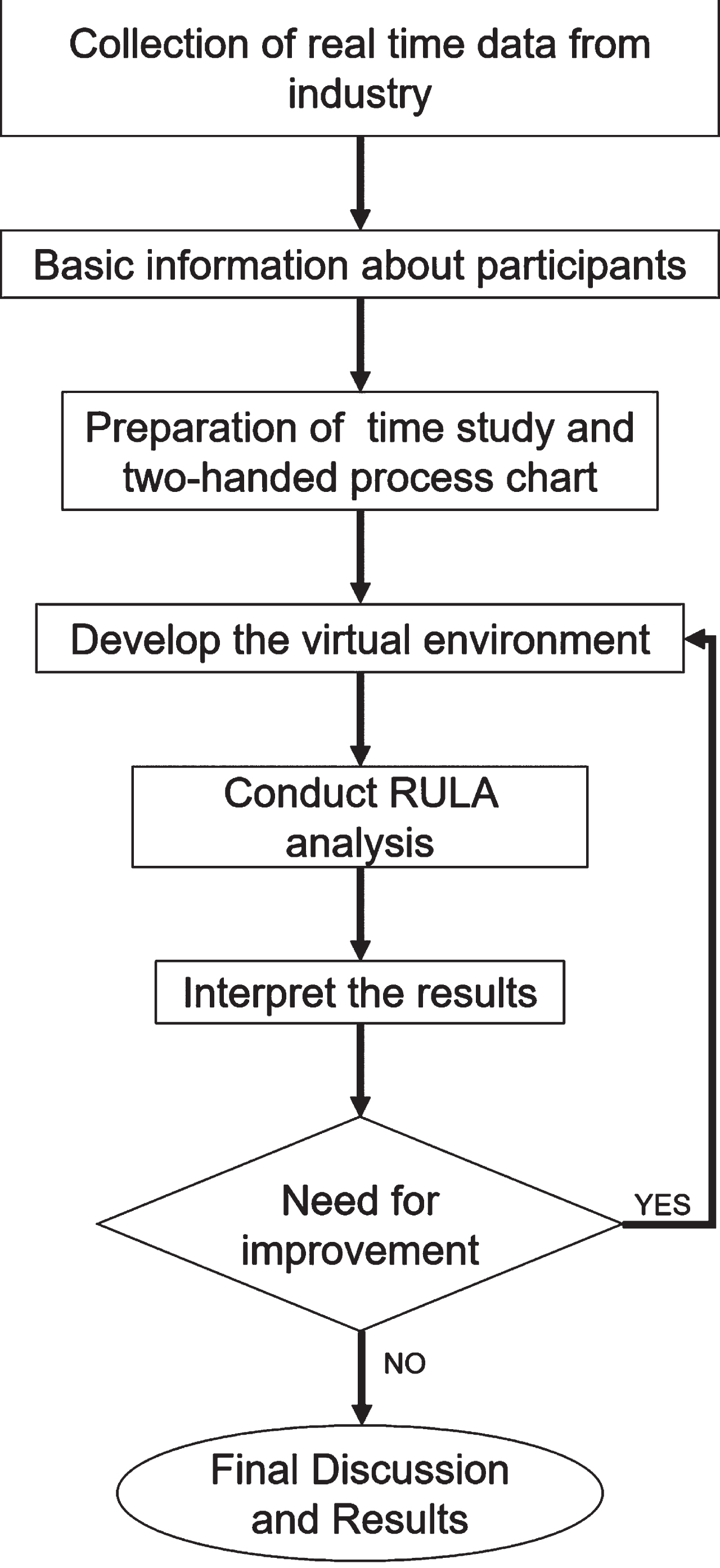
Methodology flowchart.
This study has been conducted at the winding station in the pump manufacturing industry. The daily routine of the winding workers is to make the circular coils, assemble them as per standardized protocol, and to perform insulation testing. The workers work six days, with a day off per week. They can do on an average of five winding sets per shift. It varies on the size of the circular coil. Working postures are observed and photographed for evaluation.
However, the winding operation is in the preliminary stage of the pump manufacturing process, the performance of the motor is significantly affected by the quality of the winding process. Hence the efficiency of the worker is greatly dependent. The assembly and final testing process of the pump follow the winding process. In medium-scale industries, such as pump manufacturing sectors, the worker generally works for more than 8 hours per shift with minimum breaks during the shift. Also, a poorly designed workplace, workforce without many safety guidelines, tasks that do not fit the appropriate workforce, and improper training lead to human fatigue, lack of motivation, and a highly stressed environment. If the situation continues, this may cause work-related musculoskeletal disorders.
Winding process in pump industry
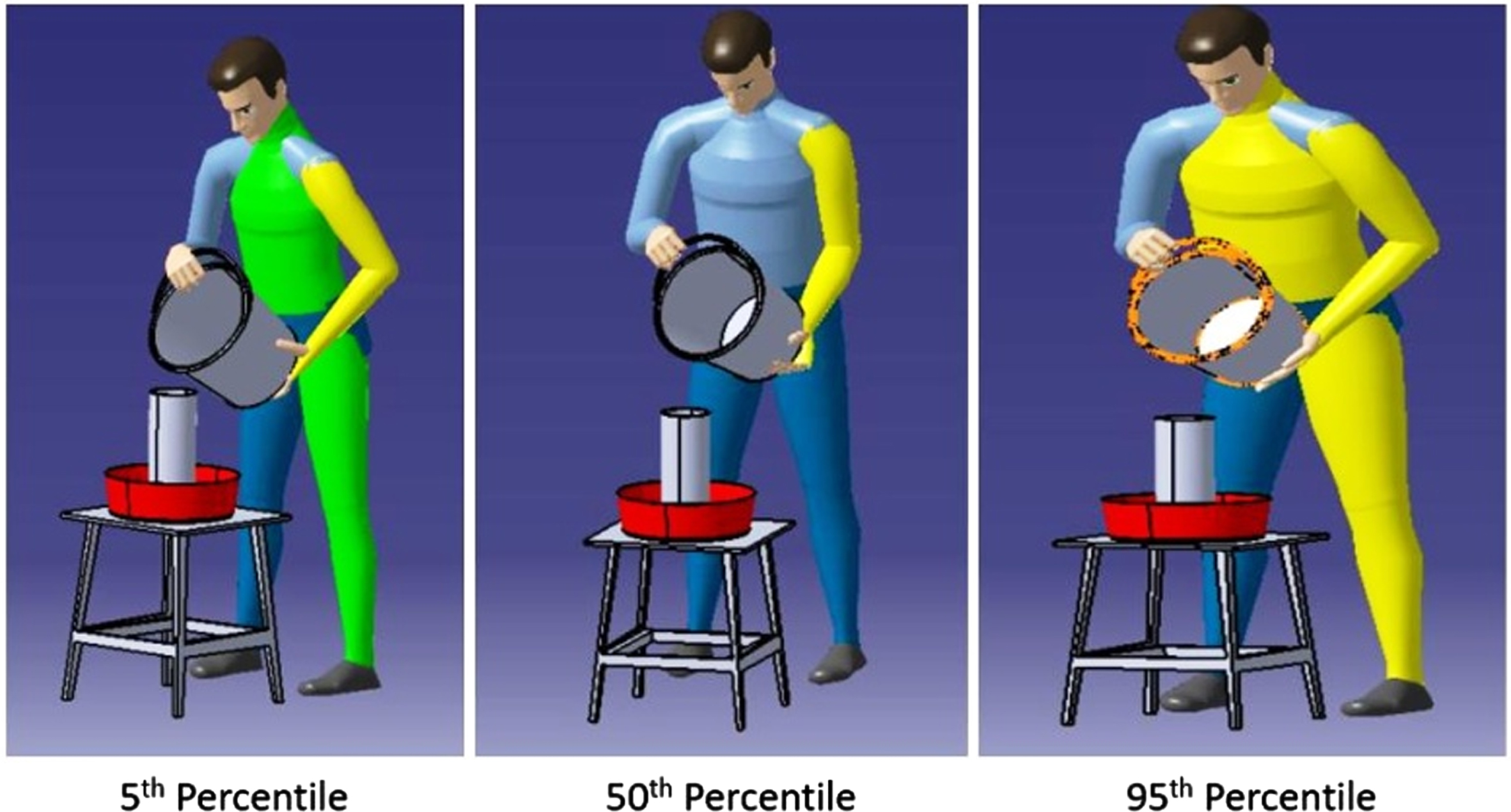
In the winding process, spinning the strand of copper wires in a circular geometry and insulation testing are the two tasks performed by the workers considered for this study. The workers adopt two different postures, as shown in Figs. 2 3, to perform the tasks. The time taken is recorded using a digital stopwatch. For making circular windings and insulation testing of 7.5 Hp submersible motor, it is found to be 4.04 minutes and 0.95 minute respectively. The water pouring posture for insulation testing is shown in Fig. 4. Workers anthropometry data are tabulated in Table 1. CATIA software has been used to obtain this data
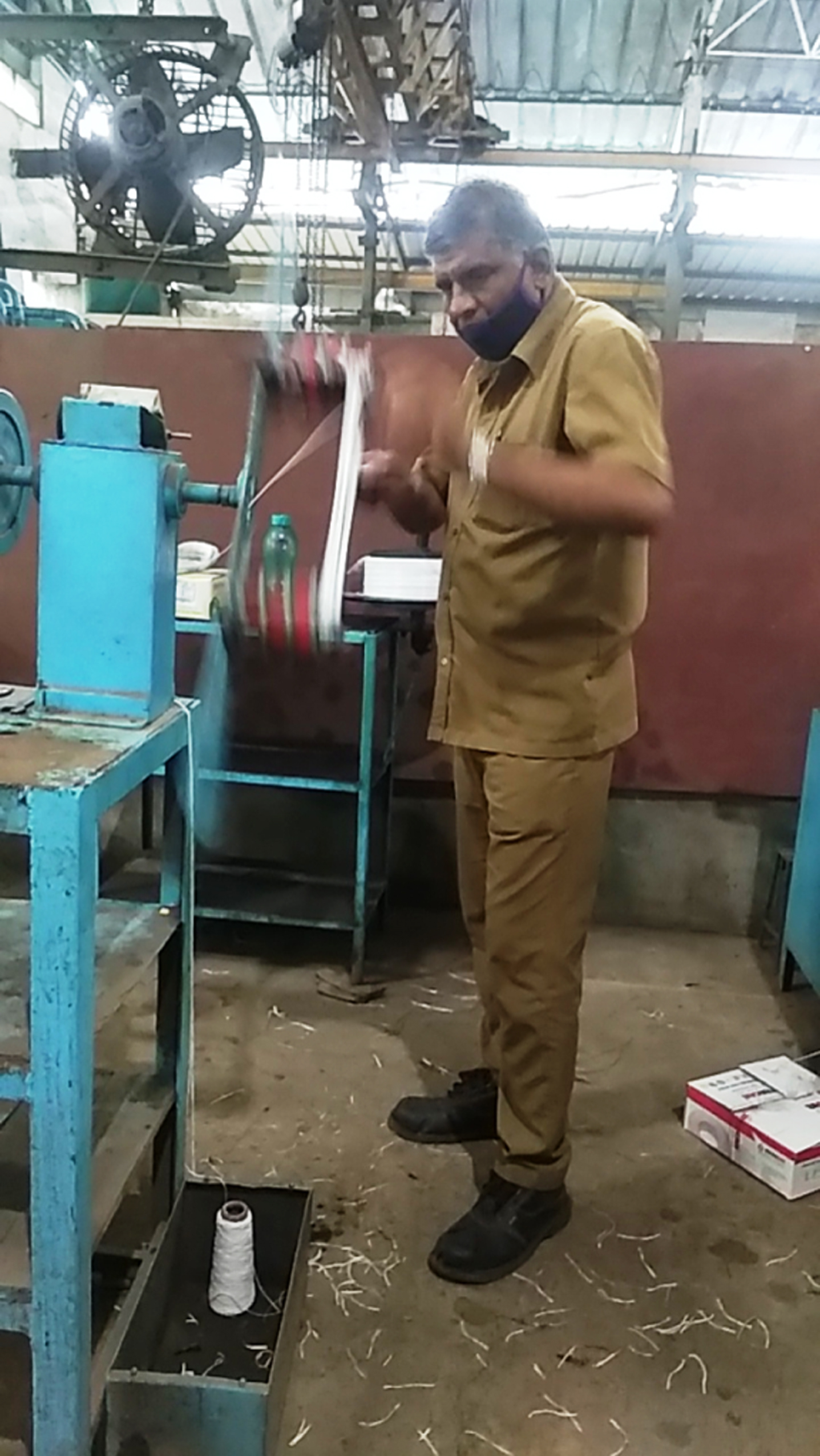
Circular winding.
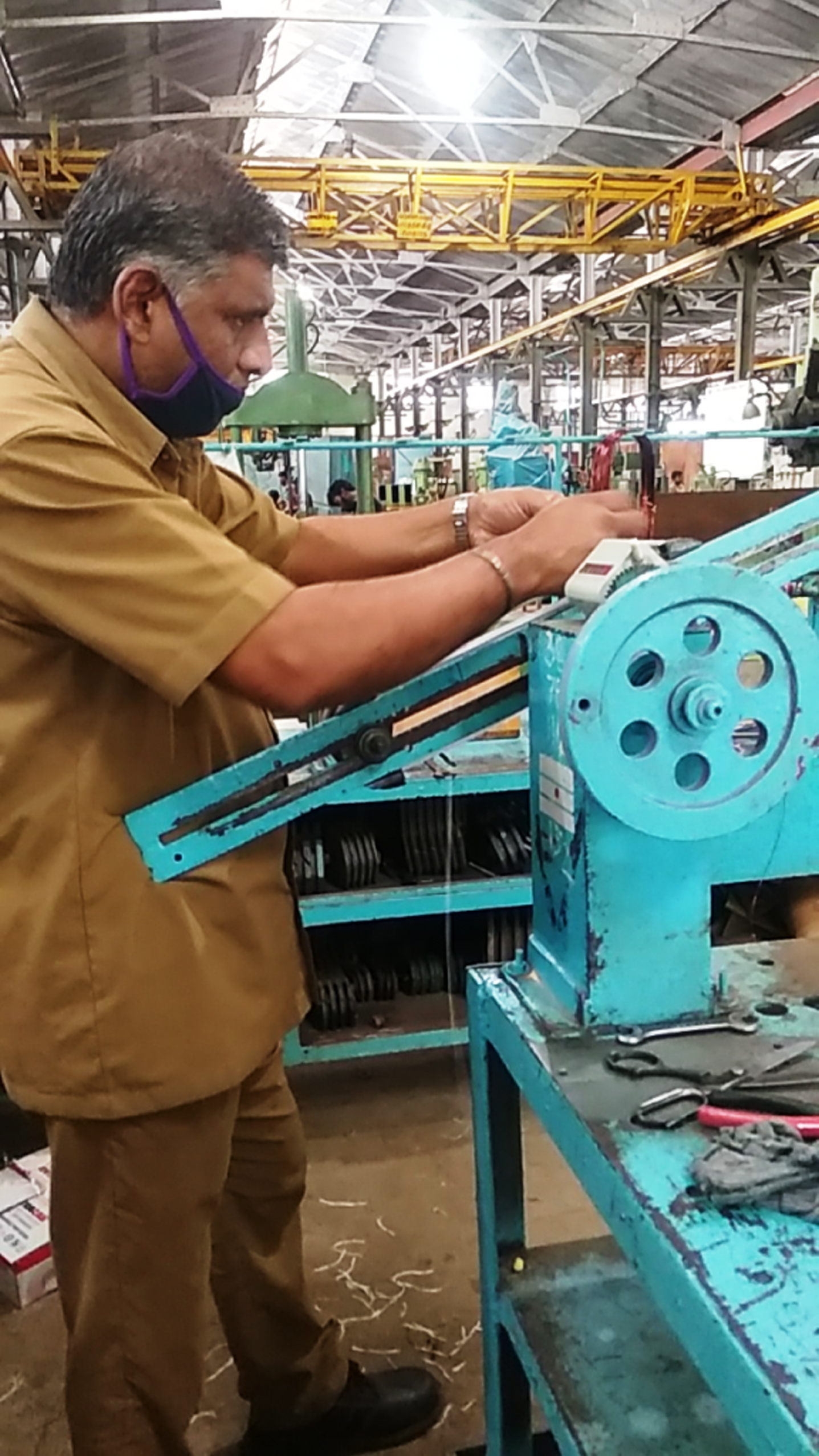
Thread tying.
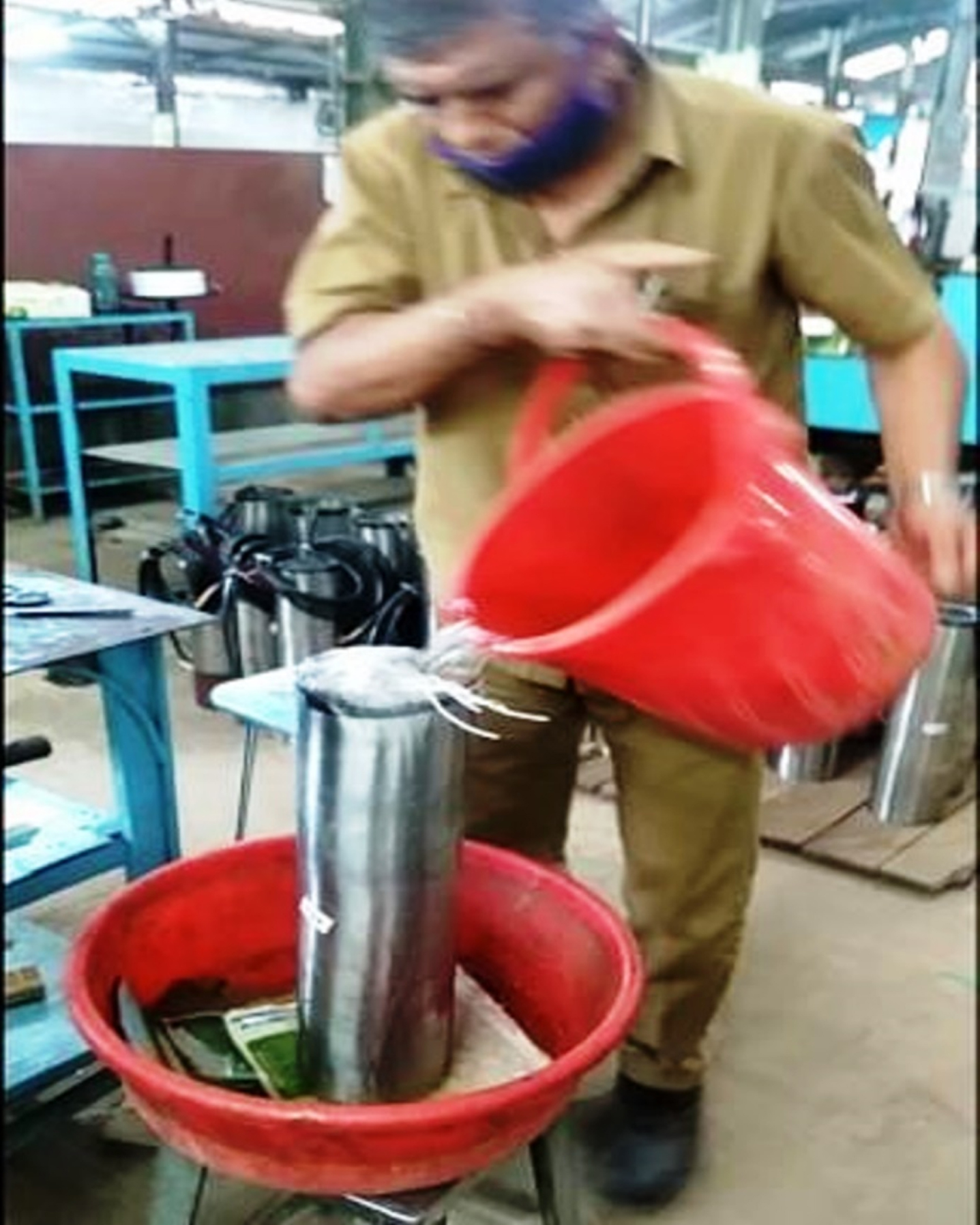
Pouring of water.
Anthropometry data
Table 2 and Table 3 show the time study for circular coil winding and insulation testing tasks. The process consists of repetitive tasks, which happen for a longer duration when the worker has to do more circular coils. Workers are Indian males working in the winding section [17–19].
Time study for the manual circular winding task
Time study for insulation testing
Based on the inclusion criteria, the subjects were chosen for the study. Inclusion criteria were: 1. The subject must do the material handling in the winding process. 2. The subject should not have any discrepancy for using the video recordings. By considering these criteria the data were collected while the workers performed the tasks at the winding section [17].
Data collection
In order to understand the characteristics of the existing workstation, preliminary observations were carried out. The data were collected at the workstation in terms of photographs and videos. Time study was conducted using stopwatch and method study using two-handed process charts. Based on the inclusion criteria selected workers are asked to carry out tasks such as winding, threading, and testing, as per the protocol in the study. The workers are observed during the process of copper coil winding using videos and photographs. Workers are informed, not to perform any activity beyond the regular work. The CAD software is used to create virtual models of the existing workstation, based on the recorded photographs and videos. Virtual postural assessment will help track the assessment of the process [20–22]. The steps for virtual postural assessment are discussed in the following section.
Rapid Upper Limb Assessment (RULA)
RULA is used to analyse static postures in the sagittal body planes. Right and left side of the worker performance have to be evaluated separately. Static postures are captured from the recorded photographs and videos which were taken at the winding work station. The video and photographs are used to get body segmental angles. These angles are entered in the ergonomic evaluation software for the chosen manikin, with muscle and loading details to get the RULA final score. The general RULA final score will be in the range of 1 to 7 [20–22]. The final RULA score obtained from the static posture reveals the action plans for the activity.
Results and discussions
In order to analyse the process of winding tasks, observation was carried out using photographs and videos. Work study (time study and method study) was conducted for better understanding of the task considered. To improve the winding process in terms of human efficiency, safety and productivity, ergonomic evaluation was carried out. Preliminary investigation revealed the scope of improvement at the winding station.
Winding
Winding is one of the foremost essential and skilled procedures in pump manufacturing. It requires training to make an effort and to perform the winding operation. In the submersible motor, there are two different windings i.e. Stator and Rotor. Stator winding have to heavily insulated and difficult. The rotor winding are less insulated and have simple arrangement. Generally, the copper coil is employed for coil windings due to its high electrical conductivity.
Process in stator winding
The steps/process involved in the stator winding operations are as follows: 1. Insertion of insulation paper to the slots in the stator. 2. Making circular winding coils. 3. Insertion of coils to the slots. 4. Attaching extension wire to the terminal. 5. Affixing the windings using insulation paper. 6. Applying insulating varnish to the windings. 7. Testing the winding continuity.
Two-handed process chart
Two-handed process chart, also termed as left and right hand process chart, is used to record and investigate the human motions at work. This investigation might help to mitigate unnecessary non value added human motions and redesign the workstation. Thus, increasing the human efficiency, achieving higher productivity and a better understanding of the workspace [11, 21]. Separate charts are made for each operation. Optimized workstation design with applied ergonomic principles reduces risks and WMSDs. Figures 5 6 show the two-handed process chart for the manual circular winding and insulation testing tasks. Standard process chart symbols and its activity is tabulated in Table 4.
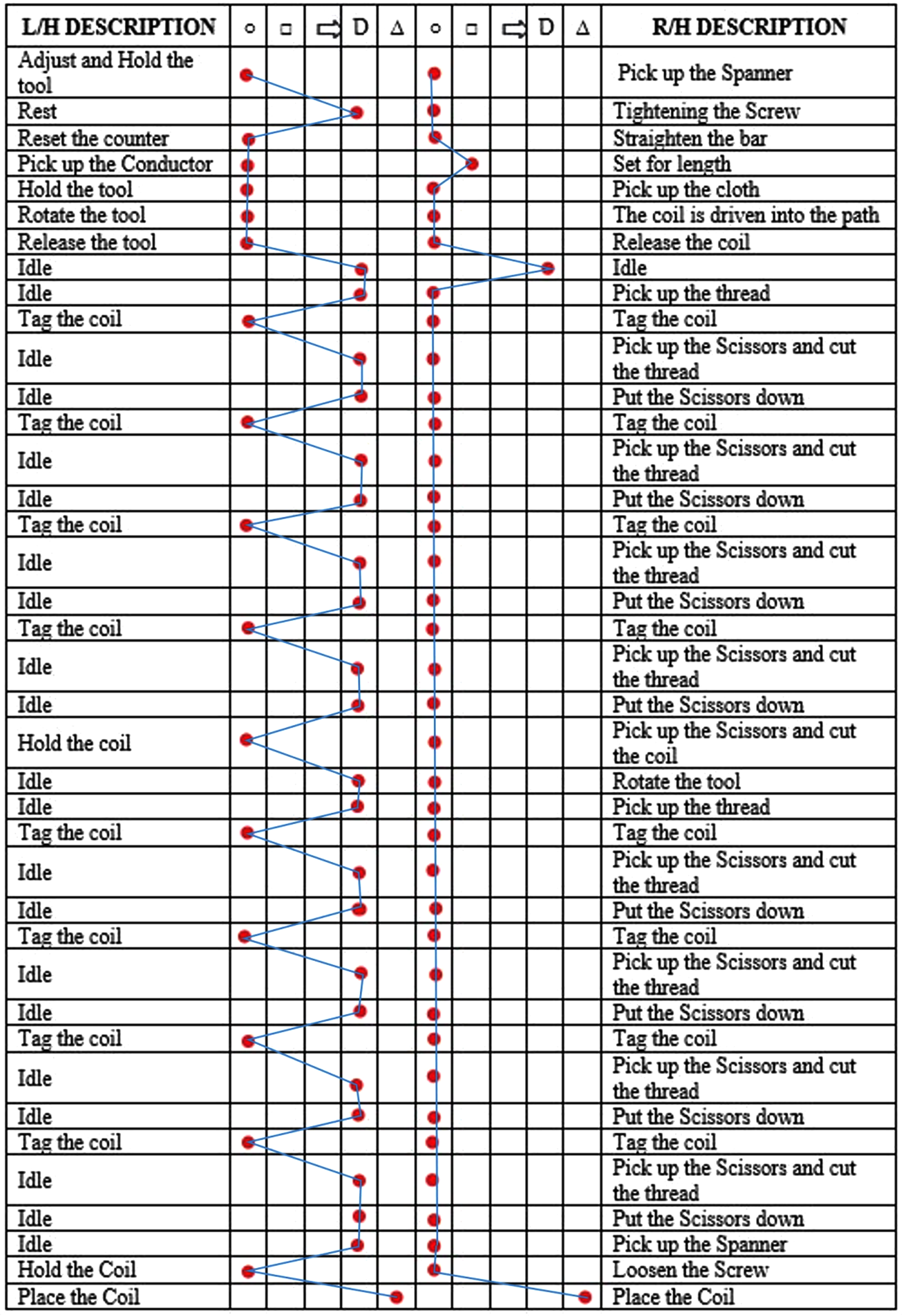
Two-handed process chart for the manual circular winding task.
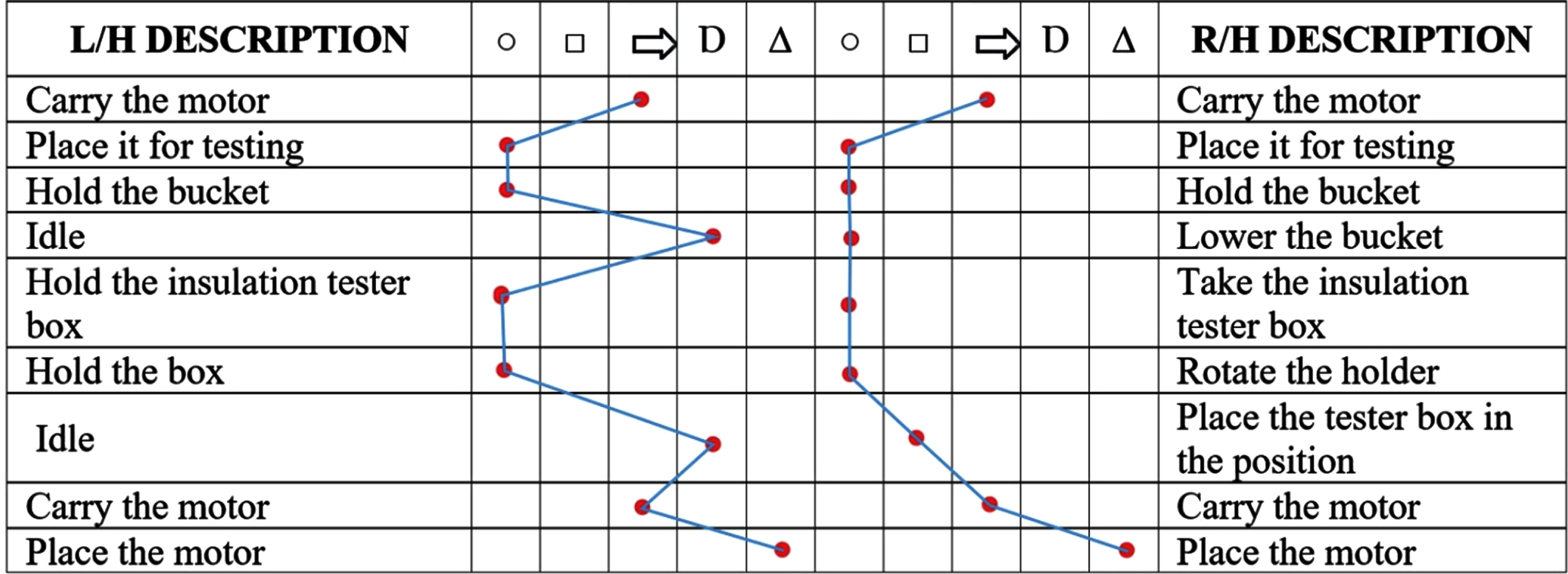
Two-handed process chart for insulation testing.
Standard process chart symbols
The steps involved in the two-handed process chart are as follows: 1. Complete operation is studied for a few cycles. 2. The activities are observed and recorded for one hand at a time. 3. No activity was left during recording. At-most care was taken while recording the data. 4. Combinations of operation and transport were avoided, unless it occurs at the same time.
The CAD models shown in Figs. 7 8 of the existing workstation were modelled based on the photographs and videos. Then these models are imported into the ergonomics design and analysis module of CATIA-V5 software. This module includes four sub-modules; ‘Human builder’ to create DHM called manikins, ‘Human measurements editor’ to edit the anthropometry of manikins, ‘Human posture analyses’ to analyse manikin postures, and ‘Human activity analyses to analyse how a manikin interacts with objects in its virtual environment [20]. The CAD models of the existing workstation are assembled in the virtual environment.
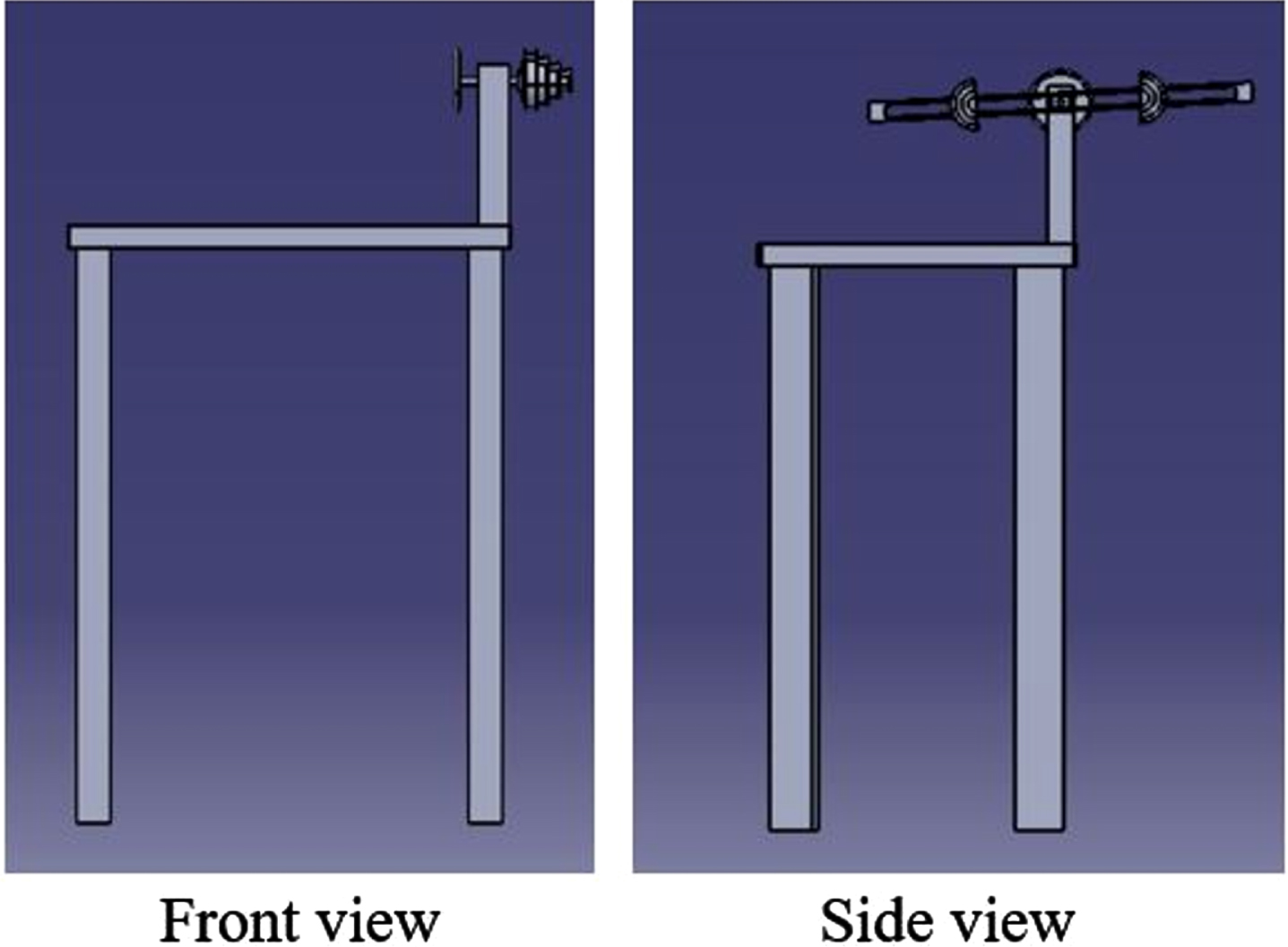
Stand arrangement for circular winding coil.
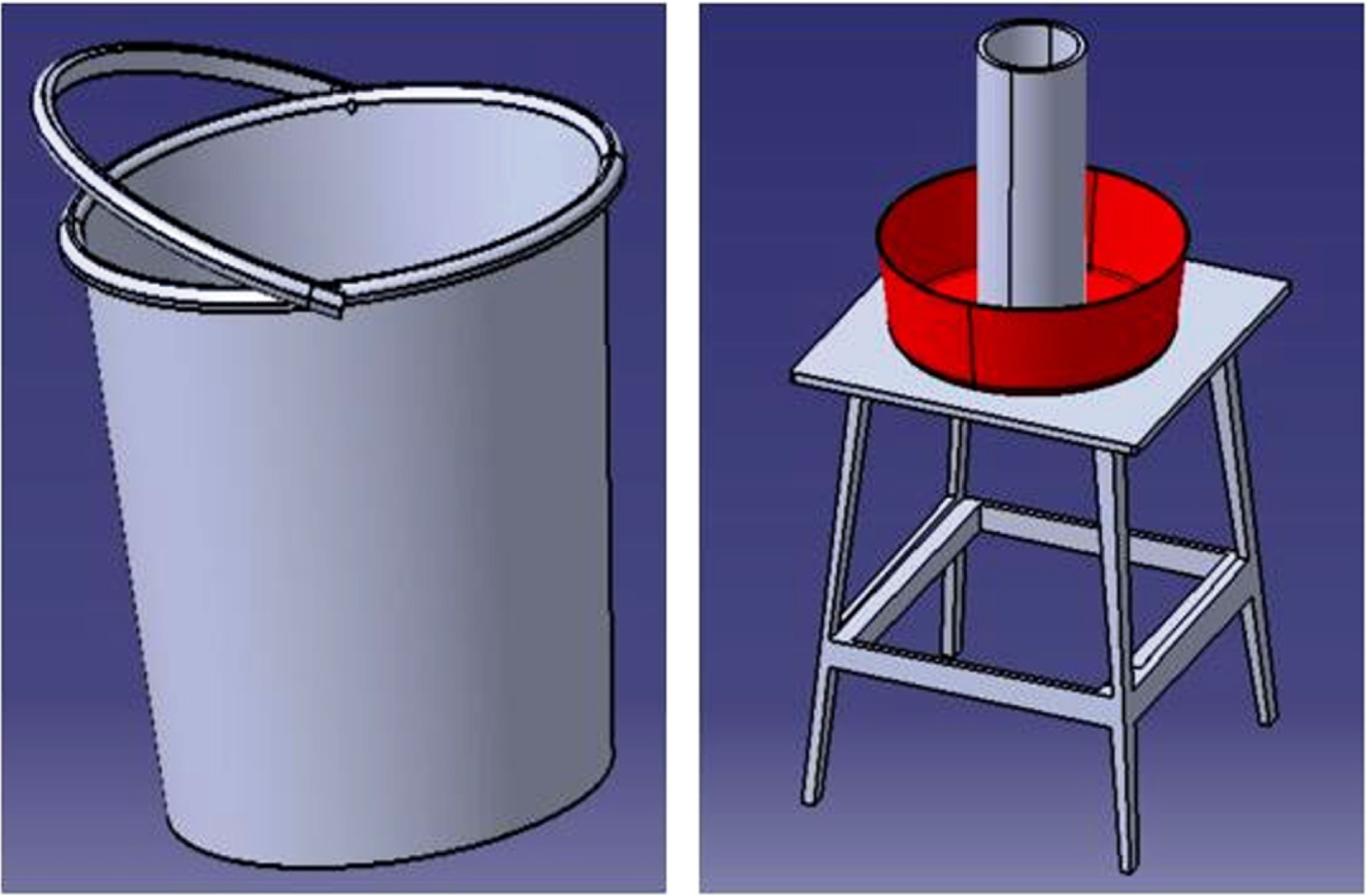
Bucket and chair arrangement for insulation testing procedure.
The human models applied in ergonomic simulations are called manikins and are geometrical models that obey a set of biomechanical laws, with real human functional behaviour and capability. Given the complexity of the somatotypes, with more variation among individuals, it is not possible to form a required manikin, so manikins of different percentile are used in the study. Figure 9 shows the setup of the manikin within the operating environment.
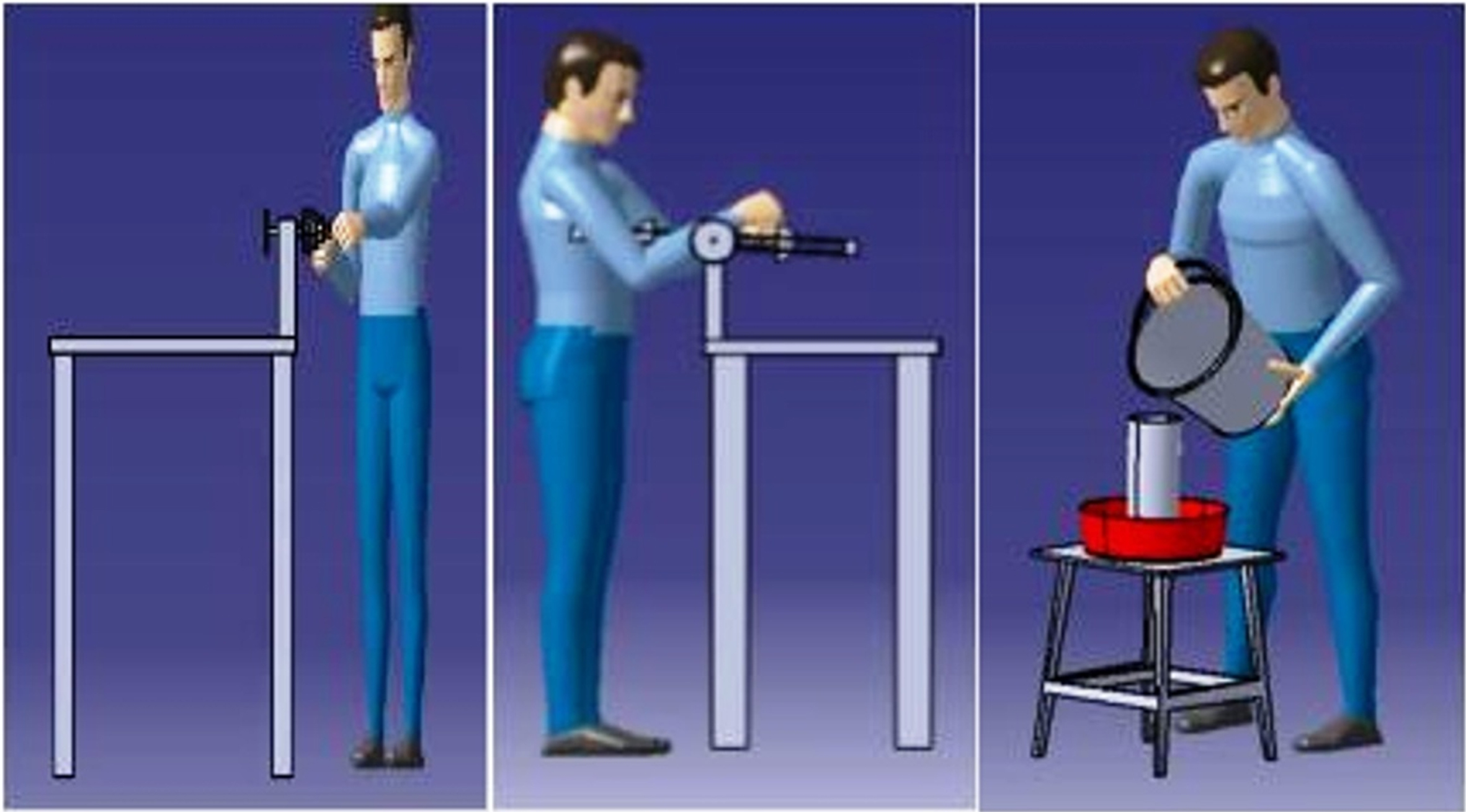
Manikin setup for a working environment.
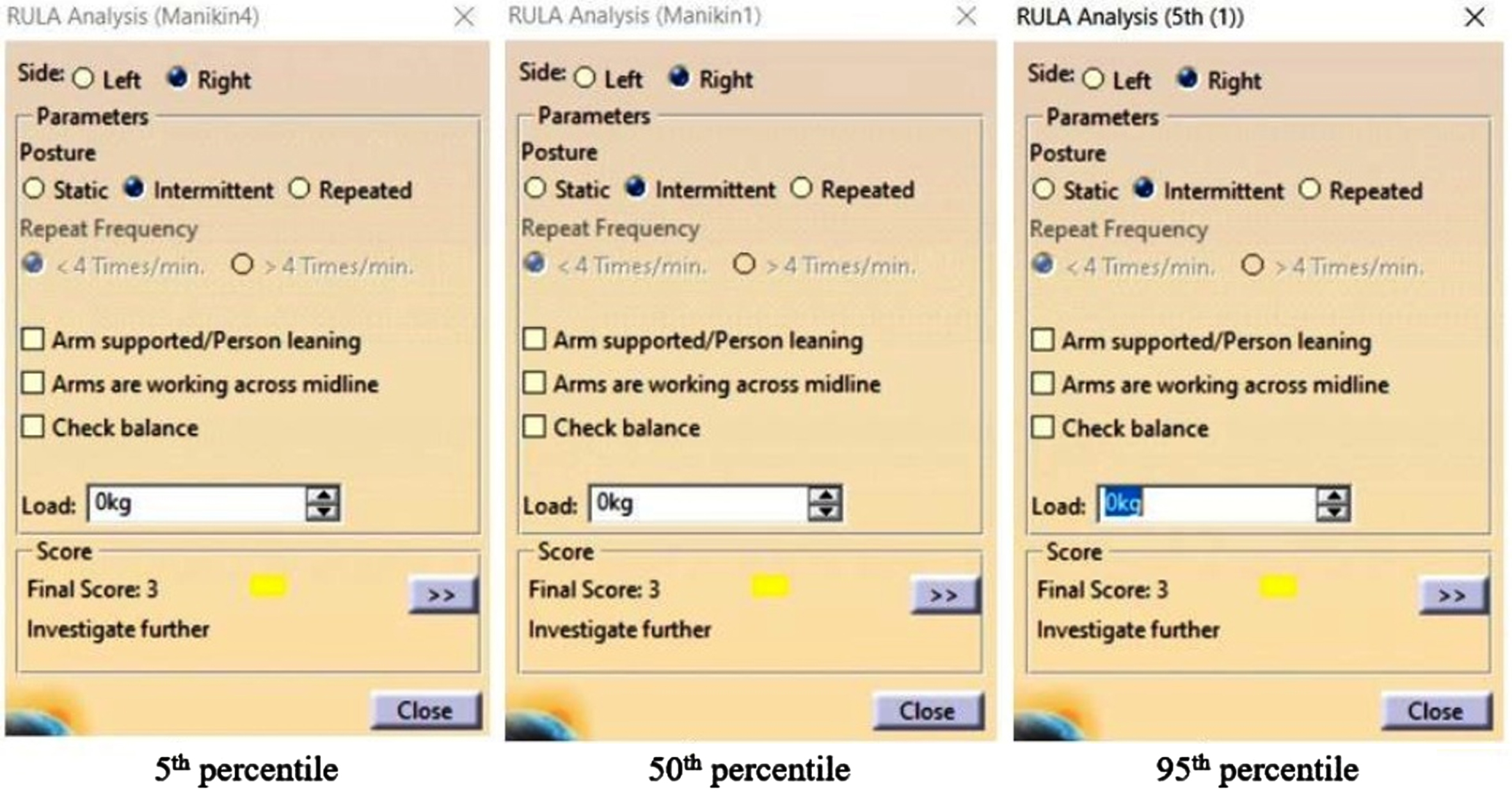
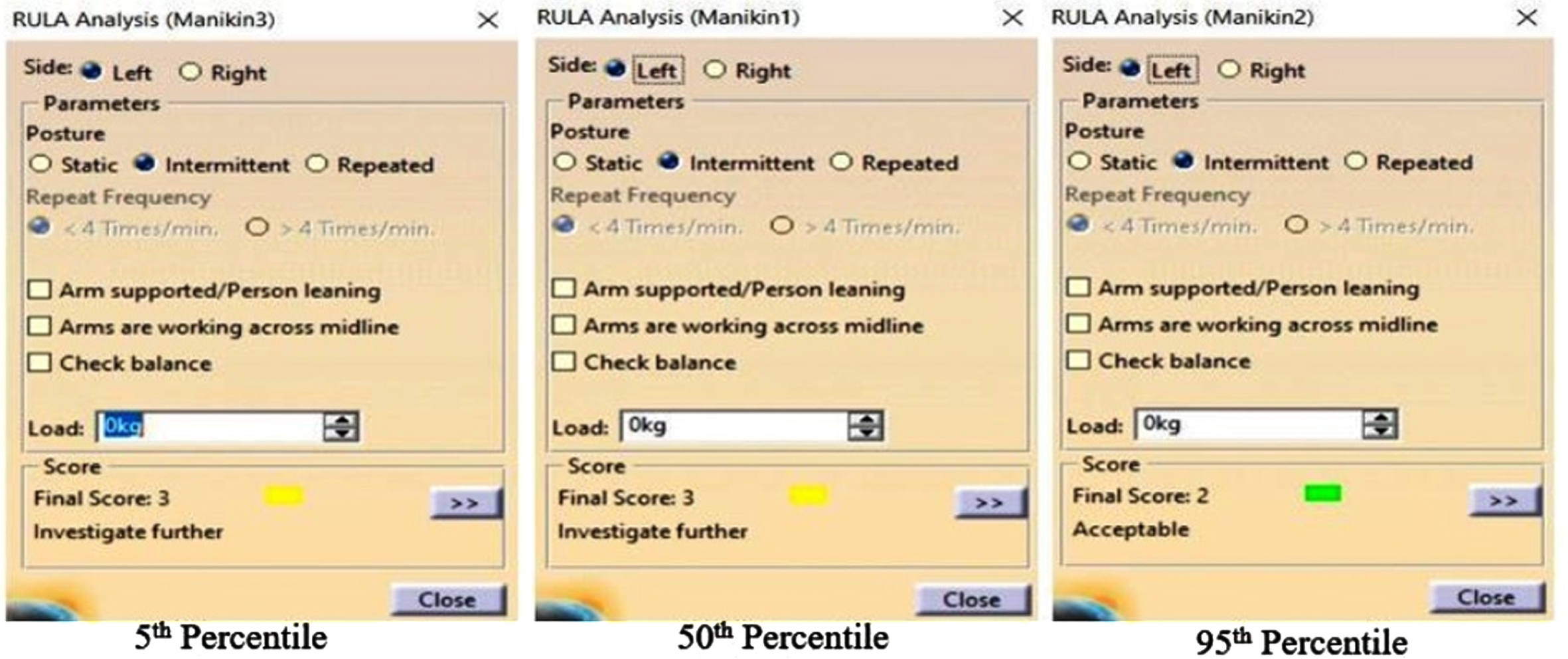
Figures 10 11 show the 5th, 50th, and 95th percentile manikin setup and RULA score for the circular winding task. Similarly, the thread tying posture and RULA score of the same posture are shown in Figs. 12 13 respectively. Likewise, Figs. 14 15 show the 5th, 50th, and 95th percentile manikin setup and RULA score for the testing task.
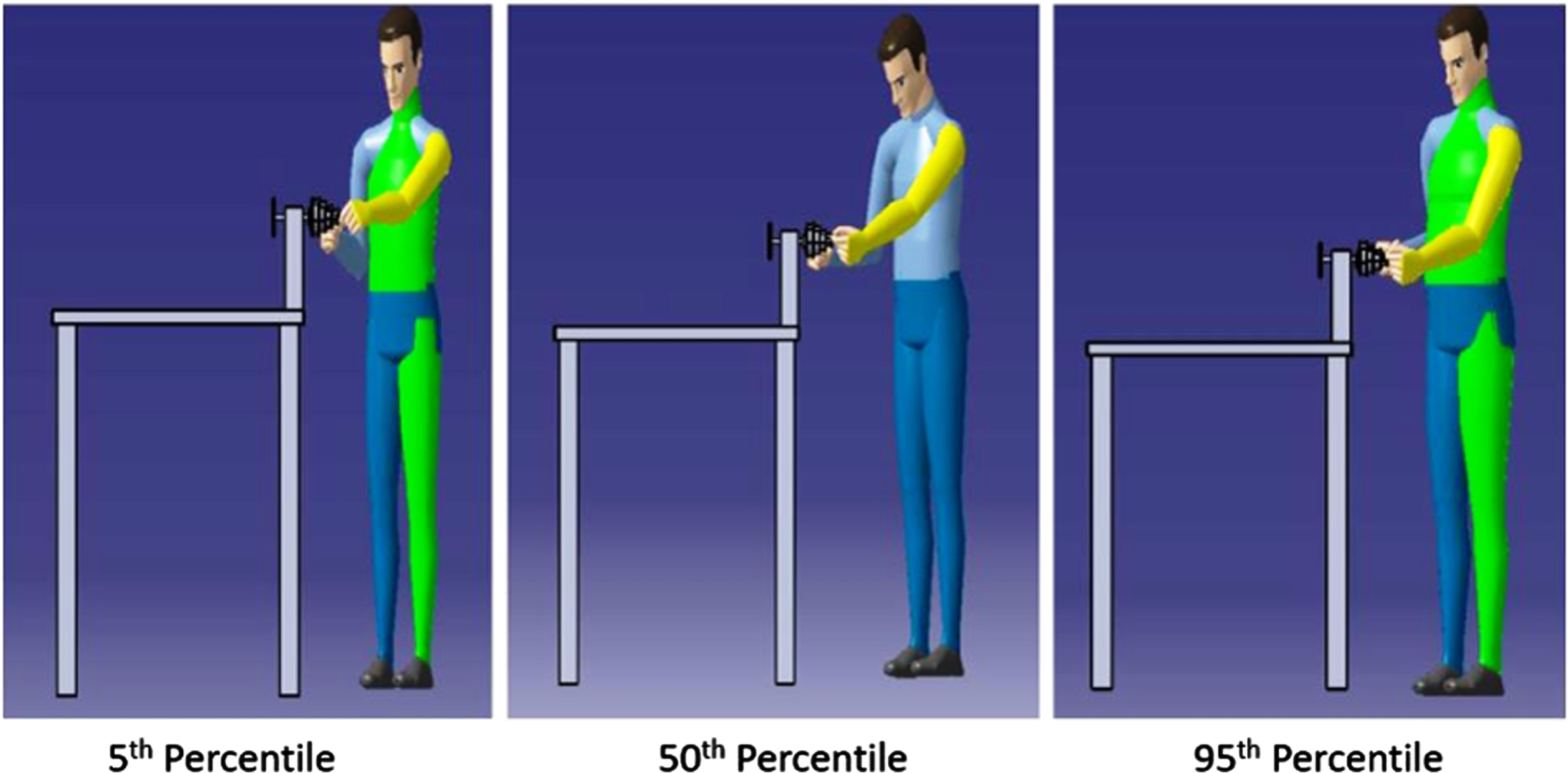
Circular coil winding postures.
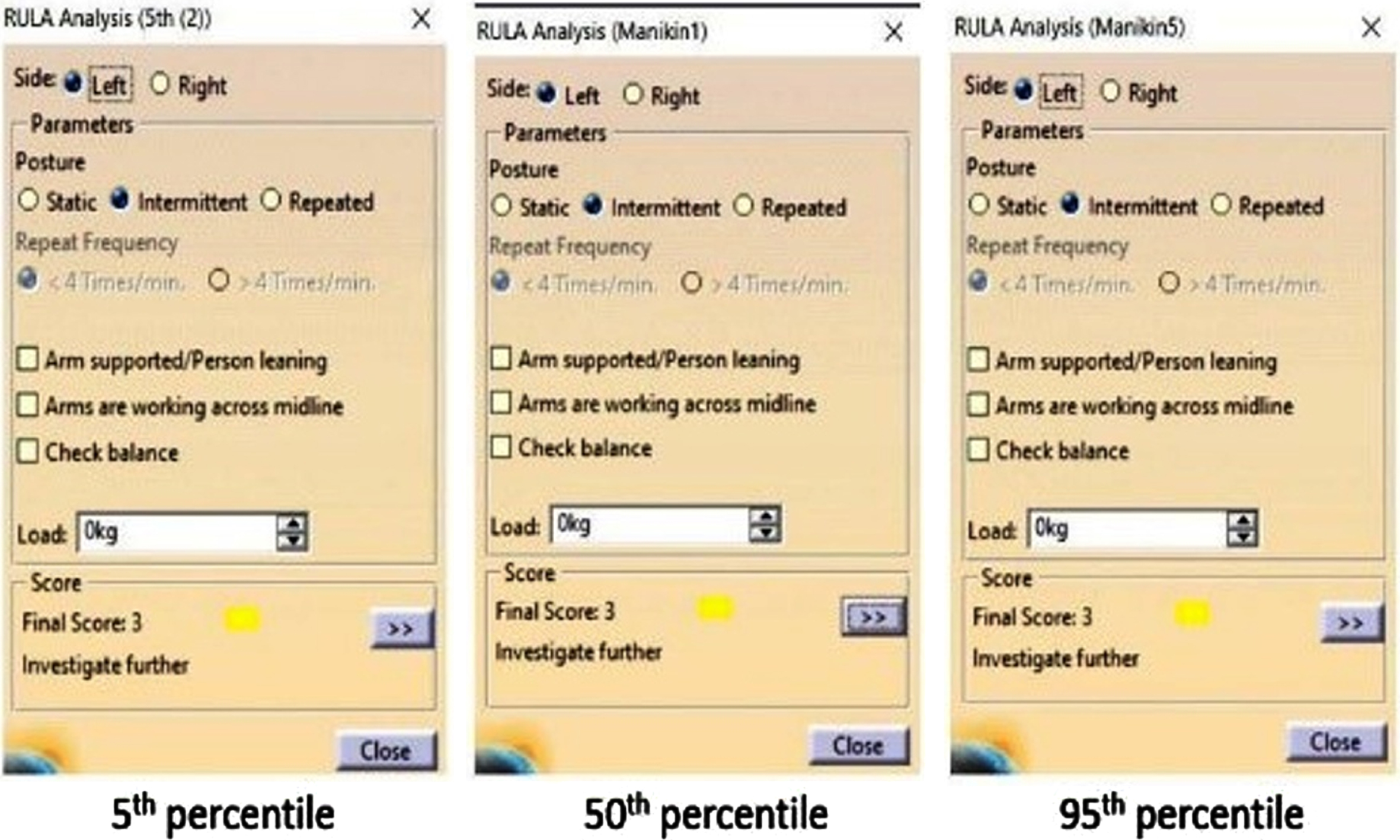
RULA score for the coil winding task.
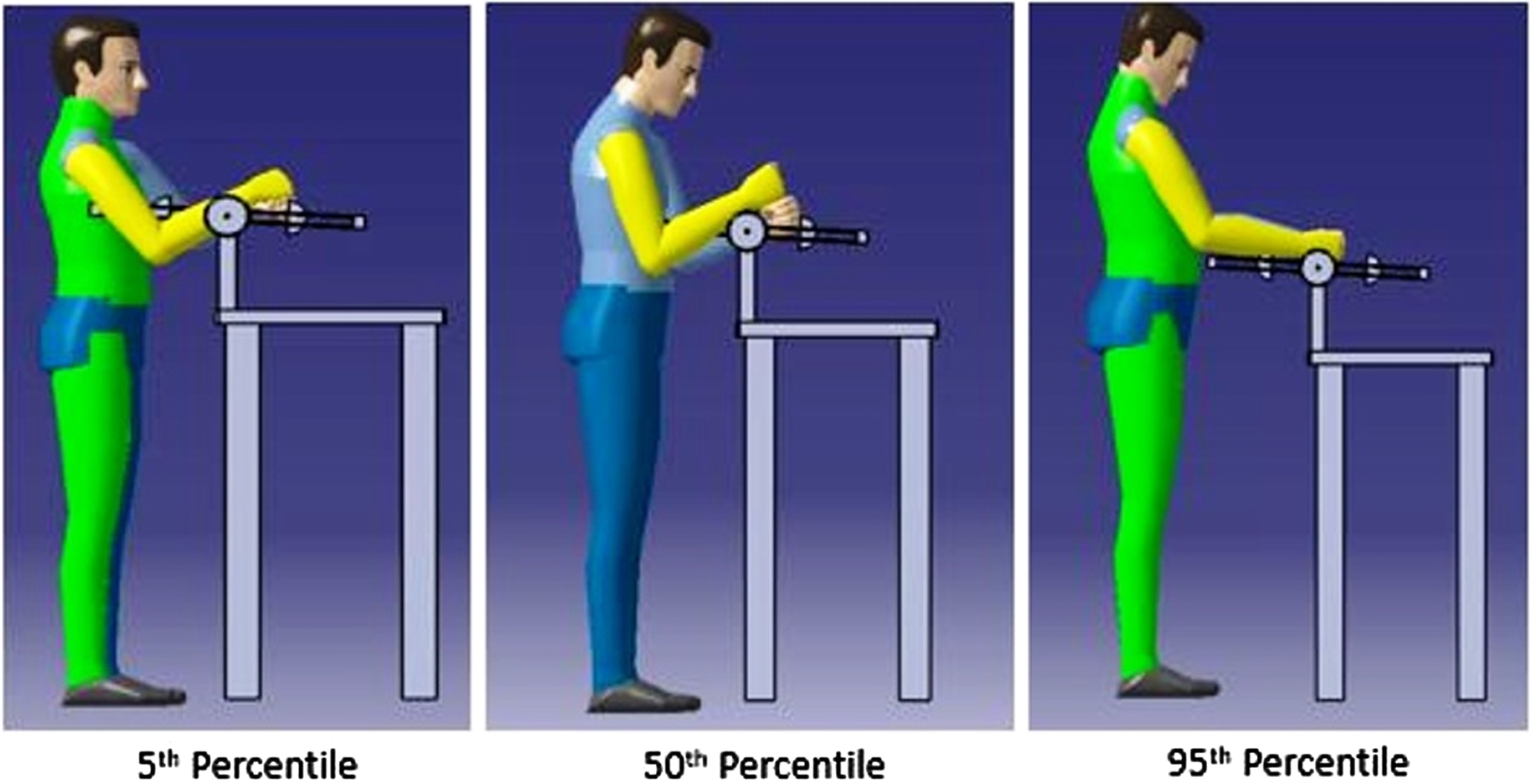
Thread tying postures.
RULA score for the thread tying task.
Water pouring postures.
RULA score for the water pouring task.
Table 5 shows the RULA score value for all postures considered for the study. Since the final RULA score is 2 and 3 respectively for the postures and fall in the low risk region category. However, the impact of these postures on workers’ comfort for the prolonged period of working time have to be investigated and assessed.
RULA score chart
This study concludes with the results of various risk factors of WMSDs. During the winding task, the risk assessment is carried out for the collected postural data and by using virtual postural analysis. The RULA final score is obtained from the ergonomic analysis tool in CATIA software. RULA score indicates the risks during the work activity, based on the severity of results the workplace or the postures are modified to reduce WMSDs [23, 24]. To identify the risks, initially two-handed process chart and time study was carried out in the winding section. Time taken for making circular windings and insulation testing are found to be 4.04 minutes and 0.95 minute respectively. Critical postures that contribute to WMSDs were chosen through the proper investigation considering the risk factors. Suggestions to reduce the risks and the results for the critical postures are in the negligible and are at low-risk level. Hence, these postures are considered comfortable for human use, which may not induce much of stress and discomfort to the workers. The information such as type and thickness of material for winding; length and width of the table and chair heights can be taken up for further studies. Therefore, this study can be further improved by analysing various information and population ranges of the work.
Footnotes
Acknowledgments
The authors would like to acknowledge the efforts of reviewers and editors in bringing out this study to the public domain. The authors are also grateful for the support of the management, staff and workers of PSG Industrial Institute, Coimbatore, India.
Conflict of interest
None to report.