






Abstract

The Government of Alberta has compromised on plans to reduce the price of currently available generic drugs from 75% to 45% of the price of brand-name equivalents.
On January 28, 2010, Alberta Health and Wellness (AHW) announced that existing generic drugs — on the Alberta Drug Benefit List as of October 1, 2009 — will be priced at 56% of the brand-name price, effective April 1.
“While 45% may have been a target, you can't always get what you want and neither can they,” said Health Minister Gene Zwozdesky (Canadian Press, January 28, 2010). According to the government, the pricing structure strikes a balance between the need to cut drug costs and the need to maintain the financial viability of pharmacies.
“We're optimistic that this price structure will sustain pharmacy as we move forward,” said Margaret Wing, acting CEO of the Alberta Pharmacists' Association (RxA).
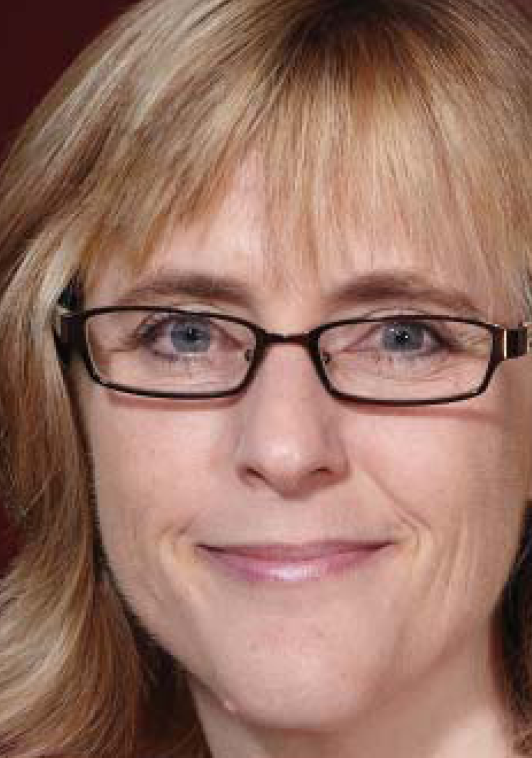
“We're optimistic that this price structure will sustain pharmacy as we move forward”
— Margaret Wing
Acting CEO, Alberta Pharmacists' Association (RxA)
The province had announced last October that new generics — added to the benefit list after October 1, 2009 — would be priced at 45% of comparable brand names.
With the generic pricing issue settled, AHW, RxA and the Canadian Association of Chain Drug Stores (CACDS) continue to discuss other elements of the second phase of the Alberta Pharmaceutical Strategy. The government and the pharmacy organizations have agreed that pharmacists will be funded under a new model that will include compensation for such professional services as medication reviews, patient consultations and immunizations.
Transitional allowance to support move to new model
Movement towards the new model will be phased in over a 3-year period. In the meantime, the government will provide a transitional allowance to support pharmacies as the changes take effect. In the first year, pharmacists will receive an additional $3 per prescription (on top of the current $10.93 dispensing fee); in the second and third years, this payment will go to $2 and then $1 per prescription.
Rural and remote pharmacies will receive additional support during the transition.
One of the next steps is to develop a detailed implementation plan for the new funding and services model based on professional services. “Pharmacy and the Ministry are working on the details of the new pharmacy practice model now,” says Ms. Wing. “Key areas we are focusing on include compensation, technology, regulatory issues and pharmacy workforce training.”
The government says it will announce the new expanded services payment model later this year, following evaluation of a year-long pilot project involving over 100 community-based pharmacies and 190 pharmacists.