






Abstract
Introduction:
All arteriovenous fistula/grafts options should be exhausted before haemodialysis is carried out via central venous catheters (CVC). CVCs carry high morbidity and mortality risks and in some patients, the central veins could be exhausted. In these patients, an arterioarterial prosthetic loop (AAPL) or straight graft can be the only option for haemodialysis. A systematic review was thus carried out to look at the use of arterioarterial graft for haemodialysis, with regards to dialysis adequacy, complications, and patency rates.
Methods:
An electronic search was performed using the EMBASE and MEDLINE databases from inception until June 2017. Study retrieval was conducted according to PRISMA guidelines.
Results:
A total of eight studies published between 1976 and 2017 were identified for pooled analysis. The studies were retrospective cohort in design and reported data on 151 patients. Primary patency rate ranged from 67%-94.5% at six months to 54%-61% at 36 months, with secondary patency rates from 83%-93% at six months to 72%-87% at 36 months. All studies documented satisfactory haemodialysis. Although limited by the size of the cohort of patients studied, patients with end-to-side grafts did not suffer from distal ischaemia when the graft occluded unlike patients who had their graft sutured as end-to-end.
Conclusions:
This review highlights the potential benefit of arterioarterial grafts for dialysis as an alternative vascular access option. As a result, this review calls for registry-based multicentre study to evaluate this treatment arm as an alternative option when all AVF/AVG options are exhausted.
Introduction
More than 400,000 individuals in the USA (1, 2) and 300,000 in the EU (3) rely on a vascular access to receive haemodialysis (HD) treatment. Studies over several decades consistently demonstrate that native fistula accesses have the best four- to five-year patency rates and require the fewest interventions compared with other access types (4, 5). Patients should ideally have native fistulas followed by prosthetic grafts if fistula placement is not possible (6). All arteriovenous fistula (AVF) options should be exhausted before haemodialysis is carried out via a central venous catheter (CVC). CVC is associated with higher mortality (7) and lower blood flow rates compared to AVF (8). Moreover, stenosis and occlusion of the central veins need to be surgically or radiologically treated to allow sufficient outflow required for both AVF and CVC (4). However, in some patients, veins can be exhausted. The Vascular Access Society guidelines note that when there is bilateral central vein or caval vein obstruction, lower limb extremity vascular access can then be an indication for vascular access which has high risks of complications (9-11). Thus, a reliable alternative approach should be used for these haemodialysis in these patients (12).
In patients who have exhausted all possible conventional routes for access, apart from CVC, an arterioarterial prosthetic loop (AAPL) or straight graft can be the only other option for haemodialysis. This concept was introduced in 1964 by Nayman (13) using the radial artery as access for arterioarterial dialysis. Throughout the years, different techniques on the use of arterioarterial graft were used (14, 15). However, despite the report of this procedure decades ago, little is known about the procedure and its management.
A systematic review was carried out to look at the use of arterioarterial graft for dialysis, with regards to dialysis adequacy, complications, and patency rates.
Materials and methods
An electronic search was performed using the EMBASE and MEDLINE databases from inception until June 2017, to identify studies documenting arterioarterial graft for haemodialysis. The search terms ‘arterial to arterial’, ‘arterial-arterial’, ‘arterioarterial’, ‘AAPL’, ‘arterioarterial prosthetic’, ‘vascular access’, and ‘dialysis’ were used in combination with the Boolean operators AND or OR. Grey literature and reference lists from relevant papers were reviewed to identify other studies that may have contained relevant data. Only articles published in English were included for review. Study retrieval was conducted according to the referred Items for Reporting of Systematic Reviews and Meta-Analyses (PRISMA) guidelines (16). The inclusion criteria included case-series of patients having arterioarterial access using a prosthetic graft for haemodialysis access. Exclusion criteria included studies which utilised an autologous vein graft or subcutaneous transposition of an artery.
Data collected included demographics, indication for use, site and access graft used, postoperative management (anticoagulation, time to first needle puncture of graft, compression post-dialysis, dialysis adequacy, and surveillance), patency rates and survival rates.
Results
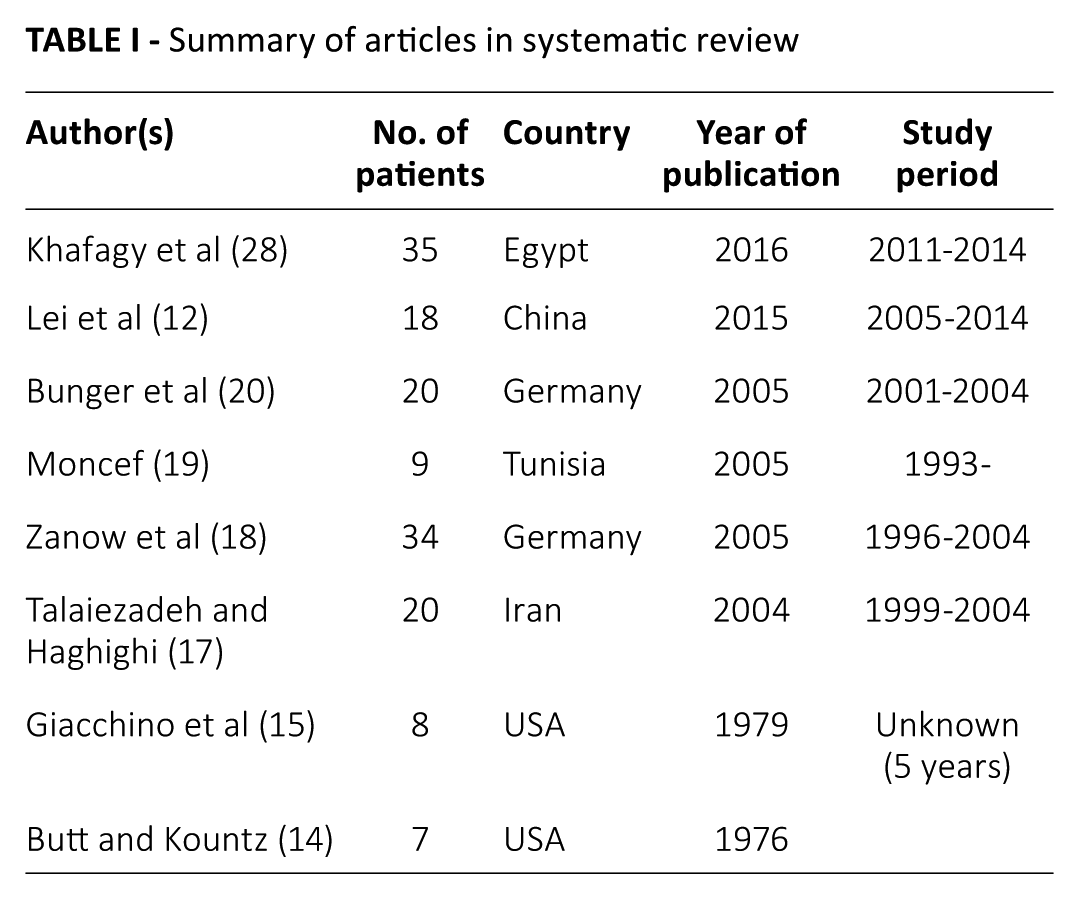
A total of eight studies from five different countries, published between 1976 and 2017 were identified for pooled analysis (12, 14, 15, 17-20) after exclusion of eight full-text articles (13, 21-27) (Fig. 1, Tab. I).
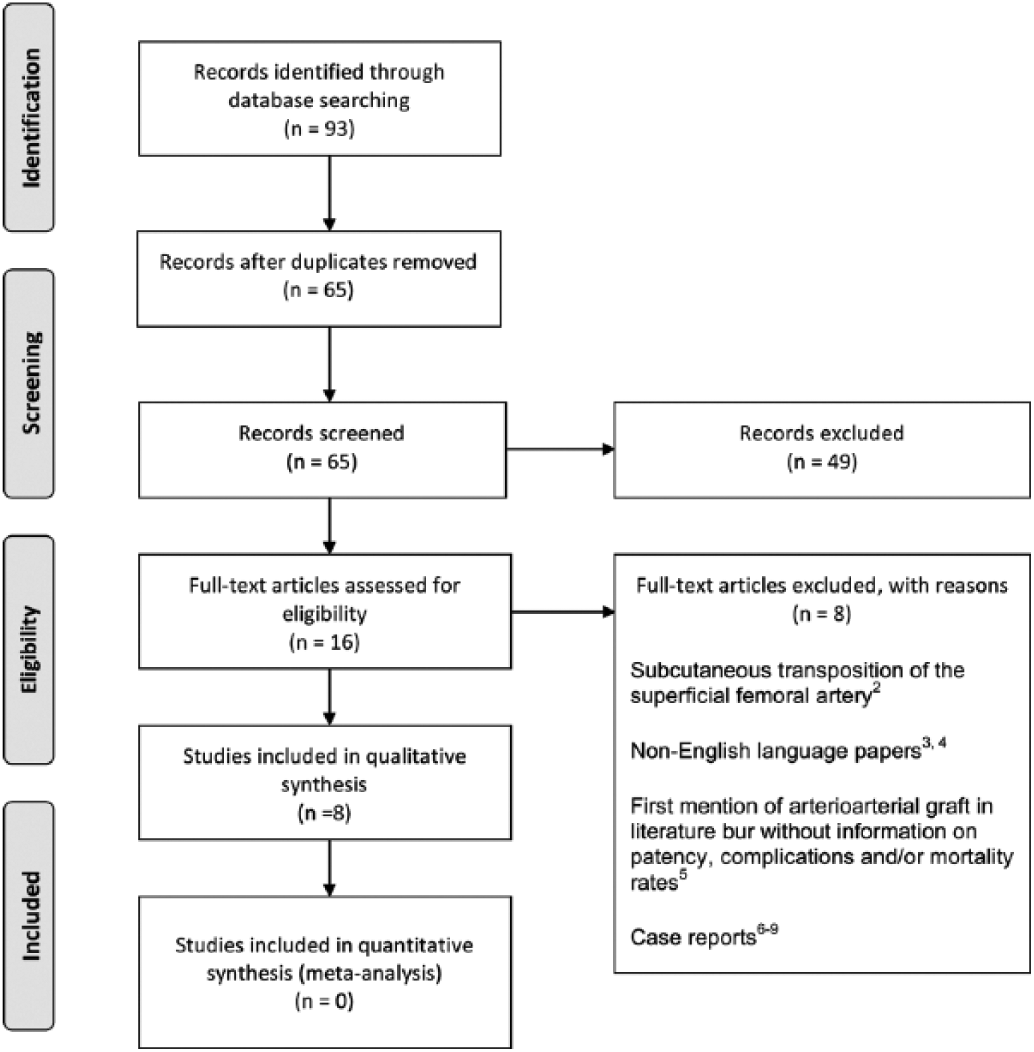
PRISMA (16) flow diagram for the systematic review along with the reasons why selected full-text studies were excluded from the analysis.
Summary of articles in systematic review
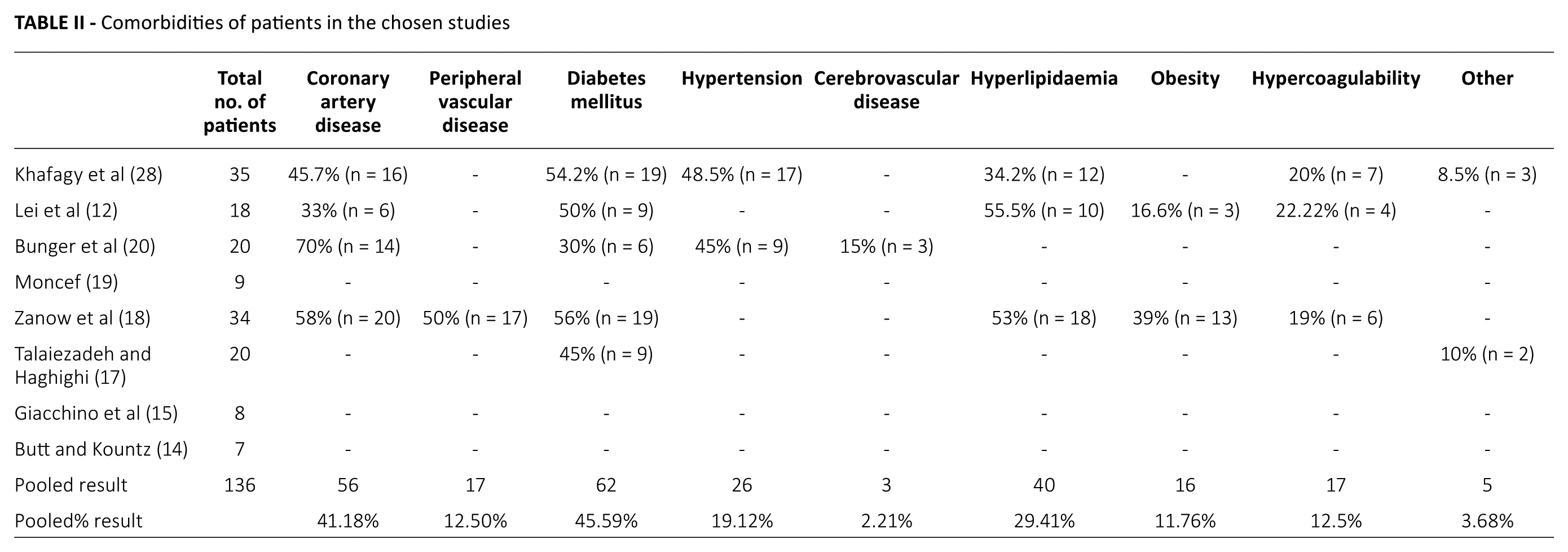
The studies were retrospective cohort in design, reporting 151 patients with a mean age of 56 years. Excluding the study of Giacchino et al (15), which did not mention the numbers of patients who were male/female, there were a total of 76 male and 67 female patients. Table II shows the comorbidities of the study cohort producing a pooled result of 41.8% suffering from coronary artery disease, 12.5% suffering from peripheral vascular disease and 45.6% suffering from diabetes mellitus, amongst other co-morbidities.
Comorbidities of patients in the chosen studies
Indications for the arterioarterial loop were defined in all studies. Four studies (12, 14, 18, 20) reported three indications. The main indications, besides the absence of a superficial arm veins, were either when an intended arteriovenous (AV) access could lead to critical ischaemia of extremity or cardiac limitation from high flow or when large deep veins were unsuitable for conventional (prosthetic) arteriovenous access. Apart from the above-mentioned indications, Giacchino et al (15) introduced an arterioarterial graft for chemotherapy. The indication in Moncef’s cohort (19) was the absence of superficial or deep veins, while for Talaiezadeh and Haghighi’s cohorts, the indication for use of AAPL was when conventional vascular access failed. Only the study by Lei et al (12) mentioned exclusion criteria. This was an ankle-brachial pressure index of <0.8 or superficial femoral artery atherosclerosis. The indications for arterioarterial grafts and type of access used are listed in Table III. All but two patients in the study by Bunger et al (20) received a prosthetic graft. Table IV shows the previous vascular access history and at what stage was an AAPL considered.
Indications for use of arterioarterial graft
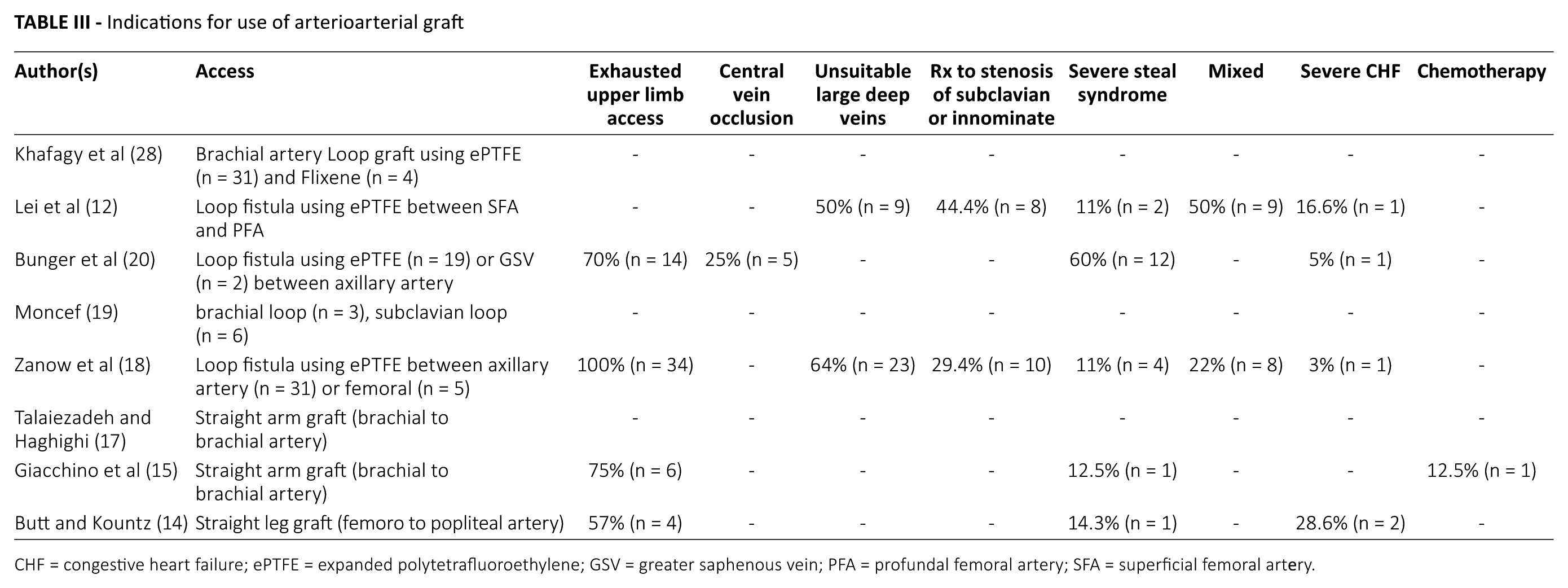
CHF = congestive heart failure; ePTFE = expanded polytetrafluoroethylene; GSV = greater saphenous vein; PFA = profundal femoral artery; SFA = superficial femoral artery.
Vascular access history prior to arterioarterial graft
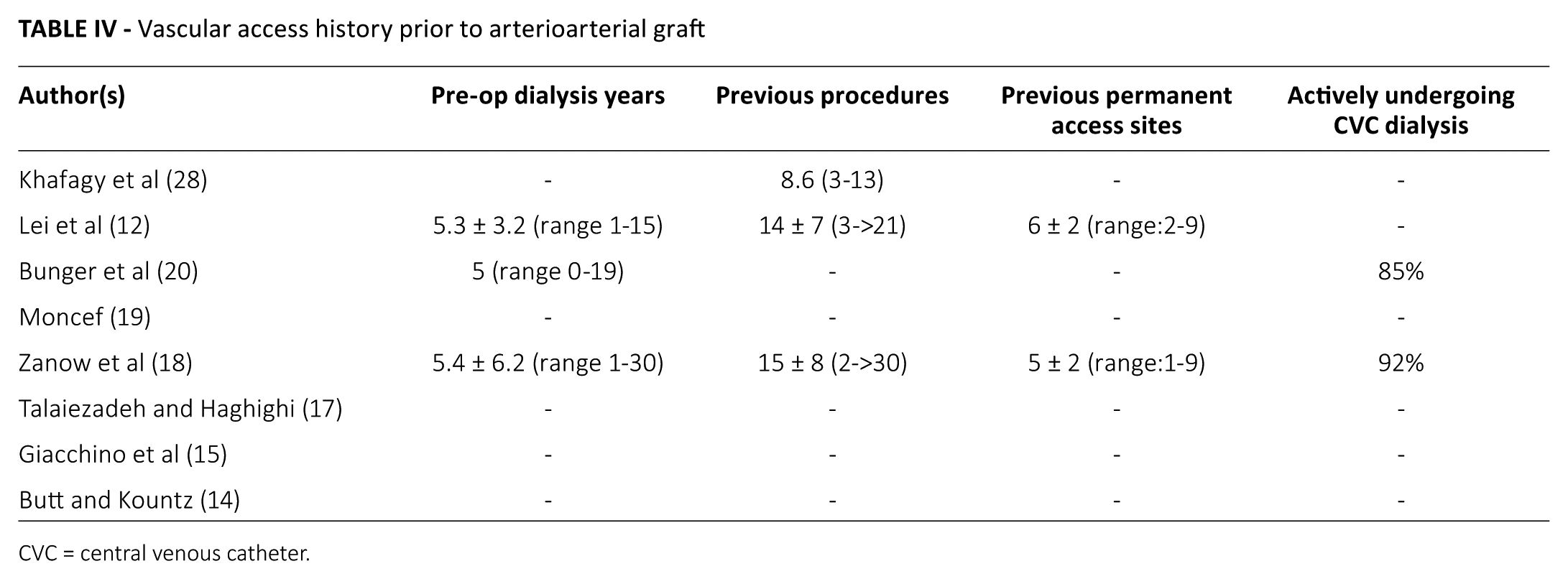
CVC = central venous catheter.
Table V shows post-operative management for the patients with an arterio-arterial graft. This includes the type of anticoagulation used, the time to first needle puncture, whether surveillance of the graft was performed and the surveillance methodology adopted in the different studies.
Postoperative management of arterioarterial grafts
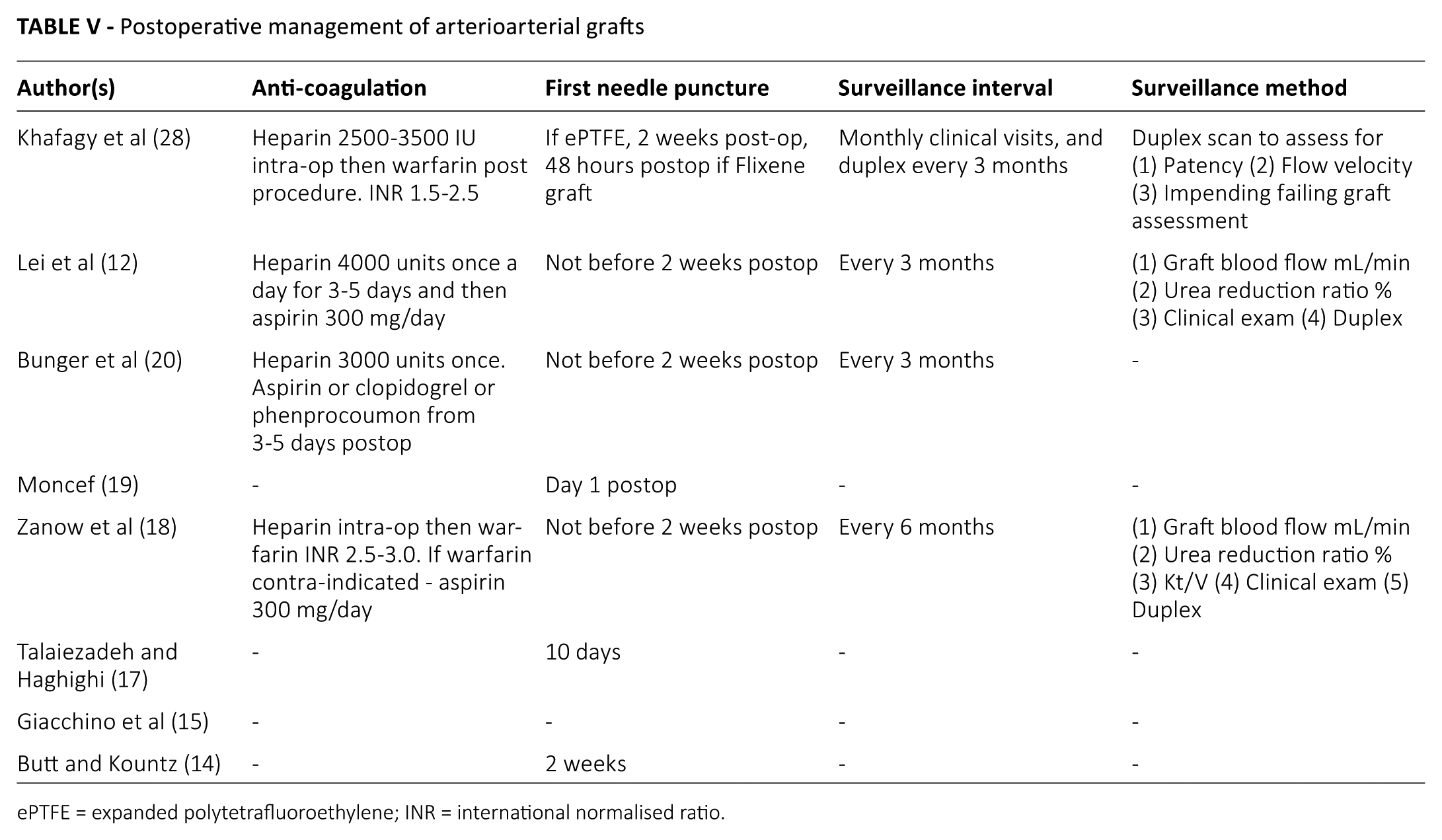
ePTFE = expanded polytetrafluoroethylene; INR = international normalised ratio.
Whilst all studies documented satisfactory haemodialysis using the arterioarterial graft, only two studies published results of actual dialysis data (18, 20). Bunger et al (20) noticed that the median access flow at rest was 165 mL/min on day of discharge without significant differences in measurements at three and six months. The withdrawal of blood was successfully adjusted to 250-300 mL/min by the nephrologist. The duration of dialysis was in the range of 12 hours per week. In the study by Zanow et al (18), the postoperative flow rate was 272 mL/min for axillary loops and 416 mL/min for femoral loops. All but two patients had efficient haemodialysis with regular four-hour treatment (the other two patients, required five hours of treatment). The dialysate flow rate was 284 mL/min with an arterial pressure of 65 mmHg and outflow pressure of 173 mmHg. Zanow et al (18) also noted that in 90 measurements, the urea reduction rate was 71%, and for 72 measurements in 22 patients the Kt/V exceeded 1.2 in four hours of dialysis at a dialyser blood flow rate of 200 mL/min. Four studies mentioned compression time required post-dialysis, which ranged from ten minutes (18), to between 10 and 15 minutes (14) to >15 minutes (12, 28).
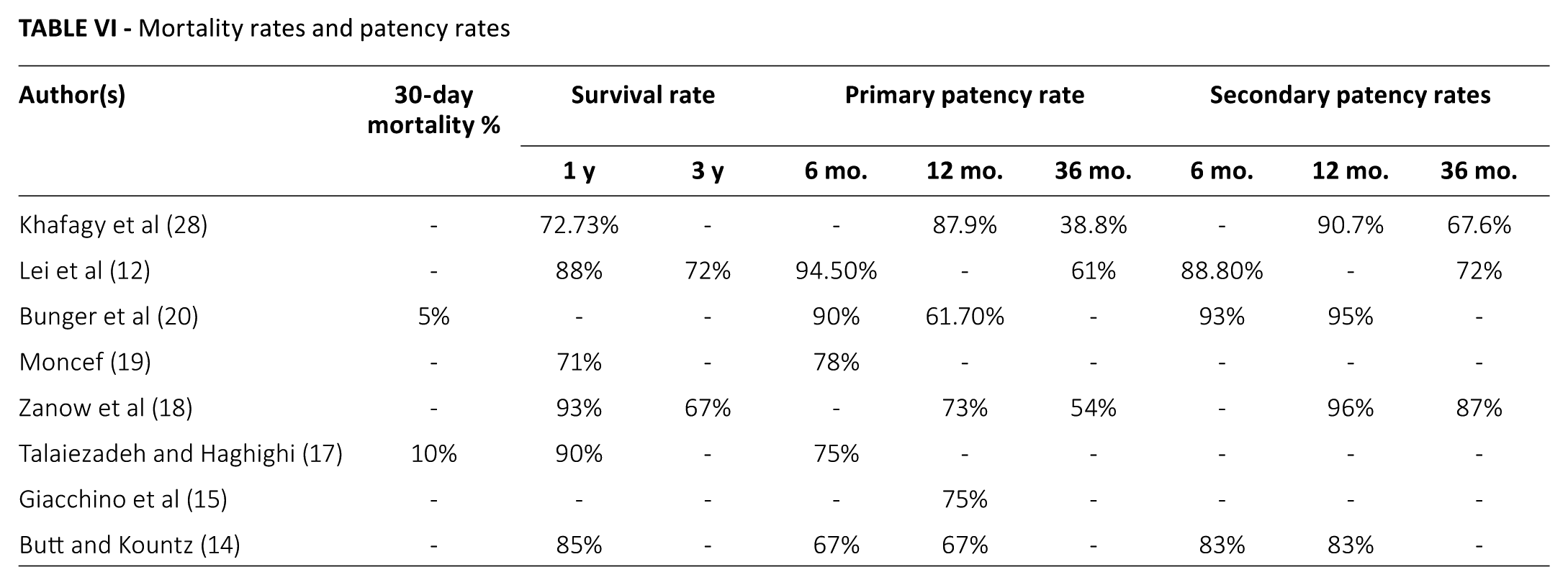
The pooled 30-day mortality was 3% (n = 3). Most of the studies documented survival for one-year post-operative period. This ranged from 71% to 93%. Two studies (12, 18) had three-year survival data, which ranged from 67% to 72%. All studies documented their primary patency rates at various intervals, which are shown in Table VI.
Mortality rates and patency rates
Discussion
This systematic review, although limited to eight studies, shows encouraging results. This is despite only 151 patients receiving an arterioarterial graft as a means for vascular access. The technique highlighted in this systematic review might potentially be another treatment option for haemodialysis when options for conventional haemodialysis are exhausted. Thus, the use of CVC as a permanent means of haemodialysis can be delayed even further. Studies have shown that patients with a CVC have low health-related quality of life (HRQoL) (18, 29) meaning that an arterioarterial graft could potentially be of benefit in terms of HRQoL.
A recent study showed that only 51% of dialysis patients are still alive three years after the start of dialysis (30). This contrasts with the results published in two of the studies (12, 18). However, the two publications mentioned in the review have a number of limitations which prevents direct comparison with the study by Lok and Foley (30). These have a small number of patients recruited and thus these results may be an underestimate of the actual mortality rate in this cohort. The mortality rate in the study by Lok and Foley (30) included the dialysis population in North America. This cohort of patients, included patients with all types of permanent vascular access including those with permanent CVCs due to poor life expectancy. The mean age of the large cohort population study is also higher than the mean age of this study and thus questions arise as to whether the patient cohort of Lok and Foley (30) includes more patients who have been longer on dialysis and thus have experienced more dialysis and/or access complications placing them at a higher risk of mortality. The high cumulative survival rate quoted in this systematic review (despite the small cohort) may also potentially be due to avoidance of permanent central venous catheterisation. The studies by Lacson et al (31) and Bradbury et al (32) showed that cardiovascular and infection-related deaths were related to CVCs and mortality rates improved with the conversion to a permanent fistula. However, the authors acknowledge that direct comparison between dialysis through a CVC and AAPL was not the one of the planned outcomes and, as a result, this was not analysed.
The primary and secondary patency rates noted in this systematic review at one-year range from 61% to 75% and 83% to 96%, respectively. These values are similar to those quoted in the study by Akoh (33). Akoh quotes one- and two-year cumulative graft patency rates of 50%-90% and 50%-82%, respectively. This may have implications for further studies to investigate the use of AAPL as a potential alternative prior to the use of a CVC. Given the satisfactory patency rates of AAPL and the high risk of infection and complications from venous access in the lower limb (9-11), the authors note that future registry-based studies to compare AAPL with prosthetic grafts in the lower limb extremity and/or CVC as a permanent access (as no suitable alternative access site is present) might be the way forward. In three (12, 20, 28) of the five studies which quoted the secondary patency rates, surveillance using a duplex scan was carried out every three months and only one study carried surveillance every six months (18). Given these satisfactory results, the use of a three-monthly duplex may be one of the reasons for these results. However, a six-monthly scan in the study by Zanow et al (18) produced the same satisfactory outcomes even up to three years’ follow-up. However, information collected during surveillance was not in agreement with all the studies. Apart from clinical and duplex examination, studies checked urea reduction percentage ratio (12, 18) while Zanow et al (18) checked the Kt/V ratio as well.
Observing the results quoted in this review, questions arise as to why scientific evidence is lacking given that this technique has been available since the late 1970s. This study was unable to identify reasons to explain these questions. The potential answers could be due to lack of documentation of dialysis adequacy. Another reason could be that the two patients in the study by Giacchino et al (15) were offered peritoneal dialysis when the AAPL was occluded while Butt et al (14) used AAPL prior to embarking on peritoneal dialysis. This might have produced doubts as to the indication for AAPL given that these two patients had other treatment options available prior to embarking on an AAPL as a definite vascular access. Lei et al (12) stressed the importance of the indications for such a procedure given the relative serious risks that may arise from complications. This may have precluded other surgeons from trying this procedure when no available option was available for their patients.
The complication feared by most studies was the issue of distal ischaemia if occlusion of the graft occurred. Lei et al (12) stressed the importance of immediate thrombectomy; however, when their patient developed thrombosis, no distal ischaemia was noted. Bunger et al (20) noted distal ischaemia when early thrombosis occurred; however, as in the case of Lei et al, no symptoms occurred in late thrombosis. Zanow et al (18) noted that thrombosis of the femoral AAPL required immediate thrombectomy, whereas occlusion of the axillary AAPL caused only mild ischaemia.
These results potentially highlight the difference in technique between the AAPL graft implanted by Butt et al (14) and the above-mentioned studies. In the study cohort of Butt et al, no distal ischaemia was reported. However, in their study, the graft was sutured to the artery in an end-to-side manner. In the other studies, which reported distal ischaemia when thrombosis of the graft occurred, the grafts were implanted in an end-to-end fashion. This difference in technique could potentially be the cause for distal ischaemia in the lower limb if graft thrombosis occurred. However, the authors acknowledge that the study by Butt et al had only seven patients and any causality cannot be inferred.
Post-operative management issues might also pose some hesitation prior to implanting these types of grafts due to lack of information. This includes the time required for compression post-needling, anticoagulation used to prevent thrombosis and guidance during dialysis. No consensus was noted between the four studies (12, 14, 18, 28) as to the type of anticoagulation or to the time required for cannulation post-dialysis (12, 14, 18, 28).
Despite the above concerns and lack of evidence on the use of the AAPL graft and its management, the data obtained from these studies with regards to dialysis adequacy are encouraging. Although six studies (12, 14, 15, 17, 19, 28) only noted that dialysis was satisfactory through an AAPL graft, the two remaining studies (18, 20) produced satisfactory qualitative results of dialysis adequacy and thus encourage the use of AAPL as an alternative access.
Conclusion
This systematic review highlights the use of arterioarterial prosthetic graft as an alternative means of vascular access.
As a result, there is a need for a registry-based multicentre study where this technique is utilised. This technique could help with the management of dialysis patients who have exhausted all their definite access sites prior to embarking on the use of CVC as their sole remaining lifeline.
Footnotes
Disclosures
Financial support: Peter J. Holt is a Clinician Scientist supported financially by the National Institute for Health Research (NIHR) (NIHR-CS-011-008). The NIHR had no role in study design, data collection and analysis, decision to publish, or preparation of the manuscript. The views expressed are those of the author(s) and not necessarily those of the NHS, the NIHR or the Department of Health.
Conflict of interest: None of the authors has financial interest related to this study to disclose.