Research article
 Available accessResearch articleFirst published August, 2004pp. 223-238
Childhood Sexual Abuse: A Gender Perspective on Context and Consequences
Victoria L. Banyard, Linda M. Williams, Jane A. Siegel
Abstract


Select search scope: search across all journals or within the current journal

 Available accessResearch articleFirst published August, 2004pp. 223-238Available accessResearch articleFirst published August, 2004pp. 239-250
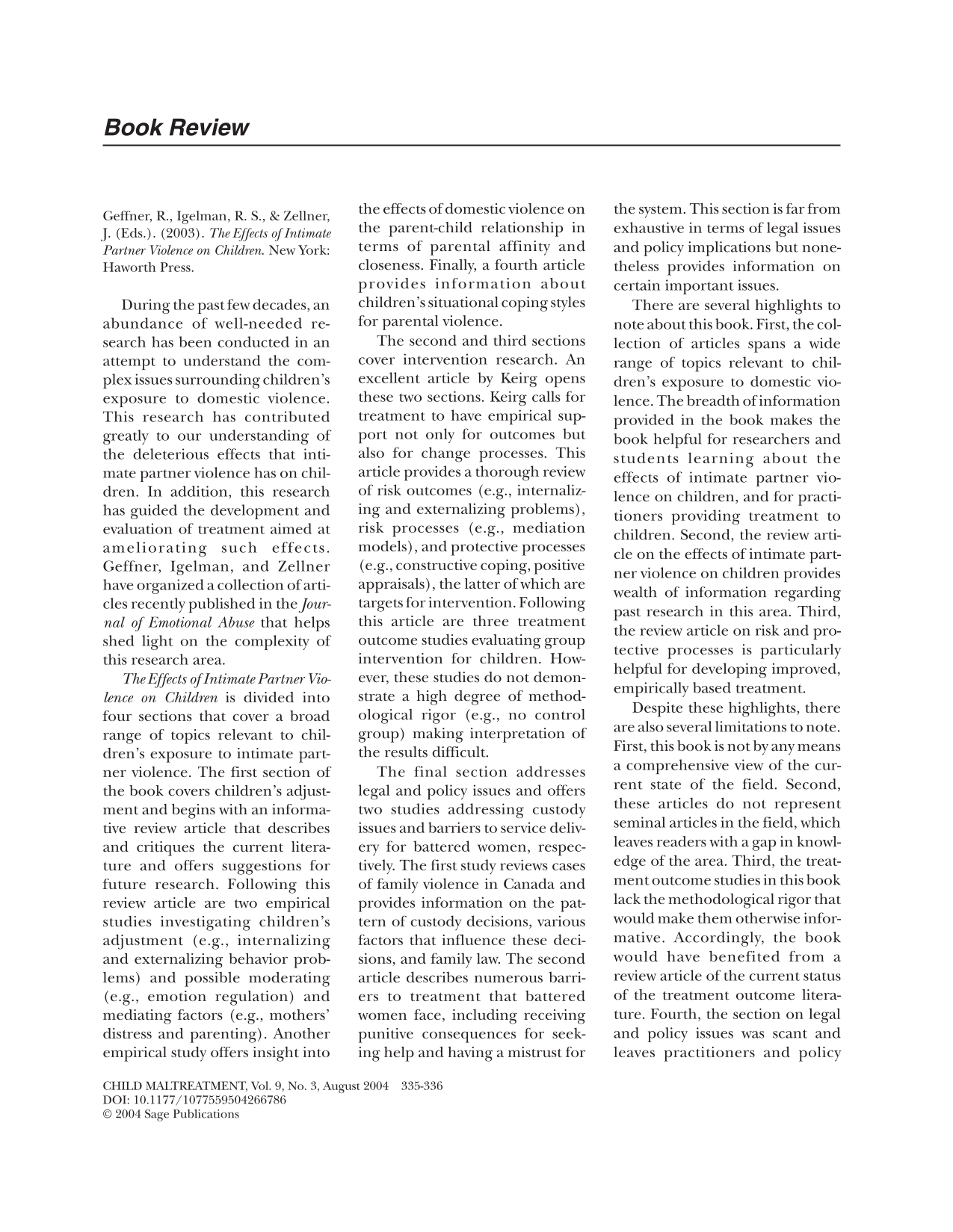
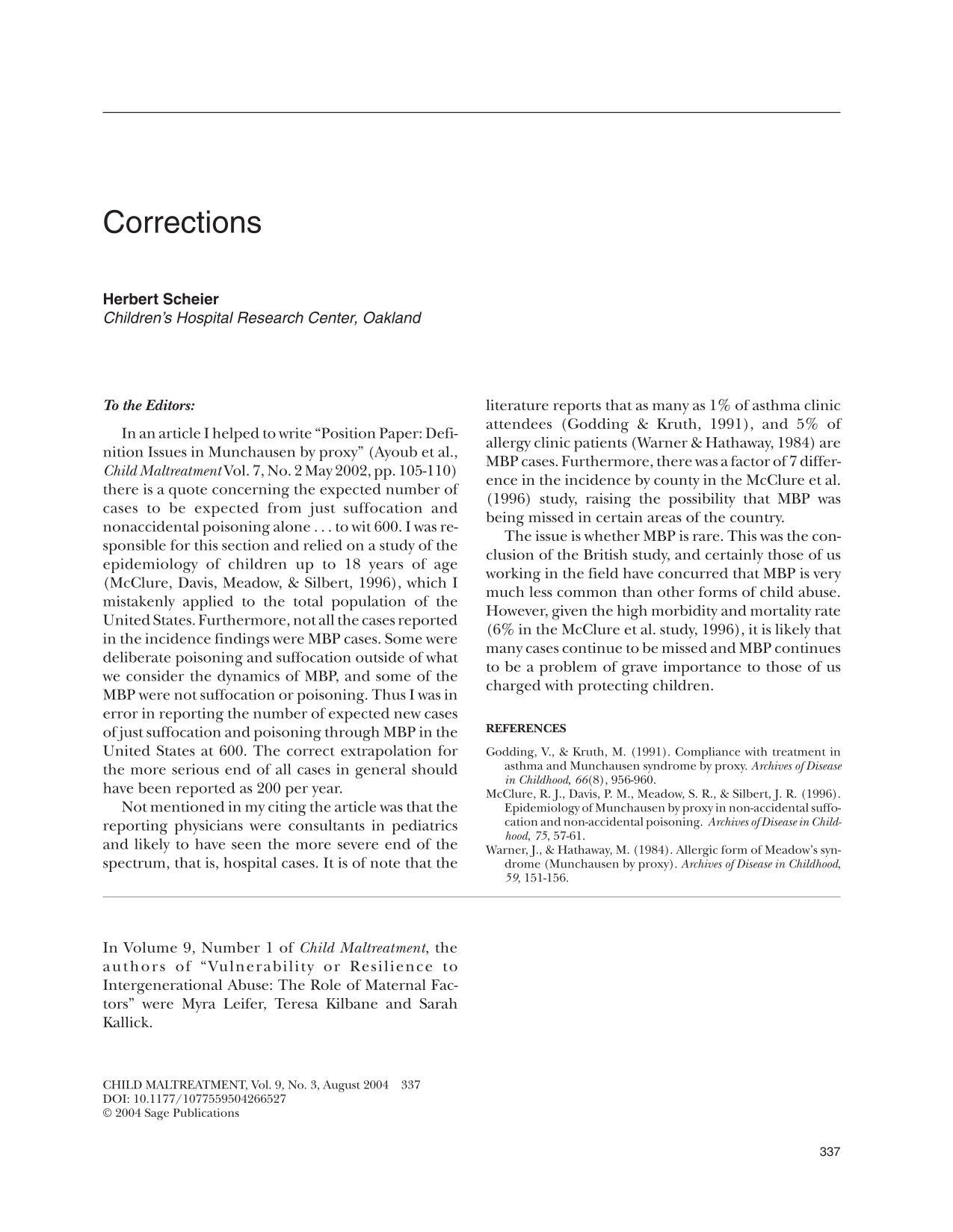
 Available accessResearch articleFirst published August, 2004pp. 251-262Available accessResearch articleFirst published August, 2004pp. 263-276Available accessResearch articleFirst published August, 2004pp. 277-291Available accessResearch articleFirst published August, 2004pp. 292-303Available accessResearch articleFirst published August, 2004pp. 304-308Available accessResearch articleFirst published August, 2004pp. 309-324Available accessResearch articleFirst published August, 2004pp. 325-334Available accessReview articleFirst published August, 2004pp. 335-336Available accessCorrectionFirst published August, 2004pp. 337-337