Daniel Guisado-Alonso, Elisa Cuadrado-GodiaORCID, Ana Rodriguez-Campello , [...]
View All
Abstract
Introduction:
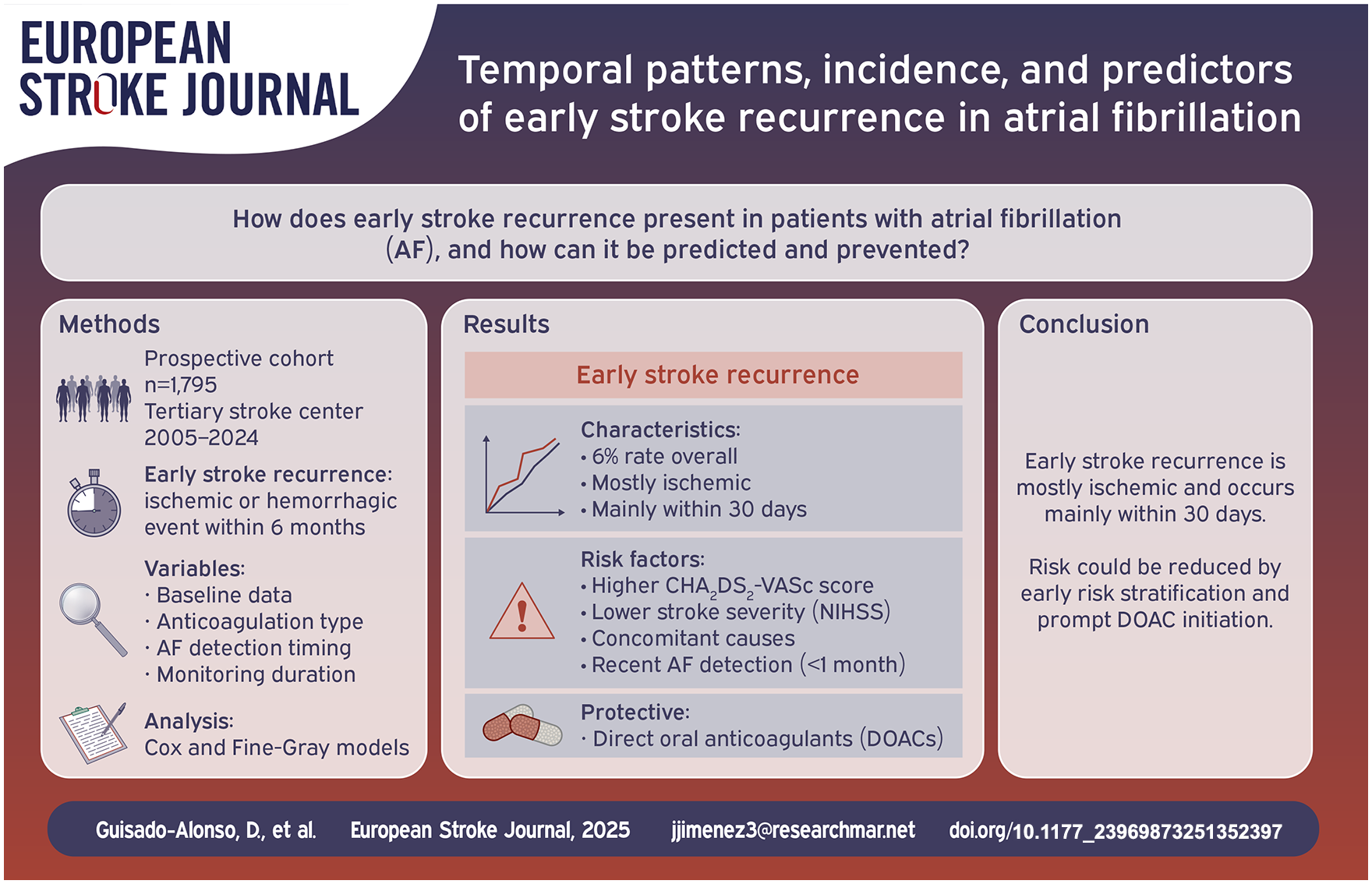
Early recurrence (ER) after an acute stroke event (ASE; ischemic or hemorrhagic) in patients with atrial fibrillation (AF) presents a therapeutic challenge due to the need to balance ischemic prevention with hemorrhagic risk. This study aimed to quantify ER incidence, both ischemic and hemorrhagic, and identify its predictors using real-world data from a prospective registry.
Patients and methods:
Retrospective analysis of patients with AF, either known or detected within 6 months, who were admitted for a first-ever ASE to a tertiary stroke center between 2005 and 2024. ER was defined as any recurrent event within 6 months. Baseline characteristics, CHA2DS2-VASc score, CHADS-VA score, stroke severity, anticoagulation type, AF detection timing, and monitoring duration were recorded. Cox and Fine-Gray models identified independent predictors.
Results:
Among 1795 patients, 108 (6.0%) experienced ER. The cumulative incidence was 6.3% (95% CI 5.1–7.4), and most events occurred within the first 30 days. Independent predictors included higher CHA2DS2-VASc score (sHR = 1.252, p = 0.023), lower initial stroke severity (sHR = 0.918, p < 0.001), concomitant stroke etiologies (sHR = 2.008, p = 0.001), and AF detected within 30 days after stroke (sHR = 1.644, p = 0.026). DOAC use was protective (sHR = 0.484, p = 0.003), while VKA showed a non-significant trend (sHR = 0.637, p = 0.068). Interaction analysis showed increased recurrence risk only in non-anticoagulated patients with AF detected after stroke. These findings were consistent across sensitivity analyses restricted to ischemic stroke, incorporating time-dependent anticoagulation, or comparing CHADS-VA and CHA2DS2-VASc scores.
Conclusions:
ER, predominantly ischemic, occurred mainly within 30 days. Risk factors included AF detection timing, CHA2DS2-VASc score, stroke severity, concomitant causes, and anticoagulation status, supporting early risk stratification and DOAC initiation.
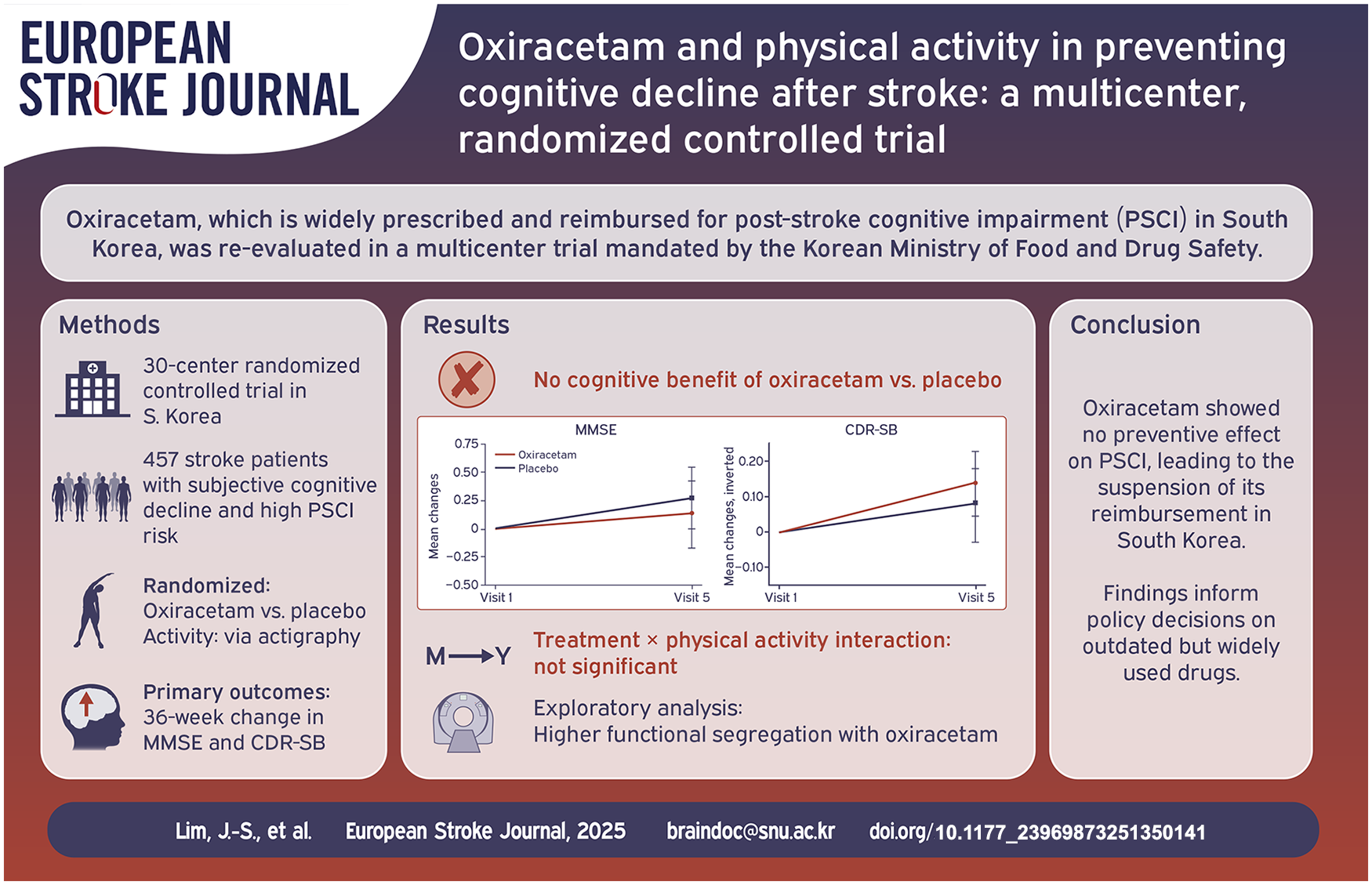
This multicenter, double-blind, placebo-controlled trial, commissioned by South Korea’s Ministry of Food and Drug Safety, evaluated the effect of oxiracetam for preventing post-stroke cognitive impairment (PSCI) and explored potential interaction with physical activity using neuroimaging.
Patients and methods:
Patients at high risk of PSCI, reporting subjective cognitive decline ⩾3 months after stroke, were randomized 1:1 to receive oxiracetam or placebo for 36 weeks. Physical activity was tracked via wrist-worn actigraphy. Coprimary endpoints were changes in Mini-Mental State Examination (MMSE) and Clinical Dementia Rating–Sum of Boxes (CDR-SB). Secondary outcomes included neuropsychological assessments and resting-state functional magnetic resonance imaging network metrics.
Results:
Of 500 enrolled participants (mean age 68.9 years; median 32 months post-stroke), 457 completed the study. There were no statistically significant differences between groups in changes in MMSE (oxiracetam: +0.13 ± 2.27 vs placebo: +0.27 ± 2.09; p = 0.49) or CDR-SB scores (–0.14 ± 0.70 vs −0.08 ± 0.80; p = 0.38). No evidence of interaction was observed between oxiracetam and physical activity. Exploratory analyses suggested favorable trends in functional segregation and CDR-SB scores among highly active oxiracetam participants.
Discussion and conclusion:
Oxiracetam did not demonstrate benefit in preventing PSCI in high-risk patients. These findings support the recent regulatory decision to suspend its use in South Korea.
Poor-quality diets promote ischemic stroke. Red blood cell fatty acids (RBC-FAs) are objective, long-term biomarkers of diet. In a case-control study nested in the European Prospective Investigation into Cancer and Nutrition (EPIC)-Spain, we developed a blood-based lipidomic fat quality (LFQ) score considering pre-defined RBC-FA diet-related biomarkers, and examined whether LFQ score relates to the risk of ischemic stroke.
Patients and methods:
We determined the RBC-FAs (n = 438 cases of incident ischemic stroke, n = 438 matched controls). For each participant, we scored 1 for each beneficial metric (C15:0+C17:0; C18:2n-6; C18:3n-3; C20:5n-3; C22:6n-3) ⩾the median of the control group; and 1 for each detrimental metric (C16:0; C16:1n-7; C18:0) <the median of the control group. LFQ score resulted from the 8-component sum (range = 0-8; higher values, higher fat quality). We explored the validity of findings in a different background (n = 2468 participants from the Framingham Offspring Study without ischemic stroke at baseline, 12-year median follow-up, n = 121 cases).
Results:
In a fully adjusted model, the Odds Ratio (OR) for ischemic stroke was 0.86 (95% confidence interval [CI] = 0.77–0.95) for each 1-unit increase of the LFQ score. Compared to individuals at the lowest category of LFQ score (0–3 points), those at the top category (5–8 points) had lower odds (OR = 0.64, 95% CI = 0.44–0.94). The findings were similar in the Framingham Offspring Study (Hazard Ratio [HR] for each 1-unit increase = 0.83; 95% CI = 0.70–0.99; HR for those at top category = 0.49; 95% CI = 0.29–0.84, compared to those at the lowest category).
Conclusion:
Low blood-based LFQ scores relate to a high risk of ischemic stroke.
Alexander TinchonORCID, Dominika MikšováORCID, Wilfried LangORCID , [...]
View All
Abstract
Introduction:
Posterior circulation (PC) stroke is underrepresented in most large-scale trials. While the importance of the onset-to-needle time (ONT) for intravenous thrombolysis (IVT) in anterior circulation stroke is well established, data on PC stroke are lacking. This study aimed to investigate how ONT affects functional outcome after IVT and to identify additional predictors of outcome in PC stroke.
Patients and methods:
IVT-treated PC stroke patients included in the nationwide Austrian Stroke Unit Registry between 2003 and 2024 were retrospectively analyzed. The primary outcome measure was the excellent (mRS 0–1) and non-excellent (mRS 2–6) functional outcome at 90 days. The secondary outcome measure was the occurrence of severe intracranial hemorrhage (sICH). Associations between ONT as continuous variable, clinical predictors, and functional outcomes were assessed using ordinal and binomial logistic regression models. A cut-off point for the transition from excellent to non-excellent outcome was determined by maximizing the odds ratio metric. The effect of ONT on sICH was analyzed dichotomously in time intervals of 0–150 min and 151–300 min.
Results:
Of 11,025 eligible patients with PC stroke, 1,359 (12.3%) were treated with IVT, resulting in more frequent excellent functional outcome in patients treated with IVT compared to best medical treatment (BMT) in the ordinal logistic regression (adjusted odds ratio (aOR) 1.31, 95% CI 1.16–1.47, p < 0.001). Correspondingly, binomial logistic regression showed fewer non-excellent functional outcomes in patients treated with IVT compared to BMT (aOR 0.73, 95% CI 0.63–0.85, p < 0.001). The odds of an excellent functional outcome were increased within the first 282 min, with a pronounced treatment benefit in the first 122 min. The transition cut-off point was found to be at 258 min. sICH occurred in 2.8% and was unrelated to ONT (aOR 1.28, 95% CI 0.55–2.91, p = 0.552). Overall, women had lower IVT rates (11.3% vs 13.0%, p = 0.007) and were more likely to experience a non-excellent outcome (aOR 1.31, 95% CI 1.19–1.45, p < 0.001), but had similar functional outcomes compared to men when treated with IVT (aOR 1.03, 95% CI 0.74–1.43, p = 0.883).
Discussion and conclusion:
A treatment benefit of IVT in PC stroke was observed within 4.5 h of stroke onset, with its maximum within the first 2 h. Women should receive special attention as they may be at a prognostic disadvantage due to lower IVT rates and less favorable overall outcomes.
Helena StenglORCID, Sophie Böhme, Oskar Richter , [...]
View All
Abstract
Introduction:
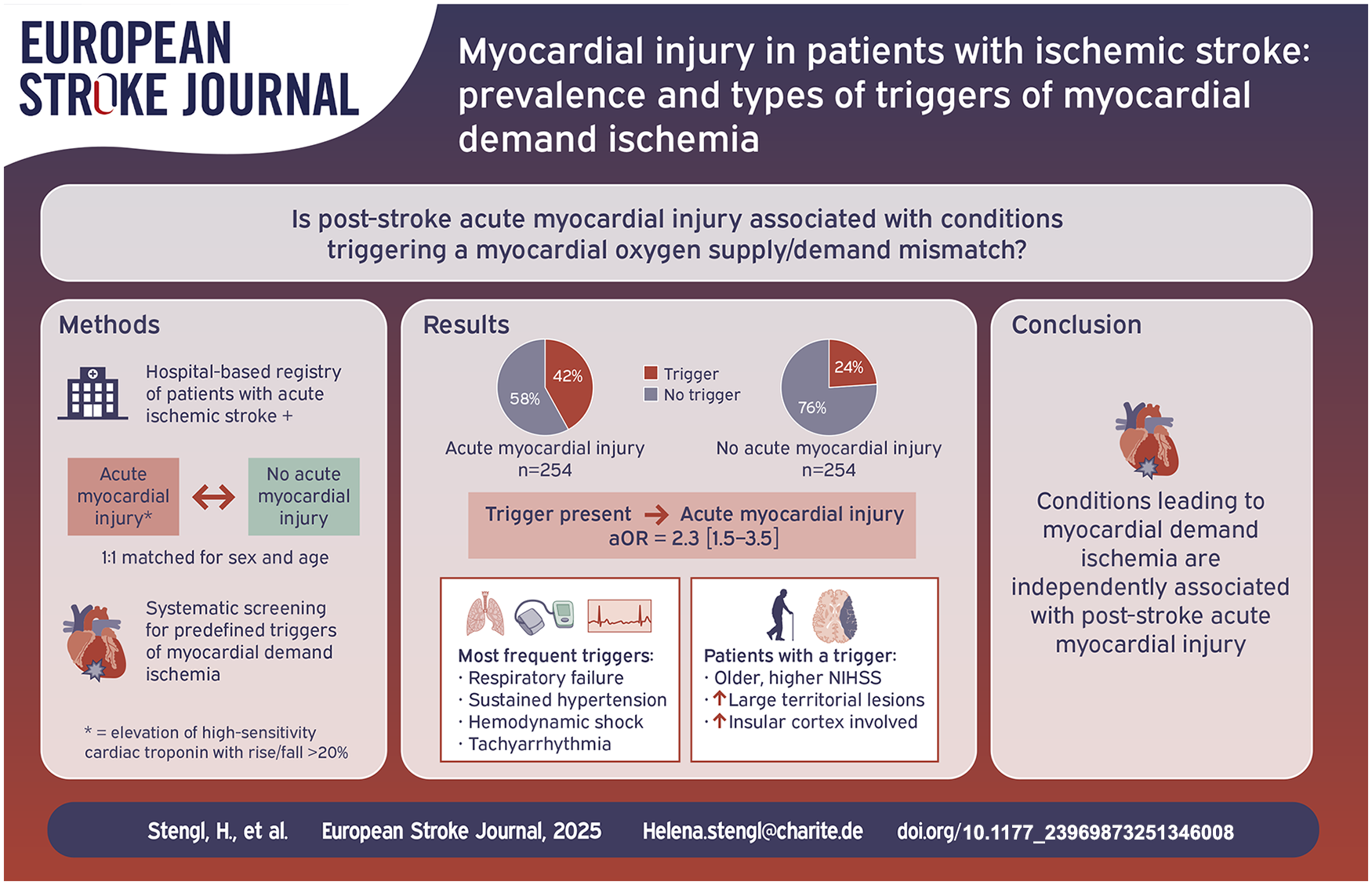
Acute myocardial injury occurs in about every fourth patient in the early phase after ischemic stroke. It may be caused by an imbalance between myocardial oxygen supply and demand, potentially leading to type 2 myocardial infarction (MI). However, little is known about the prevalence of potential triggers of such demand ischemia in acute stroke.
Patients and methods:
Consecutive patients with and without post-stroke acute myocardial injury (elevated high-sensitivity cardiac troponin T [hs-cTnT] levels with a rise/fall >20%) were matched for age and sex and retrospectively screened for presence of predefined triggering conditions of myocardial demand ischemia and fulfillment of diagnostic criteria for acute MI.
Results:
Among 508 stroke patients analyzed (median age 81 [73–86] years, 52% female), predefined potential triggers of demand ischemia were present in 107/254 (42%) patients with acute myocardial injury and in 61/254 (24%) matched controls (adjusted OR 2.30, 95%CI 1.51–3.52, p < 0.001). Patients with a trigger were older, more often female, had more severe strokes, and more often insular cortex involvement. The most prevalent triggers were respiratory failure, sustained hypertension, supraventricular tachyarrhythmia, and hemodynamic shock. MI criteria were fulfilled in 44/254 (17%) patients with acute myocardial injury including 27/44 (61.4%) with a trigger of demand ischemia (i.e. suspected type 2 MI).
Conclusions:
Conditions triggering a myocardial oxygen demand/supply mismatch are highly prevalent in patients with acute myocardial injury detected after stroke, notably in those fulfilling the criteria of acute MI. Stroke-specific aspects such as stroke severity or lesion location may play a role in the development of such triggers.
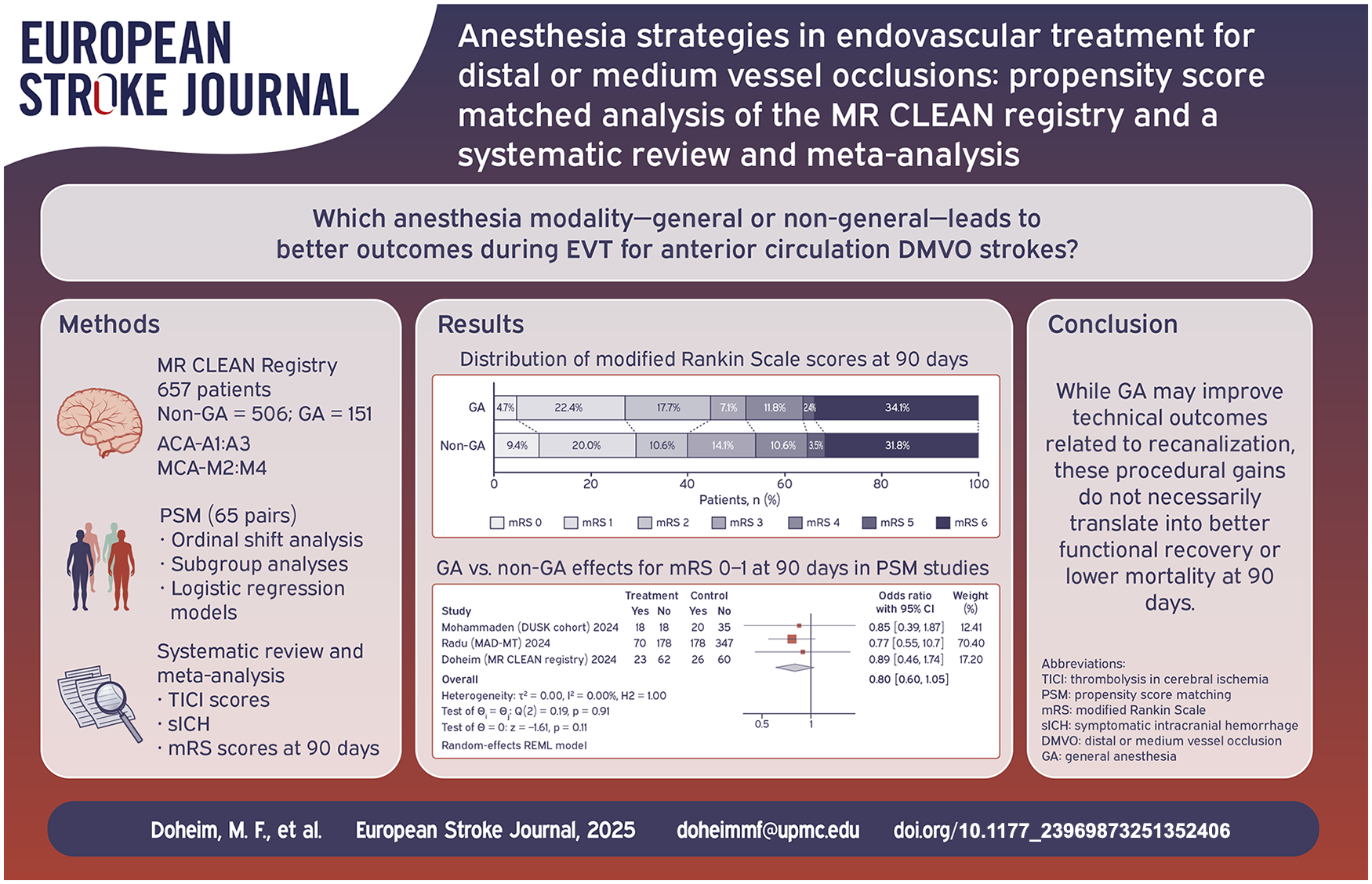
Recent trials did not demonstrate the benefit of endovascular therapy (EVT) for distal or medium vessel occlusions (DMVOs), raising questions about factors influencing outcomes. Anesthesia choice may play a role, yet its impact remains unclear. This study assessed general anesthesia (GA) versus non-GA in EVT for DMVOs, evaluating procedural, functional, and safety outcomes.
Patients and methods:
Patients undergoing EVT for AIS due to anterior DMVOs in the middle cerebral artery (MCA-M2, M3, M4) and anterior cerebral artery (ACA-A1, A2, A3) from the MR CLEAN registry between March 2014 and December 2018 were included. They were stratified into GA and non-GA groups, with propensity score matching employed to adjust for differences in baseline risk. Primary outcomes included functional outcomes at 90 days, assessed by ordinal regression analysis of modified Rankin Scale (mRS) scores at 90 days, and recanalization rates measured by Thrombolysis in Cerebral Infarction (TICI) scores. Secondary outcomes included dichotomized mRS scores, death at 90 days, and symptomatic intracranial hemorrhage (sICH). A systematic review and meta-analysis of relevant DMVO studies with a random effects model was performed. This study was registered with PROSPERO (CRD42024607294).
Results:
Among 5193 patients in the registry, 657 were eligible for our study, with 506 in the non-GA group, and 151 in the GA group. The median age was 73 years (IQR 64–81) in the non-GA group and 73 years (IQR 61–80) in the GA group (p = 0.35). The proportion of male patients was 50.2% in the non-GA group and 57.0% in the GA group (p = 0.15). In the matched cohort (n = 170), recanalization rates were higher in the GA group compared to the non-GA group (excellent recanalization rates (TICI2c/3): 61.0% vs 32.1%; OR 3.31, 95% CI (1.74–6.29), p < 0.001). There were no significant differences in the overall distribution of functional outcomes at 90 days (common OR 0.93, 95% CI (0.54–1.56), p = 0.77). Mortality was comparable between groups (34.1% vs 31.8%; OR 1.11, 95% CI (0.59–2.11), p = 0.74), and there was no significant difference in sICH (12.9% vs 5.9%; OR 0.42, 95% CI (0.14–1.27), p = 0.12). The systematic review and meta-analysis included six studies with a total of 3521 patients. The pooled analysis indicated that GA was associated with significantly lower rates of excellent functional outcomes (mRS 0–1: OR 0.74, 95% CI (0.58–0.94), p = 0.01) and higher mortality (OR 1.36, 95% CI (1.07–1.74), p = 0.01) compared to the non-GA at 90 days.
Discussion and conclusion:
In the MR CLEAN Registry, GA was associated with higher recanalization rates during EVT, but this technical advantage did not translate into improved 90-day functional outcomes. Our meta-analysis further indicated that non-GA strategies were associated with better functional recovery and lower mortality. These associations, however, warrant cautious interpretation given potential unmeasured confounders, including blood pressure management and conversion from non-GA to GA. Broad categorization of anesthesia as GA versus non-GA overlooks critical factors such as agent selection, physiological targets, and intraoperative monitoring, which may substantially impact cerebral perfusion and outcomes. Further prospective randomized studies with detailed anesthetic data and expert input are needed to refine these findings and guide clinical practice.
William K DiproseORCID, Catherine Veilleux, Mohammed Almekhlafi , [...]
View All
Abstract
Introduction:
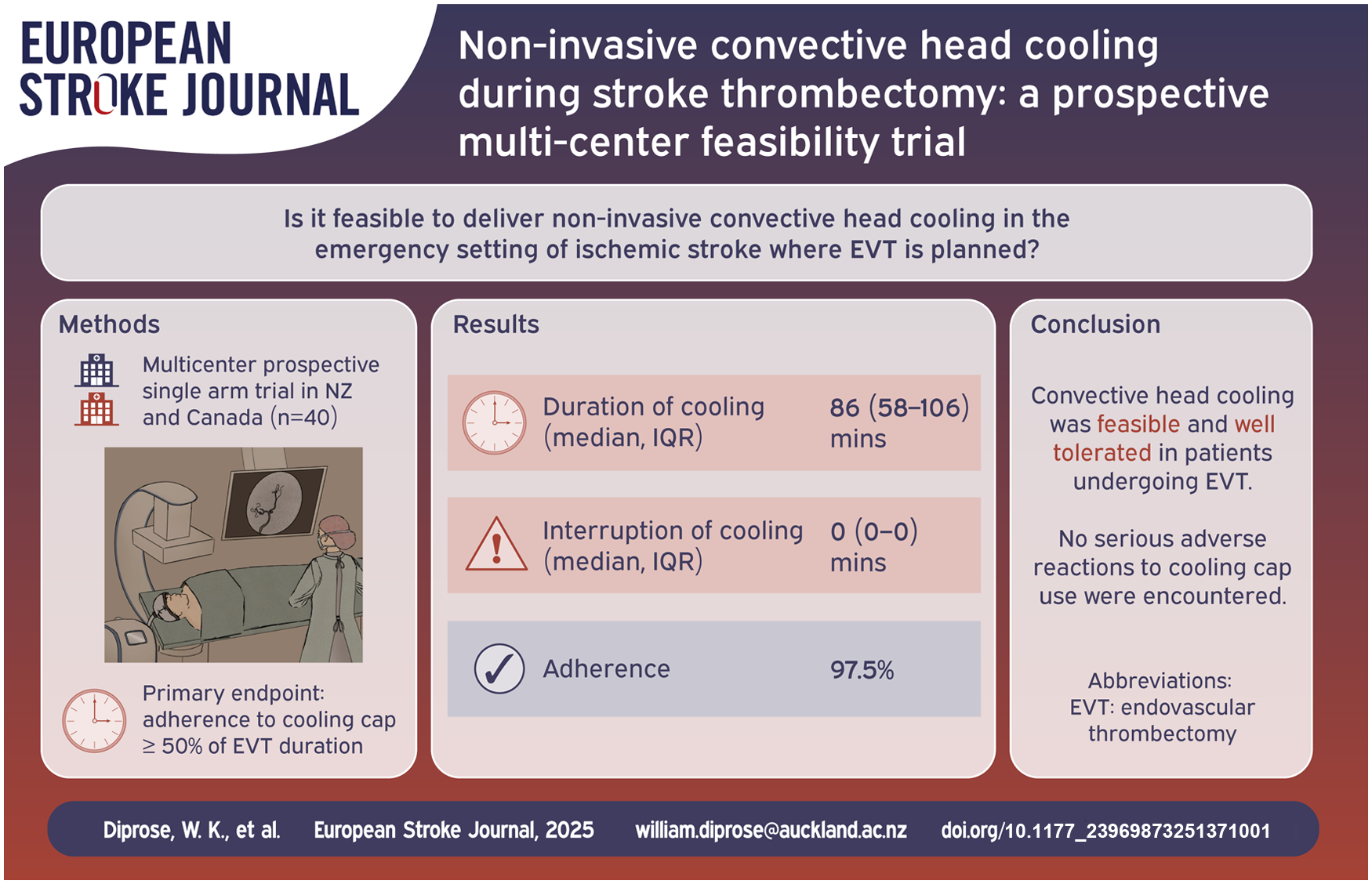
Non-invasive convective head cooling is a promising putative neuroprotective therapy for ischemic stroke patients as it may portably, non-invasively, and selectively cool the ischemic penumbra. We aimed to investigate the feasibility of utilizing non-invasive convective head cooling in ischemic stroke patients before and during endovascular thrombectomy (EVT).
Patients and methods:
We conducted a multi-center, prospective, non-randomized, open-label trial at two comprehensive stroke centers in ischemic stroke patients where EVT was planned. Patients were assessed for eligibility in the emergency department (ED) and had a cooling cap fitted that circulated coolant between −5°C and 0°C until EVT completion. The primary feasibility endpoint was adherence, defined as tolerating cooling for ⩾50% of the time from cooling cap application until EVT completion.
Results:
Between July and November 2024, 40 EVT patients (19 (47.5%) female, mean ± SD age 71.6 ± 12.6 years) underwent a median (IQR) duration of convective head cooling of 86 (58–106) min. Thirty-nine (97.5%) participants met the primary feasibility endpoint. The enrollment rate was five participants per site per month. Median (IQR) time from comprehensive stroke center arrival to cooling start was 10 (5–51) min. Thirty-two (80%) patients received general anesthesia. eTICI 2b-3 reperfusion was achieved in 38 (95.0%) participants. Median (IQR) 24-h infarct volume was 14.3 (5.5–29.1) mL. Median (IQR) 3-month modified Rankin Scale score was 2 (1–5). Three-month mortality occurred in 8/38 (21.1%) participants. Nine serious adverse events occurred in 8 (20.0%) participants, none of which were attributed to head cooling.
Conclusions:
Convective head cooling is feasible in patients undergoing EVT and warrants further investigation in larger randomized controlled trials.
Joseph BenzakounORCID, Lauranne ScheldemanORCID, Anke WoutersORCID , [...]
View All
Abstract
Introduction:
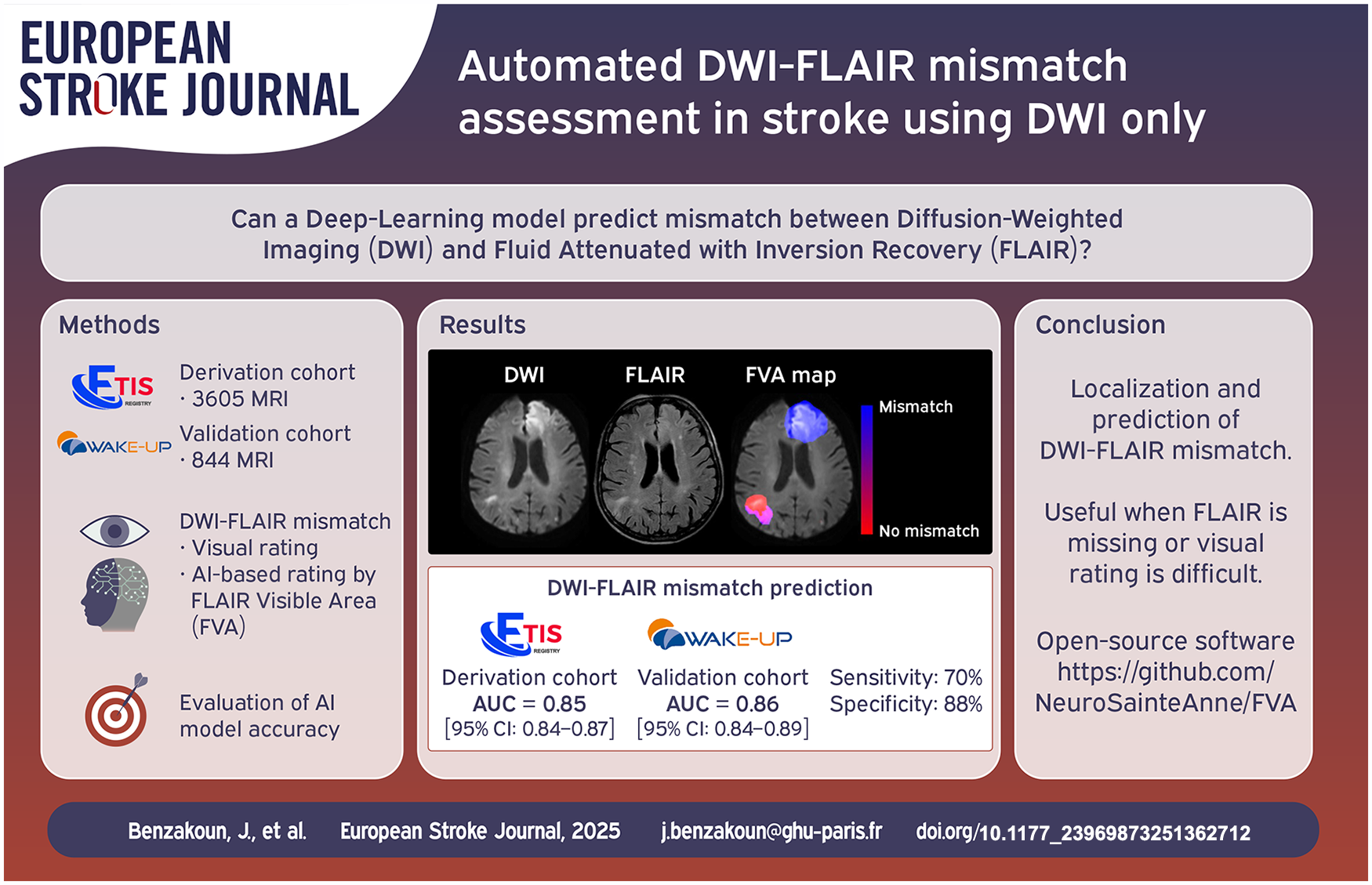
In Acute Ischemic Stroke (AIS), mismatch between Diffusion-Weighted Imaging (DWI) and Fluid-Attenuated Inversion-Recovery (FLAIR) helps identify patients who can benefit from thrombolysis when stroke onset time is unknown (15% of AIS). However, visual assessment has suboptimal observer agreement. Our study aims to develop and validate a Deep-Learning model for predicting DWI-FLAIR mismatch using solely DWI data.
Patients and methods:
This retrospective study included AIS patients from ETIS registry (derivation cohort, 2018–2024) and WAKE-UP trial (validation cohort, 2012–2017). DWI-FLAIR mismatch was rated visually. We trained a model to predict manually-labeled FLAIR visible areas (FVA) matching the DWI lesion on baseline and early follow-up MRIs, using only DWI as input. FVA-index was defined as the volume of predicted regions. Area under the ROC curve (AUC) and optimal FVA-index cutoff to predict DWI-FLAIR mismatch in the derivation cohort were computed. Validation was performed using baseline MRIs of the validation cohort.
Results:
The derivation cohort included 3605 MRIs in 2922 patients and the validation cohort 844 MRIs in 844 patients. FVA-index demonstrated strong predictive value for DWI-FLAIR mismatch in baseline MRIs from the derivation (n = 2453, AUC = 0.85, 95%CI: 0.84–0.87) and validation cohort (n = 844, AUC = 0.86, 95%CI: 0.84–0.89). With an optimal FVA-index cutoff at 0.5, we obtained a kappa of 0.54 (95%CI: 0.48–0.59), 70% sensitivity (378/537, 95%CI: 66–74%) and 88% specificity (269/307, 95%CI: 83–91%) in the validation cohort.
Discussion and conclusion:
The model accurately predicts DWI-FLAIR mismatch in AIS patients with unknown stroke onset. It could aid readers when visual rating is challenging, or FLAIR unavailable.
Jasmine JostORCID, Lukas EnzORCID, Martina B GoeldlinORCID , [...]
View All
Abstract
Introduction:
Data on safety of endovascular therapy (EVT) in the very elderly are scarce. Using data from a large prospective EVT registry, we aimed at providing better evidence for EVT decision-making in patients aged 90 years and older.
Patients and methods:
In this multicentre observational study from the EVA-TRISP collaboration outcomes were compared between patients aged ⩾90 years with those aged <90 years using multivariate logistic regression analysis and reporting odds ratios and 95% confidence intervals. Outcomes were occurrence of poor functional outcome in survivors (modified Rankin Scale (mRS) 3–5 if pre-stroke mRS 0–2 and mRS higher than pre-stroke mRS if pre-stroke mRS 3–5), mortality at 3 months after stroke, unsuccessful recanalization (mTICI 0–2a) and symptomatic intracranial hemorrhage (sICH, defined by ECASS-II-/III-criteria).
Results:
Of 13,306 eligible patients, 892 were ⩾90 years old (6.7%). The very elderly had a higher median National Institutes of Health Stroke Scale (NIHSS) on admission (16 vs 14) and were more likely to have a pre-stroke mRS of 3–5 (38.0% vs 8.7%). The odds of poor functional outcome (ORadjusted 2.35 (95%-CI 1.87–2.97); 61.6% vs 38.7%), death (ORadjusted 3.04 (95%-CI 2.60–3.55); 53.9% vs 21.3%) and unsuccessful recanalization (ORadjusted 1.34 (95%-CI 1.14–1.57); 32.4% vs 27.2%) were higher in patients aged ⩾90 years. The odds of sICH did not differ (ORadjusted 0.92 (95%-CI 0.66–1.28); 5.1% vs 5.0%).
Discussion and conclusion:
EVT-treated stroke patients ⩾90 years had higher odds of poor functional outcome, mortality and unsuccessful recanalization than younger patients. However, the probability of sICH after EVT was not increased. The decision in favor of or against EVT in the very elderly should not be based on age alone.
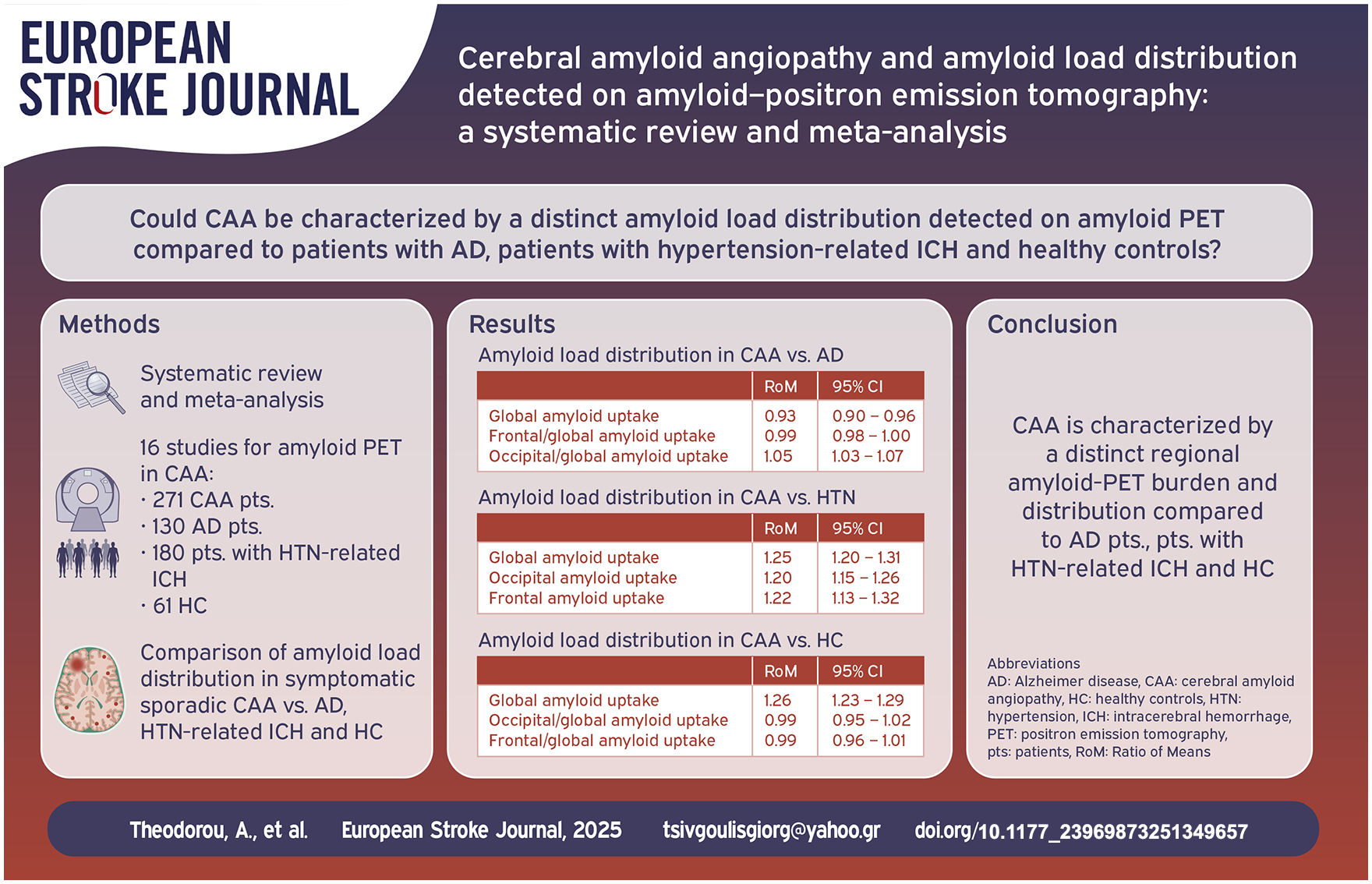
There are limited data regarding the amyloid positron emission tomography (PET) imaging among patients with Cerebral Amyloid Angiopathy (CAA). We sought to assess the amyloid load distribution detected on amyloid-PET among CAA patients compared to patients with Alzheimer’s Disease (AD), patients with hypertension (HTN) related hemorrhage (ICH) and healthy controls (HC).
Patients and methods:
A systematic review and meta-analysis of published studies with available data on global and regional amyloid-PET uptake was conducted. Comparisons with respect to amyloid load distribution were investigated using random-effects models based on the ratio of mean (RoM) amyloid-PET uptake. RoM < 1 and RoM > 1 indicate lower and higher global or regional amyloid-PET uptake in CAA compared to another population, respectively.
Results:
We identified 16 cohorts, comprising 271 CAA patients (mean age: 72 years; women: 46%) versus 130 AD patients (mean age: 73 years; women: 44%), 180 patients with HTN-related ICH (mean age: 66 years; women: 36%) and 61 HC (mean age: 71 years; women: 46%) with available data on amyloid-PET. Global amyloid PET ratio differentiated CAA from AD [RoM: 0.93; 95% CI: 0.90–0.96; p < 0.0001], HTN-related ICH [RoM: 1.25; 95% CI: 1.20–1.31; p < 0.0001], and HC [RoM: 1.26; 95% CI: 1.23–1.29; p < 0.0001]. Occipital amyloid-PET uptake [RoM: 1.20; 95% CI: 1.15–1.26; p < 0.0001] was higher in CAA compared to HTN-related ICH, and Occipital-to-global [RoM: 1.05; 95% CI: 1.03–1.07; p < 0.0001] ratio of amyloid-PET uptake differentiated also CAA from AD.
Conclusions:
CAA is characterized by a distinct amyloid-PET burden and distribution compared to AD patients, patients with HTN-related ICH and HC. These findings may contribute to the design and conduct of future randomized controlled clinical trials, aiming to treat CAA at preclinical stages.
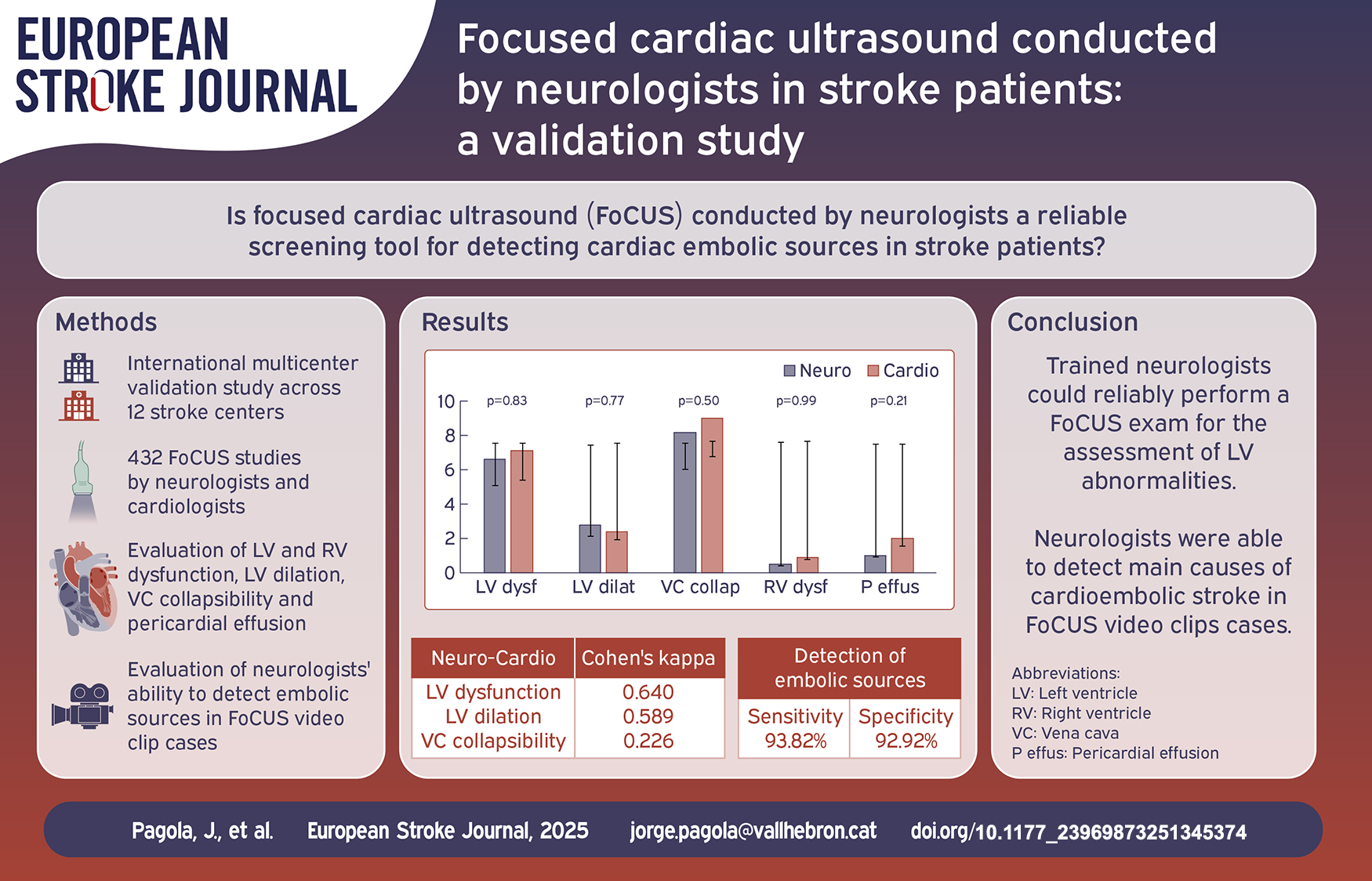
Focused cardiac ultrasound (FoCUS) has a high diagnostic yield and a rapid theoretical learning curve. FoCUS can be applied in stroke assessments performed by stroke neurologists when a cardioembolic stroke is suspected.
Patients and methods:
An international multicenter, prospective validation study was conducted to assess neurologists’ ability to perform FoCUS. The FoCUS examination was defined as a simplified 2D transthoracic echocardiography. Neurologists and cardiologists performed the FoCUS independently and blinded. A twenty-question test evaluated neurologists’ ability to recognize sources of cardioembolic stroke from recorded FoCUS studies.
Results:
A total of 432 paired studies involving 216 patients were conducted across 11 centers. No significant differences were found between neurologists and cardiologists in detecting: Left Ventricle (LV) dysfunction (7.4% vs 7.9%, p = 0.834), LV dilation (2.8% vs 2.3%, p = 0.766), VC collapsibility (7.2% vs 9.1%, p = 0.501), Right Ventricle dysfunction (0.9% vs 0.9%, p = 0.999), and pericardial effusion (0.5% vs 1.9%, p = 0.212). Cohen Kappa showed substantial agreement for LV dysfunction (0.640), moderate for LV dilation (0.589), and fair for VC collapsibility (0.226). Neurologists demonstrated 93.82% sensitivity and 92.92% specificity for detecting embolic sources. Success rate for LV akinesia was 88% (16/18), LV dysfunction 83% (15/18), complex aortic plaque 88% (16/18), and mitral stenosis 55% (10/18).
Discussion and conclusion:
Properly trained neurologists can reliably perform FoCUS, particularly for assessing LV function and dilation, with better results in patients with favorable echocardiographic windows. While VC assessment requires further training, neurologists demonstrated high accuracy in identifying cardioembolic sources (over 90% of cases correctly identified). This study supports implementing standardized FoCUS training for neurologists through collaboration with cardiology specialists to enhance stroke diagnostics and management.
Pierre SenersORCID, Adrien Ter Schiphorst, Anke WoutersORCID , [...]
View All
Abstract
Background:
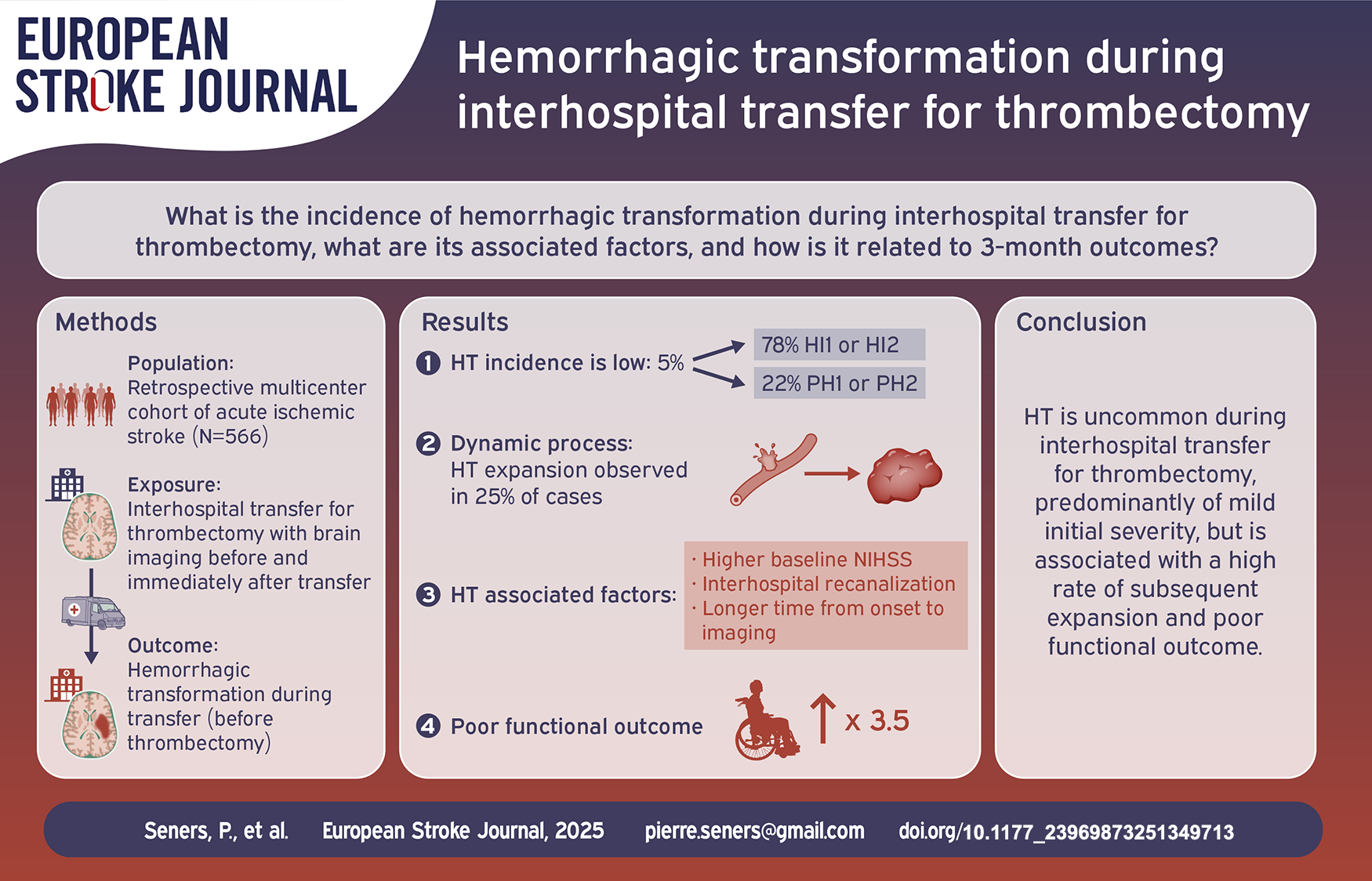
Patients with acute ischemic stroke with a large vessel occlusion (AIS-LVO) admitted to primary stroke centers (PSC) often require inter-hospital transfer to a comprehensive stroke center (CSC) for endovascular therapy (EVT). We aimed to determine the incidence of hemorrhagic transformation (HT) occurring during transfer, the factors associated with HT, and its relationship with 3-month outcome.
Methods:
We retrospectively analyzed data from two cohorts of AIS-LVO patients transferred from a PSC to a CSC for consideration of EVT. Patients were included if they had evidence of an anterior circulation AIS-LVO at the PSC and had a standard-of-care control brain imaging upon CSC arrival. HT was defined as any new hemorrhagic lesion within brain parenchyma visible on CSC admission imaging. Among HT patients, HT expansion was defined as an absolute volume increase of ⩾6 mL and a relative growth of ⩾33% between admission imaging and 24-h follow-up.
Results:
Overall, 566 patients were included, of whom 31 (5.5%) experienced HT during transfer. Inter-hospital HT was independently associated with inter-hospital arterial recanalization (adjusted odds ratio (aOR) = 6.95, 95%CI 2.94–16.39), higher pre-transfer NIHSS score (aOR = 1.08, 95%CI 1.02–1.14), and longer time from symptom onset to CSC arrival (aOR = 1.09, 95%CI 1.04–1.13). HT expansion between CSC arrival and 24 h occurred in 24% of HT cases. Inter-hospital HT was independently associated with modified Rankin scale ⩾3 at 3-month (aOR = 3.54, 95%CI 1.08–11.67, p = 0.038).
Conclusion:
HT during inter-hospital transfer for EVT is an uncommon event, yet is associated with a high rate of subsequent expansion and poor 3-month functional outcome. Treatments to reduce HT risk may be considered.
Giorgio BustoORCID, Andrea MorottiORCID, Ilaria CasettaORCID , [...]
View All
Abstract
Introduction:
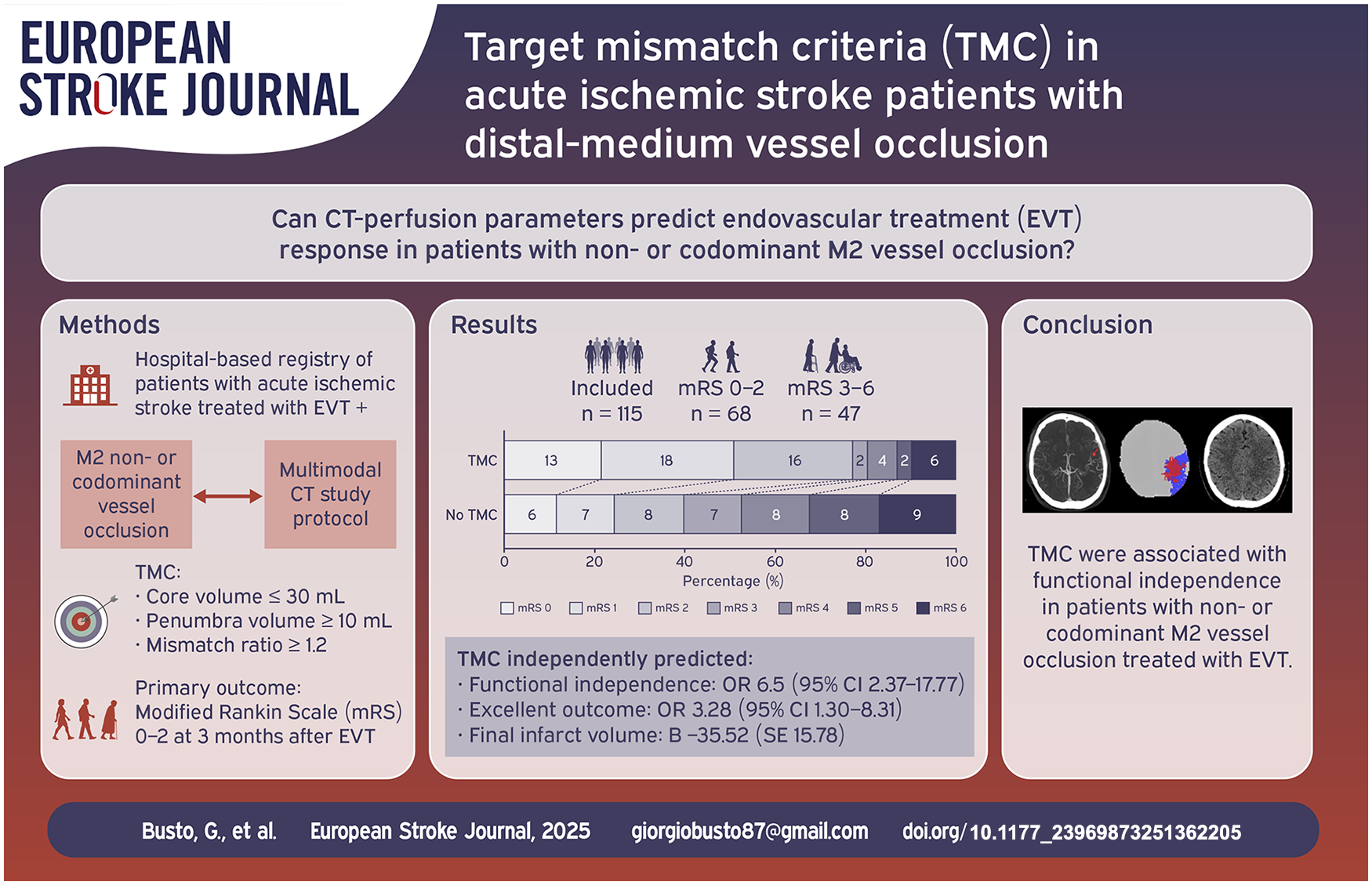
The efficacy of endovascular treatment (EVT) in ischemic stroke patients with distal-medium vessel occlusion (DMVO) remains unclear. We evaluated whether CT-perfusion target mismatch criteria (TMC) could predict functional independence in patients with M2 non- or codominant middle cerebral artery DMVO.
Materials and methods:
This retrospective study analyzed consecutive patients with M2 DMVO receiving EVT and imaged with multimodal CT study protocol within 24 h from onset. A receiver operating characteristic curve analysis was used to identify the infarct core volume cutoff to predict functional independence (modified Rankin Scale 0–2 at 3-months). This parameter was subsequently considered as part of TMC together with penumbra volume ⩾ 10 mL and mismatch ratio ⩾1.2. The association between TMC and functional independence was tested with logistic regression.
Results:
A total of 115 patients with M2 were included. Infarct core volume had good discriminative ability for functional independence (AUC 0.75; 95%CI 0.64–0.84) and the best cut-off value was ⩽30 mL (77% sensitivity, 61% specificity, 69% positive predictive value, 70% negative predictive value). TMC were independently associated with functional independence (OR [odds ratio] = 6.50, 95%CI = 2.37–17.77, p < 0.001), excellent outcome (modified Rankin scale 0–1 at 3-months, OR = 3.28, 95%CI = 1.30–8.31, p = 0.012) and final infarct volume (B = −35.52, p = 0.004). After including interaction terms, a significant treatment effect on functional independence was observed between successful recanalization and TMC (OR = 3.82, 95%CI = 1.64–8.89, p = 0.002).
Discussion and conclusion:
In patients with M2 non- or codominant DMVO receiving EVT, TMC identified as core volume ⩽30 mL, penumbra volume ⩾ 10 mL, and mismatch ratio ⩾ 1.2, were associated with better functional outcome. Our findings suggest that functional independence after EVT was not directly related to successful recanalization, which is indeed effective only in patients with a favorable baseline imaging profile, including a small infarct core size, and in the presence of small penumbra volumes.
Erlend FagerliORCID, Hanne Ellekjær, Olav Spigset , [...]
View All
Abstract
Introduction:
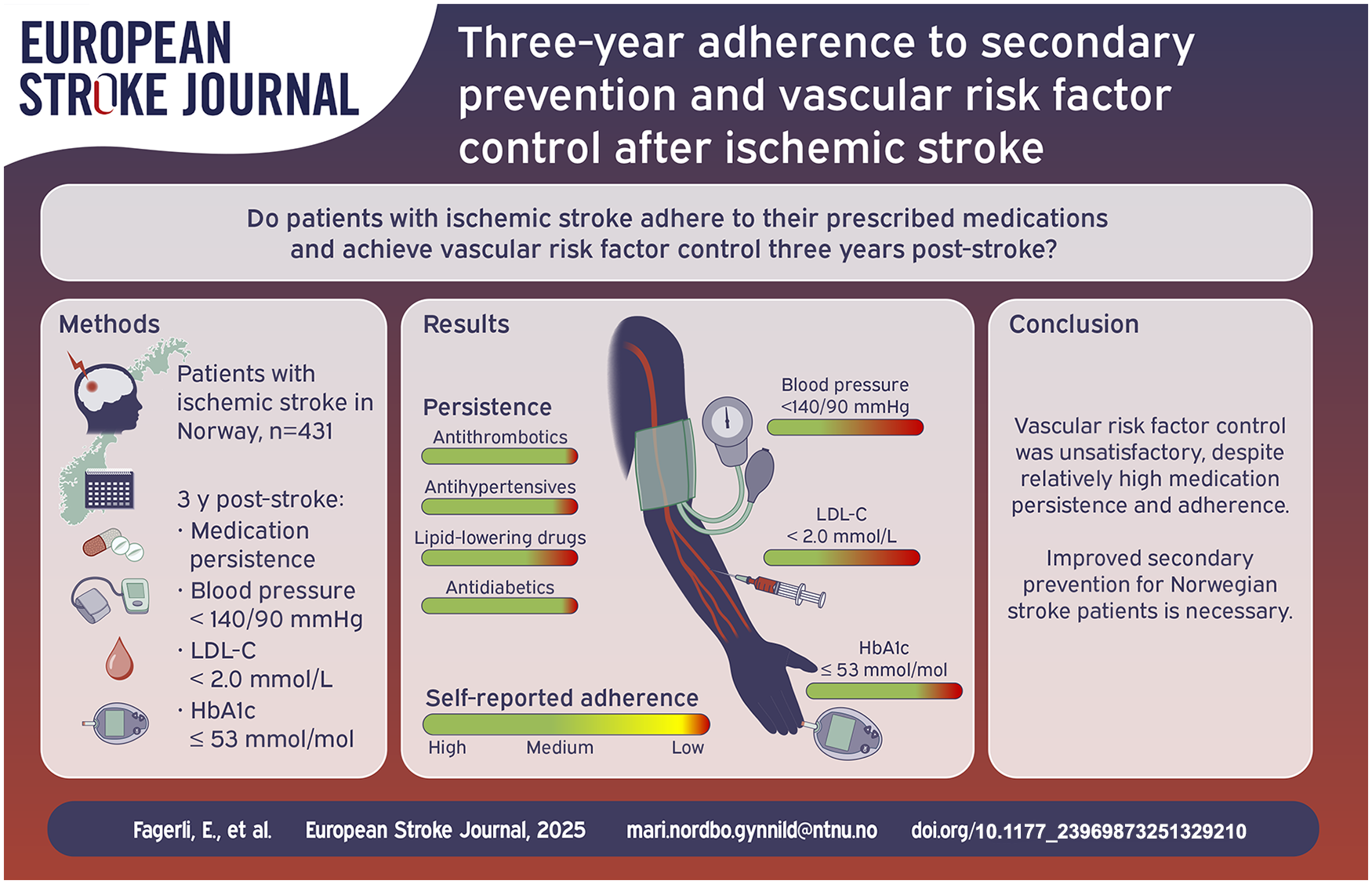
Long-term adherence to secondary prevention after ischemic stroke remains unclear. This study aimed to evaluate medication adherence, attainment of vascular treatment targets, and clinical characteristics that influence target achievement 3 years post-stroke.
Patients and methods:
We included 665 home-dwelling ischemic stroke patients from the Norwegian Cognitive Impairment After Stroke study, admitted between May 2015 and March 2017 (n = 431 were followed for 3 years). Medication adherence was assessed using the 4-item Morisky Medication Adherence Scale, medication persistence, and guideline-based treatment targets: blood pressure (BP) < 140/90 mmHg, LDL cholesterol (LDL-C) < 2.0 mmol/L, and hemoglobin A1c (HbA1c) ⩽ 53 mmol/mol.
Results:
At discharge, prescription rates were 97% for antithrombotics, 67% for antihypertensives, 88% for lipid-lowering drugs (LLD), and 10% for antidiabetics. Three years later, persistence rates were 97%, 91%, 83%, and 94%, respectively, with 73% reporting high medication adherence. Target achievement rates were 42% for BP, 47% for LDL-C, and 75% for HbA1c among diabetic patients. Younger age was associated with better BP control (OR 0.974 per year, 95% CI 0.957–0.992). Women had poorer LDL-C control (OR 0.55, 95% CI 0.33–0.91). More LLD (OR 1.25, 95% CI 1.14–1.37) and higher comorbidity (OR 1.26, 95% CI 1.10–1.44) were associated with improved LDL-C control.
Conclusion:
Control of risk factors remained unsatisfactory 3 years after ischemic stroke, despite relatively high persistence and adherence rates. Improved focus on implementing optimal secondary prevention for Norwegian stroke patients is necessary.
Pere CanalsORCID, Alvaro García-TornelORCID, Giulio Maria Fiore , [...]
View All
Abstract
Introduction:
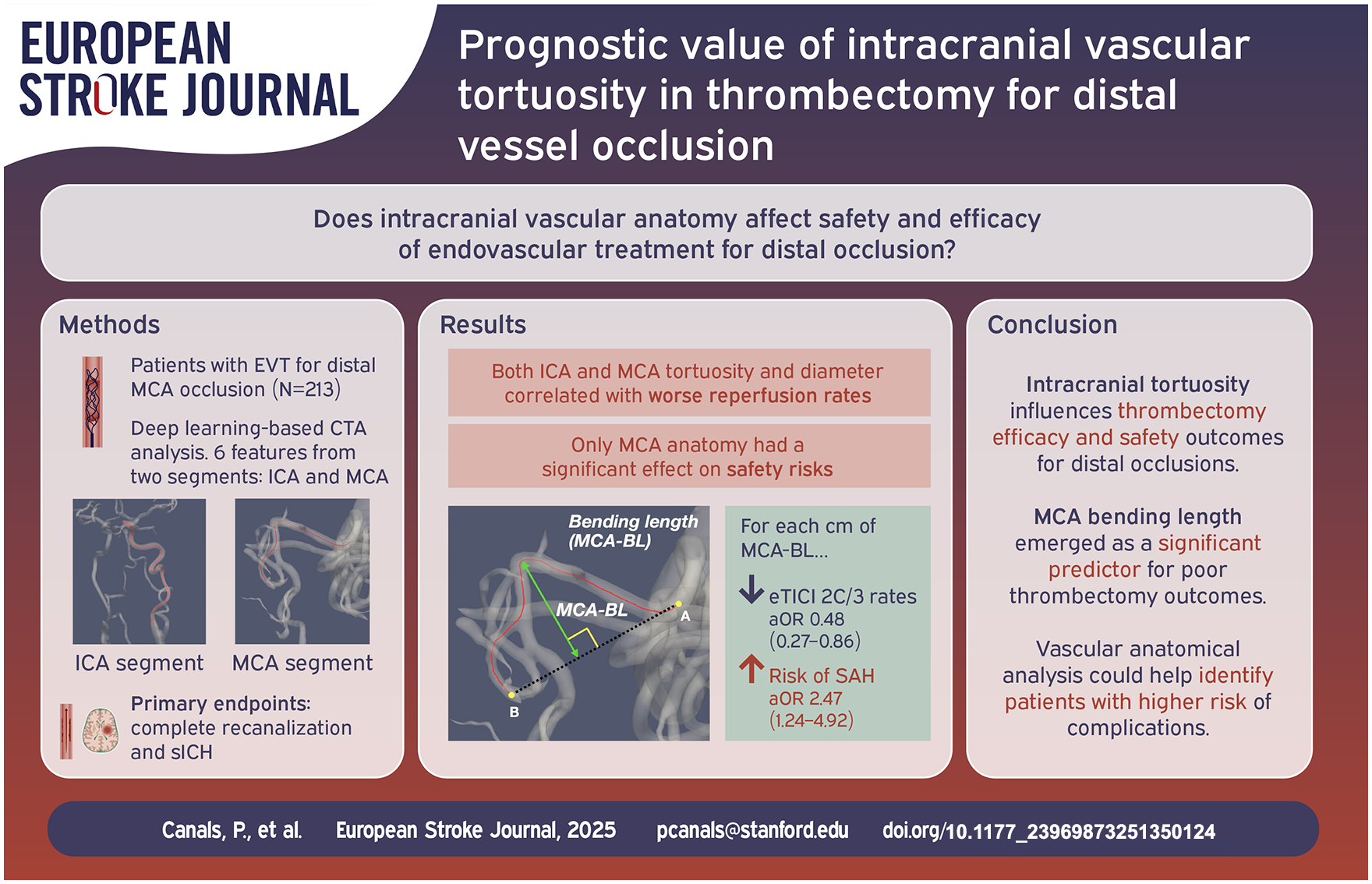
Neutral results from trials assessing mechanical thrombectomy (MT) for medium/distal vessel occlusions (MDVO) suggest the need for better selection criteria in these patients. Tortuous vascular anatomies may negatively influence MT efficacy and safety.
Patients and methods:
Consecutive patients with middle cerebral artery (MCA)-MDVO (M2/M3) who underwent MT at our center between January 2017 and September 2024 were included. Baseline CTAs were semi-automatically analyzed using an in-house vascular analysis framework. The internal carotid artery (ICA) tortuosity index (TI) and anatomical features of the MCA were extracted. Logistic regression adjusted for intravenous thrombolysis administration and onset-to-puncture time evaluated associations of anatomical features with treatment efficacy and safety endpoints. Primary endpoints were complete recanalization (final eTICI 2c/3) and symptomatic intracranial hemorrhage (sICH).
Results:
213 patients (81 years IQR 72–87, 51.2% female) were included. MCA bending length (aOR 0.48 [95%CI 0.27–0.86], p = 0.013), MCA-TI (aOR 0.77 [0.60–0.98], p = 0.032) and ICA-TI (aOR 0.59 [0.36–0.96], p = 0.034) were associated with lower probability of complete recanalization. ICA-TI (aOR 0.51 [0.31–0.84], p = 0.008) and mean MCA diameter (aOR 0.34 [0.13–0.90], p = 0.030) correlated with decreased odds of first-pass recanalization. Large mean MCA diameter was associated with lower likelihood of excellent functional outcome (aOR 0.30 [0.09–0.96], p = 0.042). Regarding safety endpoints, larger diameter at occlusion was associated with sICH (aOR 4.04 [1.03–15.87], p = 0.046), while MCA bending length (aOR 2.47 [1.24–4.92], p = 0.010) was linked to subarachnoid hemorrhage.
Discussion:
Automatic evaluation of anatomical vascular features may predict safety and efficacy of MT in stroke patients with MCA-MDVO. The value of these features as inclusion criteria for future MCA-MDVO clinical trials should be explored.
Conclusion:
Intracranial vascular tortuosity is associated to poor thrombectomy outcomes in patients with MDVO.
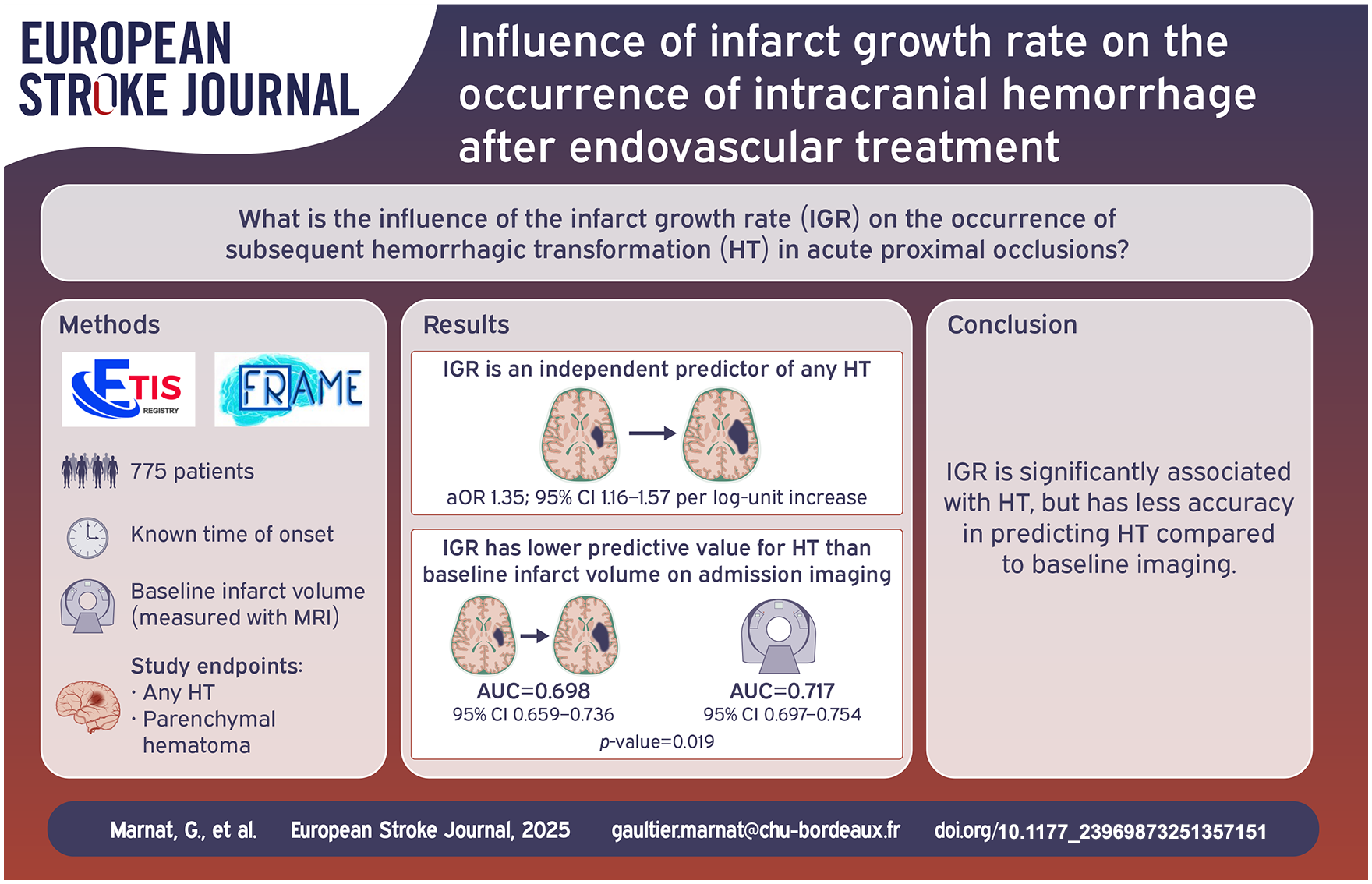
Hemorrhagic transformation (HT) remains an important issue following ischemic stroke. Efforts have been made to identify predictors of HT, especially imaging features. Among them, the infarct growth rate (IGR) remains underexplored. We investigated the influence of IGR on the risk of subsequent HT in the setting of large vessel occlusion stroke (LVOS) intended for endovascular treatment (EVT) and compared IGR to baseline infarct volume as predictors of HT.
Methods:
We conducted a secondary analysis of two merged prospectively collected databases (FRAME 2017–2019 and ETIS 2015–2021). Patients presenting with anterior circulation LVOS, a witnessed symptoms onset, baseline MRI within 24 h after symptoms onset and available day 1 imaging (MRI or CT) were included. Posterior circulation LVOS, medium and distal vessel occlusions of the anterior circulation, tandem occlusions and unknown time of stroke onset were excluded. The primary endpoint was the occurrence of any HT detected on day 1 imaging. Secondary endpoint was the occurrence of parenchymal hematoma (defined as PH1 or PH2). Associations between the IGR and the occurrence of any HT and parenchymal hematoma within 24-h after mechanical thrombectomy were assessed using univariable and multivariable logistic regression models.
Results:
We included 775 patients (mean age 70.5 years (SD 15.1)). The median of IGR was 8.7 ml per hour (IQR 2.8–24.2). A faster IGR was independently associated with a higher risk of any HT (adjusted OR 1.35; 95% CI 1.16–1.57 per one log unit increase). A faster IGR was also associated with an increased risk of parenchymal hemorrhage in univariate analysis (OR 1.35; 95% CI 1.15–1.58), but the association did not remain significant in multivariable analysis including all the other predictors of parenchymal hemorrhage (adjusted OR 1.16 (95% CI 0.96–1.40) per one log unit increase). ROC analyses revealed that baseline infarct volume significantly better predicted any HT and PH occurrence than the IGR (p = 0.019 and p = 0.029 respectively).
Conclusion:
In patients presenting with anterior circulation LVOS and treated with EVT, the IGR was significantly associated with an increased risk of HT. However, the baseline infarct volume was a stronger predictor of HT than IGR.
Emma HallORCID, Björn HansenORCID, Mats Pihlsgård , [...]
View All
Abstract
Introduction:
Patients with substantial comorbidity burden are underrepresented in clinical trials on endovascular thrombectomy (EVT), despite being common in clinical routine care. Therefore, analysis of observational data is needed to evaluate how increasing comorbidity burden affects procedural success rate, complication rate, and clinical outcome following EVT.
Patients and methods:
We conducted a register-based observational study involving pre-stroke functionally independent patients treated with EVT in Sweden 2015–2021. Comorbidity burden was assessed using the Charlson Comorbidity Index (CCI) and categorized as no (CCI 0), moderate (CCI 1), severe (CCI 2), and very severe (CCI ⩾3). The primary outcome was favorable 90-day outcome (modified Rankin Scale 0–2). Secondary outcomes included successful recanalization, and peri- and postoperative complications.
Results:
Of 4735 included patients, 40% had no comorbidity (CCI 0), 15% had moderate (CCI 1), 21% had severe (CCI 2), and 24% had very severe comorbidity burden (CCI ⩾3). The yearly proportion of patients with very severe comorbidity burden increased from 16% to 30% during the study period. Increasing comorbidity levels were associated with decreased odds ratio (OR) of favorable outcome compared to patients without comorbidity: CCI 1 adjusted OR (aOR) 0.64, 95% CI 0.57–0.85; CCI 2 aOR 0.59, 95% CI 0.47–0.74; and CCI ⩾3 aOR 0.38, 95% CI 0.30–0.47, but there were no significant differences in successful recanalization rates. Patients with CCI 2 had higher OR for perioperative and postoperative complications (OR 1.43, 95% CI 1.09–1.88, and OR 1.41, 95% CI 1.15–1.71), and patients in the CCI ⩾3 group had higher OR of postoperative complications (OR 1.34, 95% CI 1.14–1.67), compared to patients in the CCI 0 group. Successful recanalization was associated with favorable functional outcome in all CCI-groups.
Discussion and conclusion:
Severe and very severe comorbidity burden are increasingly common among EVT-treated patients in routine healthcare and are linked to poorer outcomes. However, our results suggest that successful EVT is associated with functional independency, also in patients with severe and very severe comorbidity burden.
Lanyue ZhangORCID, Mohamad Ali Antabi, Jana Mattar , [...]
View All
Abstract
Background and objectives:
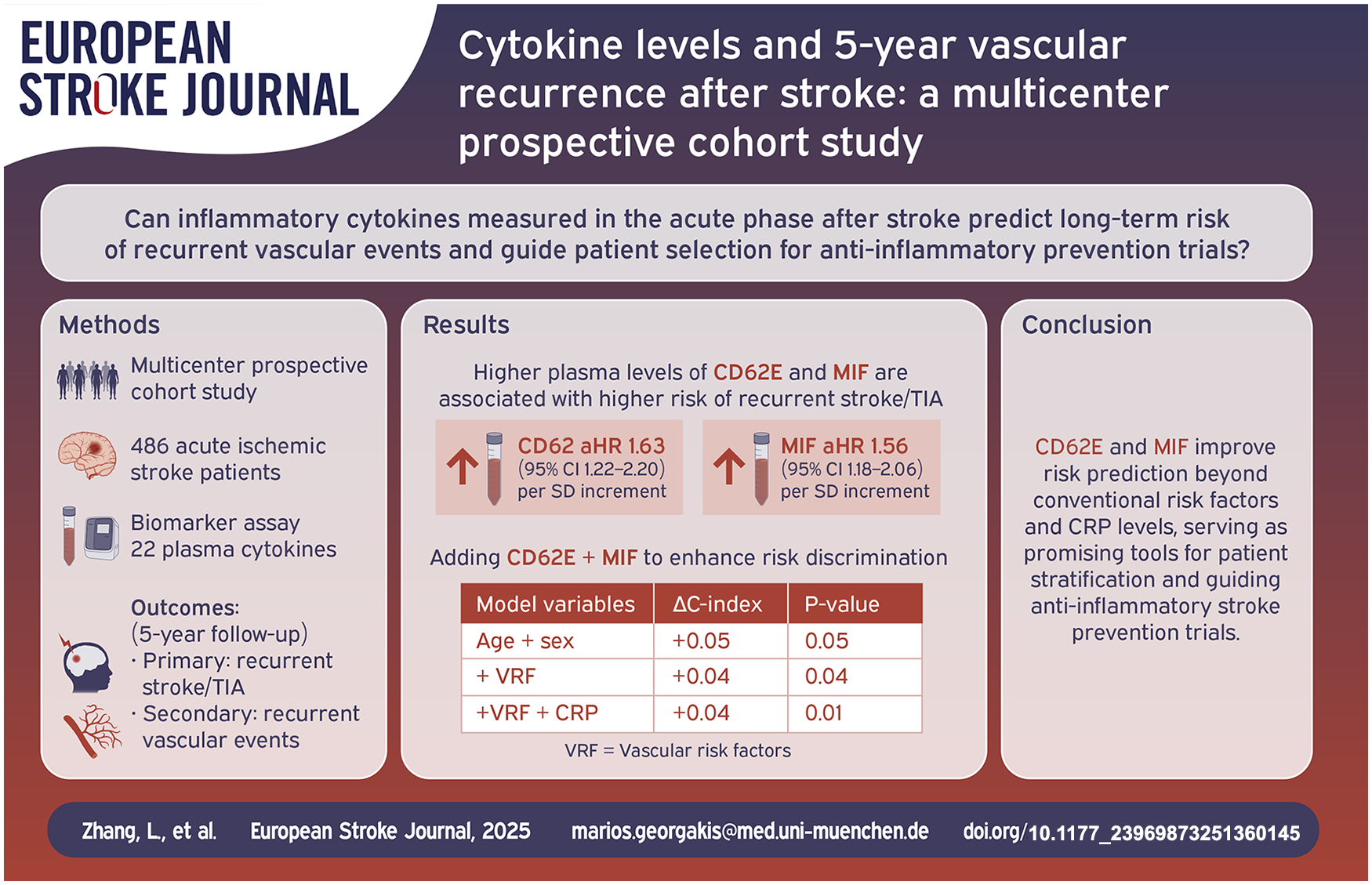
Anti-inflammatory therapies are tested in randomized trials for secondary stroke prevention. Detecting inflammatory biomarkers that predict vascular recurrence could optimize patient selection for these trials.
Methods:
In a multicenter prospective cohort study, we measured plasma levels of 22 inflammatory cytokines in 486 acute stroke patients (474 ischemic strokes and 12 intracerebral hemorrhages; median age 68 years, 34% female, median 3 days post-stroke onset). Patients were followed for over 5 years through telephone and in-person interviews to record the occurrence of the following outcomes: (1) recurrent stroke or transient ischemic attack (TIA; primary outcome); (2) a composite of recurrent vascular events (stroke, TIA, acute coronary syndrome, hospital admission due to heart failure, and death; secondary outcome). Associations between cytokine levels and these outcomes were analyzed using Cox proportional hazards models adjusted for demographic and vascular risk factors.
Results:
During the 5-year follow-up period, 59 patients (12.1%) experienced recurrent stroke or TIA, and 118 (24.3%) experienced recurrent vascular events. After adjustments for demographic and vascular risk factors, and correction for multiple comparisons, higher plasma levels of CD62E (adjusted Hazard Ratio (aHR)/SD increment: 1.63, 95%CI 1.22–2.20) and MIF (aHR: 1.56, 95%CI 1.18–2.06) in the acute phase after stroke were statistically significantly associated with increased risk of recurrent stroke or TIA. The associations followed a dose-response pattern across quartiles of CD62E and MIF levels. Adding baseline CD62E and MIF levels to models including age, sex, vascular risk factors, and baseline C-reactive protein (CRP) levels led to significant improvements in the prediction of 5-year risk of recurrent stroke or TIA (ΔC-index 0.030–0.050).
Conclusion:
Among stroke patients, higher baseline levels of CD62E and MIF improved prediction of 5-year risk of recurrent stroke or TIA on top of vascular risk factors and CRP levels. Whether assessment of these cytokines could improve patient selection for secondary prevention trials of anti-inflammatory treatments, should be explored in future studies.