Editorial
 Free accessEditorialFirst published August, 2016pp. 143-143

Select search scope: search across all journals or within the current journal


 Free accessEditorialFirst published August, 2016pp. 143-143Free accessArticle commentaryFirst published August, 2016pp. 144-144
 Free accessArticle commentaryFirst published August, 2016pp. 145-145
 Free accessResearch articleFirst published August, 2016pp. 146-149
To compare dynamic hip screw (DHS) fixation with multiple screw fixation for intracapsular hip fractures in terms of complications and conversion to hemiarthroplasty or total hip arthroplasty (THA).
Records of 52 884 patients aged ≥50 years who underwent internal fixation using a dynamic hip screw (n=18 014, 34.1%) or multiple screws (n=34 870, 65.9%) for intracapsular femoral neck fracture from September 2007 to September 2013 were extracted from the hospital admission database that covers all admissions to the National Health Service hospitals in England using the ICD-10 and OPCS-4 codes. Gender, age, and Charlson comorbidity score of each patient were recorded, as were complications at specific time intervals and revision to hemiarthroplasty or THA at one and 4 years.
Compared with DHS fixation, multiple screw fixation resulted in shorter hospital stay (15 vs. 13 days, p<0.001) and lower rates of 30-day myocardial infarction (2% vs. 1.5%, p=0.022), 30-day lower respiratory tract infection (12.4% vs. 10.6%, p=0.001), 90-day mortality (10.4% vs. 8.6%, p=0.001), and avascular necrosis (0.1% vs. 0.06%, p=0.032), but a higher rate of conversion to hemiarthroplasty or THA at one or 4 years (all p<0.001).
Multiple screw fixation for intracapsular hip fracture was associated with a higher conversion rate to hemiarthroplasty or THA at one and 4 years, compared with DHS fixation.
Free accessResearch articleFirst published August, 2016pp. 150-152To identify patient and procedural factors associated with in-hospital mortality following a femoral neck fracture.
Records of 598 female and 259 male consecutive patients aged 29 to 108 (median, 82) years admitted between 2010 and 2014 with femoral neck fracture were retrospectively reviewed to determine patient and procedural factors associated with in-hospital mortality.
73% of patients were operated on within 48 hours of admission. The in-hospital mortality was 7.5%, with 2.1% occurring preoperatively and 5.4% postoperatively. Factors associated with increased preoperative mortality included being non-ambulant prior to admission (p=0.015), residence in interim care (p=0.001) or low-level care (p=0.049), having synchronous fractures (p=0.001), and having a concurrent acute medical condition (p<0.001). Patient factors associated with increased in-hospital mortality included male gender (p=0.041), age >80 years (p=0.001), non-ambulatory status (p=0.015), residence in high-level care (p=0.031) or low-level care (p=0.018), American Society of Anesthesiologists grade 4 or 5 (p<0.001), weekend admission (p<0.001), and having an acute medical condition on admission (p<0.001). Procedural factors associated with increased in-hospital mortality included >96-hour delay to surgery from admission (p<0.001), surgery over the weekend (p=0.005), and surgical interventions other than total hip arthroplasty (p<0.05).
Identification of patient and procedural factors can guide changes in best practice to decrease mortality following a femoral neck fracture.
Free accessResearch articleFirst published August, 2016pp. 153-157To identify predictors for rehabilitation outcome in Asian geriatric hip fracture patients.
Records of 153 consecutive Asian patients aged 61 to 99 years who underwent surgery for hip fracture and were followed up for at least one year were reviewed. They were stratified into 4 age-groups: 60–69 years (n=27), 70–79 years (n=70), 80–89 years (n=50), and ≥90 years (n=6). Any comorbidity, regardless of severity, was recorded. Pre-injury and postoperative functional status was evaluated using the 36-item Short Form Health Survey. Relative functional gain (RFG) is equal to absolute functional gain (physical component summary [PCS] score at one year minus PCS score at 6 weeks) divided by the maximum potential gain (maximum PCS score minus PCS score at 6 weeks). RFG of <0.5 and ≥0.5 is defined as poor and good rehabilitation outcome, respectively.
In univariate analysis, age 80–89 years (p=0.026), arthritis (p=0.082), and hypercholesterolaemia (p=0.014) were predictors for RFG. In multivariate analysis, age 80–89 years (p=0.016) remained a predictor for poor RFG, and hypercholesterolaemia remained a predictor for good RFG.
Poor rehabilitation outcome was associated with patient age of 80–89 years; an orthogeriatric approach may be beneficial in optimising rehabilitation outcome in elderly hip fracture patients.
Free accessResearch articleFirst published August, 2016pp. 158-162To review preoperative radiography and computed tomography (CT) of the ankle in 69 patients who underwent surgery for ankle fractures to determine the value of CT in diagnosis and surgical planning.
Preoperative radiography and CT of the ankle of 46 women and 23 men aged 17 to 90 (mean, 48.8) years were reviewed. CT was deemed necessary when radiographs showed the following features: (1) comminuted fracture of the medial malleolus involving the tibial plafond, (2) comminuted fracture of the posterior malleolus, (3) presence of loose bodies, and/or (4) suspected Chaput or Volkman fracture fragment. Two orthopaedic surgeons independently reviewed the radiographs to look for any of the above features for which CT was indicated. In patients whose radiographs did not show any of the above features, each surgeon formulated a surgical plan based on radiographs alone and decided if any modification was needed after reviewing the CT scan.
Based on radiographs of the 69 patients, 19 (28%) patients had features of posterior malleolar comminution (n=7), medial malleolar comminution (n=7), suspected Chaput fracture fragment (n=1), suspected Volkman fracture fragment (n=1), and combination of 2 lesions (n=3), and were deemed to require CT. In 10 (20%) of the remaining 50 patients, the surgical plan was modified after review of the CT scan. The intra- and inter-observer agreement was good to excellent.
Radiography alone is not adequate for surgical planning for ankle fractures. More accurate imaging tools such as CT are needed to enable a more accurate diagnosis and surgical planning.
Free accessResearch articleFirst published August, 2016pp. 163-166To compare the outcome following conservative or surgical treatment for displaced fracture of the medial process of the calcaneal tuberosity.
14 men and 4 women aged 20 to 44 years chose to undergo conservative (9 feet) or surgical (10 feet) treatment by a single surgeon for closed displaced fracture of the medial process of the calcaneal tuberosity. The injury mechanism was a fall from a height of <1.5 m; the mean time from injury to treatment was 3 (range, 1–7) days. Conservative treatment comprised immobilisation in a plaster cast. Surgical treatment involved fixation with a half-thread cannulated screw for large fragments (in 6 feet) or a mini-plate for comminuted fragments (in 4 feet). At the final follow-up, the American Orthopaedic Foot and Ankle Society (AOFAS) ankle and hindfoot score was evaluated.
The conservative and surgery groups were comparable in terms of age, gender, and fracture displacement. The mean follow-up duration was 20 (range, 14–24) months. All patients had bone union; none had implant loosening or breakage. One patient with surgical treatment developed skin numbness at the medial aspect of the heel that resolved following neurotrophic drug treatment for 3 months. The surgery group achieved earlier full weight-bearing (5.8 vs. 7.5 weeks, p<0.001) and return to work (5.9 vs. 8.2 weeks, p=0.048), but comparable AOFAS score (89.0 vs. 88.2, p=0.4).
Surgery for displaced fracture of the medial process of the calcaneal tuberosity enabled earlier full weight-bearing and return to work but comparable AOFAS score.
Free accessResearch articleFirst published August, 2016pp. 167-169To compare the supine versus prone position in closed reduction and percutaneous pinning for supracondylar humeral fractures in children in terms of patient characteristics and outcome.
Records of 25 girls and 31 boys aged 4 to 9 (mean, 6.7) years who underwent closed reduction and percutaneous pinning in the prone (n=27) or supine (n=29) position each by one experienced surgeon for supracondylar extension type-3 humeral fractures were reviewed.
The prone and supine groups were comparable in terms of patient characteristics and outcome, except that anaesthesia duration was shorter in surgery performed in the supine position (46.7 vs. 37.2 minutes, p<0.001).
In surgery for supracondylar humeral fractures in children, patient position affected only the duration of anaesthesia.
Free accessResearch articleFirst published August, 2016pp. 170-174To compare patient-matched instrumentation (PMI) with conventional total knee arthroplasty (TKA) in terms of limb alignment and component position.
Nine men and 36 women (mean age, 69.5 years) who underwent PMI TKA were compared with 20 men and 25 women (mean age, 69.3 years) who underwent conventional TKA by the same team of surgeons with the same prosthesis and protocols in terms of limb alignment and component position using the Perth protocol computed tomography, as well as bone resection measurements, operating time, and the number of trays used.
The PMI and conventional TKA groups were comparable in terms of age, body mass index, tourniquet time, operating time, and the number of trays used. For limb alignment and component position, the 2 groups differed significantly in sagittal femoral component position (2.4° vs. 0.9°, p=0.0008) and the percentage of knees with femoral component internally rotated ≥1° with respect to the transepicondylar axis (20% vs. 55%, p=0.001). The difference was not significant in terms of limb alignment, coronal and rotational femoral component position, or coronal and sagittal tibial component position. Intra-operatively, all patient-matched cutting blocks demonstrated acceptable fit and stability. No instrument-related adverse events or complications were encountered. One (2.2%) femur and 6 (13.3%) tibiae were recut 2 mm for optimal ligament balancing. Two femoral components were upsized to the next size, and 2 tibial components were upsized and 2 downsized to the next size.
PMI was as accurate as conventional instrumentation in TKA. There was no significant difference in limb alignment or femoral and tibial component position in the coronal and sagittal planes between PMI and conventional TKA. PMI had a higher tendency to achieve correct femoral component rotation.
Free accessResearch articleFirst published August, 2016pp. 175-178To compare patient-specific instrumentation (PSI) with conventional instrumentation in total knee arthroplasty (TKA) in terms of component alignment, operating time, and the learning curve required in a non-teaching hospital.
Records of 33 men and 29 women aged 50 to 88 (mean, 71) years who underwent TKA for osteoarthritis using PSI (n=31) or conventional instrumentation (n=31) by a single surgeon were reviewed. The choice of instrumentation was made by the patient; the surgeon did not express any preference and had not used PSI before. All patients used the same cemented, cruciate-retaining system.
The PSI and conventional instrumentation groups were comparable in terms of age, body mass index (BMI), American Society of Anesthesiologists grade, pre- and post-operative haemoglobin level, and the need for blood transfusion. Compared with conventional instrumentation, PSI resulted in a smaller coronal femoral component angle (7.7° vs. 6.4°, p=0.003) and posterior tibial slope angle (6.4° vs. 3.2°, p=0.0001), and smaller variance of the respective angles (p=0.006 and p=0.003). In patients with a BMI ≥30, PSI still resulted in a smaller posterior tibial slope angle (5.8° vs. 3.1°, p=0.015) and variance of the angle (p=0.02). The mean tourniquet time was shorter in the PSI group in all patients (p=0.013) and in patients with BMI ≥30 kg/m2 (p=0.0008), and its variance was also smaller in the PSI group (p=0.0004). There was no learning curve required.
PSI was simple to use, with no learning curve required. It can be used in non-teaching hospitals and in patients with a high BMI and in cases where the use of an intramedullary alignment guide would be problematic due to previous femoral trauma.
Free accessResearch articleFirst published August, 2016pp. 179-182To compare the use of topical tranexamic acid (TXA) with postoperative autologous transfusion (PAT) in terms of blood loss, need for allogeneic blood transfusion, and cost-effectiveness.
Records of 25 men and 125 women (mean age, 67 years) who underwent primary unilateral total knee arthroplasty (TKA) and were randomised to the PAT group (n=50), topical TXA group (n=50), or routine drainage group (control) [n=50] were reviewed. Pre- and post-operative haemoglobin level, total postoperative drainage volume, and the need for allogeneic blood transfusion were recorded.
The 3 groups were comparable in terms of age, gender, and preoperative haemoglobin level. The total postoperative drainage volume was lower in the TXA group than the PAT or routine drainage groups (174.48 vs. 735 vs. 760 ml, p<0.001). The postoperative haemoglobin level was lower in the routine drainage group than the PAT or TXA groups on day 1 (11.67 vs. 12.33 vs. 12.40 g/dl, p<0.001) and day 3 (9.9 vs. 10.7 vs. 11.14 g/dl, p<0.001). The number of patients who received allogeneic blood transfusion was higher in the routine drainage group (12 and 4 patients received 1 and 2 units of blood, respectively) than the PAT group (4 patients received 1 unit of blood) or the TXA group (none required transfusion) [p<0.001], and the respective total transfusion cost was $1200, $240, and $0. The total cost was lowest in the TXA group followed by the routine drainage group and PAT group ($200 vs. $1200 vs. $12 390). No patient developed acute infection, deep venous thrombosis, pulmonary embolism, myocardial infarction, or stroke.
Compared with PAT, topical TXA was more cost-effective and resulted in less total postoperative drainage volume and less need for allogeneic blood transfusion.
Free accessResearch articleFirst published August, 2016pp. 183-187To compare the analgesic effect of preoperative ropivacaine with or without tramadol for femoral nerve block in total knee arthroplasty (TKA).
14 men and 46 women aged 59 to 80 years who were American Society of Anesthesiologists (ASA) grade I or II and were scheduled for TKA were randomised to receive preoperative femoral nerve block with 20 ml of 0.375% ropivacaine plus tramadol 0 mg (n=15), 50 mg (n=15), or 100 mg (n=15), or no preoperative femoral nerve block (control) [n=15]. Femoral nerve block was performed by a single anaesthesiologist before the standardised combined spinal epidural anaesthesia. Postoperatively, patient-controlled analgesia was given. The visual analogue score (VAS) for pain at rest and on movement was recorded at 8, 12, 24, 48, and 72 hours. Passive knee range of motion (ROM) was measured at 24, 48, and 72 hours.
The 4 groups were comparable in terms of age, gender, weight, ASA grade, and operating time. Compared with patients who received no femoral nerve block or ropivacaine alone, those who received femoral nerve block with 20 ml of 0.375% ropivacaine plus tramadol 50 mg or 100 mg recorded a lower VAS for pain at rest and on movement at 8 to 72 hours, longer sensory and motor block time, and lower demand, delivery, and total amount of patient-controlled analgesia. The passive knee ROM at 24 to 72 hours was greater in patients with femoral nerve block than in those without.
Preoperative femoral nerve block with 20 ml of 0.375% ropivacaine and 100 mg tramadol resulted in the best analgesic effect.
Free accessResearch articleFirst published August, 2016pp. 188-193To compare the microfracture technique with carbon fibre rod implantation for treatment of knee articular cartilage lesions.
10 men and 30 women aged 22 to 56 (mean, 37.4) years underwent microfracture (n=20) or carbon fibre rod implantation (n=20) for International Cartilage Repair Society grade 3 to 4 knee articular cartilage lesions after a mean of 12.2 months of viscosupplementation and physiotherapy. Clinical outcome at 6 and 12 months was assessed using the Tegner-Lysholm score and modified Cincinnati score. Magnetic resonance imaging (MRI) outcome at 12 months was assessed by a radiologist. The modified magnetic resonance observation of cartilage repair tissue (MOCART) score was evaluated.
The 2 groups were comparable in terms of age, body mass index, lesion location, lesion size, duration of symptoms, and coexisting pathology. The microfracture group had a higher preoperative Tegner-Lysholm score (39.4±7.3 vs. 34.4±4.9, p=0.015) and modified Cincinnati score (36.4±7.2 vs. 30.4±4.0, p=0.002) than the carbon fibre rod group. At 12 months, change in both scores was significant within each group (p<0.001) and was higher in the microfracture than carbon fibre rod group (p<0.001). MRI showed minimal regenerative tissue. Lobulation, oedema, and hypertrophy were more commonly found in the regeneration tissue after carbon fibre rod implantation than microfracture. At 12 months, the MOCART score was higher in the microfracture than carbon fibre rod group (59 vs. 47, p<0.001).
Microfracture is superior to carbon fibre rod implantation in terms of clinical and radiological outcome.
Free accessResearch articleFirst published August, 2016pp. 194-197To compare the length, thickness, and elasticity of the patellar tendon between operated and non-operated knees following closed wedge high tibial osteotomy (CWHTO).
Three men and 17 women aged 52 to 75 (mean, 64.8) years who underwent unilateral CWHTO by a single surgeon and were followed up for a mean of 11 (range, 5–22) years were included, as were 3 male and 17 female healthy controls aged 35 to 61 (mean, 47.9) years. The length, thickness, and elasticity of the bilateral patellar tendons in the patients and healthy controls were measured using shear wave elastography.
In the CWHTO patients, the patellar tendon on the operated side was thicker (4.4 vs. 3.3 mm, p=0.001) and stiffer (74.1 vs. 47.7 kPa, p<0.001) than on the non-operated side.
Patellar tendon contracture (thickening and stiffening) is associated with CWHTO.
Free accessResearch articleFirst published August, 2016pp. 198-203To determine the correlation between the distal anterior femoral cortical axis (DAFCA) and the femoral rotational alignment/axis.
Magnetic resonance images (MRI) of 82 knees in 34 men and 23 women aged 16 to 47 (mean, 33.4) years were reviewed by a musculoskeletal radiologist. Their diagnoses included meniscal tear (n=4), chondromalacia (n=25), anterior cruciate ligament tears (n=11), and normal (n=42). In all patients the collateral ligaments were intact. The transepicondylar axis (TEA), posterior condylar axis (PCA), Whiteside line (WL), and joint line were drawn on the images, and the condylar twist angle (CTA), TEA-WL angle, DAFCA, epicondylar cortical angle (ECA), and condylar cortical angle (CCA) were measured. The correlations among ECA, CCA, and CTA (control) were assessed.
The mean distances between the joint line and the TEA, PCA, and DAFCA were 30.8, 22.1, and 62.2 mm, respectively. The angles subtended by the intersection between the standard axes (TEA, PCA, and WL) and the DAFCA were determined. There was correlation between the CTA and ECA (r=0.34, p<0.05), between the ECA and the CCA (r=0.80, p<0.0001), and between the CTA and the CCA (r=–0.19, p=0.08).
There was correlation between the DAFCA and TEA and PCA; DAFCA can be used to determine the femoral rotational alignment when the standard landmarks are distorted by severe soft tissue and bone loss.
Free accessResearch articleFirst published August, 2016pp. 204-208To review records of 371 patients who underwent total hip or knee arthroplasty (THA or TKA) with intra-operative blood salvage to determine the allogeneic blood transfusion rate and the predictors for allogeneic blood transfusion.
Records of 155 male and 216 female consecutive patients aged 17 to 95 (mean, 70) years who underwent primary THA or TKA by a single surgeon with the use of intra-operative blood salvage were reviewed.
The preoperative haemoglobin level was <120 g/dl in 15% of THA patients and 5% of TKA patients; the allogeneic transfusion rate was 24% in THA patients and 12% in TKA patients. Despite routine use of intra-operative blood salvage, only 59% of THA patients and 63% of TKA patients actually received salvaged blood, as a minimum of 200 ml blood loss was required to activate blood salvage. In multivariable analysis, predictors for allogeneic blood transfusion were female gender (adjusted odds ratio [OR]=2.8, p=0.02), age >75 years (adjusted OR=5.9, p<0.001), and preoperative haemoglobin level <120 g/l (adjusted OR=30.1, p<0.001), despite the use of intra-operative blood salvage. Patients who received allogeneic blood transfusion had a longer hospital stay and greater complication rate.
Intra-operative blood salvage is not effective in preventing allogeneic blood transfusion in patients with a preoperative haemoglobin level <120 g/l. It should be combined with preoperative optimisation of the haemoglobin level or use of tranexamic acid.
Free accessResearch articleFirst published August, 2016pp. 209-215To compare the past and present bipolar hip arthroplasty (BHA) models in terms of balance between pull-out strength and oscillation angle (OA).
The pull-out strength and OA of 8 BHA models were compared: UPF-II, IBC, and Tandem XLPE (Smith & Nephew); Ringloc x (Biomet); J-FX (DePuy); Bipolar (Nakashima Medical); Multipolar (Zimmer); and Centrax (Stryker).
Respectively for the UPF-II, IBC, Tandem, Ringloc, J-FX, Nakashima Bipolar, Multipolar, and Centrax, the mean pull-out strength was 2219 N, 3303 N, 1503 N, 951 N, 1453 N, 1856 N, 1536 N, and 753 N, whereas the mean OA was 54.2°, 53.8°, 64.0°, 73.2°, 63.0°, 65.4°, 55.6°, and 75.4°. The OA was lower in the integrated types. For pull-out strength of the locking mechanism, the integrated type (IBC and Nakashima) was stronger than the metal or polyethylene ring-lock type (all others). The pull-out strength and OA were negatively correlated (
There is a trade-off between the pull-out strength and OA; optimal balance between the 2 should be based on each patient's need.
Free accessResearch articleFirst published August, 2016pp. 216-221To construct a scoring system to differentiate malignant liposarcomas from benign lipomas by comparing their clinical and magnetic resonance imaging (MRI) features.
Clinical and MRI features of 33 women and 33 men aged 17 to 83 (mean, 53) years who underwent resection of malignant liposarcomas (n=32) or benign lipomas (n=34) were reviewed.
The 5 strongest predictors of liposarcoma were male gender, larger tumour maximum dimension, deep to fascia, thick non-fatty septum or nodule, and internal cystic change. A weighted scoring system was constructed using the 5 strongest predictors as: Z score=10X1+X2+12X3+15X4+10X5, respectively. A cut-off score of 35 was used; all 32 malignant liposarcomas and 4 of 34 benign lipomas scored >35. The cut-off score of ≤35 could predict 30 of 66 lipomatous tumours as benign with a negative predictive value of 100% (p<0.0001).
The 5 strongest clinical and MRI features were identified to construct a scoring system to differentiate malignant from benign lipomatous tumours. Further validation in independent populations is required.
Free accessResearch articleFirst published August, 2016pp. 222-227To review the outcome of 12 patients who underwent debridement and injection of bioceramic for unicameral bone cyst (UBC). The resorption rate of the bioceramic was estimated by both traditional and novel methods.
Records of 10 males and 2 females aged 6 to 34 years who underwent debridement and injection of bioceramic for UBC and were followed up for a mean of 41 (range, 26–57) months were reviewed. Functional outcome was assessed using the self-completed Musculoskeletal Tumor Society (MSTS) questionnaire. Radiological outcome was assessed using both original and modified Neer Outcome Rating System. The resorption rate of the bioceramic was estimated using both traditional and novel (ImageJ) methods.
The mean MSTS score was 29.7 (range, 28–30) indicating excellent functional outcome. Of the 12 patients, 9 achieved complete healing and 3 had a residual cyst of 1%, 11%, and 52%. The last was considered a local recurrence, and the patient underwent repeat percutaneous injection of the bioceramic 1.5 years later and remained disease-free 4 years later. The mean resorption rate was 29% faster when estimated using the traditional rather than the ImageJ method (0.47 vs. 0.33 cm3/day, p=0.02). In the patient with recurrence, the resorption rate was faster than the average (0.68 vs. 0.33 cm3/day).
A single percutaneous injection of the bioceramic for UBC achieved good functional and radiological outcome while avoiding donor-site morbidity.
Free accessResearch articleFirst published August, 2016pp. 228-231To determine the association between type of surgery (wide resection versus curettage with adjuvant therapy) and outcome in patients with giant cell tumour (GCT) of bone.
Records of 30 male and 52 female consecutive patients aged 10 to 62 years who underwent wide resection (n=57) or curettage with adjuvant therapy (n=25) for primary GCT of bone were reviewed. The surgical decision was based on patient age, tumour location, functional demand, and patient preference. The median tumour size was 8.5 cm. Tumours were classified as stage 1 (n=4), stage 2 (n=60), and stage 3 (n=18), and 25%, 68.3%, and 83.3% of them were treated with wide resection, respectively. Functional outcome was assessed using the Musculoskeletal Tumor Society (MSTS) score; the maximum score was 30.
The wide resection and curettage with adjuvant therapy groups were comparable in terms of patient age, gender, tumour size, location, symptoms, tumour stage, type of biopsy, and MSTS score. The MSTS score was excellent in 50.2% of patients, good in 38.7% of patients, and fair and poor in the remaining patients. The MSTS score was not associated with tumour stage or type of surgery. Four patients in the wide resection group had metastasis to the lung. They also had lower haemoglobin level (10.6 vs. 12.7 g/dl, p=0.020) and higher percentage of stage-3 tumour (100% vs. 17.9%, p=0.001) but had no recurrence (0% vs. 6.4%, p=0.774), compared with those without metastatsis. All died from massive haemoptysis and respiratory failure. Eight patients died; their haemoglobin level was lower than that of patients who were still living (11.2 vs. 12.7 g/dl, p=0.032). Mortality was associated with metastasis (100% vs 5.2%, p<0.001) but not recurrence or complication. Two patients in each group had recurrence; recurrence was not associated with type of surgery.
There was no association between type of surgery and tumour recurrence, metastasis, or outcome. Curettage with adjuvant therapy was more commonly performed for stage 1 and 2 tumours, whereas wide resection was more for stage 3 tumours. Metastasis was associated with stage 3 tumour and mortality but not recurrence.
Free accessResearch articleFirst published August, 2016pp. 232-239To determine whether articular chondrocytes derived from osteoarthritic knee joints could evoke alloreactive proliferation of peripheral blood mononuclear cells (PBMC) and inhibit mitogenic activity of polyclonally activated CD4+ major histocompatibility complex (MHC) class II–restricted T cells
Osteoarthritic cartilages of 17 patients aged 61 to 85 years were harvested during total knee arthroplasty. Chondrocytes were cultured for experiments. PBMCs, CD4+ T cells, CD8+ T cells, and CD14+ monocytes from healthy subjects were also used. To investigate the allogeneic response and immunosuppressive properties of chondrocytes, assays for one-way mixed lymphocyte reaction (MLR), apoptosis, activated CD4+ T-cell proliferation, and cytotoxic CD8+ T-cells were performed. Chondrocyte cell-surface antigens were examined using flow cytometry.
Chondrocytes failed to trigger an allogeneic PBMC reaction and did not induce apoptosis of allogeneic PBMCs in the MLR assay. Chondrocytes inhibited the proliferation of polyclonally activated CD4+ T cells via cell-cell contact and escaped the allogeneic cytotoxic reactivity of CD8+ T cells. Chondrocytes expressed MHC class I but not MHC class II molecules or B7-1/-2-positive co-stimulatory molecules.
Chondrocytes from osteoarthritic knees in older patients exhibited similar immunomodulatory properties
Free accessResearch articleFirst published August, 2016pp. 240-244To assess the compression and flexural strength of bone cement mixed with 0 ml, 1 ml, or 2 ml of blood.
High viscosity polymethyl methacrylate (PMMA) loaded with or without gentamicin was used. Blood was collected from total knee arthroplasty patients. In the same operating room, one pack of cement each was mixed with 0 ml (control), 1 ml, or 2 ml of blood for 1 minute during the dough phase. The dough was extruded into cylindrical and rectangular moulds for 20 minutes of setting, and then cured in phosphate buffered saline at 37±1°C for 7 days. The samples were visually inspected for fractures and areas of weakness, and then scanned using micro-computed tomography. 48 gentamicin-loaded and 59 non-gentamicin-loaded samples mixed with 0 ml (control), 1 ml, or 2 ml of blood were randomised for flexural and compression strength testing; each group had at least 6 samples.
In samples loaded with or without gentamicin, the flexural and compressive strength was highest in controls, followed by samples mixed with 1 ml or 2 ml of blood. In samples mixed with 2 ml of blood, the flexural strength fell below the standard of 50 MPa. In samples mixed with 2 ml of blood and all gentamicin-loaded samples, the compressive strength fell below the standard of 70 MPa. Micro-computed tomography revealed areas of voids and pores indicating the presence of laminations and partitions within.
The biomechanical strength of PMMA contaminated with blood may decrease. Precautions such as saline lavage, pack drying the bone, change of gloves, and prompt insertion of the implant should be taken to prevent blood from contaminating bone cement.
Free accessResearch articleFirst published August, 2016pp. 245-249To evaluate the effect of povidone iodine and hydrogen peroxide on fracture healing in a rat model.
The middle section of the right femur of 36 male Sprague Dawley rats was osteotomised with a saw. In the control group (n=9), the wound was irrigated with 100 ml 0.9% saline. In the 10% povidone iodine (n=9), 1% povidone iodine (n=9), and 3% hydrogen peroxide (n=9) groups, the wound was completely soaked with the respective solution for 2 minutes, and then irrigated with 100 ml saline. The osteotomy was fixed with an intramedullary Kirschner wire. Rats were euthanised at week 1, 2, and 5. In each femur, the percentage area of osseous, cartilaginous, and fibrous tissue in the callus was evaluated in 3 slides (one median and 2 paramedian).
The control group differed significantly to the other 3 groups (p=0.023 to p<0.001) in weeks 1, 2, and 5, except for the 1% povidone iodine group in terms of percentage of osseous (p=0.349) and fibrous (p=0.999) tissue. The healing process was similar in the 1% povidone iodine group and the control group, whereas healing was impaired in the 10% povidone iodine group and 3% hydrogen peroxide group, as indicated by the lower percentage of osseous tissue, higher percentage of fibrous tissue, and increased percentage of cartilaginous tissue between weeks 2 and 5 (delayed bone healing).
The 1% povidone iodine solution is recommended as the irrigation adjuvant in fracture surgery.
Free accessResearch articleFirst published August, 2016pp. 250-252To review the records of 24 paediatric patients treated for acute bacterial osteomyelitis.
Records of 14 male and 10 female paediatric patients (mean age, 9.4 years) who underwent medical treatment alone (n=3) or combined with surgery (n=21) for acute bacterial osteomyelitis were reviewed. Medical treatment included use of antibiotics and supportive care. Surgery was indicated when the largest dimension of fluid collection was >1 cm.
Of the 24 patients,
Early surgical intervention for acute bacterial osteomyelitis in children increased diagnostic yield with cultures. For patients with fluid collection <1 cm in the largest dimension, medical treatment alone was effective. Patients with complications were characterised by negative culture, multiple surgeries, and delayed surgery.
Free accessResearch articleFirst published August, 2016pp. 253-257To compare the tibial tubercle to trochlear groove (TT-TG) distance and index using magnetic resonance imaging (MRI) between children with one-time and recurrent patellar dislocation.
Records of first-time acute patellar dislocations from 2007 to 2012 were reviewed. 20 males and 23 females aged 10 to 17 years at presentation were included for measurements of the bony and cartilaginous-tendon TT-TG distance and index. Recurrent patellar dislocation was defined as having more than one episode of dislocation within 2 years of the index injury.
The recurrent dislocation rate was 30.2% (13 out of 43). Patients with recurrent patellar dislocation had a higher mean bony TT-TG distance (17.4 vs. 14.2 mm, p=0.026), cartilaginous-tendon TT-TG distance (18.8 vs. 15.3 mm, p=0.029), and TT-TG index (0.41 vs. 0.33, p=0.008), compared with one-timers. Males had a larger patellofemoral joint than females (49.0 vs. 44.8 mm, p=0.01). The risk of recurrent patellar dislocation was higher in patients with a bony TT-TG distance >14 mm (relative risk [RR]=6.4), a cartilaginous-tendon TT-TG distance >13.5 mm (RR=8.8), and a TT-TG index >0.26 (RR=6.7).
Children with recurrent patellar dislocation have higher TT-TG distance and index when compared with one-timers.
Free accessResearch articleFirst published August, 2016pp. 258-261To assess the maximum and end torque of a fourth-generation composite humerus model with no screw inserted or with a screw inserted in the distal (subpectoral) position or proximal (suprapectoral) position.
24 large-size, fourth-generation composite humeri were randomised to the control (n=8), proximal (n=8), or distal (n=8) group. For the latter 2 groups, an 8-mm-head interference screw (7times25 mm) was inserted at 1 cm proximal and 1 cm distal to the superior aspect of the insertion of the pectoralis major tendon, respectively. The maximum and end torque of each humerus was assessed.
Respectively for the control, proximal, and distal groups, the maximum torque was 81.8, 78.7, and 74.3 Nm, and the end torque was 80.7, 78.6, and 71.8 Nm; only the difference between control and distal groups was significant (p=0.005 for maximum torque and p=0.033 for end torque). All fractures in both control and proximal groups involved the distal 1/3 humerus. In the distal group, the fractures involved either the distal 1/3 humerus (n=6) or the screw-hole (n=2); the difference between the 2 types of fracture was not significant in terms of maximum torque (75.7 vs. 70.0, p=0.086) or end torque (75.3 vs. 61.4, p=0.40).
Compared with proximal placement of an interference screw, distal placement decreased the maximum torque (though not significantly) and may increase the risk of proximal humeral fracture.
Free accessResearch articleFirst published August, 2016pp. 262-264To review the outcome of total elbow replacement (TER) in 21 patients after a mean of 64 months.
Records of 12 women and 9 men aged 32 to 78 (mean, 59.1) years who underwent 22 TERs for rheumatoid arthritis by a single surgeon were reviewed. Functional outcome was assessed using the disability of the arm, shoulder and hand (DASH) questionnaire. The range of movement and Kaplan-Meier survival curve was determined. Adequacy of cementation was assessed on immediate postoperative radiographs. Aseptic loosening was assessed on radiographs using the Mayo clinic scoring system.
After a mean follow-up of 64 (range, 10–145) months, the mean DASH score improved from 72.3 to 46.8, mean flexion improved from 96.9° to 128.1°, and mean extension lag from 37.3° to 24.0°. The 5-year survival rate with symptomatic aseptic loosening as the end point was 100%, and the revision rate for all reasons was 69%. Cement mantle was adequate in 17, marginal in 4 (most lacked cement around the prosthesis tip), and inadequate in one who was clinically asymptomatic. At the latest follow-up, 4 patients had a type-1 radiolucent line and one had a type-2 radiolucent line of both components; all remained clinically asymptomatic. Two patients developed transient radial nerve neuropraxia. One patient underwent revision for peri-operative fracture. One patient underwent a 2-stage revision for deep infection. One patient underwent revision for bilateral periprosthetic fracture. One patient underwent revision for symptomatic aseptic loosening. No patient had elbow dislocation.
TER is a viable option for pain relief and functional improvement in patients with rheumatoid arthritis.
Free accessReview articleFirst published August, 2016pp. 265-268The Medline database was searched using key words: ‘rotator cuff’, ‘tear’, and ‘treatment’. 12 studies that involved (1) surgical treatment for rotator cuff tear, (2) measurement of pre- and post-operative pain score, functional score, and/or patient satisfaction, (3) patients that failed to improve functionally or had poor satisfaction, (4) preoperative examination of risk factors that could lead to poor outcome, and (5) a minimum follow-up of 6 months were reviewed to identify risk factors associated with poor outcome following surgical treatment for rotator cuff tear. The most common risk factor was tear size, followed by open compensation claim, age, and time from injury to surgery.
Free accessResearch articleFirst published August, 2016pp. 269-272We report an 82-year-old woman who underwent fixation with a long-spanning cable-plate for a bisphosphonate-induced Vancouver B1 periprosthetic femoral fracture. Non-union and breakage of the plate occurred at 16 months and necessitated revision surgery using a long-stem femoral prosthesis augmented with a cable-plate construct. Bone union was achieved eventually after 10 months.
Free accessResearch articleFirst published August, 2016pp. 273-277Mitochondrial myopathy, encephalopathy, lactic acidosis, and stroke (MELAS) syndrome is a progressive multisystemic neurodegenerative disorder. MELAS syndrome impairs oxidative phosphorylation and predisposes patients to lactic acidosis, particularly under metabolic stress. We report 2 siblings with MELAS-associated idiopathic scoliosis who underwent posterior spinal instrumented fusion with measures taken to minimise anaesthetic and surgical stress, blood loss, and operating time.
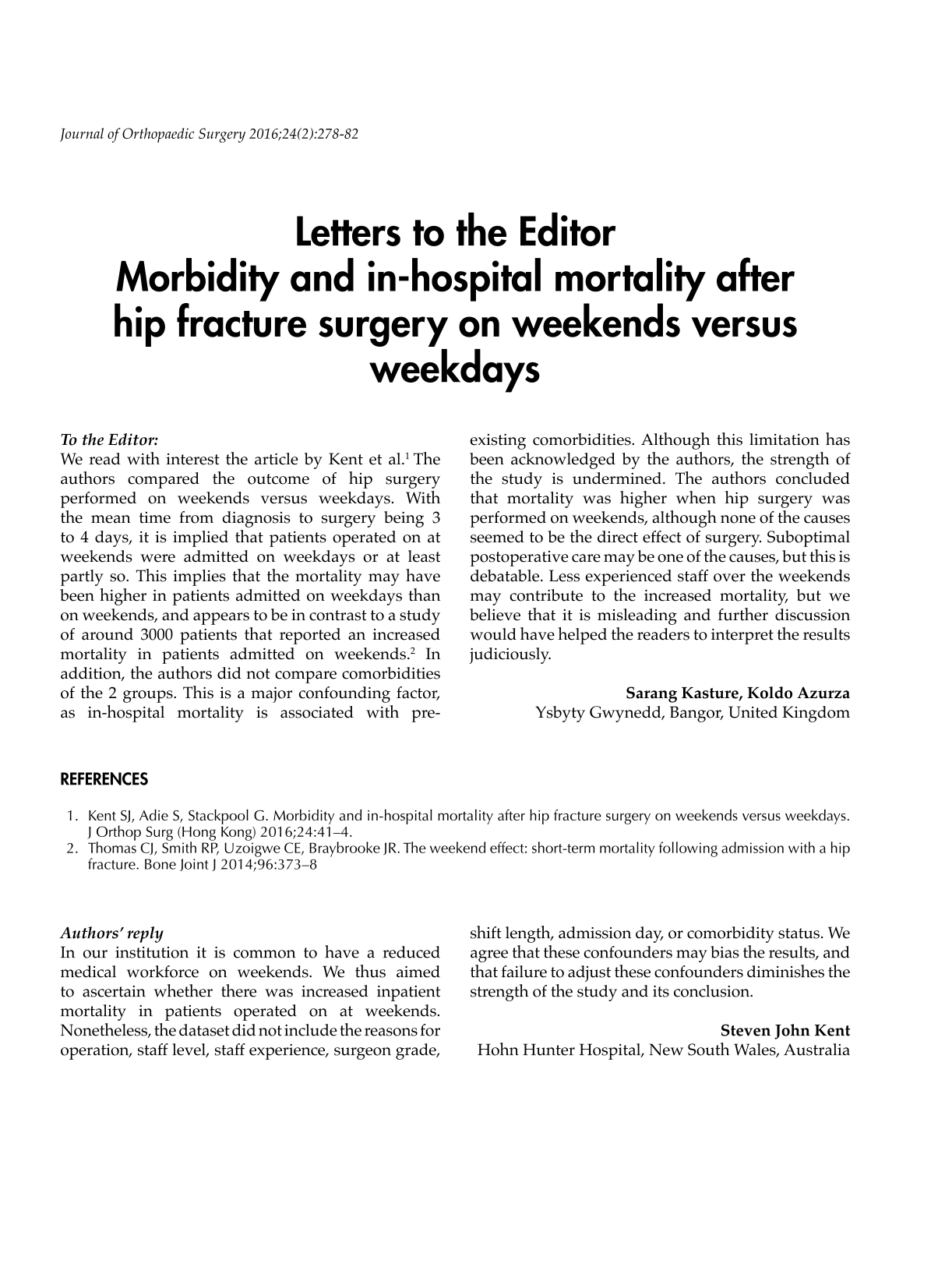
Free accessReplyFirst published August, 2016pp. 278-278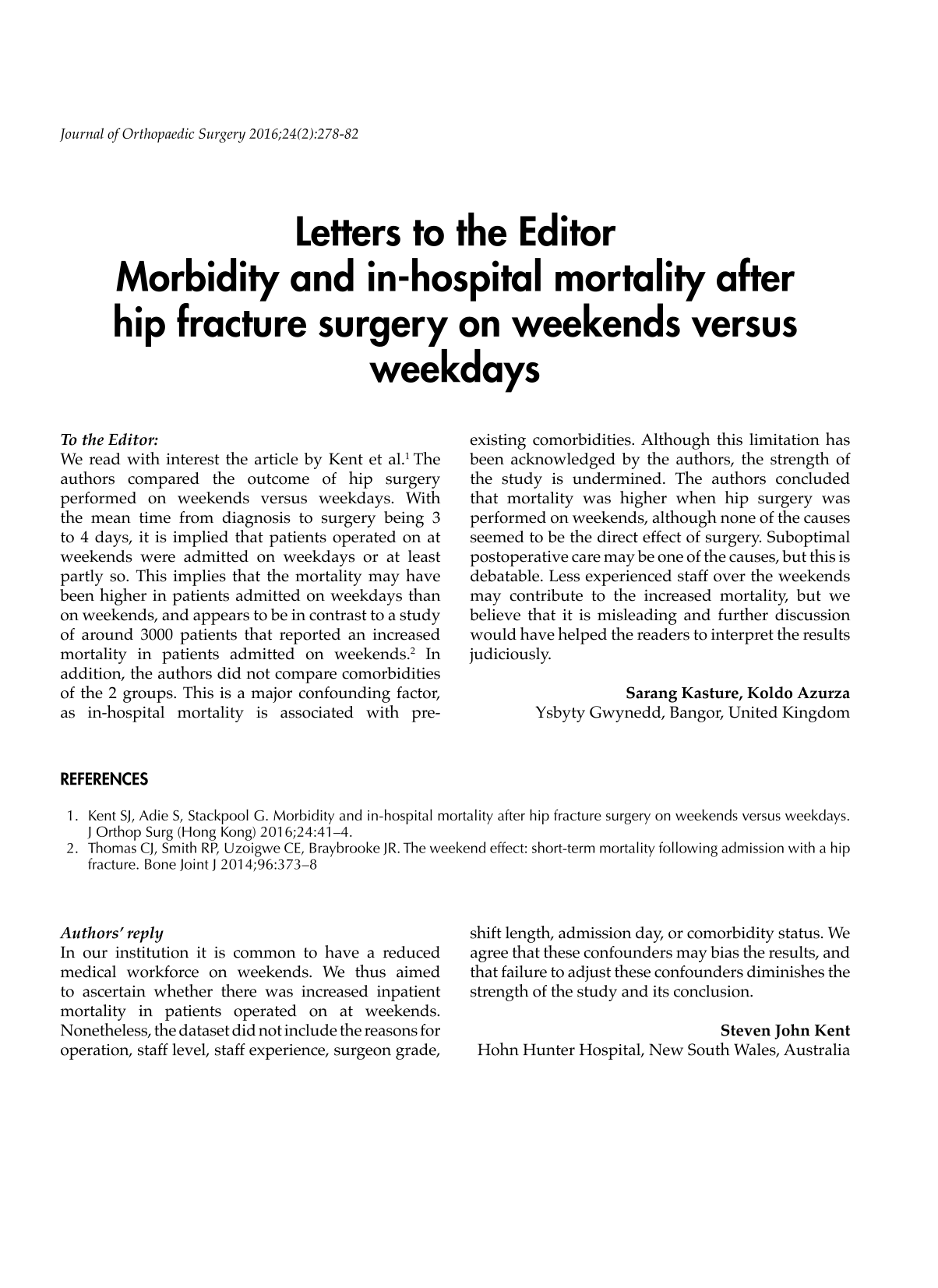 Free accessLetterFirst published August, 2016pp. 278-278
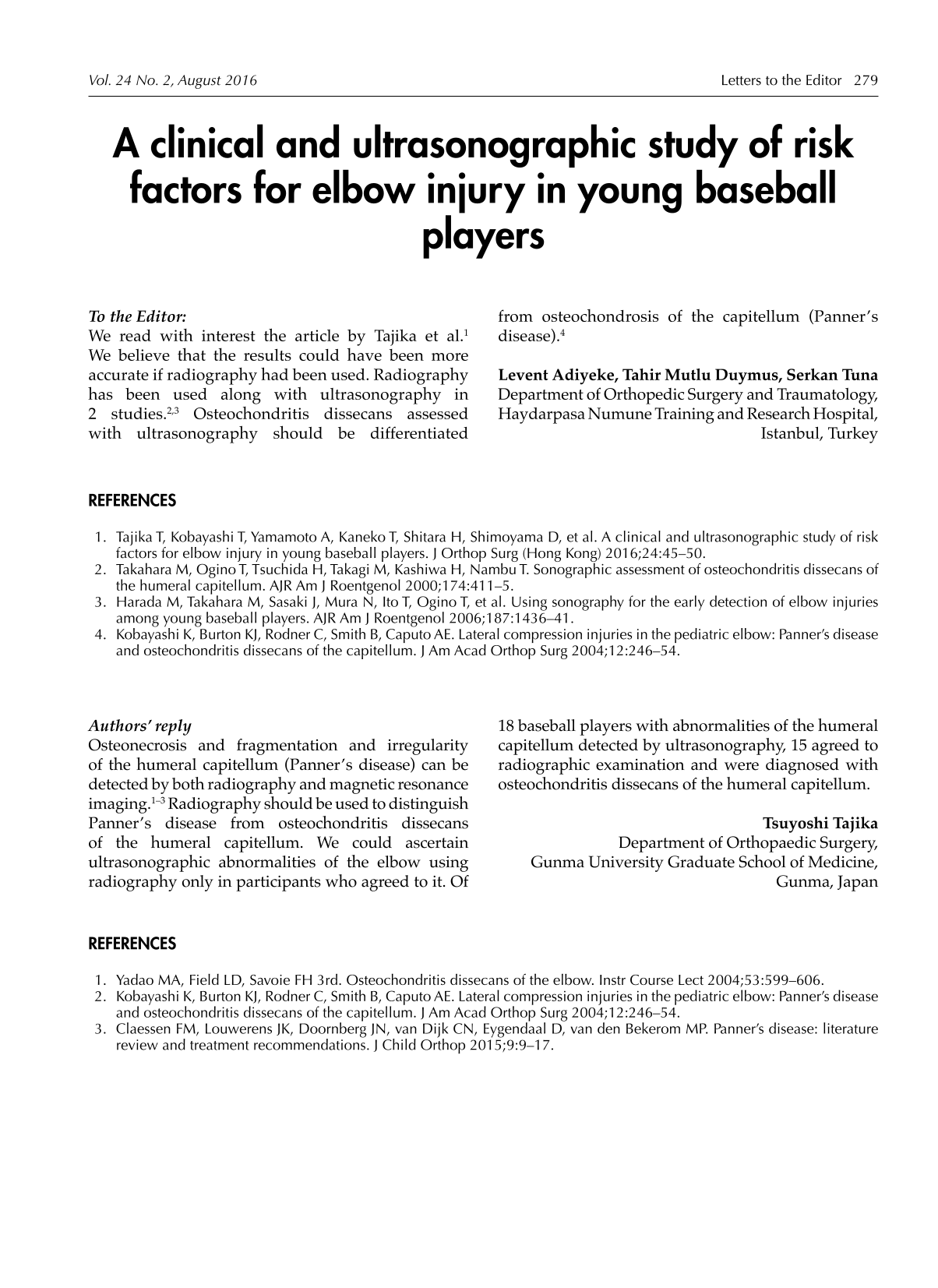
 Free accessReplyFirst published August, 2016pp. 279-279
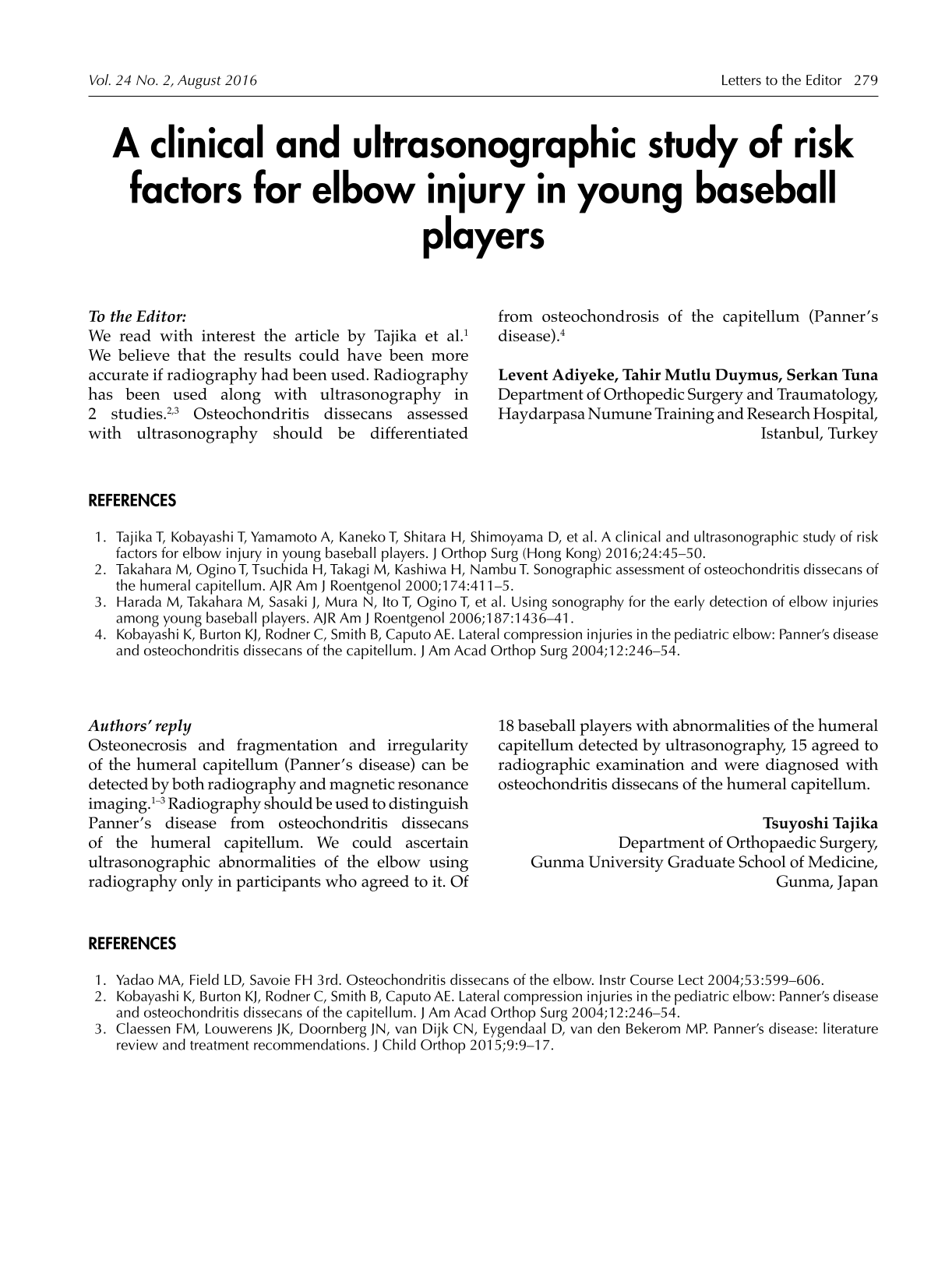
 Free accessLetterFirst published August, 2016pp. 279-279
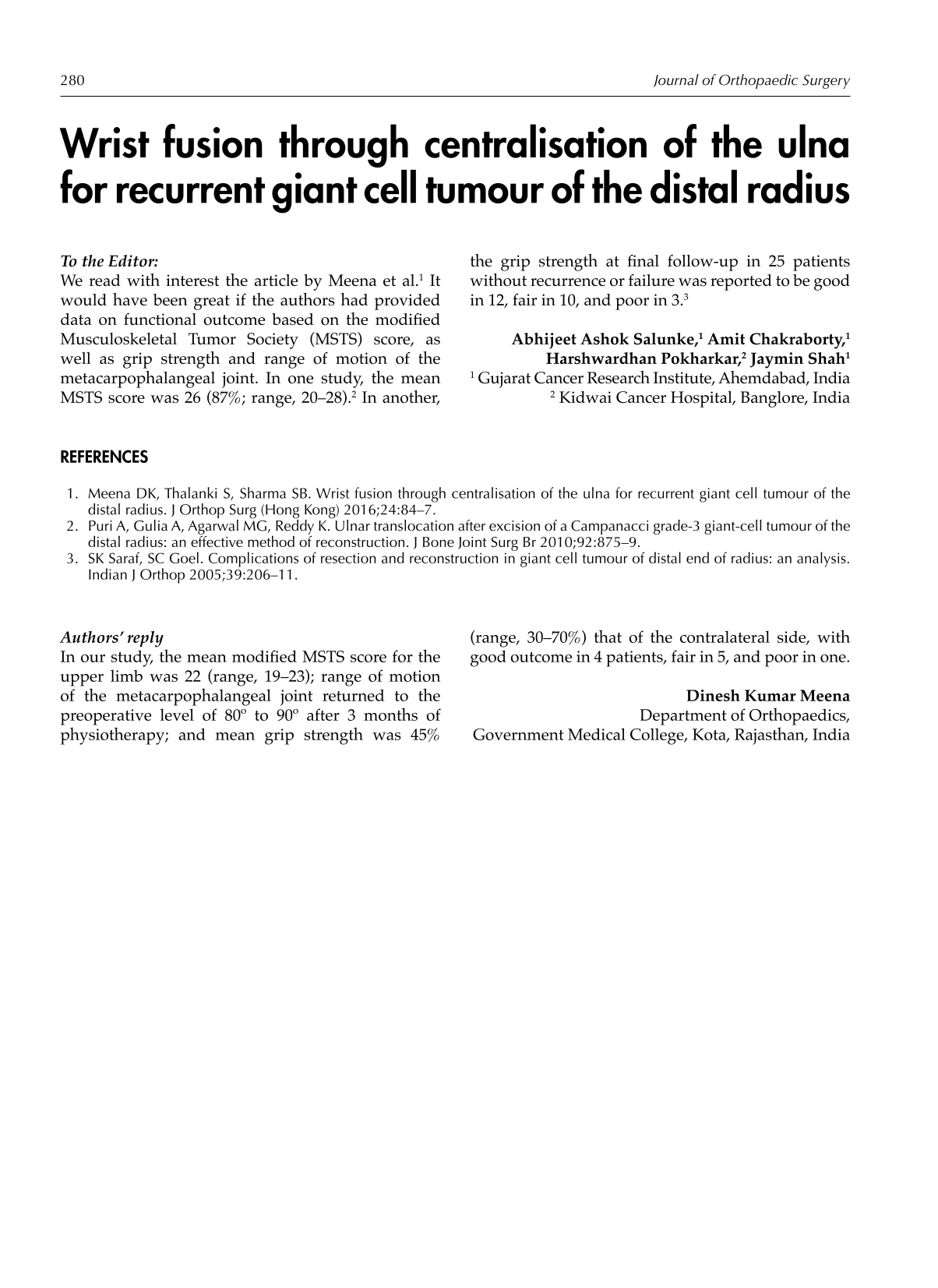
 Free accessLetterFirst published August, 2016pp. 280-280
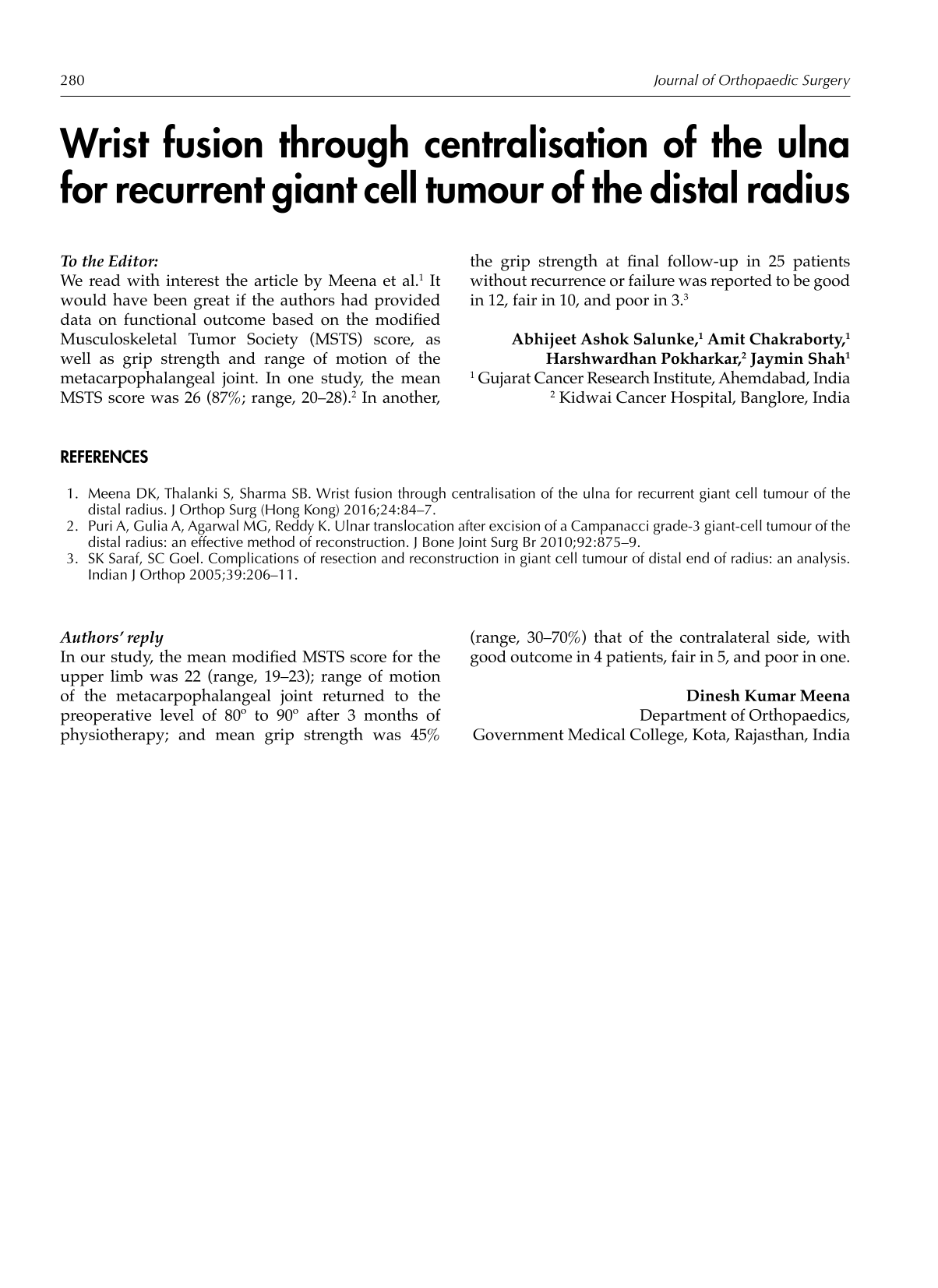 Free accessReplyFirst published August, 2016pp. 280-280
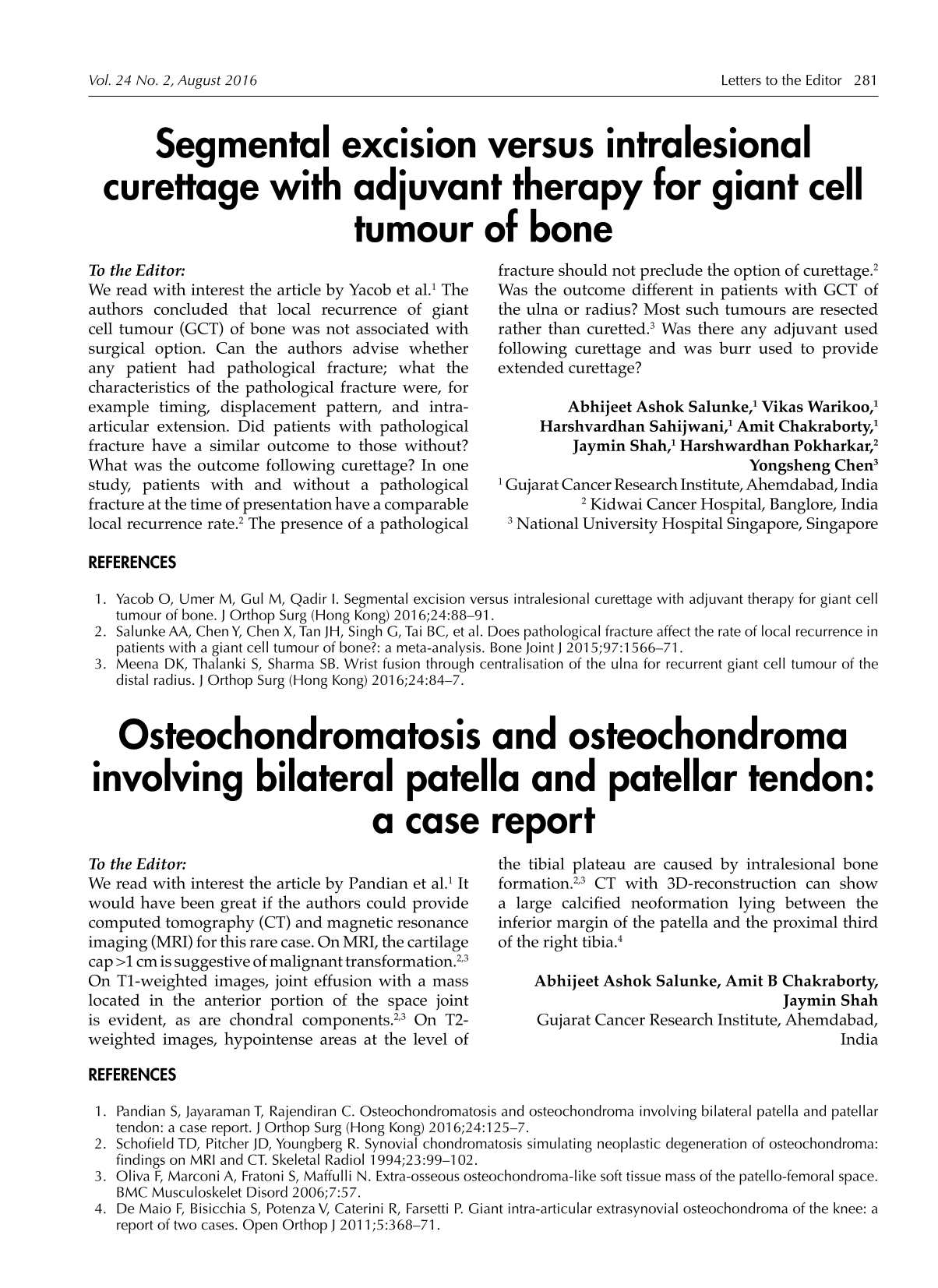
 Free accessLetterFirst published August, 2016pp. 281-281
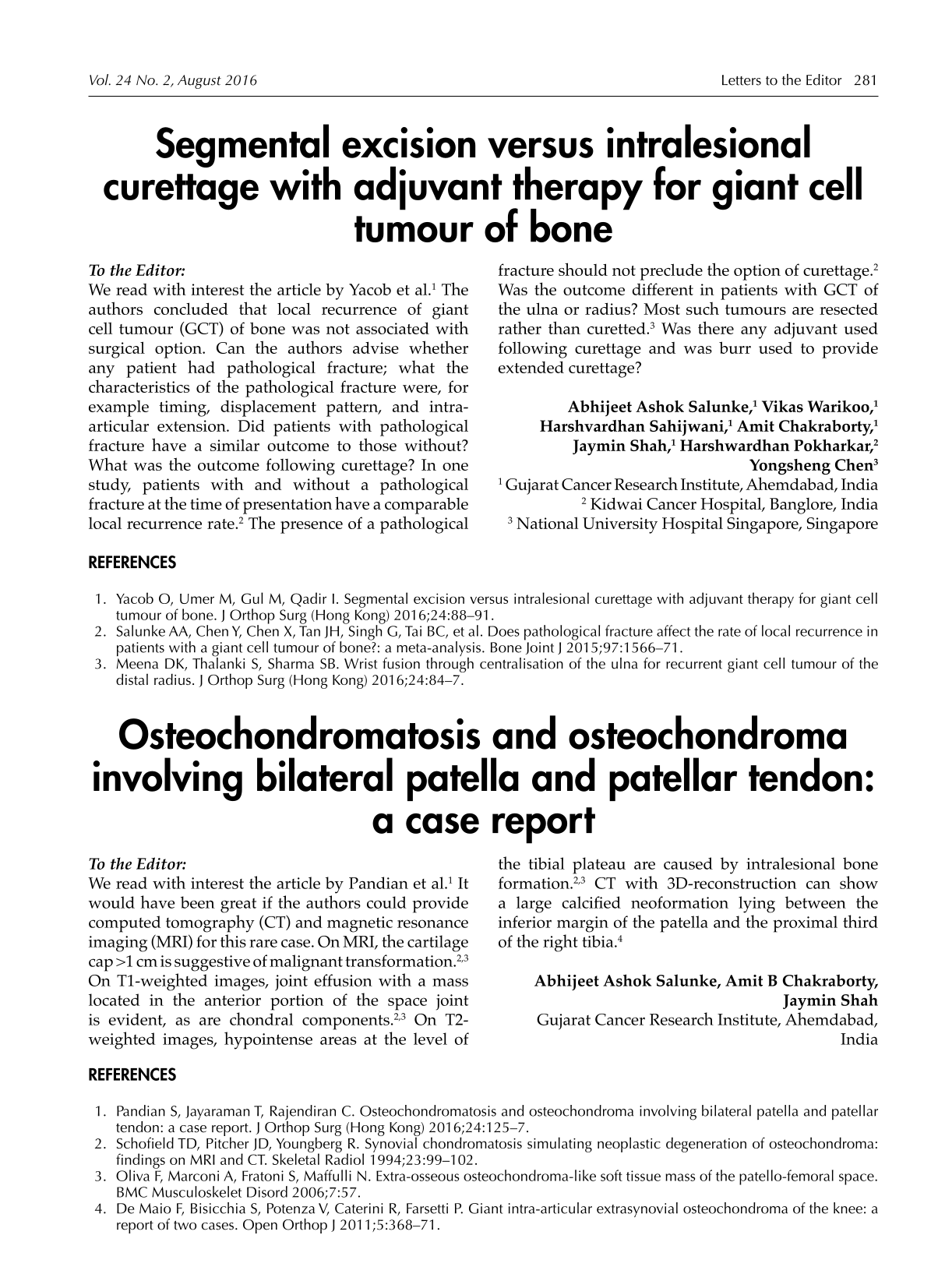 Free accessLetterFirst published August, 2016pp. 281-281
 Free accessLetterFirst published August, 2016pp. 282-282