Editorial
 Available accessEditorialFirst published September, 2014pp. 224-225

Select search scope: search across all journals or within the current journal


 Available accessEditorialFirst published September, 2014pp. 224-225Available accessResearch articleFirst published September, 2014pp. 226-233
Little is known about adolescent transition to self-management after heart transplant. This gap in knowledge is critically important because the consequences of poor self-management are costly and life-threatening, often resulting in nonadherence, rejection, repeated hospitalizations, and poor quality of life.
To explore how adolescents and parents perceive their roles in self-management, and how adolescents integrate self-management into their daily lives and navigate the transition from parent-dominated to self-management.
Qualitative descriptive design, using online focus groups.
Online focus groups using itracks, an online qualitative software program.
A purposive sample of 4 adolescents, 13 to 21 years old, who were at least 6 months posttransplant, and of 6 parents of adolescent heart transplant recipients.
Several parallel themes emerged from the parent and adolescent online focus groups. Managing medications was the predominant theme for both parents and adolescents. For the remaining themes, parents and adolescents expressed similar ideas that were categorized into parallel themes, which included staying on top of things/becoming independent, letting them be normal/being normal, and worries and stressors.
The transition to self-management after heart transplant was a clear goal for both parents and adolescents. The transition is a shared responsibility between parents and adolescents with a gradual shift from parent-directed to self-management. The process of transition was not linear or smooth, and in several instances, parents described efforts to transfer responsibility to the adolescent only to take it back when complications arose. Additional research with a larger sample is needed in order to fully understand adolescent heart transplant recipients' transition to self-management.
Available accessResearch articleFirst published September, 2014pp. 234-241Heart transplantation is a relatively new medical treatment for end-stage heart failure. Many studies have addressed the outcomes and the complications and technical problems associated with heart transplants, but few have explored the whole clinical experience of being a heart transplant recipient.
To understand and gain deeper insight into the lived experience of Iranian heart transplant recipients.
Interviews of 11 heart transplant recipients were analyzed according to phenomenological guidelines set forth by Diekelmann.
Six major themes emerged from 29 subthemes, depicting the meaning of living with a transplanted heart. These themes include having a new life, living with new concerns, living with vigilance, paradoxical emotions, bearing others' behaviors, and the prominent role of God in life.
Heart transplant recipients in Iran experience a new life in which their faith in God helps them go through hardships and difficulties.
Available accessResearch articleFirst published September, 2014pp. 242-246After transplant, patients with familial amyloid polyneuropathy may manifest several medical and psychiatric symptoms that can be difficult to diagnose and treat. We describe 10 liver transplant candidates with familial amyloid polyneuropathy who had severe somatic signs and symptoms (nausea and vomiting) after transplant. Their physical examinations were performed by physicians from different specialties. Before transplant, the patients' evaluations did not reveal relevant medical or psychiatric symptoms. After transplant, they had severe nausea and vomiting and high scores on the Hospital Anxiety and Depression Scale. A psychopharmacological trial with a selective serotonin reuptake inhibitor plus an antiemetic drug was unsuccessful. Remission was obtained with tricyclic antidepressants and low-dose atypical antipsychotic agents. Previous researchers had concluded that the mental quality of life in patients with familial amyloid polyneuropathy was worse after receiving a liver transplant, unlike other transplant recipients. The 10 cases described in this study are a good example of comorbid physical and mental symptoms occurring after transplant in patients with familial amyloid polyneuropathy. The conclusions of this study have implications for clinical practice, showing how a careful holistic approach in the posttransplant period is relevant in these cases.
Available accessResearch articleFirst published September, 2014pp. 247-256Quality of life (QoL) has become a mainstay in the outcome assessment of pediatric solid-organ transplant recipients. Yet, how QoL is operationalized and measured varies drastically. It may be very difficult for clinicians and researchers to determine which methods of QoL assessment best meet the needs of their patients or study. The purpose of this literature review is to describe and evaluate the current status of QoL measurement in studies of pediatric solid-organ transplant recipients.
Searches of PubMed and PsycINFO from January 1985 to February 2012.
English peer-reviewed publications that described a method for measuring QoL whether it was a standardized questionnaire, qualitative approach, or another way of operationalizing the construct.
QoL measurement strategies were extracted from 43 studies that met inclusion criteria.
Each article was reviewed and summarized by 2 study team members.
Many different strategies were used for measurement, and some were not consistent with established conceptualizations of QoL. Overall recommendations for best practices are offered. Detailed information about specific measures is included, and measures that seem to capture the construct well are recommended. Additionally, our review highlighted the importance of using a “battery approach,” including child and parent report as well as considering other variables, such as patient's age, when selecting a QoL measurement strategy.
Available accessResearch articleFirst published September, 2014pp. 257-262Kidney transplant improves quality of life and survival compared with dialysis. Despite advances in immunosuppressant regimens and the prevention and treatment of acute rejection, graft survival rates have not improved significantly in the past decade. Although the clinical effectiveness of these regimens has been studied, the impact of changes over time on cost has not.
Costs of kidney transplant were compared between 2 periods demarcated by a programmatic change from cyclosporine (early) to tacrolimus (late) and from nonroutine induction (early) to routine induction (late) therapy in adult patients receiving a first kidney-only transplant in Calgary, Alberta, Canada, in an 8-year period.
Complete costs for 3 years after transplant was available for 344 patients, including 161 adult recipients in the early period (April 1, 1998-December 31, 2001) and 183 adult recipients in the late period (January 1, 2002-March 31, 2006). The mean total 3-year cost of transplant for recipients was Can$100 034 in the early period and Can$144 712 in the late period largely attributed to increases in the cost of immunosuppressants (
Given that the cost of transplant has increased significantly over time, the cost-effectiveness of these and other immunosuppressive regimens should be evaluated carefully.
Available accessResearch articleFirst published September, 2014pp. 263-270Health literacy affects a patient's ability to navigate through the system of care for late-stage kidney disease, including evaluation, waiting, and recovering from kidney transplant.
To develop and provide a preliminary evaluation of a knowledge and decision-making capacity tool, which is a component of health literacy.
Cross-sectional design with purposive sampling.
Vascular access, dialysis, and outpatient transplant clinics.
A Decision-Making Capacity Assessment Tool (DMCAT) was developed and administered to 127 adults at different stages in the kidney care process.
The DMCAT tool is positively and significantly correlated to the other 2 previously validated instruments and accounts for more variance than the other 2 tools in the regression models. We found significant differences in patients' health literacy and decision-making capacity related to their stage of care. Decision-making capacity appeared to be an important component of health literacy and should be considered as health care providers tailor care to meet patients' needs.
Available accessResearch articleFirst published September, 2014pp. 271-272Arterial injury remains a common complication during organ procurement, with negative effects on postoperative morbidity and graft survival. We describe a simple technique that helps surgeons avoid vascular injuries during isolated liver procurement (without pancreas). This simple technique has been used in 200 liver procurements without any arterial injuries.
Available accessResearch articleFirst published September, 2014pp. 273-283A large racial disparity exists in organ donation.
To identify factors associated with becoming a registered organ donor among African Americans in Alabama.
Concurrent mixed methods design guided by the Theory of Planned Behavior to analyze African Americans' decisions to become a registered organ donor by using both qualitative (focus groups) and quantitative (survey) methods.
The sample consisted of 22 registered organ donors and 65 nonregistered participants from 6 focus groups completed in urban (n = 3) and rural (n = 3) areas. Participants emphasized the importance of the autonomy to make one's own organ donation decision and have this decision honored posthumously. One novel barrier to becoming a registered organ donor was the perception that organs from African Americans were often unusable because of the high prevalence of chronic medical conditions such as diabetes and hypertension. Another novel theme discussed as an advantage to becoming a donor was the subsequent motivation to take responsibility for one's health. Family and friends were the most common groups of persons identified as approving and disapproving of the decision to become a donor. The most common facilitator to becoming a donor was information, whereas fear and the lack of information were the most common barriers. In contrast, religious beliefs, mistrust, and social justice themes were infrequently referenced as barriers to becoming a donor.
Findings from this study may be useful for prioritizing organ donation community-based educational interventions in campaigns to increase donor registration.
Available accessResearch articleFirst published September, 2014pp. 284-287HLA matching in kidney transplantation is a major factor in long-term survival of the graft. In Saudi Arabia, most deceased donors are non-Saudi, making it difficult to achieve minimal HLA mismatches between donor and recipient.
To analyze HLA types of 200 deceased donors and compare them with the Saudi population's HLA types.
In a retrospective study analyzing HLA types of the last 398 deceased donors processed in a tertiary hospital in Riyadh, Saudi Arabia, HLA types of all donors were compared with HLA types from a control group of healthy Saudi persons.
HLA types were significantly different between the deceased donor group and the Saudi population. In all deceased donors, zero mismatches was never achieved. The major differences in HLA types were in HLA-A*02, HLA-B*15, B*40, B*50, HLA-DRB1*14, DRB1*15, and DRB1*04.
As most of our deceased donors are non-Saudis, it is difficult to match for HLA-A, HLA-B, and HLA-DR. HLA matching should be attempted nationwide by adopting different strategies, including typing donors centrally and distributing results to all centers, agreeing on a national point system for allocating organs from deceased donors, and making HLA matching a priority, especially for highly sensitized patients.
Available accessResearch articleFirst published September, 2014pp. 288-293Donated tissues can save lives of critically burned patients and those needing a heart valve replacement. Tissues enhance the lives of a million recipients annually through transplants of corneas, bones, tendons, and vein grafts. Unfortunately, the need for some tissues exceeds their availability.
The goal of the quantitative component of this mixed methods study was to identify the grief, posttraumatic stress, personal growth, and ongoing attachment response of tissue donors' family members during a 2-year period.
Simultaneous mixed methods design.
The sample for this study consisted of 52 tissue donors' family members, mostly widows (83%).
Data were collected for 2 years to test changes in grief, posttraumatic stress, panic behavior, personal growth, and ongoing attachment. The bereaved participants experienced significantly fewer grief reactions, less posttraumatic stress, and greater personal growth. There was no significant difference in the ongoing attachment to their deceased loved ones.
The results of this study may reinforce the positive meaning that tissue donors' family members can find in tissue donation. Findings also demonstrate that the bereavement process corroborates contemporary bereavement and attachment theories. Health professionals are encouraged to seek donations with less worry that tissue donors' family members will experience adverse outcomes during bereavement.
Available accessResearch articleFirst published September, 2014pp. 294-297A novel patient-centered approach was used to deliver ethics curriculum to medical students. Two medical school clinicians designed a telemedicine session linking their facilities (across 2 continents). The session, Exploring the Patient Experience Through Telemedicine: Dialysis and End-Stage Renal Disease, allowed second-year medical students to explore various parameters of quality of life experienced by dialysis patients. A panel of 4 medical students interviewed a dialysis patient via Skype video connection between the medical school and the hospital's dialysis unit. Interview questions were adapted from the Kidney Disease Quality of Life instrument. During the live video-streamed interview, the remaining 23 second-year medical students observed the session. Afterward, the 23 were offered a voluntary anonymous online feedback survey (15 responded). The 4 panelists submitted narrative responses to 2 open-ended questions about their experience. All 15 responding students “Strongly agreed” or “Agreed” that the session was an aid to their professionalism skills and behaviors; 14 of 15 “Strongly agreed” or “Agreed” that telemedicine technology contributed to their understanding of the topic; 12 of 15 “Strongly agreed” that the session improved their understanding of the psychosocial burdens of dialysis, quality of life, and human suffering, and increased their empathy toward patients; and 12 of 15 “Strongly agreed” or “Agreed” that the session encouraged reflective thinking and was an aid to improving their communication skills. Telemedicine can be an effective and feasible method to deliver an ethics curriculum with a patient-centered approach. Additionally, the cross-cultural experience exposes students to additional contextual features of medicine.
Available accessBrief reportFirst published September, 2014pp. 298-301Organ shortage is unquestionably the greatest challenge facing the field of transplantation today. Transplant centers are constantly competing with one another for limited numbers of organs for their recipients. Recruitment of specialized transplant surgical expertise and leadership is thought to enable a center to grow in volume and thus profitability in the increasingly difficult world of health care reimbursement. In this study, the pattern of kidney transplants at 13 different centers in the United Network for Organ Sharing's region 1 is examined: the comparison is between transplant volume before and after changes in the centers' leadership between 2000 and 2011. Each center's kidney transplant volume showed a significant increase after a leadership change that ultimately regressed to the center's baseline. This study is the first to show that behavioral changes in transplant center competition cause transient increases in transplant volume that quickly regress back to mean levels.
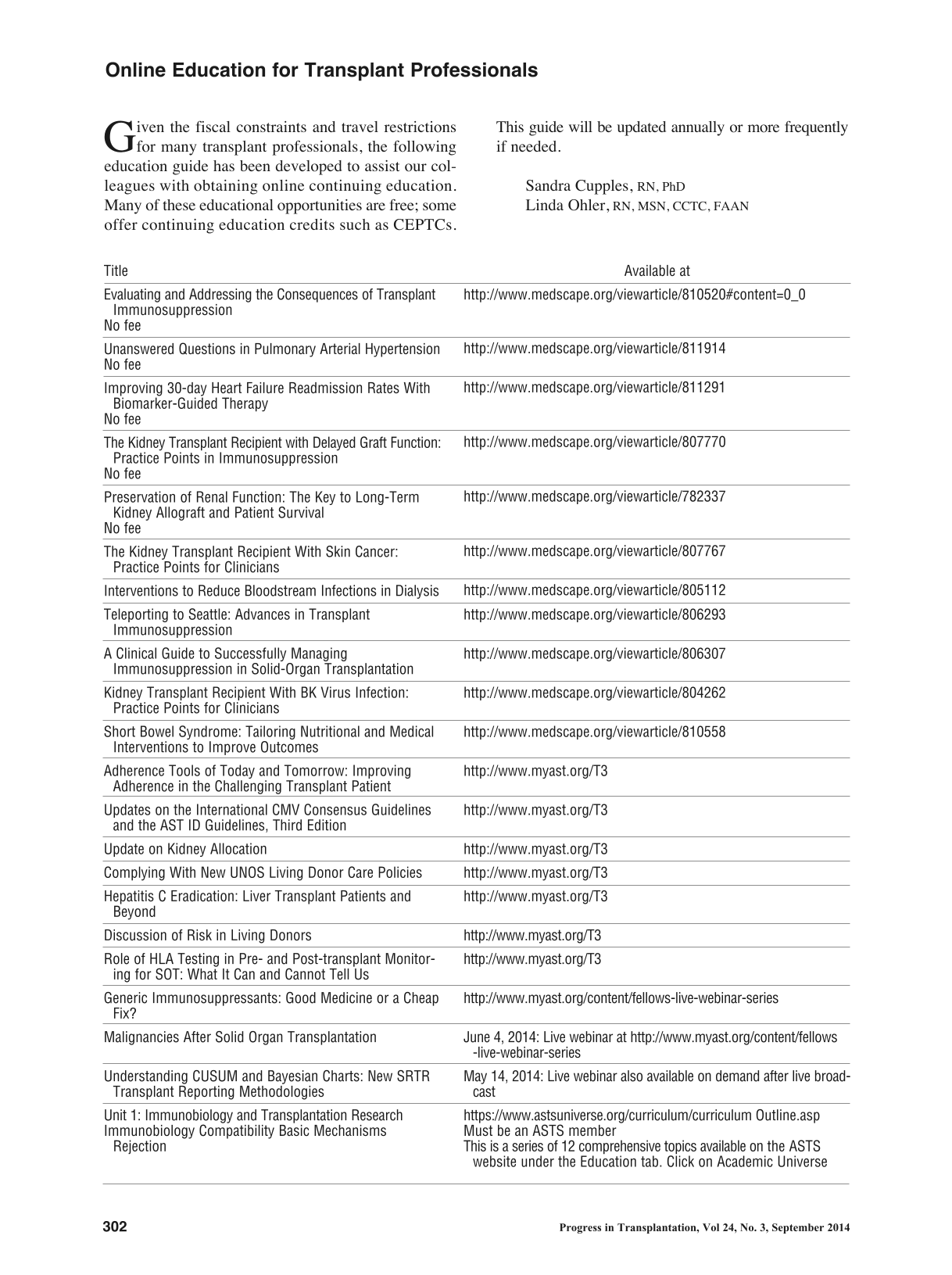
Available accessResearch articleFirst published September, 2014pp. 302-303