Editorial
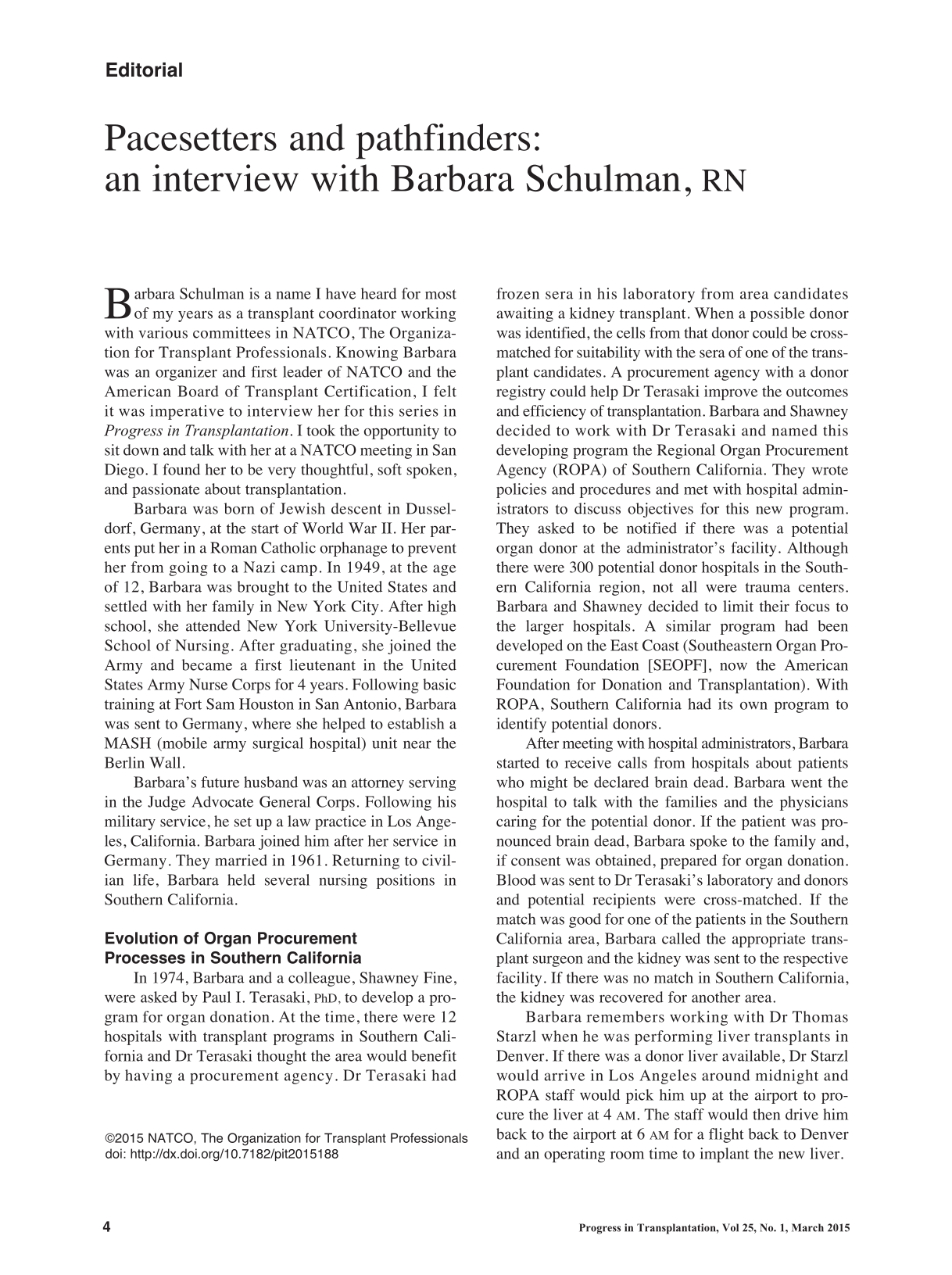
 Available accessEditorialFirst published March, 2015pp. 4-5

Select search scope: search across all journals or within the current journal


 Available accessEditorialFirst published March, 2015pp. 4-5Available accessResearch articleFirst published March, 2015pp. 6-8
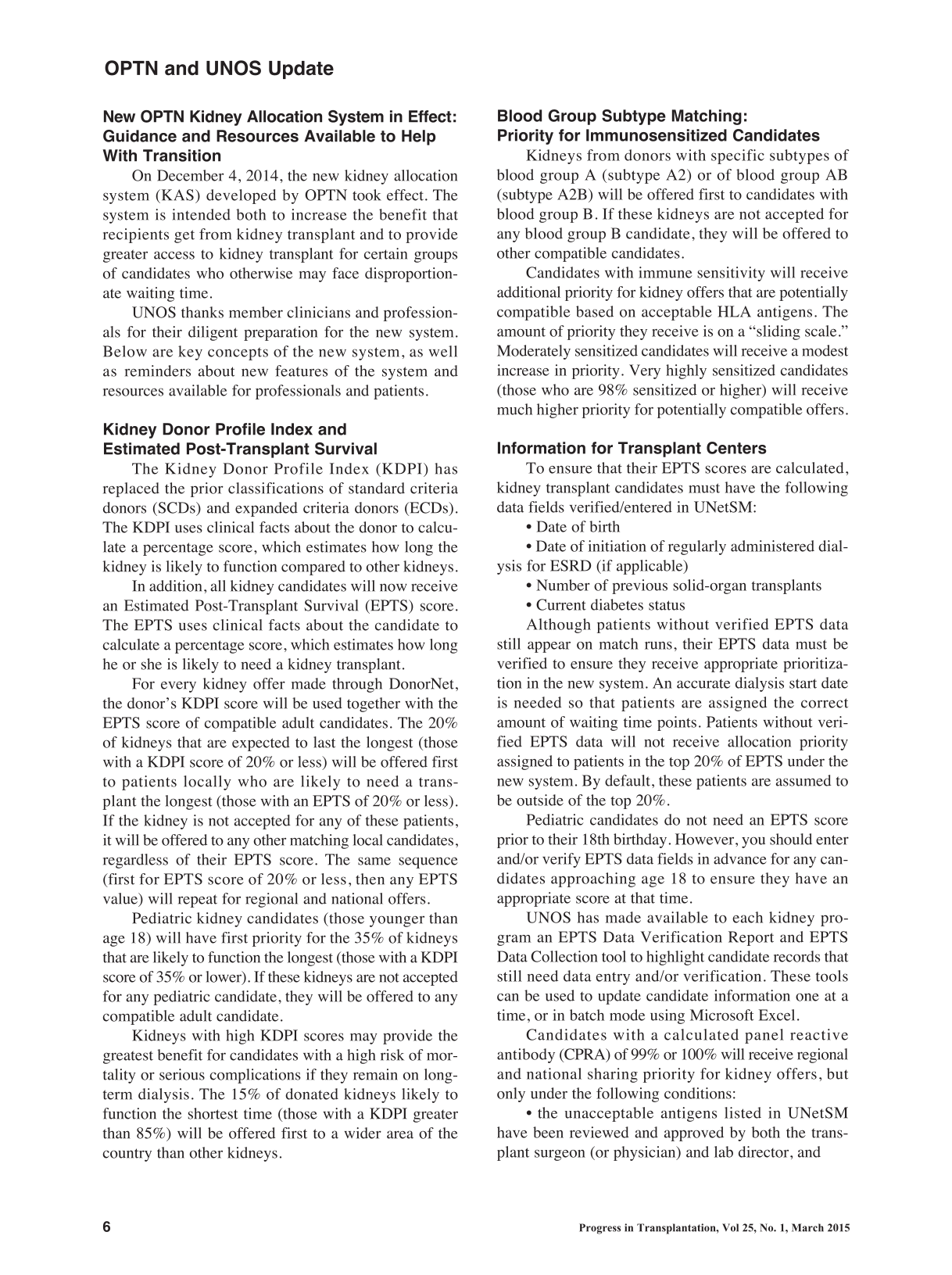 Available accessResearch articleFirst published March, 2015pp. 9-17
The Internet is a staple of electronic communication and is essential to the emerging telemonitoring and health information technology interventions for adults with chronic diseases.
To identify determinants of frequent Internet use in an urban kidney transplant population in the United States.
A single center, cross-sectional survey study
An urban Midwestern transplant center
78 pretransplant and 177 posttransplant patients
Frequent Internet use, defined as using the Internet more than 5 hours per week.
Only 38% of participants reported being frequent Internet users. Non-Hispanic blacks and participants who reported their race/ethnicity as “other” were significantly less likely than whites to report being frequent Internet users. Women were 59% less likely than men to be frequent users of the Internet. Those who reported having kidney disease for more than 3 years were more likely to report being frequent Internet users. As education increased, Internet use increased. As age increased, Internet use decreased.
Alternatives to electronic information sources and/or additional resources should be considered for those who may fall in the so-called digital divide.
Available accessResearch articleFirst published March, 2015pp. 18-25To elucidate the education needs of patients who have undergone lung transplant for cystic fibrosis while participating in the development of therapeutic education programs in French transplant centers.
From January 2009 to March 2012, in-depth educational diagnosis interviews were conducted with 42 adult transplant recipients with cystic fibrosis who were being followed up at 7 French transplant centers. Several areas were explored: health status, social and occupational outcomes, knowledge about the disease and treatments, and experience of the disease. The interviews combined open- and closed-ended questions for more systematic exploration of knowledge about the disease and treatments.
After receiving the transplant, the patients' health had improved and their lives were returning to normal. They had acquired much usable knowledge about managing their disease. Educational needs regarding transplant-related complications and management of immunosuppressive drugs were evident. The analysis also demonstrated the need to better inform patients about pregnancy and new social rights and to offer them psychological support in adjusting to their new health status.
Therapeutic education of patients should continue well after transplant to maintain safety knowledge and meet patients' new needs. A comprehensive therapeutic education program for transplant candidates that includes the preparatory, immediate posttransplant, and late posttransplant phases is needed.
Available accessResearch articleFirst published March, 2015pp. 26-34Dialysis patients' lifestyles are associated with low levels of physical activity, increasing the chances of being removed from kidney waiting lists or dying while awaiting transplant because of increased cardiovascular risk factors and deteriorating health conditions. Personalized mobile health (mHealth) delivered programs may support their engagement in healthier lifestyles, maintain transplant eligibility, and reduce premature mortality.
To explore barriers and perceptions of physical activity behaviors and gauge interest in using mHealth in a physical activity wellness program for dialysis patients on the kidney transplant waiting list.
In-depth key informant interviews were conducted with 22 randomly selected dialysis patients during dialysis treatment in an urban Southeastern coastal city. A theory-guided community-based participatory research approach was used to develop the interview content. Constructivist grounded theory guided the data analysis using NVIVO 10 (QSR Int). The 32-item checklist from the Consolidated Criteria for Reporting Qualitative Studies was used in the qualitative reporting.
Dialysis patients had a mean age of 46 (SD, 10.7) years, 45% were female, and 82% were African American. Their mean duration on transplant waiting lists was 6.7 (SD 4.3) years, and 73% owned smartphones. After saturation was reached, predominant themes included (1) physical activity was perceived as optional, (2) social support both encouraged and limited physical activity, (3) chronic stress and coping influenced physical activity, (4) spirituality provided strength to engage in physical activity, (5) self-care management practices varied considerably, and (6) high interest (95%) for using mHealth to promote physical activity was found. Patients preferred their home and neighborhood environments to intradialytic settings for engaging in physical activity.
Available accessResearch articleFirst published March, 2015pp. 35-38Current recommendations do not discourage pregnancy in stable, orthotopic heart transplant (OHT) recipients who are more than 1 year posttransplant, although a highly specialized level of care with a multidisciplinary team is recommended. These patients may incur significant risk to themselves, their allograft, and/or their fetuses. Recognition and treatment of posttransplant complications in pregnancy also may be difficult. Although the risk of recurrent pregnancies in patients with peripartum cardiomyopathy (PPCM) is well defined, the risk of pregnancy after a PPCM patient has undergone OHT is unknown. A case of severe allograft rejection in a woman with a history of PPCM who became pregnant nearly 3 years after OHT is presented and her subsequent management is described. The data available on pregnancy after transplant are based on case reports, registry data, and reviews. The decision to become pregnant should be preceded by an extensive discussion including the patient, her partner, her obstetrician, and the transplant team, reviewing potential risks to her health as well as to her allograft and the fetus. Providers should be clear that many questions pertaining to pregnancy after transplant remain unanswered, and the patient should be comfortable going forward in this situation.
Available accessResearch articleFirst published March, 2015pp. 39-44Cytomegalovirus (CMV) is an opportunistic infection that causes profound morbidity and mortality after orthotopic liver transplant (OLT). The CMV immunoglobulin G serostatuses of donors and recipients are the main factors influencing risk for development of CMV infection after transplant.
To compare acyclovir and valganciclovir for preventing CMV infection after OLT.
Retrospective assessment of adult OLT recipients at intermediate risk for CMV infection at New York Presbyterian Hospital.
All patients received ganciclovir 5 mg/kg intravenously every 12 hours or valganciclovir 900 mg orally every 12 hours for 7 days after transplant. On postoperative day 8, patients received antiviral prophylaxis according to risk stratification: acyclovir 800 mg orally 3 times daily in donor seronegative/recipient seropositive (D-/R+) patients or valganciclovir 900 mg orally once daily in donor seropositive/recipient seropositive (D+/R+) patients.
Composite incidence of CMV infection, syndrome, or tissue-invasive disease.
Of 275 OLT recipients, 89 were at intermediate risk for CMV infection (29 D−/R+, 60 D+/R+). CMV infection, syndrome, or tissue-invasive disease occurred in 1 patient (3%) in the D−/R+ group and 5 patients (8%) in the D+/R+ group (
Available accessResearch articleFirst published March, 2015pp. 45-48Wound morbidity is an important surgical complication after kidney transplant.
To assess risk factors for postoperative wound complications and the impact of such complications on outcomes of kidney transplant.
Retrospectively, 108 consecutive kidney transplant patients between January 2010 and December 2010 were included in the analysis. Wound morbidity was defined as a surgical site infection or symptomatic lymphocele requiring intervention. Patient, donor, and surgical characteristics were reviewed.
Eight lymphoceles and 5 surgical site infections occurred in 12 patients. Risk factors for wound complications were recipient's age (
Available accessResearch articleFirst published March, 2015pp. 49-55Studies of all types of organ transplant recipients have suggested that weight gain, expressed as an increase in body mass index (BMI), after transplant is common.
To describe weight gain during the first year after transplant and to determine risk factors associated with weight gain with particular attention to type of transplant.
A prospective study of 502 consecutive organ transplant recipients (261 kidney, 73 liver, 29 heart, 139 lung) to identify patterns of BMI change. Measurements were made during regular outpatient clinical visits at 2, 6, and 12 months after transplant. Data were retrieved from patients' charts and correlated with maintenance corticosteroid doses.
Overall, mean BMI (SD; range) was 23.9 (4.5; 13.6–44.1) at 2 months and increased to 25.4 (4.0; 13.0–42.2) by the end of the first postoperative year. BMI levels organized by World Health Organization categories showed a trend toward overweight/obesity in kidney (53.4%), liver (51.5%), heart (51.7%), and lung (33.1%) patients by 12 months after transplant. BMI changed significantly (
Weight gain was common among patients undergoing kidney, liver, heart, and lung transplant; however, many showed BMI values close to normality at the end of the first year after transplant. In most cases, increased BMI levels were related to obesity before transplant and not to maintenance corticosteroid therapy.
Available accessResearch articleFirst published March, 2015pp. 56-63Currently, the only 2 options that women with absolute uterine factor infertility have for managing their infertility are surragocy or adoption. These women may also benefit from a possible future third option: uterine transplant
To investigate the opinions and views of UK health care professionals toward uterine transplant and rank issues related to uterine transplant by importance in order to make uterine transplant transparent and understandable to colleagues.
Large, in-depth survey investigating health care professionals' opinions on uterine transplant.
Analysis done at Imperial College London.
UK transplant professionals (surgeons, nurses, operating room staff, and donor coordinators) and obstetricians and gynecologists (trainees, members, and fellows of the Royal College of Obstetricians and Gynaecologists).
Questionnaires were given out at hospital grand rounds, trainee teaching days, and conferences (national and international).
Should uterine transplant take place? Is uterine transplant achievable? What is the rank order of importance of key issues related to uterine transplant?
The study had 528 participants. With respect to overall support for uterine transplant and as a possible future therapeutic option for absolute uterine factor infertility, 93.8% (n=495) thought that uterine transplant should take place if considered appropriate medically, surgically, and ethically and 57.2% (n= 302) thought it was an achievable objective. Issues related to immunology of uterine transplant and pregnancy after uterine transplant were unanimously thought of as most important. More effort is required to educate health care professionals about all aspects of uterine transplant.
Available accessResearch articleFirst published March, 2015pp. 64-76The present state of success in kidney transplantation, including its benefits to patients with end-stage renal failure, was achieved through relentless research, both in experimental animal models and human volunteers. Kidney transplantation has evolved during the past century thanks to various milestones in surgical techniques, immunology, immunosuppressive drugs, expansion of donor sources, organ preservation, transplant against immunological barriers (ABO blood group-incompatible and positive crossmatch transplants), and research on induction of tolerance, xenotransplants, and stem cell technology. Despite significant improvements in graft and patient survival, several issues still must be addressed to reduce the growing number of patients with kidney failure waiting to receive organs. This article provides an up-to-date review of the milestones in the history of kidney transplantation and highlights strategies to resolve current problems faced by patients and the transplant community.
Available accessResearch articleFirst published March, 2015pp. 70-76The Kidney Transplant Morbidity Index (KTMI) is a novel prognostic morbidity index to help determine the impact that pretransplant comorbid conditions have on transplant outcome.
To use national data to validate the KTMI.
Retrospective analysis of the Organ Procurement and Transplant Network/United Network for Organ Sharing database.
The study sample consisted of 100 261 adult patients who received a kidney transplant between 2000 and 2008.
Kaplan-Meier survival curves were used to demonstrate 3-year graft and patient survival for each KTMI score. Cox proportional hazards regression models were created to determine hazards for 3-year graft failure and patient mortality for each KTMI score.
A sequential decrease in graft survival (0 = 91.2%, 1 = 88.2%, 2 = 85.4%, 3 = 81.7%, 4 = 77.8%, 5 = 74.0%, 6 = 69.8%, and ≥7 = 68.7) and patient survival (0 = 98.2%, 1 = 96.6%, 2 = 93.7%, 3 = 89.7%, 4 = 84.8%, 5 = 80.8%, 6 = 76.0%, and ≥7 = 74.7%) is seen as KTMI scores increase. The differences in graft and patient survival between KTMI scores are all significant (
The KTMI strongly predicts graft and patient survival by using pretransplant comorbid conditions; therefore, this easy-to-use tool can aid in determining outcome risk and transplant candidacy before listing, particularly in candidates with multiple comorbid conditions.
Available accessResearch articleFirst published March, 2015pp. 77-90Despite the known benefits of kidney transplant, less than 30% of the 615 000 patients living with end-stage renal disease (ESRD) in the United States have received a transplant. More than 100 000 people are presently on the transplant waiting list. Although the shortage of kidneys for transplant remains a critical factor in explaining lower transplant rates, another important and modifiable factor is patients' lack of comprehensive education about transplant. The purpose of this article is to provide an overview of known best practices from the broader literature that can be used as an evidence base to design improved education for ESRD patients pursuing a kidney transplant. Best practices in chronic disease education generally reveal that education that is individually tailored, understandable for patients with low health literacy, and culturally competent is most beneficial. Effective education helps patients navigate the complex health care process successfully. Recommendations for how to incorporate these best practices into transplant education design are described. Providing more ESRD patients with transplant education that encompasses these best practices may improve their ability to make informed health care decisions and increase the numbers of patients interested in pursuing transplant.
Available accessResearch articleFirst published March, 2015pp. 85-90Kidney disease is a common disease that is best treated through kidney transplant. The kidney transplant process is complex and can be difficult to navigate and most likely requires an adequate amount of health literacy.
To assess the relationship between health literacy and transplant outcomes, including whether a patient was listed for or received a transplant.
A cross-sectional study measuring patients' health literacy and transplant outcomes.
Participants from a single transplant center were invited to participate if they were referred to the center for transplant and spoke English. Of the 92 patients, 30 (33%) were in the vascular access clinic, 31 (34%) were posttransplant, and 31 (34%) were pretransplant.
Health literacy was measured by using 3 tools: Rapid Estimate of Adult Literacy of Medicine-Transplant (REALM-T), Newest Vital Sign (NVS), and Decision-Making Capacity Assessment Tool (DMCAT).
Two dichotomous variables: whether the patient was listed for transplant and/or received a transplant. Descriptive and univariate statistics were calculated. Six logistic regression models were used to test for a correlation between each of the tools and patients' likelihood to be listed for and/or receive a transplant.
Fifty-three patients (58%) were formally listed for a transplant, and 36 (39%) received a transplant. The REALM-T, NVS, and DMCAT each significantly predicted whether or not a patient was listed for transplant (odds ratios, 1.044, 1.672, and 1.408). The NVS and DMCAT significantly predicted whether a patient received a transplant (odds ratios, 1.667 and 1.256). Health literacy is a positive and significant predictor of transplant outcomes. Clinicians should take assessments of health literacy into account when speaking to patients about kidney transplant.
Available accessResearch articleFirst published March, 2015pp. 91-99Despite the lifesaving benefits of organ and tissue donation, a worldwide shortage of suitable and registered donors exists. Although the reasons for this shortage are multifactorial, it has been recognized that distinct barriers to registration, family discussion, and consent that require targeted intervention and action are present among minority cultural, religious, and immigrant communities.
To explore the knowledge, attitudes, and beliefs of 3 orthodox religious communities in Australia (Macedonian, Greek, and Serbian Orthodox) and determine the implications for engaging with these communities to improve knowledge, attitudes, family discussion, and the ability to make an informed decision about donation.
Qualitative approach using focus groups moderated by researchers and bicultural health workers with the assistance of accredited interpreters.
98 adult members of the Greek, Macedonian, and Serbian Orthodox communities in the Illawarra region of New South Wales, Australia.
Clear barriers to discussing and making an informed decision about organ and tissue donation were identified. Knowledge of processes and procedures was low and discussion about death (and organ and tissue donation) with family members and loved ones was considered taboo. Despite these barriers, all 3 communities expressed a desire for more information and engagement. Of particular interest were the perspectives of 3 types of “experts”: medical, religious, and other community members (who had experience with the organ and tissue donation system). Future programs designed for orthodox religious communities should consider the need for active strategies that facilitate information sharing and engagement between community members and these 3 types of experts.
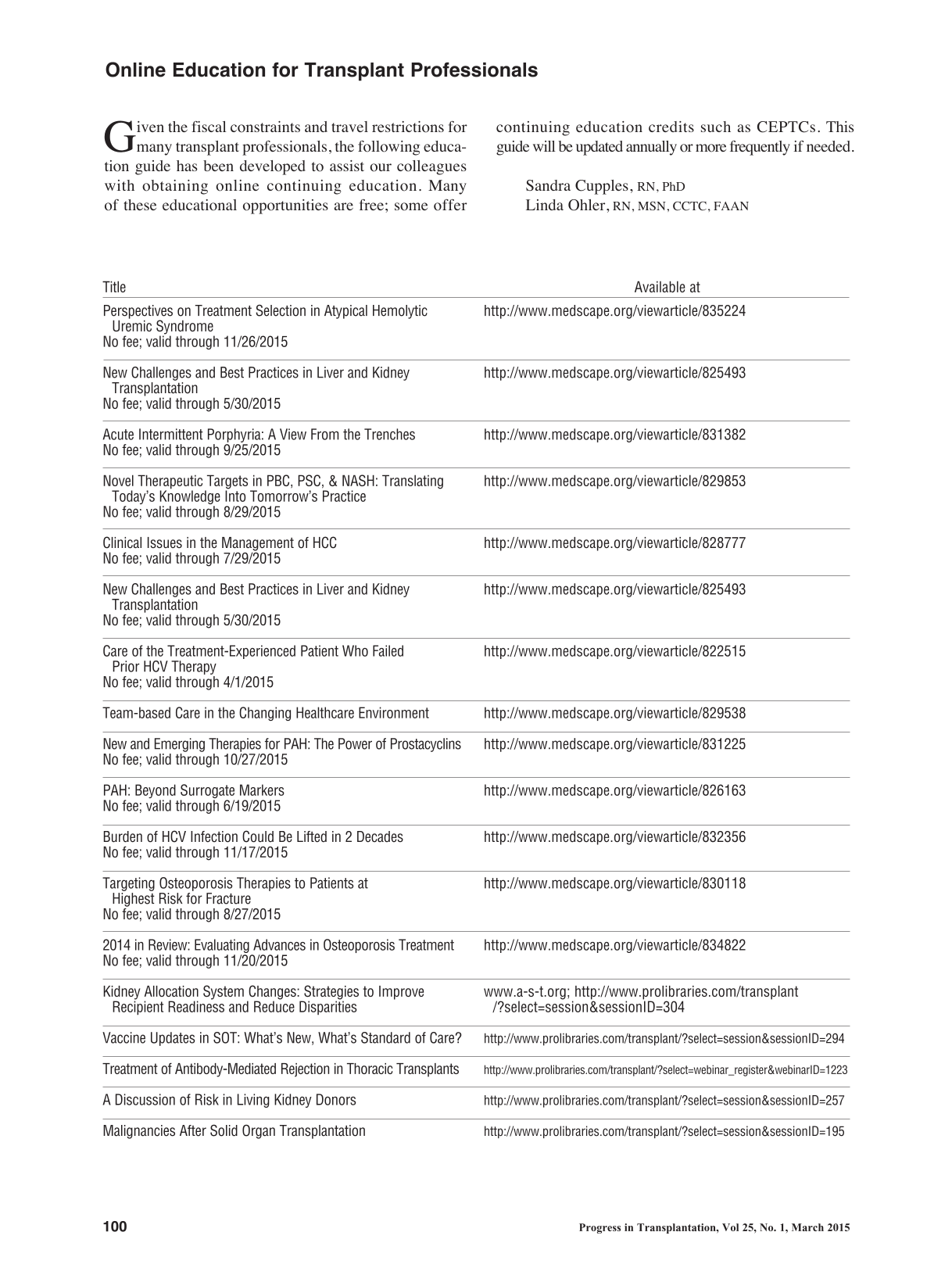
Available accessResearch articleFirst published March, 2015pp. 100-100