Editorial
 Free accessEditorialFirst published 2020pp. 747-748

Select search scope: search across all journals or within the current journal


 Free accessEditorialFirst published 2020pp. 747-748Free accessEditorialFirst published 2020pp. 749-751
 Free accessObituaryFirst published 2020pp. 753-756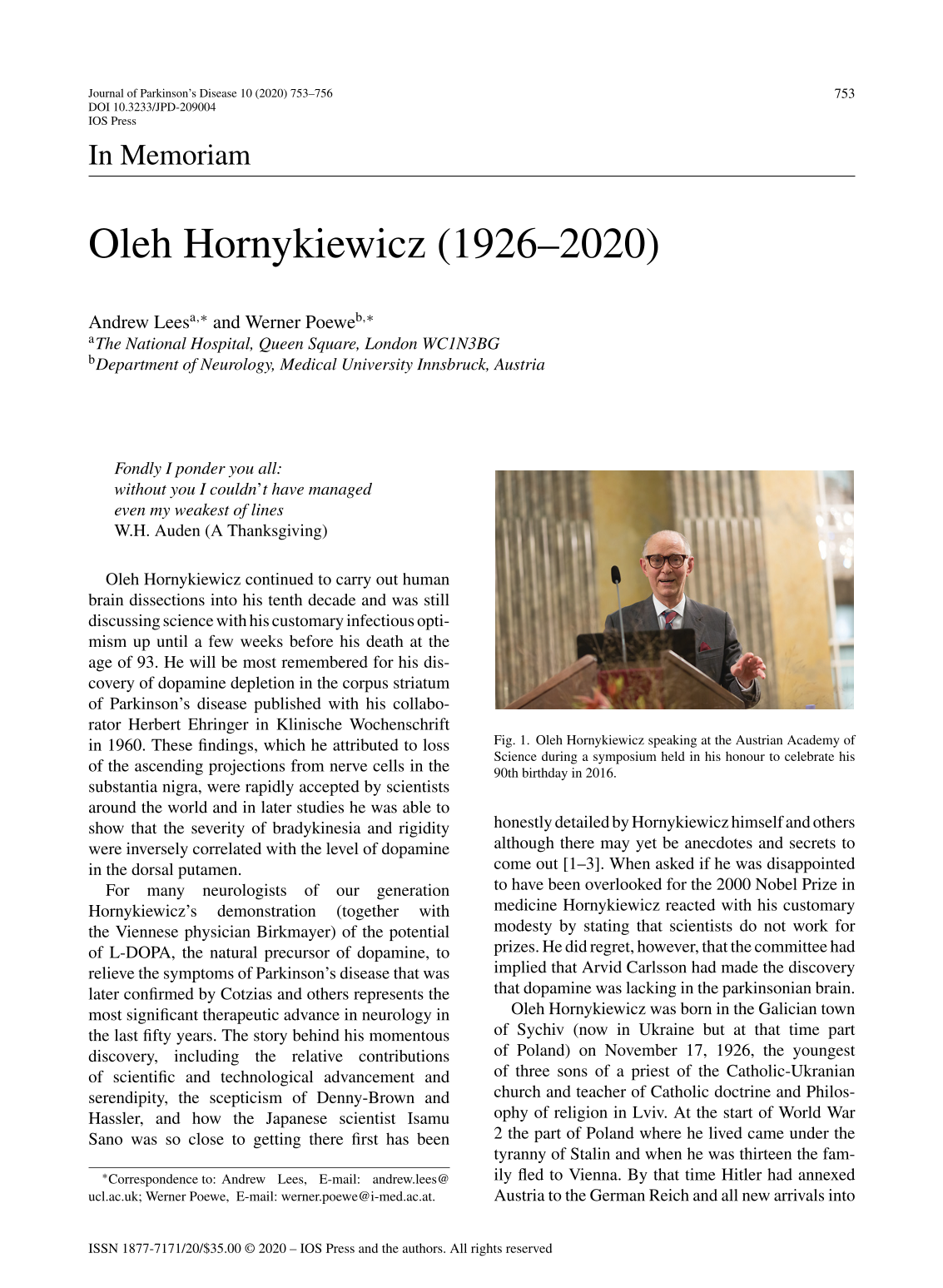
 Open accessReview articleFirst published 2020pp. 757-774
The majority of current pharmacological treatments for Parkinson’s disease (PD) were approved for clinical use in the second half of the last century and they only provide symptomatic relief. Derivatives of these therapies continue to be explored in clinical trials, together with potentially disease modifying therapies that can slow, stop or reverse the condition.
To provide an overview of the pharmacological therapies— both symptomatic and disease modifying— currently being clinically evaluated for PD, with the goal of creating greater awareness and opportunities for collaboration amongst commercial and academic researchers as well as between the research and patient communities.
We conducted a review of clinical trials of drug therapies for PD using trial data obtained from the ClinicalTrials.gov database and performed a breakdown analysis of studies that were active as of January 21, 2020.
We identified 145 registered and ongoing clinical trials for therapeutics targeting PD, of which 51 were Phase 1 (35% of the total number of trials), 66 were Phase 2 (46% ), and 28 were Phase 3 (19% ). There were 57 trials (39% ) focused on long-term disease modifying therapies, with the remaining 88 trials (61% ) focused on therapies for symptomatic relief. A total of 50 (34% ) trials were testing repurposed therapies.
There is a broad pipeline of both symptomatic and disease modifying therapies currently being tested in clinical trials for PD.
Open accessReview articleFirst published 2020pp. 775-789In recent years, an emerging body of evidence has forged links between Parkinson’s disease (PD) and type 2 diabetes mellitus (T2DM). In observational studies, those with T2DM appear to be at increased risk of developing PD, as well as experiencing faster progression and a more severe phenotype of PD, with the effects being potentially mediated by several common cellular pathways. The insulin signalling pathway, for example, may be responsible for neurodegeneration via insulin dysregulation, aggregation of amyloids, neuroinflammation, mitochondrial dysfunction and altered synaptic plasticity. In light of these potential shared disease mechanisms, clinical trials are now investigating the use of established diabetes drugs targeting insulin resistance in the management of PD. This review will discuss the epidemiological links between T2DM and PD, the potential shared cellular mechanisms, and assess the relevant treatment options for disease modification of PD.
Open accessReview articleFirst published 2020pp. 791-818There is growing recognition in the field of neurodegenerative diseases that mixed proteinopathies are occurring at greater frequency than originally thought. This is particularly true for three amyloid proteins defining most of these neurological disorders, amyloid-beta (Aβ), tau, and alpha-synuclein (
Open accessReview articleFirst published 2020pp. 819-830It was recently shown (Sampson et al.,
Open accessReview articleFirst published 2020pp. 831-841Parkinson’s disease (PD) is the second most common neurodegenerative disease, though evidence suggests that this disorder does not affect all racial groups similarly. Research in African Americans, in particular, has been conflicting. Some studies have found similar prevalence rates in African Americans and whites whereas other studies have found much lower prevalence and incidence rates in African Americans. A few studies identify potential factors underlying these discrepancies, including biologic differences as well as disparities in healthcare access. However, African Americans remain underrepresented in research studies, which make understanding the underlying reasons for these differences difficult. The purpose of this paper is to summarize existing research in African Americans with PD, highlight some of the reasons why differences exist in diagnostic rates of PD in this population, and briefly discuss interventions that may need to be made in order to ensure adequate care is provided to these patients.
Open accessReview articleFirst published 2020pp. 843-853Gait impairments are common and highly disabling for Parkinson’s disease (PD) patients. With the development of technology-based tools, it is now possible to measure the spatiotemporal parameters of gait with a reduced margin of error, thereby enabling a more accurate characterization of impairment.
To summarize and critically appraise the characteristics of technology-based gait analysis in PD and to provide mean and standard deviation values for spatiotemporal gait parameters.
A systematic review was conducted using the databases CENTRAL, MEDLINE, Embase, and PEDro from their inception to September 2019 to identify all observational and experimental studies conducted in PD or atypical parkinsonism that included a technology-based gait assessment. Two reviewers independently screened citations and extracted data.
We included 95 studies, 82.1% (
Our results provide useful information for performing objective technology-based gait assessment in PD, as well as mean values to better interpret the results. Further studies should explore the clinical meaningfulness of each parameter and how they behave in a free-living context and throughout disease progression.
Open accessReview articleFirst published 2020pp. 855-873Phenotype is the set of observable traits of an organism or condition. While advances in genetics, imaging, and molecular biology have improved our understanding of the underlying biology of Parkinson’s disease (PD), clinical phenotyping of PD still relies primarily on history and physical examination. These subjective, episodic, categorical assessments are valuable for diagnosis and care but have left gaps in our understanding of the PD phenotype. Sensors can provide objective, continuous, real-world data about the PD clinical phenotype, increase our knowledge of its pathology, enhance evaluation of therapies, and ultimately, improve patient care. In this paper, we explore the concept of deep phenotyping—the comprehensive assessment of a condition using multiple clinical, biological, genetic, imaging, and sensor-based tools—for PD. We discuss the rationale for, outline current approaches to, identify benefits and limitations of, and consider future directions for deep clinical phenotyping.
Open accessReview articleFirst published 2020pp. 875-891The concept of repairing the brain with growth factors has been pursued for many years in a variety of neurodegenerative diseases including primarily Parkinson’s disease (PD) using glial cell line-derived neurotrophic factor (GDNF). This neurotrophic factor was discovered in 1993 and shown to have selective effects on promoting survival and regeneration of certain populations of neurons including the dopaminergic nigrostriatal pathway. These observations led to a series of clinical trials in PD patients including using infusions or gene delivery of GDNF or the related growth factor, neurturin (NRTN). Initial studies, some of which were open label, suggested that this approach could be of value in PD when the agent was injected into the putamen rather than the cerebral ventricles. In subsequent double-blind, placebo-controlled trials, the most recent reporting in 2019, treatment with GDNF did not achieve its primary end point. As a result, there has been uncertainty as to whether GDNF (and by extrapolation, related GDNF family neurotrophic factors) has merit in the future treatment of PD. To critically appraise the existing work and its future, a special workshop was held to discuss and debate this issue. This paper is a summary of that meeting with recommendations on whether there is a future for this therapeutic approach and also what any future PD trial involving GDNF and other GDNF family neurotrophic factors should consider in its design.
Free accessArticle commentaryFirst published 2020pp. 893-897The COVID-19 pandemic has driven rapid, widespread adoption of telemedicine. The distribution of clinicians, long travel distances, and disability all limit access to care, especially for persons with Parkinson’s disease. Telemedicine is not a panacea for all of these challenges but does offer advantages. These advantages can be summarized as the 5 C’s: accessible care, increased convenience, enhanced comfort, greater confidentiality to patients and families, and now reduced risk of contagion. Telemedicine also has its limitations, including the inability to perform parts of the physical examination and inequitable access to the Internet and related technologies. Future models will deliver care to patients from a diverse set of specialties. These will include mental health specialists, physiotherapists, neurosurgeons, speech-language therapists, dieticians, social workers, and exercise coaches. Along with these new care models, digital therapeutics, defined as treatments delivered through software programs, are emerging. Telemedicine is now being introduced as a bridge to restart clinical trials and will increasingly become a normal part of future research studies. From this pandemic will be a wealth of new telemedicine approaches which will fundamentally change and improve care as well as research for individuals with Parkinson’s disease.
Open accessArticle commentaryFirst published 2020pp. 899-902 Open accessArticle commentaryFirst published 2020pp. 903-910
Most medical centers are postponing elective procedures and deferring non-urgent clinic visits to conserve hospital resources and prevent spread of COVID-19. The pandemic crisis presents some unique challenges for patients currently being treated with deep brain stimulation (DBS). Movement disorder (Parkinson’s disease, essential tremor, dystonia), neuropsychiatric disorder (obsessive compulsive disorder, Tourette syndrome, depression), and epilepsy patients can develop varying degrees of symptom worsening from interruption of therapy due to neurostimulator battery reaching end of life, device malfunction or infection. Urgent intervention to maintain or restore stimulation may be required for patients with Parkinson’s disease who can develop a rare but potentially life-threatening complication known as DBS-withdrawal syndrome. Similarly, patients with generalized dystonia can develop status dystonicus, patients with obsessive compulsive disorder can become suicidal, and epilepsy patients can experience potentially life-threatening worsening of seizures as a result of therapy cessation. DBS system infection can require urgent, and rarely emergent surgery. Elective interventions including new implantations and initial programming should be postponed. For patients with existing DBS systems, the battery status and electrical integrity interrogation can now be performed using patient programmers, and employed through telemedicine visits or by phone consultations. The decision for replacement of the implantable pulse generator to prevent interruption of DBS therapy should be made on a case-by-case basis taking into consideration battery status and a patient’s tolerance to potential therapy disruption. Scheduling of the procedures, however, depends heavily on the hospital system regulations and on triage procedures with respect to safety and resource utilization during the health crisis.
Free accessEditorialFirst published 2020pp. 911-913 Open accessResearch articleFirst published 2020pp. 915-925
Carbidopa (CD) and levodopa (LD) extended release (CD-LD ER) capsules are designed to combine both immediate and extended release pharmacokinetics. In the phase 3, randomized, double-blind, ADVANCE-PD trial, patients randomized to CD-LD ER experienced a 1.17-hour greater reduction in OFF time compared to patients randomized to CD-LD IR (
To compare CD-LD IR optimization to CD-LD ER conversion based on patient dyskinesia status at baseline using data from the ADVANCE-PD trial.
This was a retrospective analysis of the ADVANCE-PD study. Patients were categorized by dyskinesia status at baseline into 1) those who had No Dyskinesia (ND), 2) those who had Non-Troublesome Dyskinesia Only (NTDO), and 3) those who had Troublesome Dyskinesia (TD).
Comparative reductions in OFF time favoring CD-LD ER over CD-LD IR were similar for the ND (–1.08 h,
Responses to both CD-LD IR adjustment and CD-LD ER conversion depended on baseline dyskinesia status. Significant reductions in OFF time with CD-LD ER compared to CD-LD IR were observed in the ND and NTDO groups. In the TD group, comparing CD-LD ER conversion to CD-LD IR optimization, benefits were still observed, but there was less reduction in OFF time, less reduction in troublesome dyskinesia, and fewer patients self-rated themselves much or very much improved than in the ND and NTDO groups. These data suggest that in clinical practice, the best chances for success with conversion from CD-LD IR to CD-LD ER are in patients without TD.
Free accessResearch articleFirst published 2020pp. 927-934Dopaminergic medications in Parkinson’s disease (PD) are usually associated with the development of both levodopa-induced dyskinesias (LID) and impulse control and repetitive behavior disorders (ICRB).
To assess the prevalence and the severity of ICRB in a cohort of moderate and advanced PD patients and to investigate the potential interplay between ICRB, LID and dopaminergic therapies.
117 PD patients were consecutively recruited. LID were assessed by using the Rush Dyskinesia Rating Scale (RDRS). ICRB were tested by means of Questionnaire for Impulsive Compulsive Disorders in Parkinson’s Disease Rating Scale (QUIP-RS).
55 patients were affected by LID. Among them, 37 were treated only by oral therapy, OT (LID/OT), while 18 were on treatment with jejunal levodopa infusion, JLI (LID/JLI). 62 patients were not affected by LID (NLID) and all of them were on therapy only with oral drugs. The overall prevalence of clinically significant ICRB was 34% (95% CI = 26% to 43%) and the mean value (±SD) of QUIP-RS total score was 5.4±8.5. Prevalence of clinically significant ICRB, as well as severity of ICRB, was higher in patients with LID compared to NLID patients (
PD patients with LID show ICRB more frequently and more severely than patients without LID. Among LID patients, those treated by JLI showed a lower severity of ICRB than those on OT, suggesting a potential protective effect of JLI on ICRB.
Open accessResearch articleFirst published 2020pp. 935-944Continuous intra-duodenal infusion of levodopa-carbidopa intestinal gel (LCIG) is a well-established therapy for patients with advanced Parkinson’s disease (PD) suffering from motor complications despite optimized treatment with oral dopaminomimetics. However, time to discontinuation of treatment with LCIG varies considerably between patients, ranging from a few months to more than ten years. To improve the selection of candidates for LCIG, knowledge of prognostic factors is of paramount importance.
To explore baseline predictors of time to discontinuation of LCIG.
In this two-center retrospective cohort study, we reviewed the medical files of 98 PD patients treated with LCIG between April 2006 and December 2015 (53% male; mean age: 66.2 years; mean disease duration: 12.3 years). Baseline patient characteristics were used as covariates in Cox regression models.
During follow-up (mean observation time: 2.6 years; range: 0.1–9.3) eighteen patients discontinued treatment (18.4%), while seven patients died (7.1%). Median duration of treatment with LCIG, estimated with Kaplan-Meier analysis, was 7.8 years (95% CI: 6.7–9.0). Disease duration (in years) at baseline was a statistically significant predictor of time to discontinuation of LCIG (HR: 0.85; 95% CI: 0.75–0.96,
Our findings show a low overall rate of discontinuation of LCIG infusion, with a median duration of treatment of 7.8 years. Shorter disease duration at baseline appeared to be a predictor of earlier discontinuation of LCIG.
Free accessBrief reportFirst published 2020pp. 945-949Scans without evidence of dopaminergic deficit (SWEDDS) on 123I-FP-CIT SPECT (DAT) can occur in patients with clinical evidence of Parkinsonism. In this patient population, autonomic function testing may elucidate the underlying clinical disorder.
To evaluate SWEDD patients undergoing autonomic testing and determine the severity and pattern of autonomic dysfunction.
All patients with a diagnosis of SWEDD and formal autonomic function testing at Mayo Clinic, MN were retrospectively reviewed. Autonomic failure was quantified using composite autonomic severity score (CASS). The Modified Hoehn and Yahr score (HYS) determined Parkinsonism severity.
Of 1,874 patients with DAT imaging at Mayo Clinic, 13 met diagnostic criteria of SWEDD. The median age of symptom onset was 56.0 (IQR 40.5–75.5). Autonomic dysfunction was present in 12/13 on ARS and/or TST. The median CASS was 2.50 (IQR 1.00–3.00). Distal anhidrosis was most common (7/13) while 3/13 had widespread anhidrosis on TST and/or QSART testing. Patients with a distal pattern of anhidrosis had a median score of 3.0 (IQR 2.38–4.25) on the HYS versus 2.0 (IQR 1.00–2.00) for those with a diffuse pattern (
Autonomic function testing may detect autonomic dysfunction in most patients with SWEDD. The pattern of dysfunction is suggestive of the degree of clinical Parkinsonism, and autonomic testing may predict whether patients with SWEDD respond to L-Dopa.
Free accessResearch articleFirst published 2020pp. 951-958Studies on olfaction in
To characterize the olfactory deficit in
Twenty-four
Nineteen (79.2%)
Most
Free accessResearch articleFirst published 2020pp. 959-967Increased firing across glutamatergic synapses may contribute to both the motor dysfunction and L-DOPA-induced dyskinesia seen in Parkinson’s disease. Given their ability to reduce glutamate release, activation of group III metabotropic glutamate receptors such as metabotropic glutamate receptor 4 may prove effective against both motor dysfunction and dyskinesia in Parkinson’s disease.
We hypothesised that activation of metabotropic glutamate receptor 4 by an orthosteric agonist ((2S)-2-amino-4-(hydroxy(hydroxy(4-hydroxy-3-methoxy-5-nitrophenyl)methyl)phosphoryl)butanoic acid, LSP1-2111) would produce antiparkinsonian activity and reduce expression of dyskinesia in a 1-methyl-4-phenyl,1,2,3,6-tetrahydropyridine (MPTP)-treated marmoset model of Parkinson’s disease.
Common marmosets were previously treated with MPTP and pre-primed with L-DOPA for up to 28 days to express dyskinesia. LSP1-2111 (1, 3, or 6 mg/kg s.c.) or vehicle (0.9% saline s.c.) were administered immediately prior to L-DOPA (8 mg/kg + benserazide (10 mg/kg) p.o.) or vehicle (10% sucrose p.o.). Locomotor activity was measured in automated test cages and animals were scored for dyskinesia and disability.
As expected, L-DOPA reversed motor disability and induced moderate dyskinesia. By contrast, LSP1-2111 alone significantly reduced the motor disability without any accompanying expression of dyskinesia. When administered in combination with L-DOPA, LSP1-2111 did not significantly reduce the severity of L-DOPA-induced dyskinesia.
Systemic administration of LSP1-2111 reduces motor disability without causing dyskinesia in MPTP-treated marmosets, supporting a role for metabotropic glutamate receptor 4 orthosteric agonists as promising monotherapy for PD. Conversely, this study found no evidence to support their use as antidyskinetic agents within the dose range tested.
Free accessResearch articleFirst published 2020pp. 969-979Parkinson’s disease (PD) is the second most common neurodegenerative disorder, but the disease-modifying therapies focusing on the core pathological changes are still unavailable. Rho-associated protein kinase (ROCK) has been suggested as a promising target for developing neuroprotective therapies in PD.
We aimed to explore the promotion of
In a rat model induced by unilateral injection of adeno-associated virus of serotype 9 (AAV9) expressing A53T
In our study, treatment with Fasudil (5 mg/kg rat weight/day) for 8 weeks significantly improved the motor deficits in the Cylinder and Rotarod tests. In the
Our study suggested that Fasudil, the ROCK2 inhibitor, could attenuate the anatomical and behavioral lesions in the Parkinsonian rat model by autophagy activation. Our results identify Fasudil as a drug with high translational potential as disease-modifying treatment for PD and other synucleinopathies.
Free accessResearch articleFirst published 2020pp. 981-991Lysates and culture media from two different types of dopaminergic neuronal cells or urine samples from 11 non-PD and 21 PD patients were collected and analyzed.
We developed and performed an enzyme-linked immuno-absorbent assay (ELISA) to detect various oligomeric
We validated our ELISA using rotenone-induced alterations of
Our findings suggest that detection of distinct oligomeric formations of
Free accessResearch articleFirst published 2020pp. 993-1001Urinary dysfunction is common in Parkinson’s disease (PD) patients and management options are limited.
This study aimed to explore the management of urinary dysfunction by researching the special needs of PD patients.
PD patients with urinary dysfunction who underwent urodynamic testing were recruited from a single center from October 2013 to February 2019. The urinary symptoms, International Prostate Symptom Score and Hoehn–Yahr scale were evaluated. Management was made at the urologists’ discretion with follow-up after three weeks. Urinary symptoms, urodynamics and the management of urinary dysfunction were analyzed.
A total of 187 patients with a median age of 66.2 and Hoehn-Yahr scale soccer of 2 were enrolled. Irritative symptoms were more common than obstructive symptoms, while obstructive symptoms were more common in male than female patients, except for incomplete voiding. There were 51% cases of detrusor overactivity, followed by 33% with bladder outlet obstruction, 13% had normal function, 12% had detrusor underactivity, 9% had stress incontinence, 7% had increased bladder sensation and 4% had an acontractile bladder. Tolterodine and tamsulosin were the most common therapeutic agents, respectively prescribed to 38.5% and 27.3% of the patients. Other treatments included catheterization, botulinum toxin A bladder wall injection, transurethral resection of the prostate and urethral dilatation. Urinary symptoms were improved significantly in 74.5% of the patients (
Urinary symptoms and urodynamics were highly variable in PD patients, indicating that most patients may benefit from personalized management.
Free accessResearch articleFirst published 2020pp. 1003-1010Previous studies have identified low serum uric acid (SUA) levels as a risk factor for the development of Parkinson’s disease (PD). Prodromal PD mainly manifests as a complex of non-motor features, but the association between SUA levels and nonmotor symptoms (NMS) burden level in advanced PD patients is poorly studied.
To determine the association between SUA levels and NMS in PD patients.
Data were gathered from an open label, cross sectional, study with analysis of SUA levels in 87 PD patients and were correlated to NMS through the NMS scale (NMSS). In addition, we examined the possible relation between SUA and NMS burden levels and motor scores.
There was a moderate negative association between SUA levels and NMSS total score (
In this observational study we observed that SUA levels were negatively associated to NMS burden in PD patients with a specific link to miscellaneous, sleep/fatigue and cardiovascular domains of the NMSS. Interestingly, we did not find a clear relation between SUA and motor scores. Future large-scale prospective studies in
Free accessResearch articleFirst published 2020pp. 1011-1021Although there is evidence of shared dysregulated pathways between diabetes and Parkinson’s disease, epidemiologic research on an association between the two diseases has produced inconsistent results.
We aimed to assess whether known metabolomic markers of insulin resistance and diabetes are also associated with Parkinson’s disease development.
We conducted a nested case-control study among Nurses’ Health Study and Health Professionals Follow-up Study participants who had provided blood samples up to twenty years prior to Parkinson’s diagnosis. Cases were matched to risk-set sampled controls by age, sex, fasting status, and time of blood collection. Participants provided covariate information via regularly collected cohort questionnaires. We used conditional logistic regression models to assess whether plasma levels of branched chain amino acids, acylcarnitines, glutamate, or glutamine were associated with incident development of Parkinson’s disease.
A total of 349 case-control pairs were included in this analysis. In the primary analyses, none of the metabolites of interest were associated with Parkinson’s disease development. In investigations of the association between each metabolite and Parkinson’s disease at different time intervals prior to diagnosis, some metabolites showed marginally significant association but, after correction for multiple testing, only C18 : 2 acylcarnitine was significantly associated with Parkinson’s disease among subjects for whom blood was collected less than 60 months prior to case diagnosis.
Plasma levels of diabetes-related metabolites did not contribute to predict risk of Parkinson’s disease. Further investigation of the relationship between pre-diagnostic levels of diabetes-related metabolites and Parkinson’s disease in other populations is needed to confirm these findings.
Free accessResearch articleFirst published 2020pp. 1023-1031We aimed to explore whether there were different distributions of
We included 30 patients with iRBD, 30 patients with PD, and 30 age- and sex-matched healthy controls (HCs) in this study. The
Free accessResearch articleFirst published 2020pp. 1033-1046More than 75% of Parkinson’s disease (PD) patients will develop dementia. Previous studies on the cognitive predictors of dementia in PD had some methodological limitations and the cognitive tests identified as good predictors vary greatly.
This prospective cohort study aims to identify the optimal cognitive predictors of dementia in PD using complementary statistical methods.
Eighty PD patients without dementia underwent polysomnographic recording, a neurological examination, and a complete neuropsychological assessment at baseline. They were then followed for a mean of 4.3 years. Baseline group comparisons and survival analyses were used to identify optimal cognitive predictors. Moreover, patients who developed dementia were pair-matched at baseline according to age, sex, and education to healthy controls (2 : 1), and receiver operating characteristic curves were calculated for cognitive tests.
At follow-up, 23 patients (29%) developed dementia. PD patients who developed dementia had poorer baseline performance and a higher proportion of clinically impaired performance on several cognitive tests. Impaired baseline performance on the Block Design subtest was the best independent predictor of dementia (HR = 8). Moreover, the Trail Making Test part B (time) and Verbal Fluency (semantic) had the best psychometric properties (area under the curve >0.90) for identifying PD patients at risk of dementia.
The present study identified three cognitive tests as the most accurate to detect individuals with PD at high risk of developing dementia.
Free accessResearch articleFirst published 2020pp. 1047-1055Projections about when research milestones will be attained are often of interest to patients and can help inform decisions about research funding and health system planning.
To collect aggregated expert forecasts on the attainment of 11 major research milestones in Parkinson’s disease (PD).
Experts were asked to provide predictions about the attainment of 11 milestones in PD research in an online survey. PD experts were identified from: 1) The Michael J. Fox Foundation for Parkinson’s Research data base, 2) doctors specializing in PD at top ranked neurology centers in the US and Canada, and 3) corresponding authors of articles on PD in top medical journals. Judgments were aggregated using coherence weighting. We tested the relationship between demographic variables and individual judgments using a linear regression.
249 PD experts completed the survey. In the aggregate, experts believed that new treatments like gene therapy for monogenic PD, immunotherapy and cell therapy had 56.1%, 59.7%, and 66.6% probability, respectively of progressing in the clinical approval process within the next 10 years. Milestones involving existing management approaches, like the approval of a deep brain stimulation device or a body worn sensor had 78.4% and 82.2% probability of occurring within the next 10 years. Demographic factors were unable to explain deviations from the aggregate forecast (R2 = 0.029).
Aggregated expert opinion suggests that milestones for the advancement of new treatment options for PD are still many years away. However, other improvements in PD diagnosis and management are believed to be near at hand.
Free accessResearch articleFirst published 2020pp. 1057-1066Parkinson’s disease (PD) negatively affects patients’ Quality of Life (QoL) which depends on both objective criteria such as physical health and subjective ones such as worries and norms according to personal believes. Therefore, QoL could be also associated to personality dimensions in chronic neurological diseases such as PD.
Our objective was thus to study the potential association between personality dimensions and QoL in PD patients with motor fluctuations before Deep Brain Stimulation of the Sub-Thalamic Nucleus (DBS-STN).
Data were obtained from the French multicentric cohort study Predi-Stim. All PD patients awaiting DBS-STN and responding to the inclusion criteria at the time of the study were included. All participants answered the “Temperament and Character Inventory” (TCI) and the PDQ-39 before surgery. Analyses were made using adjusted univariate generalized linear regression models to evaluate a potential association between TCI dimensions and PDQ-39 scores.
Three hundred thirty-three consecutive patients were included. The temperament Harm Avoidance was negatively associated with QoL (
PD patients with motor fluctuations, with lower Harm Avoidance and higher Self-Directedness scores have the best QoL mainly at an emotional and social level. Therapeutic education of these PD patients focusing on their personal resources may thus be important to improve their well-being.
Free accessResearch articleFirst published 2020pp. 1067-1073Recognition of motor signs in the prodromal stage could help identify those at risk of developing Parkinson’s disease (PD).
This study identified motor symptoms and signs in individuals suspected of having PD but who did not have a progressive reduction in the speed and amplitude of finger tapping or other physical signs indicative of bradykinesia.
146 patients, who had symptoms or signs suggestive of PD, were serially evaluated by a movement disorder specialist, using the Movement Disorder Society Unified Parkinson’s Disease Rating Scale (MDS-UPDRS) Part III and video recordings. If the patients ‘converted’ to PD during follow-up, they were categorized as cases and compared with those who did not meet PD criteria during follow-up (non-cases).
The 82 cases were more likely to have action dystonia or postural/action/rest tremor of a limb (OR 2.8; 95% CI 1.1–7.1;
This study emphasizes that motor dysfunction is a component of the clinical prodrome seen in some patients with PD.
Free accessResearch articleFirst published 2020pp. 1075-1085To synchronize data collection, the National Institute of Neurological Disorders and Stroke (NINDS) recommended Common Data Elements (CDEs) for use in Parkinson’s disease (PD) research. This study delineated the progression patterns of these CDEs in a cohort of PD patients.
One hundred-twenty-five PD patients participated in the PD Biomarker Program (PDBP) at Penn State. CDEs, including MDS-Unified PD Rating Scale (UPDRS)-total, questionnaire-based non-motor (-I) and motor (-II), and rater-based motor (-III) subscales; Montreal Cognitive Assessment (MoCA); Hamilton Depression Rating Scale (HDRS); University of Pennsylvania Smell Identification Test (UPSIT); and PD Questionnaire (PDQ-39) were obtained at baseline and three annual follow-ups. Annual change was delineated for PD or subgroups [early = PDE, disease duration (DD) <1 y; middle = PDM, DD = 1–5 y; and late = PDL, DD > 5 y] using mixed effects model analyses.
UPDRS-total, -II, and PDQ-39 scores increased significantly, and UPSIT decreased, whereas UPDRS-I, -III, MoCA, and HDRS did not change, over 36 months in the overall PD cohort. In the PDE subgroup, UPDRS-II increased and UPSIT decreased significantly, whereas MoCA and UPSIT decreased significantly in the PDM subgroup. In the PDL subgroup, UPDRS-II and PDQ-39 increased significantly. Other metrics within each individual subgroup did not change. Sensitivity analyses using subjects with complete data confirmed these findings.
Among CDEs, UPDRS-total, -II, PDQ-39, and UPSIT all are sensitive metrics to track PD progression. Subgroup analyses revealed that these CDEs have distinct stage-dependent sensitivities, with UPSIT for DD < 5 y, PDQ-39 for DD > 5 y, UPDRS-II for early (DD < 1) or later stages (DD > 5).
Open accessResearch articleFirst published 2020pp. 1087-1098Optimal management in expert centers for Parkinson’s disease (PD) usually involves pharmacological and non-pharmacological interventions, delivered by a multidisciplinary approach. However, there is no guideline specifying how this model should be organized. Consequently, the nature of multidisciplinary care varies widely.
To optimize care delivery, we aimed to provide recommendations for the organization of multidisciplinary care in PD.
Twenty expert centers in the field of multidisciplinary PD care participated. Their leading neurologists completed a survey covering eight themes: elements for optimal multidisciplinary care; team members; role of patients and care partners; team coordination; team meetings; inpatient versus outpatient care; telehealth; and challenges towards multidisciplinary care. During a consensus meeting, outcomes were incorporated into concept recommendations that were reviewed by each center’s multidisciplinary team. Three patient organizations rated the recommendations according to patient priorities. Based on this feedback, a final set of recommendations (essential elements for delivery of multidisciplinary care) and considerations (desirable elements) was developed.
We developed 30 recommendations and 10 considerations. The patient organizations rated the following recommendations as most important: care is organized in a patient-centered way; every newly diagnosed patient has access to a core multidisciplinary team; and each team has a coordinator. A checklist was created to further facilitate its implementation.
We provide a practical tool to improve multidisciplinary care for persons with PD at the organizational level. Future studies should focus on implementing these recommendations in clinical practice, evaluating their potential applicability and effectiveness, and comparing alternative models of PD care.
Free accessResearch articleFirst published 2020pp. 1099-1111Identifying digital biomarkers of mobility is important for clinical trials in Parkinson’s disease (PD).
To determine which digital outcome measures of mobility discriminate mobility in people with PD from healthy control (HC) subjects over a week of continuous monitoring.
We recruited 29 people with PD, and 27 age-matched HC subjects. Subjects were asked to wear three inertial sensors (Opal by APDM) attached to both feet and to the lumbar region, and a subset of subjects also wore two wrist sensors, for a week of continuous monitoring. We derived 43 digital outcome measures of mobility grouped into five domains. An Area Under Curve (AUC) was calculated for each digital outcome measures of mobility, and logistic regression employing a ‘best subsets selection strategy’ was used to find combinations of measures that discriminated mobility in PD from HC.
Duration of recordings was 66±14 hours in the PD and 59±16 hours in the HC. Out of a total of 43 digital outcome measures of mobility, we found six digital outcome measures of mobility with AUC > 0.80. Turn angle (AUC = 0.89, 95% CI: 0.79–0.97) and swing time variability (AUC = 0.87, 95% CI: 0.75–0.96) were the most discriminative individual measures. Turning measures were most consistently selected via the best subsets strategy to discriminate people with PD from HC, followed by gait variability measures.
Clinical studies and clinical practice with digital biomarkers of daily life mobility in PD should include turning and variability measures.
Free accessResearch articleFirst published 2020pp. 1113-1122Availability of validated Parkinson’s disease (PD) questionnaires in languages spoken in Africa will enable the conduct of epidemiological studies.
The aims of the current study were to develop cross-cultural translated and validated Arabic and French versions of a PD screening questionnaire, and determine its diagnostic accuracy for recognition of parkinsonism in early and moderate-advanced PD in three countries (Cameroon (French), Egypt (Arabic), and Nigeria (English)).
This cross-sectional study screened 159 participants (81 PD and 78 controls) using the PD screening questionnaire. The questionnaire was translated into Arabic and French versions using standard protocols. Cognitive function was assessed using the Montreal Cognitive Assessment and the Identification and Intervention for Dementia in Elderly Africans cognitive screen. Co-morbidity burden was documented using the Charlson Comorbidity Index. PD severity and stage were evaluated using the MDS Unified Parkinson Disease Rating Scale and the Hoehn and Yahr scale respectively.
Both PD patients and controls were matched regarding age, gender, education, and co-morbidity burden. The PD screening questionnaire scores were significantly higher in PD (median 8.0, IQR 6.0–10.0) in contrast to controls (0.0, IQR 0.0–0.0) (
The Arabic, French, and English versions of this PD screening questionnaire are valid and accurate screening instruments for recognition of Parkinsonism. This paves the way for conducting epidemiological studies in many African countries.
Free accessResearch articleFirst published 2020pp. 1123-1132Both genetic and environmental factors contribute to Parkinson’s disease (PD) risk.
We investigated the potential association of several relevant variables with PD age at onset (AAO), focusing on
Ashkenazi Jewish (AJ) PD patients, screened for
225 Israeli AJ PD patients were enrolled: 65
Our results suggest that genetic and environmental factors may affect AAO in PD patients, but validation in additional samples is required.
Free accessResearch articleFirst published 2020pp. 1133-1141There is a lack of studies of Parkinson’s disease (PD) in immigrants.
To study the association between country of birth and incident PD in immigrants in Sweden versus Swedish-born individuals.
Study population included all adults aged 50 years and older in Sweden (
Totally 35833 individuals had an incident diagnosis of PD (20401 men and 15432 women). Incidence rates per 100,000 person-years were for all Swedish-born 95.9 and for all foreign-born 60.1; for all men 112.3 and for all women 73.4, with a male to female ratio of 1.53, with the highest incidence rates for the group 80–84 years of age. After adjusting for potential confounders, the overall relative risk of PD was lower in immigrant men (HR 0.78; 95% CI 0.74–0.82) and women (HR 0.92; 95% CI 0.87–0.98). Among immigrant subgroups, a higher risk of PD was found among women from Finland (HR 1.13; 95% CI 1.05–1.23).
In general, the risk of PD was lower in first-generation immigrant men and women compared to Swedish-born. The only group with a higher risk of PD was women from Finland.
Free accessResearch articleFirst published 2020pp. 1143-1151Social functioning is crucial for the determinants of Parkinson’s disease (PD) with dementia; however, there is no social functioning scale applicable to PD.
This study aimed to develop a social functioning scale specific to PD (PDSFS) and provide a cut-off score to improve diagnosis accuracy.
The items were developed through literature, interview patients, and PD expertise. After the pilot study, one hundred fifty-seven patients and 74 healthy participants were enrolled and completed the Mini-Mental State Examination, Clock Drawing Test, Activities of Daily Living, Neuropsychiatric Inventory, Adaptive Behavior Assessment System–Second Edition (ABAS–II) and part III of the Movement Disorder Society-sponsored revision of the Unified Parkinson’s Disease Rating Scale (MDS–UPDRS).
The final PDSFS has 23 items. The exploratory factor analysis revealed three factors, including “Family Life, Hobbies and Self-Care”, “Interpersonal Relationship and Recreational Leisure”, and “Social Bond”. The internal consistency coefficient was 0.883, and the test-retest reliability was 0.774, respectively. The total score of the PDSFS was significantly related to the total score of ABAS–II (
PDSFS is a practical and psychometrically sound tool to access the social functioning of the PD population.
Open accessResearch articleFirst published 2020pp. 1153-1160Dysphagia in Parkinson’s disease (PD) is a common manifestation, particularly in advanced disease stages. However, the pathophysiology and time course of dysphagia progression remains unclear in non-advanced disease stages (e.g., Hoehn & Yahr stages I–III). Conflicting reports from investigations of the perception of dysphagia in people with PD further complicates our understanding of dysphagia in this population.
The objectives of this research were to evaluate the ability of screening tools to detect swallowing impairments and how laryngeal kinematics predict the occurrence of abnormal swallowing events.
14 individuals with non-advanced PD, no previous history of dysphagia diagnosis, and self-reported difficulty swallowing participated. The Swallow Disturbance Questionnaire (SDQ) and 3-oz water swallow test (WSST) were administered, along with a videoflouroscopic swallow study (VFSS). Laryngeal kinematics were represented by laryngeal vestibule closure reaction time (LVrt) and laryngeal vestibule closure duration (LVCd). The Penetration-Aspiration Scale (PAS) was used to quantify airway invasion.
A logistic regression indicated a significant model of predicting airway invasion from our predictors (
Decreased airway safety related to laryngeal kinematic function in PD may be manifesting at non-advanced disease stages to varied degrees. Our results support expectations of dysphagia manifestation in PD although screening practices may not adequately identify impairment. Future research should target specific laryngeal characteristics within this population to better understand the physiological cause of swallowing impairment and developof targeted interventions.
Free accessResearch articleFirst published 2020pp. 1161-1170Pain is common in Parkinson’s disease (PD). In general and chronic pain populations, physical inactivity, poor sleep, and anxiety are associated with worse pain. However, little is known about these potential predictors of pain in PD.
This cross-sectional observational study investigated associations between measures of physical activity, sleep, and mood with pain in people with PD.
Pain was measured using the King’s PD Pain Scale and the Brief Pain Inventory (pain severity and interference) in 52 participants with PD. Independent variables were categorised by demographics (age, gender), disease severity (MDS-UPDRS) and duration, central sensitization (Central Sensitization Inventory), physical activity (Incidental and Planned Exercise Questionnaire), sleep (Pittsburgh Sleep Quality Index), and mood (Hospital Anxiety and Depression Scale).
Univariate regression analyses showed that increased disease severity, longer disease duration, greater central sensitization, increased physical activity, poor sleep, anxiety, and depression were associated with worse pain in one or more pain measures (
Increased physical activity, poor sleep, anxiety, and depression are associated with worse pain scores in people with PD. For optimal management of pain in people with PD, sleep and mood may need to be addressed. Further, the nature of the relationship between physical activity and pain in PD requires further investigation.
Free accessResearch articleFirst published 2020pp. 1171-1184Treatment of patients with late-stage parkinsonism is often sub-optimal.
To test the effectiveness of recommendations by a movement disorder specialist with expertise in late-stage parkinsonism.
Ninety-one patients with late-stage parkinsonism considered undertreated were included in apragmatic a pragmatic multi-center randomized-controlled trial with six-month follow-up. The intervention group received a letter with treatment recommendations to their primary clinician based on an extensive clinical assessment. Controls received care as usual. The primary outcome was the Unified Parkinson Disease Rating Scale (UPDRS)part-II (Activities of Daily Living). Other outcomes included quality-of-life (PDQ-8), mental health (UPDRS-I), motor function (UPDRS-III), treatment complications (UPDRS-IV), cognition (Mini-mental-state-examination), non-motor symptoms (Non-Motor-Symptoms-scale), health status (EQ-5D-5L) and levodopa-equivalent-daily-dose (LEDD). We also assessed adherence to recommendations. In addition to intention-to-treat analyses, a per-protocol analysis was conducted.
Sample size calculation required 288 patients, but only 91 patients could be included. Treating physicians followed recommendations fully in 16 (28%) and partially in 21 (36%) patients. The intention-to-treat analysis showed no difference in primary outcome (between-group difference = –1.2,
The findings suggest that therapeutic gains may be reached even in this vulnerable group of patients with late-stage parkinsonism, but also emphasize that specialist recommendations need to be accompanied by better strategies to implement these to further improve outcomes.
Open accessResearch articleFirst published 2020pp. 1185-1193Fatigue in Parkinson’s disease (PD) is multifaceted and associated with reduced quality of life. In turn, the language used by people with PD to describe fatigue is variable and poorly understood. We sought to elucidate the lexicon of fatigue using a qualitative grounded theory approach.
The objective of this study was to understand how patients with PD describe fatigue.
A pre-study phase of online journaling (Phase 1) provided information regarding topics of importance to patients. Following this, two independent samples of fatigued subjects were studied. Individuals with PD participated in a telephone interview (Phase 2); interview transcripts were analyzed to develop a detailed codebook. To ensure trustworthiness of the findings, an online survey (Phase 3) was administered to individuals with self-reported PD participating in the online study Fox Insight. The survey included the following question: “How do you define fatigue? Please provide your definition in the space below.” The codebook developed from Phase 2 was applied to the Phase 3 responses.
Fifteen individuals participated in Phase 2 and 413 individuals completed Phase 3. Fatigue was subdivided into three domains: cognitive, emotional, and physical. Nearly all individuals experienced more than one domain of fatigue. The most common themes included tiredness, lack of energy, and negative motivation.
Fatigue in PD is multidimensional. Questionnaires that only assess the physical impact of fatigue may not be adequate to capture the broad range of experiences of fatigue among people with PD.
Open accessResearch articleFirst published 2020pp. 1195-1207The rise of direct-to-consumer genetic testing has enabled many to learn of their possible increased risk for rare diseases, some of which may be suitable for gene-targeted therapies. However, recruiting a large and representative population for rare diseases or genetically defined sub-populations of common diseases is slow, difficult, and expensive.
To assess the feasibility of recruiting and retaining a cohort of individuals who carry a genetic mutation linked to Parkinson’s disease (G2019S variant of
This single-site,3-year national longitudinal observational study will recruit between 250 to 350
263 individuals living in 33 states have enrolled. The cohort has a mean (SD) age of 56.0 (15.9) years, 59% are female, and 76% are of Ashkenazi Jewish descent. 233 have completed the baseline visit: 47 with self-reported Parkinson’s disease and 186 without.
This study establishes a promising model for developing a geographically dispersed and well-characterized cohort ready for participation in future clinical trials of gene-directed therapies.
Free accessResearch articleFirst published 2020pp. 1209-1216Parkinson’s disease with mild cognitive impairment (PD-MCI) or dementia (PDD) has been shown to be correlated with poor quality of life (QoL). The association between specific cognitive domains and QoL is less clear.
To determine how the cognitive domains affect QoL in different cognitive states in PD.
We recruited 600 PD patients, including 185 PD patients with normal cognition (PD-NC), 336 PD-MCI patients, and 79 PDD patients. All patients underwent a scale-based assessment (PDQ-39) for QoL, as well as clinical evaluations and neuropsychological tests.
Compared to PD-NC group, QoL became more impaired in the PD-MCI and PDD groups. Generalized linear model revealed that no neuropsychological test was significantly associated with QoL in PD-NC group; neuropsychological tests in attention and language domains were significantly associated with QoL in PD-MCI patients; neuropsychological tests in memory and language domains were significantly associated with QoL in PDD patients.
Cognitive domains contribute differently to QoL in PD. These findings may prompt clinicians to target specific cognitive domains for improving QoL in the PD patients.
Free accessResearch articleFirst published 2020pp. 1217-1230Parkinson’s disease (PD) frequently causes progressive deterioration in speech, voice and cognitive aspects of communication. These affect wellbeing and quality of life and are associated with caregiver strain and burden. Therapeutic singing groups can ameliorate PD-related communication disorders and increase social interaction and wellbeing for caregivers and care recipients.
To analyse the effects of ParkinSong group singing sessions on Parkinson’s communication and wellbeing outcomes for people with PD and caregivers over 12 months.
A 4-armed controlled clinical trial compared ParkinSong with active non-singing control conditions over 12 months. Two dosage levels (weekly versus monthly) were available for each condition. ParkinSong comprised high-effort vocal, respiratory and speech exercises, group singing, and social interaction. PD-specific outcomes included vocal loudness, speech intelligibility, maximum phonation time, respiratory muscle strength, and voice related quality of life (QoL). Wellbeing outcomes were also measured for caregivers and care recipients.
We recruited 75 people with PD and 44 caregivers who attended weekly ParkinSong, monthly ParkinSong, weekly control or monthly control groups. We found significant improvements in the primary outcome of vocal loudness (
This 12-month controlled clinical trial of ParkinSong demonstrated improvements in speech loudness and voice-related QoL for participants with PD, and enhanced wellbeing for both caregivers and care recipients. No adverse effects were reported over 12 months and improvements were sustained.
Free accessResearch articleFirst published 2020pp. 1231-1237Mild parkinsonian signs (MPS) are common in the older adult and associated with a wide range of adverse health outcomes. There is limited data on the prevalence of MPS and its significance.
To determine the prevalence of MPS in the community ambulant population and to evaluate the relationship of MPS with prodromal features of Parkinson’s disease (PD) and cognition.
This cross-sectional community-based study involved participants aged ≥50 years. Parkinsonian signs were assessed using the modified Unified Parkinson’s Disease Rating Scale (mUPDRS) and cognition using the Montreal Cognitive Assessment (MoCA). Premotor symptoms of PD were screened using a self-reported questionnaire. Linear regression was used to assess the association of MPS with premotor symptoms of PD and cognitive impairment.
Of 392 eligible participants, MPS was present in 105 (26.8%). Mean age of participants with MPS was 68.8±6.9 years and without MPS was 66.1±5.9 years (
MPS is common and closely related to cognitive impairment and increasing age. Presence of RBD is predictive of higher MPS scores. This study highlights the necessity of other investigations or sensitive risk markers to identify subjects at future risk of PD.
Free accessBrief reportFirst published 2020pp. 1239-1243Parkinson’s disease (PD) patients experience a range of non-motor symptoms that are believed to be related to disease pathophysiology, many of which are treatable by medications. Among newly-diagnosed PD participants in the Parkinson’s Progression Markers Initiative study, we describe (1) the frequency of medication use for common non-motor symptoms, and (2) when non-motor symptomatic treatment was initiated relative to PD diagnosis. Non-motor medication use was reported by 73% of participants, most commonly for depression, constipation, and anxiety. Treatment of some non-motor symptoms, notably depression, antedated diagnosis. These data may be useful for studies of non-motor symptoms in PD.
Open accessBrief reportFirst published 2020pp. 1245-1248The relation between freezing of gait in Parkinson’s disease and levodopa is complex. Here, we describe a new phenotype of freezing of gait, namely levodopa-induced freezing of gait with a biphasic pattern. Our observation supports the idea that freezing of gait might emerge because of a mismatch between cognitive/limbic loops and motor loops involved in gait control. Moreover, it underscores the importance of assessing the influence of dopaminergic medication in daily clinical practice, including objective assessment in all three dopaminergic states. The possibility of biphasic freezing will only emerge after such a comprehensive evaluation, and will have immediate therapeutic consequences.
Free accessBrief reportFirst published 2020pp. 1249-1253Isolated REM sleep behaviour disorder (iRBD) is a predictive marker of prodromal Lewy body disease. iRBD prevalence in the general population is around 1%, but it remains under-diagnosed, even though symptoms are alleviated by medication. We developed a population screening strategy and identified 16 iRBD patients by conducting telephone interviews and polysomnography examinations. We compared our population-screened cohort with sleep-center referred patients and found higher MoCA scores and lower MDS-UPDRS-III scores in our patients. In conclusion, screening can be used to identify iRBD patients in a cost-effective manner with the benefit of identifying patients at a very early disease stage.
Free accessBrief reportFirst published 2020pp. 1255-1259 , Rebekka Lehmann, Eva Breuer
REM sleep behavior disorder (RBD) might render patients with Parkinson’s disease prone to sleep-disordered breathing. This retrospective polysomonographic study assessed the prevalence of sleep-disordered breathing in 108 consecutive patients with either both Parkinson’s disease and RBD (
Open accessBrief reportFirst published 2020pp. 1261-1266In this viewpoint, we draw attention to using happiness in clinical studies as an interesting outcome that is highly relevant to patients with Parkinson’s disease. Quality of life (QoL) is thus far commonly used as main outcome in clinical trials. Happiness is a part of QoL, but also represents a construct on its own. While QoL mainly consists of quality perceptions of different extrinsic aspects of life, such as the environment or performance, happiness entails the intrinsic quality of the subjective enjoyment of life. Around 70% of people rate happiness as the most important thing in life. Happiness can be a difficult construct to measure, but we argue that self-compassion and well-being could serve as reliable indicators for happiness. We expect that happiness as outcome could probe the true value of an intervention for a patient, well beyond what is captured by more traditional outcomes such as motor scores or the general concept of QoL, which better reflect external factors. Because of the apparent importance of happiness to many people, we recommend that this concept is used more widely as outcome measure in future clinical trials.
Open accessLetterFirst published 2020pp. 1267-1268 Free accessCorrectionFirst published 2020pp. 1269-1269