







Abstract
In this study, nickel-aluminium layered double hydroxide (NiAl-LDH) was prepared and characterised. NiAl-LDH was incorporated into thermoplastic polyurethane (TPU) to prepare a series of TPU/NiAl-LDH nanocomposites using solution mixing technology. Thermogravimetric analysis revealed that the addition of NiAl-LDH increased the thermal stability of TPU/NiAl-LDH nanocomposite at high temperatures. Kinetic analysis of the nanocomposites was conducted via the Coats–Redfern method. Thermogravimetric infrared spectroscopy was carried out to investigate gaseous pyrolysis products in degradation process of TPU/NiAl-LDH nanocomposites. TPU/NiAl-LDH nanocomposites showed a significant decrease in CO, hydrocarbon, and aromatic compound intensities than those of pure TPU, indicating that NiAl-LDH can effectively reduce the fire hazard associated with TPU nanocomposites. Furthermore, X-ray photoelectron spectroscopy, scanning electron microscopy, and Raman spectroscopy were used to analyse char residues of TPU/NiAl-LDH nanocomposites. TPU/NiAl-LDH nanocomposites produced a denser char layer with a significantly enhanced graphitisation degree, which inhibited substance and heat transfer during combustion.
Keywords
Introduction
As a high-performance polymer, thermoplastic polyurethane (TPU) is widely used in cable, footwear, construction, and automobile industries owing to its outstanding tensile strength, wear resistance, abrasive resistance, and adhesion [1-5]. TPU is rich in carbon and hydrogen, and thus, it is highly flammable and it releases a large amount of toxic gas and smoke. This limits the applications of TPU [6, 7], and thus, investigating the fire safety of TPU composites is crucial [8, 9].
Several additive flame retardants have been used to enhance the fire performance of TPU composite [10-19]. Chen et al. combined fumed silica with ammonium polyphosphate (APP) to enhance the fire performance of TPU. Compared with virgin TPU, TPU composites with 2.5 wt.% fumed silica and 17.5 wt.% APP loading exhibited reduced smoke production [10]. Zhou et al. reported flame retardant TPU composites based on phosphorus tailings and aluminium hypophosphite, which showed a significant reduction in peak heat release rate (PHRR), total heat release (THR), and total smoke release (TSR) values than that of pure TPU [11]. Zhou et al. used 5 wt.% phosphorus tailings and 20 wt.% intumescent flame retardant in TPU composites, resulting in a reduction of 91% and 57% in PHRR and total smoke production (TSP), respectively [12]. Sut et al. used melamine cyanurate (MC), melamine polyphosphate (MPP), and aluminium diethylphosphinate (AlPi) to form a synergistic flame-retardant system for TPU composites. TPU composites with MPP (8 wt.%), MC (12 wt.%), and AlPi (10 wt.%) presented a PHRR of 452 kW m−2, which was lower than that for virgin TPU (2660 kW m−2) [13].
Recently, the excellent flame retardancy, smoke, and toxic effluent suppression of TPU nanocomposites has been endowed by incorporating nanoparticles, such as carbon nanotube, graphene oxide, boron nitride, montmorillonite, molybdenum disulphide, and MXenes, into TPU. He et al. reported a facial fabrication of functional MXene nanosheets, which presented excellent fire retardancy in TPU composites. The PHRR and THR of TPU composites reduced by 50% and 47%, respectively, than those of virgin TPU [14]. Kanbur et al. introduced modified carbon nanotube into TPU to fabricate TPU/CNT nanocomposites and found that 1 wt.% of CNT loading endowed the composites with significant flame retardancy enhancement with LOI of 21.3 vol.-% [15]. Wang et al. prepared CeO2-functionalised reduced graphene oxide (CeO2/rGO) and applied it to TPU. The TPU composite fire retardancy and thermal stability, upon 2 wt.% CeO2/rGO addition, improved, whereas the smoke toxicity reduced [16]. Cai et al. applied organically modified boron nitride nanosheet (CTAN-BN) to decrease the fire hazards associated with TPU nanocomposite. The PHRR and THR of TPU composite with 4 wt.% CTAN-BN reduced by 57.5% and 17.8%, respectively, than those of pure TPU [17]. Cai et al. reported a facial fabrication of DOPO-functionalised MoS2, which was used to prepare TPU/f-MoS2 nanocomposites. TPU composites with f-MoS2 showed a lower peak average heat release and gas degradation rate, thereby forming a compact and robust char layer [18]. Zhang et al. fabricated ultra-thin β-Co(OH)2 nanosheets and added them into TPU. The PHRR and TSP of TPU nanocomposites with 4 wt.% β-Co(OH)2 reduced by 52% and 35.7%, respectively, than those of virgin TPU [19].
Layered bimetallic hydroxide (LDH), an anion clay mineral, is commonly used in catalysts, flame retardants, biosensors, anion exchangers, and electrode materials for super capacitors, among other applications [20-25]. Unlike negatively charged clay layers, LDH is a lamellar nanomaterial composed of positively charged, interlayer exchangeable anions and interlayer water [26, 27]. The 2D structure and excellent catalytic performance of LDH endow it with excellent smoke suppression and flame retardancy by ‘blocking’ effect and thermal absorption during combustion [28]. Thus, LDH was introduced to prepare various fire retardant composites [29-32]. Jaerger et al. fabricated three kinds of modified LDH for flame-retardant LDPE nanocomposite application. LDPE nanocomposites with 4 wt.% dodecyl sulphate modified nickel–aluminium layered double hydroxide (NiAl-LDH) addition possessed the best thermal stability as the initial degradation temperature increased by 21°C [33]. Karami et al. prepared carbonate (
 ) intercalated MgAl-LDH for fabricating flame-retardant epoxy resin (EP) nanocomposites. EP composites with 0.1 wt.% LDH loading showed a decrease of 87.96 J g−1 in curing enthalpy at heating rate of 5°C min−1 [34]. Zhou et al. fabricated polyphosphazene (PZS) modified NiCo-LDHs (NiCo-LDH@PZS) to prepare a series of EP/NiCo-LDH@PZS nanocomposites. The PHRR and THR of EP composites with 4 wt.% NiCo-LDH@PZS reduced by 30.9% and 11.2%, respectively [35].
However, a few studies have been reported on the application of LDH in TPU composites. Therefore, this study aims to fabricate NiAl-LDH by a facile method. Furthermore, NiAl-LDH was introduced to prepare a series of TPU/NiAl-LDH nanocomposites using solution blending technology. Thermogravimetry analysis (TGA) was used to investigate the thermal stability of TPU nanocomposite. Thermogravimetric infrared spectroscopy (TG-IR), scanning electron microscopy (SEM), X-ray photoelectron spectroscopy (XPS), and Raman spectroscopy were used to characterise the gas and condensed phase products during the combustion process. The gas–solid phase flame-retardant mechanism for TPU/NiAl-LDH nanocomposites was proposed.
Experimental section
Materials
TPU (E8185) was purchased from Baoding Bangtai Polymeric New Materials Co., Ltd. Nickel nitrate hexahydrate (Ni(NO3)2·6H2O), aluminium nitrate nonahydrate (Al(NO3)3·9H2O), sodium hydroxide (NaOH), N,N dimethyl formamide (DMF), and ethanol were purchased from Sinopharm Chemical Reagent Co., Ltd. Deionised water was prepared in our laboratory.
NiAl-LDH preparation
NiAl-LDH was prepared according a previously reported method [36]. Ni(NO3)2·6H2O and Al(NO3)3·9H2O were uniformly dissolved in 200 mL deionised water with a Ni2+:Al3+ molar ratio of 3:1, which were then transferred to a 500 mL three-neck flask equipped with a strong mechanical stirrer and circulating water cooling. Then, 10 wt.% NaOH solution was used to adjust the pH = 10 and increase the temperature to 90°C, and the solution was kept for 10 h. Then, the product was centrifuged at 8000 rev min−1 for 5 min, in triplicate, and the slurry product was dried at 60°C for 5 h to obtain NiAl-LDH powder.
TPU/NiAl-LDH nanocomposite preparation
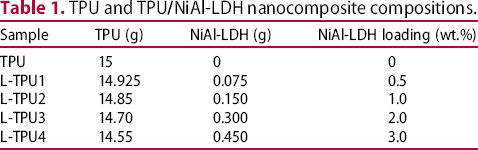
TPU and TPU
Measurement and characterisation
X-ray diffractometer (XRD; Rigaku D/Max-Ra rotating anode (Japan)) was used for XRD analysis.
Thermogravimetric analysis (TGA; Q5000IR; TA Instruments, USA) was used to characterise the thermal stability of TPU and TPU/NiAl-LDH nanocomposites. Herein, 5–10 mg samples were added into an alumina crucible and heated up to 800°C under N2 at a heating rate of 20°C min−1.
Thermogravimetric infrared spectroscopy (TG-IR) was conducted by linking TGA Q5000 and Nicolet 6700 to analyse the pyrolysis products. Herein, 5–10 mg samples were added into an alumina crucible and heated up to 700°C under N2 at a heating rate of 20°C min−1.
Scanning electron microscopy (SEM; JSM-6490LV; JEOL Ltd, Japan) was used to observe the morphology of the fracture surface of sample and char residue. The fracture surface of the samples was obtained by cryogenically fracturing the sample in liquid nitrogen. A conductive metal was sprayed on the sample before observation to improve the electrical conductivity.
X-ray photoelectron spectroscopy (XPS; VG ESCALAB MK-II spectrometer; VG Co. Ltd., England) was used to analyse the content of char residue in TPU and TPU/NiAl-LDH nanocomposites.
Laser Raman spectroscopy (LRS, inVia, Renishaw, London, UK) was used to study the char residue graphitisation degree in the samples.
RESULT and discussion
NiAl-LDH characterisation
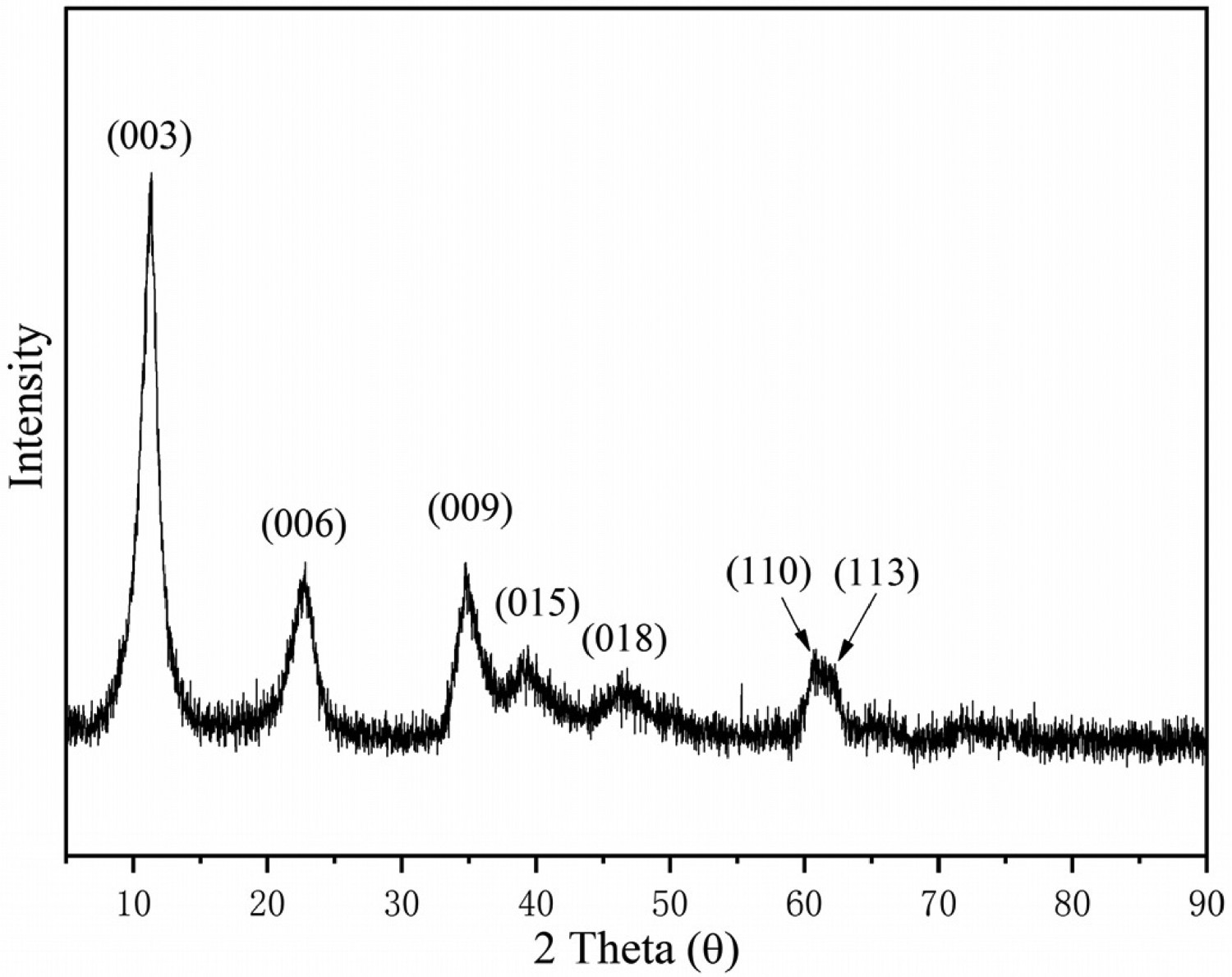
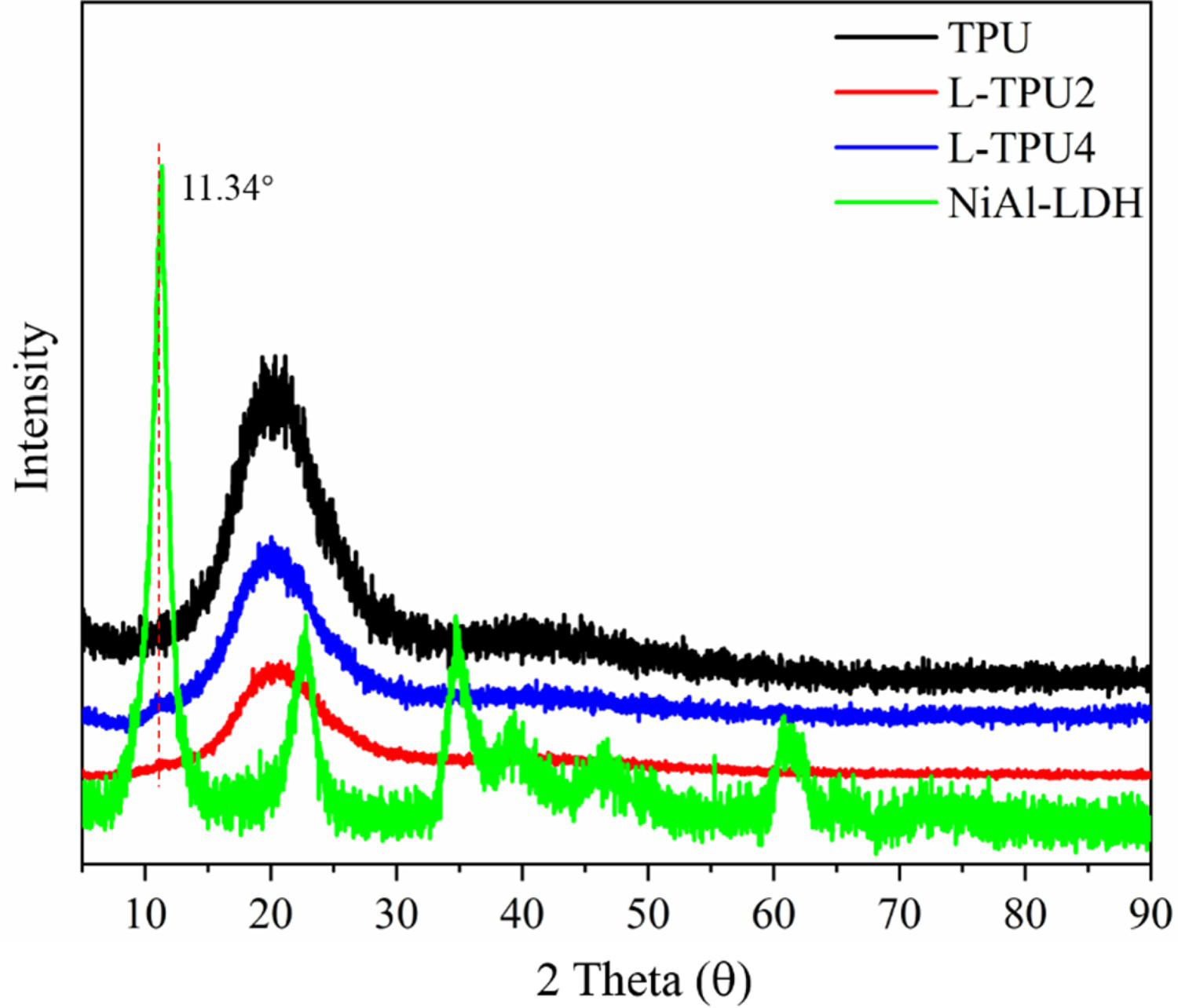
In Figure 1, the peaks appearing at 11.34°, 22.78°, 34.71°, 39.40°, 46.79°, 60.84°, and 62.28° corresponded to the [003], [006], [012], [015], [018], [110], and [113] planes, respectively. These results were consistent with those reported previously [37], indicating the successful NiAl-LDH fabrication. The interlayer spacing of the [003] plane was calculated according to Bragg equation [38] (
Synthesised NiAl-LDH XRD pattern. TPU and L-TPU nanocomposite SEM images: (a) TPU; (b) L-TPU1; (c) L-TPU2; (d) L-TPU3; and (e) L-TPU4. = 0.78 nm), which is consistent with Jaerger's report [33].
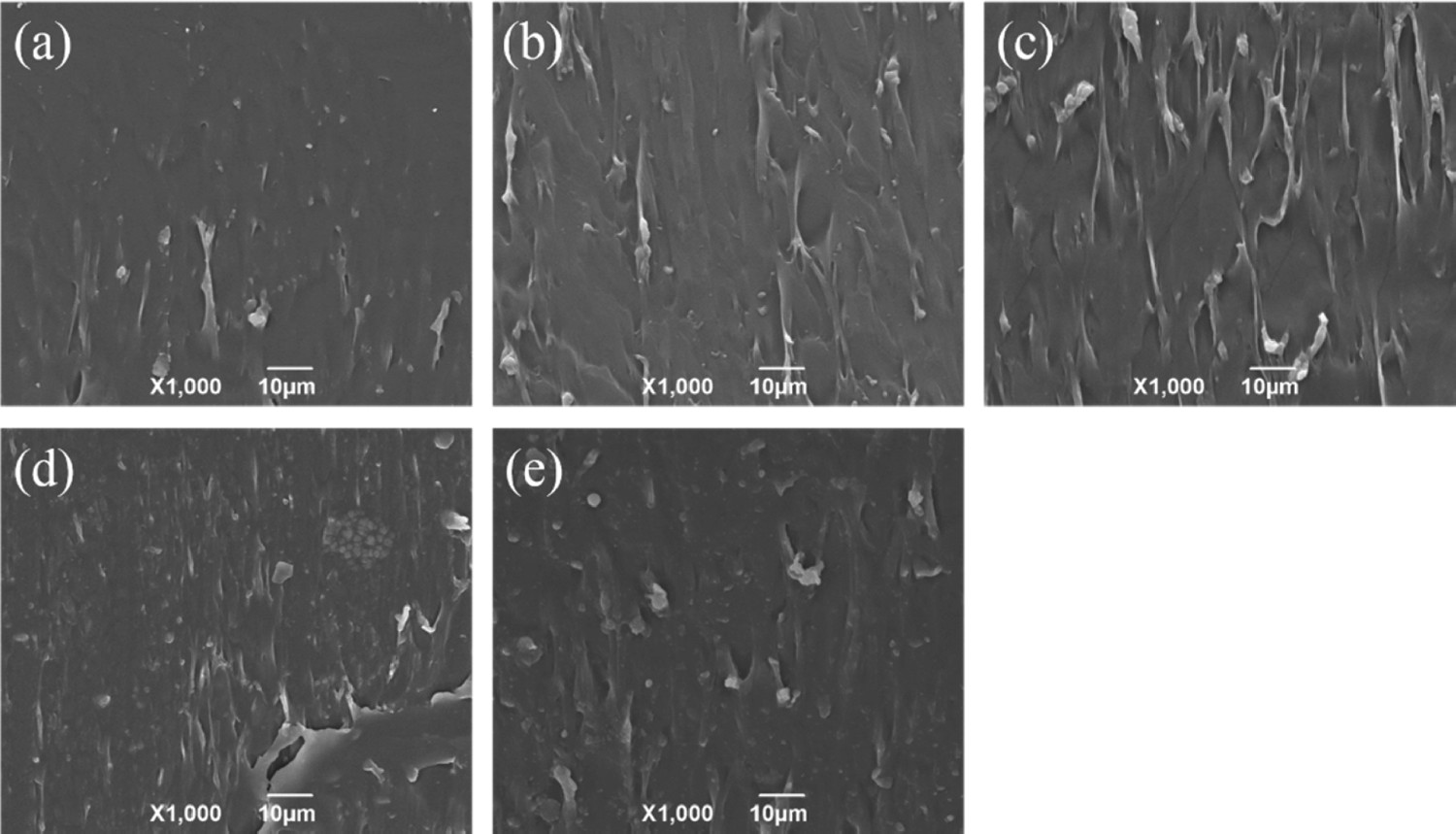
NiAl-LDH dispersion in L-TPU nanocomposites
The dispersion and interfacial interaction between nanomaterials and polymer matrix affect the polymer nanocomposite properties. Thus, SEM and XRD were used to investigate the NiAl-LDH microstructure and its dispersion in the TPU matrix. As observed in Figure 2, pure TPU presented a smooth fracture surface. Upon 0.5 wt.% LDH loading, L-TPU1 possessed a relatively rough surface without pulling-out or LDH particle agglomeration, indicating a good LDH dispersion in the TPU matrix. Upon increasing the LDH addition, all the L-TPU nanocomposites exhibited homogeneous structures without obvious agglomeration because the solution mixture process endowed well-dispersed LDH particles. Space distribution of C, N, O, Al, and Ni in L-TPU4 was revealed by EDX element mapping (Figure 3). C, N, and O resulted from a polyurethane molecular chain, whereas Al and Ni resulted from LDH particles. Al and Ni were uniformly distributed in the TPU matrix. In Figure 4, a strong and broad amorphous peak is visible at approximately 2θ = 20.4° in the virgin TPU matrix, which is related to the short-range regular ordered structure of the hard and soft domains and the disordered amorphous phase structure of the TPU matrix [39]. L-TPU nanocomposites with LDH presented a single peak at approximately 20.4°, without any characteristic LDH peak. This indicated that the multilayered NiAl-LDH was stripped into a single layer state during the full stirring process. All the characterisations confirmed well-dispersed LDH in the TPU matrix [40].
L-TPU4 nanocomposite element mapping. XRD pattern of NiAl-LDH, TPU, L-TPU2, and L-TPU4 nanocomposites.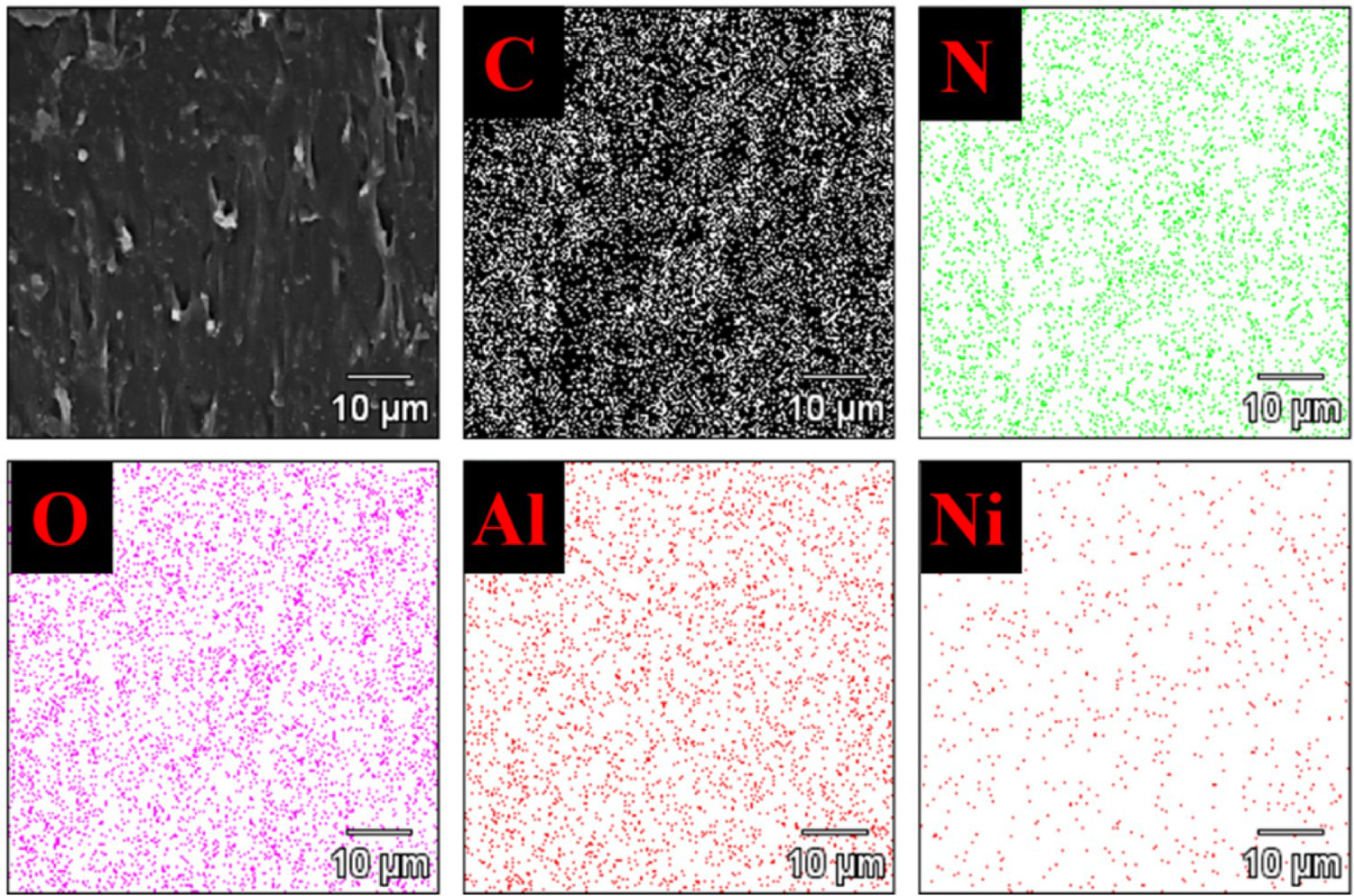
TPU/NiAl-LDH nanocomposite thermal stability
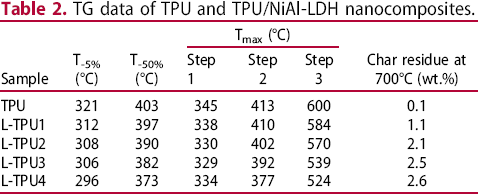
Figure 5 shows the TG curves of TPU and TPU/NiAl-LDH nanocomposites, and the relevant data are listed in Table 2. In Figure 5, TPU and NiAl-LDH nanocomposites were observed in three degradation stages. The first virgin TPU decomposition occurred at 300–360°C and T max1 = 345°C due to soft segment decomposition in the polyurethane molecular chain. The second thermal degradation stage occurred at 370–450°C and T max2 = 413°C due to hard segment degradation, which formed initial char residue [41]. The third degradation stage occurred at ∼600°C, corresponding to a further stabilisation of char residue formed at low temperature. Pure TPU started decomposing at 321°C. When 0.5 wt.% NiAl-LDH was added, the T−5% of L-TPU1 decreased to 312°C. With an increase in NiAl-LDH loading, TPU/NiAl-LDH exhibited a further decrease in the T−5% and T max values. This implied that NiAl-LDH promoted TPU molecular chain degradation, which was consistent with previous literature [10]. The results showed that TPU/NiAl-LDH nanocomposites possessed higher char residue and enhanced compactness with an increase in the NiAl-LDH loading. Hence, NiAl-LDH can enhance the thermal stability of TPU nanocomposite at high temperatures.
(a) TG and (b) DTG curves of TPU and TPU/NiAl-LDH nanocomposites under nitrogen atmosphere. TG data of TPU and TPU/NiAl-LDH nanocomposites.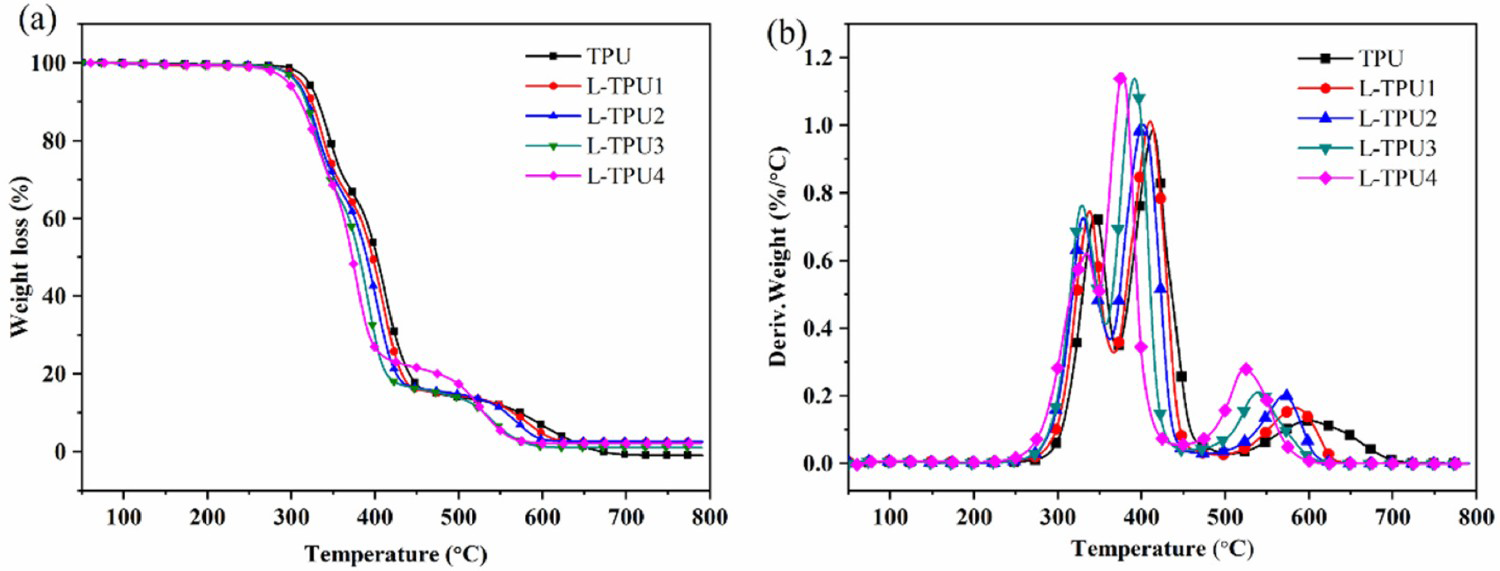
Thermal degradation kinetics
Pyrolysis kinetics of TPU and TPU/NiAl-LDH nanocomposites was investigated. The simplified kinetic equation was obtained from the non-isothermal kinetic theory as follows [42]:
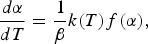
 is the heating rate, and
 is the conversion percentage [43], which can be calculated as follows:
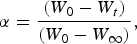
 is the sample mass before burning,
 is the sample mass during burning, and
 is final sample mass after burning.
In TG tests, the function f(α) is associated with a specific decomposition reaction mechanism [44, 45].
The Arrhenius equation can be expressed as follows:
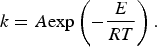


 is the conversion rate,
 is the heating rate (K min−1),
 is the absolute temperature (K),
 is the activation energy (J mol−1),
 is the per-reference factor (min−1), and
 is molar gas constant (8.314 J mol−1·K−1).
The logarithmic phase on the right side of Equation (5) is constant and the data are linearly fitted by the reaction series ‘
 .’ Under the regression factor (R 2) with the highest correlation, the applicable reaction series was determined, which was used to calculate the activation energy and per-reference factor [46].
Generally,
 could be divided into two cases according to ‘
 ,’ expressed as follows:



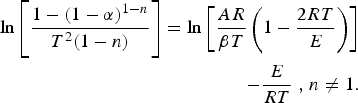
 and
and
 , slope is
 , and intercept is
 , which is used to calculate the activation energy and per-reference factor.
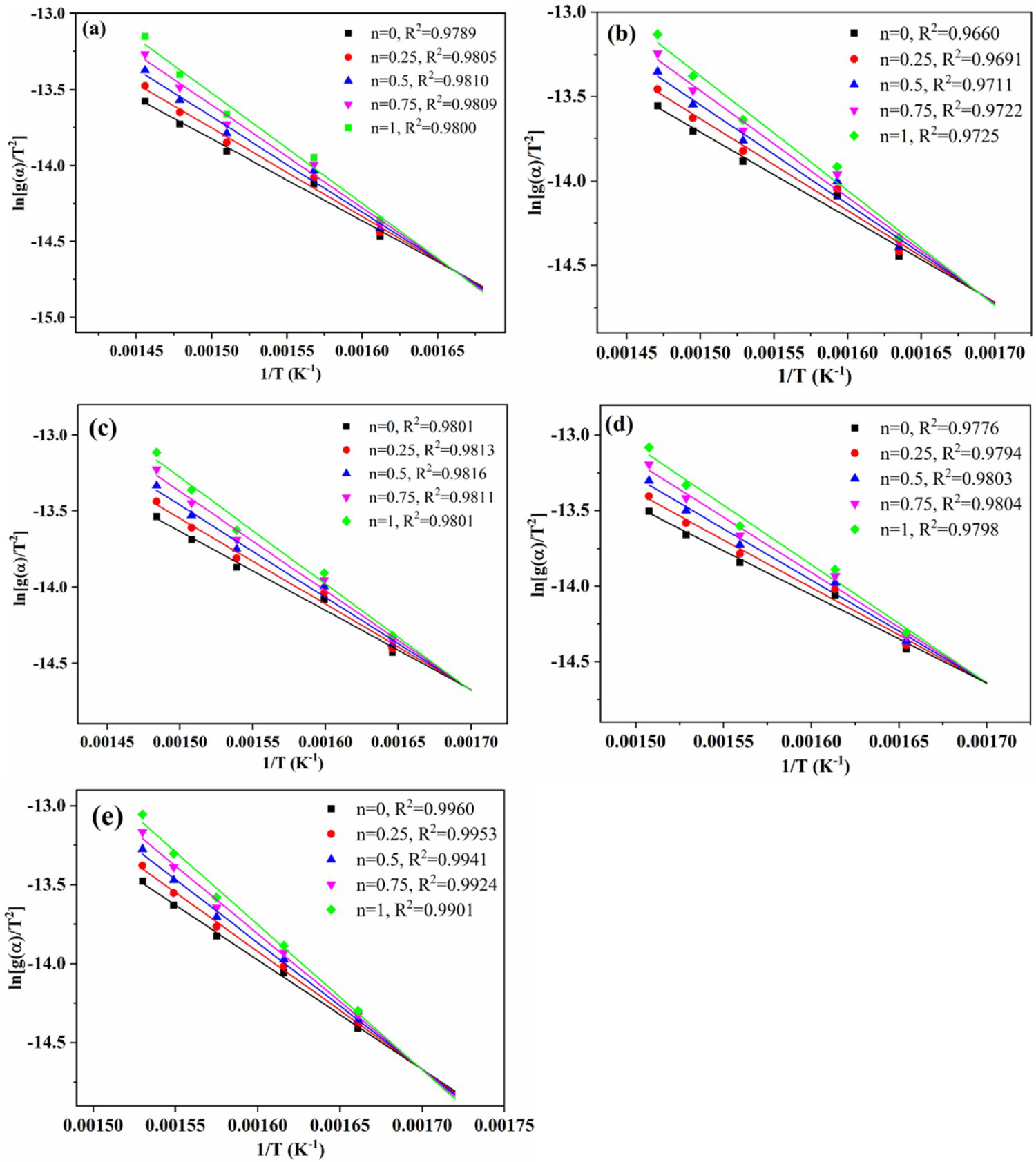
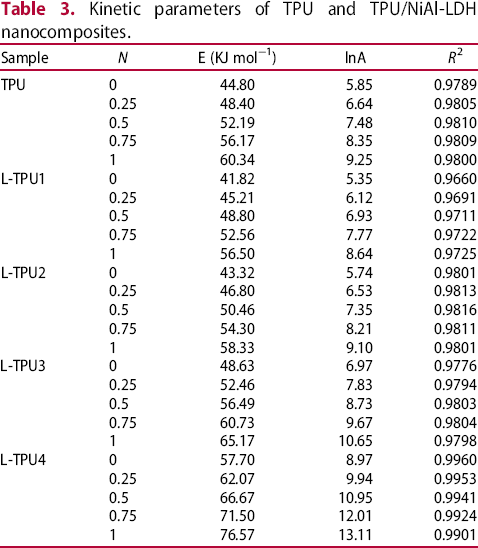
The Coats–Redfern method is suitable for the main thermal degradation of materials [47-50]. Figure 6 shows the
Coats–Redfern kinetic analysis results of TPU and TPU/NiAl-LDH nanocomposites: (a) TPU; (b) L-TPU1; (c) L-TPU2; (d) L-TPU3; and (e) L-TPU4. Kinetic parameters of TPU and TPU/NiAl-LDH nanocomposites. vs.
vs.
 curves of TPU and TPU/NiAl-LDH nanocomposites with different ‘
 ’ values, and the calculation results are listed in Table 3. As shown in Figure 6, the fitting lines showed a good correlation, indicating that the Coats–Redfern method was feasible. In Table 3, both TPU and TPU/NiAl-LDH nanocomposites showed high R2 values. The
 value first increased, and then decreased with an increase in the NiAl-LDH loading. The
 and
and
 values of TPU were 48.4 KJ mol−1 and 6.64, respectively. When 0.5 wt.% NiAl-LDH was added,
 and
and
 values of L-TPU1 were decreased to 45.21 KJ mol−1 and 6.12, respectively. Simultaneously, NiAl-LDH addition was mainly manifested to promote molecular chain degradation. When NiAl-LDH loading was increased to 2 wt.%,
 and
and
 values of L-TPU3 were 52.46 KJ mol−1 and 7.83, which were greater than those of pure TPU, due to the NiAl-LDH lamellar structure barrier effect.
Gaseous products
TG-FTIR is an effective method for the dynamic analysis of gaseous products during combustion [51]. Figure 7 shows the three-dimensional TG-FTIR spectrum of TPU and L-TPU4. L-TPU4 presented a thermal degradation process similar to that of virgin TPU. The volatilised product peaks for TPU and L-TPU4 were mainly distributed in the ranges of 2800–3100 cm−1, 2300–2500 cm−1, 1800–1900cm−1, and 1000–1300 cm−1, which were consistent with those reported previously.
3D TG-FTIR spectra of TPU and L-TPU4 pyrolysis products.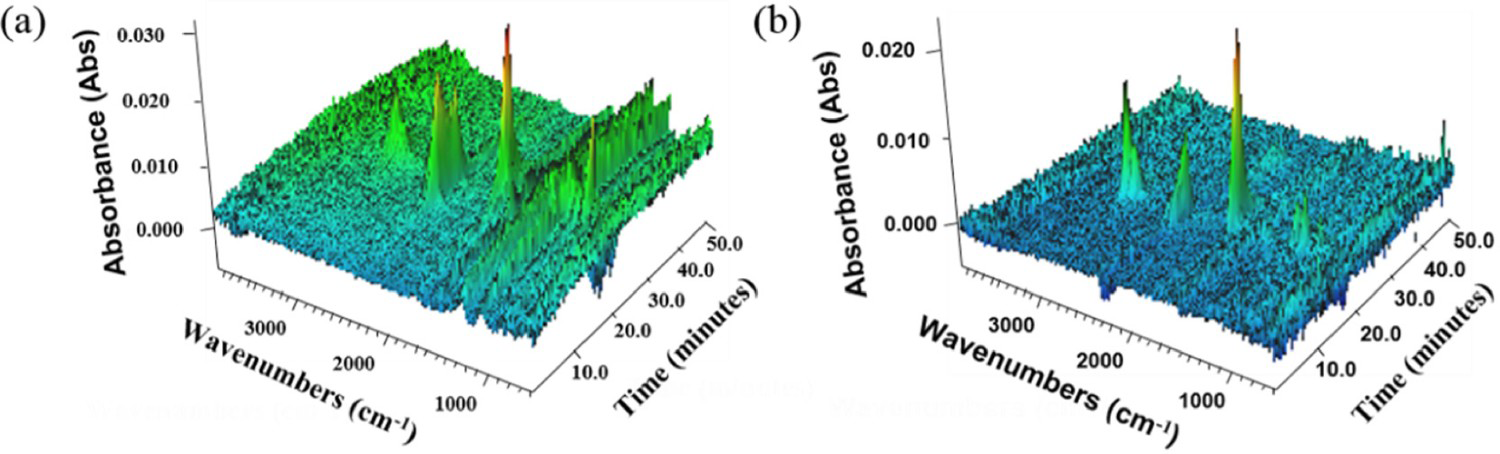
In Figure 8, the peaks near 3730 and 3370 cm−1 corresponded to the N–H and O–H bonds vibration in the carbamate and water, respectively [52]. The peak at ∼2980 cm−1 was ascribed to symmetric stretching C–H bond vibration in hydrocarbons [53]. The peaks at 2360 and 2310 cm−1 corresponded to CO2 and isocyanate compounds, respectively [54], whereas that at 1766 cm−1 corresponded to the carbonyl compound characteristic peak. The characteristic aromatic compound peaks were observed at 1605, 1510, and 1460 cm−1, whereas those at 1260 and 1110 cm−1 corresponded to esters [41].
FTIR spectra of TPU and L-TPU4 pyrolysis products at maximum decomposition rate.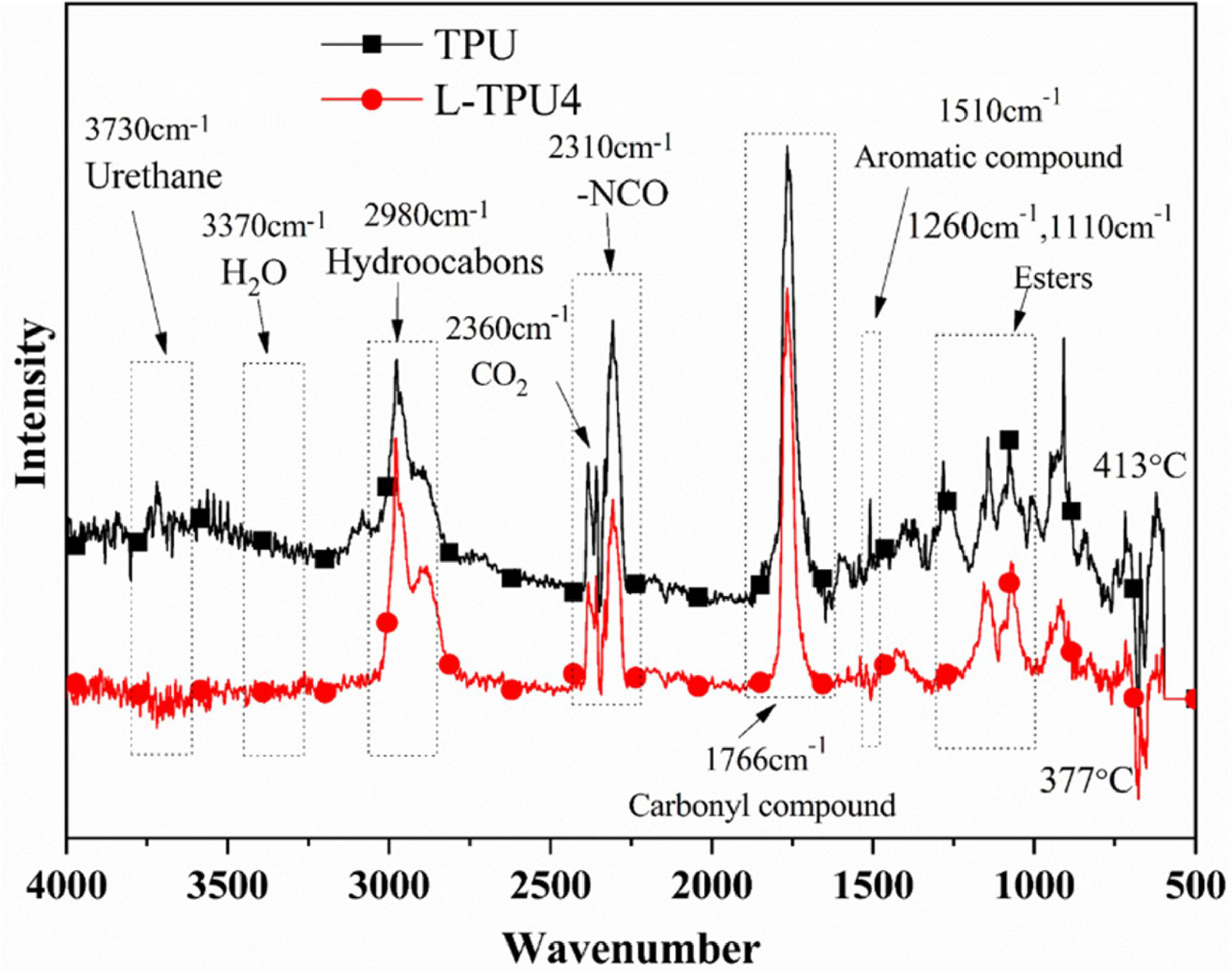
Furthermore, Figure 9 shows the relationship between pyrolysis products intensities of TPU and L-TPU4 nanocomposites vs. time. Compared with TPU in Figure 9(a), the L-TPU4 Gram–Schmidt curve intensity reduced, which indicated that NiAl-LDH promoted the TPU gas product into a condensed phase. As shown in Figure 9(b), L-TPU4 possessed a significant decrease in the aromatic compound release than that in virgin TPU. The reduction in aromatic compounds could further reduce the smoke production, increase fire scene visibility, and reduce fire rescue difficulties [55]. CO is a typical gas product in the second TPU degradation stage, and it can result in heavy casualties due to asphyxia [41]. As shown in Figure 9(c), L-TPU4 has reduced CO intensity than that of virgin TPU, thereby reducing the fire hazard associated with L-TPU4. As shown in Figure 9(e), the L-TPU4 hydrocarbon release was inhibited, which was consistent with the Gram–Schmidt curve. The abovementioned results confirmed that NiAl-LDH can improve the TPU nanocomposite fire safety during combustion.
Infrared spectra intensities of TPU and L-TPU4 pyrolysis products: (a) Gram–Schmidt; (b) aromatic compounds; (c) CO; (d) CO2; and (e) hydrocarbons.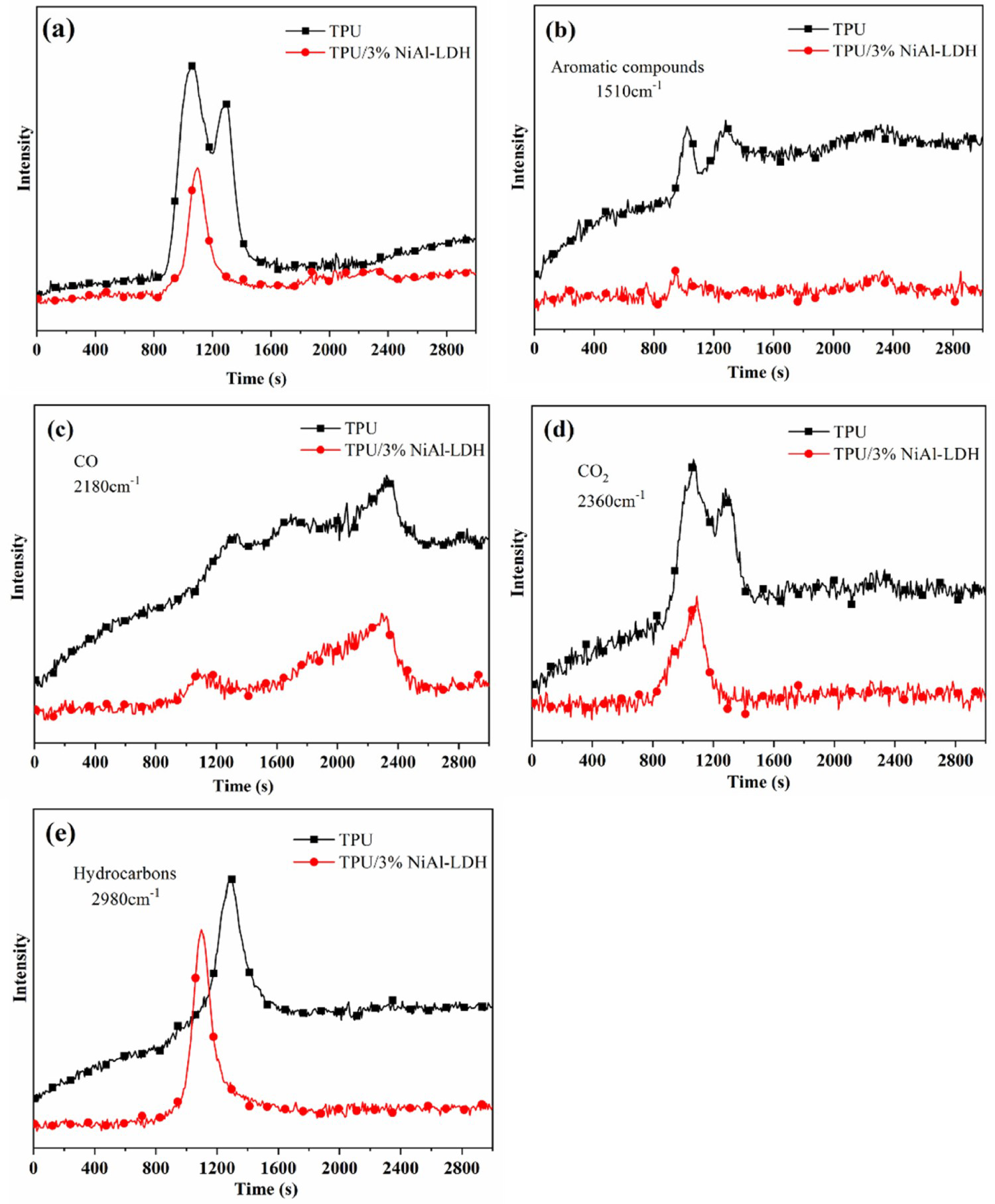
Char residue analysis
The char residual was obtained by calcining TPU and L-TPU nanocomposite samples in a muffle furnace at 600°C for 20 min [56, 57]. In Figure 10(a), the untreated TPU presented a fluffy network structure with several holes, which was ineffective in inhibiting substance and heat transfer during burning. When 0.5 wt.% of NiAl-LDH was added, some holes were observed on the L-TPU1 char layer. In Figure 10(c–e), with a gradual increase in the NiAl-LDH loading, L-TPU nanocomposites possessed enhanced compactness for the char residue. When 3 wt.% of NiAl-LDH was added, L-TPU4 presented the densest char residue, which could effectively inhibit substance and heat transfer during the combustion process, thereby preventing the underlying material from burning [58].
SEM images of TPU and L-TPU nanocomposite char residues: (a) TPU; (b) L-TPU1; (c) L-TPU2; (d) L-TPU3; and (e) L-TPU4.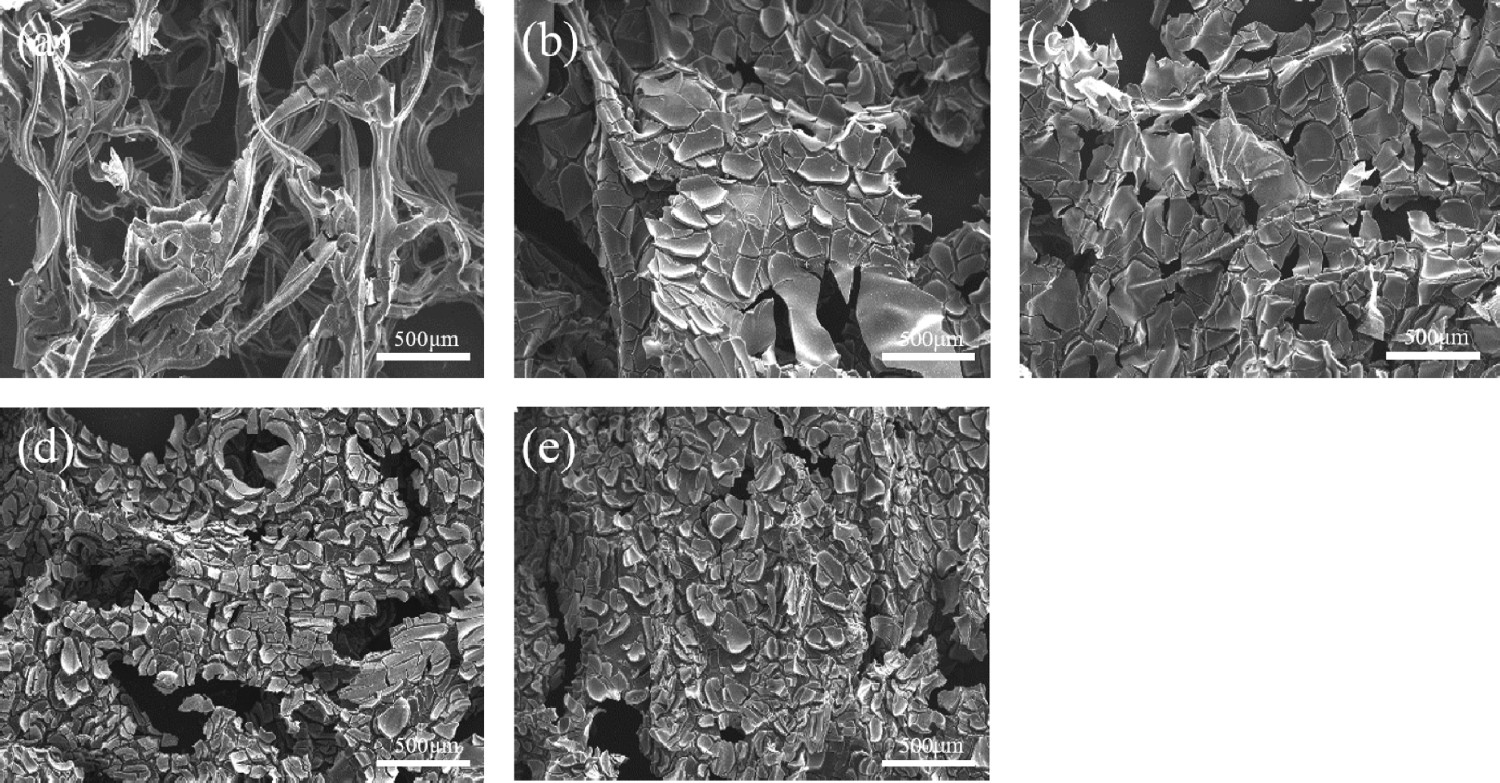
XPS was used to analyse the char residue chemical components. Figure 11 shows the XPS spectra of char residue for TPU and L-TPU3, and relevant data are listed in Table 4. The C, O, and N elements in the TPU char residue were 62.70%, 15.42%, and 21.88%, respectively. Upon adding 2 wt.% of NiAl-LDH, L-TPU3 contained 59.03%, 7.91%, and 24.57% of C, O, and N, respectively. NiAl-LDH was obtained with Ni and Al content of 4.81% and 3.68%, respectively.
XPS spectra of TPU and L-TPU3 char residues. XPS results of TPU and L-TPU3 char residues.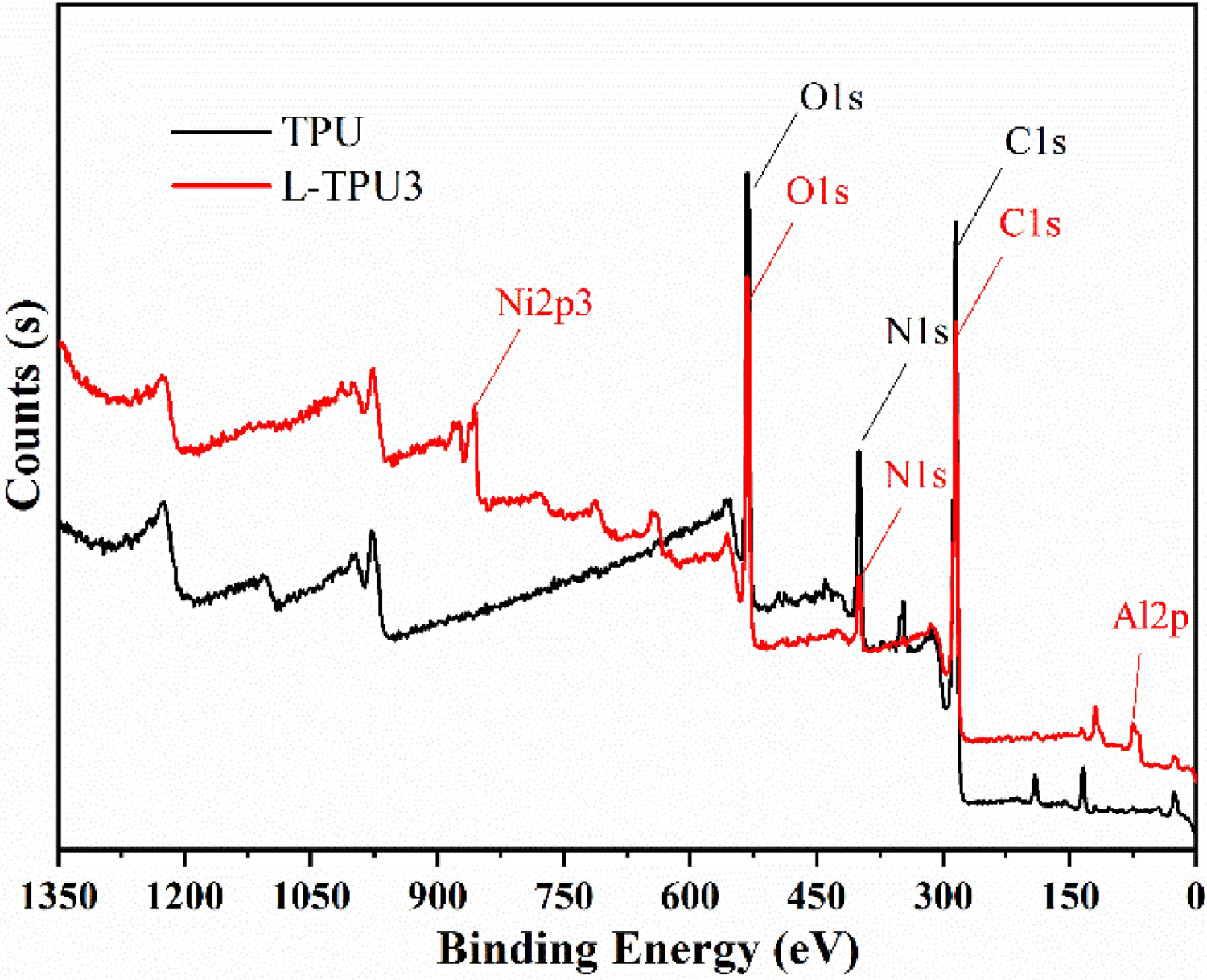

Additionally, the C, N, and O bonding states in char residue samples were resolved by the XPSPEAK 4.1 software. In Table 5 shows the data of different bonding states of the C, O, as well as N elements. Figure 12 shows the bonding state of C in char residues of TPU and L-TPU3. The absorption peak near 284.6 eV was due to C–H and C–C bonds in hydrocarbons and aromatic compounds. The absorption peak at ∼285.8 eV was attributed to the C–O and C–N bonds in C–O–C and C–N–C structures, respectively. The absorption peak near 287.2 eV was attributed to the existence of C = O and C = N bonds in the carbonyl and aromatic heterocyclic structures [59]. In Table 5, the C bonding state in the TPU char residue was 49.69% C–H/C–C, 25.94% C–O/C–N, and 24.37% C = O/C = N. However, in the L-TPU3 char residue, the C = O/C = N bonding state content increased, whereas the C–O/C–N bonding state content decreased. This indicated an increase in aromatic heterocyclic structures in char residue, which was beneficial for compact char residue formation.
C1s spectra of (a) TPU and (b) L-TPU3 char residues. C, O, and N element bonding state content in TPU and L-TPU3 char residues.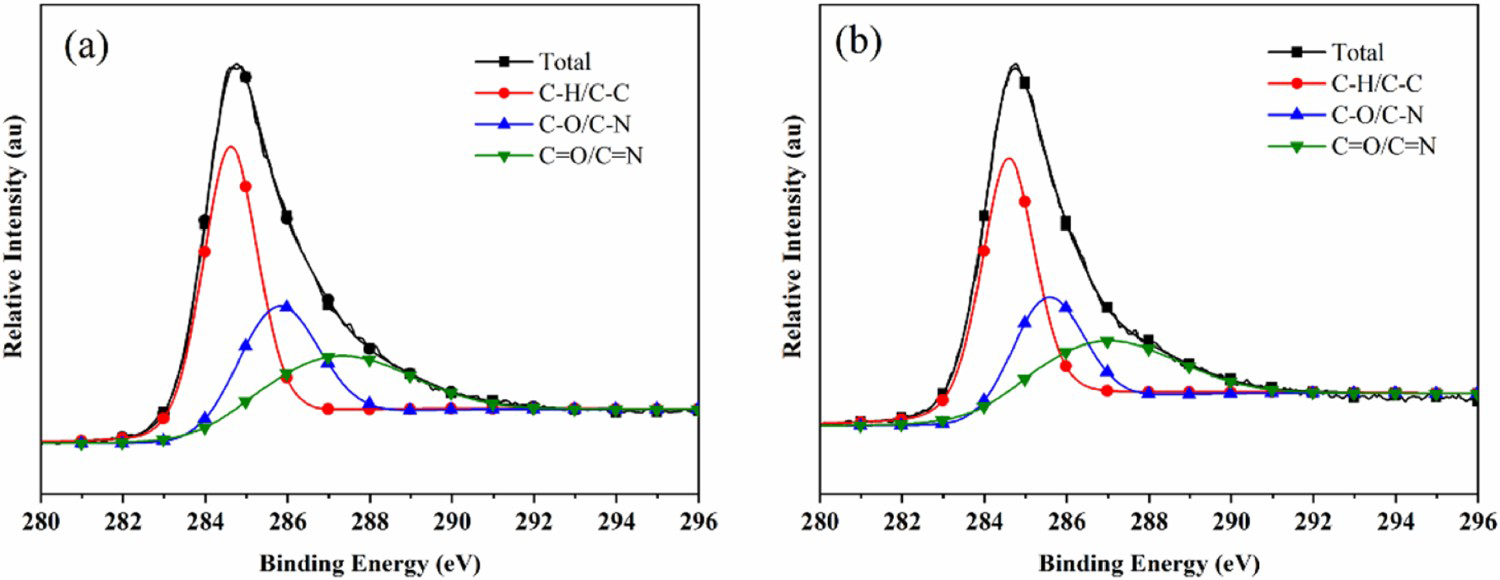

In Figure 13, the peak at ∼398.6 eV was attributed to the –NH– structure, whereas that at ∼400.2 eV was attributed to the aromatic heterocyclic ring N = structure, which possessed excellent thermal stability [60]. Table 5 shows that the L-TPU3 char residues decreased the –NH– bonding state as the N = bonding state enhanced, suggesting that LDH addition promotes aromatic heterocyclic structure formation for N, thereby improving char residue compactness.
N1s spectra of (a) TPU and (b) L-TPU3 char residues.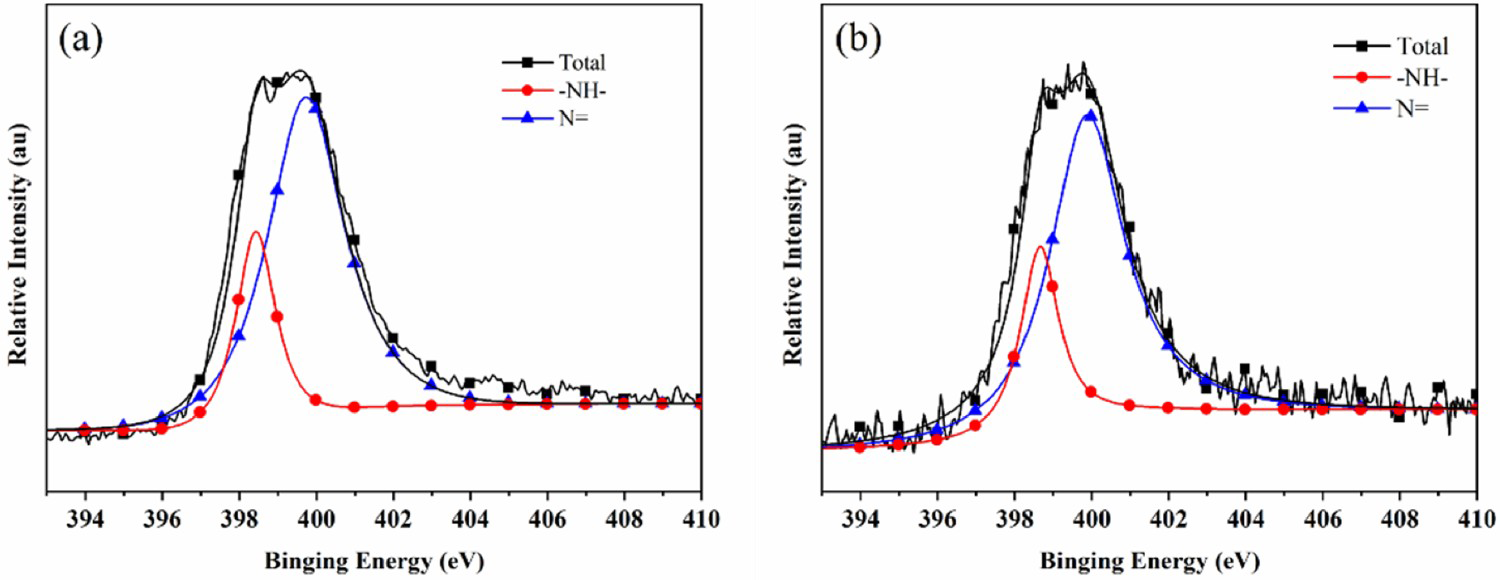
In Figure 14, the peak near 532.9 eV corresponded to chemically absorbed O2 and water due to the porous char residue structure. The peak near 531.7 eV was ascribable to –O– in C–O–C and C–O–H structures, whereas that near 530.7 eV was ascribable to the carboxyl group C = O bond, which increases the char layer compactness [46]. Table 5 shows that the TPU char residue contained 35.15% O2/H2O, 39.69% –O–, and 25.16% =O. High O2/H2O content results in a less compact char residue structure. The O2/H2O content in the L-TPU3 char residue decreased, whereas that in =O content increased. This indicates improved char residue compactness, which can inhibit combustion heat and substance transfer during the process.
O1s spectra of (a) TPU and (b) L-TPU3 char residues.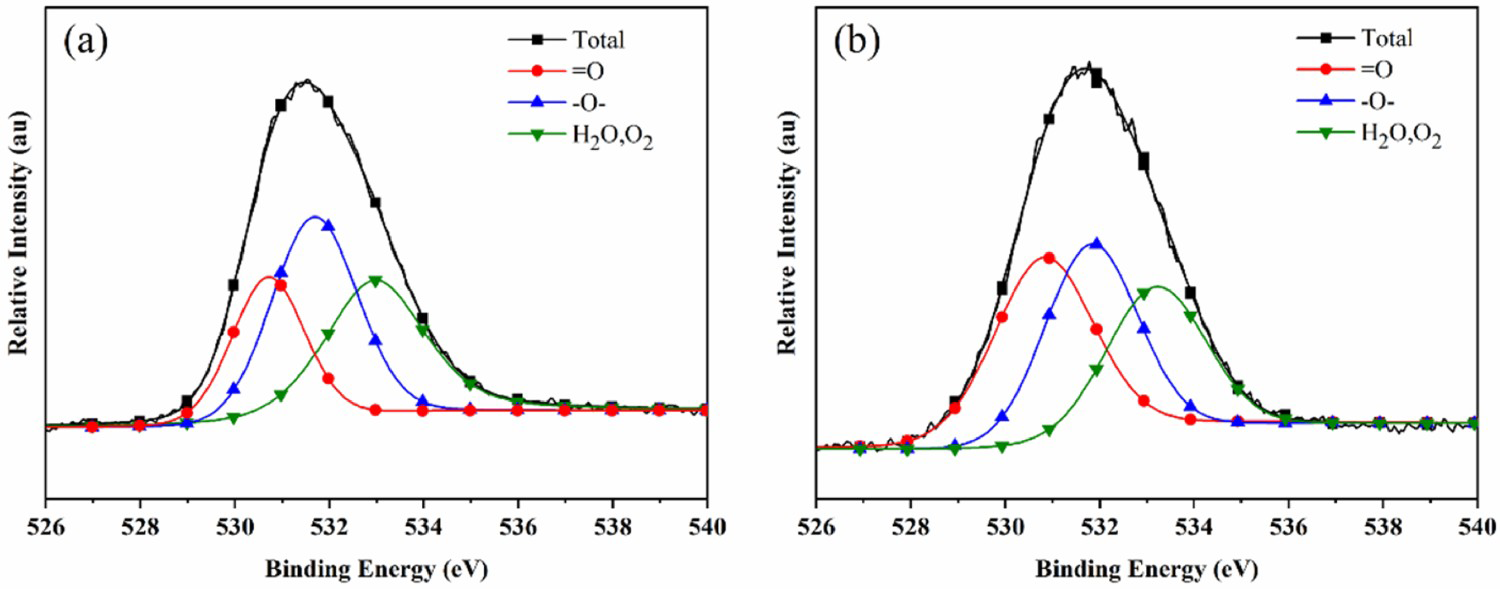
Raman spectroscopy was used to detect the graphitisation degree and provide key information for flame retardancy [16, 61, 62]. Raman spectra of char residue for TPU and L-TPU nanocomposites are shown in Figure 15. Raman spectra were expressed as G- and D-band at 1590 and 1360 cm−1, respectively. The degree of graphitisation of char residue was evaluated based on the D to G band (ID/IG) area ratio [63]. Generally, the graphitisation degree of the char layer increases as the ID/IG value decreases, exhibiting good fire resistance [64]. According to Figure 15, ID/IG values of the samples followed the following order: L-TPU4 (1.71) < L-TPU3 (1.95) < L-TPU2 (2.11) < L-TPU1 (2.19) < TPU (2.30). This indicated that the NiAl-LDH-modified char residue in TPU nanocomposites possessed a high graphitisation degree, which could effectively block substance and heat transfer in the combustion zone and improve the TPU nanocomposite flame-retardant performance.
Raman spectra of TPU and TPU/NiAl-LDH nanocomposite char residues: (a) TPU; (b) L-TPU1; (c) L-TPU2; (d) L-TPU3; and (e) L-TPU4.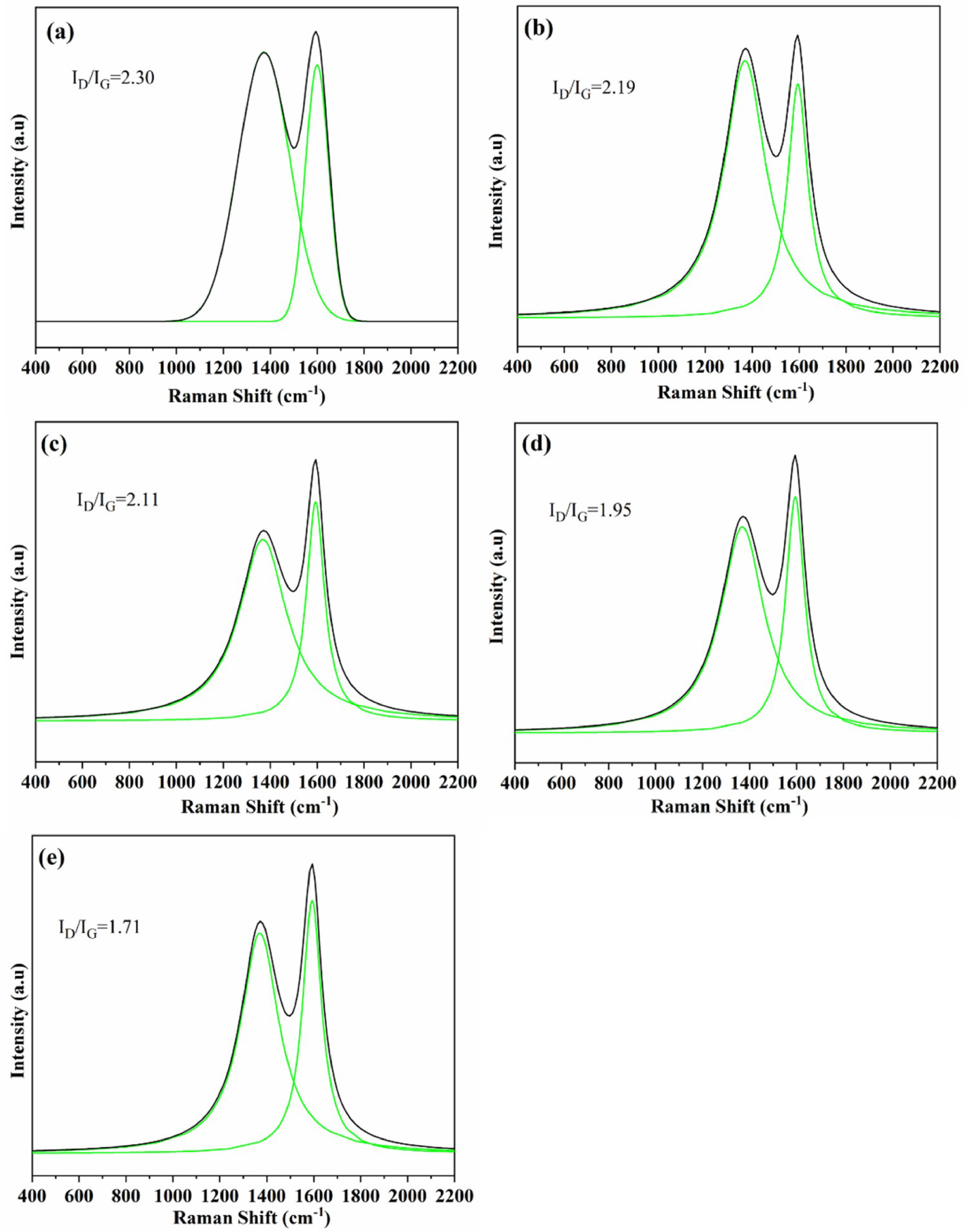
Mechanism consideration
Experimental data and the available references were combined to propose a flame-retardant mechanism for TPU/NiAl-LDH nanocomposites (Figure 16). First, LDH nanosheets were uniformly dispersed in the TPU matrix to inhibit the release of combustible and toxic gases from the bottom material during combustion. Then, LDH decomposition produced water vapour, which absorbed some heat and effectively diluted oxygen and combustible gases [65]. Next, LDH enhanced the graphitisation degree and compactness of char residue in TPU/NiAl-LDH. This further inhibited oxygen, combustible pyrolysis products, and heat transfer in the combustion zone [66, 67]. The stable char layer and combustible product reduction helped improve the TPU/NiAl-LDH nanocomposite fire safety.
Schematic of TPU/NiAl-LDH nanocomposite working mechanism.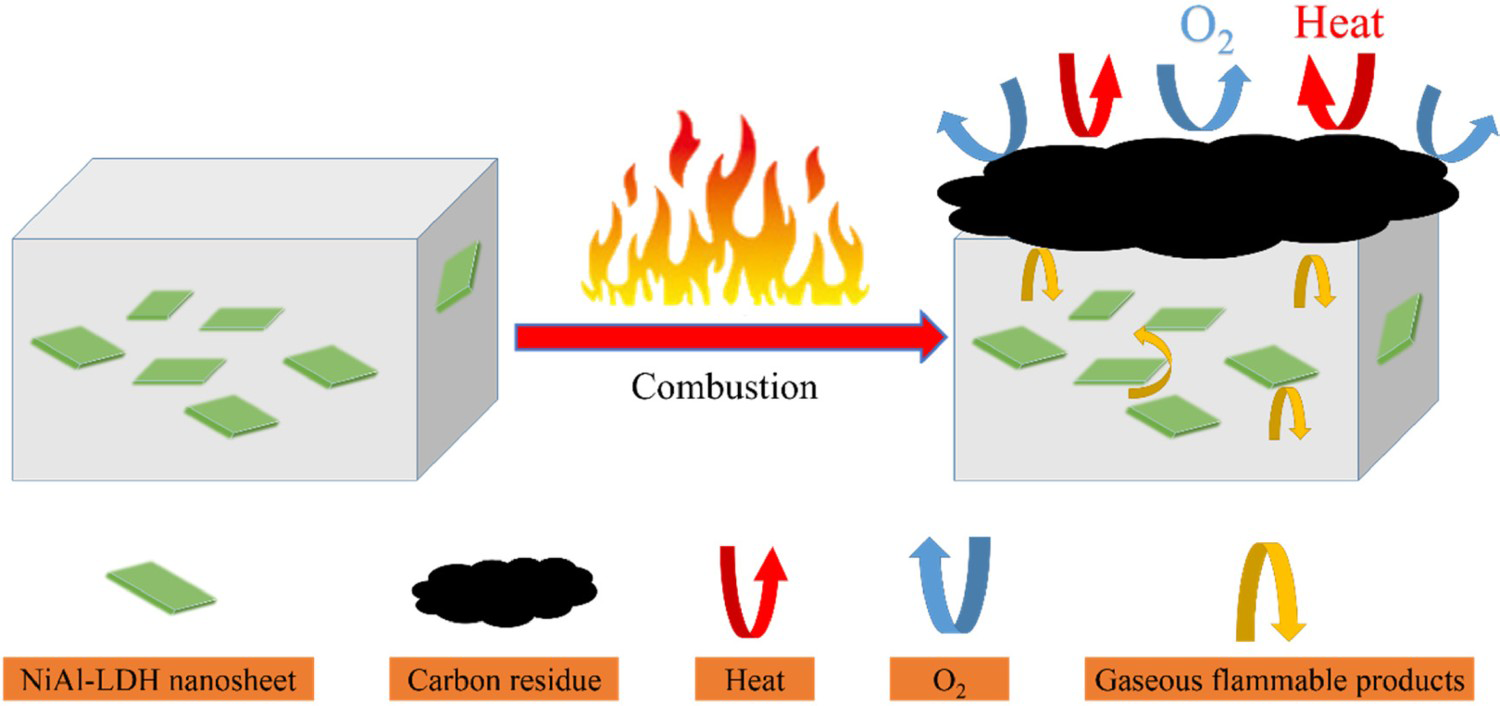
Conclusions
In this study, a simple method was used to prepare and characterise NiAl-LDH nanosheets. A series of TPU/NiAl-LDH nanocomposites were prepared using solution blending technology. TGA revealed that NiAl-LDH improved the TPU/NiAl-LDH nanocomposite thermal stability at high temperatures, which was confirmed by the Coats–Redfern method. TG-FTIR results confirmed that the addition of NiAl-LDH nanosheet inhibits the release of aromatic compounds, CO, CO2, and hydrocarbons of TPU/NiAl-LDH. SEM, XPS, and Raman spectroscopy showed that TPU/NiAl-LDH nanocomposites possessed compact char residue with an enhanced graphitisation degree to inhibit heat and substance transfer during combustion. The above research results confirmed that NiAl-LDH is an effective potential candidate for reducing the TPU composite fire hazards.
Footnotes
Acknowledgements
This research was supported by the Opening Fund of State Key Laboratory of Fire Science (No.HZ2020-KF10), National Natural Science Fundation of China (No.22005277), and Student Research Training Program (No.S201910360243).
Disclosure statement
No potential conflict of interest was reported by the author(s).