






Abstract

The opinions and assertions contained herein are the private views of the author and are not to be construed as official or as reflecting the views of the U.S. Air Force Medical Corps, the Air Force at large, or the Department of Defense. The author indicates that he does not have any conflicts of interest.
Sitting on my desk is a lovely plant that has pinkish red flowers and is a perennial species of a flowering plant in the family Apocynaceae. In short, I remember it best by one of its names being “Madagascar Periwinkle.” It is also called “bright eyes,” “old maid,” and “graveyard plant.” Although it is pretty to look at, it certainly does not have the elegance and the sweet aroma of a rose. Why do I house this plant? This plant reminds me that very powerful chemotherapy agents come from this plant: vinblastine and vinorelbine cancer drugs! 1 (Fig. 1).
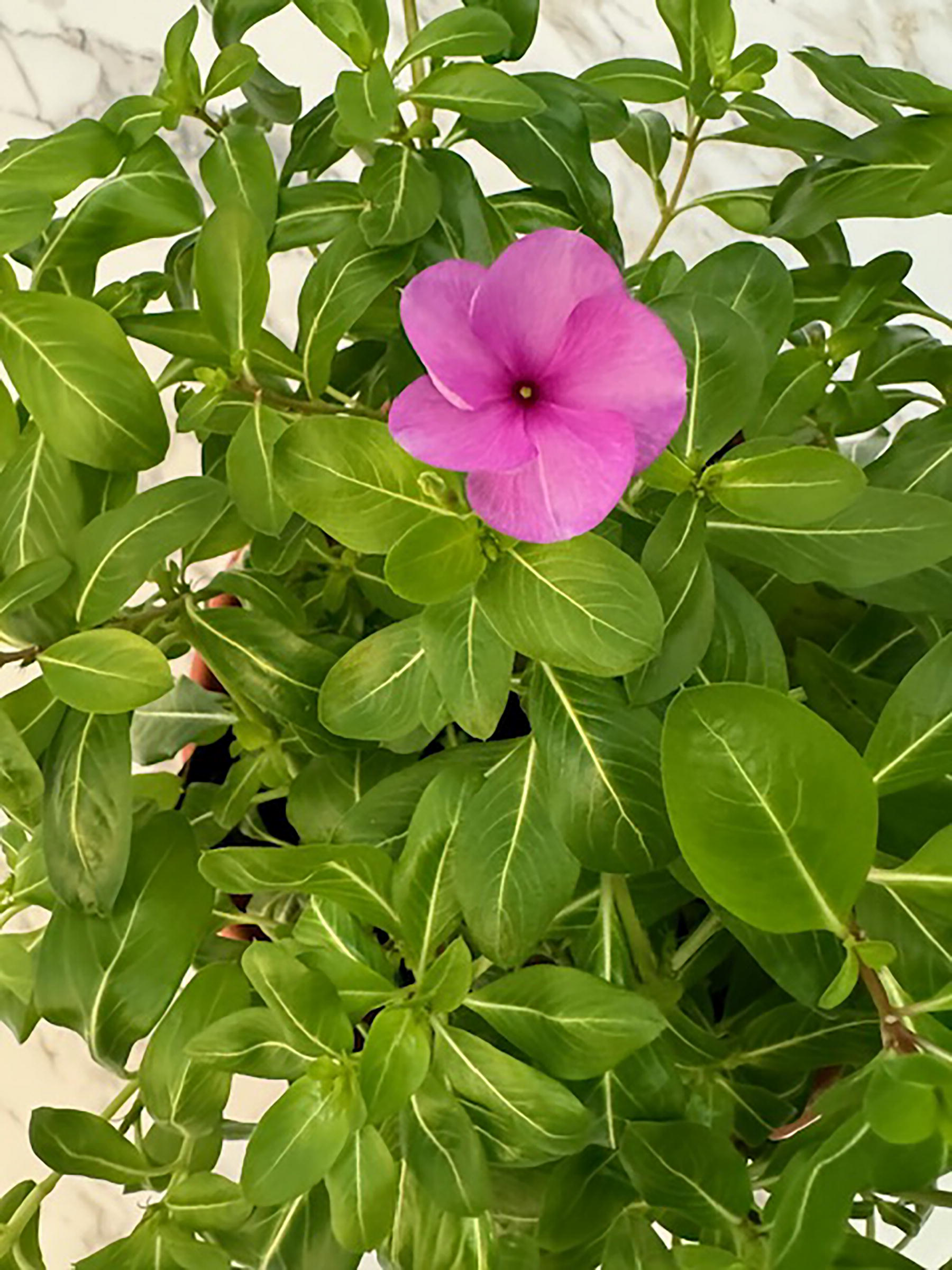
Madagascar Periwinkle.
This innocent-looking plant, Madagascar Periwinkle, is just one of the thousands that has helped mankind survive throughout the ages and is a learning basis of natural remedies that we still use today. Hippocrates (460–380 BC), known as the “Father of Medicine,” developed a system of diagnosis and prognosis using hundreds of herbs. How many herbs did I learn about during Western medical school? “Zero.” For centuries, herbs were part of the many cultures that spanned the world. Herbs are now part of the medicine of the world, and their knowledge has gained momentum. 2
Does the cure for some of our ravaging diseases remain undiscovered in unexplored plants? Nearly 200 modern medicines have been developed either directly or indirectly from 7,300 species of plants used as medicine in China! 3 Yet there are thousands of herbs that have not been exploited and researched. I would not be surprised if the future drugs that enrich our medical toolbox are just waiting to be discovered. The animal kingdom, such as chimpanzees, rely on the ingested pith of an African relative of the daisy, Vernonia amygdalina, to rid themselves of intestinal worms. Dolphins rub against antibacterial corals and sponges to treat skin infections. And recently, a male Sumatran orangutan was observed chewing the leaves of Fibraurea tinctoria, a South Asian plant with antibacterial and anti-inflammatory properties, and dabbing the juice onto a wound. 4
It is very logical that herbs and acupuncture blend together to form a synergy and promote healing. Why then is this synergy often criticized leading to its unpopularity in many Western cultures? Several reasons are present: herbs may be thought of food and dietary supplements, a lack of clinical trials, therapeutic dose difficult to establish, purity controls, unwarranted claims, and so on. Pharmacological products are more standardized and come with a list of known side effects. Many have undergone rigorous clinical trials to establish dosing and efficacy. Pharmacological products are more popularized. 5 I cannot remember when I ever heard a commercial for a herb product or acupuncture.
As a medical acupuncturist, I consume knowledge and respect the historical and modern concepts of healing whether from nature or manmade. I just want to safely heal my patients. As I alluded to in a previous editorial about being hybrid; that is taking what we can use whether it is from Western, Oriental culture or any other culture for that matter. 6 For me, medicine is similar. At the end of the day, it is what works for my patients, acupuncture, herbs, and so on. Madagascar Periwinkle is one of the many significant contributors among the herbs and pharmaceuticals, and its innocent blooming flower(s) are indeed a magnificent gift from Mother Nature.
In nature’s tender grasp, a wondrous sight,
A flower’s quiet journey, hidden from light.
Beneath the earthly veil, a secret it keeps,
A treasure wrapped in petals, as it slowly sleeps. 7