







Abstract
The Spanish local system is characterised by strong fragmentation and a large number of local territorial entities. One of the possible ways of compensating for this small size is through associations of municipalities, which may empower their members to provide better services and may increase their ability to solve problems. However, the size of the municipalities may not be the only important factor. Indeed, other dimensions of size, such as the number of members or the size of the institution as an indicator of the degree of institutionalisation, can be taken into account. In this article, we explore the inter-municipal associations in an area of Spain (Catalonia) in order to identify and analyse the key factors and explanatory variables, and to explore different dimensions of the concept of size.
Points for practitioners
The size of the organisation is an important aspect of inter-municipal associations and it can be influenced by the number of municipalities and the area of cooperation. Upper-level-driven reforms may have a direct impact on the creation of these kinds of entities.
Introduction
Although the European tendency has been to reduce the number of local administration entities, Spain has avoided these measures, even moving in the opposite direction (Burgueño, 2004; Burgueño and Lasso de la Vega, 2002). Currently, Spain and Catalonia both embody extremely fragmented and unevenly distributed municipal topographies. In 2015, Spain comprised 8119 municipalities. The majority of Spanish and Catalan municipalities are very small. Towns of less than 2500 inhabitants represent 75.3% of the total number of Spanish municipalities (see Table 1). However, most Spaniards (almost 70%) reside in towns of over 20,000 inhabitants.
Municipalities in Spain and their populations (2015).
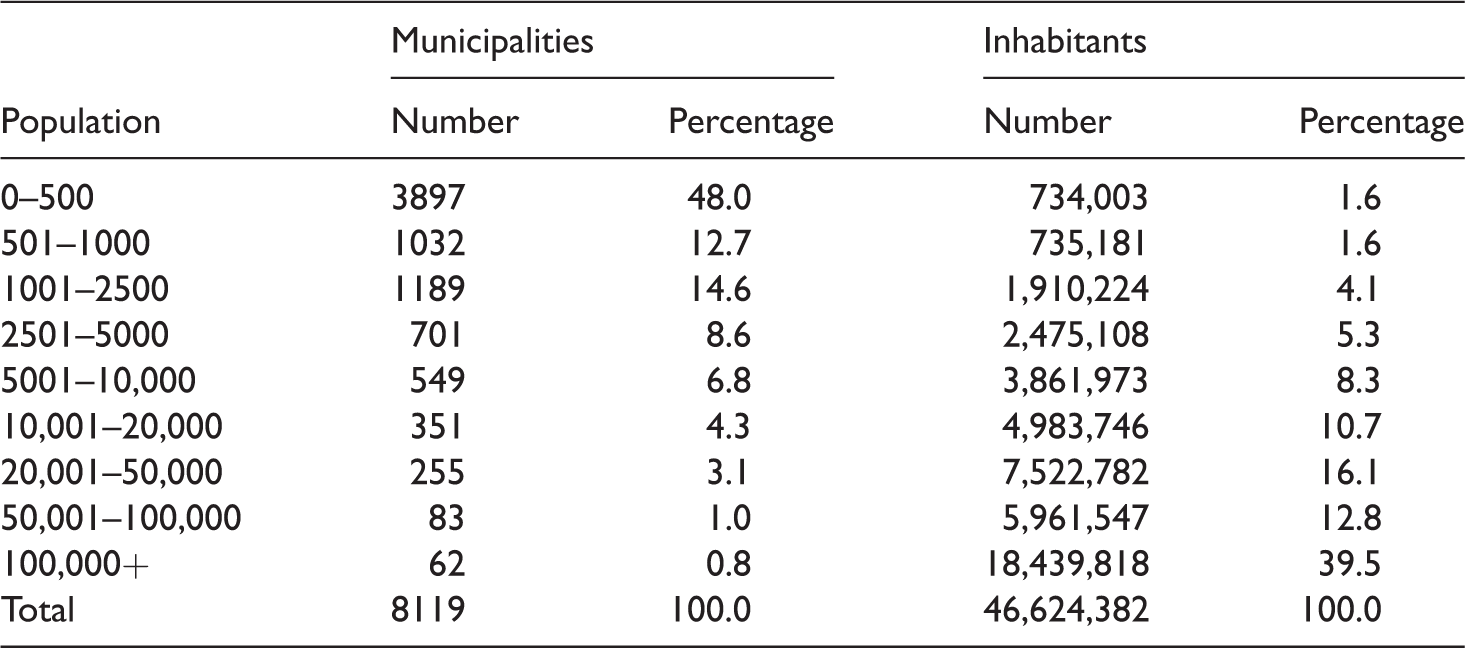
Source: Instituto Nacional de Estadística (available at: www.ine.es).
Table 2 shows the same data for Catalonia, where the situation is very similar: the majority of municipalities are small but the bulk of the population lives in larger towns or cities. In fact, data in both tables show an inverse relationship between the number of municipalities and the aggregate population.
Municipalities in Catalonia and their populations (2015).
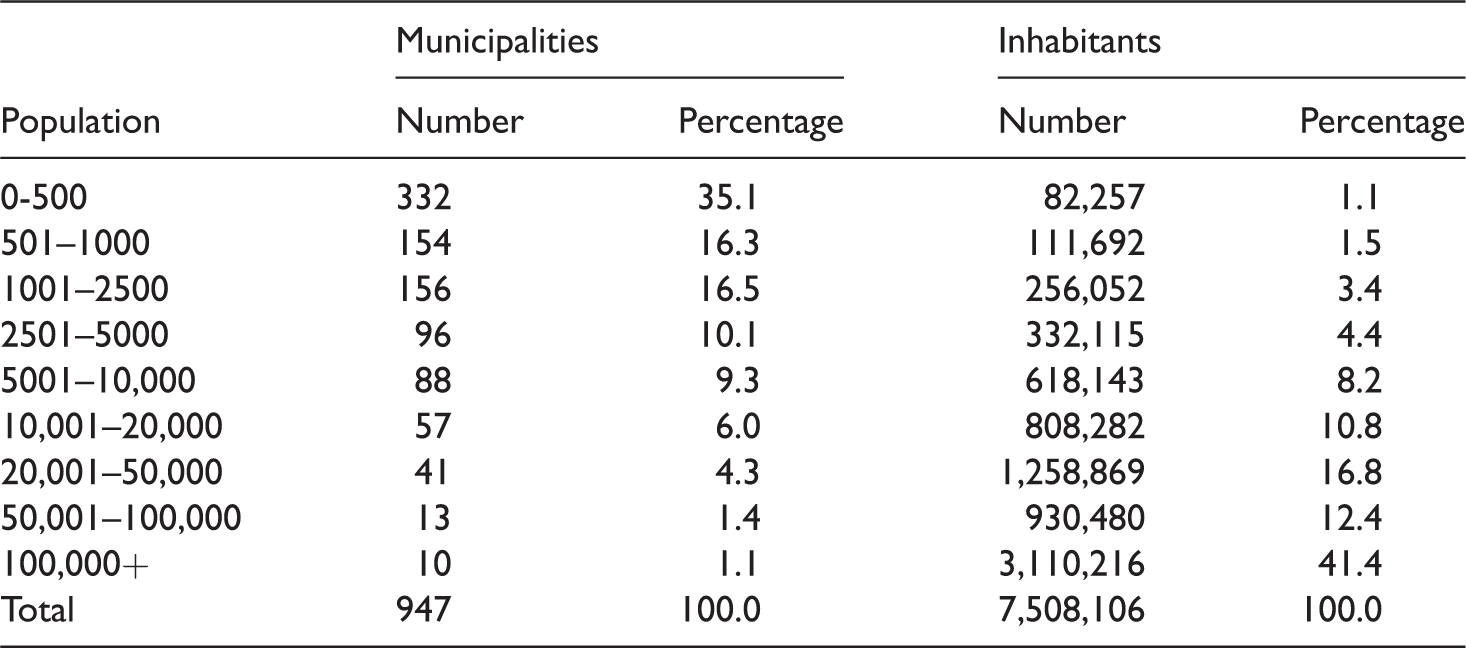
Source: Instituto Nacional de Estadística (available at: www.ine.es).
This situation has often triggered a debate about amalgamation measures. Such institutional reform is often justified by reducing the discussion about municipal size to the essential element of economic pressure on the provision of public services (Citroni et al., 2013; Dollery et al., 2016; Haveri and Airaksinen, 2007; Reid, 2016). However, the implementation of policies to consolidate smaller communities has never succeeded and the number of municipalities has experienced a slow but steady increase through the years.
In this context, inter-municipal cooperation (IMC) emerges as an attractive option through which to ensure the delivery of municipal public services, especially in the case of smaller municipalities (Hertzog, 2010; Kopric, 2012; Teles and Kettunen, 2016). From the economic point of view, the literature shows that cooperation tools could produce effective and efficient systems for the provision of municipal public services (Bel and Warner, 2015; Bel et al., 2013b; Warner, 2006). In this article, we intend to analyse the main features of inter-municipal associations in Catalonia, drawing on information gathered during fieldwork in Catalan municipalities.
The municipal association (‘la mancomunidad’) and other supra-municipal entities: a complex system of overlapping layers
IMC instruments were designed to overcome difficulties in the management of local public services, taking into account the extreme fragmentation of the Spanish municipal map. To that end, the Local Government Act 1985 provided two institutional mechanisms: the municipal associations (mancomunidades) and the consortia (consorcios). The development of supra-municipal cooperation for the provision of public services is limited by the basic types of cooperation established in the Local Government Act. If the object of analysis is voluntary collaboration and cooperation between municipalities, free from any central or regional government involvement, then the only organisational form that fulfils those criteria, and strictly adheres to the limits prescribed, is the Inter-Municipal Association (IMA). Therefore, in this article, we focus on the IMA as the only legal entity that conducts strict IMC in Spain. In terms of the types of tasks distinguished by Hulst and Van Montfort (2007), the Spanish IMAs are involved in service provision and local infrastructure and can often be designed for the development of a very specific area of cooperation.
Consortia are a different option for multi-institutional cooperation. Consortia are associations created by the will of their members. However, they are multi-level cooperation tools meant to facilitate cooperation with different levels of government, namely, counties (comarcas), provinces or even the autonomous communities (the 17 regional authorities of Spain).
Another alternative would be structures responding to the logic of second-tier entities that can be constitutionally guaranteed for the entire Spanish territory, or can be created by an autonomous community, and thus be compulsory for that territory only. Figure 1 shows the whole range of entities legally responsible for functions of local cooperation and the main differences in their legal status. Provinces are compulsory designations and are constitutionally protected. Metropolitan areas are mechanisms created by the autonomous communities designed to deliver services in urban areas. The initiative comes from the regional government and not from the municipalities themselves. At this moment in Catalonia, there is only one formally recognised metropolitan area, which encompasses the municipalities of the area of Barcelona. The counties are also created by the initiative of the autonomous communities, who can determine their structure, composition and political nature. Only some autonomous communities have created counties or another analogous tier. The counties, in the regions where they have been created, also develop functions of municipal cooperation and may compete with other collaborative organisations, such as IMAs.
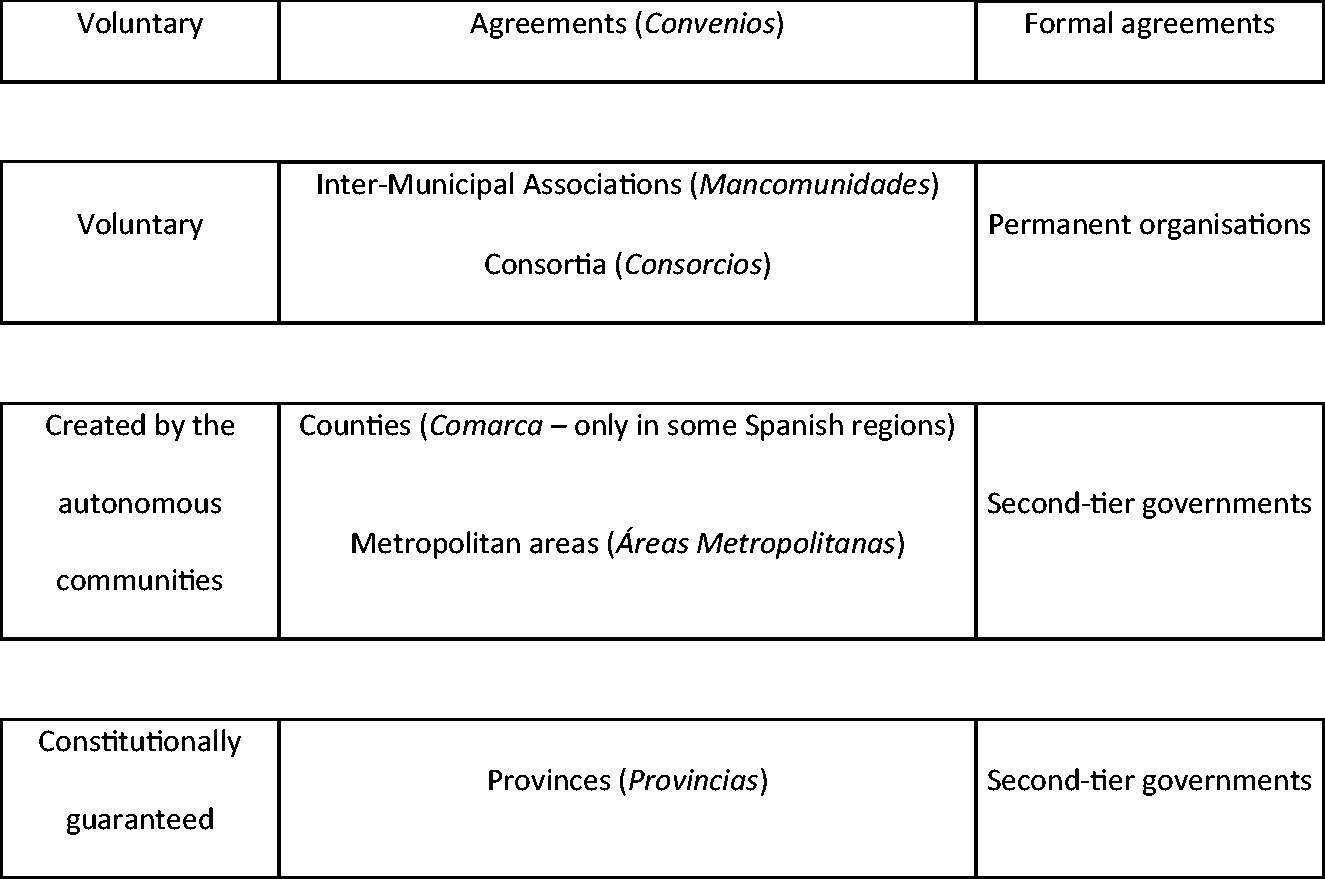
Most common cooperative organisations and supra-municipal entities in Spain and Catalonia.Source: Own elaboration.
The IMAs are local entities that are created according to the free will of the municipalities and can be devoted to the provision of any kind of local service. The process of creation and modification is long and difficult (Nieto, 2007). All members of the IMA should agree at every stage of the process, including the approval of official reports and the drafting of the constitutional statutes that will define and regulate the new organisation. All procedures require the absolute majority of the legal number of councillors in the plenary body of each member municipality. These stipulations can have different consequences. First, it can be difficult for smaller municipalities to lead the process. The formal procedures are sophisticated and require skilled and specialised human resources. Thus, small municipalities (which could be the greatest beneficiaries of association) may not have the capacity to instigate negotiations and so will depend on the initiative of a larger town. Second, inactive associations can still be found in public registers as legal structures because of the onerous procedures and consensus required for dissolution.
The manifold and complex interrelations of overlapping layers in Spain’s administrative system may impact in different ways on support for, and cooperation between, the municipalities. In fact, second-tier institutions present diverse specificities depending on the particular conditions of the autonomous communities. Some autonomous communities have historic second-tier structures, such as those of the Basque Country and Navarre, as well as the Cabildos (or Consells d’Illa) in the Canary and Balearic Islands. In other cases, there is no provincial institution (diputación) because the autonomous community is constituted of one province only. In addition, the existence and proliferation of consortia (Ruano and Rodríguez, 2016) adds more variables to this complex network. Ruano and Rodríguez (2016) explored the evolution and multiple configurations of the local bureaucratic landscape of Spain, and the total number of local governmental bodies they identified was more than 13,000.
Size and IMC: not only the municipalities matter
Classically, the issue of size has been analysed in terms of the resident population of the municipality. In fact, IMC has been understood as a way of overcoming problems related to the efficient population-wide provision of public services while addressing the complexity of a fragmented municipal map (Teles, 2016). Bel and Warner (2016) undertook a complete and comprehensive review of the literature and produced an interesting model of meta-regression analysis. An important part of the literature has focused on economic determinants and the differential capacities for public service delivery (Bel and Warner, 2015, 2016; Bel et al., 2013b). Warner (2006) considers that municipalities in rural areas are more willing to recognise the need to cooperate in order to ensure basic service provision.
This article aims to analyse different perspectives on the idea of ‘size’ that go beyond the number of inhabitants. However, we will first address this matter as it is one of the classical issues in this field. We are going to use the classic measure of size and explore the behaviour of towns and cities in matters of cooperation depending on their population numbers. Second, we are also going to explore the size of the cooperative body in terms of the number of members. We consider that differences related to the number of members in the organisation might be detected, especially in relation to internal processes of decision-making. Third, we will address some aspects concerning the organisational size of the entity in terms of resources as an indicator of the degree of institutionalisation. We would like to explore these dimensions of size from both a descriptive perspective and also an analytic one. In order to achieve this objective, different variables have been built and explored. Thus, a fourth dimension of the analysis includes the study of the interaction between these variables.
The impact of size I: size of the municipality populations
IMC has often been considered as a way of addressing problems related to the small size of municipalities, particularly in rural areas (Lago-Peñas and Martínez-Vazquez, 2013; Teles, 2014; Warner, 2006). Local authorities can achieve economies of scale (for good examples, see Bel and Costas, 2006; Bel et al., 2013b; Zafra-Gómez et al., 2013) while the government retains control over public service delivery and communities keep their own identities (Warner and Hebdon, 2001). In order to explore this issue, we will analyse the level of IMC participation, taking into account the population of the municipalities and the distribution of IMAs over the map.
Impact of size II: size of the entity/network
We consider that the size of the network in terms of the number of members is also a crucial factor. In this case, multilateralism might imply differences in many fields, but particularly in those related to the process of the creation of the entity. As we have said, the Spanish regulations include a wide range of obligations, a long and complex process, and a requirement for broad majorities in the plenary bodies of the municipalities. This factor might act as an incentive to reduce the number of members in order to diminish transaction costs. Furthermore, a larger number of constituent municipalities might present more difficulties when attempting to reach agreement, as well as less flexibility. Some literature (Feiock, 2007, 2009; Olson, 1965) has focused on the difficulties related to establishing cooperation between large groups of actors, as well as the transactions costs implied. We have operationalised this variable in a simple way by the number of members of the organisation.
Impact of size III: degree of institutionalisation
In some cases, IMC generates a different entity – this would be the case with IMAs, for instance – in which case, the association becomes a new institution and its institutional features will have an impact (Egeberg, 2012; March and Olsen, 1996). Organisational size in terms of resources is also a relevant factor. We have considered this aspect as an indicator of the degree of material institutionalisation of the entity. In order to operationalise this variable, we have worked with the concepts of autonomy defined by Nelles (2013) and Perkmann (2003, 2007). The concepts of autonomy named by Nelles (2013) identify executive autonomy and institutional autonomy, which may lead to the construction of ‘durable and autonomous organisations’ (Perkmann, 2006: 866). These components may have an impact on autonomy and the capacity to act (Nelles, 2013). Accordingly, for the purposes of this article, we will define institutionalisation in IMAs as the existence of an autonomous and durable organisation. We have worked with a group of variables in order to operationalise this concept. Spanish and Catalan IMAs are all formal legal entities and, consequently, we have not included any variable related to the form of the organisation; all of them have the same structure and comply with the same legal framework. However, we have included five indicators in the construction of this variable (as shown in Table 3).
Components of the institutionalisation index.
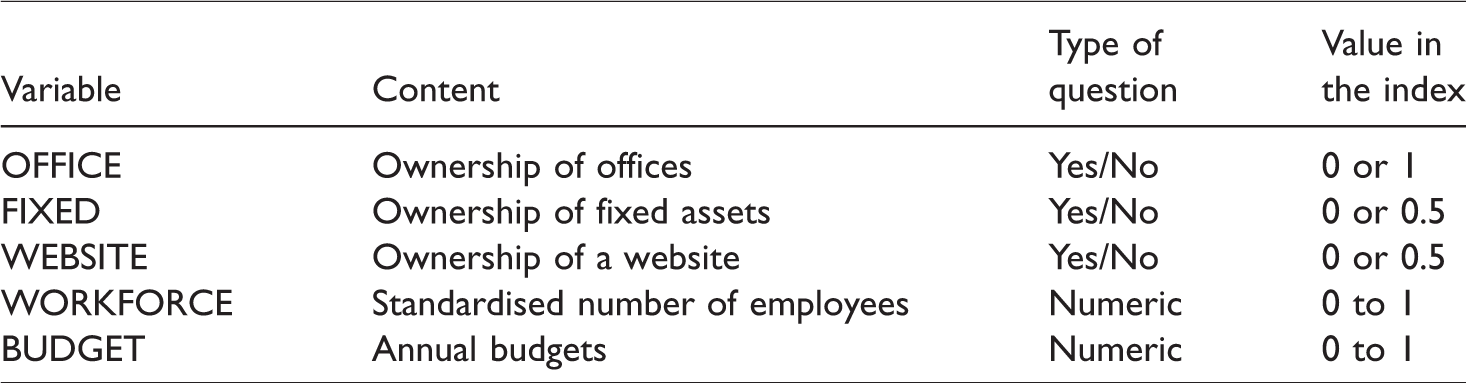
As depicted in Figure 2, the variables ‘OFFICE’, ‘WORKFORCE’ and ‘BUDGET’ all have the same maximum value, whereas ‘FIXED’ and ‘WEBSITE’ have a lower value. We considered that the three former variables are more pertinent to organisational capacity and thus to the degree of institutionalisation. They are clear indicators of the means and resources that can ensure autonomy and effective activity. The two latter variables, though relevant, may not have the same importance as indicators of the strength of the organisation.
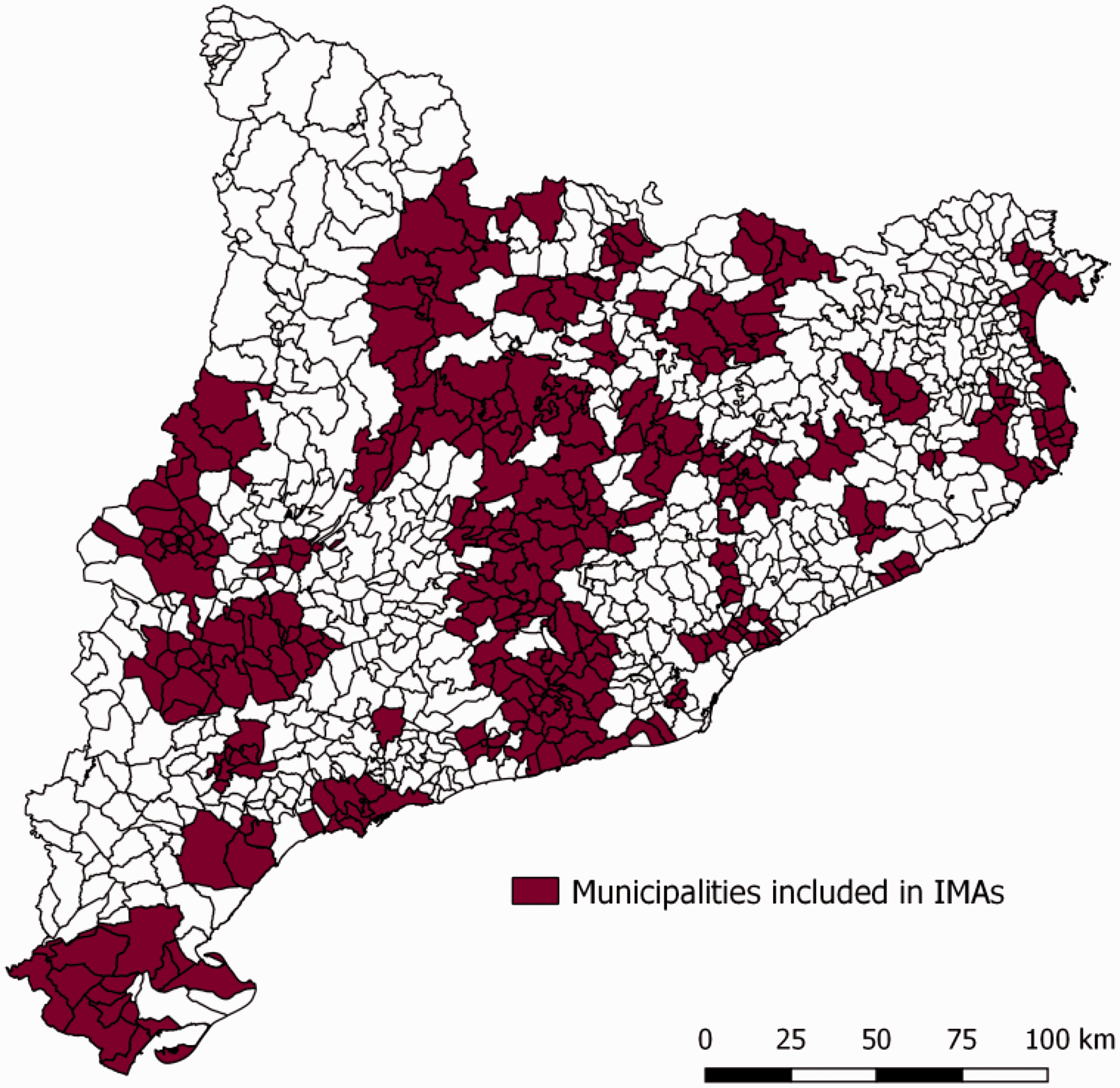
Map showing IMAs (shaded) in Catalonia.
Impact of size IV: finding interactions
Finally, we will work with different concepts and variables in order to find interactions and relations between these conceptions of size and other factors, namely, we will explore the behaviour of these concepts related to the effects of cooperation and areas of cooperation. As for the first, we work with the effects acknowledged by the chief executive officers (CEOs) of the IMAs; we rate them from 1 to 5 according to the number of effects mentioned, and giving them the same value. Hereinafter, this variable is called ‘EFFECTS’.
As for the areas of cooperation, we have re-codified the given options of the questionnaire to simplify the categories. We have defined five categories for this variable: environmental protection, urban planning and infrastructures; water and wastewater infrastructure; personal services; waste management; and tourism and economic development. Hereinafter, this variable is called ‘AREAS’.
The IMC project: data and descriptive findings
Some of the data used in this article come from an international project studying IMC. The fieldwork analysed in this article focused on IMAs based in Catalonia, one of the 17 autonomous communities in Spain, because it presents a sizeable example of rural and urban areas, includes different layers of institutions, and has a long tradition of cooperation. The initial study population included all 72 municipal associations registered in public records, but eight of them were excluded because they were considered inactive or dissolved. At the end of the fieldwork, 50 municipal associations had answered (78%). In order to acquire additional insight, personal interviews were also held once the questionnaire had been answered. This allowed us to put the figures into context.
First findings: size of the municipalities
In this section, we analyse the effects of the classic concepts of size and rural, both considered as key factors in this field. The map shown in Figure 2 shows the distribution of associations: as can be observed, there is an area where cooperation is very common but there are other areas where it is rare. The northern areas are mainly rural and characterised by complex topography – the north-west area is mountainous and scattered throughout with small towns and sub-municipal entities. According to the goals attributed to IMC, this should be an area of intense cooperation but, contrary to this expectation, the municipalities have not developed any kind of IMC tool. In contrast, the coastal areas, which are highly populated, seem to be more predisposed to cooperation.
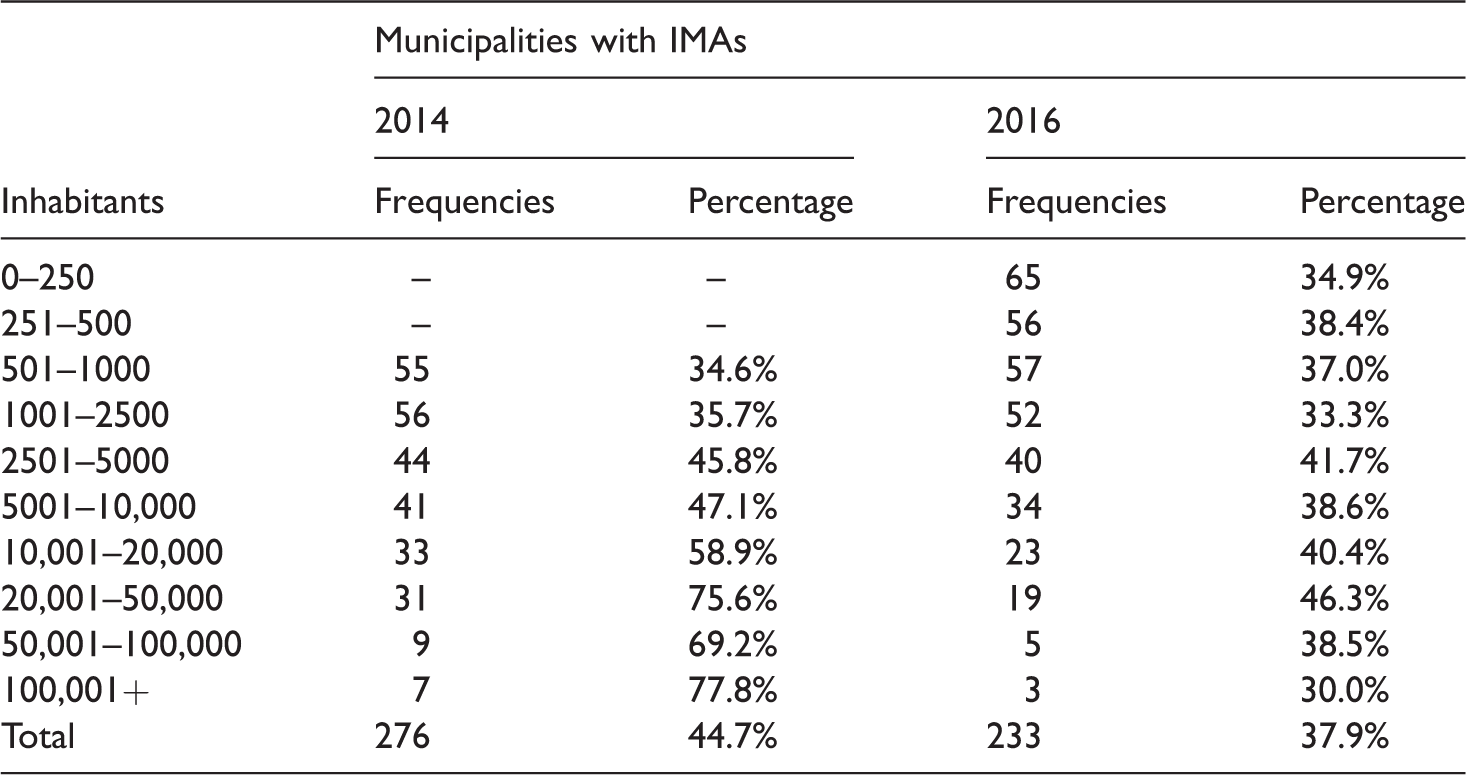
According to data from the ‘Local Government Observatory’ project, 2 more than 50% of Catalan municipalities with over 500 inhabitants did not participate in any municipal association in 2014. Table 4 presents the distribution of municipalities that take part in IMAs by size, and the evolution of IMAs during the most recent period reviewed. The table reflects a noticeable evolution during the last period. The first two columns include information for the last months of 2014. The data related to 2014 showed different behaviour in relation to participation in IMAs depending on the size of the municipality: smaller populations were less predisposed to participate in an IMA than larger ones. Although counter-intuitive, the figures in this case were clear.
The evolution of municipalities with IMAs by population in Catalonia.
Source: Own elaboration from Local Government Observatory (Obscat7), Carles Pi i Sunyer Foundation (see: http://www.pisunyer.org) and Municat (see: http://municat.gencat.cat/). For more information see note 2.
In the process of analysing the results, we detected some relevant changes and we decided to check the validity of the data. The process of updating this information revealed important variations. Figures related to municipalities of less than 5000 inhabitants have remained rather steady, but figures for higher population sizes have changed, some of them quite sharply, modifying the former tendency. Once the dissolved entities were identified, an interesting picture emerged. The reason for exiting the IMA was always the dissolution of the entity, and these dissolutions were mainly due to the following factors:
a new second-tier institution, namely, the Metropolitan Area of Barcelona; a new multi-level government cooperation tool; and the enforcement of the reform of the Local Government Act.
The change in the tendency mainly affects large municipalities that are in the region of the Metropolitan Area of Barcelona. Metropolitan services had been provided by IMAs, but with the creation of the Metropolitan Area of Barcelona by the Catalan Government, these entities lost their function and they were dissolved. Although the creation of the Metropolitan Area took place in late 2011, it was another four years before the legal entities were completely extinguished.
The last of these causes of the dissolution of the IMAs also reveals an interesting issue: the impact of upper-level regulation. The last reform of the Local Government Act (Law 27/2013, for the rationalisation and sustainability of local administration) included some provisions about requirements and conditions for the IMAs and for the member municipalities, and these have provoked changes in the tendencies reflected in Table 4.
In conclusion, top-down-designed policies provoked visible and important alterations in the map of IMAs. This situation might imply a contrary argument to that defended by Hulst and Van Montfort (2007), which affirmed that central or regional government-driven reforms could promote and facilitate IMC. This time, these reforms have acted in the opposite direction and have promoted the dissolution of IMAs or their substitution by other entities, specifically, by a second-tier structure and multi-level cooperation tools.
First findings: size of the entity/network
Another dimension of size that we wanted to address is the size of the entity in terms of the number of members. The majority of the IMAs have between three and nine members – multilateralism is most frequent despite the difficulties involved in the process. It is also common to find bilateral IMAs but it is not a general or widespread tendency; only 15.6% of the entities have only two members. We will explore this subject in relation with the degree of institutionalisation.
First findings: degree of institutionalisation
This is one of the most important aspects that we wanted to address. The size and features of organisations have been analysed from different perspectives and points of view, which reveal the importance of structural aspects in the performance of the entity and its outputs (Egeberg, 2012; March and Olsen, 1996).
As for the location of the IMAs, most of them are found in a space made available by one of the municipalities. Almost 80% of the respondents answered that they are located in a space rented from one of the municipalities, but this rent does not constitute an economic transaction – the regular situation implies a use of municipal spaces without charge. Only seven answered that they had their own facilities. This scarcity is explained by the fact that, according to the answers of the participants, only 40% of IMAs independently possess some kind of real estate. The majority, almost 60%, do not have any fixed assets.
Regarding ownership of websites, the percentage is somewhat higher but still under 50%. This is a very low rate indeed, especially taking into account that websites are currently the most common platform for displaying information and facilitating communication. In fact, the transparency laws (both Catalan, 19/2014, and Spanish, 19/2013) compel all kinds of public entities to have a website. We also wanted to include the analysis of staff conditions and the availability of human resources. There are a large number of IMAs without any full-time employees. Some of them have only part-time employees and others do not have any employees directly dependent on the entity. In fact, the mode is zero and the maximum is 172 employees. These figures reveal a high degree of dispersion for this variable and expose the stark contrasts among the organisations. As explained in a previous section, we have designed categories to work with this information. First, we have built a variable that includes both types of employees: full-time employees are considered as a unit and part-time employees as 0.5. Second, we have created five categories (as shown in Table 5).
Categories of WORKFORCE.
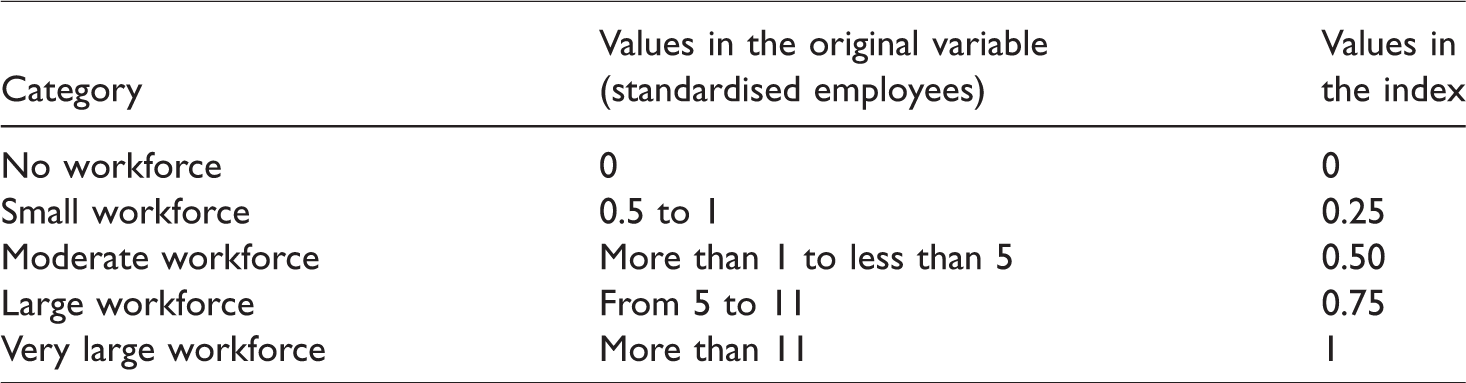
There are a large number of entities (29.2%) that do not have any kind of workforce directly dependent on the organisation. This was one of the questions that we addressed to the CEOs in the personal interviews. According to them, this situation was possible because the personnel were paid by the municipalities and were dependent on them. In fact, one of the IMAs we visited had itinerant offices that went from one municipality to another according to a pre-established pattern. This category, although more frequent than expected, is not in the majority. Most IMAs are small or moderate in terms of workforce.
Nevertheless, around 18% of respondents are included in one of the two highest categories of the standardised indicator. The final information included in the analysis of the structure of the IMAs is the data about budgets. There are sharp differences among entities and the global amounts vary from around €2000 (which corresponds to an extremely small entity formed by four small towns) to almost €23,000,000 for the largest one. In order to explore this information, we decided to design a new indicator, taking the quartiles as delimitation for the categories. In this case, we did not assign a 0 value because all the IMAs stated that they had their own budget. The budgets included in the lowest quartile are rated 0.25 (with a limit of €95,421.6), the next quartile is rated 0.5 (from the previous limit to €354,689.0), the third is rated 0.75 (with a limit of €1,022,300.0), and the highest category is rated with a value of 1 (the highest budget being €22,955,068.6).
Exploring the degree of institutionalisation and its impact
As described in a previous section, we have designed a composite index that offers information about the structure of the entity, and we have considered that all this information together can be interpreted as an indicator of the degree of institutionalisation. Table 6 displays the basic statistical information for this index. We have delimited four categories: ‘very low’, from 0 to less than 1; ‘low’, from 1 to 2; ‘moderate’, from 2 to 3, and ‘high’, from 3 to 4.
Degree of institutionalisation index.
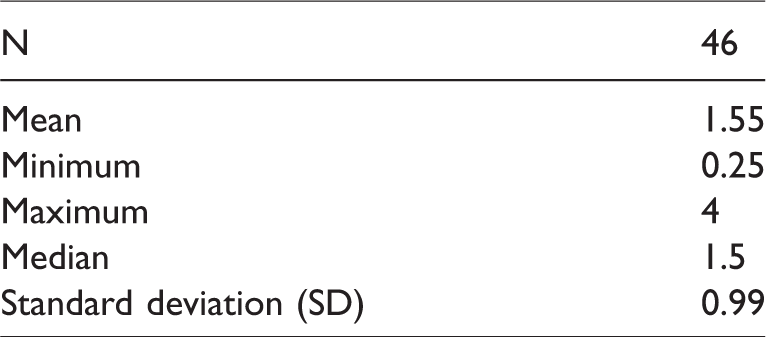
Table 7 shows the distribution of IMAs according to the aforementioned categories of the index. According to this information, the majority of entities have a low or very low rate in the index of institutionalisation. This result is consistent with the previous analysis of the different variables. The large majority of IMAs experience a severe lack of basic resources and depend greatly on the municipalities to develop their functions. In some cases, we could even doubt the existence of the entity as a different organisation and assume that the cooperation is limited to the agreed activity of the members.
Degree of institutionalisation index.
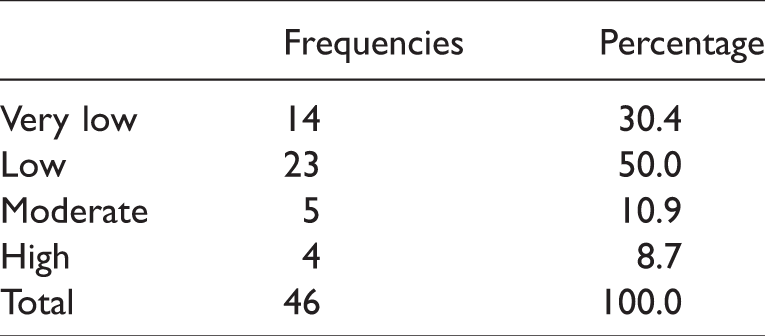
Figure 3 displays information regarding the rating for the degree of institutionalisation and the number of members of the IMA. According to this information, higher levels of institutionalisation can be found in wider IMAs. It is not a very clear relation and, as a matter of fact, the majority of entities rate low or very low in the index. However, higher rates in the index are more common in associations composed of a larger number of members. Classic rational choice (Olson, 1965) would have indicated an inverse relation, that is to say, fewer members in the organisation would have implied a stronger commitment to the entity. Conversely, we observe that an increase in the number of members tends to aggregate efforts and generate a more institutionalised entity.
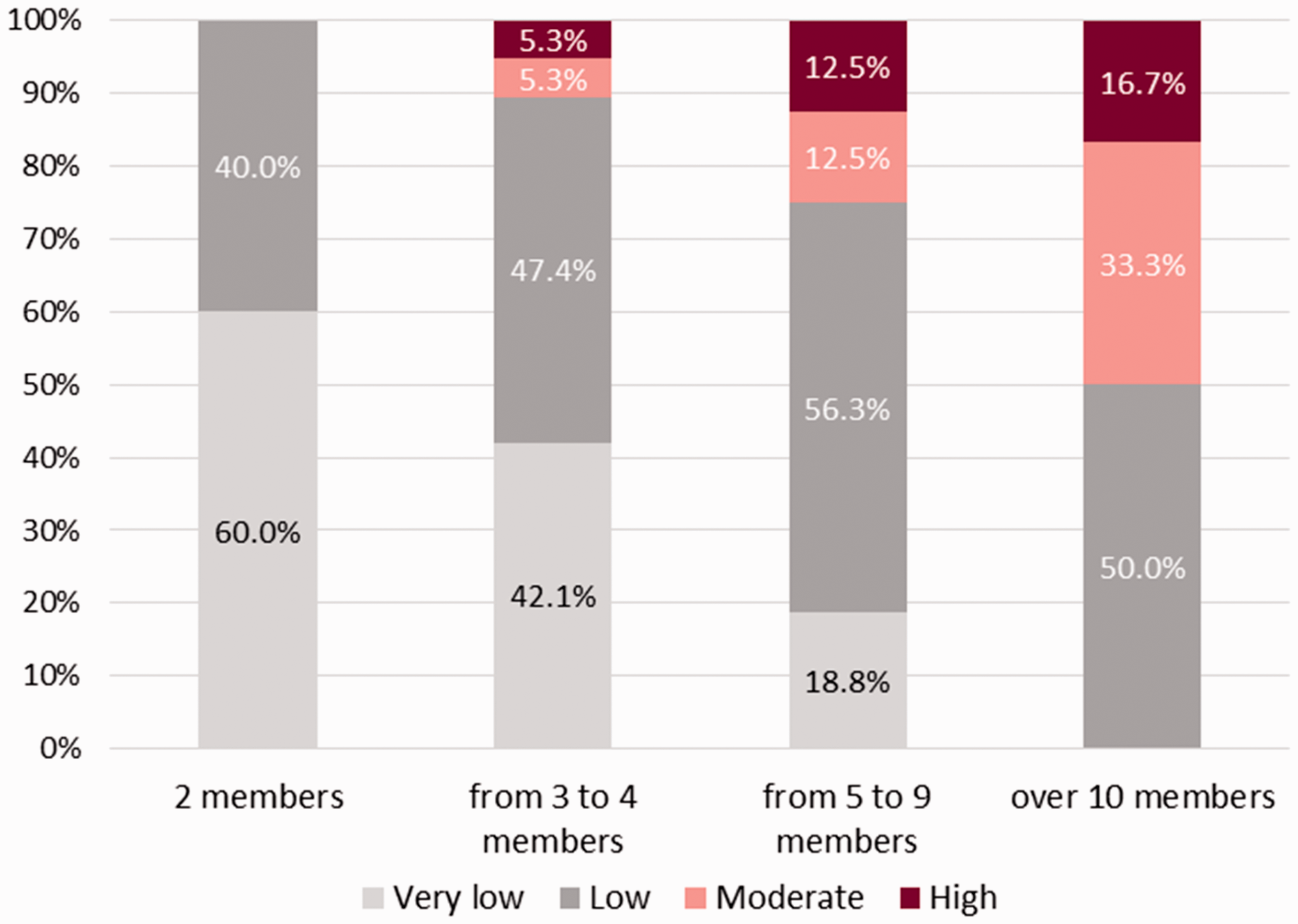
Number of members and degree of institutionalisation.Note: N = 46.
Identifying relations and interactions
A last exploratory aim of this article was to identify interactions between this range of dimensions of size and other factors or effects. In order to proceed with this last step, we operationalised two more variables, described in previous sections, named as ‘EFFECTS’ and ‘AREAS’. According to the collected data, water and wastewater infrastructures and waste management are the most frequent areas of cooperation. These areas fit with the type of service that is the ideal object of IMC in terms of capacity and economies of scale. They are sophisticated services that imply complex infrastructures that can benefit from an increase in scale. In fact, outsourcing is a relevant alternative in these areas. This behaviour concurs with the literature that presents cooperation and outsourcing as ways to include economies of scale in the provision of services, especially for smaller municipalities (Bel et al, 2013b; Bel and Miralles, 2003; Bel and Warner, 2015; Zafra-Gómez and Muñiz, 2010).
Figure 4 displays information about the effects mentioned by each respondent. According to this information, solving problems beyond the boundaries of a single municipality and lowering costs are the most commonly acknowledged results of cooperation. This situation matches theoretical presumptions and is consistent with the areas of cooperation mentioned.
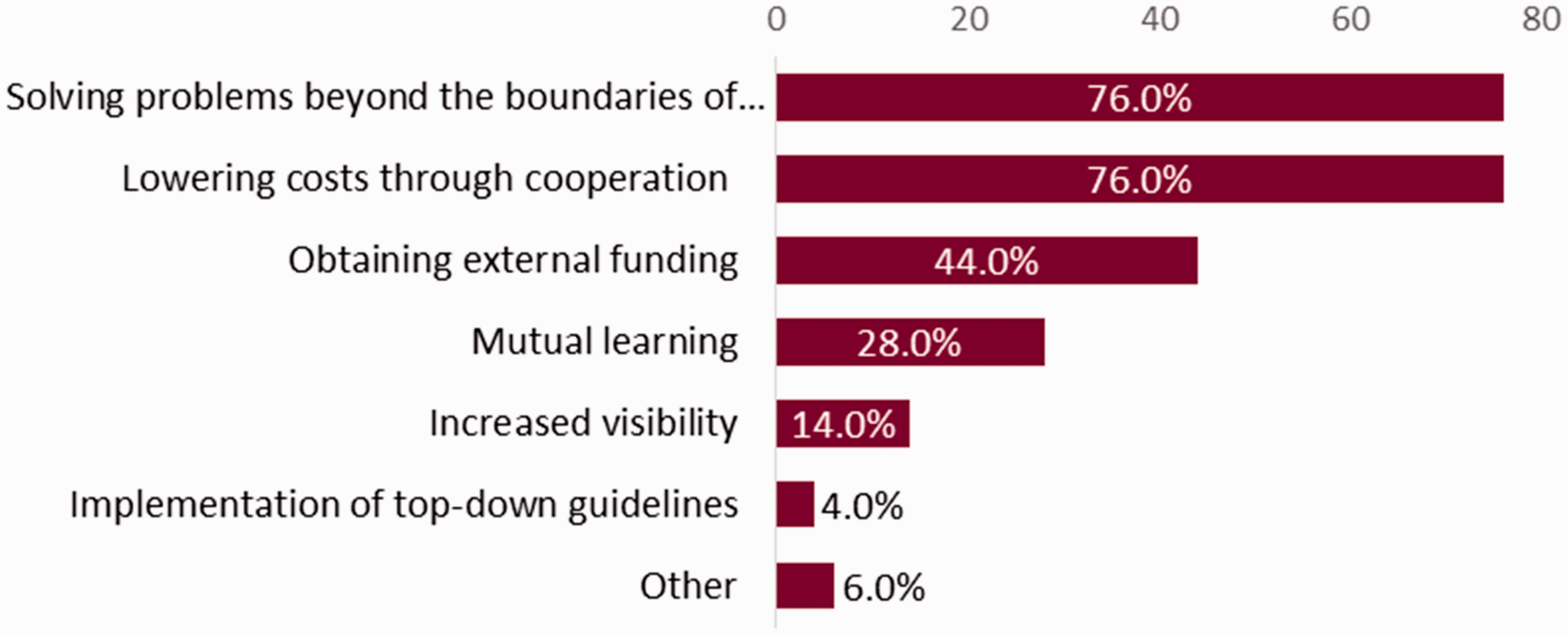
Effects of IMA activities.Note: N = 50.
The majority of respondents considered that the associations achieved two or three of the effects included in the list. Only three entities (6%) considered that the association achieved five out of the seven listed effects. The statistical work that attempted to connect feedback on the effects of cooperation with other factors, such as the area of cooperation, did not give significant results. Therefore, we cannot conclude that some areas imply more or stronger effects. In this case, the lack of a scale in the assessment might have been a problem. It is also possible that the fact that it is a question of perception, which can more easily be biased, might have some influence. Anyway, we could not detect any kind of relation, either with the index, with the number of municipalities or with size in terms of population.
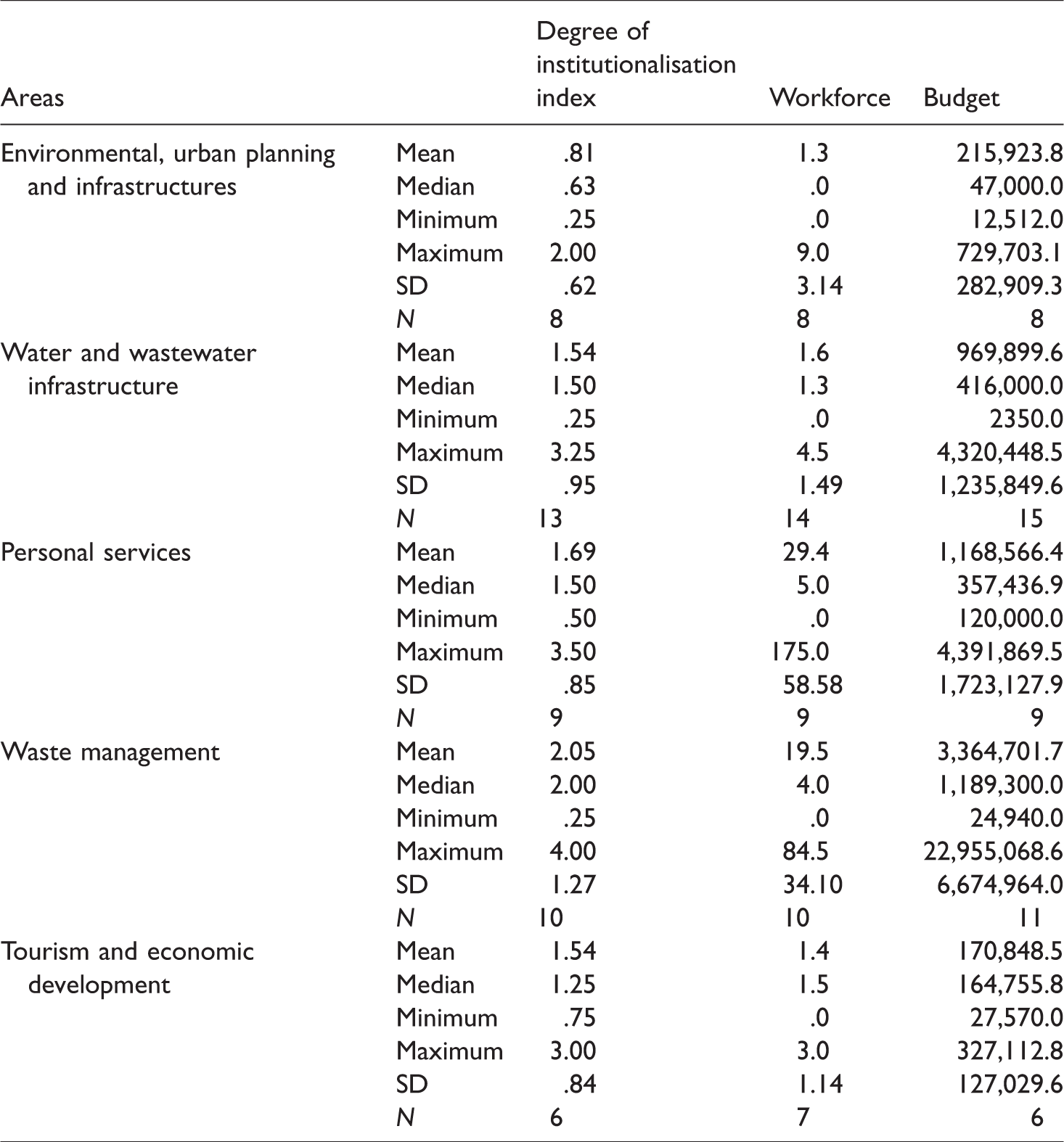
As for the areas of cooperation, Table 8 shows the basic statistical descriptive information for each area, as well as the variables ‘Degree of institutionalisation index’, ‘Workforce’ and ‘Budget’. As displayed in Table 8, the figures vary a lot depending on the area of cooperation. Waste management and personal services present the higher average figures for each variable. The number of IMAs for each area is too low for the statistical models to give valid results. However, the statistical descriptive information suggests relations between the area, the size of the organisation and the degree of institutionalisation. Waste management and personal services are sophisticated services that imply higher organisational efforts and a higher degree of capability to deal with complex provision.
Areas of cooperation and main descriptive information.
We also worked with the degree of institutionalisation index from an endogenous point of view. That is to say, to what extent has the size in terms of the number of members influenced the level of institutionalisation? Table 9 presents the correlation data between these two variables. A statistically significant correlation between the degree of institutionalisation index and the number of municipalities can be observed (Pearson r: 0.447; p < 0.01). In this case, we can say that the number of municipalities involved in an entity is positively associated with the degree of institutionalisation.
Degree of institutionalisation index and number of participant municipalities.

We also aimed to explore the impact of the size of the municipalities in terms of population. In order to do this, we proposed a model including both variables. Table 10 displays the synthesis of the results and indicates that the correlation coefficient is somehow higher when we are working with both variables. However, after a closer examination of the influence of each variable, data show that the aggregated population of the member municipalities is not statistically significant for this model. The relevant factor for this model is associated with the number of municipalities more than with their size. This implies that the number of entities is more determinative in explaining the level of institutionalisation than the size of the municipalities and their population. Obviously, it is important to take into account that we are working with aggregated figures of population and this fact may imply some bias in the analysis. Nevertheless, we can also assume that if size was really determinative, we might have detected some kind of effect, especially taking into account the fact that the results of the analysis related to predisposition to participation were not conclusive either.
Population and number of municipalities explaining institutionalisation.

Discussion and final remarks
The analysis of IMC is particularly interesting in the case of Spain and Catalonia due to the features of their municipal maps and the large number of local entities. The aim of this article was to address different dimensions of size related to the creation and operation of IMAs. We have not forgone an analysis of size in terms of the population of the member municipalities. However, we also wanted to broaden the scope of the concept ‘size’, including at least two more aspects: the number of municipalities in the association and the degree of institutionalisation. Thus, we created an index that includes different organisational aspects and can be used as a dependent or an independent variable in models, and that is also useful for comparing the character of the entities.
First, regarding the size of municipalities and according to the data presented in this article, we can say that the small municipalities are not more active than the larger ones in participating in IMAs. Further, rural municipalities do not present higher levels of participation in IMAs than urban. In other words, at least for Catalonia, IMAs are not particularly frequent in smaller towns or rural areas. Even though IMAs have always been associated with the need to overcome problems related to the size of the municipalities, data seem to be less clear and to point to other factors as more determinative. The temporal analysis also showed an interesting perspective related to a dramatic change in the tendency in recent years. Data until 2011 showed a direct relation which implied that more highly populated cities were more predisposed to participate in IMAs. However, changes in regulations and top-down-driven policies – some of them related to austerity measures – provoked a change in this tendency. After this storm, the map showed a less clear situation, and size does not seem to be a relevant factor any more.
If we examine this theme in relation to the rural dimension, the map depicts a revealing picture, showing a complete lack of IMAs in some areas where the odds – and the literature – would have favoured cooperation. This situation obliges us to continue with the research in this field to identify the elements that trigger cooperation and also the hurdles that small municipalities have to face. Regarding this, the existence of other entities conducting municipal support should also be taken into account, particularly consortia and counties in the case of Catalonia. We can presume that the deficiency in resources of the lower-populated towns can become a barrier to creating or being part of an inter-municipal entity, meaning that they might look to other options. This is an interesting field of work given that the other options (consortia and counties) imply a different positioning of the municipalities within the cooperative relation and, commonly, a loss of control.
With respect to the second part of the analysis, which explored links between institutionalisation and its favouring factors, examination of the different variables showed that the main associations that can be found relate both to the size in terms of members and areas of cooperation (independent variables), and to the degree of institutionalisation (dependent variable). Results of the correlation model showed that the influence of the number of municipalities in the entity is statistically significant and is clearer than the influence of the size of the member municipalities. The more members in the entity, the higher the degree of institutionalisation; however, the size of the municipalities in terms of population does not seem to be pertinent. This could be understood as contrary to public choice theories, which would predict stronger cooperation by smaller groups.
Another relevant aspect is the impact of the area of cooperation. According to a descriptive analysis, the areas related to personal services and waste management present higher levels of institutionalisation. The strongest and most institutionalised organisations are devoted to the management of these services. Both of them imply extremely sophisticated processes and highly regulated procedures. They were, in fact, the only cases where a completely independent organisation could be identified. The vast majority of inter-municipal organisations experience very low levels of institutionalisation, namely, they seem to lack the basic resources required to consider them as autonomous bodies. A great number of them depend completely on the municipalities to develop their activities.
The whole picture shows an image of weak inter-municipal entities with few means and resources, in a context of extremely small municipalities. This situation raises important questions, such as why the smallest towns do not cooperate and how they manage to provide municipal services. To answer these questions, it is important to analyse both the triggers for, and obstacles to, cooperation in order to understand the key elements of a complex system composed of several layers of institutional levels. A good part of future efforts should focus particularly on the interaction of this network and its systemic consequences.
Footnotes
Funding
This research was supported by programme CSO2013-48641-C2-1-R (Ministry of Economy) and 2014 SGR 838 (Catalan Government).