






Abstract
Nano-microhybrid reinforced metal matrix composites are the novel combination of composite system which enhanced the mechanical properties of the metal matrix composites. The aim of this study is to determine the nano- and macromechanical properties of aluminium (A356)-based hybrid composites reinforced with multiwall carbon nanotubes and alumina short fibers (Al2O3sf). Hybrid preforms were developed initially, by a combination of multiwall carbon nanotubes and Al2O3sf with total volume fractions of 10%, 15% and 20% and by varying the weight percentage of multiwall carbon nanotubes such as 1%, 2% and 3%. The fabricated hybrid preforms were then infiltrated with aluminium alloy (A356), and the microstructure and mechanical properties of the composites were evaluated. The distribution of multiwall carbon nanotubes within the array of the Al2O3sf network which exists in clusters was found to be relatively good. The mechanical properties such as the hardness and tensile strength of Al-based hybrid metal matrix composites were found to be improved by up to 2 wt% of multiwall carbon nanotubes. The causative reason for this is attributed to a combined effect of both multiwall carbon nanotubes and Al2O3sf, which contributed to better load sharing between the fibers and the Al matrix, and also accounted for the resistance of dislocation movements caused by the presence of the multiwall carbon nanotubes. In addition, the continuous stiffness measurement method was also used to evaluate the nanomechanical properties of the composites. The results showed that the influence of multiwall carbon nanotubes highlighted the properties on a nanoscale.
Introduction
Metal matrix composites (MMCs) are extensively applied in engineering and industry. 1 Hybrid MMCs are engineered as combinations of two or more reinforcements, in which the desired properties are achieved by combining the advantages of both reinforcements into play, allowing wide latitude in the design of the material. Using highly advanced processes, the design, development and characterization of new hybrid materials have been achieved with techniques controlled on a micro, nano and atomic scale. 2 Currently, nano-microhybrid MMCs offer significant mechanical and multifunctional performance benefits. Many interesting studies on composites with nanoparticles, nanotubes and nanofibers have been carried out.3–6 However, nanosized reinforcements are extremely difficult to disperse within a matrix by casting routes. The principal problem with nanofibers is that it is difficult for them to retain their integrity and shape while preforming. These issues can be resolved by forming an array of short fibers in which the nanotube can be effectively dispersed, forming a hybrid network. Few studies on hybrid MMCs employing a casting method have been reported.7–13 In these studies, the authors found that the enhancement of the properties was due to hybridization. It is seen from literature survey that no attempt has yet been made to determine the hybridizing effect of multiwall carbon nanotubes (MWCNTs) with Al2O3sf on the nano- and micromechanical properties of aluminium alloy (A356). Therefore, a systematic examination of the development and characterization on MWCNTs/Al2O3sf reinforced aluminium alloys was carried out in this study.
Initially, a hybrid preform using MWCNTs and Al2O3sf was prepared, and the developed preforms were then infiltrated with an aluminium alloy (A356). Scanning electron microscopy (SEM) was used to examine the microstructures of the preform and energy dispersive X-ray (EDX) mapping was used to analyze the dispersion of the MWCNTs and Al2O3sf within the preform. The microstructural and mechanical properties of the hybrid MMCs fabricated were then evaluated. In addition, continuous stiffness measurement (CSM) method was used to evaluate nanomechanical properties of the developed hybrid MMCs.
Materials
Properties of Saffil alumina fibers (ICI, UK), and MWCNTs (Poly field Korea).
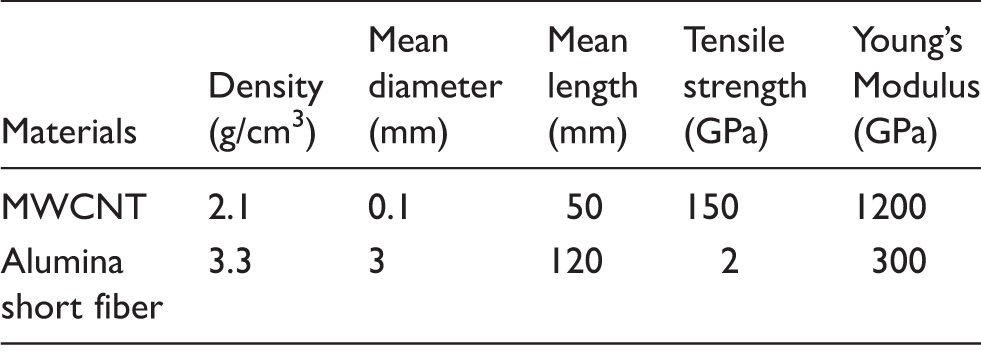
MWCNT: multiwall carbon nanotube.
Fabrication of hybrid preform and aluminium hybrid composites
Previously, the authors reported the development of hybrid preform using MWCNTs and Al2O3sf. 16 The details of the experimental setup and the fabrication of hybrid preform and aluminium hybrid composites were the same as described elsewhere. 16 Hybrid preforms were developed using MWCNTs and Al2O3sf with total volume fractions such as 10%, 15% and 20%. The preheated hybrid preform was placed in the mould, and then molten aluminium alloy was poured into the preform at the pouring temperature of 750℃. A pressure of 10 MPa was then applied with a holding time of 30 s, and finally aluminium melts were infiltrated into the developed hybrid preforms. The hybrid composites were successfully developed with volume fractions such as 10%, 15% and 20% by varying the weight percentage of MWCNTs as 1%, 2% and 3% for each volume fraction. The microstructural examination was carried out for the developed hybrid composites using SEM and EDX analysis.
Results and discussion
SEM and EDX analysis of aluminium hybrid MMCs
Figure 1(a) shows the typical SEM image of Al hybrid MMCs in which the Al2O3sf fibers are distributed relatively well within the composites. However, MWCNTs showed a tendency to agglomerate within the matrix metal, but to a different extent depending on the weight percentage of the MWCNTs. Even though MWCNTs exist in clusters, their distribution within the array of the Al2O3sf network was found to be relatively good as seen on Figure 1(b). A typical SEM image shown in Figure 1(c) depicted improper infiltration of the Al matrix into the MWCNTs/Al2O3sf network. The reason for this can be attributed to the effect of the difference in preheating the temperature of preform and the pouring temperature of melts.
Typical SEM images of Al hybrid MMCs. (a) dispersion of Al2O3sf (white arrow), (b) MWCNTs cluster (dotted circle), (c) pores fiber network (partially aluminium infiltrated region); MWCNTs cluster (dotted circle), Al2O3sf (white arrow).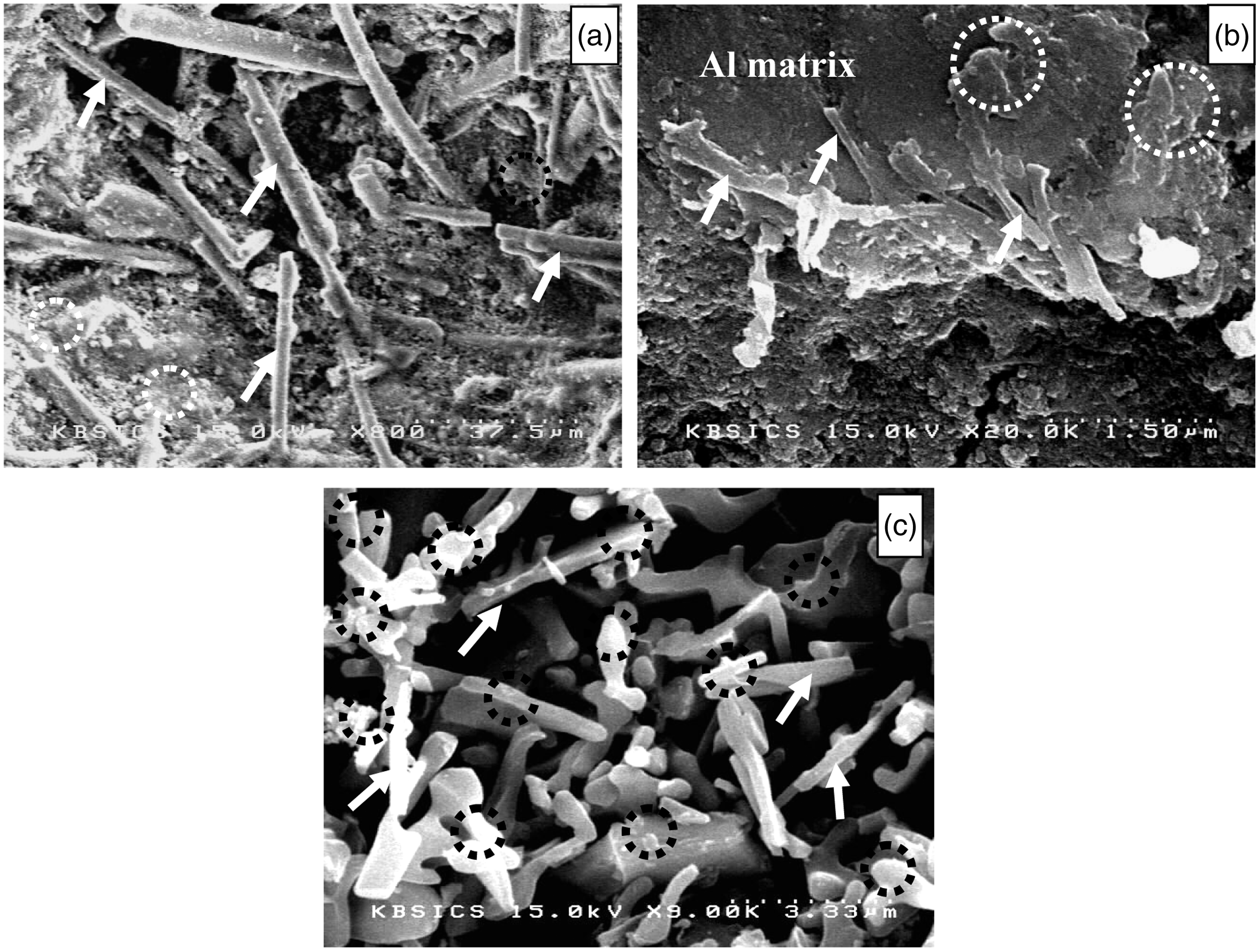
Figure 2(a) depicts a focused image of a typical region and shows the MWCNTs cluster and the Al2O3sf within the matrix. From Figure 2(b), it is seen that the MWCNTs are connected to each other through the sheaths like structure, and the molten metal effectively diffuses into the MWCNTs cluster and is also bonded well within the Al matrix. It is worth mentioning that nanotubes are connected to each other due to the frictional contact and an elastic interlocking mechanism of MWCNTs under performance conditions.
17
Figure 2(c) shows that the MWCNTs clusters are bonded with Al2O3sf and Al matrix, which helps in achieving better load sharing, leading to an enhancement in the properties of MMCs. There is a possibility of formation of chemical bond between the MWCNTs and Al2O3sf during the processing of composites.
18
From the typical SEM image with higher magnification of Al infiltrated agglomerated MWCNTs depicted in Figure 2(d), it can be seen that some nanopores appeared due to the improper infiltration of the Al matrix.
(a) MWCNTs cluster bonded with Al2O3sf, (b) MWCNTs bonded with Al matrix and Al2O3sf, (c) Al infiltrated MWCNTs agglomeration; individual MWCNT pull out from the cluster, (d) higher magnification of Al infiltrated MWCNTs cluster; MWCNTs cluster (dotted circle), Al2O3sf (white arrow), individual MWCNT (black arrow).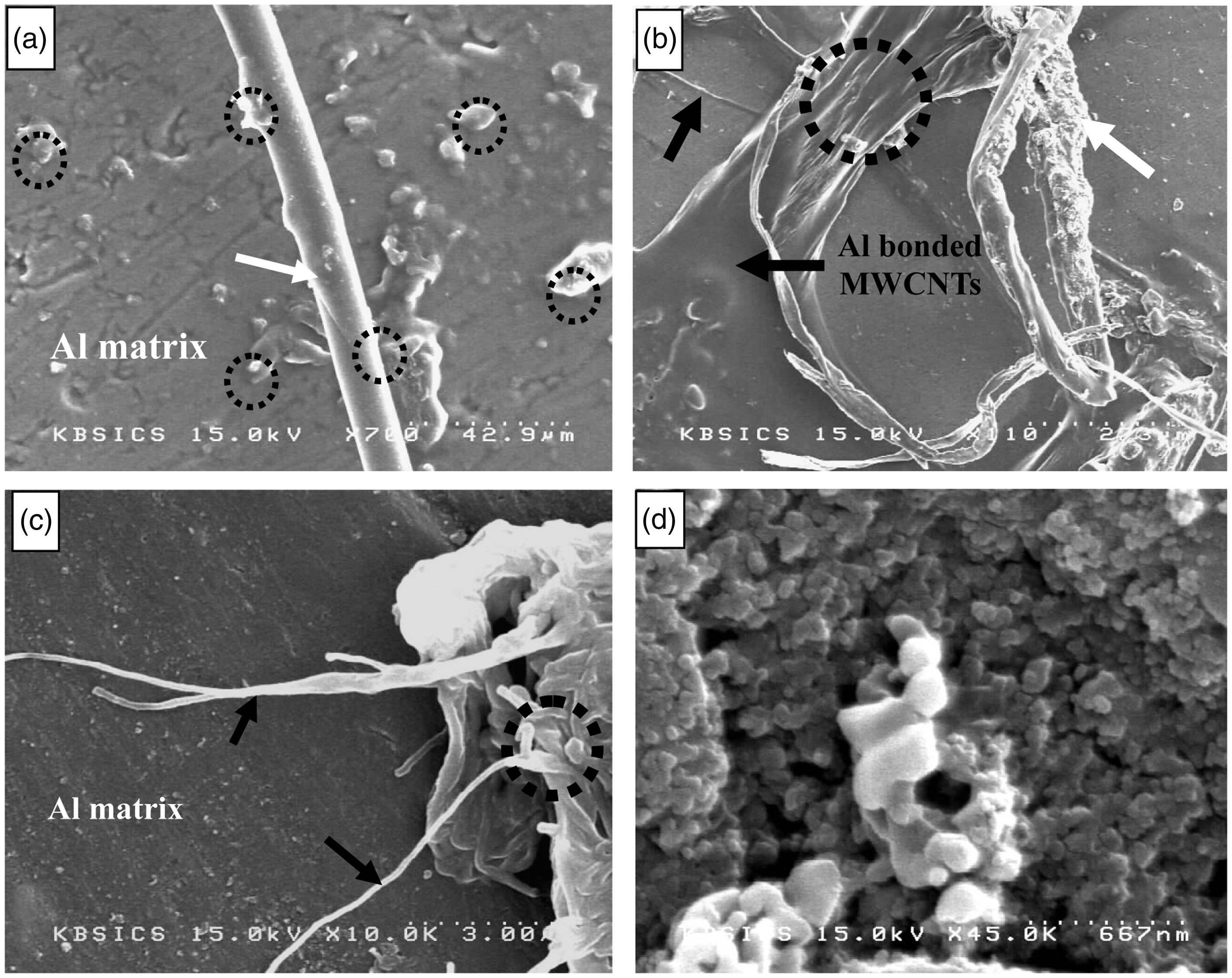
Figure 3(a) shows an EDX taken of the surface of alumina fiber within the Al matrix. The Si peaks observed in the profiles clearly indicate the presence of the binder at the interfaces, leading to a fine bonding of the MWCNTs and Al2O3sf during preforming. It is clear from the profile that the aluminium infiltrates relatively well, even when the MWCNTs are agglomerated. This might also be due to the formation of Al4C3 phase between the interface of the matrix and MWCNTs, which has improved the wettability and infiltration of the liquid metal into the hybrid fiber network.19,20 From the EDX analysis as shown in Figure 3(b), the peaks indicate the formation of carbides such as Al4C3 or Al2MgC2 phases. Therefore, there is a need to conduct transmission electron microscope (TEM) analysis to conform the presence of carbide phase within the interface of Al matrix and MWCNTs. TEM analysis will be carried out as the future work. Normally, EDX mapping has been proposed to delineate the distribution of MWCNTs in the composites.
21
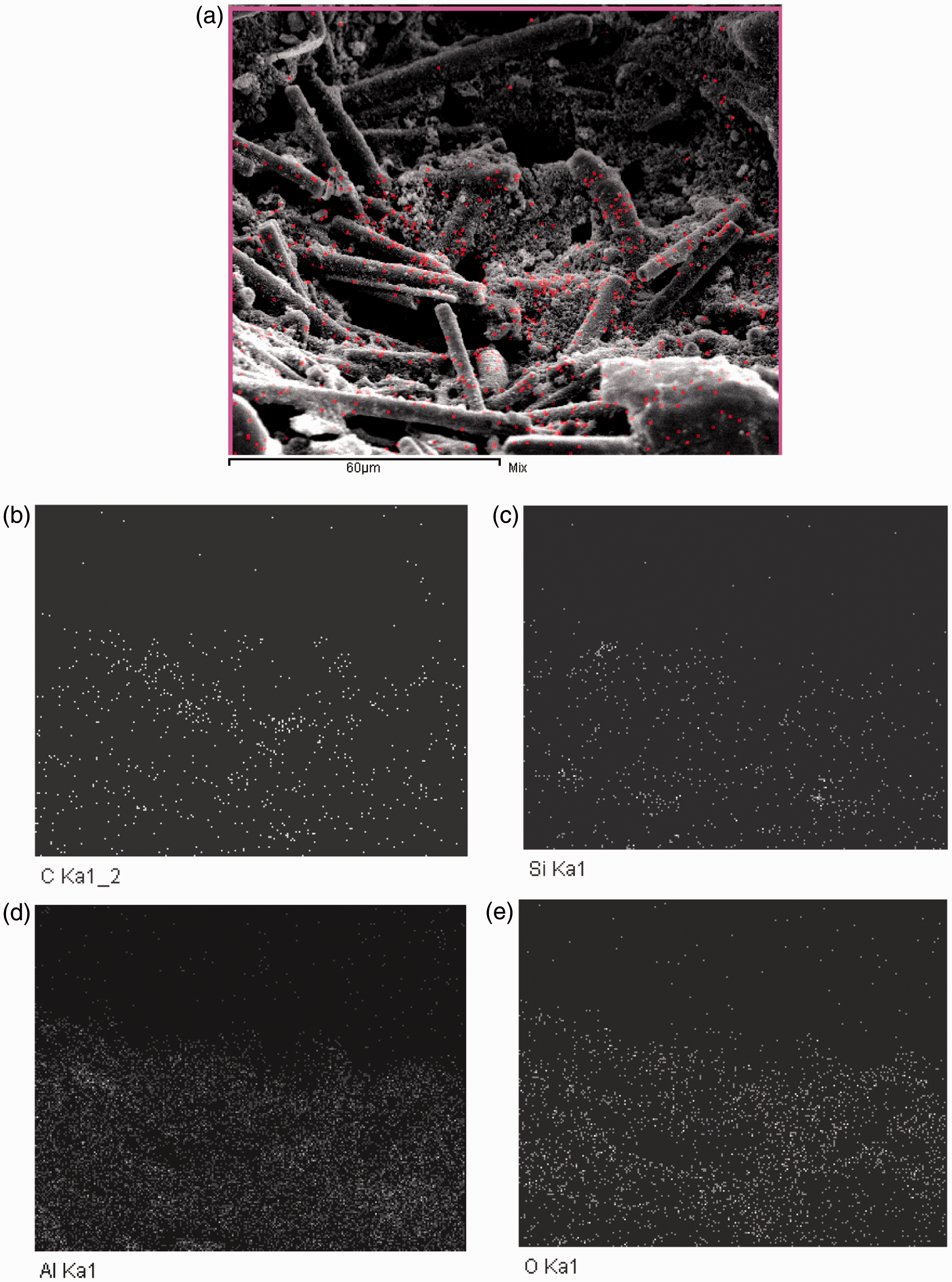
Figure 4 shows an EDX mapping of the Al hybrid composites, and it is clearly evident from the figure that MWCNTs (red dotted) are well dispersed within the composites. This shows that the MWCNTs are distributed more effectively in the Al matrix, even though a tendency towards clustering is also seen in the hybrid system. It is well known that good dispersion of MWCNTs clusters within the Al matrix serve as a barrier that prevent the formation of pores and the development of microcracks in the composites to some extent.
EDS analysis of Al hybrid composite: (a) MWCNTs cluster, (b) surface of Al2O3sf. EDS mapping profiles of MMCs; (a) mapping region, (b) carbon – C, (c) silicon – Si, (d) aluminum – and (e) oxygen – O.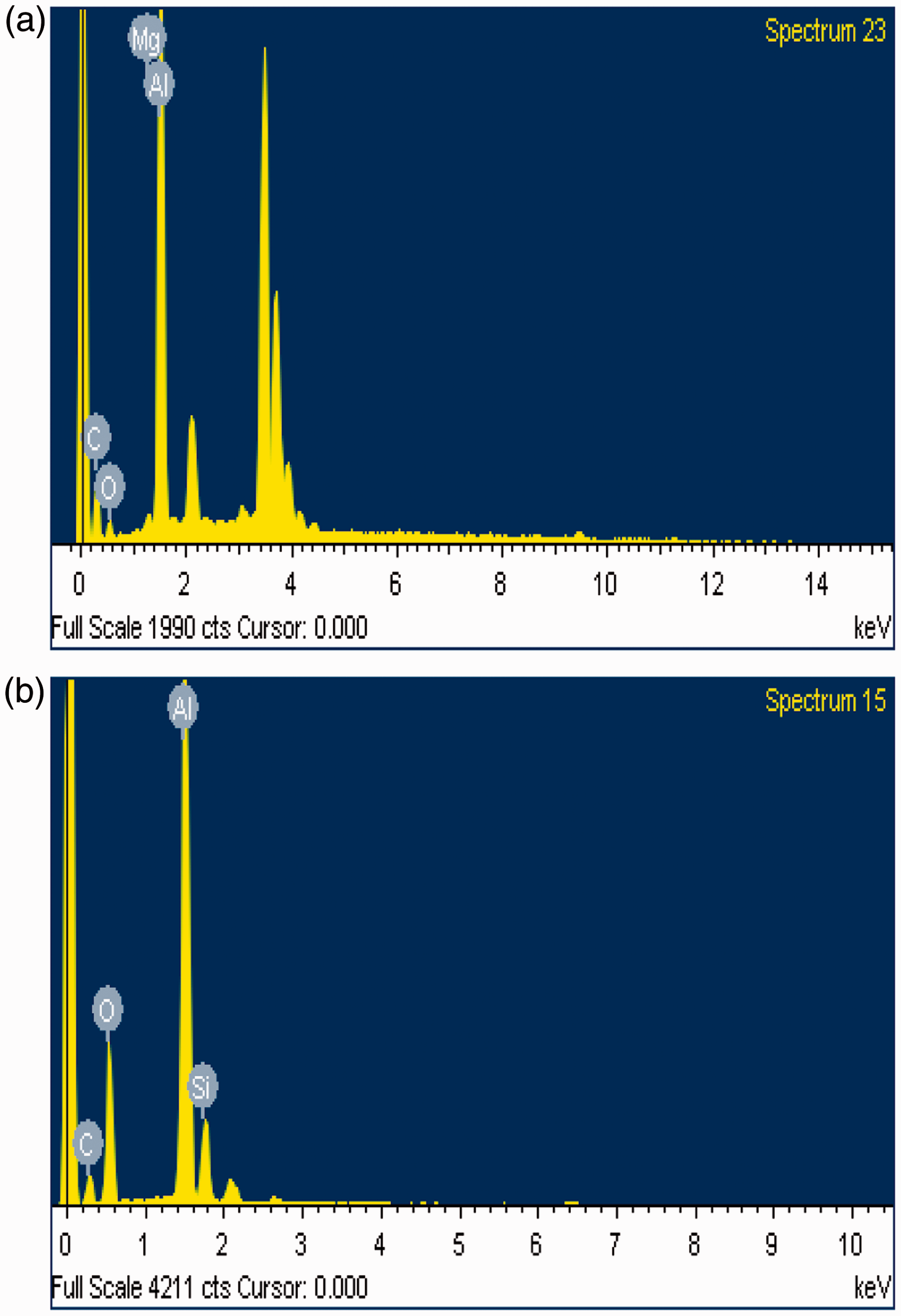
Microhardness of aluminium hybrid MMCs
The microhardness values of the Al/MWCNTs/Al2O3sf hybrid composites are presented in Figure 5. The hardness evaluation was performed on different regions of the sample, and an average value was taken. The incorporation of MWCNTs into the Al/Al2O3sf composites has a significant effect on the microhardness of the composites. The observed increase in hardness is due to the constraint in dislocation, which in turn is due to the presence of the Al2O3sf and MWCNTs. A large number of dislocations are developed in MMCs because of the difference in the coefficient of thermal expansion between the reinforcements and the Al matrix.
22
Thus, the MWCNTs were found to strengthen the matrix effectively within the MMCs. However, above 2 vol% of MWCNTs, the microhardness values were found to decrease because of the nanopores within the matrix metal. The formation of nanopores is due to the agglomeration of the MWCNTs within the Al2O3sf network. The presence of higher agglomeration of the MWCNTs can promote plastic flow in the matrix metal, which can lead to a lower hardness value. The uniform dispersion of MWCNTs might influence the enhancement of hardness in the non-agglomerated region, thereby exhibiting higher hardness values compared to the unreinforced Al matrix. However, the real mechanism of microhardness of the composites reinforced with nanosize reinforcement has not been known yet.
23
Vickers microhardness of Al/MWCNTs/Al2O3sf hybrid MMCs.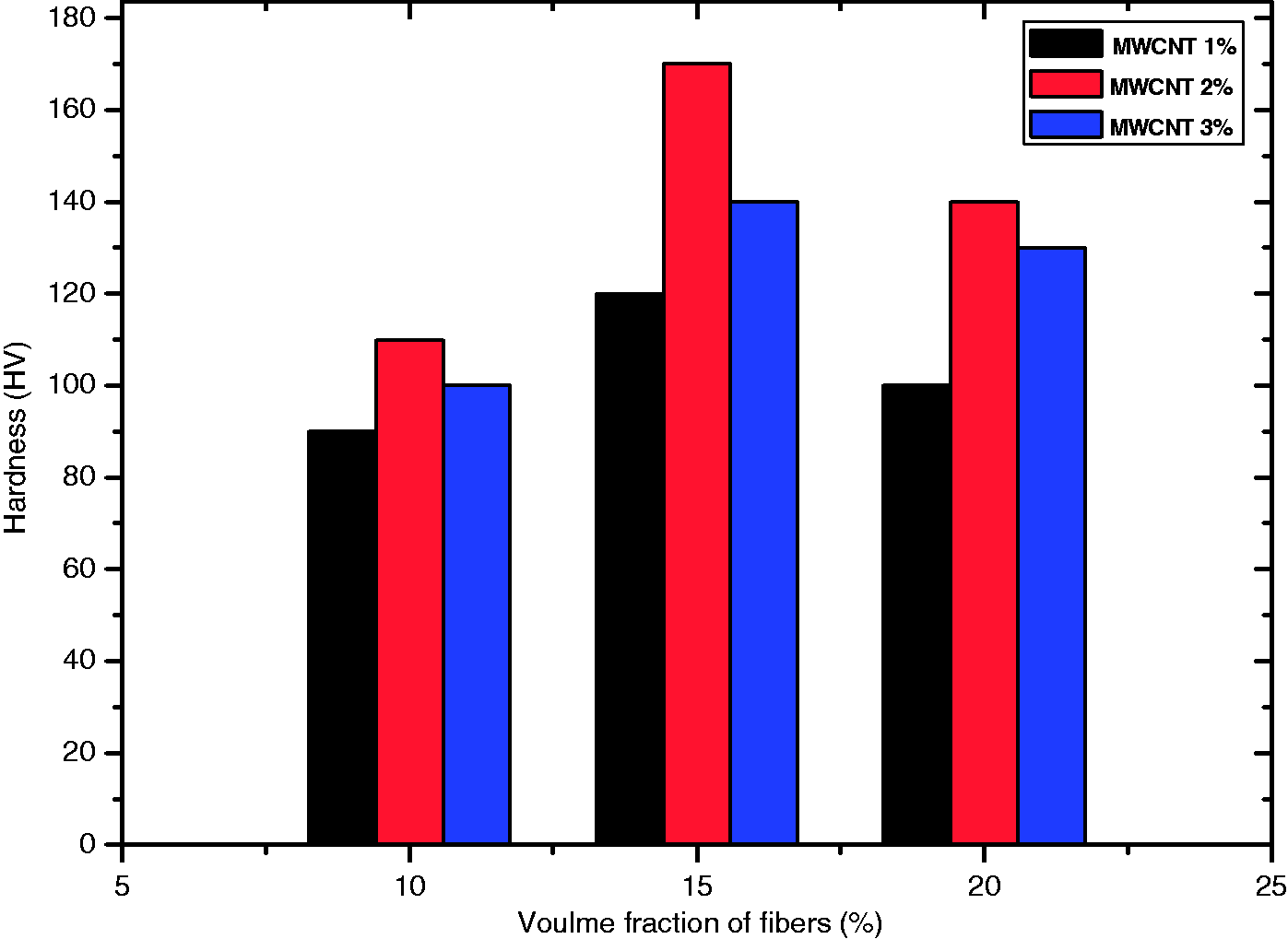
Nanoindentation properties of aluminium hybrid MMCs
There is a growing interest in evaluating the mechanical properties of MMCs using the nanoindentation method.24,25 Since the width of the reinforcement matrix interface and the interfiber distance is of the order of micrometres, it is extremely difficult to determine the mechanical properties around the reinforcement region using conventional techniques. Nanoindentation was performed by using an MTS nanoindenter XP. The tests were performed at 20℃ using Berkovich diamond three-sided pyramid tip with a face angle of 65.3°.
Nanomechanical properties such as the hardness and the elastic modulus can be obtained by the CSM method.
26
Initially, nanoindentation was randomly performed on the surface at a depth of 2000 nm. The average value was obtained from the displacement region of 500–1500 nm. Due to the indentation size effect (ISE),
27
the hardness and elastic modulus values below the 500 nm region were greater compared to those at other indentation depths. Therefore, the hardness and modulus values were measured by excluding the values below the 500 nm regions to avoid a measurement error caused by the ISE. Typical load–displacement curves of indentation were performed at different regions of the sample with an indentation depth of 2000 nm as shown in Figure 6. From the nanoindentation profile of indentation near the MWCNTs/Al2O3sf region, the load is 260 mN, which is higher than those corresponding to other indentation regions. Hence, even at higher load, the indenter area remained small due to the presence of MWCNTs/Al2O3sf. This averted microdeformation within the matrix resulting in higher hardness and modulus values.
Load–displacement curves of different indentation regions of MMCs by CSM.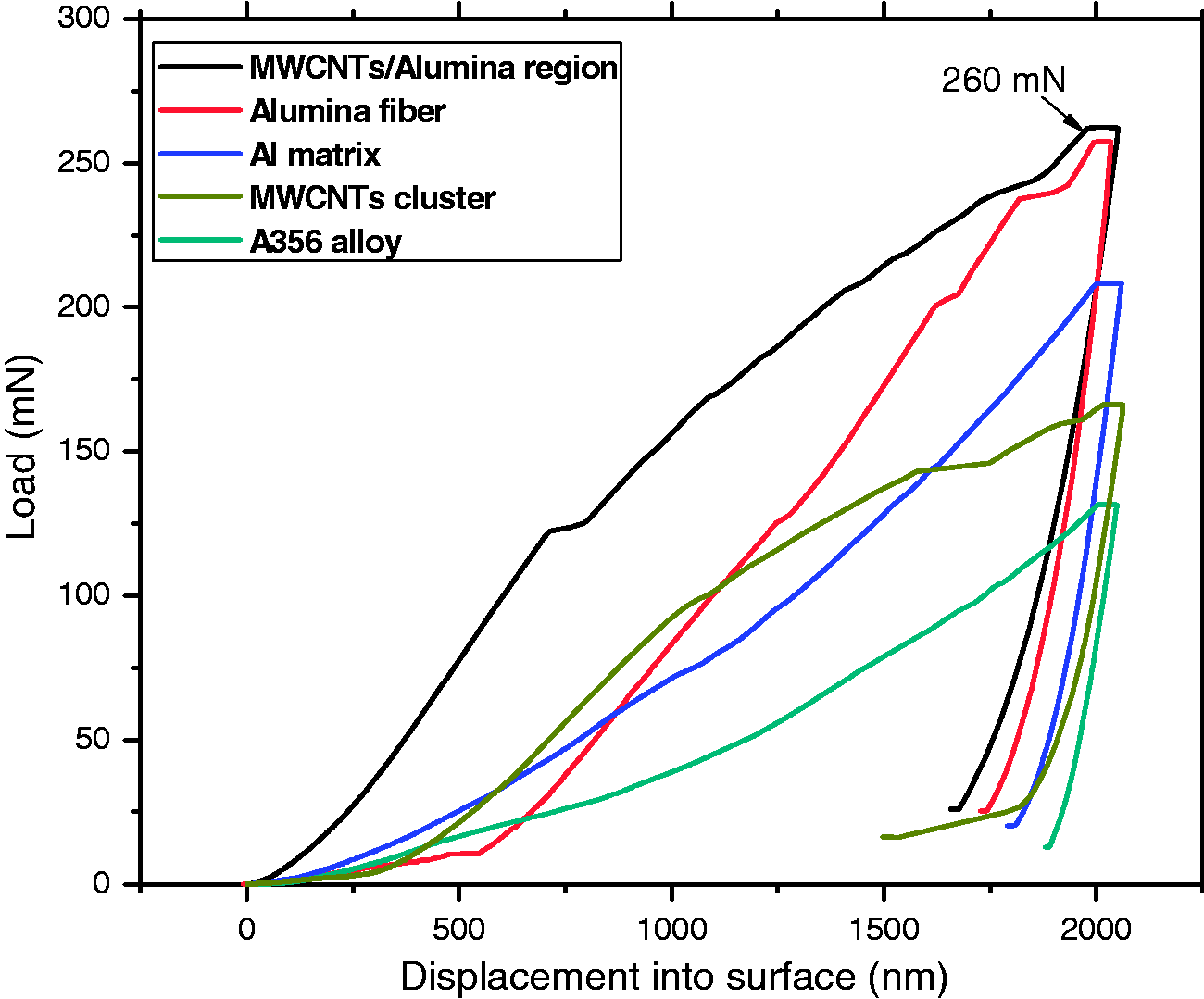
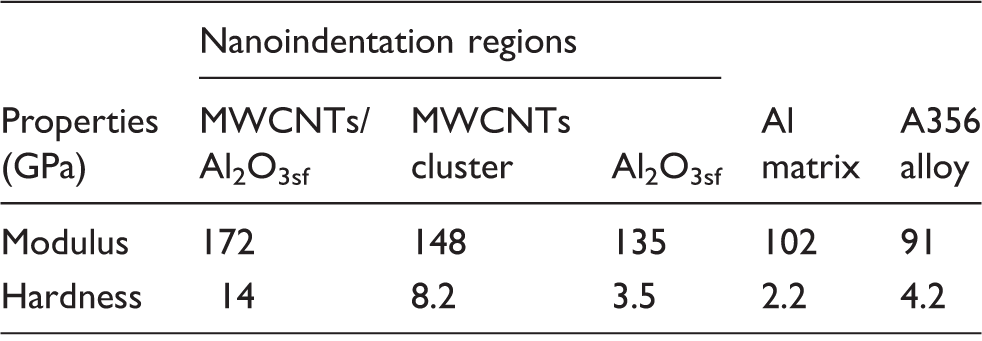
Table 2 shows the average hardness and modulus values of nanoindentation on different regions of the Al/MWCNTs/Al2O3sf hybrid composites. Figure 7(a) shows the hardness and modulus when the indentation was done on the Al matrix close to the MWCNTs/Al2O3sf region. Initially, the modulus value was 250 GPa, but it decreased with an increase in the indentation depth, which can be attributed to the early onset of yielding of the Al matrix due to the presence of the MWCNTs cluster. When the indentation was near the Al2O3sf region, the average modulus and hardness values were higher than those of the Al alloy, as shown in Figure 7(b), possibly due to the presence of MgAl2O4 precipitates near the Al2O3sf regions.
27
The hardness and modulus were also obtained from indentations close to the interface of the Al matrix and the MWCNTs, as shown in Figure 7(c). The enhancement of these properties was attributed to the formation of an Al4C3 or Al2MgC2 phase between the MWCNTs and the Al matrix.
28
The indentation caused MWCNT clusters as shown in Figure 7(d). The major reason for the lower values is probably the breakage of bonds between the MWCNTs and the Al matrix within the cluster. Moreover, as mentioned above, the lower values might also be due to the presence of nanopores within the MWCNT clusters. It can be clearly seen that the modulus increases with the depth of penetration after 1500 nm because of the indenter contact on the surface of the MWCNTs, causing possible indentations on the nanopores in the agglomerated MWCNTs within the matrix. Initially, a scatter was evident in the measured hardness and elastic modulus profiles, possibly due to the effect of roughness on the surface of the MMCs.
29
In addition, the modulus and hardness values obtained from the indentation on the Al matrix without reinforcements are shown in Figure 7(e). It is clear that the hardness is higher than that of the indentation on the Al matrix with reinforcements, which can be due to the possible indentation on the eutectic Si crystals in the A356 alloy. The eutectic regions show a lower pile-up and higher elastic recovery than the Al region.
30
Normally, the hardness is calculated in units of force per unit of projected area from the indentation tests, typically in GPa, but for the Vickers hardness (HV), the unit is mass per unit surface area, typically kg mm2. The HV is converted to nanoindentation hardness (HI) by the relationship HI = HV/92.65.
27
The maximum hardness value obtained using the conversion formula for the nanoscale was 1.38 GPa, which is lower than the nanoindentation value of 14 GPa. The results suggest that the presence of the MWCNTs contributed to the improvement of hardness on the nanoscale.
Nanoindentation profiles of the hardness and the modulus of the hybrid composites: (a) MWCNT/Al2O3sf region, (b) Al2O3sf regions, (c) MWCNT/Al matrix, (d) MWCNT cluster, (e) A356 alloy. Nanoindentation properties of Al/MWCNTs/Al2O3sf hybrid composites. MWCNT: multiwall carbon nanotube.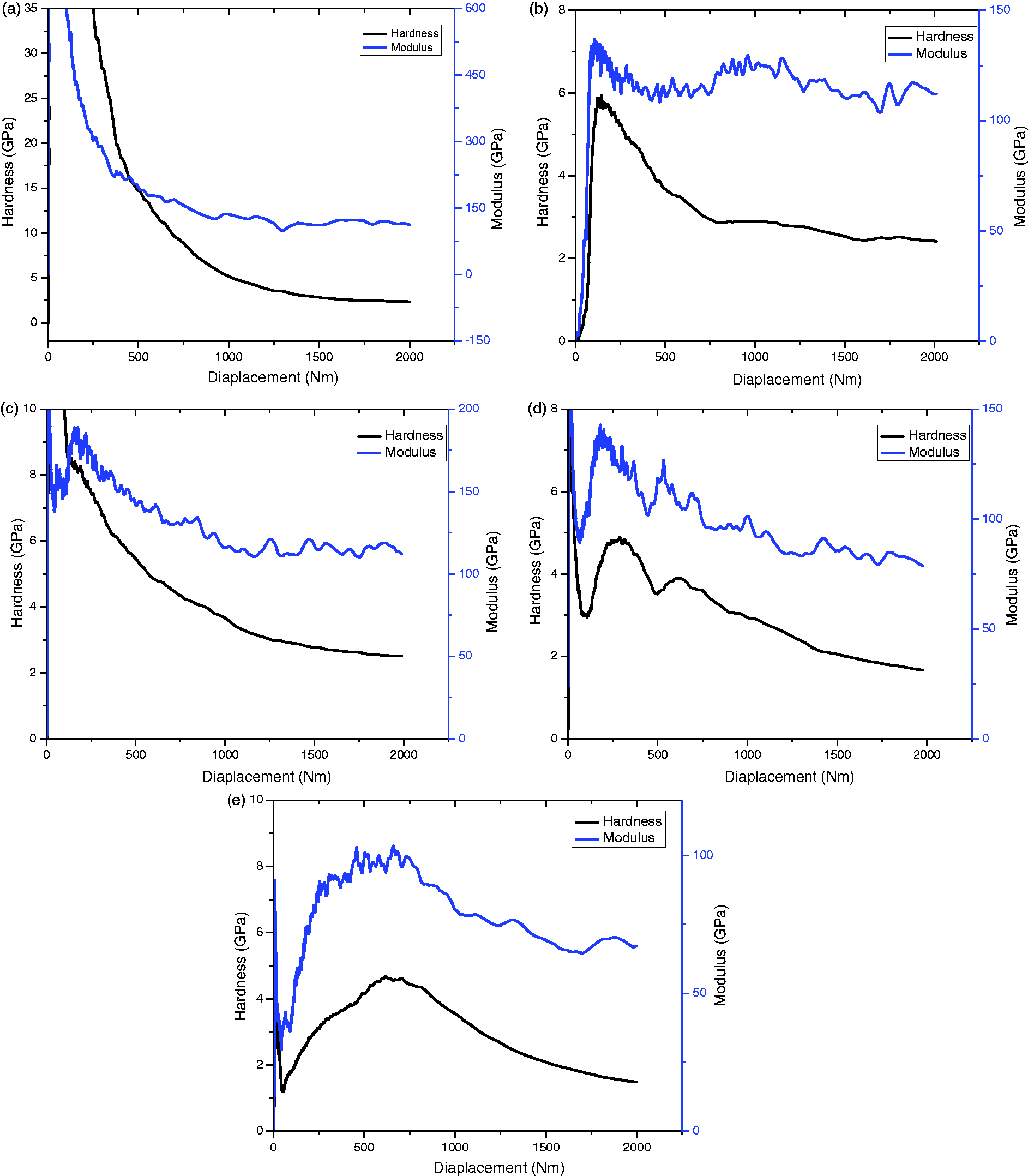
Typical SEM images of a nanoindentation mark on the hybrid composite surface are shown in Figure 8. The phenomena of pile-up and sink-in were clearly observed for the indentation region of the samples, and therefore the matrix behaviour is either ductile or brittle. When the SEM was performed on the MWCNT/Al2O3sf region, a sink-in was found around the indent, preventing the flow of the matrix and thereby enhancing the indentation properties which is depicted in Figure 8(a). It was also noticed that a crack was formed in the indented mark region, possibly due to the nanopores and/or the breakage of bonds across the interface of the MWCNT cluster and Al2O3sf during indentation. In the indentation of the Al2O3sf region which is shown in Figure 8(b), the matrix behaves in a brittle manner (i.e. sinking-in) and therefore can be concluded that the MgO is influenced by the indentation properties. From the SEM image depicting the MWCNTs cluster region shown in Figure 8(c), a small pile-up at the edge of the indentation was observed. This is due to a possible indentation on the surface of the MgAl2O4 precipitate. SEM image of nanoindentation mark on the Al matrix is depicted in Figure 8(d). This clearly shows that a small pile-up occurred on the surface, which led to the deformation of the aluminium matrix.
The typical SEM images of nanoindentation mark on Al/MWCNTs/Al2O3sf hybrid composites: (a) MWCNTs/Al2O3sf region, (b) Al2O3sf region, (c) agglomerated MWCNTs region, (d) MWCNTs/Al region; MWCNTs (dotted circle), Al2O3sf (black arrow).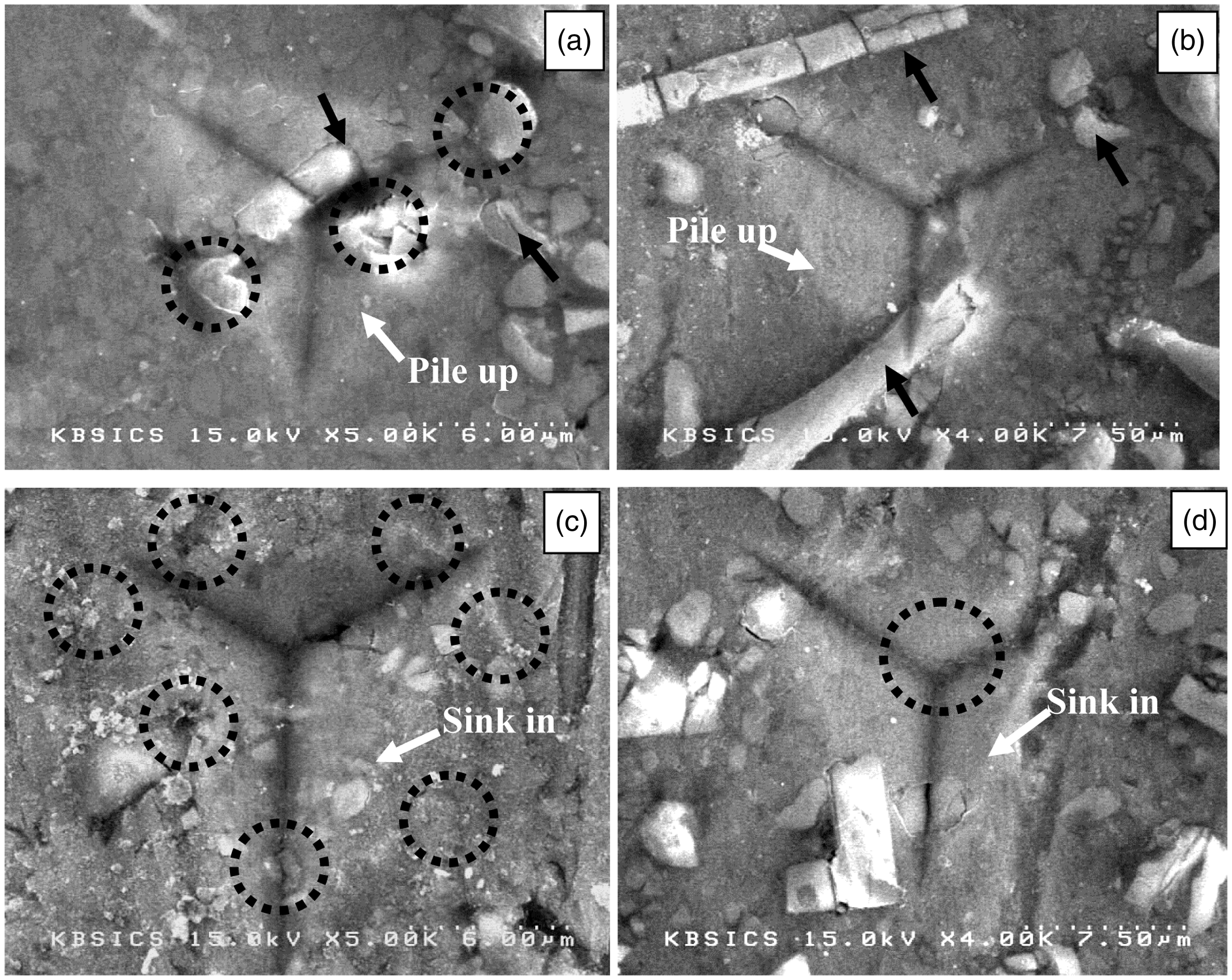
Tensile strength of aluminium hybrid MMCs
The tensile test results of the Al/Al2O3sf/MWCNTs hybrid MMCs are shown in Figure 9. The tensile strength was found to be higher than that of the Al/Al2O3sf monocomposite system. The increase in tensile strength is due to the good bonding between the MWCNTs and the Al2O3sf within the Al matrix leading to better load sharing between the fibers and the matrix. These results indicate that the extent of interfacial bonding might be a reason for increasing the strength of the composites. However, it was observed that the tensile strength decreased when the content of MWCNTs is above 2 wt%. Due to higher percentage of MWCNTs, agglomerated MWCNTs were formed which caused the formation of porosities within the Al matrix. In addition, there is a possibility of formation of carbide phase (Al3C4 and/or Al2MgC2) when the fabrication temperature is above 750℃.
31
Moreover, the residual thermal stress might be produced at the MWCNT/Al2O3sf and matrix interfaces due to the thermal mismatch between the reinforcement and the matrix. This can also contribute to a reduction in the strength of the composites. The presence of Al3C4 or Al2MgC2 also leads to the degradation in the strength of the composites.
32
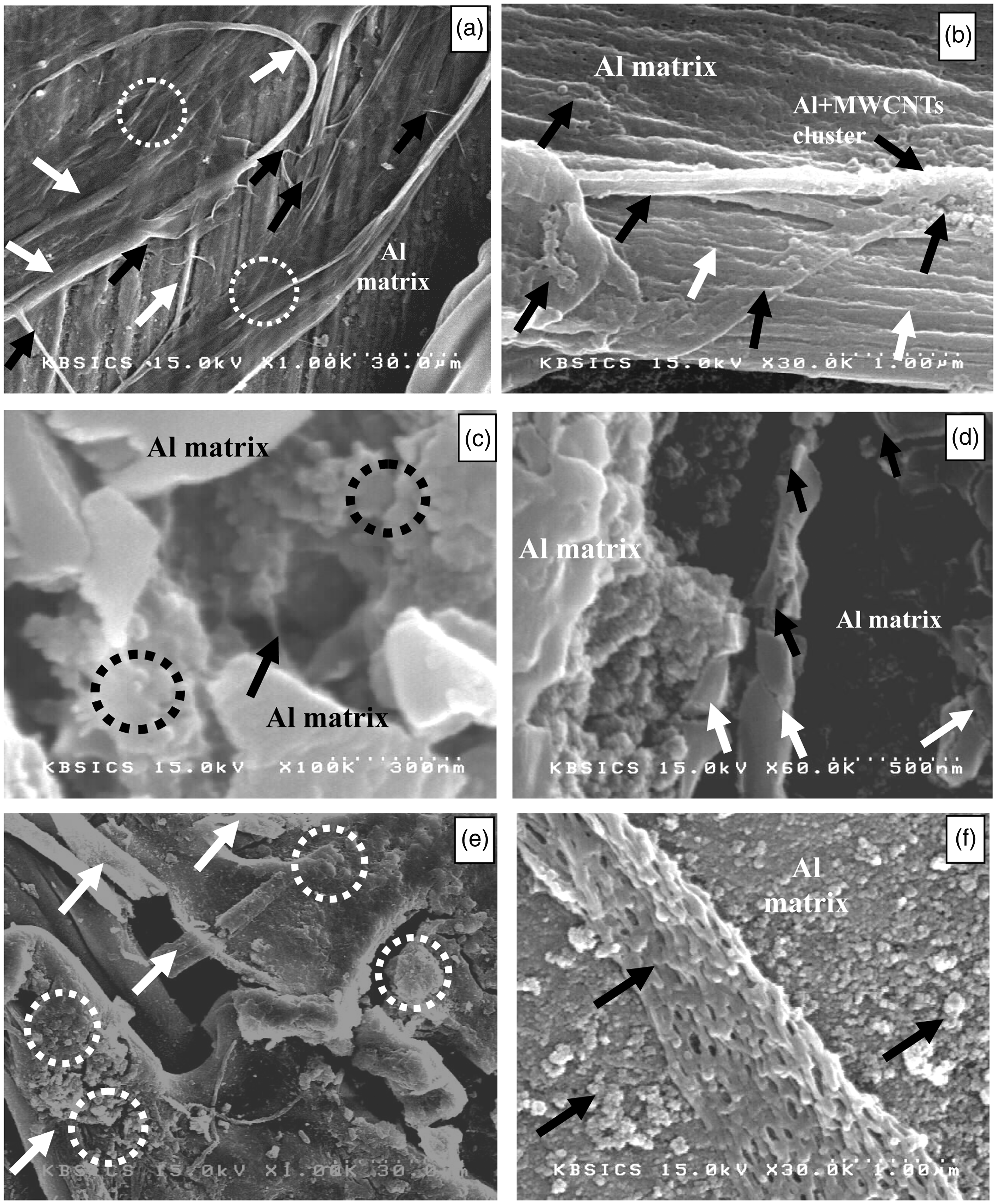
However, the hardness obtained in the nanoscale is enhanced due to the presence of carbide phases such as Al3C4 or Al2MgC2 as explained in the nanoindentation properties. Figure 10 shows typical SEM images of the fracture surface after the tensile test. Figure 10(a) shows that the MWCNTs and Al2O3sf are well bonded within the matrix, even after fracture has occurred. Furthermore, it is seen that the interfacial shear strength of the metal has improved because of local stiffening of the Al matrix, and the toughness of aluminium has increased. This is because of the fact that the MWCNTs increase the toughness of the composites by absorbing energy with their better elastic behaviour during loading.
33
Figure 10(b) clearly shows the formation of multilayer MWCNTs on the surface of the Al matrix, and it can also be seen that layers of MWCNTs are bonded with Al2O3sf surface. Moreover, there is the possibility of formation of Al3C4 on the interfaces of Al matrix and Al2O3sf surface.
34
The formation of Al3C4 phase improved the wettability of MWCNTs with Al matrix and led to better load bearing. Figure 10(c) is a typical image of the fracture surface of the composite with 2 wt% MWCNTs. The figure shows the pull-out of an isolated singular MWCNTs from the agglomerated MWCNTs within the metal matrix, which indicated that better load sharing existed between the MWCNTs and Al2O3sf. But some nanopores appeared due to improper infiltration of Al matrix in the hybrid fiber network which has reduced the tensile properties. It is clearly seen from the SEM image that some MWCNTs were broken in the sword-in-sheath manner before the pull-out from the aluminium matrix.
35
Hence, there is a need to conduct TEM to analyze the fracture surface of MWCNTs within Al2O3sf network in the Al matrix. The TEM study will be discussed in the future work. The typical SEM image with a higher magnification of fracture surface of the composite shows that the MWCNTs are stretching across the microcracks and have pinning with Al2O3sf as shown in Figure 10(d). This confirms the better load sharing between the MWCNTs and Al2O3sf within the aluminium matrix. Earlier, Schadler et al.
36
reported that such kind of structure will provide an effective mechanism of stress transfer between the reinforcement and the matrix. Figure 10(e) shows fracture surface of composites with 3% of MWCNTs, the formation of agglomerated MWCNTs hinders the densification of the matrix, which can lead to weak bonds between Al2O3sf and the matrix thereby reducing the strength of the composites. Figure 10(f) shows that the MWCNTs agglomerates are observed in a stretched manner within the matrix which improved the load bearing. However, the Al2O3sf is not pull-out from the fracture surface, which may lead to brittle failure and may initiate premature failure, causing reduced strength of the composites.
Tensile strength of Al/MWCNTs/Al2O3sf hybrid MMCs. Typical SEM images of fractured surfaces of MMCs: (a) alumina fiber bonded with MWCNT and metal matrix, (b) MWCNTs bonded within Al matrix,(c) individual MWCNT pull out; MWCNT cluster (dotted circle), (d) MWCNTs bonded with Al matrix, (e) MWCNTs agglomeration dispersed in Al2O3sf network within Al matrix, MWCNTs bonded on the Al2O3sf surface; MWCNT(black arrow), Al2O3sf (white arrow), (f) higher magnification of MWCNTs agglomeration; MWCNTs are connected to each other like sheaths.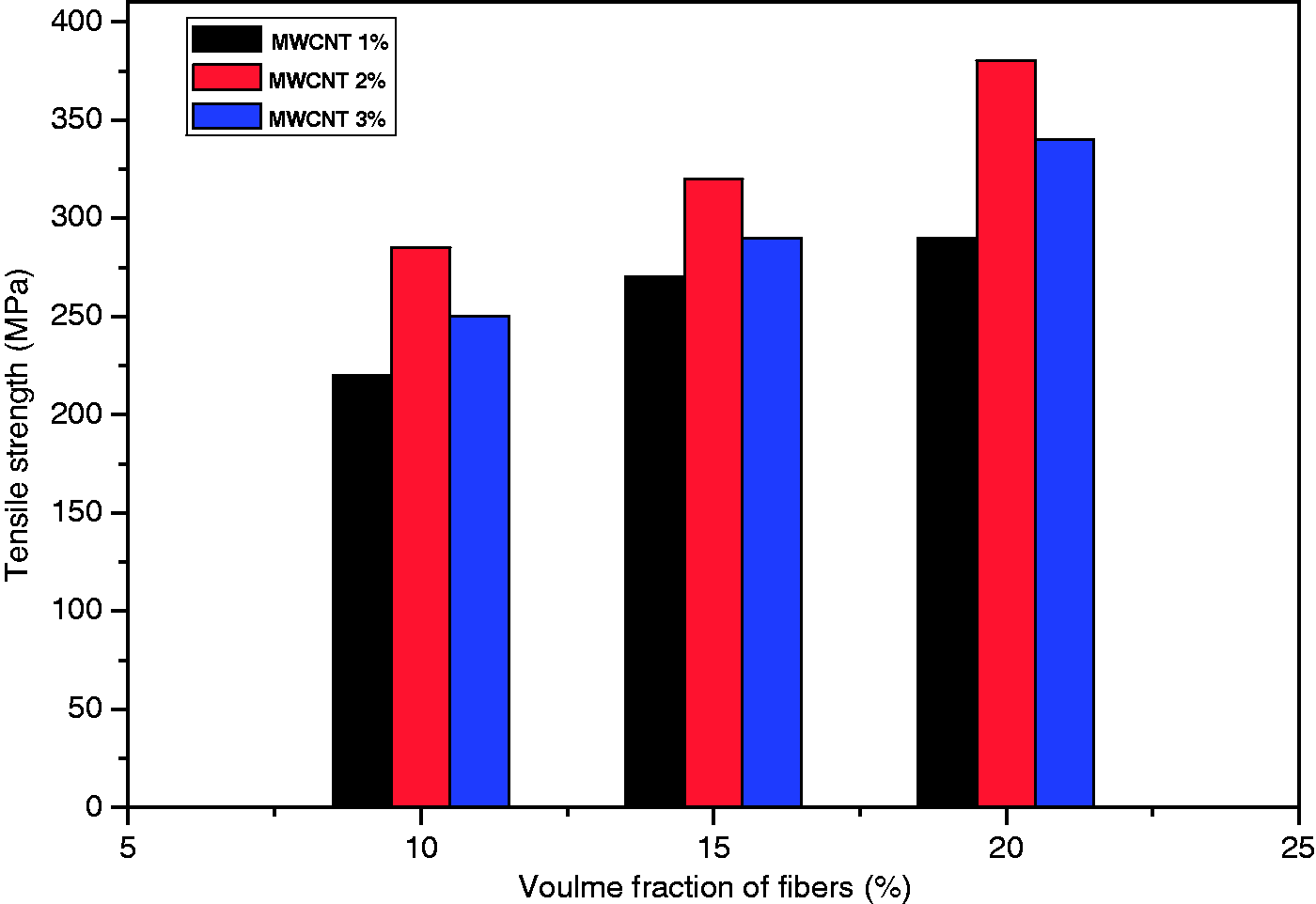
Conclusions
Aluminium-based hybrid composites reinforced with MWCNTs/Al2O3sf were developed with volume fractions of 10%, 15% and 20%, and its mechanical properties were investigated. SEM observations indicated that the Al2O3sf and MWCNTs are well dispersed within the metal matrix. Even though MWCNTs exist in clusters, their distribution within the array of Al2O3sf network was found to be relatively good. The mechanical properties such as hardness and tensile strength of the Al-based hybrid MMCs improved up to a threshold volume content of 2 wt% of MWCNTs. The enhancement in the properties can be attributed to the good bonding between the MWCNTs/Al2O3sf and the Al matrix, leading to better load sharing between the reinforcements and the matrix, primarily because of the better wettability of the agglomerated MWCNTs in the Al matrix. It is seen that a critical amount of MWCNTs cluster will be beneficial for the enhancement of mechanical properties of the hybrid composites. When the amount of MWCNTs is above 2 wt%, the properties showed a decreasing trend due to the presence of MWCNTs clusters that could weaken the interfacial bonding between the Al2O3sf and the Al matrix. The nanoindentation properties were enhanced when the indentation was in the MWCNTs/Al2O3sf regions, primarily because of the higher constraint of localized deformation of matrix during indentation due to the presence of MWCNTs cluster within the Al matrix and Al2O3sf network. Furthermore, the number of dislocations in the plastic zone near the indented region may have contributed to higher hardness values. The presence of MgAl2O4 precipitates, in the Al2MgC2 phase and/or the Al4C3 phase may also have influenced the observed modulus and hardness values in the nanoscale.
Footnotes
Declaration of Conflicting Interests
The author(s) declared no potential conflicts of interest with respect to the research, authorship, and/or publication of this article.
Funding
The author(s) disclosed receipt of the following financial support for the research, authorship, and/or publication of this article: This work was supported by Basic Science Research Program through the National Research Foundation of Korea (NRF) funded by the Ministry of Science, ICT and Future Planning. (2013R1A1A2020735) and the National Research Foundation of Korea (NRF) grant funded by the Korea government (MSIP) through GCRC-SOP (No. 2011-0030013).