






Abstract
The effects of carbon fiber amount and length were studied on the flame retardant, thermal, and mechanical properties of the intumescent polypropylene composites. The flame retardant properties of the intumescent polypropylene-based composites were investigated using limiting oxygen index, vertical burning test (UL-94), and mass loss calorimeter. The mechanical properties of the composites were studied using tensile test and dynamic mechanical analysis. According to the flammability tests results, the antagonistic interaction was observed between carbon fiber and ammonium polyphosphate. The limiting oxygen index value reduced steadily as the added amount of carbon fiber increased. Mechanical test results revealed that the addition of carbon fiber increased the tensile strength and the elastic modulus as the added amount increased. No effect of carbon fiber length was observed on the flammability, fire performance, and tensile properties of composites, whereas the elastic modulus increased as the carbon fiber initial length increased.
Introduction
Short carbon fiber (CF) reinforced thermoplastic-based composites find use in numerous applications such as automotive, sport, and construction due to the increasing environmental consciousness, their ease of fabrication and recycling. Despite their high costs, short CFs are widely used as reinforcing material with various thermoplastic matrix materials including polypropylene (PP), due to their good mechanical, thermal and electrical properties, and low density.2–4 Most of the studies made on CF reinforced PP composites are mainly focused on finding solution to improve the mechanical properties of these composites.5–9 With the wider application of CF reinforced PP composites, they must meet flame retardant property in these potential application areas.
Intumescent flame retardant (IFR) systems are widely used for filled and unfilled polymer composites.10–12 An IFR system is mainly composed of three components which are an acid source, a char forming agent, and a blowing agent. As a result of the carbonization reaction among the constituents of IFR system, a foamed charred layer acting as physical barrier between condensed phase and gas phase is formed. The amount and the properties (integrity, stability, and foam structure) of the char determine the final flame retarding effect of IFR systems.11–14 The flame retardant effect of the ammonium polyphosphate (APP)-based IFR system also depends on the types of fillers used together with. Although zinc borate 15 and zeolite16,17 show synergistic effect with APP-based IFR system, calcium carbonate18,19 and carbon nanotube 20 show antagonistic effect. Thus, to investigate the flame retardant effect of intumescent polymer composites together with different fillers attracts the attention of the researchers worked on flame retardant polymeric materials.
APP-based IFR systems are used to improve the flame retardant behavior of the various matrix materials including epoxy resin, 21 poly(lactic acid),22–24 PP,25–30 polyethylene,31–34 polybutylene succinate, 35 thermoplastic polyurethane (TPU) 36 filled with various fibers including glass fiber,21,25 natural fiber,22–24,26–32,34,35 and CF. 36 As seen from literature, APP-based IFR systems are widely used in biocomposite applications.
Apart from biocomposite applications, Liu et al. investigated the flame retardant effect of the IFR system composed of APP, charring agent, and organoclay in long glass fiber reinforced PP composites. They found that the addition of 20 wt% IFR increased the limiting oxygen index (LOI) value from 18.3 to 31.3% and UL-94 rating increased from burn to clamp (BC) to the highest UL-94 rating of V0. They proposed that the addition of IFR greatly reduced the candlewick effect of the long glass fibers. 25 The only study that investigated the flame retardant behavior of the APP in CF reinforced composite was made by Zhao et al. They investigated the flame retardant effect of the CF in TPU-based intumescent composites. They found that the addition of 5 wt% CF were greatly improved the barrier effect of the foamed char structure and lowered the total heat release and total smoke values. 36 Yang et al. investigated the flame retardant behavior of CF reinforced PP composites with the addition of carbon black (CB).They showed that the fire performance of PP composites increased when CF and CB were used together. The lowest total heat release and the highest LOI value were achieved when 3 wt% CF and 5 wt% CB were used together. 37
The main purpose of present work is to investigate the effect of CF amount and length and APP amount on the combustion, thermal degradation, and mechanical properties of the intumescent PP composites. To our best knowledge, this is the first study that investigates the flame retardant behavior of the CF reinforced intumescent PP composites. The combustion and thermal degradation characteristics are investigated by LOI, UL-94 standard, thermogravimetric analysis (TGA) and mass loss calorimeter. The mechanical properties including tensile and dynamic mechanical analysis (DMA) of composites are investigated. The morphologies of the composites and char residues are also investigated after tensile and mass loss calorimeter tests.
Experimental
Materials
PP was purchased from PETKIM A.Ş (Izmir, Turkey) with a trade name of PETOPLEN MH 418. It has a melt flow index (MFI, 2.16 kg, 230℃) of 4–6 g/10 min. Polypropylene grafted maleic anhydride (PP-g-MA) with a maleic anhydride content of 0.25–0.5% was purchased from Exxonmobil under the trade name of Exxelor PO 1015. It has a density of 0.9 g/cm3 and the MFI is 150 g/10 min (2.16 kg, 230℃) as provided by the supplier. CF was purchased from DOWAKSA (Yalova, Turkey) with a trade name of AC0101 with 3 different lengths of 3, 6, and 12 mm. The CF is coated with 1.5–3 wt% polyurethane-based resin. The tensile strength, tensile modulus, and density of the CF are 4200 MPa, 240 GPa, and 1.76 g/cm3, respectively. APP with a trade name of Exolit AP 750 was kindly obtained from Clariant. It is a special combination of APP with synergistic co-flame retardants and develops its effect through phosphorus/nitrogen synergism.
Production of composites
The compositions, LOI values and UL-94 ratings of composites.
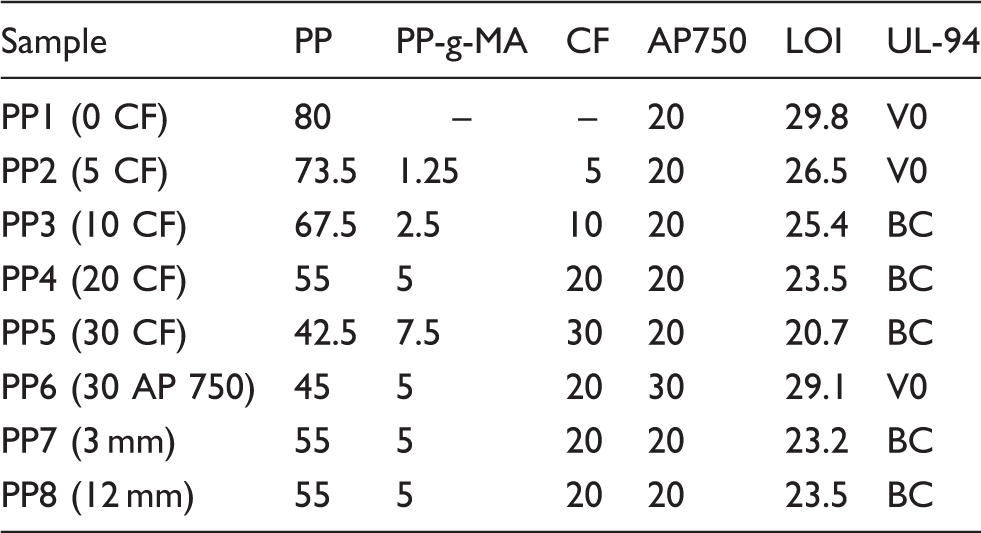
BC: burn to clamp; LOI: limiting oxygen index; PP: polypropylene.
Characterization methods
LOI values were measured using Fire Testing Technology Limiting Oxygen Index Analyzer instrument on test bars of size 130 × 6.5 × 3.2 mm3, according to the standard oxygen index test ASTM D2863. Vertical burning tests (UL-94) were also conducted to investigate the flammability properties of composites on the test bars of 130 × 13 × 3.2 mm3 according to ASTM D3801. TGA tests were carried out using Hitachi-High Tech STA-7300 instrument with a heating rate of 10℃/min from room temperature up to 800℃ under nitrogen flow of 50 ml/min. The mass loss calorimeter test was carried out following the procedures in ISO 13927 using Mass Loss Cone with thermopile attachment (Fire testing Technology, UK). Square specimens (100 × 100 × 3 mm3) were irradiated at a heat flux of 35 kW/m2, corresponding to a mild fire scenario. The microstructures of the residual chars remained after mass loss calorimeter test were examined with SEM (FEI Quanta 400 F). All samples surfaces were coated with a thin layer of gold with a sputter-coater to provide the conductivity. Tensile measurements were performed using Lloyd LR 5 K universal tensile testing machine which equipped with 5 kN load cell at room temperature according to ASTM D 638 standard. Tension tests were conducted on dog-bone shaped samples (7.4 × 2.1 × 80 mm3) at a crosshead speed of 5 mm/min. Tensile strength, percentage elongation at break and modulus values were recorded. All the results calculated with an average value of five samples with standard deviations. DMA experiments were carried out using Perkin Elmer DMA 8000 in dual cantilever bending mode at a frequency of 1 Hz to determine the elastic and loss modulus of the composites. The test was carried out in the temperature sweep mode from −50 to 140℃ at a heating rate of 10℃/min. The tensile and freeze fractured surfaces of composites were inspected in a SEM (LEO 440 computer controlled digital, 20 kV) after sputtering with Au/Pd alloy.
Results and discussion
Thermal decomposition
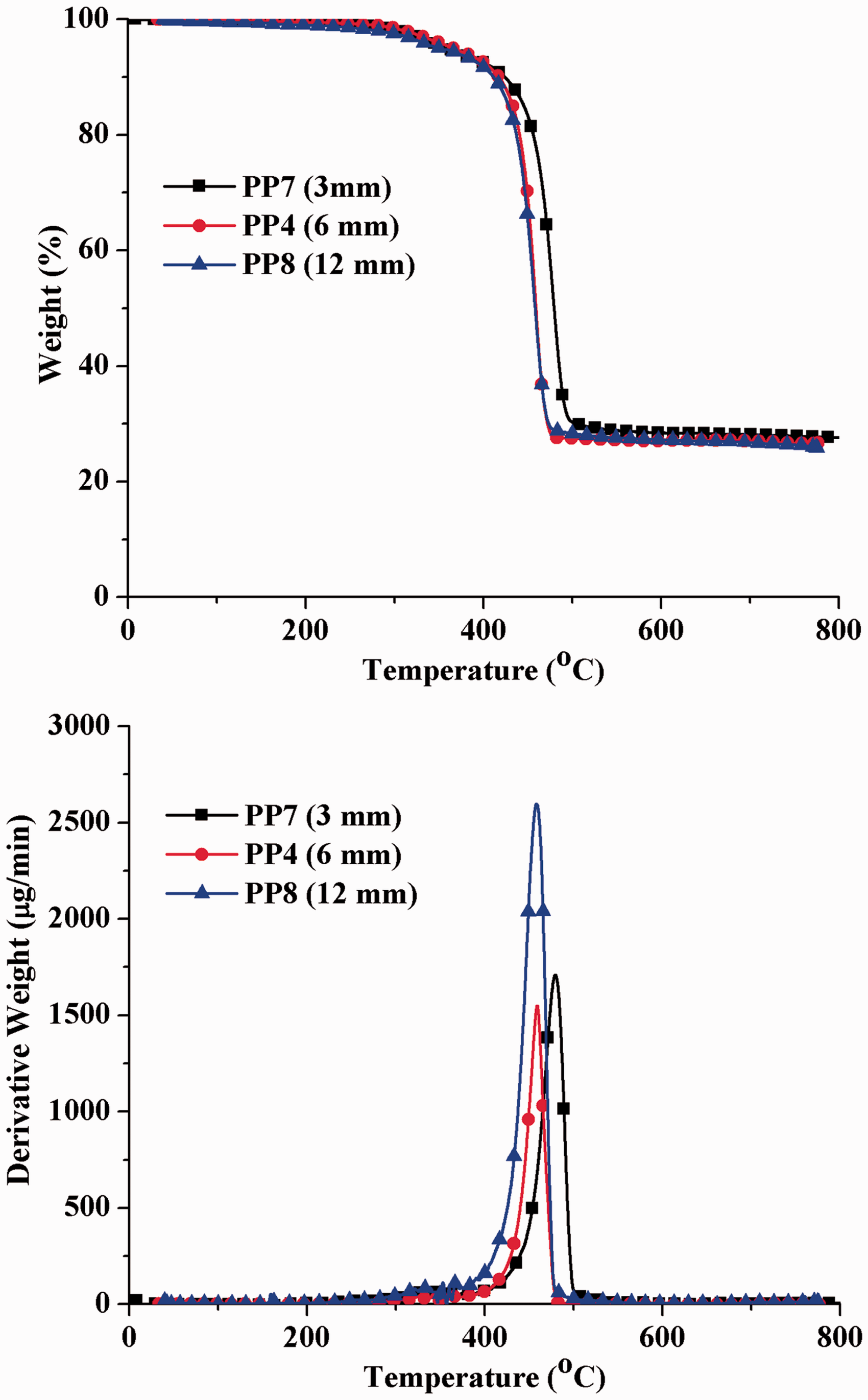
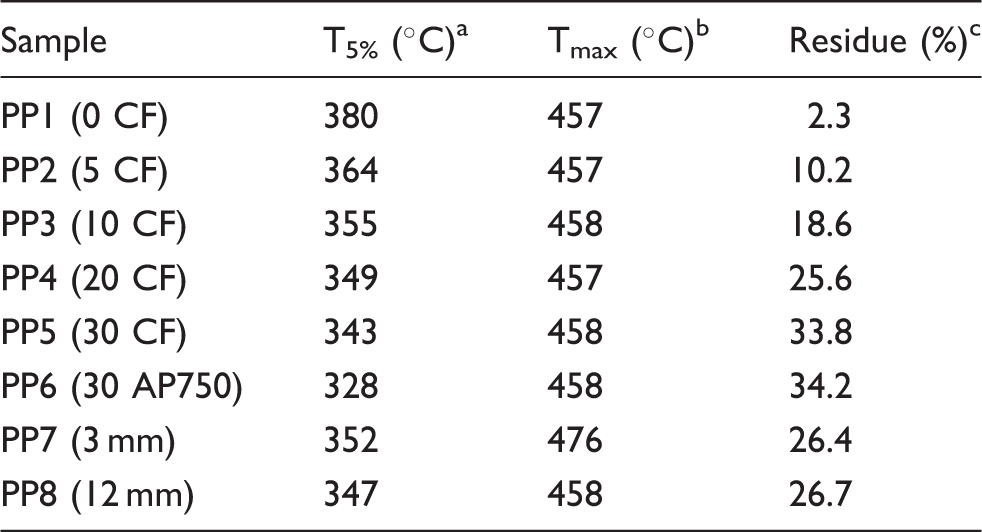
TGA and Derivative thermal gravimetry (DTG) curves of the composites containing different amounts of CF and APP are shown in Figure 1. TGA and DTG curves of the composites containing same amount of CF with different initial lengths are shown in Figure 2. TGA data of all composites are listed in Table 2. According to the test results, the weight losses of all composites take place at a single step regardless of their compositions. The T5% gives information about the initial weight loss of the composites. The T5% value reduces steadily as the added amount of the CF increases due to the increase in the thermal conductivity of sample. T5% value reduces at about 20℃ when the amount of APP increases from 20 to 30 wt%. The maximum rate of weight loss is occurred at about 457℃ for all composites except 3 mm CF containing one. The amount of the residue increases as the added amount of CF increases. The residue increase stems from the undecomposed CF. The increase in the added amount of APP causes increase in residue yield due to the carbonization reaction among the constitutions of intumescent system.
TGA and DTG curves of composites containing different amount of CF and APP. TGA and DTG curves of composites containing same amount of CF with different initial lengths. TGA data of all composites. Temperature at 5% weight loss. The maximum degradation rate temperature. Char yield at 800℃. TGA: thermogravimetric analysis.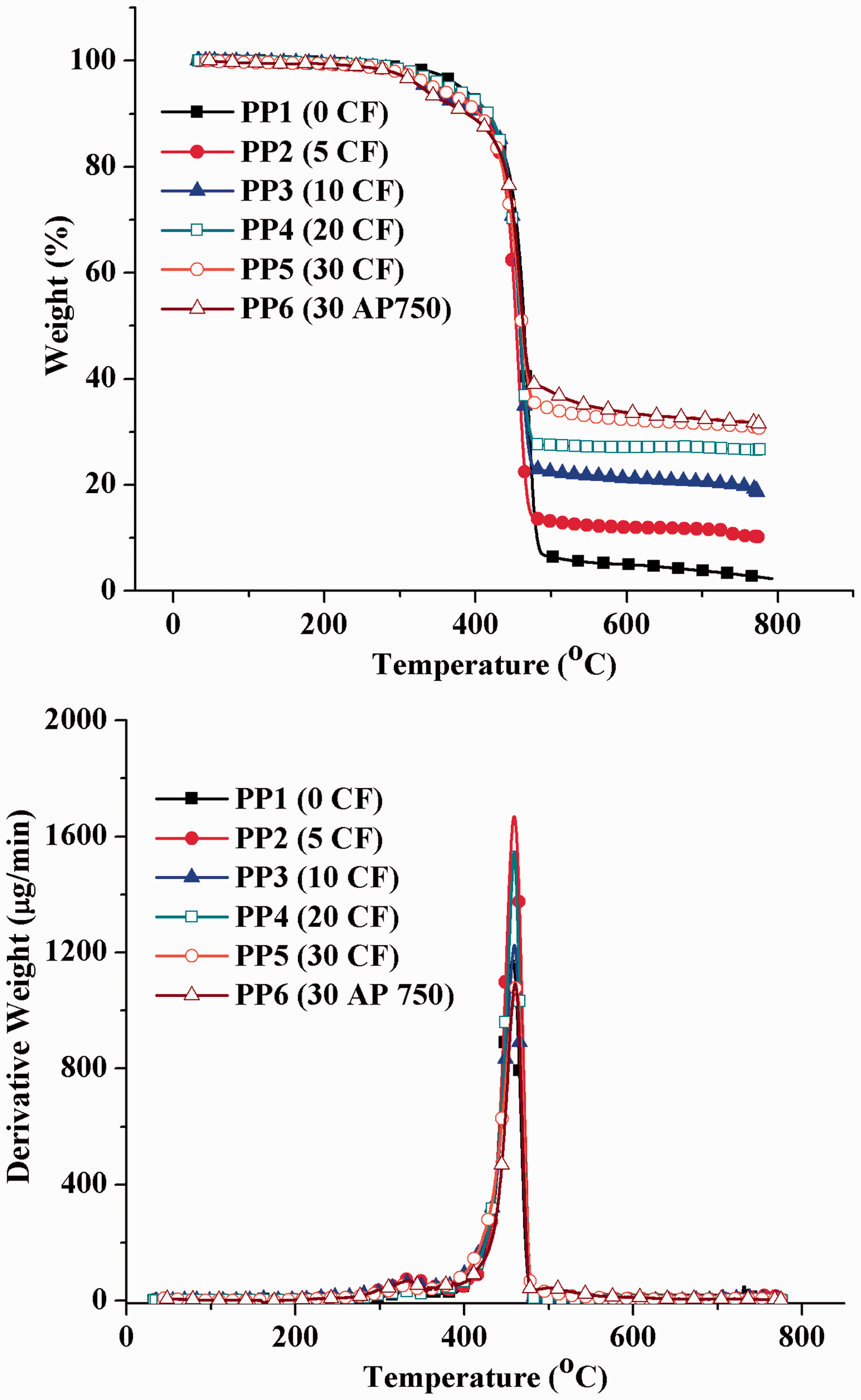
Mass loss calorimeter study
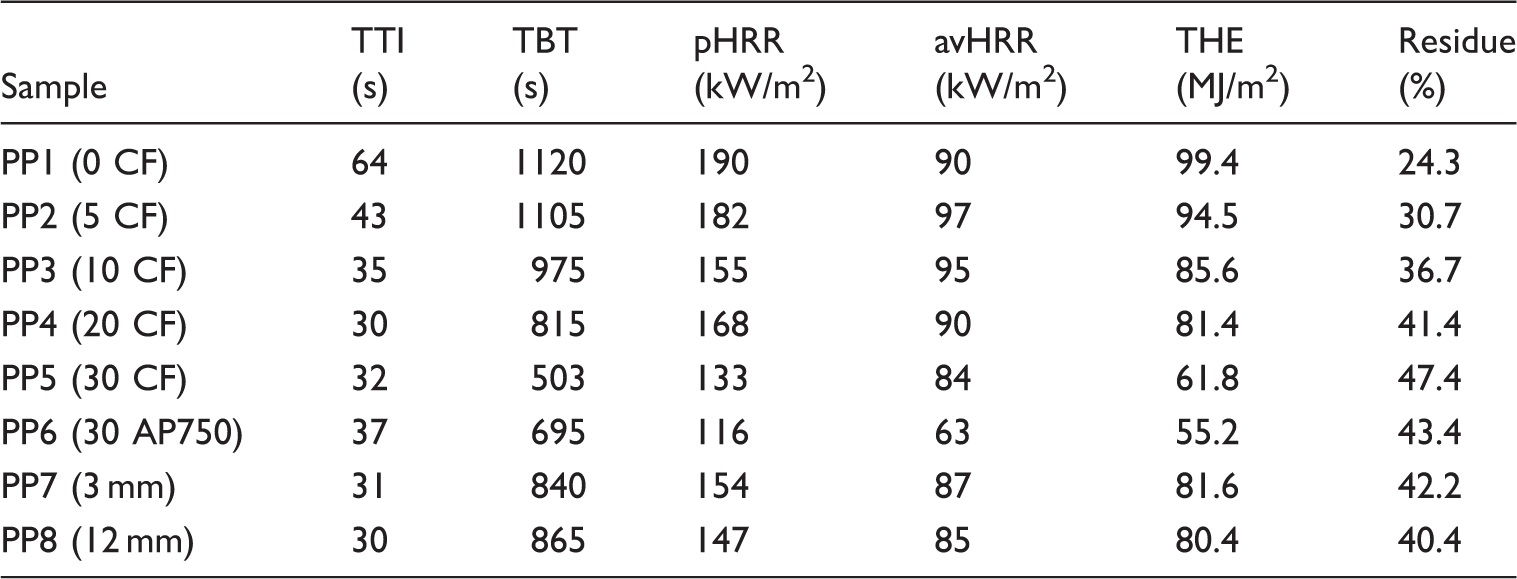
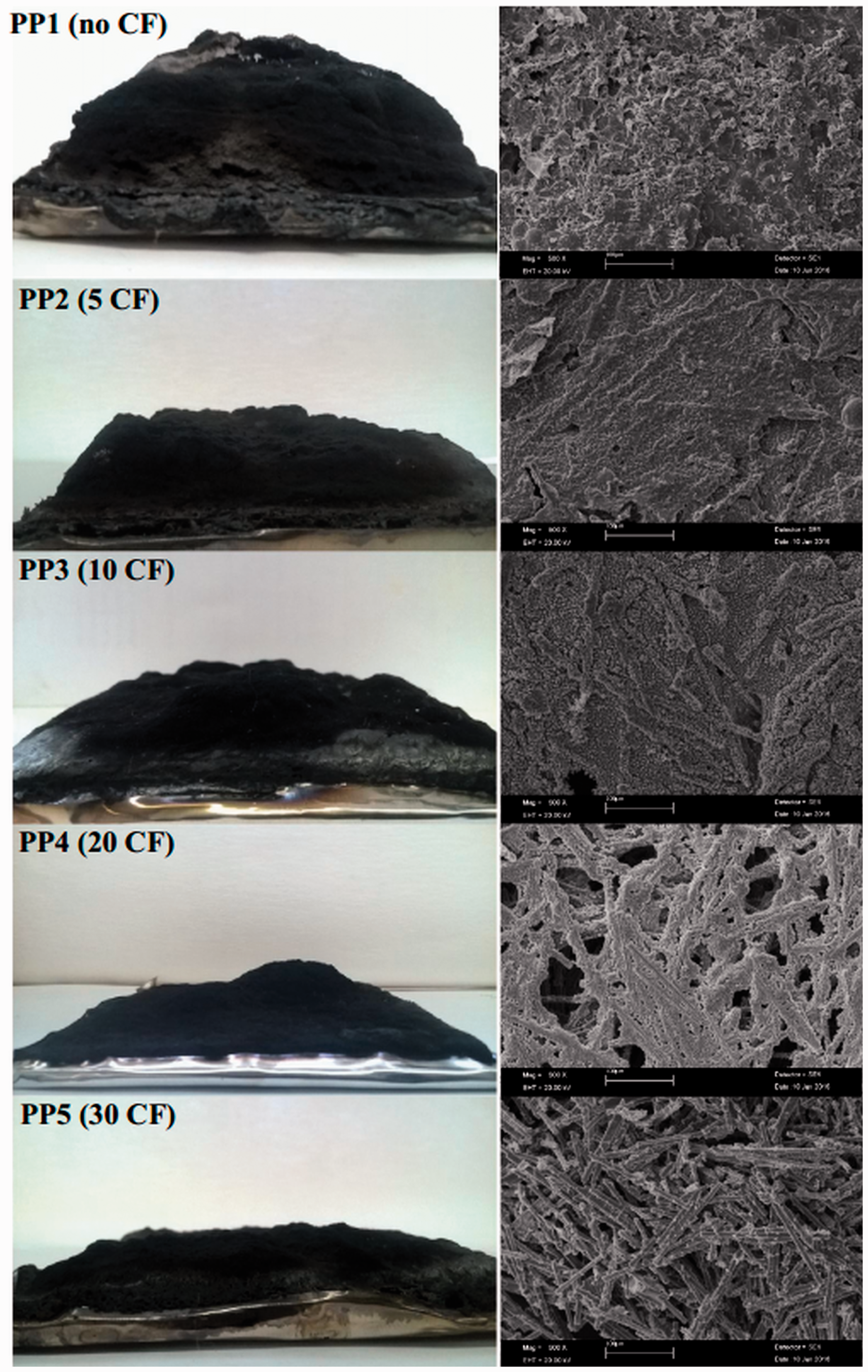
The effects of CF amount and length and APP amount on the fire performances of the composites are evaluated using time to ignition (TTI), total burning time (TBT), peak heat release rate (pHRR), average heat release rate (avHRR), and total heat release (THE) data obtained from mass loss calorimeter test. The reductions in these data except for TTI and TBT normally indicate the improved fire performance of the composites. The HRR curves of the composites and related data are shown in Figure 3 and Table 3, respectively. The digital and SEM photographs of the selected char residues remained after mass loss calorimeter test are shown in Figure 4.
The HRR curves of composites. Mass loss calorimeter data of all composites. TTI: time to ignition; TBT: total burning time; pHRR: peak heat release rate; avHRR: average heat release rate; THE: total heat evolved. The digital and SEM photographs of selected char residues remained after mass loss calorimeter test.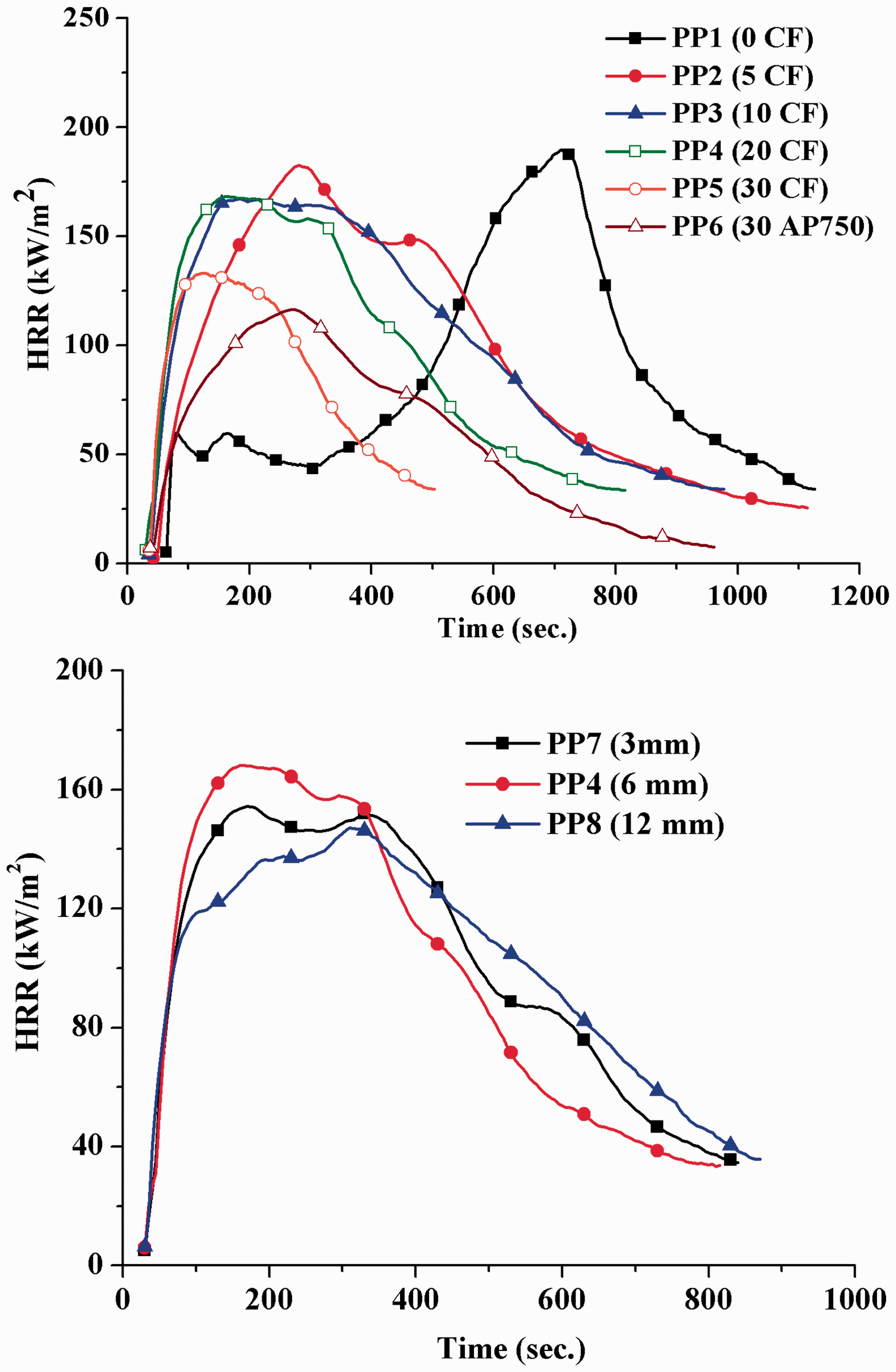
According to Figure 3, pristine APP containing PP presents the general characteristics two peak HRR curve of the intumescent system. The first peak corresponds to the immediate formation of the intumescent char after the ignition. After the formation of the protective char, the HRR curve stays flat with very low pHRR value of 60 kW/m2. The second peak (190 kW/m2) observed at about 700 s of the experiment arises from the destruction of the protective intumescent char. With the addition of CF, the two peak HRR curve of the intumescent system is changed to the typical HRR curve of the residue forming materials.
The most remarkable changes are observed in TTI and TBT values, and the intumescent function of the APP with the addition of CF. TTI values of composites reduce steadily up to 20 wt% CF loading and the further addition of the CF (30% CF) does not cause any significant change in TTI value. The two factors, radiative heat transfer and the thermal conductivity, primarily determine the ignition time of the material. The increase in radiative heat transfer reduces the TTI value, whereas the increase in thermal conductivity decelerated TTI value.38–41 The black color of the CF increases the radiative absorption from cone heater. Thus, the heat is easily absorbed from the material and TTI value decreases as the added amount of the CF increases. No significant difference in TTI values is observed between 20 and 30 wt% CF containing composites due to the increase in the thermal conductivity of the composite. With the increase in thermal conductivity, the heat is distributed to the whole material and the increase in temperature reduces. The same factors also accelerate the burning of the whole material. With the increasing radiative heat absorption and the thermal conductivity, the effective heat flux penetrating to the material increases. Thus, the time needed for the complete consumption of material is shortened as the added amount of the CF increases.
The microstructure and expansion ratio of the char also affect the final fire performance of the intumescent systems.39,42,43 As seen from the photographs of the char residues, the addition of the CF changes the intumescence function of APP dramatically. The degree of the swelling gets reduced as the added amount of the CF increases. When the added amount of the CF reaches to 20 and 30 wt%, almost no swelling is observed. As seen from the SEM images of the 20 wt% CF containing composite, the addition of the CF destroys the continuity of the char and micro holes are formed. The higher magnification SEM images of the char residue remained after 30 wt% CF containing composite are shown in Figure 5. When the CF loading reaches to 30 wt%, the formed char tends to cover the whole surface of the CF and the continuity of the char completely diminishes. The inert volatile species causing swelling easily escape from discontinue char structure. Accordingly, the degree of swelling reduces as the added amount of the CF increases. Similar trend is also observed with the use of glass fiber together with IFR additive.
25
The reduction in intumescence function of APP and the destruction of the char continuity also cause the shorter burning times as the added amount of the CF increases.
The higher magnification SEM image of char residue remained after 30 wt% CF containing composite.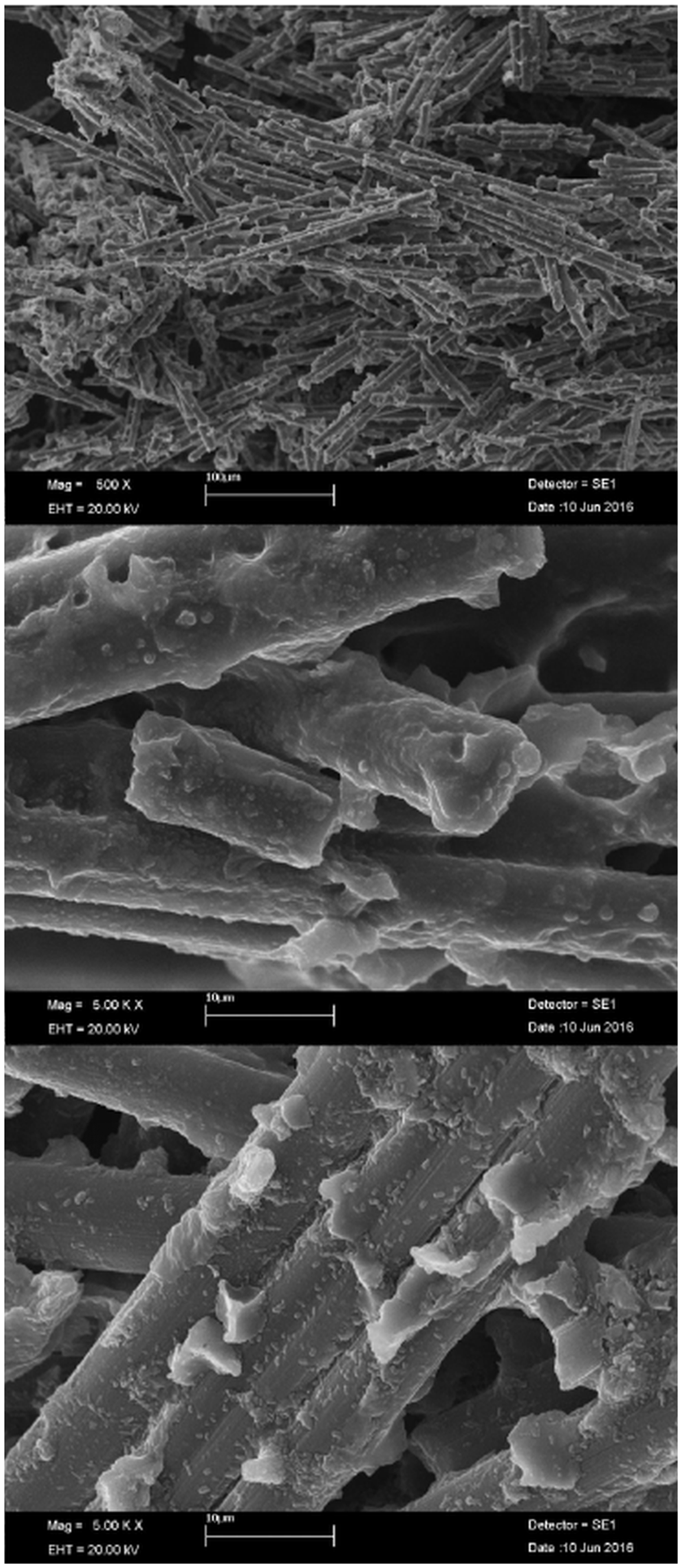
As seen from Table 3, CF containing composites have lower pHRR and THE values than the pristine APP containing composite. It is thought that the reductions in these values arise from the decrease in the amount of the fuel source rather than the increase in the barrier effect of the char, as stated in details previously. As CF retaining 97% of its weight is considered during the test, the residue yields are not in proportional to the increase in CF amount. The residue yields of 5 and 10 wt% CF containing composites are higher than the expected. The residue yields of 20 and 30 wt% CF containing composites have lower than expected. It is thought that the poor barrier effect of the char causes more materials burn during the test.
When the fire performances of the composites containing CFs with different initial lengths are compared, no meaningful differences are observed in TTI, TBT, THE, and pHRR values. The differences in these data lie in the error limit of mass loss calorimeter testing with same material. It is known fact that the CF breakage occurs due to the interactions between fiber–fiber, fiber–polymer, and fiber-processing equipments during the extrusion and injection molding processes.7,44,45 It is thought that the difference in resulting CFs length under the studied experimental conditions of 100 r/min and 20 wt% CF loading due to the fiber breakage might be too small to have an effect on mass loss calorimeter test results.
When the fire performances of composites containing different amount of APP (PP4 and PP6) are compared, TTI and TBT values increase as the added amount of the APP increases. THE and pHRR values reduce at about 30% when the added amount of the APP reaches to 30 wt%. The lowest THE, pHRR, avHRR, and HRR values are achieved with the addition of 30 wt% APP.
Flammability properties
The flammability characteristics of the composites are determined by LOI and UL-94 tests. The relevant data are given in Table 1. The pristine APP containing composite has LOI value of 29.8% and gets the highest UL-94 rating of V0. APP shows its flame retardant effect by the formation of the intumescent char, which reduces the mass and heat transfer between condensed and gas phases, on to the burning surface.13,14 The antagonistic interaction is observed between CF and APP in terms of LOI and UL-94 tests results. The LOI value steadily decreases as the added amount of CF increases and drops to 20.7% with addition of 30 wt% CF. UL-94 rating does not change with the addition of 5 wt% CF and remains V0. With the further addition of the CF, the composites are burnt to clamp. To get highest UL-94 rating for 20 wt% CF containing composite, 30 wt % APP is required. The LOI value increases from 23.5 to 29.1 when the added amount of the APP increases from 20 to 30 wt%. The microstructure and the expansion ratio of the char primarily determine the final flame retardant effect of the intumescent system.39,42,43 As explained in the mass loss calorimeter section in details, the addition of the CF destroys the continuity of the char and weakens the expansion of the char as the added amount increases. Accordingly, antagonistic interaction is observed between APP and CF. No considerable effect of CF length is observed on the flammability properties of the composites due to the CF breakage during the processing.
Mechanical properties
In order to understand the mechanical properties of the composites, tensile testing and DMA analysis are carried out. SEM analyses are also performed on the tensile and freeze fractured surfaces of the composites. To observe the fracture surfaces of the composites gives precious information related to the fracture mechanism of the composites and their interface properties. The stress–strain curves of the composites are shown in Figure 6 and the relevant tensile test data are listed in Table 4. The photographs tensile fractured surfaces of the composites at a magnification of 1000× are shown in Figure 7.
The stress–strain curves of the composites. Tensile properties of all composites. The photographs tensile fractured surfaces of composites at a magnification of 1000×.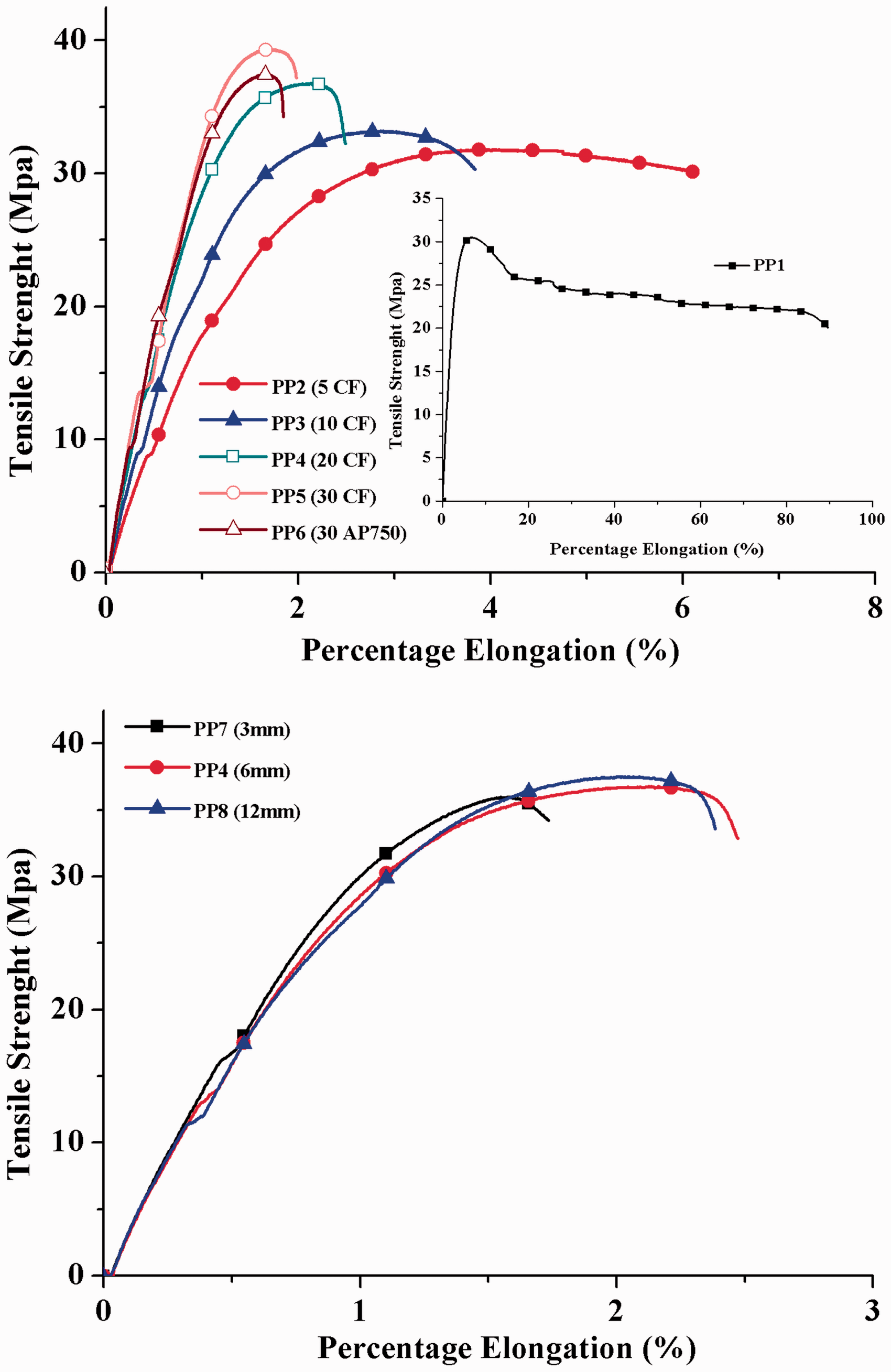
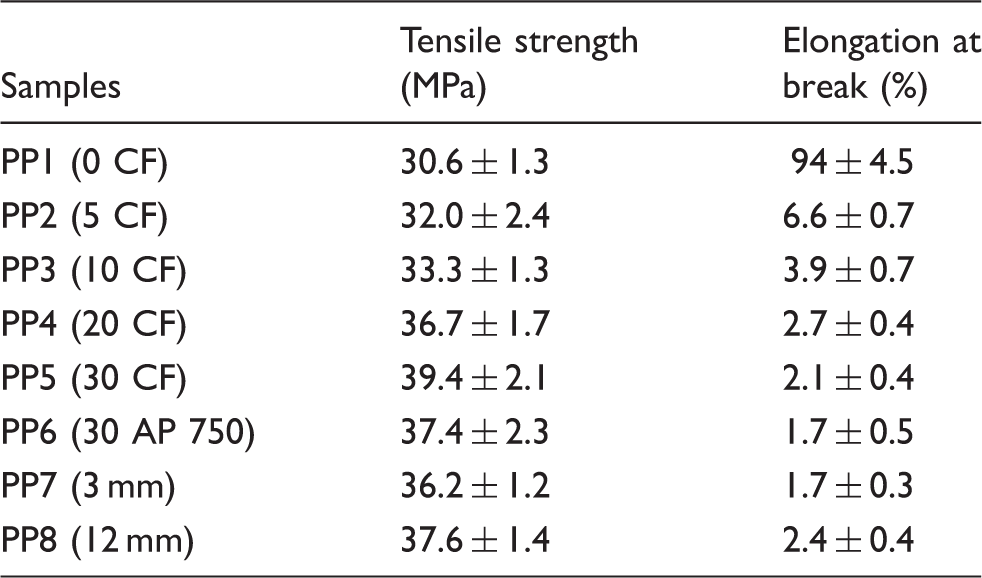
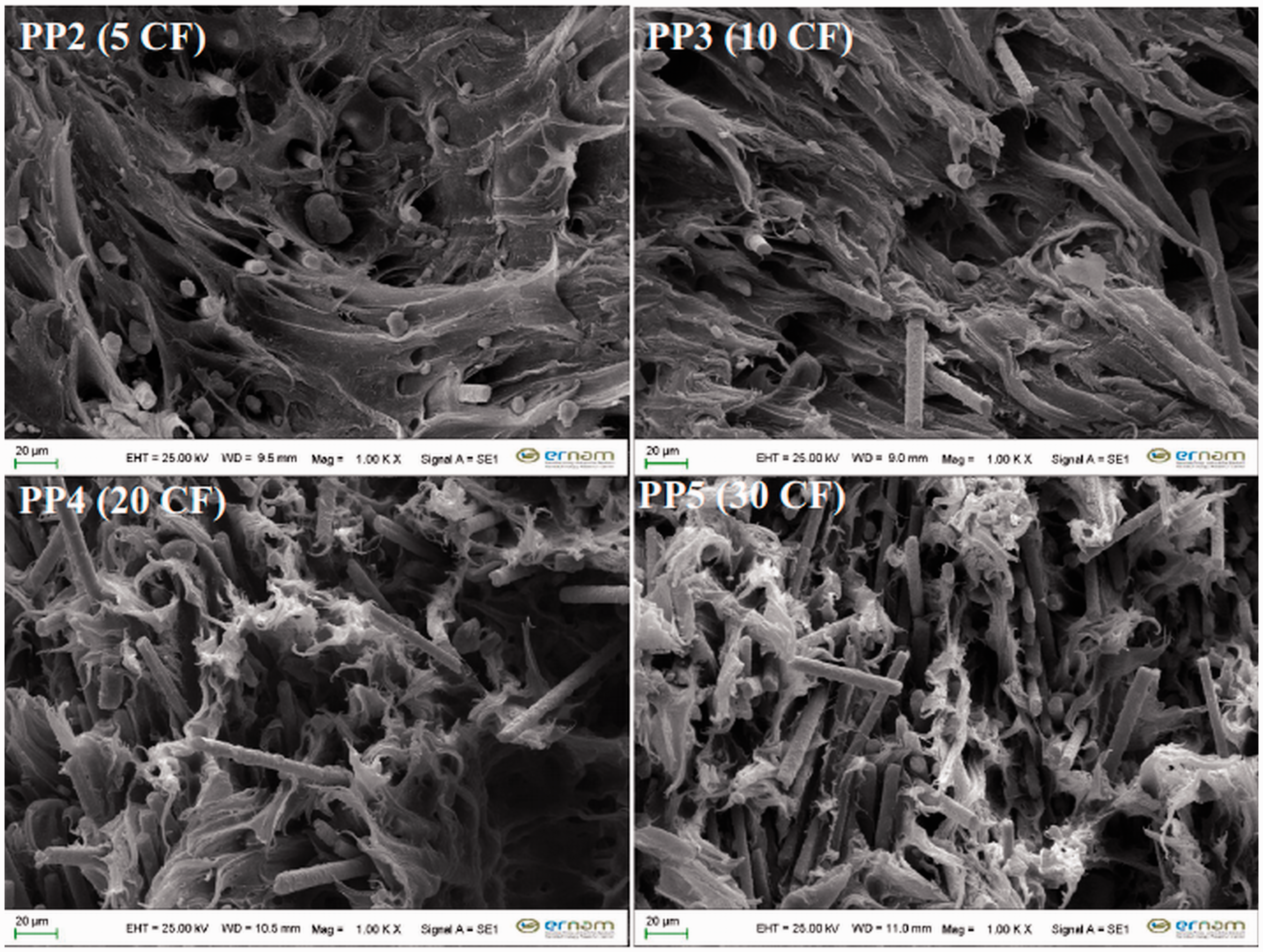
Pristine APP containing composite fails in ductile manner with the neck formation. All CF containing composites fail in brittle manner since the presence of CF favors the catastrophic crack propagation starting from the tips of fibers.4,6,8,46 Although the composite fails in brittle manner in tensile testing, the plastic deformation of the PP matrix material is observed on the whole tensile fractured surfaces of the composites owing to the microfailure behavior of the short fiber reinforced composites.46–48 The increase in the initial slope of the stress–strain curve shows that the addition of the CF increases the Youngs’ modulus of the composites as the added amount increases. It is known fact that the filler with higher stiffness than the matrix can increase the Youngs’ modulus of the composites. The composites containing CF with different initial lengths have almost same Youngs’ modulus values. The addition CF reduces strain at break values as the added amount increases owing to the hindrance of polymer chain mobility and the catastrophic crack propagation.4,6,44 The addition of the CF increases the tensile strength of the composites however, the prominent increase in tensile strength is observed at high loadings of CF. The tensile strength increases at about 20 and 29% with respect to pristine APP containing composite with the addition of 20 and 30 wt% CF, respectively. In the literature, such increase is observed with the addition of CF in PP matrix in the presence of the various compatibilizers.6–9,48,49 The increase in the added amount of APP has no remarkable effect on tensile and elongation at break values when the standard deviations are considered. To examine the dispersion of the APP and CF, which affects the tensile strength, on the tensile fractured surfaces is hard due to the plastic deformation of PP matrix material. Thus, the freeze fractured surfaces of the composites are examined. The related photographs at a magnification of 1000× are shown in Figure 8. The PP matrix material is fractured in brittle manner in all composites. Fiber pull-out, debonding, and fiber breakage are observed on the fracture surface of all composites. The APP and CF are uniformly dispersed in PP matrix material in the presence of PP-g-MA. It is concluded that PP-g-MA favors the dispersion of the APP and CF in PP matrix and improves the interfacial strength between CF and PP. Accordingly, the tensile strength of the composites increases as the added amount of the CF increases due to the axial load bearing capacity of the CF. The composites containing CFs with different initial fiber lengths have almost same tensile strength when the standard deviations are considered due to the CF breakage during the processing. Similar findings with CF reinforced composites are also found in the literature.7,44,50 It is thought that the final length of the CFs under the studied experimental conditions due to the fiber breakage might be too small to have an effect on tensile test results.
The freeze fractured surfaces of the composites at a magnification of 1000×.
The elastic and loss modulus versus temperature graphs of the composites containing different amounts of CF are shown in Figure 9. The elastic modulus of all composites reduces as the temperature increases due to the thermal transitions occurred in the PP matrix. The elastic modulus of the pristine APP containing composite is improved as the added amount of CF increases. It stays higher over 100℃ except for the 5 wt% CF containing composite due to the compensation of the matrix modulus drop by the CF stiffness. The elastic modulus difference of 20 and 30 wt% CF containing composites are not significant at low temperatures, whereas the difference become prominent at temperatures above 100℃. Loss modulus indicates the ability of the material to dissipate energy during the deformation in the form of heat and it is very sensitive to the molecular rearrangements. All composites show two thermal transitions at about 15 and 80℃. The first transition referred to as â-transition corresponds to the glass transition temperature (Tg) of PP. The second transition referred to as α-transition is associated with the molecular mobility within the crystalline phase.51,52 The first thermal transition becomes clear in the presence of the CF whereas, no effect of CF addition is observed on the second thermal transition temperature. The loss modulus of the composites gets their maximum value at α-transition where the maximum heat dissipation occurs.
The elastic and loss modulus versus temperature graphs of composites containing different amounts of CF.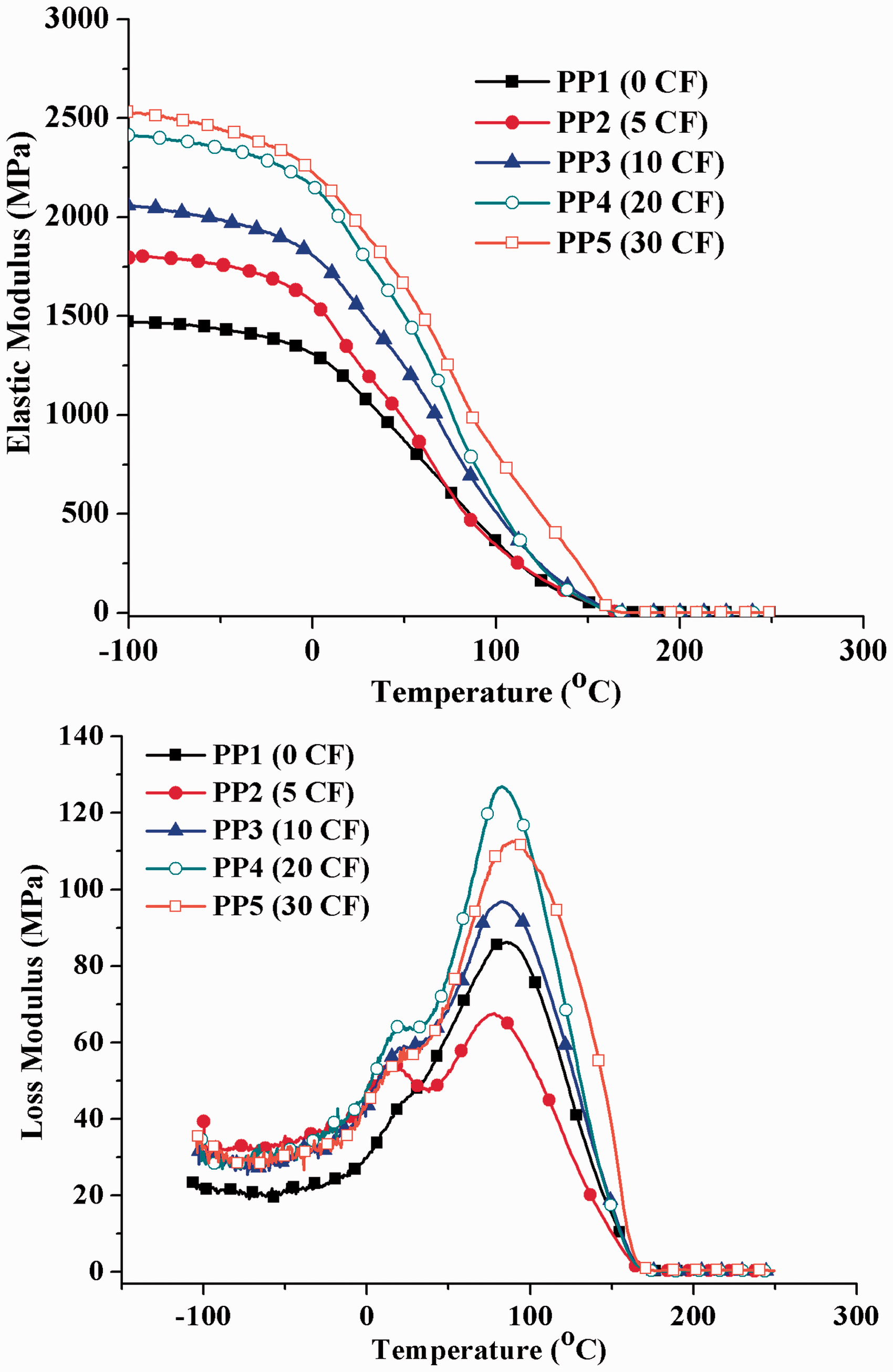
The elastic and loss modulus versus temperature graphs of the composites containing CF with different initial lengths are shown in Figure 10. The composite produced from 3 mm CF (PP7) has lower elastic modulus than those of the composites produced from 6 (PP4) and 12 (PP8) mm CF and stays lower at above 100℃. The samples PP4 and PP8 have almost same elastic modulus and loss modulus values throughout the whole temperature range. The loss modulus of PP7 is lower than those of PP4 and PP8 at a transition. The similar trend is also observed in the detailed study made by Rezaei et al.
5
Although no effect of initial CF length is observed on the flammability and tensile properties of the composites owing to the CF breakage during the processing, the difference is observed in DMA analysis. It is thought that the observed difference among the composites arises from the inherent sensitive character of the DMA analysis to the microstructure of composites. It is thought that the difference in CF length distribution causes this observed result.
The elastic and loss modulus versus temperature graphs of composites containing CF with different initial lengths.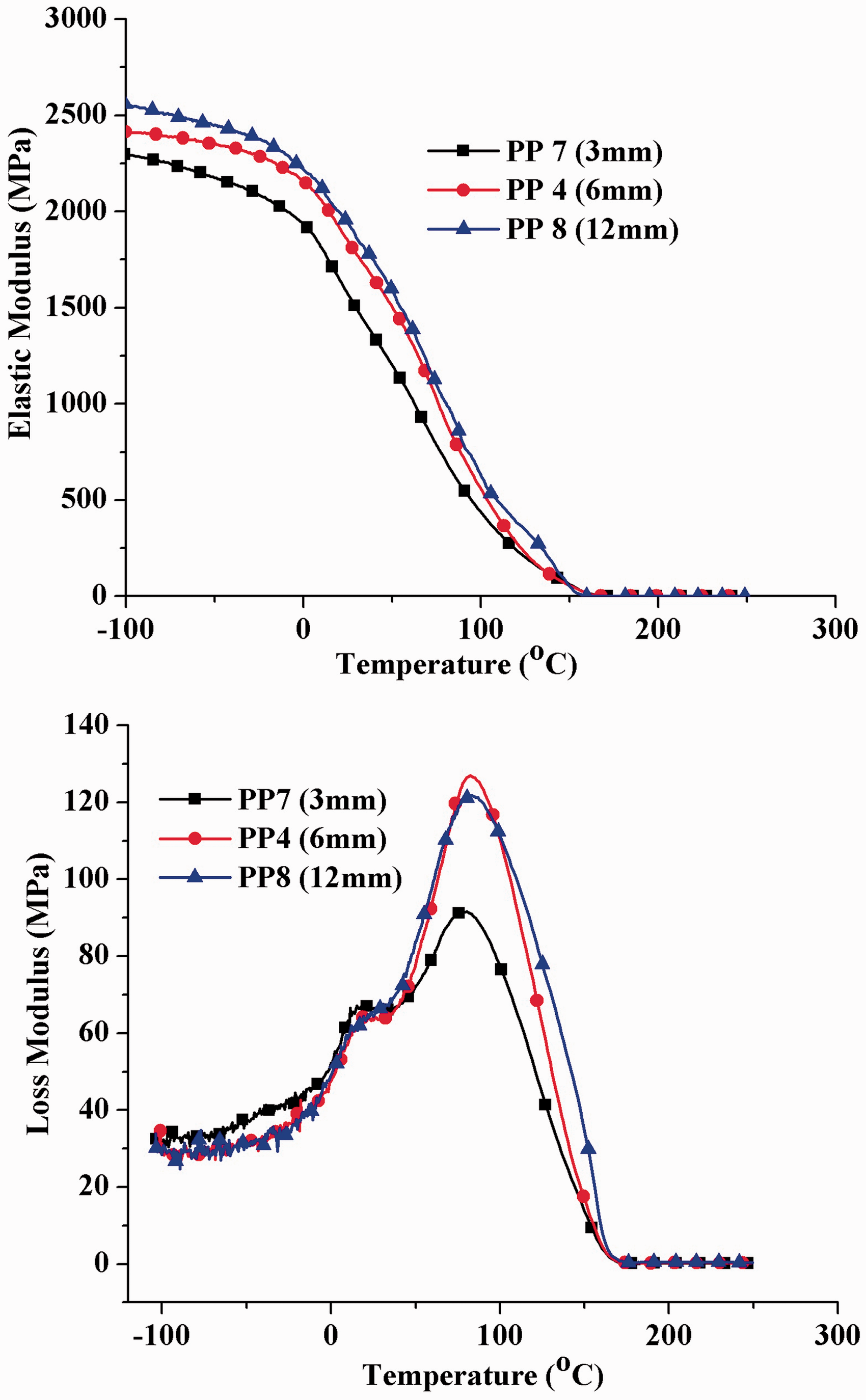
Conclusion
This study deals with the effect of CF amount and length and APP amount on the flame retardant, thermal, and mechanical properties of the intumescent PP composites. The results of the current study show that the addition of the 20 wt% APP is enough for achieving the highest UL-94 rating (V0) with a LOI value of 29.8% in pristine PP. APP shows its flame retardant effect through the formation intumescent char which reduces heat and mass transfer between condensed and gas phases. According to the flammability test results, the antagonistic interaction is observed between CF and APP owing to the destruction of the char continuity and the weaker expansion of the char. The LOI value steadily decreases as the added amount of CF increases and UL-94 rating changes to BC with the addition of 10 wt% CF or more. A 30 wt% APP is needed for achieving highest UL-94 rating with a LOI value of 29.1 in 20 wt% CF containing composites. According to the mass loss calorimeter test results, TTI and TBT of composites decrease as the added amount of CF increases. According to the mechanical test results, the addition of CF increases the tensile strength and Youngs’ modulus and reduces the elongation at break values of composites. No effect of CF length is observed on the flammability, fire performance and tensile properties of the composites due to the CF breakage during the processing. The remarkable effect of CF length is observed in DMA test results. The elastic and loss modulus of the composite produced from 3 mm CF have lower values than those of composites produced from 6 and 12 mm CF.
Footnotes
Declaration of Conflicting Interests
The author(s) declared no potential conflicts of interest with respect to the research, authorship, and/or publication of this article.
Funding
The author(s) disclosed receipt of the following financial support for the research, authorship, and/or publication of this article: This work is supported by Erciyes University Scientific Research Unit under grant no BAP-FDA-2015-5959.