






Abstract
The combination of natural fibers and renewable source matrices is an option to replace materials from non-renewable sources used in the manufacture of composites. One example is the use of pinus sawdust and sisal fibers together with a matrix of polyurethane (PU) foam derived from vegetable oils. For the application of composites in sectors such as building or furniture industry, one of the necessary processes is drilling, which allows assembling through different fastening systems. The aim of this work is to investigate the drilling process of the composites of PU foam derived from vegetable oils matrix with only pinus sawdust and hybrid pinus sawdust and sisal fibers taking into account surface damages of the holes and temperature generated during the process. Results showed that drilling parameters influence on the generation of damages mainly at the edges of the holes. Lower cutting speed and feed rate were most appropriate for drilling these types of composites, and temperatures generated during drilling showed relationship with the generation of damages.
Introduction
The use of products from non-renewable and non-biodegradable sources, such as plastics obtained from petroleum, has been causing environmental problems and leading to the creation of environmental control laws for the use and disposal of these materials. The growing awareness of consumers on topics such as sustainability and global warming is leading to the development of materials obtained from renewable and biodegradable sources.1–3 Sectors such as automotive, aerospace, furniture, and construction use composites from synthetic sources in their products, which can be replaced by those obtained from renewable sources or from productive residues, 4,5 Different studies reported that these materials have suitable mechanical properties.6,7 They can be manufactured with only one type of natural fiber together with a polymeric matrix or different fibers can be combined in order to improve the properties of the composite as application requires. 8
Wood sawdust is an unused waste from wood or furniture industries and can be used in manufacturing composites for different purposes.9–11 Sisal (Agave sisalana) fiber is one of available natural fiber that can be used in composites and that provides good mechanical properties. 12 PU foam is used in different industrial sectors such as automotive, building, and furniture due to its light weight, excellent strength to weight ratio, energy absorbing performance, and comfort features.13,14 Conventional PU foam has petroleum-based reagents that increase pressure on the use of non-renewable resources affecting the environment. Bio-based polyols have been investigated for the production of PU foams, such as lignin, vegetable oils, and cellulose. 15 PU foam derived from vegetable oils is renewable, biodegradable, 16 and can be used as a matrix in composites. 17
Composites require operations such as drilling to allow assembly of the parts, and this process can cause damage to the composite that visually compromises the quality of the part, can affect its properties and the passage of fastening systems used in assemblies.18,19 Drilling-induced damage in composites with natural fibers can be influenced by factors such as the type of fiber/matrix, drill entry (pull-up) and exit (push-out), cutting parameters, and temperatures generated during the process.20,21
Several studies can be found on drilling natural or synthetic fibers composites with matrices from non-renewable and non-biodegradable sources22–26; however, few studies have been reported on composites from renewable and biodegradable sources.21,27 The aim of this work is to investigate the influence of the cutting speed and feed rate on the surface damage of the holes and the temperature during the drilling process in a composite reinforced with only pinus sawdust and in a hybrid composite reinforced with pinus sawdust and sisal fibers, both using rigid polyurethane foam derived from vegetable oils as matrix.
Experimental
The two types of composites used in this research were the same ones developed by Rodrigues Pereira de Paula et al.
28
Figure 1 illustrates the plants, the obtained fibers, and the composites plates. Agave sisalana (a) and Pinus taeda (b) species. Sisal fibers (c) and pine sawdust (d). Composites obtained with sisal and pine sawdust (e) and only with pine sawdust (f).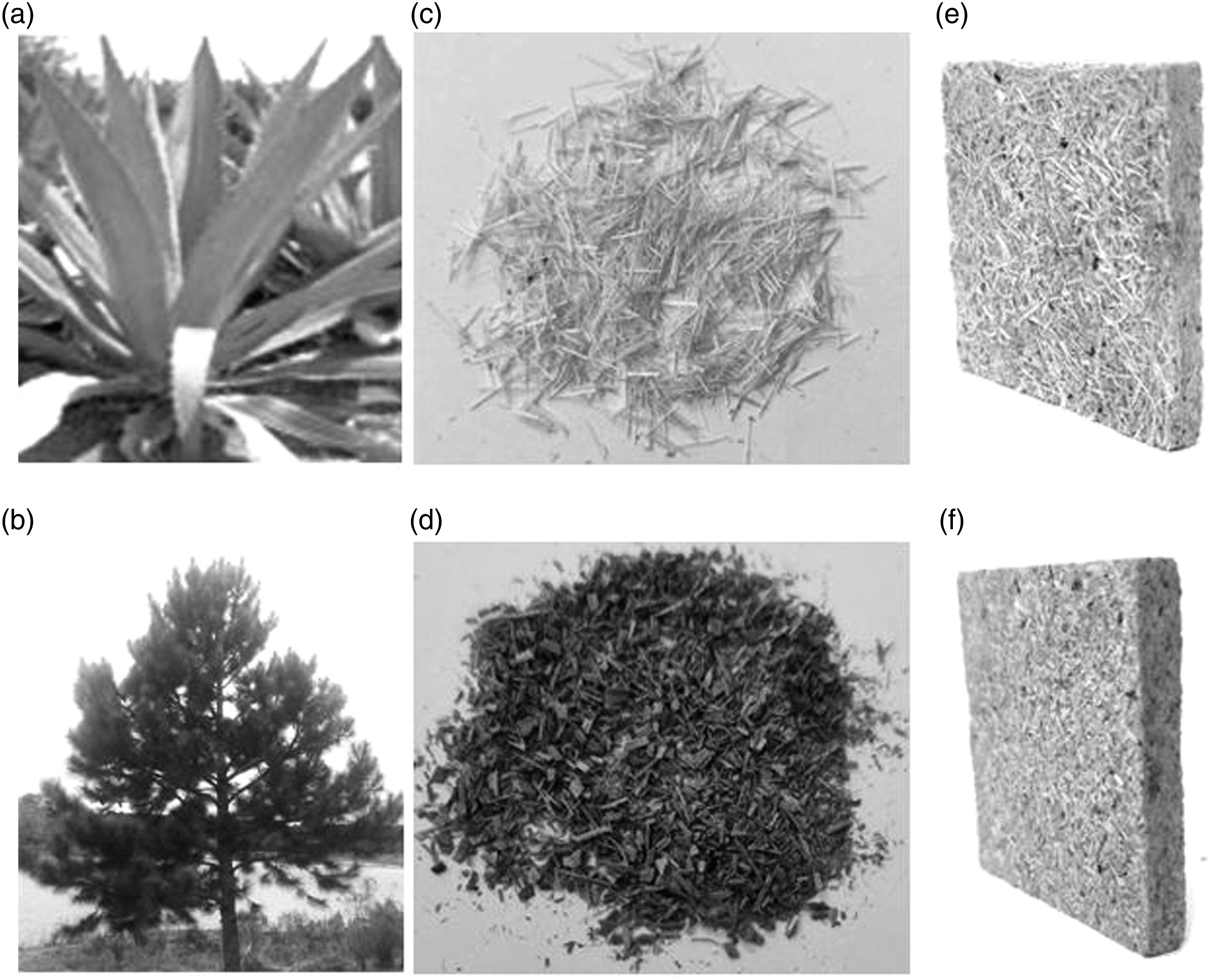
Two-component PU for rigid foam KT1106 from Kehl Company was used as a composite matrix mixing polyol and prepolymer in the proportion of 1: 1.2 according to the manufacturer’s instructions. Sisal fibers and Pinus taeda wood chips were transformed into sawdust. Sisal was manually cut with scissors in a length of 5 ± 2 mm and dried in an electric oven at 60°C for 24 h. Pinus wood chips were milled in a hammer mill, sieved with a 20 granulometric mesh and placed in an electric oven at 100°C for 24 h. Composites were manufactured following two weight compositions, one with 50/50 pinus sawdust and PU foam and other with 37.5% pinus sawdust, 12.5% sisal, and 50% PU foam. Materials were manually mixed and pressed with 4 MPa at room temperature for 20 min with manual hydraulic press, resulting in plates with dimensions of 120 × 120 × 6 mm. The fibers were randomly arranged on the plates without a preferred orientation. Figure 2 shows the manufacturing process of the composite plates. The steps involve the fiber/matrix mixture, accommodation in form, manual pressing, and mechanical pressing. Density was analyzed according to EN 323: 2002 and water absorption according to EN 317: 2002 evaluated after 2 and 24 h of immersion. Three-point flexion test was carried out in the universal testing machine EMIC DL10000 from Instron, with a load cell of 500 kgf and speed of 4 mm/min according to EN 310: 2002. Composites manufacture steps: fiber/matrix mixture (a); accommodation in form (b); manual pressing with cover (c); plate after manual pressing (d); mechanical pressing (e); final plates after mechanical pressing (Paula, 2017).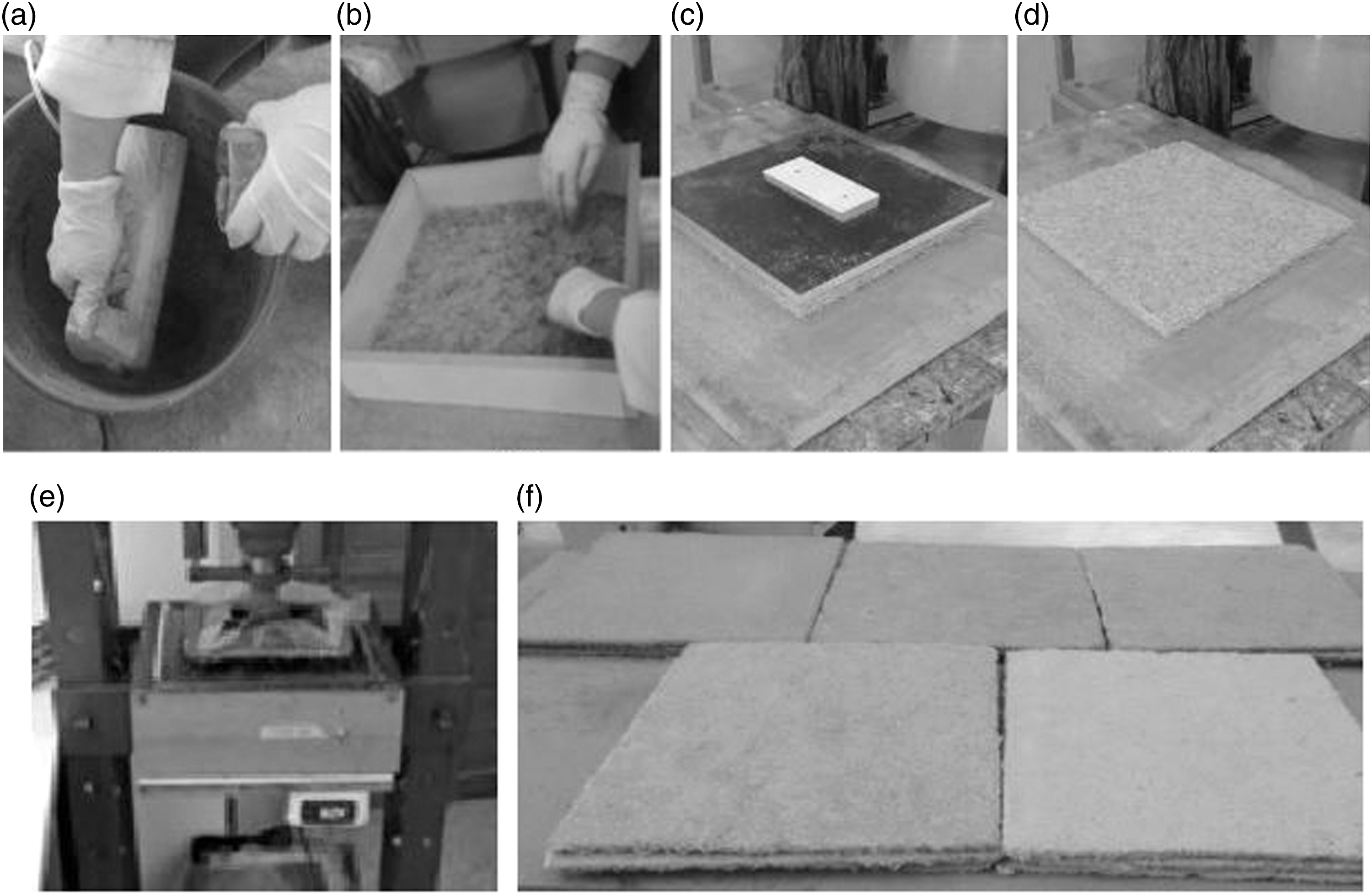
Drilling tests were performed on a 3-axes CNC milling machine model FR2012 from Vetor CNC with a 6 mm diameter HSS twist drill DIN 338, as show in Figure 3. This drill has two teeth and point angle of 118°. Spindle speed was measured with digital laser tachometer TC-5010 from Icel. Drill hole images were obtained by Olympus SZX10 optical microscope and scanning electron microscope EVO MA15 from Zeiss. Drilling experimental setup.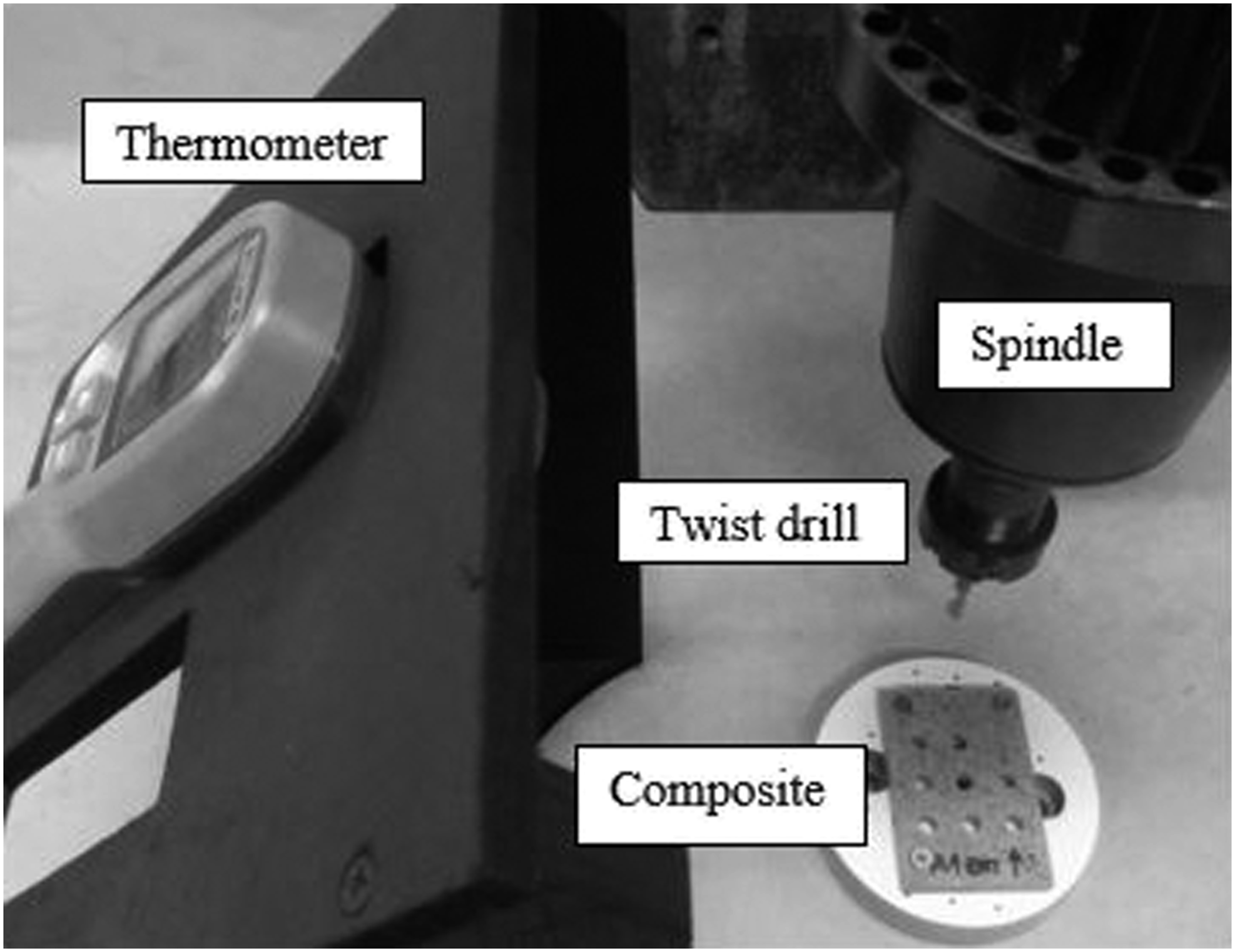
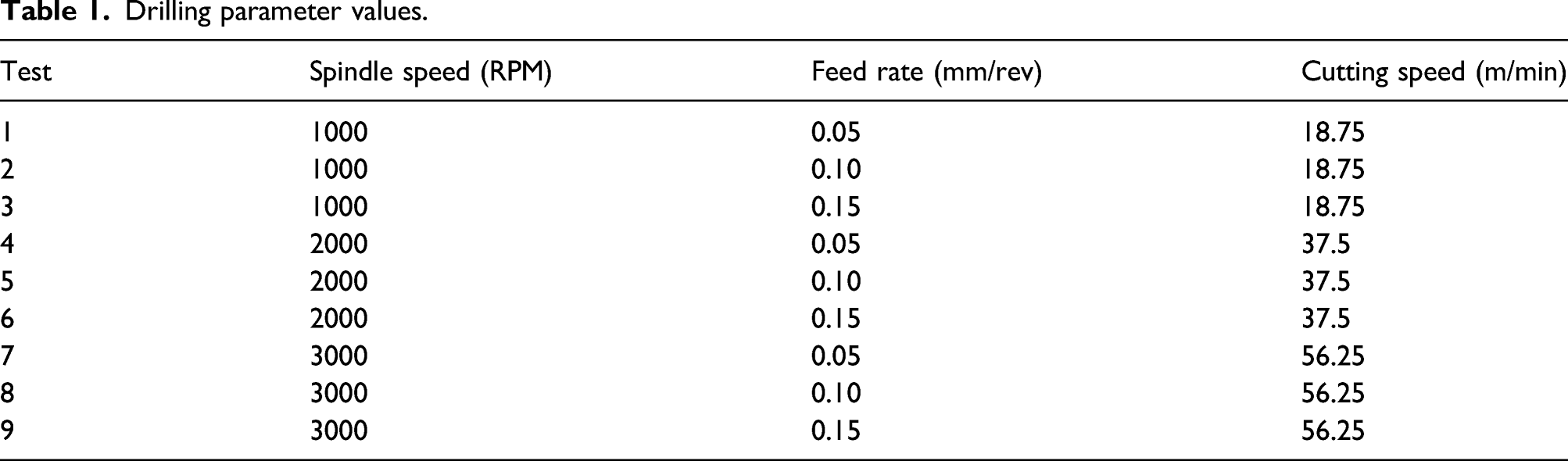
Drilling parameter values.
Drilling-induced damages were evaluated taking into account the damage factor (Fd) as proposed by Bajpai et al.,
27
which is the ratio between the area of the damage and the hole area (Figure 4). Damage areas were obtained by microscope images and treated in graphic software Inkscape (USA) for color adjustment, edge detection, and bitmaps creation. Autocad (2019) Student version software form Autodesk (USA) was used to calculate the compromised area at drill entry and exit. Calculation of damage factor (Fd) for drilling-induced damage.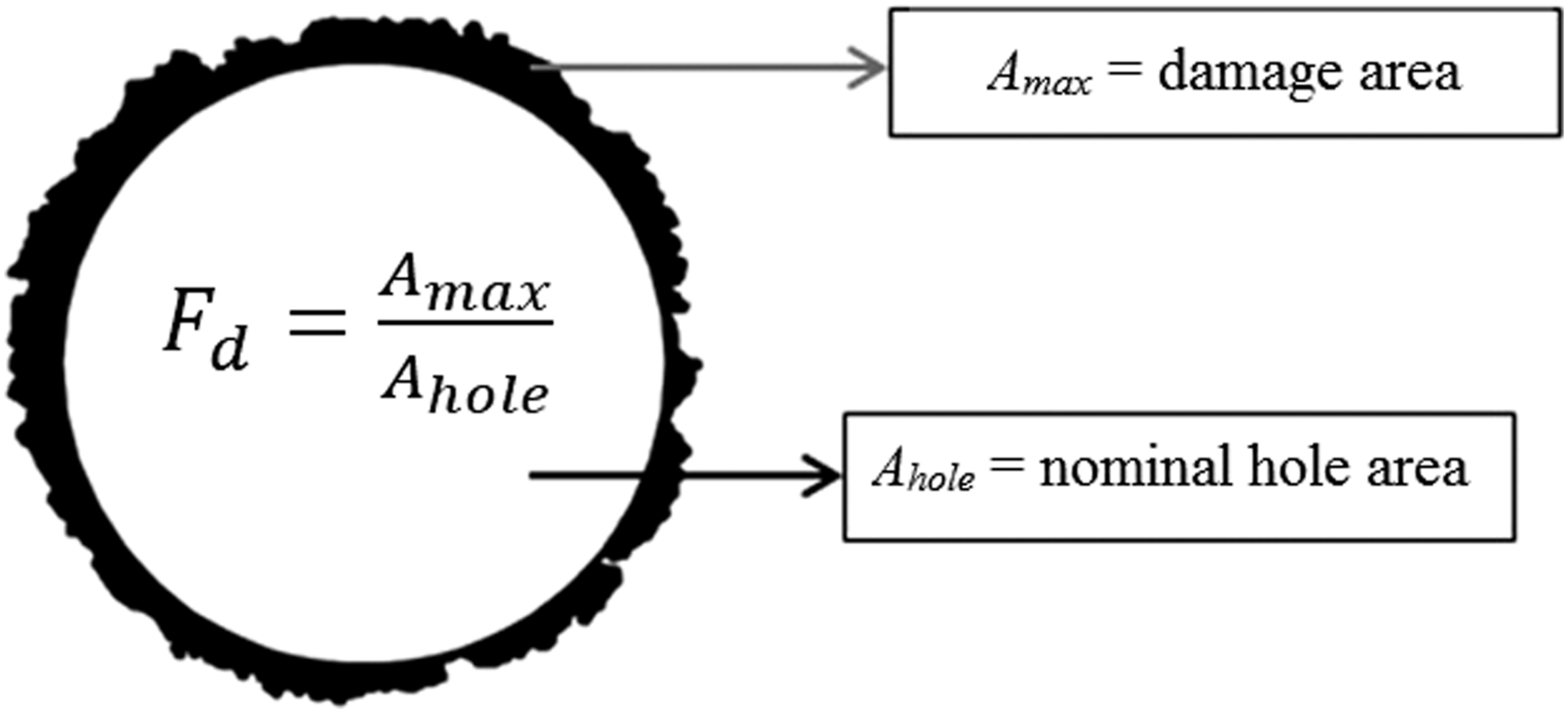
Temperature during the drilling process was measured by a Fluke 59 MAX infrared Thermometer (USA) with laser targeting, which was positioned at a fixed distance of 150 mm from composite top ply resulting in a 20 mm diameter detection area around the drilling point. The infrared camera features measurement range of −30°C to 350°C. The maximum temperature registered at each test was taken into account for the analysis.
Results and discussion
Material Characterization
Values of density, water absorption, and maximum flexural stress of composites. 28

As pointed out by de Rodrigues Pereira de Paula et al., 28 sisal fibers are greater than pinus sawdust resulting in the formation of voids that compromises the homogeneous distribution in the composite. Pinus sawdust with smaller dimensions facilitated fibers accommodation and occupation of empty spaces due to foam expansion, improving the density. The presence of sisal improved the transfer of mechanical efforts resulting in better resistance compared to the only pinus sawdust composite.
Drilling-induced damages
Drilling parameters and aspect of drilled holes at drill entry and exit.
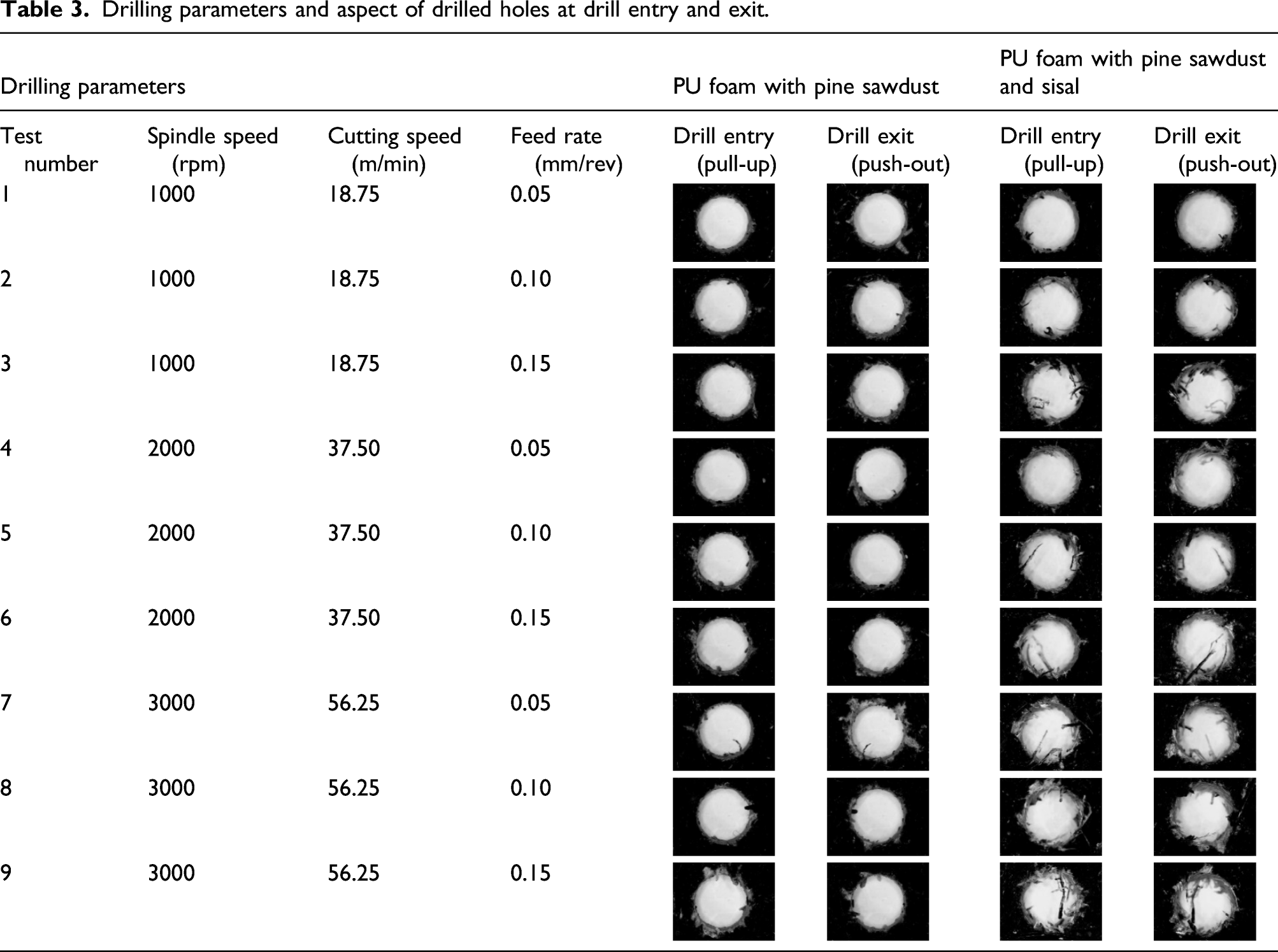
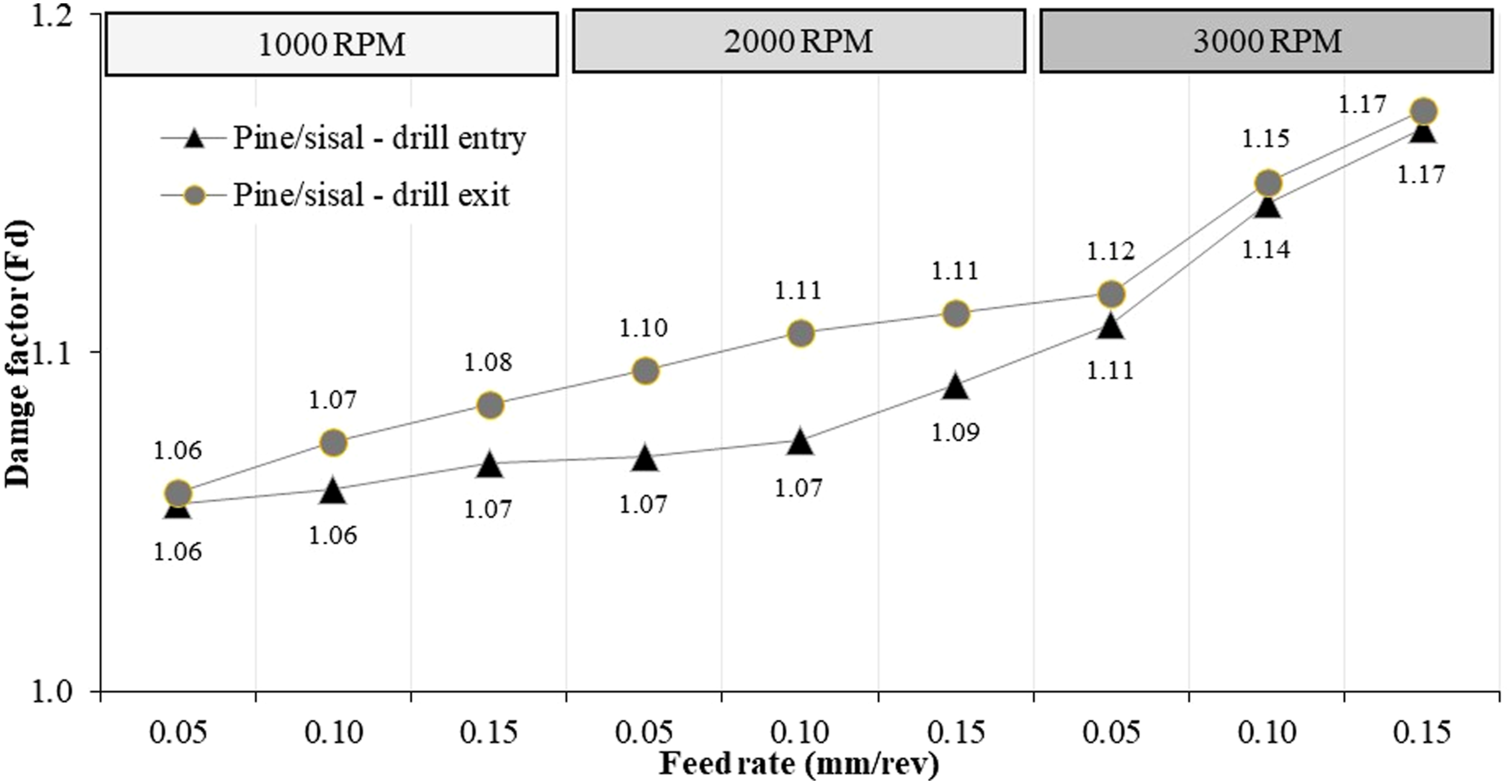
Figure 5 shows damage factor (Fd) variation found at drill entry and exit for the pinus sawdust composite. The lowest damage value at drill entry was Fd = 1.05 (18.75 and 37.5 m/min; 0.05 mm/rev) and for drill exit was Fd = 1.06 (18.75 m/min; 0.05 mm/rev). Figure 6 shows damages variation at drill entry and exit for hybrid pinus sawdust/sisal composite. The lowest value at drill entry and exit was Fd = 1.06 (18.75 m/min; 0.05 mm/v). Variation of damage factor in function of cutting speed and feed rate for only pinus sawdust composite. Variation of damage factor in function of cutting speed and feed rate for pinus/sisal composite.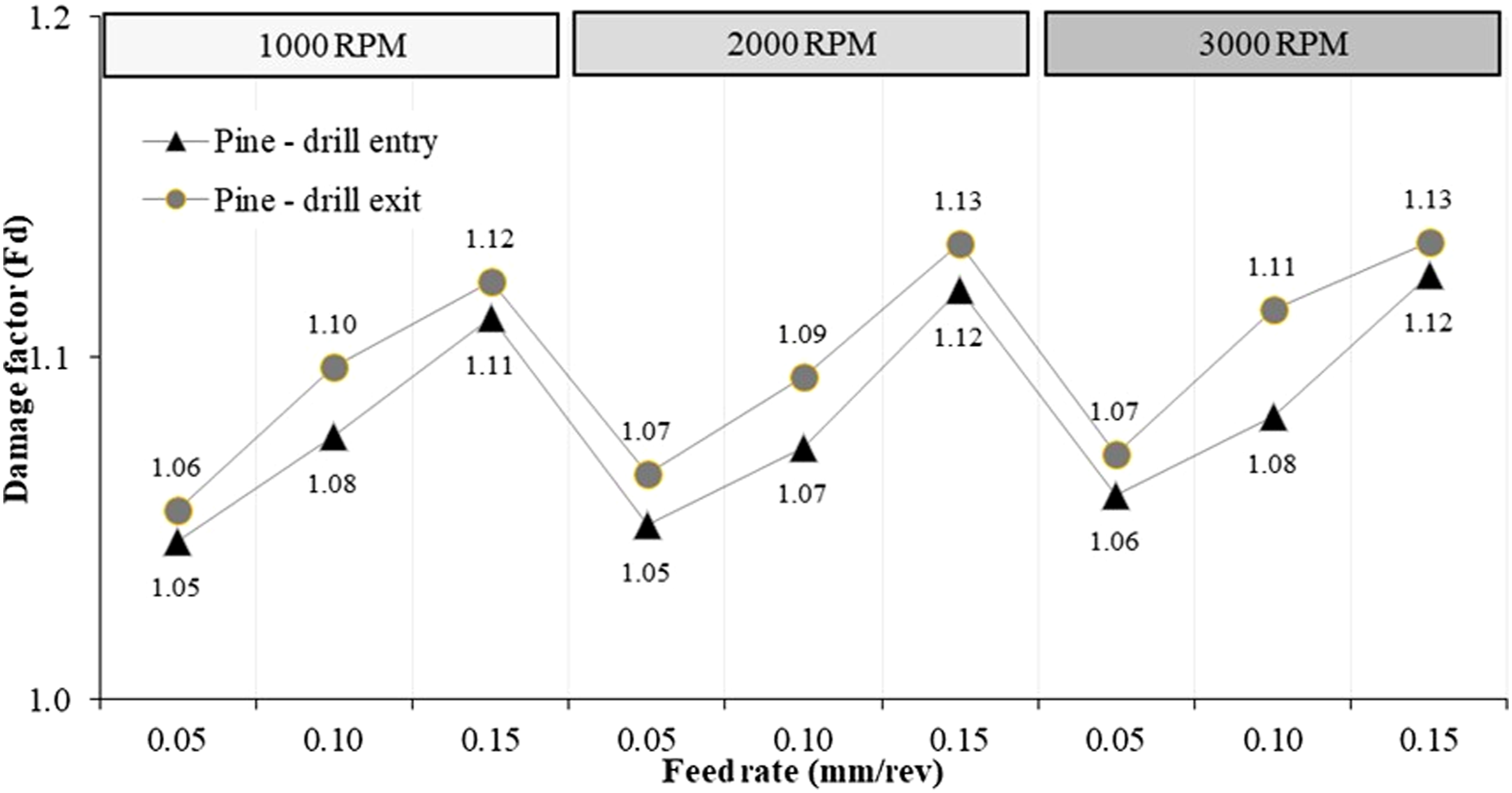
Different damage values when drilling composites with different natural fibers and biodegradable or synthetic matrices are found in the literature and the values that were obtained in this research were similar to them and even smaller. Ref. 21 found maximum delamination values (Fd) of 1.11 at entry and 1.13 at exit drilling composites with different woven fibers made from yarns and polylactic-acid (PLA) matrix. Ref. 27 found maximum value Fd = 1.5 at drill exit drilling Grewia optiva -Sisal/PLA composites.Ref. 29 found maximum values of Fd = 1.24 at drill entry and 1.29 at exit drilling composites with jute fibers and polyester matrix. Ref. 30 found Fd = 1.04 at drill entry and 0.998 at drill exit in drilling sisal/epoxy composites.
Damage factor at drill entry and exit in pinus sawdust composite increased with the increase of feed rate using the same cutting speed. The different values of cutting speed did not show a tendency to interfere in the results.
At drill entry and exit in the composite with sisal fibers, both cutting speed and feed rate showed influence in the results. Increasing the feed rate for the same cutting speed showed an increase in damage area value. The best result was obtained using lower cutting speed and feed rate. This result is not in agreement with those reported by Nagamadhu et al. 30 who stated that higher spindle speeds should be used in drilling of sisal fiber herringbone pattern reinforced with vinyl ester polymer composite. This is probably due to the differences in the fiber/matrix composition. They used an epoxy matrix with sisal fiber cloth in the proportion of 60%, while the present work used PU foam as matrix with 37.5% pinus sawdust and 12.5% sisal random fibers. As pointed out in the material’s characterization, the composite with sisal and pinus sawdust present a lower homogeneity and voids that can compromise the quality of the drilled holes.
It was observed in both composites that there is a difference between the damage values for drill entry and exit using the same drilling parameters where pull-up values were constantly lower than push-out as pointed by Roy Choudhury et al. 20
Non-fractured and folded fibers were observed on drilled holes of both composites. Figure 7 shows typical damages found when drilling the both composites using the same drilling parameters (18.75 m/min; 0.10 mm/rev). It is possible to observe non-fractured and bent fibers inside the hole as well as damage space left by the fracture of the fiber by the action of the cutting lips at drill entry (Figure 4(a)) and exit (Figure 4(b)) of the pinus sawdust composite. Damages and non-fractured or bent fibers inside the hole were also observed at drill entry (Figure 4(c)) and exit (Figure 4(d)) of pinus/sisal composite with the same behavior in the generation of damage areas. Ref. 31 also observed these conditions in the holes drilled with twist drill in sisal-epoxy composite. SEM of drilled holes edges for pinus sawdust composite at entry (a) and exit (b); pinus sawdust/sisal fiber composite at entry (c) and exit (d).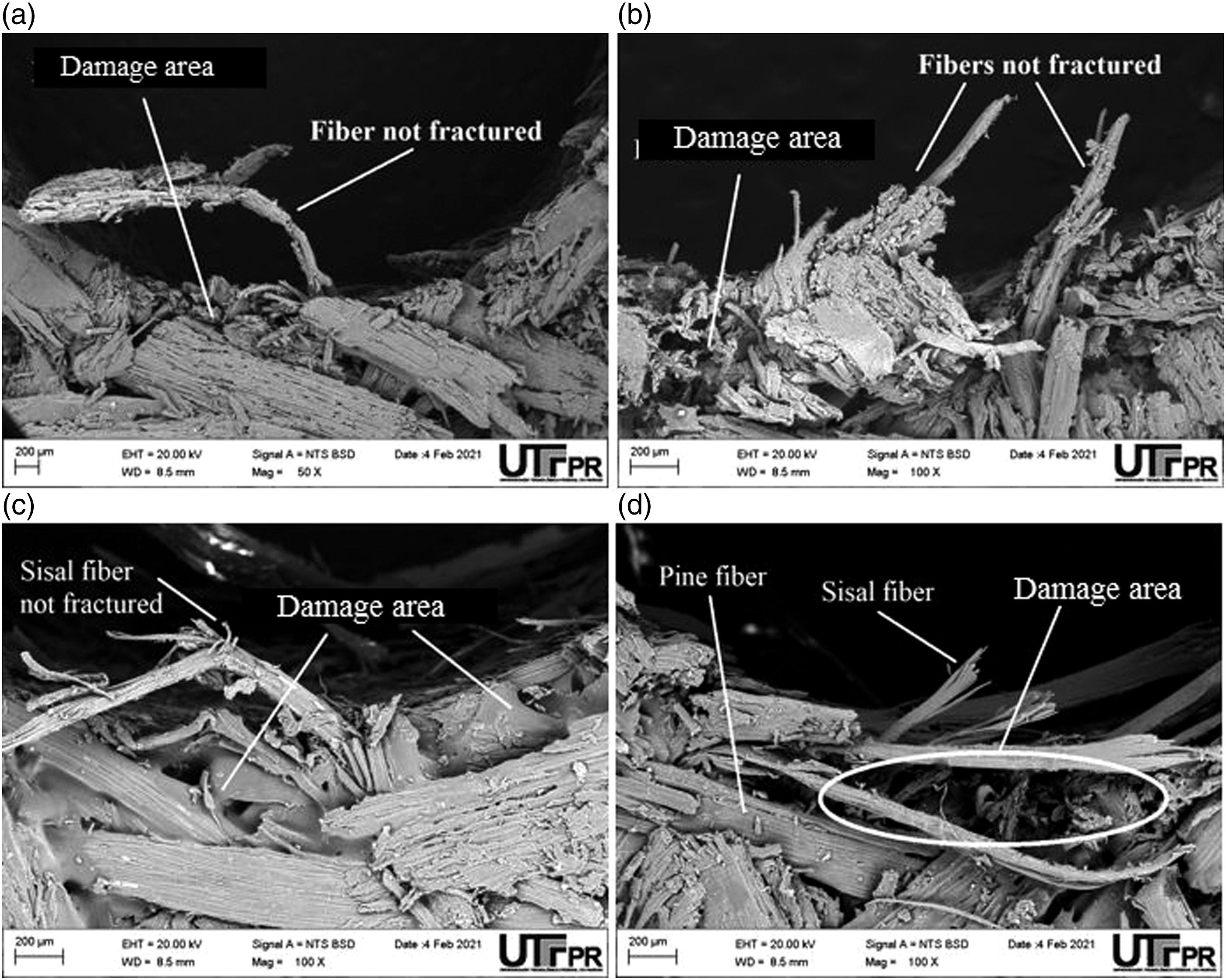
The addition of sisal practically doubled the strength of the composite. As observed by SEM images, sisal fibers showed greater resistance to cutting and elastic behavior, justifying a greater amount of fibers not correctly fractured inside the holes. Dimensions, properties, and fiber type may also have influenced the damages as pointed by Díaz-Álvarez et al. 21 Pine sawdust fibers used have smaller dimensions than sisal fibers. Although the mechanical properties may vary according to factors such as plant origin and production process, sisal fibers are more resistant to shearing than pine fibers.32,33 According to Rodrigues Pereira de Paula et al., 28 the best accommodation and occupation of empty spaces of the pine sawdust during the expansion of the foam are due to their smaller dimensions and lighter weight. The larger sisal fibers interfered with the homogeneous distribution in the material and remain accumulated and with loose ends inside the foam bubbles. This behavior in the homogenization of the components was noticed during the manufacture of the composites, in which the sisal fibers showed a tendency to wrap between them. This fact was confirmed after the end of the PU expansion. When the composites were drilled, these loose ends bended avoiding the proper action of drill bit cutting lips and increased the amount of uncut fibers in the hole.
Typical behavior of drill bit action at entry and exit in sisal composite resulted in some non-fractured fibers and delamination areas (Figure 8). Sisal fibers used are larger and more resistant than pinus fibers, which justifies greater amounts of non-fractured fibers or fuzzy aspect at the edge compared to the composite with only pinus fibers. At drill entry, the cutting lips touch the fibers of the first layer and induce movement in the axial direction oriented by the tool flute, bending and avoiding proper cutting. At drill exit, the forces related to the feed rate repeat this behavior when approaching to the fibers of the last layer. The movement of the fibers by the action of the drill breaks the fiber/matrix interface influencing the extent of damage. Although more non-fractured fibers over the holes were found few pull-out fibers were observed, which shows a good fiber/matrix interaction in both composites. The smaller and less resistant fibers of the pinus behave differently than the longer and more resistant fibers of the sisal. The movement of these fibers during the action of the cutting lips is reduced due to their better accommodation and occupation of the empty spaces during the expansion of the foam which may justify the smaller amount of non-fractured fibers over the hole. These specific characteristics in drilling composites with natural fibers have already been commented by Choudhury et al.
20
They reported that damages during process of drill entry or exit may be influenced by indentation effect of drill bit cutting lips and different helix angle of these tools where larger helix angles can increase the peeling effect. Composite behavior at drill entry and exit.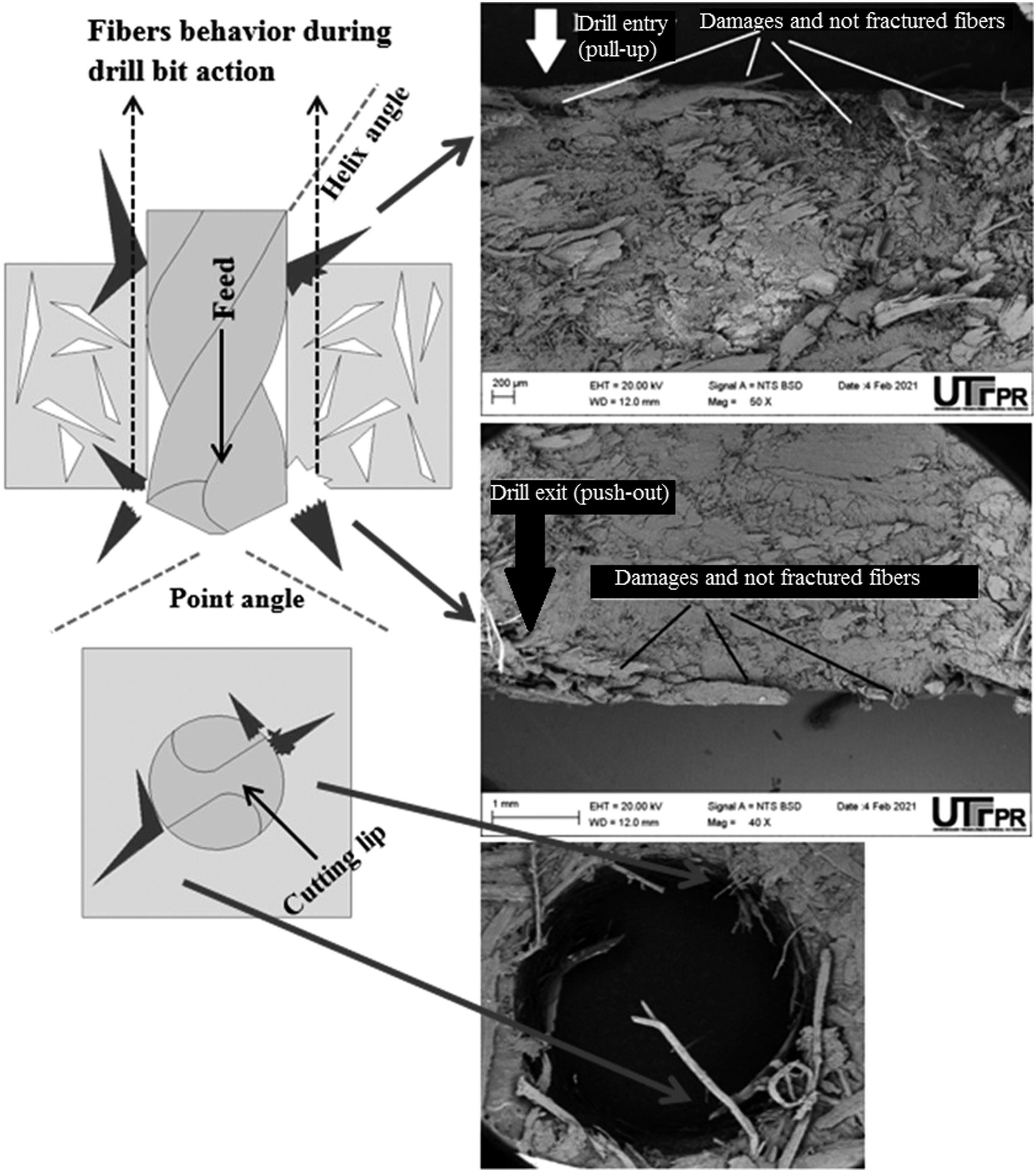
The behavior observed during drilling of composites with only pinus or pinus/sisal fibers is similar to that observed in other papers which points that damages in drilling composites with natural fibers are mainly result of drill entry and exit. Some researchers reported that damages and non-fractured fibers happen during the contact of cutting lips strongly influenced by the cutting parameters and the model of the drill tool with different cutting lips and helix angle. Refs. 21, 23, 34, and 35 reported in their work that at drill entry, generated force by drill tool rotation in the axial direction together with the slope of the helical grooves pull-up the fibers of the free upper layer of the composite face avoiding the properly contact with the tool cutting lips influencing damages generation. At drill exit, the layer becomes thinner as the tool advances exceeding the strength of the fiber/matrix interface and inducing damages. Ref. 34 pointed out that natural fibers have a viscoelastic behavior and when touched by the drill cutting lips bend and are not properly cut causing non-fractured fibers over the hole as well as break of fiber/matrix interface increasing the damage values. Non-fractured fibers inside the hole can interfere with the passage of the mounting devices depending on the degree of damage as noted by Nassar et al. 23 or affect the strength of the composite and compromise final product assemble as pointed out by Hejjaji et al. 36
Sanding was performed on both sides of the composite plates in order to improve the quality of the holes. Sanding thickness was 0.2 mm, and the mesh of the sandpaper was 320. This process removed the damaged fibers from the first layer and improved the surface finish. Figure 9 shows the holes before and after the sanding process. Holes before and after sanding: pinus hole entry before (a) and after (b); pinus hole exit before (b) and after (f); sisal hole entry before (c) and after (g); sisal hole exit before (d) and after (h).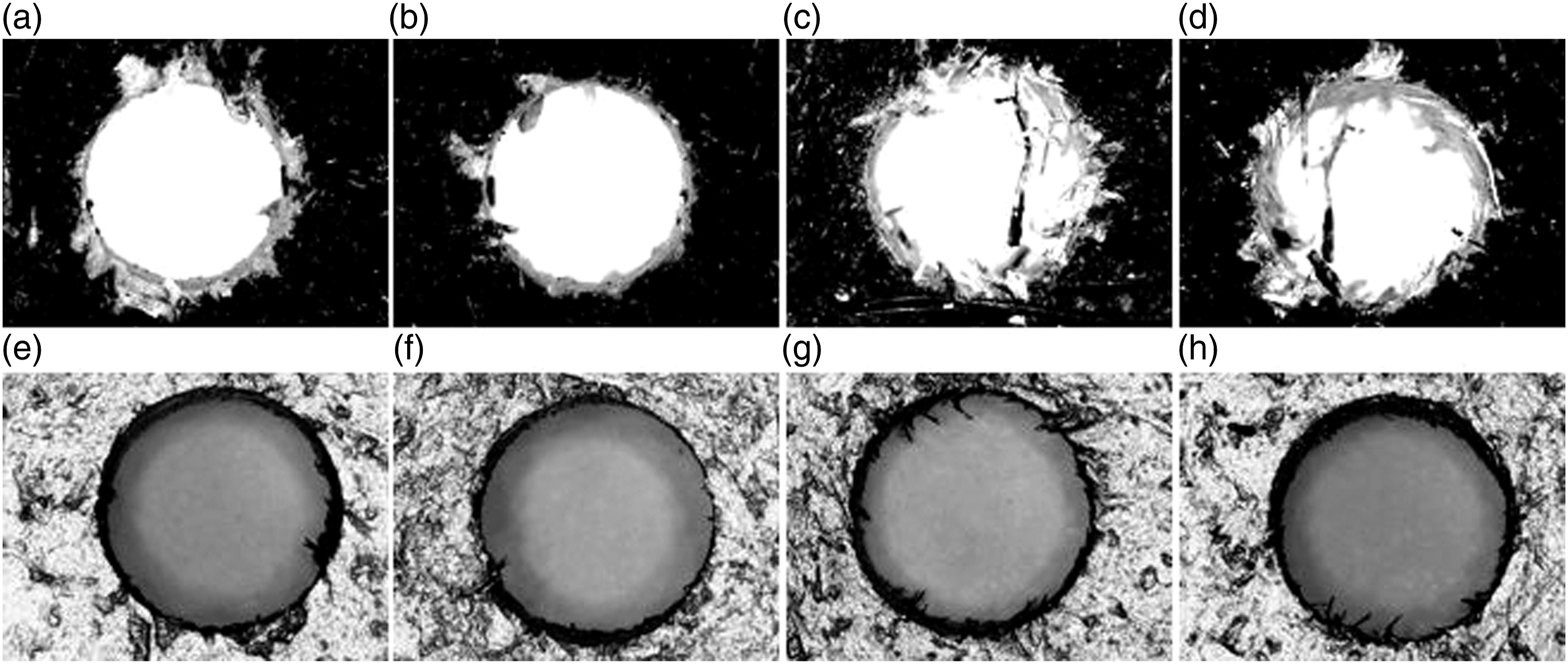
Temperature
Figure 10 shows the maximum temperatures measured during the drilling process for the pinus sawdust composite while Figure 11 presents the maximum temperatures measured for pinus sawdust/sisal composite. It can be noticed that the temperature decreased with the increase of the feed rate in both composites for all cutting speeds. This is in agreement with the results reported by Choudhury et al.
20
who pointed out that at low feed rates there is a greater interaction between the tool and the composite leading to a temperature increase. The increase in cutting speed while maintaining the same feed rate did not considerably increase the temperature during the process. The confidence intervals overlap for almost all the tested cutting speeds when keeping the feed rate constant, indicating that the difference between the temperatures is not statistically significant in these cases. The only exception occurred for the composite with pinus sawdust where the temperature significantly increased with the increase of the cutting speed from 18.75 to 37.50 m/s when drilling at the lowest feed rate. Maximum drilling temperature at top ply and damage factor at drill entry/exit of pinus sawdust composite. Maximum drilling temperature at top ply and damage factor at drill entry/exit of pinus sawdust/sisal composite.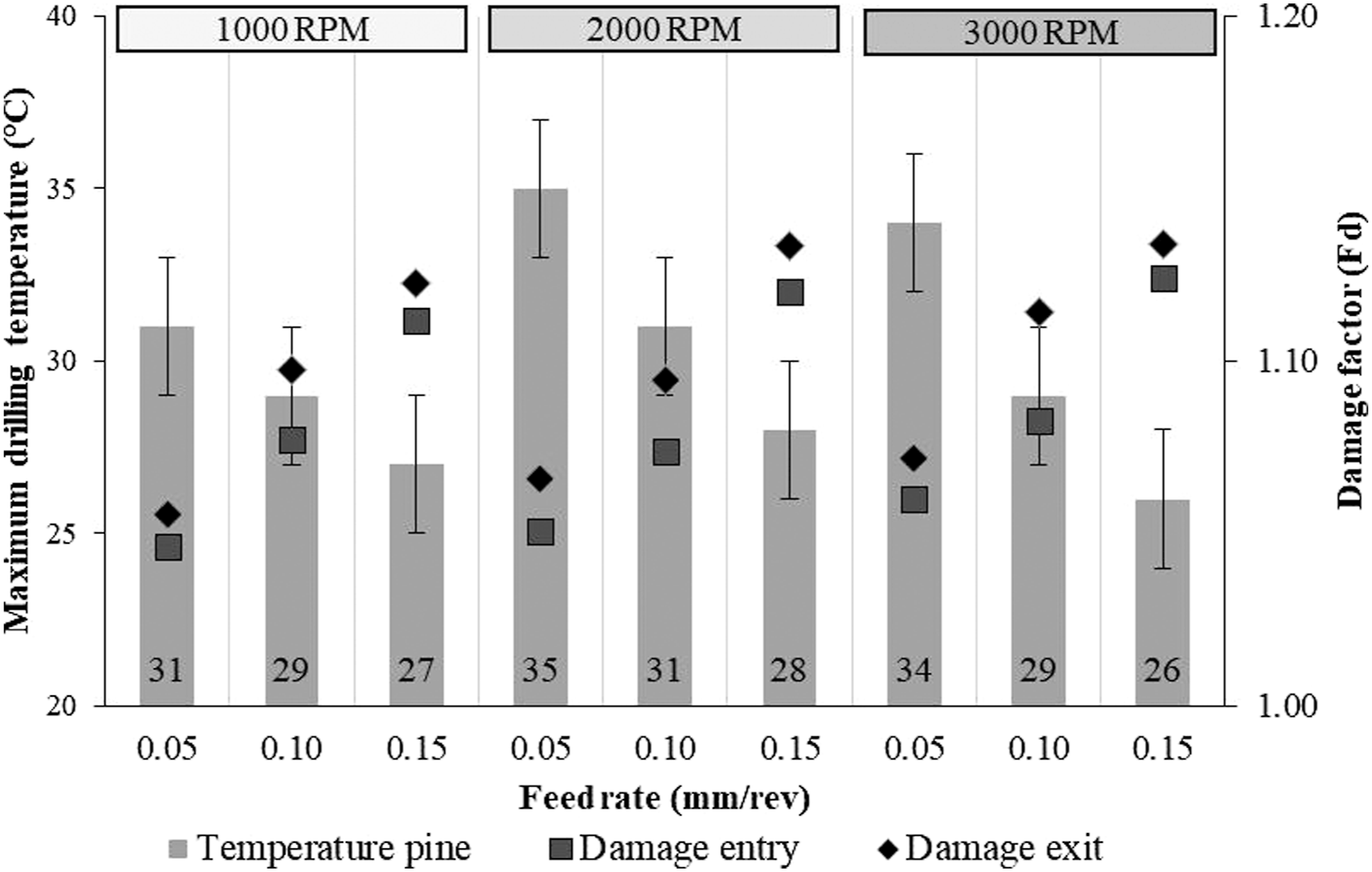
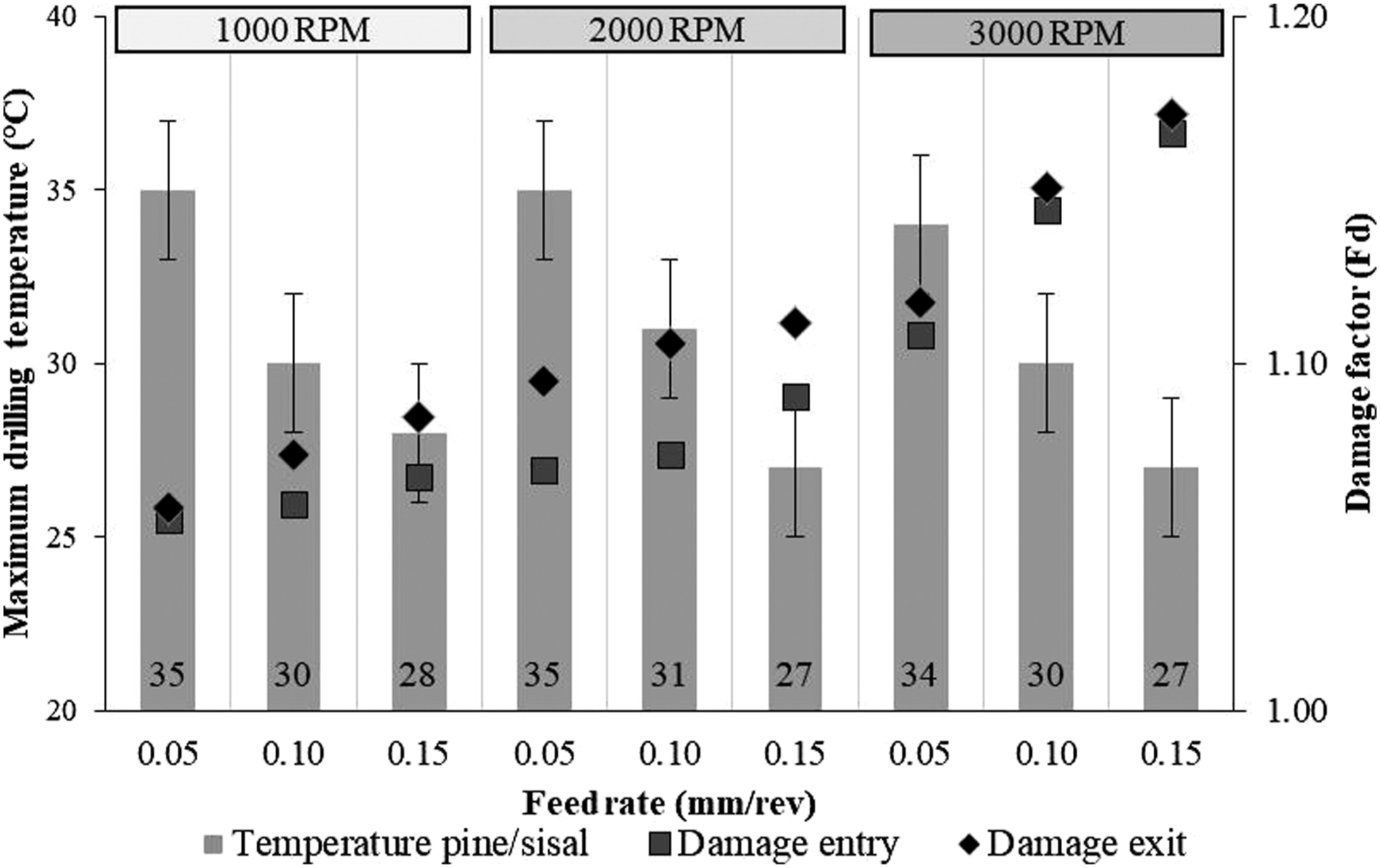
It was observed that the highest temperature values found at the lowest feed rate are related to the lowest values of hole damages. As the temperature dropped, the damage values increased. Although the temperatures did not reach the PU glass transition value or compromise the fibers, this higher temperature may have contributed to the softening of the material and may have contributed to the decrease in the damage values of the drilled holes.
High temperatures can affect the drilling process due to the softening and adhesion of the workpiece material to the cutting edge of the tool. 37 Values of approximately 60°C are indicated in the literature for glass transition of PU from vegetable oils foam 38 and decomposition starts around 170°C. 39 Pinus taeda and sisal fibers start their degradation around 100°C, depending on fiber composition and origin.32,40 The maximum temperature measured during the drilling tests did not exceed 40°C; therefore, the material properties were not compromised and there was no adhesion of the workpiece on the cutting tool. Ref. 20 found maximum temperatures in the top ply between 100°C and 125°C using 4 and 8 facet drills with 118° point angle but using lower feed rate than those used in this research. In general, higher feed rates result in lower temperature at the cutting zone due to the small duration of the drilling process and less time for heat to be transferred to the workpiece, which justifies the lower temperatures found in the present work. The small temperature variations found for the same feed rate with the increase in cutting speed can also be justified by the manual manufacturing process of composites, which can generate areas with greater or lesser density due to the manual mixing of the components.
Conclusions
This paper evaluated the drilling process of composites of PU foam derived from vegetable oils matrix with only pinus sawdust and hybrid pinus sawdust/sisal fibers using HSS twist drill with different cutting speeds and feed rates. Drilling-induced damages at drill entry/exit and the temperatures generated during the process were observed. The following conclusions can be presented: • Mechanical properties of these composites indicate that they can be a viable alternative to panels of materials from non-renewable sources in applications without great mechanical efforts. It was possible to effectively drill these composites with results similar to other studies on natural fiber composites with matrices from non-renewable and non-biodegradable sources. • Composite with sisal fibers showed a higher maximum tensile bending stress, but presented a greater number of non-fractured fibers inside. The larger sisal fibers interfered with the homogeneous distribution with loose ends inside the foam bubbles. They can bend by drill bit action in axial direction influenced by feed and cutting speed avoiding proper contact by the cutting lips which can justify the greater number of non-fractured fibers over the holes. • Drilling-induced damages such as uncut fibers and delamination occur mainly at drill entry and exit. • The lowest drilling-induced damage values for drill entry or exit in both tested composites were obtained with feed rate of 0.05 (mm/rev) and cutting speed of 18.75 (m/min), suggested that lower feed rate and cutting speed are more suitable for drilling these types of materials. • For the pine composite, the feed rate was the factor that most influenced the damage. For the composite with the addition of sisal, it was clear that the increase in cutting speed and feed rate affected the results. • The amount of heat generated during the process did not compromise the material properties, and therefore there was no adhesion of the workpiece material on the tool. The increase of feed rate reduced the maximum temperature measured during the process. It was observed that the highest temperature values found at the lowest feed values are related to the lowest values of drilling-induced damage in both materials. It can be suggested that the increase in temperature contributes to the softening of the PU matrix and facilitates the cutting process by the drill. • Hole quality can be improved by sanding 0.2 mm on each face of the composite plates, removing considerably the amount of unfractured fibers around the hole. • Other variables that may influence the quality of the holes in natural fibers with PU foam derived from vegetable oils matrix composites, such as other drill types and machining forces involved, will be investigated in the future for a better evaluation of the process.
Footnotes
Declaration of conflicting interests
The author(s) declared no potential conflicts of interest with respect to the research, authorship, and/or publication of this article.
Funding
The author(s) received no financial support for the research, authorship, and/or publication of this article.
