







Abstract
The increasing global demand for sustainable and eco-friendly materials has driven significant interest in natural fibers as alternatives to synthetic reinforcements in polymer composites. Delonix regia pods possess fibrous structures that have not been extensively explored for material applications. This study focuses on the extraction and characterization of cellulosic fibers from Delonix regia pods and evaluates their suitability for use in polyester-based polymer composites. The Delonix regia pod fibers were extracted using a chemo-mechanical retting process with sodium hydroxide and were subsequently characterized. The extracted fibers were incorporated into polyester polymer in varying weight fractions of 0, 10 and 20 wt. % using the handlay-up method. The mechanical properties, morphology and infrared spectroscopy of the fibers and the developed composites were characterized. The results show that the extracted fibers have a yield of approximately 72% with bulk density and moisture content of 0.238 g/cm3 and 4.60%, respectively. The average tensile properties of the fibers were 44.07 MPa, 2.06 GPa, and 3.71% for strength, modulus and elongation at break. It was also observed that the fibers are composed of 51.40% cellulose, 20.80% hemicellulose, and 16.71% lignin. The tensile properties of the composites with higher filler content were reduced due to increased fiber heterogeneity in the matrix. The Delonix regia pods fibers shows potential for use in polymeric composite production.
Introduction
Natural fibers are significant in composite materials due to their lightweight nature and environmental benefits, which helps to improve mechanical performance and sustainability in sectors like construction and automotive. Characterization of these fibers is essential for understanding the properties that influence a composite’s performance. These properties include chemical composition (cellulose, hemicellulose, and lignin); physical properties (fiber length, diameter, density, and moisture content); mechanical properties (tensile strength, stiffness, and elongation); thermal properties; and surface/interface properties. Natural fiber composites are preferred over synthetic materials for their low density, cost-effectiveness, renewability, strength-to-weight ratio, and biodegradability. They are used in the automotive industry for lightweight interior components, in construction for sustainable structural applications, as well as in consumer products, biodegradable packaging, and marine/aerospace components. Ongoing research is focused on exploring the potential of these applications in low-load scenarios.
Polyester resin is an important matrix in polymer composite production, recognized for its adaptability in the properties of final thermoset products and its affordability in diverse applications. It is cost-effective and lightweight polymer known for its high specific strength and corrosion resistance. These properties contribute to the growing popularity of polyester, enhanced by design flexibility and easy availability. Polyester resins are characterized by their excellent wetting properties, reinforcement capabilities, high physical and chemical characteristics, cost-effectiveness, 1 and availability. 2
Delonix regia is a flowering plant in the Fabaceae family, known for its broad, feathery leaves and summer-flowering flowers. It is cultivated in tropical cities for its ornamental properties and shade.
3
The plant's pods are green and soft when young, turning dark brown and woody when dry. Its seed chambers contain numerous seeds, which are released when fully mature.
4
The pods’ partitioned seed chambers have potential layered cellulosic fibers (Figure 1). Delonix regia.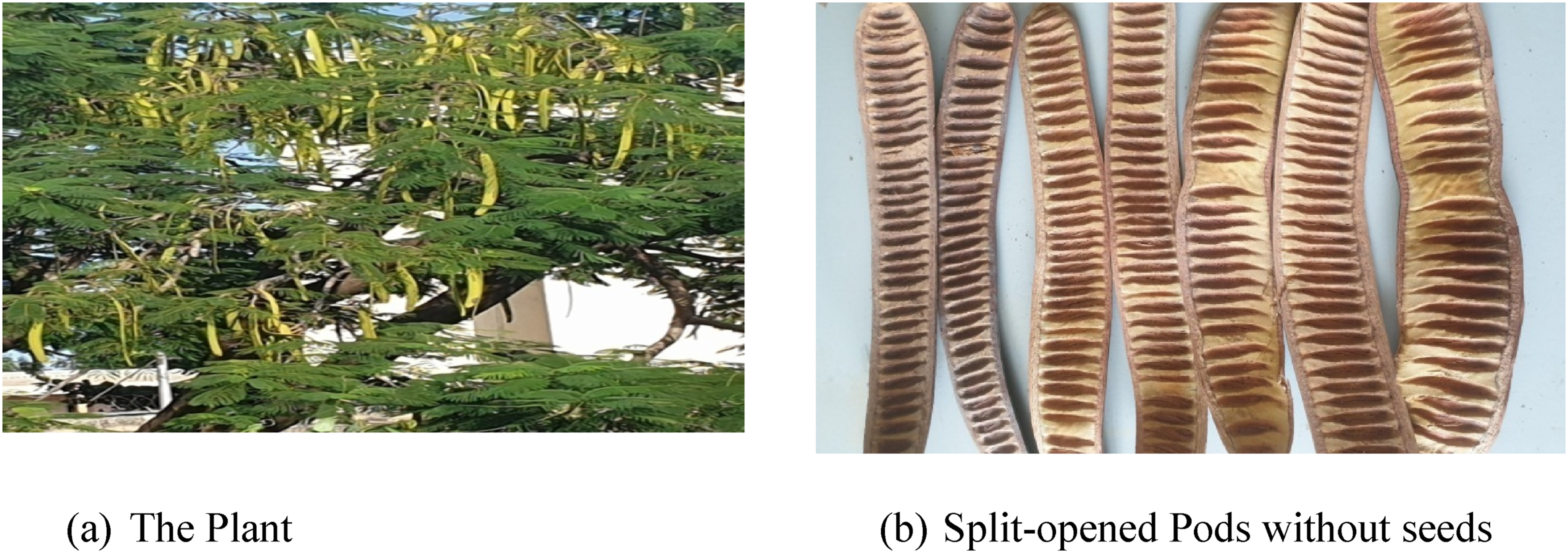
Cellulosic fibers, composed of hydrogen bonds and other linkages, provide strength, stiffness, 5 and structural stability, contributing to their mechanical properties. 6 Hemicellulose, a key component in fibers, undergoes biodegradation, moisture absorption, and thermal degradation, while lignin, a thermally stable component, is responsible for Ultra Violet degradation. 5 Lignin, hemicelluloses, and pectin form the cellulose framework of fibers, with organic (extractives) enhancing color, odor, and decay resistance, and inorganic (ash) components enhancing abrasiveness. 6
Delonix regia plants, commonly found in our environment, produce waste when matured. Disposal methods like burning, dumping, and indiscriminate disposal contribute to environmental issues and health risks. Burning generates greenhouse gases, degradation, and air pollution, while indiscriminate disposal near residential buildings and commercial centers further exacerbates pollution. No matter how well planned and organized, land disposal strategies are ultimately susceptible to numerous failures, resulting in more toxins in the ecosystem. It is a vital issue that needs to be addressed in order to protect the global ecology. 7 Waste from plants, when disposed into the environment, poses a huge hazard to global health or can be used as raw materials in the bio-economy. 8 It generates vast amounts of biomass known as natural fibers, but only 10% is exploited as alternative raw materials in various sectors, such as bio-composites. 7 As a result, there is a need to control and manage these environmental issues by adding value to waste materials for industrial purposes. A study reported the use of Delonix regia pod particles in the production of polyester composites. 9 The plant has little research conducted for its use in polymer composites, with no study on its fiber extraction and application. The study aims to extract, characterize, and utilize fibers from Delonix regia pods for the production of polymer composites.
The study of new plant-derived natural fibers is gaining popularity in various industries due to their versatility, biodegradability, and sustainable technical innovation solutions. 10 The study extracted and analyzed fibers from Delonix regia pods, comparing their physical, tensile, and chemical compositions to those of natural fibers like alcea rose, lavender, and sambucus ebulus stem, among others. The extracted Delonix regia pod fibers exhibit acceptable properties, making them a valuable resource for sustainable polymer composite production. The study aims to obtain a sustainable fiber from Delonix regia pod for polymer composite application.
Materials and methods
The study used Delonix regia pods obtained from the Delonix regia plants at Ahmadu Bello University in Zaria, Nigeria. The materials used for the study include polyester resin (Fiberglass coating Inc., USA), 1% promoter (cobalt naphthenate), and 1% catalyst (methyl ethyl ketone peroxide)11,12 and sodium hydroxide (1%). The equipment used includes a vacuum oven (Cole and Parmer, Chicago, Illinois 60,648), an analytical weighing balance, microstructure (Dino-lite) digital microscope, a tensile testing machine (Model TM2101-T7, China), 11 scanning electron microscope (PHENOM PRO X, Phenom world Eindhoven, Netherlands) 12 and Fourier Transform Infrared spectrophotometer (Cary-630, USA).
Extraction of fibers
The pods were collected, split-opened, and the seed separated from the pods. The pods were weighed and then immersed in a 1% sodium hydroxide solution for about 90 min. The sample was removed and subjected to mechanical retting on a platform using a wooden stick. The process removed the cellulose and lignin that bind the fibers to the pod, and the fibers were collected. Thereafter, it was washed thoroughly with clean water to remove excess alkali, then air-dried and weighed. The fibers were dried at a relative temperature and humidity of 34°C and 52%, respectively. The extracted fibers were then stored in polyethene bags for future use.
Fiber characterization
The extracted fibers were characterized by yield, fiber length and thickness, bulk density, moisture content, proximate, and chemical constituents’ analysis. The study also used optical microscopy, scanning electron microscopy, and infrared spectroscopy for fiber morphological and functional group analysis, respectively.
Yield
The yield of the extracted fibers was calculated as the percentage of the product obtained compared to the theoretical yield. The actual yield of the fibers was the mass of the useful sample product obtained after retting, while the theoretical yield was the mass of the potential products before retting. The Delonix regia pods were weighed before and after extraction, and the percentage yield was determined using equation (1);

Bulk density
Bulk density determination is a method used to determine the bulk densities of materials under loose packing conditions, obtained by pouring a sample into a vessel without consolidation. The bulk density of the fibers was determined using ASTM D7481-18, Method A, which measures the ratio of an untapped sample’s mass to its volume, including the contribution of the inter-fibrous void volume, expressed in grams per cubic centimeter (g/cm3). The sample fibers were weighed and then transferred to a graduated cylinder, and the volume was observed. 12 The test was conducted in a laboratory at a temperature of 25°C and 66% relative humidity.
Moisture content
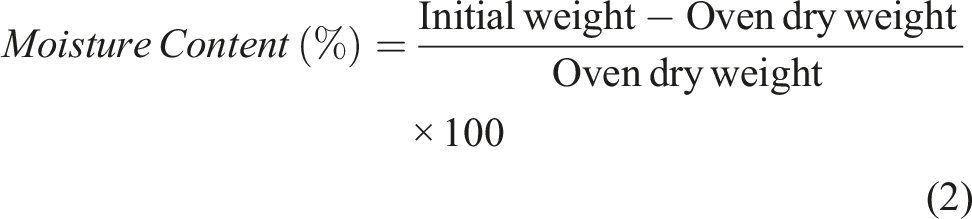
Moisture content measures water content in a material. It was determined using the oven-dry method according to ASTM D2216. The sample was dried in an oven at 60°C for 72°h, and the final weight was recorded. The moisture content was calculated using equation (2):
Tensile test
A single fiber tensile test was performed according to ASTM D3822-07 using a TM 2101-T7 machine equipped with computer interface and a 10 kN load cell. The fiber ends were connected to the jaw using self-aligning mechanical springs, and tests were conducted using manually operated clamps. 13 The test was conducted at a cross-head speed of 2 mm/min and a temperature of 25 ± 3°C.
Proximate and chemical constituents analysis
The fiber’s proximate and chemical constituents were analyzed using standard test methods. The fiber’s cellulose content was determined using Kurschner’s and Hanack’s methods based on the insolubility of cellulose in water and its resistance to the action of dilute acids and bases. 14 The lignin content was determined using standard TAPPI (Technical Association of the Pulp and Paper Associations) T 222 om-06 methods. 15 Ash content was measured using the ASTME 1755-61 standard and predicted based on the difference in weight between the burned and unburned fibers. 14 The moisture content was determined using the weight loss method, 16 the hemicellulose content using NFT standard 12-008,16,17 and the wax content using the Conrad method.16,17
Morphology
The surface and cross-section of the fibers were observed with digital Dino-Lite optical microscopy at 75X and 100X magnifications. The morphology of the sample fibers and the polyester composite was studied by a scanning electron microscope (PHENOM PRO X, Phenom World Eindhoven, Netherlands) 12 operated at 15 KV and a magnification of 10,000x.
Infrared spectroscopy
Fourier Transform Infrared (FTIR) with Attenuated Total Reflection (ATR) unit allows for non-destructive determination of biomass components. The Cary 630—ATR spectrometer was used to obtain spectra of the fiber and fiber-filled polyester composite, with resolution of 4 cm−1, collected at the mid-infrared region (4000 – 650 cm−1). The analysis involved exposing the sample to an IR-transmitting crystal, allowing the reflected light to partially absorb it without sample preparation. This was done on both the fiber and composite samples and compared the interactions that occurred in them.
Composites fabrication
Composites were made with Delonix regia pod fibers of approximate length and thickness of 5 mm and 0.36 mm, respectively, with varying weight fractions of 0, 10, and 20 wt%, polyester resin, 1 wt% catalyst (MEKP), and 1 wt% promoter (cobalt naphthenate). The mixture was mixed, poured into a mold of 10 × 10 × 3 (mm), covered with another glass sheet, and pressed for resin spread. The samples were cured under pressure using 2 kg load for 24 h at ambient temperature of about 24°C.11,12
Composites characterization
The sample composites were tensile tested in accordance with ASTM D638 using a tensile strength testing machine (model: TM 2101-T7) with a maximum force of 10 kN. Dumbbell-shaped samples were cut from the molded samples (Figure 2), and the dimensions were ascertained with vernier calipers. The test was carried out at a cross-head speed of 2 mm/min and a temperature of 25±3°C.11,12 The load cell measured and recorded the specimens’ resistance and elongation until failure occurred. Tensile characteristics were then determined and recorded. Dumbbell-shaped samples for tensile test.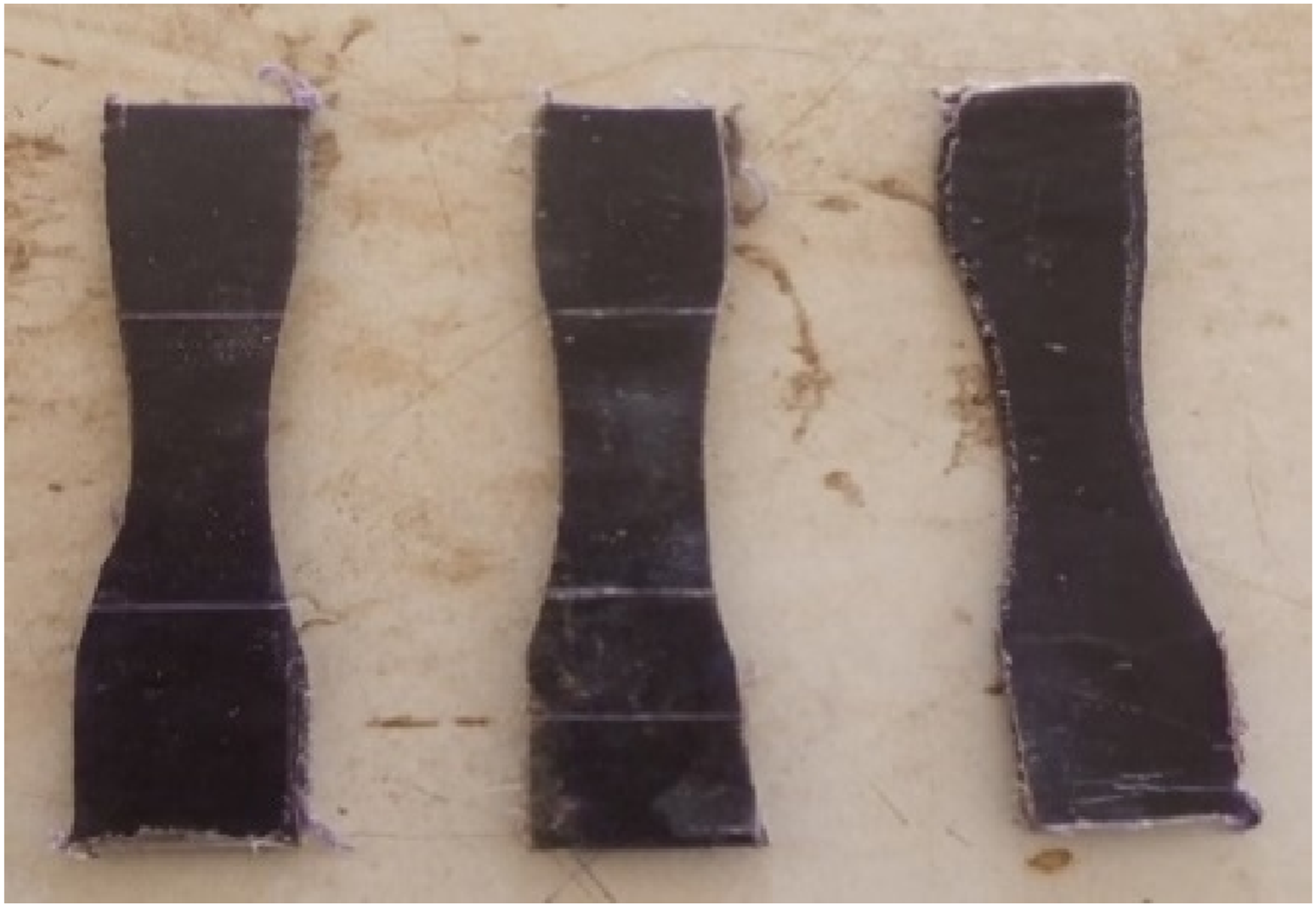
The composites’ density was also determined. The mass of each composite sample was determined using an analytical weighing balance and the volume was obtained according to ASTM D792, via the dimensions of each side (length x breadth x width), accurately measured using a digital vernier caliper. The density of the samples was computed as the ratio of mass to volume (g/cm3).11,12
The infrared spectra of the composites were observed using attenuated total reflection as described earlier.
Results and discussion
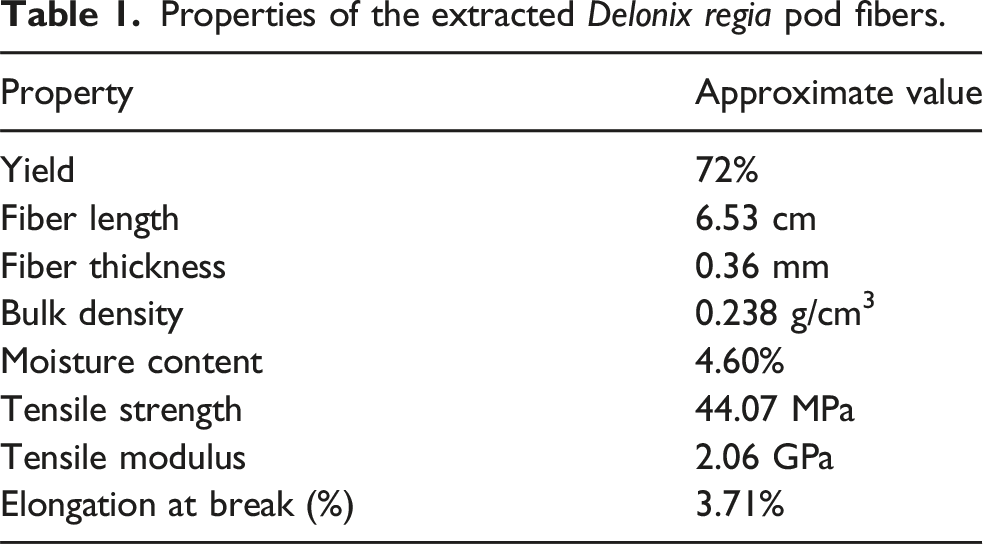
Properties of the extracted Delonix regia pod fibers.
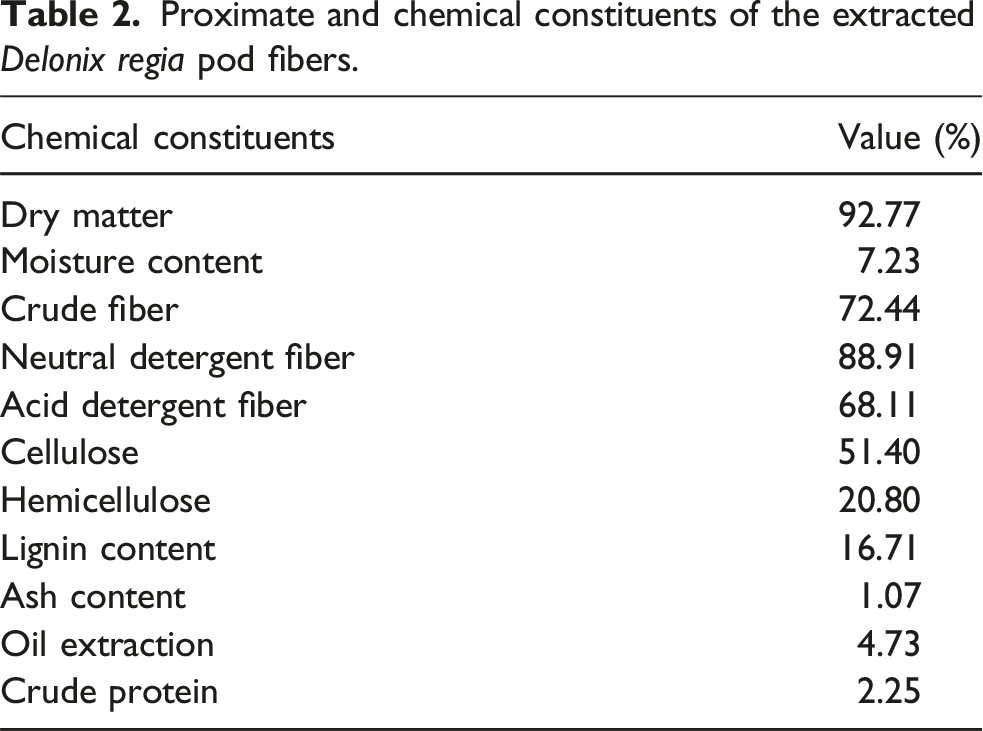
Proximate and chemical constituents of the extracted Delonix regia pod fibers.
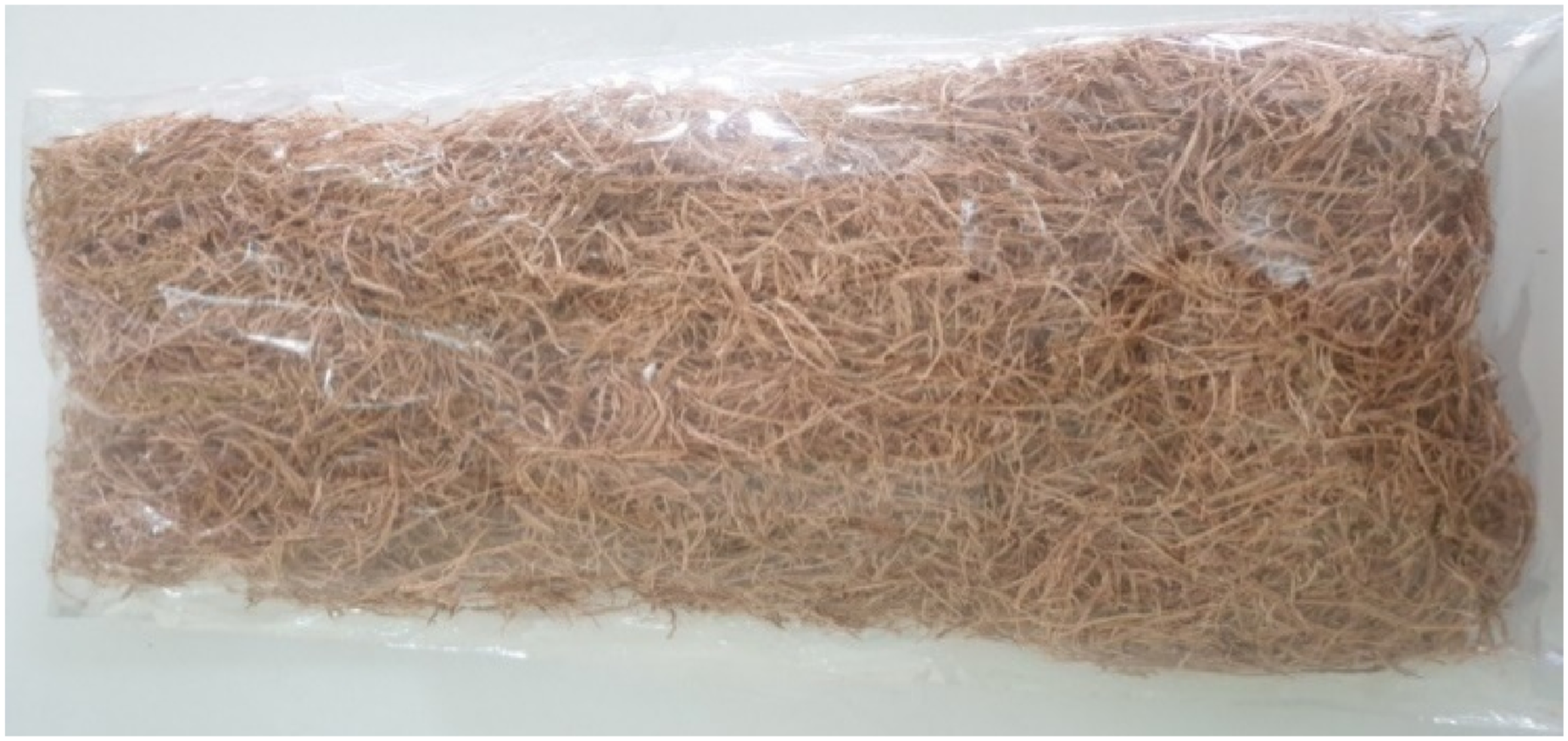
Extracted Delonix regia pod fibers.
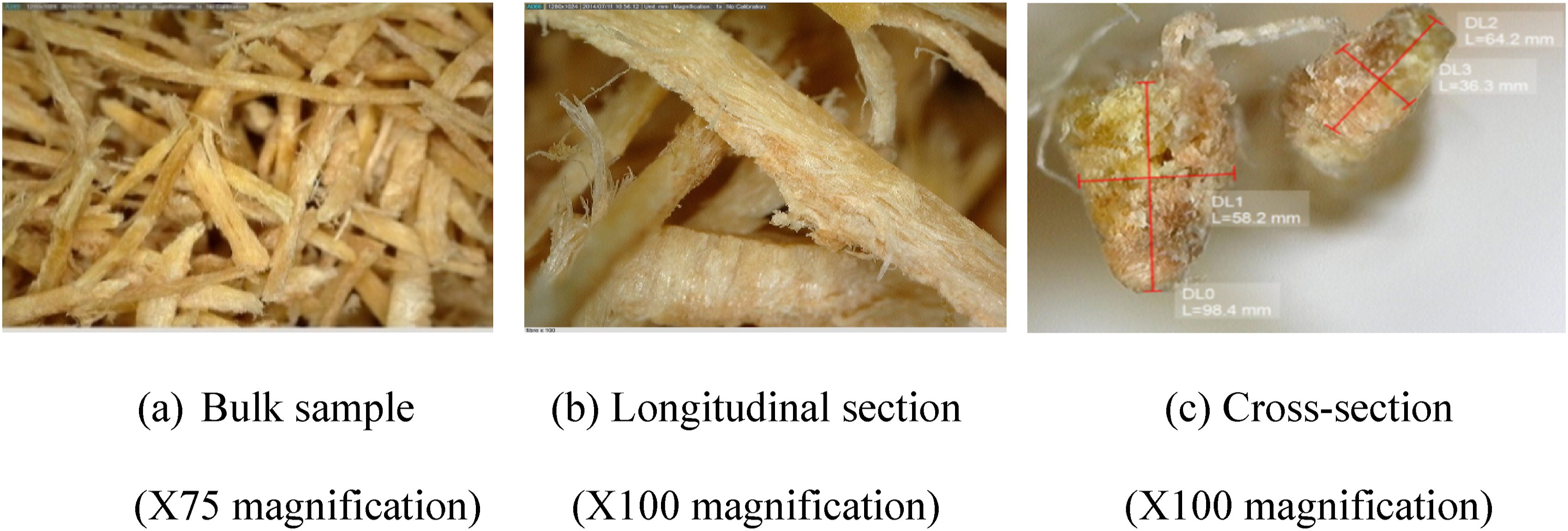
Microscopic images of the extracted Delonix regia Pod Fibers.
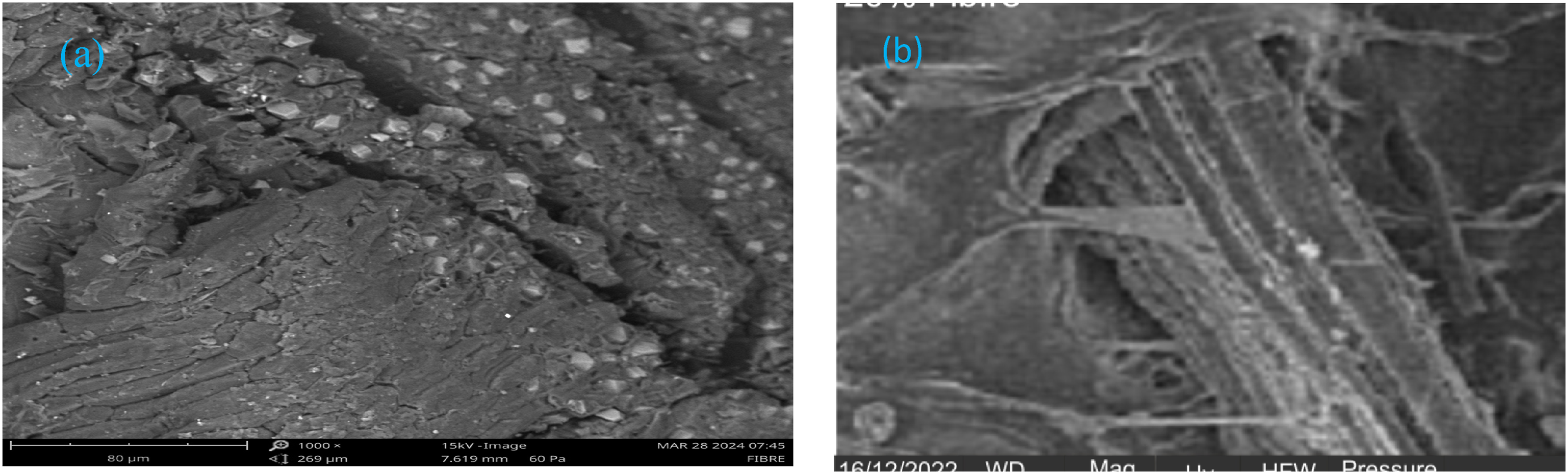
SEM micrographs: (a) Delonix regia pod Fiber (b) Delonix regia fiber-filled polyester composite.
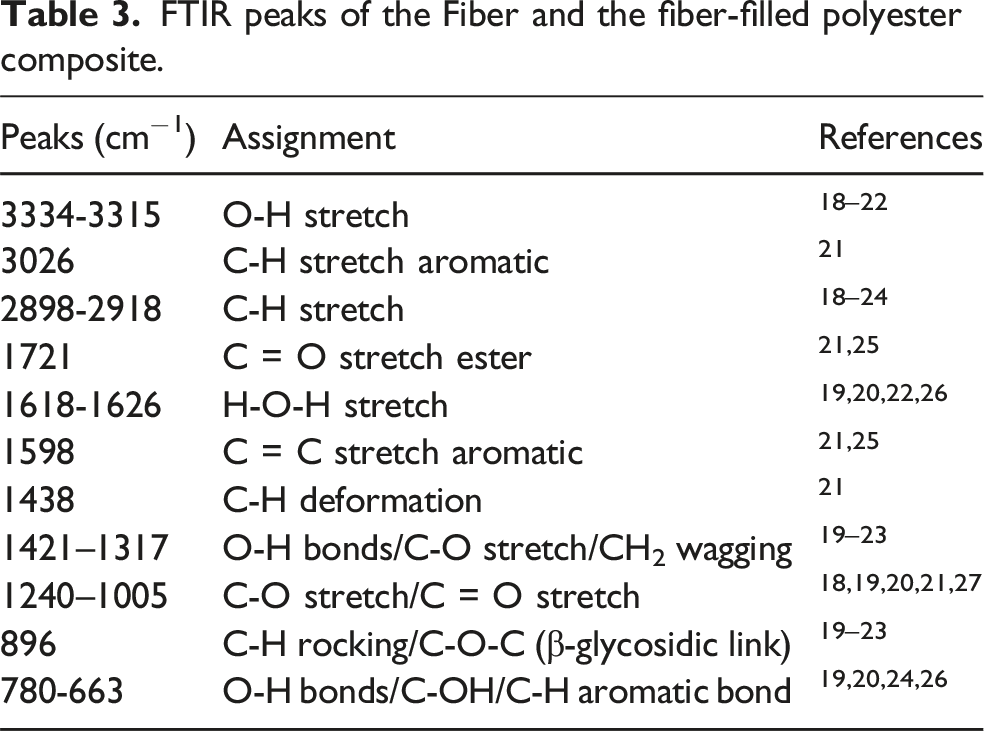
FTIR peaks of the Fiber and the fiber-filled polyester composite.
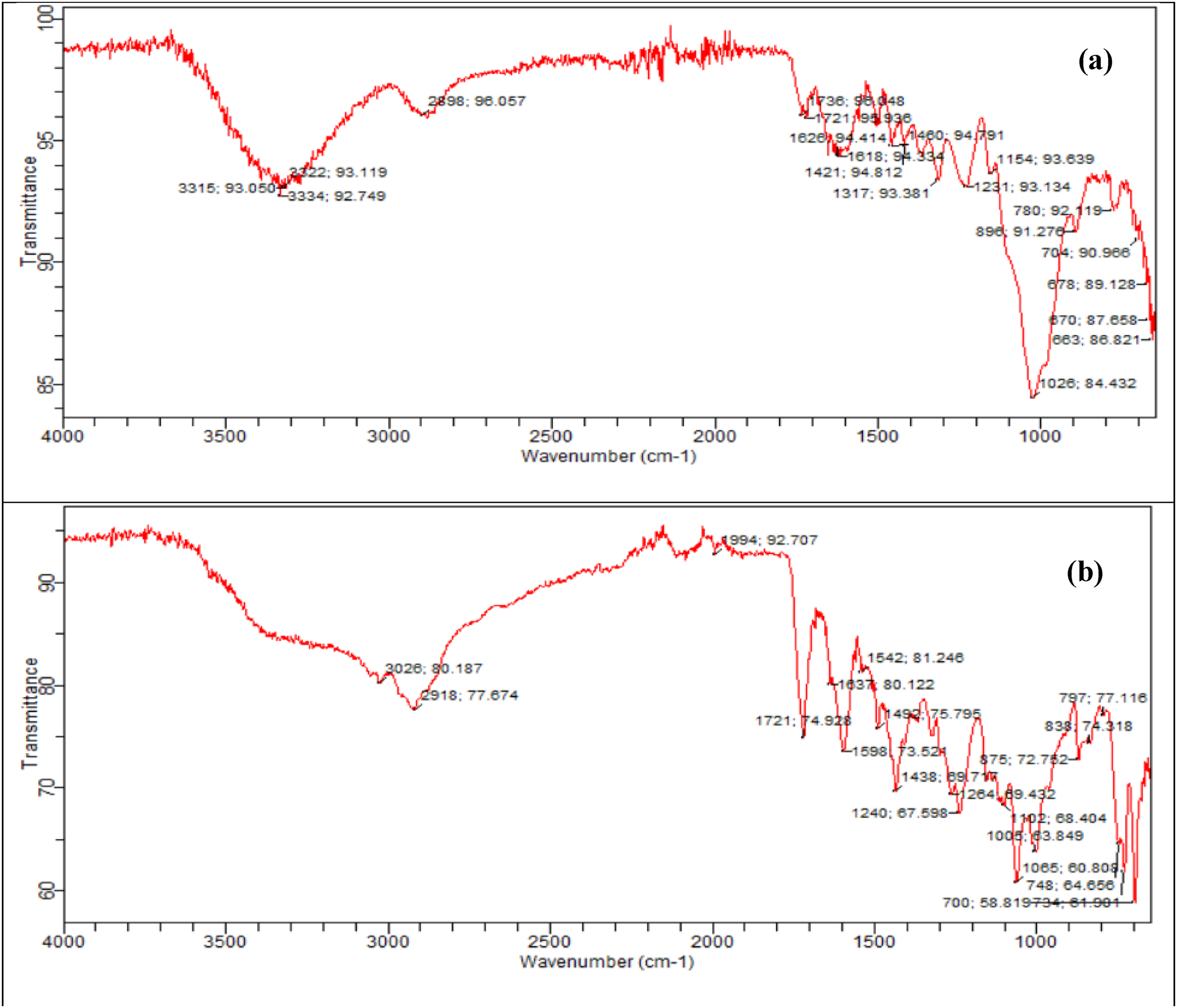
Ftir spectra: (a) Delonix regia pod fiber (b) Delonix regia pod fiber-filled polyester composite.
Figure 3 showed that the extracted fibers were brown in color, with varying lengths of between 2.45 cm and 12.6 cm and thicknesses of between 0.36 mm and 0.98 mm, respectively (Figure 4). The average length and thickness of the fibers obtained are 6.53 cm and 0.36 mm, respectively (Table 1). Pandey et al. (2024) reported on new cellulosic fibers with comparable lengths ranging from 2.5 to 7.6 mm. This includes fibers from adenium, albizia, plumethistle, poplar (P. ciliata), reed, blackboard tree, munj (vigna radiata), wild sugarcane, and typhaseed. 18
Table 1 showed that the yield of the extracted Delonix regia pod fiber is approximately 72%, which is a reasonable proportion for industrial applications. The fibers have an average bulk density of 0.238 g/cm3 and a moisture content of 4.60%. The extracted fiber has tensile strength, modulus, and elongation at break values in a range of 21.69 to 78.23 MPa, 0.79 to 2.47 GPa, and 1.14 to 7.80%, respectively.
The average tensile parameters for the corresponding tensile strength, tensile modulus, and elongation at break are 44.07 MPa, 2.06 GPa, and 3.71%, respectively (Table 1). This indicates relatively acceptable tensile properties that can be potentially useful in the production of polymer composites in low-load-bearing construction applications. Several studies have reported similar tensile strength values of 20–80 MPa for banana, reed, acacia, coir, kapok, bagasse, hardwood, softwood, alcea rose, and beetroot fibers.7,19,28–33 Moreover, banana, oil palm, cotton, PALF, coir, abaca, kapok, wool, hardwood, softwood, alcea rose, beetroot, reddish shell bean, sambucus ebulus stem, brassica oleracea stem, and lavender stem were reported to have comparable tensile moduli with Delonix regia pod fibers, with values in the range of 1–82.5 GPa.7,19,28–37 Similar elongation at break with the extracted fibers was also observed in the range of 0.80–14.5% for banana, oil palm, aramid ramie abaca, coir/husk, cotton, pineapple, sisal, flax, alcea rose, beetroot, curana, henequen, PALF, kenaf, bamboo, hemp, kapok, angora, E-glass, S-glass, rayon, basalt, reddish shell bean, brassica oleracea stem, sambucus ebulus stem, and lavender stem.6,7,19,29–39 The main components of lignocellulose materials were cellulose, hemicellulose, and lignin, which have a significant influence on the mechanical properties of the fibers. 39 Variations in natural materials’ physical qualities can have an impact on their mechanical properties. 4
Natural cellulosic fibers, primarily composed of cellulose, hemicelluloses, lignin,28,38 and other elements, vary in chemical composition between plants and within different parts of the same plant.6,29 Factors such as environmental conditions, soil properties, irrigation, and extraction techniques influence the content of cellulose and lignin in natural fibers. These factors change the natural fiber’s morphology and, consequently, its mechanical and thermal properties. 28
Table 2 revealed that Delonix regia pod fibers contained 51.40% cellulose, 20.80% hemicellulose, 16.71% lignin, 1.07% ash, 4.73% oil extract, 2.25% crude protein, 7.23% moisture content, and 92.77% dry matter. The ash content of the fiber was found to be comparable to that of adenium, kapok, and milkweed, while that of oil extract is similar to blackboard tree fibers. 18 The lower hemicellulose accounts for its lower moisture content, which is responsible for moisture absorption and bio- and thermal degradation of fibers. 5 The moisture content of Delonix regia pod fibers was found to be identical to that of abaca, hemp, and ramie. 30 The cellulose, hemicellulose, and lignin content of fibers were found to be within the range of values reported by Ioelovich. 40 A similar lignin content of 16.5 ± 0.87% and a close value of 1.78% Delonix regia pod ash content were reported. 41 Cellulose, hemicellulose, and lignin typically make up 40-60%, 20-40%, and 10-25% of lignocellulosic biomass, respectively. 42 However, various natural fibers have been reported to contain 60-80% cellulose, 5-20% lignin, and up to 20% moisture. 5
Cellulose is the primary constituent component of the fiber, accounting for its strength, stiffness, and structural stability. 6 Numerous studies reported fibers having similar lignocellulose constituents’ contents to Delonix regia pod fibers. The cellulose content of the fibers is comparable to that of jute,6,31,39 flax,6,28,39 hemp,6,39 kenaf,28,31,32,39 bagasse, pineapple, 39 soft wood and hardwood, 32 sisal,31,39 and coir. 28 Others are wheat, rye, bamboo, rice, 31 grewia damine stem, 43 brassica oleracea stem, 36 albezia, munj (vigna radiata), poplar (p. deltoid), kapok, and milkweed. 18 Hemicelluloses are non-cellulose polysaccharides with hydrophilic amorphous heteropolymers that form ester bonds with lignin in addition to the physical bonding of cellulose. 40 Higher levels of hemicellulose can lead to the disintegration of cellulose microfibrils, thereby reducing the fiber’s strength. 20 Fibers having hemicellulose content comparable to Delonix regia pod fibers were reported; abaca, 31 banana, softwood, hardwood, wheat straw, 32 kenaf,7,31,32,41,44 coir,38,41 flax, 38 jute and hemp,38,44 sisal,31,32 bamboo and bagasse, 38 and pineapple. 7 Others include oil palm, 7 Cissus vitiginea stem 45 plume thistle, and wild sugarcane. 18 Lignin exists as a rigid, aromatic, amorphous, and hydrophobic polymer. 37 It binds cellulose and hemicellulose together in lignocellulosic fibers, influencing their characteristic and morphology.6,39 The lignin content of Delonix regia pod fibers is comparable to that of hardwood,32,41 wheat straw, and rice straw. 7 Others are kenaf,39,44 corn stalk, 7 barley, corn wheat, 38 brassica oleracea stem, 36 reed, milkweed, and tellycherry. 18 Thus, Delonix regia pod fibers having acceptable constituents of approximately 51% cellulose content, 21% hemicellulose, 17% lignin, 1% ash content, and about 5% oil extracts might be applicable in composite industries. The ash and wax contents ought to be minimal for better adhesion of fibers in the matrix. The chemical composition of cellulosic fiber varies depending on its age and ecological conditions. 46
The microscopic images of the fibers shown in Figure 4(a)–(c) reveal that the fiber has a rod-like shape with disparate lengths and sizes, with some protruding tiny fibers, which may be attributed to the retting process. Olugbenga et al. (2020) 47 conducted a morphological analysis using SEM micrograph, which revealed that the pod was composed of rod-like, long piles of fiber of varying lengths and diameters. The cross-section of the fiber appears to be oval in shape, with different sizes, as seen in Figure 4(c), where the diameter of one side is greater than the diameter of the other, and similarly, not similar to the other strand of fiber. The natural cellulosic fiber’s structure and chemical composition are affected by its climatic conditions and age. 46 It was found that fiber dimension varied greatly, but much of the fiber may have been applicable to estimating cross-section as oval or circular. 48 Moreover, Zhang and Feng (2015) 49 reported that there are many honeycomb microspores in the cross-section of the bamboo charcoal acrylic fiber, with the irregular section being similar to a round or oval and the longitudinal surface of the fiber having many grooves and being slightly rough. 49 The property variation of natural fibers is affected by seed density, fiber maturity, fiber age, soil quality, fiber extraction technique, fiber source and location on the plant, harvest timing, climate, and the procedures of testing and characterization. 29
Figure 5 displayed the SEM micrographs of Delonix regia pod fiber and its fiber-filled polyester composite. It showed the distribution of constituents of the material’s surface. The surface morphology of a fiber indicates its bonding relationship with the matrix medium. 14 Figure 5(a) shows that the fiber has some bright white dots and discontinuous parts. The presence of hemicellulose can be observed in the bright white layers, and the lignin content exits as nail-like parts, respectively. 14 The discontinuous parts indicate the presence of wax and impurities. 14 Natural substances like wax and impurities on fiber surfaces can lead to ineffective fiber-matrix bonding and poor surface wetting.
However, Figure 5(b) shows fiber pull-out and uneven fiber distribution in the matrix, with a ruptured surface indicating poor fiber dispersion within the polyester matrix. Fiber pullouts from the matrix indicate poor adhesion between the fiber and the matrix, resulting in void formation on the composite surfaces. 21 This exhibited poor wetting ability and adhesion, which supports the poor mechanical effects obtained. The presence of empty regions within the composite may lead to a discontinuity, which can impair the composite’s mechanical properties. 22
FTIR spectroscopy is a widely used technique for identifying functional groups in compounds, providing insights into molecular fragments, specific functional groups, and fiber structure. Table 3 presented the FTIR peaks of the fiber and the fiber-filled polyester composite with its corresponding constituents and references.
Figure 6 displayed the FTIR spectra of the fibers and the fiber-filled polyester composite, revealing absorption bands in 3334–2898 cm-1 and 1721–650 cm-1 wave number regions. The peaks in the Delonix regia pod fiber sample correspond to the bands in the fiber-filled polyester composite. However, the spectrum of fiber-filled polyester composite reveals variations in absorption band intensities and the appearance of new peaks.
The observed peaks in the wave number range of 3334–2898 cm− 1 were attributed to the stretching vibration of O-H and C-H bonds in cellulosic molecules.18–20,22–24 The broad peak at 3334–3315 cm−1 in cellulose is characterized by the stretching vibration of the hydroxyl group, and it includes inter- and intra-molecular hydrogen bond vibrations. 22 The band at 2898 and 2918 cm−1 is attributed to the C-H stretching vibration of hydrocarbon constituents, appearing in both spectra. The stretching and bending vibrations of O-H bonds in the cellulosic fiber were also observed at absorption bands 1421, 1317, 896, 780, and 663 cm−1. The band at 1421–1317 cm−1 represents the crystalline structure of cellulose, while the band at 896 cm−1 relating to the C-H rocking vibrations of cellulose corresponds to the amorphous region.19,20,22,23 The cellulose bands were typically observed in the 1626–650 cm-1 region. This relates to the acetyl groups and ironic esters in hemicellulose and the carboxylic linkages of ferulic and p-coumaric acids in lignin and hemicellulose. 26 The peak at 1618-1626 cm-1 in the spectra is due to the H-O-H stretching vibration of adsorbed water from cellulose’s hydroxyl groups.19,20,22,26 The absorption bands at 1240–1005 cm–1 were observed for the C-O stretching vibration of the carbonyl group. It corresponds to the stretching vibration of the carbonyl bonds in the 1,4-glycosidic links of the δ-glucose units within cellulosic structure. 27 Studies have reported similar FTIR spectra of new cellulosic fibers with comparable peaks for stretching and bending vibrations of O-H, C-H, and C-O bonds: alcea rose, 19 cissus quadrangularis stem, 20 abelmoschus esculentus stem, 24 sapodilla seed shell, 25 and ampelodesmos mauritanicus. 27
In Figure 6(b), visible differences were noted in the spectrum of the Delonix regia pod fiber-filled polyester composite sample. The spectrum displayed absorption bands at 3026 cm-1 for C-H stretch aromatic, 21 1721 cm-1 for C = O stretch ester, sharp peaks at 1598 and 1438 cm-1 for C = C stretch aromatic,21,25 and 748 and 700 cm-1 for C-H aromatic bond. This is attributed to the stretching vibration of the aromatic 25 and carbonyl-bonded carbon-oxygen double bonds in the polyester matrix and the promoter.
Figure 7 shows decreased tensile strength of the composites with incorporation of the fiber to polyester matrix. This is attributed to void formation, and poor interfacial bonding between the fiber and the polymer matrix. Interfacial voids created during tension act as stress concentrators, transmitting energy more rapidly and causing deformation at reduced stress.12,50 The presence of filler in a composite matrix causes stiffness, reducing its strength.
51
Moreover, the tensile strength decreased with weight fraction from 21.54 MPa at 10 wt% to 16.25 MPa at 20 wt%. This causes an increased interfacial area between the filler and matrix attributed to poor adhesion and agglomeration of filler, limiting the composite’s ability to withstand greater loads.
50
Higher filler content can lead to agglomeration due to weak bonding in the polymer matrix, limiting load transfer and resulting in crack formation, which ultimately reduces the composite’s tensile strength.
52
This trend is in agreement with previous findings.
44
Tensile strength of the composites.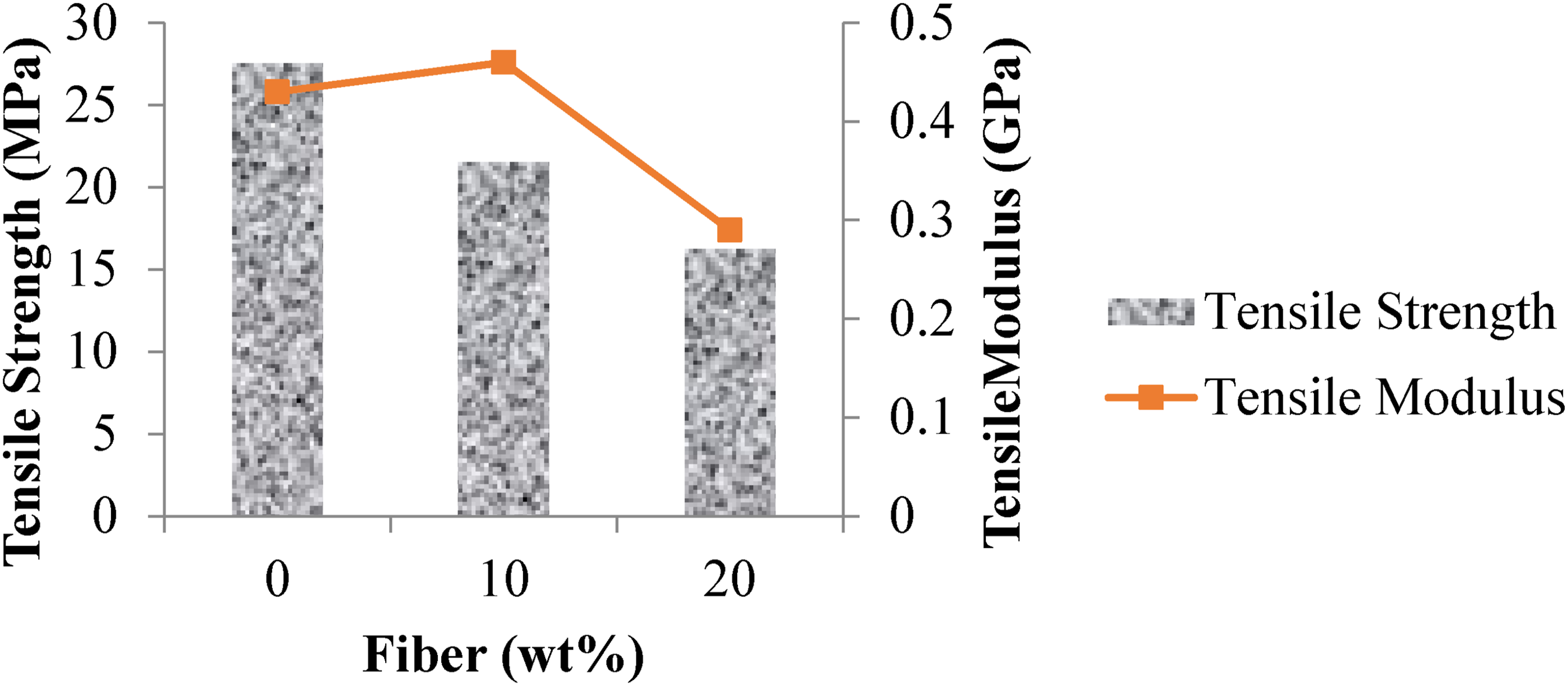
The graph also showed an increased modulus from 0.43 GPa at 0 wt% to a value of 0.46 GPa at 10 wt%, indicating increased stiffness. The addition of filler to polymer matrix enhances stiffness. Adding fiber to the matrix makes a composite more rigid, thereby increasing its modulus. 52 Thereafter, the modulus decreased with increased weight fraction to 0.29 GPa at 20 wt%. The decrease in tensile modulus suggests poor material deformation resistance due to the composite’s inability to withstand higher loads at high weight fraction, 51 and may be due to fiber agglomeration.12,53 Agglomeration in polymer composites occurs through the stacking of flaky-shaped fillers, which can initiate cracks and lead to reduced mechanical properties. 52 The mechanical properties of composites are primarily determined by their fiber orientation, 6 fiber strength, and interfacial adhesion properties of the fibers. 29 The modulus increment is influenced by fiber content and is reduced by polymer-fiber adhesion. 52 This is in agreement with some reported studies.50,51
Figure 8 showed that the composites’ elongation at break decreased, indicating increased stiffness due to the addition of fillers, which are rigid fibers capable of forming flaws within the polyester matrix.
12
The fiber’s stiffening effect arises from its rigid surface, which hinders the mobility of the matrix.
52
Incorporating more fiber into polymer composites changes their fracture behavior. The change is attributed to the restrictions imposed by the presence of rigid particles within the composite structure.21,52 A lower elongation at break indicates the material’s brittleness. Similar trends were also reported.21,50,52,54 Elongation at break of the composites.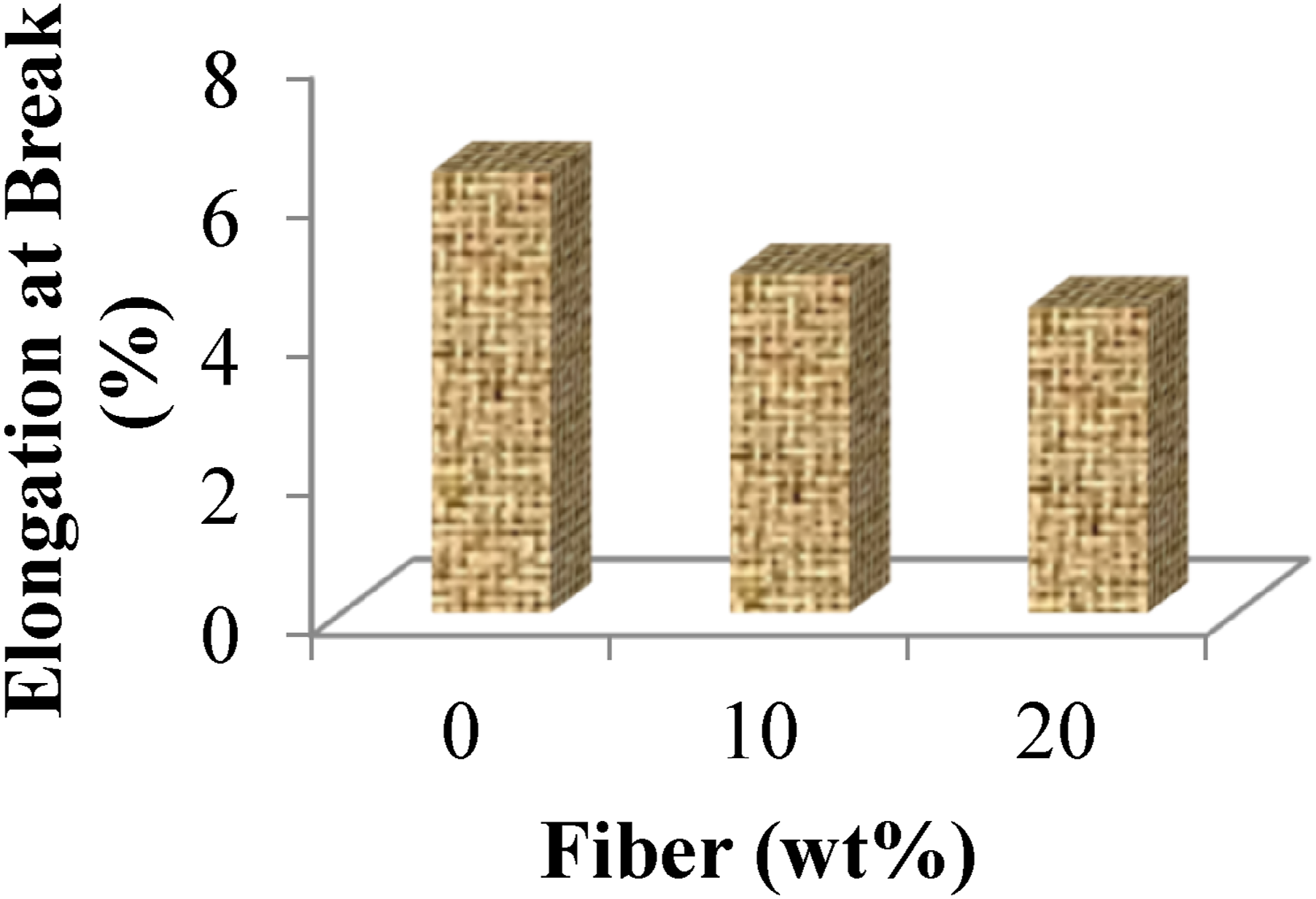
Figure 9 revealed a decrease in density with fiber incorporation and an increased fiber weight fraction. The decrease is attributed to inadequate distribution, leading to reduced contact area, voids, increased volume, and decreased density, and also to poor filler-matrix interaction.
12
The density decreases with increasing weight fraction due to random dispersion and poor filler distribution in the matrix.
44
Previous works reported similar trend.55,56 The decreasing density with the incorporation of the fiber into the polyester matrix, caused by the inadequate contact area, relates to the lower tensile properties of the composites.
11
Density of the composites.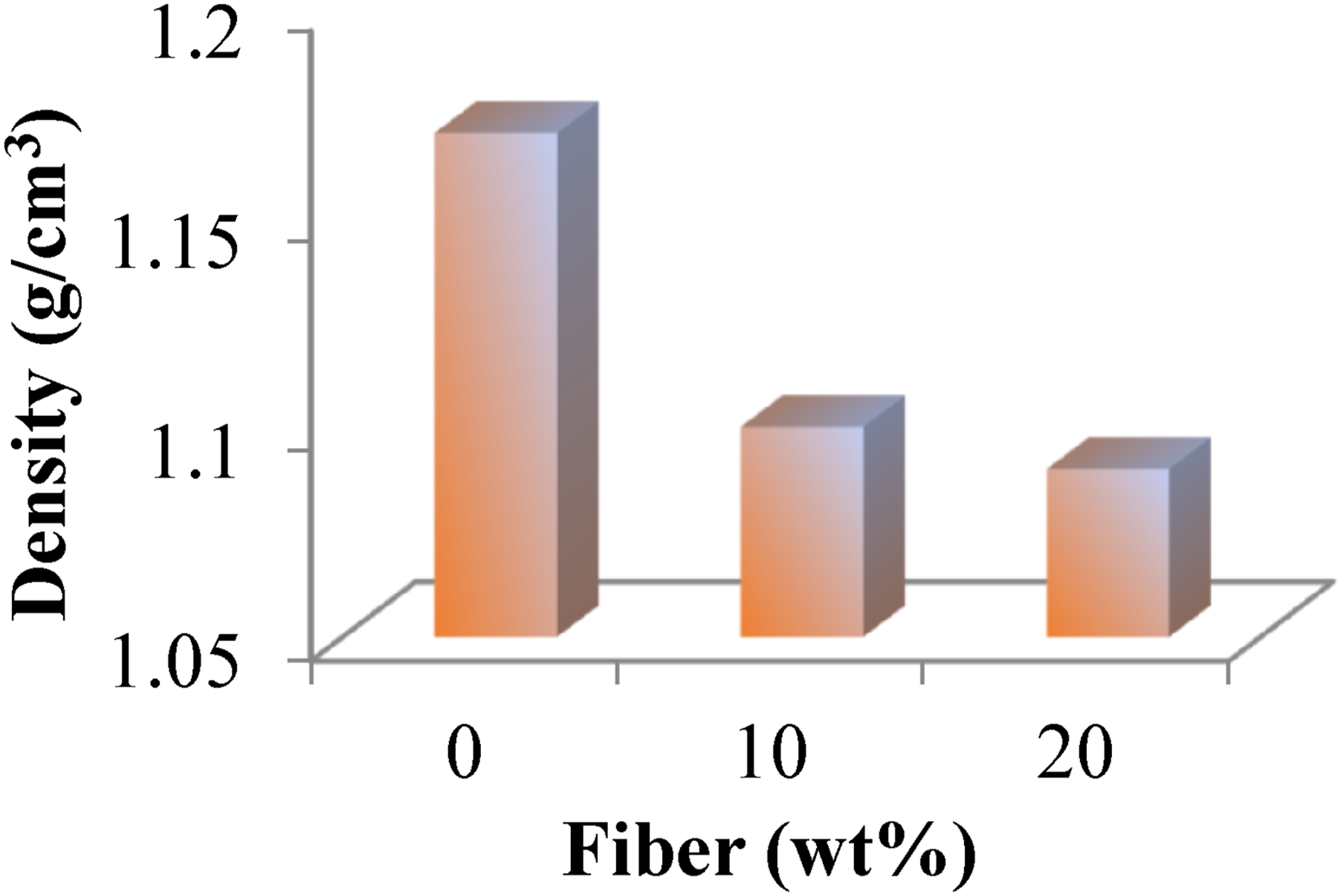
Conclusion
Agricultural waste, including Delonix regia pods, poses a threat to communities through littering, dumping, and burning, as they have not been effectively utilized. The study presents a novel cellulosic fiber as a potential alternative to man-made hazardous fibers due to its significant properties. It successfully extracted Delonix regia pod fibers by chemo-mechanical retting using sodium hydroxide. The extracted fibers had a yield of about 72% and were found to have a non-uniform dimension and relatively have 51.40% cellulose, 16.71% lignin, 20.80% hemicellulose, and other components. The microscopic study shows the non-uniform diameter of the fibers. The FTIR analysis of the fiber revealed peaks in the wavelength range of 3334–2898 cm-1 for stretching vibration of O-H and C-H bonds in cellulosic molecules and 1240–1005 cm-1 for the C-O stretching vibration of the carbonyl group. The comparatively acceptable properties of the extracted fibers, having a tensile strength of 44.07 MPa, indicate suitability for use in composite applications. The composite with 10 wt% of the fibers shows better tensile properties with a value of 21.54 MPa, making it suitable for low-load-bearing building applications in indoor contexts, including partitions, table tops, walls, and boards. More detail characterizations of Delonix regia pod fiber by flexural, impact, compressive strength, stress-strain, statistical analysis, XRD and TG/DSC will be a subject of further study.
Footnotes

Funding
The authors received no financial support for the research, authorship, and/or publication of this article.
Declaration of conflicting interests
The authors declared no potential conflicts of interest with respect to the research, authorship, and/or publication of this article.
Data Availability Statement
Data sharing not applicable to this article as no datasets were generated or analyzed during the current study.