







Abstract
Given the ambiguous impact of community participation on life satisfaction, empirical investigation is required to identify the conditions under which it yields positive or negative effects. Grounded in resource conservation theory—which posits that resources mitigate the adverse effects of loss—this study analyzed survey data from a random sample of 1002 Hong Kong residents. Findings reveal that while community participation generally had a negative main effect on life satisfaction, this effect was moderated by specific factors. The negative impact was mitigated by female gender, longer residency, and higher social class, but exacerbated by co-residing children. Consequently, the relationship between community participation and life satisfaction is conditional on resource factors, suggesting that maximizing benefits requires strategies to consolidate resources and prevent loss.
Empirical clarification of how community participation affects life satisfaction is essential, particularly given communitarian policies that promote local engagement to bolster well-being (Heckscher, 2015). Such policies prioritize social association, neighborhood contact, and local loyalty. However, investigation is necessary because existing research yields conflicting results. While some studies report positive effects, suggesting participation generates social resources (Luhr et al., 2022; Soons et al., 2009; Tsai, 2021), others find negative impacts, indicating a potential drain on resources (Holliman et al., 2021; Kuper et al., 2023). Some research even shows no effect at all (Edara, 2021). Given the importance of both life satisfaction and civic engagement, resolving these theoretical and empirical contradictions is vital.
As a central metric for utility, life satisfaction encompasses various dimensions of success, including mastery and personal attainment (Kjell et al., 2016; Stavrova, 2014). It is often synonymous with subjective health and serves as a societal ideal (Distante, 2013; Hook et al., 2023). Its validity and simplicity make it an accessible criterion for evaluating social justice (Ateca-Amestoy et al., 2014; Jia et al., 2020). Furthermore, life satisfaction promotes instrumental benefits, such as self-efficacy (Corcoran et al., 2011), and fosters societal well-being by increasing (Chan, 2014).
Community participation plays a foundational role in supporting charity, livelihoods, and general welfare (Goldstein et al., 1990). Encompassing collaborative, organizational, and volunteering activities, this engagement serves as a vital expression of social capital (Heckscher, 2015; Huberman, 2022) and provides the communitarian stability necessary for neighborhood cohesion (Heckscher, 2015). Instrumentally, participation has been shown to bolster personal mastery, self-efficacy, and individual well-being (Harter & Arora, 2010) while fostering broader cooperation and trust (Rochelle, 2015). However, because community participation is primarily designed to benefit public goods rather than the participant (Jason, 2006), it often remains under-realized. This deficiency makes it a critical policy concern (Farmer et al., 2015), necessitating empirical clarification of its often-ambiguous impact on participants themselves (Ohmer, 2007).
Resource Perspective
The resource perspective posits that the possession of specific assets is fundamental to life satisfaction. Specifically, resource theory suggests that these assets provide the necessary means to achieve and maintain well-being (Soons et al., 2009). Such resources encompass economic, physical, and psychosocial domains—including the cognitive and emotional support derived from partnerships—which have been shown to bolster well-being and alleviate depression (Galante et al., 2016). Social resources, in particular, are strong facilitators of life satisfaction (Wanberg et al., 2020). Given that community participation functions as a vital social resource (Saegert & Winkel, 2004), resource theory predicts it should contribute positively to life satisfaction—an expectation supported by several empirical studies (Luhr et al., 2022; Tsai, 2021).
However, a more nuanced application of this perspective is conservation of resources (COR or resource conservation) theory, which posits that the primary function of resources is to mitigate the harm caused by resource loss (Hobfoll, 2010). Under this framework, while resource loss exerts a negative main effect on well-being, the interaction between available resources and that loss is positive, effectively buffering or weakening the negative impact. These main and interaction effects have been empirically observed in studies on life satisfaction (Heidemeier, 2017; Wanberg et al., 2020). Furthermore, this protective mechanism has been shown to support coping, resilience, and health, as well as marital satisfaction and management (Brodsky & Stanley, 2013; Debus et al., 2019; Hobfoll & Schumm, 2002; Kelly & Steed, 2004).
In line with resource conservation theory, community participation may bolster life satisfaction by providing access to assets that mitigate resource loss. Such acquisition stems from the exchange of social capital, including knowledge, learning, and mutual support (Chinman et al., 2014; Christens et al., 2011; Ohmer, 2007). This sharing is further enriched by the trust, collective efficacy, and networking opportunities that engagement facilitates (Molitor et al., 2011; Ohmer, 2007; Rochelle, 2015). While these acquired resources typically enhance life satisfaction (Whiteley et al., 2010; Yuan, 2016), the ability to gain them often depends on an individual’s existing resource reservoir—a phenomenon known as the gain spiral (Ritchie, 2012).
Conversely, resource conservation theory suggests that community participation may actually erode life satisfaction by depleting vital personal resources. Such engagement requires significant investments of energy and material assets (Huberman, 2022), which can displace time otherwise spent with family and friends, leading to a loss of essential social support (Chinman et al., 2014). Beyond these displaced bonds, participation often entails broader personal losses (Kleinman et al., 2011) and can become a source of frustration if community goals remain unfulfilled (Chinman & Wandersman, 1999). Specifically, the charitable and welfare-oriented aspects of participation often demand direct financial or material sacrifices (Piferi et al., 2006). These combined pressures of loss, deprivation, and frustration generate stress (Snyder et al., 2020). They also diminish life satisfaction—contrasting sharply with the well-documented benefits of intimate social support (Utz & Breuer, 2017; Walen & Lachman, 2016). Consequently, recent evidence highlights a potential negative effect of community involvement on overall well-being (Kuper et al., 2023).
According to resource conservation theory, individuals with greater resource reservoirs are better equipped to mitigate the negative effects of community participation on life satisfaction. Resources serve a vital conservation function by buffering the harm caused by the inevitable resource losses—such as time and energy—spent during an activity (Hobfoll, 2010). In this context, female gender, residency, and social class act as key resources that facilitate and leverage the benefits of participation. Specifically, higher social class provides financial capital, while female gender and longer residency often underpin the social connections and experiential knowledge necessary to navigate community engagement effectively (Carli, 2013; Patulny & Morris, 2012; Yu & Blader, 2020). These initial assets also trigger a gain spiral, where existing resources make the receipt of additional benefits more likely (Elfenbein, 2013; Hobfoll, 2010). Ultimately, because gains rather than losses are what elevate life satisfaction, the positive impact of community involvement remains highly dependent on participants’ underlying resource base (Bellani & D’Ambrosio, 2011; Rosta-Filep et al., 2023).
Regarding the gender effect, women are more likely than men to either amplify the benefits or mitigate the harms of community participation on life satisfaction. This advantage stems from gendered communality—a community orientation and competence that serves as a vital personal resource under resource conservation theory (Carli, 2013; Hobfoll, 2010). Such communality consolidates the social rewards of engagement, explaining why women often maintain higher levels of community participation than men (Kerrissey & Schofer, 2013; Nelson-Coffey et al., 2023). Furthermore, because women tend to place greater value on social connections, they are better positioned to derive greater satisfaction from them (Daniel et al., 2022). Broadly, this results in a participation experience characterized by greater social benefits and fewer social losses compared to their male counterparts (Kobayashi & Kerbo, 2012; Taylor-Gooby, 2001).
Residency enhances the benefits of community participation by providing a foundation of social capital and reliable social support (Patulny & Morris, 2012). Within the framework of resource conservation (COR) theory, residency acts as a conditional resource that safeguards the transfer of benefits from civic engagement (Hobfoll, 2010; Yetim & Yetim, 2014). Consequently, established residency not only boosts participation rates but also triggers a cycle of social gains while preventing the erosion of existing assets (Ghimire, 2021; Zhang et al., 2007).
Similarly, social class—defined by capital ownership and managerial authority—provides the material and prestige resources necessary to maximize the utility of community involvement (Atkinson, 2014; Yu & Blader, 2020). These assets generate the income and power required to facilitate favorable exchanges within the community (Nunkoo & Smith, 2013). Because higher social class affords greater social capital, it directly facilitates participation—particularly in its charitable and organizational forms—while shielding the individual from the social losses typically associated with low-resource environments (Li, 2013; Wallace & Pichler, 2009).
Conversely, the number of co-residing children is likely to amplify the harms of community participation by acting as a significant drain on energy and material resources (Gershuny, 2000). According to COR theory, the demands of childcare represent a primary loss of “energy and object” resources, which can hinder civic engagement and diminish perceived community quality (Hobfoll, 2010; Sarracino, 2010). Ultimately, a higher number of children may trigger social losses that counteract the potential gains of participation, thereby reducing overall life satisfaction (Patulny & Morris, 2012; Yount & Carrera, 2006).
Premised on resource conservation theory, key hypotheses for testing are: 1. Community participation negatively predicts life satisfaction. 1.1. The prediction weakens due to the female gender. 1.2. The prediction weakens due to residency. 1.3. The prediction weakens due to social class. 1.4. The prediction strengthens due to the number of co-residing children.
To isolate the net effects of community participation and its interactions with gender, residency, social class, and the number of children, it is necessary to control for various background and response characteristics. Extant research indicates that participation rates are generally higher among women, long-term residents, and the upper-middle class (Kerrissey & Schofer, 2013; Wallace & Pichler, 2009). While education, income, and marriage typically bolster engagement, age and the demands of childcare often serve as inhibitors (Iwanaga et al., 2022). Similarly, life satisfaction is influenced by these same demographics, though it notably tends to decline with age and increased residency (Manning et al., 2016; Obucina, 2013). Furthermore, accounting for acquiescence bias—the tendency to rate items highly regardless of content—is essential for ensuring the validity of self-reported data (Ferrando & Lorenzo-Seva, 2010).
Hong Kong Context
As a metropolis synthesizing Chinese and British traditions, Hong Kong serves as a vital bridge for knowledge exchange between East and West (Lui, 2014). Its Westernized, free-market economy fosters a distinct class structure that empowers the ownership and service classes, supported by a thriving civil society (Fong, 2023). However, this Western framework coexists with Chinese collectivism, which often prioritizes familism and ingroup favoritism over broader community engagement (Firat, 2021). Additionally, Hong Kong’s extreme population density may inadvertently constrain the perceived value of community participation (He et al., 2021). These unique cultural and structural conditions make Hong Kong a critical site for scrutinizing how community impacts well-being.
Method
This study utilized a random-sample household survey to collect data from 1,002 Chinese adult residents (aged 18+) in Hong Kong in 2024. The sampling process followed a two-step procedure: first, telephone numbers were randomly drawn from a comprehensive database of all household landlines in Hong Kong. Landline surveys have been shown to be more effective and representative in this context than mobile-only or dual-frame designs (He et al., 2018; Kuhne & Hader, 2011). Second, interviewers selected the adult member within each household who had the most recent birthday (Salmon & Nichols, 1983). With a planned sample size of 1,000, the study was powered to detect an effect size of at least .088 (95% confidence; 80% power). Of the 4,210 households contacted, the survey achieved a response rate of 23.8% (AAPOR RR2). This is consistent with the 25% average typical for non-incentivized telephone surveys (Keeter et al., 2006). Data collection was conducted by trained interviewers over 2.5 months (July to September), including all seven days of the week, with repeated contact attempts made until an interview was completed or a refusal was recorded.
Participants
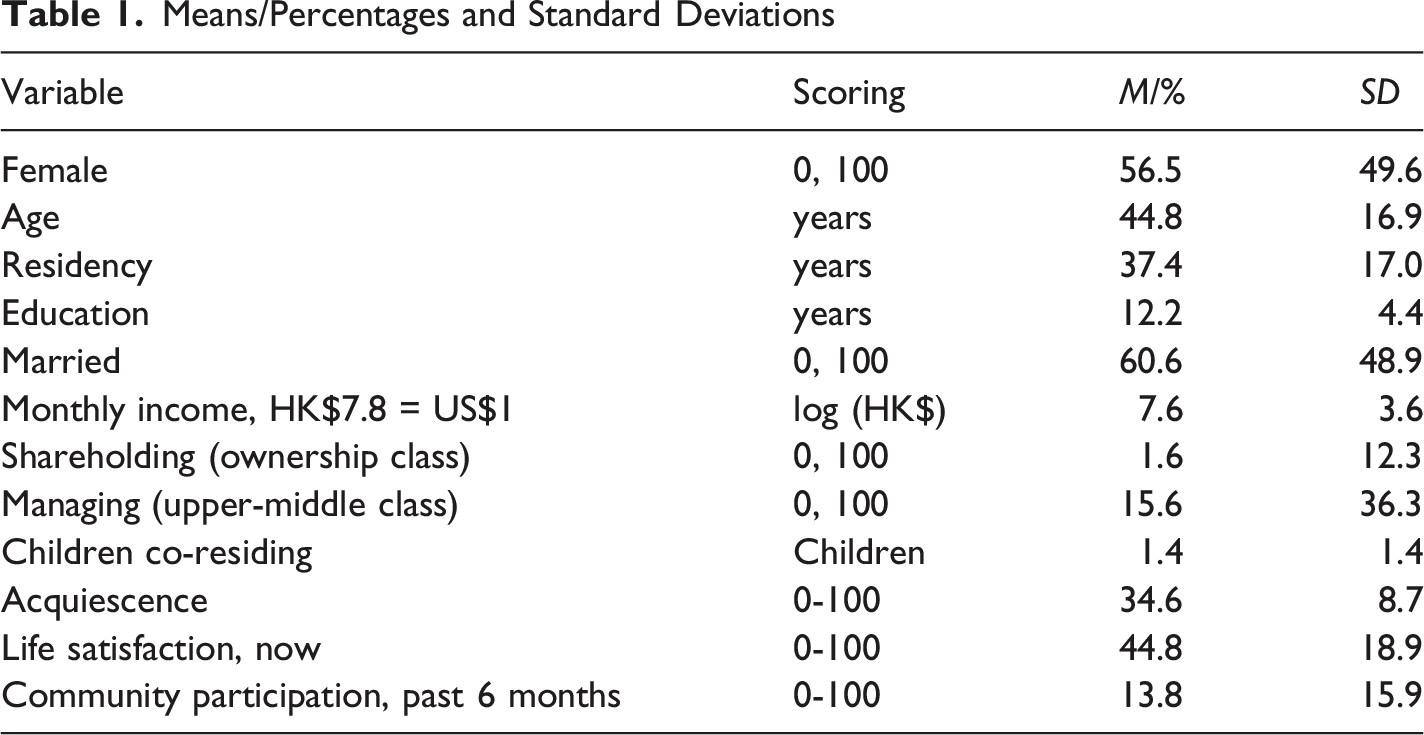
Means/Percentages and Standard Deviations
Measurement
Standardized Factor Loadings on Two Factors
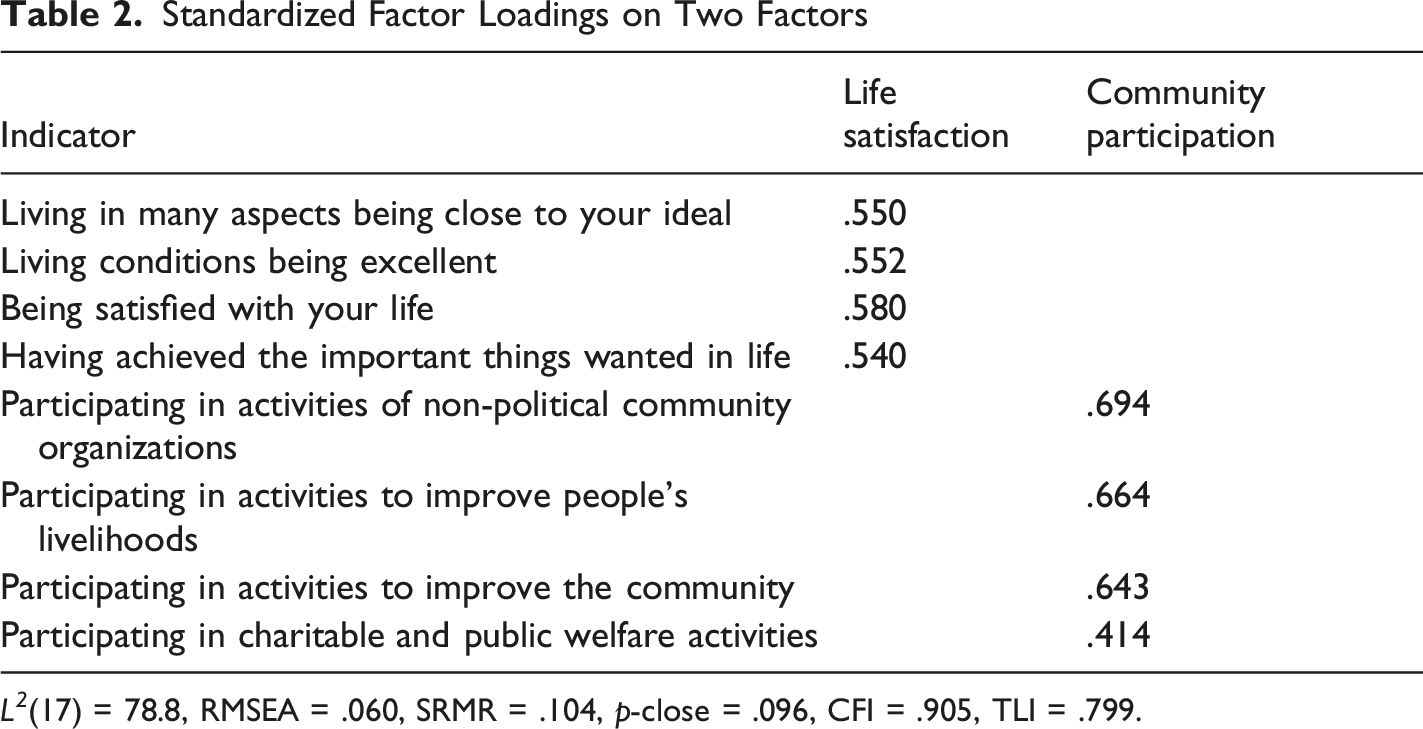
L 2 (17) = 78.8, RMSEA = .060, SRMR = .104, p-close = .096, CFI = .905, TLI = .799.
Community participation in the previous six months combined four items, such as “participating in activities to improve the community” (Goldstein et al., 1990). Its composite reliability based on confirmatory factor analysis was .701.
Life satisfaction at the current time combined four items, such as “being satisfied with your life” (Diener et al., 1985). Its composite reliability based on confirmatory factor analysis was .638.
Acquiescence, the tendency to rate everything highly, was the average response characteristic across all rating items. Its internal consistency reliability (α) was .813.
Analysis
Prior to hypothesis testing, a confirmatory factor analysis (CFA) was conducted to distinguish life satisfaction and community participation from potential method artifacts or acquiescence bias (Podsakoff et al., 2003). This model specified three distinct factors—life satisfaction, community participation, and acquiescence—and confirmed that acquiescence was a significant control factor. Subsequently, a series of regression models tested the hypotheses, following the logic that background characteristics successively predict participation and current satisfaction (Spector, 2019). To minimize multicollinearity, interaction terms were constructed using the products of standardized scores (Dunlap & Kemery, 1987). Furthermore, to address endogeneity—specifically the residual correlation between life satisfaction and community participation—the study employed two-stage least squares (2SLS) estimation, using background characteristics as instrumental variables (Jaeger, 2008).
Results
Standardized Factor Loadings on Three Factors
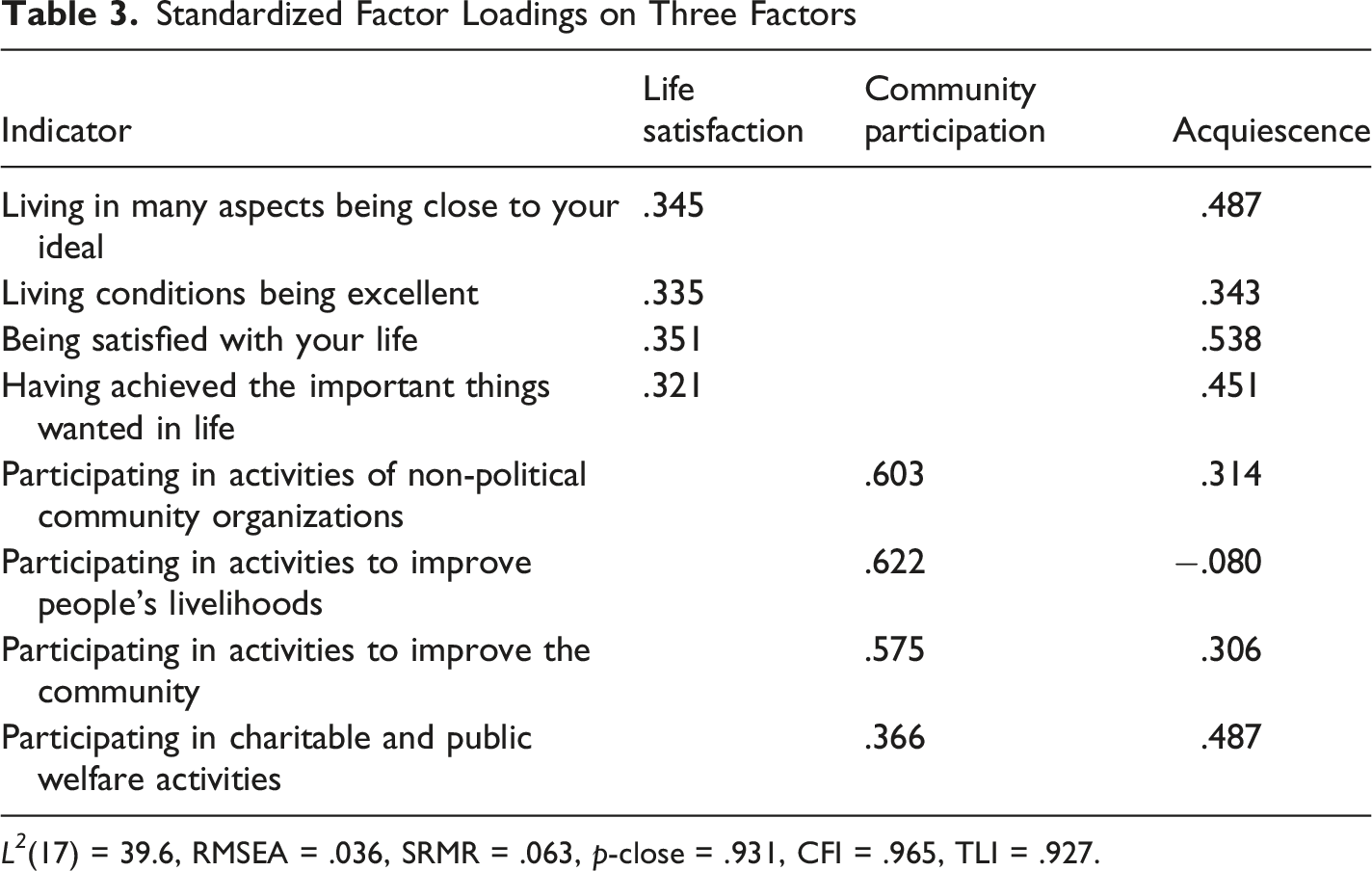
L 2 (17) = 39.6, RMSEA = .036, SRMR = .063, p-close = .931, CFI = .965, TLI = .927.
Standardized Regression Coefficients of Overall Community Participation on Life Satisfaction
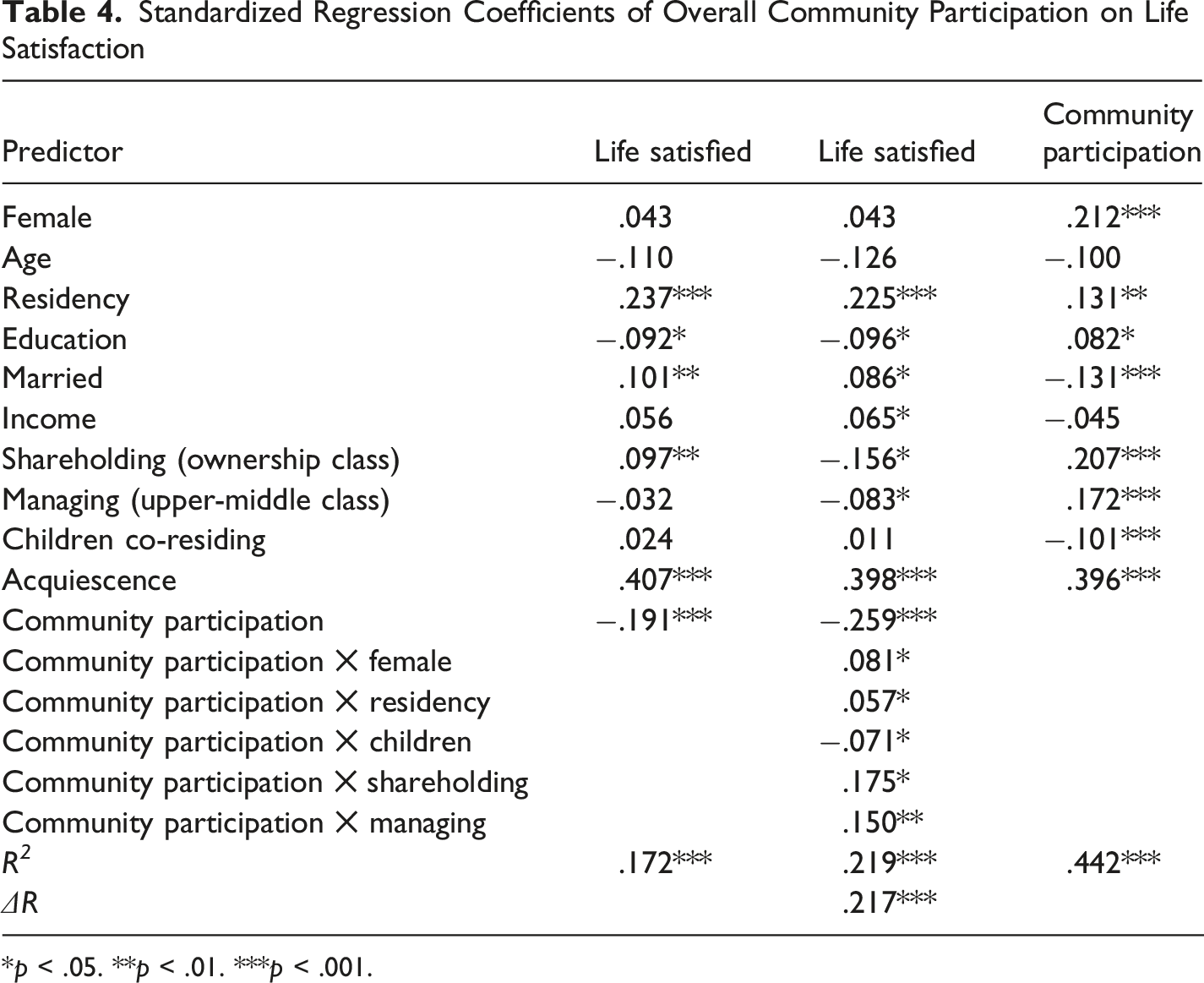
*p < .05. **p < .01. ***p < .001.
Standardized Regression Coefficients of Community Participation on Life Satisfaction After Adjusting for Endogeneity
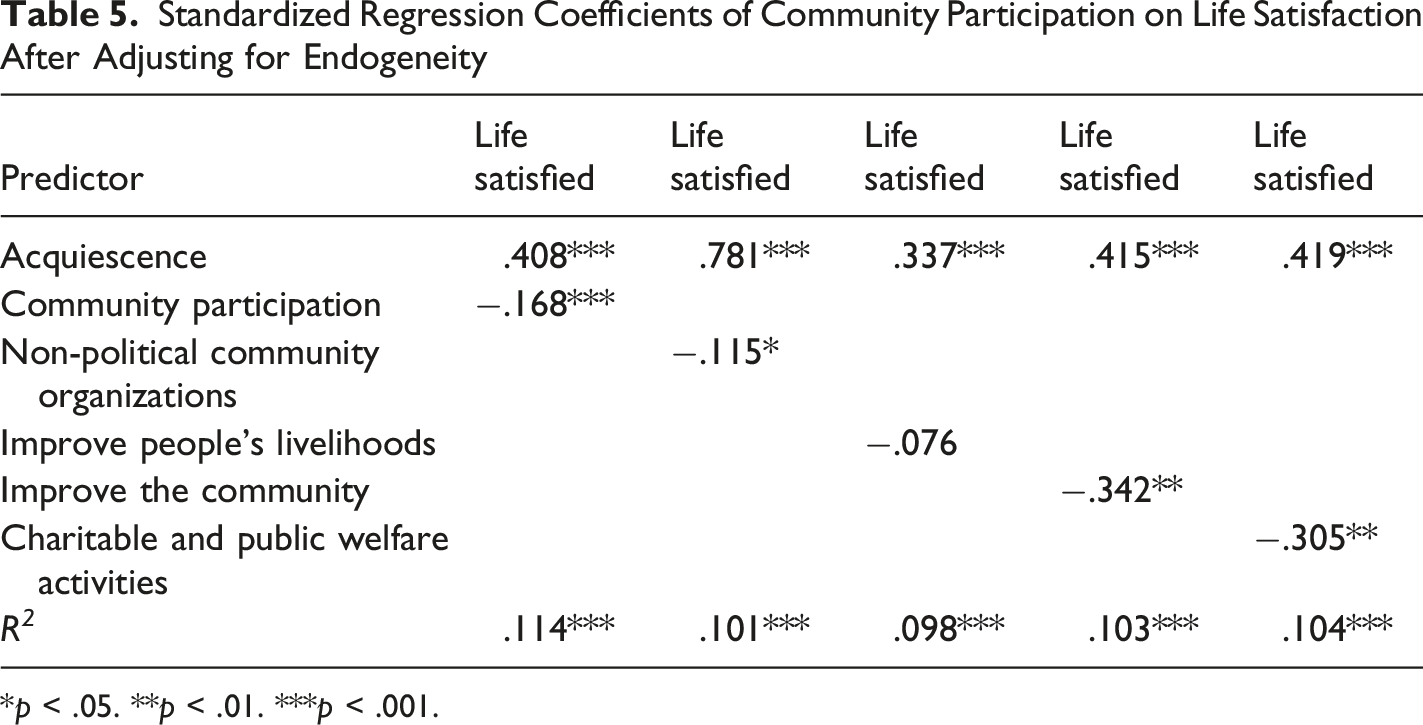
*p < .05. **p < .01. ***p < .001.
Standardized Regression Coefficients of Each Community Participation Item on Life Satisfaction
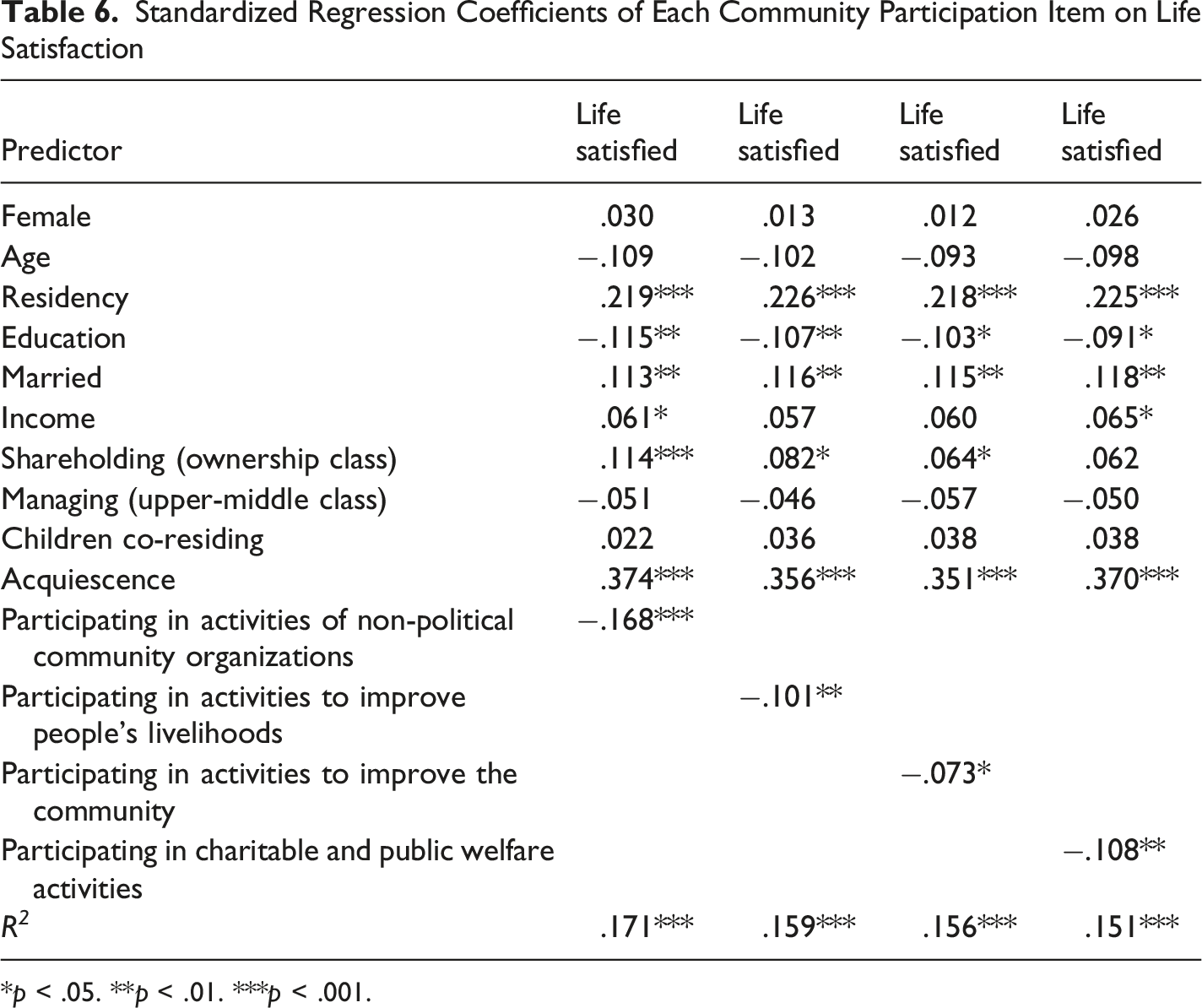
*p < .05. **p < .01. ***p < .001.
Standardized Regression Coefficients of Community Participation Items on Life Satisfaction
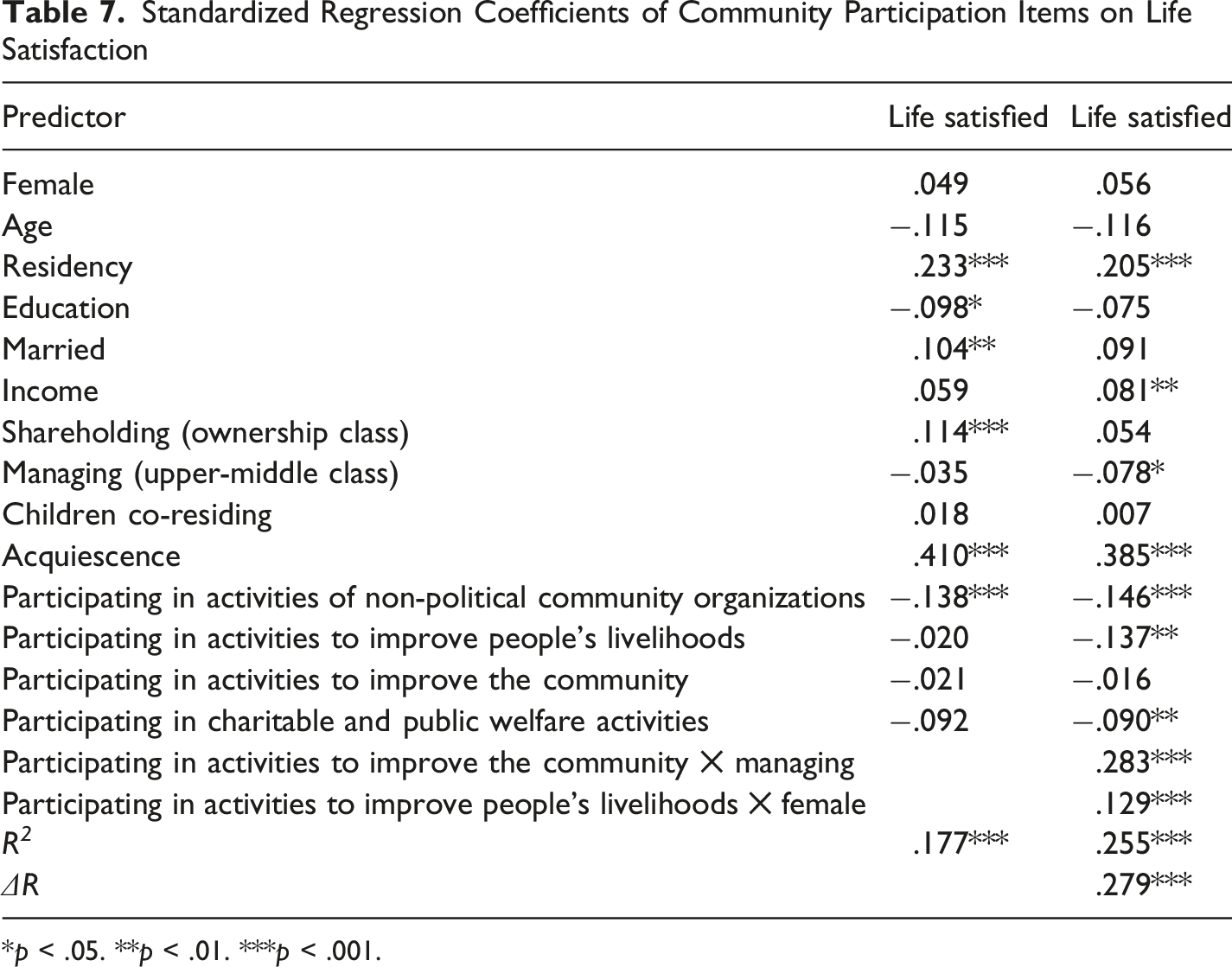
*p < .05. **p < .01. ***p < .001.
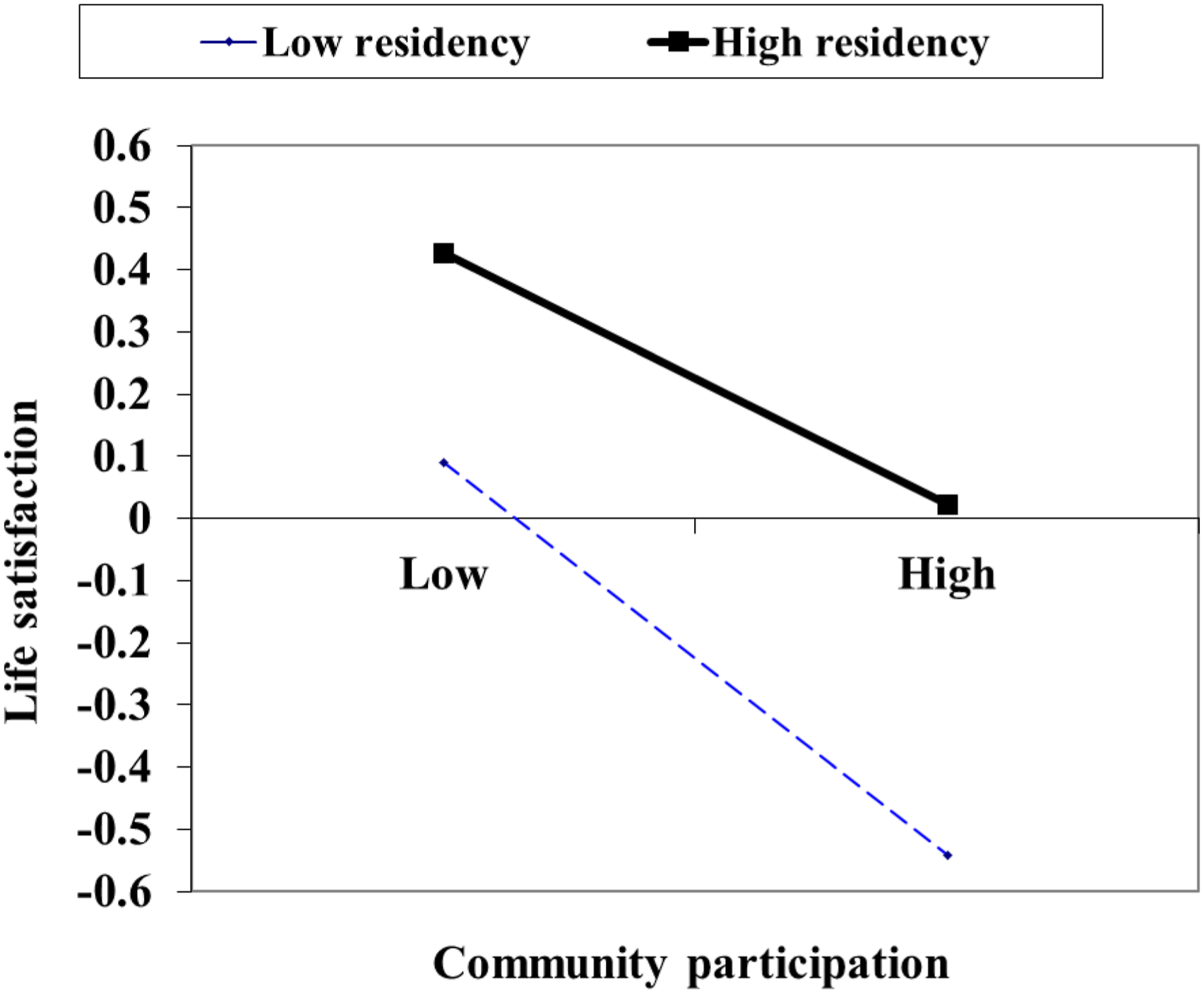
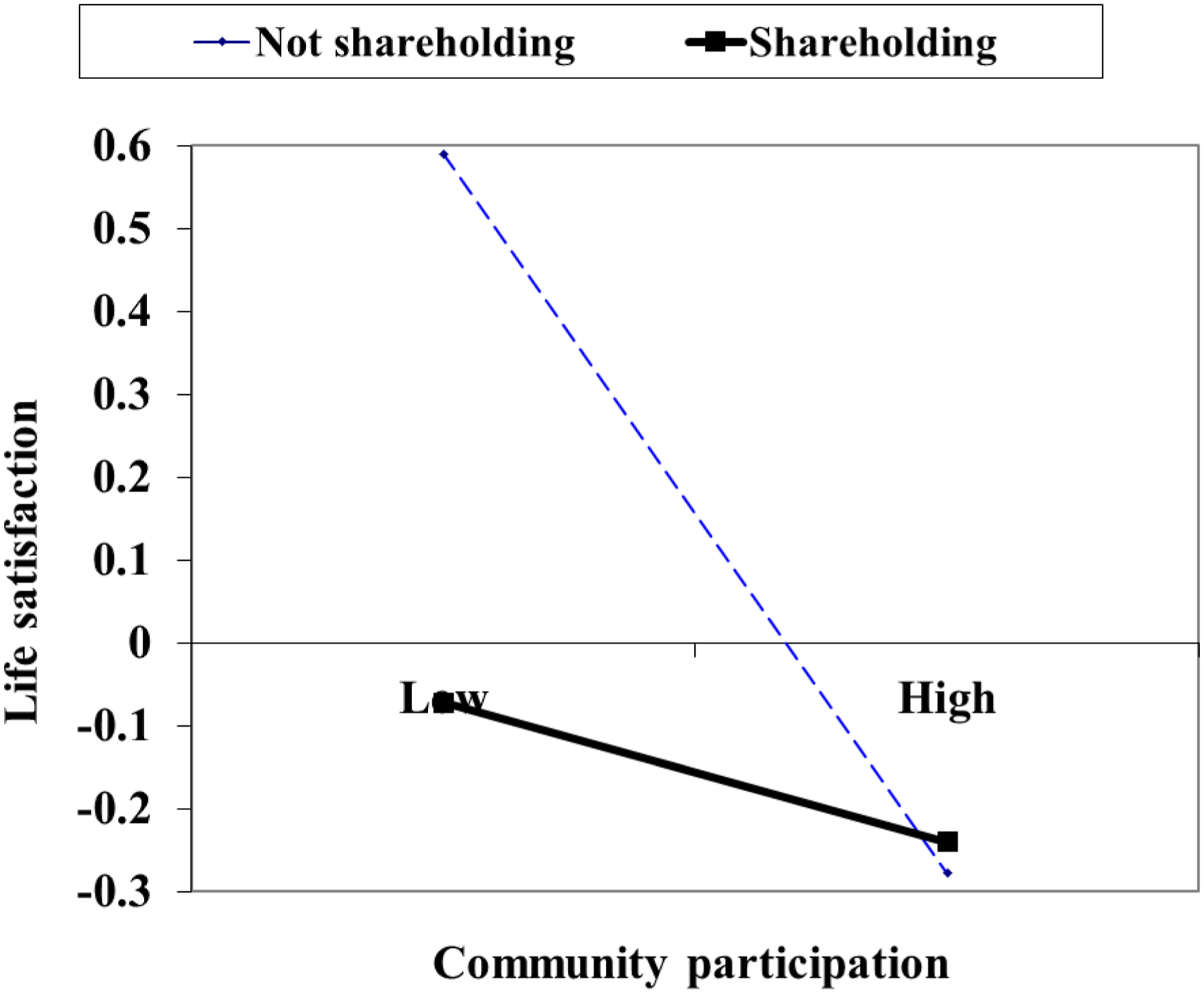
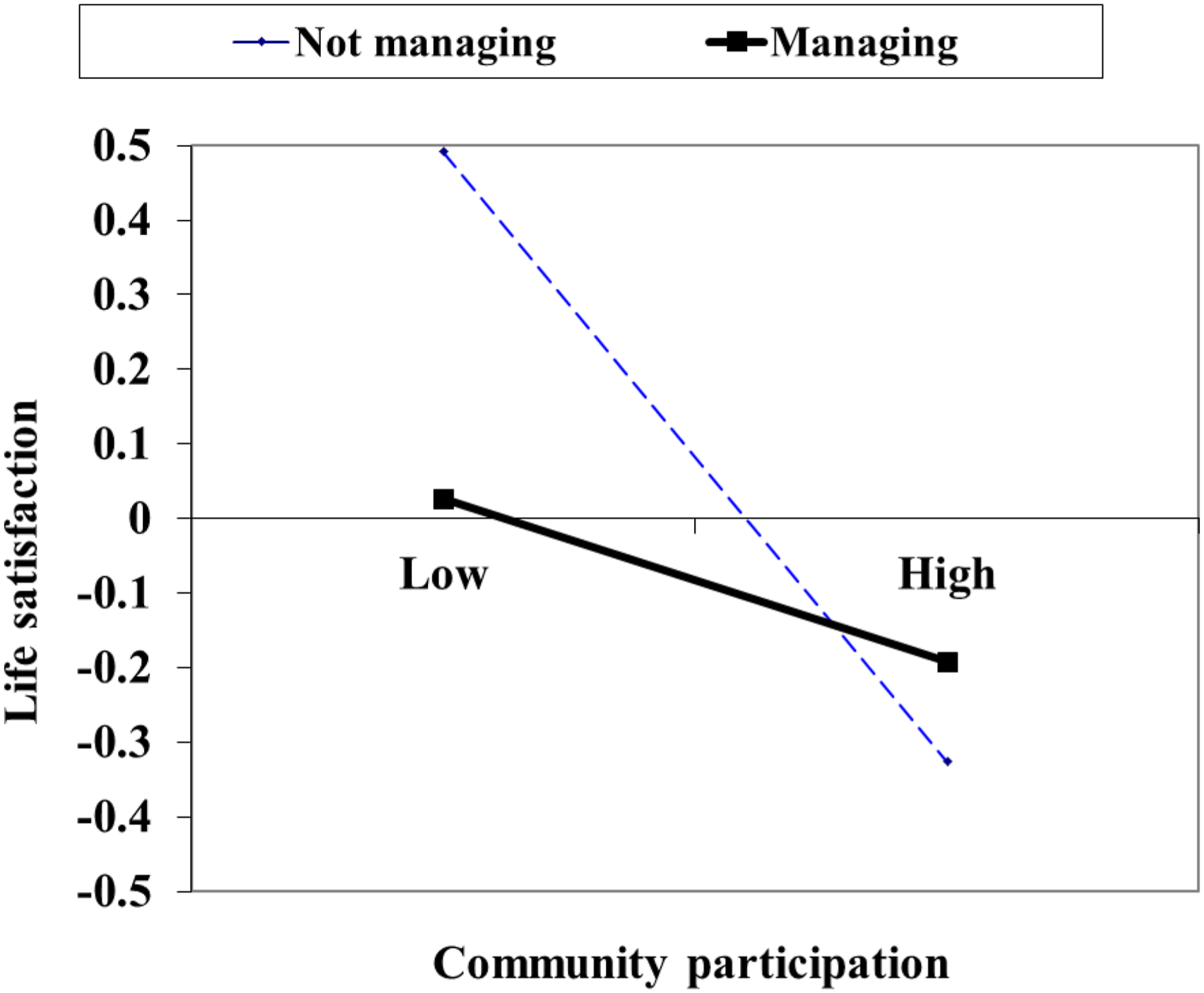
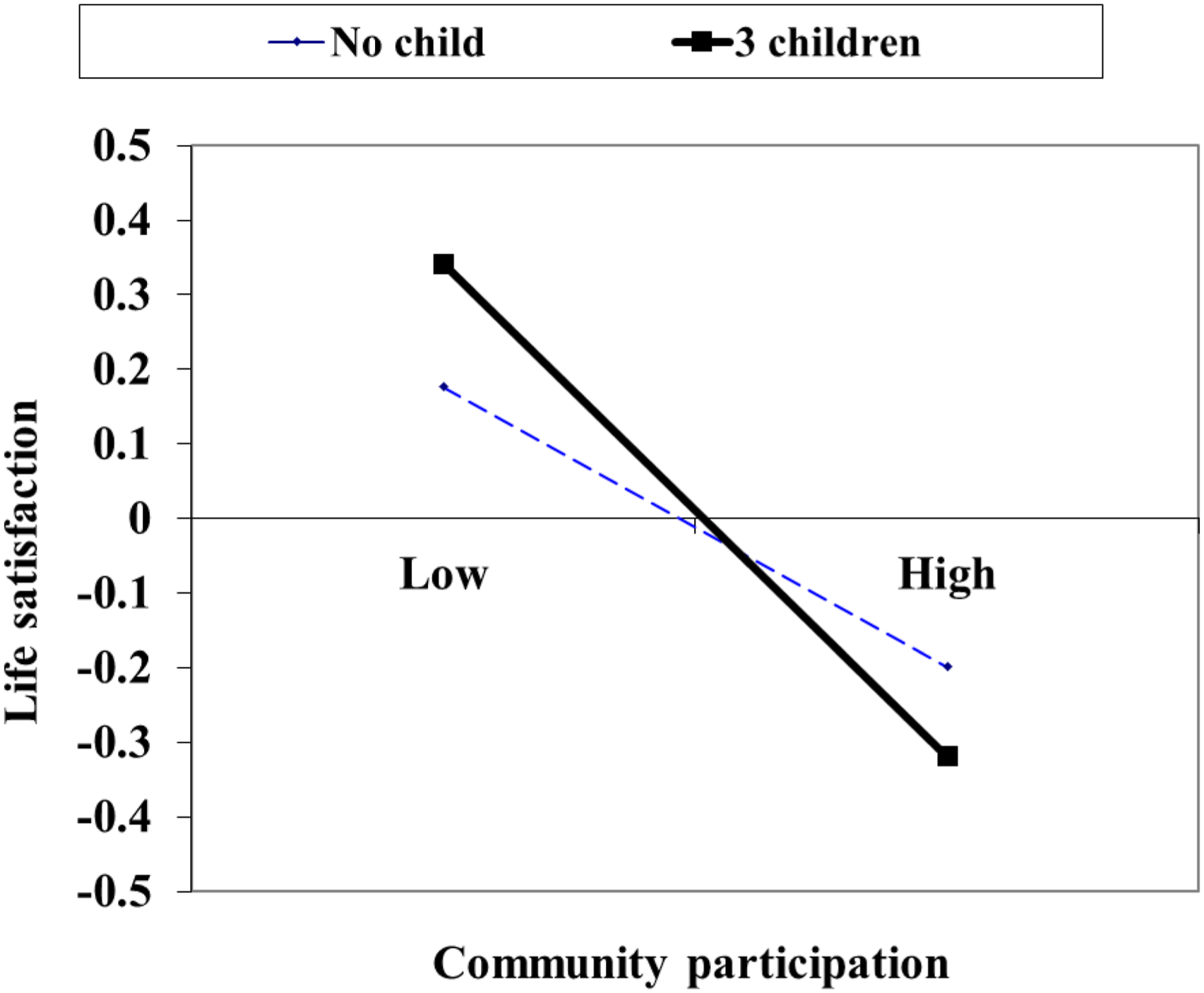
Furthermore, Hypothesis 1.1 received support from the significant positive effect of the interaction between female gender and community participation (β = .081, see Table 4). Specifically, the decline in life satisfaction due to community participation was greater in the man than in the woman (see Figure 1). Particularly, the decline in life satisfaction due to participating in activities to improve people’s livelihood was greater in the man than in the woman (β = .129, see Table 7). Hypothesis 1.2 found support from the significant positive effect of the interaction between residency and community participation (β = .057). Specifically, the decline in life satisfaction due to community participation diminished with residency (see Figure 2). Hypothesis 1.3 received support from the significant positive effects of the interaction between shareholding and community participation (β = .175) and the interaction between managerial authority and community participation (β = .150). Specifically, the decline in life satisfaction due to community participation diminished with shareholding and managerial authority (see Figures 3 and 4). In particular, managerial authority sustained the contribution of participation in community-improvement activities to life satisfaction (β = .283, see Table 7). Conversely, Hypothesis 1.4 received support from the significant negative effect of the interaction between community participation and the number of co-residing children (β = −.071). Specifically, the decline in life satisfaction due to community participation increased with the number of co-residing children (see Figure 5). Gender, residency, social class, and the number of children altogether exerted a significant interaction effect (ΔR = .217, see Table 4) on life satisfaction. Standard score of life satisfaction by high (1 SD above M) and low (1 SD below M) community participation and gender Standard score of life satisfaction by high (1 SD above M) and low (1 SD below M) community participation and high and low residency Standard score of life satisfaction by high (1 SD above M) and low (1 SD below M) community participation and shareholding Standard score of life satisfaction by high (1 SD above M) and low (1 SD below M) community participation and managing Standard score of life satisfaction by high (1 SD above M) and low (1 SD below M) community participation and the number co-residing children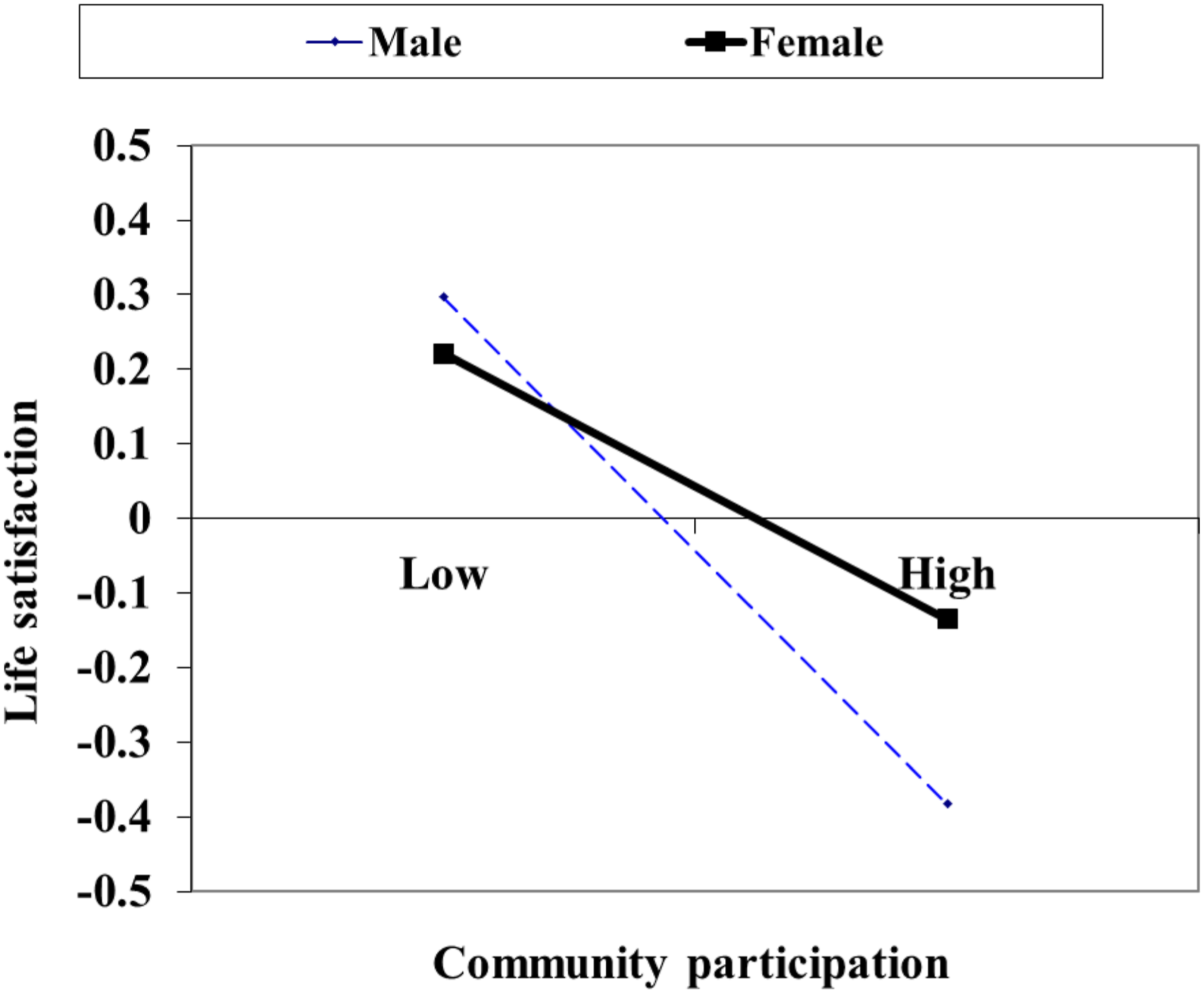
Moreover, community participation was significantly higher in the woman than in the man (β = .212, see Table 4). Such participation also significantly increased with residency (β = .131)., shareholding (β = .207)., and managerial authority (β = .172).
Besides, some background effects were significant. Accordingly, education displayed a negative effect on life satisfaction and a positive effect on community participation (β = −.092 and .082, see Table 4). By contrast, marriage had a positive effect on life satisfaction and a negative effect on community participation (β = .101 and −.131).
Discussion
The observed main and interaction effects of community participation on life satisfaction provide robust support for resource conservation (COR) theory. While participation can bolster well-being when effective (Janzen et al., 2010; Nesse et al., 2025), it inherently requires a significant investment of energy and material resources, potentially leading to resource depletion (Kleinman et al., 2011). Our findings suggest that these losses are mitigated by “resource reservoirs” associated with female gender, long-term residency, and higher social class—including the financial and structural capital afforded by shareholding and managerial authority. In contrast, co-resident children function as a resource drain, exacerbating these losses. Consequently, the results challenge the “simple” resource perspective, which views participation as a universal asset. Instead, COR theory demonstrates that community engagement can be dissatisfying in resource-deficient contexts where the costs of participation outweigh the gains. Thus, the impact of community involvement remains highly conditional: when personal resources are plentiful, participation enhances life satisfaction; when resources are scarce, it erodes it.
Consistent with resource conservation theory, various intangible assets—such as empowerment, knowledge, and social capital—have been shown to facilitate community participation (Broadbent & Papadopoulos, 2011; Hunter et al., 2013). This aligns with findings that engagement is higher among women, long-term residents, and those of higher social class (Ghimire, 2021; Kerrissey & Schofer, 2013). While such participation fosters essential behaviors—including collaboration, dutifulness, and mutual aid—these activities inherently demand a significant expenditure of energy (Heckscher, 2015; Huxhold et al., 2022). Ultimately, because community involvement and its associated commitments act as a “resource drain,” participation becomes unsatisfying when the necessary supporting conditions or background resources are deficient.
Resource conservation theory provides a robust framework for explaining the divergent effects of education on engagement and well-being. While higher education consistently predicts increased community participation, it has also been linked to diminished life satisfaction in certain contexts (Iwanaga et al., 2022; Zheng et al., 2020). This discrepancy stems from the fact that education triggers a wide array of demanding activities—including intensive study, travel, and civic protest—which necessitate a significant expenditure of personal energy (Grasso, 2014; Kerrissey & Schofer, 2013). From a resource perspective, these high-effort commitments can lead to a state of chronic resource depletion; as these assets are consumed without adequate replenishment, the resulting resource loss ultimately erodes life satisfaction (Bahr & Passerini, 1998; Wanberg et al., 2020).
Resource conservation theory provides a compelling explanation for the behavioral shifts associated with marriage. While marriage consistently correlates with higher life satisfaction, it often exerts a negative effect on broader community participation and prosocial engagement (Djupe & Lewis, 2015; Graafland, 2023). Research indicates that married individuals often scale back activities such as charitable giving and political involvement (Degenne et al., 2004; Kerrissey & Schofer, 2013). From a resource perspective, this reduction in external commitments serves a protective function; by minimizing the depletion of personal resources outside the home, individuals safeguard the energy and assets required for domestic stability, thereby sustaining overall life satisfaction.
Limitations and Future Research
The present study, conducted in a Chinese metropolis, relies on a self-report survey and poses limitations to the adequacy and generalizability of its findings. This single site suggests that the findings may be site-specific. Accordingly, the negative main effect of community participation on life satisfaction in Hong Kong may result from Hong Kong’s capitalist system, which rests on a free-market economy or liberalism (Lo, 2018, 2024). Specifically, capitalism and liberalism prioritize the market over the community for providing resources (Wright, 2019). The capitalist value of competition also contradicts the basis for community and, thus, its benefits (Heckscher, 2015). Additionally, the self-report survey cannot ensure the objectivity or temporal order of factors in demonstrating their predictive roles. The cross-sectional survey might also miss measures necessary to ensure the elimination of endogenous bias between community participation and life satisfaction. Hence, statistical estimates based on the survey cannot eliminate the risk of reverse causation by life satisfaction. Hence, these estimates cannot count as causal. Meanwhile, the limited reliability of community participation might lead to an underestimation of its contribution. Considering these limitations, future research needs to optimize its generalizability, objectivity, and temporal order. Generalizability can increase by broadening the sample to include diverse sites that represent the world. Contextual factors at the site level can enable the multilevel analysis to explain variations across sites, thereby clarifying the generality or specificity of the findings. Such clarification will unravel contextual factors underlying the negative effect of community participation on life satisfaction in Hong Kong. Objectivity can increase by measuring across multiple sources, such as various informants, through corroboration and triangulation. The temporal order becomes clear in the panel design, which allows measurement of factors at different time points. This design can provide repeated measures to determine changes resulting from various factors.
Future research can further refine resource conservation theory by positioning resource loss as a central mechanism linking community participation to life satisfaction. By examining resource loss as a primary mediator and moderator, researchers can clarify how demographic factors—such as gender, residency, and social class—function as protective resources that mitigate the harm of participation-related depletion. Conversely, studies could highlight how the number of co-residing children acts as a resource drain, exacerbating loss and its negative impact on life satisfaction. Identifying resource conservation as a pivotal bridging factor will provide a more transparent understanding of how individuals manage the trade-offs between civic engagement and personal well-being.
Implications
Community participation is not a universal driver of life satisfaction; its impact is inherently conditional and requires a strategic approach to managing resource trade-offs. Grounded in resource conservation theory, this study highlights that while participation can be taxing, the resulting resource loss is effectively mitigated by personal and social assets such as female gender, long-term residency, and social class. These factors provide the resource reservoirs necessary to offset the energy and material costs of civic engagement. Conversely, certain conditions—most notably a higher number of co-residing children—act as a resource drain that exacerbates participation-related stress. Beyond these specific interactions, promoting marriage and shareholding are recommended as valuable strategies for bolstering the broader resource base needed to sustain and enhance overall life satisfaction.
Footnotes

Ethical Considerations
The authors declare that the study complied with human research ethics.
Consent to Participate
The authors declare that respondents showed their informed consent to the survey.
Funding
The authors disclosed receipt of the following financial support for the research, authorship, and/or publication of this article: This study benefits from funding offered by the City University of Hong Kong.
Declaration of Conflicting Interests
The authors declared no potential conflicts of interest with respect to the research, authorship, and/or publication of this article.
Data Availability Statement
Data will be available upon reasonable request.
Compliance with Research Ethics
The study complies with research ethics, with informed consent obtained as approved by the institutional research ethics committee.