






Abstract
The global textile industry is currently undergoing a paradigm shift toward sustainability, driven by the urgent need to reduce the environmental damage caused by the production of traditional cotton and synthetic fibers. This review critically assesses the potential of banana pseudostem fiber (BPSF) as a high-performance, lignocellulosic alternative from underused agricultural biomass. Globally, banana pseudostem residue accounts for approximately 114 million tons annually, with India contributing around 51.18 million tons. We provide a comprehensive analysis of the physicochemical structure of BPSF, highlighting its superior tensile strength, ranging from 529 to 754 MPa, favorable cellulose content (63% to 85%), and crystallinity index (60% to 71%), which make it a viable competitor to traditional natural fibers. A systematic assessment of the extraction methods—from mechanical stripping to advanced enzymatic degumming and microbial retting—is presented, focusing on the trade-offs between fiber yield, quality, and environmental impacts. The work also includes a comparative, technical-sustainability assessment and a conceptual life-cycle assessment, which show that BPSF offers a significant reduction in blue water footprint and greenhouse gas emissions compared with cotton, with a projected global warming potential of 0.5 to 2.5 kg CO2 eq./kg of BPSF versus 4.85 kg CO2 eq./kg of cotton.
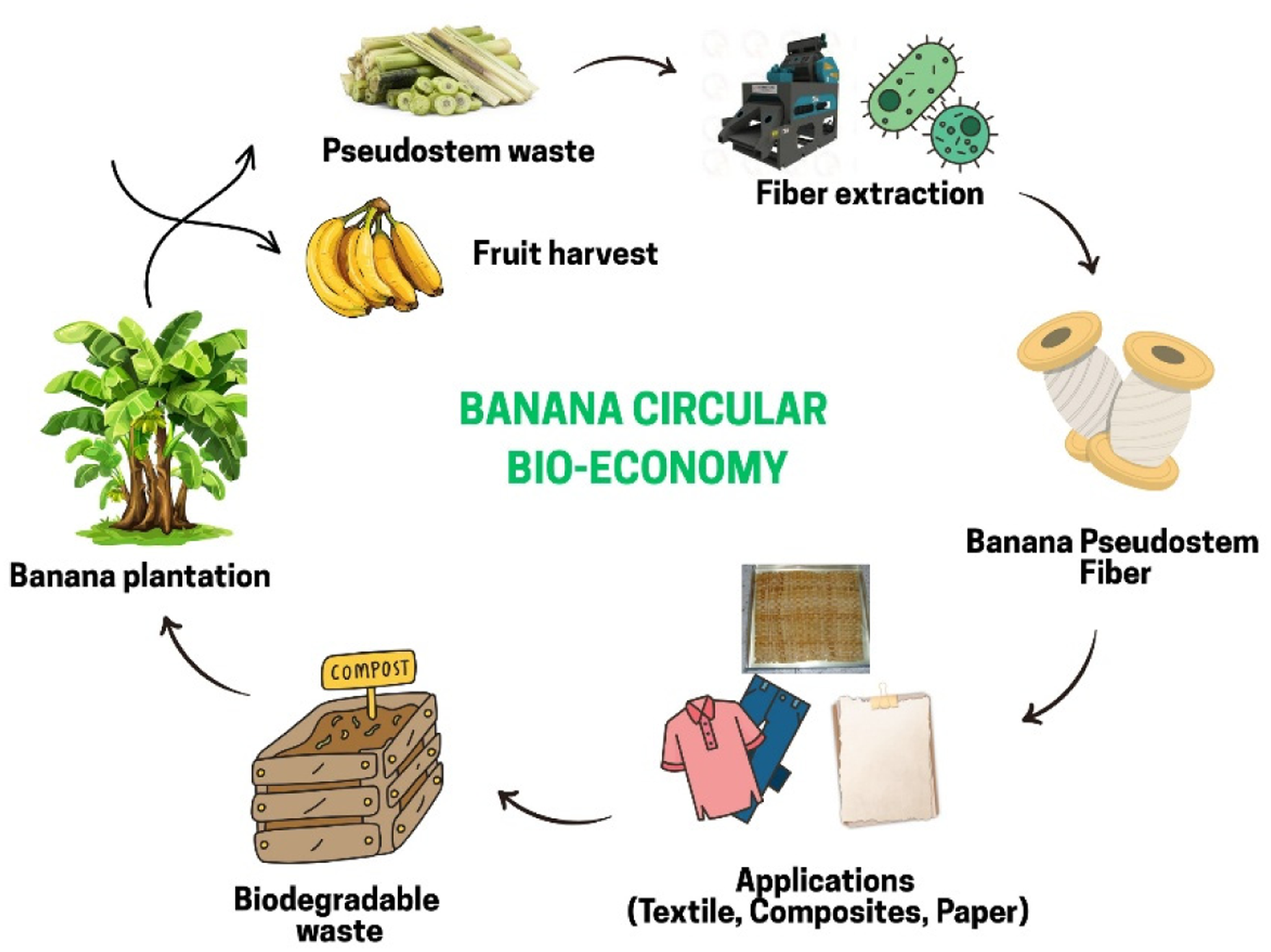
The global textile market, worth roughly US $1.4 trillion, remains locked in a linear take–make–throw model that takes a staggering toll on the environment. Current production cycles of cotton and synthetic fibers consume 93 billion cubic meters of water and 1.2 billion tons of CO2 eq., exacerbating global climate instability and resource constraints.1-3 Though BPSF may be perceived as mechanically inferior in terms of tensile strength (600–800 MPa), this perception is not accurate; its tensile strength is comparable to cotton (287–800 MPa), since fiber performance relies on the extraction and refinement operations (such as chemical and enzymatic methods). Apart from tensile strength, BPSF stands as a testament to its pseudostem availability (approx. 114 million tons/year), minimal extraction cost, and biodegradability potential with zero additional land requirement, making it a viable option for textiles and biocomposites. As regulatory frameworks and consumer preferences increasingly demand green alternatives, the sector faces a critical imperative to move toward a circular bioeconomy, a system that aims to close the loop by converting agricultural residues into high-value industrial raw materials. 4
At the same time, the global agricultural sector produces an estimated 140 gigatonnes of biomass per year, much of which is still poorly managed or disposed of, leading to secondary environmental hazards such as open burning. 5 In this context, the banana (Musa spp.) industry presents a unique opportunity to valorize waste. As the world leader in the production of banana, India produces around 51.18 million tons of pseudostem residues per year, which represents a vast untapped reserve of lignocellulosic fibers.6, 7 Similarly, waste valorization studies have been successfully carried out for other agricultural wastes like Luffa cylindrica fiber biocomposite impregnated with soy, and polyvinyl alcohol resin demonstrated an optimum tensile strength of 46.2 MPa and exhibited 78.6% loss in weight after 60 days of in-ground burial, highlighting its potential as a compatible bio alternative to thermoplastics. 8 A recent study by Bishoyi et al. 9 explored the potential of banana peduncle fiber in reinforced soy resole composite, which revealed superior mechanical properties such as tensile strength (43.5 MPa) and flexural strength (36.2 MPa). The formulated biocomposite demonstrated its hydrophobic nature with minimal water absorption (10.2%) after 24 h, and similar findings on weight loss were reported in a study by Behera et al. 8 In addition, Pattnaik et al. 10 engineered biocomposites using screw pine root fibers with a blend of soy-polyvinyl alcohol resins, giving a favorable tensile strength of 39.7 MPa, 18.4% moisture absorption rate, and biodegradation potential of 72.9% over 60 days.
Behera et al. 11 fabricated sustainable biocomposite from waste coconut spathe fiber along with corn starch and polyvinyl alcohol: this revealed superior mechanical properties such as tensile strength (46.8 MPa), flexural strength (42.1 MPa), and impact strength (11.2 KJm-2), with an ideal water absorption rate (33.6%) after 24 h in addition to complete biodegradability. A recent review by Pattnaik et al. 12 further underpins the promising nature of fibers from the Poaceae family, with characteristics relevant to other lignocellulosic fibers such as banana pseudostem, emphasizing their high cellulose content, renewable nature, desirable mechanical properties, and alignment with green chemistry principles. Unlike cotton, which competes with arable land and requires the intensive use of pesticides, BPSF is a by-product of existing food systems and offers the advantage of zero land use and a significant yield.
Despite its promising mechanical properties—characterized by high crystallinity and favorable elasticity coefficients—several technical barriers have prevented industrial acceptance of BPSF. These include the inherent variability of fiber quality between different cultivars, the lack of standardized high-throughput extraction techniques, and the need for environmentally friendly refinement protocols that do not rely on aggressive chemical degreasing. Figure 1 illustrates the global geographical spread of major natural fibers.
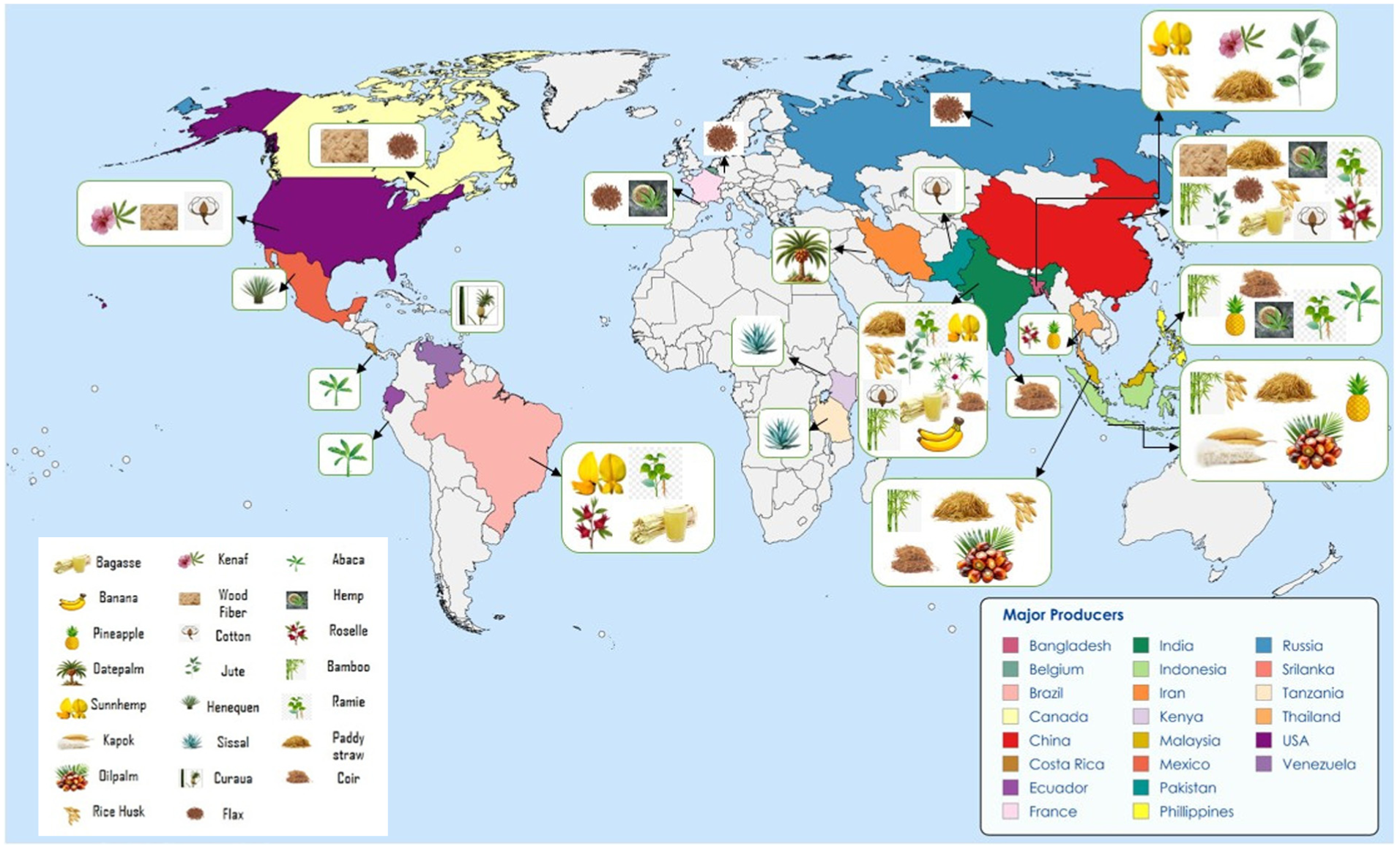
Global distribution pattern of major natural fibers.
Unlike previous reviews that focus exclusively on the extraction methodology, distinguishing properties or its applications in isolation, this review stands as the first integrated study that links the quantitative trade-offs in extraction methodologies, sustainable life-cycle assessment (LCA) metrics suitable for textile applications, processability barriers with existing machinery, and a strategic SWOT (strengths, weaknesses, opportunities, and threats) analysis within a circular bioeconomy framework. The objective of this review is to bridge the gap between basic materials science and industrial applications by providing a multidimensional BPSF analysis. We systematically investigate (a) the hierarchical structural and mechanical characteristics of BPSF; (ii) a rigorous comparison with conventional textile fibers; (iii) development of extraction and green processing methods; (iv) high-value applications in biocomposites, packaging, and biomedical engineering; and (v) strategic SWOT assessments of the problems and challenges to commercialization. By synthesizing existing research through the lens of the circular bioeconomy, this work provides the necessary framework to position BPSF as the building block for the next generation of sustainable materials.
Banana residual biomass and fiber property determinants
Banana cultivation presents a notable opportunity for waste valorization, since biomass generated as agricultural residue substantially exceeds the marketable fruit: agricultural residue (60%) and plant harvestable biomass in the form of fruit (40%), indicating a residual waste to fruit ratio of 2:3. 14 The pseudostem alone contributes 75% of this residual biomass, accounting for 114.08 million MT per annum on a global scale. 15 Looking at this availability at the farm level, the residual biomass derived from banana cultivation encompasses multiple constituents. For 1 MT of marketable fruit harvested, approximately 3 tons of pseudostem, 480 kg of leaves, 150 kg of rachis, and 150 kg of discarded fruit are generated. 16 This signifies that for every ton of harvestable fruit entering the supply network, roughly 3.8 tons of feasibly valorizable residual biomass are generated but remain underutilized. India, which stands as the world’s largest banana producer, has deliberately aligned itself to valorizing the leftover banana pseudostem. With a cultivable area of 8.3 lakh hectares of banana, an estimated 51.18 million MT of pseudostem residue per annum has been generated, 3 symbolizing nearly 45% of the overall aggregate.
The genetic and varietal wealth of the genus Musa has a direct linkage with fiber properties and commercial viability. Modern edible bananas are primarily derived from interspecific hybridization between Musa acuminata (contributing the A genome) and Musa balbisiana (contributing the B genome). 17 Apart from these two progenitors, a wider pool of wild species (particularly, Musa textilis and Musa peekeli) are widespread across India to the Pacific Islands. 18 As reported by numerous researchers, genome composition drives fiber characteristics, primarily with Musa accessions, with the B genome associated with paramount fiber properties, rendering wild Musa balbisiana’s suitability for fiber production. 14 Wide variations in fiber properties have also been reported, even among different sheath layers of the same pseudostem. For instance, Thai cultivars (cvs.) shows notable variations in fiber quality parameters across different sheath layers, implying that specific sheath layers have differentiated grades that could prove suitable for a wide range of applications. 3 These findings signify that genetic diversity for fiber-oriented banana cultivation remains untapped and demands systematic screening evaluation followed by germplasm conservation.
Apart from the pseudostem,19, 20 high-grade fibers have also been extracted from multiple sources, including the peduncle,21, 22 bract, 23 and leaves,24, 25 with standardized protocols well documented for species such as Musa ornata. 20 However, an underlying setback for industrial scale fiber extraction is the inherent variability in fiber properties emerging from complex interaction effects. Structural variation exists even at the pseudostem level, with a mature pseudostem consisting of 20 to 25 concentric pseudostem sheaths, which vary among different cultivars. According to one study, 26 cv. Nendran (AAB), revealed the presence of 13 pseudostem sheaths, indicating that the sheath count is purely genotype dependent.
In addition to the aforementioned properties, fiber properties are governed by a multitude of factors that can be categorized as (a) intrinsic plant factors: species, varietal wealth, and morphological features (age, sheath position)26,27; (b) environmental factors: geographical and spatial gradients, agro-climatic conditions, and soil parameters28,29; (c) multiscalar structural factors: macro-, micro-, nanoscale architecture29,30 including lumen diameter, cell size, cell wall characteristics, and biochemical compositional parameters within the fiber; and (iv) post-harvest factors: the effect of drying on final fiber moisture content favoring internal physiological changes 31 and diverse extraction methodologies that quantify fiber yield and recovery, damage, and fiber purity.30,32-34
Compositional and comparative analysis of BPSF
BPSF falls within the lignocellulosic fiber group, composed of cellulose, hemicellulose, pectin, and lignin fractions. 21 This unique composition directly specifies the mechanical properties and structural significance, with cellulose fractions guaranteeing tensile strength and structural integrity, 35 whereas lignin favors stiffness alongside coloration.36-38 Wide variations prevail in terms of the spatial orientation of these components at the pseudostem level, with fiber bundles packed toward the external periphery of individual leaf sheaths, imparting mechanical anchorage to the plant. Compositional profiles vary across pseudostem, with the innermost sheaths exhibiting higher ash content, which is allied with their role in nutrient translocation. 39 For example, fibers extracted from the outer sheaths of Musa sapientum exhibit superior tensile strength (606.90 g/denier) and higher elongation at break (9.54%) compared with fibers of Musa acuminata. 3 In contrast, the inner sheath layers offer advantages with respect to fiber recovery and a lighter coloration, making them a potentially viable option for textile applications where refinement operations like dyeing are necessary. 3
This endogenous variability has functional significance: it indicates that diverse sheath layers could be tailored for various end applications. Fibers from the outer sheaths with superior mechanical properties could be suitable for composites and industrial applications, whereas those from the inner sheaths (higher fiber recovery, lighter coloration) could be prioritized for textile-grade fiber. The cellulose content of BPSF ranges from 63% to 85%.40,41 This aligns it favorably among other agricultural biomass residue fibers. BPSF demonstrates enhanced cellulose fractions than sisal (65%), bagasse (55%), date palm (41%), rice straw (41%–52%), coir (32%–43%), and bamboo (26%–43%). 21 Cellulose content corresponds directly to physicomechanical properties and is ideal for surface modifications. In contrast, traditional bast fibers (e.g. jute, rosella, and flax) typically contain higher cellulose levels (70%–80%) and lower lignin levels. This differentiation demarcates BPSF as a noteworthy option comprising several coarse, natural fibers, but which demands more refinement strategies than superior bast fibers to attain textile-grade fibers.
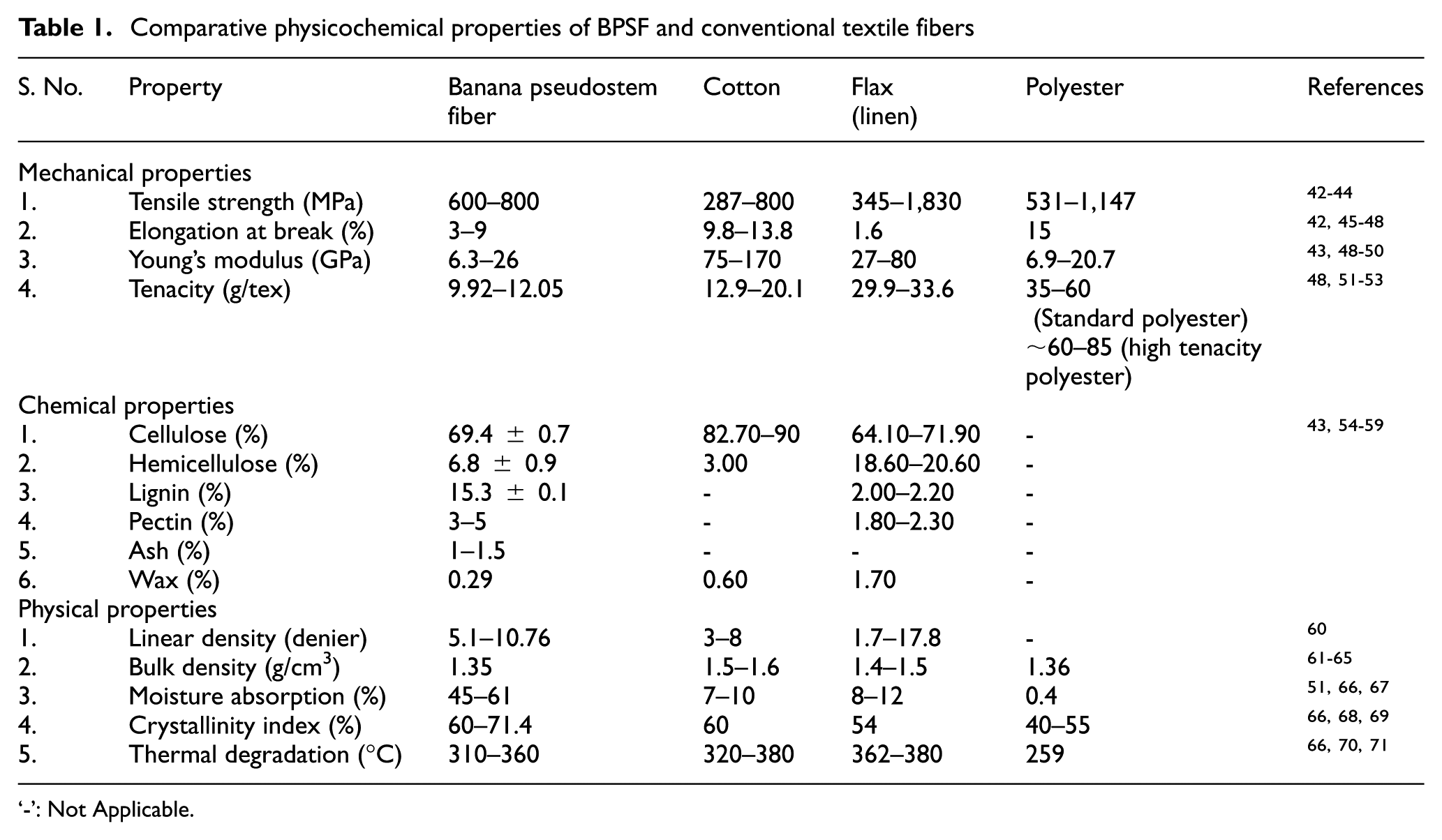
In a recent comprehensive review, Eleutério et al. 13 provide a comparative analysis of BPSF with other major, agricultural waste fibers. BPSF has superior tensile strength of 529 to 800 MPa (Table 1), which is comparable to other waste fibers such as jute (187–938 MPa; 45%–84% cellulose), and pineapple leaves (145–1627 MPa; 70%–83% cellulose). However, jute demands dedicated arable land for cultivation, while pineapple leaves have a global fiber turnover of 74,000 tons/year. 13 BPSF is an agricultural residue from existing banana orchards, creating an estimated 114.08 million MT of leftover pseudostem per year. 15 Further, the extraction cost of BPSF ($0.10/kg) is lower than jute ($0.25–0.50/kg), and coir ($0.20–0.84/kg). The extraction costs represent market evaluation and literature data reported in recent reference studies (specifically Eleutério et al.,). 13 On the other hand, fibers such as coir (tensile strength: 46–500 MPa, cellulose content 32%–43%) and sugarcane bagasse (tensile strength: 20–290 MPa, cellulose content: 32%–55%), though abundant, lack the desirable mechanical properties, making them difficult to adopt in textile sectors. 13
Comparative physicochemical properties of BPSF and conventional textile fibers
‘-’: Not Applicable.
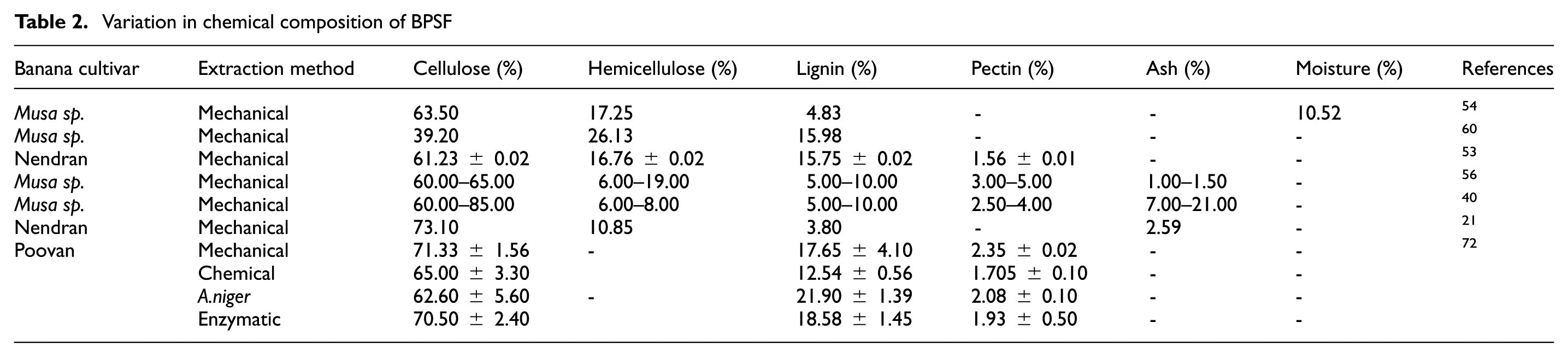
Natural fibers from plants serve as a sustainable alternative to synthetic fragments like glass and carbon, owing to their lower density, lighter weight,40,73,74 minimal cost,75,76 decreased environmental impact due to biodegradability,77-79 and lower CO2 footprint. 80 Their superior mechanical properties,81-83 low tool wear,84-86 and recyclable potential87-88 further add to their candidacy for future generation biocomposites. To evaluate their applicability for high-end applications, an in-depth comparison of their basic production and characteristics is essential. Consequently, Table 1 provides a comparative overview of the key physicomechanical properties of BPSF in comparison with other conventional fibers, and Table 2 presents biochemical property comparisons of BPSF as reported by several researchers.
Variation in chemical composition of BPSF
Surface analysis of BPSF
The surface morphology and the presence of functional groups (such as carbon-oxygen (-OH), or carbonyl) have been characterized using techniques like scanning electron microscopy (SEM), atomic force microscopy (AFM), Fourier transform infrared spectroscopy (FTIR) and X-ray diffractometry (XRD). SEM analysis reveals the presence or absence of impurities such as wax, pectin, hemicellulose, and lignin through surface texture (rough/smooth). The surface morphology is highly dependent on the extraction method involved, with chemical refinement favoring smooth surfaces, 89 due to the removal of undesirable fractions from the fiber. In a study by Paramasivam, 90 the surface quality is clearly revealed by the presence of individually separated cells obtained through enzymatic degumming using laccase (100%). AFM studies on BPSF 91 show the effects of removing the middle lamella and primary cell wall from the fiber, resulting in micro and nanofibers.
FTIR analysis of untreated BPSF exhibited a peak carbonyl stretching group at a wavelength of 1,615.71 cm-1 and a similar carbon-oxygen stretching peak of 1,316.98 cm-1 3. Pandey et al. 52 reported the presence of wider band spectra near the 3,335 cm-1 region, attributed to the presence of hydroxyl groups and narrow bands in alkanes near 2,900 cm-1 region representing the carbon-hydrogen groups. 52 Further, a reduction in peak height has been observed after refinement, indicating the removal of impurities from it. XRD can be employed to distinguish the amorphous and crystalline regions, where high crystallinity index describes purity. Several studies report crystallinity indexes of 62% to 65%, 92 which are similar to those of jute (58%) and lower than conventional cotton (71%). 93
Multiscalar architecture of BPSF: from macro sheath to nanofibrils
A complex, multiscalar approach has uncovered the banana pseudostem’s potential for textile and industrial applications. At the macroscopic scale, the pseudostem is structured into three concentric layers—outer, middle, and inner sheath—with significant variations in mechanical properties and biochemical compositions. 94 Histological studies reveal that the outer layers are marked by thick-walled lignocellulosic fiber bundles and xylem and phloem apparatus, intertwined with parenchymatous cells, whereas the inner layers comprise thin-walled cells.94,95 This structural variation is supplemented by changes in cellular composition: lignin content is comparatively higher in the outer layers (26.8%), compared with fibers obtained from other constituents (e.g. leaf/peduncle) attributed to the presence of fully grown lignified cells.94,95On the other hand, pectin fractions show a descending trend toward the outer layers, with variations in cellulose and hemicellulose contents across sheaths. 26 Such compositional disparities have a direct effect on fiber extraction and refinement: fibers from the outer layers guarantee superior mechanical properties (proven by an optimal slenderness ratio of 82.37, 94 but demand strict delignification, whereas fibers from the inner sheaths are suitable for use in textiles.
At the microscopic scale, individual strands of BPSF exhibit unique characteristics that directly influence their superior performance in biocomposites. The average fiber lumen diameter is reported to be around 1.6 µm, providing a void structure that boosts fiber flatness and ameliorates matrix adhesion in composites (Figure 2(b) 95 ). Remarkably, the wall thickness of BPSF (1.59 µm) is comparatively lower than other non-wood fibers. even from other sources of the banana plant.96-98 The presence of thin-walled cells, accompanied by a desirable flexibility coefficient of 78.3, indicates these fibers are highly elastic, advantageous for textile yarns and as a packaging material.96-98 However, a crucial knowledge gap remains before industrial scale-up is possible, which necessitates a systematic comparison of several parameters (e.g. cultivar/genotype, extraction methodology, and morphological observations).
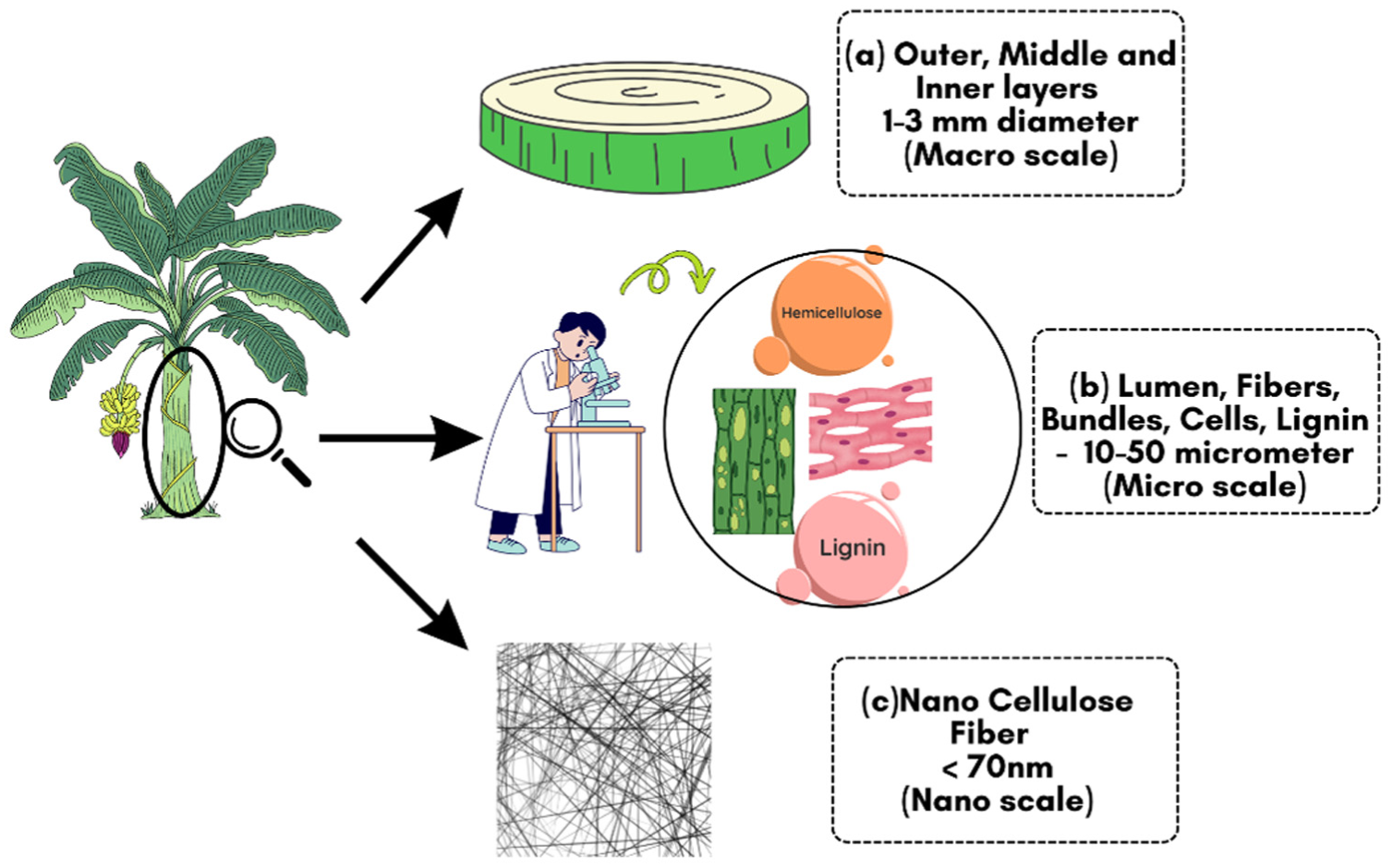
Hierarchical organization of banana fibers: (a) macroscale, (b) microscale, and (c) nanoscale.
At the nanoscale, the pseudostem symbolizes an abundant source of cellulose nanofibrils (CNFs) with an average fiber diameter below 70 nm, as illustrated in Figure 2(c).96-98 These nanoscale elements have been isolated and incorporated for superior applications. For example, TEMPO-mediated oxidation generates CNFs of 7–35 nm width and with excessive negative zeta potential (<−33.6 mV), representing high levels of colloidal stability and purity. 99 When utilized as nanofillers in biocomposite films, these CNFs elevate both the hydrophobicity and mechanical parameters, 99 tackling a potential limitation of other biopolysaccharide-based compounds. In addition, CNFs extracted from the powder of banana pseudostem enhance the transparency of biofilms, 100 accompanied by their superior (crystallinity index of 87.6% by XRD, 101 which implies robust potential for polymer reinforcement).
In addition to their use in materials science, the biomedical prospects of banana pseudostem CNFs have recently been explored. Composite aerogels engineered from an 8:2 ratio of banana CNF to konjac glucomannan have been found to possess the following properties: swelling (2,981%), water vapor transmission (810 gm-2d-1), porosity (97.71%), and superior mechanical strength. 102 These values fall within the optimal range for wound dressings, and composite aerogels exhibit potential antimicrobial activity against Staphylococcus aureus and Escherichia coli with >90% cell viability. 102 Such deliverables highlight banana pseudostem-derived CNF as an ideal material for future biocompound generation; in vivo investigations and techno-economic analysis will be required to confirm this.
Techno-sustainability and commercialization roadmap: BPSF in comparison with cotton
Cotton’s staple fiber length of 20 to 40 mm, in addition to its high cellulose content (94%–96%) and negligible lignin fraction (0%–1%), yields fine-quality yarns that have premium-quality standards that date back centuries.103-105 Yet, the environmental setback of cotton cultivation, noted as an elevated blue water footprint, intensive pesticide usage, and an enormous amount of greenhouse gas (GHG) emissions, has prompted the search for supplementary cellulose replacements.106-112 Morphological and chemical gradients pose a risk for direct substitution of cotton fiber. BPSF (as reported in cv. Poovan) comprises 57.6% cellulose, 12.7% hemicellulose, 16.7% lignin, and 2.8% pectin. 113 Loaded with lignin constituents, this multiscalar fiber structure offers high tensile strength (524–914 MPa) against cotton’s (287–800 MPa), with flaws in coarse texture and stiffness aspects.43,114 Cotton-seed fibers emerging from a single cell, marked by their negligible amount of wax and pectin compounds, comprise fine and processable attributes. In contrast, BPSF’s complex compositional profile demands rigorous refinement protocols to obtain equivalent textile-grade fiber, with each processing step incurring its own energy, cost, and water demands amidst agricultural cost savings.114,115
Environmental assessment underpins BPSF as a residual material with zero reliance on pesticide burden, thereby combating cotton’s adverse environmental impacts.106-109 The latest life-cycle aspects have revealed that BPSF’s global warming potential (0.5–1.5kg CO2 eq./kg ) significantly undercuts cotton’s (2.5–5 kg CO2 eq./kg), yet studies on International Organization for Standardization (ISO)-based LCAs) remain strikingly absent.111,112 A multidimensional comparison of BPSF and polyester is depicted in Figure 3.
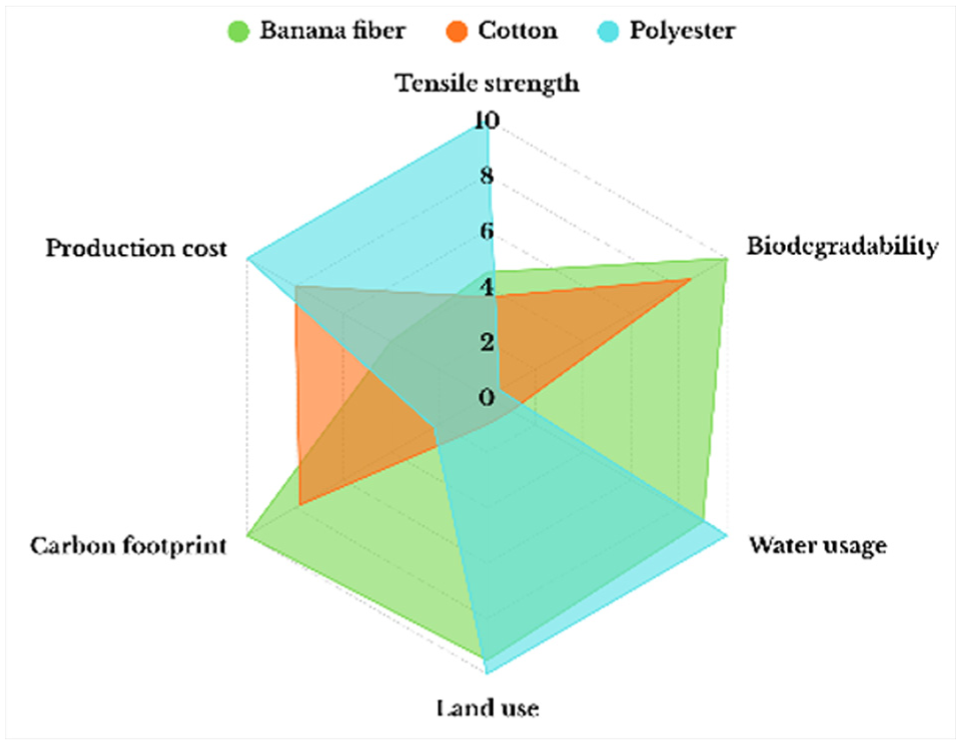
Multidimensional comparison of banana fiber, cotton, and polyester.
The radar chart shown in Figure 3 highlights the disadvantages of each of the fiber types. Polyester (colored blue) demonstrates its origin from petrochemical forms, noted for superior tensile strength, essential blue water footprint, and elevated cost of production. Cotton (orange) epitomizes the conventional natural fiber with its comfort and processability, while needing to consider the consequences on water and land use efficiency at the time of cultivation. BPSF (green) illustrates its stable sustainability aspect, mediating waste valorization while presenting high biodegradable potential with a negligible carbon footprint.
A three-phase, policy- and investment-backed roadmap showing the development of sustainable fiber technologies from initial research and feasibility studies (Years 0–2), to pilot testing and market entry (Years 2–5), and finally to industrial scaling, integration into circular biorefineries, and worldwide commercialization (Years 5–10+) is provided in Figure 4. This initial foundation stage (Years 0–2) establishes the technical feasibility and commercial viability of novel BPSF. It underscores the fundamental R&D needed to optimize extraction methodologies, underlying properties, and develop basic prototypes alongside critical feasibility studies (e.g. techno-economic analysis and LCA). The second phase (Years 2–5) involves validation, with transition from lab to real-world validation through pilot-level operations. Various activities are encompassed, such as constructing a pilot plant and conducting lab- and market testing with industrial partners to refine prototypes, thereby securing the necessary product certification and final approval of the business model to attract commercial investment for large-scale upgradation. The final phase illustrates the growth stage (Years 5–10+) involving scaling up to automated industrial production, expansion into new markets and further applications, and implementing a circular bioeconomy model to valorize all extracted fiber waste, thereby cumulating economic returns and reducing environmental water and carbon footprint.
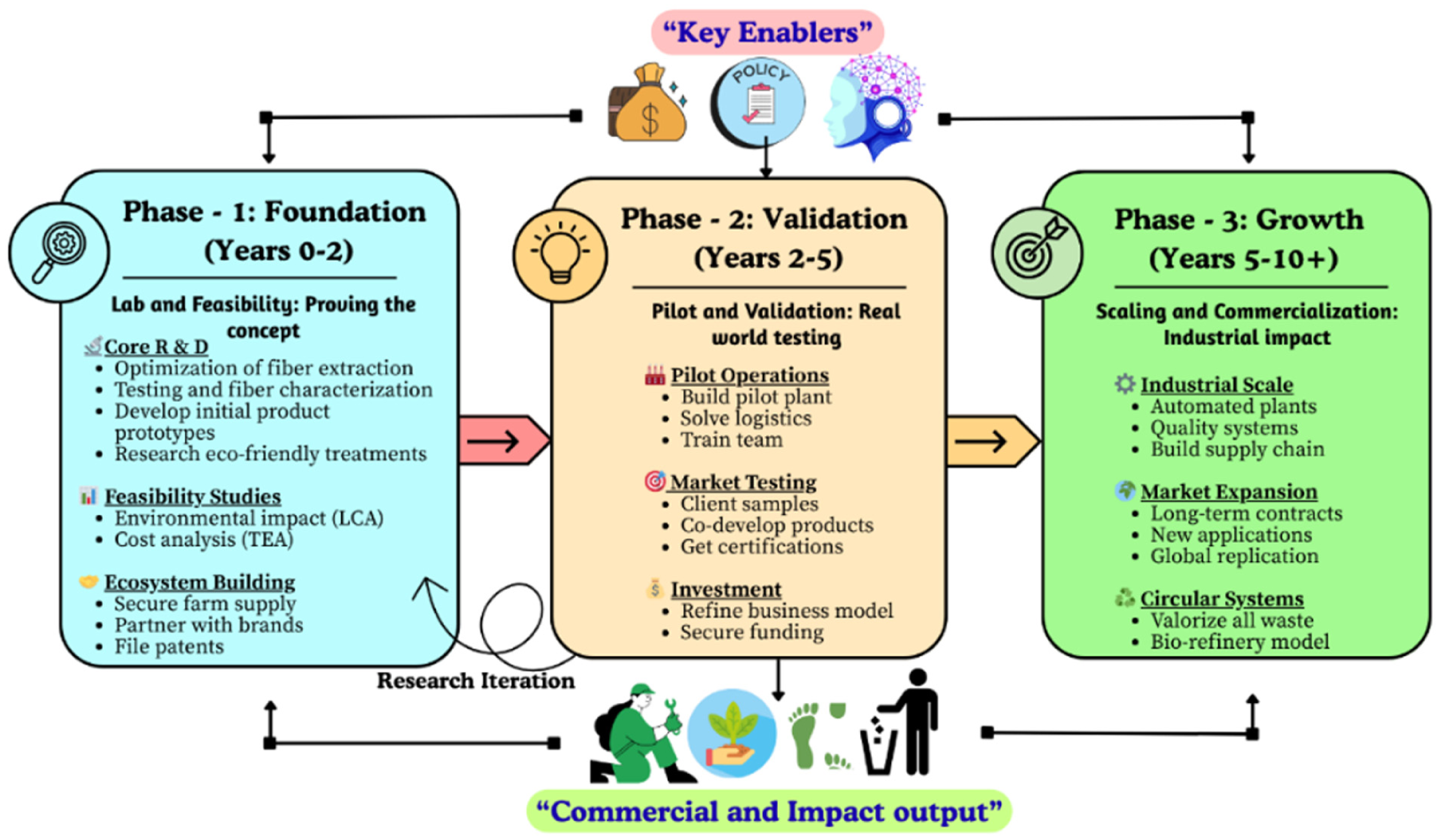
Sustainable fiber innovation roadmap: from laboratory to commercialization.
BPSF extraction methodologies: trade-offs between quality, scalability, and sustainability
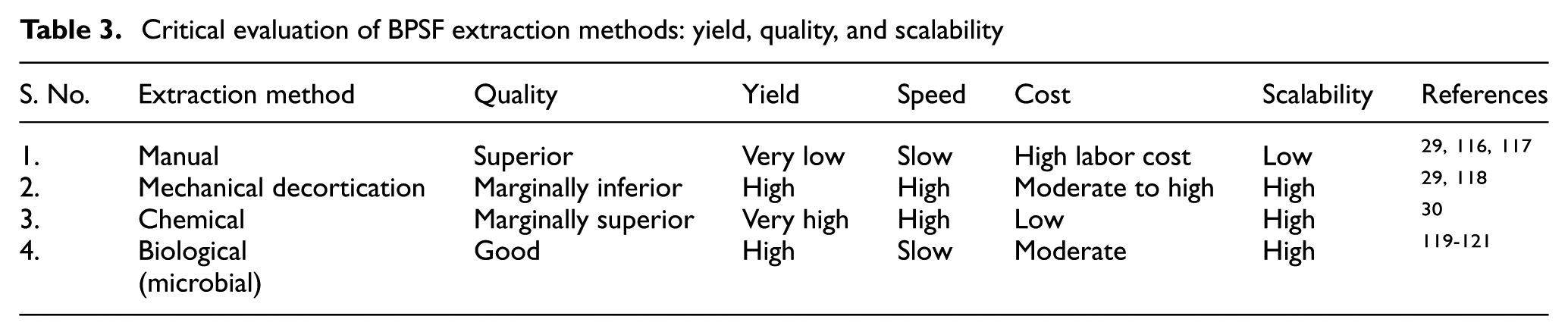
Even with the bountiful availability of agricultural residue (i.e. banana pseudostem), a major challenge exists in selecting appropriate extraction methodologies that focus on fiber quality, yield, extraction cost, scalability, and projected environmental impact. Fiber extraction can be mediated primarily through three methods- manual, mechanical, and microbial (see Table 3), each with distinct merits and demerits that need to be evaluated against application-oriented demands.
Critical evaluation of BPSF extraction methods: yield, quality, and scalability
Manual extraction
Optimization of lignocellulosic fiber processing parameters can be achieved using response surface methodology, Taguchi L9 optimization, or artificial neural networks. In a study by Natrayan et al. 122 on jute-based activated carbon production through optimization of temperature, molar ratio, and time, achieved high prediction accuracy (R2 > 0.95). A similar approach could be applied to BPSF extraction and refinement to achieve desirable mechanical properties and fiber recovery while alleviating resource consumption. Manual extraction can be regarded as a traditional, labour-intensive approach in BPSF extraction. Numerous studies have reported that manually extracted fibers possess superior quality parameters, owing to their higher alpha cellulose content, lower microfibrillar angle and damage, highlighting their advantages, despite the basic limitations. 123 The premium quality of the manually extracted fibers, accomplished through selective and gentle separation from the sheath layers, maintains the cellulose integrity, surpassing the mechanical cleavage of the fibers when done with mechanical decorticators. Three major factors have been identified as driving forces: (i) low manual output (0.5–1 kg/day/person), which limits scalability to a great extent; (ii) very high labor cost; and (iii) wide variation in terms of quality parameters, which limits its application in textile industries that demand consistent yarn.29,40,117 On the other hand, manual extraction can be seen only as a primary methodology that serves as a hallmark for quality, but scalability and labor cost limit its applicability to a greater extent (Figure 5).
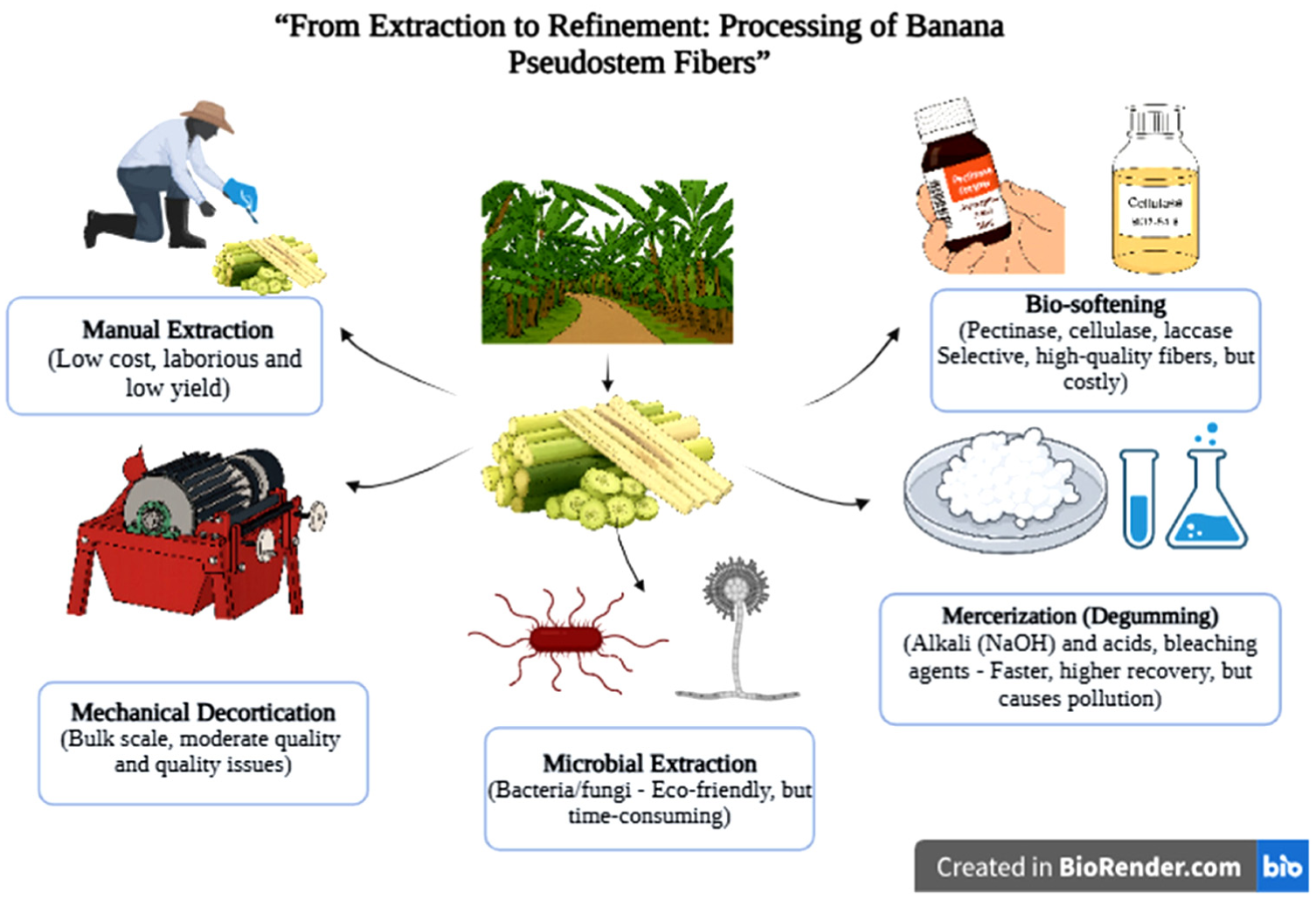
Extraction and refinement methodologies of BPSF.
Mechanical extraction
Mechanical decortication using decorticators or a raspador machine (used for scraping) is the most commonly used viable methodology that offers advantages in scalability, with a recovery capacity of approximately 5 kg/day/machine). 124 However, the primary challenge involves the degradation of mechanical properties at the time of extraction. This can be seen from the design aspect of the machine’s feeding mechanism which processes the sheath layers through mechanical stripping with the help of scraper rollers. A high-speed rotating drum segregates the whole pseudostem into long and short fibers, along with pith and sap.29,117,125 An in-depth analysis of the mechanical degradation of fibers found this was due to the cleavage of β-glucosidic bonds in cellulose and hemicellulose constituents, breaking down the length of the polymer chain and tensile properties. Mechanical abrasion resulted in surface fibrillation and cracking, reduced fiber uniformity, spinnable fibers, and breakage of lengthy fibers. 120 Nowadays, advanced technologies, including conveyor belt–based decorticators and portable types, can overcome these limitations; yet gaps remain in standardized protocols for addressing post-processing-related fiber quality, and research that links with machine features that address ultimate fiber quality. 90
Microbial extraction
Microbial extraction is an eco-friendly approach that uses microorganisms to selectively degrade impurities and undesirable fractions like pectin and lignin from the adhered fiber bundles, minimizing mechanical damage. 120 This method has the unique advantage of preserving environmental health but requires standardized processing technologies. Numerous studies have revealed that enzyme specificity is more important than the type of organism. A wide range of enzymes is needed to carry out specific degradation, including cellulase for controlled cleavage, avoiding cellulose breakdown; hemicellulase for removing amorphous forms of polysaccharides; laccase for delignification and surface modification; pectinase for middle lamella degradation 60 ; and polygalacturonase, which has a similar role in pectin degradation.29,124,126 SEM analysis has revealed the promising effects of the laccase enzyme in enhancing the surface quality of fiber through the removal of pectic substances adhered to the cell walls. 90
Anaerobic microbial extraction promotes better fiber recovery than aerobic conditions. Factors include reduced oxidative degradation potential for cellulose, and complex microbial consortia, found to be more beneficial through synergistic interactions than a purely microbial culture; yet challenges exist in relation to reproducibility.26,72,121 Studies indicate that the strain Bacillus aryabhattai shows promising results due to a complex enzyme profile producing laccase (0.52 U/mg), exoglucanase (1.18 U/mg), endoglucanase (3.05 U/mg), and β-glucosidase (2.32 U/mg). 60 Studies on the extraction of BPSF using a complex range of enzymes (pectinase, laccase, and a combination of the two) have been done in five cvs., that is, Grand Naine, Red banana, Poovan, Karpooravalli and Popoulu, with the highest fiber recovery (2.49%) found in cv. Karpooravalli, whereas mechanical properties like tenacity (180.25 MPa) and breaking strength (975.97 gf) were superior in cv. Red banana. 90 However, scaling up of this extraction method is needed to optimize enzyme activity for BPSF.
Post-extraction refinement of BPSF: trade-offs between chemical and enzymatic degumming
Primary fiber extraction through manual and mechanical methods requires refinement protocols for textile applications, owing to the presence of coarse, stiff material, and a substantial amount of undesirable fractions, such as lignin (30%–40%), hemicellulose, pectin, and wax content. 127 The fibers obtained from the initial extraction require rigorous refinement.
The rapid, effective alkali method of degumming removes the non-cellulose fractions from the extracted fibers at a recovery rate of 32% and has a quick processing time (i.e. hours rather than weeks). 30 However, this efficiency leaves a footprint on the environment and a reduction in fiber properties that needs immediate attention. Most methods aim to saponify the pectin compounds, followed by modification of lignin, and to solubilize the hemicellulose constituents by boiling them in NaOH solution for a duration of 30 min.52,117 Care should be taken while standardizing alkali concentration (2%–15% NaOH): higher doses are effective in the removal of non-cellulose constituents, however, they also degrade the cellulose. Treatment duration also plays a prominent role, for instance, while prolonged periods increase fiber purity, they pose a severe risk of cellulose degradation. Furthermore, an optimum temperature must be maintained, as boiling hastens chemical reactions but incurs higher costs and damages the desirable fractions.117,128,129 This basic dilemma can be depicted by comparing mild degumming agents like soap, magnesium, or sodium carbonate, which result in a lower environmental impact, but are less effective compared to strong alkalis like hydrogen peroxide and NaOH, with aggressive degumming strategies that effect delignification and bleaching, but emit enormous amounts of toxic effluent.30,125 A combined methodology was reported by Xu et al. 30 that eliminated the complexity of performing this in two subsequent steps: (i) pretreatment of fiber with hydrogen peroxide and sulphuric acid, accompanied by (ii) alkalization and then boiling it with hydrogen peroxide (7 g/L) + sodium silicate (3 wt%) + sodium phosphate (2 wt%). Even though it is effective, this sequential chemical degumming process poses challenges for wastewater treatment. Research priority has to be aligned with minimization of degumming protocols and less dependence on chemicals targeted toward specific applications, eliminating the complete delignification protocol as a universal strategy.
Enzymatic degumming of BPSF offers an eco-friendly solution similar to that of microbial extraction, aimed at the selective removal of undesirable fractions from the fiber, avoiding the use of chemical treatments under milder conditions.29,126 Yet, critical assessment reveals certain technical and economic disadvantages that restrict its commercial acceptance. Dose-responsive relationships have revealed the importance of eco-friendly pectinase at a concentration of 1% to 10% maintained at 56°C, to promote fiber smoothness by mediating middle-lamella degradation. Economic assessments have highlighted that the cost of enzymes at a larger scale cannot justify chemical extraction costs. 124 In contrast, pH optimization must be critically evaluated, as an optimum pH range of 5.0–5.5, has been reported for maximum pectinase activity. 72 Consequently, further research focusing on this specific parameter is essential to enhance the performance of BPSF. Critical examination reveals the stage at which this enzymatic treatment can be effectively employed. Sequence plays a key role, with proven results from optimizing balance with regard to cost, speed, and environmental health, because enzymatic treatment is superior when done after primary retting to remove the gummy materials, highlighting the three-stage process of mechanical decortication followed by water retting and enzymatic polishing. 29 Environmental and economic assessments uncovered the following: (a) chemical degumming involves a low chemical cost and less time, but demands costly wastewater treatment; and (b) enzymatic treatment (12–48 h) results in high-quality, eco-friendly products with minimal waste treatment, but incurs enzyme costs. This can also be done as a multitier approach oriented toward applicability: (a) technical textiles could be developed with minimal enzymatic processing, that is, only cleaning the fiber surface to improve adhesion while retaining lignin fractions; (b) mid-range applications could be carried out with enzyme pectinase alone to improve handling properties, but not complete delignification; and (c) premium-quality apparel could involve complete enzymatic processing with pectinase, laccase, polygalacturonase, or controlled cellulase to effect eco-friendly results along with premium pricing to justify the extraction cost. The foremost research gap is that no literature covers a full techno-economic assessment aimed at comparing enzymatic versus chemical treatments on a pivot basis, and such validation is needed to make commercial decisions.
Moisture and chemical retention in treated BPSF
With an equilibrium moisture content of 10.52%, 54 BPSF can compromise mechanical stability and interfacial adhesion in biocomposites unless properly treated. Contemporary studies have explored how filler materials and chemical refinement protocols influence water uptake and chemical resistance. To address this, a study engineered flax fiber ceramic hybrid composites impregnated with fillers, namely silicon carbide (SiC) and aluminum oxide (Al2O3), for use in automotive underbody shields. 130 Alkali treatment with 5% NaOH on flax fibers exhibited excellent resistance to moisture compared with raw untreated fibers. These outcomes were directly pertinent to BPSF, where either the addition of fillers or 5% NaOH-treated fibers enhanced the stability and durability of the textile and biocomposites with their moisture and chemical retention capabilities.
Emerging non-textile applications of BPSF
In addition to its application in textiles and handicrafts, recent research has focused on BPSF’s utility in high-value, non-textile applications. Harnessing its lignocellulosic fractions, mechanical strength, and chemical compositional profile, BPSF is applicable to pulp and paper industries, bioremediation, and biocomposite production.
Paper and packaging applications
The BPSF’s rich cellulose content makes it a potentially viable alternative to other conventional wood fibers used in the paper and pulp industry. Abro et al. 131 revealed the superior physicomechanical properties of BPSF, such as tensile strength (81.66 N) and bursting strength (31.63 KPa), in addition to brightness levels up to 69.68% achieved from paper sheets of BPSF pulp. These properties would be suitable in packaging sectors where durability is pivotal. Another study using BPSF pulp by integrating starch and fermentation, 132 demonstrated notable alterations in the weight and caliper (0.6–1.04 mm) of the sheets, denoting its applicability in craft and specialty paper. This emphasizes how BPSF is not just an alternative, but could be used as the preferred source for high-end paper products.
Bioremediation potential for heavy metals and dyes
The chemical profile of BPSF with its abundant functional groups (hydroxyl, carboxyl, and galacturonic acid), serves as a suitable bio-adsorbent for environmental bioremediation.133,134 This superior capability of BPSF could be employed for heavy metal and organic dye sequestration of industrial pollutants. The potential for heavy metal adsorption, mediated by the widespread availability of binding sites, directly correlates with the refinement strategies that enhance surface area and porosity. 135 In the context of dye removal, certain advancements have been made in relation to BPSF. In particular, a graft copolymer (ACM-co-MBA) developed using microwave-assisted techniques, 136 exhibited superior adsorption capacities for methylene blue (73.69 mg/g) and crystal violet (67.70 mg/g). This highlights the potential of chemically refined BPSF in textile-based effluent treatment plants. 137 In addition, nanocellulose from BPSF has proved phenomenally efficient in the adsorption of lead (Pb2+) and cadmium (Cd2+) ions, at removal rates of 96.22% and 92.5%, respectively, highlighting its potential in innovative water purifying systems. 137
Reinforcement in polymer biocomposites
The switch to sustainable alternatives has leveraged the use of BPSF-reinforced biocomposites. Studies focusing on this highlight the superior mechanical properties of the polymer matrices generated with BPSF. For instance, Romero-Zúñiga et al. 138 employed vacuum-assisted resin transfer molding technology to devise laminated epoxy composites hardened with 60 wt% chopped banana fiber, which exhibited superior tensile strength (51.04 MPa) and a Young’s modulus of 1,456 MPa, showing them to be a suitable raw material for automotive and construction materials. The interactive effect of blending BPSF with bio fillers has also been noted. In a report by Manickaraj et al., 139 epoxy hybrid composites encompassing jute, tamarind shell powder, and banana stem leaves exhibited a 24.6% increase in tensile properties at an ideal jute:banana ratio of 5:25, validating the potential for hybridization in biocomposites. Sheebamercy et al. 140 examined fibers from different parts (pseudostem, bracts, and peduncles) of cvs. Nendran and Monthan, confirming the significant variation in fiber properties and durability of biocomposites due to the cultivar and sources (i.e. user-friendly biocomposites intended for specific purposes could be selected according to raw material criteria).
Flame retardancy through functionalization
Apart from its usage in biocomposites, recent studies have focused on further boosting BPSF’s functional efficiency in relation to biocomposites. A peculiar feature of flame retardancy was reported by Islam et al. 141 on fabric impregnated with BPSF extract (400%); this outperformed cotton with its limiting oxygen index of 27.5% against 18.3%. A more advanced technique using layer-by-layer assembly 142 to dust phosphorous functionalized chitosan particles over BPSF was also carried out. This formulation resulted in an ignition resistance potential exceeding 140 s, accompanied by minimal smoke output and leftover char (1 cm in length), aligning BPSF as an ideal raw material for flame retardancy in construction materials.
Challenges, research gaps, and future perspectives
Technical limitations of BPSF
Notwithstanding the numerous advantages of natural fibers over their synthetic counterparts, they are hindered by several disadvantages, such as their hydrophilic nature, 143 variable quality, erratic performance, structural disintegration, wide variations in fiber quality, 144 low durability, weak impact resistance (stress and strain), and a narrow temperature range for their manufacture. 145 The hydrophilic nature of the lignocellulosic fiber enhances its affinity for water, thereby making it incompatible with the fiber matrix, resulting in low moisture resistance.146,147
Processability and machinability of BPSF and composites
BPSF possess the properties of stiffness and poor fiber-to-fiber cohesion, resulting in excessive breakage during carding and unevenness while performing ring spinning. To address this, the fibers must be softened prior to blending with other fibers. Among the various types of spinning, rotor spinning suits BPSF is preferable over ring spinning. However, a study by Khan et al. 148 successfully developed banana–cotton blends via a simple softening treatment: boiling BPSF in distilled water and then performing conventional ring spinning. The study involved different blends of BPSF (5%, 10%, and 15%) with cotton (85%–95%) to develop 6/s Ne yarns with increased tensile strength (14%), elongation (18%), and an improved yarn quality index (43%) compared with 100% cotton yarn.
Machinability is another key factor in the industrial adoption of BPSF composites. Abrasive water jet (AWJ) machining is as a reliable non-conventional method for cutting natural fiber composites without incurring heat damage or delamination. A study by Pandian and Jailani 149 employed Taguchi gray relational analysis for linen-jute fumed silica epoxy sandwich laminate for AWJ machining to optimize parameters such as traverse speed, abrasive flow rate, and standoff distance to achieve maximum material removal rate and minimum kerf inclination. Their findings revealed that standoff distance played a major role (50.5%) on machining performance, followed by traverse speed (23.2%).
Standardization and scalability hurdles
The applicability of BPSF is hindered by limited standardized protocols in extraction methodologies; enzymatic treatment, in particular, needs to be adopted at a larger scale to improve mechanical performance, fiber quality, and environmental health. The main hindrance to BPSF’s commercial viability and scalability lies in the inconsistent availability and supply due to seasonal variations. 150
With further standardization and optimization, BPSF extraction and application could be scaled up, providing an eco-friendly, sustainable alternative to synthetic fibers, by extending its applications in textiles, automotives, construction materials, and for green and high-performance biocomposites as adsorbents and for inclusion in biomedical devices. 151
Life-cycle assessment deficit
Although numerous studies underscore the recyclability and sustainability potential of BPSF over conventional cotton fiber, most investigations remain qualitative, emphasizing the lower input requirements and promoting waste valorization. However, with the lack of robust LCA surveys, these assertions cannot be quantitatively assessed across various parameters, specifically, blue water footprint, energy demand, carbon footprint, or environmental impact. Consequently, holistic LCAs will be pivotal in validating BPSF’s eco-friendly benefits and serving as a reference point against cotton fiber in multifaceted production and consumptive use scenarios.
SWOT analysis of BPSF in circular bioeconomy framework
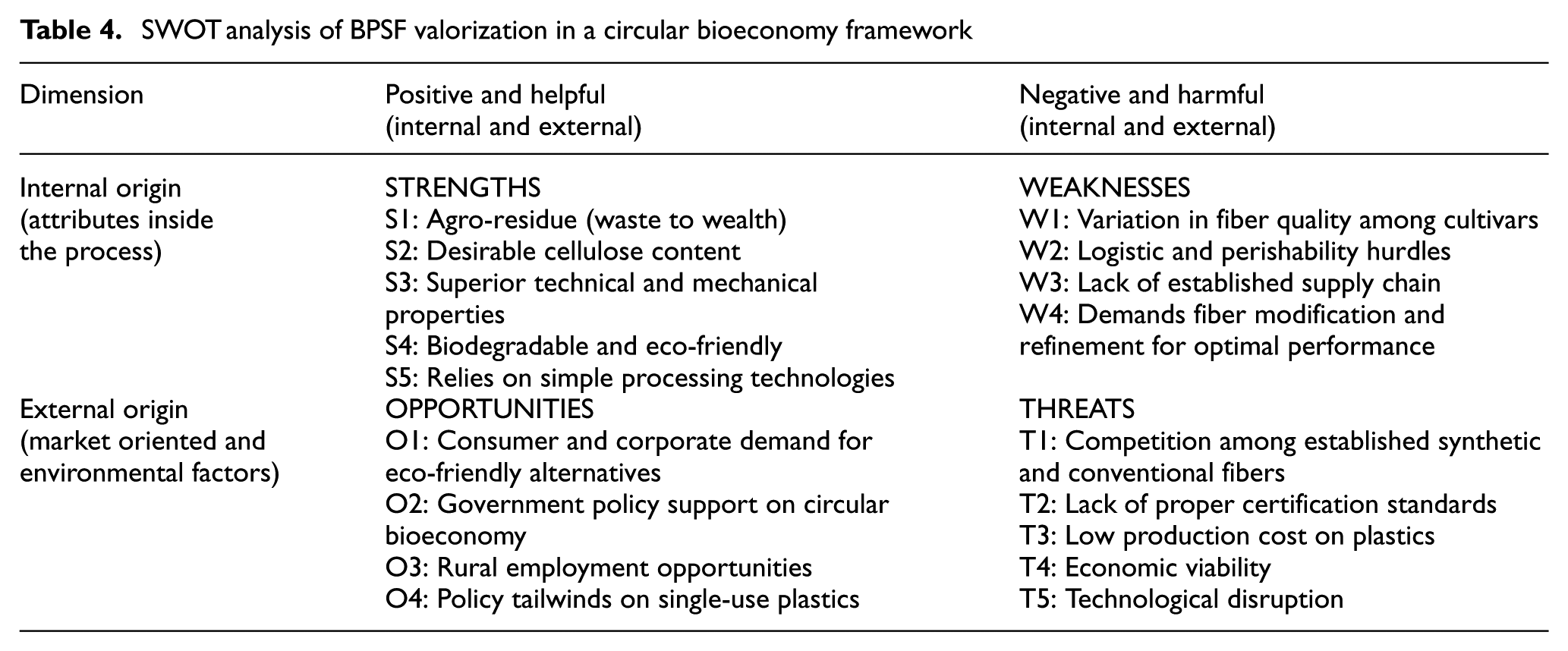
Table 4 presents a SWOT analysis of BPSF across different dimensions in a circular bioeconomy framework.
SWOT analysis of BPSF valorization in a circular bioeconomy framework
Comparative environmental impact profile
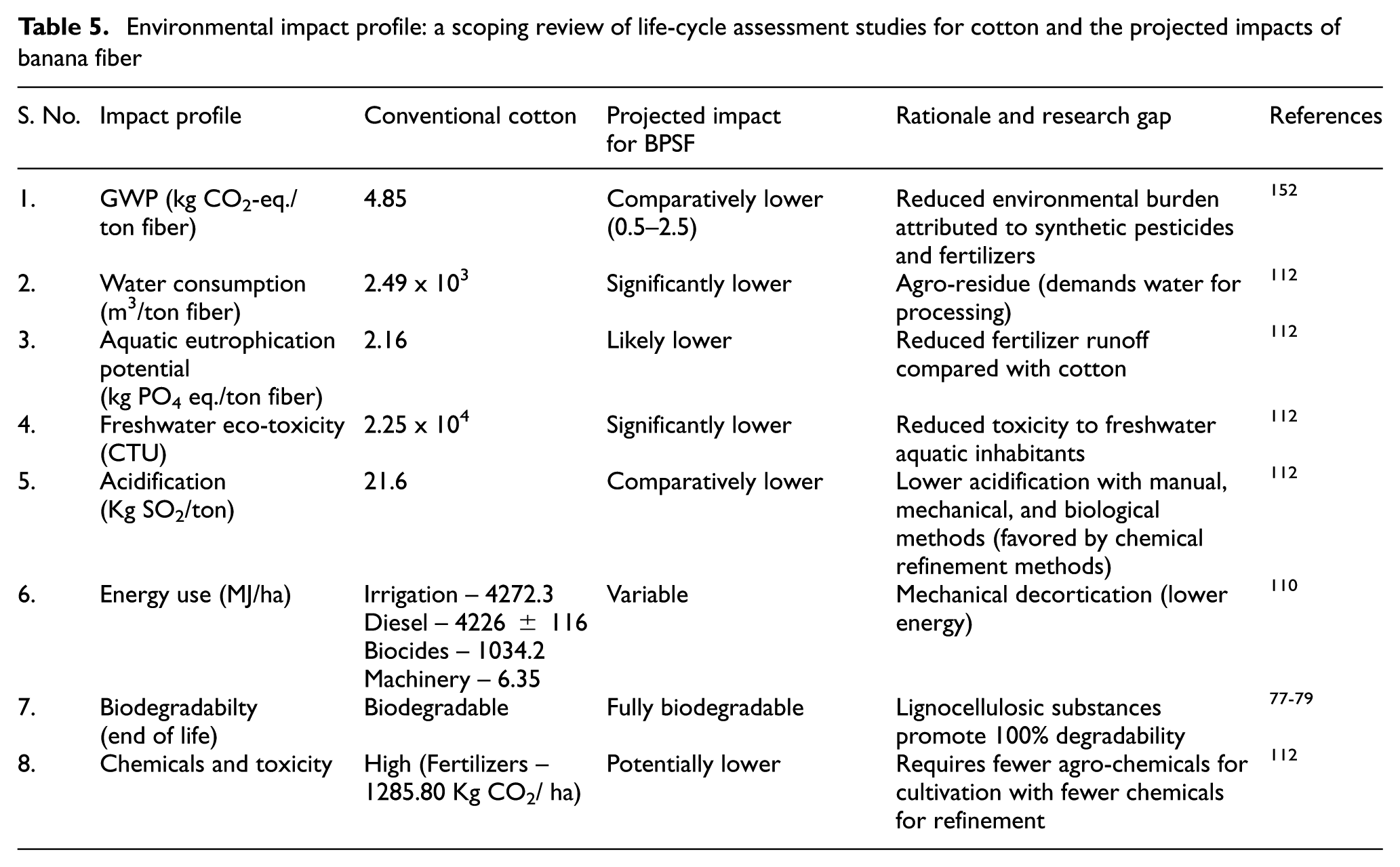
In addition to traditional global warming metrics, recent LCA studies on lignocellulosic- and bio-fibers have introduced sustainability metrics. Future BPSF studies should overlook the circularity index (quantifying material recirculation), water deficit footprint (differentiating blue vs. green water), and soil eco-toxicity potential. Additionally, biodegradability is a pivotal metric, as given in Table 5. BPSF exhibited complete degradation potential within 60 to 90 days of soil burial; compare this with conventional cotton (90–120 days) and polyester (over 200 years). These key sustainability metrics further necessitate the role of BPSF as a circular feedstock for eco-friendly, sustainable textiles. Figure 6 illustrates a conceptual overview of the LCA (cradle-to-gate) of BPSF (right) in comparison to conventional cotton fiber (left). This model is intentionally designed to project cotton as a “linear and intensive” system, while framing BPSF as a “circular and innovative” alternative. This duality serves to prioritize not only the key quantitative disparity in resource allocation and GHG emissions, but also the basic structural differences between the two supply and value chains. The conventional cotton linear model is heavily reliant on two phases, specifically, cultivation and processing. As illustrated, the cultivation phase is resource-intensive, demanding substantial irrigation (∼2,800 m3/ton), 109 synthetic fertilizers (640.2 kg/ton), 112 and rigorous pesticide consumption, contributing to terrestrial eutrophication (+19% mol H+eq). 152 The processing stage is similarly detrimental, characterized by high-energy processes like spinning, ginning, and scouring, which produce a significant amount of GHG emissions (+27.5% GHG, 7.9 × 10³ kg CO2/ton of finished yarn), 109 in addition to chemical-loaded wastewater going into freshwater streams. The system’s linearity is proven in its major output, being a unique product (fiber) in conjunction with detrimental environmental pollutants. In contrast, the BPSF system commences with an “avoided burden” through waste valorization that would typically be omitted or churned: this emphasizes its circular credibility. The processing phase through mechanical decortication demands moderate energy and necessitates the use of enzymatic treatments for fiber extraction, favoring “green chemistry,” resulting in lower GHG and pollutants emissions. Consequently, the model is intrinsically circular: the residue generated during fiber extraction and modification is not waste but serves as a valuable resource for compost or biofuel production, creating a closed-loop model that optimizes resource-use efficiency and reduces environmental pollution. Thus, this conceptual model underscores a paramount shift from an environmental polluting, heavy input-driven linear model to one that is a restorative, waste-minimizing, circular bioeconomy. The BPSF cycle not only reduces the original environmental impacts of cotton cultivation and extraction, but also creates innovative, low-impact extraction and processing, thereby generating additional income ventures from its agro-residues.
Environmental impact profile: a scoping review of life-cycle assessment studies for cotton and the projected impacts of banana fiber
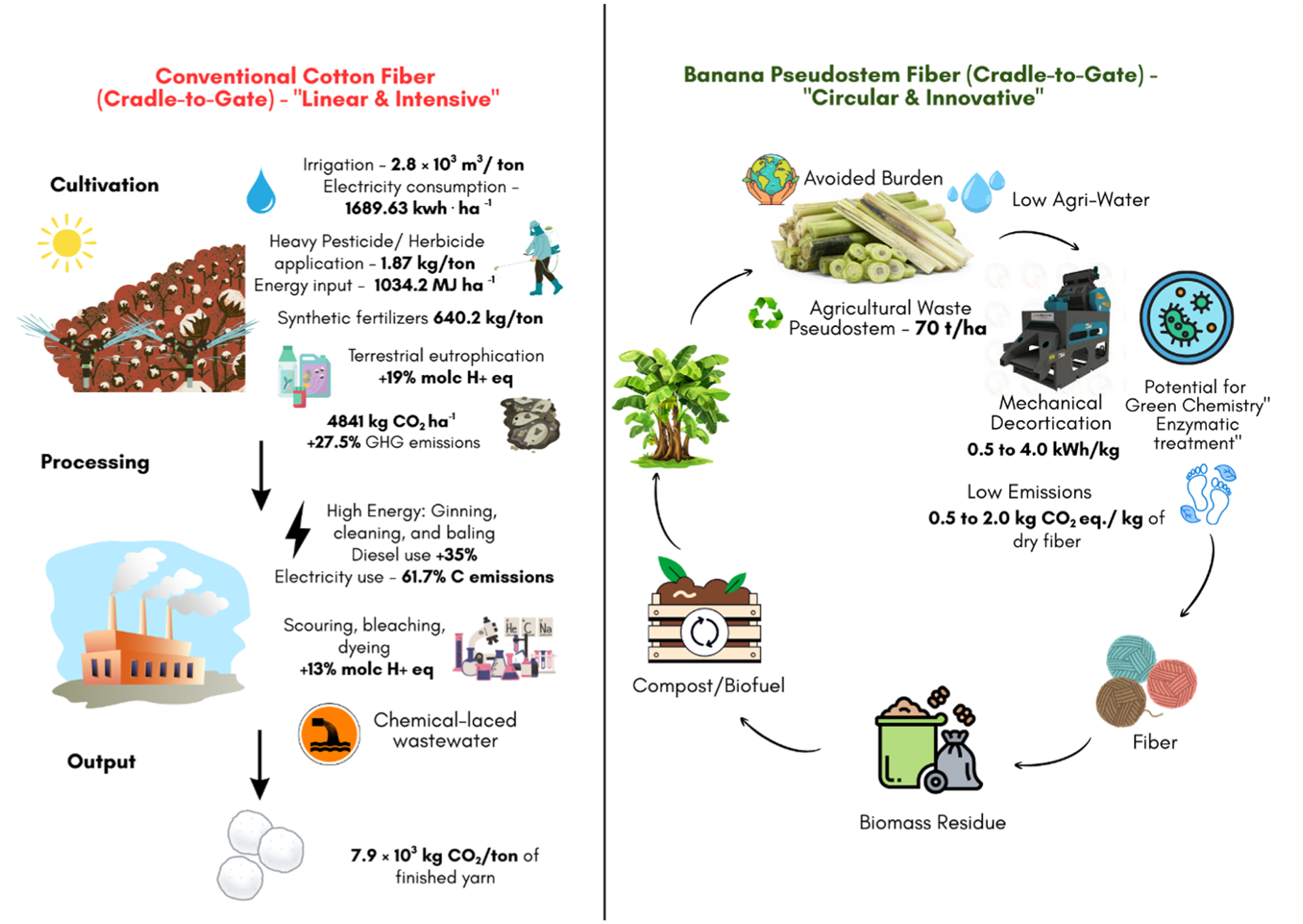
Conceptual life-cycle assessment of BPSF in comparison to conventional cotton fiber.
Conclusion
BPSF stands as a valuable source of raw material by underscoring its potential for circular bioeconomy and waste valorization. This transformation aligns with the concept of waste-to-wealth, highlighting its potential as a suitable alternative to conventional fibers such as cotton and polyester. BPSF, with its impressive physicochemical properties (superior tensile strength, cellulose content), could be used in several applications, from conventional textiles and composites to biomedical and nanocellulose fractions. Comparative assessments would further bolster its suitability, given its lower environmental and water footprint compared with conventional cotton and other fibers. To fully recognize its potential, research must investigate the techniques necessary for optimization of fiber extraction and scalability, followed by implementation of critical LCAs. Eventually, BPSF could serve as a multifaceted, plant-based raw material, contributing to a sustainable and robust industrial structure.
Footnotes
Declaration of conflicting interests
The authors declared no potential conflicts of interest with respect to the research, authorship, and/or publication of this article.
Funding
The authors received no financial support for the research, authorship, and/or publication of this article.
ORCID iDs

Data availability statement
No data were generated or analyzed during this study.