






Abstract
Neat liquid silicone rubber is also used as a hydrophobic flexible outdoor high-voltage insulation․ Due to its lower dielectric strength and mechanical stiffness‚ however‚ LSR is not suitable for all bushings and outdoor insulation applications requiring very high reliability over long periods․ To overcome this drawback‚ fused silica-reinforced LSR composites containing 0 to 25 wt% of silica were fabricated․ The dielectric‚ surface‚ arc-resistance‚ mechanical‚ morphological and structural properties of the composites were evaluated․ It was found that the incorporation of fused silica remarkably improved the insulation performance of LSR compositions․ The breakdown strength increased from 18 kV/mm for the neat LSR to 38 kV/mm for the 25 wt% fused silica․ The dielectric constant increased from 3․5 to 4․6․ The decay of surface potential became slower with increased filler content‚ due to an improved charge retention by the deeper charge trapping sites․ In terms of arc resistance‚ an increase from 90 s to 224 s was observed‚ indicating a better resistance to surface tracking and carbonization․ Other improvements include an increase in Shore A hardness from 48 A to 64 A‚ as well as an increase in the tensile strength from 3․2 MPa to 8 MPa․ Its hydrophobic character‚ displayed in contact angles of greater than 90° was confirmed‚ reaching up to 107․6° at 20 wt% fused silica․ SEM and XRD results proved that fillers were well dispersed among the matrix and the composites were amorphous․ FS- LSR composites improved dielectric strength and mechanical strength‚ and showed promise for outdoor applications in high voltage insulation devices‚ such as bushings‚ surge arresters‚ insulator housings and seals.
Keywords
Introduction
High-voltage outdoor insulation systems are important components in power transmission, distribution, substations, bushings, surge arresters, cable accessories, and polymeric insulator assemblies.1,2 These insulation materials are continuously exposed to electrical stress, thermal variation, moisture, ultraviolet radiation, pollution, and surface discharge activity during service. 3 Therefore, the long-term reliability of outdoor insulation materials is critical for maintaining stable power delivery and reducing failure in high-voltage equipment. 4 Conventional insulation materials such as ceramics, glass, porcelain, and thermosetting resins are widely used because of their good dielectric strength and thermal stability. However, these materials usually suffer from high density, brittleness, low impact resistance, and poor flexibility, which restrict their use in compact, lightweight, and mechanically flexible insulation systems. 5 Hence, polymeric insulation materials with improved dielectric, mechanical, surface, and environmental resistance have received significant research attention. 6
Liquid silicone rubber (LSR) is considered one of the promising polymeric materials for high-voltage outdoor insulation applications due to its hydrophobicity, weather resistance, thermal stability, low surface energy, chemical inertness, and flexibility.7,8 The hydrophobic nature of silicone rubber reduces continuous water-film formation on the surface under humid and polluted environments, thereby limiting leakage current, surface tracking, and flashover risk. 9 In addition, the flexible Si-O-Si backbone of silicone rubber provides good elastic recovery and allows the material to withstand mechanical deformation better than rigid ceramic insulation materials. 10 However, pristine LSR has moderate dielectric breakdown strength and relatively low mechanical stiffness, which can limit its long-term performance in outdoor high-voltage components. 11 To overcome these limitations, inorganic filler reinforcement has been widely adopted to improve the electrical, mechanical, thermal, surface, and aging resistance of silicone-rubber-based insulation materials.
Fused silica has interest as an insulating filler in part due to its low dielectric loss‚ high insulation resistance‚ good thermal stability‚ excellent chemical inertness‚ and good compatibility with a silicone matrix. 9 The dielectric breakdown strength‚ surface charge retention‚ arc resistance and mechanical strength of LSRs may be improved by the addition of fused silica. 12 Increased interfacial polarization regions and charge-trapping sites at the filler-matrix interface contribute to the retarded electrical treeing by obstructing the mobility of charge carriers. 13 Additionally‚ stiff silica particles restrict polymer chain mobility and act as stress-bearing sites in the soft silicone matrix‚ thus increasing the Shore A hardness and tensile strength of the composite․ As fused silica is mostly amorphous‚ and present in the silicone rubber matrix‚ it does not adversely affect the elastic properties of the rubber which are important in outdoor insulation. 14
The properties of the filler‚ its particle size‚ its loading‚ dispersion and its interfacial properties have a major effect on the electrical and mechanical properties of silicone rubber composites․ Well-dispersed inorganic fillers help lower the mobility of charge carriers‚ increase surface breakdown resistance and achieve optimal mechanical reinforcement․ Poor filler dispersion‚ or excessive filler loading can result in agglomeration‚ voids‚ and/or localized electric field concentration deteriorating the dielectric properties․ Thus‚ the choice of the fill material and its loading is important in determining the suitability of silicone rubber composites for outdoor high voltage service.
Adupa et al. 15 investigated the effect of cordierite nanofillers on LSR composites for high-voltage composite insulator applications. The addition of cordierite nanoparticles improved electrical insulation performance, mechanical strength, thermal stability, and chemical resistance. The enhanced filler–matrix interaction contributed to better dielectric behavior and durability, indicating that ceramic nanofillers can improve the suitability of LSR for outdoor insulation systems. Tan et al. 16 developed a multi-scale filler reinforcement approach to improve the thermal conductivity and mechanical strength of stretchable silicone elastomers. The interaction between fillers of different scales formed effective heat-conduction pathways while maintaining flexibility. The MR properties of silicone composites filled with isotropic iron particles were studied by Chiu et al. 17 It was reported that the filler was well dispersed and the cyclic stability and MR properties of the composites were satisfactory․ The developed composites can be used as smart materials․ The filler dispersion and matrix compatibility are key factors.
n a study by Adupa et al. 18 electrical insulating LSR composites filled with Al2O3 nanoparticles showed improved dielectric strength‚ thermal stability‚ mechanical properties‚ and chemical resistance. Vudayagiri et al. 19 reported that LSR composites with improved dielectric breakdown strength were produced with optimal filler content that improved insulation properties without affecting the flexibility required of elastomeric dielectrics. Yu and Skov 20 used titanium dioxide (TiO2) to improve permittivity and mechanical properties of silicone rubber composites filled with nanoparticles. Pal et al. 21 studied TiO2 nanoparticles in HTV silicone rubber composite․ The dielectric and mechanical properties of silicone rubber composites can be improved by the use of ceramic fillers․ The final properties of the silicone rubber composite depend on the filler type‚ loading and dispersion.
Another important requirement for outdoor insulation is surface hydrophobicity‚ because in humid atmosphere‚ leakage current and tracking are accelerated․ Li et al. 22 developed a superhydrophobic silicone rubber with superior water repellency and durability‚ indicating the necessity of surface modification for application under harsh conditions․ To study the surface charge behavior of silicone rubber outdoor insulators‚ Wang et al. 23 have performed surface voltage decay tests and found that the surface charge retention and decay characteristics provide important information regarding the insulation performance․ Alam et al․ 24 have investigated the electrical conductivity behavior of silicone rubber under different electric fields using the current measurement and surface potential decay tests․ Their study confirmed that surface potential decay is an effective tool to identify charge transport mechanisms in insulating polymers․
The mechanical stability of the high voltage insulation parts‚ such as bushings‚ sealing systems and insulator housings‚ is required to withstand the handling load‚ vibration‚ temperature change-induced thermal expansion‚ and environmental aging․ Ramya et al. 25 reviewed the use of ceramic‚ carbon-based‚ and hybrid fillers in LSR composites to improve properties such as electrical insulation‚ thermal stability‚ mechanical strength‚ and durability. Deore et al. 26 studied graphene-loaded silicone rubber nanocomposites and reached an optimum filler loading at which the mechanical and electrical properties improved. Chen et al. 27 studied the microstructural damage in silica nanoparticle-reinforced silicone rubber composites and concluded that the dispersion of filler and bonding between filler and polymer matrix considerably influence crack initiation and propagation․
There is some literature on silicone rubber composites used for high voltage insulators․ For example‚ Nazir et al. 28 added alumina trihydrate and boron nitride to improve the dielectric and thermal properties of silicone rubber composites for insulators․ Additionally‚ the presence of a continuous filler network for the composites resulted in improved thermal conductivity and electrical insulation for high-voltage applications. Chiulan et al. 29 investigated silica-modified silicone rubbers and reported improvements in mechanical strength, thermal stability, and structural integrity. Kumar et al. 30 studied hybrid silicone rubber composites reinforced with graphene and metal oxide fillers and showed that the synergistic effect of graphene with iron oxide or titanium dioxide improved mechanical, thermal, and electrical properties. Khalil et al. 31 developed eco-enhanced silicone rubber composites using micro- and nano-sized waste iron slag/TiO2 fillers for thermal stability and radiation shielding. Higher TiO2 content improved gamma attenuation, while nano-filled samples outperformed micro-filled counterparts. SEM/TEM confirmed homogeneous dispersion, and TGA showed enhanced thermal stability, demonstrating the potential of waste-derived hybrid fillers for multifunctional silicone rubber composites in advanced insulation materials. Dhandapani et al. 32 investigated silicone rubber composites filled with MWCNTs and silver for mechanical and pseudo-piezoelectric performance. At only 2 phr total filler loading, Hybrid-A delivered the best balance of tensile modulus and electromechanical response, with stable cyclic output. Experimental, real-time monitoring, tuning, and COMSOL results confirmed improved voltage generation, indicating potential for flexible self-sensing or pressure-monitoring silicone rubber devices applications. Huang et al. 33 engineered silicone rubber composites using methyltrimethoxysilane-modified AlOOH/γ-Al2O3 aerogels to construct nano-entanglement interfacial networks. The modified aerogels greatly enhanced storage modulus and Payne effect through hydrogen-bond-driven polymer adsorption, bound-rubber formation, and reduced filler aggregation. Ultrasonic extraction, TEM, IR, NMR, and XPS confirmed the mechanism, showing a promising route for high-performance damping and load-bearing silicone elastomers in advanced materials. Uppula et al. 34 developed chopped carbon fiber-reinforced liquid silicone rubber composites for aerospace, automotive, and electrical applications. Incorporating 0–6 wt% CF improved hardness, thermal stability, and chemical resistance, with 6 wt% CF producing a 63% hardness increase. The work shows that randomly oriented CFs offer low-cost multifunctional reinforcement for seals, EMI shielding, and durable electrical housings.
The literature shows that most previous studies have focused on ceramic, metal oxide, carbon-based, and hybrid fillers to improve the dielectric, thermal, and mechanical behavior of silicone rubber composites. However, comparatively fewer studies have focused specifically on fused silica-reinforced liquid silicone rubber for high-voltage outdoor bushing applications. In particular, limited work has evaluated fused silica-filled LSR by combining dielectric breakdown strength, dielectric constant, surface potential decay, arc resistance, hydrophobicity, Shore A hardness, tensile strength, SEM morphology, and XRD structural assessment in a single study. Such a combined evaluation is necessary because outdoor bushing insulation requires simultaneous improvement in bulk dielectric reliability, surface charge stability, arc resistance, moisture resistance, and mechanical durability.
To address this gap, the present study develops fused silica-reinforced liquid silicone rubber composites with filler loadings from 0 to 25 wt%. It is important to test the feasibility of any new materials before putting it into any application.35–37 The effect of the fused silica loading on the dielectric breakdown strength‚ the dielectric constant‚ the surface potential decay‚ the arc resistance‚ the water contact angle‚ the Shore A hardness and the tensile strength are investigated․ The filler dispersion and the surface morphology are studied by scanning electron microscopy (SEM) before and after the dielectric breakdown strength testing․ From the XRD results‚ the composites are confirmed as being highly amorphous with some small quantities of silica-based crystalline phases․ This work seeks to study the simultaneous improvement of the electrical insulative property‚ charge decay performance‚ arc resistance‚ hydrophobic stability and mechanical strength of LSR with fused silica․ The results make it possible to produce long-term stable‚ flexible‚ reliable‚ silicone-rubber-based outdoor electrical insulators for any outdoor high-voltage electrical or power equipment (for example‚ bushings‚ surge arresters)‚ and/or outdoor electrical enclosures and/or sealants.
Experimental
Materials
The elastomer used in this work was a two component addition-cure SILOCZEST Liquid Silicone Rubber purchased from Chemzest Techno Products Pvt․ Ltd․‚ Chennai‚ India․ This LSR was chosen because it is widely used in the mold-making‚ electronics and electrical sectors in applications requiring high thermal stability‚ good electrical insulation and good resistance to chemicals‚ moisture and extreme temperatures․ Part A (base) and part B (curing agent) were mixed in a 10:1 weight ratio to induce crosslinking‚ allowing it to crosslink to a translucent hard wearing elastomer at room temperature (no heat or pressure)․ Cured LSR has an approximate density of 1․15 g/cm3․
The reinforcing filler used in the present study was fused silica powder․ The micronsized fused silica power used in the present work was purchased from Refcast Corporation‚ Ahmedabad‚ India․ The particle size of the fused silica powder was 2 to 6 µm․ Thus‚ the filler used in this work is micro-sized fused silica‚ which is the basic structural form of amorphous silicon dioxide and has low dielectric loss‚ excellent thermal and electrical insulation properties‚ and high thermal stability‚ making it a suitable candidate for high voltage outdoor applications․
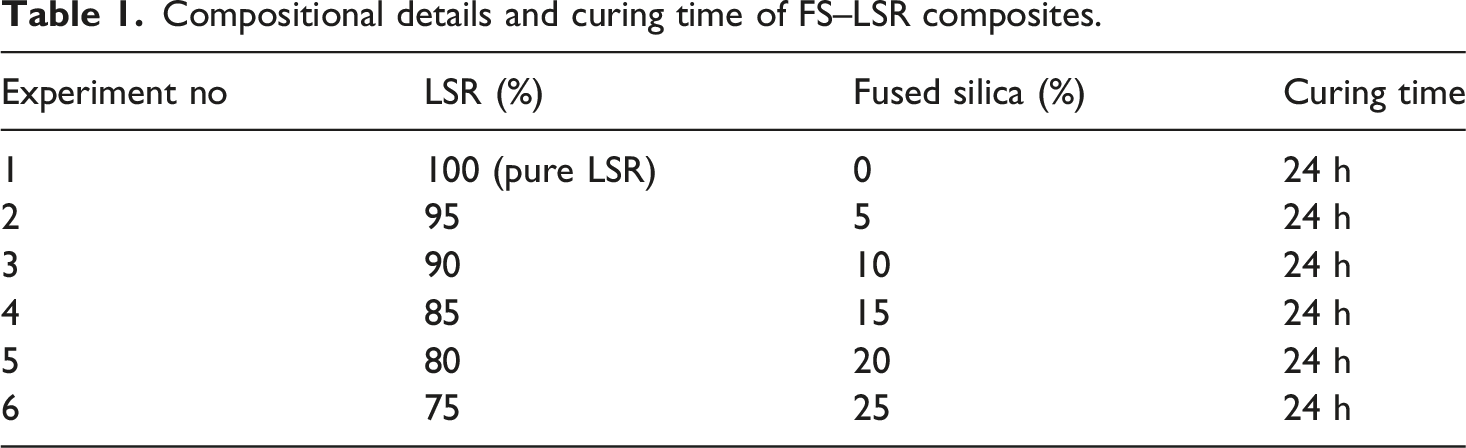
Compositional details and curing time of FS–LSR composites.
Composite preparation
The FS-LSRs were mixed to ensure even dispersion of the FS particles and that the system would cure without voids․ FS particles between 2 and 6 µm were added to the system based on the necessary filler loadings in wt% (0–25)․ The weighed fused silica filler was added to part An of the addition-cure LSR mixture before the curing agent was added․ The filler was added to part A slowly and mixed in a manual manner to ensure that it was thoroughly wetted to reduce agglomeration․ Mechanical mixing (20 min‚ 900 rpm) was then used to optimize the dispersion of the fused silica within the LSR matrix․
Part B curing agent was then added in a recommended 10:1 Part A to B weight ratio to the filler uniformly mixed in Part A‚ and this was hand stirred to distribute the curing agent and start the crosslinking process․ Entrapped air was removed by vacuum degassing․ The degassed slurry was cast at room temperature in steel molds of the desired 3D shape and dimensions and was allowed to cure undisturbed for 24 h․ The sample was obtained without any further treatment‚ apart from trimming and polishing․ All the compositions were prepared in triplicate (n = 3) for each test․ A schematic of the fabrication procedure is presented in Figure 1(a) and the tensile test samples are prepared from the process as shown in Figure 1(b). (a) Process schematic for the fabrication of FS–LSR composites, (b) The tensile test specimen prepared for this study.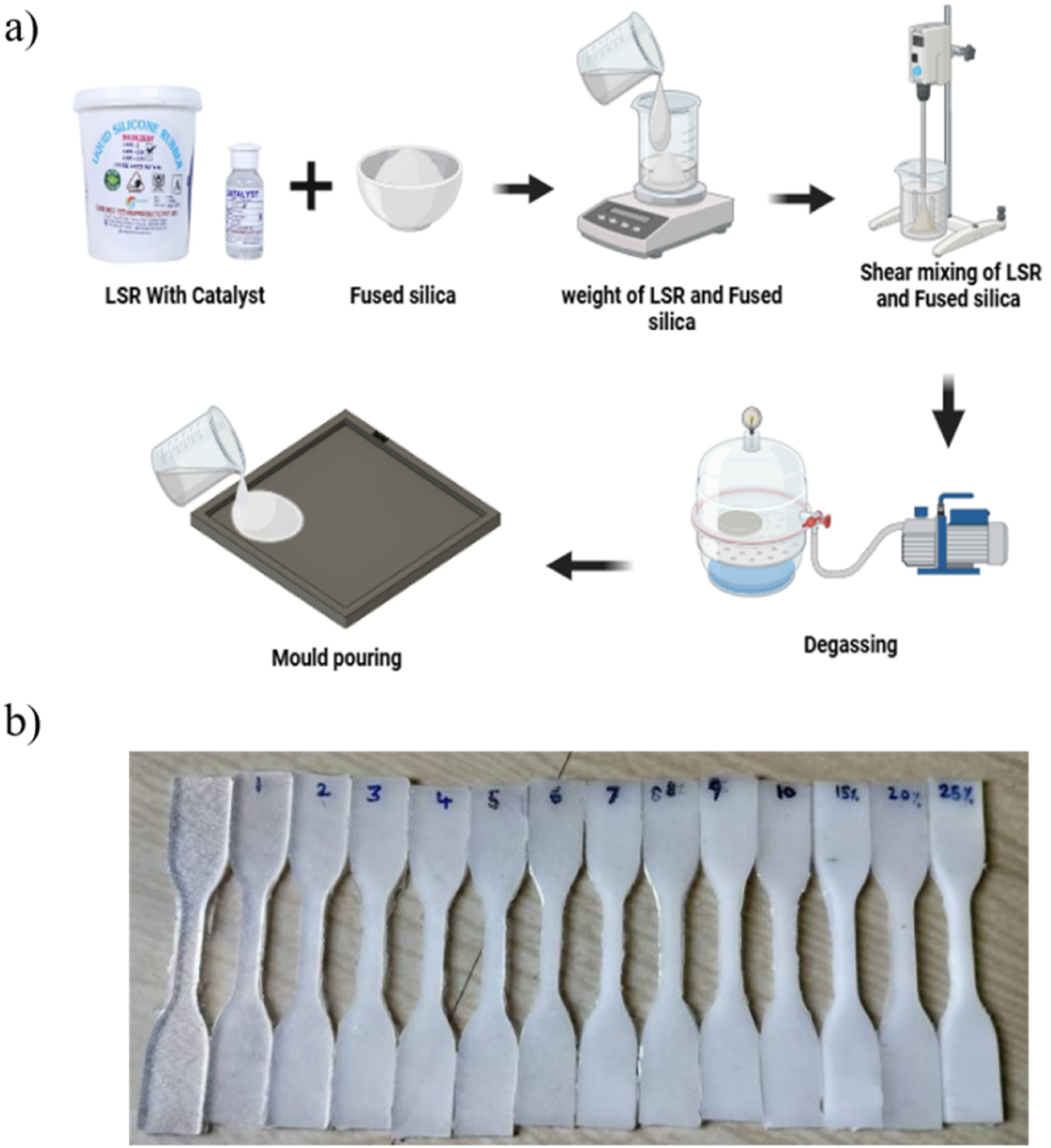
Characterization
Breakdown strength of dielectric
Dielectric breakdown strength of the FS–LSR samples was evaluated in accordance with ASTM D149 using an AC high-voltage test set (0–50 kV). Figure 2 illustrates the experimental setup for measuring dielectric breakdown strength. Flat sheets (2 mm thick) were clamped between polished brass electrodes, and the applied voltage was ramped at 500 V/s until failure, after which the breakdown field (kV/mm) was obtained by dividing the breakdown voltage by the specimen thickness. Experimental setup for dielectric breakdown voltage testing: (a) close-up view of the specimen placed between electrodes in the oil-filled test cell and (b) complete AC high-voltage breakdown tester setup.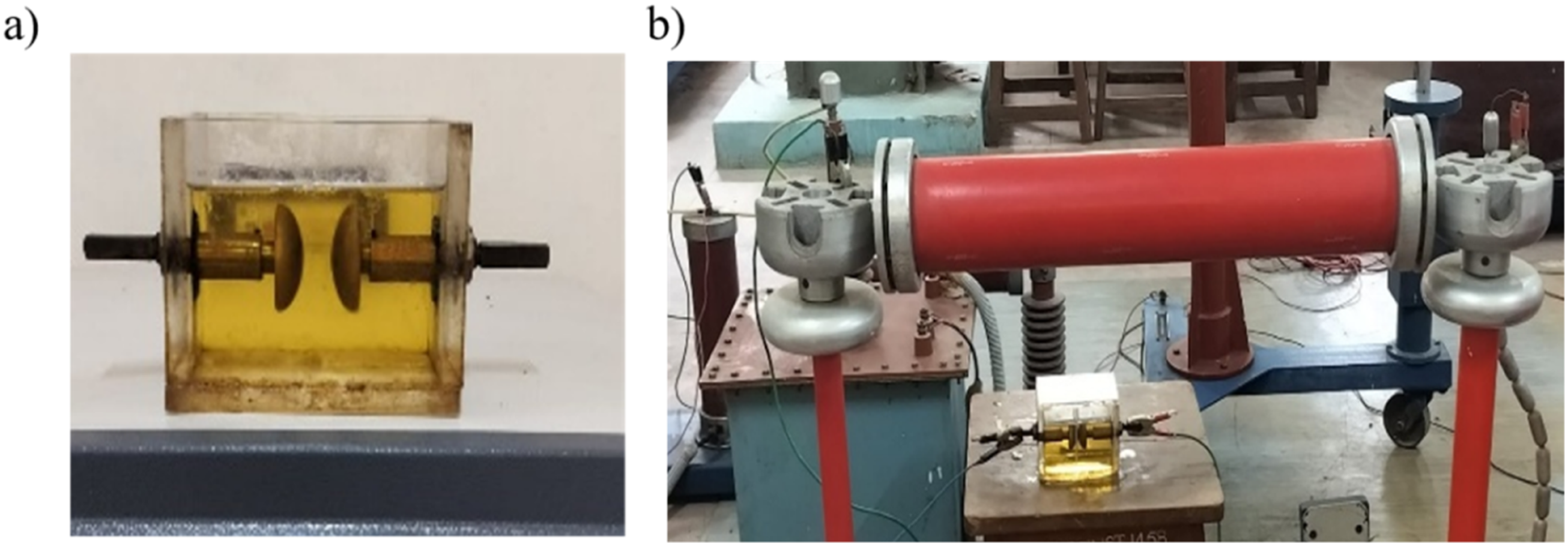
Dielectric constant measurement
The relative permittivity of the composites was determined at 1 MHz using a precision LCR meter, following ASTM D150. Disc-shaped specimens 50 mm diameter, 3 mm thickness were tested in a parallel-plate configuration with copper electrodes. The measured capacitance is converted to dielectric constant using the equation given below: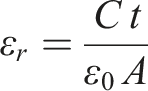
Hydrophobicity
Hydrophobicity was assessed by static water contact angle (WCA) measurement․ A 20 µL sessile drop of deionized water was placed on the surface and the angle was measured using a goniometer and analyzed using image processing software․
The procedure followed is depicted in Figure 3‚ in which three specimens of each material composition were tested in different positions and the WCA readouts were averaged․ Higher WCAs (>90°) suggested that the surfaces had better water repellency‚ which would be more helpful where external high-voltage insulation was required․ Experimental arrangement of contact angle goniometer.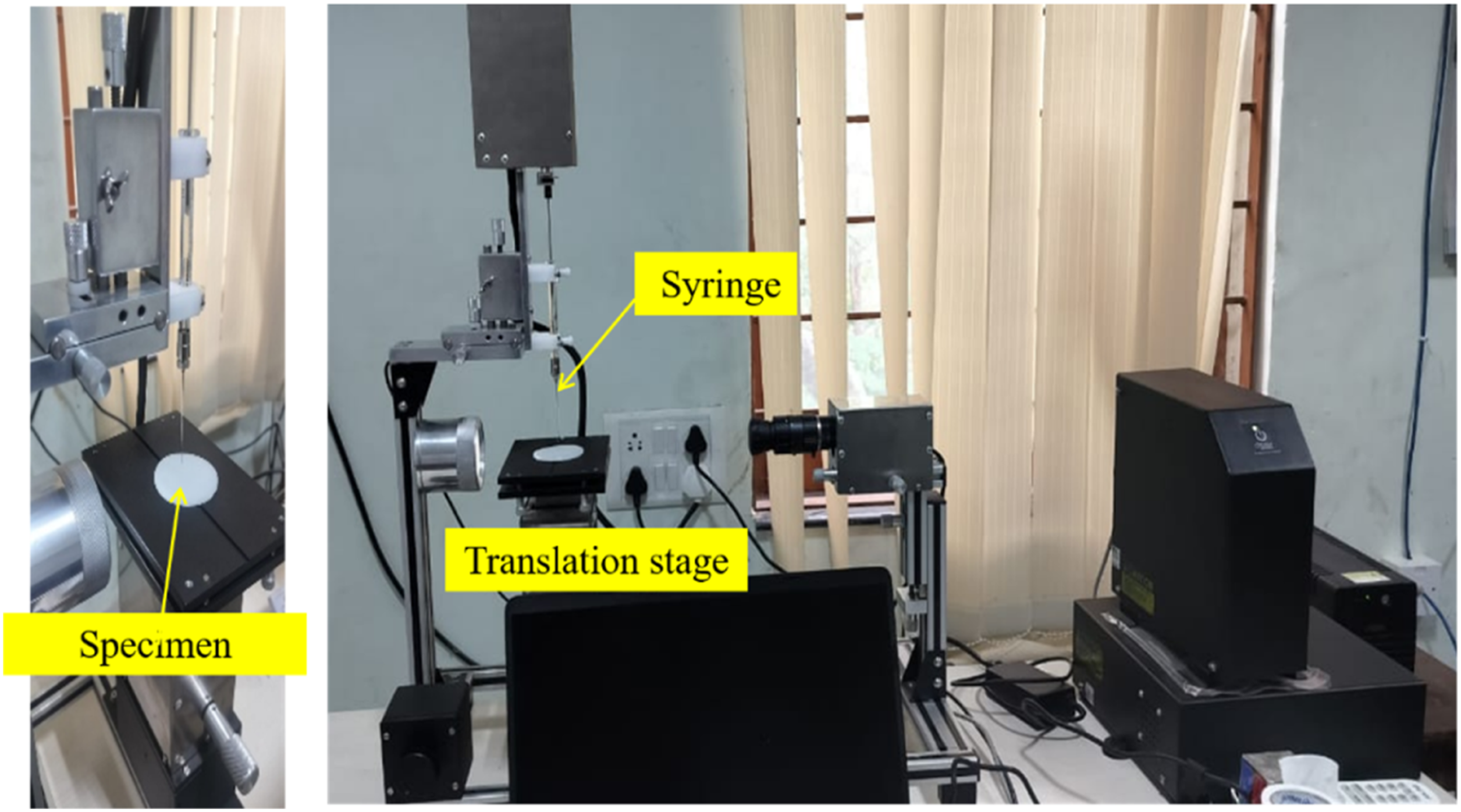
Surface potential
The surface potential decay properties of corona charged composites were investigated to determine their charge retention and transport characteristics‚ similar to that of silicone-rubber insulation materials․ Rectangular specimens with a thickness of 6 mm were corona charged by a 6 kV corona gun․ The surface potential was measured using a Kelvin probe electrostatic voltmeter with a distance of 5 mm from the surface․ The initial potential (V0) and its decay over time were measured and the time for the potential to halve in value (t1/2) was used to compare charge retention․
Arc resistance test
Arc resistance of FS-LSR composites was measured as per ASTM D495 using an Arc Resistance Tester. Disc specimen 50 mm × 3 mm were prepared with different filler loading and cured at room temperature. A low-current high-voltage arc was applied across tungsten electrodes 6.35 mm gap until carbonization, tracking, or puncture occurred. The resistance time, in seconds, was recorded as the measure of arc endurance.
Hardness test
The hardness of the FS-LSR composites was measured using a digital Shore A durometer following the ASTM D2240 standard. The device uses a durometer indenter with a blunted point, ideal for testing softer elastomers. The test was conducted on a clean and flat surface and the indenter was left to creep under its weight. The value of hardness was displayed on the digital screen, which was the depth of penetration. This is especially useful to compare the relative stiffness of various filler loadings in silicone rubber composites because of its simplicity, immediate readout and high accuracy.
Tensile test
The tensile behaviour of FS-LSR composites was measured as per ASTM D638 using a Universal Testing Machine. Dumbbell-shaped specimens were subjected to uniaxial loading at a constant crosshead speed until failure, and the tensile strength was recorded.
SEM analysis system
The surface morphology and micro-structural features of the composite specimens were examined using a VEGA3 Scanning Electron Microscope (TESCAN, Czech Republic) equipped with VEGA3 control software (Version 4.2.32.0 build 1557). Prior to imaging, the samples were sputter coated with a conductive gold layer of approximately 40 nm thickness to minimize surface charging, which is essential for SEM analysis of non-conductive polymer composites. This enabled clear visualization of the dispersion‚ inter facial bonding and fractures of fillers. The SEM was operated at an accelerating voltage of 10 kV and a working distance of 10 mm to capture high-resolution images at various magnifications.
X-ray diffraction analysis
X-ray diffraction was used to determine the crystalline structure and identify the phase of the prepared Fused Silica Reinforced Liquid Silicone Rubber composites. The samples at varying filler loading were examined with the X-ray diffractometer which used 40 kV and 30 mA of Cu K alpha radiation (1.5406 A). The patterns were obtained and recorded in the two the range of 10°−80° with a step of 0.02° and a scanning rate of 2°/min. To prevent scattering errors. Flat composite samples with smooth surfaces were placed on the sample holder. The diffraction peaks obtained were utilized to determine the characteristic phases of fused silica as well as to determine the influence of filler loading on ordering the structure of silicone matrix. To test the presence of phases, the relative intensity of peaks was compared with the standard JCPDS data and the change in intensity and broadening of peaks was monitored to examine interactions of filler matrices and amorphous properties of the composites. XRD was used not to quantify the crystallinity but to confirm the amorphous nature of the FS-LSR composites and to detect the existence of any crystalline impurities or post-fused silica phase transformation․
Results and discussion
Dielectric breakdown strength and dielectric constant
The dielectric breakdown strength of the FS–LSR composites varies with the various quantities of fused silica as illustrated in Figure 4. The strength at breakage improved gradually with the increase in voltage per mm 18 kV/mm applied to pure LSR to 38 kV/mm at 25 wt% silica fused. This means that incorporation of fused silica enhances the electric insulation of the silicone rubber. The silica particles aid in arresting the flow of charge carriers and slowing down the accumulation of electric fields, which slows the occurrence of electrical breakdown. The steady increment of dielectric strength to 25wt% indicates that the fillers are well spread out forming a denser structure with fewer air pores or weak spots. In general, the LSR is made stronger through the use of fused silica, which improves its mechanical and electrical resistance to highvoltage stresses. This strong correlation between enhanced mechanical strength and enhanced dielectric performance indicates that the FS-LSR composites are reliable towards the application of high-temperature and high-voltage insulated materials. Dielectric constant and dielectric breakdown strength of FS–LSR composites.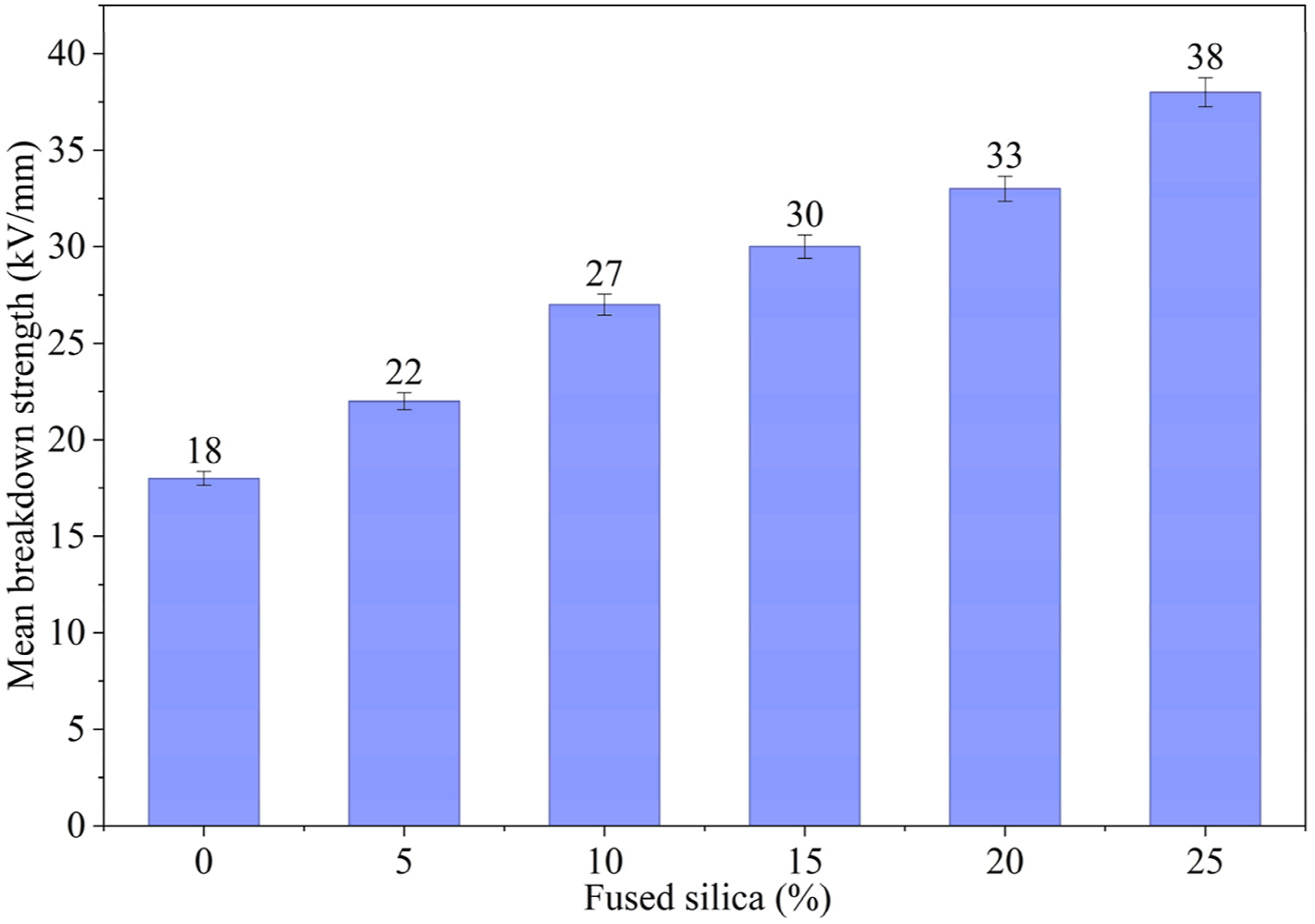
The dielectric constant of FS-LSR composites is shown in Figure 5 as a function of the loading of fused silica powder․ It increased from 3․5 for pure LSR to 4․6 at 25 wt% FS․ This is due to the higher polarizability of the fumed silica particles than that of the silicone matrix․ When evenly dispersed in the silicone matrix‚ the fumed silica increases the number of dipoles and the interfacial polarization in an electric field․ The continuous increase in dielectric constant up to the 25 wt% loading‚ which indicated good filler-polymer compatibility (low agglomeration and lack of voids) also shows that this material can be used for insulation and capacitors in applications where the ability to store electrical energy with minimal losses is important․ Dielectric breakdown strength of FS–LSR composites.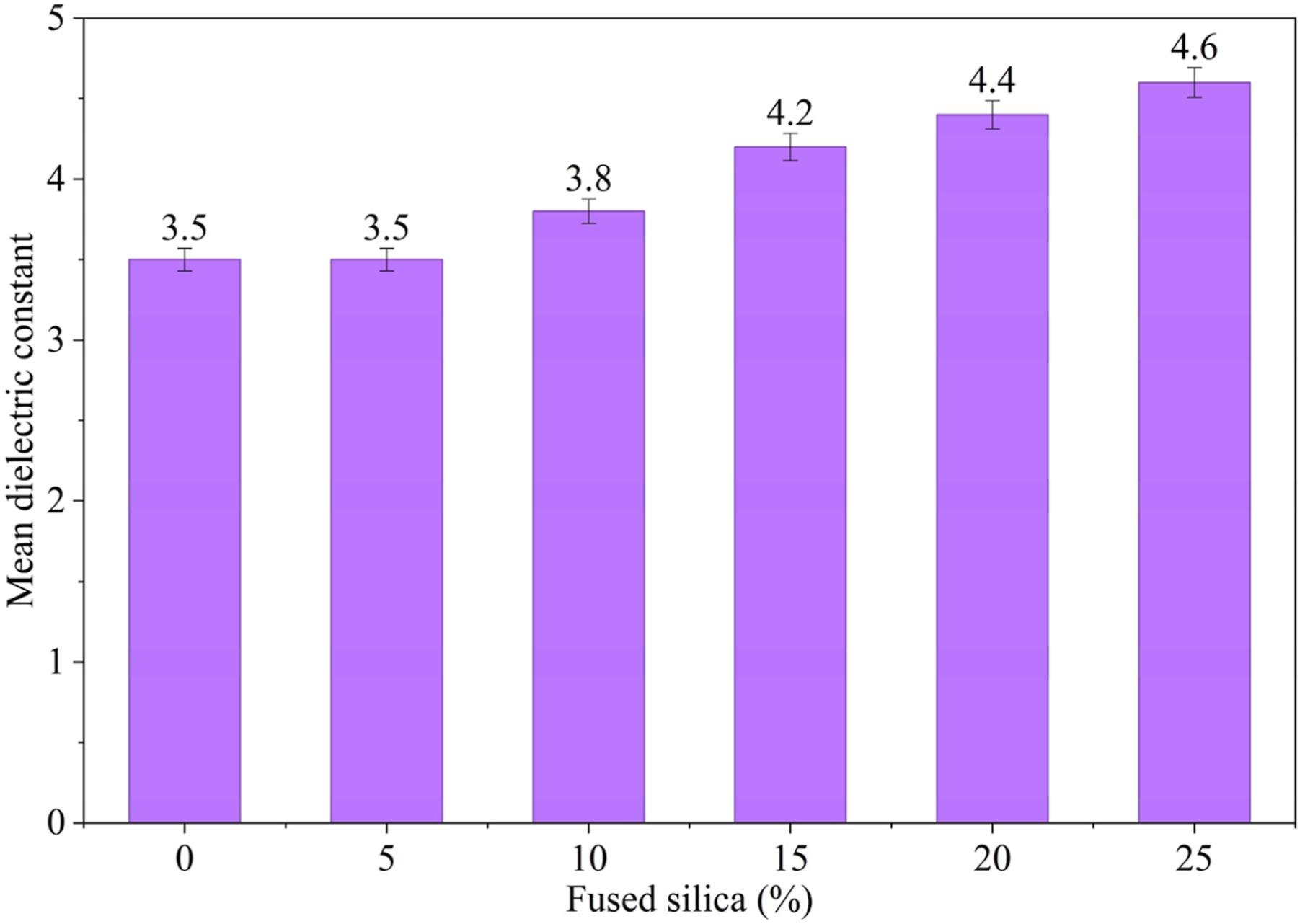
Hydrophobicity
The hydrophobicity of the FS-LSR composites was assessed by measuring the static water contact angle (WCA) using a deionized water droplet (20 µL). Figure 6 shows how the variation in contact angle varies with varying fused silica contents. The pure LSR sample had WCA of approximately 94° and contact angle ascended steadily with the addition until the fused silica reached a maximum of 107.6° at 20 wt%. This increase implies that the fused silica increases surface hydrophobicity by forming micro-roughness and reducing the point of contact of water and surface. Improvement is also a measure of even filler dispersion as well as good interaction between silica and the silicone matrix. A slight decrease to 103° was noted at 25 wt%, which could be explained by slight filler agglomeration or even a part of the hydrophilic silica group getting exposed. Although this was minor, all composites retained contact angles more than 90°, and this proved the hydrophobic nature of composites. The increased water resistance of these composites aid in avoiding the absorption of moisture and surface tracking and hence FSLSR compounds can be used in outdoor high-voltage insulation, sealing and gasketing. Static WCA measurements of FS-LSR composites obtained using the sessile drop method: (a) Neat LSR, (b) FS-5 wt%, (c) FS-10 wt%, (d) FS-15 wt%, (e) FS-20 wt%, and (f) FS-25 wt%. The images illustrate the variation in surface hydrophobicity with increasing fused silica filler content.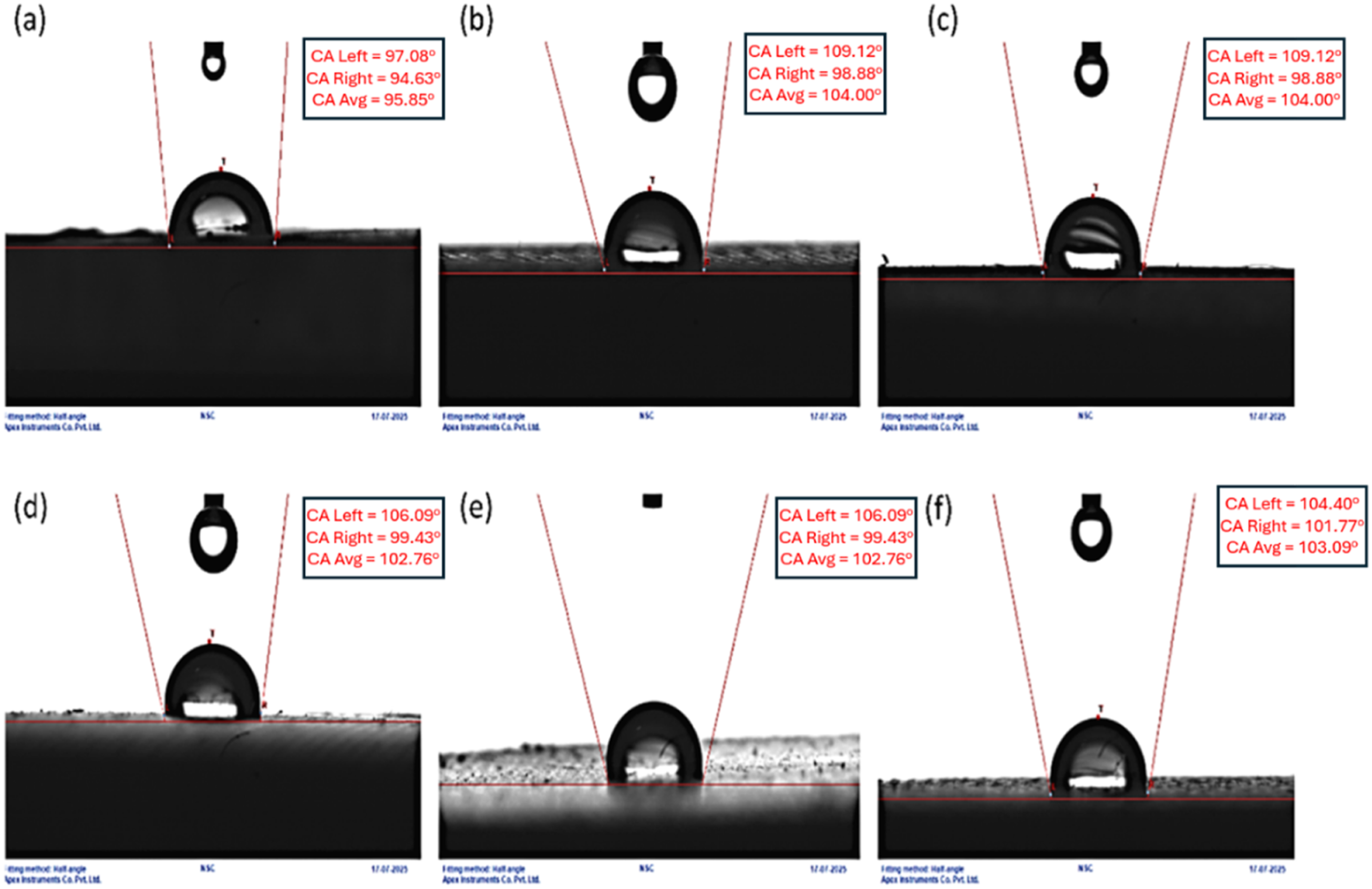
Surface potential
The surface potential decay (SPD) behaviour of FS-LSR composites was through systematic analysis evaluated to determine their capabilities in retaining the surface charge. Through the responses presented in the graph, it was observed that all formulations had a slow decrease in surface potential during a 30 min period though the rate of decay differed significantly with the filler content. Figure 7 indicates that Pure LSR exhibited the fastest potential drop with the surface voltage becoming less than 100 V after 30 min, which is a reflection of poor charge retention. Conversely, the fused silica increased the decay by a large margin. It is important to note that the composite containing 25 wt% fused silica had a higher retention of more than 500 V even after 30 min, which indicates that its ability to preserve surface charges is better. The half-decay time (t1/2), which is defined as the time required to reach half of the initial value of the surface potential, increased with the filler loading of 25 wt% formulation, then with the loading of 20 wt% and finally with 15 wt%, indicating that the greater the filler loading, the greater the dielectric stability. This is enhanced by the fact that they contain silica micro-nano particles that form deeper charge traps and the decrease carrier mobility across the surface. In general, the SPD outcomes confirm that fused silica does not only increase bulk insulation but also long-term stability of surface charges, which makes FS-LSR composites the best choice of insulation in the outdoor high-voltage application. Surface potential decay of FS–LSR composites with different fused silica loading, showing improved charge retention and slower decay rates with increasing filler content.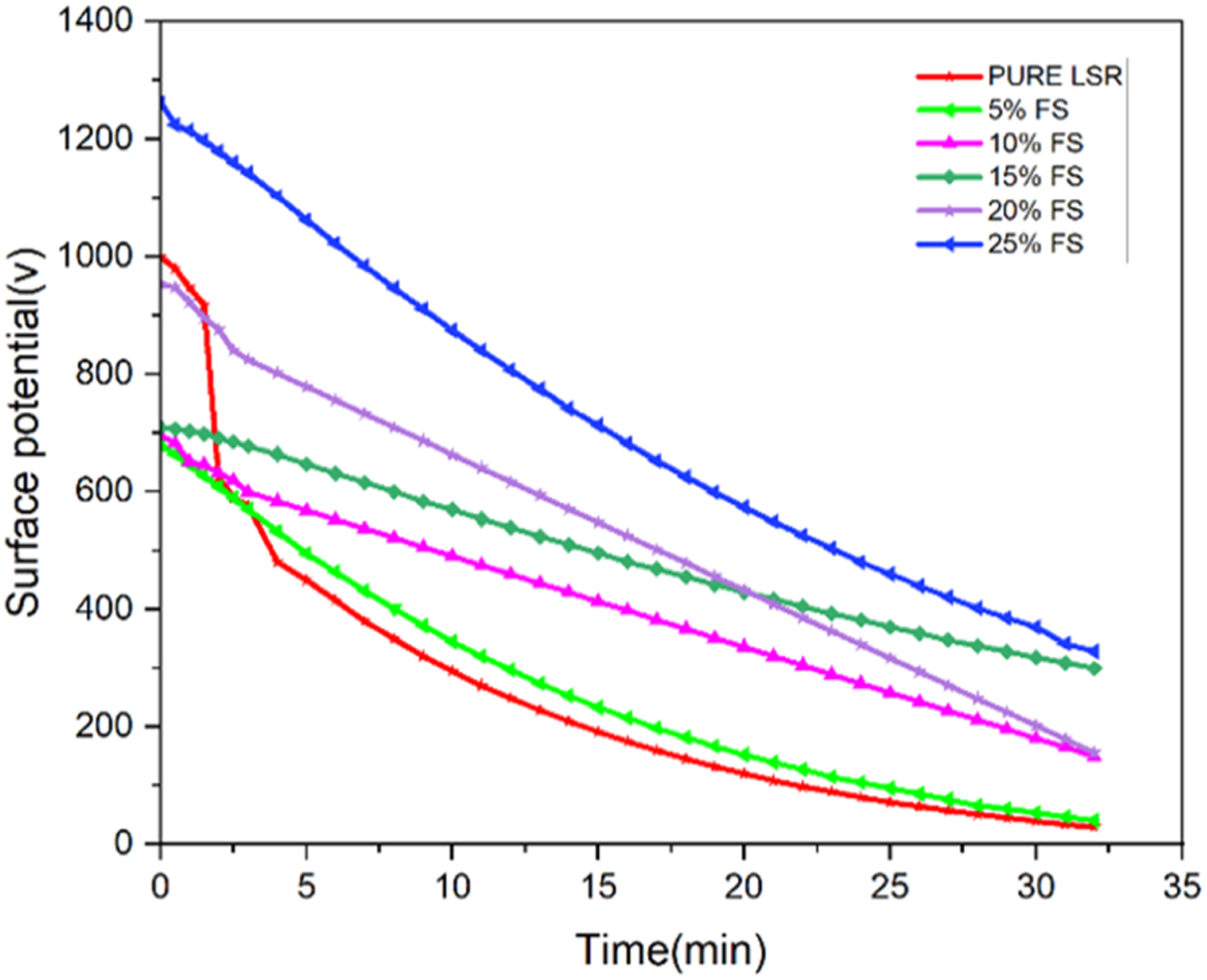
Arc resistance
Arc resistance of FS-LSR composites also increased as fused silica was added. Pure LSR had an arc resistance of about 90 s as shown in Figure 8, but the arc resistance gradually rose to 224 s with an increasing filler loading. This enhancement highlights the high-voltage arcing improvement in the surface endurance of the composites and decreased carbonization behaviour of the composites. The association between arc resistance and dielectric breakdown strength indicates that the fused-silica reinforcement is beneficial in taking down electrical tracking and surface breakdown, thus the material is very appropriate in insulating outdoors. The 25% fused silica showed higher arc resistance results higher insulation. Arc resistance of FS–LSR composites as a function of fused silica content, showing enhanced resistance to surface tracking and carbonization with increasing filler loading.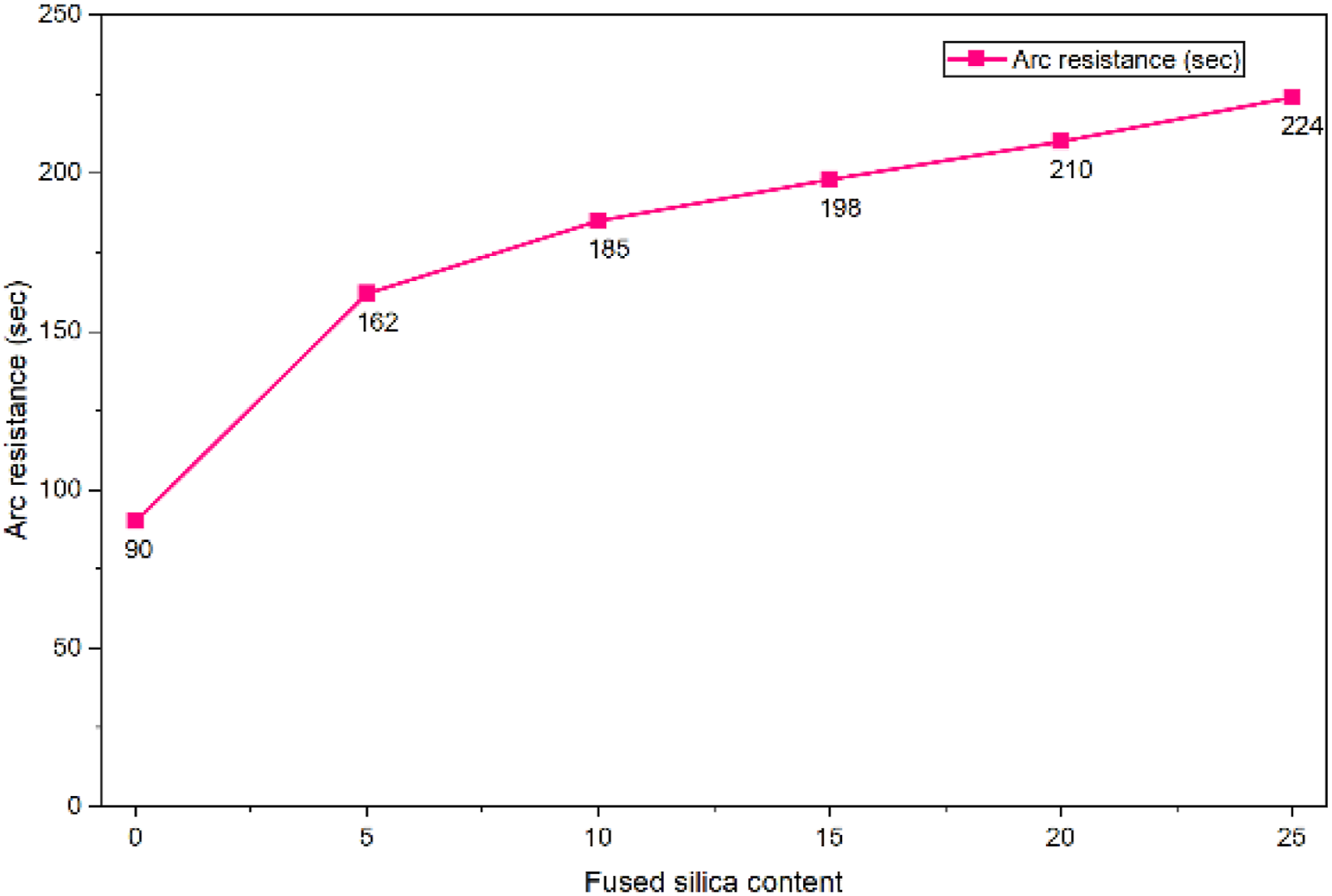
Shore A hardness
The variation of Shore A hardness of FS-LSR composites with the increasing fused silica content is indicated in Figure 9. It was found that the hardness started getting gradual between 48 at 100% pure LSR and 64 at 25 wt% filler loading. This improvement can be explained by the availability of hard silica particles that restrain the deformation of the soft silicone matrix and the movement of the polymer chains. The effect increased after 10 wt% signifying a clear distribution of fillers and solid inter facial bond between the silica and LSR matrix. The increased hardness by 25 wt% is a confirmation of the reinforcing attribute fused silica, which has added value to surface hardness and wear resistance without sacrificing the elasticity of silicone. Variation of tensile strength and Shore A hardness of FS–LSR composites with fused silica loading, showing improved mechanical properties with increasing filler content.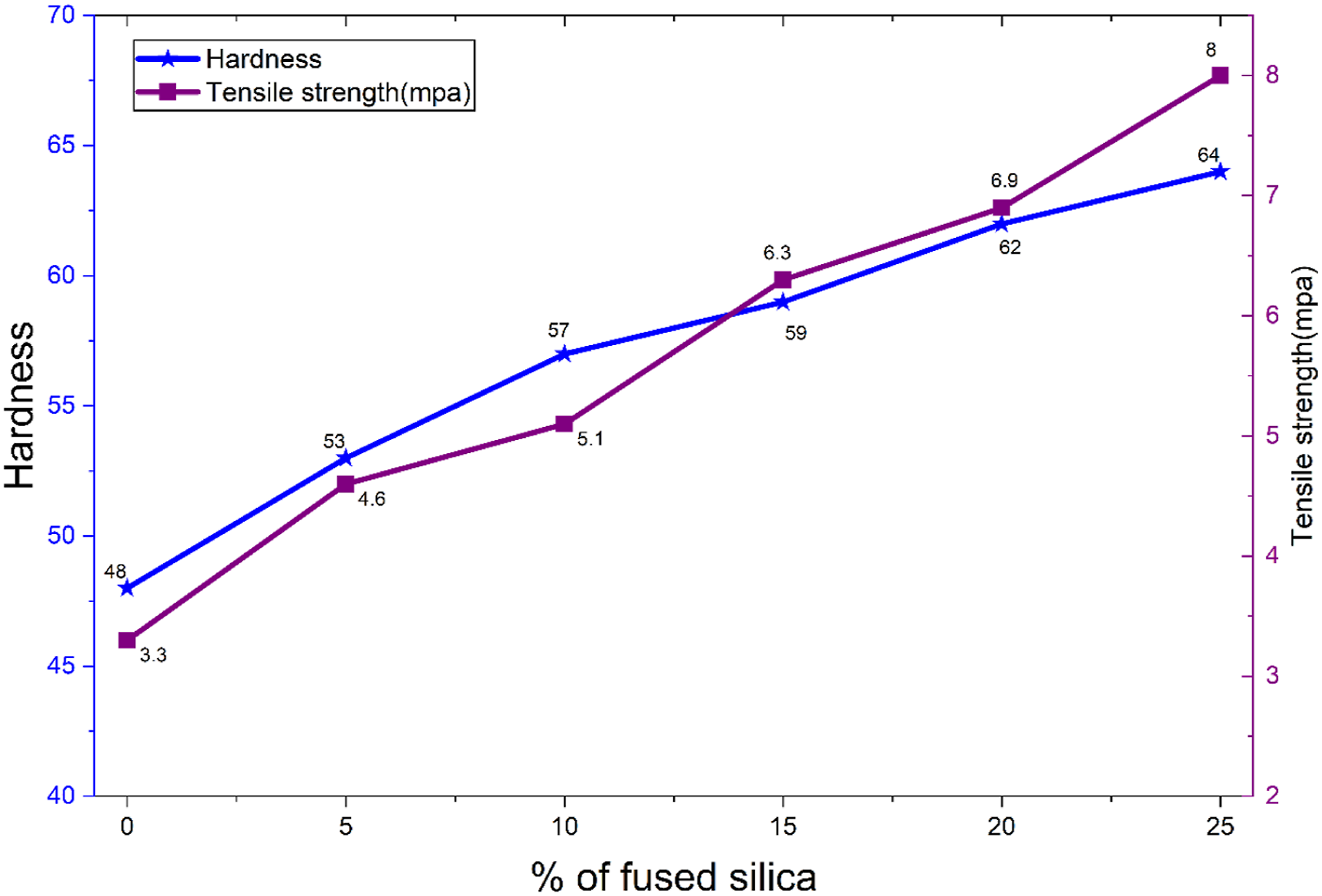
Tensile strength
Figure 9 showed a steady increase in tensile strength of the FS -LSR composites with increase in addition of fused silica. Pure LSR had a tensile strength of approximately 3.2 MPa and this increased steadily until it reached almost 8 MPa at 25 wt% filler loading. This strength growth is explained by reinforcing effect of the rigid silica particles which are the stress-bearing sites in the flexible silicone matrix. With an increase in filler content, the stress transfer between the polymer chains and the silica surface increases as inter facial adhesion is more efficient and uniform distribution of the silica surface is enhanced. The result to decrease in local strain and a slowing of crack initiation in the presence of the load. The tensile strength starts increasing more significantly beyond 15 wt% meaning that the silica network starts playing a big role in the load carrying capacity of the composite. The total improvement supports that moderate to high density of fused silica loading is effective to reinforce the LSR matrix without compromising its fundamental elasticity and therefore is appropriate to use in applications with a requirement of not only mechanical stability, but also dielectrical stability.
Scanning electron microscope
SEM plane micrographs of Pure LSR and FS-LSR composite before and after dielectric strength test are shown in Figure 10․ It is seen that the surface of the untested Pure LSR sample in Figure 10(a) looks very smooth and flat with very few features which is expected for a homogeneous polymer․ Separately‚ microcracks and surface roughening as seen in Figure 10(b) are formed at points of concentrated discharges after dielectric testing‚ which lowers the dielectric strength․ Figure 10(c) shows that‚ following dielectric testing‚ the 5 wt% FS composites had a uniform distribution of silica particles within the polymer matrix‚ with a few small agglomerates and excellent interfacial adhesion․ The damage observed‚ which was attributed to particle pull out‚ small voids and erosion‚ was the result of the filler improving the dielectric endurance compared with that of pure LSR․ This limited filler network would still have allowed the dielectric breakdown paths to be established once the stress is applied‚ thus explaining the intermediate dielectric strength․ The micro structure of the 25 wt% FS composites as shown in Figure 10(e) prior to dielectric testing comprises a continuous well dispersed phase of silica particles with only occasional clustering and strong inter facial bonding․ However‚ following dielectric testing as given in Figure 10(f)‚ some evidence of arc erosion‚ as well as a few instances of filler detachment‚ were observed‚ although the micro structure of the material remained largely unaffected․ This combination explains why the dielectric strength is still high at this load․ Here the presence of a thick filler network prevents the occurrence of electrical treeing and charge migration‚ which shows that the dielectric breakdowns can result in progressive micro structural damage․ The extent of this damage is dependent on the filler loading‚ with the Pure LSR and low filler composites suffering important destruction‚ while the morphology of the 25 wt% FS-LSR composite remained largely intact‚ confirming the strong correlation between filler loading‚ dielectric strength and insulation performance over time․ Scanning electron micrographs of LSR and FS-LSR composite films before and after dielectric strength testing․ (a) Pure LSR before dielectric testing‚ (b) pure LSR after dielectric testing‚ (c) 5 wt% FS before dielectric testing‚ (d) 5 wt% FS after dielectric testing‚ (e) 25 wt% FS before dielectric testing‚ and (f) 25 wt% FS after dielectric testing.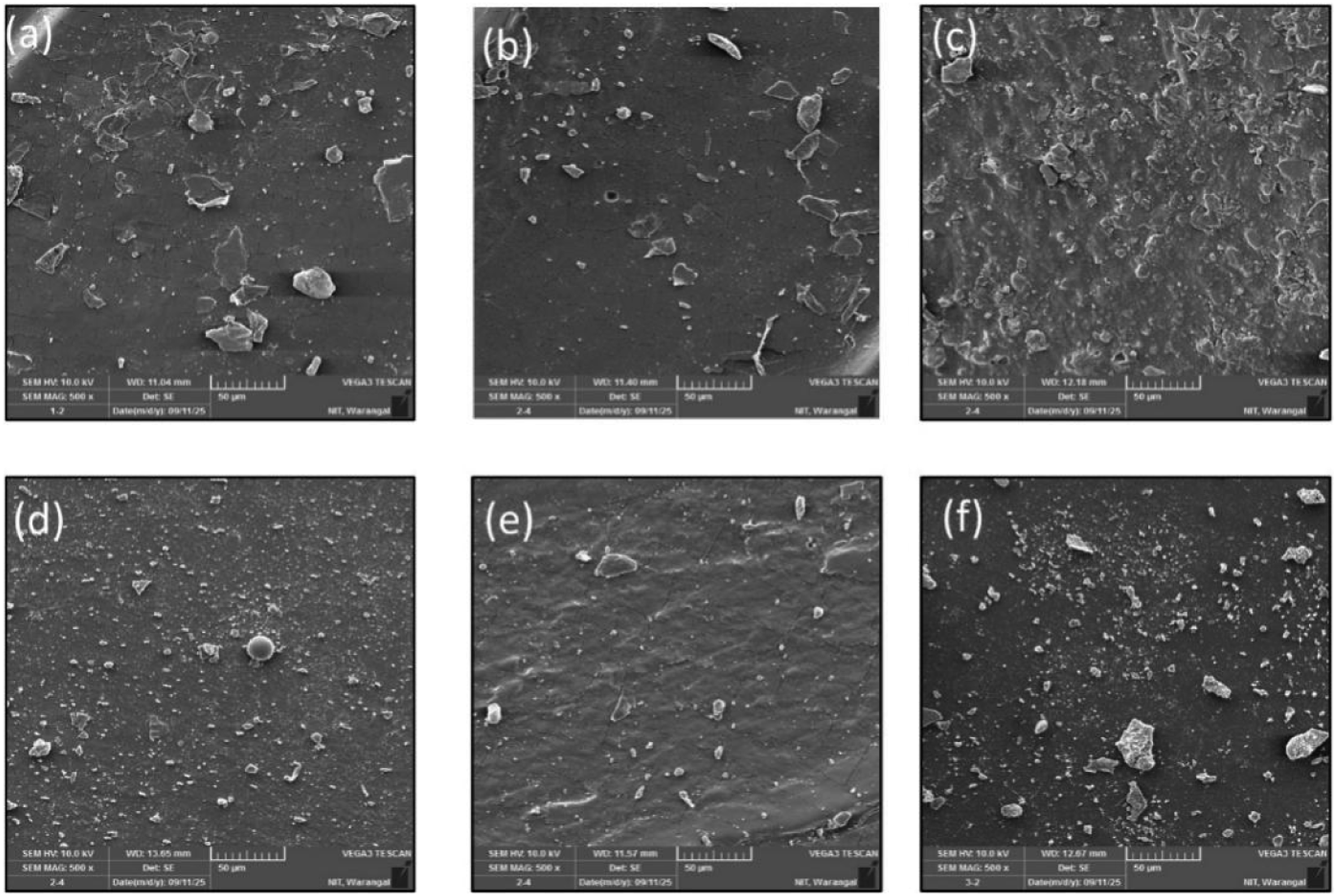
X-ray diffraction
The XRD patterns of pure LSR and FS-LSR composites are shown in Figure 11․ The broad diffuse halo centered at 2θ–22° in the pure LSR pattern is characteristic of an amorphous silicone rubber and also the random Si-O-Si backbone․ The amorphous hump tends to increase when silica and silica particles are dispersed uniformly within the elastomeric matrix‚ such as in the case of fused silica addition․ As there are no sharp reflections in the base matrix‚ it can thus be confirmed that the fundamental structure is still mostly amorphous․ In addition to the amorphous halo‚ weak diffraction peaks are also obvious in the FS-LSR composites at 2θ–26․6° and 36․5°․ These peaks correspond to the reference reflections of the crystalline polymorphs of SiO2‚ namely α-quartz and cristobalite․ The low relative intensity indicates that they are not the result of bulk crystallization of the fused silica but either due to the presence of minute amounts of crystalline impurities in the starting powder or due to the small amounts of devitrification that may occur on a local scale during mixing and curing․ Such residuals are common in fused silica systems‚ and therefore do not disturb the amorphousness of the composite considerably․ The small peaks observed in the higher 2Ѳ region may just be due to residual elements of the catalyst rather than any new crystalline phases from the silica․ X-ray diffraction (XRD) spectra for pure LSR‚ 5 wt% FS-LSR and 25 wt% FS-LSR composites.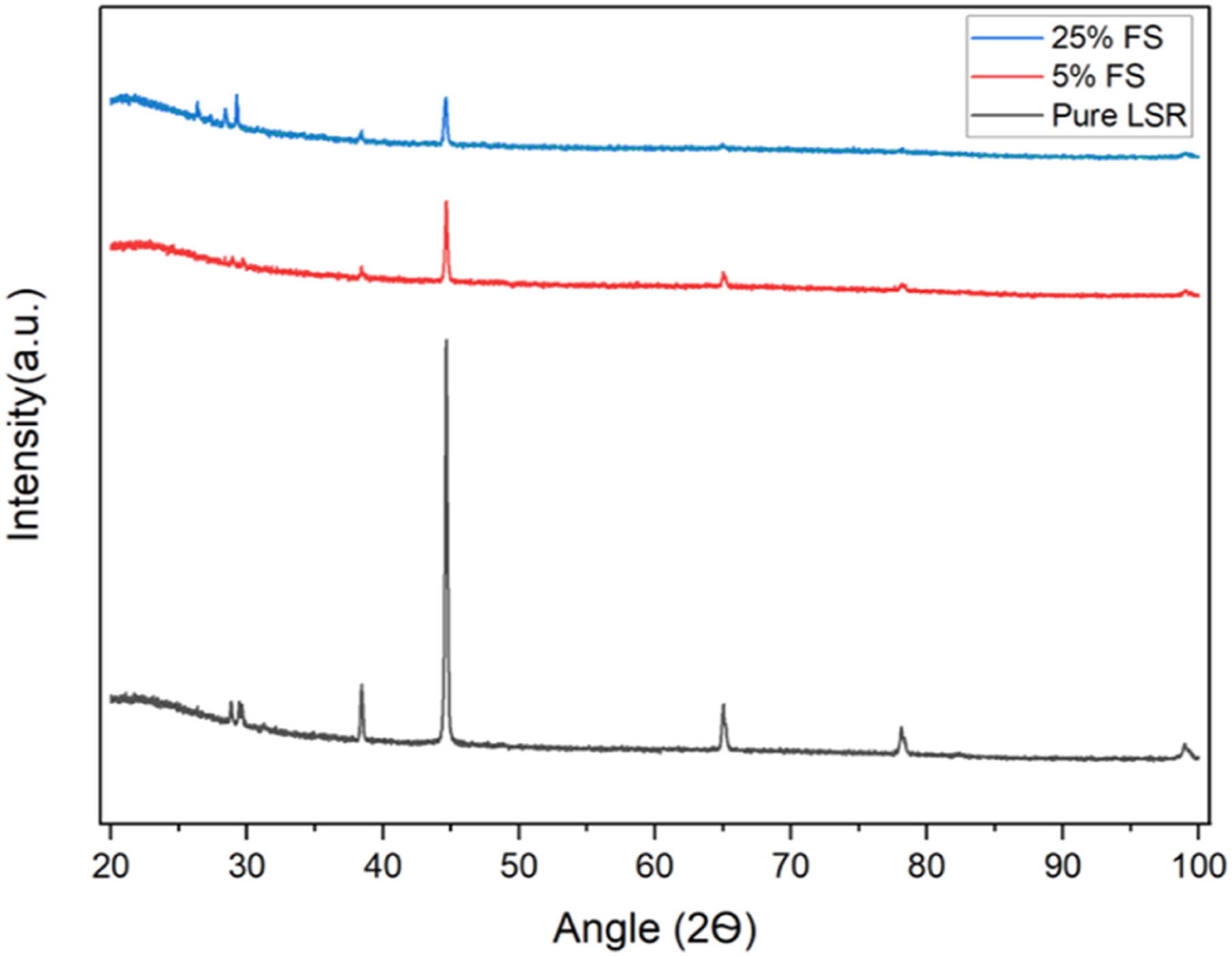
Comparison with proposed composite and existing LSR based composite
Comparison of the present FS–LSR composites with reported LSR-based composite systems.
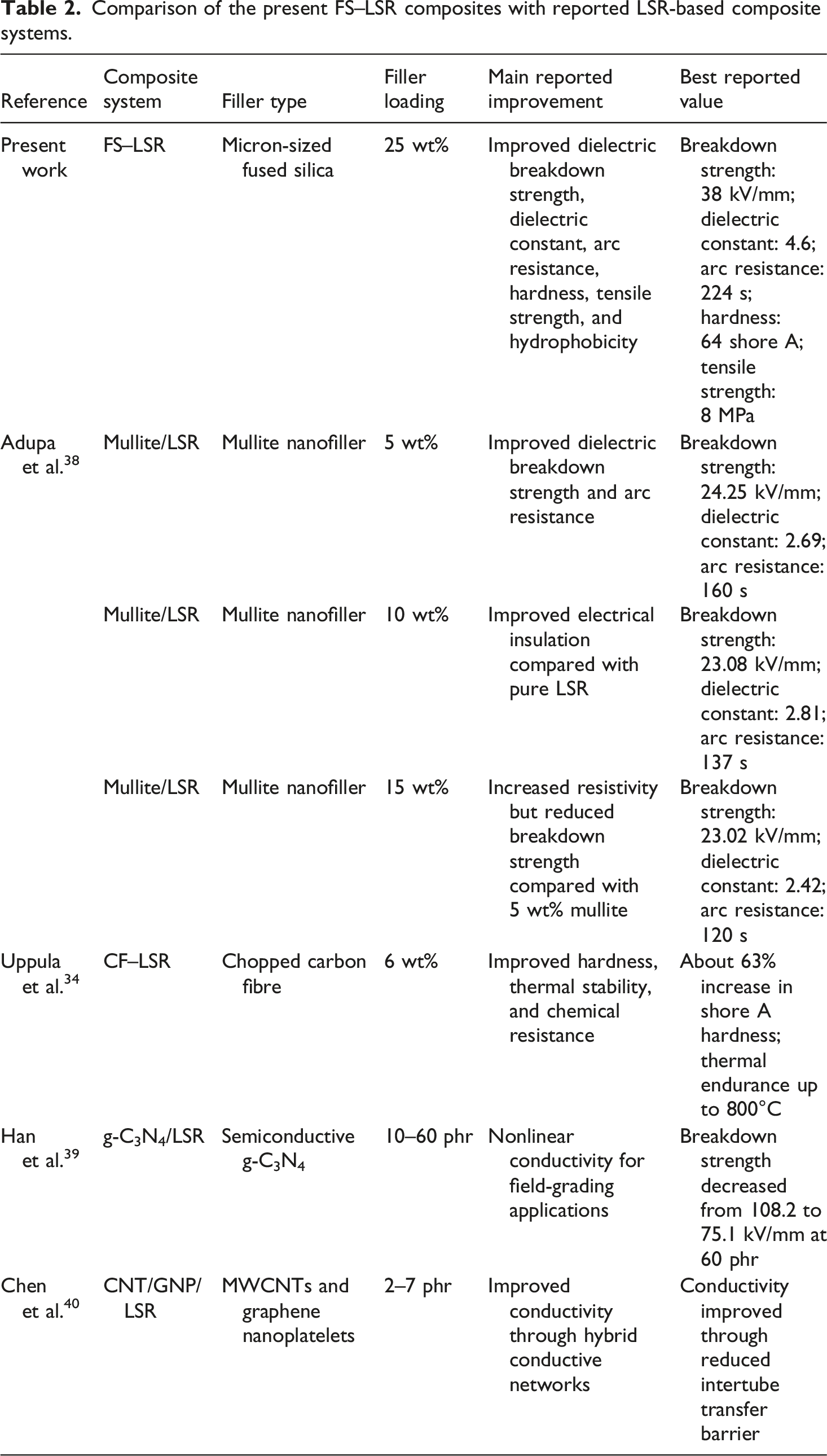
Comparing the composites shows that every filler contributes differently to the LSR improvement․ Uppula et al. 34 report that the carbon fiber reinforced LSR composites showed meaningful improvement in hardness‚ thermal and chemical stability․ Because carbon fiber is also conductive‚ it is impractical as a filler in high voltage insulator compositions․ Han et al. 39 did report g-C3N4/LSR composites as field grading materials․ As the filler content increased‚ the breakdown strength decreased․ On the other hand‚ the composites exhibited desirable nonlinear conductivity․ Moreover‚ Chen et al. 40 have also demonstrated that conductive CNT/GNP/LSR composites are more suited for conductive elastomer and sensors than for insulators․ Therefore‚ an insulating material such as fused silica can be used to increase the dielectric strength and the arc resistance of the LSR-based outdoor bushings systems․
The results show that the FS-LSR composites developed in the present work have a very reasonable balance between dielectric breakdown strength‚ arc resistance‚ reinforcement and hydrophobicity․ The results also show that micron-sized FS can be used as a filler to develop processable LSR composites for high-voltage outdoor insulation applications․
Conclusion
This study demonstrated that the FS-LSR composites were successfully developed for high voltage outdoor insulation applications with improved electrical‚ mechanical‚ surface properties and arc resistance due to the incorporation of the micron sized FS particles into the LSR matrix․ The dielectric breakdown strength of the neat LSR increased from 18 kV/mm to 38 kV/mm when 25 wt% of fused silica was added․ The dielectric constant increased from 3․5 to 4․6․ The dielectric breakdown strength has been improved by the insulating property of fused silica and forming interfacial regions at the filler-matrix interface․ The filler-matrix interface contains charge-trapping centers which slow down the flow of charge carriers under the influence of an applied electric field․ It has a moderately higher dielectric constant‚ allowing more interfacial polarization without important loss of insulation․ The arc resistance increased from 90 s for neat LSR to 224 s when 25 wt% of fused silica was added․ The increase was due to the thermal stability and inorganic nature of the fused silica‚ which delayed the degradation‚ carbonization and tracking of the silicone rubber surface due to arcing․ A similar increase in surface potential decay behavior provides evidence that fused silica improves the charge trapping behavior of the LSR matrix‚ stabilizing surface charges․ Mechanical properties improved most with the loading of fused silica‚ increasing from 48 to 64 ShA and from 3․2 to 8 MPa for hardness and tensile strength respectively․ The improvement in the mechanical properties was attributed to the rigid fused silica particles which restricted the mobility of the silicone rubber chains and improved stress transfer at the filler-matrix interface․ As the filler loading increased‚ the number of chains trapped in the network formed by the reinforcing particles increased‚ leading to an increase in stiffness and strength․ The hydrophobic behavior of the LSR remained‚ with water contact angle values of above 90° for all compositions‚ indicating the suitability of the composites for use in wet and polluted outdoor conditions․
No visible filler clustering was found throughout the studied content range․ This is likely due to the fact that the micron-sized fused silica used in the experiments cannot agglomerate as drastically as the nano-sized silica‚ and because of the used mixing‚ degassing and casting procedure․ The SEM pictures show that the filler is dispersed reasonably evenly throughout the matrix‚ upholding an adequate bonding between filler and matrix․ Thus‚ throughout the studied range‚ the helpful effects of the fused silica reinforcement and charge trapping have outweighed the negative effects of filler agglomeration․ Filler agglomeration effect may be more pronounced at higher filler loadings‚ which should be taken into consideration in future studies․
Based on the above results‚ it can be generally concluded that the FS-LSR composites in this study showed a balanced improvement in dielectric breakdown strength‚ arc resistance‚ surface charge decay‚ hydrophobicity‚ hardness‚ and tensile strength․ Among the various composites‚ the 25 wt% FS-LSR composite showed the best properties․ Therefore‚ it is a potential material for use in high-voltage outdoor insulators such as bushings‚ surge arresters‚ insulator housings‚ and sealing systems․
Footnotes
Acknowledgement
The authors sincerely thank SR University, Warangal, Telangana, for providing the necessary facilities, resources, and continuous encouragement throughout this research work.

Author contributions
Akula Priyanka contributed to the original draft preparation, experimental work, data analysis, and overall conceptualization of the study. Dr. Pulla Sammaiah contributed by provided supervision, helped refine the methodology, conceptual framework, and reviewing and editing the manuscript. Dr. M. Padmanabha Raju offered overall supervision and guidance throughout the research process.
Funding
The authors received no financial support for the research, authorship, and/or publication of this article.
Declaration of conflicting interests
The authors declared no potential conflicts of interest with respect to the research, authorship, and/or publication of this article.
Data Availability Statement
The data supporting the findings of this study cannot be shared publicly due to institutional restrictions.