







Abstract
This article focuses on social movements’ engagement in the field of environmental health through a particular form of knowledge production: “popular expology.” This concept reflects the growing development of initiatives aimed at producing data on human exposure to pollutants, rather than establishing the causes of health effects, as “popular epidemiology” does. To develop our concept, we draw on the case of the French anti-pesticide movement. For more than a decade, organizations from this movement have increasingly invested in the performance of studies designed to demonstrate the presence of pesticide residues. We show that popular expology is encouraged by the difficulties social movements face in producing epidemiological data, by the development of a market for affordable pesticide detection tools, and by the increasing accessibility of toxicological and epidemiological knowledge produced by research and expert institutions. We also analyze two roles that popular expology plays for social movements: on the one hand, embodying invisible pollutions and raising the attention of the media to this issue; on the other hand, demonstrating weaknesses in regulatory risk assessment. This article, therefore, suggests the need for a broadening of our understanding of the use and production of science as a political mode of action for environmental social movements.
Keywords
Introduction
Just over 30 years ago, Phil Brown proposed the term “popular epidemiology” to describe what appeared at the time to be an emerging way of knowing associated with local social movements in defense of community health and the environment (Brown 1992). The term was used to describe attempts by residents of sites contaminated by industrial activities to produce data on the effects of such pollution on their health. Although led by “lay” actors, these mobilizations incorporated the tools (questionnaires and maps) and modes of reasoning (statistical inference and correlation) of environmental epidemiology into their protest repertoire in order to obtain favorable decisions from public authorities or courts.
Attempts by local communities to produce data proving they live in a contaminated environment have been described as an example of the rise of “citizen science” at the scale of local communities (Irwin 1995; Corburn 2005) and of the “expertification” of social movements (Epstein 1996). Authors in this strain of research show, for instance, that contamination data produced through accessible tools such as air quality sensors and water testing kits have helped communities highly marginalized in scientific fields to produce credible and influential environmental data (Ottinger 2010a; Parasie and Dedieu 2019). In contexts where state regulation of industrial pollution is insufficient, citizen-generated data can fill informational voids, support evidence-based activism, and help transform environmental health policies and politics (O’Rourke and Macey 2003; Kinchy, Parks, and Jalbert 2016; Smith and Smith 2025). They can also be used to challenge industrial polluters and public bodies in courts (e.g., Arancibia and Motta 2019). More generally, citizen-driven scientific projects can play a pivotal role in raising public consciousness about environmental hazards and democratize both the production and understanding of scientific knowledge (Kuchinskaya 2019). Such initiatives amplify environmental concerns in global discourse (Gabrys, Pritchard, and Barratt 2016), reveal “undone science” (Frickel et al. 2010) and the limits of “regimes of imperceptibility” (Murphy 2006) that characterize academic science or regulatory expertise in the field of environmental health.
Yet many authors have stressed that, despite its transformative potential, environmental health citizen science faces several structural and operational limitations that hinder its broader impact. For example, studies have shown that regulatory agencies often question or dismiss the scientific validity of citizen-generated knowledge, pointing out its methodological inconsistencies (Ottinger 2010a; Kuchinskaya 2019). Other studies suggest that citizen science initiatives can also reinforce neoliberal trends by shifting monitoring responsibilities from the State to local residents and activists who produce knowledge on industrial pollution (Lave 2012).
We argue that the literature on citizen science would benefit from a conceptual distinction between activists’ strategies in the field of environmental health: those aiming at establishing direct links between the presence of pollutants in the environment and health issues (e.g., Brown 1992; San Sebastián and Hurtig 2005; Arancibia and Motta 2019), and other actions aiming to represent the full scale and depth of the population's exposure to known toxics (e.g., Ottinger 2010b; Parasie and Dedieu 2019; Kimura 2019). Although the “popular epidemiology” framework has been influential in the rich literature on environmental health-related citizen science following on from Phil Brown's work, this very literature documents many cases of citizen science initiatives which do not actually seek to demonstrate health effects resulting from the pollution they denounce. We suggest referring to these situations as “popular expology:” collective actions, often grassroots, seeking to produce and analyze data on contamination to support political claims of general contamination and pollution, without counting cases of disease or deaths. Distinguishing “popular expology” from “popular epidemiology” can help Science and Technology Studies scholars to analyze environmental health activism. This distinction facilitates a finer characterization of the different modes of knowledge production mobilized by social movements in the field of environmental health. Beyond, it allows a better understanding of the evolution of resources and tools of environmental health advocacy, the political virtues of denouncing pollution per se for social movements, and the forms of knowledge production accessible to lay people to get involved in regulatory science discussions today, contrasting with forms of knowledge production that remain less accessible to them.
Many citizen science studies are single case studies that focus primarily on one contentious local situation where residents or environmental activists are in opposition to one industry. In contrast, this article undertakes a comprehensive analysis of all citizen initiatives concerning one specific public issue over a substantial period of time in one national context: French anti-pesticide activism 2010–2023. Through this analysis, we highlight the dynamic field of social struggles against pesticides, as these struggles have increasingly integrated the assessment of environmental exposure into their protest repertoire. In France, controversies over pesticides have been on the rise since the 2000s (Jouzel and Prete 2015). Local and national groups denouncing the health impacts of these substances have increasingly allocated their resources to producing scientific evidence of pesticide exposure, while their attempts to document direct pesticide impacts on health have remained scarce over this period. Drawing on an empirical study of these citizen-science campaigns targeting pesticide exposure, we shed light on social movements’ unequal access to different forms of knowledge production on environmental health in the current period (epidemiology versus expology), their growing interest in what we call “popular expology,” and on the peculiar benefits that such a tool offers for political mobilization and advocacy.
This article is organized into four sections. It begins by presenting the materials and methods used in the study, followed by a section mapping the development of pesticide popular expology in France. We give details about types of exposure studies conducted by activist organizations, and describe how they vary in terms of scale, methods, and targeted materials (air, water, food, hair, etc.). A further section examines two contributing factors to the development of French popular expology initiatives: the difficulty for non-experts to carry out epidemiological campaigns meeting academic and regulatory standards of causal proof, at a time when biological and environmental measurement tools and pesticide databases are increasingly accessible and affordable. Yet, it would be erroneous to perceive popular expology as a mere fallback for social movements facing barriers to the production of legitimate epidemiological knowledge. On the contrary, popular expology has its own political virtues. In a final section, we show that expology helps activist organizations to take advantage of opportunities for public visibility in a changing media landscape. It also contributes to bringing about informed criticism of the risk regulation regime for pesticides, especially official risk assessment protocols. In short, popular expology appears to be a credible alternative to popular epidemiology for social movements, as it can effectively raise media attention and question risk policies. In a context of mounting controversies about the health implications of toxic pollutants (pesticides in our empirical case), and easier access to monitoring tools, it empowers social movements to attack one of the most vulnerable aspects of regulatory science: exposure assessment.
Methods and Material
The article mobilizes two sets of data. First, it draws on a long-run investigation of the anti-pesticide movement in France. A decade ago, we started to conduct semi-structured interviews (n = 80), sometimes repeated, with activists involved in local movements denouncing pesticide use in areas where those products are intensively sprayed (apple growing and vineyard areas). These interviews did not focus specifically on popular expology. Rather, they intended to document the dynamics of the grassroots movements in general, and how activists perceived the environmental and health impact of pesticides. We also conducted repeated interviews (n = 10) with the leaders of the Paris-based NGO Générations Futures, the leading public interest group in France on the issue of pesticides. A branch of Pesticide Action Network Europe, it has played a major role in unifying local protests against pesticide use and fostered popular expology campaigns in France. Between September 2022 and September 2023, we completed this first set of data with additional materials focused more specifically on the use and production of scientific knowledge by French anti-pesticide movements. As part of this effort, we mapped all pesticide-related data production initiatives carried out in France between 2008 and 2023. We did it in steps: We first listed the grassroots movements and NGOs mobilized around the issue of pesticides in France. We then searched the websites of these associations to systematically collect study reports and web pages addressing the risks of pesticides for human health. Finally, we used this information to index all investigations performed by these associations on pesticide exposure and contamination for the 2008–2023 period (n = 33). These 33 campaigns have been performed by nine different organizations.
Drawing on a pragmatic perspective and paying attention to the work carried out by social actors to construct scientific statements and attest to their robustness (e.g., Latour and Woolgar 1979; Murphy 2006), we did not select these citizen studies based on their compliance with particular scientific protocols or their degree of “scientific rigor.” Therefore, the initiatives are very diverse: they range from a survey covering several thousand cases and published in an academic journal, to analyses initiated by a handful of individuals on pesticide residues present in a few bottles of locally produced wine, and only communicated through press releases or websites.
We conducted interviews (n = 20) with their authors and their political opponents to document practices and discourses. We also conducted ethnographic observation of events relevant to our line of inquiry, including several public events where French social movements against pesticides voiced their concerns (two conferences, two NGO general assemblies, and two symposiums organized by activists at the French National Assembly); we observed the launch of a national campaign and accompanied activists in the field as they installed air sensors to measure pesticide drift. Finally, we regularly attended weekly meetings (n = 19) of an organization campaigning for stricter risk assessment policies for pesticides.
Popular Expology on Pesticides in France: Context and Overview
Social mobilizations against pesticides have a long history, dating back to the period when pesticides were first extensively utilized (Gordon 1999; Daniel 2005; Jas 2007; Bertomeu-Sánchez 2019). However, they have multiplied and intensified in France over the last 30 years, influenced by several factors (Jouzel and Prete 2024).
Firstly, at the local level, rural areas have undergone major structural changes. While in the first half of the 20th century the countryside was mainly devoted to agriculture, since the 1960s it has seen the development of tourism and the arrival of new populations for whom these areas are more a place to live than to produce (Mormont 2006). These changes have resulted in the development of conflicts, particularly between farmers and nearby residents, over land use and the place to be given to intensive agricultural activities (Torre and Caron 2005). Secondly, like other industrialized societies, France has experienced a growing politicization of environmental issues since the 1970s. Easier access to information, higher average levels of education, or the multiplication of organizations dedicated to defending the environment are some of the numerous factors accounting for this phenomenon (Ollitrault 2015; Lascoumes 2022). Thirdly, pesticides have gained prominence as an environmental issue following increased availability and dissemination of scientific knowledge suggesting they have a detrimental effect on the population's health and the environment. In France, epidemiological studies substantiating connections between pesticide exposure and chronic pathologies (including cancers, neurological disorders, reproductive disorders, etc.) started to be published in the 1990s, and were disseminated through official reports easily available to the public (Inserm et al. 2013, 2021). The long-lasting controversy over the carcinogenicity of glyphosate (Demortain 2013; Bozzini 2020) has also contributed to the erosion of public confidence in the robustness of the regulatory framework for pesticides and the “safe use” paradigm (Jouzel 2019).
In this context, anti-pesticide activists increased their investment in scientific production and dissemination during the 2010s. The growing number of reports on pesticide exposure illustrates their investment (Table 1). A total of 33 pesticide exposure measurement campaigns were initiated by local or national advocacy groups between 2010 and 2023. Of these, 15 document the presence of pesticide residues and their metabolites in food and beverages, while 10 are biomonitoring studies (two quantify pesticide residues and their metabolites in urine, while the other eight analyze hair strands). The eight remaining studies concern pesticide residues in the air, dust, and soil, as well as the prevalence of these chemicals in Christmas trees. They use tools marketed by private companies, designed to easily collect samples that are sent to laboratories—often private 1 —for biochemical analyses: filters affixed to vacuum cleaners to collect dust, wipes to take samples from windows, or air sensors (Figures 1 to 3).
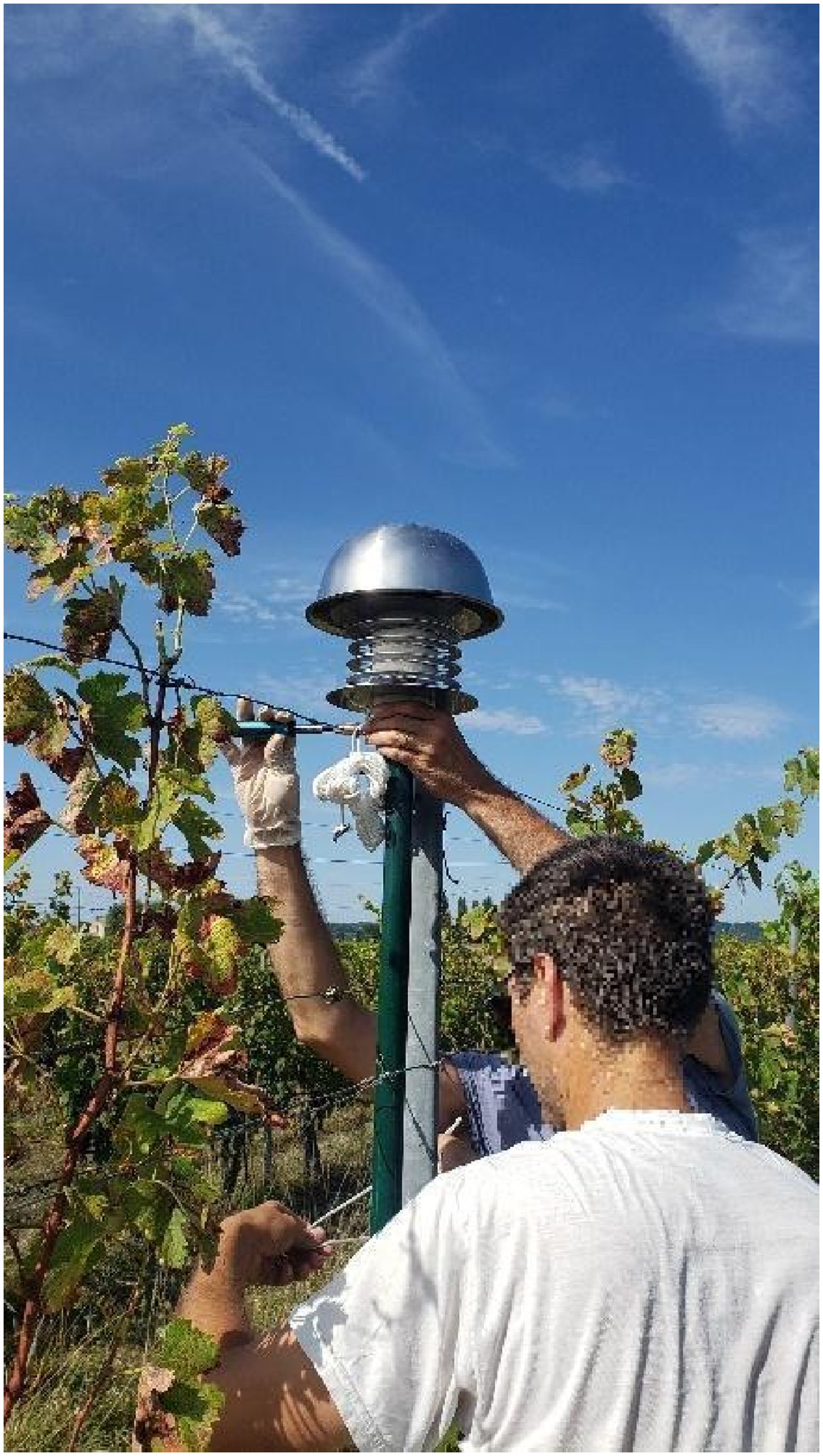
Citizens collecting air sensor foams and packing them for sending to a lab near Bordeaux, France. Air sensors were placed in an organic winegrowing field surrounded by conventional winegrowing and crop fields (Source: Authors).
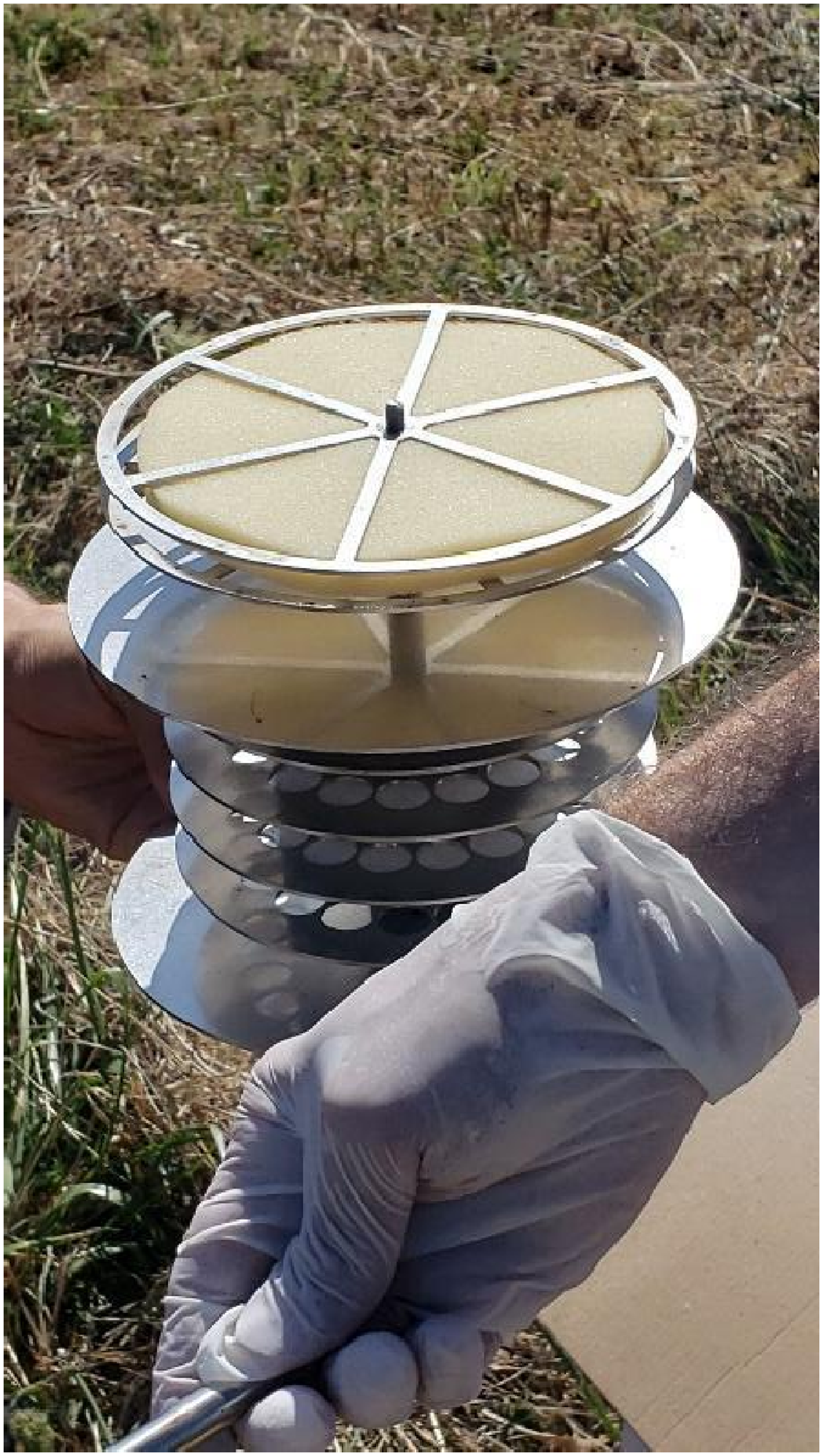
One air sensor is being opened-up (Source: Authors).
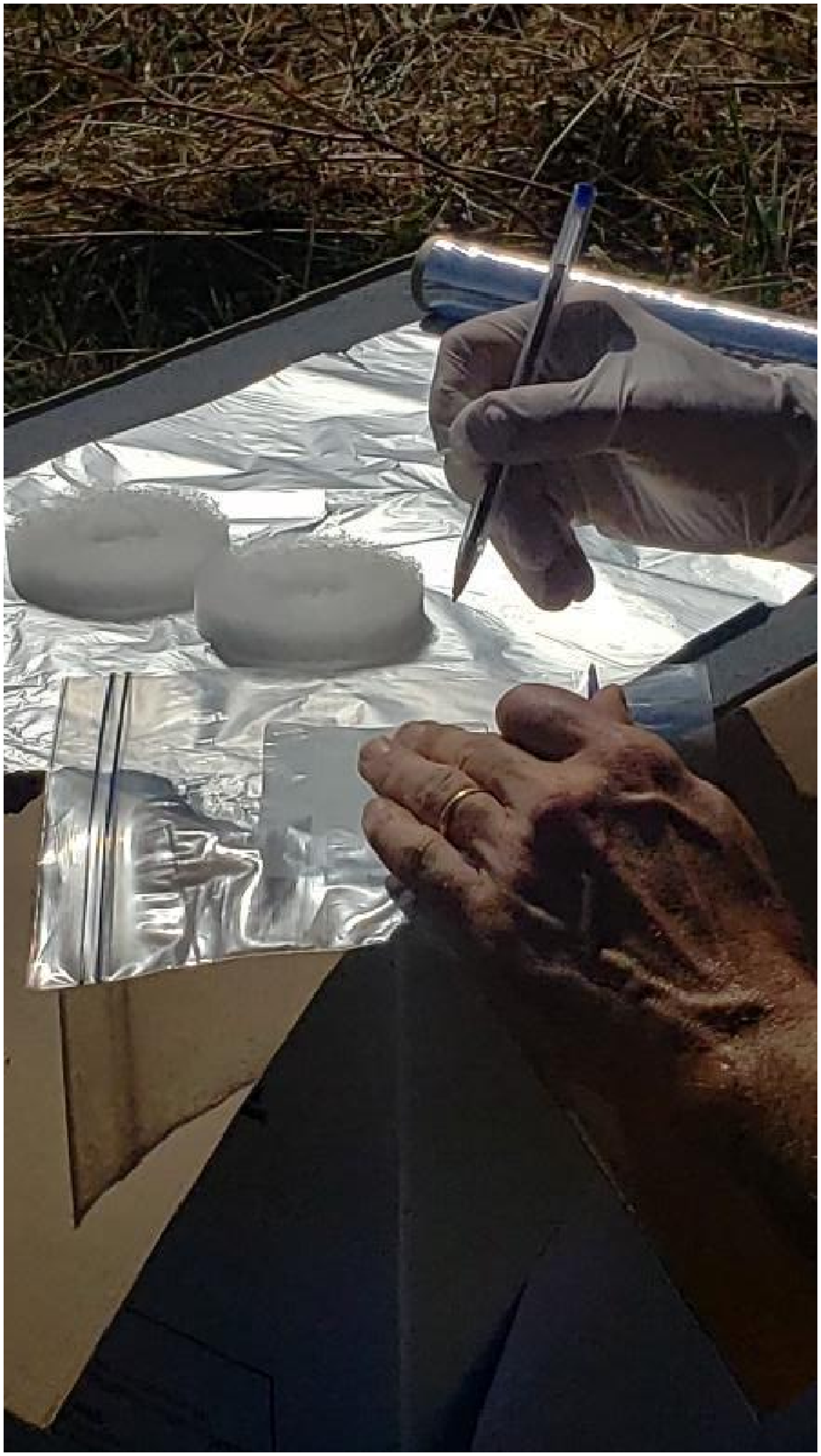
One foam containing pesticide residues is being packed and traced (Source: Authors).
List of Identified Expology Studies Carried out by French Activist Groups (2010–2023).
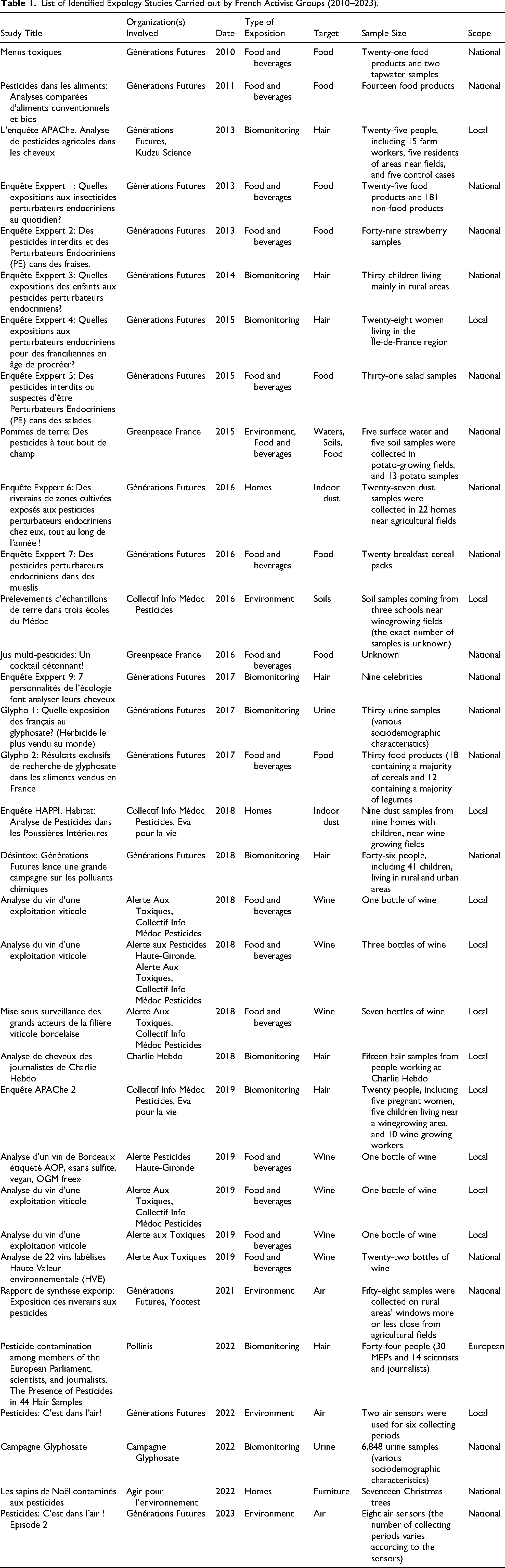
These studies are uneven in terms of the scale of data collected. At one extreme, the Campagne Glyphosate study is based on several thousand urine samples collected in many areas all around the country. At the other extreme, an initiative spearheaded by a local group in the Bordeaux vineyard area entailed analyzing pesticide residues in a single bottle of wine as part of a “naming and shaming” campaign (Dubuisson-Quellier 2021). Most studies are based on one or a few dozen samples. For example, French environmental NGO Agir pour l’environnement tested 17 Christmas trees for pesticides during the 2022 holiday season; in 2022, Pollinis, a French NGO involved in the protection of pollinators, measured pesticide residues in the hair of 30 members of the European Parliament and 14 journalists. In addition to heterogenous sample sizes, popular expology studies vary in terms of the scale of molecules they analyze. Some look only for one substance (often glyphosate). Others focus on specific pesticide danger classes (e.g., endocrine-disrupting substances or neonicotinoids). Most exposure studies use analytical methods that can detect and measure several dozen or several hundred molecules.
These studies are usually published as reports and press releases disseminated through activist networks and the media. The reports detail the methodology, the main results, and their associated political claims. These can mention the percentage of samples in which pesticides were found, the types of pesticide substances most frequently found, information on the number of different substances identified in the samples (minimum, maximum, and average), and their concentration. Often, reports describe the toxicological profile of detected pesticides. Sometimes they compare exposure data to official risk threshold limits, as defined by public health agencies (e.g., Maximum Residue Levels for food defined by European institutions). Yet these studies do not aim to demonstrate the health effects of chemicals found in the environment or bodies, as is the case for popular epidemiology campaigns. In the following sections, we demonstrate that such an epistemic choice on the part of citizen movements is linked to several developments in the realm of environmental health sciences: the strengthening of epidemiological standards of proof, increasing availability of exposure measurement tools, and greater access to toxicological databases.
When Popular Epidemiology Is Too High a Target
Sometimes, activist groups document exposure to toxic substances because they want to demonstrate their impact on public health. They hope that this will help their claims be taken more seriously by industries or public health authorities. Those popular epidemiology initiatives, though frequently described in the literature, are difficult to initiate and develop. Indeed, social movements face significant challenges in conducting epidemiological studies that meet the standards for rigor set by public health authorities. In a context of greater availability of measurement tools and toxicity databases, social movements can consider that popular expology—documenting the presence of and exposure to toxic substances, rather than the particular health effects they cause—is a simpler and more effective way to raise an issue and to advocate for public action toward it. Anti-pesticide activism in France offers a compelling illustration of this potential course of action.
The Challenge of Producing Robust Knowledge About the Health Effects of Pesticide Exposure
Lack of resources and the legal or political context may discourage activists from collecting data to confirm their suspicions about the health impacts of a particular environment (Akrich et al. 2013). Indeed, carrying out popular epidemiology campaigns requires access to many resources (Brown 1997; Kroll-Smith, Brown, and Gunter 2000). In particular, it demands commitment and perseverance from concerned people, as well as help from sympathetic scientists or medical professionals (Allen 2003). When scientific resources, time, willingness to engage with science, or hopes that the production of data will make a difference are lacking, popular epidemiology is likely to remain “undone” (Cardon and Prete 2018).
Yet such resources are not a guarantee of political success. Public health authorities generally dismiss popular epidemiology initiatives. Psychological biases may be invoked by some scientific or medical experts to discredit popular beliefs about the links between experienced symptoms and perceived environmental causes (Murphy 2006). Regulatory agencies, in particular, often contradict the claims of popular epidemiologists regarding the existence of clusters due to different methods and statistical procedures (Brown 1997; Arancibia and Motta 2019). The rejection of popular epidemiologists’ arguments is all the stronger since the dominant epidemiological paradigm often relies on constraining conceptualizations of causality (such as Bradford Hill criteria) and tends to “ignore context” to the detriment of precautionary approaches (Hurtig and Sebastián 2005; Counil and Henry 2021; Godde and Thomas 2024).
Social science literature also shows that popular epidemiology campaigns are more likely to succeed when they attempt to establish a causal link between specific products and precise pathologies, as in the case of trichloroethylene (TCE) targeted by residents of Woburn, Massachusetts, whose children suffered from leukemia (Brown 1992). Conversely, they encounter major difficulties when they target a large number of pollutants, which may cause various symptoms and diseases, like office workers denouncing the “sick building syndrome,” who were affected by heterogeneous pathologies and exposed to a large number of chemical substances (Murphy 2006). Pesticides fall into the latter category. They include hundreds of active substances used in thousands of commercial products, and the epidemiological and toxicological literature reports numerous chronic pathologies that can result from exposure: hematopoietic cancers, solid cancers, neurodegenerative diseases, respiratory illnesses, reproductive disorders, among others. Under these conditions, proving the deterioration of health within communities surrounded by fields where pesticides are applied is a difficult challenge. Attemps to carry out popular epidemiology on this issue in France have come up against insurmountable difficulties so far.
A case brought about by our investigation illustrates these difficulties. It involves one activist, Marie-Lys Bibeyran, who has become a prominent public figure opposed to pesticides in the Bordeaux wine production area (Jouzel and Prete 2021). She has been employed as a vineyard worker for years. At the beginning of the 2010s, she initiated a local protest to denounce the health effects of pesticides after her brother died aged 47 from a cancer recognized by the French workers' compensation system as an occupational disease linked to pesticide exposure. She lives in Listrac, a small town in Médoc, a Bordeaux region most famous for its grands crus wines, where high-profile vineyards and Châteaux share space with residents commuting to the Bordeaux metropolitan area. When Bibeyran started to get involved in the defense of workers' and residents’ health, she drew up her own health questionnaire and sent it out to many people to measure the health impact pesticides may have on farmworkers and residents living near agricultural fields. Her survey included questions about where respondents lived, acute and chronic health problems they had faced, and their eating habits. She compiled the initial responses (53 responses from local residents and farmworkers, and 27 responses from residents living in other areas) and used them to produce analyses linking levels of pesticide exposure and health effects in her locality. The results, published on her website, illustrate the epidemiological ambition of her approach and her will to connect proximity to the source of pesticide pollution (from workers in the fields to people living far from the fields) with diseases: - Farmworkers: 69.6 percent of agricultural employees suffer from acute health problems such as allergies, headaches, vomiting, skin problems, respiratory problems, concentration problems…There was no significant difference in whether these employees lived near vineyards. - Residents (from 0 to 500 meters): 70 percent of these residents suffer from acute health problems such as allergies, skin problems, headaches, vomiting, respiratory problems and concentration difficulties. 20 percent have chronic problems such as cancer or Parkinson's disease…No difference in the existence or severity of pathologies according to the distance between homes and treatment areas. - People living beyond 500 meters from agricultural areas or in non-agricultural areas: None of these people claim to suffer from chronic health problems. 20 percent have acute health problems, allergies, respiratory difficulties, skin problems, concentration difficulties, etc. 40 percent of these people occasionally eat organic food. (Website archived during the study, our translation) You ask about cancer mortality in the Listrac-Médoc commune, I imagine with the intention of making the link with people's professional activities, and in particular with their exposure to pesticides. You should know that neither the university nor the hospital have any data on the causes of death in the French population, or even in Gironde. These data are held by a specialized department…and are subject to confidentiality rules…Similarly, cancer registry data are confidential…To cross-reference your data with pesticide exposure, you would also need data on people's occupations. Here again, this cannot be done without the consent of the individuals concerned, and without asking them precise questions about their entire professional career. This is why epidemiological studies are difficult to carry out and take a long time to produce results: the logistics are complex, and the statistical analyses themselves take a long time. (Professor A., email to Marie-Lys Bibeyran 2013)
While she was attempting to develop an epidemiological analysis, she learned in a local newspaper that a private company named Kudzu Science marketed hair testing kits for pesticide residues. She contacted Générations Futures, the main French activist organization involved in the fight against synthetic pesticides, to ask for help to fund a study to demonstrate that people working in vineyards had pesticides in their bodies, using the Kudzu Science testing kits. Générations Futures decided to support Marie-Lys Bibeyran's initiative and agreed to fund a study called APAChe (Analyse des pesticides agricoles dans les cheveux, Analysis of agricultural pesticides in hair). Marie-Lys Bibeyran wanted the research to focus on vineyard workers’ exposure. In her own words, she “wanted to do something to shed light on agricultural workers, who, quite apart from the problem of pesticides, are a social category that has always been neglected, even despised” (Interview 2014). However, Générations Futures made its support conditional on the inclusion of local residents in the sample. In the end, Marie-Lys Bibeyran enrolled 15 wine workers, five local residents in the Bordeaux region living close to the vineyard; and five local residents living farther from the fields, to whom she distributed the analysis toolkits. The results showed that the hair of both workers and residents contained pesticide traces. They also revealed that the number of substances found was higher for people working or living in vineyard areas than for people living far from vineyards. The publication of these results in a widely covered report 2 provoked strong reactions from the local wine-growing community, who accused Marie-Lys Bibeyran of damaging the reputation of local vineyards. The main winegrowers’ organization refused to comment on the study 3 and sent a message to all winegrowers, forbidding them to talk to journalists about the results of the study (Interview 2017).
This story highlights a number of classical difficulties environmental activist groups face when attempting to launch epidemiological studies. The standards of epidemiological proof are often unreachable for people who suspect that their body or environment is contaminated, and even sometimes for epidemiologists themselves. The APAChe study nevertheless illustrates how popular expology may be a strategic fallback for citizen organizations trying to raise the alarm about pesticides’ health effects, when performing credible epidemiological investigations is an unattainable target. Further, it also shows the role of private labs and measurement tools in the development of popular expology.
Do-It-Yourself (DIY) Technologies as Catalyzers of Popular Expology
The APAChe study was made possible thanks to hair analysis solutions marketed by one firm, Kudzu Science. Since 2013, this private firm has supported numerous other popular expology initiatives on pesticides. It has approached NGOs working on environmental health issues (pesticides, endocrine disrupters, lead, etc.) to offer them hair, air, dust, or dried blood analysis toolkits in return for a financial contribution. For instance, Kudzu Science actively approached Générations Futures when the NGO reflected on how to “make visible this problem of exposure, which is ultimately something quite invisible” (Interview 2023). Kudzu Science participated in 7 of the 33 popular expology projects we identified in France. It tries to boost demand for kits in Europe and encourages networking between its customers in order to expand its range of services and visibility in what its managers present as an increasingly competitive direct-to-consumer laboratory analysis market. France is too small a market for us, so we decided to create Science Concept to go international. We’re going to focus on the European market, whereas the US market is very much “made in America.” In the US, California has always been ahead of the game, ahead of the curve, in this kind of campaigns, very Californian…The European market could be interesting. We have known for ten years how to talk to individuals and associations. We have competitors coming in, but we’re ahead of the game because we have a database that allows us to have benchmarks where there are no public health benchmarks. (Kudzu Science, Interview 2022)
Beyond private labs and development of DIY technologies, another factor has encouraged environmental activists to engage in popular expology approaches within the last ten years: greater access to databases on pesticides’ toxicity. These databases are extremely valuable to environmental groups. Most of them did not exist or were very difficult to access some twenty years ago. The computerization of public services and increased transparency requirements for environmental data, particularly under pressure from European NGOs, have made access to them easier (Morvillo 2020). Activists regularly consult databases such as The Endocrine Disruption Exchange List (TEDX List), the EU Pesticides Database, the Pesticides Properties Database (PPDB), and the European Chemicals Agency (ECHA) website.
4
The first lists substances likely to be endocrine disruptors, while the others provide information on substances and their chronic toxicity status. In addition, French anti-pesticide groups sometimes draw on information from expert reports by the International Agency for Research on Cancer (IARC). Drawing on toxicological information collected from these various sources and databases, activists interpret the exposure data they produce and suggest potential health effects for the populations concerned, without having to document or prove these effects by themselves. The excerpt from a report published in 2017 illustrates this way of combining exposure data and toxicological information: 32 pesticides were searched for…mainly used in winegrowing/agriculture, using the kit provided by the Kudzu Science laboratory. 23 pesticides were detected and 21 were quantified out of the 32 tested…38 percent of the pesticides quantified are possible carcinogens. 38 percent of the pesticides quantified are possible endocrine disruptors. 71 percent of the pesticides quantified are possible reprotoxic. 38 percent of the pesticides quantified are possible carcinogens and endocrine disruptors.
5
The main objective of our study was to address the extent and the level of glyphosate contamination in the French population, on a national scale, according to biological parameters and lifestyle status. We did not intend to address health concerns, as other authors did: glyphosate has been classified as “probably carcinogenic to humans” (Group 2A) by the International Agency for Research on Cancer (IARC), an agency of the World Health Organization (WHO) (IARC 2015), and the association of human exposure to glyphosate with lymphomas excess was further supported by subsequent peer-reviewed studies…and by the recent report on glyphosate conducted by the French Institute on Health and Medical Research (Inserm 2021). (Grau et al. 2022, emphasis added)
The Political Virtues of Popular Expology
Social science research put forward many epistemic and political “virtues” of citizen science (Kimura and Kinchy 2016): increasing citizens’ scientific literacy and awareness, building more equal relationships between scientists and citizens, filling knowledge gaps, or challenging official accounts and data in order to drive policy change. Among citizen scientists, does popular expology has its own virtues? Based on our research on anti-pesticide activism in France, we show that popular expology has two advantages for social movements: attracting media attention on the one hand, and exposing the shortcomings of regulatory science's assessment on toxic exposure on the other hand.
Making Exposure “Popular”
Citizen-driven exposure monitoring projects play a pivotal role in democratizing scientific and expert processes on environmental issues. Through such projects, residents or activists get trained on scientific matters. This enables them to articulate and raise new issues more effectively, as well as engage more openly with environmental data and problems (Corburn 2005; Gabrys 2016). Beyond, they contribute to raising public consciousness about environmental hazards (Kuchinskaya 2019), and can encourage scientific institutions to reflect on the limits of their organization (Irwin 2015).
Paradoxically, few observers have pointed out that one of the ways in which these citizen science projects raise public awareness of environmental issues is that they provide an entry point for the professional media (press, radio, and television) to report on them.
The media's difficulties in reporting on certain environmental problems are well-known: their professional routines and norms lead them to privilege episodic, conflictual issues, on which it is easy to produce striking images (Anderson 2014). Faced with these difficulties, activist groups seeking to mobilize the media to publicize their demands, recruit new members, or attract the attention of public authorities, need to employ several tactics, such as using visual symbols with emotional resonance or creating highly visual events. Some institutionalized environmental activist organizations (e.g., Greenpeace, Sea Shepherd) are renowned for their ability to influence the media agenda (Hansen 2018). But for local or national groups involved in denouncing pesticide risks, attracting media attention can be particularly difficult (Andrews and Caren 2010). Indeed, pesticides are invisible substances, whose use is diffuse, and whose health or environmental effects are incremental and long-term. It is therefore important to find ways of representing their risks in concrete and credible terms. In this context, anti-pesticide activists view popular expology as a good way to meet the “newsworthiness” standards set by the media in the field of environmental health issues (Brown et al. 2013; Mazur 2017), where investigative journalists play an increasingly important role in France and elsewhere (Comby 2009; Marchetti 2010; Friedman 2015).
The environmental organization Générations Futures is a case in point. Indeed, it devotes significant resources to attract media attention: As an association, we have a range of tools that we can try to activate to get this subject (pesticide pollution) into the public debate, because we don’t have the power of the lobbies, which have a plethora of people to target politicians or government representatives one by one. We don’t have that kind of clout, so our sounding board is clearly the media. To make our positions heard, we have to show the media that there is a stake and an interest in talking about this subject. (Générations Futures, interview 2023)
Another citizen science campaign, the Campagne Glyphosate, also illustrates the value of popular expology studies in gaining access to the media agenda. A few years ago, activists advocating for a ban on GMOs and glyphosate-based pesticides initiated this campaign. In 2016, following the IARC classification of glyphosate as “probable carcinogen,” they carried out an action that brought them before a civil court: they entered stores selling garden products and put green paint on the glyphosate cans in the shelves, in order to render them unfit for sale. Summoned to court, the activists decided to search for the presence of glyphosate in their urine before they went to the trial and wrote the quantified level of the substance found on a t-shirt they wore for the audience (see Figure 4). Following the trial, they decided to organize a larger urine study and set up 175 sampling sessions in 84 French departments between 2018 and 2020. In total, 6,848 people (nicknamed “the unvoluntary pissers of glyphosate” by the leaders of the Campagne Glyphosate) had their urine analyzed, glyphosate residues or metabolites being detected at quantifiable levels in 99 percent of the samples (Grau et al. 2022b).
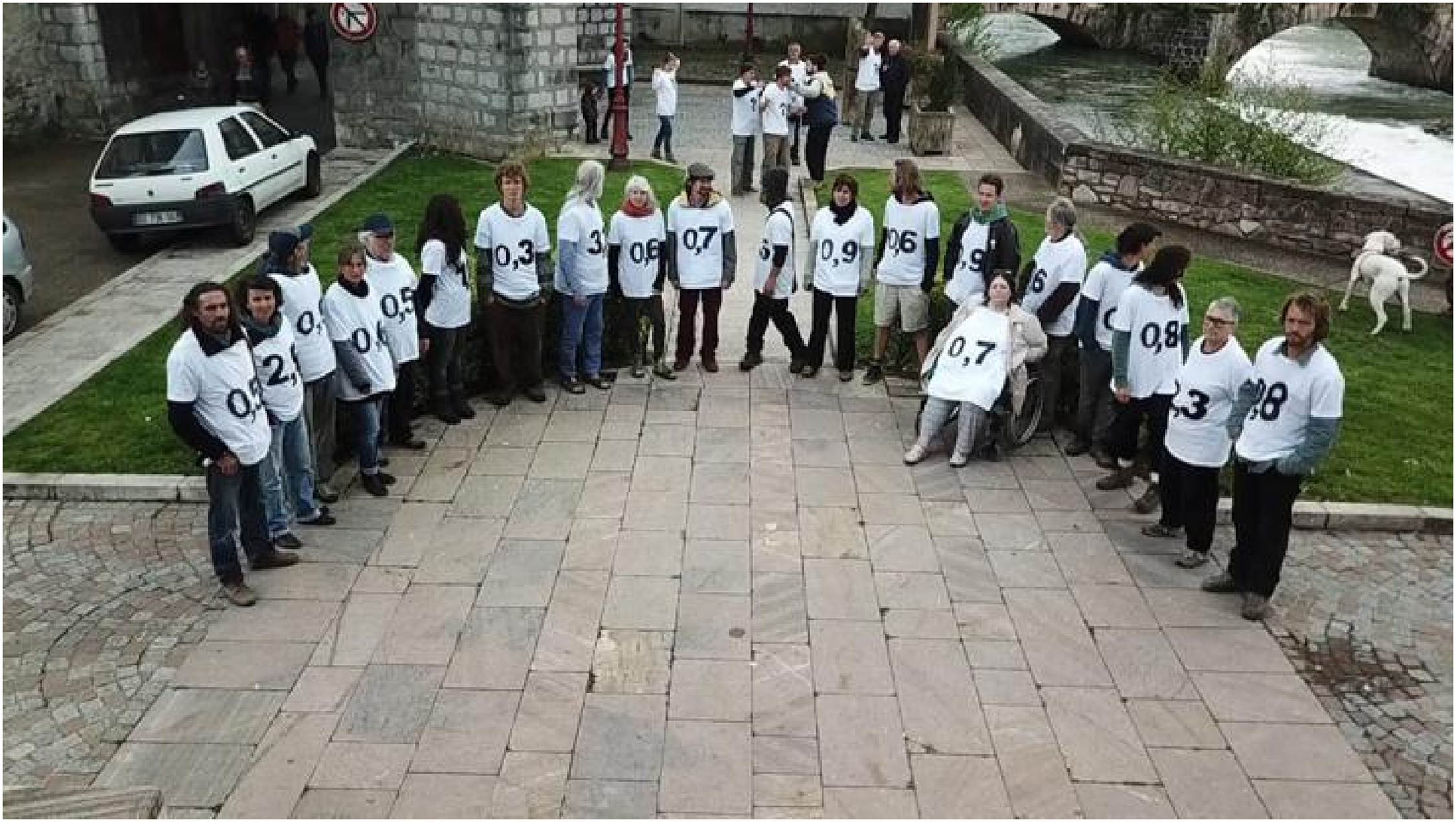
Faucheurs Volontaires wearing t-shirts with the quantified level of glyphosate in their urine (Source: Faucheurs Volontaires).
Since its inception, the Campagne Glyphosate has been designed to boost media attention for the anti-pesticides cause. The choice to focus on glyphosate illustrates this. Indeed, the designers of the initiative choose to focus on this controversial molecule in part due to its high media coverage potential: Every morning we urinate glyphosate, whatever our age, our geographical situation, our rurality or not, our way of eating, our food, we urinate glyphosate every day, and for us glyphosate was a marker, and it's important to say that for the Campagne Glyphosate, pesticides were the target, so we needed a marker, a well-known marker, with media coverage. (Interview Campagne Glyphosate 2023, emphasis added) The day we announced the filing of the legal case, here, at my place (he taps the table) I had TV and radio stations, BFM, TF1, FR2, they came here from Paris, I think I must have had thirty-five interviews over the day. (Interview Campagne Glyphosate 2023)
Here, There, and Everywhere: Popular Expology to Demonstrate the Uncontrollability of Pesticides
Citizen science initiatives sometimes provide a means of “doing undone science” (Arancibia and Motta 2019), producing data that official health authorities and research bodies do not produce, and of exploring research areas that lack institutional support (Frickel et al. 2010). They also highlight the methodological limitations of the approaches used by official institutions to assess and control industrial pollutants (Ottinger 2010a; Ottinger and Sarantschin 2017). Yet, studies have shown that the ability of activist organizations to challenge regulatory science is limited by the existence of numerous and costly standards that can serve a “boundary-policing function,” allowing official experts and public authorities to dismiss alternative data (Ottinger 2010a).
These standards are particularly demanding when it comes to demonstrating the epidemiological effects of pollution. Indeed, throughout the 20th century, epidemiology as an academic field was institutionalized by the development of increasingly complex biostatistical approaches and high standards of proof, reflected in the Bradford-Hill criteria (Amsterdamska 2005). Public authorities can easily invoke those criteria to delegitimize citizen-led investigations of clusters of diseases in given communities (Brown 1992). As Gwen Ottinger's (2010a) work on the “bucket brigades” denouncing pollution by the Shell Company in Louisiana has shown, disrespect of standards of proof can also be opposed to communities involved in exposure measurements. In France, some citizen studies aimed at measuring pesticide exposure have been criticized by public authorities for their lack of rigor. For instance, the test method (ELISA) used for pesticide detection in urine by the Campagne Glyphosate leaders was criticized for its lack of specificity in comparison to more expensive chromatographic techniques, which are often considered to be the gold standard for pesticide residue quantification in urine. French health authorities also argued that studies on pesticide aerial drift by Générations Futures had important methodological limitations (e.g., lack of attention to wind direction, use of passive air samplers instead of more expensive active ones). 6
Yet, those campaigns appear difficult to dismiss completely on methodological grounds for several reasons. Firstly, the science of residential exposure to chemical pollutants is relatively recent and loosely standardized. Indeed, though exposure assessment has long been the realm of industrial hygienists for occupational health purposes, its extension toward environmental health only started at the end of the 20th century (Lioy 2010). Therefore, standards of proof are much less stabilized in this field than they are in epidemiology. Secondly, the conclusions of popular expology studies are all the more difficult to challenge because they are simple and modest. Indeed, they question the idea that safe use of pesticides—a central premise of the regulation of these substances—is possible, and show that residues are here and there, in places and quantities they should not reach according to regulatory authorities. Finally, popular expology is a political lever that is all the more strategic given that exposure assessment has become increasingly important in the European regulatory system (Jouzel 2019). Indeed, following the adoption of Regulation (EC) 1107 in 2009, the European institutions introduced “cut-off criteria” principles. By stipulating that no substance known to have carcinogenic, mutagenic, toxic to reproduction, or endocrine-disrupting effects can be authorized “unless human exposure under realistic conditions of use is negligible,” these changes provide strong support for activists to weigh on risk assessment and regulatory science, through its least developed part, exposure assessment (Demortain 2020). In other words, anti-pesticide NGOs mobilize expology to demonstrate that health authorities ignore, or at least underestimate, how much pesticides travel and remain in and around the places where they have been spread.
This point is particularly well illustrated by the way in which Générations Futures has drawn on several expology studies to explicitly criticize regulatory distances between pesticide spraying areas and homes, and the loopholes of the European risk assessment guidelines on which such distances were set by French authorities. In 2022, 2023, and 2024, the NGO published three reports detailing the results of investigations performed by local volunteers on pesticide drift in three different agricultural regions. These reports constitute the Pesticides: c’est dans l’air! study series. They show that protective measures adopted by public authorities against the risk of pesticide spray drift are insufficient. Indeed, to meet European Union requirements for the protection of local residents (Regulation (EC) no. 1107/2009),
7
French agricultural authorities have regulated mandatory buffer zones between treated plots and residential dwellings in 2019 (Jouzel and Prete 2024). Their width is between 3 and 10 meters, and up to 20 meters for products classified as carcinogenic, mutagenic, or reprotoxic to humans. Générations Futures is campaigning for much greater safety distances. The Pesticides: c’est dans l’air! report identifies important pesticide residue levels up to 60 meters from the fields. This insistence on the inadequacies of regulatory risk assessment is not an incidental consequence of the NGO's studies. Those studies were designed both to demonstrate the existence of pesticide drift at the time of application and to highlight the gap between current regulatory buffer zones and such drift: The idea is to show that today, the tools in place are not protective. One of the ways to demonstrate this is to show that the drift of pesticides goes beyond what the no-treatment zones provide for today. We say to ourselves, how better to prove this than by doing air tests near residential areas? (Interview Générations Futures 2023)
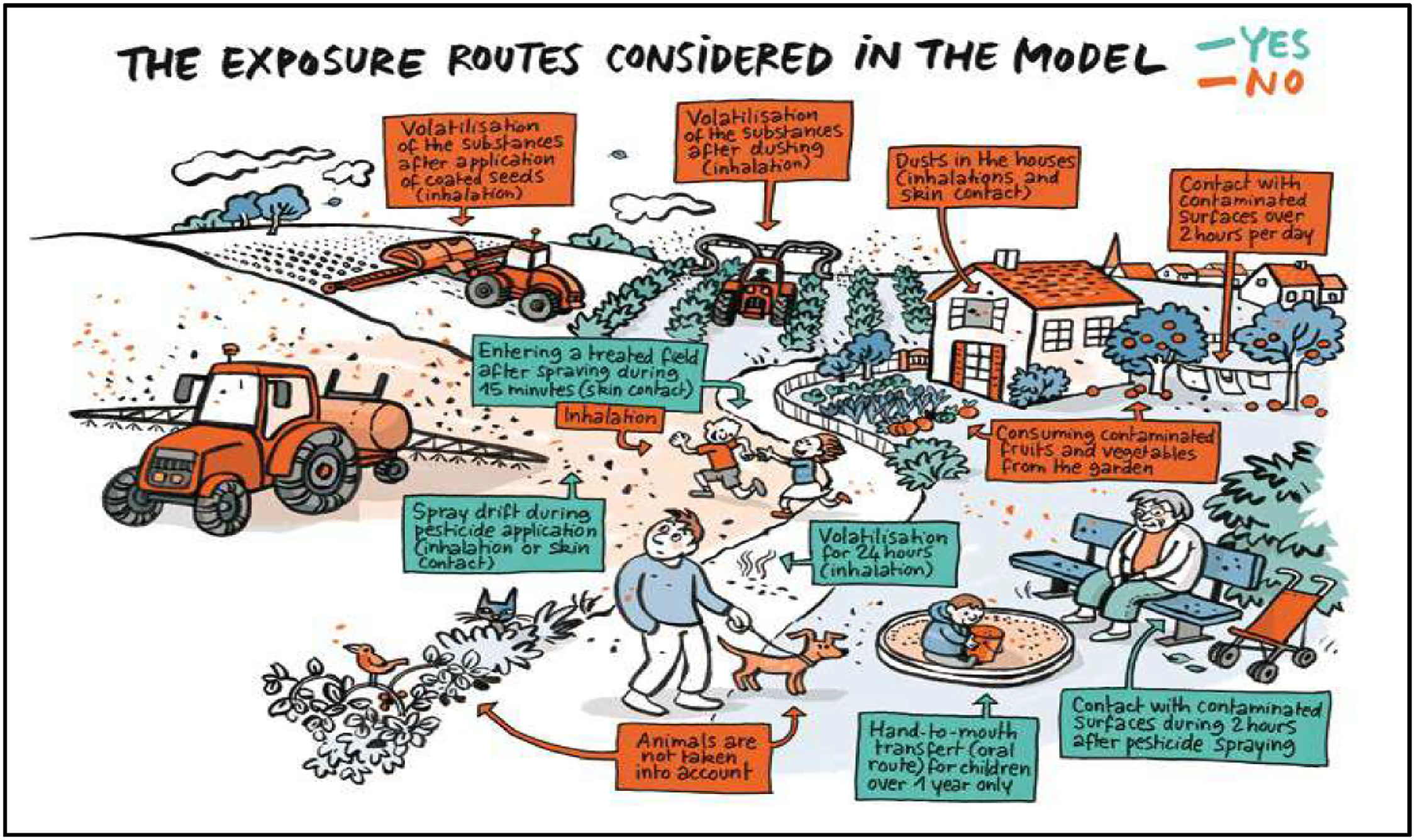
Excerpt from the Générations Futures report “Residents exposed to pesticides: Failures in risk assessment” (p. 11, July 2022, illustration by Claire Robert).
In sum, popular expology campaigns show that pesticides drift beyond the farming plots on which they are applied, get into the air people breathe, the food they ingest, on the soil they walk on, in the dust lightly coating their home, and eventually in their bodies. As such, they question the very idea of the possibility of a safe use of pesticides, upon which the risk regulation regime for these substances is based in France and Europe.
Conclusion
This article proposes the term popular expology to describe environmental activism aiming at producing exposure data to denounce the dangers of industrial pollution, without necessarily producing health effects data and epidemiological interpretations. We contend that distinguishing popular expology from popular epidemiology is useful, not only because it can encourage scholars refining empirical description of citizen science initiatives, but also because it can help them to reflect more accurately on the interplay between these initiatives and their social context, as well as their political impact.
Drawing on the case of pesticide-related activism in France, we have shown that popular expology emerges within a configuration marked by the relative difficulty, for activist organizations, of establishing causal links between exposure and health outcomes through epidemiological approaches, combined with a comparatively greater accessibility of exposure measurement tools and toxicity data. More precisely, four interrelated factors help explain why exposure-centered forms of knowledge production have become particularly salient in this context. First, social movements face significant obstacles in engaging in epidemiological work due to the epistemic and methodological standards that structure the discipline. Second, the existence of a substantial body of academic epidemiological research on pesticides reduces the need for activists to produce their own epidemiological evidence. Third, expological approaches are easily translated into media formats, fostering their visibility and public resonance. Fourth, epidemiological claims are more difficult to render legitimate in interactions with public administrations in charge of risk assessment, where specific evidentiary standards prevail. These dynamics are embedded in broader historical transformations, including changes in the social and demographic configuration of affected populations, the increasing availability of relatively affordable testing devices and accessible toxicological databases, and evolving media practices in the coverage of environmental issues.
We stressed that popular expology displays distinct political virtues. Social movements articulate this form of activism with other classical contentious actions (petitions, interpellations, and legal actions) to get media attention. They leverage it to shed light on the vulnerabilities of regulatory exposure assessment and existing risk management measures (such as mandatory non-spray buffers). By making invisible yet worrisome pollutants visible, popular expology fosters, in a single motion, anti-pesticides movement rationales, media attention, and awareness of the loopholes of the regulatory sciences at the basis of policies supposed to protect public health and the environment. It operates at the nexus of these three spheres, creating bridges to expertise for social movements, in spite of the traditional “expertise barriers” (Parthasarathy 2010) impeding citizen participation in epidemiological and toxicological debates. Its strength lies in enabling citizen organizations to participate in conversations on pesticide risk governance, both in the public arena and in the policy arena, where risk assessment discussions take place.
It should be noted that these elements do not lead us to argue that popular expology would be progressively replacing popular epidemiology, neither in the French anti-pesticide case we describe, nor in the more general realm of environmental health controversies. At least we do not have the data to support such a claim. Indeed, our data does not indicate that there was a trend of popular epidemiology related to pesticides in France before the rise of popular expology we describe.
At a more general level, our analysis shows less that one form of knowledge production substitute for the other, but rather that they have to be understood in relation. We hope that further studies will deepen the dynamic of evolving relations between popular expology, epidemiology, as well as toxicology. Popular expology has its own limitations. A striking feature of post-2009 initiatives in France is that very few of them specifically investigate unequal geographical, social, or racial exposure to pollution. In that respect, they offer a sharp contrast with comparable citizen-science initiatives in the US (Harrison 2011; Temkin et al. 2022; Donley et al. 2022) or elsewhere (Arancibia and Motta 2019). In such contexts, many citizen-led campaigns seek to underscore “the geographical distribution of environmental risks, according to race and social class” (Brown 1997), or denounce “disproportionate exposure” (Gochfeld and Burger 2011) of specific populations and communities, often characterized by low levels of income and education (Ceccaroni et al. 2021). These studies demonstrate the social dimension of chemical contamination. In contrast, French popular expologists tend to focus on biologically contaminated bodies, with little consideration of their social characteristics. Understanding to which extent this specificity reflects some sociodemographic specificity of the regions where pesticides are intensively used compared to other contexts, or the limited institutionalization of the environmental justice framework in France (as compared to the US, for instance), would provide more substantial foundations for advancing the research presented in this article. This highlights the importance of further developing international comparative approaches to environmental health activism.
Footnotes
Acknowledgments
The authors would like to thank the editors and reviewers of Science, Technology & Human Values, as well as the colleagues who commented on previous versions of this article at the seminar Petits Nombres en Santé, organized in Saint-Denis in October 2023, and the workshop Sciences et Mobilisations écologistes, organized in Paris in June 2024.

Author Contributions
The first three authors are, on an equal footing, the main contributors to the article. They conducted the field research and wrote the article. The last author contributed to project administration, data curation, conceptualization, review, editing and finalization of the article.
Funding
The authors disclosed receipt of the following financial support for the research, authorship, and/or publication of this article: This work was supported by the Agence Nationale de Sécurité Sanitaire de l’Alimentation, de l’Environnement et du Travail, and the Institut National du Cancer (APR EST, INCA_15914).
Declaration of Conflicting Interests
The authors declared no potential conflicts of interest with respect to the research, authorship, and/or publication of this article.