






Abstract
The American Academy of Otolaryngology—Head and Neck Surgery Foundation (AAO-HNSF) has published a supplement to this issue of Otolaryngology–Head and Neck Surgery featuring the updated Clinical Practice Guideline: Earwax (Cerumen Impaction). To assist in implementing the guideline recommendations, this article summarizes the rationale, purpose, and key action statements. The 11 recommendations emphasize proper ear hygiene, diagnosis of cerumen impaction, factors that modify management, evaluating the need for intervention, and proper treatment. An updated guideline is needed due to new evidence (3 guidelines, 5 systematic reviews, and 6 randomized controlled trials) and the need to add statements on managing cerumen impaction that focus on primary prevention, contraindicated intervention, and referral and coordination of care.
Differences from Prior Guideline
This clinical practice guideline is as an update, and replacement, for an earlier guideline published in 2008 by the American Academy of Otolaryngology—Head and Neck Surgery Foundation (AAO-HNSF). 1 An update was planned for 5 years after the initial publication date and was further necessitated by new primary studies and systematic reviews that might suggest a need for modifying clinically important recommendations. 2 Changes in content and methodology from the prior guideline include the following:
addition of a consumer advocate to the guideline update group (GUG);
3 guidelines, 5 systematic reviews, and 6 randomized controlled trials (RCTs);
emphasis on patient education and counseling with new explanatory tables;
expanded action statement profiles to explicitly state quality improvement opportunities, confidence in the evidence, intentional vagueness, and differences of opinion;
enhanced external review process to include public comment and journal peer review;
new algorithm to clarify decision making and action statement relationships; and
3 new key action statements on managing cerumen impaction that focus on primary prevention, contraindicated intervention, and referral and coordination of care.
Introduction
Cerumen or “earwax” is a naturally occurring substance that cleans, protects, and lubricates the external auditory canal. It is also the primary reason why the ear canal can become obstructed. While often harmless, blockage of the ear canal from cerumen can lead to a host of symptoms, including hearing loss, tinnitus, fullness, itching, otalgia, discharge, odor, or cough. 3 In addition, cerumen impaction can prevent diagnostic assessment by preventing complete examination of the external auditory canal and/or eardrum (tympanic membrane) or by interfering with diagnostic assessment (ie, audiometry, tympanometry). 4
Cerumen forms when glandular secretions from the outer two-thirds of the ear canal mix with exfoliated squamous epithelium. 5 Normally, cerumen is eliminated or expelled by a self-cleaning mechanism, which causes it to migrate out of the ear canal assisted by jaw movement. 6 Figure 1 provides an illustration of where cerumen occurs, 7 and Figure 2 is a photograph of impacted cerumen.
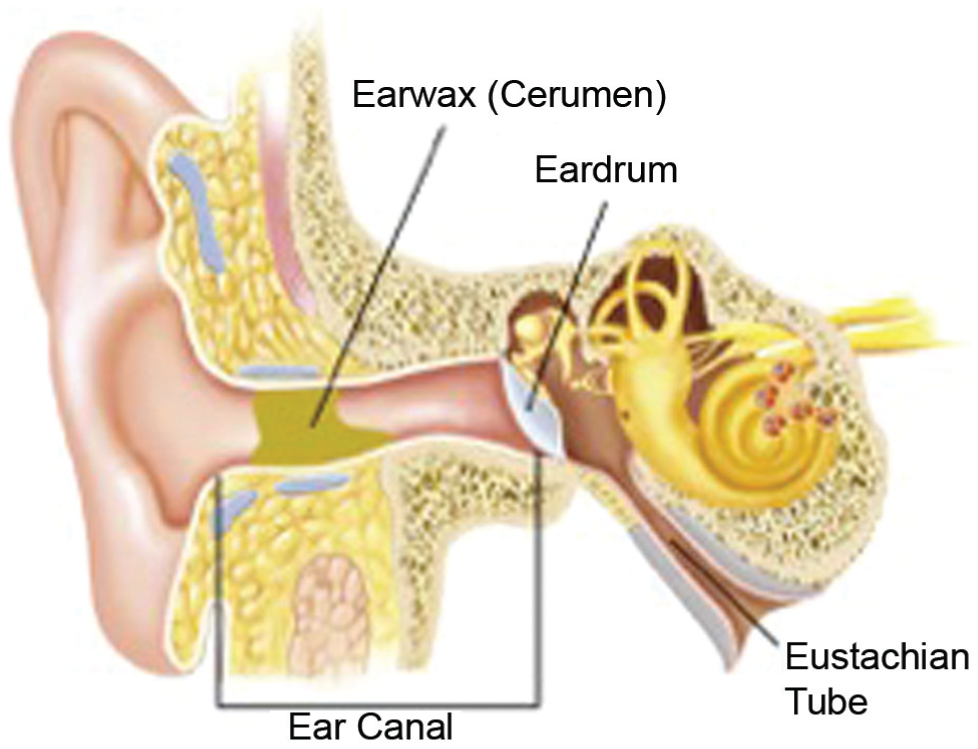
Cerumen is formed in the outer two-thirds (cartilaginous portion) of the ear canal and not the inner third (bony portion) that ends at the eardrum. Impacted cerumen (green-like collection) can completely obstruct the ear canal. Adapted and reproduced with permission. 7
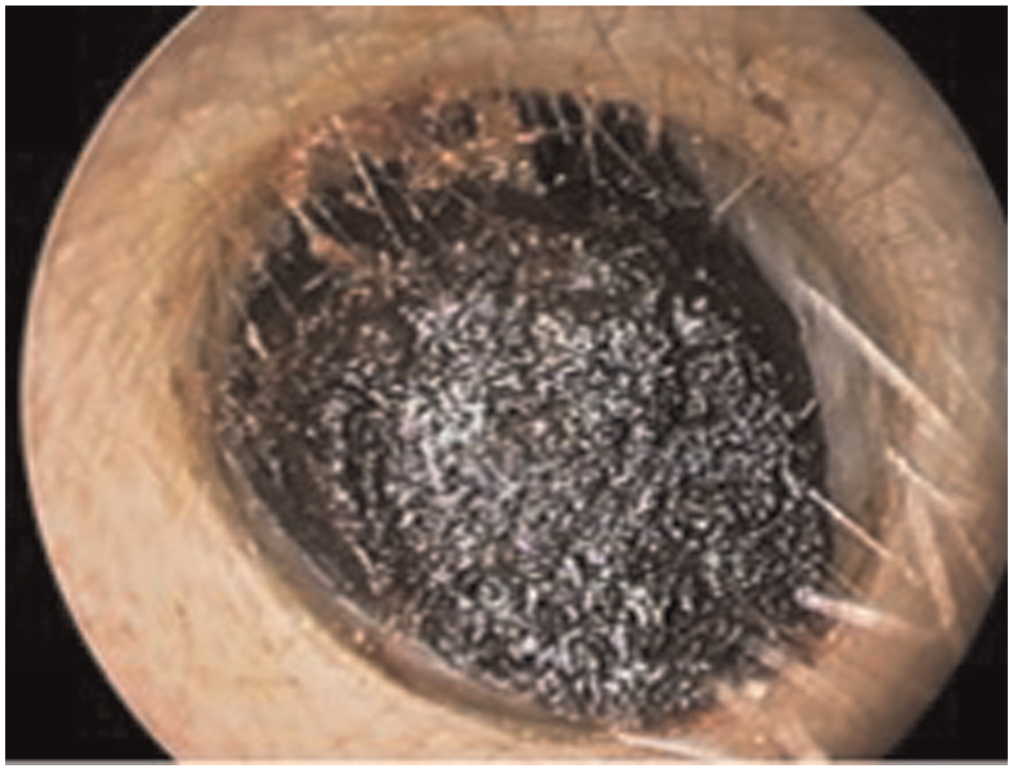
Otoscopic view of impacted cerumen that completely fills the ear canal. Image courtesy of the Yanagisawa image library©. AAO-HNSF 2015.
Accumulation of cerumen, caused by failure of the self-cleaning mechanism, is one of the most common reasons that patients seek medical care for ear-related problems.4,8 Excessive or impacted cerumen is present in 1 in 10 children, 1 in 20 adults, and more than one-third of the geriatric and developmentally delayed populations. 3,9,10 About 12 million people seek medical care annually for problematic cerumen in the United States, resulting in nearly 8 million cerumen removal procedures.11,12 Nearly $50 million was spent by Medicare in 2012 for cerumen-related procedures, and cerumen impaction was a diagnosis in up to 5% of Medicare patients. 13 Moreover, excessive or impacted cerumen in high-risk populations, such as the elderly and developmentally delayed, is underdiagnosed and likely undertreated.10,14,15
The target patient for this guideline is over 6 months of age with a clinical diagnosis of cerumen impaction.
Cerumen is defined as a mixture of secretions (sebum together with secretions from modified apocrine sweat glands) and sloughed epithelial cells and is a normal substance present in the external auditory canal. As cerumen migrates laterally, it may mix with hair and other particulate matter.
Cerumen impaction as defined for this guideline is an accumulation of cerumen that causes symptoms and prevents a needed assessment of the ear canal/tympanic membrane, audiovestibular system, or both.
Impaction vs obstruction. Although “impaction” usually implies that cerumen is lodged, wedged, or firmly packed in the ear canal ( Figure 2 ), our definition of cerumen impaction does not require a complete obstruction. This definition implies that the cerumen is associated with symptoms that may be attributable to it or that the cerumen prevents a necessary ear examination.
We have defined this term pragmatically to designate cerumen that requires management.3-5 Some patients will present with nonimpacted cerumen that does not cause symptoms and does not prevent assessment of the ear and is “asymptomatic.” Asymptomatic cerumen does not require active management. This guideline will discuss considerations relevant to watchful waiting and surveillance.
Purpose
The primary purpose of this guideline is to help clinicians identify patients with cerumen impaction who may benefit from intervention and to promote evidence-based management. Another purpose of the guideline is to highlight needs and management options in special populations or in patients who have modifying factors. A guideline is necessary given evidence of practice variation in medicine and the literature. The secondary goal includes creating a guideline suitable for deriving a performance measure on cerumen impaction. This update is needed due to the time since the original publication and the presence of new evidence.
The guideline is intended for all clinicians who are likely to diagnose and manage patients with cerumen impaction and applies to any setting in which cerumen impaction would be identified, monitored, or managed.
The guideline does not apply to patients with cerumen impaction associated with the following conditions: dermatologic diseases of the ear canal, recurrent otitis externa, keratosis obturans, prior radiation therapy affecting the ear, exostoses or osteoma, neoplasms of the ear canal, previous tympanoplasty/myringoplasty or canal wall-down mastoidectomy, or other surgery affecting the ear canal. However, the guideline will discuss the relevance of these conditions in cerumen management. The following modifying factors are not the primary focus of the guideline but will be discussed relative to their impact on management: nonintact tympanic membrane (perforation or tympanostomy tube), ear canal stenosis, exostoses, diabetes mellitus, immunocompromised state, anticoagulant therapy, or bleeding disorder.
The goal of this document is to update the original multidisciplinary guideline looking at previously and newly identified quality improvement opportunities in the management of impacted cerumen. The GUG sought to achieve this with a limited set of focused recommendations based on a transparent and explicit process that considers levels of evidence, harm-benefit balance, consumer input, and expert consensus to fill evidence gaps.
Methods
General Methods and Literature Search
This guideline update was developed using an explicit and transparent a priori protocol for creating actionable statements based on supporting evidence and the associated balance of benefit and harm, as outlined in the third edition of Clinical Practice Guideline Development Manual: A Quality-Driven Approach for Translating Evidence into Action. 16
The original cerumen impaction guideline 1 was first sent to a panel of expert reviewers who were asked to assess the key action statements and decide if they should be revised, be kept unaltered, or removed based on relevancy, omissions, or controversies that the guideline spurred and to identify any new literature or treatments that might affect the guideline recommendations. The reviewers concluded that the original guideline action statements remained valid but should be updated with minor modifications. A suggestion was also made for a new key action statement on the role of alternative therapies in management.
A literature search was performed by an information specialist to identify systematic reviews, clinical practice guidelines, and RCTs published since the prior guideline cutoff (September 2007). The following databases were searched from October 2007 to April 2015: MEDLINE (OvidSP), Embase (OvidSP), AMED (OvidSP), Cumulative Index to Nursing and Allied Health (CINAHL), PubMed, National Guidelines Clearinghouse, and Cochrane Controlled Trials Register (CCTR). The databases were searched for the topic of interest using both controlled vocabulary words and synonymous free text words (cerumen, earwax, and impaction). The search strategies were adjusted for the syntax appropriate for each database/platform.
The initial English-language search identified 1 potential clinical practice guideline, 6 systematic reviews, 5 RCTs, and 6 other studies. All searches were conducted on April 3, 2015. Systematic reviews were included if they met quality criteria of (a) clear objective and methods, (b) an explicit search strategy, and (c) valid data extraction. Additional evidence was identified, as needed, with targeted searches to support needs of the guideline development group in updating sections of the guideline text. Specifically, ear candling/coning was identified as an area of concern by the reviewers. The databases were also searched using both controlled vocabulary words and synonymous free text words for the topic of interest (ear candling and ear coning) in this population. The search strategies were adjusted for the syntax appropriate for each database/platform. The search was not limited by date range or study design but was limited to English language. After assessing the quality and relevance of all of the new search results, we retained 3 guidelines, 5 systematic reviews, and 6 RCTs.
The AAO-HNSF assembled a GUG representing the disciplines of otolaryngology–head and neck surgery, otology/neurotology, family medicine, audiology, advanced practice nursing, pediatrics, geriatrics, a resident physician (otolaryngology), and a consumer advocate. The GUG also included a staff liaison from AAO-HNSF, but this individual was not a voting member of the GUG and served only in an editorial capacity in writing the guideline. Several group members had significant prior experience in developing clinical practice guidelines.
The GUG had several conference calls and 1 in-person meeting, during which comments from the expert panel review and the literature search were reviewed for each key action statement. The GUG then decided to leave the statements unaltered, change slightly, or rewrite the statement based on the impact of the literature search, the reviewer comments, and the benefit-harm balance. The supporting text was then edited to explain any changes from the original key action statement, and the recommendation level was modified accordingly.
The evidence profile for each statement was then converted into an action statement profile, which was moved up in the text to immediately follow the action statement. Statements about the quality improvement opportunity, level of confidence in the evidence, differences of opinion, intentional vagueness, and any exclusion to which the action statement does not apply were added to the action statement profiles. These additions reflect the current methodology for guideline development by the AAO-HNSF and conform to the Institute of Medicine’s standards for developing trustworthy guidelines.2,16 The updated guideline then underwent Guideline Implementability Appraisal (GLIA) to appraise adherence to methodologic standards, to improve clarity of recommendations, and to predict potential obstacles to implementation. 17 The GUG received summary appraisals in October 2015 and modified an advanced draft of the guideline based on the appraisal.
The final draft of the updated clinical practice guideline was revised based on comments received during multidisciplinary peer review, open public comment, and journal editorial peer review. A scheduled review process will occur at 5 years from publication or sooner if new, compelling evidence warrants earlier consideration.
Classification of Evidence-Based Statements
Guidelines are intended to reduce inappropriate variations in clinical care, to produce optimal health outcomes for patients, and to minimize harm. The evidence-based approach to guideline development requires that the evidence supporting a policy be identified, appraised, and summarized and that an explicit link between evidence and statements be defined. Evidence-based statements reflect both the quality of evidence and the balance of benefit and harm that is anticipated when the statement is followed. The definitions for evidence-based statements 18 are listed in Tables 1 and 2 .
Strength of Action Terms in Guideline Statements and Implied Levels of Obligation.
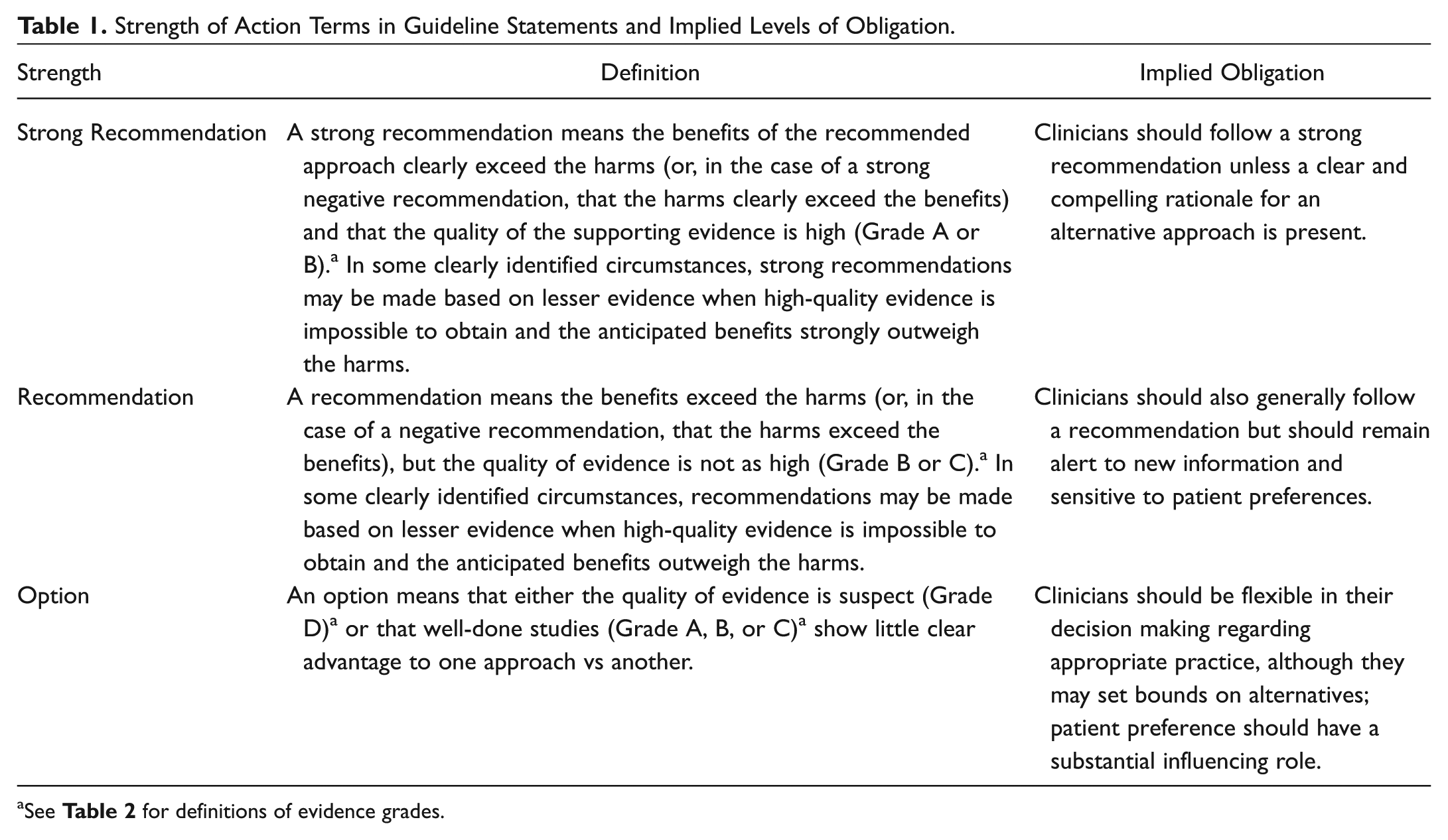
See Table 2 for definitions of evidence grades.
Aggregate Grades of Evidence by Question Type. a
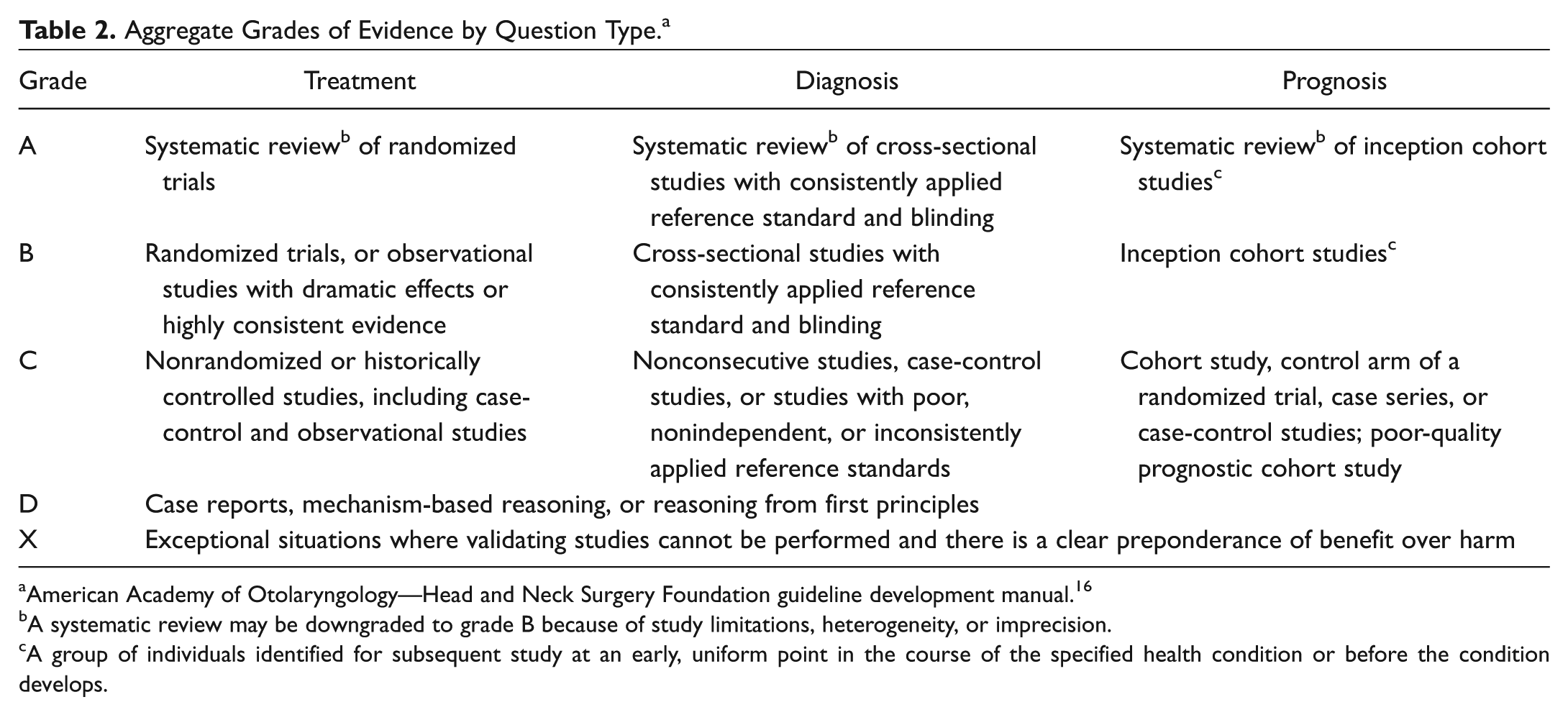
American Academy of Otolaryngology—Head and Neck Surgery Foundation guideline development manual. 16
A systematic review may be downgraded to grade B because of study limitations, heterogeneity, or imprecision.
A group of individuals identified for subsequent study at an early, uniform point in the course of the specified health condition or before the condition develops.
Guidelines are never intended to supersede professional judgment; rather, they may be viewed as a relative constraint on individual clinician discretion in a particular clinical circumstance. Less frequent variation in practice is expected for a strong recommendation than might be expected with a recommendation. Options offer the most opportunity for practice variability. 19 Clinicians should always act and decide in a way that they believe will best serve their individual patients’ interests and needs, regardless of guideline recommendations. Guidelines represent the best judgment of a team of experienced clinicians and methodologists addressing the scientific evidence for a particular topic. 18
Making recommendations about health practices involves value judgments on the desirability of various outcomes associated with management options. Values applied by the GUG sought to minimize harm and diminish unnecessary and inappropriate therapy. A major goal of the GUG was to be transparent and explicit about how values were applied and to document the process.
Financial Disclosure and Conflicts of Interest
The cost of developing this guideline, including travel expenses of all panel members, was covered in full by the AAO-HNSF. Potential conflicts of interest for all panel members in the past 5 years were compiled and distributed before the first conference call. After review and discussion of these disclosures, 20 the panel concluded that individuals with potential conflicts could remain on the panel if they (1) reminded the panel of potential conflicts before any related discussion, (2) recused themselves from a related discussion if asked by the panel, and (3) agreed not to discuss any aspect of the guideline with industry before publication. Last, panelists were reminded that conflicts of interest extend beyond financial relationships and may include personal experiences, how a participant earns a living, and the participant’s previously established “stake” in an issue. 21
Guideline Action Statements
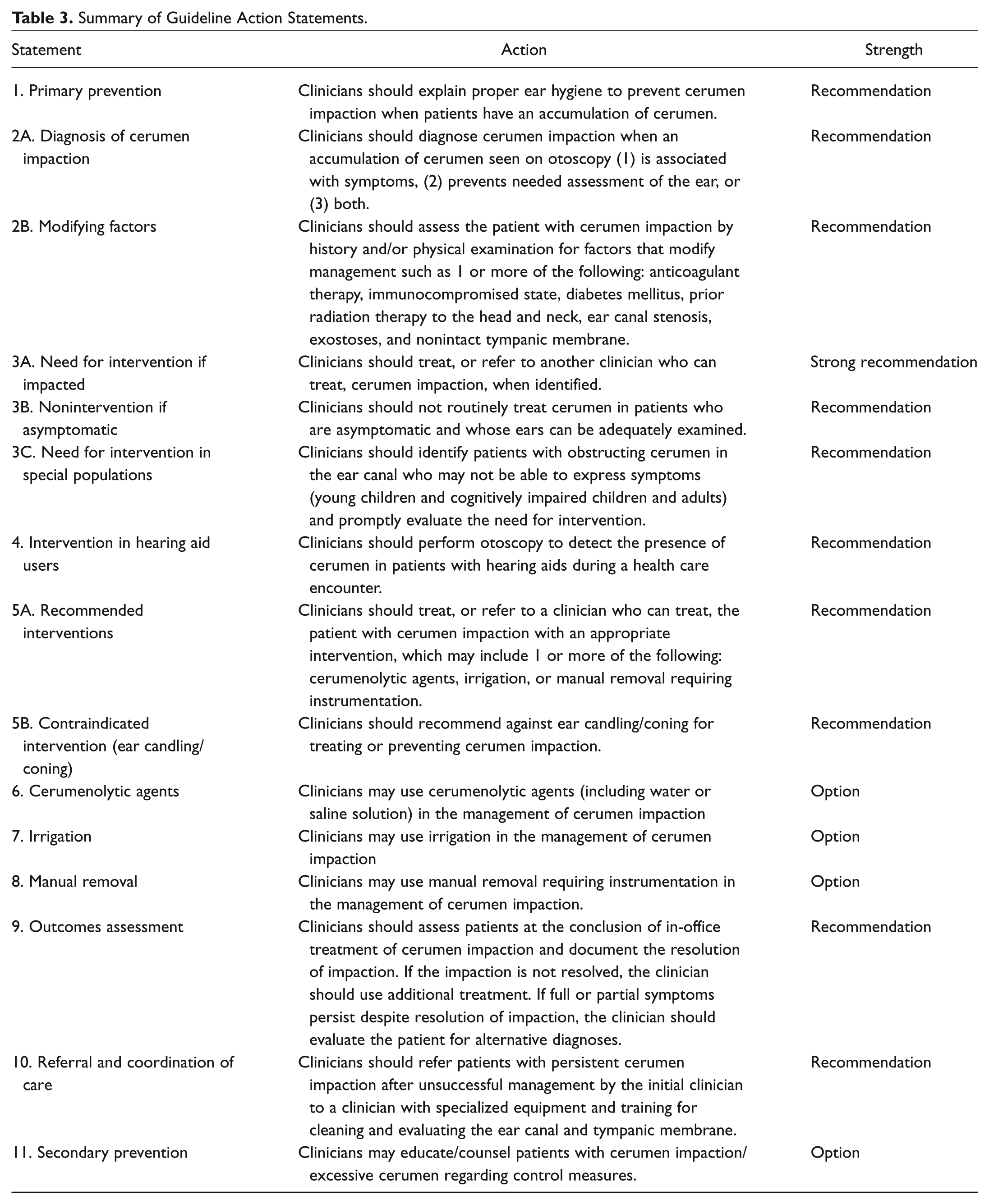
Each evidence-based statement is organized in a similar fashion: a key action statement in bold, followed by the strength of the recommendation in italics, and an “action statement profile” that explicitly states the quality improvement opportunity (and corresponding National Quality Strategy domain based on the original priorities), 22 aggregate evidence quality, level of confidence in evidence (high, medium, low), benefit, harms, risks, costs, and a benefits-harm assessment. In addition, there are statements of any value judgments, the role of patient (caregiver) preferences, clarification of any intentional vagueness by the panel, exceptions to the statement, any differences of opinion, and a repeat statement of the strength of the recommendation. Several paragraphs subsequently discuss the evidence base supporting the statement. An overview of each evidence-based statement in this guideline can be found in Table 3 , and the relationship between statements is illustrated in Figure 3 .
Summary of Guideline Action Statements.
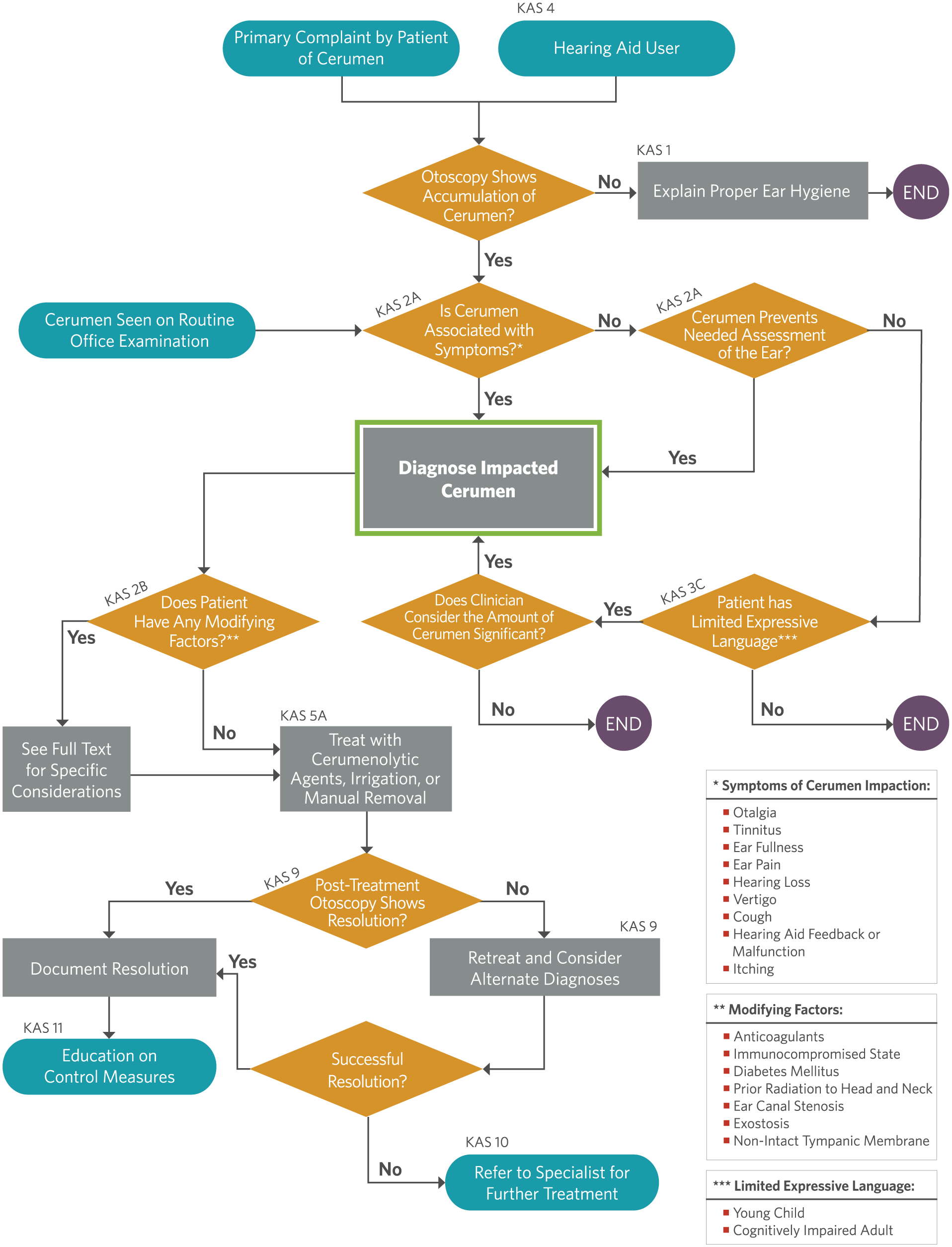
Algorithm showing the interrelationship of guideline key action statements (KAS, key action statement). The guideline does not apply to patients with cerumen impaction associated with the following conditions: dermatologic diseases of the ear canal, recurrent otitis externa, keratosis obturans, prior radiation therapy affecting the ear, previous tympanoplasty/myringoplasty or canal-wall down mastoidectomy, or other surgery affecting the ear canal.
The role of patient preference in decision making deserves further clarification. For some statements, where the evidence base demonstrates clear benefit, although the role of patient preference for a range of treatments may not be relevant, clinicians should provide patients with clear and comprehensible information on the benefits and harms to facilitate patient understanding and shared decision making, which leads to better patient adherence and outcomes. In cases where evidence is weak or benefits are unclear, the practice of shared decision making, again where the management decision is made by a collaborative effort between the clinician and an informed patient, is extremely useful. Factors related to patient preference include (but are not limited to) absolute benefits (numbers needed to treat), adverse effects (number needed to harm), cost of drugs or procedures, and frequency and duration of treatment.
Key Action Statements
Action Statement Profile for Statement 1
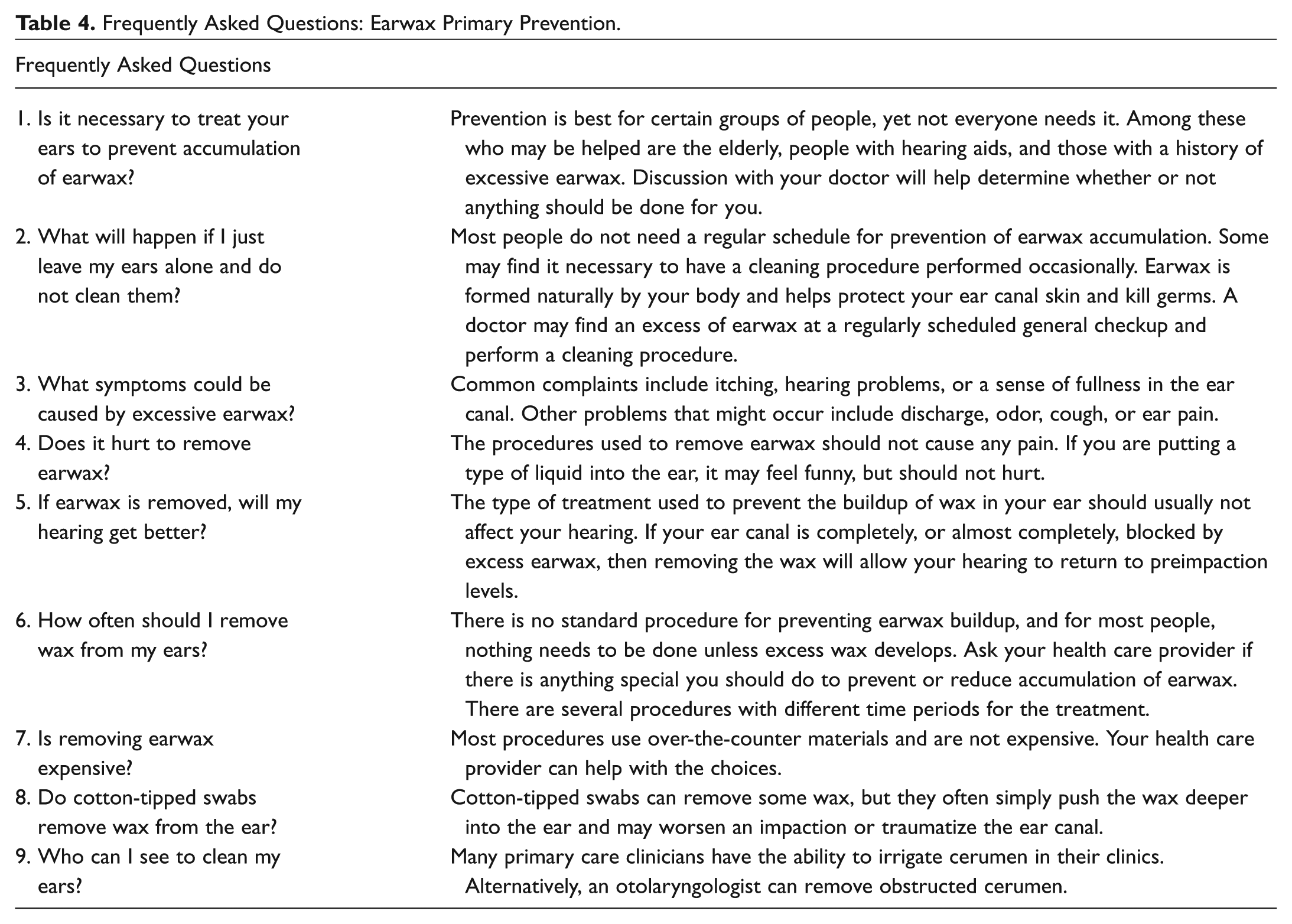
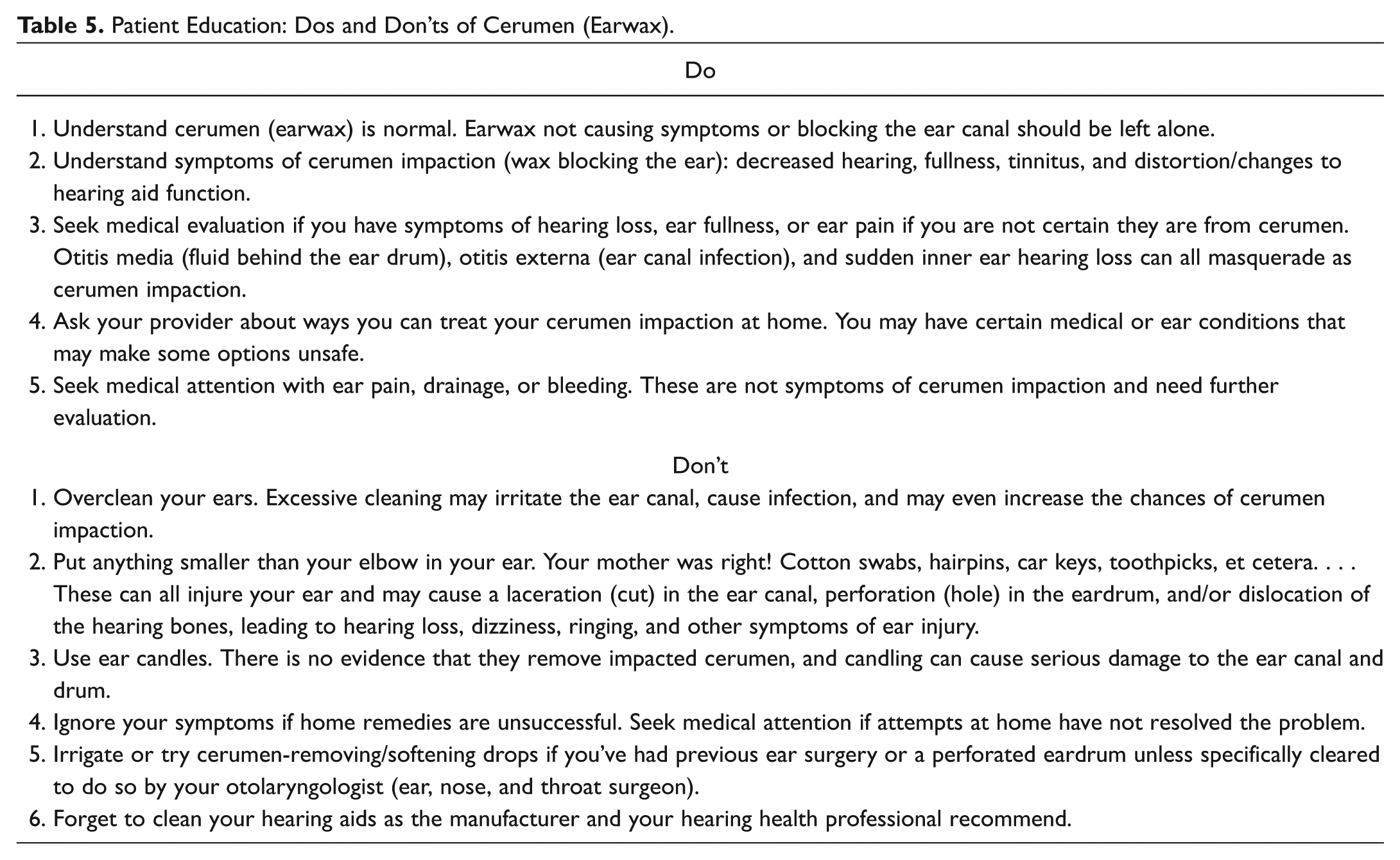
Quality improvement opportunity: Communicating safe preventive measures to patients ( Tables 4 and 5 ) (National Quality Strategy domain: Patient and Family Engagement)
Aggregate evidence quality: Grade C, based on preponderance of survey studies and 1 prospective pilot study
Level of confidence in evidence: Medium
Benefit: Promote safe and effective self-care behaviors in ear hygiene; prevent self-inflicted harms such as abrasions, cuts, and impaction; reduction in health care utilization
Risks, harms, costs: Induced patient anxiety regarding an asymptomatic condition; time spent in counseling; potential for increased use of health care resources if self-cleaning with cotton-tipped applicators is abandoned
Benefit-harm assessment: Preponderance of benefit
Value judgments: Perception by the group that patients overmanipulate the ears (ie, cotton swabs use) and that there is benefit in educating patients about proper ear hygiene
Intentional vagueness: The term proper ear hygiene is used and discussed in detail in the text. The term accumulation is used but is not precisely defined as it is up to the clinician to determine. This statement applies to patients with impacted cerumen and those who are at risk.
Role of patient preferences: Small; patient can decline education
Exceptions: None
Policy level: Recommendation
Differences of opinion: None
Frequently Asked Questions: Earwax Primary Prevention.
Patient Education: Dos and Don’ts of Cerumen (Earwax).
Action Statement Profile for Statement 2A
Quality improvement opportunity: Allow for accurate diagnosis and properly identify patients in need of treatment. (National Quality Strategy domain: Clinical Processes/Effectiveness)
Aggregate evidence quality: Grade B, diagnostic studies with minor limitations regarding impact of cerumen on hearing and visualizations and Grade C with respect to signs and symptoms associated with cerumen impaction
Level of confidence in evidence: High
Benefit: Identify individuals with cerumen impaction who require intervention, including those with otologic symptoms and those who require diagnostic assessment (raise awareness of the consequences of cerumen impaction; eg, cerumen impaction may prevent caloric stimulation during electronystagmography)
Risks, harms, costs: Overdiagnosis of cerumen impaction based on symptoms as a criterion resulting in failure to identify another cause of the symptoms. No additional cost
Benefit-harm assessment: Preponderance of benefit over harms
Value judgments: Emphasis on clinical symptoms and signs for initial diagnosis; importance of avoiding unnecessary diagnostic tests; consensus on using the term cerumen impaction to imply cerumen that requires treatment
Intentional vagueness: Symptoms are defined in the supporting text. Prevention of needed assessments is defined by the clinician.
Role of patient preferences: None
Exceptions: None
Policy level: Recommendation
Differences of opinion: None
Action Statement Profile for Statement 2B
Quality improvement opportunity: Avoiding harms from intervention in people at increased risk based on patient characteristics. (National Quality Strategy domain: Patient Safety)
Aggregate evidence quality: Grade C, recommendations regarding diabetes mellitus and prior radiation therapy; Grade D, recommendations regarding immunocompromised state, anticoagulation, and anatomic abnormalities of the ear canal and tympanic membrane
Level of confidence in evidence: Medium
Benefits: Reduce complications
Risks, harms, costs: Time of the assessment
Benefits-harm assessment: Preponderance of benefit over harm
Value judgments: Consensus that identifying modifying factors and modifying management will improve outcomes
Intentional vagueness: None
Role of patient preferences: None
Exceptions: None
Policy level: Recommendation
Differences of opinion: None
Action Statement Profile for Statement 3A
Quality improvement opportunity: Prioritize patients for intervention (National Quality Strategy domain: Clinical Processes/Effectiveness)
Aggregate evidence quality: Grade B, randomized controlled trials with heterogeneity
Level of confidence in the evidence: High
Benefits: Improved hearing and symptom relief compared with no treatment
Risks, harms, costs: Potential complications related to treatment. Direct cost of managing the impaction
Benefits-harm assessment: Preponderance of benefit over harm
Value judgments: None
Intentional vagueness: None
Role of patient preferences: Small
Exceptions: None
Policy level: Strong recommendation
Differences of opinion: None
Action Statement Profile for Statement 3B
Quality improvement opportunity: Avoidance of harm, efficient use of health care resources (National Quality Strategy domains: Patient Safety and Efficient Use of Health Care Resources)
Aggregate evidence quality: Grade C, control groups in randomized trials and observational studies
Level of confidence in the evidence: Medium
Benefits: Avoid unnecessary treatment with potential adverse events and costs
Risks, harms, costs: Potential progression to impaction
Benefits-harm assessment: Preponderance of benefit over harms
Value judgments: Presence of cerumen is not in itself harmful and may not progress to impaction and in fact may resolve spontaneously. If it progresses, it can be managed at that time.
Intentional vagueness: The word routinely was added to this statement to acknowledge that there may be circumstances where cerumen removal may be offered anyway, such as in a patient with hearing aids.
Role of patient preferences: Substantial role for shared decision making. The patient may still opt for removal of the cerumen.
Exceptions: Medical reasons for exceptions to this statement include, but are not limited to, history of recurrent cerumen impaction.
Policy level: Recommendation against
Differences of opinion: None
Action Statement Profile for Statement 3C
Quality improvement opportunity: Efficient use of health care resources/coordination of care (National Quality Strategy domains: Care Coordination and Efficient Use of Health Care Resources)
Aggregate evidence quality: Grade C, cohort and observational studies
Level of confidence in the evidence: High
Benefits: Improved hearing and functional health status, improved evaluation of external auditory canal, tympanic membrane, and middle ear
Risks, harms, costs: Potential overtreatment of cerumen that is asymptomatic; evaluation and treatment costs; substantial administrative burden in settings with a high prevalence of cognitively impaired individuals, such as nursing homes and institutional facilities
Benefits-harm assessment: Preponderance of benefit over harm
Value judgments: Importance of identifying and treating cerumen impaction in special populations
Intentional vagueness: The term young children does not specify age but rather indicates children who are unable or too immature to express symptoms or who fail to disclose real symptoms out of fear of treatment. Additionally, the term promptly does not specify a time frame but allows for clinical judgment as to how expedient the evaluation should be.
Role of patient preferences: None for the patient, but moderate for patient advocates
Exceptions: None
Policy level: Recommendation
Differences of opinion: None
Action Statement Profile for Statement 4
Quality improvement opportunity: Effective use of health care resources and prevent problems with hearing aid use in high-risk populations. (National Quality Strategy domains: Efficient Use of Health Care Resources and Clinical Processes/Effectiveness)
Aggregate evidence quality: Grade C, observational studies
Level of confidence in the evidence: High
Benefits: Prevent hearing aid dysfunction and associated repair costs
Risks, harms, costs: Overtreatment of asymptomatic cerumen
Benefits-harm assessment: Preponderance of benefit over harm
Value judgments: Cerumen can have a disproportionate effect on patients with hearing aids due to their underlying hearing loss and the impact of the cerumen on the hearing aid even if there is not an actual impaction.
Intentional vagueness: The term health care encounter is somewhat vague but is intended to indicate any time that a patient with a hearing aid is assessed by a health care worker.
Role of patient preferences: Small
Exceptions: None
Policy level: Recommendation
Differences of opinion: None
Action Statement Profile for Statement 5A
Quality improvement opportunity: Patient and family engagement. Promote the use of effective therapy (National Quality Strategy domains: Patient and Family Engagement and Clinical Processes/Effectiveness)
Aggregate evidence quality: Grade B, randomized controlled trials with limitations and cohort studies
Level of confidence in the evidence: High
Benefits: Improved cerumen removal by using effective therapies and avoiding harm from ineffective or untested therapies
Risks, harms, costs: Specific adverse effects related to treatments used; no cost associated with the decision to use appropriate therapy
Benefits-harm assessment: Preponderance of benefit over harm
Value judgments: Therapy should be effective and minimize harm
Intentional vagueness: This does not specify one method as superior as studies have not compared them head to head, and all may be effective.
Role of patient preferences: Large ( Table 6 is a shared decision grid for patients and caregivers 22 )
Exceptions: Irrigation and cerumenolytics should not be used in the setting of a nonintact tympanic membrane.
Policy level: Recommendation
Differences of opinion: None
Shared Decision Grid for Patients and Caregivers for Cerumen Management.
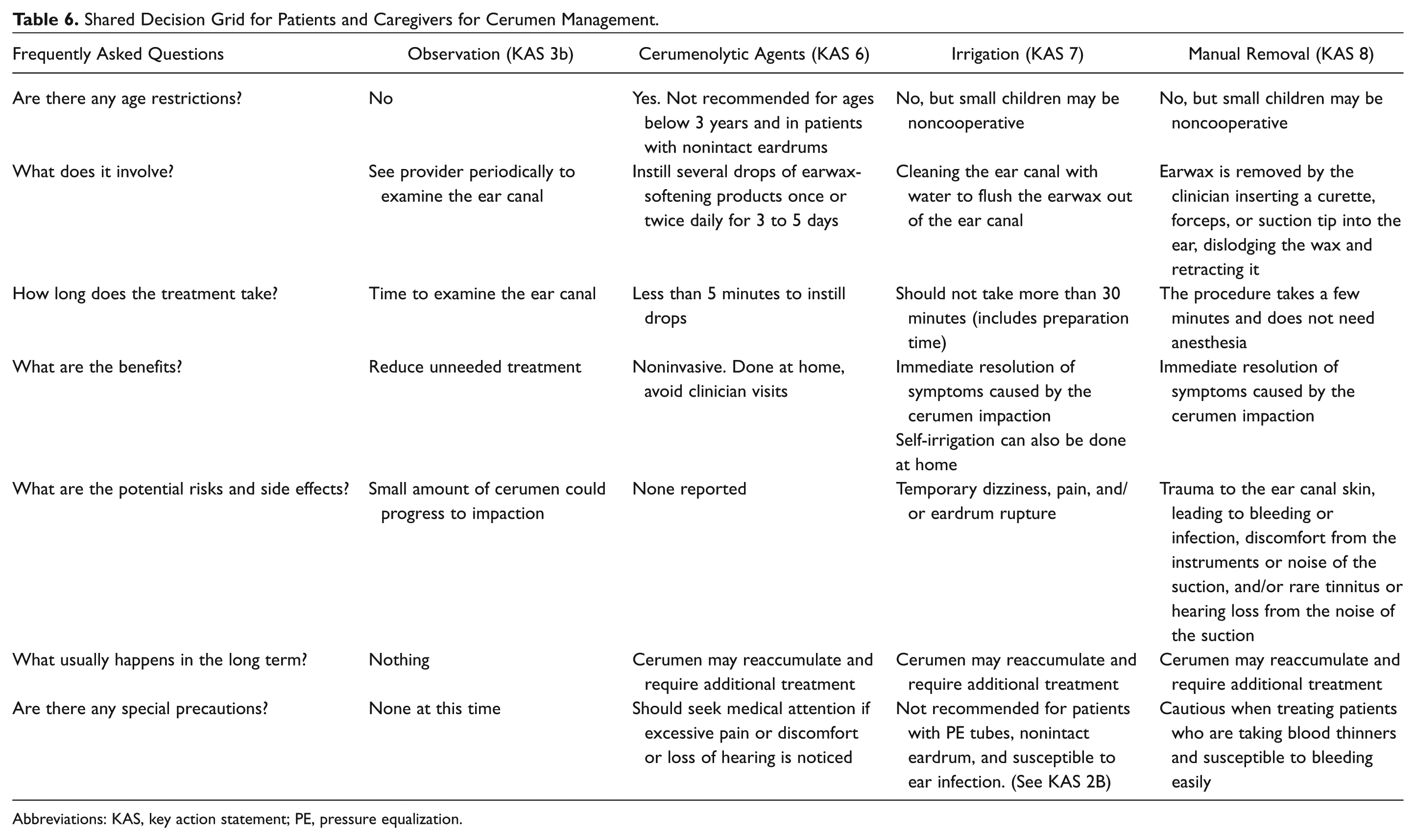
Abbreviations: KAS, key action statement; PE, pressure equalization.
Action Statement Profile for Statement 5B
Quality improvement opportunity: Reducing harm and avoiding ineffective treatments (National Quality Strategy domain: Patient Safety and Clinical Processes/Effectiveness)
Aggregate evidence quality: Grade C
Level of confidence in evidence: Medium
Benefits: Avoid ineffective therapy; avoid harms; cost savings; prevent delay of effective therapy
Risk, harm, cost: None
Benefit-harm assessment: Preponderance of benefit
Value judgments: Strong consensus among the group to avoid potentially harmful and costly therapies with no proven benefit
Intentional vagueness: None
Role of patient preferences: None
Exclusions: None
Policy level: Recommendation against
Differences of opinion: None
Action Statement Profile for Statement 6
Quality improvement opportunity: Encourage use of effective care; promote effective therapy (National Quality Strategy domain: Clinical Processes/Effectiveness)
Aggregate evidence quality: Grade C, individual treatment arms of randomized trials showing beneficial outcomes, 1 RCT suggesting better outcomes over no treatment
Level of confidence in the evidence: High
Benefits: Safe and effective removal of impacted cerumen
Risks, harms, costs: Potential external otitis, allergic reactions, and otalgia; cost of cerumenolytic agents other than water or saline solution, cost of procedure if performed in an office setting
Benefits-harm assessment: Balance of benefit and harm
Value judgments: The panel values cost control and safety in view of limited data on absolute and comparative efficacy.
Intentional vagueness: None
Role of patient preferences: Large role for shared decision making
Exceptions: Medical reasons for exceptions to this statement include, but are not limited to, persons with a history of allergic reactions to any component, persons with infection of the ear canal or active dermatitis, and persons with a nonintact tympanic membrane.
Policy level: Option
Differences of opinion: None
Action Statement Profile for Statement 7
Quality improvement opportunity: Promote effective therapy (National Quality Strategy domain: Clinical Processes/Effectiveness)
Aggregate evidence quality: Grade B, with 1 RCT verifying absolute efficacy but multiple treatment arms of comparative studies verifying benefit over cerumenolytic alone
Level of confidence in the evidence: High
Benefits: Resolve cerumen impaction
Risks, harms, costs: External otitis, vertigo, tympanic membrane perforation, otalgia, temporal bone osteomyelitis; cost of supplies and procedure
Benefits-harm assessment: Balance of benefit and harm
Value judgments: Panel enthusiasm was tempered by the lack of appropriate head-to-head trials comparing irrigation to manual removal or cerumenolytics.
Intentional vagueness: None
Role of patient preferences: Large
Exceptions: Medical reasons for exceptions to this statement include, but are not limited to, patients with nonintact tympanic membrane, active dermatitis or infection of the ear canal and surrounding tissue, previous intolerance or adverse reaction to this technique, anatomic abnormalities of the ear canal, or history of surgery of the ear or ear canal, including ear tubes.
Policy level: Option
Differences of opinion: None
Action Statement Profile for Statement 8
Quality improvement opportunity: Promote effective therapy (National Quality Strategy domain: Clinical Processes/Effectiveness)
Aggregate evidence quality: Grade C, observational case series and expert opinion
Level of confidence in the evidence: High
Benefits: Removal of cerumen impaction under direct visualization
Risks, harms, costs: Bleeding, laceration, tympanic membrane perforation, otalgia; procedural cost; equipment cost
Benefits-harm assessment: Balance of benefit and harm
Value judgments: Recommendation acknowledges widespread practice of manual removal, but this is tempered by the relative absence of evidence.
Intentional vagueness: None
Role of patient preferences: Large
Exceptions: None
Policy level: Option
Differences of opinion: None
Action Statement Profile for Statement 9
Quality improvement opportunity: Ensuring effectiveness of treatment to optimize patient outcomes and ensuring accurate diagnosis of cause of symptoms. (National Quality Strategy domain: Clinical Processes/Effectiveness)
Aggregate evidence quality: Grade C. Observation in treatment arms of several randomized trials shows that retreatment is sometimes necessary and can be effective; first principles support evaluation for efficacy after treatment.
Level of confidence in the evidence: High
Benefits: Detect complications, encourage proper diagnosis, ensure effective therapy
Risks, harms, costs: See sections on individual treatments; cost of additional treatment or evaluation
Benefits-harm assessment: Preponderance of benefit over harm
Value judgments: Importance of clinician assessment after treatment; avoid misdiagnosis
Intentional vagueness: The term additional treatment does not specify what type of treatment. Additional treatment can be repeating the same treatment or trying an alternative method (ie, manual removal if irrigation was tried first or use of softening agents if not used initially).
Role of patient preferences: Small
Exceptions: None
Policy level: Recommendation
Differences of opinion: None
Action Statement Profile for Statement 10
Quality improvement opportunity: Coordination of care and treating effectively (National Quality Strategy domains: Care Coordination and Clinical Processes/Effectiveness)
Aggregate evidence quality: Grade C, individual arms of randomized trials
Level of confidence in evidence: High
Benefits: Promote successful removal of cerumen impaction; timely coordination of care; avoidance of harm from repeated unsuccessful interventions; avoiding patient and clinician frustration; avoiding misdiagnosis
Risk, harm, cost: Cost of additional care; limited access to specialty care
Benefit-harm assessment: Preponderance of benefit
Value judgments: Skill and instruments will promote a better outcome. The level of care that can be rendered can be limited by the available equipment and training.
Intentional vagueness: The specialized equipment and training is vague but may include access to binocular microscopy, suction, microinstruments, or access to the operating room. Type of training is not specified, but this refers to someone with advanced capabilities of removing cerumen. Unsuccessful treatment may entail a repeat visit or multiple treatments by the initial clinician to allow for use of softening agents or spontaneous improvement of impacted cerumen.
Role of patient preferences: Small
Exclusions: None
Policy level: Recommendation
Differences of opinion: None
Action Statement Profile for Statement 11
Quality improvement opportunity: Patient and family engagement (National Quality Strategy domain: Patient and Family Engagement)
Aggregate evidence quality: Grade C; observational studies, experimental pilot studies, and expert opinion
Level of confidence in the evidence: High
Benefits: Prevent development of cerumen impaction or recurrent cerumen impaction
Risks, harms, costs: Time for counseling and potential risk of preventive measures if used
Benefits-harm assessment: Balance benefit over harm
Value judgments: Importance of prevention in managing patients with cerumen impaction
Intentional vagueness: The term excessive cerumen is used to indicate when cerumen is present but not actively causing symptoms to allow the clinician freedom to counsel patients who appear to be at risk for cerumen impaction even when the ear is not actually impacted
Role of patient preferences: Large, opportunities for shared decision making
Exceptions: None
Policy level: Option
Differences of opinion: None
Disclaimer
The clinical practice guideline is provided for information and educational purposes only. It is not intended as a sole source of guidance in managing cerumen impaction. Rather, it is designed to assist clinicians by providing an evidence-based framework for decision-making strategies. The guideline is not intended to replace clinical judgment or establish a protocol for all individuals with this condition and may not provide the only appropriate approach to diagnosing and managing this program of care. As medical knowledge expands and technology advances, clinical indicators and guidelines are promoted as conditional and provisional proposals of what is recommended under specific conditions but are not absolute. Guidelines are not mandates; these do not and should not purport to be a legal standard of care. The responsible physician, in light of all circumstances presented by the individual patient, must determine the appropriate treatment. Adherence to these guidelines will not ensure successful patient outcomes in every situation. The AAO-HNS, Inc emphasizes that these clinical guidelines should not be deemed to include all proper treatment decisions or methods of care, or to exclude other treatment decisions or methods of care reasonably directed to obtaining the same results.
Author Contributions
Disclosures
Footnotes
Acknowledgements
We gratefully acknowledge the support of Janene Batten, MLS, for her assistance with the literature searches. In addition, we acknowledge the work of the original guideline development group that includes Peter S. Roland, MD; Timothy L. Smith, MD, MPH; Seth R. Schwartz, MD, MPH; Richard M. Rosenfeld, MD, MPH; Bopanna Ballachanda, PhD; Jerry M. Earll, MD; Jose Fayad, MD; Allen D. Harlor Jr., MD; Barry E. Hirsch, MD; Stacie S. Jones, MPH; Helene J. Krouse, PhD, RN; Anthony Magit, MD, MPH; Carrie Nelson, MD, MS; David R. Stutz, MD; and Stephen Wetmore, MD, MBA.
Sponsorships or competing interests that may be relevant to content are disclosed at the end of this article.