







Abstract
Mechanical reduction can mitigate most internal defects. However, internal cracks are more frequently observed in high-carbon steels than in low-carbon steels following the mechanical reduction process. This study presents theoretical calculations of the mechanical properties of low-carbon steel Q235 and high-carbon steels U71Mn and GCr15 to evaluate the mechanism of internal cracking in high-carbon steels. The calculations indicate that U71Mn and GCr15 exhibit lower critical strains and broader mushy zones compared to Q235, thereby increasing the crack sensitivity of high-carbon steels. The mechanism of internal cracking in high-carbon steels is further examined through microstructural analysis. The results reveal that internal cracks in U71Mn and GCr15 typically form in the columnar crystal zone. Elevated concentrations of carbon, phosphorus and sulphur are often found near the final solidification zone, which weakens the grain boundaries and promotes crack propagation along them.
Introduction
Shrinkage, porosity, central segregation, and cracks are common defects in billets, which significantly deteriorate the mechanical properties of the final product.1–5 To improve the internal quality of cast billets, techniques such as electromagnetic stirring, thermal soft reduction, mechanical soft reduction, low superheat casting, and mechanical forging have been widely proposed and applied in the continuous casting industry. Among these, mechanical reduction technology is considered the most effective method. 6 It involves applying a small amount of reduction near the billet's solidification end to suppress central segregation and porosity.7–9 However, if mechanical reduction parameters are poorly optimised, internal cracks can easily develop during the process. 10 These cracks typically form between the billet surface and centre, oriented perpendicular to the casting direction. During subsequent rolling, such internal cracks may fail to close if the rolling method and compression ratio are not appropriate, remaining in the rolled product. As a result, the final product may suffer from reduced tensile strength, yield strength, and elongation.
In this regard, numerous scholars have investigated the formation of internal cracks in billets and methods for their control. Zhu et al 11 analysed internal cracks in billets using metallography and scanning electron microscopy (SEM), and found that these cracks primarily occurred in the coarse equiaxed zone. Sulphur and phosphorus concentrations on the crack surfaces gradually increased, and a large number of MnS and (Mn, Fe)S inclusions were observed in the solidification shrinkage fractures. Matsumiya et al 12 proposed an in situ melt-bending method to measure the critical strain of six carbon steel grades. The study found that the greater the temperature difference between the liquidus and solidus temperatures, the lower the critical strain. Wang et al 13 investigated casting slabs and demonstrated that cracking occurs in various forms when the stress and strain at the solidification front exceed their critical values during straightening. The direction of crack propagation was found to be perpendicular to the growth direction of the secondary dendrite arm. Hu et al 14 studied the risk of internal cracking during mechanical reduction by chamfering billets. The study showed that increasing the chamfering angle reduced both the maximum principal stress and tensile stress, thereby lowering the risk of internal cracks. Wu et al 15 examined the correlation between thermal gradients, thermal stress–strain, and internal crack deformation, and found that reducing thermal stress can alleviate stress concentration at the grain boundaries and improve internal cracks. Zong et al16–18 proposed a “two-stage” soft reduction method to mitigate internal cracks in high-carbon steel billets caused by soft reduction. Experimental results showed that internal cracks could be effectively alleviated through appropriate reduction parameters. Won et al 19 investigated the effects of carbon content, slab width surface taper, slab narrow surface taper, and casting speed on the formation of internal cracks during continuous casting. The study found that a carbon content in the range of 0.10%–0.14% was most sensitive to internal crack formation. Greater slab width and higher casting speeds increased crack sensitivity, and crack sensitivity also rose with increased narrow surface taper. Clyne et al. 20 introduced the internal crack sensitivity coefficient to evaluate a billet's susceptibility to cracking, identifying the mass/liquid feeding zone as 0.4–0.9 and the crack sensitivity zone as 0.90–0.99. Wang et al 21 also investigated the propagation of internal cracks induced by continuous casting soft reduction through industrial trials on 45 steel. The results indicated that internal quality can be improved by maintaining the central solid fraction (fs) within the reduction zone in the range of 0.33–0.99. Gao et al.22,23 proposed a novel reduction pattern combining consecutive multi-roll soft reduction with single-roll heavy reduction to improve internal cracks in high-carbon 82A steel sheets. Jiang et al. 24 developed a thermal and numerical simulation model to examine the effect of reduction amount on the internal quality of continuously cast slabs. The results showed that internal cracks are more likely to occur at higher reduction efficiencies. Wu et al 25 investigated the critical criterion for crack formation in Cr12MoV steel using SEM and simulation, finding that the critical strain for internal crack formation is 0.03. Kim et al 26 investigated the influence of carbon and sulphur on longitudinal surface cracks in continuous casting steel by calculating a non-equilibrium binary Fe–C phase diagram and introducing strain within the brittle temperature range. As the sulphur content increased, the maximum carbon content at which longitudinal cracks occurred decreased. At a given carbon content, the likelihood of surface cracking increased with higher sulphur content. Several studies27,28 also proposed that internal cracks form within the mushy zone, between the zero strength temperature (ZST) and the zero ductility temperature (ZDT). The fs corresponding to the ZST and ZDT was 0.75 and 0.99, respectively. 29
Mechanical reduction technology can significantly improve the internal quality of billets and has been widely applied in many iron and steel enterprises. 30 However, no uniform rule exists for cracks across different steel grades due to improperly mechanical reduction parameters. This study investigates the crack sensitivity of various steel grades during the mechanical reduction process. The aim is to identify the causes of internal cracks and clarify the sensitivity of internal cracks induced by mechanical reduction in different steel grades.
Mechanical reduction experimental section
Industrial experiment parameter
During the mechanical reduction process of these steel grades, shrinkage porosity, cavities, and central segregation were significantly improved. However, internal cracks frequently appeared in high-carbon steels such as U71Mn and GCr15, but not in Q235 steel billets. Therefore, this study focused on three steel grades: Q235, U71Mn, and GCr15. Table 1 presents the chemical composition of the different steel grades. Although no uniform rule exists for the mechanical reduction parameters, most researchers31–34 believe that the optimal fs for the mechanical soft zone is 0.2–0.8. Therefore, experiments were carried out within the range of fs = 0.2–0.8 at the billet centre, with the relevant mechanical reduction parameters shown in Table 2.
Chemical composition of steel grade (in mass%).

Mechanical reduction parameters.

Research methods
The longitudinal sample of the billet was taken to observe the internal crack morphology caused by the mechanical reduction, as shown in Figure 1. The erosion solution was prepared by mixing industrial hydrochloric acid and water in a 1:1 ratio and heating to 80 °C. First, the longitudinal sample was immersed in the erosion solution and boiled for 10–15 min. After removing the sample, it was washed with plenty of water and blow-dried with a hairdryer to observe its microstructure. Next, the internal cracks on the longitudinal sample were identified, and the specimens were cut into 10mm × 10mm × 10 mm pieces. These specimens were then processed through grinding, polishing, and other methods. The etching solution developed by Sun et al. 35 was used for specimen corrosion. The specimens were placed in the etching solution for 15–20 s. Once the dendrite structure appeared on the sample surface, the caustic was removed using anhydrous alcohol, and the specimen was dried quickly with a hairdryer. Finally, the dendrite microstructure near the crack specimen was observed under an optical microscope (OM). The fracture morphology of the internal crack and the element distribution near the internal cracks were examined using a SEM with energy dispersive spectroscopy. An electron probe microanalyser (EPMA) was used to perform a plane scan near the internal cracks to detect the element distribution more accurately.
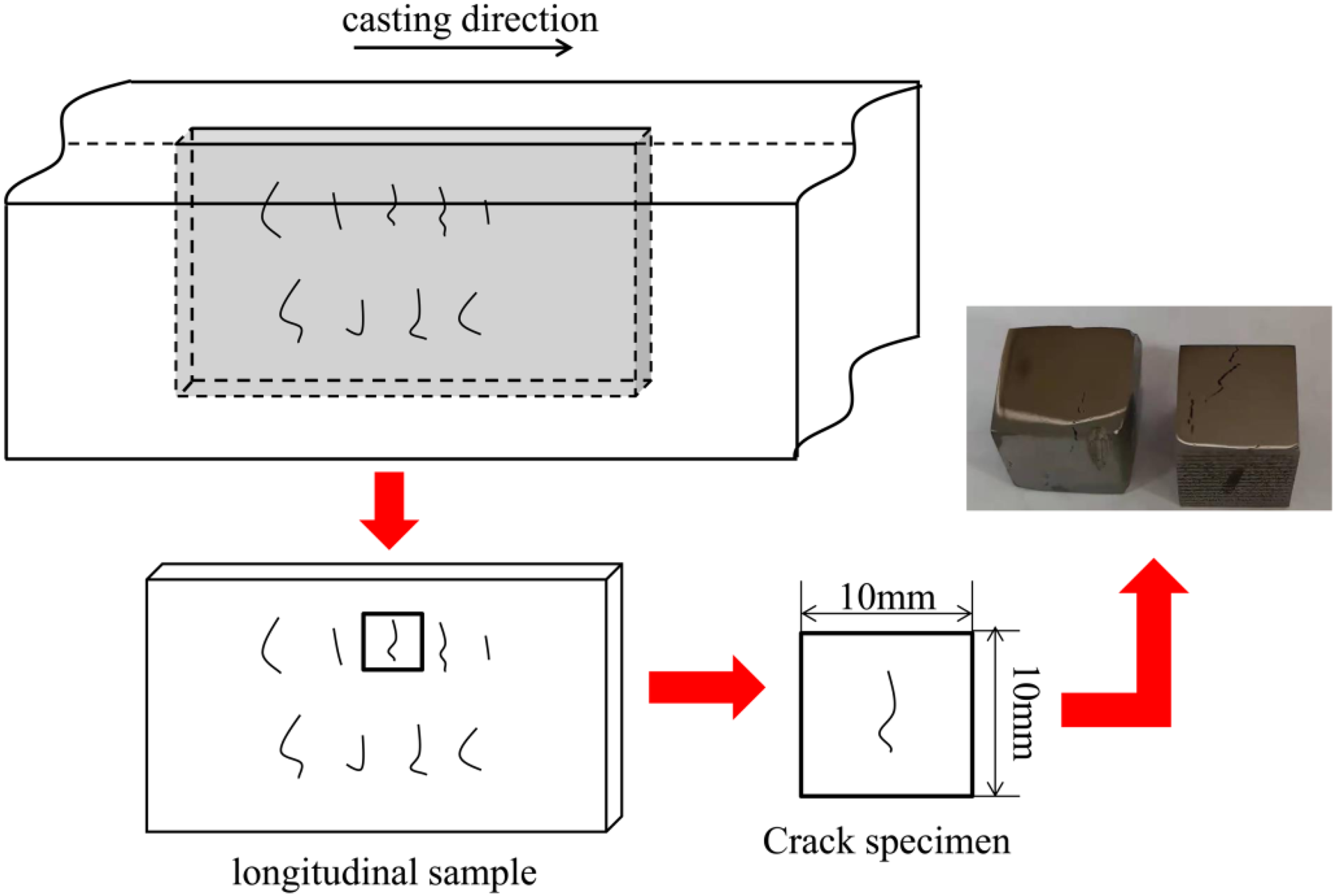
Schematic representation of the longitudinal sample and crack specimen.
Results and discussion
The crack morphology, dendrite microstructure, crack sensitivity calculation, and crack formation mechanism of three different steel-grade billets subjected to mechanical reduction were analysed and compared in this study.
Analysis of the internal cracks induced by mechanical reduction
Figure 2 shows the acid-erosion images of the longitudinal samples from billets of different steel grades. As seen in Figure 2, the reduction amount for the Q235 steel billet was 10 mm, and no internal cracks occurred in the billet. The reduction amounts for the U71Mn and GCr15 steel billets were 16 and 13 mm, respectively, with internal cracks present in both. The cracks were perpendicular to the casting direction. The internal cracks induced by the mechanical reduction of the U71Mn billet were distributed along the inner arc side, within a range of 70–95 mm from the billet surface, with crack lengths of 5–15 mm. In the GCr15 billet the internal cracks, induced by the mechanical reduction, were located along the inner arc side, within a range of 35–55 mm from the surface, with lengths of 6–13 mm. The inner arc side of the billet experienced tensile stress, while the outer arc side underwent compressive stress. Consequently, the internal cracks were primarily concentrated on the inner arc side, with fewer and less severe cracks on the outer arc side.
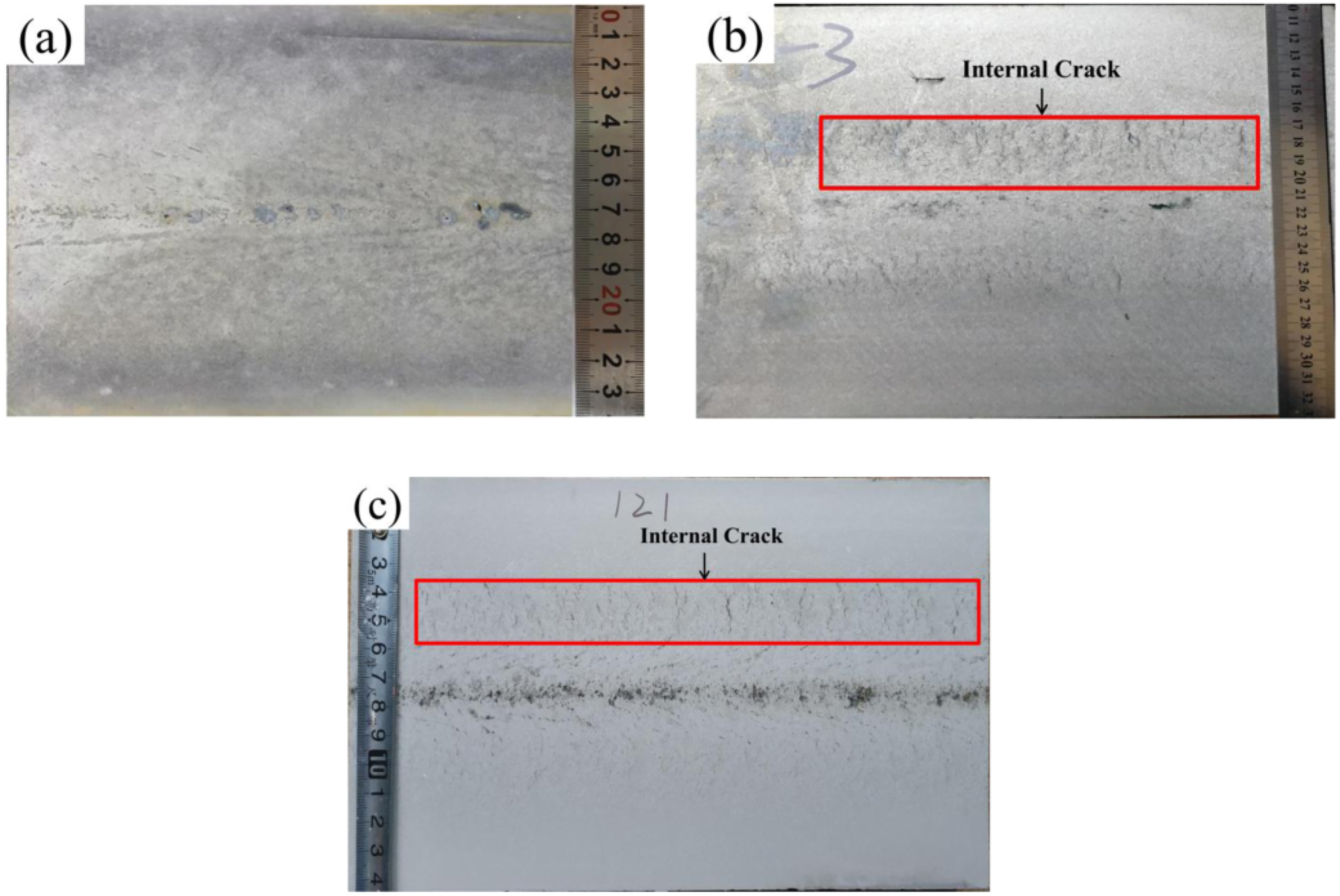
Acid-erosion images of the longitudinal samples (a) Q235; (b) U71Mn; (c) GCr15.
Figure 3 shows the dendrite structure near the internal cracks. As seen in Figure 3, the dendrite structure of the Q235 steel billet was coarse, while that of the U71Mn and GCr15 steel billets was finer. The internal cracks in the U71Mn and GCr15 billets were located in the columnar zone and extended along the columnar dendrites until resistance from plastic deformation was encountered.
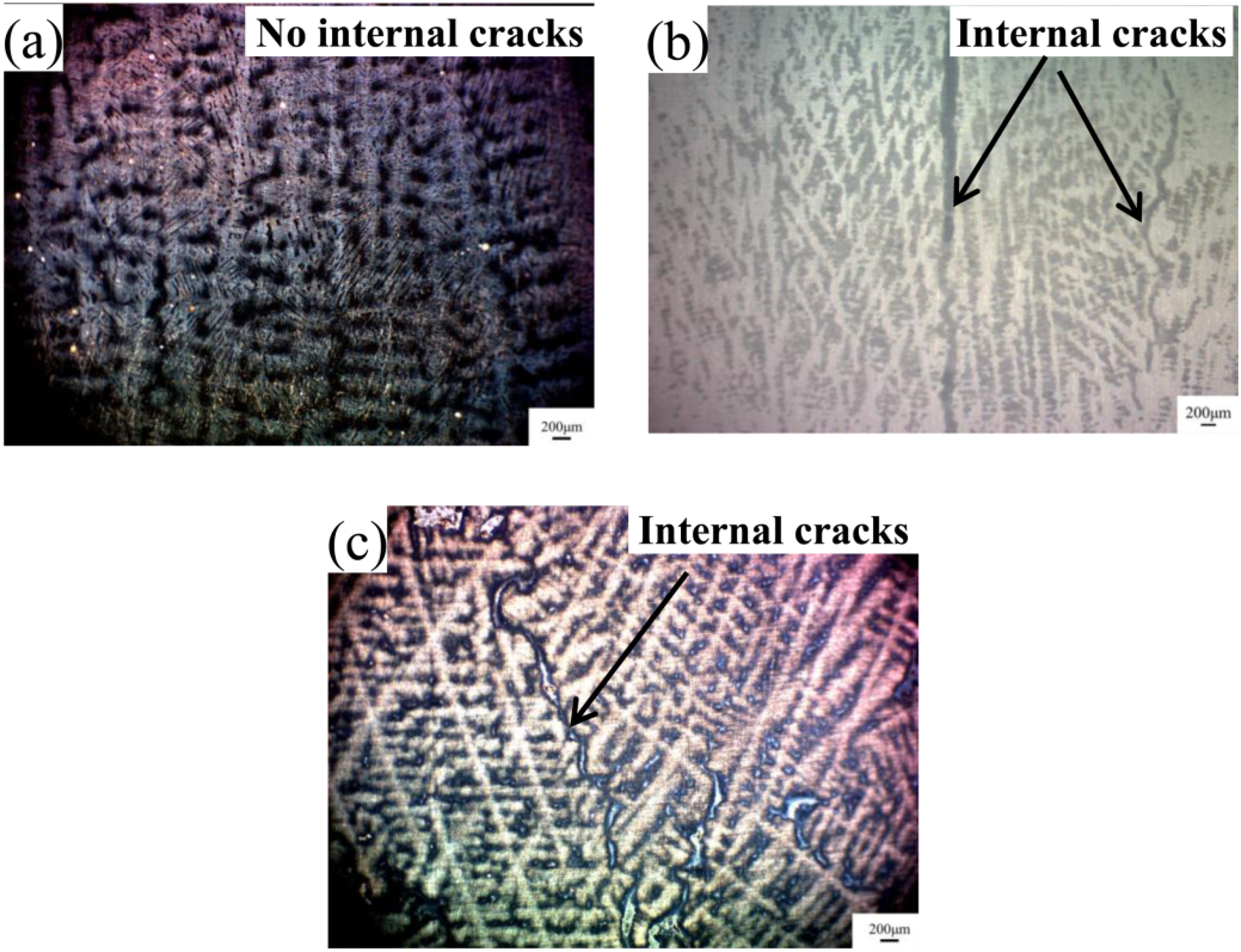
Dendritic microstructure near the internal cracks of billets for the different steel grades (a) Q235; (b) U71Mn; (c) GCr15.
Calculation of the crack sensitivity
JmatPro software was used to calculate the temperatures corresponding to the fs of the different steel grades—Q235, U71Mn, and GCr15—and the results are shown in Figure 4. As seen in Figure 4, the ZST of Q235, U71Mn, and GCr15 were 1486, 1419, and 1377 °C, respectively, while the ZDT were 1456, 1379, and 1315 °C, respectively.
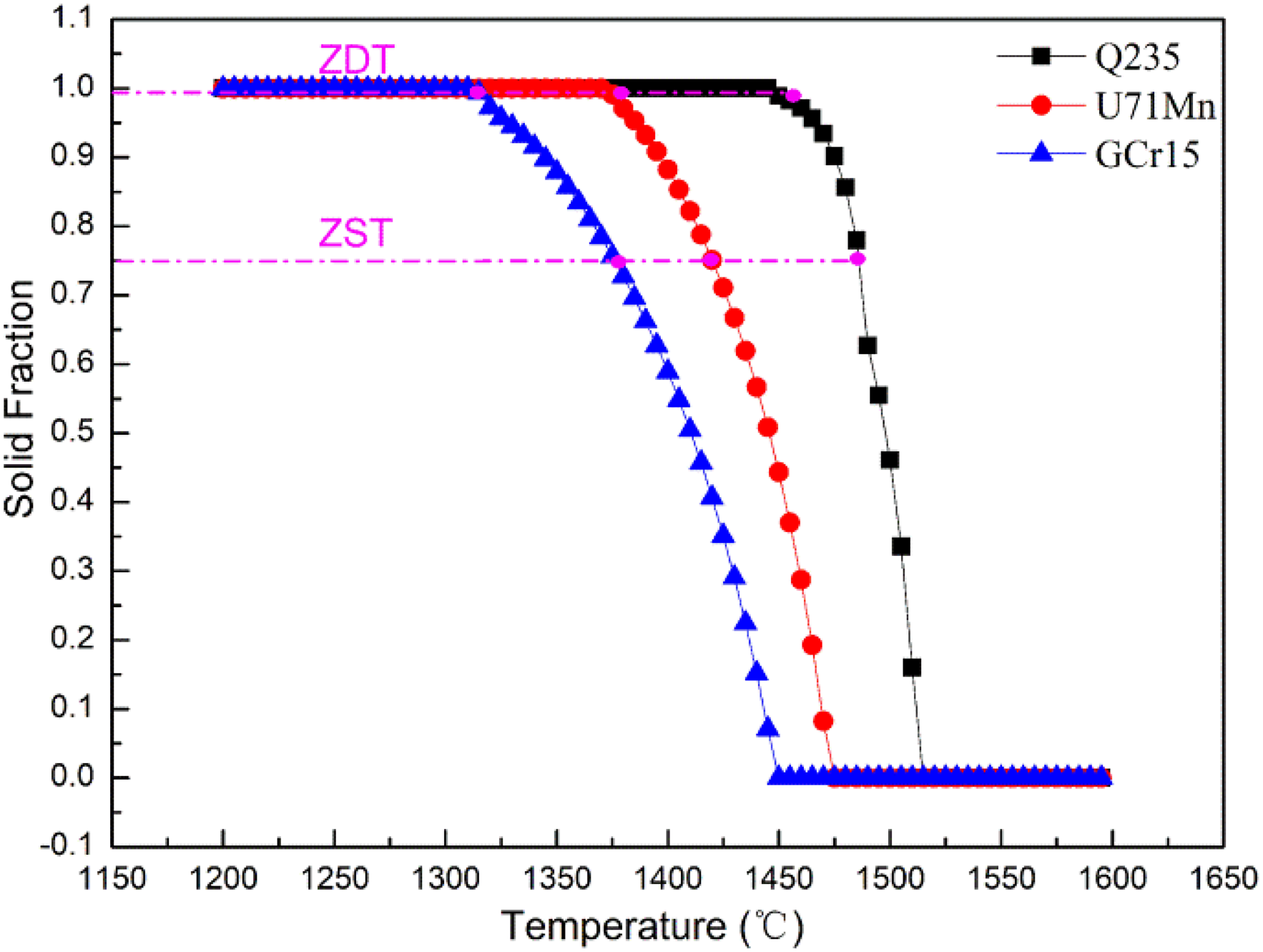
Calculation of the LIT and the zero ductility temperature (ZDT) for different steel grades.
Hiebler
36
summarised data from the literature and established the relationship between critical strain, carbon equivalent, and the [Mn]/[S] ratio in steel compositions, as shown in Figure 5. According to Equation 1, the carbon equivalents of Q235, U71Mn, and GCr15 were 0.18%, 0.70%, and 1.03%, respectively. Based on the chemical compositions in Table 1, the mass ratio of [Mn]/[S] was 27.5, 143.8, and 17.5, respectively. As shown in Figure 5, the critical strains of Q235, U71Mn, and GCr15 were 0.76%, 0.40%, and 0.25%, respectively. The critical strain decreased progressively in the following order: Q235, U71Mn, GCr15, indicating an increasing trend in crack sensitivity.
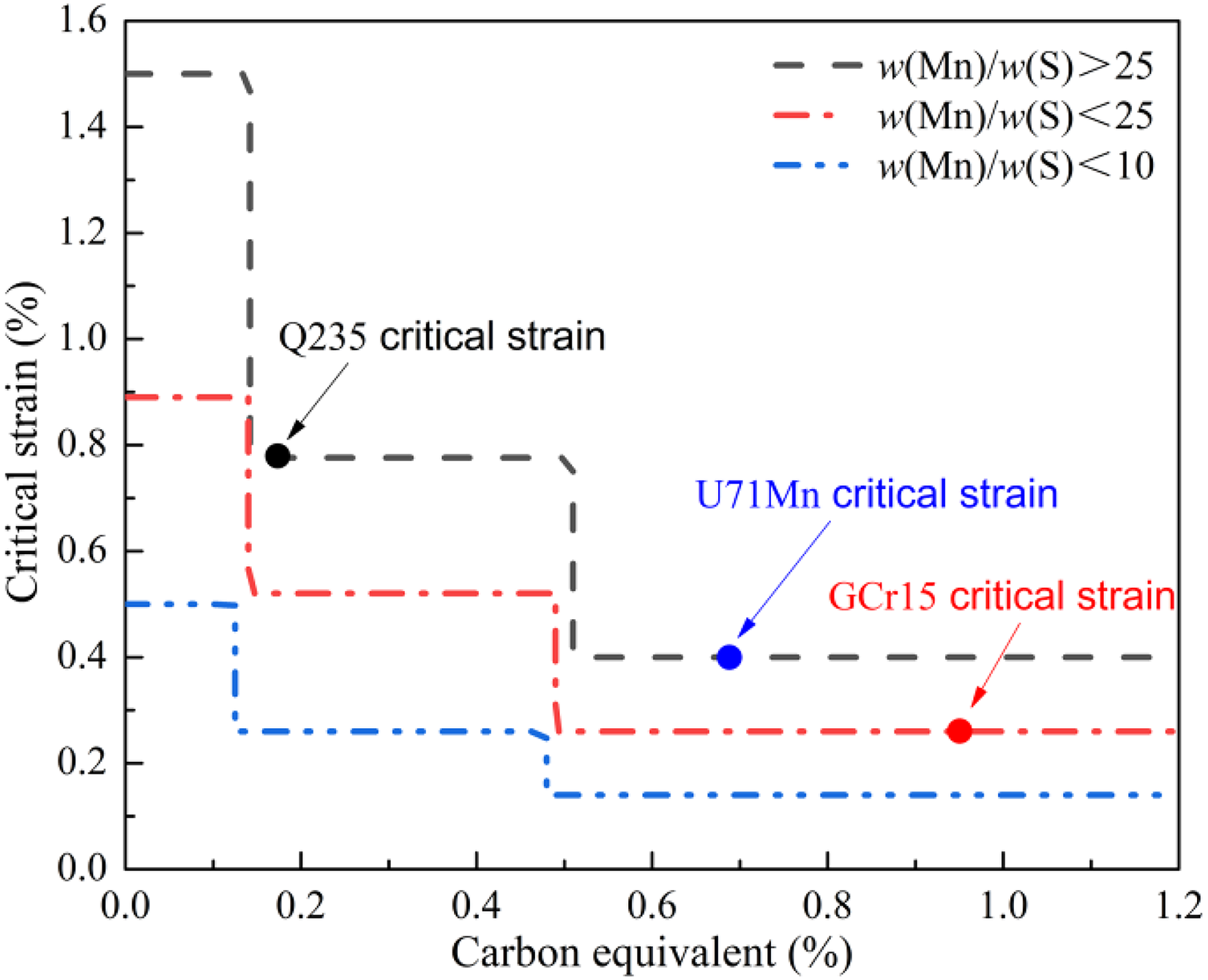
Relation between the critical strain and the chemical composition of steel grade.
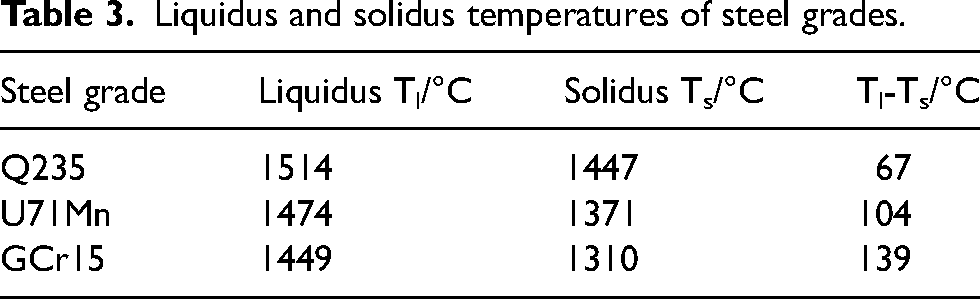
Matsumiya et al 12 summarised and measured the relationship between the liquid–solid phase interval TL-TS and critical strain. The results showed that as the TL-TS interval widened, the critical strain decreased and crack sensitivity increased. The solidus and liquidus temperatures of the steel grades were calculated using JmatPro thermodynamic software, as shown in Table 3. The liquid–solid intervals for the Q235, U71Mn, and GCr15 steel grades were 67 °C, 104 °C, and 139 °C, respectively. Therefore, based on the trend summarised by Matsumiya, the crack sensitivity increased progressively from Q235 to U71Mn to GCr15.
Liquidus and solidus temperatures of steel grades.
Mechanism of internal cracks induced by the mechanical reduction
The occurrence of internal cracks was related to the plasticity and strength of steel in the mushy zone, as shown in Figure 6. Above the ZST, steel possessed neither strength nor plasticity, and internal cracks did not appear in the billet. Between the ZST and the LIT, the crack zone was filled with surrounding liquid, allowing timely supplementation of initial cracks, which prevented the formation of internal cracks. However, between the LIT and the ZDT, steel exhibited some strength but almost no plasticity. The dendrite network hindered the liquid from replenishing the primary crack zone after crack initiation, preventing healing and leading to the propagation of internal cracks. Therefore, the temperature range between the LIT and the ZDT was referred to as the brittle temperature zone, where internal cracks formed if the strain exceeded the critical strain.19,20
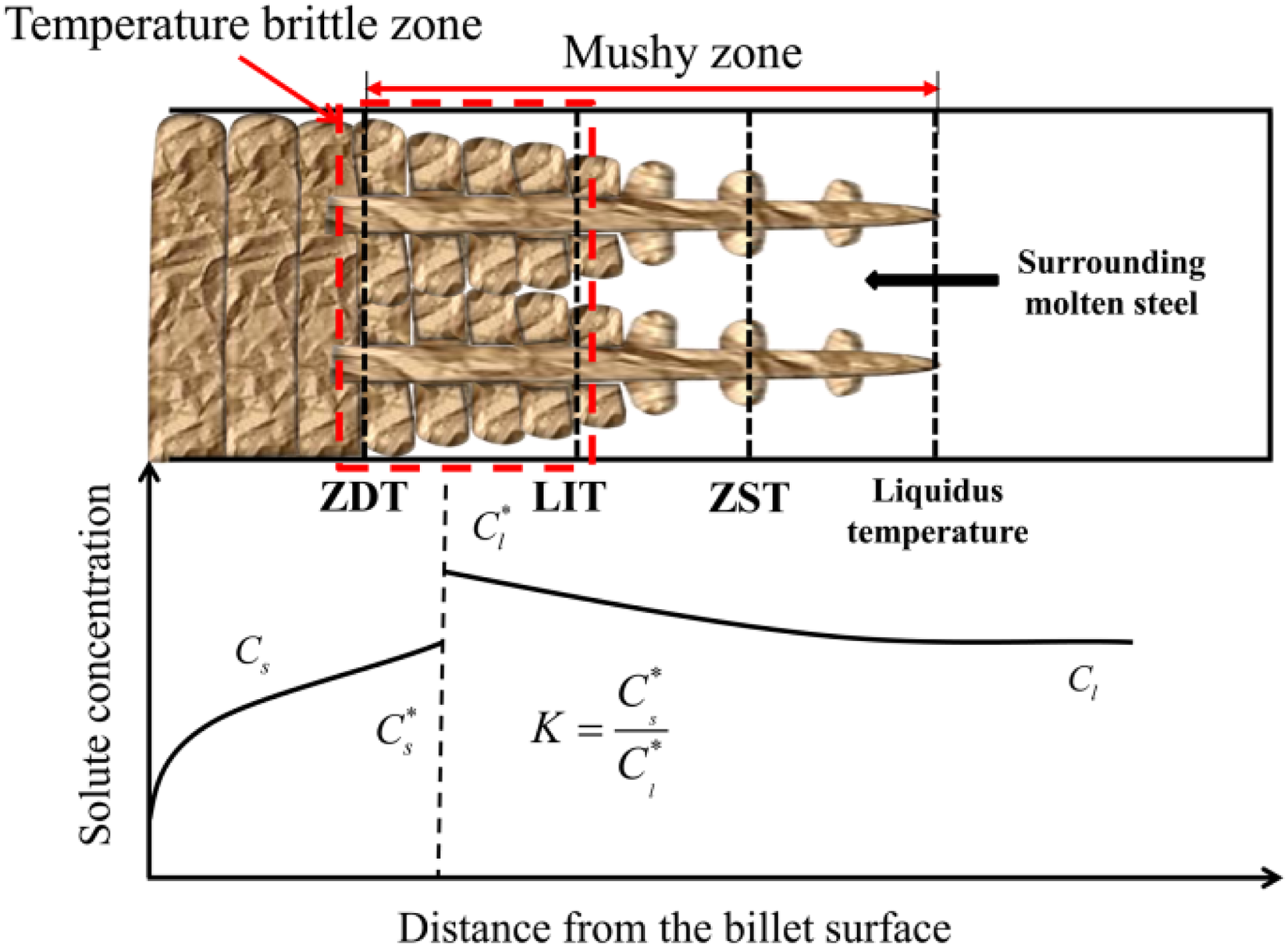
Relationship between solute element distribution and solidified microstructure.
According to the solidification characteristics of liquid steel, the solute concentration of carbon, phosphorus, and sulphur was higher at the solid–liquid interface than within the solid. These enriched solute elements formed inclusions or precipitated phases along grain boundaries, leading to grain boundary brittleness. This significantly reduced the high-temperature strength and plasticity of dendritic grain boundaries and caused stress concentration along the boundaries. From an internal perspective, the formation of internal cracks was attributed to the intrinsic properties of the steel. Externally, various strains during production served as the triggering factors. When the applied strain exceeded the critical strain that the steel could withstand, internal cracks inevitably formed.
To further understand the causes of internal cracks induced by mechanical reduction, the fracture morphology of the internal cracks in the U71Mn and GCr15 steel billets was analysed. Figure 7 shows the fracture morphology of the internal cracks under a SEM. Numerous smooth surfaces can be observed in the cracking zone, indicating the presence of a significant amount of liquid phase at the crack site during formation. This suggests that the internal cracks formed at the solidification front and are classified as low melting point cracks. Specimens containing internal cracks were cut into 10 mm × 10 mm × 10 mm sections, ground, and polished. They were then etched with a 4% nitric acid alcohol solution to observe the metallographic microstructure under an OM. Figure 8 shows the metallographic microstructure of the etched specimens. The white lines represent grain boundaries, and the black areas represent grains. As shown in Figure 8, the internal cracks propagated along the grain boundaries.
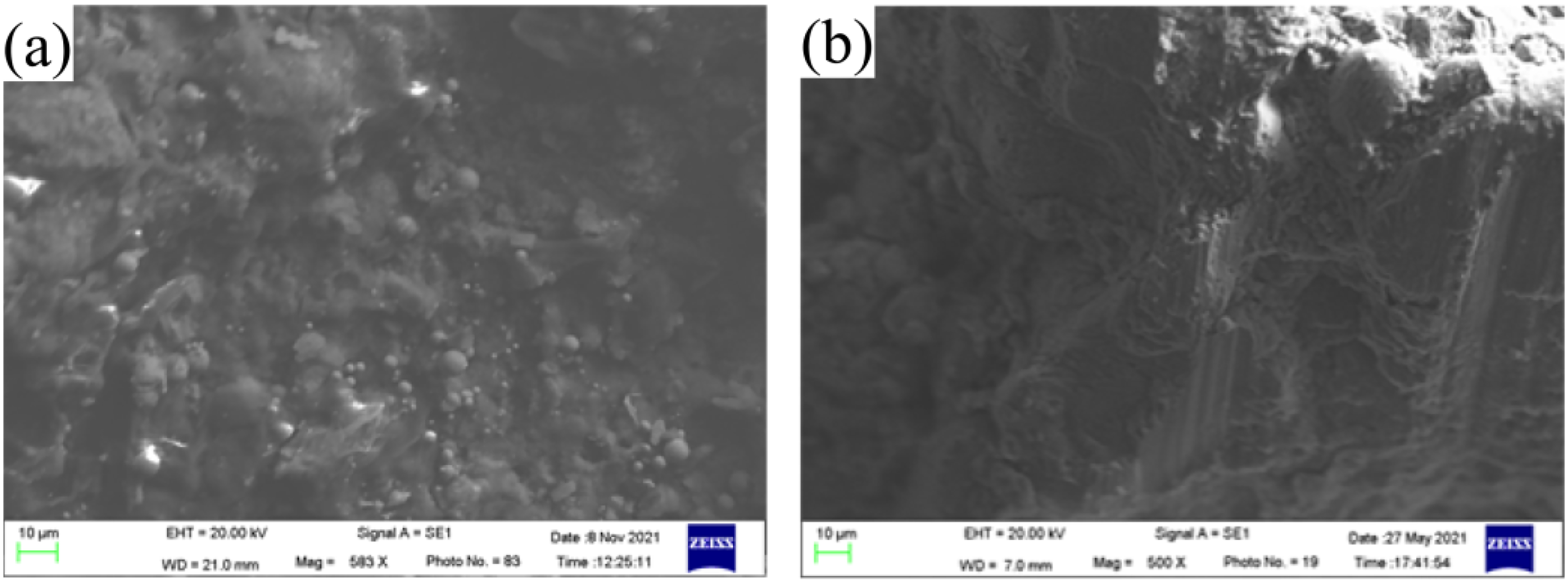
Fracture morphology of the internal cracks, (a) U71Mn; (b) GCr15.
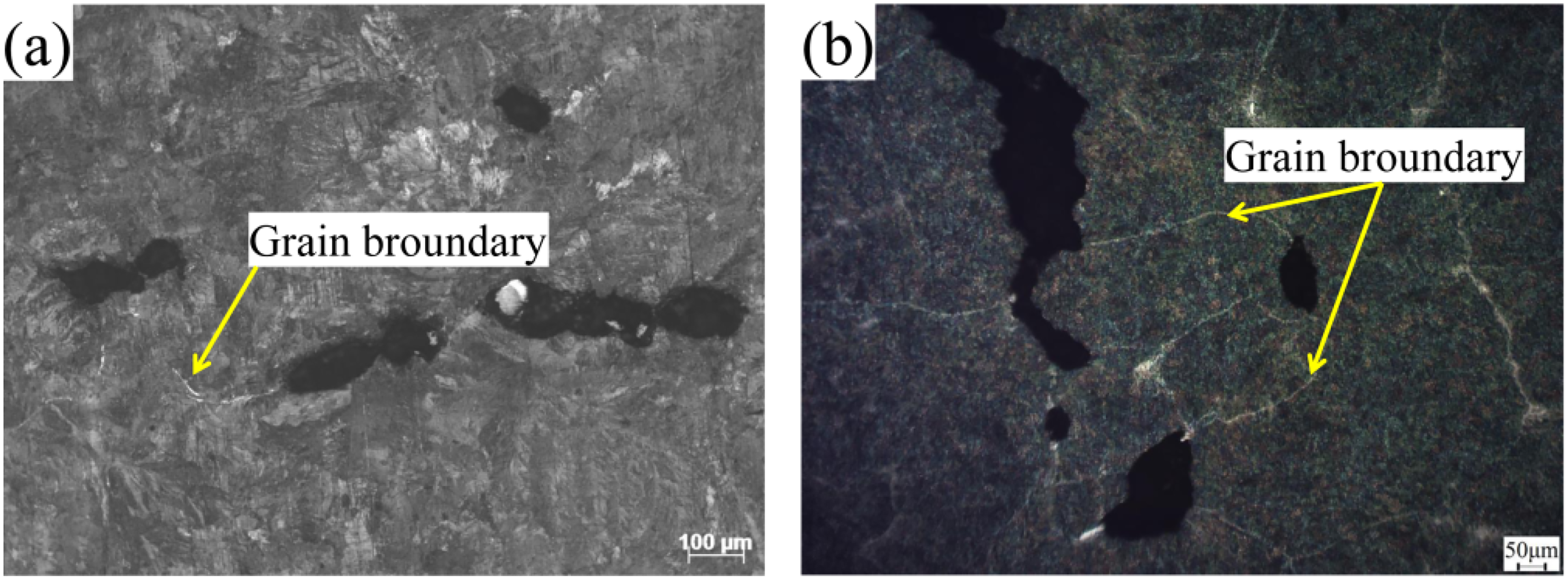
Specimens of internal cracks etched with 4% nitric acid alcohol solution; (a) U71Mn; (b) GCr15.
Figure 9 shows the elemental distribution near the internal cracks in the U71Mn steel billet under a SEM. As seen in the figure, segregation of the carbon solute element occurred at the internal cracks, with the carbon content at the crack site being four times higher than in the matrix. No segregation of phosphorus or sulphur was observed at the internal cracks in the U71Mn billet. Figure 10 presents the elemental distribution at the internal cracks in the GCr15 billet under SEM. As shown in Figure 10, carbon and sulphur solute elements were present at the crack sites, with the carbon content eight times and the sulphur content twice that of the matrix. The phosphorus content at the crack site was consistent with that of the matrix, indicating no phosphorus segregation at the cracks. To further examine the elemental distribution near the internal cracks caused by mechanical reduction, an EPMA was conducted. Figures 11 and 12 show the elemental distribution of internal cracks in the U71Mn and GCr15 steel billets, respectively, analysed using EPMA. As seen in both figures, severe carbon segregation occurred near the internal cracks in both steel grades. Phosphorus and sulphur segregation was also observed at the cracks but was less pronounced. The internal cracks in the U71Mn and GCr15 billets were primarily caused by carbon and sulphur segregation at the grain boundaries, which significantly reduced the high-temperature strength and plasticity of the dendritic grain boundaries. Phosphorus segregation mainly contributed to cold embrittlement. During the mechanical reduction of the casting billet, the force applied to the solidification shell was transmitted to the solidification front, leading to stress concentration at the grain boundaries and the formation of internal cracks.
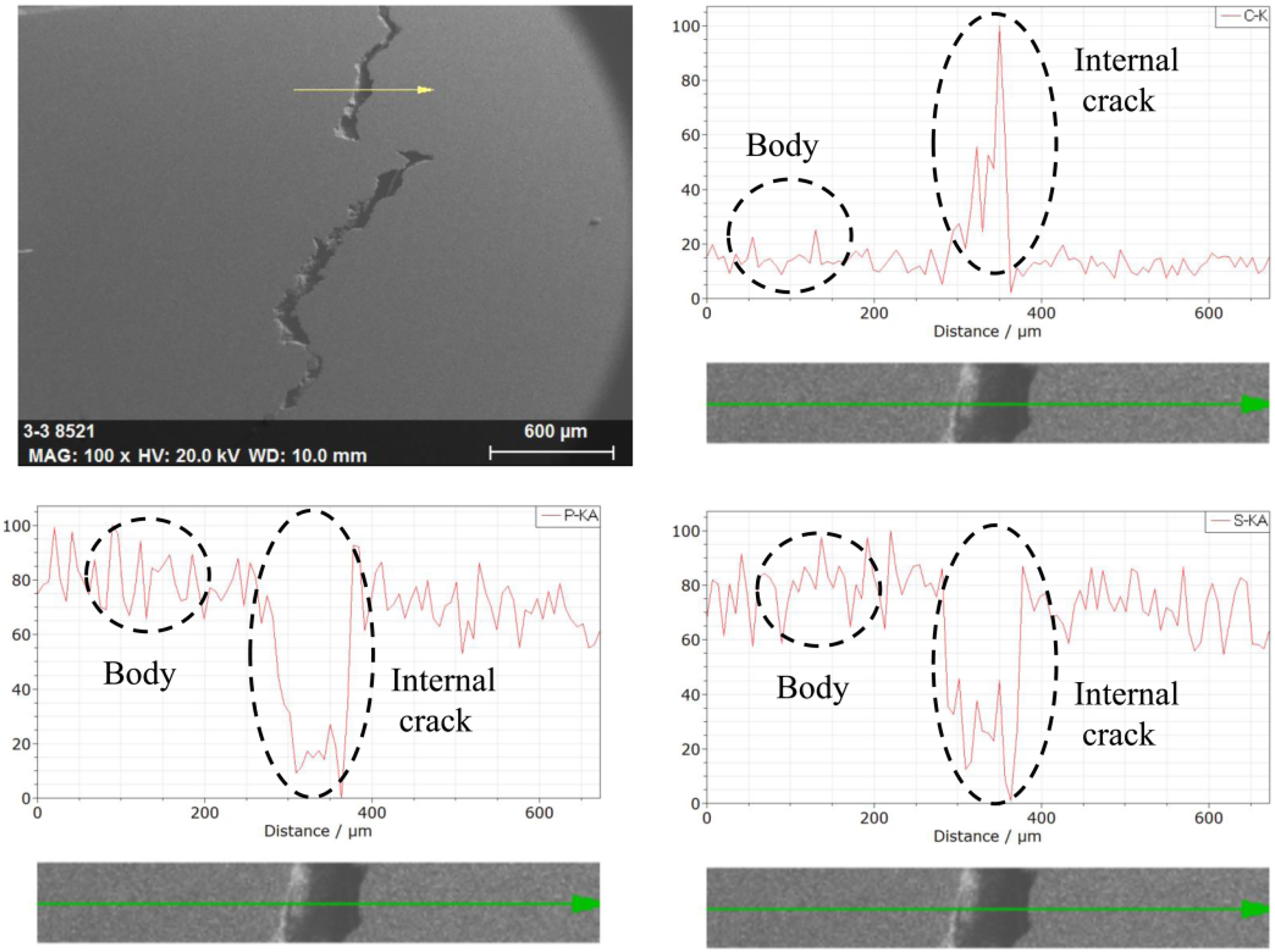
Element distribution near the internal cracks under the scanning electron microscopy (SEM: U71Mn).
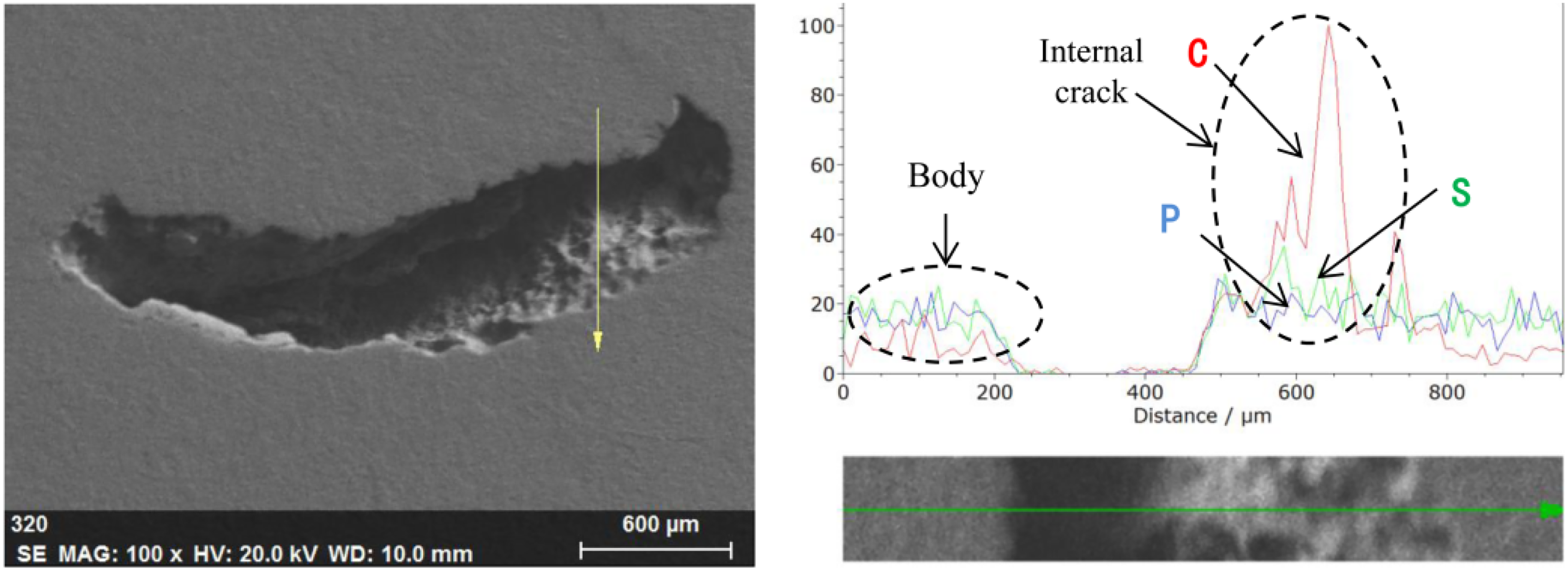
Element distribution near the internal cracks under the scanning electron microscopy (SEM: GCr15).
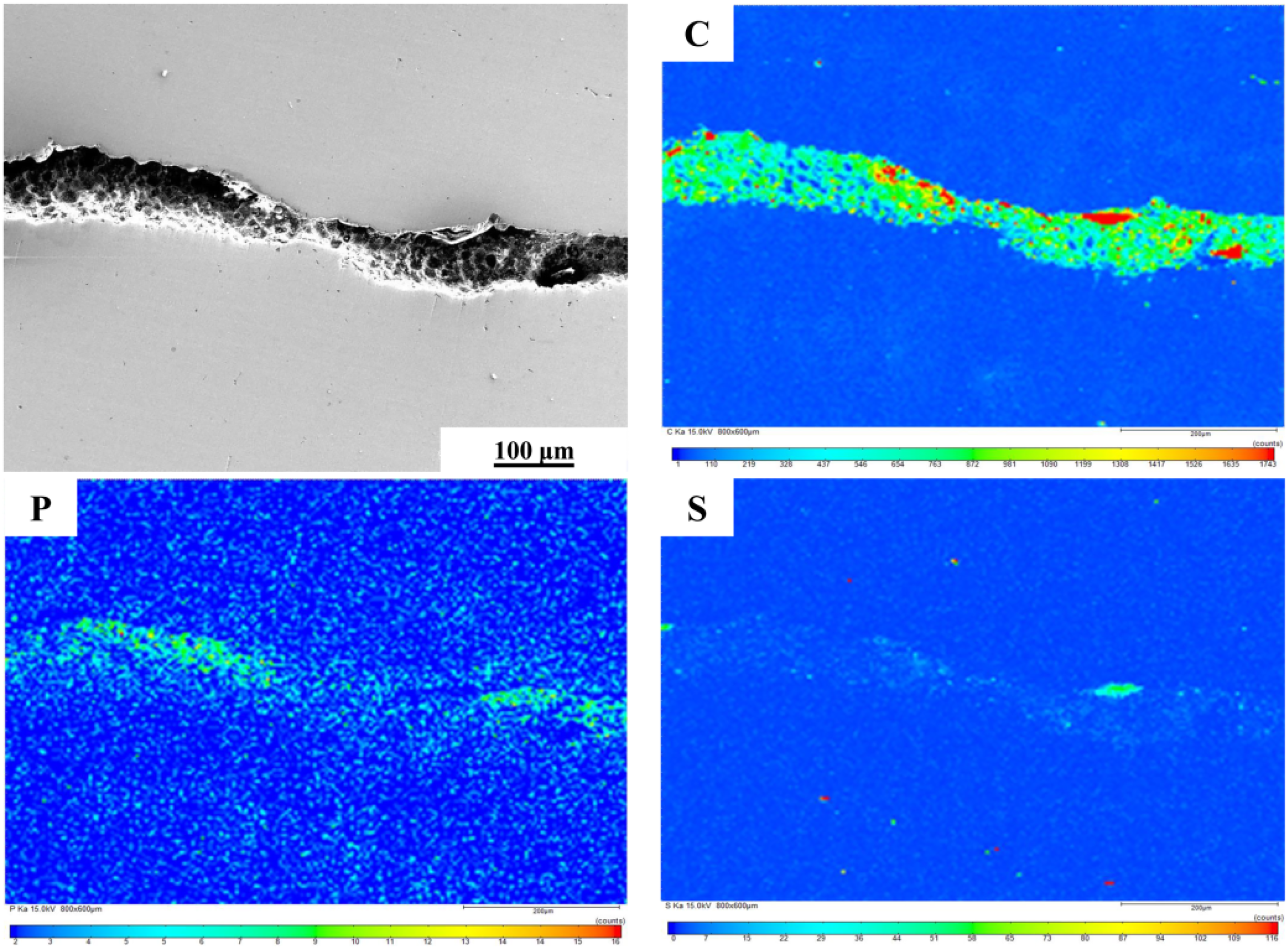
Element distribution at the internal cracks under the electron probe microanalyser (EPMA: U71Mn).
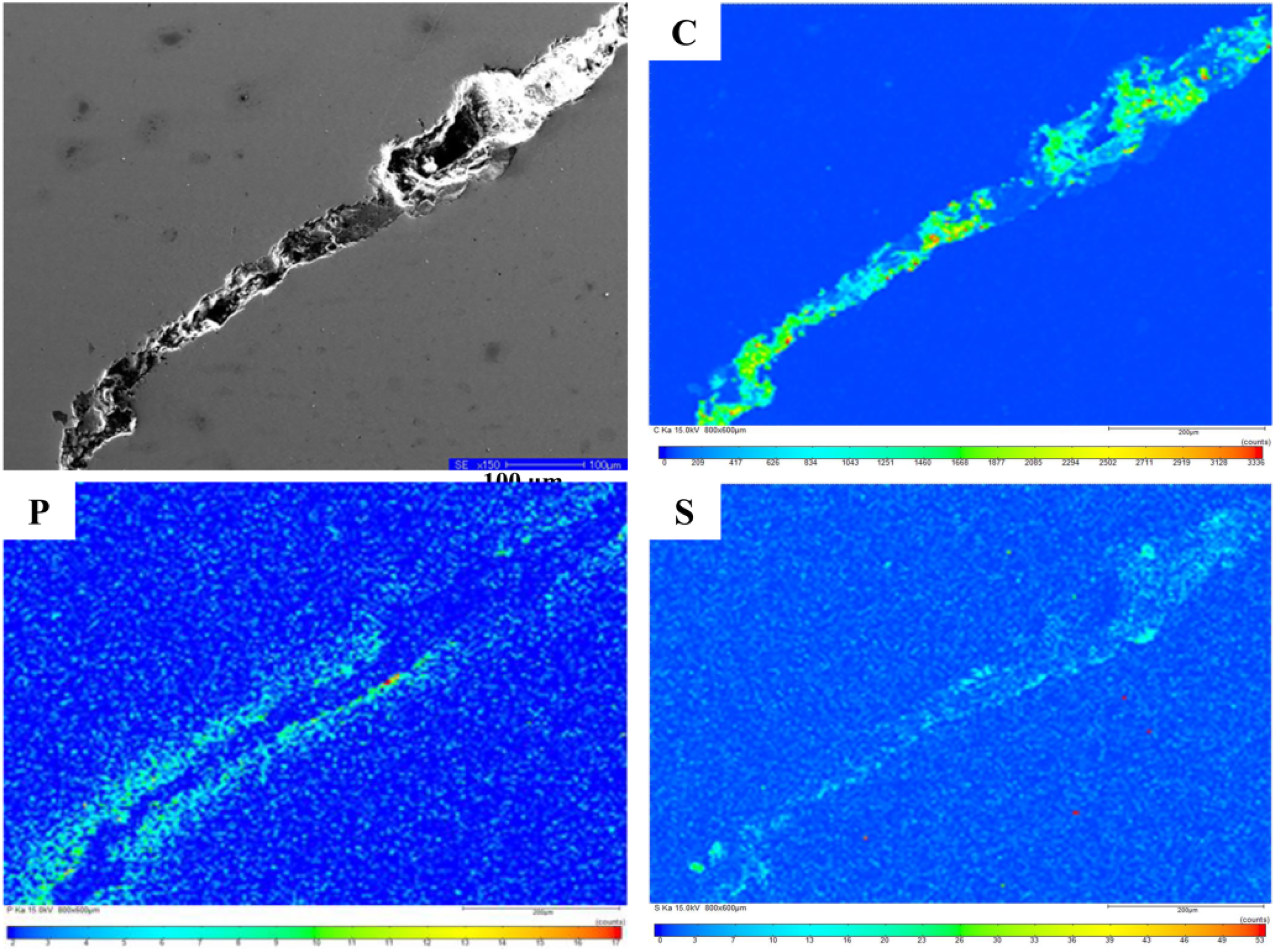
Element distribution at the internal cracks under the electron probe microanalyser (EPMA: GCr15).
Conclusions
This study analysed the formation mechanisms of internal cracks, focusing on the fracture morphology and critical strains of different steel grades through mechanical reduction experiments on Q235, U71Mn, and GCr15 steel billets. The following conclusions were drawn from the study:
No internal cracks were found in the Q235 steel billet, whereas internal cracks were observed in the U71Mn and GCr15 steel billets. These cracks were primarily concentrated on the inner arc side of the billets. The critical strains for the Q235, U71Mn, and GCr15 steel grades were 0.76%, 0.40%, and 0.25%, respectively. The critical strain decreased gradually from Q235 to GCr15, with a corresponding increase in crack sensitivity. Furthermore, the temperature difference between the liquidus and solidus temperatures, calculated using JmatPro software, was 62°C for Q235, 129°C for U71Mn, and 146°C for GCr15. Consequently, crack sensitivity increased progressively across these steel grades. The cracking zone exhibited numerous smooth surfaces, indicating the presence of a substantial liquid phase on the crack zone during the formation of the internal cracks. As a result, the internal cracks formed at the solidification front and were classified as low-melting-point cracks. These cracks appeared in the columnar crystal zones and propagated along the grain boundaries. The formation mechanism of the internal cracks induced by mechanical reduction was linked to the segregation of carbon, phosphorus, and sulphur at the grain boundaries, which reduced the high-temperature strength and plasticity of the dendritic grain boundaries. During the mechanical reduction of the casting billet, the applied force at the solidification shell was transferred to the solidification front, causing stress concentration at the grain boundaries and resulting in the formation of internal cracks.
Footnotes
Declaration of conflicting interests
The authors declared no potential conflicts of interest with respect to the research, authorship, and/or publication of this article.
Funding
The authors disclosed receipt of the following financial support for the research, authorship, and/or publication of this article: This work was supported by the National Natural Science Foundation of China, (grant number 52474344).
