






Abstract
Ship traffic through the Turkish Straits occurs in a highly constrained navigational environment, where inaccurate prepassage reports can significantly increase the risk of maritime accidents. Vessels are required to submit Sailing Plan declarations (SP-1 and SP-2) before entry, but these reports often fail to reflect the actual technical and operational condition of the ships. Commercial pressure, time constraints, and intentional misreporting can create discrepancies between declared and actual readiness, raising the likelihood of collisions, groundings, or loss of maneuverability in congested waters. This study develops a reliability-centered framework to assess accident risks associated with reporting, contributing to the literature on human reliability and uncertainty management in maritime traffic. Risk criteria were identified by reviewing regulatory requirements, accident records, and relevant literature, and refined through expert input from Vessel Traffic Services (VTS), pilotage, Port State Control (PSC), and ship operations. The framework combines the Fine–Kinney method with an Intuitionistic Fuzzy TODIM (an acronym in Portuguese for interactive and multicriteria decision-making). The results indicate that undisclosed propulsion deficiencies, steering problems, and nontransparent withdrawal from passage queues are the most critical accident precursors. These findings highlight the importance of reliable reporting and provide practical and transferable guidance for reducing the risks of maritime accidents and improving risk management for vessel traffic. In particular, the results support the prioritization of propulsion and steering system checks, as well as the closer scrutiny of vessels withdrawing from passage queues, offering actionable insights for VTS operators, PSC authorities and marine pilots.
Keywords
Introduction
Navigating narrow and congested waterways is widely recognized as one of the most demanding phases of maritime transportation because of restricted maneuvering space, hydrodynamic constraints, and limited reaction time in emergency situations. In such environments, navigational accidents such as collisions, groundings, and loss of maneuverability frequently arise from a combination of technical deficiencies and organizational or decision-related failures. Among these waterways, the Turkish Straits, comprising the İstanbul Strait, Çanakkale Strait, and the Sea of Marmara, stand out as one of the most challenging passage routes in the world. This waterway system carries significant strategic value, as it remains the only navigable route that allows vessels to access the open seas from the Black Sea. The unique geomorphological structure of the İstanbul Strait, featuring sharp turns up to 80 degrees, narrow sections of less than 700 m, counter-flowing surface and subsurface currents, and high-density urban settlement along both shores, significantly increases navigational risk. This risk profile makes the Turkish Straits particularly sensitive to latent accident precursors that may not be immediately visible during routine traffic monitoring. Similar hydrographic and topographic constraints are also present in the Çanakkale Strait, making the combined system a highly sensitive maritime corridor ( 1 – 3 ).
According to official statistics published by the Republic of Türkiye Ministry of Transport and Infrastructure, a total of 41,363 vessels transited the İstanbul Strait in 2024, of which 25,499 completed the passage as noncall vessels. In the same period, the Çanakkale Strait recorded 45,849 vessel transits, including 25,559 noncall vessels. These figures indicate that more than half of all transits through both straits in 2024 were completed without calling at any port, underscoring the operational importance and safety-critical nature of uninterrupted nonstop traffic in the Turkish Straits system ( 4 ). In this context, any undetected technical or operational deficiency carried into a nonstop passage may rapidly escalate into a serious accident because of the limited opportunity for external intervention. Although vessel numbers have gradually decreased because of global economic patterns and alternative routing strategies, the risk profile has intensified because of an increasing share of large-tonnage vessels and hazardous cargo carriers. Vessel traffic management in the Turkish Straits is coordinated by the Republic of Türkiye Ministry of Transport and Infrastructure and is operationally supervised by the Vessel Traffic Services (VTS). In line with the International Maritime Organization’s (IMO) VTS guidelines, these services are established to enhance the safety and efficiency of vessel movements and to reduce environmental risks in areas characterized by complex navigational conditions or high traffic density ( 5 ). Passage operations in the Turkish Straits are conducted under mandatory reporting rules, traffic regulations, and escort tug requirements, all of which are designed to maintain navigational safety in this critical international waterway. To mitigate risks, several operational rules regulate the passage of large and dangerous-cargo tankers. Under the Turkish Straits Maritime Traffic Regulations, escort tug assistance may be required for tankers of 200 m length overall or above depending on prevailing navigational conditions and cargo characteristics ( 6 ). Nighttime passage restrictions remain in place for certain tanker categories, particularly crude oil, liquefied natural gas, and liquefied petroleum gas carriers, because of their elevated potential consequences in case of an incident. Although pilotage is not legally mandatory, it is strongly recommended and widely practiced to reduce collision and maneuvering risks within the confined geography of the Straits. Industry guidance further reinforces these risk-mitigation measures; for example, the Oil Companies International Forum (OCIMF) emphasizes the importance of pilotage, compliance with traffic separation schemes, and the use of additional precautions during nonstop tanker transits ( 7 ). Ultimately, passage operations in the Turkish Straits begin with the reporting process itself, through the submission of SP-1 and SP-2 reporting, which are intended to provide authorities with accurate information on vessel condition and operational readiness for safe passages through Turkish Straits. These reports include detailed information on vessel identity, dimensions, cargo characteristics, propulsion and steering condition, navigational equipment status, and overall operational readiness. They are submitted before entry and are used by VTS operators to evaluate whether a vessel can safely join the passage sequence or requires additional control measures such as tug assistance, pilotage recommendation, or delayed entry. In this respect, SP-1 and SP-2 reporting constitutes a critical prescreening mechanism that directly influences traffic organization and risk-mitigation decisions. Specifically, the SP-1 report serves as a preliminary notification submitted at least 24 h before entry, covering general vessel data and transit requirements, whereas the SP-2 report is a final confirmation submitted when the vessel is within 20 mi of the Strait entrance. This two-stage reporting structure is designed to provide VTS operators with a dynamic assessment of a vessel’s operational status, yet its effectiveness remains contingent on the integrity of the declared data.
These declarations constitute the primary mechanism through which authorities assess whether a vessel is fit for safe passage or whether additional precautions, such as tugs or delay, are necessary. However, practical observations and incident analyses indicate that the information submitted in SP-1 and SP-2 reports does not always reflect the vessel’s actual technical or operational condition. Commercial pressure, time constraints, or cost considerations can motivate shipowners or operators to declare compliance even when deficiencies exist. Examples include vessels avoiding tug assistance because of financial concerns, declining pilotage to reduce operational costs, or concealing machinery defects that could disqualify them from entering the passage queue. Vessels that withdraw from the queue and proceed to anchorage often do so because of unreported mechanical failures, suggesting a systematic discrepancy between declared and actual readiness. Such discrepancies represent a reporting reliability gap that poses a substantial safety risk for the Turkish Straits, where even minor technical issues can escalate into major accidents because of restricted maneuvering room and heavy traffic. From an accident analysis perspective, this reporting reliability gap functions as a latent failure that undermines risk-based traffic organization and increases the likelihood of collision or loss-of-control events.
This study addresses this gap by proposing a reliability-centered risk assessment framework for ship reporting in the Turkish Straits. The framework combines the Fine–Kinney method with the Intuitionistic Fuzzy TODIM (an acronym in Portuguese for interactive and multicriteria decision-making) approach to evaluate and prioritize reporting-related risks under uncertain and incomplete information. Risk criteria were identified through a combined review of regulatory requirements, incident patterns, and expert assessments from practitioners directly involved in Strait operations. Uncertainty in expert judgments was addressed using intuitionistic fuzzy sets, while the combined Fine–Kinney and TODIM framework enabled the prioritization of reporting-related accident risks. The results highlight the reporting conditions that most strongly influence safe transit decision-making and demonstrate how unreliable declarations can affect traffic organization in a highly constrained waterway. The study concludes with practical recommendations aimed at improving the accuracy of prepassage reporting and supporting accident prevention and proactive risk management in constrained maritime waterways.
Literature Review
Although numerous maritime incidents and near-miss events have been recorded in the Turkish Straits, and despite the extensive precautionary measures in place, vessels transiting these waterways continue to face a relatively high level of accident risk. Historically, the Straits have suffered several large-scale accidents with severe human, environmental, and operational consequences. The 1979 collision and subsequent explosion of the Romanian tanker Independenta off Haydarpaşa produced an extensive fire, multiple explosions, and dozens of fatalities, and the wreck remained a navigational hazard for many years ( 8 ). On March 13, 1994 the crude-oil tanker Nassia collided with the bulk carrier Shipbroker, causing massive fires, a major oil release, and multiple casualties, and forcing multiday suspension of Bosphorus traffic ( 9 ). The grounding and break-up of Volgoneft-248 on December 29, 1999 released heavy fuel oil into the Sea of Marmara, contaminating several kilometers of shoreline and triggering prolonged salvage and cleanup operations ( 10 , 11 ). More recent events—such as the 2018 allision of Vitaspirit with the Hekimbaşı Salih Efendi yalı—show that mechanical failures and loss of steerage continue to cause significant shore damage and temporary traffic restrictions, despite modern navigation and traffic-management systems ( 12 ). The Vitaspirit accident, in particular, has been a catalyst for shifting risk analysis toward more systemic perspectives. Recent investigations have moved beyond simple mechanical failure descriptions to employ complex systems theories, such as the systems-theoretic accident model and processes (STAMP), to reveal the sociotechnical factors and control failures involved in ship allisions within the Turkish Straits ( 13 , 14 ). Collectively, these incidents underscore the persistent vulnerability of the Turkish Straits to catastrophic accidents and the long-lasting societal and environmental costs they impose. Postaccident investigations of such events have repeatedly shown that technical failures and loss of control are often preceded by latent organizational and information-related deficiencies rather than sudden or isolated malfunctions.
Researchers have highlighted that the navigational environment of the Turkish Straits is shaped by the interaction of several risk criteria, including its narrow and curved geometry, sharp turns, variable currents, and heavy traffic. Arslan and Turan ( 15 ) offered one of the early structured assessments of these hazards through a combined strength weakness opportunity threat–analytic hierarchy process approach, identifying human error, environmental constraints and traffic density as the main contributors to accident formation in the Strait. Kao et al. ( 16 ) examined collision risk from the perspective of VTS operations and developed a fuzzy-logic-based method capable of evaluating vessel behavior, relative motion, and encounter situations under uncertainty. Their approach provided an analytical basis for improving collision-avoidance decisions in constrained waterways. Ulusçu et al. ( 17 ) expanded the understanding of Strait-related risks by analyzing vessel traffic together with vessel types and environmental variables. Their results showed that the combination of intense traffic and the Strait’s geometric complexity significantly elevates the probability of marine accidents. Özbaş et al. ( 18 ) introduced a scenario-based assessment of maritime traffic hazards by integrating vessel characteristics, traffic patterns, and environmental conditions into a structured modeling framework. They reported that accident likelihood is highly sensitive to navigational complexity and traffic intensity and noted that improvements in traffic separation and vessel-control practices could reduce overall risk levels. Görçün and Burak ( 19 ), using a Formal Safety Assessment framework, identified hazardous scenarios linked to vessel density, restricted maneuvering space, and environmental conditions. Their findings pointed to the need for regulatory and operational improvements to enhance navigational safety in the Straits. Uğurlu et al. ( 20 ) evaluated major marine accidents across the Turkish Straits using the analytic hierarchy process (AHP) method. Human-related factors and operational limitations emerged as the dominant influences on both safety outcomes and economic consequences, reflecting the inherently challenging navigational setting. These findings also imply that accident formation in the Straits is strongly influenced by how accurately operational conditions and limitations are recognized and communicated. Kara ( 21 ) examined Black Sea Memorandum Port State Control (PSC) inspection data and identified recurring deficiencies related to safety management, structural conditions, and navigational equipment as indicators of increased accident risk for vessels transiting the Strait. Essiz and Dağkıran ( 22 ) analyzed accident statistics and traffic patterns in the Istanbul and Çanakkale Straits. Their results showed that incidents tend to cluster in narrow passages and anchorage areas, and highlighted the influence of traffic density, navigational complexity, anchorage congestion, and inadequate safe-following distances on accident occurrence. Kamal and Çakır ( 23 ) analyzed 418 accidents in the Istanbul Strait using a tree-augmented naive Bayes model. The study integrated official accident records, environmental parameters, and real-time current observations, and employed the expectation-maximization algorithm to address missing data. Their model captured interactions among accident-related variables without relying on expert judgment. Ekici et al. ( 24 ) applied fuzzy C-means clustering to classify vessels transiting the Turkish Straits according to their operational and navigational characteristics. The resulting clusters offer practical insights for traffic management and situational awareness in this dense maritime corridor. Tonoğlu et al. ( 25 ) combined the fuzzy AHP with the probabilistic risk assessment technique to identify sector-specific risk criteria. Vessel density, navigational complexity, environmental influences, and human operational errors were identified as the most significant contributors to risk. Yildiz et al. ( 26 ) examined operational factors associated with accident formation in the Istanbul and Dover Straits using spatial and statistical analysis. Their results highlighted traffic density, channel constraints, and anchorage congestion as key determinants of accident occurrence. Orhan et al. ( 27 ) explored risks faced by service providers in the Turkish Straits using a fuzzy cognitive map approach. Weather conditions, human error, communication challenges, dense traffic, and limited expertise were identified as the primary hazards. Ekici et al. ( 28 ) developed a machine-learning-based ship risk profile model for the Turkish Straits. By integrating vessel characteristics, traffic information, and environmental variables, the model supports the early identification of high-risk transits and contributes to proactive safety management.
Recent studies have increasingly focused on navigational safety and risk formation under complex and constrained operating conditions. Wang et al. ( 29 ) demonstrated that collision-avoidance and risk-aware decision-making in narrow and congested waterways require dynamic, regulation-compliant models that explicitly consider vessel maneuvering limitations. Feng et al. ( 30 ) further showed that navigational risk in port and restricted areas emerges from the coupling of multiple operational, environmental, and traffic-related factors rather than isolated hazards. From an environmental extremes perspective, Jiacai et al. ( 31 ) and Jin et al. ( 32 ) highlighted that harsh conditions, limited maneuvering margins, machinery deficiencies, and human-related factors interact in complex causal structures that significantly elevate navigational risk, particularly in environments where restricted maneuverability and limited tolerance for error amplify the consequences of inaccurate operational information. Supporting the importance of interdependencies among risk criteria, Kuzu ( 33 ) employed a fuzzy Decisin Making Trial and Evaluation Laboratory (DEMATEL) approach to reveal how technical, operational, and human elements collectively contribute to high-consequence maritime accidents. Furthermore, the integration of advanced fuzzy extensions, such as Z-numbers, with traditional fault tree analysis has been utilized to predict environmental risks from ship operations, providing a more robust handling of information reliability ( 34 ). Similarly, hybrid approaches combining STAMP with Bayesian networks have emerged as powerful tools for safety analysis in tanker operations, allowing for a more nuanced understanding of causal dependencies under uncertainty ( 35 ). Overall, these studies underline that navigational safety in demanding environments is governed by interconnected risk mechanisms, emphasizing the need for integrated assessment frameworks that account for technical readiness, operational reliability, and information consistency. However, despite this recognition, the reliability of prepassage information and the risks associated with misreporting remain insufficiently addressed in the context of accident prevention.
While previous research offers important contributions to understanding navigational risks, traffic patterns, and accident causation in the Turkish Straits, the emphasis has largely remained on hazards encountered during the passage itself. Comparatively little attention has been given to the condition of vessels before entry from an accident causation and prevention perspective, even though a ship’s technical status, maneuvering capability, and operational readiness at the outset strongly influence the safety of the entire transit. This shortcoming is notable, as the passage process formally begins with the submission of SP-1 and SP-2 reports, through which vessels declare their preparedness for navigating the Straits. Despite the central role of these declarations in traffic planning and safety-related decision-making, their reliability and consistency with actual vessel conditions have not been examined in a systematic manner. Addressing this overlooked aspect, the present study concentrates on reporting-related risks at the prepassage and develops an assessment framework that contributes to a more reliable basis for accident prevention and risk-informed traffic management decisions in the Turkish Straits. By integrating Fine–Kinney with Intuitionistic Fuzzy TODIM, the study also contributes methodologically by combining risk quantification with behavioral multicriteria decision analysis under uncertainty, which has been limited in the context of prepassage reporting reliability.
To contextualize the present study within international practice, Table 1 summarizes selected post-2015 studies on navigational risk, traffic behavior, and accident prevention in major constrained waterways, including the Singapore Strait, Dover Strait, and Suez Canal. These studies highlight methodologies and key findings while illustrating the gap addressed by the present work concerning prepassage reporting reliability.
Comparative Analysis of Recent Accident and Navigational Risk Studies in Major Global Chokepoints
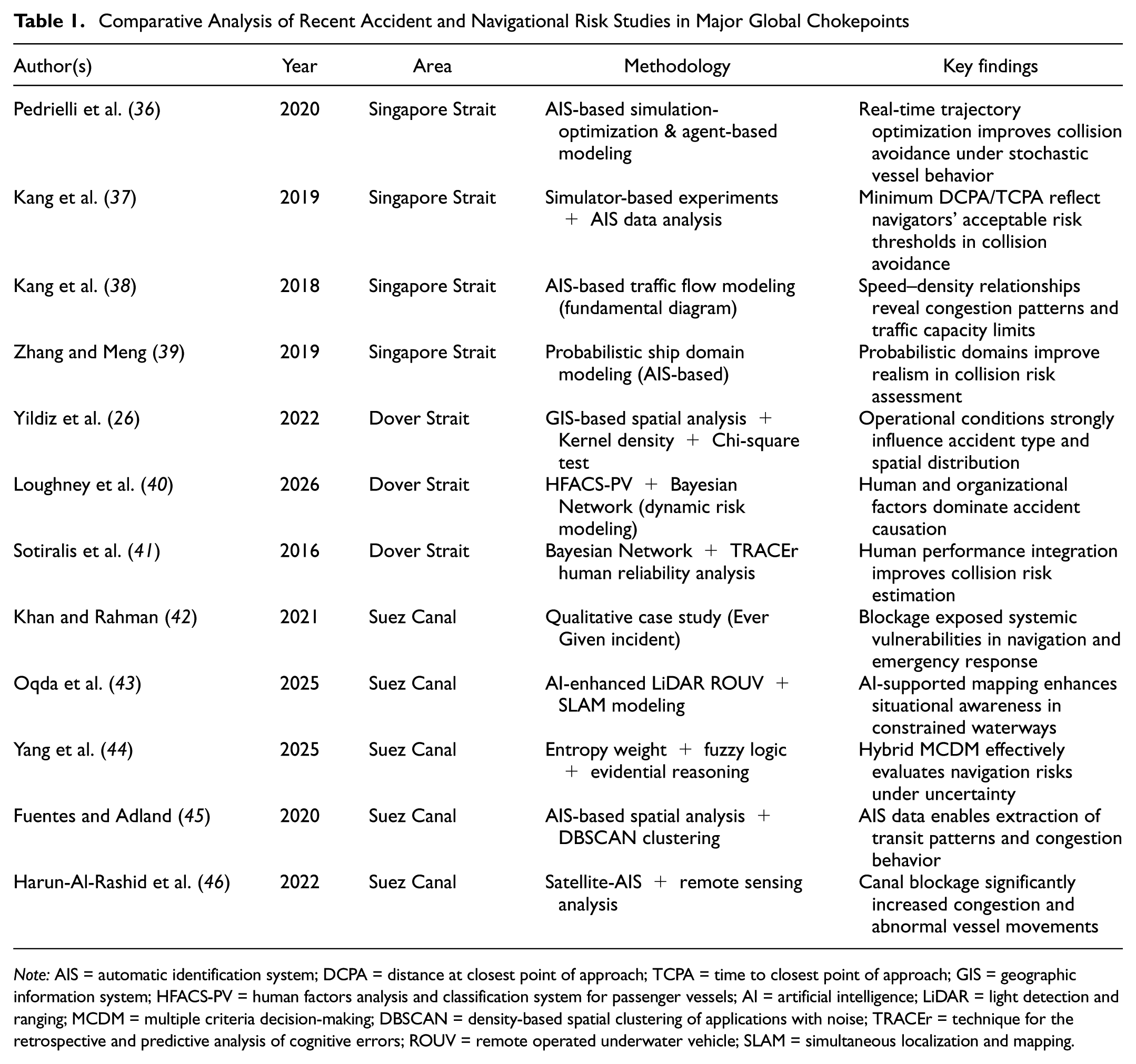
Note: AIS = automatic identification system; DCPA = distance at closest point of approach; TCPA = time to closest point of approach; GIS = geographic information system; HFACS-PV = human factors analysis and classification system for passenger vessels; AI = artificial intelligence; LiDAR = light detection and ranging; MCDM = multiple criteria decision-making; DBSCAN = density-based spatial clustering of applications with noise; TRACEr = technique for the retrospective and predictive analysis of cognitive errors; ROUV = remote operated underwater vehicle; SLAM = simultaneous localization and mapping.
While these international studies cover traffic patterns, collision risk, and operational disruptions, none explicitly examine the reliability of prepassage reporting systems, which constitutes the unique contribution of the present research in improving accident prevention and traffic management in constrained waterways.
Methodology
In this study, an integrated risk assessment framework combining the Fine–Kinney method with the Intuitionistic Fuzzy TODIM approach is proposed to evaluate the reliability of ship reporting before Turkish Straits passages. From an accident prevention perspective, unreliable prepassage reporting represents a latent organizational and human factor that may remain undetected until it manifests as machinery failure, loss of control, or emergency maneuvers during transit. Assessing such reporting-related risks before entry therefore contributes directly to the early identification and mitigation of accident precursors in constrained waterways. The framework is designed to assess reporting-related risks in a structured manner by incorporating both quantitative measures and expert based qualitative evaluations. The methodology section outlines the overall structure of the model, the reasoning behind the integration of the two techniques and the computational steps that support decision-making within the proposed approach.
The rationale for employing the Fine–Kinney and Intuitionistic Fuzzy TODIM methods together stems from the multifaceted and uncertainty driven nature of reporting reliability issues in the Turkish Straits. Fine–Kinney provides a systematic probability exposure consequence structure that enables the initial quantification of reporting-related risks, while the TODIM technique reflects the behavioral preferences of decision-makers when ranking the identified criteria. The use of intuitionistic fuzzy sets strengthens the model by capturing hesitation and ambiguity that naturally arise in expert judgments when vessel conditions are partially known or imperfectly reported. As a result, the hybrid methodology offers a robust and adaptable analytical basis for evaluating prepassage reporting reliability in one of the most operationally constrained and safety-critical maritime corridors in the world.
In this respect, the integration of Fine–Kinney and Intuitionistic Fuzzy TODIM not only enables the quantification of reporting-related risks but also allows the incorporation of decision-makers’ behavioral preferences and uncertainty into the prioritization process, thereby offering a more comprehensive analytical framework compared with conventional risk assessment approaches.
Fine–Kinney Method
The Fine–Kinney approach was developed to evaluate occupational risks and manage potential hazards ( 47 ). This method adopts a quantitative framework for risk assessment by incorporating three key parameters: consequence (C), exposure (E), and probability (P) ( 48 ). The overall risk score (R) is calculated using

The Fine–Kinney method has been extensively applied in numerous domains as a practical and effective approach to risk assessment ( 49 , 50 ). In the context of maritime accident analysis, the Fine–Kinney structure enables the systematic representation of how deficiencies in reporting reliability may increase the likelihood of hazardous situations, the frequency of exposure during transit, and the potential severity of accident outcomes. This makes the method particularly suitable for modeling preconditions that contribute to navigational accidents rather than isolated technical failures.
Intuitionistic Fuzzy Sets
Intuitionistic fuzzy sets were introduced by Atanassov ( 51 ) as an extension of classical fuzzy set theory to represent uncertainty more explicitly. Unlike conventional fuzzy sets, an intuitionistic fuzzy set characterizes each element through two independent parameters: a degree of membership and a degree of nonmembership, and an induced hesitation degree with the condition that the sum of these values does not exceed unity. This additional degree of freedom allows hesitation and partial ignorance to be modeled more realistically, where the hesitation degree is defined as π(x) = 1 −μ(x) −ν(x).
As a result of this capability, the Intuitionistic Fuzzy Sets (IFS) framework has been widely employed in situations where expert judgments are imprecise or incomplete. In recent years, it has been increasingly integrated with multicriteria decision-making approaches, risk assessment models, and fault diagnosis applications, demonstrating its effectiveness in handling complex and uncertain evaluation environments ( 52 , 53 ).
Two basic conceptual interpretations of intuitionistic fuzzy sets are summarized here, while more comprehensive mathematical formulations and theoretical discussions are provided in Elidolu et al. ( 54 ) and Song et al. ( 55 ):

where





These operations preserve the fundamental properties of intuitionistic fuzzy numbers and allow flexible modeling of uncertainty under scalar transformations.
TODIM
The TODIM method was originally proposed by Gomes and Lima ( 57 ) and is theoretically grounded in prospect theory. Unlike conventional multicriteria decision-making techniques, TODIM explicitly incorporates the behavioral characteristics of decision-makers, allowing gains and losses to be evaluated asymmetrically. This feature supports a more realistic representation of decision processes under risk and uncertainty. As a result of its behavioral foundation and flexible structure, the TODIM approach has been widely applied across a broad range of multicriteria decision-making problems ( 58 , 59 ). In recent years, it has also demonstrated strong performance in the prioritization stage of risk assessment studies, particularly where subjective judgments and risk perception play a significant role ( 54 , 60 ). The basic computational steps of the TODIM method are summarized here, following the formulation presented by Gul et al. ( 56 ):
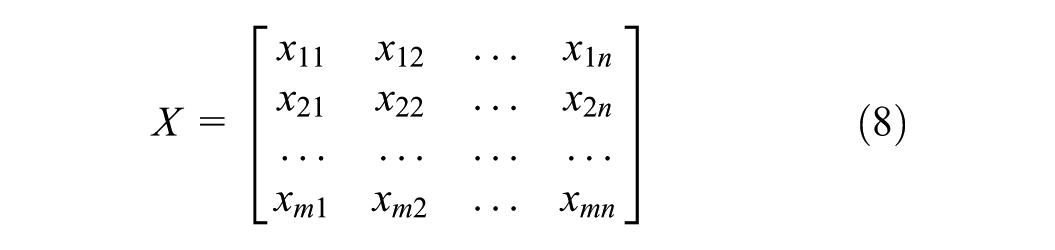
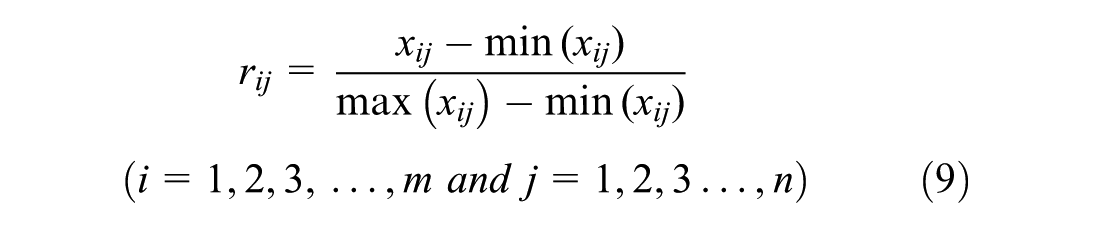
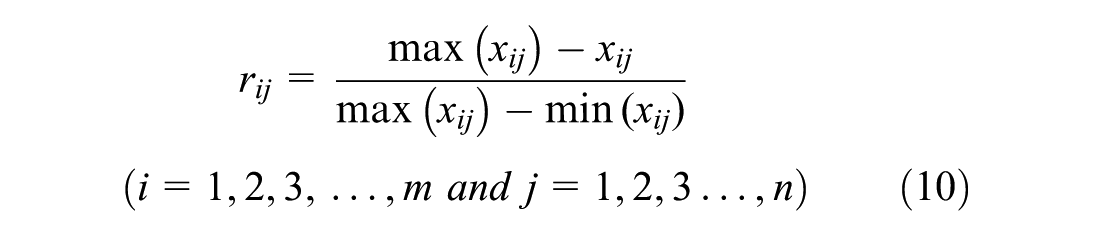




where represents the loss attenuation factor, reflecting the decision-maker’s sensitivity to losses relative to gains.

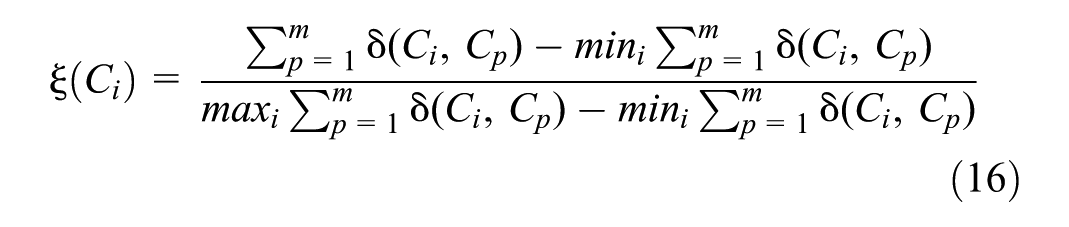
Once the intuitionistic fuzzy dominance values were calculated for all risk criteria, a normalization procedure was applied to eliminate scale-related differences among the criteria. The normalized values were then combined through aggregation to derive an overall dominance score for each factor, representing its relative significance within the decision framework. This aggregated measure provides the foundation for the final ranking and prioritization of risks adopted in the analysis.
Integrated Fine–Kinney and Intuitionistic Fuzzy TODIM Framework
The selection of the integrated Fine–Kinney and Intuitionistic Fuzzy TODIM framework is motivated by the need to bridge operational risk parameters with behavioral decision-making under uncertainty. While the Fine–Kinney method provides a standardized approach to quantifying risk through probability, exposure, and consequence, it often falls short in capturing the psychological nuances of expert judgment. The integration of TODIM, grounded in prospect theory, addresses this by accounting for the loss aversion behavior of experts, which is particularly relevant in high-stakes maritime environments such as the Turkish Straits. By extending this into the intuitionistic fuzzy domain, the model explicitly incorporates membership, nonmembership, and hesitation degrees, ensuring that the ambiguity inherent in expert elicitation is mathematically preserved rather than oversimplified. Unlike previous studies that primarily emphasize environmental hazards, navigation in narrow channel or straits passages, and vessel traffic-related risk criteria, the present findings highlight the critical role of prepassage information reliability as an upstream determinant of navigational safety, thereby extending the scope of existing hybrid risk assessment and multiple criteria decision-making approaches.
This section describes the implementation of an integrated risk assessment framework that combines the Fine–Kinney method with the Intuitionistic Fuzzy TODIM approach for the evaluation of ship reporting reliability during passages through the Turkish Straits. Within this framework, the fundamental risk parameters, namely, probability, exposure, and consequence, are first assessed using the Fine–Kinney method. The resulting risk evaluations are then processed through the Intuitionistic Fuzzy TODIM technique to enable the prioritization of reporting-related risk criteria under uncertainty.
Assessments of both risk criteria and risk parameters were obtained through structured expert judgments provided by professionals with extensive experience in Turkish Straits passage operations, including pilotage, VTS, and ship management. These verbal evaluations were subsequently converted into a consistent analytical dataset for further processing. The overall procedural structure and analytical flow of the proposed hybrid methodology are presented in Figure 1.
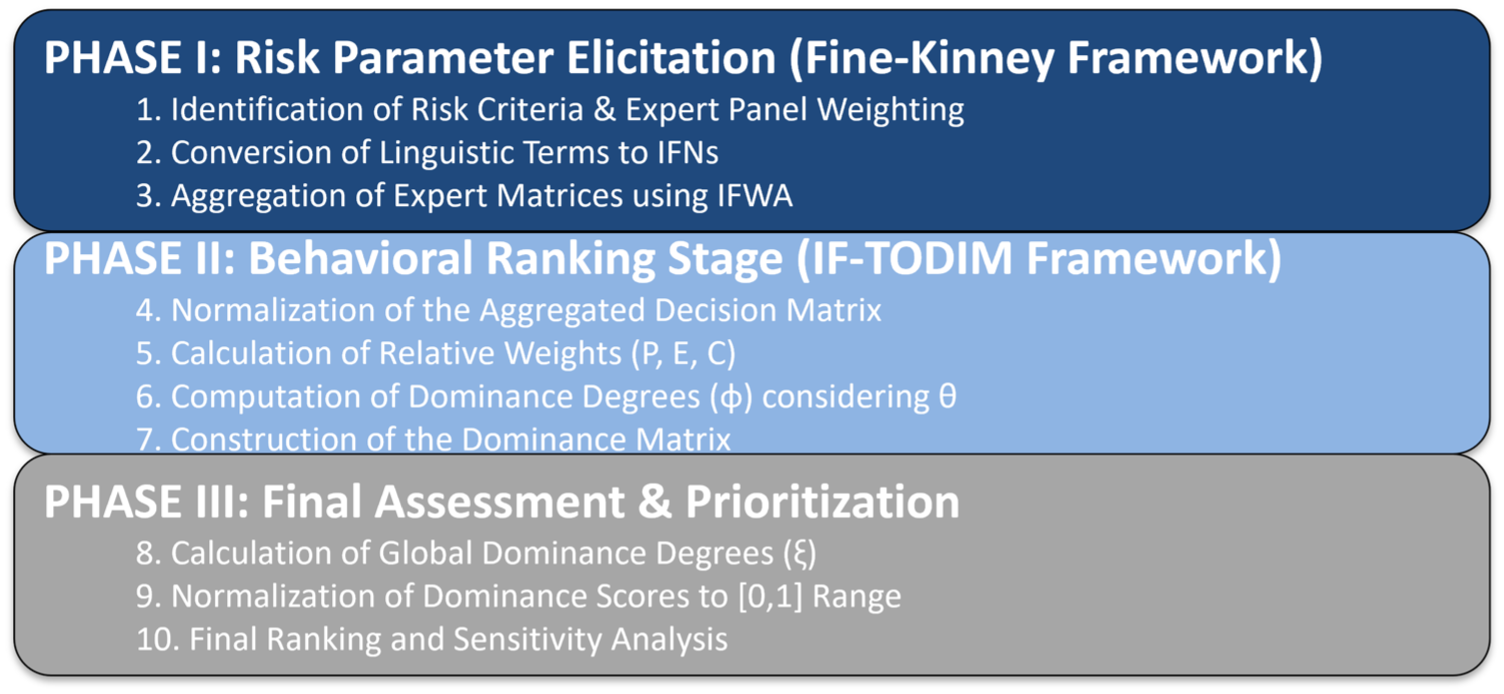
Methodological flow of the integrated Fine–Kinney and Intuitionistic Fuzzy TODIM framework.
The detailed implementation of the hybrid Fine–Kinney and Intuitionistic Fuzzy TODIM methodology is described here, following the general framework proposed by Gul et al. ( 56 ):

where


where
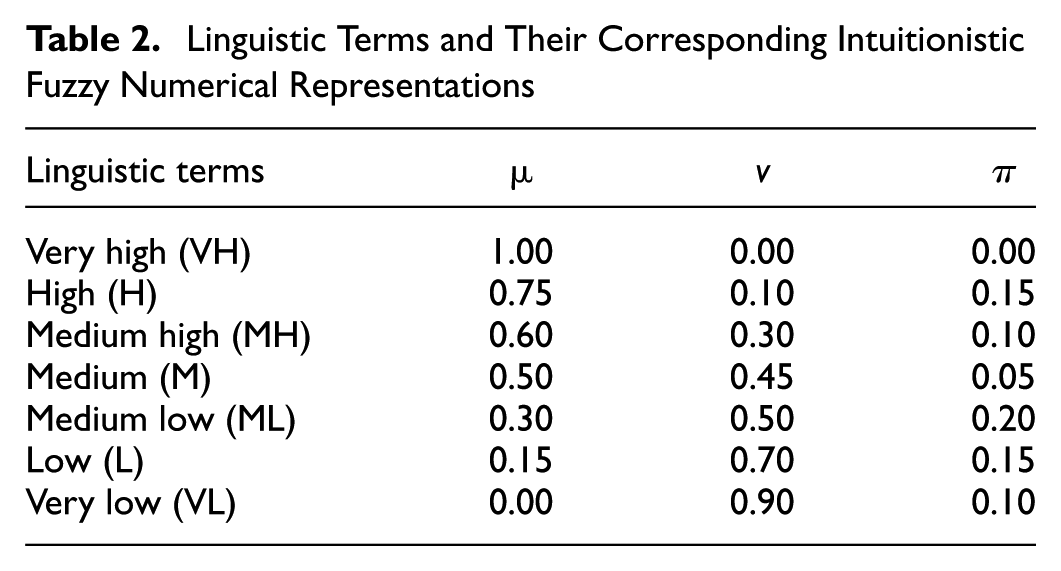
Linguistic Terms and Their Corresponding Intuitionistic Fuzzy Numerical Representations
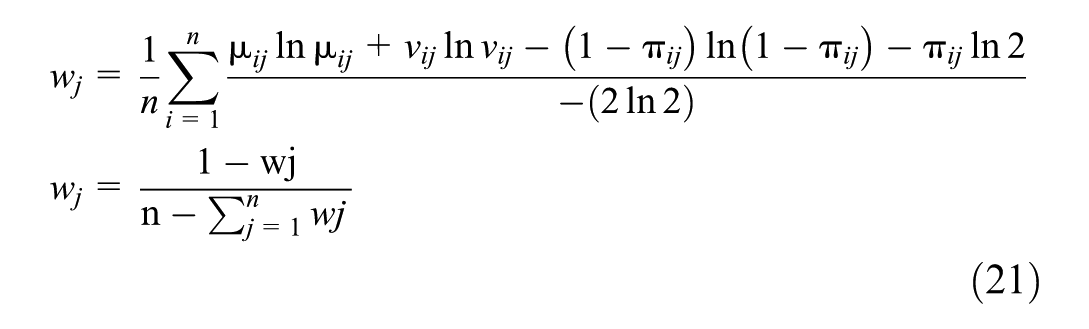
In this framework, the weight vectors wj play a central role in translating the subjective expert evaluations into quantitative influence coefficients for each risk parameter. They determine the relative significance of the Fine–Kinney components (P, E, and C) within the overall decision-making process. Thus, these weights directly shape the dominance and prioritization outcomes in the subsequent Intuitionistic Fuzzy TODIM analysis, ensuring that more influential parameters exert proportionally greater impact on the final risk ranking.
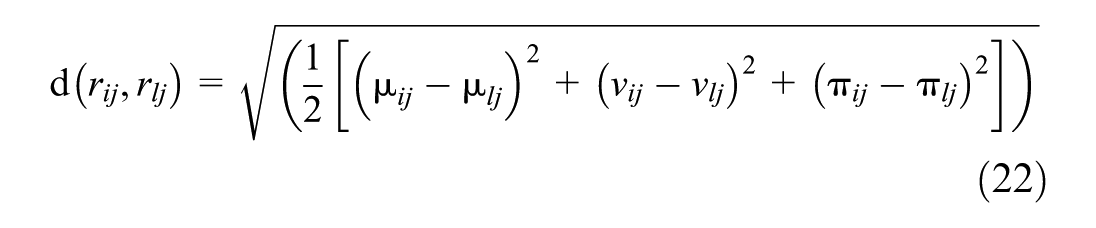



for min. and max. values, i ∈ M.
Although the hybrid Fine–Kinney and Intuitionistic Fuzzy TODIM framework provides a systematic and flexible structure for risk prioritization, several limitations should be acknowledged. First, the method relies heavily on expert judgment, which may introduce subjective bias despite the use of intuitionistic fuzzy logic to capture hesitation and uncertainty. Second, the model assumes independence among risk criteria, whereas in real operational contexts, interactions between environmental, procedural, and human factors may lead to correlated risks. Finally, the computational complexity of the Intuitionistic Fuzzy TODIM component increases with the number of criteria and experts, which could restrict its practical applicability in large-scale or time-sensitive assessments. Despite these limitations, the framework provides a structured means of identifying latent accident precursors that are otherwise difficult to observe through traditional traffic or incident data alone.
Reliability-Centered Risk Assessment of Ship Reporting for Turkish Straits Passages
This section presents the application of the integrated Fine–Kinney and Intuitionistic Fuzzy TODIM methodology to assess risks associated with ship reporting practices in the Turkish Straits. The framework focuses on the reliability of prepassage reporting submitted through the SP-1 and SP-2 reporting system, which forms the primary basis for traffic organization, operational restrictions, and safety-related decisions in this highly constrained waterway. Passage operations in the Straits are characterized by limited maneuvering space, dense vessel traffic, complex hydrographic conditions, and strict regulatory control, all of which increase the importance of accurate and complete reporting. In practice, however, inconsistencies and omissions in SP-1 and SP-2 submissions may arise because of commercial pressure, operational constraints, or intentional misreporting, introducing additional uncertainty for authorities responsible for vessel traffic management. To enable a structured evaluation of these issues, a set of reporting-related risk criteria was identified through a comprehensive review of international and national regulations, incident investigation reports, and relevant academic studies. The preliminary list was subsequently refined through expert consultation involving practitioners with direct experience in Turkish Straits operations, ensuring that the final criteria reflect both regulatory requirements and operational realities. The selected risk criteria were then assessed using the proposed hybrid methodology to prioritize reporting conditions that pose the greatest threat to navigational safety. In the Turkish Straits, deficiencies in prepassage reporting may act as latent conditions that only manifest during critical maneuvering phases, where recovery options are extremely limited. From an accident-prevention perspective, unreliable reporting therefore represents an upstream risk criterian capable of triggering loss of control, grounding, or collision events.
Risk Criteria Determination
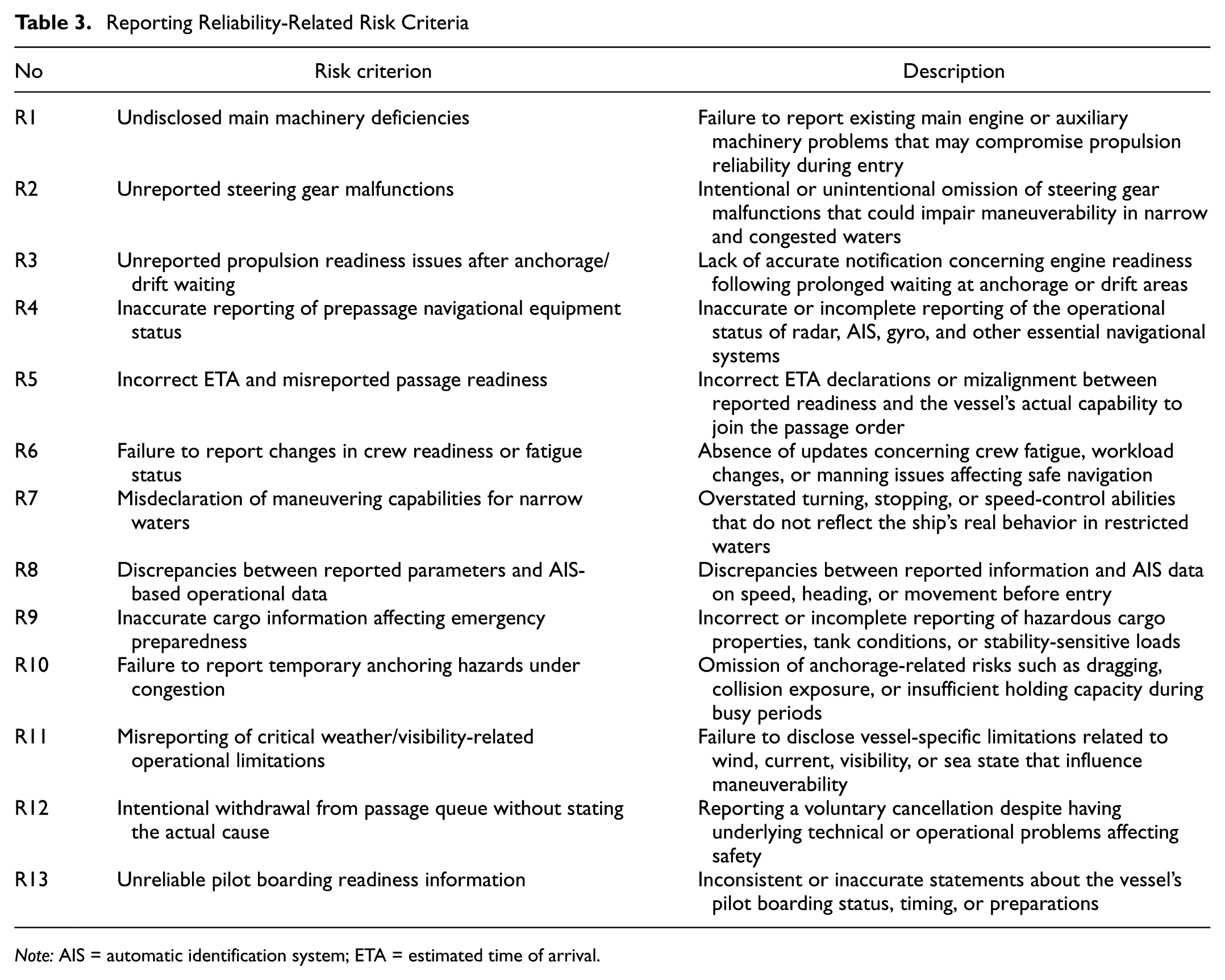
The determination of the risk criteria was guided by a structured process that brought together academic studies, regulatory requirements, and professional experience. The literature on navigational safety in the Turkish Straits offers extensive evidence on how environmental constraints, traffic intensity, vessel characteristics, and human operational factors shape accident risk, and these findings provided a foundation for identifying elements that may influence the reliability of prepassage reporting ( 15 – 28 ). In parallel, international and national regulations were reviewed to identify the expectations placed on vessels before entering the Straits. These include the VTS Guidelines of the IMO ( 5 ), the Turkish Straits Maritime Traffic Regulations issued by the Ministry of Transport and Infrastructure ( 6 ), and industry guidance published by OCIMF, which highlights the importance of pilotage, traffic compliance, and operational readiness for safe transit. To complement the written sources, practical insight was obtained from VTS operators, pilots, and Port State Control inspectors, who routinely observe mismatches between declared and actual vessel conditions, including concealed mechanical problems, overstatements of maneuverability, and unexplained withdrawal from passage queues. Bringing together these three sources ensured that the selected criteria capture both the established risk structure of the Turkish Straits and the operational challenges encountered in daily passage management, forming the basis for the criteria presented in Table 3. During the refinement process, an initial pool of candidate criteria was screened based on relevance, observability, and potential impact on navigational safety. Criteria that were not directly linked to prepassage reporting, or those that could not be practically verified through available operational data or inspection mechanisms, were excluded. The final set of 13 criteria was selected based on consensus among experts concerning their operational significance and measurability.
Reporting Reliability-Related Risk Criteria
Note: AIS = automatic identification system; ETA = estimated time of arrival.
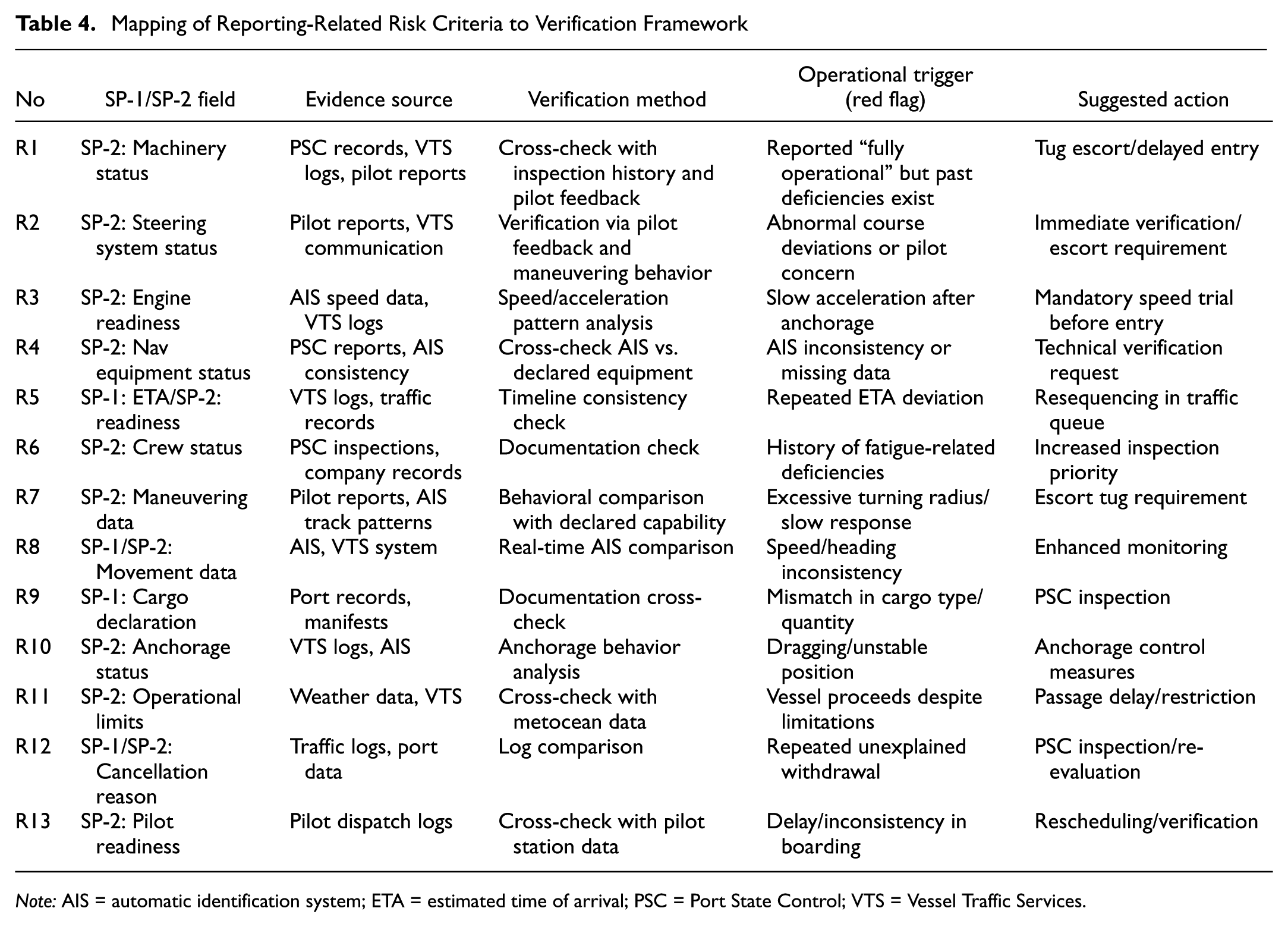
While Table 3 defines the reporting-related risk criteria, it does not explicitly indicate how these risks can be identified and verified in operational settings. To address this limitation and enhance practical applicability, each risk criterion is mapped to the relevant SP-1/SP-2 reporting fields, observable evidence sources, and corresponding verification mechanisms in Table 4.
Mapping of Reporting-Related Risk Criteria to Verification Framework
Note: AIS = automatic identification system; ETA = estimated time of arrival; PSC = Port State Control; VTS = Vessel Traffic Services.
This mapping provides a structured basis for translating the prioritized risks into operational decision-making processes, enabling VTS operators and inspection authorities to identify, verify, and respond to reporting-related discrepancies in a systematic manner.
Expert Group and Data Collection
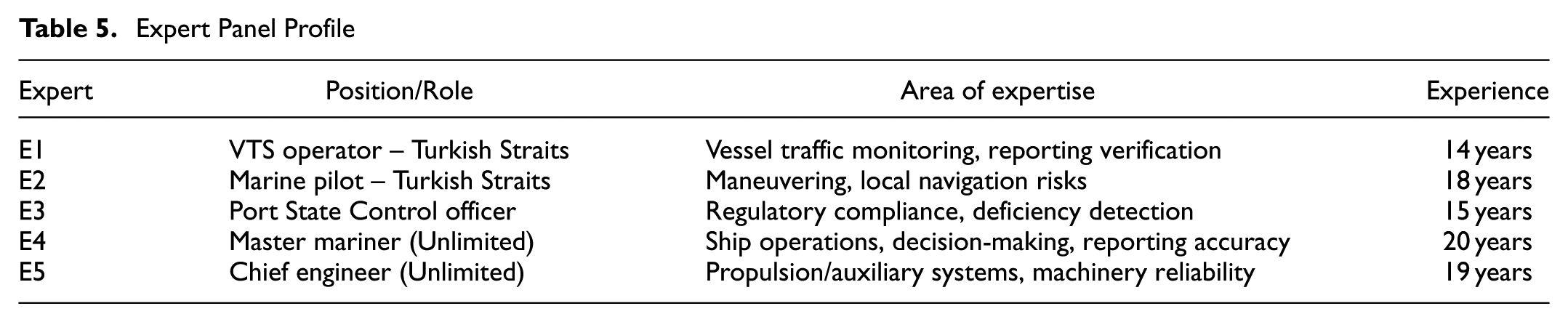
The expert panel consisted of five professionals with extensive operational and managerial experience, each having more than 10 years of relevant professional background. The panel included a VTS operator from the Turkish Straits with 14 years of operational experience, an experienced marine pilot who has served in the Turkish Straits for 18 years, a Port State Control officer with 15 years of inspection experience, and a master mariner with 20 years of shipboard operational experience, including extensive involvement in Turkish Straits passages. The panel was further complemented by a chief engineer with 19 years of expertise in ship machinery management and direct operational experience in Turkish Straits operations. An overview of the expert profiles is presented in Table 5.
Expert Panel Profile
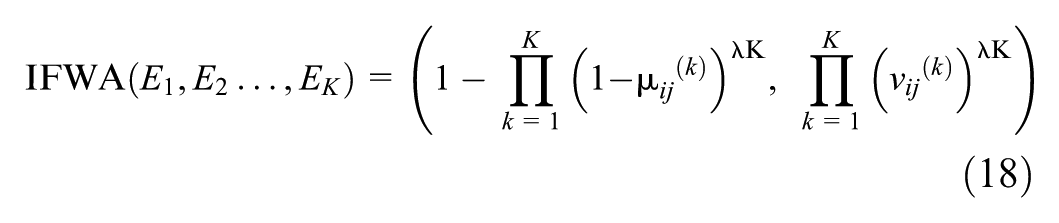
The identified risk criteria were assessed by five experts using the Fine–Kinney risk parameters of probability, exposure, and consequence. After completing the evaluations, the relative importance of each expert was calculated using Equation 17, which accounts for the membership and nonmembership degrees obtained from intuitionistic fuzzy judgments. In this study, two types of weights are used. The first corresponds to the expert weights derived from intuitionistic fuzzy evaluations, which determine the influence of each expert in the aggregation process. The second refers to the relative weights of the Fine–Kinney parameters (P, E, and C), which are calculated separately and normalized with respect to the maximum value to facilitate comparison within the TODIM framework. These two weighting structures serve different purposes and are not directly interchangeable. The computed expert weights are presented in Table 6.
The Computed Expert Weights
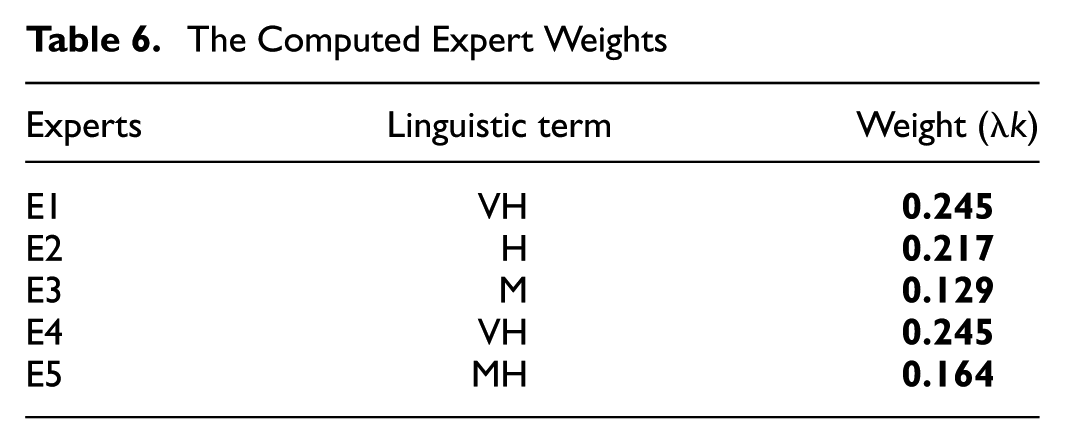
The assignment of linguistic importance levels to the experts was based on their comprehensive familiarity with prepassage reporting protocols and their operational influence on decision-making within the Turkish Straits traffic system. The importance levels assigned to the experts reflect their direct influence on the reliability of prepassage reporting in the Turkish Straits. The VTS operator and the master mariner were assigned very high importance, as they play central roles in receiving, interpreting, and operationalizing SP-1 and SP-2 declarations under real-time traffic and commercial constraints. The marine pilot was assigned high importance because of their critical role in mitigating the consequences of inaccurate declarations during confined-water maneuvering. The chief engineer was assigned medium–high importance, as technical deficiencies are reported indirectly through the master. The Port State Control officer was assigned medium importance, reflecting their predominantly retrospective inspection role and indirect influence on prepassage reporting behavior.
Table 7 shows the expert assessments of the identified hazards in relation to the Fine–Kinney risk parameters (P, E, and C). The qualitative judgments were first translated into intuitionistic fuzzy numbers using the linguistic scale given in Table 2. Each expert evaluated the parameters separately for each criterion, after which the individual assessments were combined through the IFWA operator to obtain the final P, E, and C values presented in the table.
Expert evaluations of Risk Criteria Based on Fine–Kinney Parameters
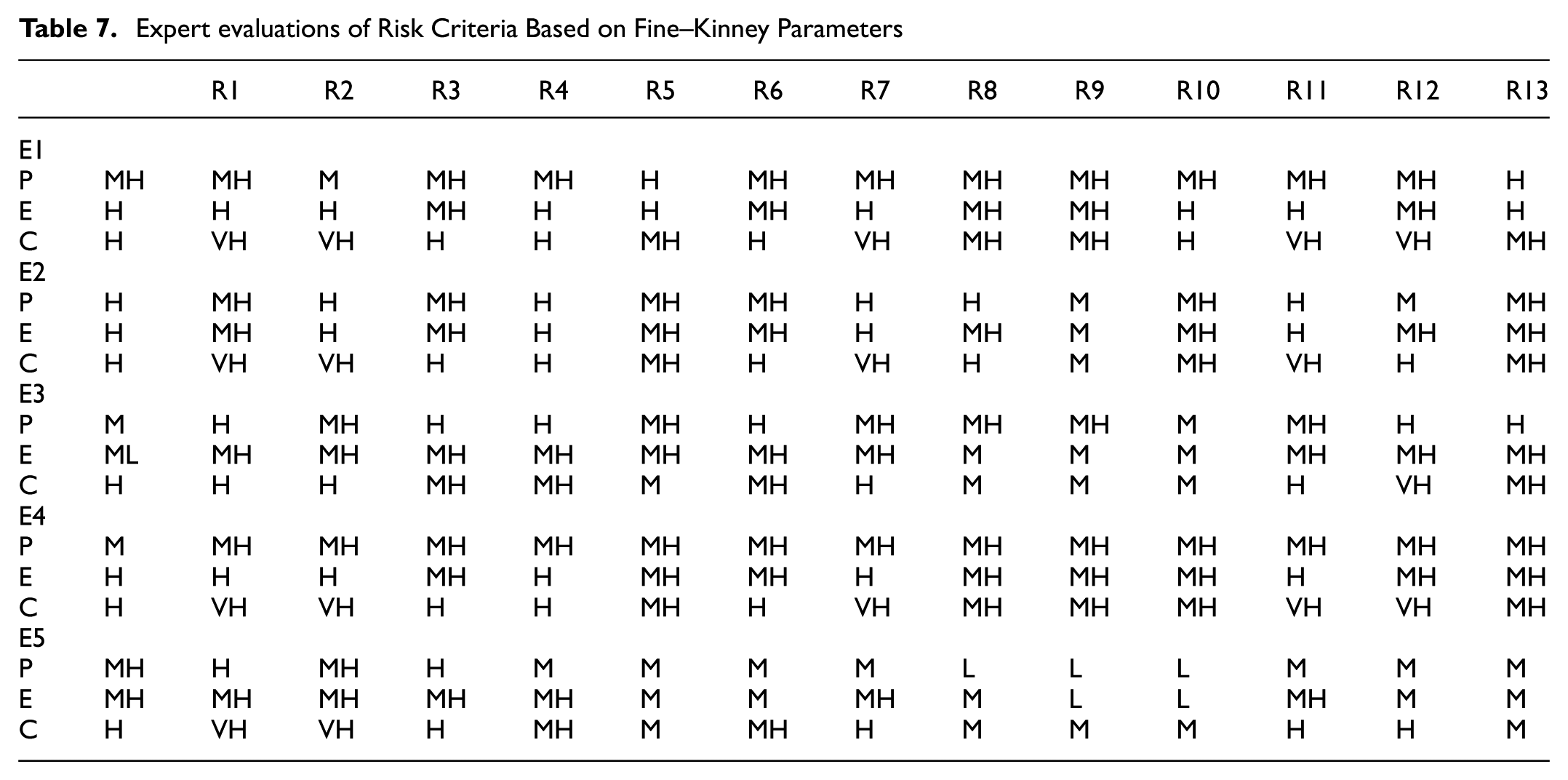
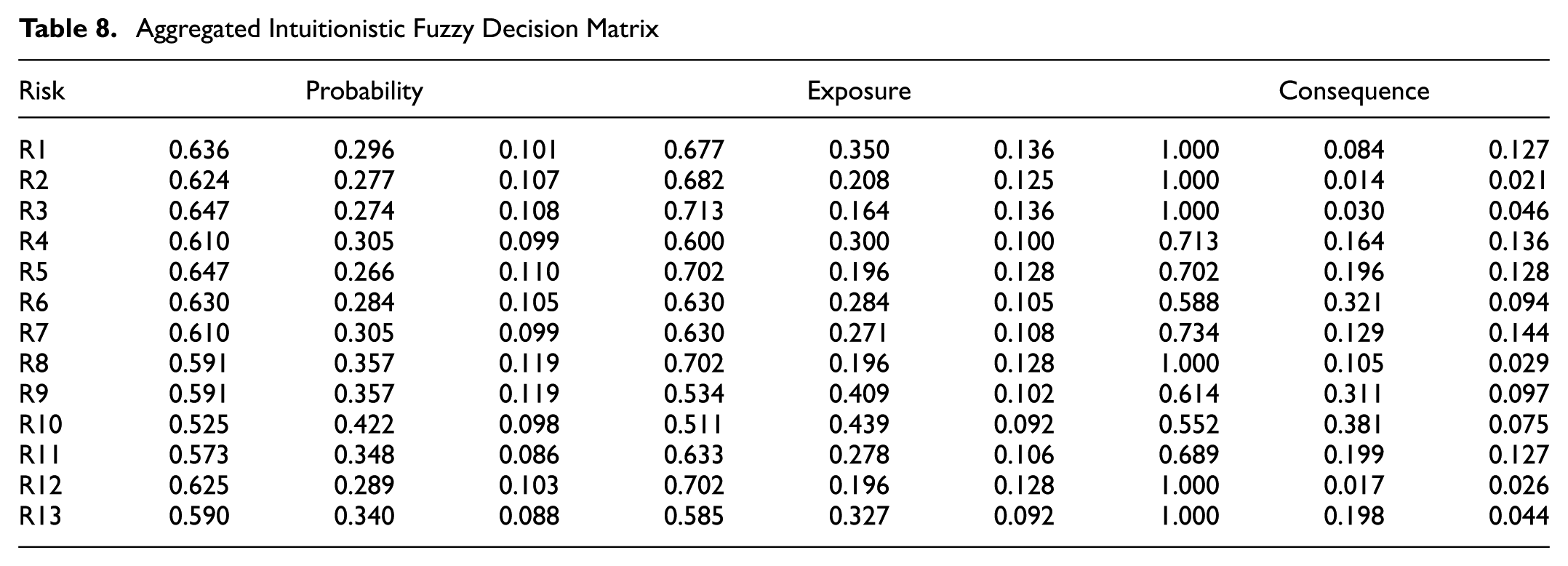
Table 8 presents the aggregated intuitionistic fuzzy decision matrix obtained by combining individual expert evaluations through the IFWA operator defined in Equation 18. The table presents the consolidated intuitionistic fuzzy values for probability, exposure, and consequence corresponding to each identified risk criterion.
Aggregated Intuitionistic Fuzzy Decision Matrix
Following the aggregation stage, the decision matrix is normalized in accordance with the procedure suggested by Gul et al. ( 56 ). Subsequently, the Fine–Kinney risk parameters (P, E, and C) are weighted using the IFWA operator based on the expert evaluations reported in Table 5. As shown in Figure 2, exposure emerges as the most influential parameter with a weight of 0.355, whereas probability has the lowest relative weight at 0.309.
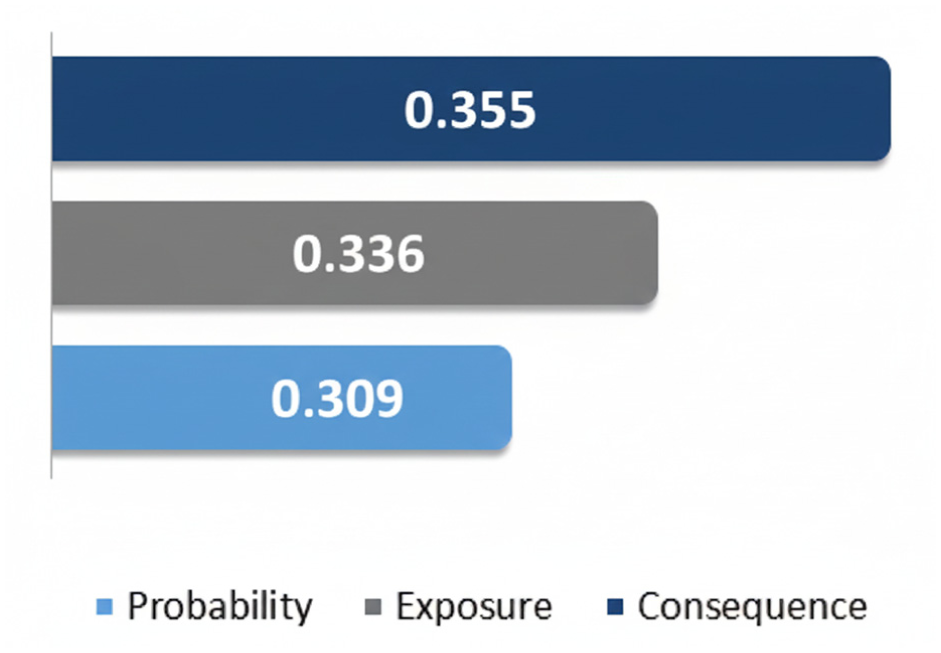
Relative importance of the Fine–Kinney risk parameters.
In addition to the highest-ranked risks, midlevel criteria such as R5 (Incorrect Estimated Time of Arrival and Misreported Passage Readiness) and R7 (Misdeclaration of Maneuvering Capabilities) represent operational inconsistencies that may not directly trigger immediate failure but can significantly influence traffic organization and situational awareness. In congested waterways such as the Turkish Straits, even minor deviations in arrival timing or maneuvering performance can disrupt traffic sequencing and increase interaction risks between vessels. Therefore, these criteria should be considered as contributing factors that amplify the impact of more critical technical deficiencies.
The relative weights of the risk parameters were calculated using Equation 11, resulting in values of 0.870 for P, 0.946 for E, and 1.000 for C. The dominance values of the hazards were then computed by applying Equations 12–14 together with Equation 22, and the corresponding dominance matrix was formed in accordance with Equation 23. Subsequently, the global dominance degrees and their normalized values were obtained using Equations 24 and 25, with the final results presented in Table 9.
Global Dominance Scores and Normalized Results
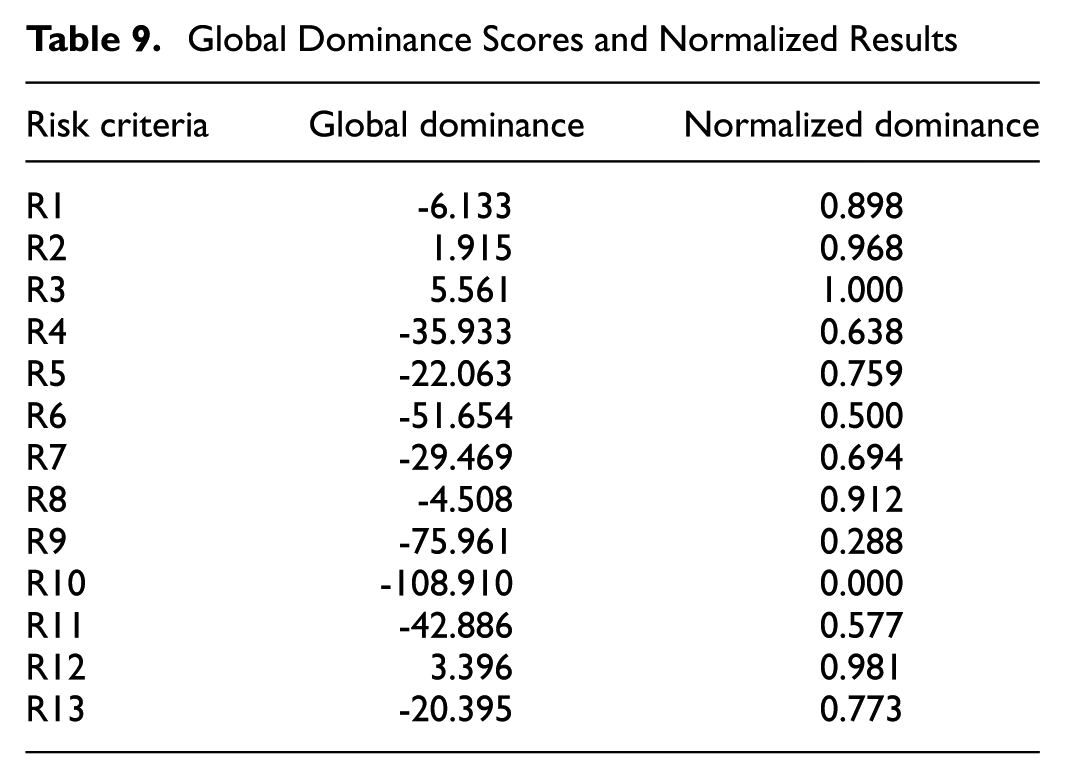
The dominance scores reflect the relative potential of each reporting-related deficiency to escalate into unsafe navigational situations under Turkish Straits operating conditions. According to the normalized dominance results in Table 8, R3 (Unreported Propulsion Readiness Issues After Anchorage/Drift Waiting), R12 (Intentional Withdrawal from Passage Queue Without Stating the Actual Cause), and R2 (Unreported Steering Gear Malfunctions) are identified as the highest-priority risk criteria. In contrast, R10 (Failure to Report Temporary Anchoring Hazards Under Congestion) and R9 (Inaccurate Cargo Information Affecting Emergency Preparedness) exhibit the lowest dominance values, indicating relatively lower influence within the evaluated risk structure.
Robustness and Sensitivity Analysis
To assess the robustness of the results, a sensitivity analysis was conducted by varying the attenuation parameter θ between 0.1 and 0.5, following the approaches suggested in the literature ( 56 , 57 ). The corresponding normalized dominance values (ξ) and hazard rankings are reported in Table 10.
Sensitivity Analysis Results
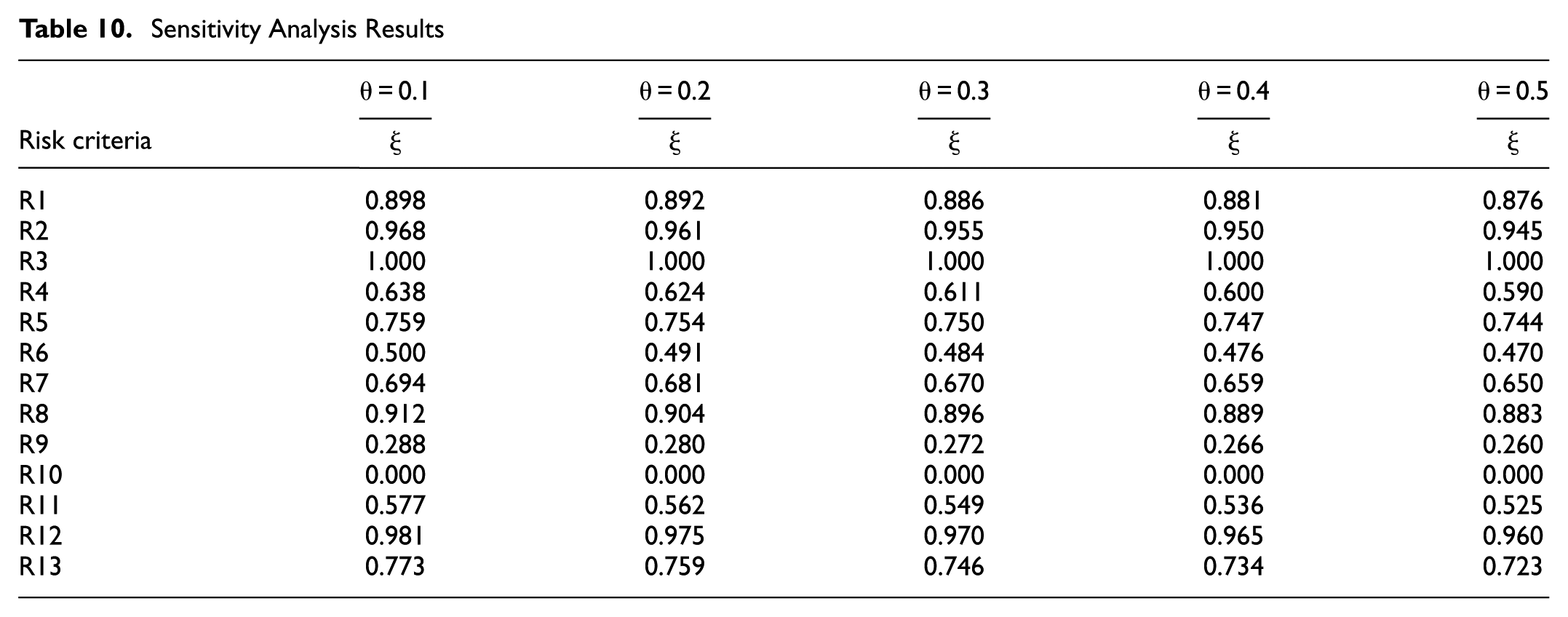
The results show that while minor numerical changes occur in the dominance values, the ranking of the criteria remains unchanged across all tested θ values. This consistency indicates that the proposed model exhibits low sensitivity to variations in θ and supports the stability and reliability of the obtained risk prioritization.
Methodological Triangulation
The reliability of the results was further tested by benchmarking the proposed Intuitionistic Fuzzy TODIM framework against a standard Fine–Kinney prioritization. Both models were run using the same expert dataset to observe how the behavioral layer of TODIM affects the final output.
The comparison shows a high degree of convergence, especially within the primary risk cluster. In both approaches, R3 (Propulsion Readiness), R12 (Queue Withdrawal), and R2 (Steering Deficiencies) are consistently identified as the most critical hazards. This stability in the top-tier rankings indicates that the hybrid model does not distort the fundamental risk structure established by the experts but rather provides a more granular differentiation for the remaining criteria. While the basic Fine–Kinney method captures the core operational threats, the integrated framework offers a more refined resolution by accounting for the decision-makers’ risk-averse behavior under uncertainty.
Leave-One-Expert-Out Analysis
To examine the influence of expert composition on the final results, a leave-one-expert-out analysis was performed. In this approach, each expert was iteratively excluded from the evaluation process, and the prioritization results were recalculated. The findings indicate that the ranking of the most critical risks remains stable across all iterations. The similarity between rankings was quantified using Spearman’s rank correlation coefficient, defined as:

where
Results and Discussion
The application of the hybrid Fine–Kinney and Intuitionistic Fuzzy TODIM framework yields a clear prioritization of reporting-related risks affecting nonstop vessel passages through the Turkish Straits. The results indicate that risks associated with concealed or inaccurately declared maneuvering readiness dominate the overall risk structure.
Among the evaluated criteria, R3 (Unreported Propulsion Readiness Issues After Anchorage/Drift Waiting) emerges as the most critical risk, followed by R12 (Intentional Withdrawal from Passage Queue Without Stating the Actual Cause) and R2 (Unreported Steering Gear Malfunctions). These findings underline that deficiencies related to propulsion and steering systems, when not transparently reported, pose the greatest threat to navigational safety in narrow and congested waterways. In the Turkish Straits, where strong currents, sharp turns, and limited reaction time prevail, even minor degradations in propulsion or steering capability can rapidly escalate into loss-of-control situations. This outcome is consistent with earlier studies identifying machinery-related failures and loss of maneuverability as major contributors to serious accidents in the Straits ( 12 , 17 , 22 ). The high ranking of R12 highlights the behavioral dimension of reporting reliability. Intentional withdrawal from the passage queue without disclosure often reflects underlying technical or operational problems that were not declared during the SP-1 and SP-2 reporting stage. From a VTS perspective, such behavior undermines traffic planning, increases anchorage congestion, and reduces the effectiveness of preventive control measures. This finding aligns with previous research emphasizing the role of human and organizational behavior in accident formation within the Turkish Straits ( 15 , 20 ).
The clustering of R3, R1, and R12 at the top of the ranking points to a clear operational domino effect rather than isolated failures. While the TODIM algorithm mathematically treats these as independent, the passage dynamics in the Turkish Straits reveal a causal chain. Typically, a technical breakdown such as an unreported propulsion issue (R3) acts as the primary trigger. To avoid losing a transit slot or triggering a PSC inspection, vessel command may provide vague or incomplete SP-1/SP-2 reports (R1). This lack of transparency often culminates in an unexplained withdrawal from the traffic queue (R12) once the vessel’s maneuvering limits are reached. The model’s prioritization of the technical root cause (R3) over its operational symptom (R12) confirms that the framework successfully captures the ground reality of reporting risks in the Straits.
Conversely, R10 (Failure to Report Temporary Anchoring Hazards Under Congestion) and R9 (Inaccurate Cargo Information Affecting Emergency Preparedness) exhibit the lowest dominance values. While these risks remain operationally relevant, their lower ranking suggests that experts perceive them as less likely to trigger immediate navigational failure compared with concealed deficiencies affecting vessel control. This may also reflect the presence of supplementary monitoring mechanisms, such as automatic identification system (AIS) data and VTS surveillance, which partially mitigate the impact of such reporting gaps.
Overall, the results demonstrate that the reliability of prepassage reporting is at least as critical as in-passage navigational control measures. The dominance of propulsion-, steering-, and readiness-related risks indicates that SP-1 and SP-2 reporting should be treated not merely as a formal requirement, but as a safety-critical decision input. At the same time, the findings should be interpreted in light of certain limitations. The assessment relies on expert judgment rather than direct operational measurements, and although the expert panel consists of highly experienced practitioners, its size remains inherently limited. In addition, the analysis reflects the specific operational and regulatory context of the Turkish Straits, which may constrain the direct transferability of the results to waterways with different traffic structures or reporting regimes. Despite the use of intuitionistic fuzzy sets to address uncertainty and hesitation, a degree of subjectivity cannot be entirely eliminated from the evaluation process. From a practical standpoint, the findings support the need for enhanced cross-checking of declared information through technical indicators, historical performance data, and VTS-based verification mechanisms. Methodologically, the integration of Fine–Kinney scoring with Intuitionistic Fuzzy TODIM proves effective in capturing both the severity of technical hazards and the uncertainty inherent in expert judgment, supporting its applicability to complex maritime risk assessment problems ( 54 , 56 ). From an accident-prevention perspective, these findings suggest that strengthening the verification of SP-1 and SP-2 declarations may be as effective as introducing additional in-passage control measures. Early identification of unreliable reporting can therefore contribute directly to reducing the likelihood of high-consequence accidents in the Turkish Straits.
When compared with studies conducted in major international chokepoints such as the Suez Canal, Singapore Strait, and Dover Strait, it becomes evident that the dominant focus has been on real-time navigation risks, traffic density, and collision avoidance mechanisms. In contrast, the present findings emphasize that the origins of such risks may lie earlier in the process, particularly in the accuracy and transparency of prepassage reporting. This distinction highlights an overlooked dimension in the literature and strengthens the international relevance of the study by extending the scope of risk assessment from operational conditions to preoperational reporting reliability.
Conclusion
This study proposed a reliability-centered risk assessment framework for prepassage ship reporting in the Turkish Straits by integrating the Fine–Kinney method with the Intuitionistic Fuzzy TODIM approach. The framework was developed to address a critical but largely overlooked safety issue: the extent to which SP-1 and SP-2 declarations accurately reflect a vessel’s actual technical and operational readiness before entering one of the world’s most constrained and risk-sensitive waterways. In this respect, unreliable prepassage reporting is treated not merely as an administrative weakness but also as a latent accident precursor capable of shaping subsequent unsafe conditions during transit.
The results demonstrate that risks associated with undisclosed propulsion and steering deficiencies, as well as nontransparent withdrawal from the passage queue, dominate the overall risk structure. These findings indicate that inaccurate or incomplete reporting at the prepassage stage can significantly undermine navigational safety by initiating unsafe operational conditions even before a vessel physically enters the Straits. In confined waters characterized by sharp turns, strong currents, and dense traffic, such reporting failures may directly compromise the effectiveness of traffic organization, escort tug allocation, and pilotage planning.
From a practical perspective, the findings underline the importance of strengthening verification mechanisms associated with SP-1 and SP-2 declarations. In this context, VTS authorities may implement risk-based prescreening mechanisms by cross-checking SP-1 and SP-2 declarations with historical vessel performance, AIS-based behavioral indicators, and inspection records. In addition, vessels exhibiting inconsistencies in propulsion or steering-related declarations could be subject to targeted verification procedures before passage clearance. Vessels classified as high-risk according to Port State Control profiles, or those exhibiting inconsistencies in reporting, should be subject to targeted prepassage inspections to verify the declared condition of critical machinery and navigational equipment. In addition, technology-assisted verification tools, such as unmanned aerial vehicles, may support real-time confirmation of propulsion, steering, and anchoring system operability before passage entry. The results further suggest that intentional misreporting should be addressed through consistent enforcement measures applied not only to vessels but also to their operating companies. Accordingly, vessels with unresolved safety-critical deficiencies should be denied passage unless such deficiencies are rectified or compensated by appropriate control measures, such as escort tug assistance. Treating prepassage reporting as a safety-critical process rather than an administrative requirement could substantially enhance the reliability of traffic management decisions in the Turkish Straits.
From a methodological standpoint, the hybrid Fine–Kinney and Intuitionistic Fuzzy TODIM framework proved effective in prioritizing reporting-related risks under uncertainty by capturing both the severity of technical hazards and the behavioral dimensions of expert judgment. The proposed approach offers a structured and replicable decision-support tool that can be adapted to other narrow waterways or mandatory reporting regimes where reporting reliability plays a decisive role in navigational safety. By explicitly linking reporting reliability to risk prioritization, the framework contributes to accident prevention by enabling earlier and more informed intervention before hazardous conditions escalate.
Notwithstanding its contributions, this study is subject to several limitations. The analysis relies on a relatively small group of experts and is grounded in the operational and regulatory characteristics of the Turkish Straits. Future studies may strengthen the proposed framework by broadening the expert base, integrating empirical accident or incident data for validation purposes, and conducting comparative applications in other high-risk and heavily regulated waterways. To this end, subsequent research could further refine the model’s robustness by integrating AIS-based operational records and formal accident investigation reports to provide a more comprehensive data-driven validation. Such efforts would contribute to improving both the robustness and the wider applicability of reliability-centered risk assessment approaches in maritime traffic management.
Footnotes
Author Contributions
The author confirms sole responsibility for the following: study conception and design, data collection, analysis and interpretation of the results, and manuscript preparation.
Declaration of Conflicting Interests
The author declared no potential conflicts of interest with respect to the research, authorship, and/or publication of this article.
Funding
The author received no financial support for the research, authorship, and/or publication of this article.
