







Abstract
Centrifugal blood pumps can be used for treating heart failure patients. However, pump thrombosis has remained one of the complications that trouble clinical treatment. This study analyzed the effect of impeller shroud on the thrombosis risk of the blood pump, and predicted areas prone to thrombosis. Multi-constituent transport equations were presented, considering mechanical activation and biochemical activation. It was found that activated platelets concentration can increase with shear stress and adenosine diphosphate(ADP) concentration increasing, and the highest risk of thrombosis inside the blood pump was under extracorporeal membrane oxygenation (ECMO) mode. Under the same condition, ADP concentration and thrombosis index of semi-shroud impeller can increase by 7.3% and 7.2% compared to the closed-shroud impeller. The main reason for the increase in thrombosis risk was owing to elevated scalar shear stress and more coagulation promoting factor-ADP released. The regions with higher thrombosis potential were in the center hole, top and bottom clearance. As a novelty, the findings revealed that impeller shroud can influence mechanical and biochemical activation factors. It is useful for identifying potential risk regions of thrombus formation based on relative comparisons.
Introduction
Mechanical circulatory support(MCS) has become the mainstream therapy for patients with severe heart failure(HF). The centrifugal blood pump is one of the MCS devices to assist the blood circulation clinically. 1 Survival data from INTERMACS indicates that the blood pump results can now be comparable to transplantation. 2 Despite the blood pump has made the successful progress in clinical therapy, significant adverse events related to high morbidity and mortality have not been completely eliminated, especially thrombosis events. 3
The thrombosis can induce many complications, including ischemic stroke, peripheral thromboembolism and transient ischemic attack. The adverse effects threaten the patient health and clinical outcomes of the blood pump treatment. 4 It is generally acknowledged that thrombosis is caused by artificial surfaces and non-physiological flow that activate platelets and promote blood clots.5,6
Due to the complex structure of blood pumps, it is difficult to observe or analysis the formation of thrombus in blood pumps. In order to assess the risk of pump thrombosis, some studies have been conducted using computational fluid dynamics(CFD) methods. In general, thrombosis mathematical model is a key factor in estimating the thrombosis risk using CFD method. Fiusco et al. 7 adopted the method of a platelet activation state(PAS) to evaluate the risk of thrombus formation in blood pumps for different operating conditions. Chivukula et al. 8 used the same method to evaluate the thrombus formation in the left ventricular. PAS was calculated through the stress accumulation of platelets using Euler or Lagrangian methods. However, this method mainly considers the influence of shear stress and ignores the biochemical factors. Dai et al. 9 proposed a two-phase flow approach for estimating the thrombosis potential in an axial blood pump, and found that the blood pump at the designed condition was less prone to thrombus formation. This method mainly focused on the effect of blood washing out and cannot analyze thrombosis distribution induced by shear stress. Li et al.10,11 analyzed the effect of different rotor structures on the thrombogenic potential based on weighted statistic of stress accumulation(SA) and residence time(RT). The author found that closed-shroud impeller can reduce thrombogenic potential compared to the semi-shroud impeller. However, this method also cannot capture the details of thrombus formation within the blood pump. In addition, some convection diffusion equations based on biochemical reaction models were presented by Wu et al. 12 These equations included 10 biological and chemical species to describe platelets activation, deposition, accumulation, and clearing. However, this method required significant computational resources and time costs, which reduced the efficiency of design optimization. Blum et al. 13 analyzed the thrombosis formation of HeartMate II based on Taylor’s multi-constituent model, and compared thrombosis risk in different regions of the blood pump. 14 However, the potential impact of impeller structure on thrombosis has not been further validated. Teo et al. 15 proposed that optimal distance between the impeller shroud and volute can improve the blood washout and avoid thrombosis. In addition, there were also some studies that indirectly described the risk of thrombosis through flow field characteristics, such as re-circulation regions, 16 low velocity, 17 or high shear stress. 18
In this study, a multi-constituent model including non-activated platelets (NP),activated platelets(AP), and ADP was used for assessing the thrombosis risk of a centrifugal blood pump under different clinical modes. Firstly, the platelet activation induced by shear stress was calculated for evaluating thrombosis potential, considering mechanical activation and biochemical activation. The concentration of activated platelets was as an indicator for assessing the thrombosis index. Then, the effect of impeller shroud on thrombus formation was explored to validate the reliability of the multi-constituent model. It is useful for assessing the platelet activation of the blood pump under different clinical modes, identifying areas prone to thrombosis and comparing the effect of impeller shroud on the blood pump.
Methods
Blood pump geometry and design condition
The research object of this study was a self-developed maglev centrifugal blood pump, like CentriMag, which can be used for left ventricular support and extracorporeal membrane oxygenation (ECMO). As shown in Figure 1(a) and (b), main components of the blood pump included pump casing and impeller, which were made of transparent polycarbonate material. The blood pump featured a closed shroud with three long and three short twisted blades. The permanent magnet was encapsulated inside the impeller and coupled to the driving magnet fixed on the external motor. The rotational speed range of the blood pump is from 1000 to 6000 rpm, and the maximum flow rate can be up to 10 L/min. As shown in Figure 1(c) and (d), there was a center hole, top and bottom clearances within the blood pump. The blade height and diameter were 4.9 and 42.8 mm, respectively. The height of the blood pump was 56.5 mm with a volute diameter of 70.0 mm. The inlet and outlet diameters were 9.4 and 9.0 mm, respectively.
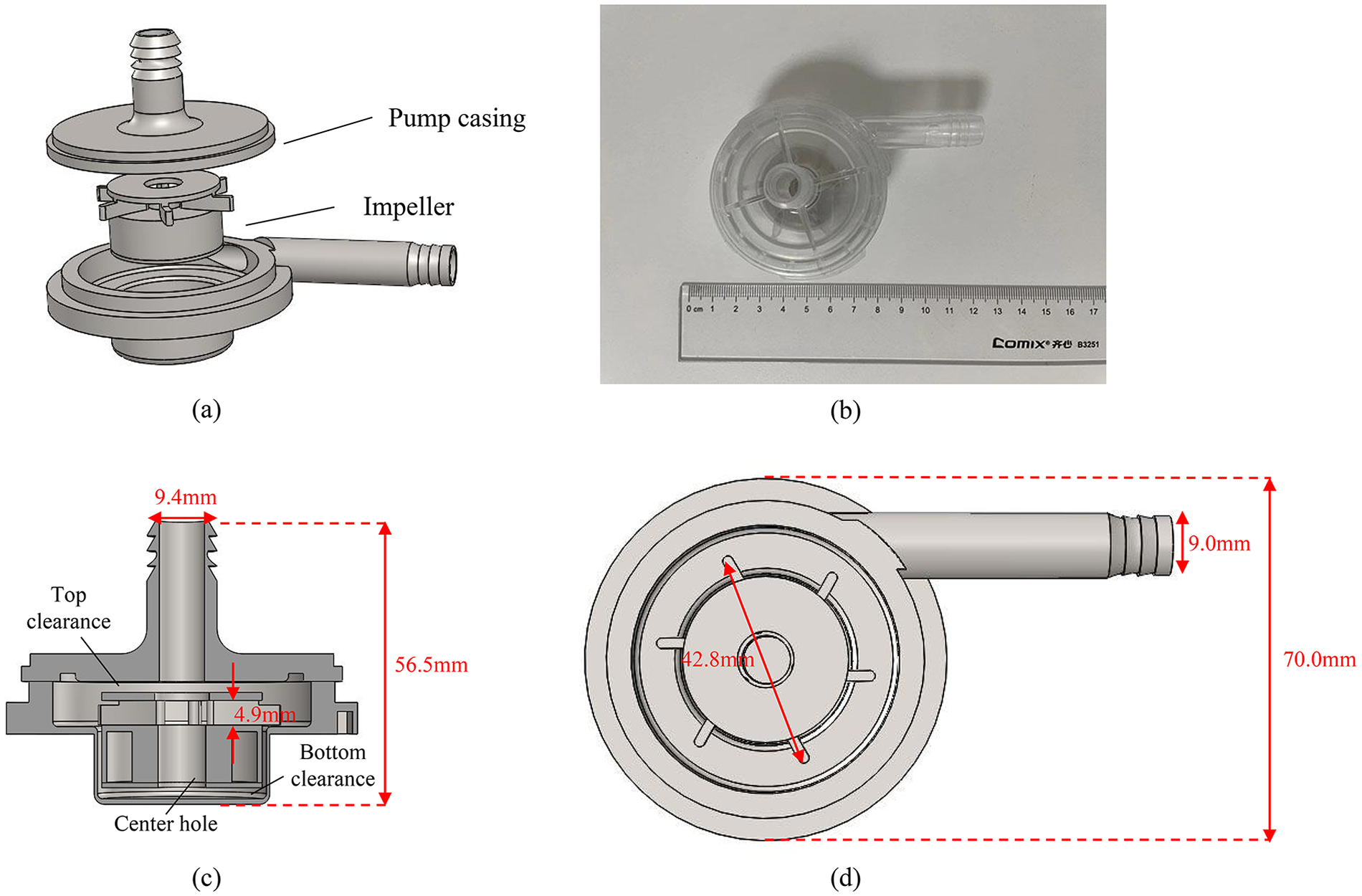
(a) Blood pump model, (b) blood pump prototype, (c) cross-sectional view, and (d) top view.
The blood pump can be used as a MCS support for three clinically modes: permanent left ventricular assist devices (LVAD) support, temporary extracorporeal LVAD support, and ECMO support. The pressure heads for three modes at the flow rate of 4.5 L/min can reach 75, 150, and 350 mmHg, respectively. 19
CFD methods
The Reynolds-averaged Navier-Stokes (RANS) equations were solved using ANSYS CFX 2020 R2 (ANSYS Inc., Canonsburg, PA, USA), which employed finite-volume method-based discretization of the governing equations. The blood flow in the centrifugal blood pump was assumed as incompressible and turbulent. Blood behaves as non-Newtonian fluid at low shear rates (<100 s−1), whereas above this threshold, it can act as a Newtonian fluid. 20 These results were confirmed by Zhang et al. 21 Due to the shear rate in blood pumps over 100 s−1, blood in the numerical model was treated as a Newtonian fluid. 22 The density of blood was considered as 1055 kg/m3 and the viscosity was 0.0035 Pa s. The flow field was divided into impeller (rotating domain) and volute (stationary domain), and the rotor-stator interaction was set as frozen rotor interfaces. The turbulence was modeled using k − ω SST model, because it was greater accuracy in terms of predicting the pump performance. Boundary conditions were specified as static pressure at the inlet and flow rate at the outlet. A no-slip boundary condition was specified all over the walls. The RMS was considered as the convergence criterion with a value of less than 10−5. Furthermore, the advection scheme was implemented with high resolution.
Thrombosis model
The thrombosis model was based on Taylor et al.’s 14 previous studies. In this study, three convection-diffusion equations were used to describe the species transport of non-activated platelets (NP), activated platelets (AP), and adenosine diphosphate (ADP). NP are activated by non-physiological shear stress (NPSS) to AP, and AP can release ADP which further promotes the conversion from NP to AP.
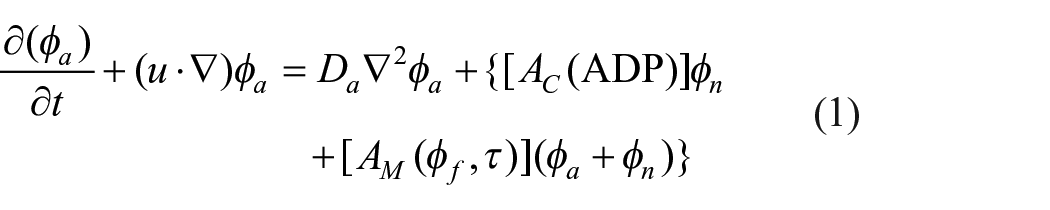
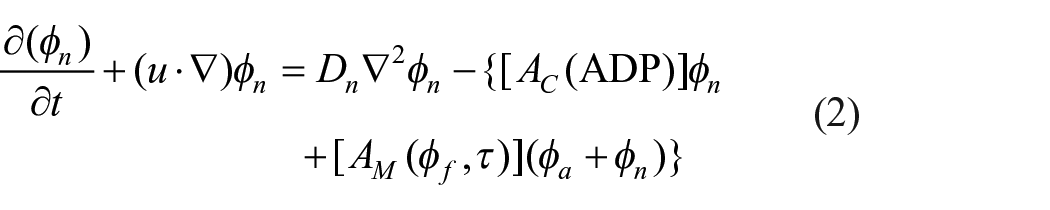

In equations (1)–(3), Da and Dn are set to 1.58 × 10⁻¹¹ m2/s, represent the diffusion coefficient for activated and non-activated platelets, respectively.
23
DADP is the diffusion coefficient for ADP, and the value is 2.37 × 10⁻¹⁰ m2/s.
24
RADP is 3 × 10⁻¹⁷ mol, which describes the amount of ADP released during one platelet activation.
25
Platelet activation is induced by mechanical and biochemical factors in equations (4) and (5).

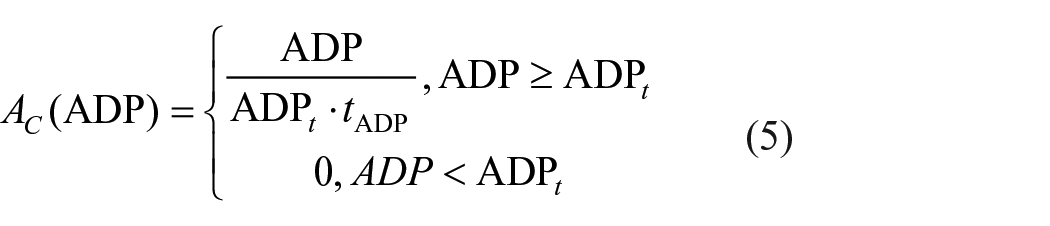
In equation (4),

In addition, residence time(RT) is used to evaluate the re-circulation and stagnation regions, 30 and follows the passive transport equation (7):

Where t is time, v represents blood velocity, DRT is the self-diffusivity of blood(DRT = 1.14 × 10⁻¹¹ m2/s). The source term was defined as 1.
In this study, a dimensionless variable thrombosis index (TI) calculated from scaled AP concentration was used to characterize the thrombosis risk in the blood pump.

Mesh details and independence validation
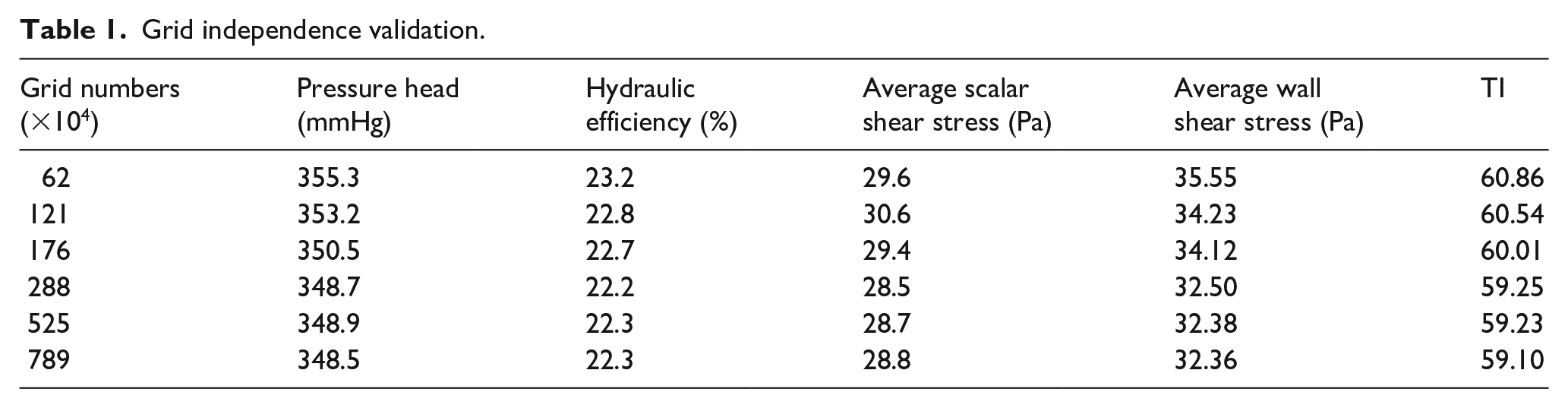
ANSYS ICEM software (ICEM, ANSYS, Inc., United States) was used to mesh the flow fields. All mesh elements were required to have an aspect ratio<100, Jacobian ratio<40, skewness<0.25, and an element quality measure>0.75. As shown in Figure 2, there were no negative-volume elements. Inflation layers were also used to achieve k-ω SST turbulence model requirement. To reduce the influence of boundary conditions, inlet and outlet of the blood pump were extended (to approximately 10 times the inlet or outlet diameter). Grid independence validation with the flow rate of 4.5 L/min and pressure head of 350 mmHg was performed to ensure the accuracy of numerical simulation results. As shown in Table 1, it can be found that characteristic variable became stable when the element number was between 2.88 to 7.89 million. Therefore, the mesh number of 5.25 million was chosen combining calculation time and accuracy.
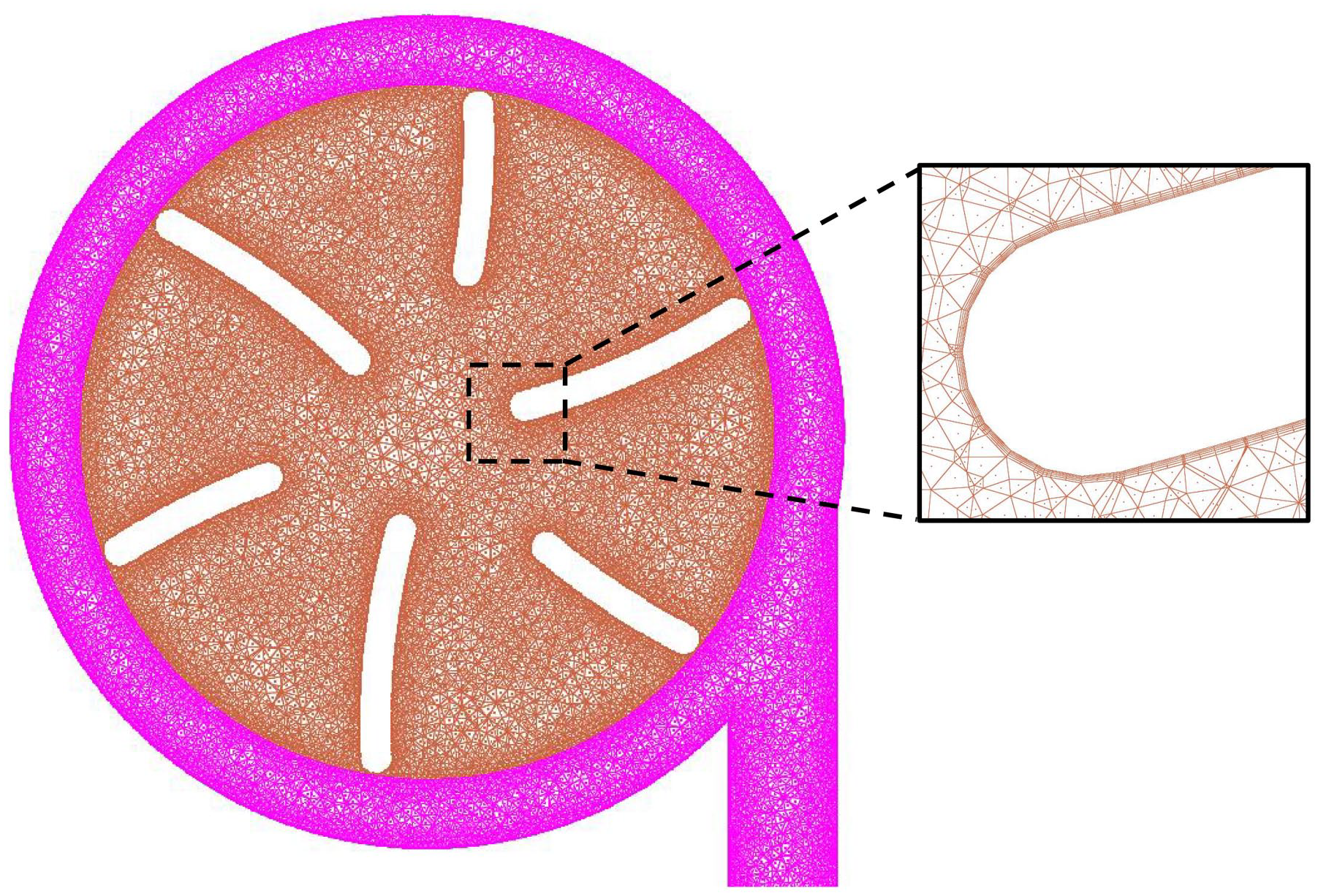
Mesh details of the blood pump.
Grid independence validation.
Experiment validation
As shown in Figure 3(a), a hydraulic experiment was conducted to validate numerical simulation results in terms of pressure head. The pressure head of the blood pump was tested at various speeds and flow rates. The pressures at the inlet and outlet were measured using a transducer (CYYZ11-X-07-DZ-14-B-G2-D, Star Sensor Manufacturing Co., Ltd., China). A flowmeter (PF3W720-04-C-MR, SMC, Japan) was placed at the outlet of the blood pump. A distilled water-glycerol mixture (40% glycerin) was used to simulate a blood viscosity of μ = 0.0035 Pa s. The viscosity of the mixed liquid was measured using a viscometer(NDJ-5S+0# Rotor, China).

Hydraulic experiment: (a) experimental setup and (b) comparisons between the simulated pressure head and measured pressure head for different rotational speeds.
The pressure head can reach three operating modes at the flow rate of 4.5 L/min when the blood pump speed reached 2100, 2800, and 4100 rpm, respectively. The simulated pressure heads for three operating modes are 78.8, 152.5, and 348.9 mmHg. Figure 3(b) shows the pressure head of the blood pump at different rotational speeds, comparing the simulated results to the measured values. The maximum relative deviation is less than 5% of the simulated results, thus achieving an acceptable degree of difference (largest deviation: 4.8% at 2100 rpm and 5 L/min). The deviation between experimental data and simulated results may be attributed to rotational speed fluctuation of impeller and resistance of the pipelines.
Results
Three operating modes analysis
The effect of different operating modes on the blood pump is shown in Figure 4. The velocity of the blood in the inflow is low near the wall due to the viscous resistance, which increases RT. High SSS mainly appears in impeller passages, the trailing of the blades, and top and bottom clearances. ECMO support has the highest SSS, temporary support is intermediate, and permanent support is the lowest. It is obviously seen that high SSS also appears in the outlet of the volute. The RT distributions on a vertical mid-plane across the blood pump are present. Long RT (RT > 0.4 s) mainly appears in the center hole, volute, top and bottom clearance, and owing to re-circulated flow and stagnation. The region with longest RT is in the bottom clearance. The RT under permanent support is longest among three operating modes. The regions with high SSS and short RT also have the higher thrombosis risk, which indicates SSS can induce significant platelets activation even with very short residence time. The observation of highest thrombosis index under ECMO support explains the more severe current thrombus formation and bleeding events within patients on ECMO.
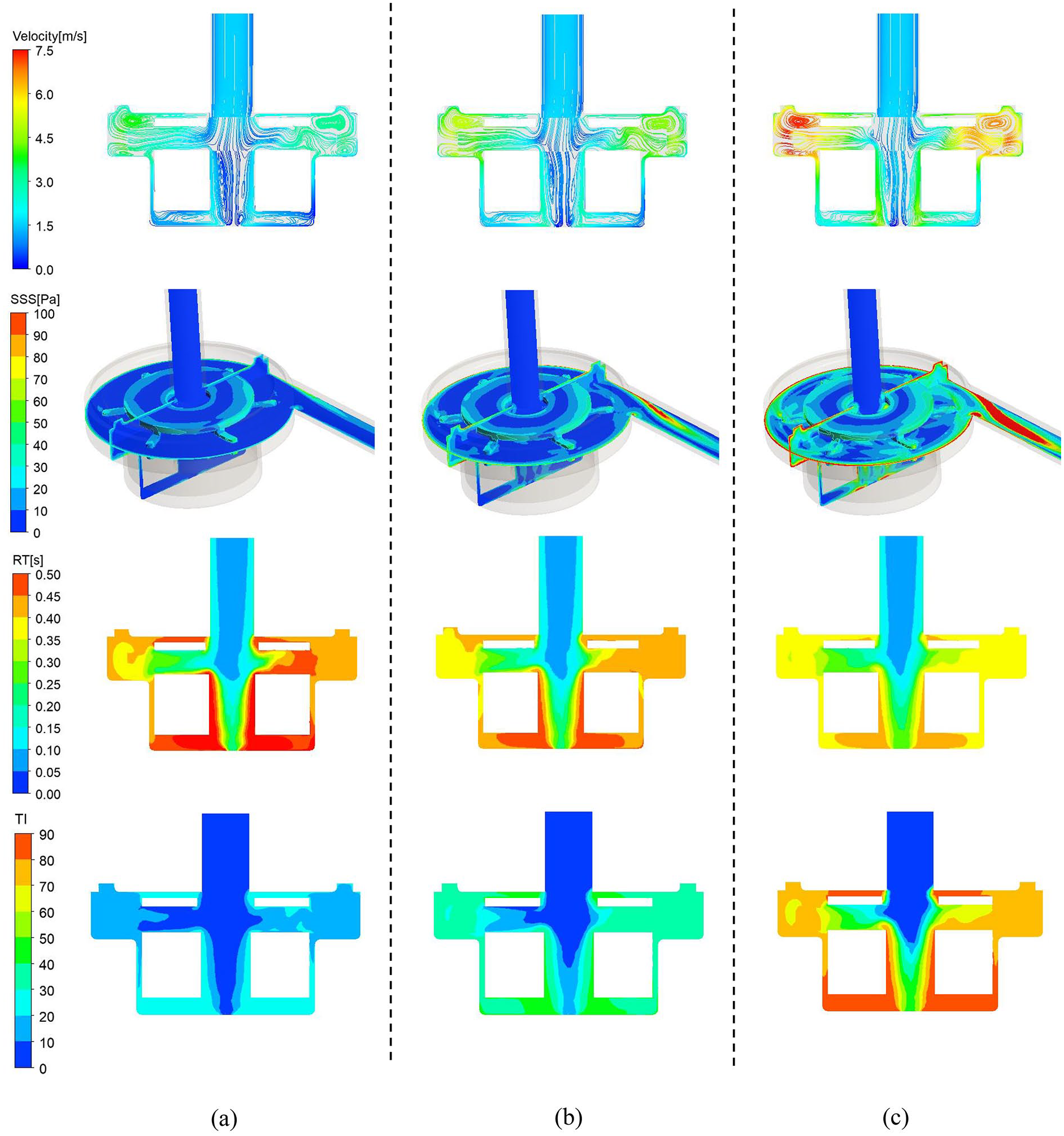
Effect of different operating modes on the blood pump: (a) permanent support, (b) temporary support, and (c) ECMO support.
The average shear stress calculated from volume averaging of the blood pump is shown in Figure 5(a). The average scalar shear stress and wall shear stress both increase in sequence according to three operating modes. The shear stress under ECMO support is at a highest value, 28.7 and 32.4 Pa, respectively. The volume fraction of the blood exposed to different thresholds of scalar shear stress is shown in Figure 5(b). Scalar shear stress is mainly below 50 Pa regardless of operating modes. The volume fraction of scalar shear stress above 50 and 150 Pa increases to 6.62% and 4.92% when the blood pump is under ECMO mode. The residence time is derived from the outlet of the blood pump in Figure 5(c). The residence time decreases from 0.535 to 0.481 s in sequence according to three operating modes, which is consistent with RT distributions in Figure 4. As shown in Figure 5(d), ADP concentration and TI can increase to maximum value (1.78 × 10⁻⁶ mol/m3 and 59.2, respectively) when the blood pump is under ECMO mode.
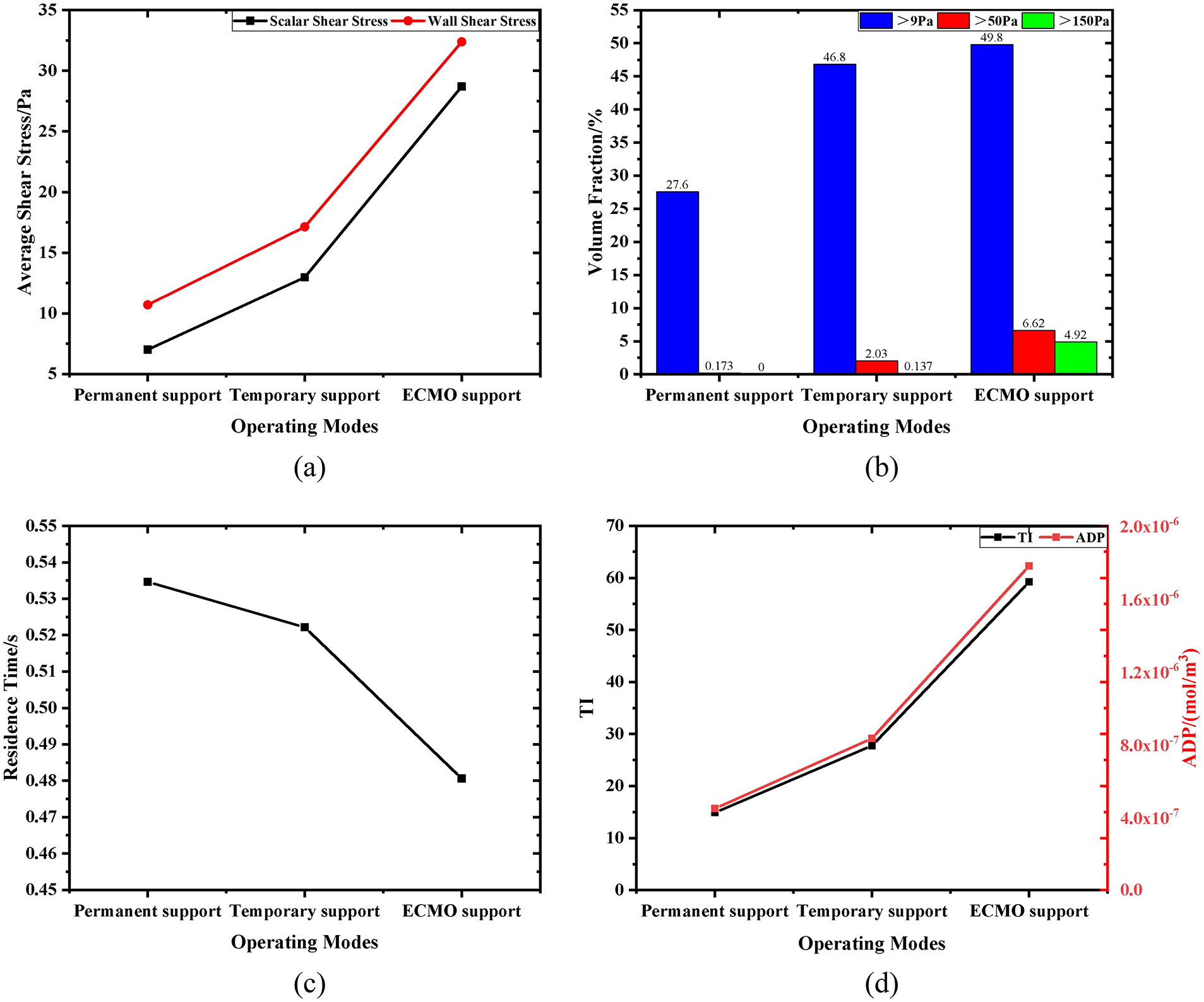
Shear stress and thrombosis potential at three operating modes: (a) average scalar shear stress and wall shear stress, (b) scalar shear stress distribution, (c) residence time, and (d) thrombosis index and ADP concentration of the blood pump.
Impeller shroud
The effect of impeller shroud on the blood pump under ECMO support is present in Figure 6. The semi-shroud impeller is shown in Figure 6(b), without front shroud compared to closed-shroud impeller shown in Figure 6(a). Compared to the closed-shroud impeller, semi-shroud impeller yields higher scalar shear stress. Higher scalar shear stress mainly exists in top clearance. The semi-shroud impeller causes an increase in RT, with increased regions mainly concentrate in the bottom clearance and center hole. TI in the semi-shroud impeller is higher than that in the closed-shroud impeller. The regions where TI increases mainly occur in the volute, center hole, and top and bottom clearance. These regions tend to have higher SSS or long RT or are superimposed regions of both.
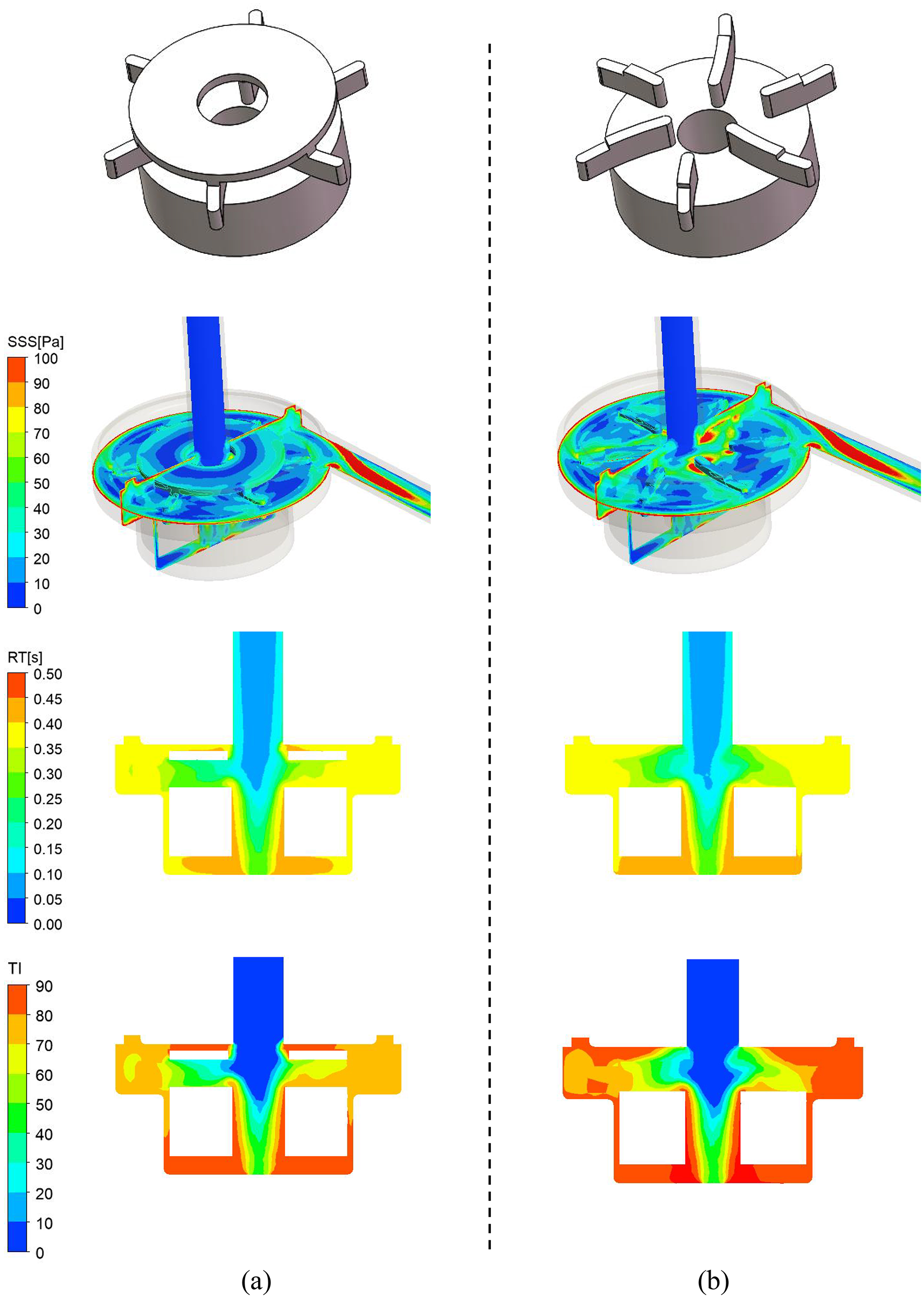
Effect of different impeller shroud on the blood pump under ECMO support: (a) closed-shroud and (b) semi-shroud.
The impact of the impeller shroud on the blood pump is shown in Figure 7. The average scalar shear stress and wall shear stress can reduce by using closed-shroud impeller in Figure 7(a). As shown in Figure 7(b), the semi-shroud impeller increases the volume fraction of blood exposed to scalar shear stress above 9, 50, and 150 Pa. According to Figure 7(c), the semi-shroud impeller can slightly increase RT within the blood pump. ADP concentration in semi-shroud impeller can increase by 7.3% than that in closed-shroud impeller. Thrombosis index in semi-shroud impeller can also increase to 63.5, which is 7.2% higher than that in the closed-shroud impeller.
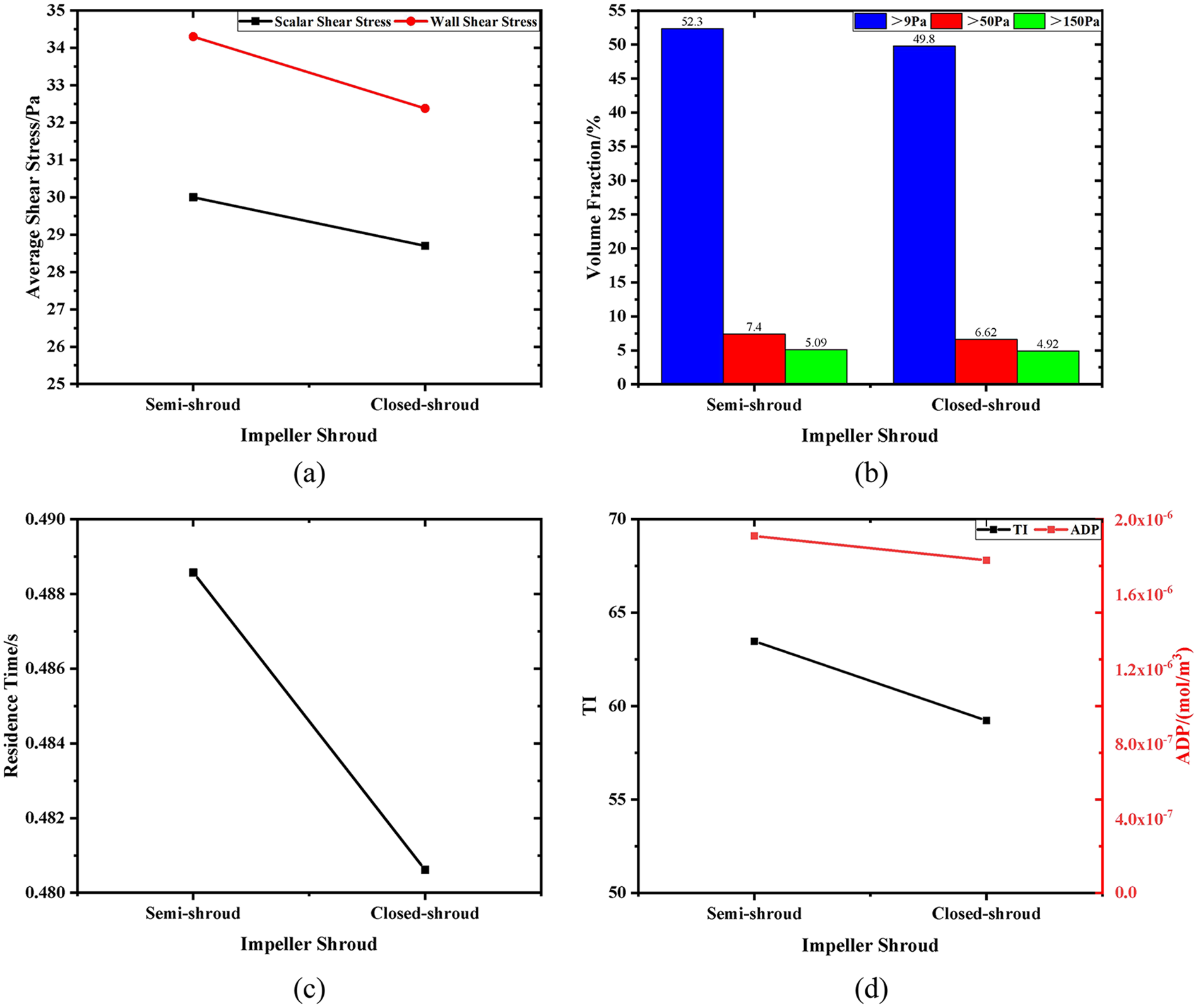
Effect of impeller shroud on shear stress and thrombosis potential under ECMO support: (a) average scalar shear stress and wall shear stress, (b) scalar shear stress distribution, (c) residence time, and (d) thrombosis index and ADP concentration of the blood pump.
Discussions
In this study, a multi-constituent mathematical model was proposed to analyze the effect of impeller shroud on hemodynamics and thrombosis potential in a blood pump. Although there is evidence of blood damage caused by blood flow, validated models for predicting damage measurements remain a challenge. Despite of some results about numerical simulation of thrombus formation in blood pumps,31 –33 there is little consideration given to the impact of biochemical processes on platelets activation. Therefore, we analyzed the influence of impeller shroud on the blood flow field and platelet activation based on a multi-constituent model.
Blood pumps have different effects on nonphysiologic flow patterns in different clinical modes. Although RT under ECMO support was shortest, the average SSS under ECMO support was highest. This result was consistent with the previous study, 34 which suggested that even with a short RT, platelets were still activated by high SSS. The long residence time(RT > 0.4 s) existed in the bottom clearance under three operating modes. It can be attributed to re-circulation flow and more vortex. 35 The biochemical factors and activated platelets can accumulate in the region with long RT and lead to platelets deposition, attributing to pump thrombosis. Thrombosis risk regions of the blood pump in Figure 4 were consistent with Li et al.’s 36 study and Olson et al.’s 37 clinical statistical data. The results all indicated that bottom clearance and center hole were main high-risk regions for thrombosis formation. Although ADP concentration did not reach the threshold, thrombosis index increased with the ADP concentration increasing. It can also be found in previous results. 13 Compared to biochemical activation, mechanical activation played a leading role under three clinical modes. The DADP in this study was referred to Hubbell et al.’s 24 results, which was different from Blum et al.’s 13 study. To determine the impact of DADP on the results, a parameter analysis was conducted in Supplemental Material 1. The results showed that there was almost no variation in the ADP concentration .
Comparing closed-shroud impeller and semi-shroud impeller, it was found that the semi-shroud impeller can increase thrombosis index within the blood pump. This result was also observed in previous studies by stress accumulation method. 10 The main reason was that semi-shroud impeller increased the exposure of blood to SSS above 9, 50, and 150 Pa. This led to an increase in average SSS of semi-shroud impeller. In addition, the RT of blood exposed by high scalar shear stress slightly increased, which induced the mechanical activation of platelets. It can be found that platelets activation was mainly more induced by mechanical factors than biochemical factors. To further validate the feasibility of the method, the top clearance size between the impeller shroud and pump casing was also investigated in Supplemental Material 2. The results validated that there was a unimodal effect of top clearance size on thrombus formation in the blood pump, which was also found in previous study. 10
There are some limitations in this study. Firstly, boundary condition was set to a constant flow rate rather than pulsatile flow. Pulsatile flow is more similar to the real physiological activity and needs to be considered in future analysis. Secondly, the platelet aggregation in long RT regions can lead to the blood clots deposition. The interaction with RT and thrombus deposition can be analyzed in the next step. In addition, the effects of coagulation cascade and artificial materials on platelet activation can be considered in the next study. Finally, this study was mainly analyzed based on CFD results, thrombosis experiment is necessary to be conducted in the future.
Conclusions
In this study, we predicted the influence of impeller shroud on thrombosis potential of the blood pump. Platelet activation levels based on multi-constituent transport equations were used to assess the thrombosis risk. Compared to previous studies, this method can identify the regions of thrombus formation. The areas with high incidence of thrombosis were mainly concentrated in the center hole and top and bottom clearance. The results showed the thrombosis risk was highest when the blood pump was used for ECMO, which thrombosis index increased to 59.2. The semi-shroud impeller can lead to a higher thrombosis index under the same condition, which thrombosis index increased by 7.2%. Therefore, the multi-constituent model can be used for relative comparison of thrombosis risk in blood pumps.
Supplemental Material
sj-pdf-1-jao-10.1177_03913988241239456 – Supplemental material for A multi-constituent model for assessing the effect of impeller shroud on the thrombosis potential of a centrifugal blood pump
Supplemental material, sj-pdf-1-jao-10.1177_03913988241239456 for A multi-constituent model for assessing the effect of impeller shroud on the thrombosis potential of a centrifugal blood pump by Shen Lv, Zhi-Peng He, Guang-Mao Liu and Sheng-Shou Hu in The International Journal of Artificial Organs
Footnotes
Declaration of conflicting interests
The author(s) declared no potential conflicts of interest with respect to the research, authorship, and/or publication of this article.
Funding
The author(s) disclosed receipt of the following financial support for the research, authorship, and/or publication of this article: This research was supported by Young Talent Program of the Academician Fund (No. YS-2022-001), Shenzhen Fundamental Research Program (JCYJ20210324130408023), the Fund of “Sanming” Project of Medicine in Shenzhen(No.SZSM201911018), and Shenzhen Key Medical Discipline Construction Fund(No. SZXK080).

Supplemental material
Supplemental material for this article is available online.
References
Supplementary Material
Please find the following supplemental material available below.
For Open Access articles published under a Creative Commons License, all supplemental material carries the same license as the article it is associated with.
For non-Open Access articles published, all supplemental material carries a non-exclusive license, and permission requests for re-use of supplemental material or any part of supplemental material shall be sent directly to the copyright owner as specified in the copyright notice associated with the article.
