







Abstract
A novel method, drawing inspiration from the chemistry principle observed in mussels, has been recently developed to augment the wettability and adherence of carbon fibers (CFs) within epoxy resin matrix. This technique entails the concurrent application of gallic acid and aminopropyl double terminated polydimethylsiloxane on CF surfaces via a direct method. Advanced analytical techniques like scanning electron microscopy, X-ray diffraction, infrared and Raman spectroscopy, along with X-ray photoelectron spectroscopy, confirmed the effective simultaneous deposition of these agents, possibly via Michael addition or Schiff base reactions. Incorporation of these treated fibers into epoxy composites resulted in notable performance enhancements. The composites with gallic acid and polydimethylsiloxane modified fibers exhibited up to 14%, 13%, and 27% improvements in interlaminar shear strength, flexural modulus, and flexural strength, respectively, compared to their counterpart with untreated fibers. These results indicate that combining gallic acid and polydimethylsiloxane on CFs is a potent approach to boost the interface qualities of CF-reinforced epoxy resin composites.
Keywords
Introduction
Composites of CF and epoxy are extensively utilized in advanced sectors such as aerospace, maritime construction, urban rail systems, and the manufacturing of electric vehicles. These materials are favored for their robustness, lightweight nature, resistance to corrosion, and thermal stability, as evidenced in Refs. [1, 2, 3, 4]. The superior mechanical characteristics of these composites are attributed not solely to the CFs but also to the interaction zones between the fibers and the epoxy matrix, as highlighted in Ref. [5]. These interface regions play a pivotal role in the distribution of stress from the matrix to the CFs. Therefore, good interfaces are necessary for achieving the optimal strength and toughness of composites.6,7 However, the surface chemical inertness generated by high-temperature carbonization or graphitization during the manufacturing process of CFs is harmful to the bonding between CFs and resins. 8 Consequently, the excellent performance of CF/epoxy composites cannot be fully utilized, limiting their applications in some cutting-edge fields.
To address the above issue of CFs, researchers have conducted many explorations and adopted many methods for surface modification of CFs, such as oxidation and plasma treatment. Through a liquid-phase oxidation method, Zhang et al. utilized a mixed solution of HNO3 and H2SO4 for CF pretreatment to oxidize the surfaces of CFs and increase active groups. 9 Xiao et al. established a continuous and rapid plasma device at atmospheric pressure for modifying the surfaces of polyacrylonitrile based CFs. 10 In recent years, mechanical properties of composites have been obviously improved through surface modification of CFs; however, most strategies involve destructive and environmentally unfriendly chemical reactions. 11 So far, scientists in the field of CF research are still committed to achieving strong interfacial adhesion of CFs through a practical and efficient method.
In the 1980s, Witt et al. found mussels have strong adhesion. 12 The high concentration of 3,4-dihydroxy-1-phenylalanine found in mussels is the key factor. This compound is known for its ability to establish robust chemical and physical bonds with a variety of material surfaces. 13 Dopamine has key functional groups similar to 3,4-dihydroxy-1-phenylalanine: catechol groups and primary amines. When dopamine is immersed in an alkaline environment, it undergoes spontaneous polymerization, resulting in the formation of a polydopamine layer. This layer exhibits strong adherence to a diverse array of both organic and inorganic substrates. 14 Since polydopamine was first developed and described as a novel biocompatible polymer with strong adhesion in 2007, the phenolic-amine codeposition method inspired by mussels has become a continuously explored direction for researchers. 15 Wang et al. codeposited a diethylenetriamine-tannic acid coating on the surface of molybdenum disulfide, which is known as an environmentally friendly modifier. 16 Zhang et al. modified the surface of polysulfone membrane by the codeposition of catechol and L-lysine, improving hydrophilicity and anti-pollution performance of the membrane. 17
Renowned as a natural polyphenol, gallic acid is extensively found in various parts of plants, including their fruits, roots, and leaves. Due to its easy availability and biological activity, gallic acid has become one of the most common and effective biological molecules functionalized compound. 18 Polydimethylsiloxanes are the most commercially available organosilicons. They are composed of main chains of inorganic siloxanes with unique flexibility and side chains of organic methyl groups. 19 This study is anchored in the innovative principles derived from mussel heuristic chemistry, with an objective to enhance the interfacial characteristics of CF and epoxy resin composites. By employing gallic acid to supply catechol groups and aminopropyl double terminated polydimethylsiloxane for introducing primary amines, this research successfully engineered a polymer layer on CF surfaces under alkaline conditions. This layer actively integrates functional groups onto the CFs, thereby fortifying the bond at the interface with epoxy resins. The investigation into the surface texture and chemical constitution of these augmented CFs was conducted to understand the underlying codeposition mechanism. Furthermore, the assessment of interlaminar shear and bending strengths in the modified composites reinforced with CF was carried out, confirming the beneficial impact of this codeposition on their interfacial attributes.
Experimental section
Materials
Detailed properties of the purchased CFs.

Detailed information of the reagents.

Preparation of the gallic acid-polydimethylsiloxane codeposited CFs
Initially, CFs underwent desizing using an acetone ultrasonic treatment process. Following the guidelines detailed in Ref. [20], a Tris-HCl buffer solution with a pH value of 8.5 was formulated. Subsequently, the mixture was agitated, incorporating a combination of gallic acid and aminopropyl double terminated polydimethylsiloxane in diverse mass ratios (explicitly, the ratios of gallic acid to polyethylene imine were set as 1:0, 1:0.1, 1:0.25, 1:0.5, 1:1, and 0:1). The CFs, initially dampened with deionized water, were submerged in this concoction and stirred continuously for a duration of 6 hours at room temperature. Following this, the fibers were removed, thoroughly washed first with deionized water and then with ethanol, before being placed in an oven maintained at 60°C to dry. After this treatment, the CFs, now coated, were identified as 1:0@CF, 1:0.1@CF, 1:0.25@CF, 1:0.5@CF, 1:1@CF, 0:1@CF. Figure 1 depicts the procedure used for preparing these codeposited CFs. Schematic diagram of the gallic acid-polydimethylsiloxane codeposited CF.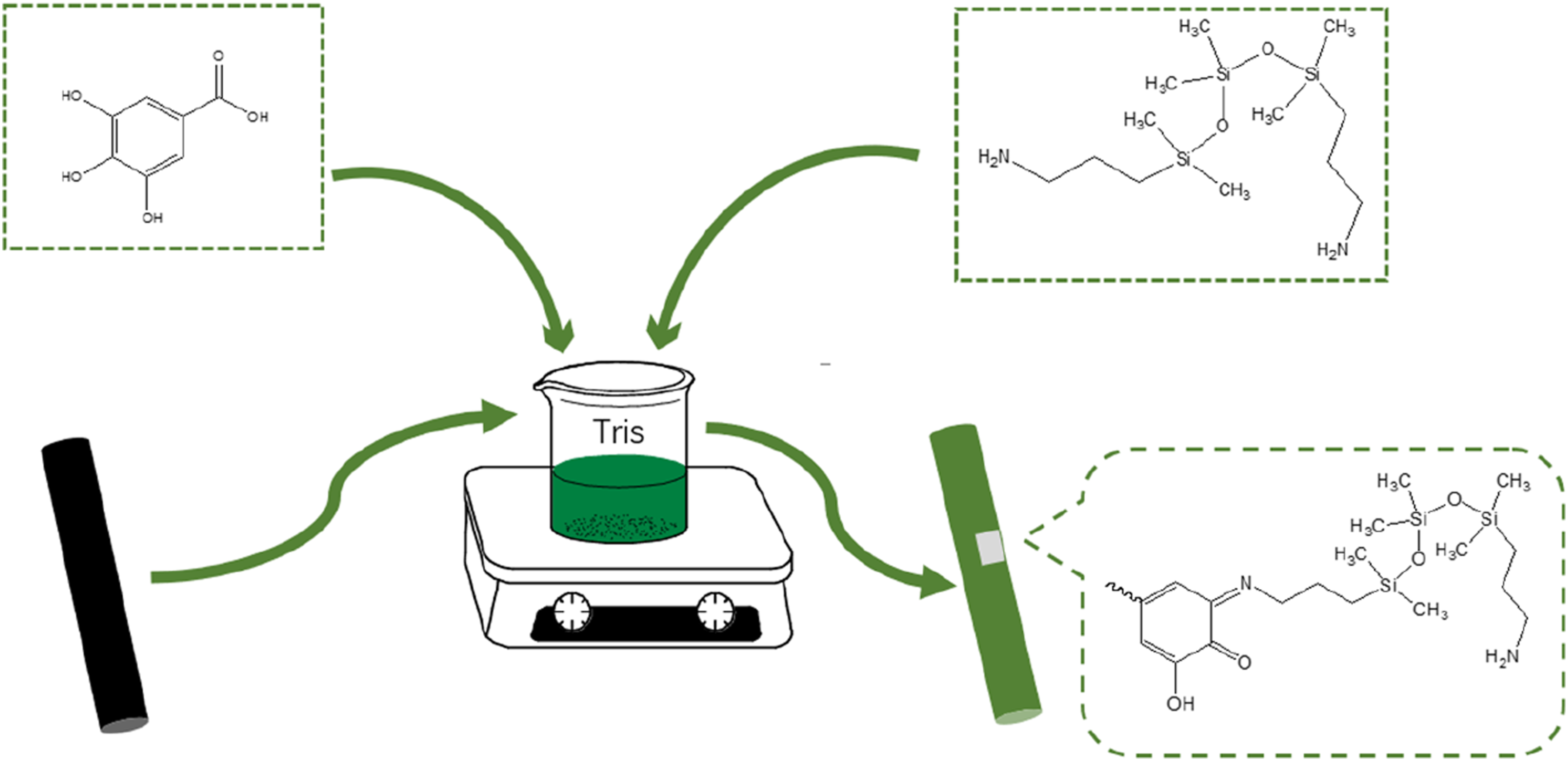
Preparation of the CF-reinforced epoxy resin matrix composites
The CF-reinforced epoxy resin matrix composites were fabricated as per the recommendations provided in Ref. [21]. This mixture was heat treated at 80°C for 10 min to ensure that the cross-linking agent was completely incorporated. After this, the individual sheets of CF cloth were immersed in the heated mixture for 5 minutes each, one after the other, and ensuring that each sheet was completely saturated before it was delicately placed in a predetermined mold. This layering process was carefully done over and over again to pile up different CF sheets to form an organized composite. The assembly was then locked, the top cover of the mold was locked very firmly by using screws. The next phase entailed a two-stage curing procedure within an oven: first stabilizing at 135°C for 2 h, and then raising to 175°C for another 2 h to ensure complete curing. The complete procedure of processing such composites is shown in Figure 2. The preparation diagram of the composite.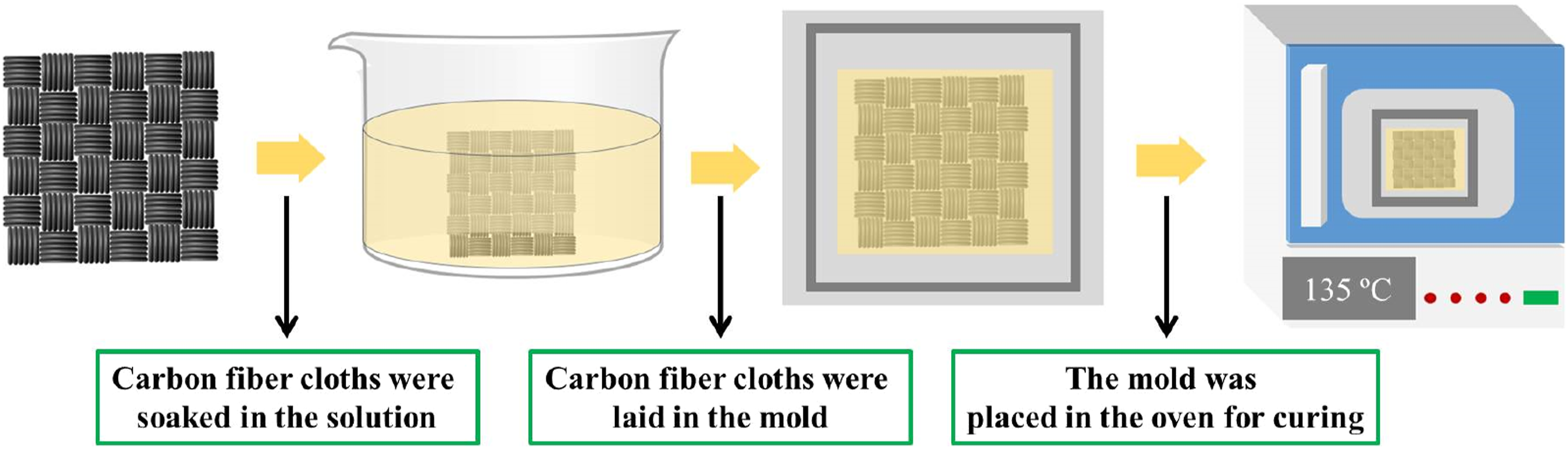
Characterization
The surface morphology of the CFs was carefully observed with the help of HITACHI PFT-G2 scanning electron microscope which is a sophisticated instrument imported from Japan. This analysis involved the precise selection of a specific quantity of CFs, which was then gently picked using tweezers and mounted on the specimen stage of the electron microscope. Attachment was done through a conductive tape to provide a stable position. Considering the natural poor electrical conductivity of the CFs, a method was adopted to sputter a gold thin film on the sample’s surface. This was a critical step as it improved the quality of the images through enhancing the electron conduction on the surface of the sample.
The chemical structure of the CFs was determined using Bruker FTIR-650 infrared spectrometer, which was manufactured in Germany. For sample preparation, this analysis used the potassium bromide pellet method. In order to avoid possible problems connected with moisture and adhesion in the process of tabletting, potassium bromide was preliminarily dried at a temperature of 100°C. Later on, a small amount of CFs was thoroughly ground with a proper amount of potassium bromide in a mortar. The mixture obtained after grinding was thoroughly compressed for analysis.
To investigate the structural arrangement of carbon atoms on CF surfaces, we utilized the HORIBA Scientific LabRAM HR Evolution Raman spectrometer. Careful extraction of individual fibers from the bundle preceded their secure placement on a glass slide for examination. The analysis was conducted using a 532 nm laser, and the selected wavenumber range spanned from 500 to 2500 cm⁻1.
The Thermo Scientific K-Alpha XPS instrument was employed to conduct XPS analysis of the surface chemical elements present on the CFs. For analysis, an appropriately sized sample was carefully prepared, attached to a sample disk, and introduced into the sample chamber of the XPS instrument. Data collection commenced once the chamber pressure had been lowered to a level below 2.0 × 10⁻⁷ mbar. The acquired spectral data were subsequently analyzed using XPS Peak 4.1 software.
The crystal structure of the CF surfaces was assessed using X-ray diffraction. A suitable quantity of CFs was affixed to the sample table for examination. During the analysis, a Cu target served as the radiation source, operating at a voltage of 40 kV and a current of 40 mA. The scanning parameters included a range from 10° to 80° with a scanning rate of 10°/min, following the 2θ method for scanning. Subsequently, analysis software was employed to determine the structural characteristics of the tested CFs, including the crystal plane spacing (d002) and stacking thickness (Lc) of the microcrystals, calculated using the Bragg and Scheler formulas, respectively.
Bragg formula: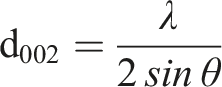
Scherrer formula: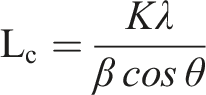
In the provided equations, the symbol λ represents the wavelength of the employed X-rays, which measures 0.154 nm. The shape factor, denoted as K, maintains a constant value of 1.0. The variable θ signifies the Bragg angle, while β represents the width of the half height of the X-ray diffraction intensity, measured in radians.
Interlaminar shear strength (ILSS) provides an effective means to evaluate the bonding ability between the CFs and the epoxy resins in CF-reinforced resin matrix composites. In order to do this, the short beam shear test method, in line with the ASTM D2344 standard, was used to measure the apparent ILSS of the composites. This type of testing creates interlaminar shear stresses by bending. The specimens were prepared in the following dimensions length 40 mm, width 12 mm and thickness 6 mm. For this test procedure, the INSTRON 5982 universal testing machine was used with the maximum sensor capacity of 500 kN, 10 mm span, and the load application speed of 1 mm/min. The experimental arrangement is shown in Figure 3. The load was then applied at the center of the specimen until the point of first failure. Therefore, ILSS was determined by calculating the load at this failure point using the formulas obtained from classical beam theory as reported in Ref. [22] The short beam shear test.

In this context, “ILSS” refers to the composite’s interlaminar shear strength, “Pb” denotes the load at which the material breaks (in Newtons), “b” represents the width of the test specimen (in meters), and “h” signifies the thickness of the specimen (also in meters).
As mandated by the ASTM D790 standard, there was an assessment of bending characters by computerized three-point bending. In this case, composites of CF as a reinforcement with epoxy resin matrices were assessed under these conditions. This paradigm of testing enabled both the flexural strength and elastic modulus to be assessed with regard to these composite materials. For the test samples, metric dimensions were 40 mm × 15 mm lognally and a thickness of about 2 mm. This was performed using the universal testing device, INSTRON 5982 with the rated load value for each sensor of 500 kN. The machine set with the span 32 mm to run in a testing speed of 1 mm/min.
Results and discussion
Surface morphology analysis of the gallic acid-polydimethylsiloxane codeposited CFs
Scanning electron microscopy was employed to examine the surface morphologies of CFs before and after undergoing codeposition with gallic acid and polydimethylsiloxane, as depicted in Figure 4. The CFs that had not been subjected to deposition displayed a smooth surface. The micrographs in Figure 4(b) and (c) represent the CFs treated with either gallic acid or polydimethylsiloxane alone. These images reveal that there was no noticeable alteration in the surface of the CFs post-deposition, suggesting that the surfaces did not exhibit any signs of deposition when treated solely with gallic acid or polydimethylsiloxane. Conversely, Figure 4(d)–(g) shows micrographs of the CFs after codeposition with varying ratios of gallic acid and polydimethylsiloxane. These images clearly illustrate the presence of deposits on the CF surfaces, which implies that the combination of gallic acid and polydimethylsiloxane results in the formation of attachments, positively influencing the chemical attributes of the CF surfaces. With the increase in the ratio of gallic acid-polydimethylsiloxane, the sediments on the CF surfaces gradually increased. Only a small amount of particles were deposited on the surfaces of 1:0.1@CF. The surfaces of 1:1@CF were covered with thicker coatings and protruding particles. By comparing the sediments on the CF surfaces under different codeposition ratios, it could be inferred the surface coatings of 1:0.25@CF were moderate and the deposition were relatively uniform. Scanning electron microscope images of the CFs: (a) desized CF, (b) GA@CF, (c) PDMS@CF, (d) 1:0.1@CF, (e) 1:0.25@CF, (f) 1:0.5@CF, and (g) 1:1@CF.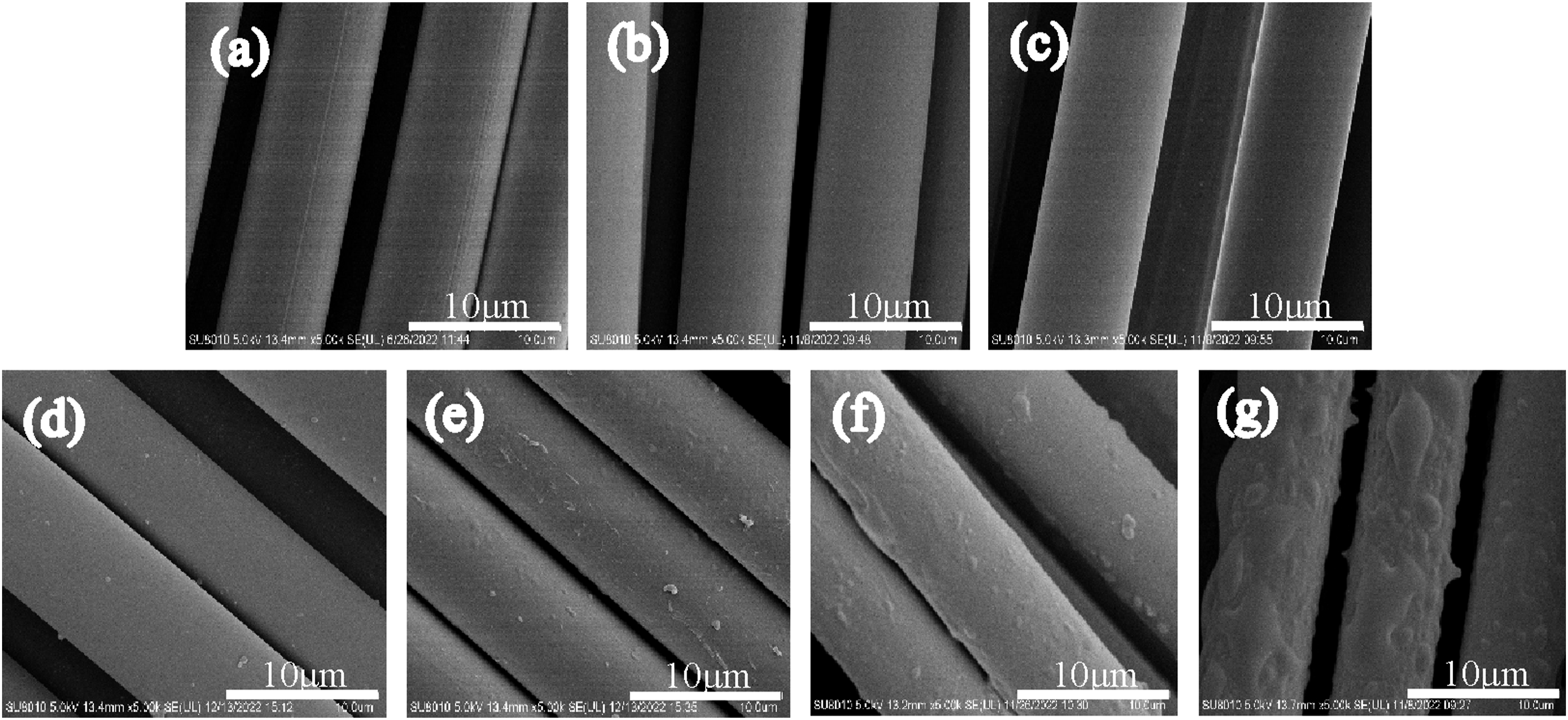
Infrared spectrum analysis of the gallic acid-polydimethylsiloxane codeposited CFs
Infrared spectroscopy was utilized to characterize the surface chemical functional groups of the CFs following their codeposition with gallic acid and polydimethylsiloxane, as depicted in Figure 5. Before and after the codeposition process, the CFs exhibited a hydroxyl (-OH) stretching vibration peak at 3400 cm⁻1. The infrared spectra of the codeposited CFs, in contrast to those without deposition, revealed the presence of N-H and C=N vibration peaks at 1554 cm⁻1 and 1650 cm⁻1, respectively, along with Si-O-Si stretching vibration peaks at 1036 cm⁻1 and Si-O-C stretching vibration peaks at 1127 cm⁻1. The emergence of these distinctive peaks suggests that gallic acid and polydimethylsiloxane are capable of engaging in Michael addition or Schiff base reactions, forming polymers that successfully deposit on the surfaces of the CFs. Infrared spectra of the undeposited and codeposited CFs.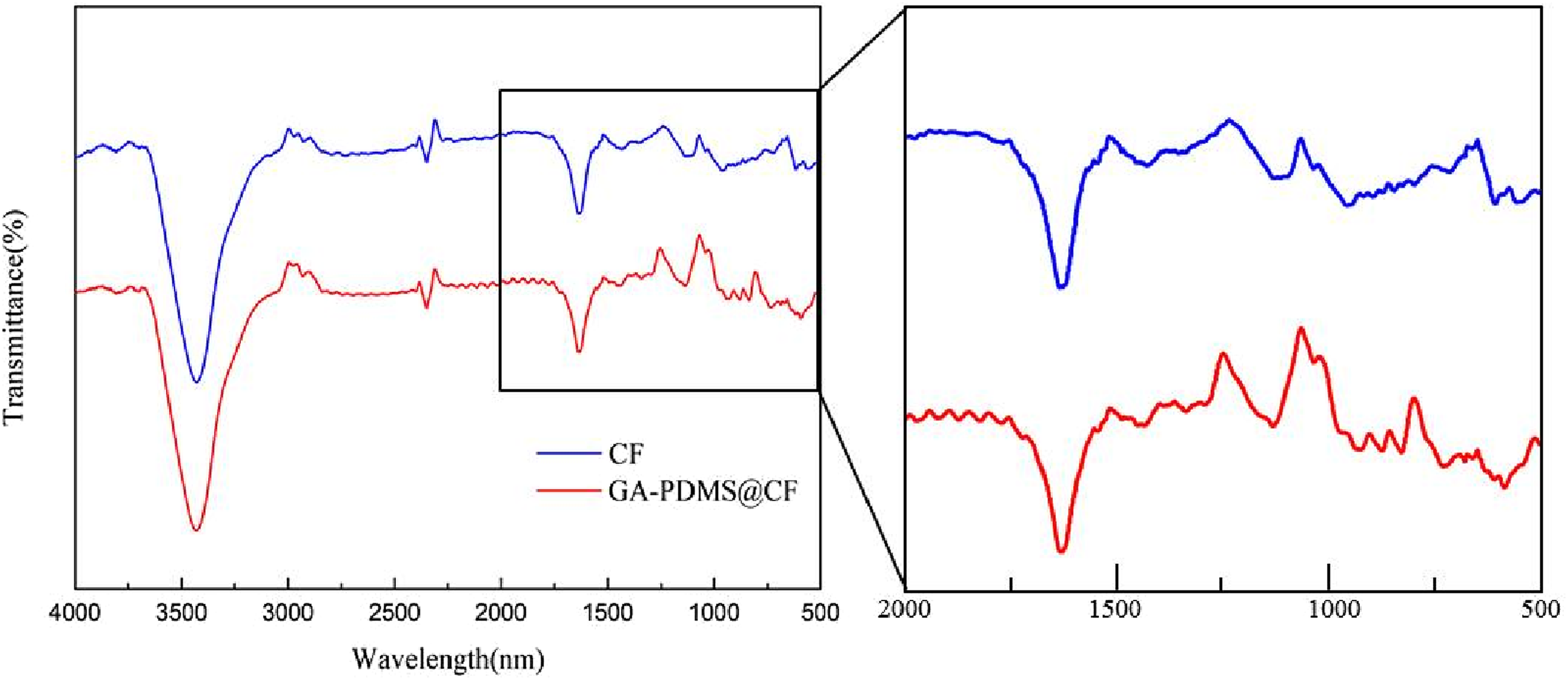
Raman spectrum analysis of the gallic acid-polydimethylsiloxane codeposited CFs
Raman spectroscopic assessment, as illustrated in Figure 6, involved the CFs both pre and post the codeposition process with gallic acid and polydimethylsiloxane. The investigation highlighted the emergence of two distinct bands within the Raman spectrum. These bands, identified through peak fitting, are recognized as the D and G bands. The integrated intensity ratios (ID/IG) of these bands were subsequently calculated. The FWHM values and ID/IG ratios are tabulated in Table 3. It was observed that the FWHMs for both D and G peaks of the CFs expanded post-codeposition, reaching 362.69 cm⁻1 and 110.44 cm⁻1, respectively. The ID/IG ratio escalated from 3.01 to 3.55 following codeposition, signifying an increase in surface disorder and a reduction in the graphitization level of the CFs. These observations indicate an enhancement in the surface reactivity of the CFs post-codeposition, which is beneficial for improving their bonding with the epoxy resin matrix. Raman spectra of the CFs before and after codeposition. Results of Raman spectrum analysis of the CFs before and after codeposition.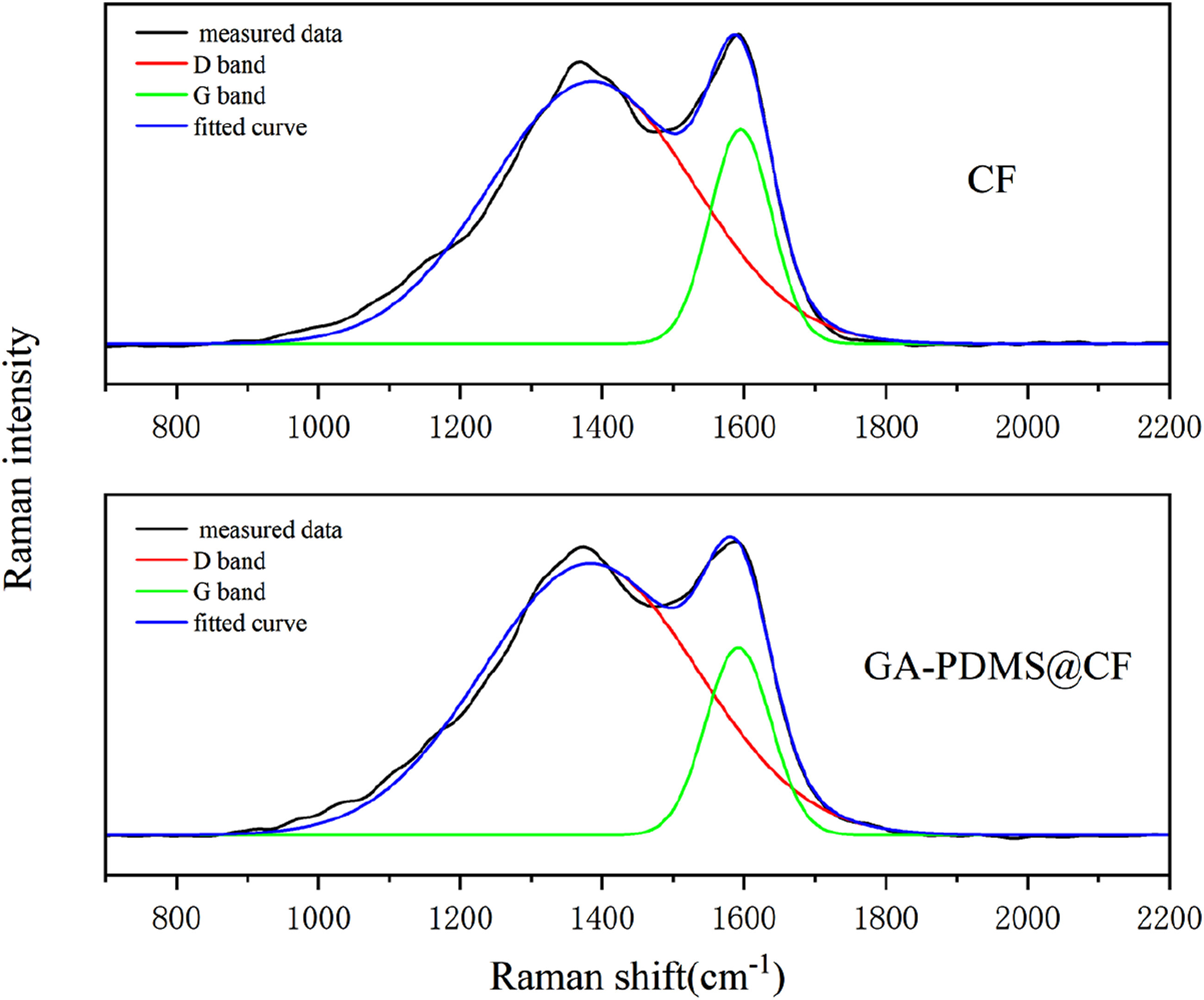

XPS analysis of the gallic acid-polydimethylsiloxane codeposited CFs
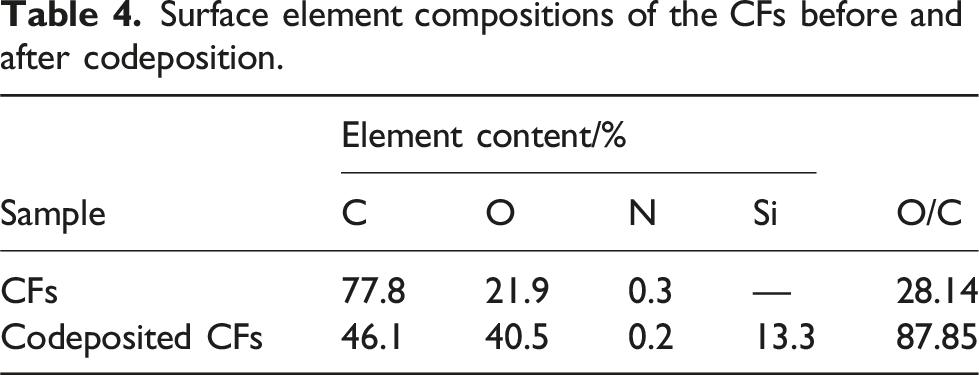
Surface element compositions of the CFs before and after codeposition.
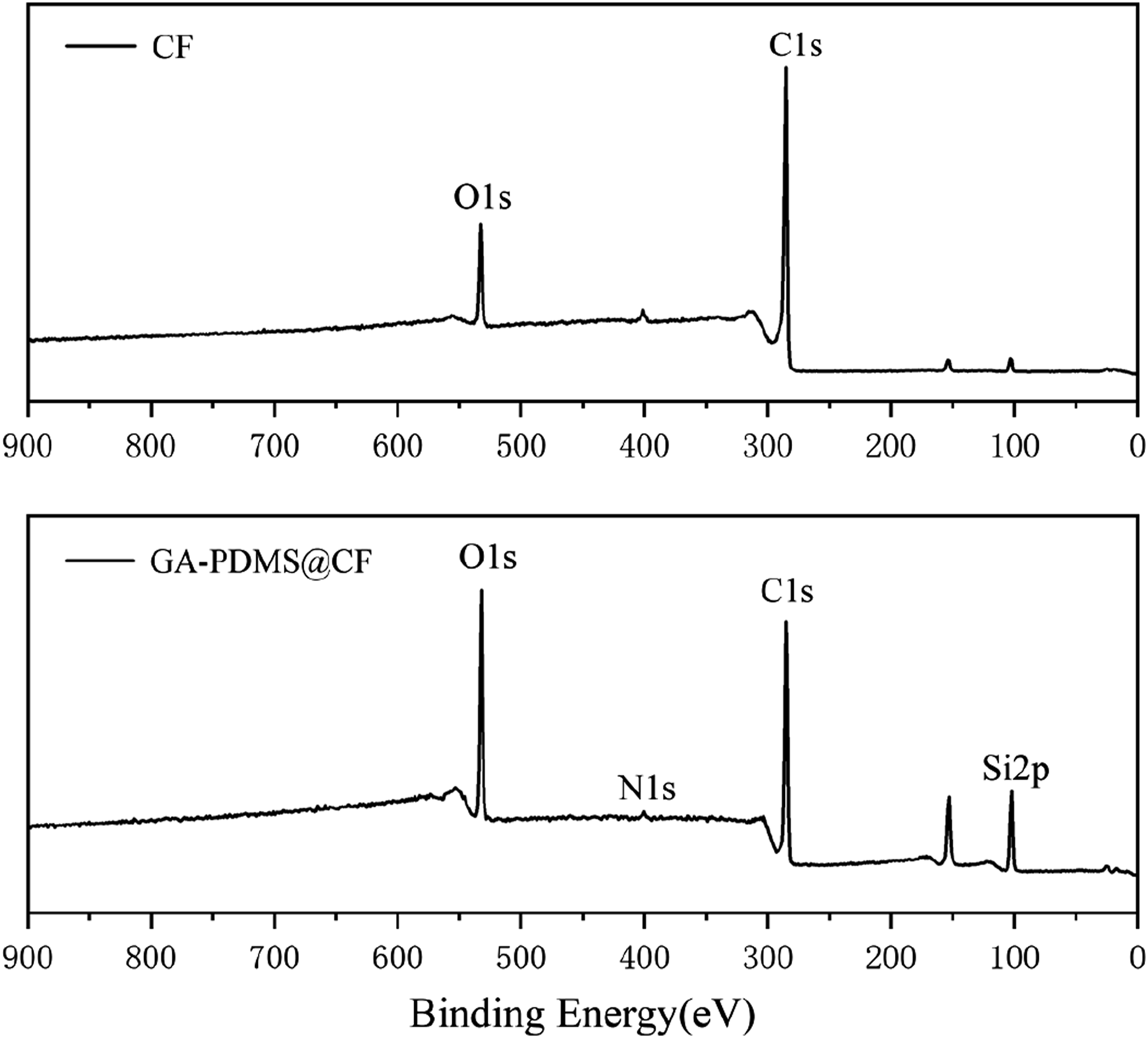
XPS curves of the CFs before and after codeposition.
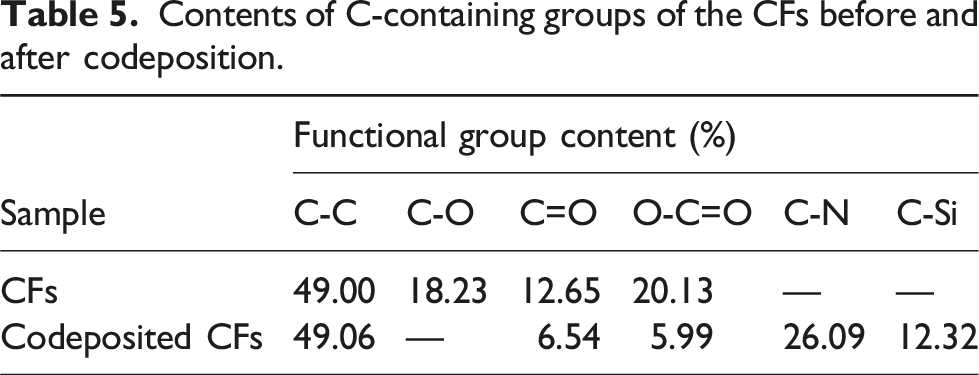
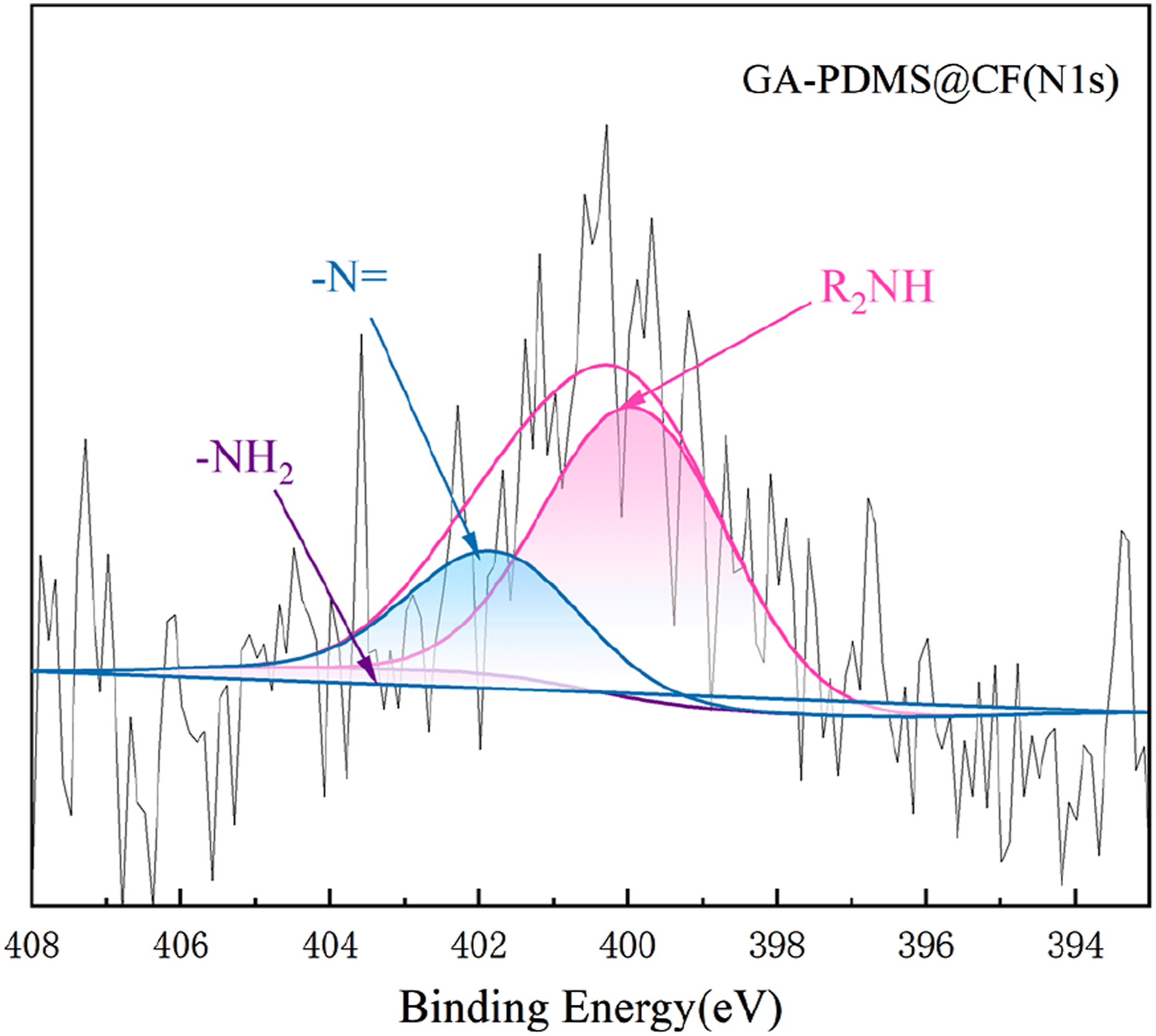
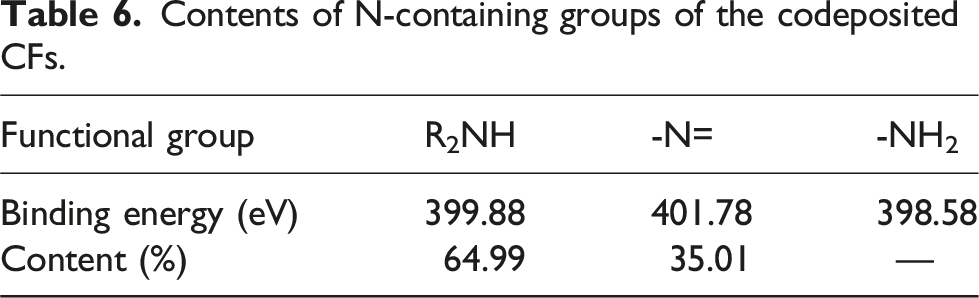
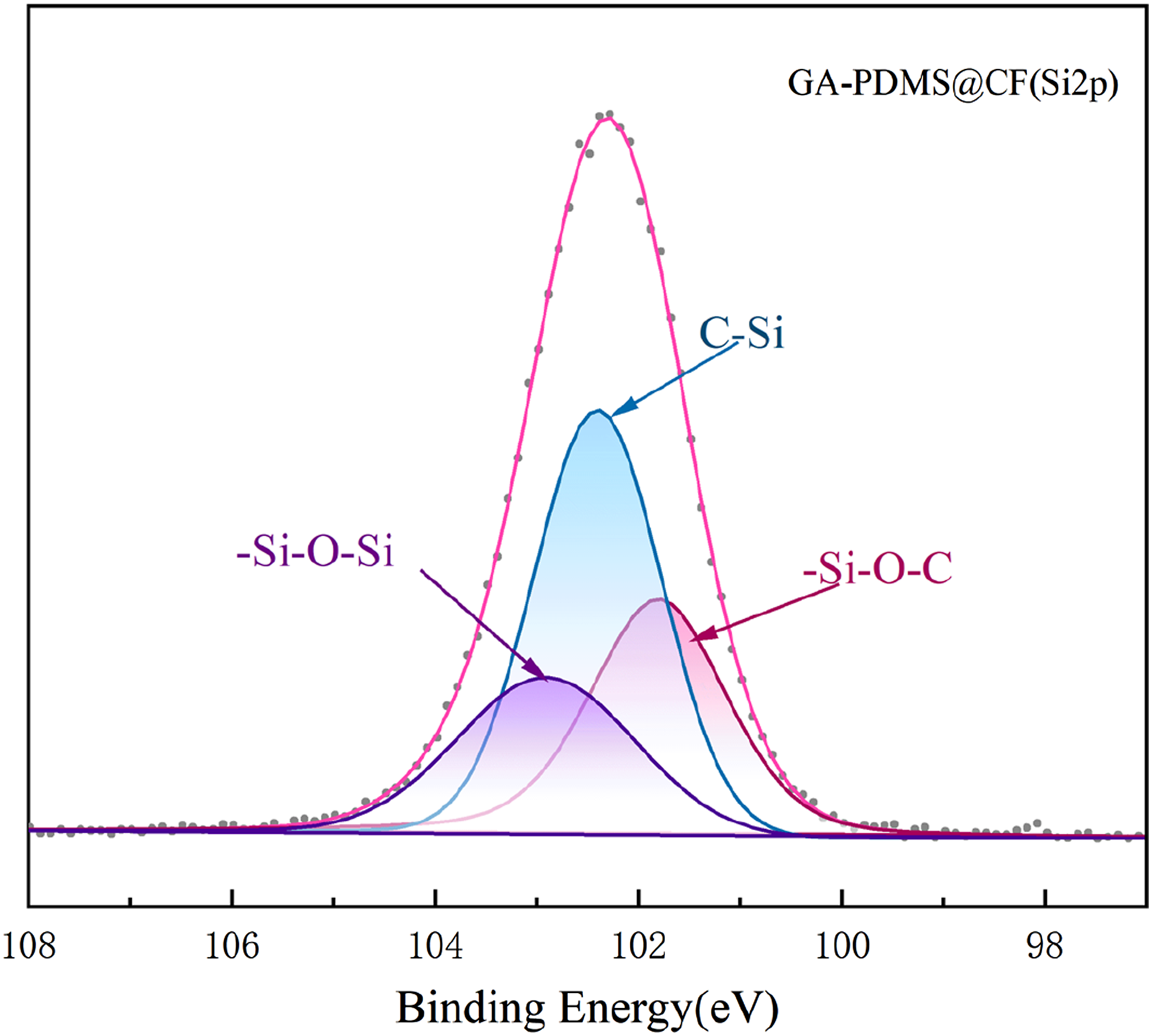
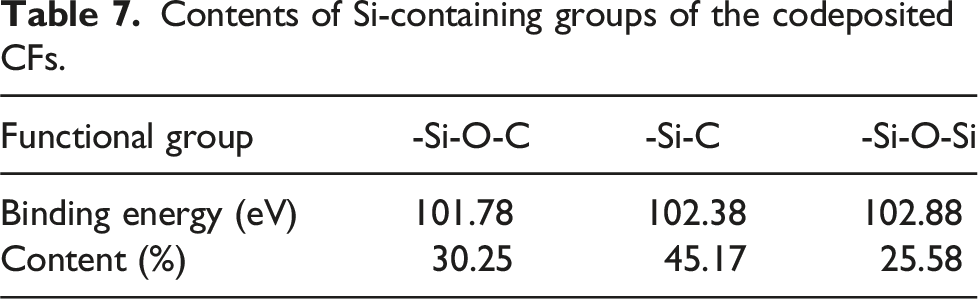
Examination of the XPS spectra and the elemental composition on the CF surfaces, both pre and post-codeposition, confirmed the incorporation of oxygen and silicon elements post-codeposition. For a more detailed analysis of the surface chemical composition of the CFs, the C1s, N1s, and Si2p peaks within the XPS spectra were deconvoluted. This helped in assessing alterations in the chemical bonding on the CF surfaces. Figure 8 illustrates the C1s peak deconvolution curves, and the associated surface chemical group contents are detailed in Table 5. The emergence of new peaks on the CF surfaces was noted after codeposition, specifically C-N at 285.6 eV and C-Si at 284.2 eV. The C-N content on the surface was 26.09%, and the C-Si content was 12.32%. Figure 9 shows the N1s peak fitting curves after codeposition. There were two distinct peaks at 401.8 eV (-N=) and 399.9 eV (R2NH), which was due to the new chemical bonds generated by Schiff base or Michael addition reactions during the gallic acid-polydimethylsiloxane codeposition. The functional group contents after N1s peak fitting are shown in Table 6. All the primary amino groups provided by polydimethylsiloxane participated in the reaction, further indicating that gallic acid and polydimethylsiloxane could react. In addition, after Si2p peak fitting for the codeposited CFs, three peaks (Figure 10) appeared, corresponding to -Si-O-C (101.8 eV), -Si-C (102.4 eV), and -Si-O-Si (102.9 eV). The contents of Si-containing groups are shown in Table 7, implying that the gallic acid-polydimethylsiloxane reaction could deposit a large amount of Si and O elements on the surfaces of CFs. C1s peak fitting curves of the CFs before and after codeposition. Contents of C-containing groups of the CFs before and after codeposition. N1s peak fitting curves of the codeposited CFs. Contents of N-containing groups of the codeposited CFs. Si2p peak fitting curves of the codeposited CFs. Contents of Si-containing groups of the codeposited CFs.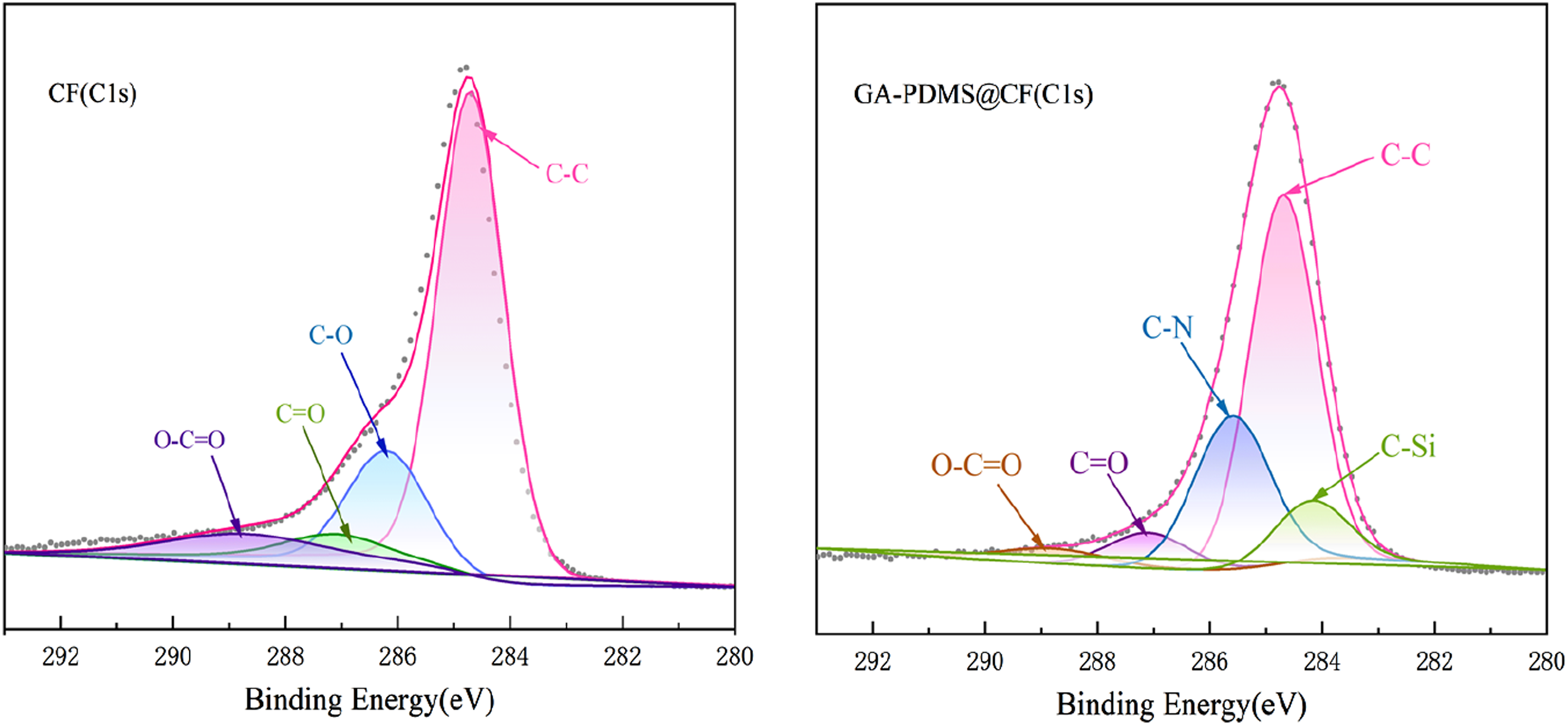
X-ray diffraction analysis of the gallic acid-polydimethylsiloxane codeposited CFs
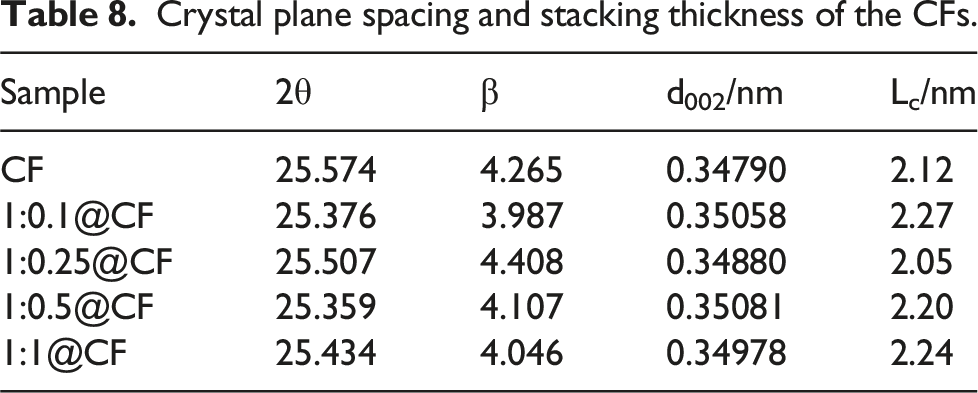
X-ray diffraction analysis serves as a tool to discern the structural configurations of CFs and to derive their structural parameters. This analysis involves calculating the spacing between crystal planes and the thickness of stacking in the CFs, which helps in understanding the structural modifications of the CFs attributable to the codeposition process. Figure 11 presents the X-ray diffraction patterns of the CFs, while Table 8 outlines the data on their crystal plane spacing and stacking thickness. The X-ray diffraction curves vary under different codeposition conditions, indicating that the amount of the surface deposits had a certain impact on the structures of the CFs. In addition, the crystal plane spacing (d002) of the CFs increased after codeposition and the crystal plane spacing of 1:0.25@CF had the minimal increase. However, after codeposition, only 1:0.25@CF exhibited a decrease in the stack thickness and the other CFs showed the increased stack thickness. The above results indicated that the graphitization disorder of the CF surfaces increased and their activity became stronger, which had a positive impact on the preparation of epoxy resin composites. X-ray diffraction curves of the CFs. Crystal plane spacing and stacking thickness of the CFs.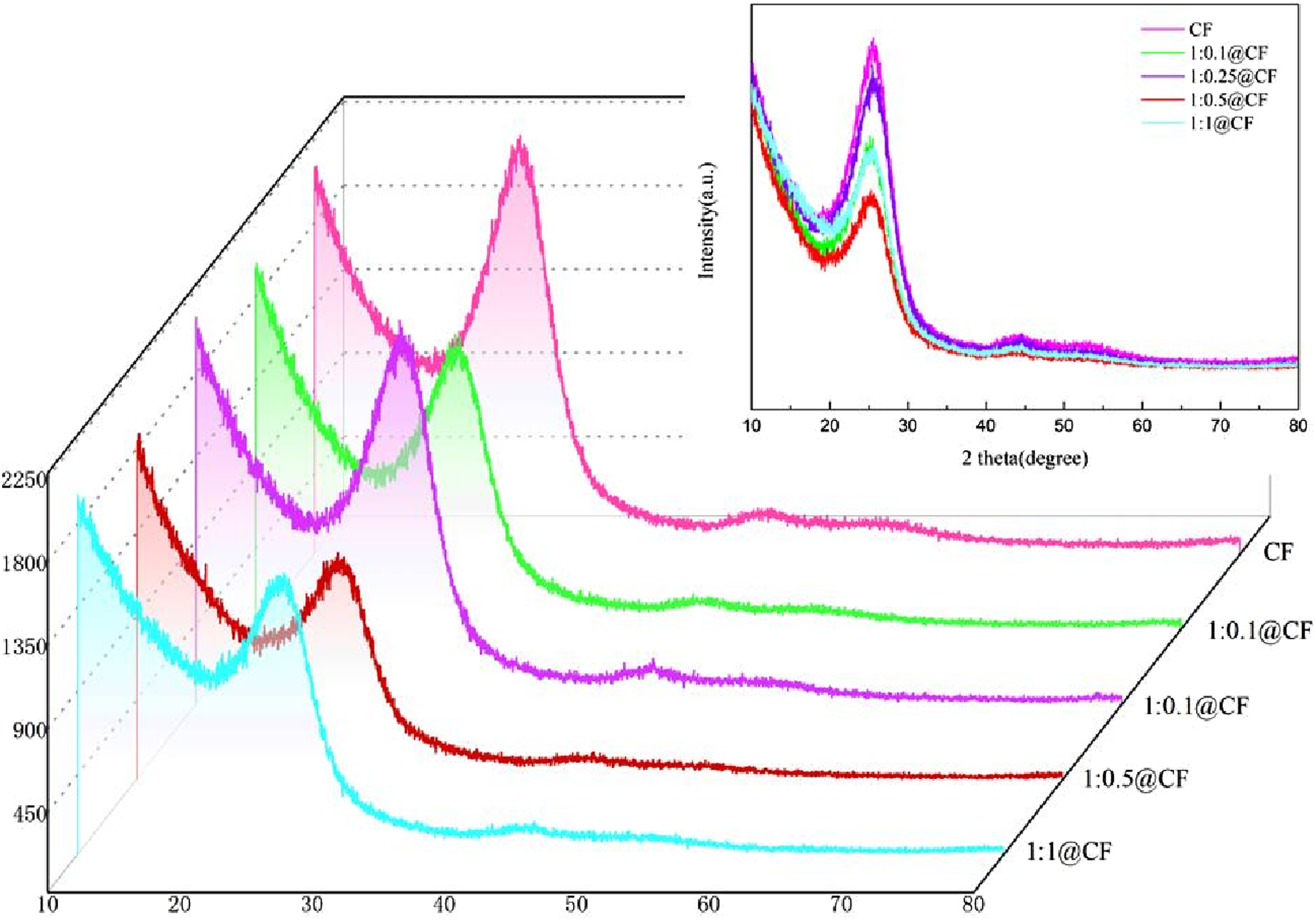
Interlaminar shear strength of CF/epoxy resin matrix composites
ILSS is a critical parameter in evaluating the efficacy of layers in composite materials. Figure 12 depicts a chart that elucidates the ILSS variations observed in the tested composite samples. This chart is complemented by curves depicting load versus displacement, offering a holistic perspective on the mechanical properties. A noteworthy pattern identified in the ILSS data indicates an initial rise, succeeded by a decline. This trend is associated with the varying proportions of gallic acid to polydimethylsiloxane, leading to an increased polymer deposition. This alteration adversely impacts the bond characteristics, consequently hindering the efficient transmission of stress across the material interfaces, thus diminishing the interlaminar shear vulnerability of the composites. A comparative analysis reveals that composites treated with this codeposition technique exhibit a 14% enhancement in strength relative to those reinforced with unmodified CFs. These findings underscore the effectiveness of the codeposition process involving gallic acid and polydimethylsiloxane in enhancing the shear strength. (a) Interlaminar shear strength of CF/epoxy composites and (b) load-displacement curves.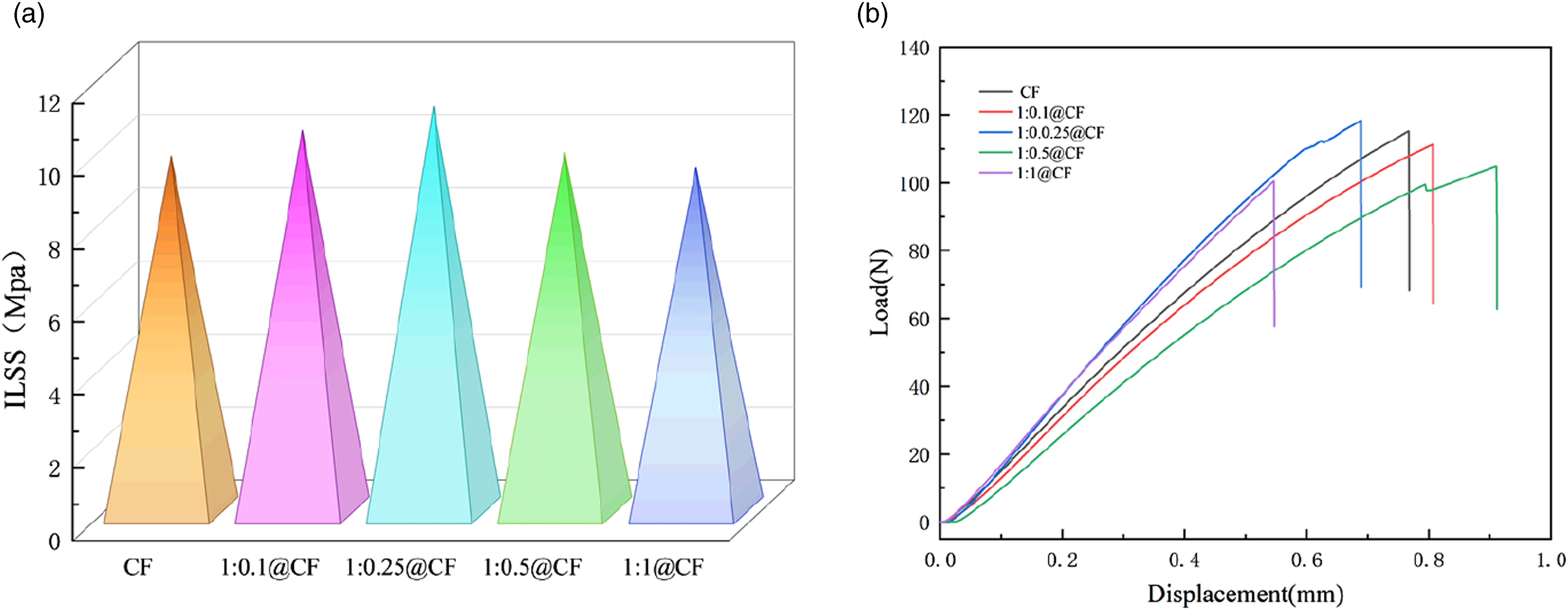
Flexural properties of CF/epoxy resin matrix composites
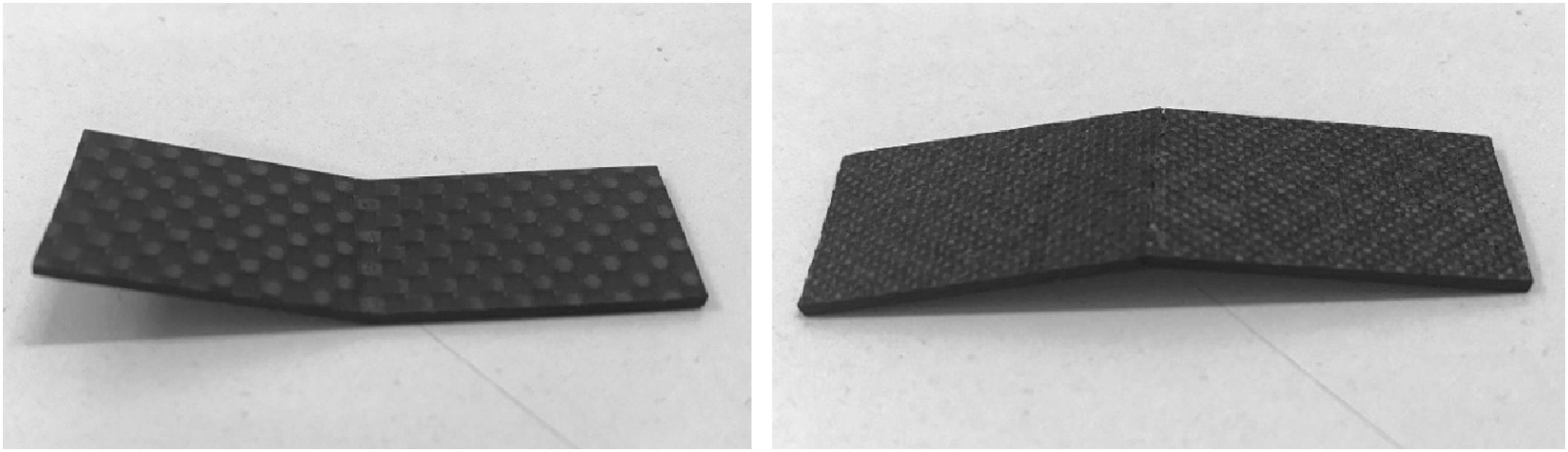
To further evaluate the impact of gallic acid and polydimethylsiloxane codeposition on the mechanical properties of the composites, flexural tests were conducted. The findings are displayed in Figure 13(a), with the corresponding stress-deformation curve illustrated in Figure 13(b). The macroscopic failure pattern of the composite containing 1:0.25@CF is depicted in Figure 14. When contrasted with composites containing untreated CFs, which have a flexural modulus of 640 MPa, those that underwent treatment with various mass proportions of gallic acid to polydimethylsiloxane demonstrated a unique pattern in their flexural modulus. Initially, there was an upward trend in the flexural modulus, followed by a decrease as the ratio of the treatment materials varied. Significantly, the composite that was engineered with a mass ratio of 1:0.25 of gallic acid to polydimethylsiloxane exhibited superior performance, achieving a flexural modulus of 812 MPa. This represents a marked enhancement, showing an approximate 27% increase in comparison to composites made with untreated CFs, thereby underscoring the effectiveness of the treatment in enhancing the material’s mechanical properties. This notable improvement in performance is attributed to the concurrent deposition process involving gallic acid and polydimethylsiloxane on the CF surfaces. This process enhances the surface reactivity of the CFs, thereby significantly improving their interaction with the matrix. Additionally, this simultaneous deposition facilitates a more robust adhesion between the CFs and the matrix, contributing to the overall strength and efficiency of the composite material. Compared to the flexural strength of the undeposited CF composite (77 MPa), only 1:1@CF displayed the decreased flexural strength, which might be due to the excessive and uneven distribution of the polymers deposited on the CF surfaces, causing the defects between the interfaces. (a) Flexural properties and (b) typical stress-deformation curves of CF/epoxy composites. The macroscopic failure status of the composite with 1:0.25@CF.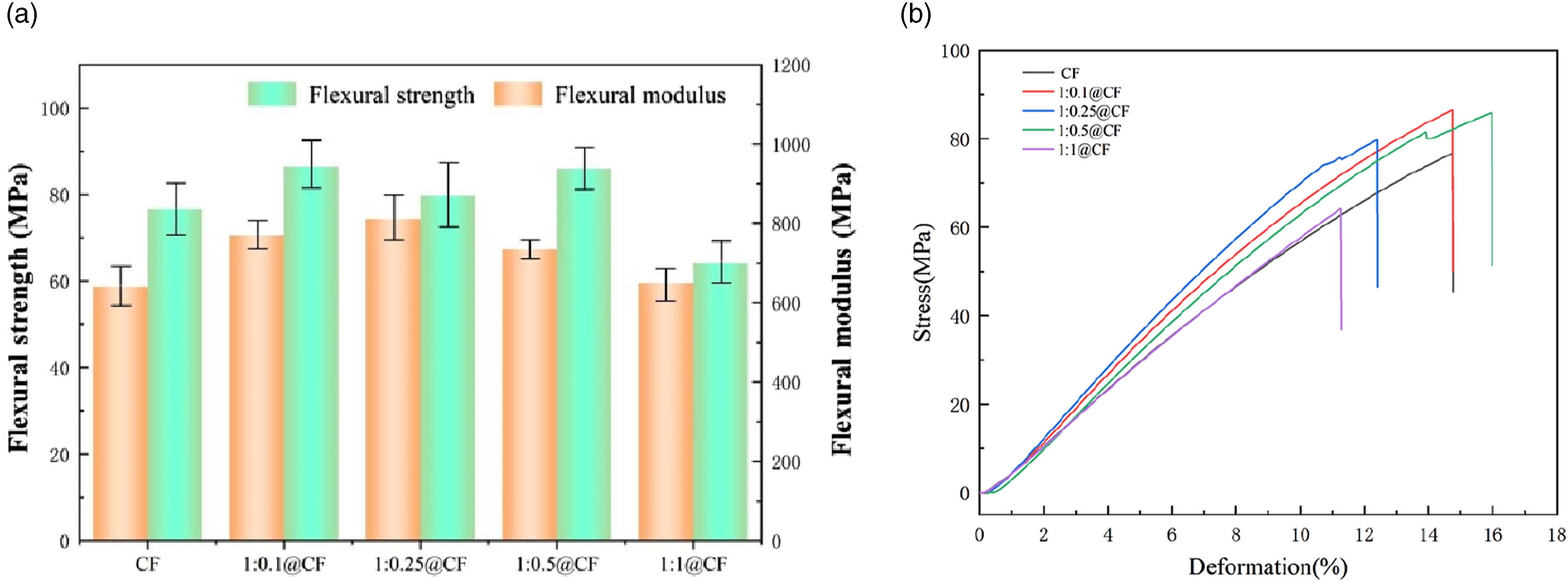
Conclusions
Under an alkaline condition, a polymer coating was formed to modify the surfaces of CFs by using gallic acid as a phenol source and aminopropyl double terminated polydimethylsiloxane providing primary amines. The CFs treated with gallic acid and polydimethylsiloxane underwent comprehensive surface characterization using techniques such as SEM, X-ray diffraction, infrared spectroscopy, Raman spectroscopy, and X-ray photoelectron spectroscopy. These analyses revealed the presence of coatings on the CF surfaces post-treatment. The interaction of gallic acid with polydimethylsiloxane under alkaline conditions resulted in the formation of a polymer coating, likely through Schiff base or Michael addition reactions. This process introduced active functional groups onto the surfaces of the CFs, enhancing their surface activity. To assess the impact of these treated CFs on composite materials, CF/epoxy composites were fabricated, and their mechanical properties, including flexural properties and interlaminar shear strength, were evaluated. Findings indicated an up to 14% increase in interlaminar shear strength for the composites with treated CFs compared to those with untreated fibers. Additionally, both the flexural modulus and strength of the composites saw improvements. Overall, the treatment of CFs with gallic acid and polydimethylsiloxane resulted in a stronger bond with the epoxy matrix, substantially enhancing the mechanical properties of the composites.
Footnotes
Declaration of conflicting interests
The author(s) declared no potential conflicts of interest with respect to the research, authorship, and/or publication of this article.
Funding
The author(s) received no financial support for the research, authorship, and/or publication of this article.

Data availability statement
Data sharing not applicable to this article as no datasets were generated or analyzed during the current study.