







Abstract
The engineering of polymer-based hybrid composites with enhanced thermal management capabilities is pivotal for advancing high-performance application across multiple industrial domains. In this work, a comprehensive micromechanical modeling approach is developed to predict the effective thermal conductivity of polymer composite reinforced with short carbon fiber (SCF) and graphene nanofillers. Initially, the thermal conductivity of the polymer matrix with graphene fillers is modeled by incorporating microstructural parameters such as volume fraction and dimensions (length and thickness) of nanofillers as well as the graphene/polymer interfacial thermal resistance. Subsequently, the Halpin-Tsai model is implemented to capture the thermal conductivity enhancement in the hybrid composite, wherein aligned SCF serves as the primary reinforcement phase embedded within graphene-polymer matrix. The parametric influence of SCF aspect ratio on the overall thermal coefficients is systematically evaluated. The results demonstrate that the integration of graphene fillers significantly amplifies the thermal conductivity of SCF–reinforced polymer composites. Moreover, increasing the length while reducing the thickness of graphene nanofillers noticeably improves the thermal transport properties of hybrid composite. This investigation offers critical mechanistic insights and optimization of next-generation hybrid composite for demanding thermal management applications in high-performance device.
Keywords
Introduction
The rapid advancement of modern technologies, such as electronics, aerospace, and automotive industries, has created an increasing demand for materials with superior thermal management capabilities. Efficient heat dissipation is crucial to maintain the performance and reliability of high-power devices and systems.1–4 Polymer-based composites have emerged as promising candidates due to their lightweight nature, mechanical flexibility, and ease of processing. However, their inherently low thermal conductivity limits their direct application in thermal management.4–7
To overcome this limitation, researchers have explored the incorporation of thermally conductive fillers, such as carbon fibers and graphene, into polymer matrices. Numerous studies have demonstrated polymer composites incorporating reinforcements such as short carbon fiber (SCFs),8–12 graphene nanoplatelates (GNPs),13–19 and other carbon-based nano-materials exhibit noticeably improved thermal conductivity compared to conventional polymer matrices.20–23 Given graphene’s incredibly high theoretical thermal conductivity, one might naturally expect that adding graphene fillers to polymer composites would lead to a significant boost in their ability to conduct heat. 24 For example, Wang et al. 25 investigated the thermal conductivity enhancement of epoxy composites by incorporating GNPs as fillers. The research demonstrated that adding GNPs significantly improved the thermal conductivity of the epoxy matrix, achieving an increase of up to 627% at an 8 wt% GNP loading compared to the neat epoxy. The study attributed this enhancement to the high intrinsic thermal conductivity of graphene and the formation of efficient heat conduction pathways within the composite. Kada et al. 26 investigated polypropylene composites reinforced with SCF at varying loadings. Their study demonstrated that the inclusion of SCFs significantly improved both the mechanical and thermal properties of the composites. Zhang et al. 27 reported that incorporating 10 wt% carbon nanotubes (CNTs) increased the thermal conductivity of polycarbonate from 0.21 W/m.K to 0.47 W/m.K. The enhancement was attributed to improved phonon transport enabled by the formation of conductive CNT networks and reduced interfacial thermal resistance.
Hybrid composites which integrate multiple reinforced fillers within a polymer matrix, have garnered significant attention due to their enhanced mechanical, electrical, and thermal properties.28–33 For instance, Li et al. 34 investigated epoxy composites reinforced with hybrid fillers comprising GNSs and CNTs, revealing a synergistic improvement in thermal conductivity attributed to the establishment of interconnected heat conduction networks within the polymer matrix. Similarly, Pradhan et al. 35 investigated the effect of graphite flakes and CNTs as hybrid fillers in polycarbonate nanocomposites, demonstrating significant improvements in thermal conductivity, mechanical strength, electrical conductivity, and electromagnetic interference shielding due to the formation of efficient conductive networks and strong filler–matrix interactions. To date, no systematic investigation has been conducted on the overall thermal conductivities of hybrid polymer composites composed of aligned SCFs and randomly dispersed GNPs. Therefore, it is essential to develop an efficient approach for predicting the thermal conductivities of such composites and to examine how key microstructural features such as material property, percentage and size of graphene, nanofiller/matrix interfacial resistance as well as the fiber aspect ratio influence their heat transfer performance.
This work presents a comprehensive parametric study aimed at assessing the thermal conductivity of a hybrid composite comprising a polymer matrix reinforced with GNPs and aligned SCFs. A multiphase micromechanical modeling strategy is utilized to conduct this assessment. Initially, the thermal behavior of the polymer–graphene composite is examined by considering essential heat transfer mechanisms. By assuming the presence of GNPs uniformly dispersed within the polymer matrix, the effective thermal conductivity of the composite is predicted. Next, this composite is treated as an effective matrix into which aligned SCFs are introduced. The thermal conductivity of the resulting hybrid composite is then modeled using the Halpin–Tsai homogenization method. This hierarchical modeling approach allows for the calculation of the composite’s overall thermal conductivity.
Thermal conductivity analysis
Graphene-filled composites
The micromechanical modeling methods can be used to predict the thermal conductivity of composite materials.36–39 In this section, we formulate an analytical model within the micromechanical framework to predict the thermal conductivity of GNP-reinforced composites. The composite system is assumed isotropic with GNP inclusions randomly oriented throughout the matrix. The interfacial thermal resistance, accounting for all interfacial phenomena that impede heat flow across the matrix-GNP boundary, is quantified via the average interfacial thermal resistance parameter,

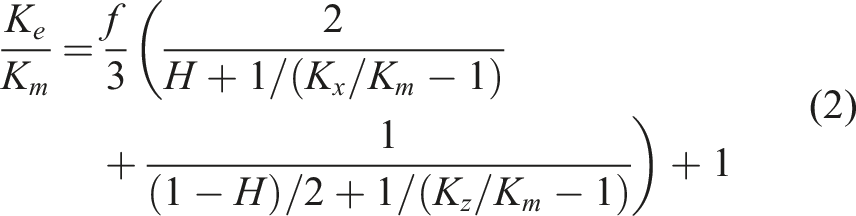
While individual GNPs are inherently anisotropic, they are assumed here to be randomly oriented and uniformly dispersed, allowing the GNP-polymer phase to be treated as a macroscopically isotropic effective matrix. Here,
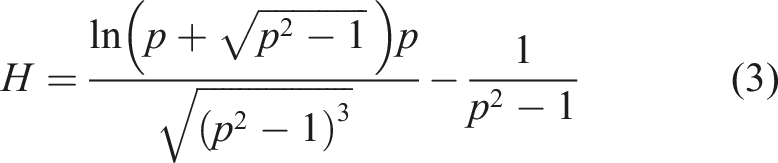
It is important to highlight that for graphene nanofillers with a high-aspect ratio

Another critical aspect to consider is the nonlinear behavior of the composite’s effective thermal conductivity,

The parameter

The parameter α is employed as a critical exponent to characterize the nonlinear power-law scaling of the effective thermal conductivity as a function of the filler volume fraction. In this study, α is assigned a fixed value of 2.0, which is consistent with established theoretical and experimental benchmarks for graphene-based polymer composites. Specifically, this value reflects the “percolation-like” behavior of high-aspect-ratio carbon fillers, where a value of 2.0 has been found to provide an optimal fit for systems dominated by phonon transport through interconnected networks of thermally conductive nanoplatelets. This model neglects the effect of GNP agglomeration. In practice, filler clustering can create non-uniform thermal pathways; while some studies suggest local clusters can enhance percolation, excessive agglomeration may impede efficient phonon transport due to increased interfacial scattering. 39
Short fiber-reinforced composites
The implementation of a sequential, multi-step micromechanical modeling approach is justified by the significant separation of length scales between the nanoscale graphene nanoplatelets (GNPs) and the microscale short carbon fibers (SCFs). By initially homogenizing the GNP-polymer phase, the model establishes a thermally enhanced “effective matrix” that more accurately reflects the local environment surrounding the larger fiber reinforcements. This hierarchical strategy is a widely validated convention in composite science for ternary systems, ensuring that the microstructural contributions of each filler phase are captured without excessive computational complexity. While this assumption implies the phases are physically distinct, it provides a reliable conservative baseline for predicting overall effective thermal conductivity in hybrid structures where fillers occupy different spatial hierarchies. In the second phase of the modeling, SCFs are introduced into the GNP-polymer matrix to form a ternary hybrid composites. It has been mentioned that the elastic modulus of short fiber-reinforced polymer (SFRP) composites can be predicted using the Laminate Analogy Approach (LAA).
38
In this study, the LAA is further extended to formulate an analytical model for the thermal conductivity of short fiber composite materials, explicitly accounting for the influences of fiber percentage, fiber length distribution (FLD), and fiber orientation distribution (FOD). The FLD density function,

The parameters

Here,

The size and shape parameters,


Fiber orientation is characterized via two angular parameters Illustration of fiber orientation angles.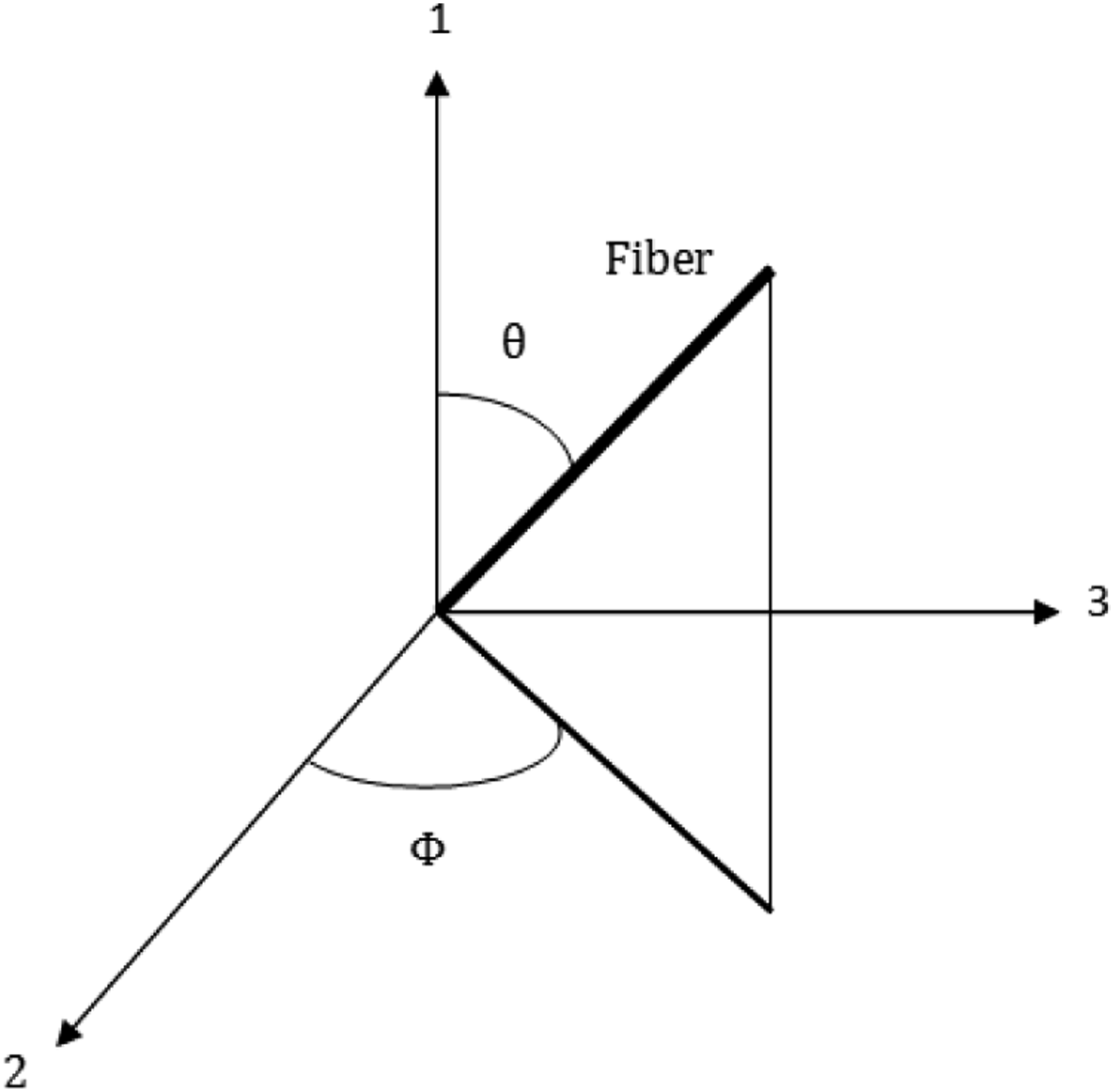

The parameters
The mean fiber orientation angle can be calculated as follows:

The mode fiber orientation angle can be expressed as

The FOD density function,
The LAA is employed to assess the thermal conductivity of short fiber composite materials. Within the LAA framework, such composites are modeled as a series of stacked layers, each characterized by distinct fiber orientations and varying fiber lengths. The short fiber composite, initially characterized by a three-dimensional spatial FOD function
The thermal conducting coefficients of the short fiber composite along the 1-axis can be evaluated through the LAA method, depending on the orientation distribution of the fiber angle


Here,


Here,
Results and discussion
Validation
This section depicts the validation of the present micromechanical modeling approach by comparing its predictions with three independent datasets from the literature. The initial validation, shown in Figure 2, compares the predicted thermal conductivity of the polymer composite as a function of graphene volume fraction with the results published in Ref. 39. A good correlation is observed between the two sets of results. The material constants employed in this comparison are denoted as Thermal conductivity improvement of polymer composite as a function of graphene volume fraction, compared with the results of Ref. 39.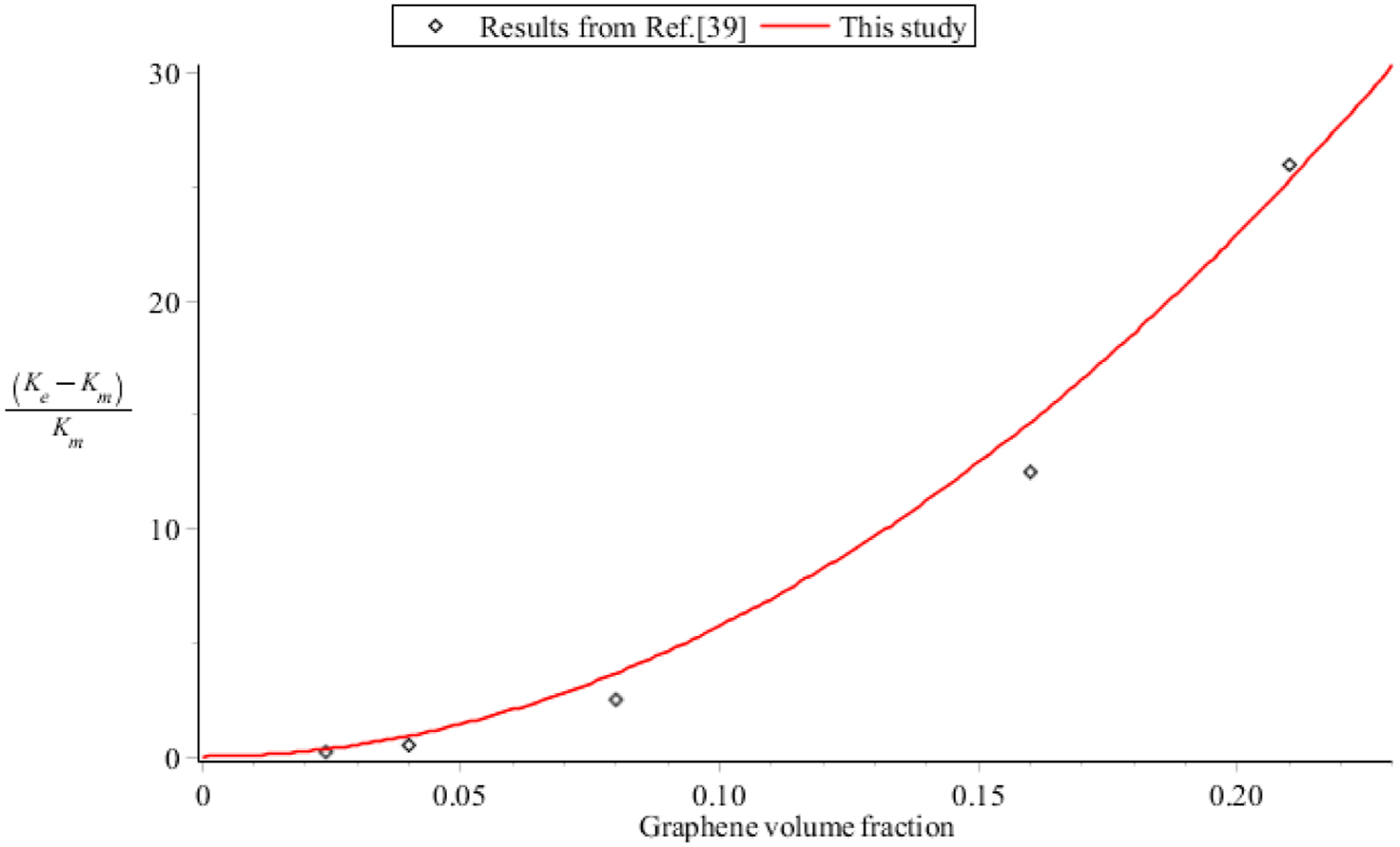
To further confirm the reliability of the formulation, a second validation is performed and illustrated in Figure 3. In this figure, the change in the thermal conductivity of the composite with respect to the glass fiber (GF) is analyzed and compared against the results reported in Ref. 40. The predicted outcomes of the model correspond closely with the experimental measurements. Using another set of material constants referred to as the value of Thermal conductivity of polymer composite as a function of glass fiber volume fraction, compared with the results of Ref. 40.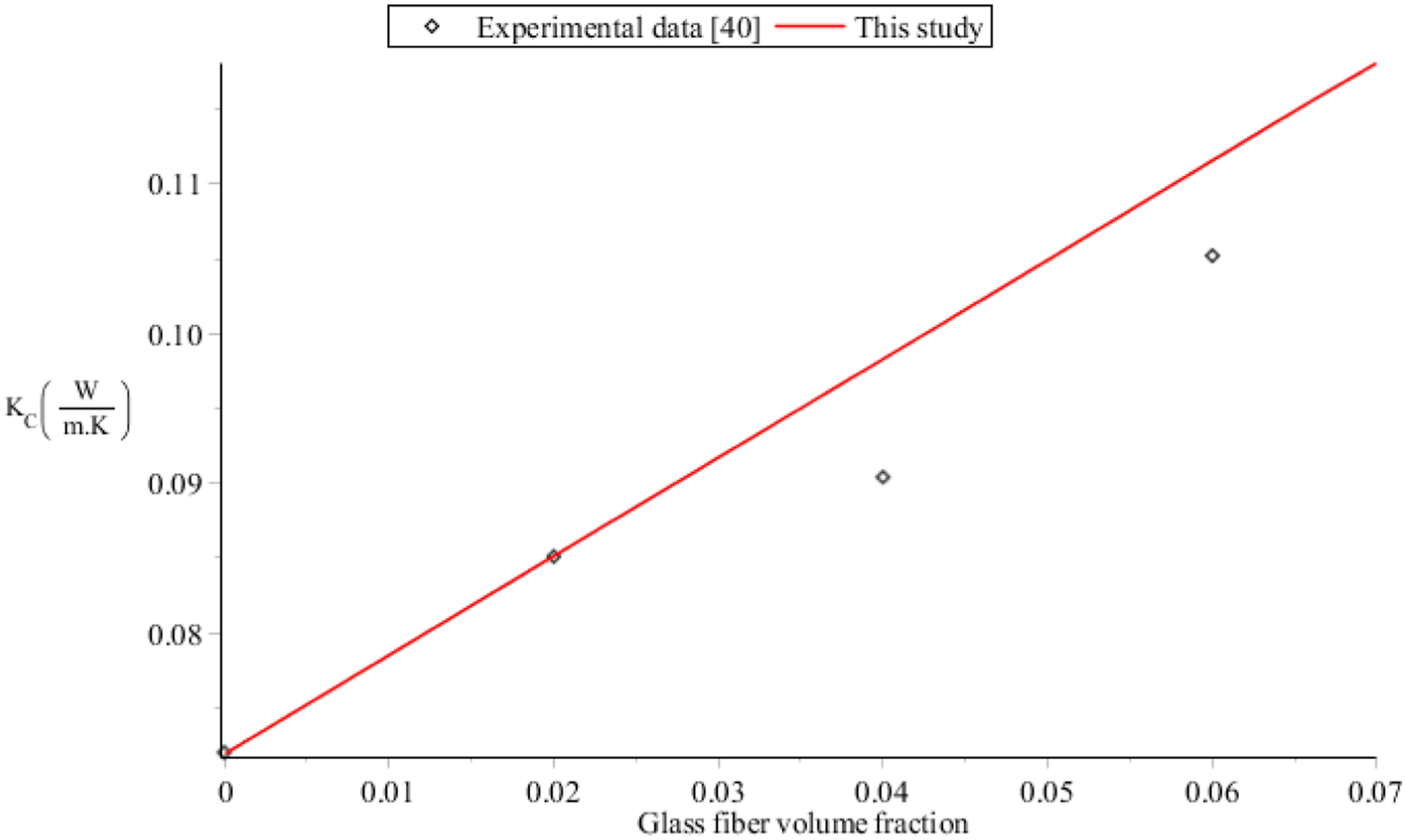
Another comparison between the predictions of the present micromechanical model and the experimental measurements
41
as well as the results of the composite cylinder assemblage (CCA) model
42
for the thermal conductivity of the carbon fiber-reinforced polymer composites is carried out. The comparison is shown in Figure 4. It is found that a good agreement exists between outcomes of the present micromechanical model, CCA approach and experimental data. The constituent material properties were taken from Refs. 41,42.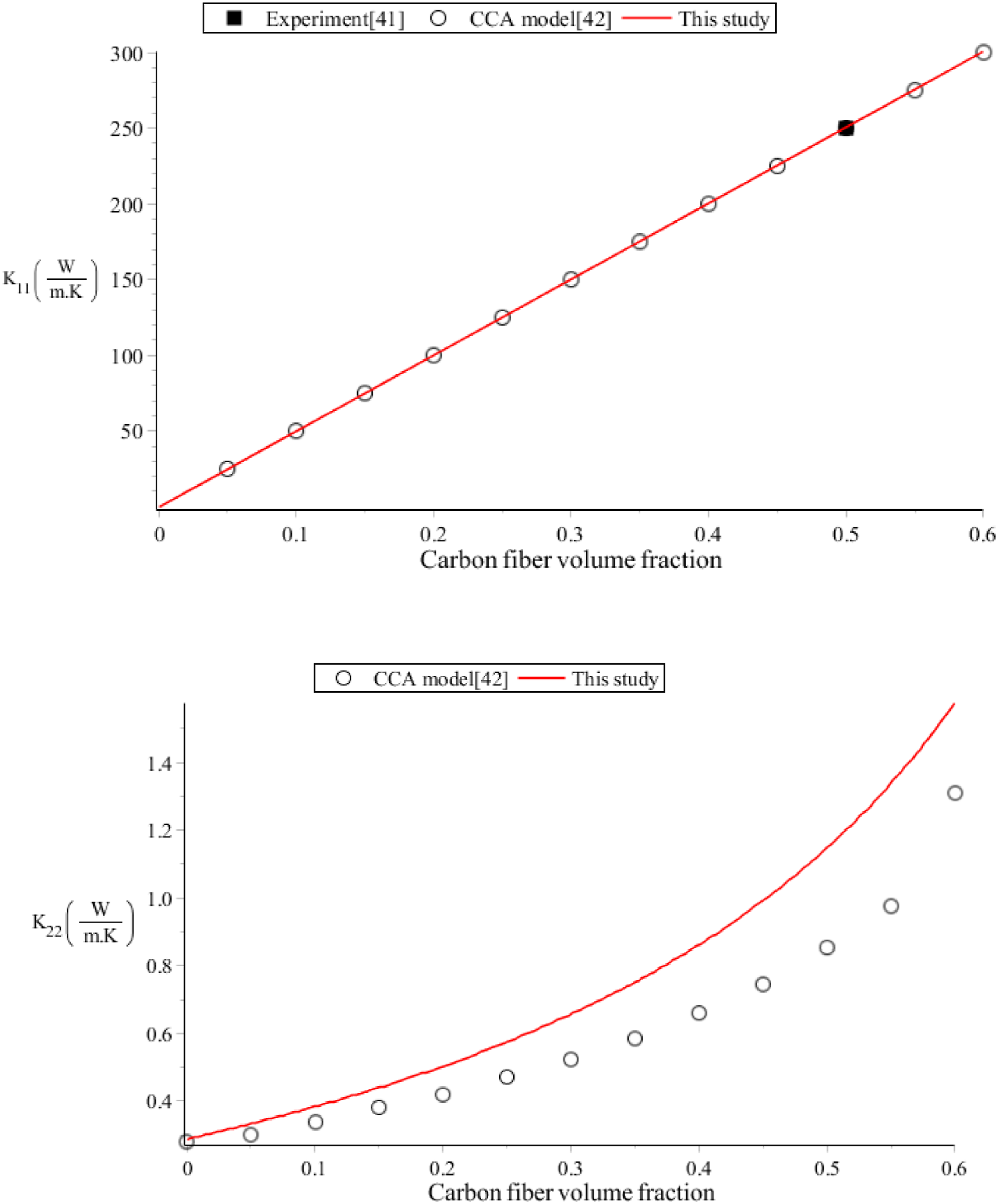
Parametric study

Figure 5 illustrates the relationship between the thermal conductivities of the polymer composite containing graphene and SCF reinforcements and the volume fraction of SCF across varying graphene content levels. It is clear that both thermal conductivities increase as the SCF volume fraction rises. Moreover, elevating the graphene volume fraction further boosts the composite’s thermal conductivities. This demonstrates that integrating GNPs into polymer composites reinforced with SCF facilitates more efficient heat conduction throughout the material. At a 5% graphene volume fraction, increasing the SCF volume fraction from 10% to 50% results in an approximate 483% improvement in the axial thermal conductivity ( Effect of graphene volume fraction on the axial (or parallel to the fiber direction, 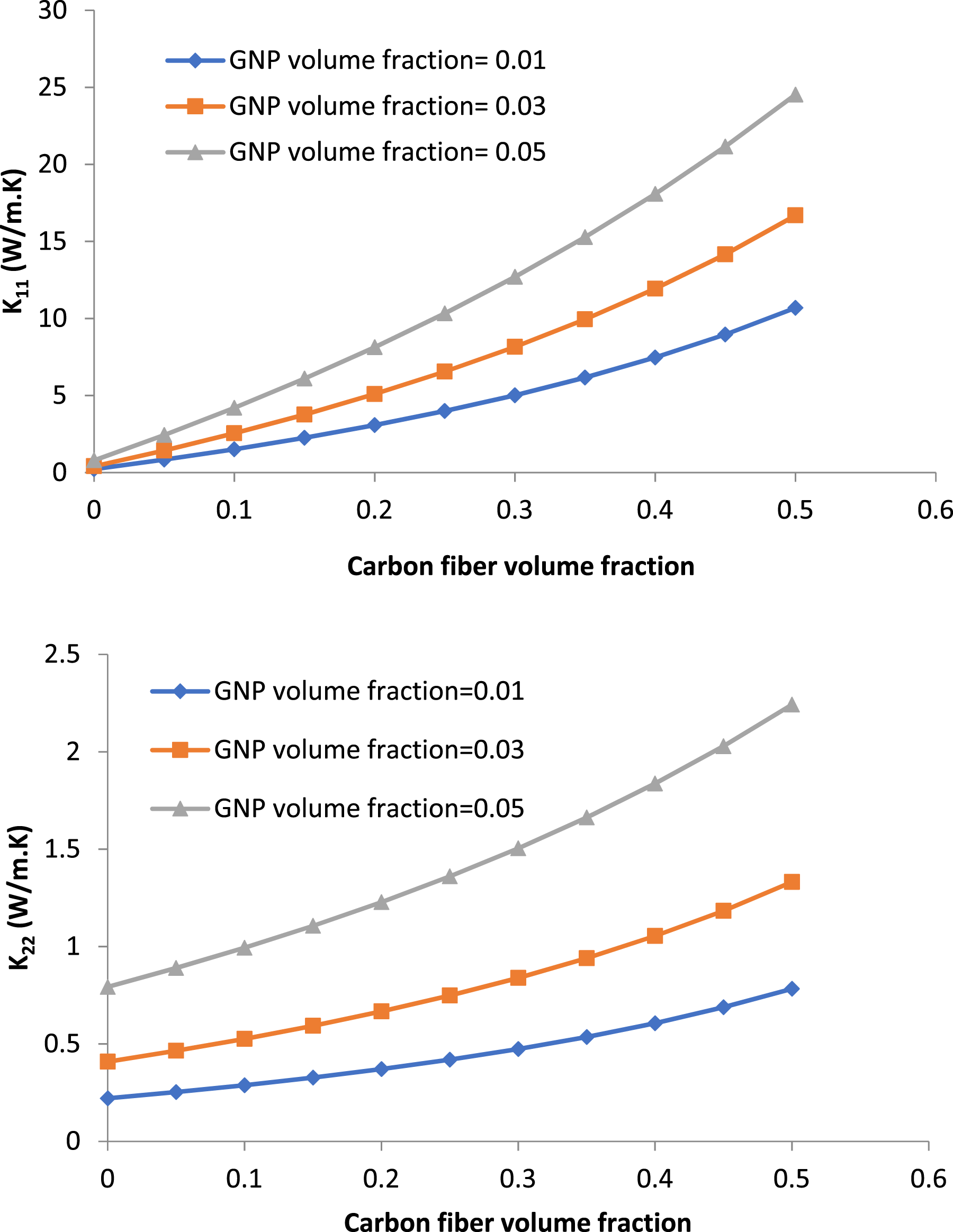
Figure 6 illustrates the thermal conductivities of the polymer composite containing graphene and SCF reinforcements as a function of SCF volume fraction across different GNP thicknesses. The results demonstrate that increasing the thickness of GNPs leads to a notable decrease in the composite’s thermal conductivities. This reduction may be attributed to the fact that thicker GNPs hinder efficient phonon transport due to increased scattering and interfacial resistance, thereby limiting heat flow within the composite. Conversely, thermal conductivity consistently improves as the SCF volume fraction increases, highlighting the significant role of SCFs in establishing effective heat conduction pathways. Effect of graphene thickness on the axial (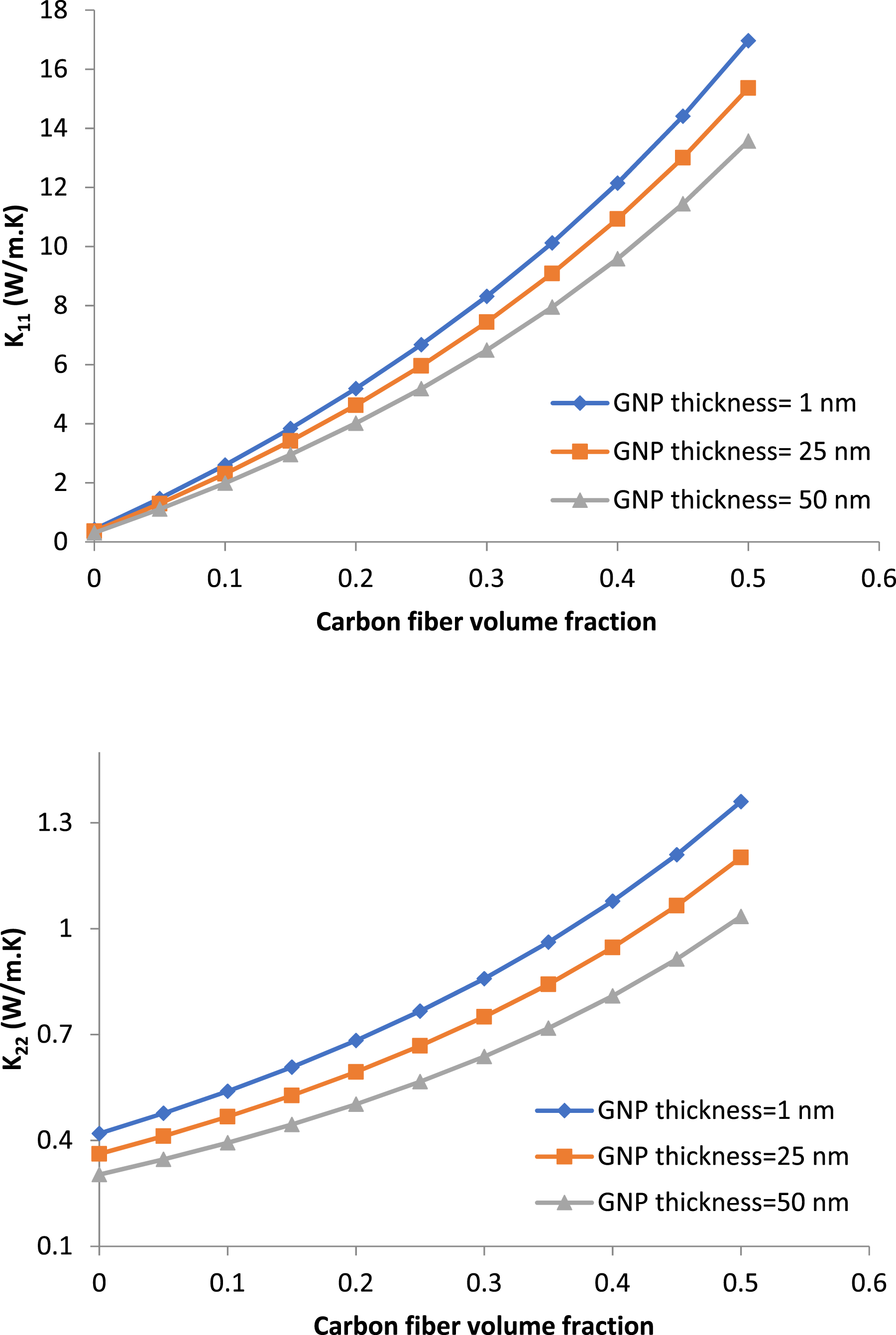
Figure 7 illustrates the thermal conductivities of the polymer composite containing graphene and SCF reinforcements as a function of the SCF volume fraction for different levels of interfacial thermal resistance ( Effect of interfacial thermal resistance on the axial (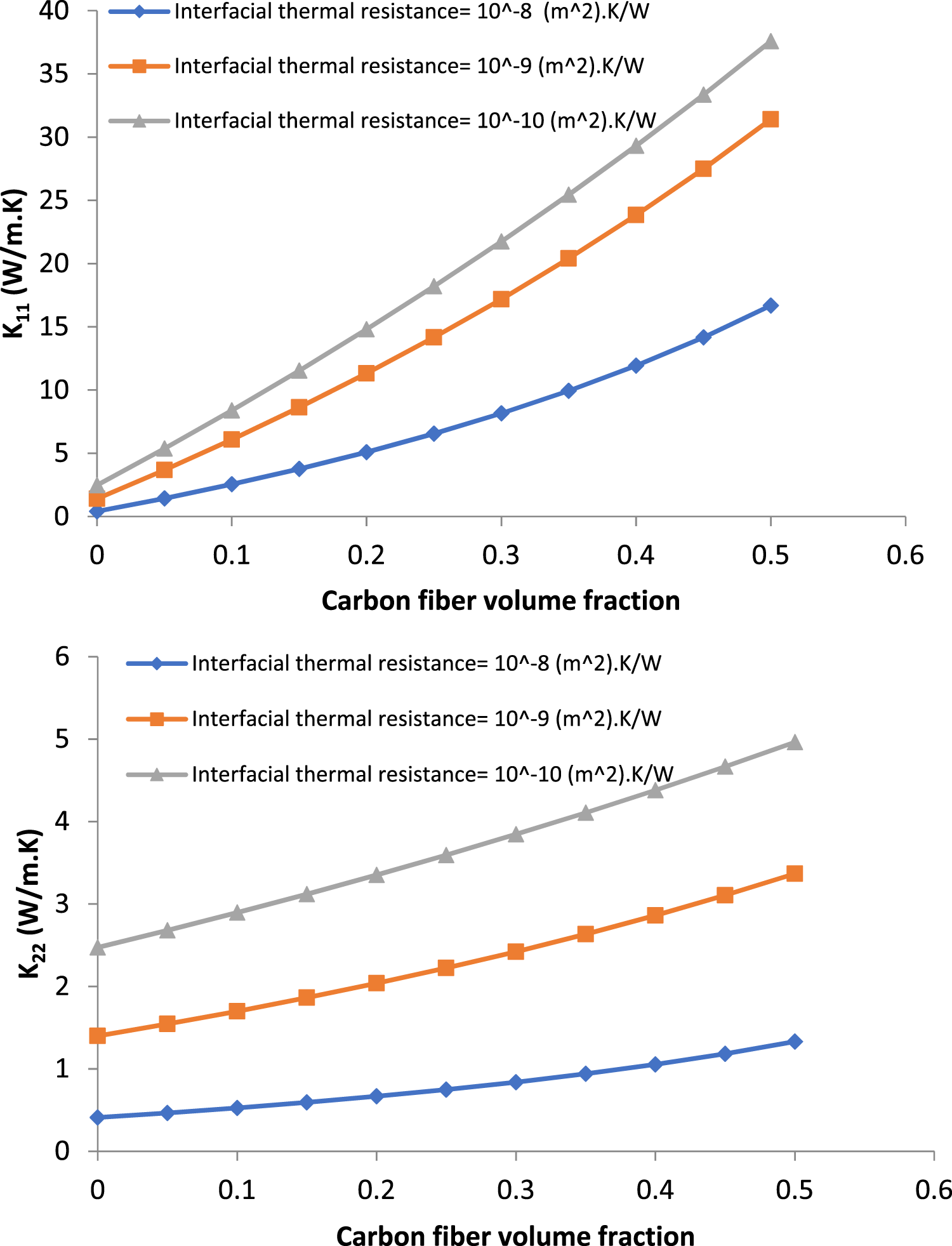
The developed model in this research is used to examine the influence of the lateral dimension of GNPs on the hybrid composite’s thermal conductivities as a function of the SCF volume fraction as shown in Figure 8. The results reveal that increasing the lateral size (or length) of the GNPs significantly improves the both composite’s overall thermal conductivities. This enhancement is attributed to the formation of more effective thermal conduction pathways; as larger GNPs promote better phonon transport across the material. It is noted that the relative enhancement of thermal conductivity in the transverse direction is more pronounced than that of in the axial direction. Therefore, from mechanical viewpoint, a higher graphene length leads to greater heat transfer in ternary composite structures and finally hinders thermal failures. Effect of graphene lateral dimension (or length) on the axial (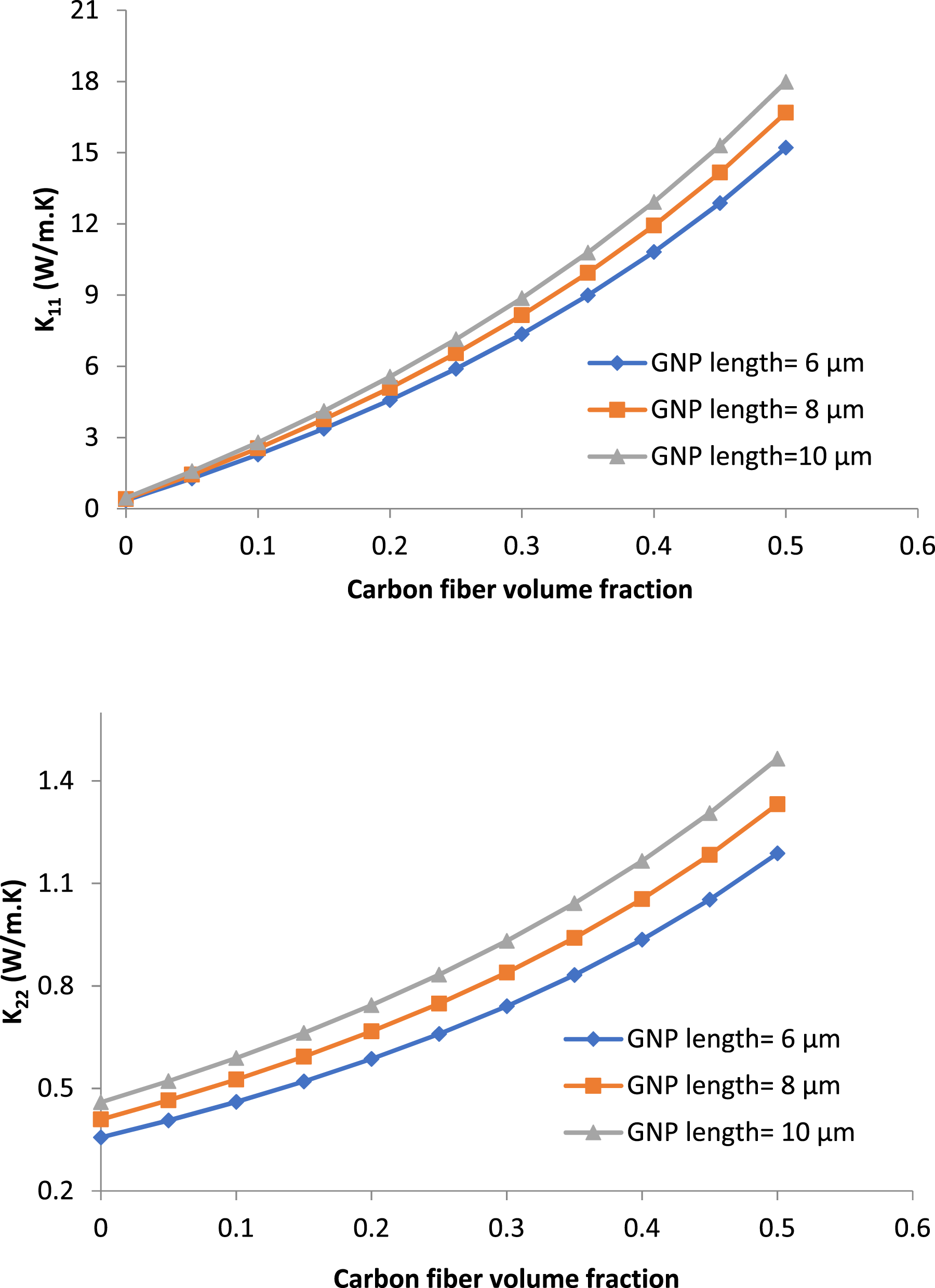
The effect of the intrinsic thermal conductivity of GNPs on the overall thermal conductivities of the ternary composite is examined in Figure 9. As observed in this figure, increasing the intrinsic thermal conductivity of the GNPs leads to a slightly rise in the overall thermal conductivities of the composite. Effect of graphene thermal conductivity on the axial (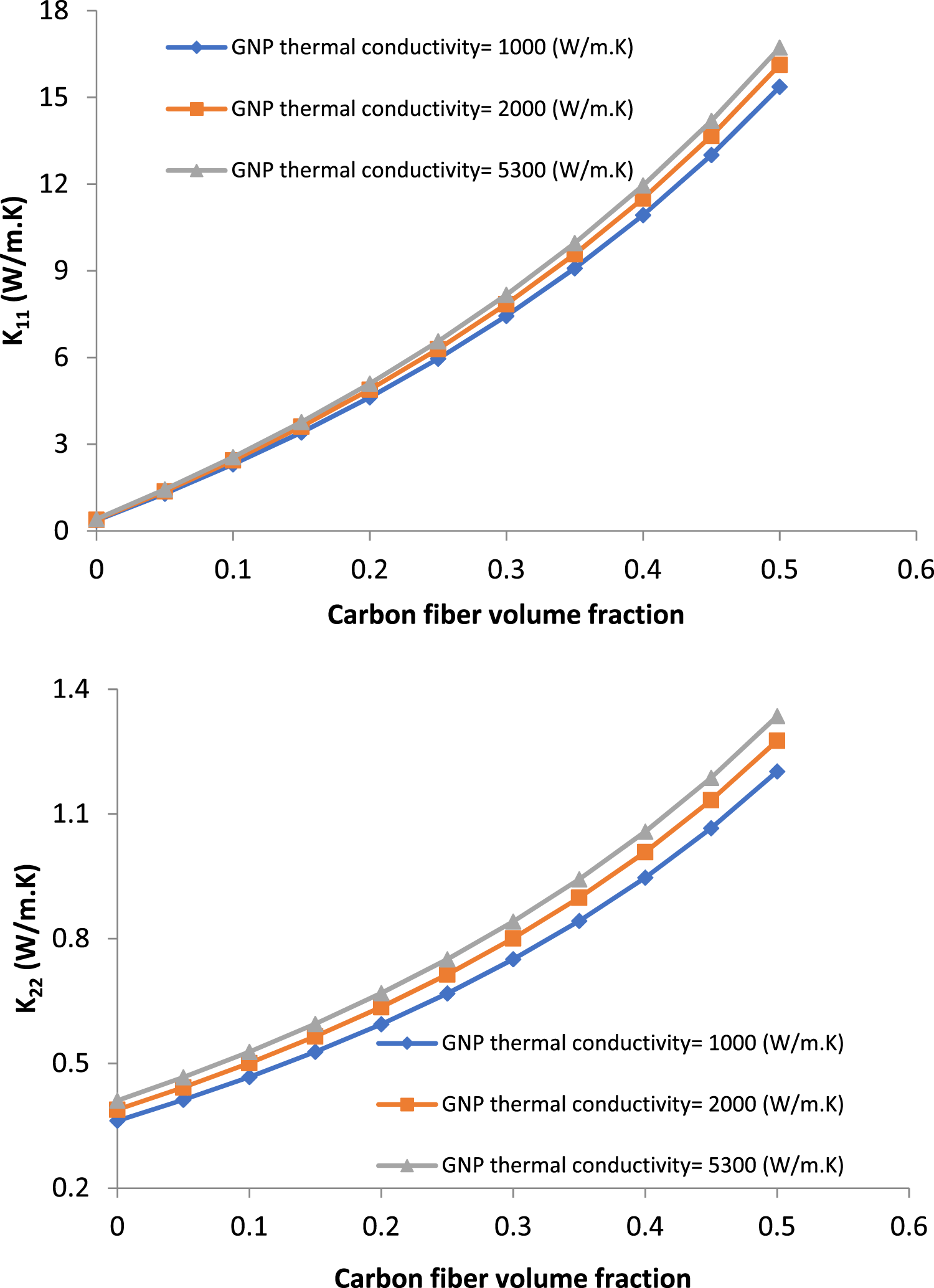
Figure 10 illustrates the relationship between thermal conductivities of the polymer composite containing graphene and SCF reinforcements and the volume fraction of SCFs evaluated across different SCF aspect ratios ( Effect of SCF aspect ratio on the axial (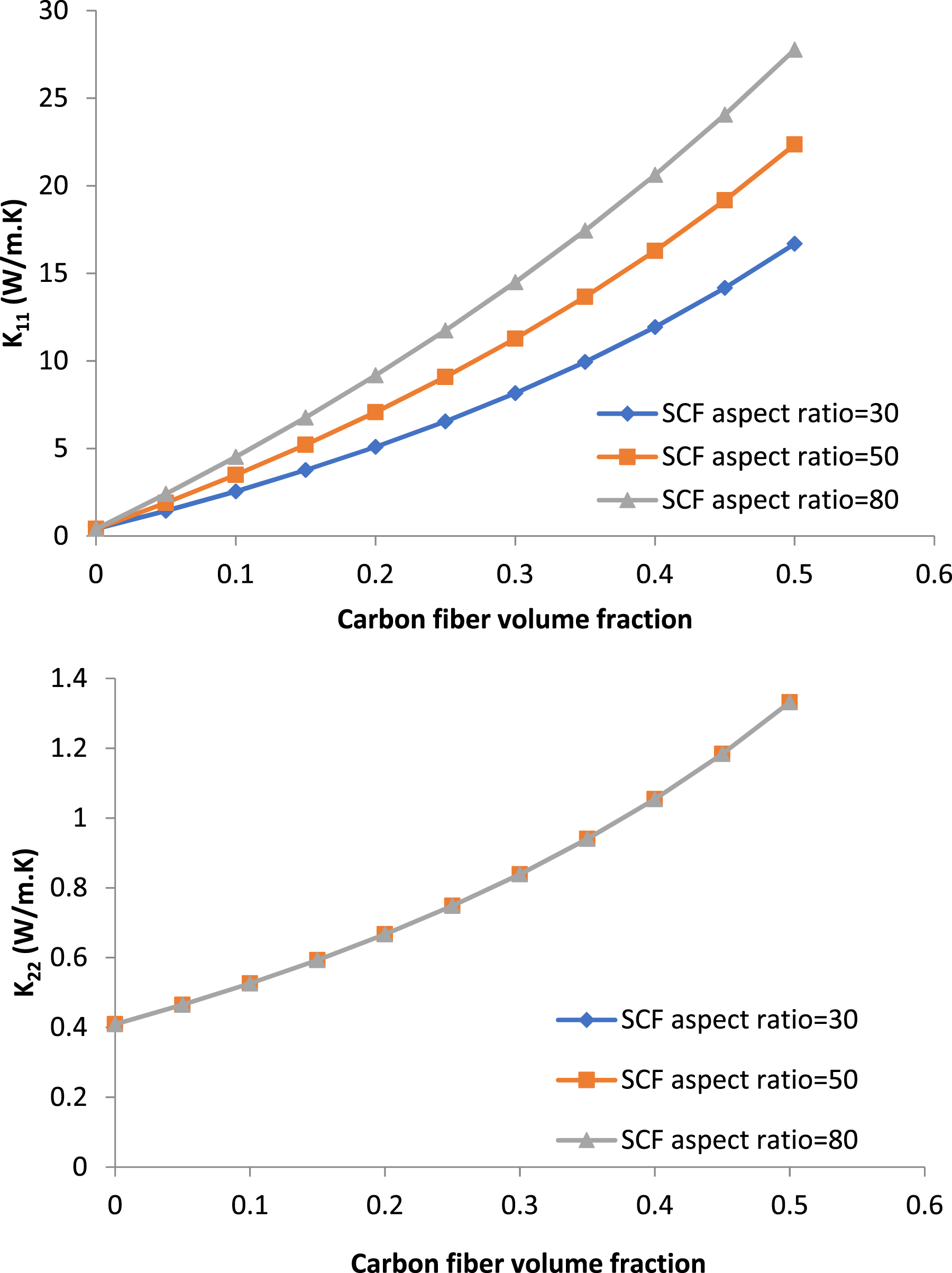
Conclusion
In this study, a comprehensive analysis was performed on the thermal conductivity of ternary composite comprising a polymer matrix reinforced by randomly dispersed GNPs and aligned SCFs. A micromechanics-based homogenization method was utilized to determine the thermal conductivities of the polymer composite containing graphene and SCF reinforcements. The findings were as follows: • Due to the high thermal conductivity of GNP, by adding and increasing graphene percentage into the polymer matrix, overall thermal conductivities of ternary composites in axial and transverse directions can be enhanced. • Thicker GNPs led to lower thermal conductivities of hybrid composites. Importantly, thinner GNPs exhibited a greater ability to improve the composite’s thermal performance. Thinner GNPs with a higher aspect ratio may facilitate the formation of more efficient thermal conductive networks within the polymer matrix. • A clear correlation was observed between the lateral size of GNPs and the composite’s thermal conductivities. Larger GNPs enhanced the thermal performance, whereas smaller GNPs generally result in reduced thermal efficiency. Larger GNPs may promote the establishment of more effective thermally conductive pathways within the polymer matrix leading to the improvement in thermal conductivity of the ternary composite. Thus, optimizing the size of GNPs is a key factor for achieving the thermal management in hybrid composites. • The increase of SCF volume fraction led to a significant increase in the thermal conductivities. Generally, the axial mechanical and physical properties of aligned fiber composites are mostly affected by the fiber characteristics, whereas their transverse properties are significantly dominated by the matrix characteristics. • Aspect ratio of SCFs played a critical role in the axial thermal conductivity enhancement. Increasing the fiber aspect ratio led to a significant improvement in heat transfer along the fiber direction, attributed to the ability of longer fibers to form more continuous and efficient thermal pathways.
Footnotes
Acknowledgment
The authors extend their appreciation to the King Saud University for funding this work through the Ongoing Research Funding Program (ORF-RICSP-2026-2), King Saud University, Riyadh, Saudi Arabia.

Author contributions
Funding
The authors disclosed receipt of the following financial support for the research, authorship, and/or publication of this article: This work was supported by the Ongoing Research Funding Program, (ORF-RICSP-2026-2), King Saud University, Riyadh, Saudi Arabia.
Declaration of conflicting interests
The authors declared no potential conflicts of interest with respect to the research, authorship, and/or publication of this article.
Data Availability Statement
Could be made available on request.