







Abstract
In this work, 2,5-bis(4-fluorophenyl)-1,3,4-oxadiazole (2F-Oz) is synthesized and successfully polymerized with 4-(4-hydroxyaryl)-phthalazin-1-one (DHPZ) through polycondensation to produce poly(ether 1,3,4-oxidiazole) containing phthalazinone units (PPEO) with intrinsic viscosity 1.54 dL g−1. A series of sulfonated poly(ether-1,3,4-oxidiazole)s (SPPEOs) with different degrees of sulfonation are prepared via postsulfonation reaction. The chemical structure of PPEO and SPPEOs was characterized through FT-IR and proton nuclear magnetic resonance, respectively. SPPEOs have excellent film-forming properties and readily dissolve in polar aprotic solvents, such as dimethyl sulfoxide, N-methyl-2-pyrrolidone (NMP), and so on. The water uptake of these SPPEO membranes with measured ion-exchange capacity of 1.13–1.61 mmol g−1 was 15.7–34.1% at 25°C and 17.9–59.8% at 60°C, and swelling ratio was 5.9–14.2% at 25°C and 6.6–18.1% at 60°C, respectively. The proton conductivity of SPPEO-1.61 is 0.045 S cm−1 at 30°C and 0.065 S cm−1 at 80°C, and the tensile strength of the SPPEO-1.61 is 48 MPa, and its elongation at break was 21%. The thermal and chemical stability of the SPPEOs is also examined.
Introduction
Polymer electrolyte membranes are critical components of polymer electrolyte fuel cells (PEFCs) which have attracted great effort with the intention of providing alternative environmentally friendly and efficient power sources. 1 In recent years, extensive studies have focused on designing membrane materials with the aim to meet the following requirements: high proton conductivity; low gas permeability; low cost; and high chemical, thermal, and mechanical stability. 2 –4 Until now, perfluorosulfonic acid polymers such as Nafion® (Dupont, USA) are the only commercially available, state-of-the-art proton exchange membranes due to their high proton conductivity and excellent chemical and physical stability. 5 Nevertheless, they suffer from some drawbacks, such as high production cost, low glass transition temperature (Tg ), environmental incompatibility, and high gas permeation properties, which restricted their wide applications in PEFCs. 6 Therefore, demands for alternate membrane materials with improving properties and lowering cost have increased. Over the past decades, sulfonated aromatic polymers have been extensively investigated with some successes and limitations including poly(aryl ether ketone), 7 –9 poly(aryl ether sulfone), 10,11 polyimides, 12 –15 polyphenylenes, 16,17 polybenzimidazoles, 18,19 and polybenzoxazine. 20
Poly(ether-1,3,4-oxidiazole)s represent a class of high performance engineering thermoplastics that have outstanding electrical and mechanical properties combined with excellent thermal and chemical stability, 21 –23 which makes them one of the excellent candidates for use in PEFCs. N sites in the oxadiazole ring play the role of both an electron acceptor and provider which may interact with sulfonic acid groups, form new proton transport channels, and make polymers achieve suitable conductivities at low ion-exchange capacities (IECs). 24,25 This results in low water uptake and small membrane dimensional changes, which are favorable for practical PEFCs applications. The disadvantage of polyoxadiazole for application in membranes and coatings is its low solubility. 26 –29 Poly(aryl phthalazinone ethers) are a kind of high performance polymers with excellent thermal, mechanical, and chemically oxidative-resistant stability, especially outstanding solubility in aprotic polar solvents, due to the noncoplanar configuration in polymer’s main chain. 30,31 Sulfonated poly(phthalazinone ethers) membranes have been explored for Proton exchange membrane fuel cell (PEMFC) application by our lab and other groups, and they have displayed high proton conductivity, thermal and chemical stability, and particularly very low swelling ratio with high IEC. 32–34
In the present work, aromatic phthalazinone units were introduced into the polyoxadiazole backbone with the aim of improving the solubility and thermostability of poly(aryl ether) containing 1,3,4-oxidiazole)s moieties. 2,5-Bis(4-fluorophenyl)-1,3,4-oxadiazole (2F-Oz) has been synthesized and successfully polymerized with 4-(4-hydroxyaryl)-phthalazin-1-one (DHPZ) by an aromatic nucleophilic substitution polymerization. A series of novel sulfonated poly(ether-1,3,4-oxidiazole)s with different degrees of sulfonation have been synthesized by postsulfonation reaction. The physicochemical properties such as proton conductivity, mechanical properties, water uptake, swelling degree, and oxidative stability of the sulfonated polymer membranes were investigated systematically.
Experimental
Materials
4-(4-Hydroxyphenol)-2,3-phthalazin-1-one (DHPZ) was prepared according to the literature 33 and recrystallized with N,N-dimethylacetamide (DMAc). N-methylpyrrolidone (NMP), tetramethylene sulfone (TMS), toluene, anhydrous potassium carbonate, and other reagents were purchased from National Medicines Corporation of China and used as received.
Synthesis of 2,5-bis(4-fluorophenyl)-1,3,4-oxadiazole (2F-Oz)
2,5-Bis(4-fluorophenyl)-1,3,4-oxadiazole (2F-Oz) was prepared according to the literature. 35 The typical synthesis procedure is as follows: 4-fluorobenzoic acid (2.8 g, 20 mmol) was heated with hydrazine sulfate (1.3 g, 10 mmol) in poly(phosphoric acid, 10 g) at 150°C for 6 h and 200°C for another 2 h. The product was crystallized from ethanol to obtain the white crystalline 2F-Oz. Proton nuclear magnetic resonance (1H-NMR; 500 MHz, dimethyl sulfoxide (DMSO)-d 6, δ): 8.20 (d, 4H, Ar H) and 7.49 (t, 4H, Ar H); Gas Chromatography-Mass Spectrometer (GC-MS): 258 m/z (>99.9%).
Synthesis of poly(aryl ether) containing phthalazinone and 1,3,4-oxadiazole (PPEO) moieties
A 50-mL three-necked flask equipped with a nitrogen inlet, mechanical stirrer, Dean-Stark trap, and a condenser was charged with 2F-Oz (2.58 g, 10 mmol), DHPZ (2.38 g, 10 mmol), K2CO3 (4.14 g, 30 mmol), toluene (8 mL), and TMS (5 mL). The mixture solution was refluxed at 140°C until the presence of water was no longer observed in the Dean-Stark trap. Then, the reaction mixture was kept at 190°C for a period of time till the end of the polymerization. Then, the solution was poured into 100 mL of deionized water with vigorous stirring. The resulting solid product was washed with deionized water several times and dried at 80°C under vacuum for 24 h.
Sulfonation of PPEO
To a 50-mL three-necked flask equipped with a dropping funnel, nitrogen inlet, and mechanical stirrer, 1 g of PPEO was charged. Then, concentrated sulfuric acid (10 mL) was added to the flask, and the mixture was cooled to 0°C. Chlorosulfonic acid was added dropwise to the mixture. The mixture was stirred at 90°C for 3 h. After 3 h, the solution was poured into 100 mL of deionized water with vigorous stirring. The resulting polymer was washed with deionized water till neutral and dried at 80°C under vacuum for 24 h.
Preparation of sulfonated polymer membranes
The membranes were prepared by casting from a 10 wt% SPPEO solution in NMP on glass plates and dried at 60°C for 24 h and under vacuum at 80°C for 10 h. After cooling, they were immersed in deionized water and then peeled off. The acidification of the membranes was performed via immersing the membranes in 1 M H2SO4 solution at room temperature for 12 h and then in deionized water at room temperature for 24 h to remove residual acid. The dry membranes were obtained by drying at 80°C for 12 h under vacuum, and their thickness was about 50 μm.
Characterization of PPEO and SPPEO
1H-NMR spectra were recorded using the Varian INOVA 500 MHz NMR spectrometer (Varian, USA) with deuterated chloroform and DMSO-d 6 as the solvent and tetramethylsilane (TMS) as the internal standard. The thermal analysis was performed to estimate the thermal stability of the polymer and membranes by using a TG209F1 (NETZSCH, Germany) with the controlled heating rate of 10°C min−1 from 30 to 800°C under a nitrogen atmosphere. All the specimens were dried in vacuum at 100°C for 24 h before the measurement.
Water uptake and swelling ratio
The Water uptake (WU) of the Proton exchange membrane (PEM) was determined according to a weighing procedure. The membranes were soaked in the deionized water at room temperature and at 60°C for 12 h. The hydrated membranes were taken out, and the excess water on the surface of the membranes was removed by wiping it with tissue paper and weighed immediately (denoted by the variable W wet). The wet membrane was dried under vacuum at 80°C until a constant weight was obtained (W dry). The WU was calculated with the following equation:
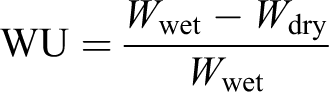
where W dry and W wet are the equilibrium weight of the membrane in dry and swollen states, respectively.
The Swelling ratio (SR) was characterized by the length expansion ratio. The length of membrane sample was measured by calipers. The SR was determined using the length difference between wet and dry membrane samples. The SR was calculated by the following equation:
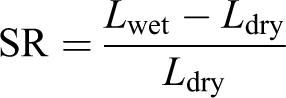
where L wet and L dry are the lengths of the wet and dry membranes, respectively.
IEC and ionic conductivity
The theoretical IEC was calculated from 1H-NMR. The experimental IEC was measured by titration method. The PEM was soaked in saturated NaCl solution for 24 h. The protons released due to the exchange reaction with Na+ ions were titrated against 0.1 M NaOH, using phenolphthalein indicator, and the experimental IEC was determined as follows:
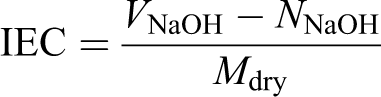
where V NaOH is the volume of NaOH consumed, N NaOH is the normality of NaOH, and M dry is the mass of the dried membranes.
The in-plane conductivity of the PEMs was measured by a two-electrode Alternating current (AC) impedance technique with CHI 660C electrochemical equipment (Shanghai Chenhua Instrument Company, Shanghai, China). Impedance spectra were recorded in the frequency ranging from 1 to 105 Hz. The testing device was placed in a thermostatic chamber with deionized water. The membrane samples were soaking in deionized water for at least 24 h prior to the test. The ionic conductivity (S cm−1) can be calculated as follows:
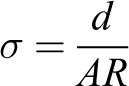
where d is the distance between two potential sensing stainless steel electrodes (cm), A is the surface area of the membrane exposed to the electric field (cm2), and R is the bulk resistance (Ω) of the membrane.
Hydrolysis and oxidative stability
The hydrolytic stability test of the membranes toward moisture was examined by treating membranes in pressurized water at 140°C for 24 h. The stability was evaluated by changes in weight. The oxidative stability of the membranes was examined by soaking in Fenton’s reagent (3% H2O2 containing 2 ppm FeSO4) at 80°C for 1 h by changing the weight of the sample.
Results and discussion
Synthesis and characterization
PPEO containing 1,3,4-oxadiazole moieties was synthesized from 2,5-bis(4-fluorophenyl)-l,3,4-oxadiazole with DHPZ by high-temperature solution polycondensation in a polar solvent in the presence of anhydrous potassium carbonate as shown in Figure 1. The inherent viscosity (η) of PPEO was 1.54 dL g−1 determined by Ubbelohde viscometer (Changzhou Glass Company, Changzhou, Jiangsu Province, China) in concentrated sulfuric acid (98%) at 30°C, which indicated that high-molecular-weight PPEO had been successfully prepared.
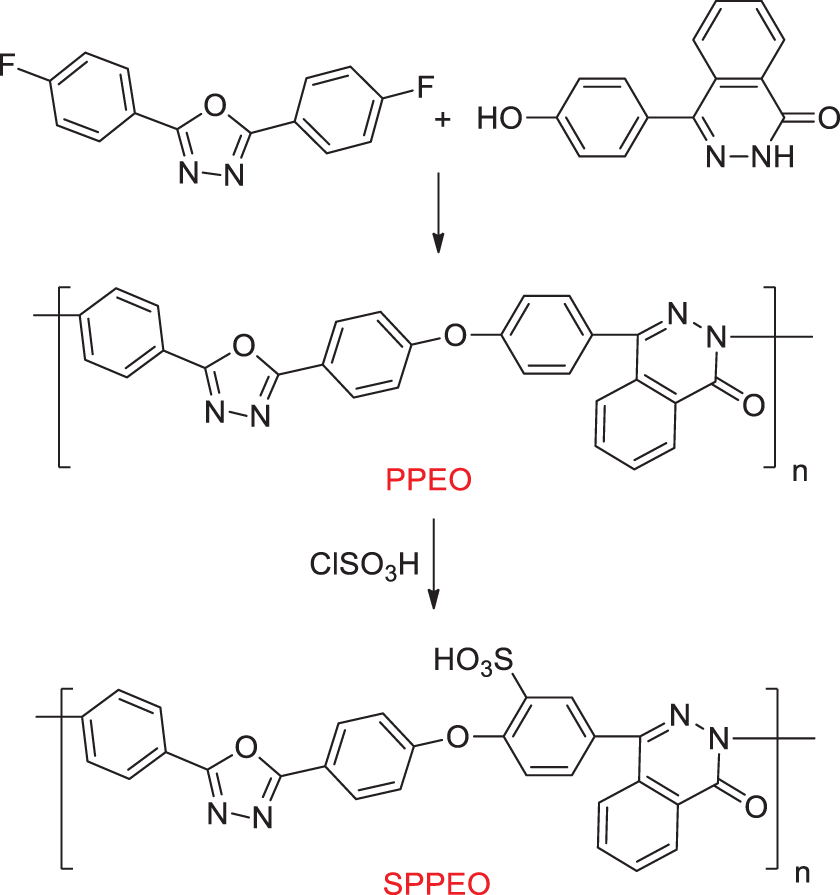
Synthesis of PPEO and SPPEO.
The chemical structure of PPEOs was identified by Fourier Transform infrared spectroscopy (FT-IR) and 1H-NMR spectroscopy. Figure 2 shows the 1H-NMR spectra of PPEO and SPPEO. All peaks were well assigned to the chemical structure of PPEO and SPPEO. In Figure 2, the aromatic region of PPEO in CDCl3 was approximately divided into three regions. The peak at low field (8.61–8.70 ppm) is attributed to H16 due to the electron-withdrawing phthalazinone moieties.
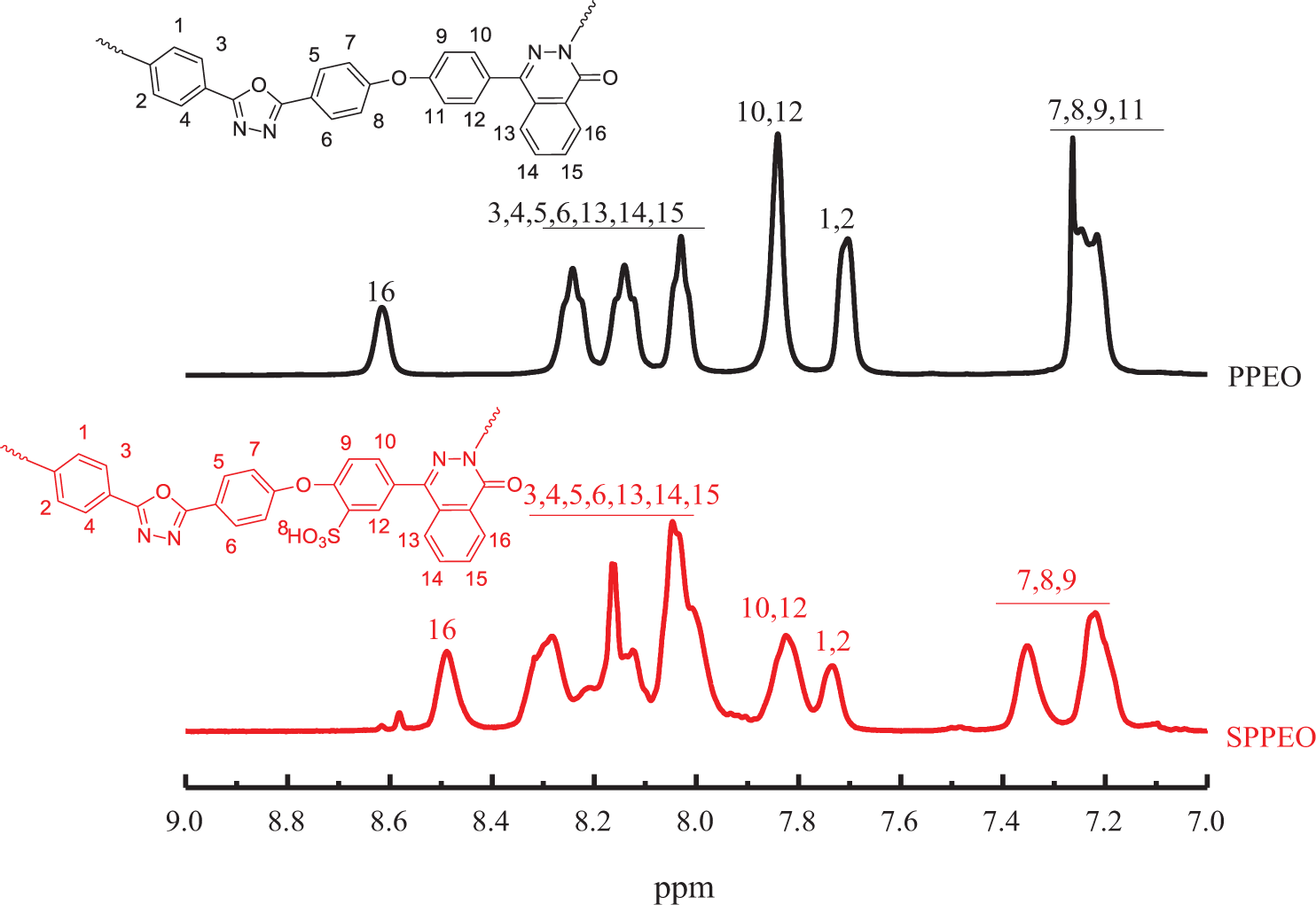
1H-NMR spectrum of PPEO in CDCl3 and SPPEO-1.61 in DMSO-d 6. 1H-NMR: proton nuclear magnetic resonance; DMSO: dimethyl sulfoxide.
For PPEO in Figure 2, the ortho-ether linkage 4H peaks (H7, H8, H9, and H11) shifted to higher field of 7.15–7.30 ppm due to the electron donation of aromatic ether linkages. The sulfonation of PPEO was an electrophilic reaction occurred at the ortho-ether 7, 8, 9, or 11 sites, because of the electron donating ether groups. 36 The remaining aromatic H signals of PPEO appeared at 7.67–8.30 ppm. Compared with PPEO, the signal of H16 in SPPEO appeared at a higher field (8.43–8.52 ppm) due to the presence of –SO3H group.
The FT-IR spectra of the PPEO and SPPEO-1.61 are shown in Figure 3. The strong absorption band at 1695 cm−1 was due to the stretch vibration of carbonyl groups. The bands at 3060 cm−1 and 1600 cm−1 were assigned to aromatic C–H stretching and aromatic C–C stretching vibration, respectively. The C–O–C stretching vibration was observed at 1014 cm−1. For SPPEO-1.61 in Figure 3, two new bands appear at 1046 and 1250 cm−1 due to the stretching vibrations of sulfonic acid groups. These would conclude that the sulfonic acid group had been introduced into the polymers’ main chain.
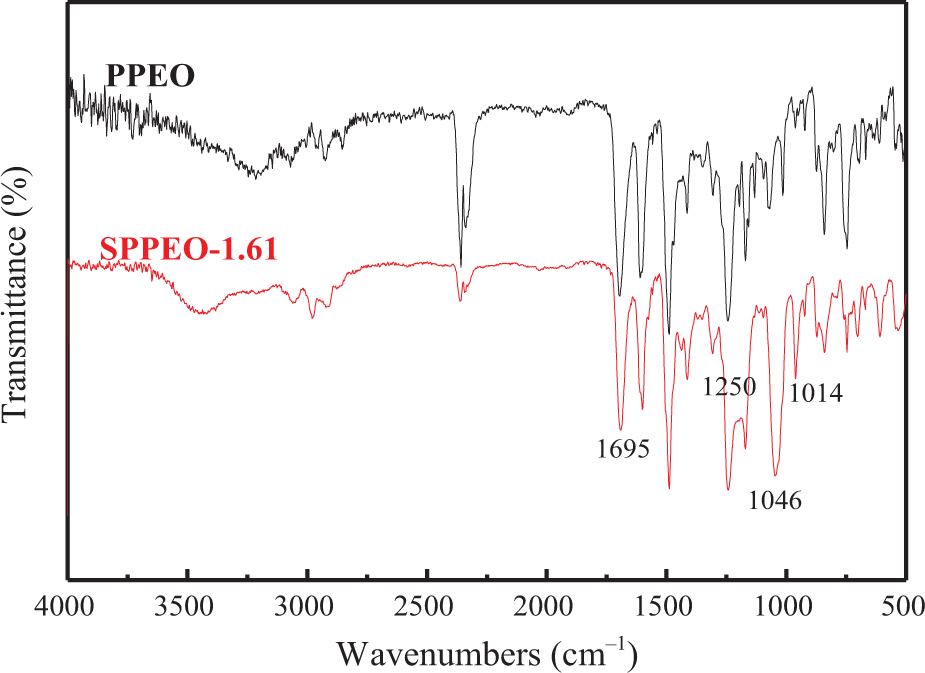
FT-IR spectrum of PPEO and SPPEO-1.61.
IEC, water uptake, and swelling ratio
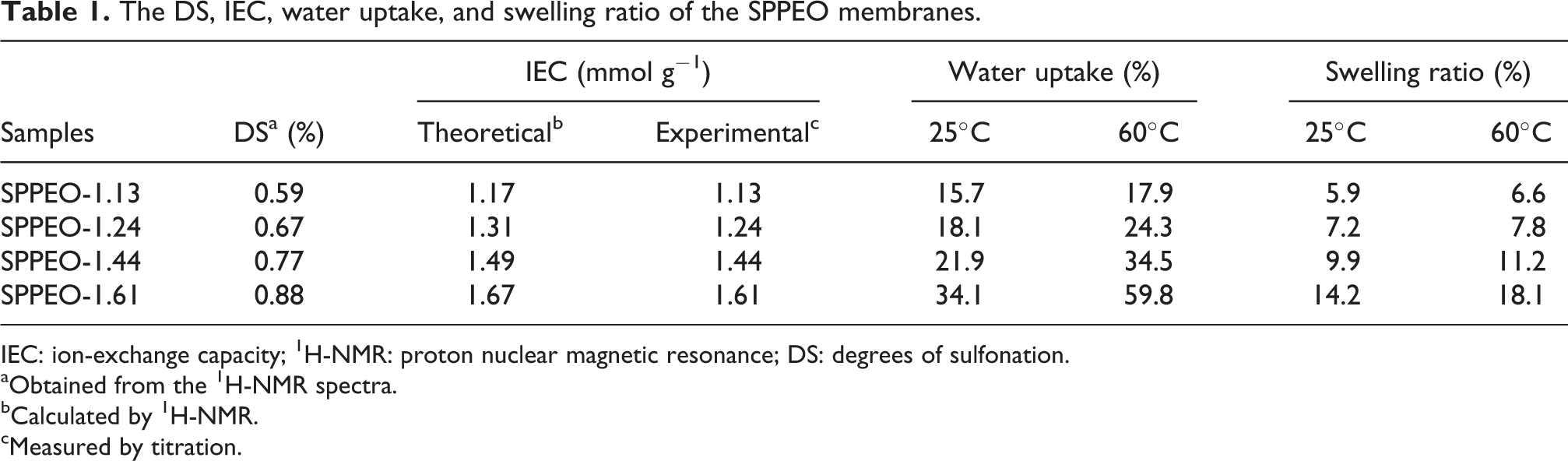
IEC represents the number of exchangeable ions per unit dry weight of the membranes. The theoretical IEC was calculated by 1H-NMR, while the experimental IEC was measured by titration. As shown in Table 1, the measured IEC values of the SPPEO membranes were in the range of 1.13–1.61 mmol g−1, though a little lower than the theoretical values, and agreed well with their calculated values from 1H-NMR because of the incomplete proton exchange in the experiment.
The DS, IEC, water uptake, and swelling ratio of the SPPEO membranes.
IEC: ion-exchange capacity; 1H-NMR: proton nuclear magnetic resonance; DS: degrees of sulfonation.
aObtained from the 1H-NMR spectra.
bCalculated by 1H-NMR.
cMeasured by titration.
The water uptake of PEMs is of very importance in their practical applications, since the presence of water has a profound effect on transport of protons in proton exchange membrane. Nevertheless, uptake of excess water in the proton exchange membranes causes undesired dimensional change or loss of dimensional shape, which could result in weakness in a membrane electrode assembly. 4 The water uptake and swelling ratio of SPPEO membranes were measured at 25°C and 60°C, respectively. As expected, the water uptake and swelling ratio of SPPEO membranes increased with temperature because of the more mobility of polymer’s main chain at higher temperature. The SPPEO membranes exhibited moderate water uptake in the range of 15.7–34.1% at 25°C and 17.9–59.8% at 60°C, and very low swelling ratio in the range of 5.9–14.2% at 25°C and 6.6–18.1% at 60°C, respectively, which showed that they have excellent dimensional stability from 25°C to 60°C. As shown in Figure 4, the water uptake and swelling ratio of SPPEO increase with the increase of their IECs. Compared with Nafion membranes, the SPPEO membranes with similar IEC had lower water uptake and swelling ratio. The SPPEO membranes had excellent dimension stability owing to the molecular interaction between the sulfonic groups and oxadiazole, which restricted the movement of the main chain of the polymers.
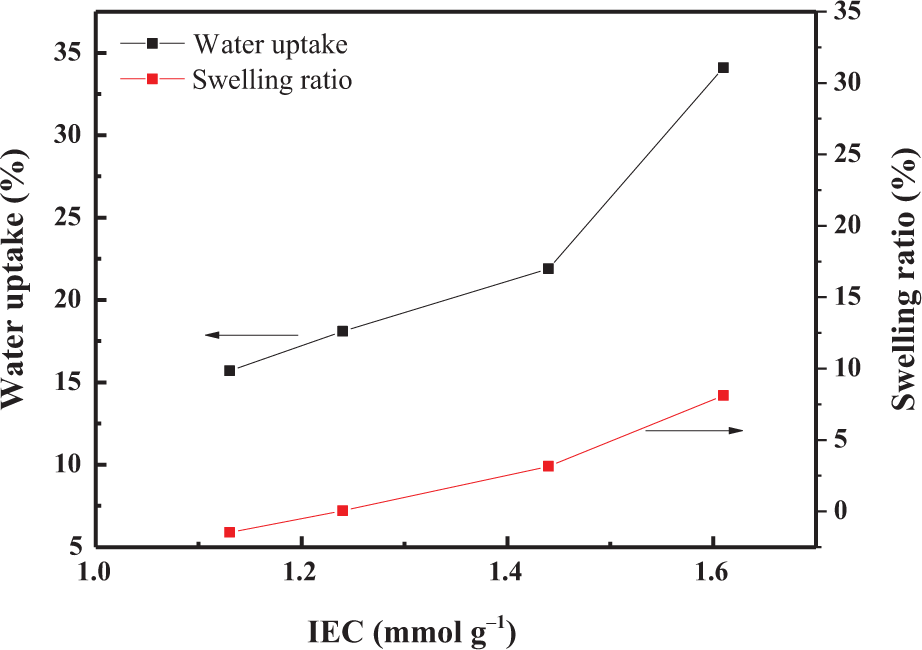
Water uptake and swelling ratio versus IEC for SPPEO membranes. IEC: ion-exchange capacity.
Thermal stability and mechanical properties
The thermal stability of obtained PPEO and SPPEOs was examined by thermogravimetric analyzer (TGA) measurement from 30°C to 800°C at a heating rate of 10°C min−1 under nitrogen atmosphere in this work. Figure 5 shows the typical TGA curves of PPEO and SPPEOs. The PPEO exhibited no weight loss transition until 400°C, while the SPPEOs showed a three-step degradation pattern. For SPPEOs, the first weight loss temperature was observed around 100°C, which was attributed to the loss of water and solvent in SPPEOs. The second step of degradation in the range of 230–330°C was due to the decomposition of sulfonic acid groups. The third weight loss step over 480°C indicated the degradation of the polymer backbone. All the SPPEOs showed excellent thermal stability over 230°C, suggesting their perspective in fuel cell application.
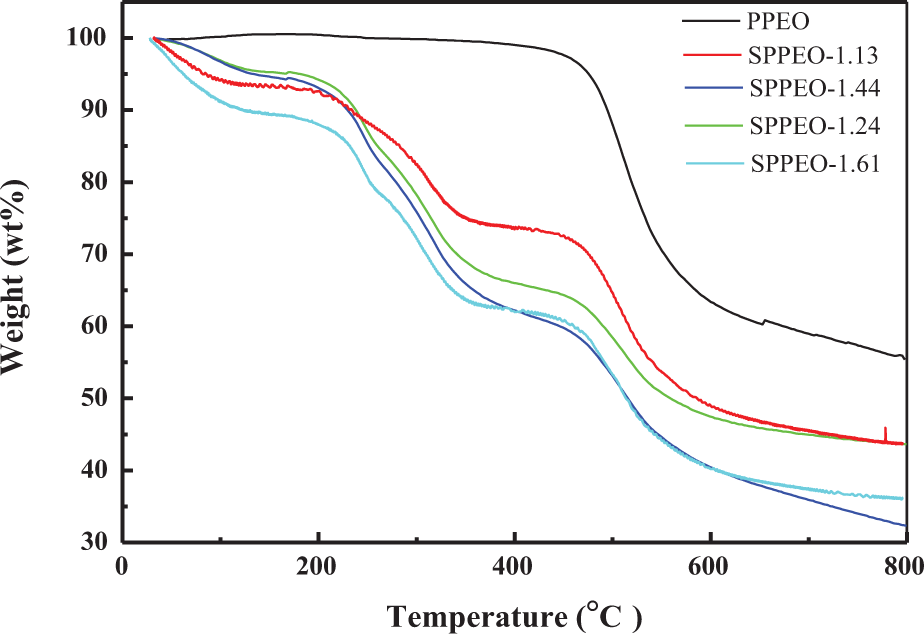
TGA curves of PPEO and SPPEOs under nitrogen atmosphere. TGA: thermogravimetric analyzer.
The mechanical properties of SPPEO-1.61 were measured at room temperature and 35% Relative humidity (RH), and the results are shown in Table 2. Its tensile strength is 48 MPa much higher than Nafion 117, the elongation at break is 21.03%, and Young’s modulus is 1.93 GPa. From the results in Table 2, it shows that SPPEO membrane could be a potential candidate for PEMFC applications.
Mechanical property of the SPPEO-1.61 and Nafion 117 membrane in the dry state.
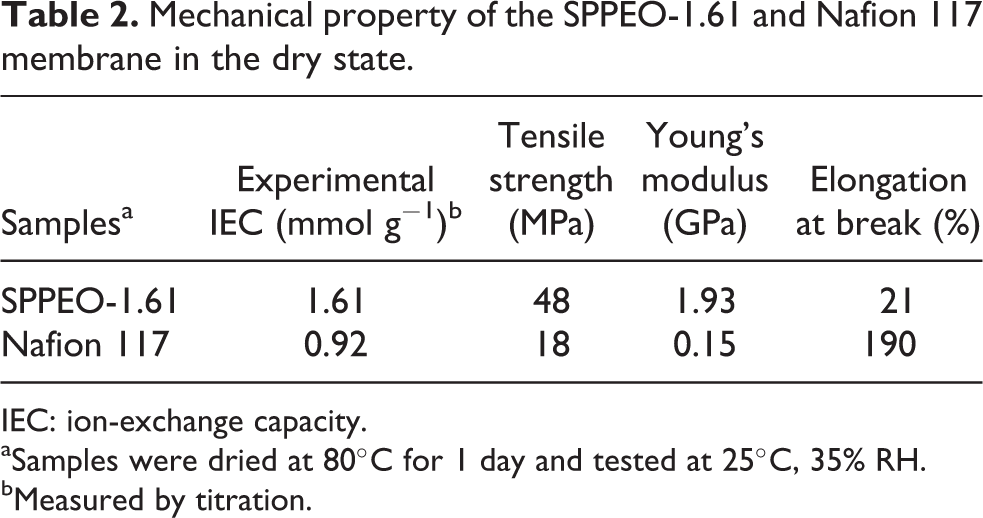
IEC: ion-exchange capacity.
aSamples were dried at 80°C for 1 day and tested at 25°C, 35% RH.
bMeasured by titration.
Proton conductivity
Proton conductivity is a crucial property of proton exchange membranes. The proton conductivity of SPPEO membranes as well as Nafion 117 was tested using AC impedance spectroscopy in deionized water at 30°C. The IEC has considerable effects on proton conductivity of PEMs. Figure 6 shows the dependence of the proton conductivity on their IEC of the SPPEO membranes. As shown in Figure 6, the proton conductivity of SPPEOs in the range of 0.018–0.045 S cm−1 increases with their IECs. SPPEO-1.44 (IEC = 1.44 mmol g−1; σ = 0.033 S cm−1) showed high ionic conductivity compared to sulfonated poly(phthalazinone ether ketone) membranes (IEC = 1.45 mmol g−1; σ = ∼0.029 S cm−1) 37 and sulfonated poly(ether sulfone) membranes (IEC = 1.40 ± 0.05 mmol g−1; σ = 0.0315 S cm−1). 38 High proton conductivity obtained by SPPEO might be owing to their chemical structures, possessing both acceptor sites (nitrogen and oxygen of oxadiazole rings) and proton donor (SO3H) that were able to transport protons by proton hopping through the N and O sites and the sulfonic acid groups. 26 Unfortunately, the proton conductivities of SPPEO membranes were still lower than those of Nafion 117. This might because that Nafion 117 had unique ion-rich channels that were favored for proton transportation, while the SPPEO membranes synthesized in this article had a rather homogeneous structure.
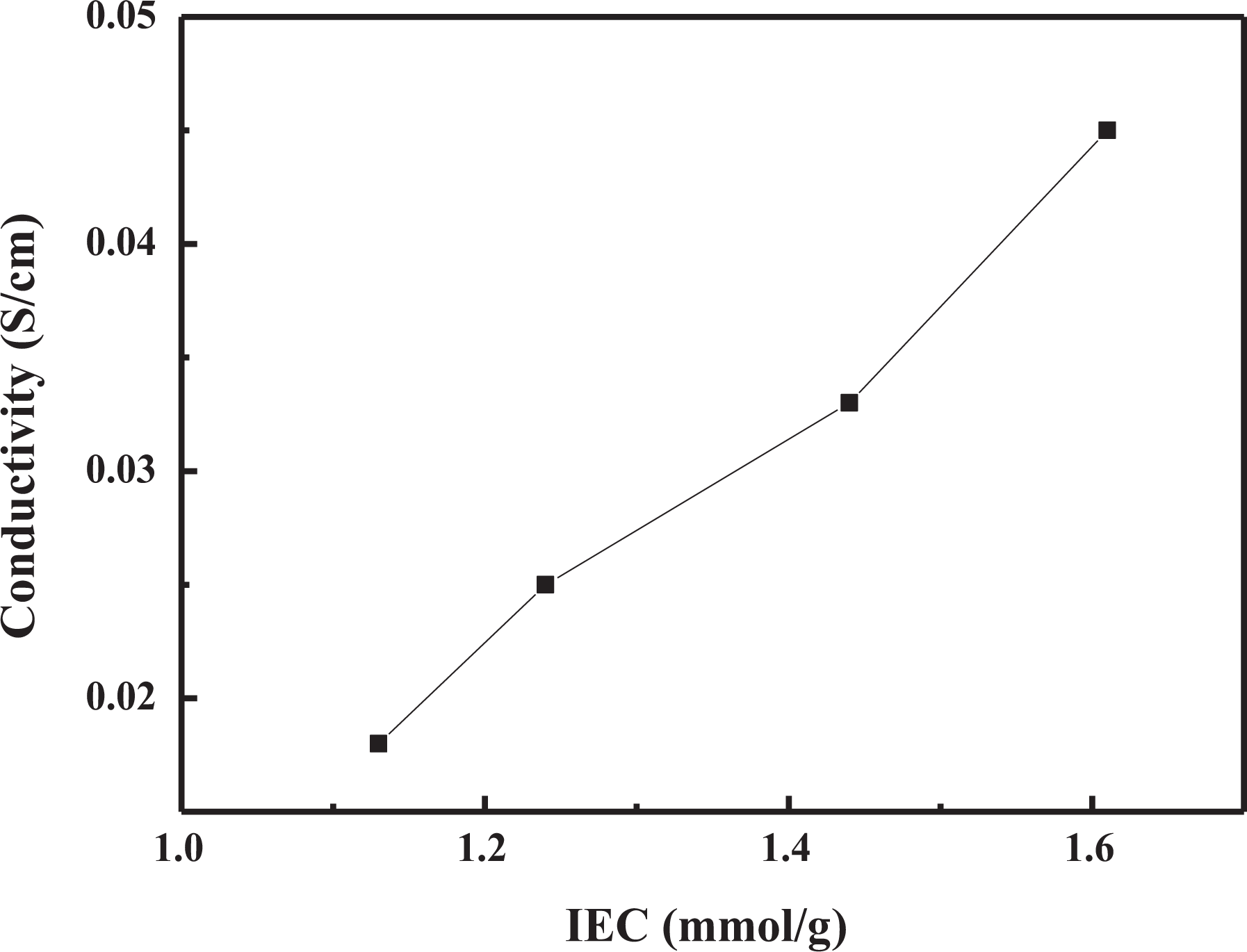
Dependence of the proton conductivity of SPPEO membranes on their IECs. IEC: ion-exchange capacity.
Proton conductivity of SPPEO membranes was examined at different temperatures as shown in Figures 7 and 8. The membrane proton conductivity was in the range of 0.018–0.065 S cm−1 and increased with increasing temperature due to the thermal motion of protons and diffusion mechanism in PEMs.
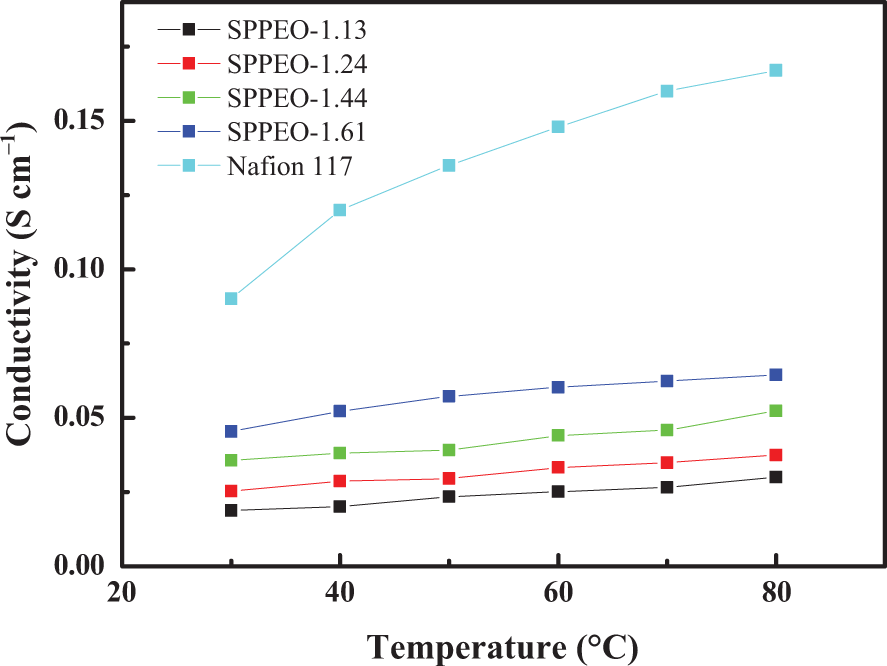
Temperature dependence of the proton conductivity of SPPEO membranes and Nafion 117 at 100% RH.
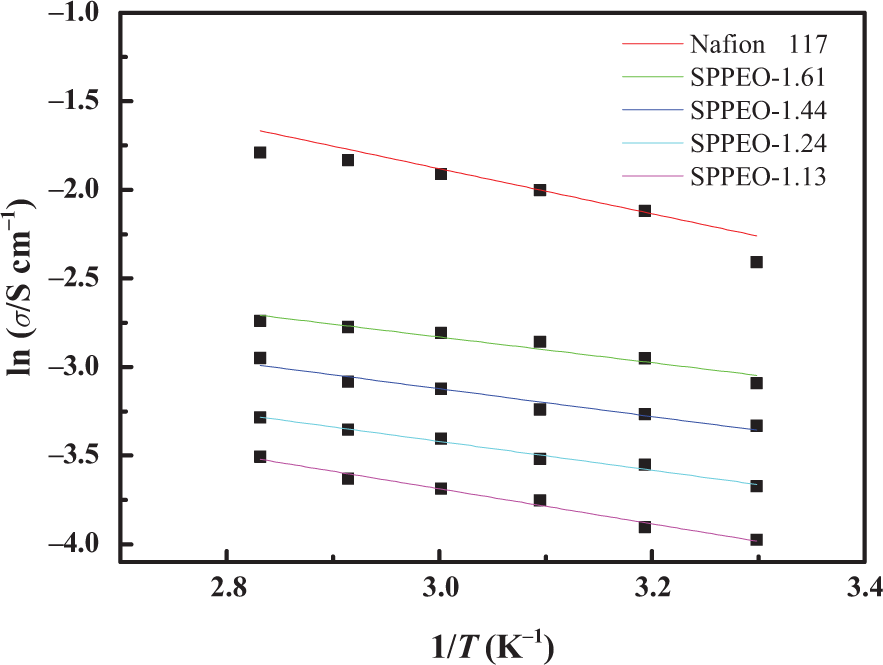
Arrhenius plots of proton conductivity data of SPPEO membranes and Nafion 117 at 100% RH.
Figure 9 shows the hypothesis of ion conduction by hopping mechanism in SPPEO membranes. In the SPPEO membranes, the hydronium ion formed hydrogen bonds with the oxygen of water molecule and the nitrogen atom of heterocyclic ring. A water molecule also donated a hydrogen bond to the oxygen of sulfonic acid. 26 Proton hops from a sulfonic acid group to the acceptor of oxadiazole group and then to another sulfonic acid group. Thus, a favorable transport channel forms, and the proton transmission distance was shorten. 25 The above reason ensures the excellent proton conductivity of the SPPEO membranes. All samples showed proton conductivities values over 10−2 S cm−1, which indicate that they are potential alternative for the application of PEFCs.
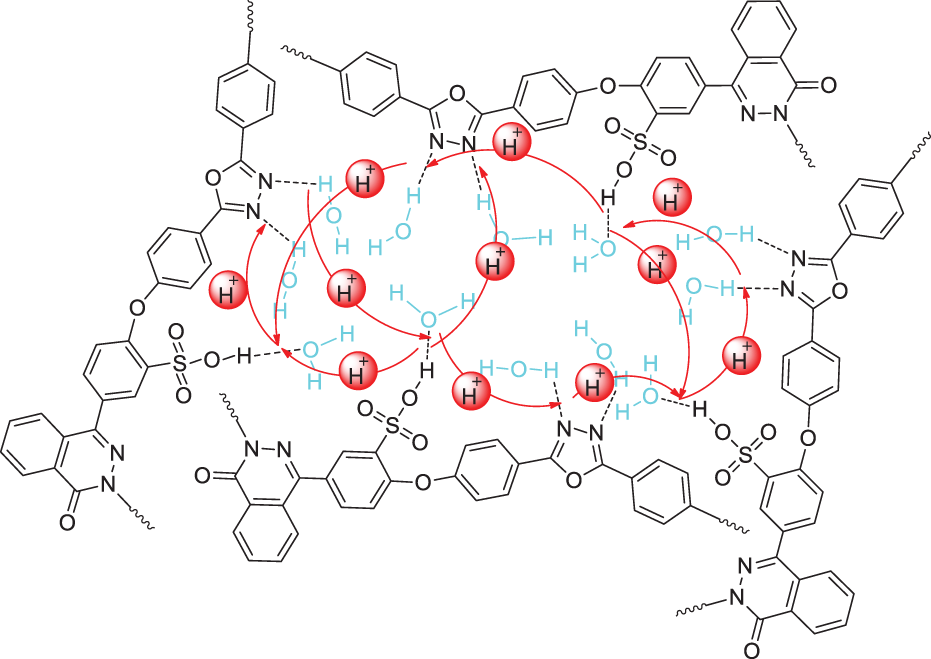
Hypothesis of ion conduction in SPPEO membranes.
Solubility
The solubility behavior of the SPPEO and PPEO was investigated in this work, and the results are shown in Table 3. In Table 3, the PPEO was soluble in polar solvents such as N-methyl-2-pyrrolidone (NMP), chloroform, and so on. The SPPEO was readily soluble in aprotic solvents such as NMP, DMSO, N,N-dimethylformamide (DMF), and DMAc. The excellent solubility of the polymers may be attributed to the presence of twist and noncoplanar phthalazinone moiety which can disorder the symmetry of the main chain in polymers, thereby reducing the interchain interactions and lowering the density of cohesive energy.
Solubility of PPEO and SPPEO.
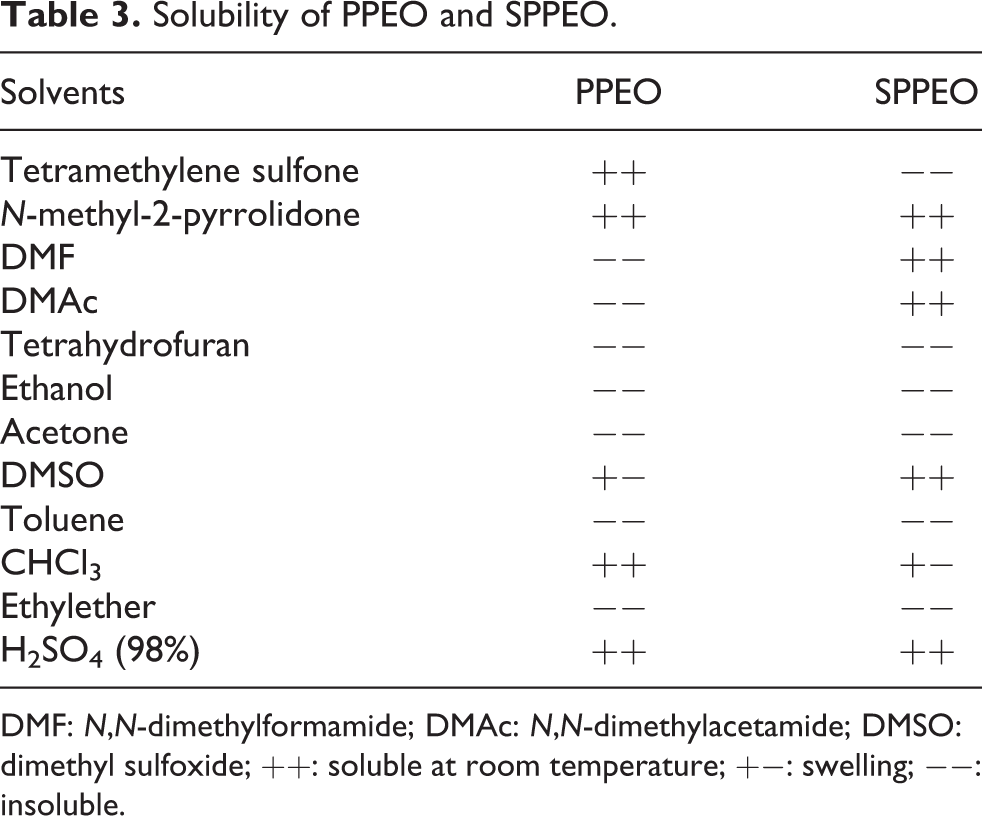
DMF: N,N-dimethylformamide; DMAc: N,N-dimethylacetamide; DMSO: dimethyl sulfoxide; ++: soluble at room temperature; +−: swelling; −−: insoluble.
Hydrolytic and oxidative stabilities
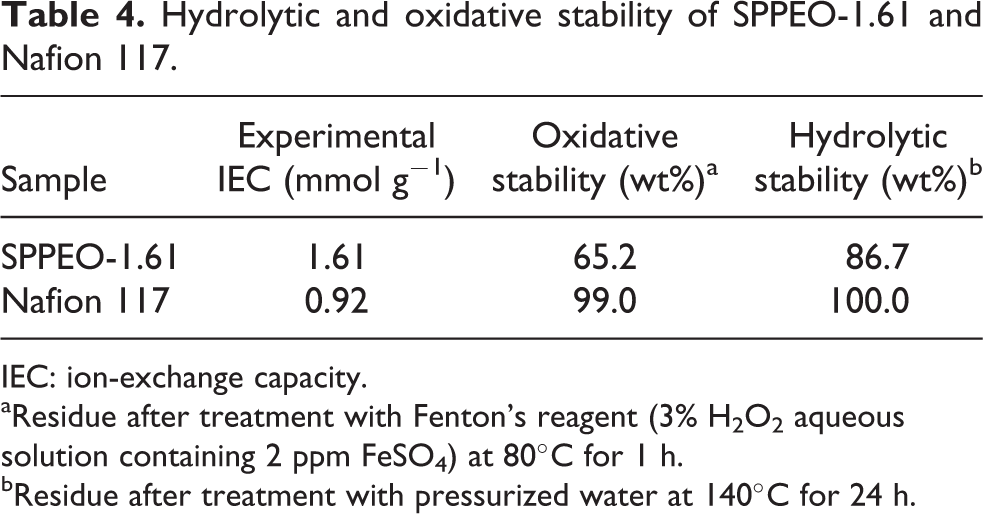
Hydrolytic and oxidative stabilities of PEMs are critical properties for fuel cell applications. We have evaluated our membranes under harsh accelerated conditions. The results are summarized in Table 4. In the oxidative stability test using Fenton’s reagent, SPPEO-1.61 lost 34.8% of the weight, while Nafion lost only 1% of the weight under the same conditions. The degradation of SPPEO is considered to take place on the polyoxadiazole main chains. The weight loss of SPPEO-1.61 was 13.3% after the hydrolytic stability test. The unfavorable hydrolytic stability of the polymer membranes might be ascribed to the presence of excess hydrophilic heterocyclic rings.
Hydrolytic and oxidative stability of SPPEO-1.61 and Nafion 117.
IEC: ion-exchange capacity.
aResidue after treatment with Fenton’s reagent (3% H2O2 aqueous solution containing 2 ppm FeSO4) at 80°C for 1 h.
bResidue after treatment with pressurized water at 140°C for 24 h.
Conclusions
Poly(ether-1,3,4-oxidiazole) (PPEO) was synthesized from 2,5-bis(4-fluorophenyl)-1,3,4-oxadiazole (2F-Oz) and 4-(4-hydroxyaryl)-phthalazin-1-one (DHPZ) with intrinsic viscosity of 1.54 dL g−1. A series of sulfonated poly(ether-1,3,4-oxidiazole)s (SPPEOs) with different degrees of sulfonation have been prepared via postsulfonation. PPEO was highly thermally stable and exhibited no weight loss up to 400°C, with 10% weight loss in the temperature range of 484–514°C under N2 atmosphere. SPPEOs showed excellent thermal stability over 230°C. SPPEOs displayed good solubility in NMP, DMSO, and so on. The proton conductivity of SPPEOs was in the range of 0.018–0.045 S cm−1 at 30°C and 0.030–0.065 at 80°C. The tensile strength of the SPPEO-1.61 was 48 MPa, and elongation at break was 21%. The oxidative and hydrolytic stabilities of SPPEO membrane still need to be improved by introducing hydrophobic component further.
Footnotes
Declaration of Conflicting Interests
The author(s) declared no potential conflicts of interest with respect to the research, authorship, and/or publication of this article.
Funding
The author(s) disclosed receipt of the following financial support for the research, authorship, and/or publication of this article: This work is financially supported by the National Key Research and Development Program of China (2016YFB0101203).