







Abstract
The 5th Aquaphotomics International Conference marked the 20th anniversary of the founding of Aquaphotomics. It was held from May 17 to May 20 this year at Kobe University under the theme “The Way of Water & Light, The Path of Life” and it was simultaneously streamed online. The conference was conducted in a hybrid format, with both inperson and online participation. On the first day, a public lecture for the general audience was held, followed by the Aquaphotomics School and the Aquaphotomics Workshop. From the second day onward, the program began with an overview session and expanded into a wide range of topics across ten thematic sessions, featuring 46 oral presentations and 15 poster presentations. The presentations covered diverse fields including the applications of Aquaphotomics in agriculture, medicine, and cosmetics, as well as technical themes such as spectroscopy, instrumentation, and chemometrics. Moreover, the conference included sessions on quantum electrodynamics, which drew significant attention. In particular, lectures by physicists specializing in quantum physics and the physical properties of water prompted meaningful discussions with spectroscopy researchers, marking an important step toward the development of a new interdisciplinary research framework. The conference attracted 257 participants from 21 countries, including Japan, and is expected to further promote international and interdisciplinary collaboration, contributing to the advancement of Aquaphotomics, near– infrared spectroscopy and related scientific research.
Keywords
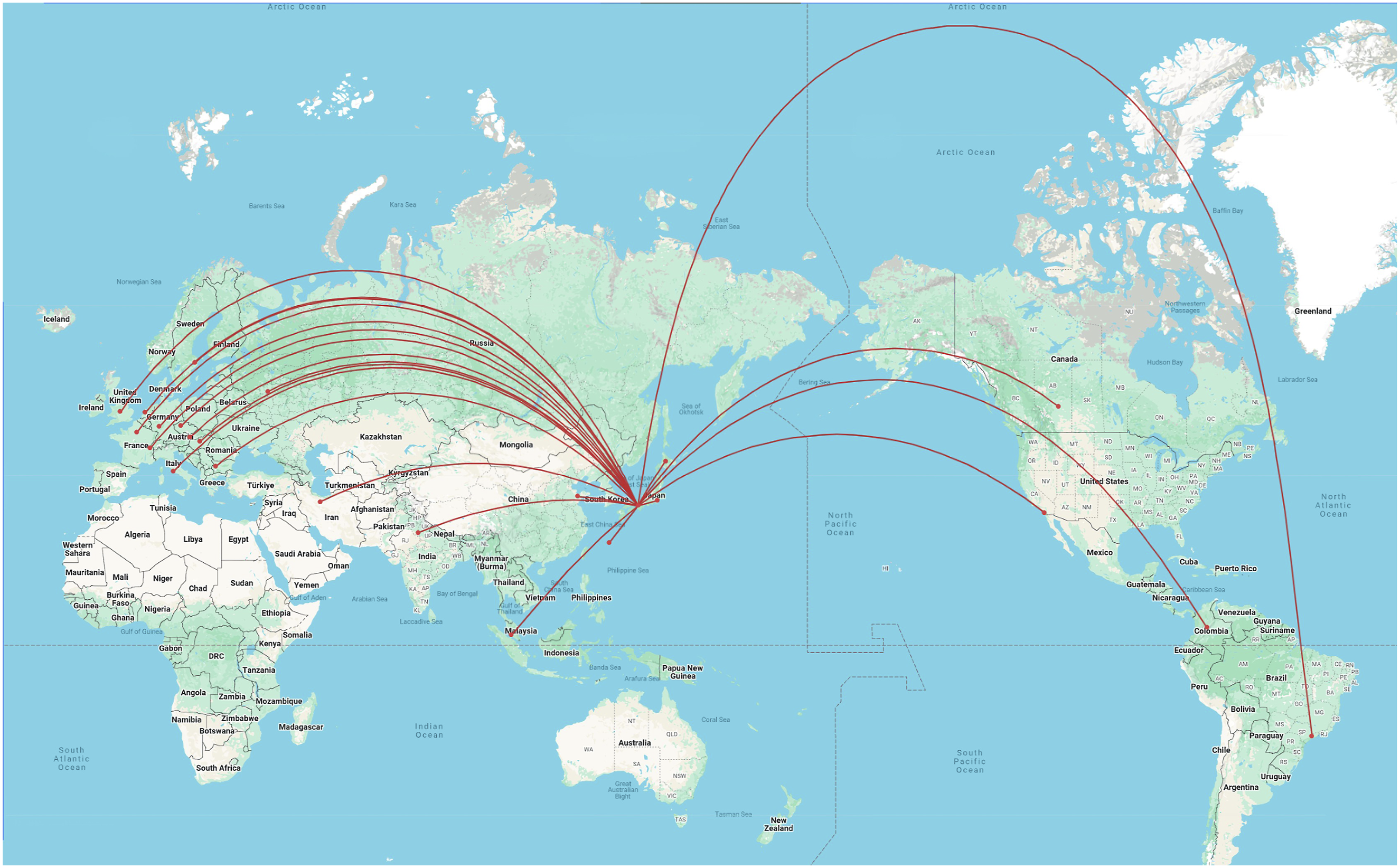
The 5th Aquaphotomics International Conference was held at the Centennial Rokko Hall of Kobe University and was also streamed online from May 17 to May 20, 2025 (Figure 1), attracting 257 participants — 189 from Japan and 68 from 20 other countries (Figure 2). This year marks the 20th anniversary since the establishment of Aquaphotomics, making it a significant milestone and a pivotal moment for the field. It was an important event that aimed to lay the foundation for a paradigm shift by welcoming researchers from physics into the Aquaphotomics community. The 5th Aquaphotomics International Conference was held at the Centennial Rokko Hall of Kobe University. The international conference had participants from as many as 21 countries, including Japan.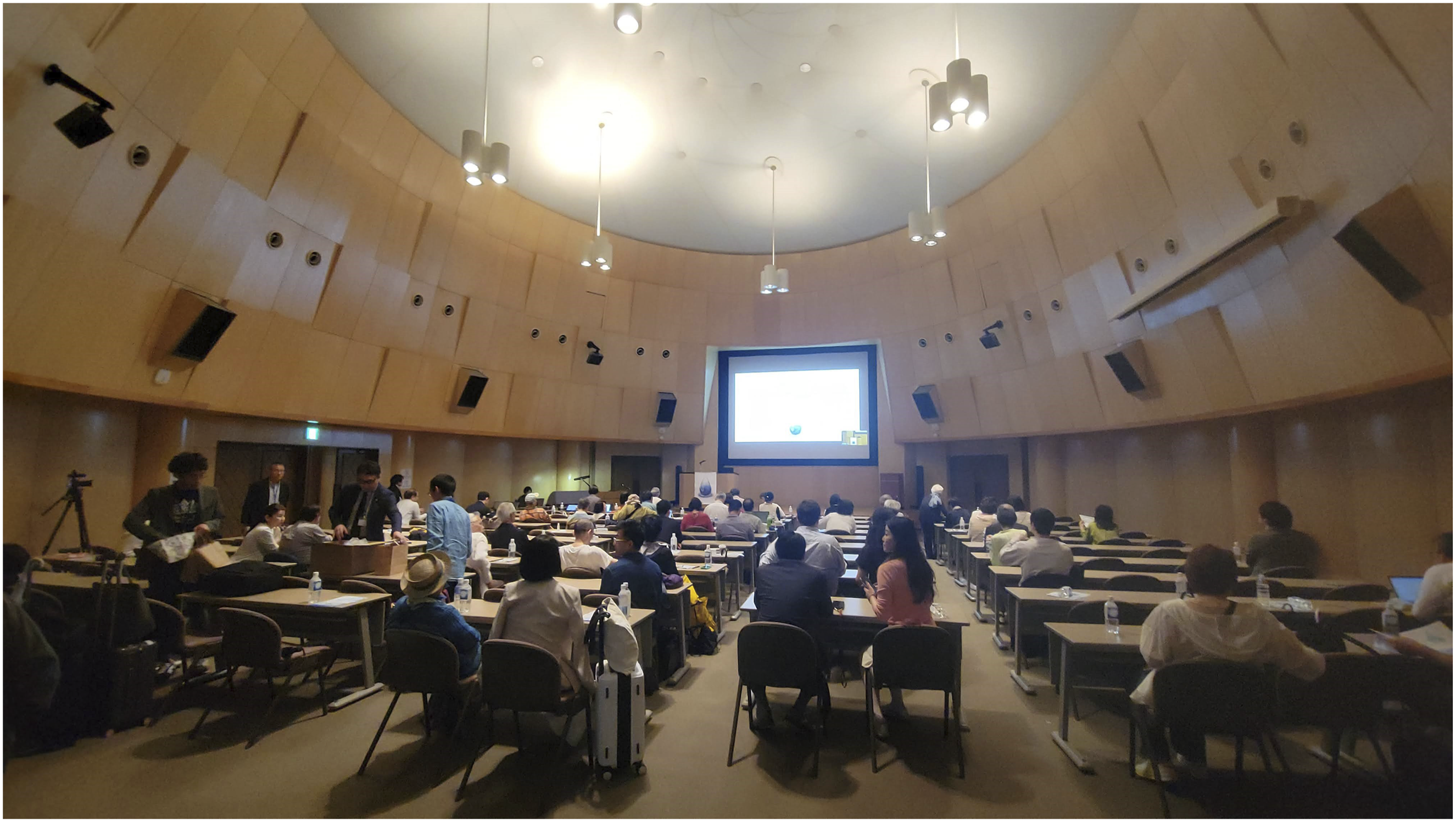
Opening day: Lectures, workshops, and reception
On May 17, public open lecture and educational sessions in Japanese and English were held for general audiences. The day began with an opening address and moderation by Dr Yasuhiro Kato from Keio University, followed by an open lecture given by Prof. Roumiana Tsenkova, the founder of Aquaphotomics (Figure 3). Other talks were given by Prof. Shigeaki Morita from Osaka Electro-Communication University; Ms Yoko Osafune from Dr Recella Co., Ltd, Japan; and Mr Shogo Shigeoka, President of Yunosato Co. Ltd, Japan. Their presentations covered the concepts of Aquaphotomics, as well as the roles of spectroscopy and water research. The concepts of Aquaphotomics originated from research investigating why yogurt failed to coagulate. The study revealed that the cows had mammary gland inflammation (mastitis), and that the condition could be diagnosed using near infrared absorption spectra of milk where later on it was discovered that the water molecular matrix of healthy and sick cows was different. A highlight of the day was the presentation on the development of Aquaphotomics: since the first publication in 2009, a total of 145 papers have been published across 48 fields in 38 countries as of 2025. This clearly reflects the growing potential and international reach of Aquaphotomics. The conference began with an open lecture by Prof. Roumiana Tsenkova.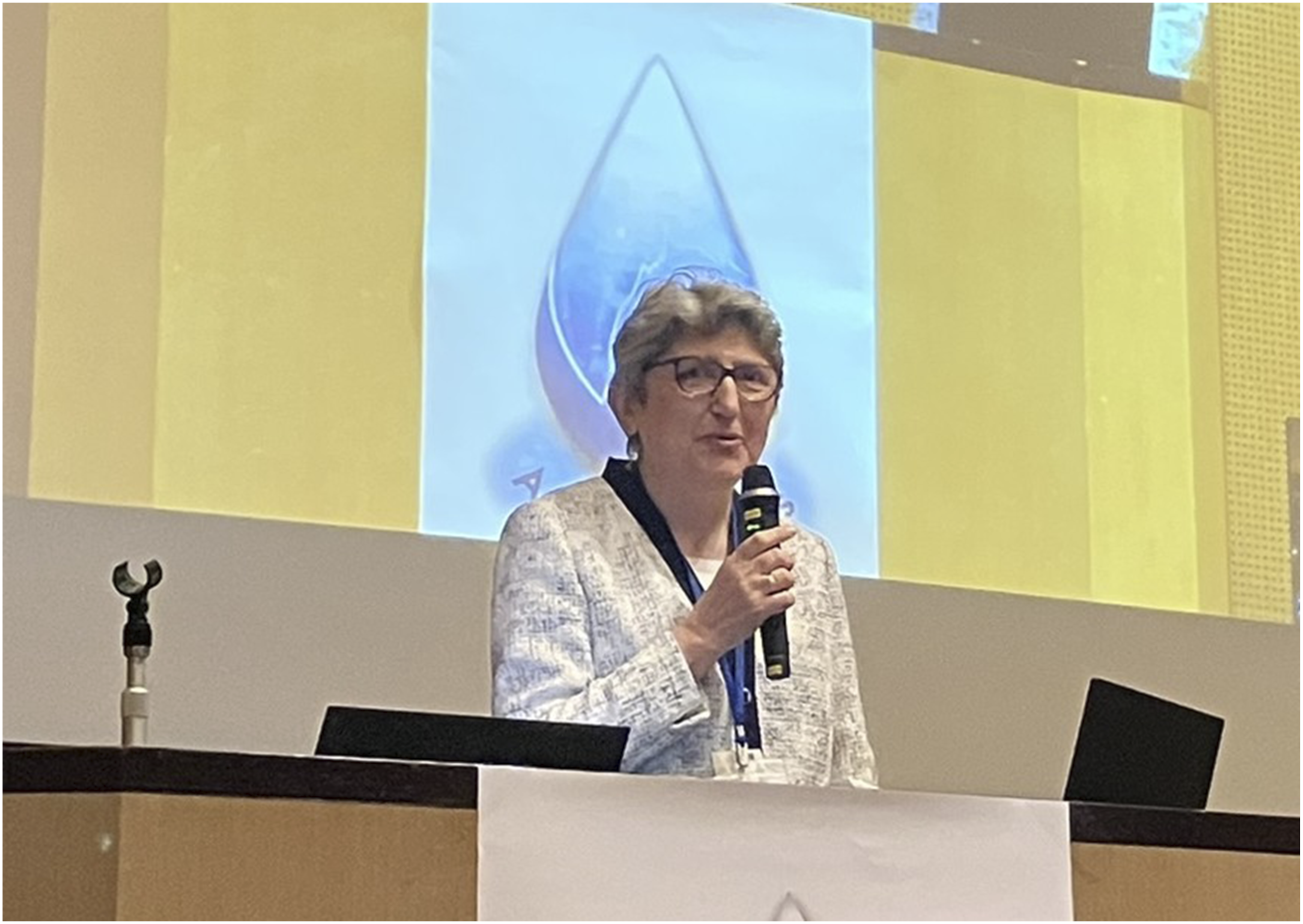
In the afternoon, an Aquaphotomics School was held, offering both beginner- and advanced-level lectures. The Aquaphotomics School (Beginners) was conducted in both Japanese and English. The Japanese session featured lectures by Prof. Tsenkova, Ms Osafune, and Mr Ryo Takagi, covering fundamental topics such as the properties of water and light, as well as basic research methods in Aquaphotomics. The English session delivered similar content and was led by Dr Shiromi Dissanayaka, Mr Yuda Hadiwijawa, and Mr Aleksandar Stoilov from the Yunosato Aquaphotomics Laboratory. The Aquaphotomics School (Advanced), conducted in English, featured a lecture by Prof. Zoltan Kovacs and Dr Flora Vitalis from the Hungarian University of Agriculture and Life Sciences, who introduced multivariate analysis using the “aquaP2” R-package developed at Kobe University for Aquaphotomics. Next, Mr Stoilov shared research outcomes from the Yunosato Aquaphotomics Laboratory. At the same time, an English-language Aquaphotomics Workshop was held in another lecture room, where Dr Paolo Renati from World Water Community, and Dr Pierre Madl from University of Salzburg in Austria, gave presentations on quantum field theory proposing a new insight on hydrogen bonding in water and coherent domains. The session included active discussions and exchanges with international participants. Later that evening, a welcome reception was held in the Takigawa Hall at Kobe University, where the Master of Ceremonies was Ms Tomoko Miura, the Chairman of the Tsuki no Shizuku Foundation in Japan supporting research on Aquaphotomics. The event featured a beautiful marimba performance by Mr Ivaylo Koychev, master student at the Swiss Art Academy, along with a story about the sake breweries around Kobe city and tasting of Japanese sake served by Mr Tsujimoto from Kobe Shimbun, and a commemorative video celebrating the 20th anniversary of Aquaphotomics. The reception was lively and warmly enjoyed by all participants.
Main conference
The main conference featured 10 sessions with 46 oral presentations, covering diverse applications and theoretical developments in Aquaphotomics. Key topics included fundamental spectroscopy, quantum theories, chemometrics, agricultural applications, medicine, and food science. In addition, 15 poster presentations during lunch and in the evening offered participants supplementary opportunities to share their research.
An overview of aquaphotomics
On May 18, the conference opened with an overview of Aquaphotomics, presented by Prof. Roumiana Tsenkova. Prof. Tsenkova highlighted key questions for physicists by presenting relevant data. Next, Prof. Yukihiro Ozaki, one of the leading experts in spectroscopy in Japan, gave a presentation on the analysis of water by use of Raman spectroscopy. Prof. Kovacs then presented applications of near-infrared spectroscopy and Aquaphotomics in the field of food science. Finally, Mr Stoilov presented on water coherence evaluation based on spectral data. This session provided participants with a comprehensive introduction to Aquaphotomics, covering its future trends, methodological foundations and the diverse areas in which it is applied.
Aquaphotomics in agriculture
Presentations focused on the application of Aquaphotomics in agriculture, began with a keynote speech by Prof. Stefka Atanassova from Trakia University, Bulgaria, who introduced how Aquaphotomics can be utilized in agriculture to assess the health status of livestock and plants, as well as the nutritional condition of soil. Following that, Dr Shiromi Dissanayaka and Mr Yuda Hadiwijawa together with Dr Mariana Santos-Rivera from Colombia and Ms Saba Behdad from Iran, presented on various applications of Aquaphotomics in soil and plant research, coffee fermentation, and chicken egg fertility detection.
Aquaphotomics in medicine and cosmetics
This session highlighted the use of Aquaphotomics for medical and cosmetic applications. Dr Hengchang Zang from Shandong University, China, presented on the application of Aquaphotomics to Traditional Chinese Medicine, while Dr Lian Li discussed the interactions between biomolecules and potential use of Aquaphotomics in disease diagnostics. Dr Wieland Lackinger from the University of Zurich, Switzerland, presented research on brain activity monitoring using near infrared (NIR) spectroscopy and Aquaphotomics, as well as signal determination related with myelination and a case study on tissue analysis in the context of double filtration plasmapheresis. Dr Ilina Iordanova from Bulgaria delivered a unique presentation on how body psychotherapy, grounding, and Bulgarian folk dance affect the body’s internal water structure, measured non-invasively before and after the respective perturbation. The session continued with Dr Michal Cifra from the Institute of Photonics and Electronics of the Czech Academy of Sciences, who spoke on biological autoluminescence. Finally, Dr Xiaobo Ma from Shandong University in China, presented a study on hyaluronic acid.
Quantum electrodynamics
The new theme introduced into the conference was quantum electrodynamics in the context of Aquaphotomics highlighting recent hypotheses and research trends. While a disciplinary gap still exists between teams using spectroscopic approaches and those specializing in physics, future collaborations between these two communities are expected to open new avenues and accelerate research on Aquaphotomics. The quantum electrodynamics session was planned as a three-part series, divided into Part 1 held in this session and Part 2 scheduled for the following day.
Part 1 featured presentations exploring the intersection of quantum physics and water science. Dr Renati and Dr Madl, who also led the workshop, gave presentations on quantum field theory of water and quantum biology. In particular, their talks addressed the existence of coherence domains in water. Dr Nigel Dyer from the University of Warwick in England discussed the potential role of water in the synchronizing function of the ECTO-NOX protein. In addition, Dr Elmer C. Fuchs from Wetsus in Netherlands gave a presentation on topics related to the vibration coupling of water, and Dr Livio Giuliani from ECERI (Europian Cancer Environment Research Institute) in Belgium talked about the role of geomagnetism and Schumann frequencies in living cells.
The quantum electrodynamics session Part 2, was opened with a lecture by Prof. Giuseppe Vitiello from the University of Salerno on the quantum field theory of water and brain–mind states. Dr Antonella De Ninno from ENEA (Italian National Agency for New Technologies, Energy and Sustainable Economic Development), presented on theoretical aspects of water structure and dielectric properties. Then, Dr Luca Gamberale from the University of Milano-Bicocca in Italy, a disciple of Dr Giuliano Preparata, gave a presentation on coherent and incoherent states of water. The session concluded with a presentation by Dr Sumiyoshi Abe from Mie University in Japan, who explored the relationship between brain quakes and earthquakes.
In the “Quantum Electrodynamics and Aquaphotomics” session, the presentation began with Dr William Brown and Dr Nassim Haramein from The International Space Federation in Switzerland. Their talk connected Planck’s units with fundamental physical theories and proposed that zero-point energy fluctuations generate mass, force and biological organization mediated by water. Next, Dr Anirban Bandyopadhyay from the National Institute for Material Science (NIMS) in Japan talked about the relationship between water and biological phenomena mediated by microtubules. He explained that nanoscale water channels exist within microtubules, and that their unique quantum properties influence biological functions. Next, Dr Joachim Keppler from the DIWISS Research Institute in Germany gave a talk on brain function, proposing that it is coupled to the zero-point field, and that the glutamate–water matrix plays a major role in the interaction between the brain and the zero-point field. The final presentation was given by Dr Jack Tuszynski from Polytechnic University of Turin in Italy, focusing on the effects of low-intensity electromagnetic fields on the properties of cancer cells.
The sessions stimulated active discussions and provided new insights into how quantum theories may inform future Aquaphotomics research and vice versa.
Spectroscopy, instruments and chemometrics
Three separate sessions focused on spectrometry-related topics were held. The first session focused specifically on spectroscopy, covering hydrogen bonding, vibrational behavior, and water–solution interactions. In addition, two sessions titled “Spectroscopy, Instruments, and Chemometrics (Part 1)” and “(Part 2)” covered both spectroscopic techniques and instrumentation, as well as recent advances in chemometric analysis relevant to Aquaphotomics.
In the first session, Dr Sylvie Roke from EPFL (École Polytechnique Fédérale de Lausanne) in Switzerland presented on hydrogen bonding in water and introduced a newly developed technique called correlative vibrational spectroscopy. Next, Dr Justyna Grabska from the University of Innsbruck in Austria presented her findings on how the NIR absorption profile shows spectral shifts and broadenings that cannot be explained by MIR data alone, emphasizing the importance of combining NIR and MIR spectroscopic analysis to gain a deeper understanding of the vibrational behavior of water. The third speaker, Dr Olga Yablonskaya from the Emanuel Institute of Biochemical Physics of the Russian Academy of Sciences, gave a presentation on the effect of infrared-irradiated water vapor on aqueous solutions and biological systems. Finally, Dr Masaru Tanaka from Kyushu University in Japan presented on the role of interfacial water states in the development of biomedical materials and devices.
In the “Spectroscopy, Instruments, and Chemometrics (Part 1)” session, Dr Ikehata from the Japan National Agriculture and Food Research Organization and University of Tsukuba, Japan, explained how to extend the molar absorption coefficient for non-ideal systems, such as aqueous solutions, alcohol/water binary mixtures, and systems undergoing pectin hydrolysis. Next, Dr Krzysztof Bec from the University of Innsbruck in Austria presented on the state of water in various molecular environments, including ketones, aliphatic alcohols, polymer matrices, and plant material. Prof. Christian Huck, also from the University of Innsbruck, gave a presentation on modern approaches in NIR spectroscopy, introducing research at the Institute of Analytical Chemistry and Radiochemistry, including environmental studies on microplastics and a roadmap outlining technological milestones in NIR spectroscopy. Later in the session, Dr Federico Marini from University of Rome La Sapienza, Italy, introduced recent chemometric tools with potential applications in Aquaphotomics. Finally, Dr Shigeaki Morita from Osaka Electro-Communication University in Japan, gave a presentation on the structure of water in two types of biomaterials, as investigated through spectroscopic measurements.
In “Spectroscopy, Instruments, and Chemometrics (Part 2)” session, Dr Daniel Todorov from DTK Electronics OOD in Bulgaria presented on a new portable spectrophotometer specifically designed to meet the measurement protocol standards of Aquaphotomics. This was followed by Mr Marcello Vanzulli from NIRLAB AG, who gave an overview of the development of the AquaCloud platform, a digital infrastructure aimed at enhancing data integration and collaboration in Aquaphotomics research. Next, Dr Kato from Keio University, Japan, presented on the establishment of a redox evaluation method using Aquaphotomics NIR spectroscopy, molecular dynamics simulation and radial distribution function analysis to investigate differences in hydration structures around GSH/GSS (
Aquaphotomics applications in food science
The session focused on Aquaphotomics applications in the food sector. It began with a keynote lecture by Dr Tiziana Cattaneo from the CREA Research Centre for Engineering and Agro-Food Processing in Italy, titled “The Importance of the Aquaphotomics Discipline for the Food Sector: Why, When, Where and How.” Following this, Dr Vitalis from the Hungarian University of Agriculture and Life Sciences presented research on water structure changes in fruit juices induced by plant extracts, analyzed using Aquaphotomics. Dr Massimo Brambilla, also from the CREA Research Centre, then discussed the use of Aquaphotomics to monitor key chemical quality markers during the dehydration of pineapple. Finally, Dr Uma Kamboj from Lovely Professional University, India, presented on the application of Aquaphotomics for the assessment of quality parameters in citrus juices.
Sponsor presentations
The conference was made possible thanks to the generous support of many sponsors, whose contributions played a vital role in the successful realization of this event. Our Society deeply appreciates their involvement and commitment to the advancement of Aquaphotomics. As part of the program, four sponsors were invited to give special presentations during the lunch break, each offering unique insights and inspiring contributions to the field. The first presentation was delivered by Mr Takagi from Yunosato Co. Ltd., who introduced the Yunosato Aquaphotomics Laboratory and shared a variety of exciting projects related to water. These included initiatives involving sound, soil, agriculture, and cosmetics, as well as research on three types of spring water naturally sourced from Yunosato Spa. His talk reflected the multifaceted potential of water and its applications. Next, Ms Osafune from Dr. Recella Co., Ltd. presented research on deep ocean water and its application in cosmetics and skincare. Her presentation emphasized the company’s inspiring mission to promote natural health and beauty, highlighting the importance of water in product development aimed at wellness and skin care. The third presentation came from Mr Pengcheng Yu of VIAVI Solutions Inc., who introduced the MicroNIR™ near infrared spectrometer range, including models developed for NASA. He shared technical insights into their applications, offering the audience a deeper understanding of cutting-edge analytical tools used in water-related research. Finally, Mr Kokabu and Mr Ohkita from Kiyotake Zaimokuten Co., Ltd. in Okinawa shared the story of their efforts in the restoration of nature. Their talk, accompanied by beautiful photographs, illustrated how their work has helped regenerate natural ecosystems and emphasized the essential role of water in revitalizing the environment.
Banquet and celebrations
On the evening of May 19, a banquet was held at Soshuen, a renowned restaurant in Kobe City (Figure 4). The MC of the event was Prof. Kovacs, board member of the Society who provided a memorable opportunity to celebrate the 20th anniversary of Aquaphotomics, while offering a valuable chance for academic exchange among distinguished researchers. The evening featured a beautiful marimba performance by Mr Ivaylo Koychev, as well as a traditional Japanese tea ceremony presented by Ms Junko Maruyama, accompanied by exquisite cuisine. In addition, two awards were presented during the banquet. The Best Poster Award was given to Mr Stoilov from the Yunosato Aquaphotomics Lab for his poster titled “NIR Aquaphotomics for Understanding Water Coherence”. Furthermore, the Distinguished Contribution Award was presented to the Aquaphotomics Team of Prof. Kovacs, Department of Food Measurement and Process Control, Institute of Food Science and Technology, Hungarian University of Agriculture and Life Sciences, in recognition of their outstanding contributions to the development of Aquaphotomics. Banquet held at Soshuen, a renowned restaurant in Kobe.
Conclusion
The conference concluded with great excitement and engagement. On the final day, a group photo was taken with the participants present to mark the conclusion of the event (Figure 5). The 5th Aquaphotomics International Conference successfully brought together researchers with diverse expertise related to spectroscopy, water and Aquaphotomics, promoting interdisciplinary exchange and collaboration. The event not only celebrated the 20th anniversary of Aquaphotomics but also marked the beginning of a new phase, in which quantum theories and Aquaphotomics are increasingly integrated to explore the fundamental role of water in nature. The presentations and discussions throughout the 4 days demonstrated the expanding frontiers of Aquaphotomics and its potential to transform our understanding of biological and physical systems. The conference ended on a high note, leaving participants with lasting impressions and a renewed motivation for future research and collaboration. In the future, research in Aquaphotomics will aim to collaborate more closely with quantum physicists to conduct detailed analyses of water properties, integrating spectroscopy with quantum physics, and exploring new possibilities for understanding water at a fundamental level. Group photo of the participants taken on the final day of the conference.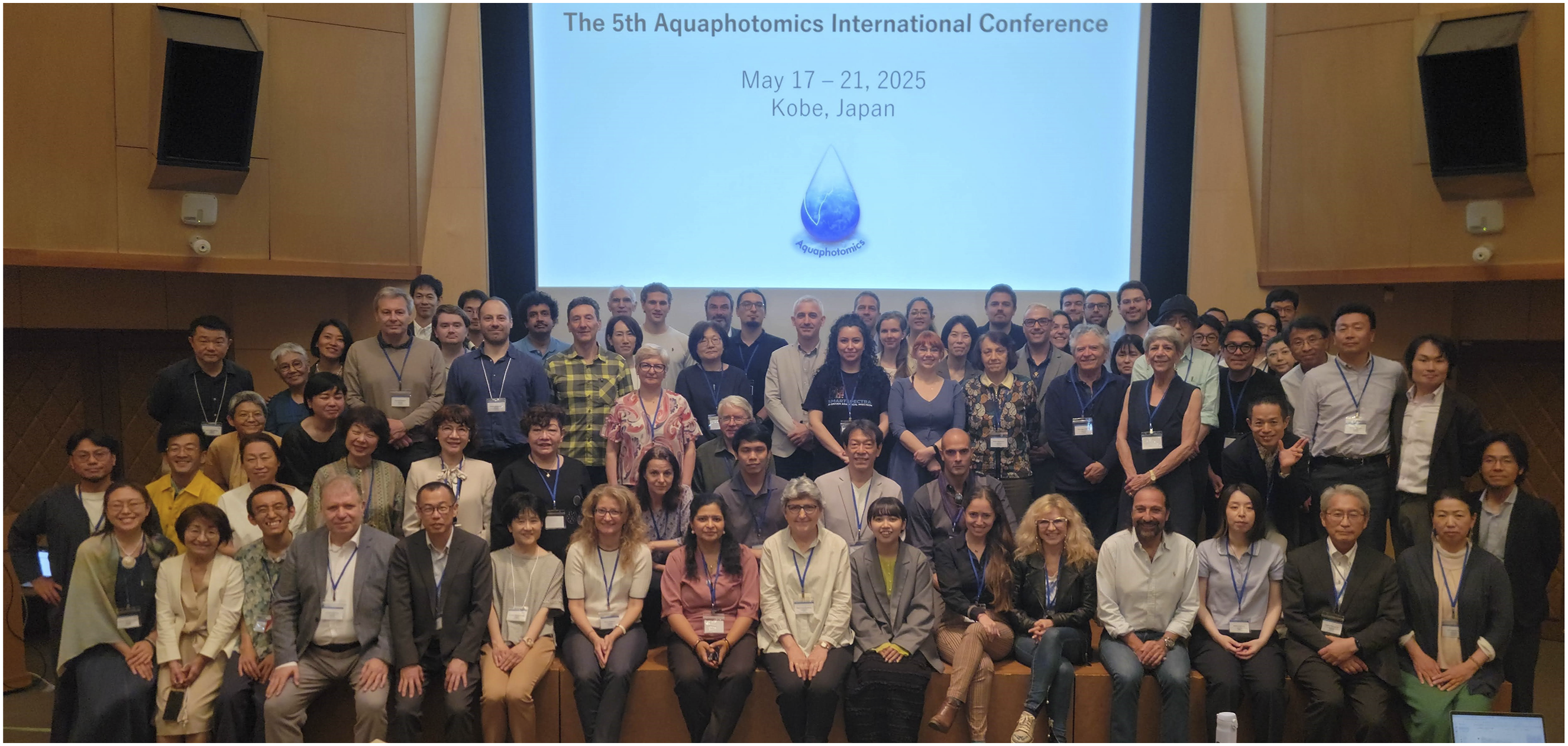
Footnotes

Funding
The authors received no financial support for the research, authorship, and/or publication of this article.
Declaration of conflicting interests
The authors declared no potential conflicts of interest with respect to the research, authorship, and/or publication of this article.