







Abstract
This article addresses a periodic repair problem for free-floating shared bikes that incorporates uncertain failure rates and covariate information. We conceptualize a physical landscape resembling black holes in cosmology to represent locations with exceptionally high failure rates. To mitigate this “black hole” effect, we introduce two special strategies: dedicated repair periods and preventive maintenance. The effectiveness of these two strategies is first theoretically validated within a two-region system. We develop the operational data analytics (ODA) framework to generate enhanced data-integrated solutions for the periodic repair problem, improving decision quality under limited data. Within this framework, baseline solutions from existing models, including a scenario-wise distributionally robust optimization (DRO) model with an exact linear decision rule, are evaluated and refined to guide the ODA solution. A real-world case study validates the effectiveness of our approach and offers valuable managerial insights. The ODA framework guides the selection of ambiguity sets in DRO models and enhances solution quality, even when the oracle data-integrated solution underperforms. Notably, the two strategies reduce regional disparities in penalty costs, helping to mitigate the black hole effect, as evidenced by the Gini coefficient in a generalized multi-region system.
Keywords
Introduction
The sharing economy demonstrates its value when prominent industry players embrace data science to enhance efficiency and reduce costs, particularly in the transportation sector (Zhong et al., 2024). A notable example is the free-floating bike-sharing industry, which has become integral to urban transportation. However, aggressive market expansions driven by venture capital have led to the so-called “Tragedy of the Commons,” resulting in significant metal consumption that undermines environmental goals (Kaspi et al., 2016). Furthermore, a substantial quantity of malfunctioning bikes not only amplifies risks for riders (Wang and Szeto, 2018) but also diminishes the available street space (Yin et al., 2019). Therefore, careful repair is crucial to ensure sustained operation in the bike-sharing industry, accounting for 22% of the overall operational costs (North American Bikeshare & Scootershare Association, 2022).
Through careful analysis of the available data, we discover a compelling computational phenomenon indicating that bikes are more likely to be broken in specific restricted areas. This issue is particularly prevalent in some urban areas with inadequate bike maintenance. For instance, malfunctioning bikes cannot be repaired promptly in some remote regions, or solar-powered locks cannot be recharged indoors. Consistent with our findings, certain neighborhoods exhibit disproportionately high failure rates, highlighting the need for geographically targeted maintenance. According to New York City Comptroller’s Office (2023), “Citi Bike users would encounter twice as many disabled or broken bikes at a typical station in the Bronx than in other boroughs [
We therefore conceptualize a physical landscape analogous to black holes in cosmology, where certain regions on the bike-sharing map exhibit morbidly high failure rates. This conceptualization is inspired by a broader line of interdisciplinary research that borrows physical analogies to study complex spatial–temporal systems (e.g., Cai et al., 2025; Li et al., 2021) from an optimization perspective. From the user’s perspective, these regions pose significant service risks, as repeated failed pickup attempts may lead to frustration and eventual disengagement. From the operator’s standpoint, these regions are associated with severe asset underutilization. Recognizing this “black hole” phenomenon is thus critical for developing responsive and cost-effective operational strategies. Moreover, our data analysis reveals that failure rates are highly uncertain and shaped by exogenous covariates such as ride histories; for instance, short trips often signal higher failure likelihoods (Mobi, 2024). In light of these findings, we focus on optimizing repair decisions under the black hole phenomenon while accounting for such uncertainty in failure rates within our modeling framework.
Our study is motivated by a collaboration with a leading free-floating bike-sharing operator in China facing frequent bike malfunctions that severely degrade service quality, especially in high-failure-rate regions. Immediate repairs for every malfunction are infeasible due to practical constraints such as cost limitations and geographical distances. For instance, Mobi (2019) remarks that “[b]etween performing regular maintenance checks, we spend a lot of time commuting between stations.” Thus, determining the repair period—a key research direction highlighted by Shui and Szeto (2020)—is a critical decision that balances service quality and operational costs. Overly short repair periods drive up costs, whereas excessively long ones undermine service levels. Beyond balancing service levels and operational costs within individual regions, coordinating repair schedules across regions is equally important. Aligning repair periods for nearby regions or those with similar failure patterns enables route consolidation and reduces redundant travel, making spatiotemporal coordination a key lever for improving cost efficiency in geographically dispersed systems.
In this article, we study the adaptive periodic repair and maintenance problem, accounting for uncertainties in failure rates and related covariate information. The study focuses on a bike-sharing system maintained by a firm that operates across multiple regions, making strategic-level decisions on repair routes and service region assignments. Subsequently, operational-level decisions on adaptive repair periods and preventive maintenance are made to help mitigate the operational impact of the black hole phenomenon as captured through heterogeneous failure rates when stochastic covariate information becomes available. To address the lack of knowledge about the joint distribution of failure rates and covariates, we develop an operational data analytics (ODA) framework that boosts oracle solutions, such as those from distributionally robust optimization (DRO), to improve data-driven decision quality under limited distributional information.
The main results and contributions of this article are summarized as follows.
Conceptually, we conceptualize a physical landscape similar to black holes in cosmology to represent bike-sharing regions with exceptionally high failure rates. The phenomenon, referred to as a black hole in this study, plays a critical role in shared bike repair. In our framework, the black hole phenomenon is captured by regional failure-rate heterogeneity and the resulting penalty costs. To mitigate the impact of high-failure-rate regions and enhance operational efficiency, we propose two special strategies: the dedicated repair period and preventive maintenance intervention. The effectiveness of these two strategies is analytically illustrated within a two-region system.
Methodologically, departing from existing studies that primarily address static repair models, we draw upon the literature on adaptive operations management to introduce a periodic repair and maintenance model for shared bikes. We develop the ODA framework to exploit problem structure and improve decision quality under limited data for the periodic repair problem. To support this approach, nonlinearities in penalty costs are addressed using a linear decision rule (LDR), which is shown to yield optimal solutions in this setting.
Practically, our case study involving a real-world application in the free-floating bike-sharing system yields three interesting insights, utilizing an extensive industry-scale dataset. First, empirical validation demonstrates that the ODA approach generally improves solution quality, even when the oracle data-integration model underperforms. Second, we quantify regional disparities in penalty costs (or service levels) using the well-known Gini coefficient, and the results indicate that a dedicated repair period tends to mitigate the black hole phenomenon more effectively than preventive maintenance. Third, incorporating black hole information not only improves the service level in these high-failure-rate regions but also enhances the overall service level across all regions.
The article is organized as follows. Section 2 provides a comprehensive review of the related literature. In Section 3, we analyze historical operational data and identify two observations regarding the black hole phenomenon. Section 4 presents our stochastic periodic repair and maintenance model. In Section 5, we introduce an operational data analytics framework that improves data-integrated solutions by sequentially boosting a given oracle solution, such as one obtained from distributionally robust optimization. Section 6 discusses empirical results and practical insights derived from various numerical studies. Finally, we conclude the article in Section 7.
Literature review
This section provides a comprehensive review of the relevant literature on bike-sharing repair, joint replenishment, and small-sample data-driven optimization.
Bike-sharing repair problem
As leading industry players strive to enhance efficiency and cut costs, there is a growing body of literature on repair management for bike-sharing systems. Many studies examine bike rebalancing while accounting for malfunctioning bikes under known health states (e.g., Wang and Szeto, 2018). In practice, however, accurate detection remains challenging due to the absence of effective real-time monitoring (Zhang et al., 2019), highlighting the need for more reliable identification approaches.
In terms of bike failure prediction, existing studies mainly focus on estimating bike health status using different approaches. One line of work relies on Bayesian models to identify unusable docked shared bikes (Kaspi et al., 2016), assuming equal ride likelihood among all healthy bikes at a station. However, this assumption is less appropriate in free-floating systems, where users may search within a 300-meter radius (Kabra et al., 2020). Another line of work applies machine learning methods requiring sufficiently labeled data (Zhang et al., 2019). Compared with station-based systems, free-floating systems exhibit two key differences that motivate our modeling choices. First, the above Bayesian assumption is less suitable, while obtaining adequate training data for machine learning is also challenging. To address this data scarcity, we develop a DRO model that explicitly accounts for uncertainty in regional failure rates under limited data. Second, free-floating systems are not constrained by docking capacity; thus, repair-period decisions do not need to consider station capacity limits.
In terms of repair operations, most existing studies adopt static approaches that fail to ensure long-term performance (e.g., Lu et al., 2022; Wang and Szeto, 2018). As noted by Shui and Szeto (2020), “[t]he rostering and job assignment of the labor, which can be coupled with the maintenance frequency, can be an important future research direction.” Among prior studies, only Fan et al. (2025) attempts to account for maintenance frequency, assuming that a truck transports bikes to a repair depot when the number of broken bikes in a region exceeds a threshold
The closest study to our research is Lu et al. (2022), which identifies that a considerable number of broken bikes tend to gather in certain regions. While both studies examine repair operations, we highlight key differences. First, in terms of operational data analysis, we identify persistently elevated failure rates within certain restricted regions, which we term the “black hole” phenomenon to emphasize its disproportionate impact on system operations. Second, in terms of research problems, we extend the static model of Lu et al. (2022) by proposing an adaptive periodic repair model for bike-sharing systems. Third, we address parameter uncertainty through an ODA framework, which helps generate data-driven solutions under limited distributional information.
Joint replenishment problem
The joint replenishment problem involves coordinating the replenishment of multiple items over multiple periods to minimize long-run ordering and inventory costs. An analogous structure arises in bike-sharing repair operations, where routing costs dominate and jointly repairing bikes across regions yields similar scale efficiencies. For multi-item systems with joint replenishment costs, optimal policies often lack tractable structure (Feng et al., 2015; Khouja and Goyal, 2008), prompting the literature to focus on heuristic approaches classified into stock-based and time-based policies (Feng et al., 2015; Rao, 2003). Among stock-based policies, the classical
For time-based policies, Atkins and Iyogun (1988) introduces periodic replenishment policies, under which products are restocked to base-stock levels at fixed intervals. This policy has received considerable attention for several reasons. First, fully dynamic multi-period policies are computationally challenging in stochastic multi-item settings and difficult to implement at scale, especially in large bike-sharing systems (Feng et al., 2015; Khouja and Goyal, 2008). By restricting decisions to fixed review intervals, periodic policies significantly simplify the decision space and enable scalable computation (Atkins and Iyogun, 1988; Rao, 2003). Second, both theoretical and numerical evidence suggest that periodic policies perform close to optimal, with existing guarantees primarily established in stylized settings and complemented by extensive computational evidence (Feng et al., 2015; Wang and Axsäter, 2013). Theoretical results in Rao (2003) and Jackson et al. (1985) provide worst-case guarantees, yielding a 1.5-factor bound in the stochastic setting and a 6% optimality gap in the deterministic case, respectively. Numerical results in Rao (2003) and Feng and Rao (2007) further show near-optimal performance, with relative errors below 7.5% under Poisson demand and average cost increases of about 4.4%. Consistent with this evidence, our stylized two-point failure-rate model also yields small average gaps (below 2.5%) relative to fully dynamic solutions, providing additional supporting intuition in our problem setting rather than a formal theoretical guarantee (see Appendix EC.4.1). Third, periodic policies offer strong coordination benefits under stable cycles and are widely adopted due to their simplicity and support for labor planning and material delivery (Atkins and Iyogun, 1988; Khouja and Goyal, 2008; Rao, 2003).
Reflecting these advantages, periodic policies have been successfully applied in diverse machinery maintenance contexts, including maintenance scheduling (Kadi et al., 1990), aircraft engine maintenance (Hopp and Kuo, 1998), and design of multi-component maintenance programs (Arts and Basten, 2018). Similarly, real-time monitoring of bike status remains challenging despite technological progress, making periodic repair policies both practical and necessary. This study contributes to this stream by developing cost-effective and implementable periodic repair policies for bike-sharing systems, where determining repair periods is a key decision.
Related data-driven optimization
Regional failure rates are inherently random, with unknown true distributions. To improve decision-making under such uncertainty, recent research has emphasized operational data analytics, a framework that maps data to decisions by identifying relevant operational statistics. ODA has been applied in various contexts, including price-setting newsvendor problems (Chu et al., 2025), service speed design (Feng et al., 2025a), and contextual newsvendor applications (Feng et al., 2025b), mostly in homogeneous settings. In this study, we extend the ODA framework to periodic repair operations, first analyzing a homogeneous one-route case and then generalizing to the multi-route case. Numerical experiments demonstrate that ODA-selected data-integrated solutions achieve competitive performance in practice.
Within the ODA framework, baseline solutions generated by existing approaches can be leveraged to guide and refine decision-making. One representative approach is scenario-wise distributionally robust optimization (Chen et al., 2020), which models parameter uncertainty via ambiguity sets and can incorporate covariate information. Scenario-wise DRO clusters observations by covariate patterns and estimates scenario-specific distributional parameters, providing tractable and theoretically grounded baseline solutions. Similar approaches have been applied in contexts such as vehicle pre-allocation (Hao et al., 2020) and joint pricing–production problems (Perakis et al., 2023). In our study, such DRO-based baselines serve as one class of baseline solutions within the ODA framework, helping to balance conservatism and tractability while serving as informative benchmarks.
Black hole phenomenon: Data and observations
We obtained a comprehensive dataset from a leading industry partner in China, comprising operational records for 4,904 electric bikes in 2022. This dataset consists of order, battery swapping, user-reported failure, and repair data (see Appendix EC.1.1 for details). This section presents two key empirical observations from the repair data that motivate our modeling choices and reveal important operational challenges.
Failure rate differences in regions
To examine regional reliability, we define the regional failure rate
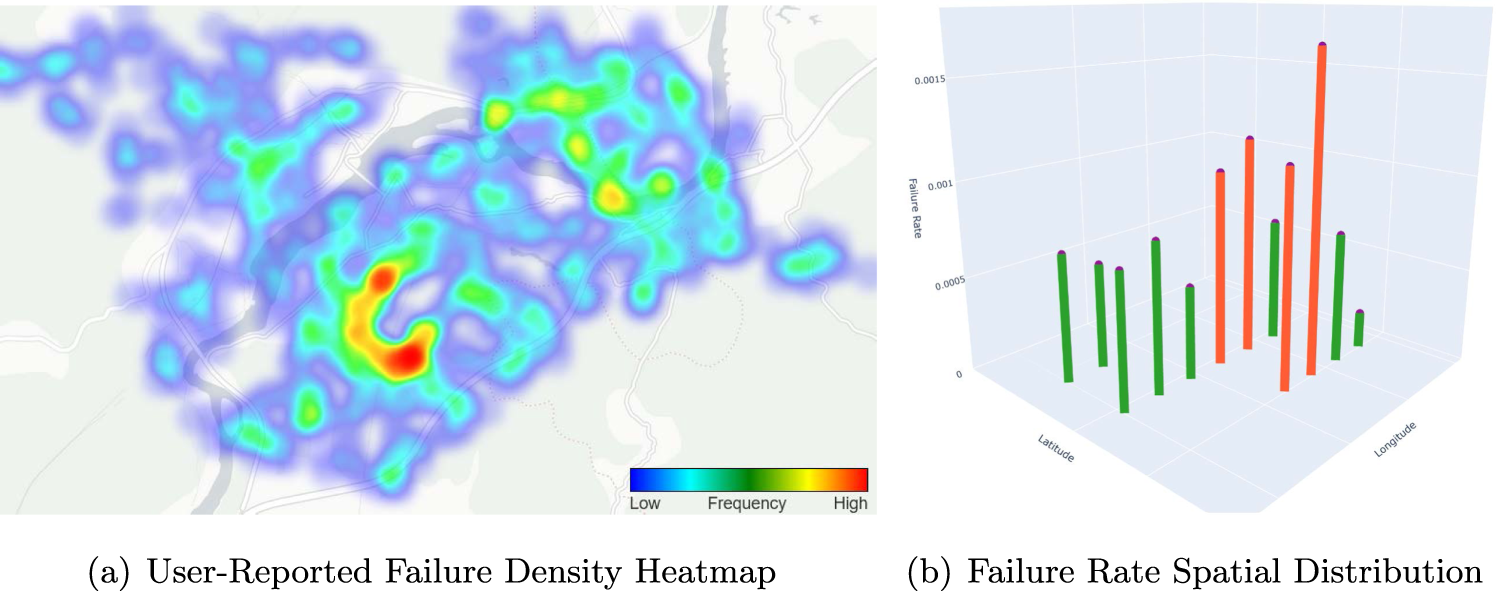
Failure rate differences in regions.
To address this, we divide the entire operational area into 12 well-defined service regions and calculate failure rates for each. Figure 1(b) presents these region-specific failure rates. Notably, four adjacent regions exhibit considerably higher failure rates, suggesting localized operational issues where bikes are more prone to breakdowns. This pattern illustrates what we refer to as the “black hole” phenomenon, where certain areas consistently experience significantly high failure intensities. Notably, this phenomenon is not binary, but rather reflects a continuous spatial variation in failure rates across regions. To assess the generality of this finding, we analyze data from two additional bike-sharing firms in different cities, with Appendix EC.1.4 documenting similar region-specific failure patterns that support such heterogeneous failure structures. These observations underscore the need to identify and manage high-failure-rate regions in large-scale bike-sharing systems. Motivated by this, we integrate failure rates as a pivotal component in our subsequent modeling framework.
In this section, we investigate how observable covariate information influences failure rate distributions in bike-sharing systems. We begin by constructing a set of eight covariates derived from raw operational data, including historical ride activity, repair logs, and bike age (detailed in Appendix EC.1.2). In addition to internal operational factors, we incorporate external factors such as temperature, precipitation, and wind, which may affect both bike usage and mechanical stress. We also include the “day of the week,” as usage patterns often vary significantly across weekdays and weekends. To identify the most relevant covariates, we apply Lasso regression with
Given the heterogeneity observed in failure patterns, we distinguish between deterministic covariates known in advance (e.g., seasonal patterns or long-term repair histories) and stochastic covariates realized over short operational periods (e.g., weather conditions or recent usage intensity). Deterministic covariates capture predictable operational cycles and influence high-level system planning, whereas stochastic covariates drive variability in failure rates and form the basis for scenario analysis. To analyze the impact of covariates, we partition the covariate space into distinct scenarios, each representing a specific operational regime. For instance, failure risks under extreme weather and high usage differ significantly from those under mild weather and low usage. Consequently, partitioning the covariate space into scenarios enables us to condition ambiguity sets on observable signals, thereby improving the structure of uncertainty modeling. Our approach aligns with recent advances in DRO that emphasize the value of covariate information in shaping uncertainty (e.g., Hao et al., 2020; Perakis et al., 2023).
Based on the seven selected covariates, we construct a multivariate regression tree to classify failure rate scenarios. Each leaf node of the tree represents a scenario, defined as a subset of covariate realizations. Figure 2 illustrates two representative scenarios identified from the tree. For each scenario, the figure shows the spatial distribution of failure rates across regions, suggesting that failure behavior varies meaningfully across scenarios. To rigorously confirm the significant difference in failure rates between the two scenarios, we conduct Hotelling’s
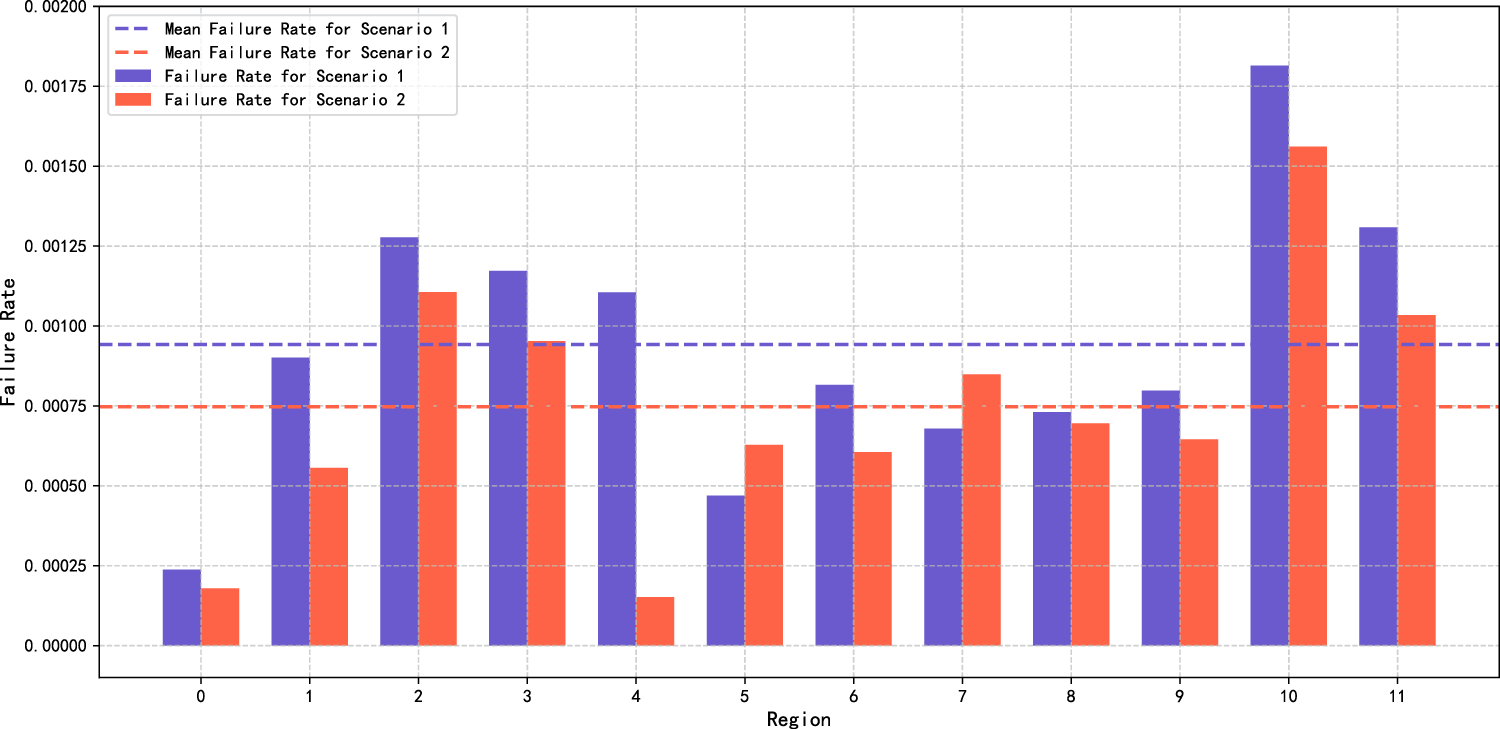
Failure rate pattern in various scenarios.
In this section, we formulate a data-driven repair and maintenance problem for a free-floating bike-sharing company operating over a defined service area. The problem is modeled on a complete directed graph
Fully dynamic multi-period models can capture stochastic system evolution more accurately, but they are often computationally infeasible in practice. For example, Feng et al. (2015) formulate the joint replenishment problem as a Markov decision process and report that optimal policies are only computable for instances with few product types due to the curse of dimensionality. In light of these challenges, we adopt a periodic repair policy as a practical and computationally tractable alternative. Under this policy, each repair route
The objective is to determine the optimal number of repair routes (up to
To mitigate the black hole phenomenon, we propose proactive preventive maintenance, a well-established practice in reliability literature aimed at preventing failures and extending the system lifespan of capital-intensive systems, thus lowering long-term costs (Li and Xu, 2004). The industry has also recognized its value and begun incorporating it into practical operations (Velco, 2022). The baseline failure rate of a repairable system can be decomposed into recoverable damage
To this end, we make four types of decisions: the number of repair routes, the assignment of repair routes to bike-sharing regions, the length of the corresponding repair period, and where to provide preventive maintenance. Specifically, we define the following decision variables:
We now describe the decision-making process. Figure 3 shows the sequence of periodic repair and maintenance operations. In the figure, the decisions are depicted using dashed lines, and information realizations are depicted with solid lines. Section 3.2 provides empirical evidence that both deterministic and stochastic covariate information can significantly influence failure rate behavior. Leveraging the information contained in the long-term covariates (e.g., seasonality indicators or long-term repair histories), the firm first determines the optimal number of selected repair routes
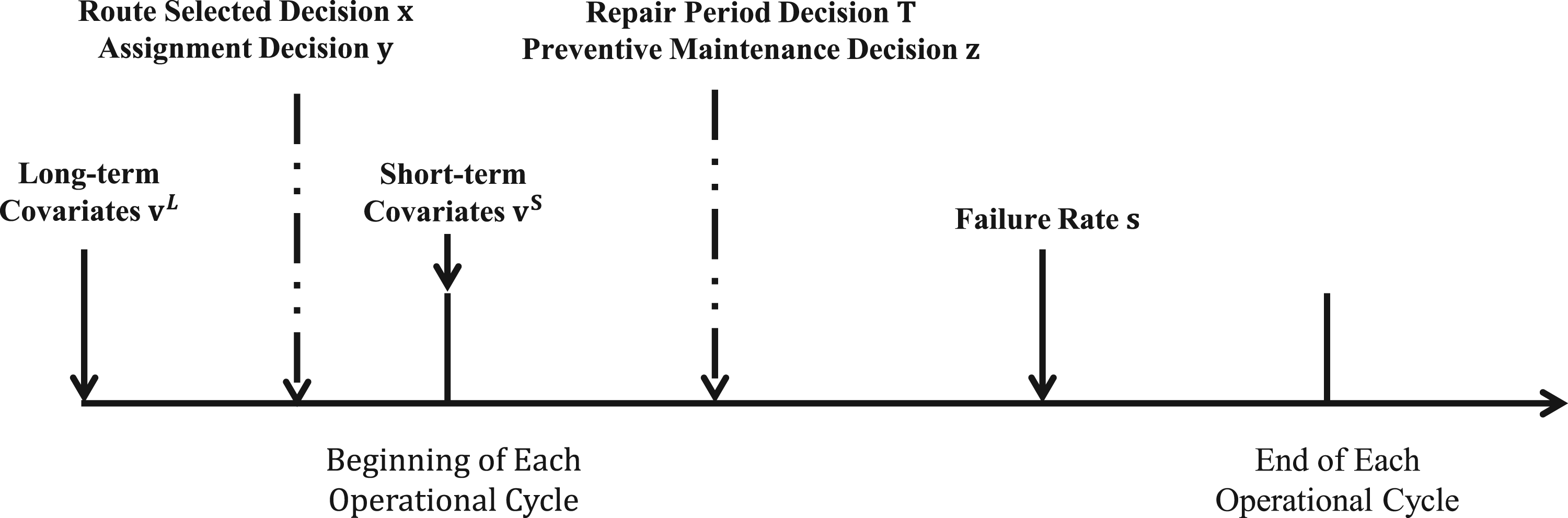
Sequence of periodic repair and maintenance operations.
This implies that the variables
At the beginning of each operational cycle—which may correspond to a day, a week, a month, or even a quarter—the operator determines a repair plan that includes both repair periods and preventive maintenance decisions, based on observed covariate information. The length of the operational cycle can be determined flexibly in practice. For firms characterized by high operational flexibility, urgent repair demands (as exemplified by our industry partner operating an e-bike sharing system), and sufficient workforce capacity, it may be feasible to update repair plans on a daily basis. In contrast, firms with more rigid scheduling, extended repair deadlines, or limited workforce capacity may prefer to revise repair decisions on a weekly or monthly basis. Our model accommodates this flexibility by treating the operational cycle as a generic time unit, enabling implementation across diverse operational environments.
Furthermore, the inter-cycle dependencies are relatively weak. Each cycle effectively resets the operational condition of the serviced bikes. In other words, the system “renews” itself through corrective repairs. As a result, the residual effect of one cycle on the next can be reasonably neglected. We intentionally adopt a cycle-based framework to reflect how operational decisions are commonly structured in practice. Many bike-sharing service providers plan repair activities on a rolling basis, leveraging the most up-to-date information to dynamically adjust decisions in response to evolving covariates—such as external factors (e.g., weather and seasonality) and observed failure patterns. Our model is designed to support such operational planning by balancing realism and computational tractability.
Our focus in this article is to provide a prescriptive analytics framework for the periodic repair and maintenance problem. Let
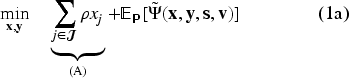




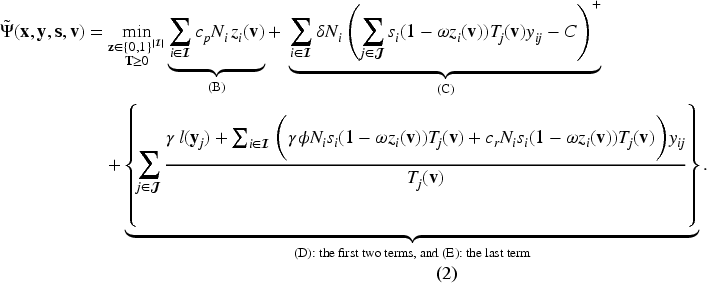
The objective function (1a) minimizes the expected total cost per unit of time; it is composed of five parts: (A) the fixed cost rate of repair route, (B) the cost rate of preventive maintenance, (C) the penalty cost rate of broken shared bikes, (D) the routing cost rate to collect the broken shared bikes, and (E) the repair cost rate. Note that when the broken bike proportion in a region exceeds a specified threshold, denoted by

The corresponding function
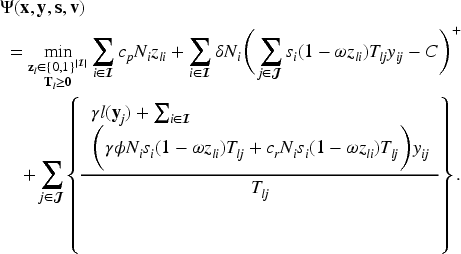
The stochastic optimization model (1), however, poses the following two challenges. 1. Distributional ambiguity: The stochastic optimization model (1) assumes the precise knowledge of the joint distribution of failure rates and covariate information. Accurate estimation of the distribution is typically infeasible, and ignoring this uncertainty can lead to the “optimizer’s curse” (Smith and Winkler, 2006). 2. Computational challenges: Even with perfect knowledge of the true joint distribution, stochastic optimization still suffers from the “curse of dimensionality,” rendering it computationally intractable. To address these challenges, we formulate an operational data analytics framework for data-integrated repair decisions in Section 5.
Here, we illustrate two specific strategies to mitigate the black hole phenomenon, namely the dedicated repair period and preventive maintenance intervention. To facilitate our analysis, we consider a two-region empirical model, as depicted in Figure 4. This setup features two distinct failure rates,
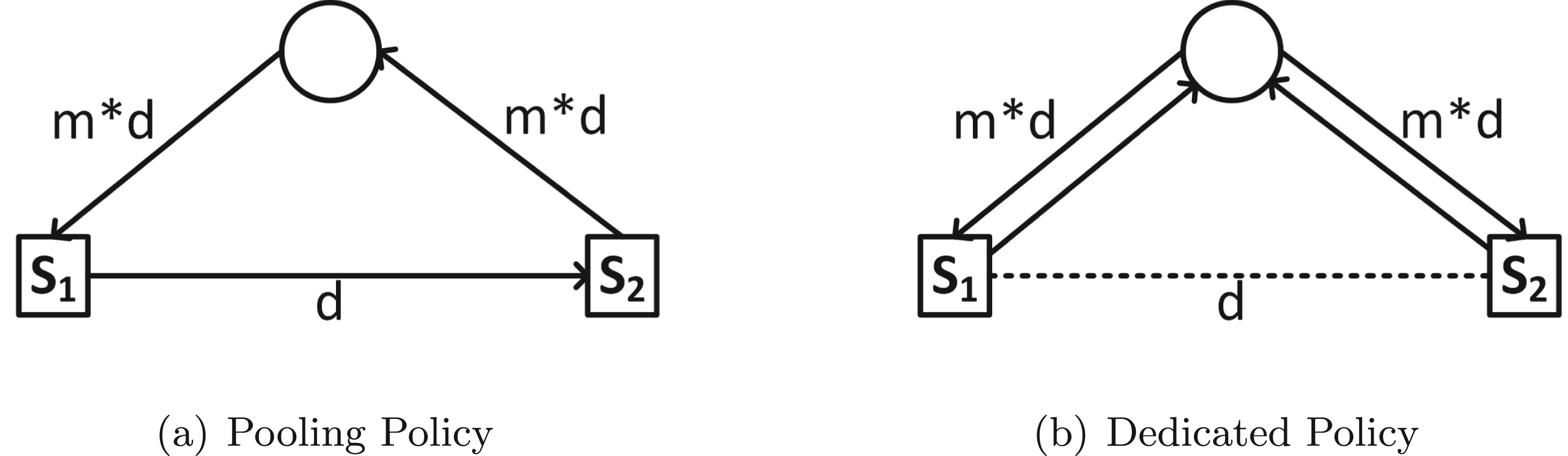
Two assignment policies in a two-region system.
This analysis aims to illustrate the effectiveness of dedicated repair period as a specific strategy to mitigate the black hole phenomenon. To focus on this strategy, we prohibit preventive maintenance by setting unit maintenance cost
When
Proposition 1 provides key insights into the role of a dedicated repair period in addressing failure rate disparities between the two regions, represented by
Our analysis now focuses on preventive maintenance as a special strategy to mitigate the black hole phenomenon. In this context, we allow for preventive maintenance. For notational convenience, we refer to the corresponding optimization problem as Problem (
The optimal assignment policy for Problem (
Part (a) of Proposition 2 establishes that if the pooling policy is optimal for Problem (
In summary, we remark that the assumptions of a two-region system with deterministic failure rates are crucial for our characterization of the two special strategies in mitigating the black hole phenomenon. While this simplified system does not fully capture real-world complexities, analyzing it yields insights into the performance of strategies in more general systems, as discussed in subsequent sections.
In this section, we employ the operational data analytics (ODA) framework to structure the development of data-integrated repair decisions for bike-sharing systems. The motivation for using ODA is to directly link observed operational data to implementable decisions. From the ODA perspective, existing approaches such as predict-then-optimize (PTO) and distributionally robust optimization (DRO) are not competing methodologies; instead, they serve as data-integration modules that generate oracle solutions based on historical failure-rate and covariate information. Importantly, ODA does not rely on stronger or additional modeling assumptions than these approaches. Rather, it adopts a distinct integration-and-validation logic by treating decisions as adaptive functions of data—operational statistics—and selecting among them based on out-of-sample operational performance.
The ODA framework consists of two conceptual pillars. First, the data-integration model defines a class of admissible mappings from observed operational data, such as failure rates and covariates, to implementable repair decisions. This class incorporates partial structural knowledge of the system, such as homogeneity in a one-route setting or more flexible structures in general multi-route environments. In practice, this mapping class can be constructed by sequentially boosting a given oracle solution, thereby extending a single data-integrated rule into a structured family of operational statistics. Thus, ODA restricts the decision space to structurally meaningful data-to-decision mappings that reflect how operational signals should inform repair policies.
Second, the decision validation model selects among these candidate data-to-decision mappings by evaluating their resulting operational performance, such as the expected cost rate of periodic repair. Unlike approaches that optimize modified objectives (e.g., a worst-case criterion induced by an ambiguity set), ODA directly compares candidate data-integrated solutions based on validation performance and selects the one that performs best. This validation-driven perspective is particularly useful in our setting, as it can substantially improve solution performance when the available data are limited.
Together, these two components naturally lead to a sequential boosting-and-validation procedure. Starting from a baseline data-integrated solution generated by PTO, DRO, or other data-driven approaches, ODA constructs a structured subclass of operational statistics and employs validation to identify the solution with the best performance. We first analyze a homogeneous one-route case and then extend the analysis to develop an enhanced data-integrated solution for the general multi-route setting.
A homogeneous one-route case
In this section, we consider a special case of the periodic repair problem to illustrate its performance advantage of the ODA framework over conventional data-integrated benchmarks. To ensure analytical clarity and to align with the homogeneous property commonly assumed in this framework, we restrict attention to a simplified one-route setting. In addition, the threshold for the proportion of broken bikes is set at
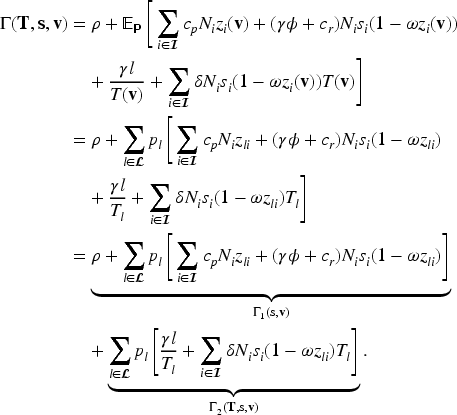
A statistic

We define the following class of homogeneous operational statistics as
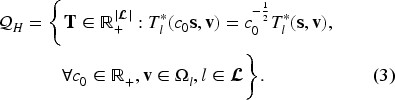
This scaling property guides the mapping of data into decisions, leading to the data-integration model. Importantly, no alternative data-integrated solution uniformly dominates this class of homogeneous operational statistics (Feng and Shanthikumar, 2023, Theorem 2). Accordingly, we restrict the data-integration model to this class when formulating the ODA framework. The decision validation model then selects the most effective data-integrated solution by evaluating its ultimate performance, measured by the expected cost associated with implementing the corresponding operational statistic.
Proposition 3 motivates the use of sequential boosting to further enhance the obtained solutions. In particular, the given oracle solutions generated by existing data-driven approaches can be viewed as baseline rules that may still leave room for systematic improvement. Sequential boosting builds directly on these existing approaches by offering a principled way to refine them iteratively. Specifically, starting from a candidate solution
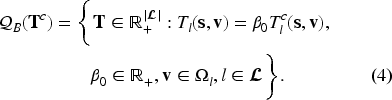
It is straightforward to verify that if the candidate solution

Due to the lack of knowledge of
Consider a case where
The homogeneous one-route analysis in the previous section highlights the importance of selecting data-integrated solutions based on their realized operational performance, a central principle of the ODA framework. We now turn to the general multi-route setting, in which the objective function no longer exhibits homogeneity. Specifically, when the observed failure rates
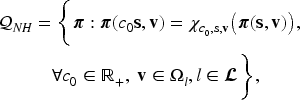
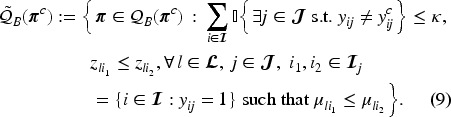
The data-integration model
We begin with a baseline solution


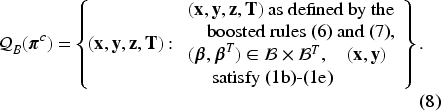


Thus, incorporating the above restrictions, we define the refined validation domain
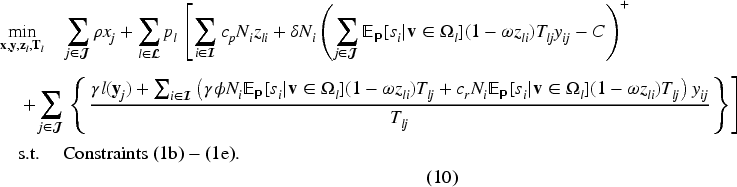


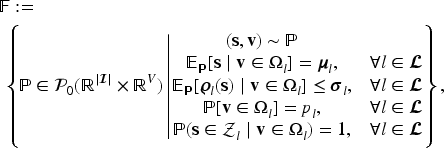
To solve the DRO model, we adopt a standard dual reformulation for tractability. The associated lemma and derivation are provided in Appendix EC.2.3, as they are not central to the ODA framework. The resulting problem (EC.6) is a semi-infinite program with infinitely many constraints and is not directly solvable. This nonlinear term
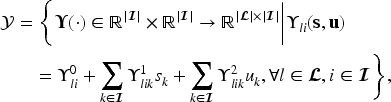


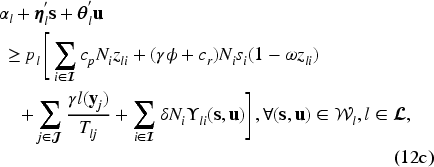
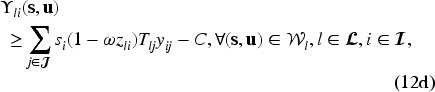


Let
Since the seminal work of Ben-Tal et al. (2004), LDRs have been recognized as computationally efficient yet generally approximate, with exact optimality rarely guaranteed and typically dependent on specific structural properties. Subsequent studies identify conditions under which LDRs are exact: Bertsimas et al. (2010) and Iancu et al. (2013) for support-only ambiguity sets with structural assumptions; Bertsimas et al. (2019) and He et al. (2020) for two-stage problems with one- and multi-dimensional recourse; and Georghiou et al. (2026) for pointwise optimality, in contrast to the worst-case perspective of our study. Most results focus on single-scenario problems, with Hao et al. (2020) being a notable exception showing LDR optimality under scenario-wise ambiguity sets for multidimensional recourse. Our work contributes to this literature by identifying an appealing structure for our periodic repair problem with a scenario-wise ambiguity set under which the LDR approximation is provably optimal.
Note that the dual formulation of Problem (12) cannot be directly solved by commercial solvers (e.g., CPLEX and Gurobi) due to the nonlinear term
The decision validation model subsequently evaluates each operational statistic based on its ultimate performance. While the homogeneous property no longer holds, the key principle of ODA—selecting the most effective data-integrated solution through decision validation—remains applicable. In this sense, ODA serves as a unifying meta-framework: it systematically improves solution quality by iteratively refining candidate decisions and validating their empirical performance. We next demonstrate that the ODA framework continues to improve solution quality even for problems that inherently lack the homogeneous property, as illustrated in Section 6.2.
Numerical studies
This section discusses numerical studies conducted using real-world data provided by our industry partner, who manages a bike-sharing system in China. The entire operational area is divided into 12 well-defined service regions, with the repair depot marked in red, as shown in Figure 5. In the first experiment, we evaluate our proposed scenario-wise DRO model by comparing its performance to (a) the widely used PTO approach, and (b) the DRO model with a nominal ambiguity set, referred to as the nonadaptive DRO (NA-DRO). The second experiment assesses the performance of the ODA framework in enhancing oracle data-integrated solutions. Furthermore, we quantify the value of black hole information and preventive maintenance by comparing our model with two benchmark models, and we measure regional disparity in penalty costs using the Gini coefficient. Finally, we demonstrate the effectiveness of the dedicated repair period.
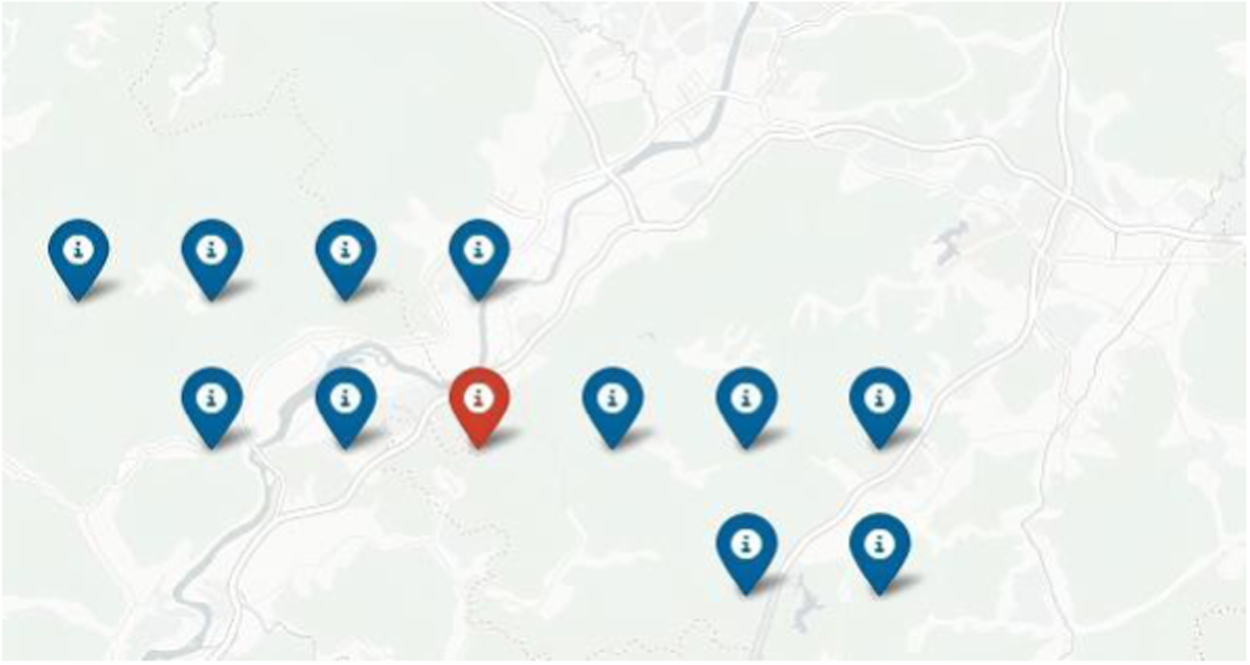
Illustration of repair depot and bike-sharing regions.
We select failure rate data over a 61-day period (the length of the operational cycle aligns with our industry partner) in June and July 2022. To evaluate model performance, we randomly partition the data into training and test sets, using two-thirds for training and one-third for testing, respectively. The parameter settings are provided in Table EC.4 in Appendix EC.5.3. All numerical studies are conducted on a Dell desktop equipped with a 2.50 GHz Intel i5
In this section, we assess the advantages of incorporating covariate information and DRO by contrasting the out-of-sample performance of our scenario-wise adaptive DRO model against two benchmark models. One benchmark is the PTO model based on sample averages, while the other is the nominal DRO model with a single scenario (i.e.,
Figures 6(a) and 6(b) depict the mean and standard deviation of out-of-sample costs across the models, respectively. These results are normalized by dividing them by those of the NA-PTO model for comparative analysis. First, incorporating covariate information leads to improved out-of-sample performance, as evidenced by DRO
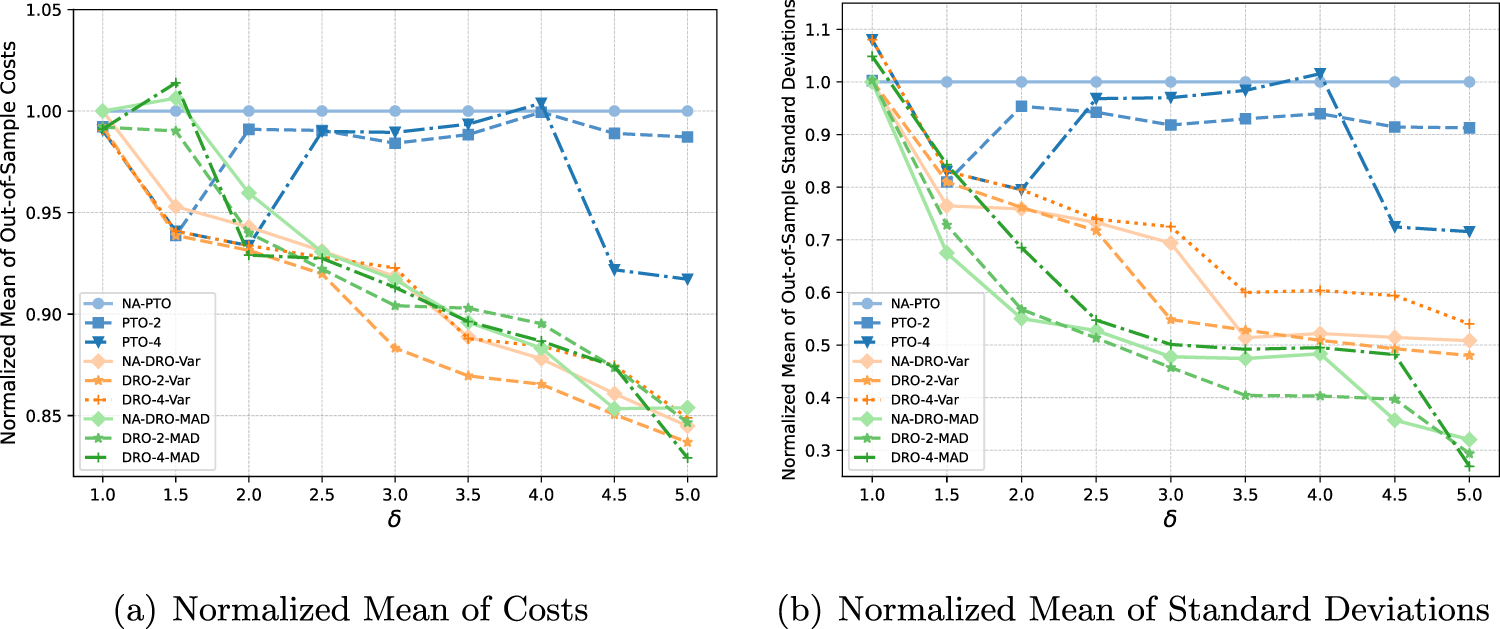
Performance comparison (measured out-of-sample) of DRO, NA-DRO, PTO, and NA-PTO models.
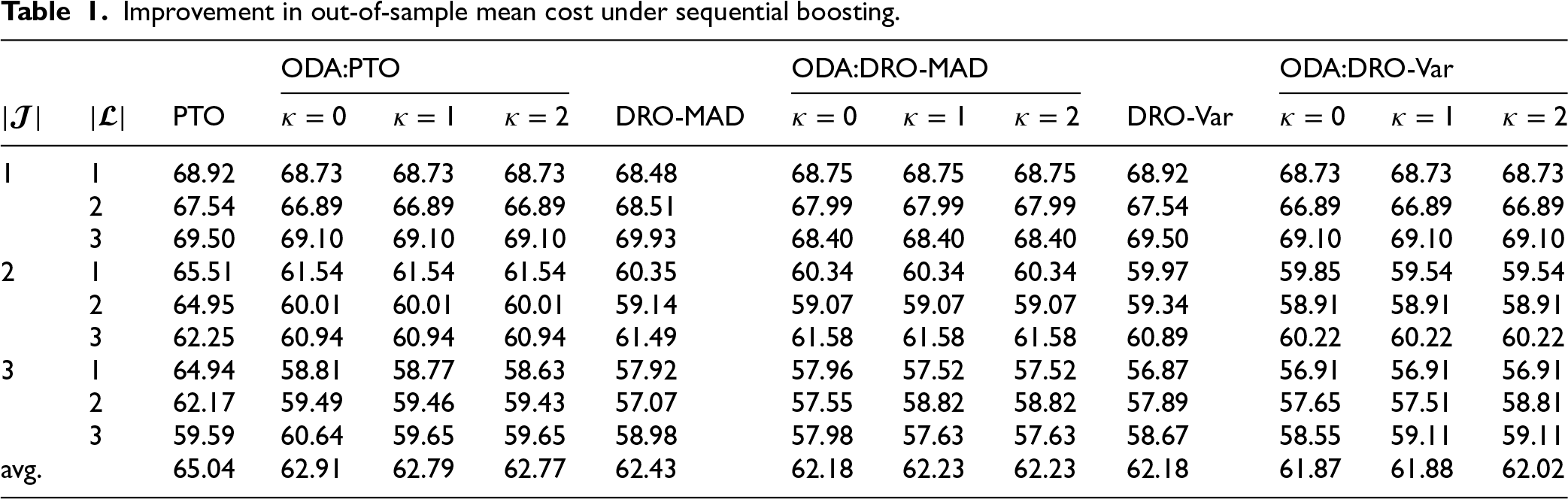
The ODA framework enhances the quality of oracle solutions by selecting the most effective data-integrated solution based on the decision validation model. We implement validation-based hyperparameter optimization to assess the out-of-sample performance of each boosted solution and identify the optimal boosting parameter. To ensure the reliability of our conclusions, we consider (i) the maximum number of potential repair routes
Improvement in out-of-sample mean cost under sequential boosting.
Improvement in out-of-sample mean cost under sequential boosting.
Several key observations emerge from the results of sequential boosting. First, sequential boosting generally enhances solution quality: the boosted solutions consistently yield lower out-of-sample mean costs than their conventional counterparts. This indicates that sequential boosting helps identify more effective repair period decisions that better balance service levels and operational costs. Second, even when the oracle data-integration PTO model underperforms (e.g., with an out-of-sample mean cost of 65.04), the ODA framework enhances solution quality (e.g., reducing the cost to 62.77) by data-driven selection of the optimal boosting parameter, further demonstrating its practical effectiveness. Third, as the reassignment budget
As shown in Figure 1(b) in Section 3.1, regions with high failure rates incur disproportionately higher penalty costs in the absence of targeted measures such as preventive maintenance or dedicated repair periods, leading to pronounced disparities—that is, “inequality”—across regions. To quantify this disparity, we use the Gini coefficient, a standard inequality metric ranging from 0 (perfect equality) to 1 (perfect inequality), commonly applied to income or wealth distributions but equally suitable for comparing regional penalty cost differences. We compare our proposed model against two counterparts: ODA:DRO-WPM (without preventive maintenance) and ODA:DRO-WBH (without black hole information). In ODA:DRO-WPM, preventive maintenance is disabled by setting the unit maintenance cost
The Gini coefficient can be illustrated using the Lorenz curve. Figure 7(a) plots the Lorenz curve of penalty cost distributions for the case where
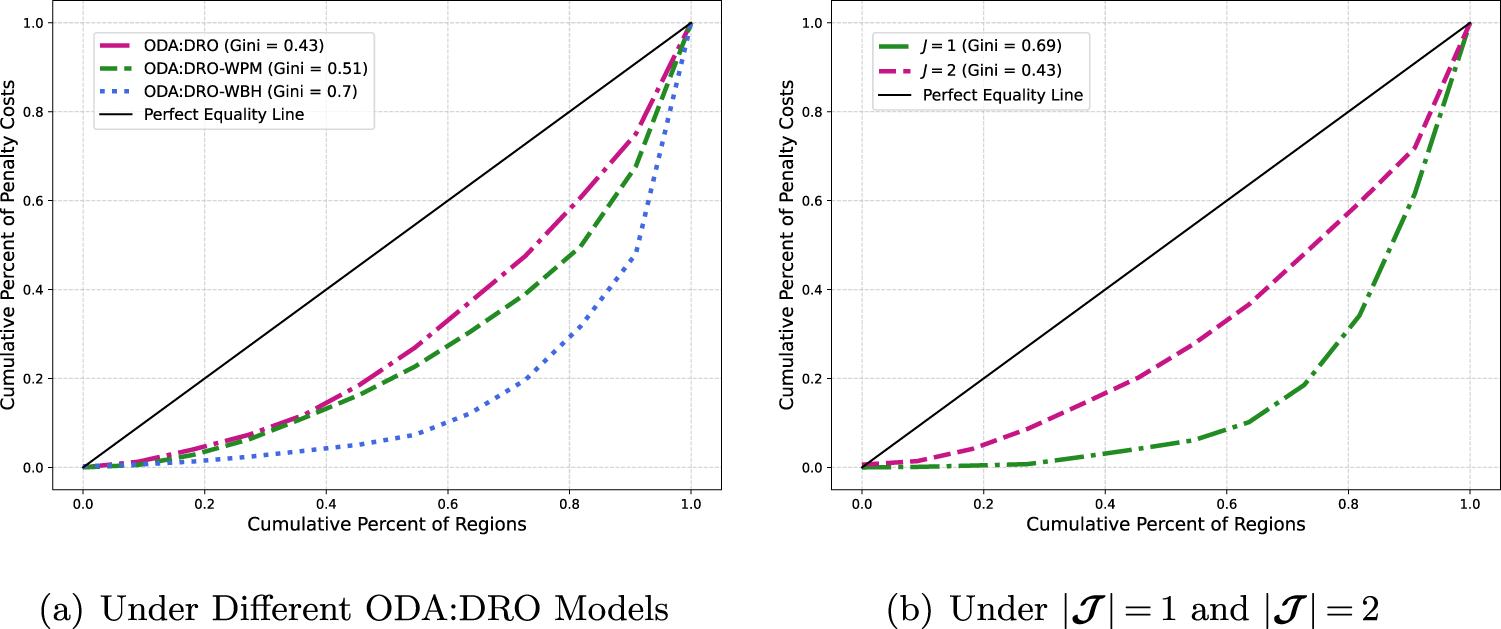
Gini coefficient (measured out-of-sample) under different ODA:DRO models and dedicated policies.
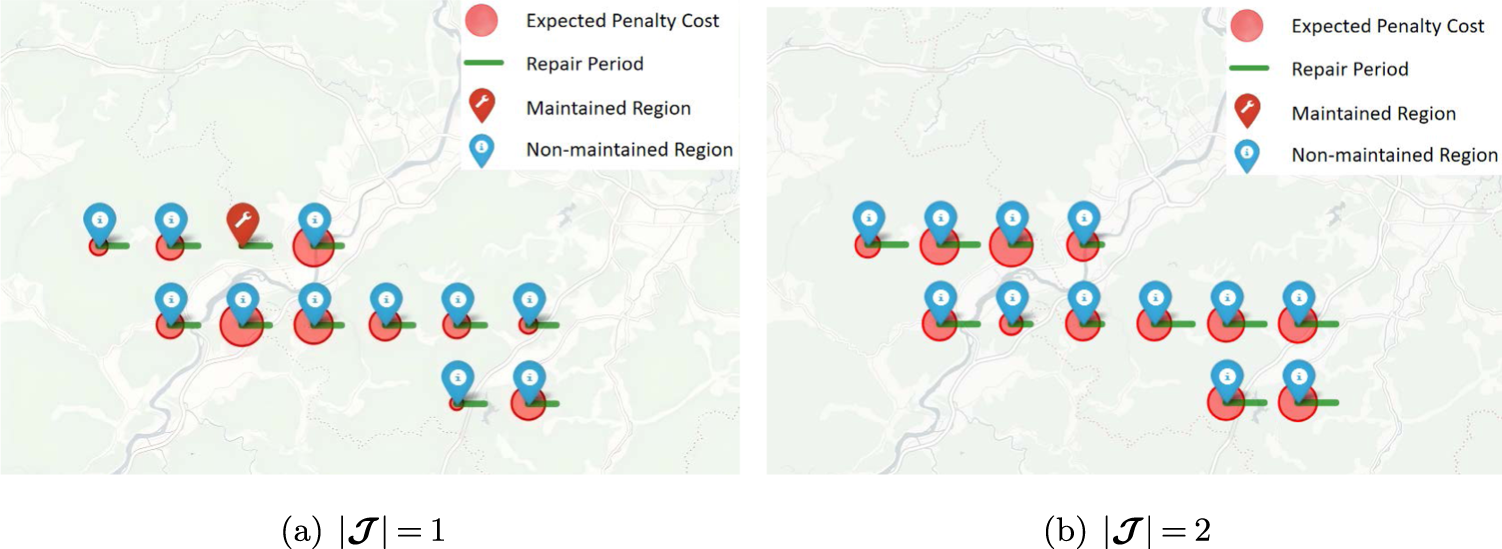
Repair plan and expected penalty cost (measured out-of-sample) at each region.
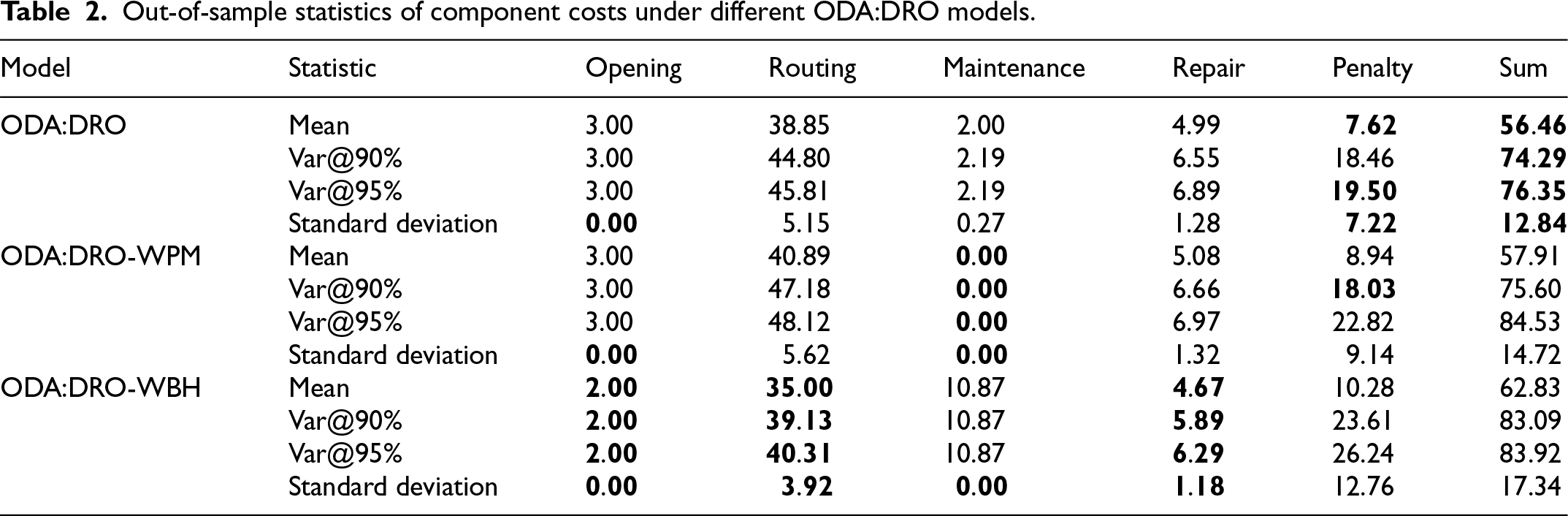
We further compare the out-of-sample statistics for component costs in Table 2, where bold values indicate superior performance. First, the ODA:DRO model achieves total cost rate reductions of 2.50% and 10.14%, respectively, relative to the two benchmark models, underscoring the value of incorporating both preventive maintenance and black hole information in bike-sharing repair operations. Second, while ODA:DRO diminishes penalty cost inequality across regions (see Figure 7(a)), it also notably reduces the overall penalty cost compared to ODA:DRO-WPM and ODA:DRO-WBH. This finding suggests that ODA:DRO not only enhances the service level in high-failure-rate regions but also delivers system-wide efficiency gains through more balanced resource allocation across regions. Third, interestingly, as shown in the column labeled Routing, the DRO model has a higher routing cost rate than the DRO-WBH model. This discrepancy appears to stem from DRO-WBH’s tendency to determine repair assignments only based on proximity due to the lack of black hole information, which results in a lower routing cost.
Out-of-sample statistics of component costs under different ODA:DRO models.
Note that two key strategies are employed to address challenges in high-failure-rate regions: preventive maintenance and dedicated repair periods. Section 6.3 examines the impact of preventive maintenance on both the overall penalty cost (Table 2) and regional penalty cost disparities (Figure 7(a)). We now turn to repair periods and the resulting repair patterns. When
Figure 8 illustrates the relationship between the repair plan and assignment selection. For each region, the length of the adjacent green rectangle represents its repair period, while the radius of the red circle below indicates its expected penalty cost. Regions are marked with a red icon if preventive maintenance is applied and a blue icon otherwise. The figure shows that when
Conclusion
This article addresses a fundamental operational challenge in the bike-sharing industry: reducing maintenance costs through timely and cost-effective repair planning. We propose a data-driven periodic repair framework that integrates uncertain failure rates and covariate information into the repair operations of shared bikes. The key contribution of our work lies in the conceptualization of a physical landscape analogous to the black hole phenomenon in cosmology, where certain locations exhibit morbidly high failure rates. To address the undesirable black hole phenomenon, we introduce two special strategies: preventive maintenance and a dedicated repair period. Analytical results derived from a stylized two-region system demonstrate the theoretical value of these strategies. By leveraging black hole information, we formulate a novel periodic repair problem for shared bikes and address it within the operational data analytics framework, which refines data-to-decision mappings, including those derived from scenario-wise distributionally robust optimization models (DRO) that admit exact linearization under linear decision rules. Through extensive numerical studies, we validate the effectiveness of the periodic repair model and demonstrate the valuable insights gained from considering the black hole phenomenon.
While our approach leverages regional failure rates to mitigate the adverse effects of the black hole phenomenon, it does so in a continuous and stochastic manner without explicitly delineating these regions. This modeling choice provides greater flexibility in capturing spatial heterogeneity without resorting to rigidly binary region classifications. Nonetheless, explicitly identifying high-risk regions may offer additional insights and practical value. A key reason for not explicitly modeling black hole regions lies in several nontrivial challenges. First, the identification of such regions is inherently data-driven and depends on spatial aggregation choices, which may lead to instability in the resulting optimization decisions. Second, explicitly representing black hole regions typically requires binary decision structures, which would significantly increase computational complexity under the DRO framework. Third, black hole effects are intrinsically dynamic and may evolve over time, making static region-based representations potentially inadequate.
To partially address the first challenge, we introduce the concept of malfunction gathering regions (MGRs) in Appendix EC.6 as a complementary diagnostic tool. MGRs are defined as spatial clusters characterized by high densities of historical malfunctions, constructed using a combination of Kernel Density Estimation and a convex hull approach. This provides an interpretable partition of the operational area into malfunction-prone and normal regions, which can help localize persistently high-risk areas beyond the continuous modeling framework. Building on this, future research can further address these challenges in two directions. First, to address the challenges of identification and tractability, one may develop robust methods for identifying black hole regions under uncertainty and incorporate them into the DRO framework via region-dependent ambiguity sets. Second, to address the dynamic nature of black hole effects, one may extend the model to capture their temporal evolution, such as through time-dependent clustering.
Supplemental Material
sj-pdf-1-pao-10.1177_10591478261451546 - Supplemental material for Mitigating the “black holes”: Periodic repair and maintenance problem of shared bikes
Supplemental material, sj-pdf-1-pao-10.1177_10591478261451546 for Mitigating the “black holes”: Periodic repair and maintenance problem of shared bikes by Chengcheng Yu, Lan Lu, Lindong Liu and Qiao-Chu He in Production and Operations Management
Footnotes
Acknowledgements
The authors would like to thank the Department Editor, the Senior Editor, and the anonymous reviewers for their constructive comments and guidance, which have significantly improved the quality and exposition of this article.

Funding
The authors disclosed receipt of the following financial support for the research, authorship, and/or publication of this article: This work was supported by NSFC (National Natural Science Foundation of China) (grant numbers 72201260, 72471216, and 72571122).
Declaration of conflicting interests
The authors declared no potential conflicts of interest with respect to the research, authorship, and/or publication of this article.
How to cite this article
Yu C, Lu L, Liu L and He Q-C (2026) Mitigating the “black holes”: Periodic repair and maintenance problem of shared bikes. Production and Operations Management x(x): 1–21.
References
Supplementary Material
Please find the following supplemental material available below.
For Open Access articles published under a Creative Commons License, all supplemental material carries the same license as the article it is associated with.
For non-Open Access articles published, all supplemental material carries a non-exclusive license, and permission requests for re-use of supplemental material or any part of supplemental material shall be sent directly to the copyright owner as specified in the copyright notice associated with the article.
