






Abstract

“Every man will be a poet if he can; otherwise a philosopher or a man of science.” 1
I put down the Sunday New York Times, having failed to complete my usual in depth reading. The columns regarding our failing international relations, our tanking economy, and our cracking social structures made my stomach rumble and produced a sense of free floating anxiety. Just days before, my personal trainer, Sandra, had asked if I my patients seemed to exhibit a rising sense of hopelessness, despair, and a lack of control. I said I thought this was true. She noted this in many of her clients and felt it was an inability to effect a change in the direction their lives lines were going. The current world and economic situation are out of our control and leave a feeling of being overwhelmed. Reading the New York Times was having the same effect on me. As of laid the paper down I leaned over on my granddaughters stuffed doll named “Tinky Winky”. This is one of those maddening modern toys which has a vocabulary of five phrases, randomly shot out to you if you push its belly. As I rolled over on Tinky Winky its advice to me was “big hug”. I realized that Tinky was correct and that mentally I was in need of a “big hug”.
We all have various coping mechanisms designed to lower stress in our lives. But this is a time unlike any that I can remember. I realized that I needed to redefine and reinvent the methods used to deal with stress. I realized the anxiety and sense of loss of control were the manifestations of stress. On the next Monday morning I decided to approach the newspaper and therefore the world situation differently. Each week the New York Times has section called “Manhattan Diary” which is a collection of amusing anecdotes and poems. I went directly to that section. It gave me a sense of amusement and joy at the human condition described by New Yorkers about other New Yorkers. I also read the page facing it which was a description of the latest Paris fashions. The illustrations of frivolous and crazy clothes lightened my mood before I approached the remainder of the newspaper. Some of the coping mechanisms I use to change “dis-stress” to “functional stress” are denial, physical activity, enforced leisure, and creative activities.
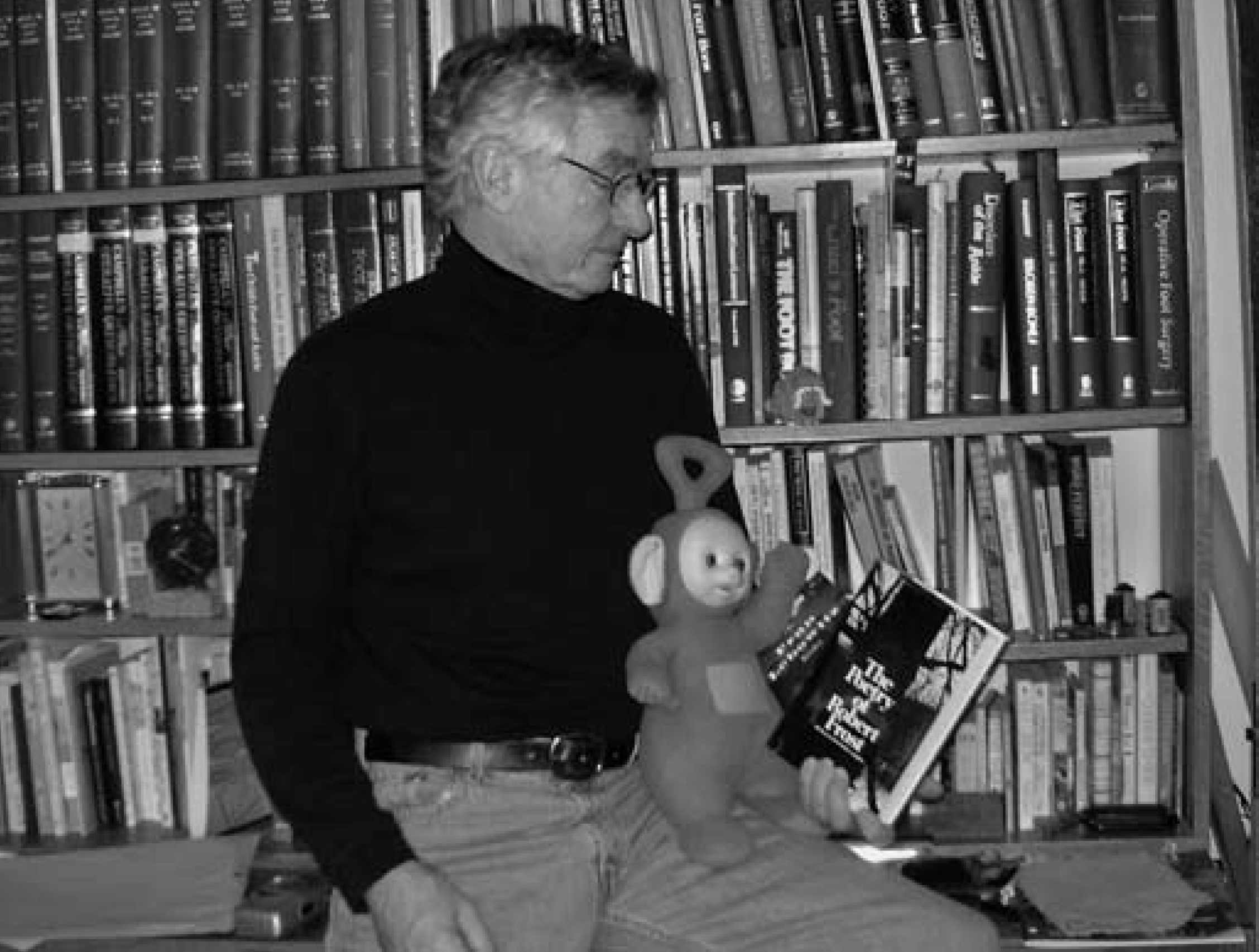
I realized that one of the areas I had been neglecting was the creativity section. This was also brought to my attention when my calendar said that April was National Poetry Month. For a long time The Journal of the American Medical Association has recognized a deficit in its readers regarding poetry. The editors have sought to correct this by presenting poems in each edition. I have gotten hooked on this and admit to reading the poems before I even look at the table of contents. I do not understand or appreciate all works presented, but an occasional a poem will resonate and strike a cord. Good poetry gives solace and tranquility. In one sense it derails the daily repetitive train of thought and switches it to areas which have not been explored. It gives you a sense that “we are such stuff as dreams are made of.” 2
After you read good poetry for awhile you will may realize the poet is echoing your thoughts and emotions. If you read enough poetry you get the “itch” to write yourself. This process of writing has always been a catharsis for me. There is something extremely satisfying about putting down into words the fragmented thoughts, senses, and emotions that one has. It seems to bring some control over at least one part of my life. It is like tapping into a different part of ones brain and unlike writing medical reports or scientific papers, stretches the synapses in your reticular formation and can give you a sense of confidence and control.
Find your poet[s]. You'll only do this by reading a wide variety of different writers. Not all people can write to your heart or soul but when you find a poet[s] who does this, give yourself the daily dose of reading. This need only be five to 10 minutes but soon you'll find that reading poetry can fulfill Tinky Winky's advice to get a “big hug.”

Footnotes
Appendix
Bumbling through a buck normal life.
The News,
Like the dinosaurs meteorite,
Changes everything-
A laser slices through the brain
Thoughts dead-end.
Emotions disconnect
A few netrons bridge the gap
But endpoints are rearranged.
Flowers ore magnified.
Pleasure is desperate.
The present expands,
The future melts,
The search consumes
And Hope, a residual fire,
Softly glows id sputters,
Through storm after storm,
And maybe, just maybe,
No hurricane will come
© Charles Dayton
After the Winter Storm 2000
Bumbling through a buck normal life.
The News,
Like the dinosaurs meteorite,
Changes everything-
A laser slices through the brain
Thoughts dead-end.
Emotions disconnect
A few netrons bridge the gap
But endpoints are rearranged.
Flowers ore magnified.
Pleasure is desperate.
The present expands,
The future melts,
The search consumes
And Hope, a residual fire,
Softly glows id sputters,
Through storm after storm,
And maybe, just maybe,
No hurricane will come
© Charles Dayton