






Abstract

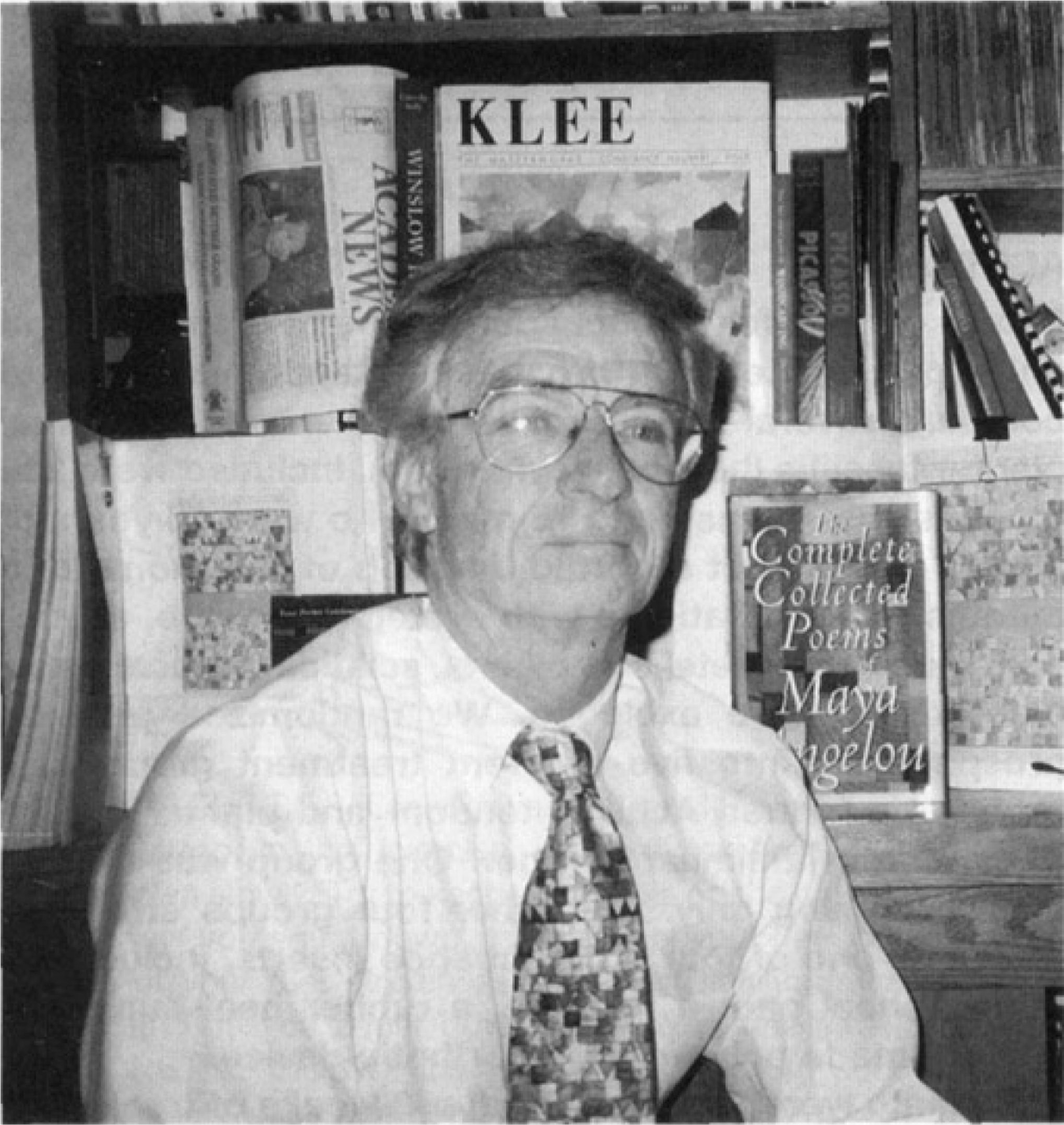
April is National Poetry Month. Poetry shows us what language should be in its concise, direct, and meaningful messages. It shows us that language need not be stuffy or obese but can have a directness with flowery overtones, bringing delight to the reader. Although I love poetry, I can't write it, and I rarely use it in an Orthopaedic presentation. Maya Angelou's amazing presentation in Anaheim at the American Academy of Orthopaedic Surgeons once again showed me the power of poetry. Her eloquence was reflected in her taciturn suggestion that we recognize our value in dealing with patients and relatives. Poetry often develops a connection between the written word and the visual textural aspect of art. The artist, Paul Klee, took a cue from 19th century Chinese poets when he painted a series of oils and water colors using his graphic artistic talents to enhance the written word. The picture you see behind me is his rendition of a poem in which he enhances the meaning of the words with colors, texture, and spacing. In a scientific paper, I look for this fusion of poetry and visual textures. Although you may not recognize it as such, the inculcation of drawings and photographs into the written words of a medical article has more than illustrative value. When editing a paper, I try to determine if the artwork and the text could each stand alone. If they can, the melding of them together often makes the sum greater than its parts.
When we write a scientific paper, we usually try to make direct vertical progress toward the core of the message. Excellent poetry also does this. There are usually few lateral deviations. Medical writing should have a poetic aspect to it by being clear, direct, and succinct, providing easy access to the writer's thoughts. It can have a creative and wonderful flow to it without being verbose or pretentious. Poetry should direct us to try to have a crisp terseness in our writing, being pithy in our construction, yet succinct and fluent in our conclusions.
Do yourself a favor during this poetry month. Read the works of Maya Angelou, Adlai Stevenson, Everett Dirksen, or Beryl Markham: all people who write with a beautiful flair but make the message easy to understand and remember. When Maya Angelou tells us we should inspire others by “becoming a rainbow in the clouds,” her poetry transcends the actual words, giving you more than the sum of the parts.