






Abstract
In the present work, a geometry-consistent decoupled strain energy-based analytical framework is developed to derive closed-form expressions for the effective mechanical properties of re-entrant honeycomb (REH) cellular structures. To facilitate this, an independent deformation behavior of inclined and straight ligaments constituting the complete unit-cell architecture, is evaluated. Unlike conventional homogenized formulations based on uniform ligament behavior, the proposed framework enables member-wise identification of stiffness contribution and load transfer mechanisms governing the effective elastic response of the cellular structure. The decoupled formulation further facilitates selective geometric tailoring of mechanically dominant ligaments, thereby enabling simultaneous enhancement of stiffness, lightweight Ness and load-carrying capability without uniformly increasing ligament thickness throughout the structure. A geometry-consistent multi-objective optimization framework is subsequently developed to maximize stiffness-to-weight efficiency through selective ligament-wise thickness redistribution under density-based constraints. The optimized configurations demonstrate approximately 30% to 60% improvement in relative stiffness while preserving lightweight structural characteristics. Finally, the practical applicability of the optimized REH cellular architecture is investigated through finite element-based dynamic analysis of robotic manipulator links modeled using equivalent homogenized properties. The obtained displacement--time decay and frequency response analyses demonstrate improved vibration attenuation capability, enhanced dynamic stability, and reduced resonance sensitivity of the optimized configurations. Overall, the proposed framework provides a computationally efficient methodology for designing lightweight cellular structures with tunable mechanical properties suitable for advanced robotic and lightweight structural engineering applications.
Keywords
Introduction
The development of lightweight structures with high stiffness and superior specific strength remains a major challenge in modern engineering applications. Conventional materials often exhibit an inherent trade-off between reducing mass and maintaining adequate rigidity and load-bearing capacity. While increasing stiffness generally enhance the precision and stability, it also leads to higher mass and energy consumption. On the other hand, reducing structural weight often compromises vibration resistance, fatigue life, and mechanical strength. 1 Traditional monolithic materials and alloys possess largely fixed mechanical properties, thereby limiting their ability to overcome these conflicting design requirements solely.
Recent advances in mechanical metamaterials and architected cellular solids have demonstrated that geometry can be effectively utilized as a design variable to tailor the mechanical response of structures independently of the base material properties. 2 Among these architected materials, auxetic cellular structures exhibiting negative Poisson’s ratio (NPR) have attracted significant attention due to their unconventional deformation mechanisms and superior mechanical characteristics.3,4 Re-entrant honeycomb (REH) structures represent one of the most widely investigated classes of auxetic cellular solids because of their geometric simplicity and exceptional mechanical performance that exhibit enhanced indentation resistance, high shear stiffness, improved fracture toughness, and superior capability of the energy absorption.5,6 Owing to these characteristics, re-entrant honeycomb structures have found potential applications in lightweight aerospace systems, robotic structures, biomedical devices, sandwich cores, and impact-resistant engineering components.
Several analytical, numerical, and experimental investigations have been adopted to predict the effective elastic properties of re-entrant honeycomb structures to understand the influence of geometric parameters on their mechanical behavior. Classical analytical models like Gibson--Ashby formulations, primarily describe the auxetic response based on bending-dominated deformation of inclined ligaments. 7 More recent beam-theoretical and strain energy-based approaches have attempted to improve prediction accuracy by incorporating additional deformation mechanisms either by including whole geometry deformation and reducing stress concentration by replacing sharp edges with smooth edge profile. 8 Masters and Evans developed one of the earliest analytical formulations for auxetic honeycombs using beam bending theory to relate geometric parameters with effective elastic properties and Poisson’s ratio behavior. Gibson and Ashby further established generalized cellular solid mechanics formulations based on energy equivalence and relative density scaling laws for honeycomb and foam structures. Subsequently, Gaspar et al. applied strain-energy approaches to derive the equivalent effective mechanical properties of periodic cellular structures considering bending and axial deformation coupling. 9 On the other hand, Chen et al. developed a micro-mechanics-based analytical models for honeycomb cellular materials by incorporating unit-cell deformation and energy conservation principles. 10 Li et al. further extended strain-energy based formulations for auxetic lattice structures through homogenization-assisted analytical modeling considering geometric nonlinearity and deformation interaction among ligaments. 11 More recently, analytical homogenization and equivalent continuum approaches have been widely adopted for predicting the effective elastic response of architected cellular solids and mechanical metamaterials.12,13 However, many existing formulations still rely on simplified constant unit-cell thickness assumptions and often neglect the independent deformation contribution of straight and inclined ligaments within the complete re-entrant architecture.
In most conventional models, the auxetic behavior is attributed primarily to the rotational motion of inclined ribs, while the straight members are assumed to be very rigid or are considered mechanically insignificant.14,15 Although such assumptions simplify the derivation of effective elastic properties and capture the fundamental auxetic mechanism, they do not fully represent the actual deformation behavior of the unit cell. Although several analytical formulations have been developed for predicting the effective mechanical properties of cellular solids, most existing models are primarily based on simplified bending-dominated assumptions and often neglect the coupled deformation interaction between inclined and straight ligaments within the complete unit-cell architecture. As a result, the individual effect of different structural elements to the overall stiffness and load-transfer behaviour cannot be distinguished clearly. This limits the ability of existing formulations to tailor member geometries selectively and optimize the stiffness-to-weight performance of re-entrant cellular structures.
As the most existing formulations consider identical ligament thickness throughout the structure, which limits the scope of tailoring mechanical properties through the design of dominant load-bearing members. This results in lack of utilization of member wise contribution of ligaments to the cellular solids. Therefore, there remains need for a formulation which is more geometrically consistent and capable of evaluating the coupled deformation contribution of inclined and straight ligaments while enabling selective member-wise geometric tailoring for improved effective mechanical performance of cellular solids.
The recent studies have shown the importance of geometric tailoring and hierarchical design strategies to enhance the mechanical performance of cellular structures. For example, hierarchical octagonal honeycomb architectures have been shown to significantly improve crash-ability and energy absorption capability through multi-level geometric hierarchy and topology optimization. 16 Similar to this, a two-way gradient octagonal hierarchical honeycomb has demonstrated the improved load distribution, continuous collapse behavior, and superior crashworthiness performance through spatial variation of geometric parameters. 17 In addition, re-entrant honeycomb (REH) based mechanical metamaterials have recently attracted significant attention due to their ability to improve stiffness, strength, and multifunctional mechanical performance while maintaining lightweight characteristics through localized geometric tailoring and topology optimization. 18 Furthermore, the sandwich panels with honeycomb core and other hybrid composite face sheets have been reported to exhibit improved dynamic stability and vibration characteristics under complex loading conditions. This highlights the importance of geometry-dependent dynamic behavior in lightweight structural applications. 19 These studies collectively demonstrate the significant influence of geometric design on the mechanical response of cellular architectures. While the most existing investigations mainly focus on energy absorption behavior, localized geometric modification, or dynamic performance evaluation, a comparatively limited attention has been devoted to developing analytical formulations that are capable of independently quantifying the deformation contribution of individual ligaments governing the effective elastic response of cellular structures. Consequently, a geometry-consistent analytical framework enabling member-wise stiffness characterization, selective ligament-level geometric tailoring, and stiffness-to-weight optimization remains an important research requirement.
Motivating by these existing limitations, a geometry-consistent strain energy-based analytical model has been proposed in this work to predict the effective elastic properties of REH lattices. Unlike conventional formulations, the proposed work explicitly incorporates the deformation contributions of both inclined and straight members within a unified framework. This provides a more comprehensive representation of the overall deformation behavior of the unit cell. In addition to effective elastic property prediction, the present study also develops an analytical framework for geometry optimization and investigates the influence of geometric parameters on the effective mechanical response through parametric analysis. The proposed methodology provides a systematic framework for the design and optimization of auxetic cellular structures with improved specific strength and tailored mechanical performance for lightweight engineering applications.
Necessity of a decoupled geometry-consistent link-level formulation
Many strain energy-based and beam-theoretic models consider wall-thickness to be constant throughout the unit cell. The deformation behavior of For REH lattices arises from the combined interaction of inclined and straight members under directional loading. While inclined ligaments primarily govern rotational and auxetic deformation mechanisms, the straight members contribute significantly to stiffness enhancement and works as primary load bearing member. Hence, Neglecting or ignoring the contribution of any of these less significant members results in an incomplete representation of the strain energy distribution within the unit cell and consequently reduces the predictive accuracy of the analytical model. More importantly, the absence of member-wise deformation characterization in conventional formulations prevents identification of structurally dominant ligaments governing the effective stiffness of the cellular architecture. In practical re-entrant honeycomb structures, different members contribute differently to stiffness, auxetic, and load transfer depending on the loading direction and geometric configuration. Thus, neglecting any one of these ligament contributions can significantly reduce the accuracy of the model, particularly for geometric configurations in which the ignored ligament system becomes mechanically dominant.
A decoupled link-level formulation therefore provides an important design advantage by enabling independent evaluation of the stiffness contribution of inclined and straight members. Such a framework facilitates selective geometric reinforcement of dominant load-bearing ligaments while maintaining reduced thickness in less influential regions. This improves stiffness-to-weight performance, structural efficiency, and lightweight characteristics simultaneously, without uniformly increasing material usage throughout the cellular structure. To address this gap, Unlike conventional homogenized formulations, the present work adopts a geometry-consistent decoupled strain energy-based formulation in which the complete unit-cell geometry is treated as an interconnected load-bearing system. This proposes a framework explicitly evaluating the deformation contribution of inclined and straight members independently within a unified analytical formulation. By resolving the directional deformation behavior at the link level, the formulation provides a generalized and physically consistent representation of load transfer, stiffness distribution, and effective mechanical response. Thus, the proposed approach enables systematic identification of the influence of individual geometric members on the equivalent elastic properties of the cellular structure. Therefore, the framework enables targeted geometric tailoring of selected members to independently control stiffness, auxeticity, and specific strength without altering the base material properties. This link-level decoupled formulation therefore establishes a more robust and generalized analytical foundation for the design and optimization of re-entrant auxetic cellular solids.
Strain energy-based analytical modelling
The analytical modeling of REH lattices is based on the assumption that the overall structure is composed of a periodic arrangement of identical unit cells, allowing the macroscopic mechanical response to be represented through a representative unit cell. Since the effective mechanical properties primarily from the geometry of the cellular architecture, they are highly sensitive to geometric parameters such as ligament length, wall thickness, aspect ratio, and re-entrant angle. The strain energy method is particularly suitable for such architected cellular structures because it enables direct evaluation of deformation contributions arising from bending and geometric interaction between individual ligaments. By resolving the strain energy stored within inclined and straight members individually, the proposed decoupled formulation provides improved physical insight into member-wise stiffness contribution and load-transfer mechanisms that governs the effective elastic response. Moreover, the formulation enables identification of mechanically dominant ligaments, thereby facilitating selective geometric tailoring for enhancing stiffness-to-weight efficiency without uniformly increasing material usage throughout the unit cell.
Modelling assumptions
The analytical formulation developed in the present work is based on the following assumptions: • The cellular structure consists of periodically repeating re-entrant honeycomb unit cells along the major directions of the structure, enabling representation of the overall structure through a representative unit cell (RVE). • The base material used to fabricate each unit cell is assumed to be homogeneous, isotropic, and linearly elastic throughout the deformation process. • Deformations are assumed to be remained in the small-strain regime, and the geometric nonlinearities associated with large deformation are neglected. • The structural ligaments of the unit cell have been modeled using Euler--Bernoulli beam, neglecting the transverse shear and deformation along member axis. • The joints connecting inclined and straight members are assumed to be perfectly rigid, ensuring continuous load transfer between adjacent ligaments. • Plane stress conditions are assumed due to the relatively small out-of-plane thickness compared to the in-plane dimensions of the cellular structure. • The deformation contributions of inclined and straight members are evaluated independently through the proposed decoupled strain energy formulation in order to identify their individual influence on combined mechanical behavior of structure. • Distinct ligament thicknesses for inclined and straight members are permitted within the analytical framework, thereby enabling member-wise stiffness tailoring and selective geometric optimization of the cellular structure.
The Euler-Bernoulli beam assumption remains valid for slender cellular ligaments where the thickness-to-length ratio is sufficiently small. Under such conditions, bending deformation dominates the mechanical response, making beam-theoretic strain energy formulations appropriate for predicting the effective mechanical behavior of re-entrant honeycomb structures.
Relative density of REH solid
A single Reentrant hexagonal (REH) shaped unit cell taken from structure designed by periodically arranging the REH unit cell along the major dimensions of the structure is shown in Figure 1. A single Reentrant honeycomb unit cell.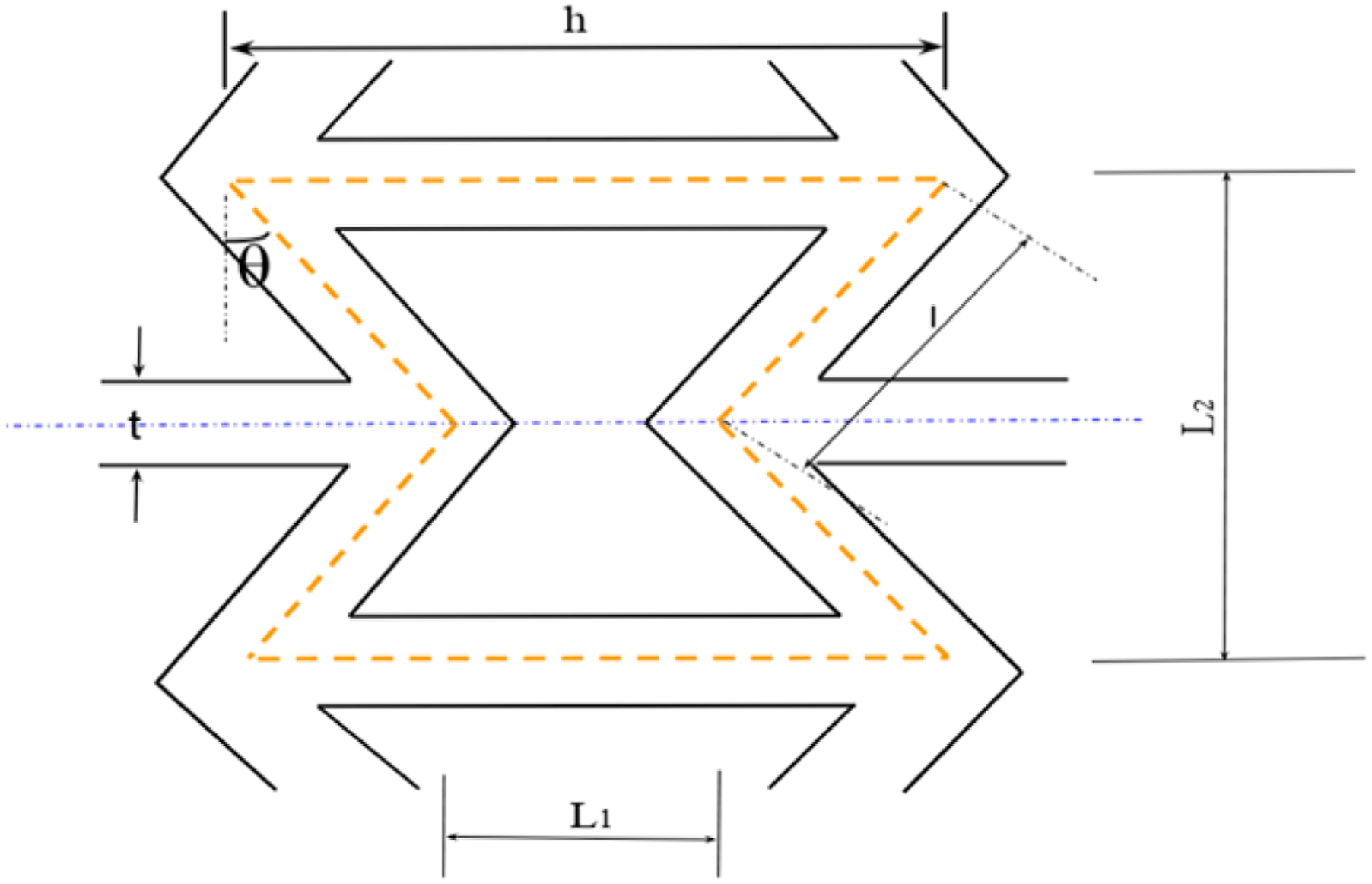
In the proposed decoupled formulation, the inclined and straight members may possess distinct ligament thicknesses represented by ti and ts, respectively. This distinction enables independent evaluation of the stiffness contribution of individual structural members and facilitates selective member-wise optimization of the cellular architecture.
Relative density is defined as the ratio of the mass density of a cellular solid to the mass density of the homogeneous solid.
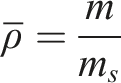
For the same out-of-plane thickness and identical base material properties, the relative density of the re-entrant honeycomb solid
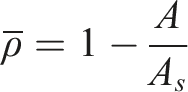
The relative density of the unit cell is therefore obtained as

Effective elastic modulus in direction 1
Consider a solid structure composed of re-entrant cellular solids periodically arranged along the directions 1 and 2. Each unit cell is made of a material having an elastic modulus E and a Poisson’s ratio ν. When the structure is subjected to either tensile or compressive loading, stress develops within the unit cell due to deformation of both inclined and straight ligaments. However, the effective load-bearing area differs in the directions 1 and 2, leading to different stress distributions and deformation responses under directional loading. 20
The free-body diagram of a single unit cell loaded along the 1 direction is shown in Figure 2. Free body diagram of re-entrant Honeycomb unit cell loaded in direction 1.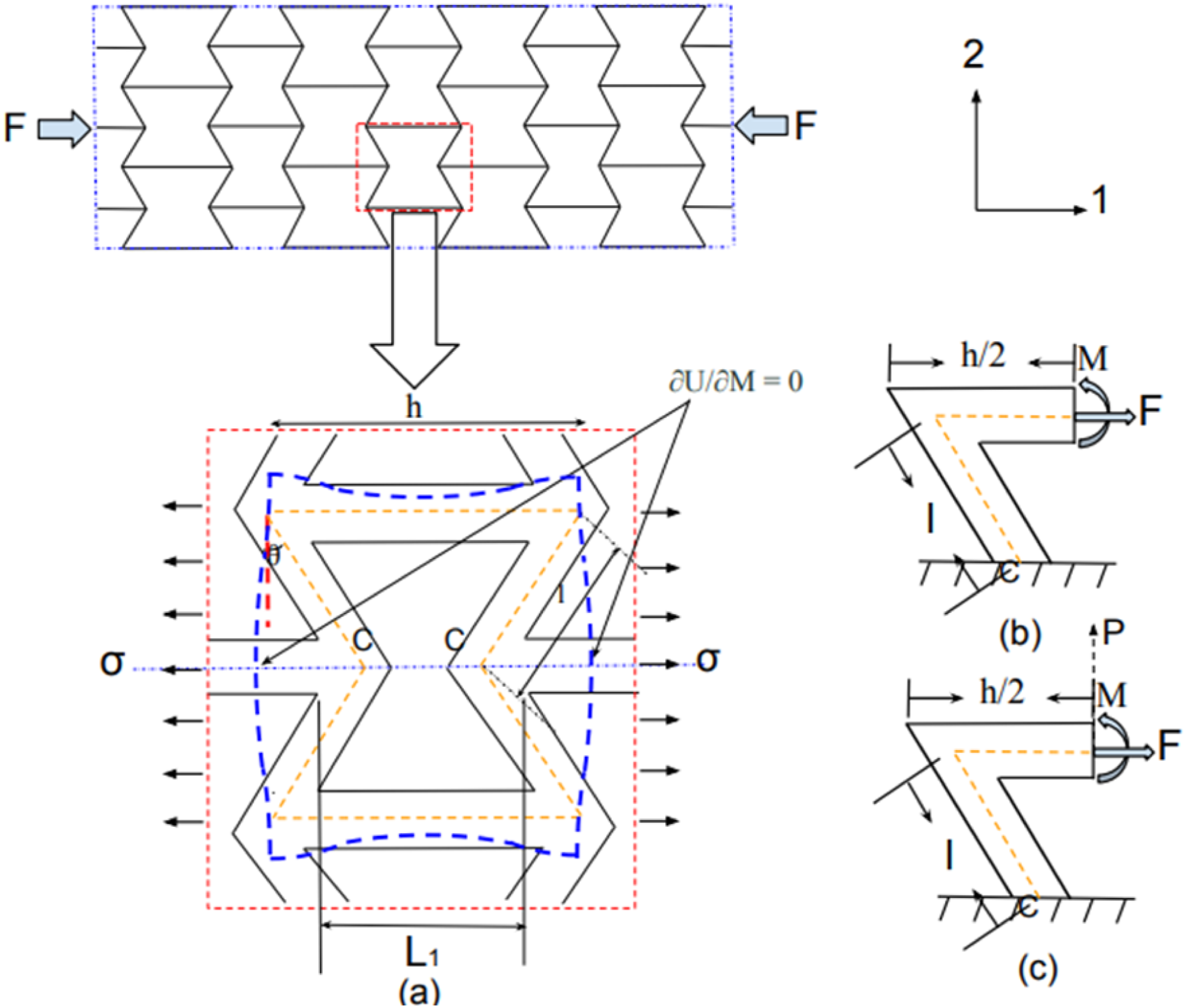
The total strain energy of the quarter unit cell is obtained as
21
:

The strain developed along the loading direction is expressed as:

The contribution of the straight ligament toward the effective elastic modulus is expressed as:

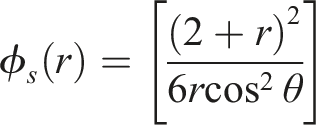
The contribution of the inclined ligament toward the effective elastic modulus is expressed as:

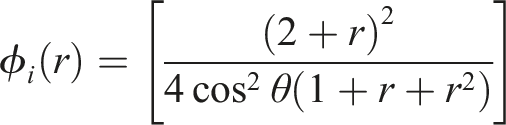
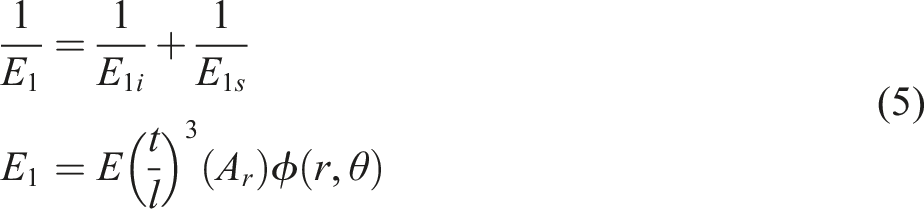
The total effective elastic modulus in the direction 1 is subsequently obtained as:

Now consider a virtual force P acting on the quarter unit cell. Due to this virtual loading, the total bending strain energy of the quarter unit cell becomes:

The transverse strain generated in the direction 2 when the unit cell is loaded in the direction 1 is expressed as:

The Poisson’s ratio of the re-entrant honeycomb unit cell corresponding to loading in the 1 direction is obtained as:

On further simplification:

Effective elastic modulus in direction 2
The free-body diagram of a single re-entrant honeycomb unit cell subjected to loading in the 2 direction is shown in Figure 3. Free body diagram of re-entrant honeycomb unit cell loaded in direction 2.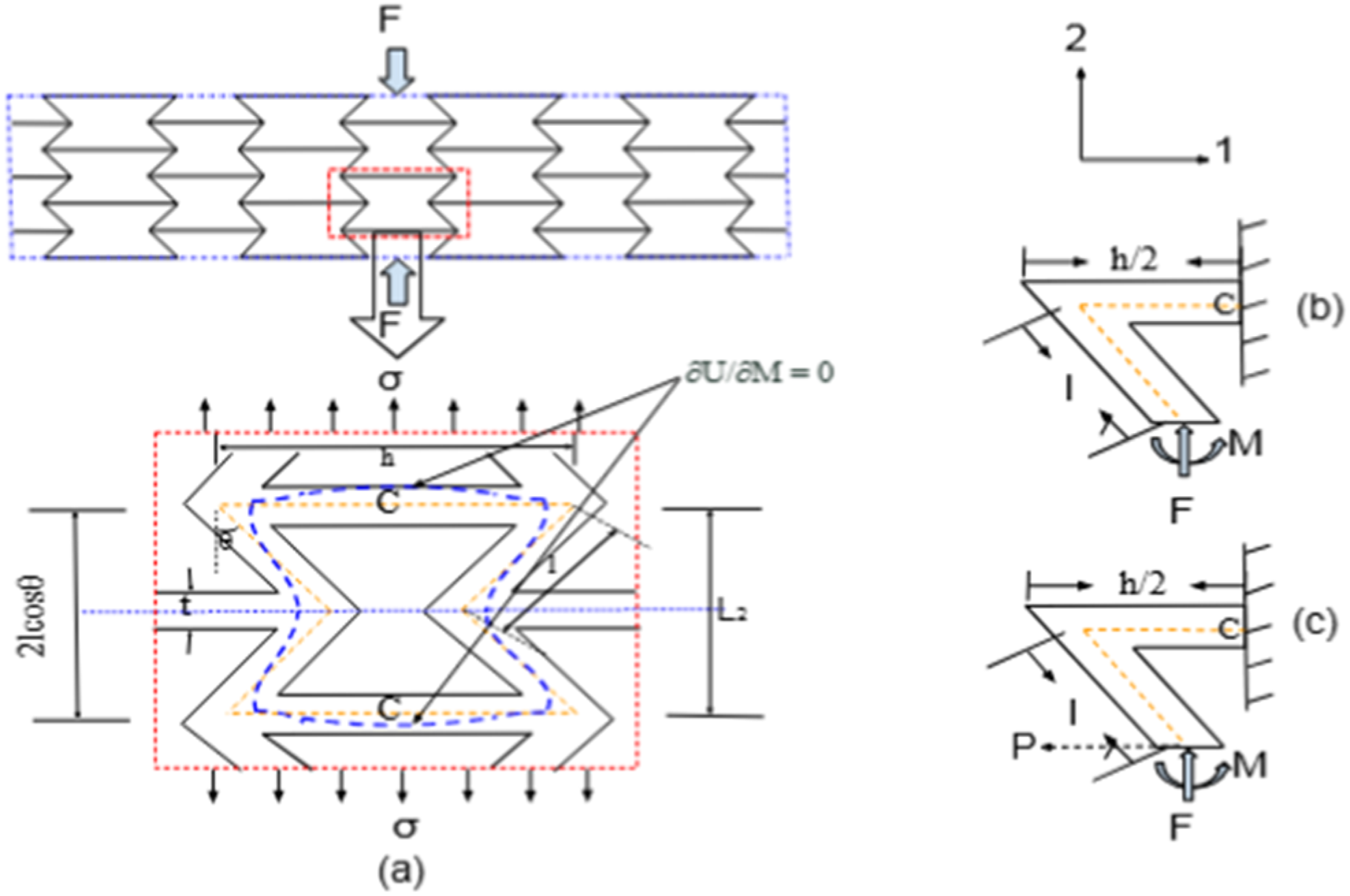
The energy of the quarter unit cell

The strain in the direction of loading,
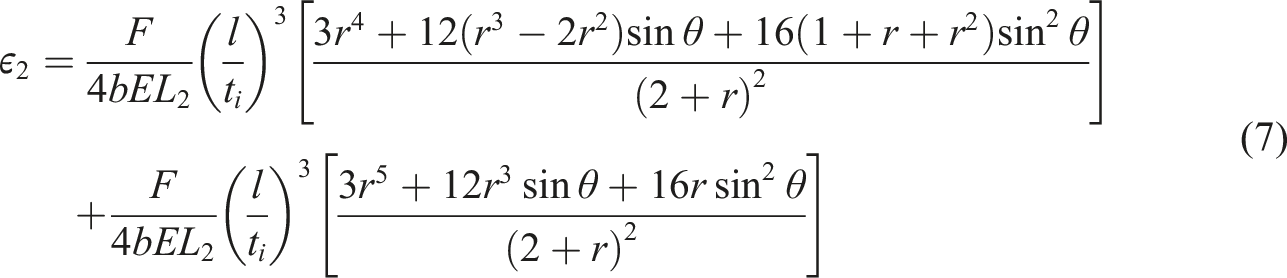
The contribution of straight arms to the elastic modulus in the direction of loading,


The contribution of inclined arm to the elastic modulus in the direction of loading,


The total elastic modulus in direction 2,
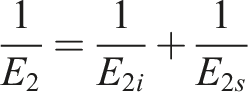
The total elastic modulus of equivalent unit cell of thickness t in direction 2:


The total energy when a horizontal force F is acting in the direction 1

The strain in the direction 1 when loaded in the direction 2

The poison ratio of the Re-entrant unit cell when loaded in the direction 2

If the straight arm thickness is assumed to be rigid, that is, ts → ∞, equations (5) and (10) transforms to the classical Gibson and Ashby formulas for E1 and E2 of Reentrant honeycomb.
RVE homogenization of the re-entrant structure/unit cell
The Representative Volume Element (RVE) approach is a fundamental multiscale modeling strategy that bridges the gap between microstructural geometry and the macroscopic mechanical behavior of periodic materials. In the context of structures composed from cellular solids, particularly re-entrant honeycombs, the RVE represents the smallest repeating unit that captures the essential geometrical and mechanical characteristics of the entire structure. 22 Therefore, defining a suitable volumetric element, referred to as a representative volume element, is used to accurately reflect the re-entrant geometry, ligament orientation, and connectivity, which is critical for predicting the global mechanical behavior of the structures that are made using a periodic arrangement of unit cells. For re-entrant honeycomb structures, which deform through a combination of bending, hinging, and axial stretching of the ligaments, it is essential to apply periodicity not only on translational degrees of freedom, but also on rotational ones to ensure realistic deformation. 23 Typically, one corner of the RVE is fully constrained to eliminate rigid body motion, while affine displacements are prescribed to the remaining nodes based on the desired macroscopic strain condition (e.g., uniaxial tension, shear). The re-entrant cell consists of ligaments modeled as Euler–Bernoulli beam elements characterized by their Young’s modulus (E), cross-sectional area (A), and moment of inertia (I). Each element’s local stiffness matrix is first formulated in its local coordinate frame and then transformed into the global coordinate system using transformation matrices based on the element’s orientation. The overall stiffness matrix of the RVE is assembled by summing the contributions from all beam elements according to nodal connectivity. Periodic boundary conditions were imposed on the opposite boundaries of the representative volume element in order to ensure deformation compatibility and continuity corresponding to an infinitely repeating cellular structure. The homogenized effective stiffness tensor was subsequently evaluated using the Hill–Mandel energy equivalence principle, which ensures equivalence between the macroscopic strain energy density and the volume-averaged microscopic strain energy within the representative volume element. 24
Assuming linear elastic behavior, the homogenized constitutive relation may be expressed as:
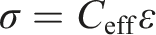
The homogenized effective elastic properties obtained from the proposed geometry-consistent analytical formulation were subsequently employed in the dynamic response analysis of the robotic manipulator link modeled as an equivalent homogenized cantilever beam. Therefore, the homogenization framework was utilized not only for equivalent property evaluation but also for validating the practical applicability of the proposed analytical and optimization methodology.
Parametric investigation and model assessment
To evaluate the robustness and predictive capability of the proposed decoupled geometry-consistent analytical framework, the effective elastic properties obtained from the present formulation were compared with classical Gibson--Ashby (Reference∼1) predictions, homogenization-based finite element results, and previously reported strain energy based theoretical observations by Harkati (Reference∼2) across multiple geometric configurations. The validation was performed for different re-entrant angles and ligament thicknesses in order to assess the ability of the proposed formulation to accurately capture the geometry-dependent mechanical response of re-entrant honeycomb structures.
The comparative validation results presented in Figure 4(a) and (b) demonstrate the physical consistency and robustness of the proposed geometry-consistent analytical formulation. The comparison between the present formulation under the limiting condition ts → ∞ and Reference 1 shows extremely close agreement, with a maximum deviation remaining within approximately 1% for both E1 and E2. This behavior is physically justified because both formulations fundamentally assume bending-dominated deformation mechanisms within the re-entrant cellular structure. In the classical Gibson–Ashby-type formulation adopted in Reference 1, the inclined ligaments are assumed to govern the primary deformation behavior, whereas the straight ligaments are considered highly rigid and therefore contribute negligibly toward strain energy storage. When the present geometry-consistent formulation imposes the limiting condition ts → ∞, the straight ligaments effectively become rigid, causing the proposed analytical framework to reduce toward the same bending-dominated deformation assumption employed in the Gibson–Ashby formulation. Consequently, both models exhibit nearly identical predictions. The least deviation was observed in E2 for re-entrant angles greater than θ = 45° and less than θ = 90°, because the deformation response of the structure remains predominantly bending dominated within this angular range. In contrast, slight deviations increase for angles below θ = 45° due to enhanced geometric coupling and redistribution of local deformation mechanisms within the cellular architecture. An opposite trend was observed for E1 because, at smaller re-entrant angles, the deformation response becomes increasingly bending dominated, whereas at larger angles the influence of axial deformation progressively becomes more significant. Validation and comparative assessment of the proposed analytical formulation against classical Gibson-Ashby predictions, previously reported strain-energy-based formulations, and homogenization-based finite element results for multiple ligament thicknesses and re-entrant angles.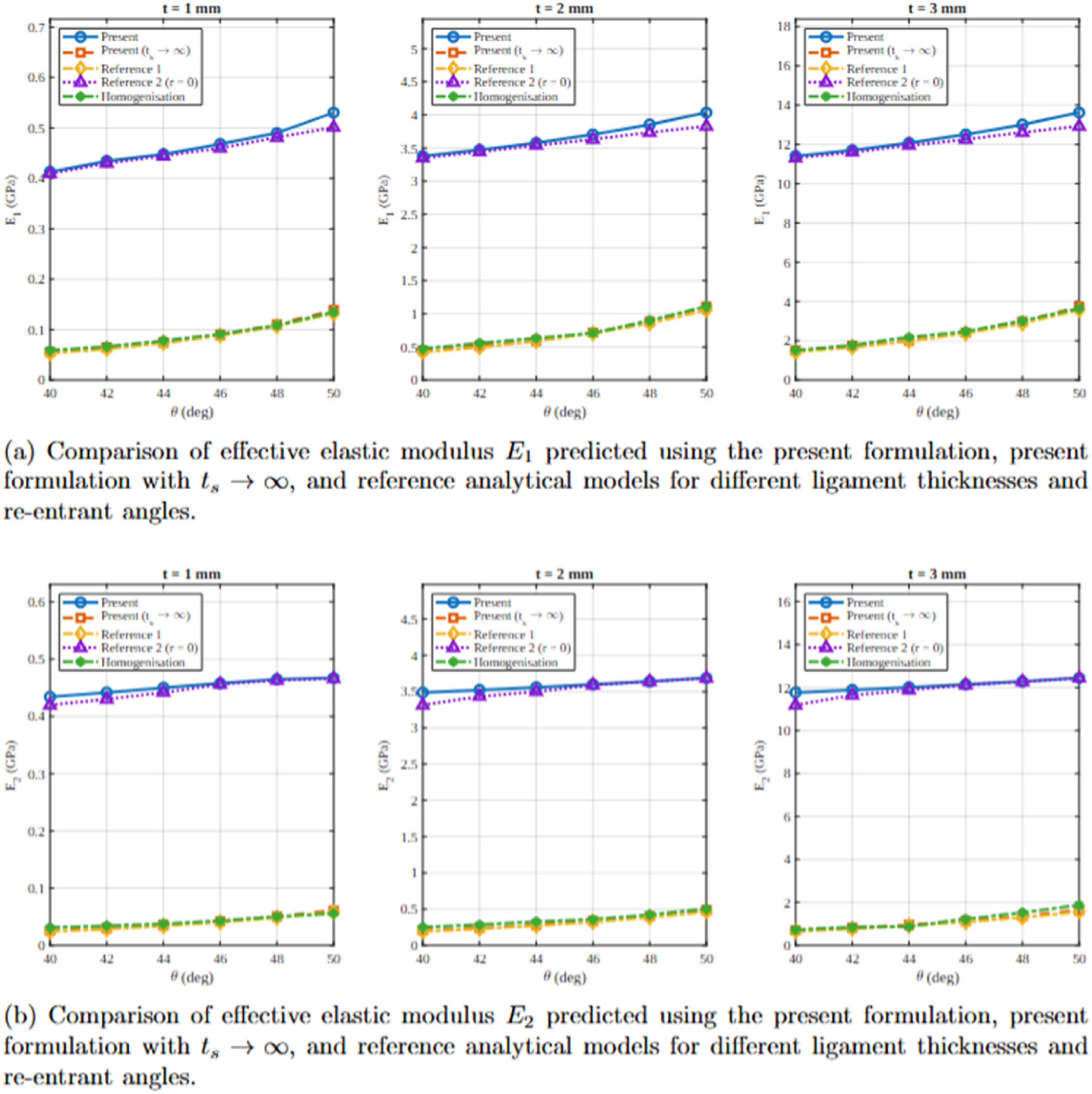
In contrast, the comparison between the complete present formulation and Reference 2 exhibits a maximum deviation of approximately 5%, with the minimum deviation occurring near θ = 45° and progressively increasing toward lower and higher re-entrant angles depending on the directional elastic modulus under consideration. This deviation primarily originates from the different mechanical assumptions adopted in the two analytical formulations. The present work assumes a sharp-edge re-entrant geometry with r = 0 and employs an Euler–Bernoulli beam-based bending-dominated analytical framework, whereas Reference 2 additionally incorporates shear deformation, tensile deformation, and edge-curvature effects within the unit-cell formulation. For the angular range 45° < θ < 75°, the deformation response of the re-entrant cellular structure remains predominantly bending dominated for E2, causing the influence of shear and tensile deformation to remain comparatively small and therefore resulting in close agreement between the two formulations. However, as the re-entrant angle deviates away from θ = 45° toward lower values, the bending-dominated deformation behavior progressively decreases while the contribution of shear deformation, tensile stretching, and geometric interaction effects becomes increasingly significant. Consequently, the discrepancy between the present bending-dominated formulation and the more comprehensive shear–tensile deformation formulation gradually increases toward the extreme angular configurations corresponding to 15° < θ < 45° and 45° < θ < 75° for E1. Thus, as the re-entrant angle approaches its extreme values near 0° and 90°, tensile stretching and compressive buckling mechanisms continuously start dominating the structural response for E2 and E1 at lower and higher angular configurations, respectively, thereby reducing the validity of purely bending-dominated assumptions. These trends indicate that bending-dominated analytical formulations for conventional and re-entrant hexagonal cellular structures remain most accurate within the angular regimes where bending deformation governs the overall structural response. Hence, such formulations are most suitable for re-entrant angles smaller than 45° when the direction of loading is 1 and for re-entrant angles greater than 45° when the direction of loading is 2.
Assessment of the predictive capability of the proposed framework through comparison with independent experimental observations from the literature.
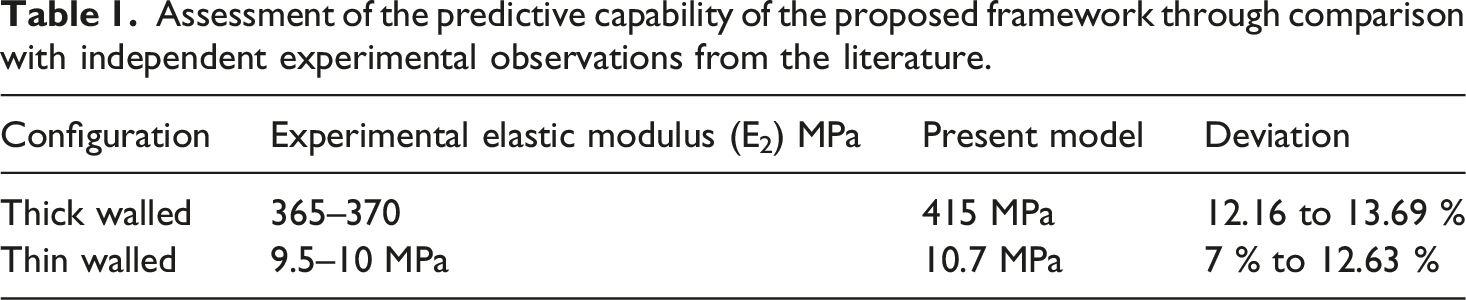
The proposed analytical framework shows deviation ranging from 12.16 % to 13.69 % for the thick walled configurations and from 7.0 % to 12.63 % for the thin walled configuration when the result for same configuration were compared with the experimental observations reported by Dong et al. The deviation ranged was found to be lower for thin-walled configuration than thick-walled configuration which shows that Euler Bernoulli beam formulation become increasingly valid for thin-walled configuration. The reduction in material accumulation at the ligament junction was one more reason to obtain much precise results than thick-walled configuration, since the effective geometry parameter such as “h” and “l” becomes more realistic for thin walled configurations.
The validation results demonstrate that the proposed geometry-consistent decoupled formulation provides reliable predictions over a broad range of re-entrant angles and ligament thicknesses, showing good agreement with established analytical formulations, homogenization-based finite element models, and independent experimental observations reported in the literature. The ability of the proposed framework to recover classical solutions under limiting conditions, together with its satisfactory agreement with experimentally measured elastic moduli, confirms both the physical consistency and predictive capability of the formulation for evaluating the effective mechanical response of re-entrant honeycomb structures.
Multi-objective optimization of re-entrant honeycomb unit cells
The effective mechanical performance of cellular structures is governed by a complex interaction between stiffness, strength, flexibility, and structural weight. In particular, the effective elastic modulus, and relative density are highly dependent on the geometric characteristics of the unit cell. Cellular architectures with lower relative density generally exhibit increased flexibility and reduced structural weight since the ligaments become thinner and more compliant. However, the reduction in ligament thickness also decreases the load-carrying capability and stiffness of the cellular structure. 26 Reducing the relative density of cellular structures does not guarantee improved specific mechanical performance, since stiffness may decrease at a significantly higher rate than structural weight. The proposed decoupled geometry-consistent strain energy formulation shows that inclined and straight ligaments contribute differently toward stiffness evolution, load transfer, and auxetic deformation depending on the loading direction and geometric configuration. Therefore, uniform thickening of all ligaments often produces unnecessary material addition and reduced lightweight efficiency. To address this limitation, the present work develops a geometry-consistent multi-objective optimization framework that enables independent thickness tailoring of inclined and straight ligaments through selective augmentation of mechanically dominant members while maintaining reduced thickness in less influential regions. The proposed framework therefore establishes closed-form relationships between ligament thickness, effective elastic modulus, and relative density. This enables simultaneous improvement in stiffness-to-weight efficiency and lightweight structural performance suitable for applications such as robotic manipulators, aerospace structures, and adaptive load-bearing systems.
Selection of optimization variables
Among the geometric parameters governing the effective behavior of re-entrant honeycomb structures, ligament thickness was selected as the primary optimization variable in the present study because of strong nonlinear dependency of elastic properties on ligament thickness which means s relatively small variations in ligament thickness produce significant changes in stiffness, strength, relative density, and overall structural weight compared to other geometric parameters. The proposed link level formulation formulation reveals that inclined and straight ligaments contribute differently to stiffness enhancement and load transfer mechanisms depending on the loading direction and geometric configuration. This results in reduction of unnecessary material addition increasing unnecessary structural weight. Thus, the present analytical framework permits independent thickness characterization of inclined and straight members through distinct ligament thicknesses represented by ti and ts, respectively. This distinction enables member-wise identification of dominant load-bearing ligaments governing the effective stiffness response of the cellular architecture.
The proposed optimization framework enables selective geometric reinforcement of structurally dominant members while maintaining reduced thickness in less influential ligaments. Such member-wise thickness tailoring provides an important design advantage by enabling simultaneous enhancement of stiffness-to-weight performance and lightweight structural efficiency without uniformly increasing material usage throughout the unit cell. Parameters such as the re-entrant angle (θ), inclined ligament length (l), and vertical member height (h) primarily influence the higher-order geometric coefficients governing deformation behavior, auxeticity, and load transfer interaction. Thus, the present work focuses primarily on member-wise ligament thickness optimization in order to establish a closed-form analytical design framework capable of directly balancing stiffness-strength-weight trade-offs while maintaining computational tractability. Nevertheless, the proposed formulation remains fully compatible with extension toward simultaneous multi-parameter optimization involving h, l, and θ, and unit-cell topology, which constitutes an important direction for future research.
Geometry-consistent multi-objective optimization framework
The analytical expressions developed for the effective elastic moduli and relative density demonstrate that the mechanical response of the re-entrant honeycomb cellular structure is highly sensitive to the geometric parameters of the unit cell, particularly the inclined and straight ligament thicknesses tᵢ and ts, the geometric ratio (r = h/l), and the re-entrant angle (θ). The effective elastic moduli vary nonlinearly because of the cubic dependence on ligament thickness together with the higher-order geometric deformation coefficients φᵢ, φs, ψᵢ, and ψs, whereas the relative density exhibits comparatively gradual variation. Consequently, substantial enhancement in effective stiffness can be achieved through selective geometric tailoring without proportional increase in material volume fraction. Therefore, the primary objective of the proposed optimization framework is to maximize the effective elastic properties while simultaneously minimizing or maintaining the relative density of the cellular structure.
Initially, a reference configuration corresponding to uniform ligament thickness was considered such that:
Using the proposed analytical formulation, the corresponding baseline effective elastic moduli and relative density were obtained as:
The corresponding baseline stiffness-to-weight efficiencies were subsequently defined as:

Subsequently, the inclined and straight ligament thicknesses were treated independently in order to selectively redistribute material toward mechanically dominant deformation members. Using the analytical expressions obtained in the previous formulations, the geometric-thickness participation parameters associated with each ligament system were defined as:



The corresponding dominance ratios governing the directional stiffness evolution were then introduced as:

The ligament system possessing the larger participation ratio was identified as the mechanically dominant deformation member associated with the corresponding loading direction. Consequently, the optimization framework selectively increased the thickness of the dominant ligament while simultaneously reducing the thickness of the less influential member in order to minimize unnecessary material accumulation without proportional degradation in the effective elastic response.
To preserve the effective elastic properties of the cellular structure, the optimized elastic moduli were constrained such that: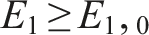
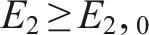
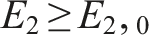
Simultaneously, the optimization process imposed the lightweight structural constraint:
The relative elastic efficiencies corresponding to the optimized configuration were subsequently defined as: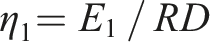
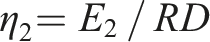
Finally, the multi-objective optimization problem was formulated to maximize the stiffness-to-weight efficiency of the cellular structure:
Subject to: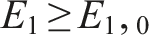

Finite element simulation
To investigate the feasibility of replacing conventional solid materials with optimized cellular architectures, a robotic manipulator link was considered as a representative lightweight engineering application, as illustrated in Figure 5. For this purpose, a hollow circular cross-section manipulator link composed of re-entrant honeycomb cellular solids was modeled and analyzed using an equivalent homogenized beam representation possessing the optimized effective mechanical properties obtained from the proposed multi-objective optimization framework, as shown in Figure 6. The primary objective of this investigation was to evaluate whether the optimized cellular architecture could provide dynamically stable structural behavior while simultaneously maintaining lightweight characteristics suitable for robotic manipulator applications. Robotic manipulator link composed of re-entrant honeycomb cellular solids and equivalent homogenized structural representation used for dynamic analysis. A cellular structure composed form REH solids vs homogenized structure.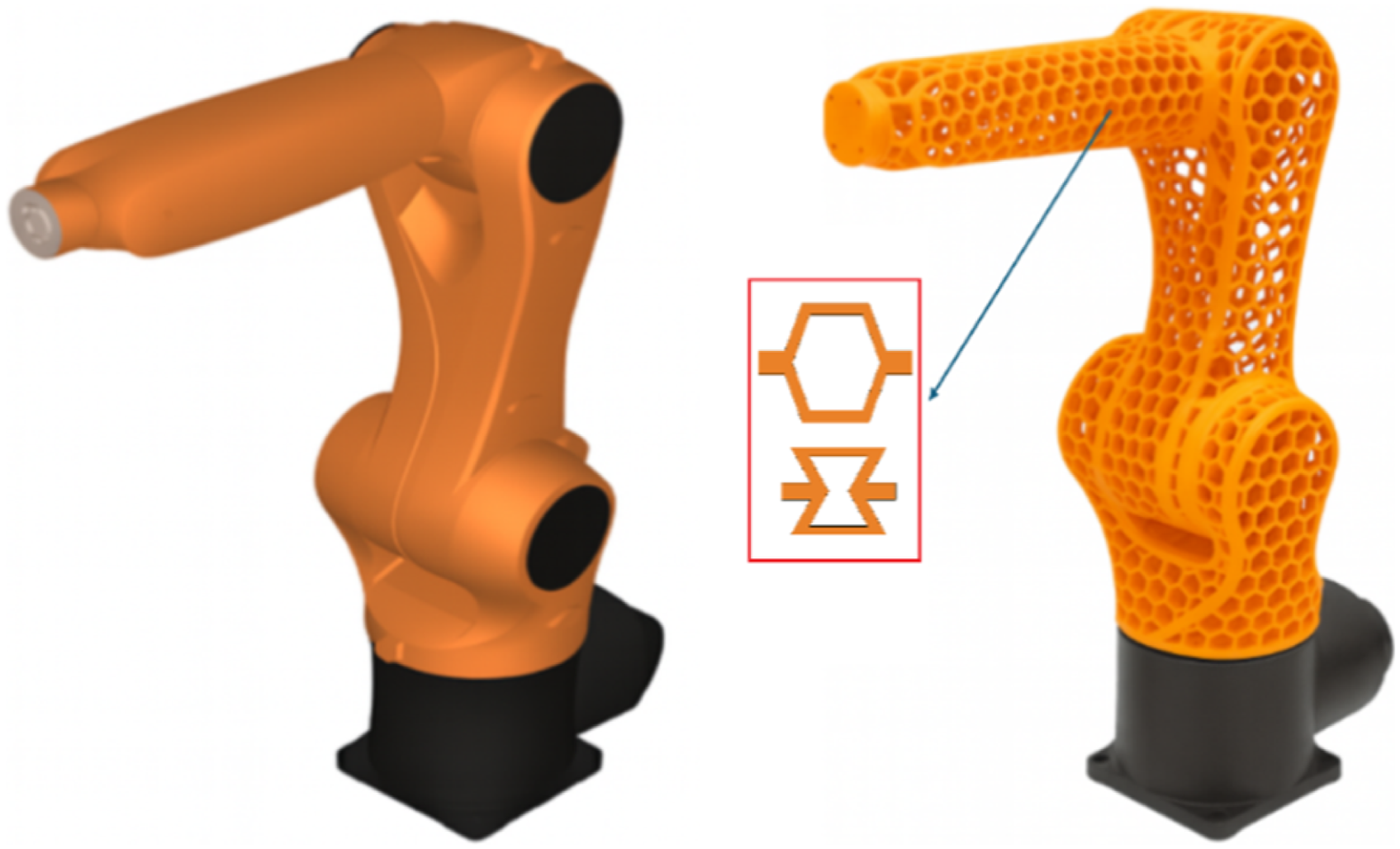
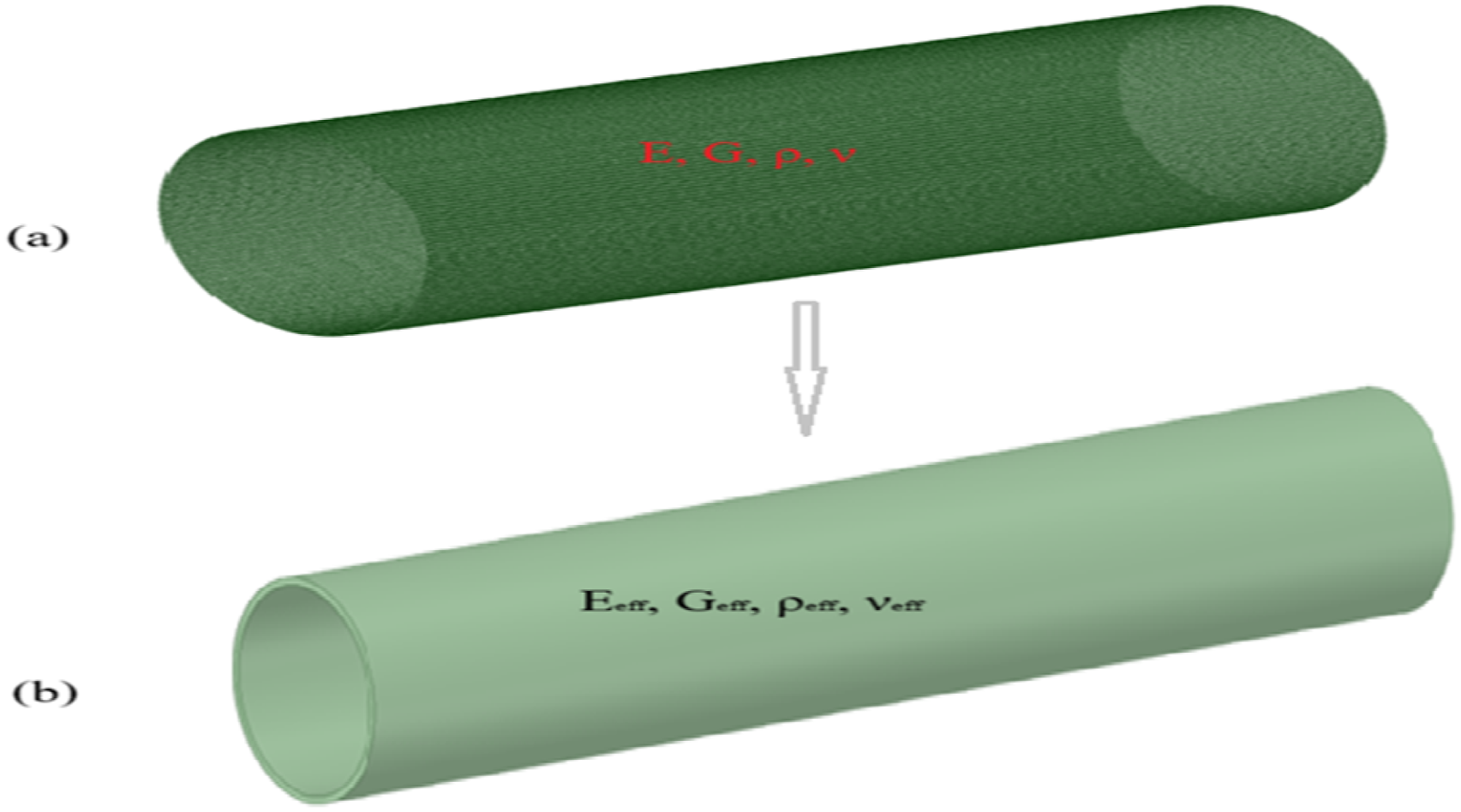
Dynamic analyses were performed using FEM-based MATLAB simulations to evaluate the vibration characteristics of the optimized manipulator link under cantilever boundary conditions. The dynamic response of the structure was investigated through amplitude–time decay behavior and frequency–displacement response analyses in order to assess the vibration stability, resonance characteristics, and dynamic adaptability of the proposed REH-based structure. In particular, the analyses were conducted to determine whether the maximum vibration amplitudes and dominant resonance frequencies remained within the operationally acceptable range for robotic manipulator systems requiring high stiffness, controlled deformation, and reduced vibration sensitivity. For the dynamic investigation, one end of the manipulator link was fixed while an initial displacement of 0.1 mm was applied at the free end to simulate typical cantilever loading conditions encountered in robotic arm applications. The geometric dimensions of the hollow circular manipulator link were maintained constant throughout the analysis, with the overall length, outer diameter, and wall thickness taken as 400 mm, 70 mm, and 5 mm, respectively. The equivalent homogenized material properties employed in the dynamic simulations were obtained from the proposed optimization framework based on simultaneous maximization of effective elastic modulus and minimization of relative density.
Result and discussion
Theoretical modeling
Theoretical parametric investigations were performed using the proposed decoupled geometry-consistent analytical formulation to evaluate the influence of ligament thickness and member-wise geometric contributions on the effective elastic modulus, and relative density of the re-entrant honeycomb cellular structure. The corresponding theoretical variations are illustrated in the Figure 7. Theoretical variation of effective elastic modulus, relative density, and member-wise stiffness contribution with inclined and straight ligament thicknesses for the re-entrant honeycomb cellular structure.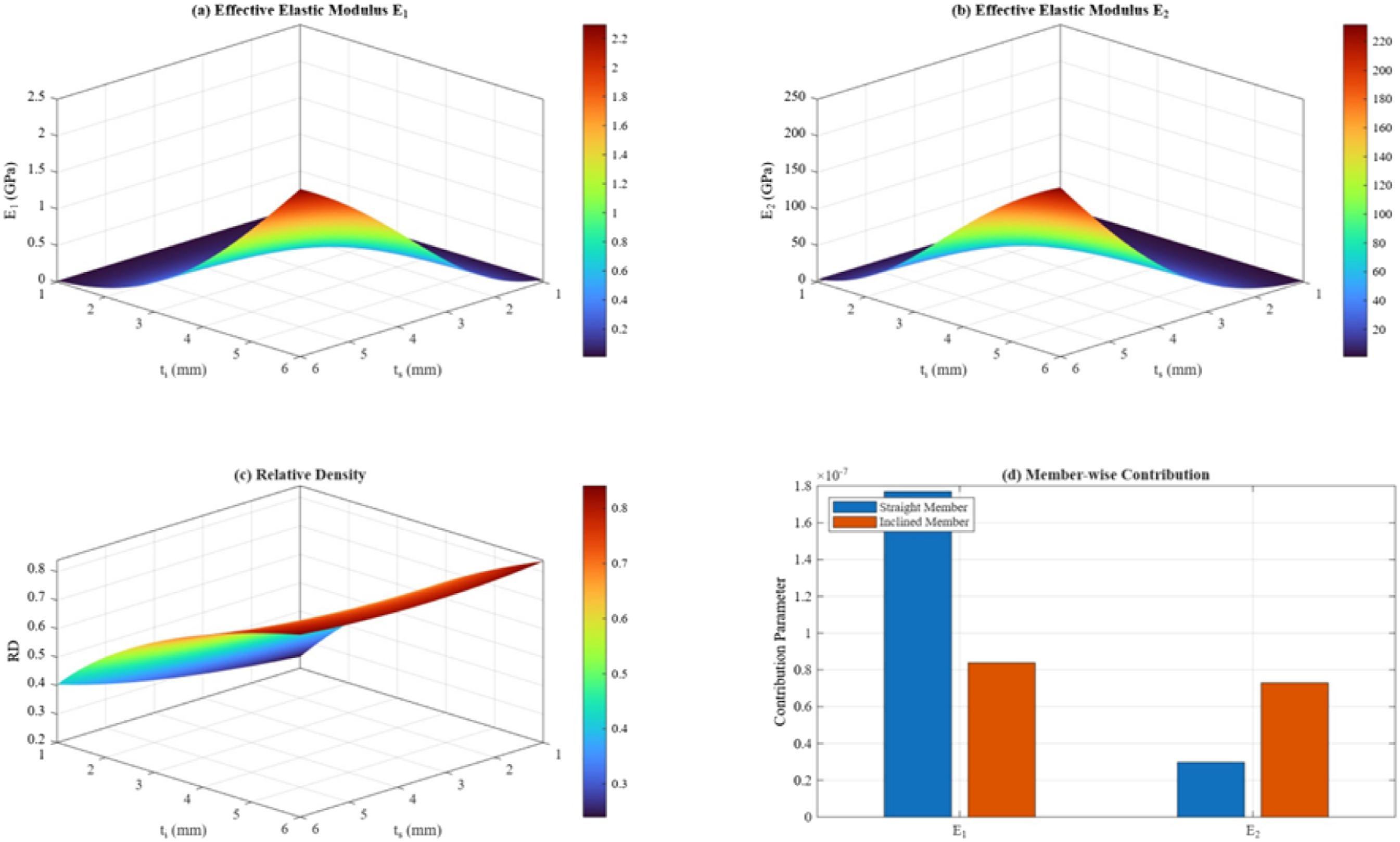
The theoretical parametric investigation based on the proposed decoupled geometry-consistent analytical formulation demonstrates that the effective elastic moduli and relative density of the re-entrant honeycomb cellular structure are strongly influenced by the individual thickness contributions of the inclined and straight ligaments. The obtained results indicate that both E1 and E2 increase nonlinearly with increasing ligament thickness due to the cubic stiffness dependence together with the influence of higher-order geometric deformation coefficients associated with the strain energy-based formulation, as illustrated in Figure 7(a) and (b), whereas the relative density increases continuously because of the corresponding increase in material volume fraction, as shown in Figure 7(c). The member-wise stiffness decomposition further reveals that the inclined and straight ligaments contribute differently toward the directional stiffness response depending on the governing geometric deformation coefficients associated with the cellular architecture, thereby producing distinct deformation dominance mechanisms under different loading directions. The member-wise stiffness contribution analysis presented in Figure 7(d) further demonstrates the strong stiffness–weight coupling behavior of the re-entrant cellular structure, where higher effective elastic properties are generally associated with increased relative density under uniform-thickness configurations. Furthermore, the obtained results demonstrate that selective reinforcement of the mechanically dominant ligament system significantly improves the effective stiffness response while minimizing unnecessary material accumulation in less influential members, thereby confirming the necessity of a proper geometry-consistent optimization framework for achieving efficient lightweight structural design.
Optimization
The variations in optimized elastic modulus, relative density, and member-wise ligament thickness distributions are presented in Figure 8. Multi-objective optimization results showing the optimized design space for maximizing effective elastic modulus while minimizing relative density through selective member-wise geometric tailoring.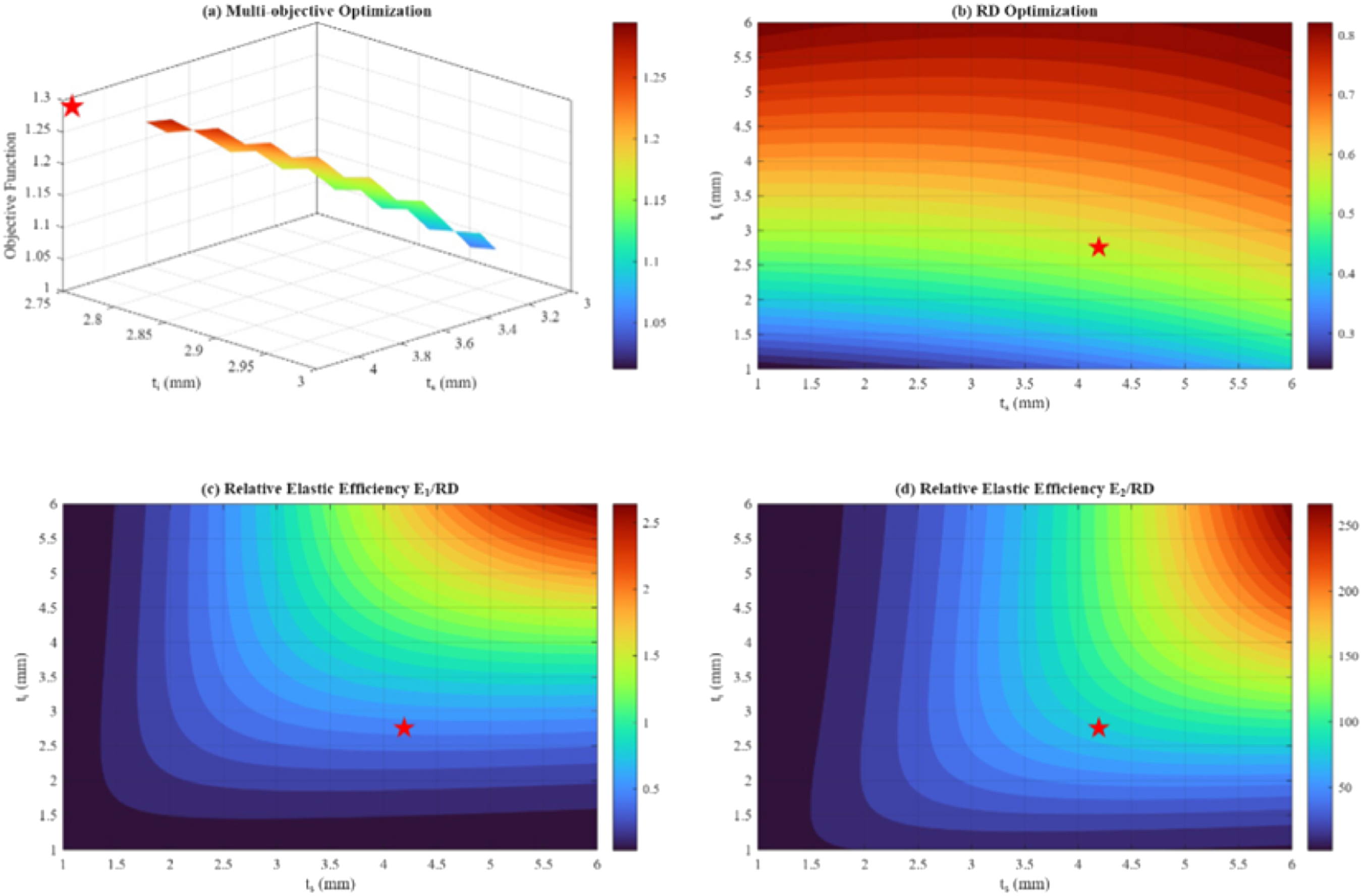
The optimization results demonstrate that the proposed geometry-consistent framework effectively improves the stiffness-to-weight efficiency of re-entrant honeycomb cellular structures through selective ligament-wise material redistribution. For all investigated geometric configurations, significant enhancement in the transverse elastic modulus E2 was achieved with negligible variation in relative density, thereby confirming efficient material utilization without introducing substantial increase in structural weight. The improvement in E2 was found to be most pronounced at a re-entrant angle of θ = 45°, whereas comparatively lower enhancement was observed for smaller re-entrant angles around θ = 35° due to the gradual transition of the dominant deformation mechanism from bending-dominated behavior toward tensile stretching of the unit-cell ligaments. In contrast, the opposite trend was observed for E1 because bending deformation of the unit-cell ligaments becomes easier at smaller re-entrant angles as shown in Figure (9). Overall, the obtained results validate the capability of the proposed geometry-consistent optimization framework to significantly enhance lightweight structural performance while simultaneously preserving geometric efficiency and desirable effective elastic properties. Comparison of Initial vs optimized design of REH unit cell at various combination of θ and to.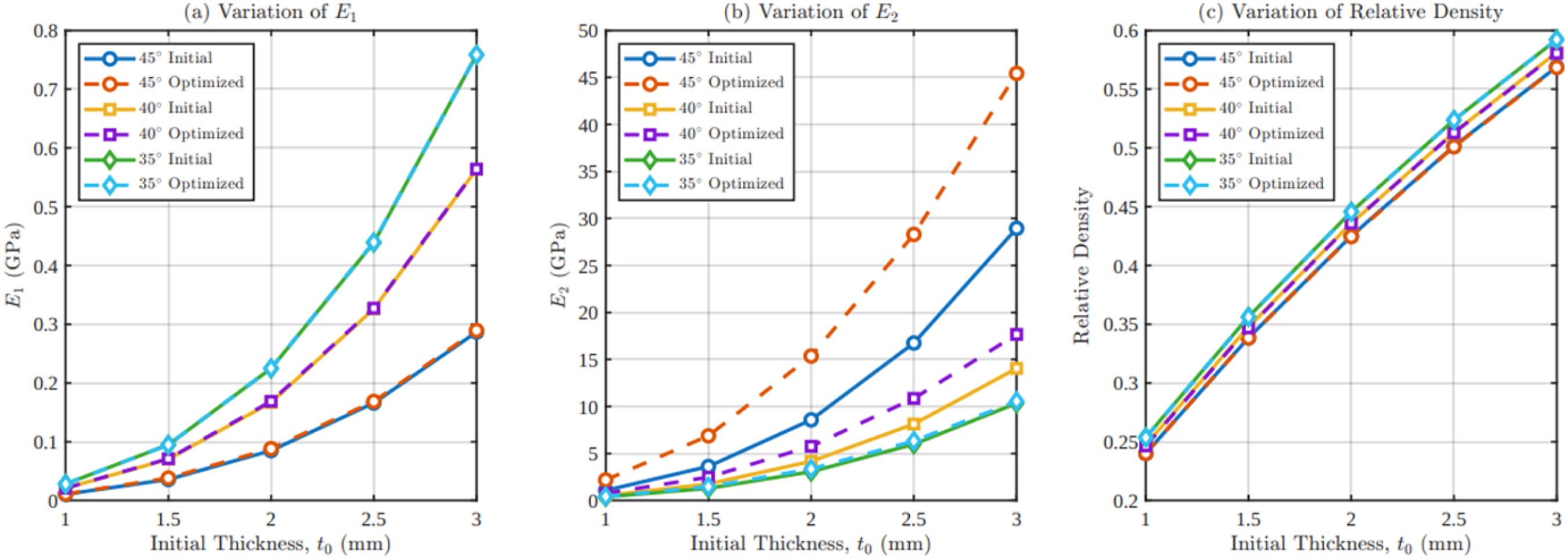
Dynamic analysis of robotic manipulator link
The dynamic response characteristics of the robotic manipulator link composed of re-entrant honeycomb cellular structures and modeled as an equivalent homogenized beam are illustrated through the amplitude–frequency response and amplitude–time decay plots presented in Figures 10 and 11. The responses corresponding to the initial uniform-thickness configurations were evaluated for two different baseline ligament thickness conditions while maintaining fixed geometric dimensions corresponding to h = 15 mm, l = 10 mm, and a re-entrant angle of 45°. Configuration 1 consisted of uniform ligament thicknesses corresponding to t0 = ts = tᵢ = 2.5 mm, whereas Configuration 2 consisted of uniform ligament thicknesses corresponding to t0 = ts = tᵢ = 3 mm. The corresponding dynamic response plots for these baseline configurations are represented in Figure 10(a) and (b), Figure 11(a) and (b), Figure 12(a) and (b), respectively. In contrast, the optimized configurations obtained using the proposed geometry-consistent optimization framework consisted of selectively redistributed ligament thicknesses. Optimized Configuration 1 consisted of straight ligament thickness ts = 3.7337 mm and inclined ligament thickness tᵢ = 2.2864 mm, whereas Optimized Configuration 2 consisted of straight ligament thickness ts = 4.1633 mm and inclined ligament thickness tᵢ = 2.7613 mm. The corresponding dynamic response plots for the optimized configurations are represented in Figure 10(c) and (d), Figure 11(c) and (d), Figure 12(c) and (d) respectively. The obtained dynamic responses provide important insight into the vibration stability, resonance behavior, transient response characteristics, and dynamic adaptability of the proposed lightweight re-entrant cellular manipulator structure. Transient vibration decay response of the REH-based and homogenized robotic manipulator cantilever beams. Frequency response characteristics of REH integrated manipulator link modelled as homogenized cantilever beam. First three mode shapes of the manipulator link modelled as homogenized cantilever beam.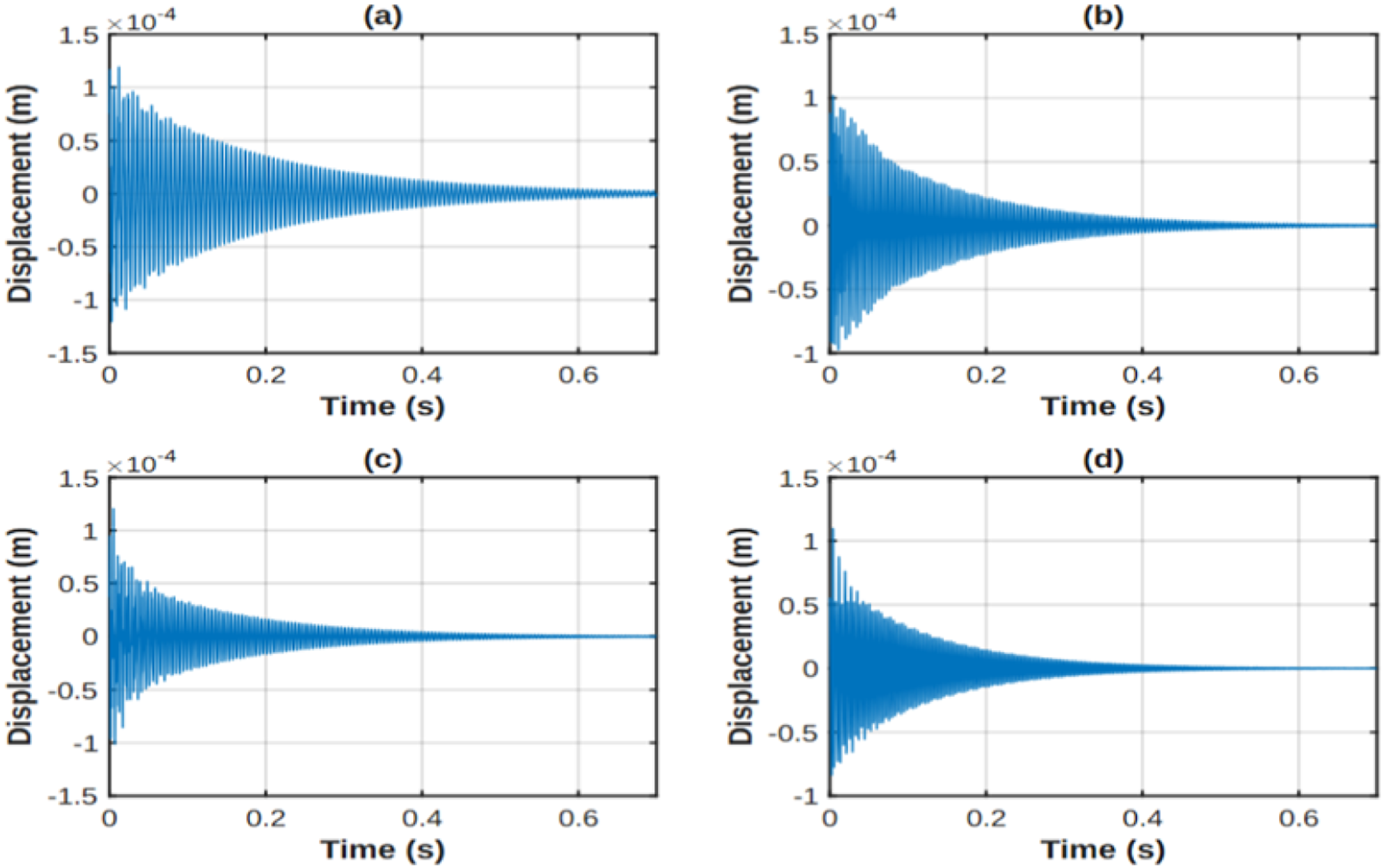
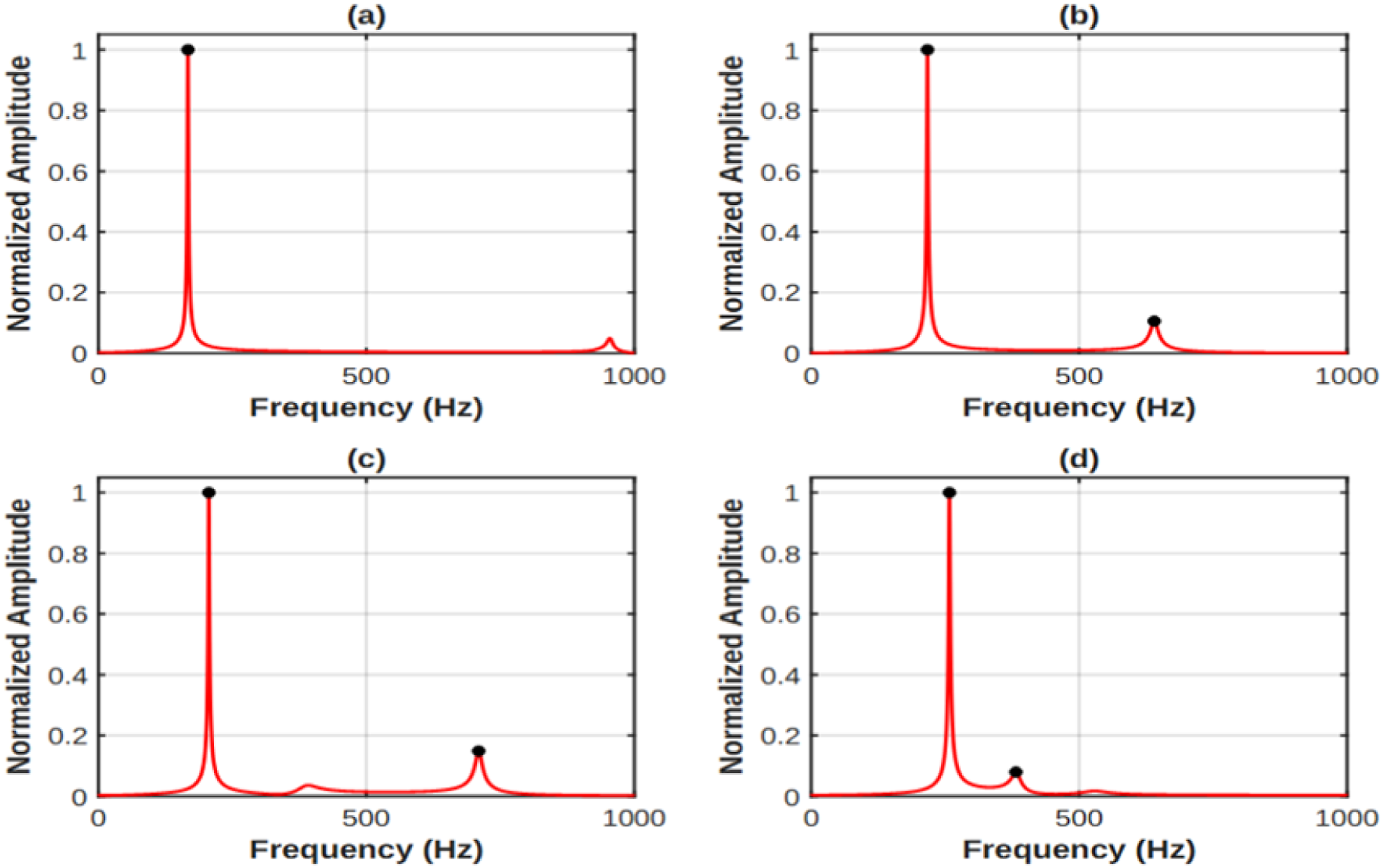
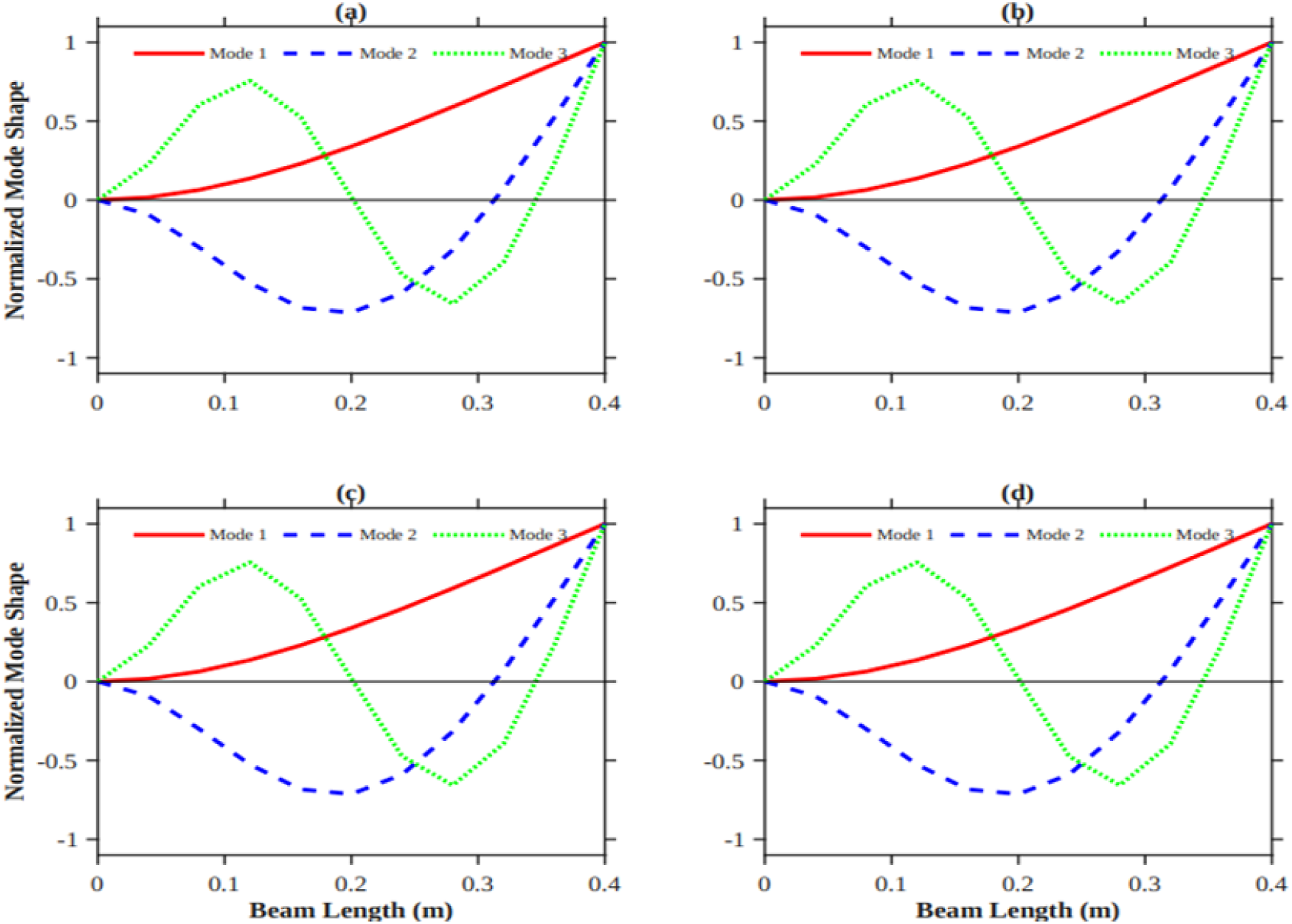
Figure 10 indicates that the optimized configurations exhibit comparatively lower vibration amplitudes together with faster decay behavior than the corresponding uniform-thickness configurations, while maintaining approximately 50% weight reduction through the use of cellular architecture. All investigated configurations exhibit complete vibration attenuation within approximately 1 s, indicating rapid settling characteristics of the manipulator link. Since the reduced settling time directly improve the positional accuracy, motion repeatability, and the operation speed, Such behavior is particularly desirable in robotic applications as it minimizes residual oscillations following rapid movement or sudden changes in loading conditions.
Figure 11 shows the frequency response characteristics and demonstrate that all investigated configurations possess a dominant resonance frequency near 200 Hz, indicating that the optimized cellular structures retain sufficiently high dynamic stiffness despite significant weight reduction. During normal operating conditions, the absence of pronounced low-frequency resonance modes suggests reduced susceptibility to vibration-induced instability. Therefore, the optimized configurations exhibit comparatively lower normalized spectral amplitudes, confirming better vibration attenuation capability and reduced resonance sensitivity. These observations indicate that selective ligament-wise stiffness tailoring not only improves the stiffness-to-weight efficiency of the re-entrant honeycomb architecture but also preserves desirable dynamic characteristics required for lightweight robotic manipulator structures.
The first three normalized bending mode shapes of the homogenized cantilever beam corresponding to the adopted configurations considered in the present study has been shown in Figure 12. For all investigated cases, the modal responses shows the bending-dominated deformation patterns characteristic of robotics manipulator modelled as cantilever beam. The first mode governed the overall flexural motion, whereas the higher modes were associated with increasingly localized curvature and more complex dynamic behavior. Owing to the normalized representation, all configurations exhibit similar modal deformation characteristics, indicating that variations in the adopted material properties primarily influence the natural frequencies rather than the fundamental mode-shape behaviour. The modal characteristics, together with the corresponding natural frequencies, indicate adequate dynamic stiffness and reduced susceptibility to resonance-induced instability during operation. Such behaviour is particularly desirable for robotic manipulator applications because it contributes to improved control stability, enhanced motion precision, and reduced sensitivity to external disturbances by limiting excessive vibration amplification within the operational frequency range. Consequently, the obtained modal responses further confirm that the proposed homogenized configurations possess favourable dynamic characteristics suitable for lightweight manipulator systems requiring stable positioning, rapid manoeuvrability, and reliable vibration performance.
It should be noted that the present dynamic investigation is purely numerical and is based on a homogenized cantilever beam representation of the re-entrant honeycomb structure using optimized effective properties obtained from the proposed analytical formulation. Although the obtained results demonstrate the feasibility of employing optimized cellular architectures in dynamically sensitive engineering applications, direct experimental dynamic validation remains an important topic for future investigation.
Conclusion and future work
The present work developed a geometry-consistent strain energy-based analytical framework for predicting the effective mechanical properties of re-entrant honeycomb cellular structures through a decoupled link-level formulation incorporating the coupled deformation contributions of inclined and straight ligaments. The theoretical parametric investigation demonstrated that the effective elastic moduli strongly depend on ligament thickness and higher-order geometric deformation coefficients associated with the strain energy-based formulation, whereas the relative density exhibits comparatively lower sensitivity to geometric variation. The obtained results further revealed that inclined and straight ligaments contribute differently toward the directional stiffness response depending on the governing geometric deformation coefficients associated with the cellular architecture. Consequently, different ligament systems become mechanically dominant under different loading directions, resulting in distinct deformation dominance mechanisms within the re-entrant honeycomb structure. Comparisons with classical Gibson--Ashby formulations, previously reported strain-energy-based models, and homogenization-based finite element results across multiple geometric configurations demonstrated the robustness and predictive capability of the proposed analytical framework.
The optimization framework further demonstrated that selective member-wise material redistribution significantly improves the stiffness-to-weight efficiency of the REH lattices without harming relative density. The optimization results indicated that selective reinforcement of mechanically dominant ligaments significantly improved the stiffness-to-weight efficiency and relative elastic performance of the REH structure through selective reinforcement of mechanically dominant ligaments. Furthermore, the framework demonstrated that the relative elastic efficiency of the structure can be enhanced through selective geometric tailoring rather than uniform thickening of all ligaments. The obtained results also indicate that the stiffness enhancement can be further improved through simultaneous optimization of additional geometric parameters such as re-entrant angle, ligament length ratio, and unit-cell aspect ratio depending on specific application requirements.
The implementation of the optimized homogenized material properties within a robotic manipulator link further demonstrated the practical applicability of the proposed cellular architecture for dynamically sensitive lightweight engineering structures. The dynamic analyses revealed comparatively lower vibration amplitudes, faster transient decay behavior, reduced resonance sensitivity, and improved vibration attenuation capability for the optimized configurations relative to the baseline structures. All investigated configurations exhibited complete vibration attenuation within approximately 0.7 s together with dominant resonance frequencies near 200 Hz, thereby confirming adequate dynamic stiffness, vibration stability, and operational suitability for robotic manipulator applications. In addition, the optimized re-entrant honeycomb configurations achieved approximately 50% improvement in lightweight structural efficiency relative to equivalent conventional solid structures while maintaining dynamically stable structural behavior. The modal analysis further confirmed that the optimized configurations possessed sufficiently high natural frequencies and stable bending-dominated mode shapes, thereby indicating favorable control stability characteristics for precision robotic manipulator applications. Overall, the obtained results confirm that optimized re-entrant honeycomb cellular architectures can effectively replace conventional solid structural configurations in advanced lightweight engineering applications requiring high stiffness-to-weight efficiency, controlled vibration behavior, improved dynamic stability, and enhanced lightweight structural adaptability.
Future work may focus on extending the present decoupled strain energy-based framework toward multi-scale finite element homogenization of structures composed of distinct cellular unit-cell architectures in order to achieve tailored localized stiffness and controlled mechanical response within different regions of cellular structures through selective geometric redistribution of mechanically dominant ligaments. Such localized stiffness enhancement may enable improved load-transfer capability, vibration attenuation, energy absorption, and deformation control depending on application-specific functional requirements. Furthermore, integration of the proposed framework with additive manufacturing techniques and experimentally validated multi-cellular architectures may provide new opportunities for designing high-performance lightweight engineering structures possessing spatially tunable mechanical properties suitable for advanced robotic, aerospace, automotive, and structural engineering applications.
Footnotes

Funding
The authors received no financial support for the research, authorship, and/or publication of this article.
Declaration of conflicting interests
The authors declared no potential conflicts of interest with respect to the research, authorship, and/or publication of this article.