







Abstract
This scoping review investigates the multifaceted aspects of university English-taught programs (understood as programs taught in English, not English language programs) that falls under the umbrella of what it is commonly referred to as English-medium instruction (EMI) and integration of content and language in higher education (ICLHE) with a specific focus on the educational practices that support them. Central to the analysis is an examination of the pedagogical models and strategies to effectively teach in English-medium environments. We used eight scholarly databases to identify 775 papers describing the implementation of EMI courses in the European context. These were later analyzed to find key pedagogical practices and program characteristics, resulting in a final sample of 146 studies. The investigation revealed a frequent emphasis on correctly identifying the integral role of language specialists in coordinating cross-disciplinary teaching efforts, as well as different strategies to facilitate dialogue among teaching staff and to support the integration of language learning with content instruction. In addition, the analysis highlighted university educators’ growing interest in the role of language, particularly disciplinary literacies, in addressing the diverse needs of international and English as an additional language (EAL) students. This research also identified references to various active methodologies employed in the classroom, including gamification, flipped learning, project work, and the adaptation of teaching materials. Notably, experts and academics have devoted considerable attention to the importance of ICT supported learning in enhancing the effectiveness of English-taught programs, emphasizing both the challenges and opportunities presented by digital and online learning in these bilingual academic environments. Ultimately, we hope that this study provides a comprehensive overview of the pedagogical and technological frameworks that shape the success of these programs.
I Introduction
Over the past 2 decades, and arguably since the early years of the 21st century, the internationalization of higher education has emerged as a key priority for educational policymakers (Byram, 2012; Chan & Dimmock, 2008; Wingrove et al., 2025). This trend is closely linked to the broader processes of globalization that have reshaped the landscape of scientific research and higher education. The imperative to disseminate knowledge globally, foster international collaboration, and implement policies promoting student and staff mobility has given rise to increasing linguistic demands. In this context, the promotion of languages as tools for international academic communication has become essential, particularly English, which has assumed the role of lingua franca both within the global scientific community (Hamel, 2007) and in the domain of higher education (Brumfit, 2004; Coleman, 2006; Seidlhofer, 2001; Smit, 2013).
While other key aspects of university internationalization, such as staff and student mobility, international research and professional collaborations, and the quality of academic publications (Mellion, 2008), are undeniably important, the role of bilingual teaching in fostering multilingual and multicultural competencies is equally evident (Macaro, 2020). The need to share, collaborate and work together between universities has resulted in the prioritization of language and intercultural competences in their strategic plans (Marsh et al., 2013). This holds true despite concerns about the potential negative impact of Englishization on other languages, a term used to refer to the process by which English becomes increasingly dominant in domains, including higher education, where it was previously limited or absent influencing language practices, institutional norms, and cultural expression and often leading to debates about linguistic equity, identity, and power (Coleman, 2006; Wilkinson & Gabriëls, 2021).
After several decades of sustained commitment to promoting bilingual education, a growing body of reports and empirical studies has documented its increasing presence and effectiveness within higher education institutions (Graham et al., 2018; Macaro et al., 2018). At the same time, the literature also highlights that inadequate or poorly designed implementations can result in suboptimal outcomes (Soruc et al., 2021). Beyond these empirical findings, which have enabled researchers to identify specific areas requiring improvement (Guo et al., 2024), there appears to be a broad consensus regarding the overarching aims of bilingual programs in higher education. However, there remains limited agreement on the most effective pedagogical and institutional strategies to realize these objectives (Macaro, 2018).
To begin with, we are confronted with the difficulty of deciding what institutional policy decisions should be taken to ensure the quality of these programs (Julián de Vega & Ávila-López, 2018; McKinley & Galloway, 2022). One of the biggest problems when assessing the effectiveness of bilingual teaching at the university level is that the results achieved will largely depend on the context in which they are produced (Lee et al., 2025). This is why the identification of the type of additional language teaching model to be implemented is of great importance as it is a decision that will affect the methodological proposals to be carried out and may ultimately determine the achievement of its objectives (Rubio et al., 2019). Perhaps the most widespread model is the one that opts to choose teaching in English, commonly known as English-medium instruction (EMI), in which the additional language is a mere instrument for the transmission of academic content (Dearden, 2014; Morton, 2025). On the other hand, we can focus on facilitating the integration of language and content in a similar way as is being done in other educational stages (Marsh, 2013; Marsh & Laitinen, 2005). This approach is known as integration of content and language in higher education (ICLHE) (Wilkinson & Walsh, 2015), in which the focus is not only on content learning, but on simultaneous language learning. There might even be a third way, often known as “CLIL-ized EMI” (Moncada-Comas & Block, 2019) (where CLIL denotes content and language integrated learning), with objectives that do not differ greatly from those of ICLHE, given that there is an explicit interest in developing the language of instruction. Therefore, the focus of EMI is not only on the content but on the development of the students’ linguistic capacities: “This shift to the inclusion of language learning as an aim of EMI means that EMI becomes CLILised.” (Moncada-Comas & Block, 2019, p. 2).
The decision to choose EMI or ICLHE is crucial as it determines the importance given to language in the program and thus has a very noticeable influence on the methodological approach used (Airey, 2016a; 2016b). As Schmidt-Unterberger (2018, p. 528) states, the difference between EMI and ICLHE is “more than just a terminological consideration” since the implications of choosing one model or the other are far-reaching. A glance at the main differences between these two models reveals that in EMI, for example, attention to language development is minimal or completely absent, since it is assumed that students possess the necessary language proficiency in the language of instruction: “. . . it [EMI] may ignore language learning completely, since its main aim is the internationalization of the University” (González & Barbero, 2018, p. 53). In contrast, in the ICLHE model there is an explicit intention to promote students’ academic language development: “The presence of language learning aims and stakeholders’ language proficiency seems central” (Aguilar-Pérez, 2017, p. 3). In addition, EMI practices may be difficult, if not impossible, to implement when learners’ language proficiency is not high enough to cope with the cognitive demands of complex academic content (Kamasak & Sahan, 2023; Pavón, 2020). Therefore, the decision to implement EMI or ICLHE should be based on an identification of the learners’ proficiency and of the objectives of the program (Karabinar, 2008; Smit & Dafouz, 2013), due to the interrelation between language and pedagogy: “Often, concerns related to language proficiency overlap with pedagogical issues in the EMI classroom and particularly with levels of teacher-student interaction” (Sahan et al., 2021, p. 4).
We are also faced with the crucial issue of identifying the pedagogical approach to be applied to achieve the desired academic and linguistic learning objectives. The successful implementation of bilingual programs in higher education is often hindered by pedagogical and policy-related challenges, particularly the absence of a coherent and well-defined language policy. For example, as Orduña-Nocito and Sánchez-García (2022, p. 10) observe, many universities still lack articulated policies that provide pedagogical guidance and support for instructors navigating the complexities of EMI. When such policies do exist, they frequently fall short in clearly defining program objectives and aligning them with pedagogical goals (Pavón, 2020). This misalignment underscores the need for policies that are not only linguistically oriented but also pedagogically grounded, considering the central role of teachers in facilitating meaningful learning outcomes. As Morton (2017) argues, these objectives should be informed by a thorough analysis of teacher performance, which directly affects students’ academic achievement in EMI contexts.
Despite the growing popularity of EMI programs, their expansion is often driven more by institutional prestige and the proliferation of English-taught courses than by pedagogically informed decision-making. Macaro et al. (2018) highlight the lack of empirical, research-based evidence underpinning these initiatives, stressing the importance of theorizing EMI through robust pedagogical frameworks that account for both its benefits and limitations. A pedagogically sound evaluation of EMI requires a focus on what happens within the classroom and how teaching practices contribute to, or hinder, student learning (Aguilar-Pérez & Arnó-Macià, 2020). However, as Madrid and Julius (2018) and Guo et al. (2024) point out, there is considerable variation in how success is defined and in which indicators are used to measure it. Defining and assessing “teaching quality” in EMI settings is particularly complex, given the intersection of linguistic, cultural, and instructional variables. As Murphy et al. (2009, p. 226) note, reaching consensus on what constitutes effective or high-quality teaching remains elusive. Therefore, both language policy and pedagogy must be developed in tandem, with policy frameworks informed by classroom realities and pedagogical research to ensure that EMI initiatives are not only linguistically inclusive but also pedagogically effective.
It seems obvious that of all these factors, the teaching approach (or approaches) has a major impact on the achievement of learning outcomes (Cenoz & Gorter, 2025a; Qiu & Yuang, 2025). However, measuring this impact can be very difficult because of different perspectives on the role of pedagogy (Borsetto & Bier, 2021; Fürstenberg & Kletzembauer, 2015; Henriksen et al., 2018, Chapter 5; Pellicer et al., 2016). Even sometimes the pedagogical dimension is not paid explicit attention from an institutional level and there is an existing pressure to implement EMI programs “without any real institutional support or clear pedagogical guidelines to follow” (Farrel, 2019, p. 2). Perhaps one of the reasons for the lack of attention to the pedagogical element can therefore be found in the absence or agreement on what defines quality in teaching at university level (Ruíz de Zarobe & Lyster, 2018).
For the design of these programs, we acknowledge that it would be advisable to follow certain guiding principles parallel to the use of effective methodologies (Belskaya, 2021). For example, once the methodological component has been decided, university teachers should receive an appropriate pedagogical training (Tajeddin & Farrell, 2025), training that they may not be receiving: “many EMI teachers are still experiencing difficulties in executing EMI pedagogy, and little attention has been put forward to preparing EMI teachers” (Prabjandee & Nilpirom, 2022, p. 430). Teachers also should do well to acquire some knowledge about the learning profile of students: “Beyond knowledge of the subject and pedagogy of teaching and managing students, university teachers need to know how their adult learners learn in the classroom.” (Tait, 2009, p. 192).
In addition, scholars concur that there are several strategies that can be specifically significant in classrooms where the transmission and manipulation of content is done through the medium of a foreign language (Camacho et al., 2018; Chuang, 2015). To begin with, a paradigm shift from the traditional teacher-centered approach (what the teacher does) to a learner-centered approach (what learners do to achieve) should be considered (O’Neill & MacMahon, 2005). Nevertheless, it is important to acknowledge that teacher-centered strategies may retain pedagogical value in specific contexts, such as content-intensive EMI settings. Accordingly, depending on the educational context and program objectives, an effective pedagogy may require a balanced integration of both teacher- and student-centered approaches. Similarly, strategies such as active learning (Higgs & MacCarthy, 2005), problem-based learning (Barret, 2005), and collaborative and project-based learning (Donelly & Fitzmaurice, 2005) could be incorporated into the repertoire of strategies of university teachers as they involve consistent and ongoing use of language. In terms of the use of materials, one of the most obvious general recommendations is the use of authentic materials: “Authentic materials include a range of materials that might emerge within the professional and day-to-day experiences of students” (Tait, 2009, p. 196). Linguistic adaptation of materials can play a crucial role in supporting lower proficiency English as an additional language (EAL) students in CLIL contexts by making content more accessible without compromising cognitive demand. Pinner (2013, 2014) emphasizes that authenticity in CLIL should not be limited to using unmodified, native-speaker materials, but should also encompass the authenticity of tasks and the relevance of classroom interactions. Thus, when materials and tasks are tailored to learners’ linguistic levels while remaining pedagogically meaningful, they enhance both comprehension and motivation, fostering deeper learning and greater inclusion for EAL students. However, for both the novice and the experienced practitioner, selecting appropriate materials can be a complex task due to the sheer volume of teaching and learning activities and methods: “The volume of materials is in itself a problem” (Magennis & Farell, 2005, p. 47), which means that it would therefore be desirable for university teachers to have a broad knowledge of the materials available.
It is this area that animates this scoping review since the pedagogical component is one of the most influential factors for the achievement of learning outcomes (Prabjandee & Nilpirom, 2022; Sahan et al., 2021). Our starting hypothesis is that positive results can be achieved through the application of a variety of effective pedagogical models, each contributing in its own way, hence the need to identify those teaching practices that really make an effective contribution to bilingual programs at university level. For this reason, we have established the general objective of shedding light on the most frequent areas of research at European level related to the use of teaching strategies and, in this way, to identify the areas that most concern the experts when implementing these programs.
II Method
1 Objective
The general objective of this research focuses on the identification of pedagogical approaches, methodologies, resources and teaching strategies proposed by experts in EMI/ICLHE contexts. More specifically, our scoping review has thus been guided by the following research question.
RQ1. What didactic proposals, pedagogical strategies, and teaching practices and methodologies are proposed by experts to improve the effectiveness of English-taught courses in multilingual higher education?
2 Research design
The research design was based on the general principles of literature reviews: framing the question, identifying relevant publications, assessing study quality, summarizing the evidence, and interpreting the findings (Fernández-Costales & Lasagabaster, 2025; Gilanyi et al., 2023; Graham et al., 2023; Liu et al., 2023; Macaro et al., 2018; Rubio et al., 2019; Sukardi et al., 2023). Considering that the present study addresses a broad and exploratory objective, employs a primarily descriptive and thematic approach, and does not include a meta-analytical component, this study can be labeled as a scoping rather than a systematic review.
Once the general objective of the research had been determined, we proceeded to select the search engines that would help us to select the sample, which in our case were Scopus, WOS, Dialnet, Dimensions, Lens, Pubmed, ERIC, and TRC. Next, we defined the syntax or search terms, which were established as follows: pedagogical approach, pedagogy, pedagogical proposals, pedagogical innovation, methodology, methodological approach, teaching methods, methodological strategies, teaching practices. To finish this first part of the process, the search engines were tested with the selected syntax, showing that the selected publications fell within the themes conceptualized by the syntax and no modifications were necessary.
Later, a team of three researchers was created to carry out the 3 steps of the screening and analyze the selected articles, originally 775. To facilitate the work of the research team and to keep track of all the steps during the review process, a platform was created to which all the bibliographic information for each of the selected items was imported from the databases. This information included the database, the database interface, the type of database, the customized search strategy, the language of search terms, the search string, the number of records obtained, the date of search and the initials of the researcher.
3 Eligibility criteria
The 775 articles selected on the basis that their subject matter was generally related to pedagogy and teachers’ teaching practices were analyzed and selected following this selection criteria: (a) articles and book chapters were chosen; (b) focused on university contexts; (c) published in scientific journals and edited volumes; (d) published in Europe (including Russia and Turkey); and (e) published between 2015 and 2025.
Once all the data had been obtained in accordance with the eligibility criteria, the screening was carried out in two phases.
During the first phase, all articles that did not fall within the general scope of study of the review were eliminated, based on the information provided in the title and abstract.
In the second phase of the screening, articles whose topics were not related to the specific objectives were excluded.
A final total of 146 articles and book chapters were selected. It must be noted that the researchers carried out the extraction independently and later pooled their results and jointly resolved the few discrepancy problems that arose.
Once the review process was completed, a thematic analysis involving reading the whole publication was conducted to identify the most recurrent themes addressed by the authors of the articles and book chapters. These emergent themes were coded through an iterative process, involving close reading and constant comparison across sources. This allowed for the development of a set of categories that captured the core areas of focus within the literature. The coding process was both inductive, allowing categories to emerge from the data, and analytical, ensuring consistency and coherence in the classification of themes.
Thus, three dimensions arose (Table 1). The largest number of articles and book chapters were found to explore different domains specifically related to teaching practices, with a total of 86, categorized under the label of pedagogical strategies. Second, special attention was found to be paid to analyzing different aspects related to language issues and the attention that should be given to language from different perspectives, with 35 items dedicated to this purpose. Finally, 25 of the articles and book chapters focused on the use and integration of ICT in the classroom. In each of these three main strands, particular attention was paid to different areas of action, as indicated in Table 1, which also indicates the exact number of contributions devoted to them.
Thematic areas.
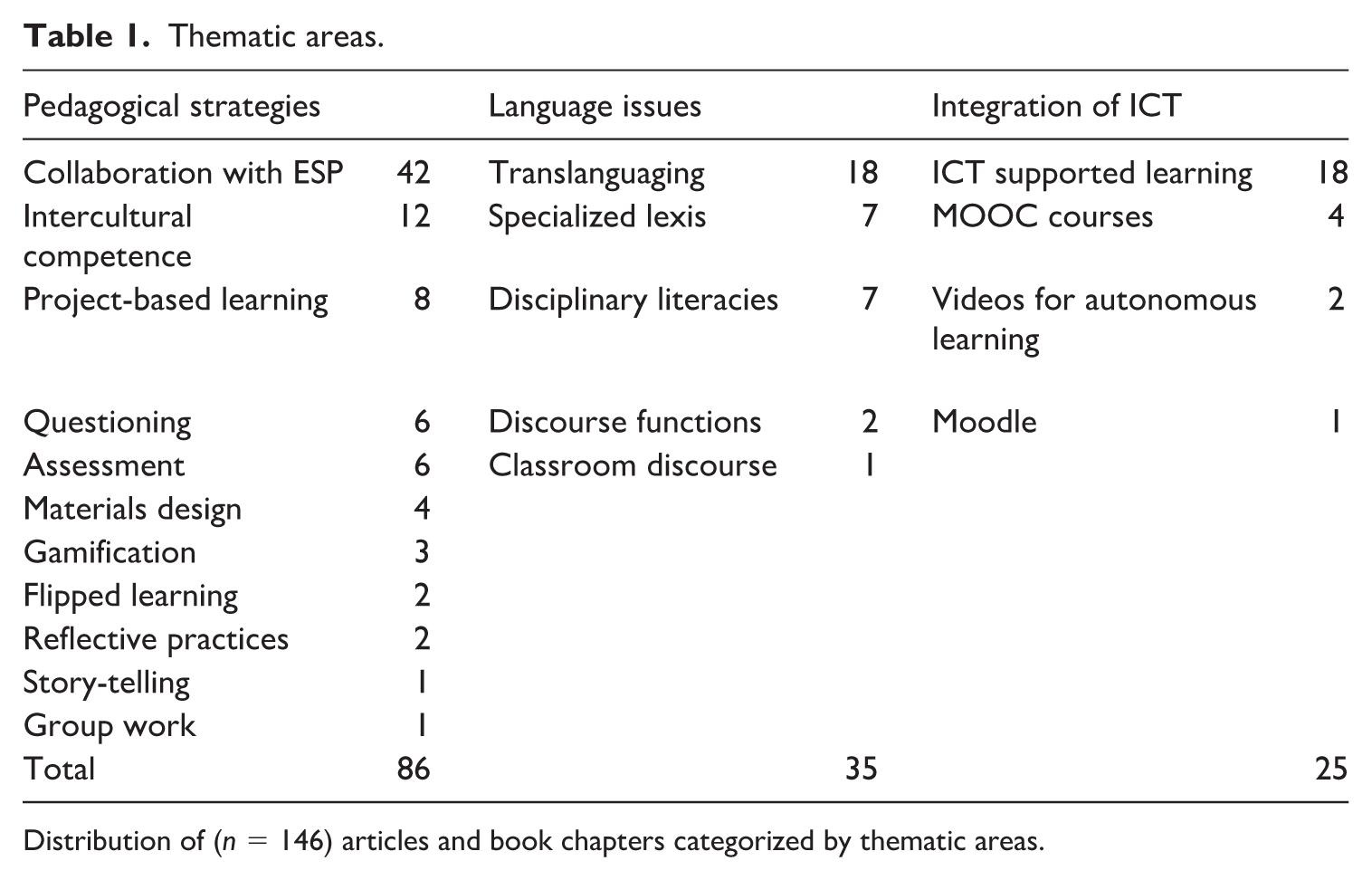
Distribution of (n = 146) articles and book chapters categorized by thematic areas.
III Results
Subsequently, we present the findings of the analysis organized by the thematic areas identified. Initially, we examine publications that focus on pedagogical aspects, followed by those in which language use constitutes the primary theme, and concluding with works that emphasize the role of new technologies.
1 Pedagogical strategies
We believe that one of the most relevant findings of this review is the fact that, beyond the importance to be attached to methodological strategies, most articles and book chapters do not address exactly to what may be labeled as “pedagogical strategies” but focus on emphasizing the importance of the active involvement of language specialist teachers, and more specifically language specialists for specific purposes, in the implementation and development of bilingual programs at university level (Table 2), sometimes even from a clearly critical stance. This relevance is directly connected to the need to make the content specialist be more aware of the language needed to construct meaning and can be addressed from the perspective of the teachers or from the perspective of the students. The need for content specialists to develop an awareness of students’ language needs was also highlighted in some cases from an intercultural and multicultural perspective, or through analyses of classroom teacher discourse framed within the lens of language for specific purposes. In part, this is an aid which, regardless of the obvious benefits related to the use of the foreign language in the classroom, also responds to the express request of content specialists, for whom it is very clear that their work should not, in their opinion, be confined to concern themselves with linguistic aspects and much less to its assessment.
Pedagogical strategies.
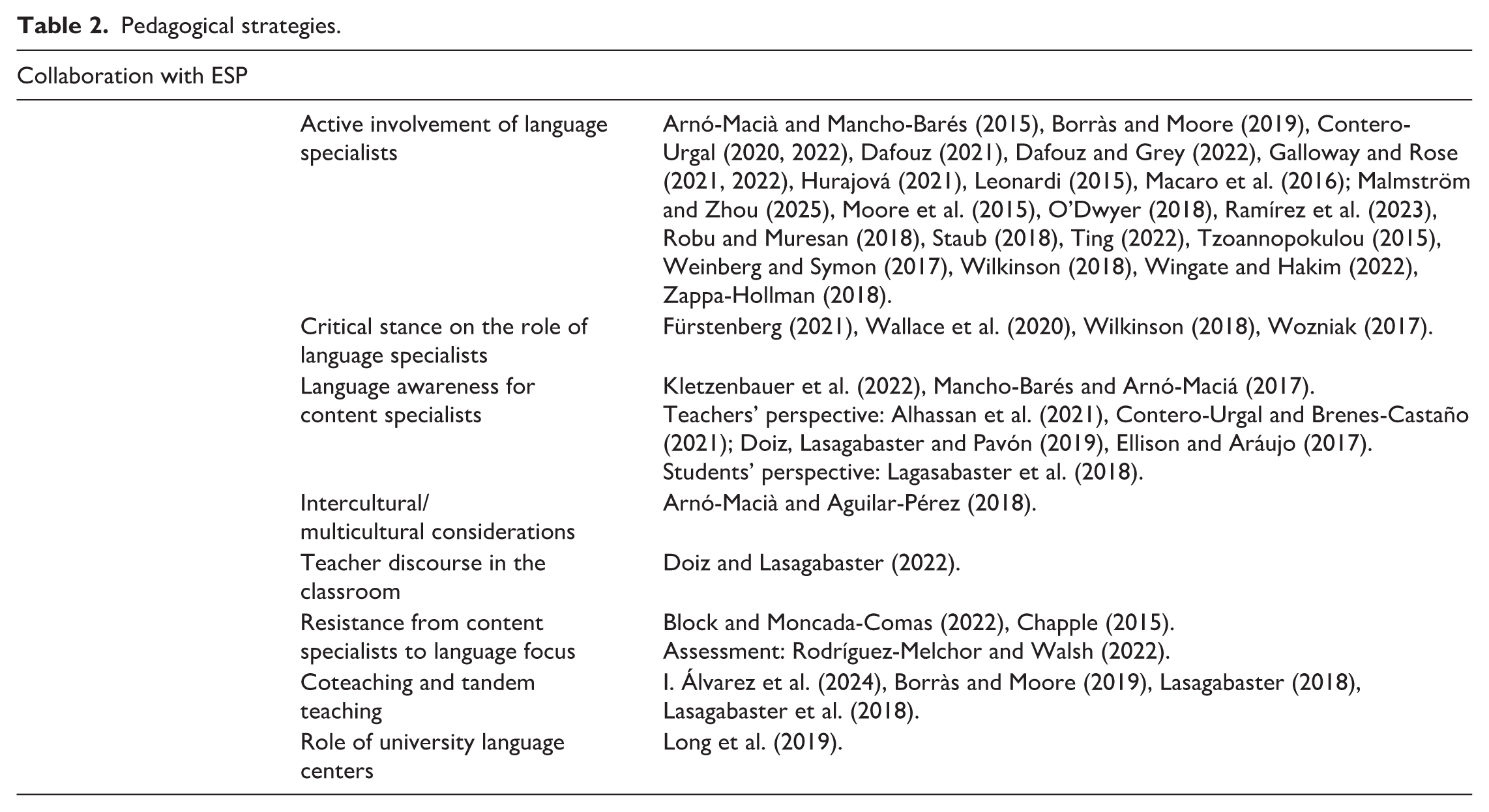
Although less frequent, there has also been a concern to analyze the importance of this in the classroom, identifying the type of practices, the benefits, and the problems that arise from coteaching and tandem teaching. Very little attention was paid to the potential positive role that modern language centers in universities can play in supporting bilingual programs, an aspect which does not seem to garner much interest from experts who advocate closer links between language and content specialists, but which has great potential as a factor in ensuring the quality of these programs.
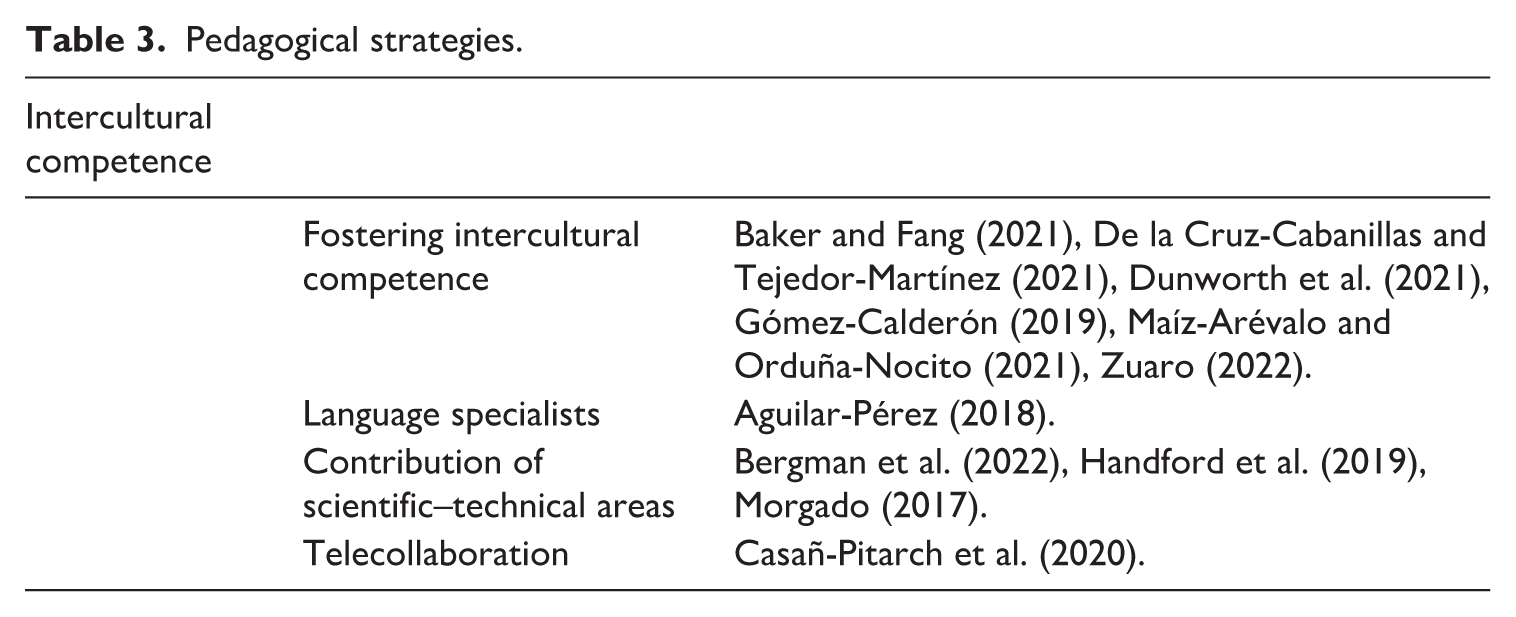
Another fact that has attracted our attention is the importance given to the intercultural component, which is also ahead in terms of effectiveness of those aspects more closely related to the pedagogical dimension and classroom methodology and would be closer to the analysis of learning outcomes (Table 3). Thus, we can find that there is a visible interest in studying how bilingual programs affect intercultural competence and, above all and rather on the contrary, how such programs can act as a fundamental element in fostering intercultural competence. It is also interesting to note that attention to multiculturalism is sometimes addressed in combination and purposely related to other dimensions and factors of relevance, such as the substantial contribution made by the field of specific languages. We also believe that it is relevant to point out the contribution to the intercultural dimension in bilingual programs coming from scientific–technical areas which at first sight might seem far away from this topic, such as engineering or through specific methods such as telecollaboration.
Pedagogical strategies.
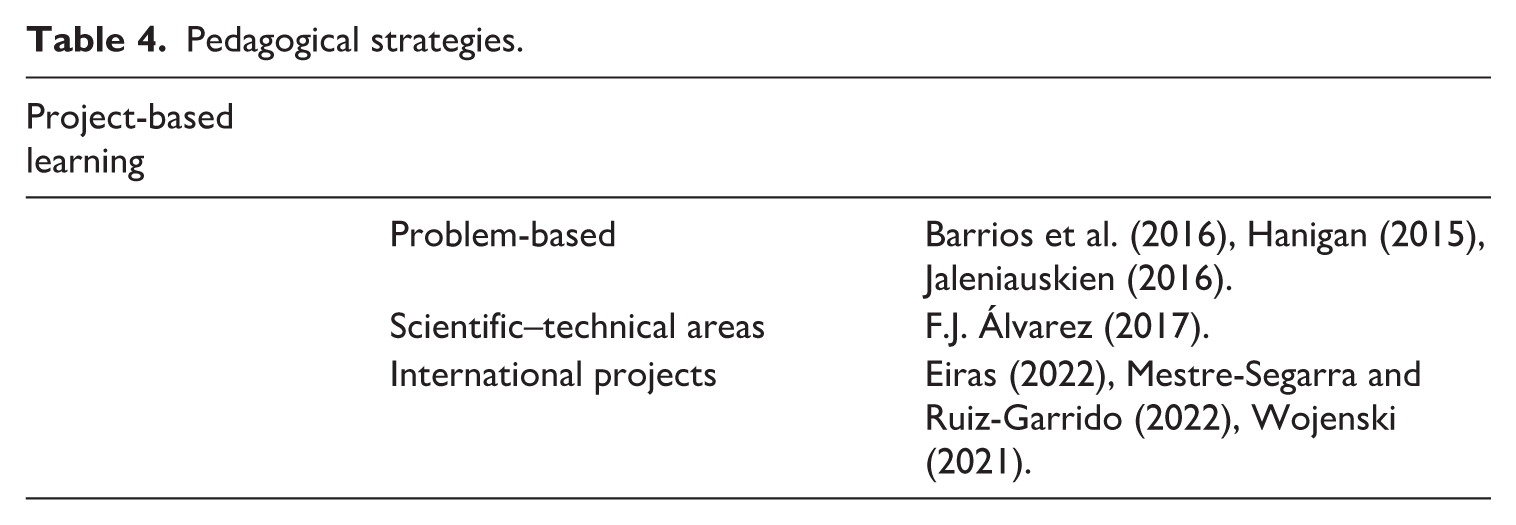
Moving on to the findings strictly related to the use of innovative and effective teaching practices, the most frequently addressed proposal, apart from collaboration with language specialists and specific work with the intercultural component, is the approach known as project-based learning, which is also referred to in other cases as problem-based learning (Table 4). It may seem somewhat logical that this type of approach is more frequently used in scientific and technical areas, and it is also worth noting the cases in which project-based learning is related to projects of an international nature.
Pedagogical strategies.
Within the area specifically related to pedagogy there is also an area that some experts highlight in the processes of knowledge construction that take place in the bilingual classroom (Table 5). We refer to the pedagogical use of questioning and the positive impact that questions can have on the self-regulation of teachers and learners and on fostering interaction and participation but also on the processes of language modeling and linguistic scaffolding. One of the areas that has traditionally been considered as an integral part of the pedagogical approach itself is that which has to do with the assessment of student performance and, in general, with the objective confirmation of having achieved, or not, the learning objectives set beforehand. It seems, however, that this is not an area that arouses much interest among experts. Within this paucity of contributions, we also find a proposal in which the assessment does not have the students as the protagonist but is directed toward the assessment of the teachers themselves (Rubio-Cuencia & Pera-Barberá, 2021). Still within the importance of the pedagogical component, there is also an area, the design of materials, which is closely linked to potential effectiveness. That is why, in principle, the development or adaptation of materials should be a priority area in EMI/ICLHE at the university level, in its more traditional form or in digital format.
Pedagogical strategies.
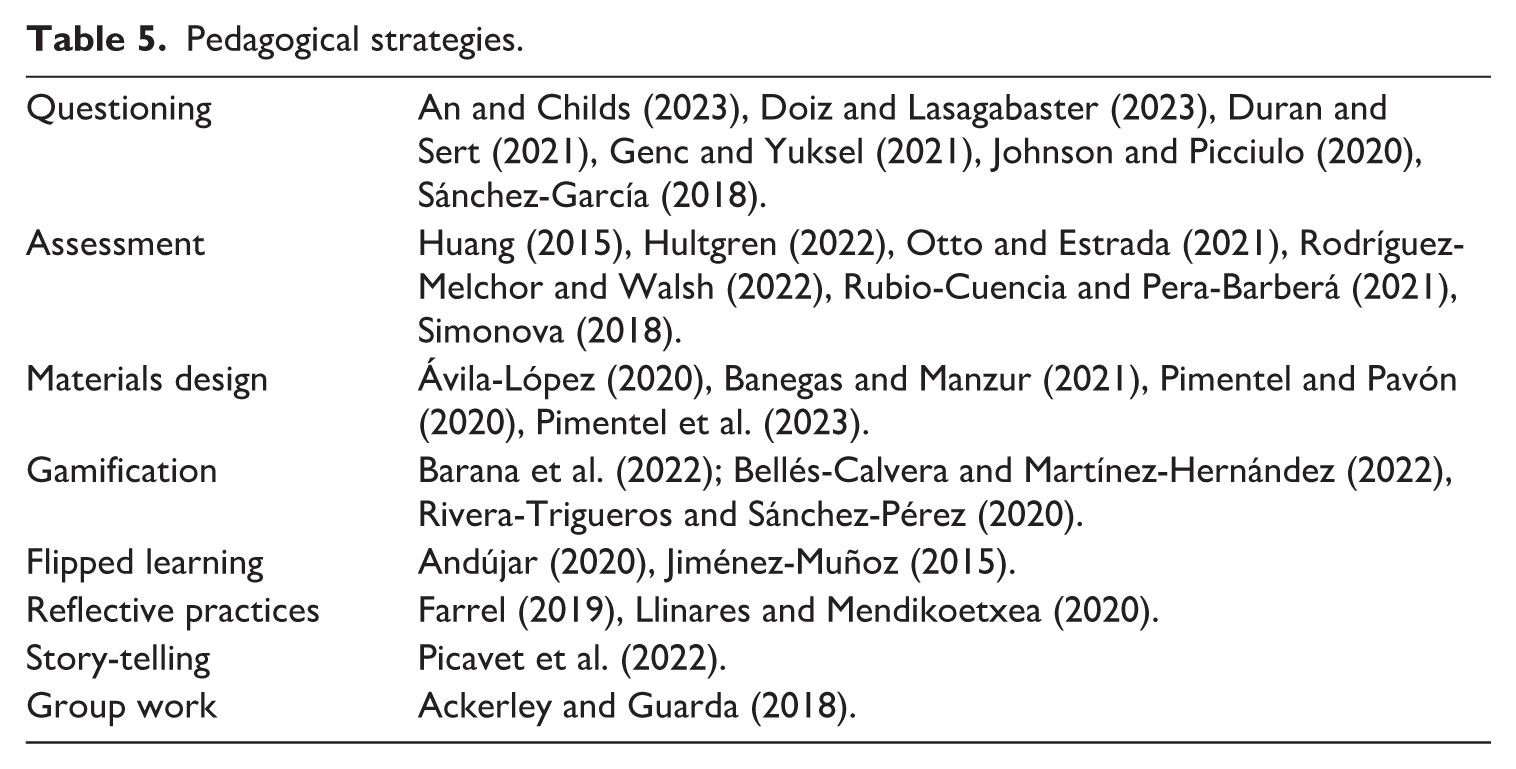
Together with these proposals related to areas of relative significance within the scope of the pedagogical approach taken in a general sense, we have also found recommendations with a more specific and, in most cases, innovative character that could be included under the umbrella of active methodologies. For example, the use of gamification as a didactic resource, either of a digital nature, including games such as escape room, and the use of the flipped classroom, recommendations aimed at developing reflective practices, although focused mainly on teachers or even the use of story-telling as a methodological strategy. To conclude our review of the contributions most clearly related to the pedagogical component, it is somewhat surprising to note that we have found only one proof, according to our eligibility criteria, of interest to explore group work as an instrument to facilitate learning.
2 Language issues
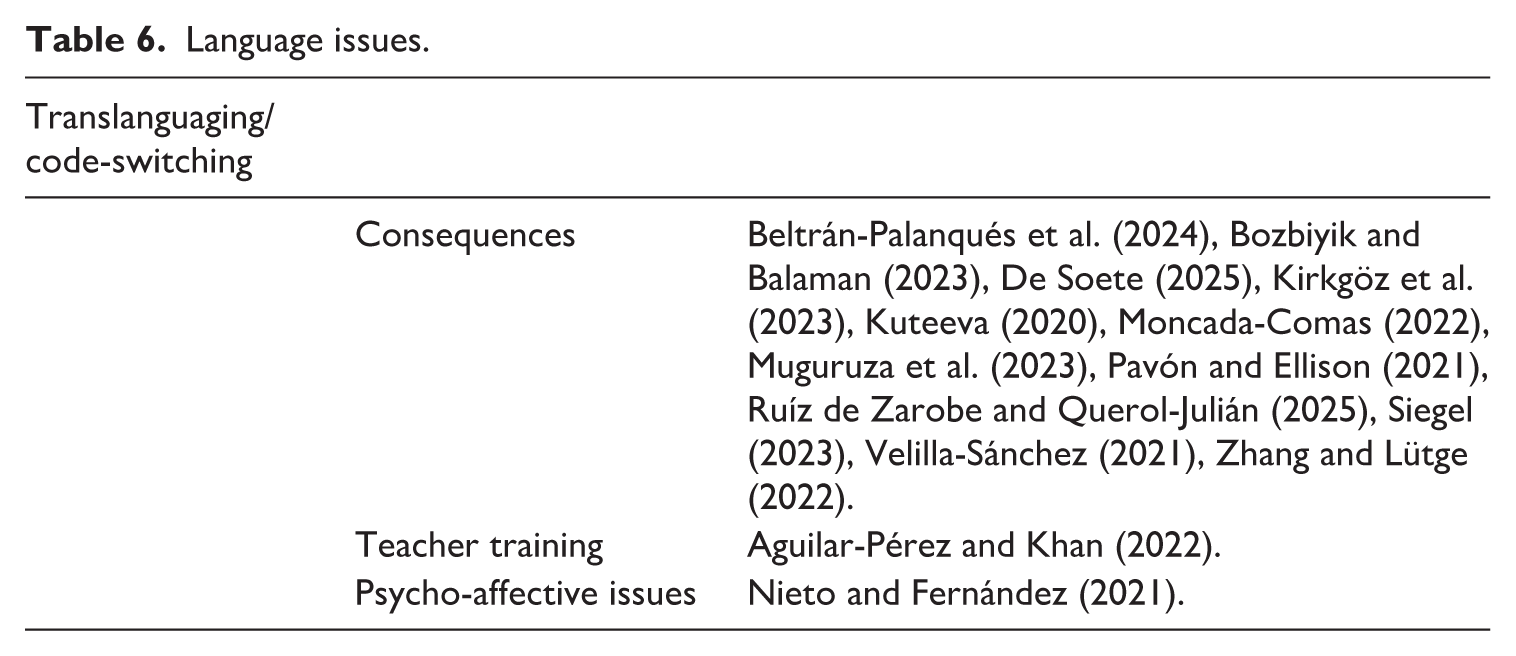
The second section in which the works that have been found have been grouped is directly related to the language used in the classroom to transmit knowledge. Whether it is under the umbrella of translanguaging or code-switching practices, experts often debate whether it is a possibility that should be banished from the classroom or whether it should be accepted as a normal resource (Table 6). Thus, we find general approaches addressing this possibility by evaluating all the possible aspects and consequences, both focusing on the teacher or student level. It is also interesting to see how the description and analysis of the use of L1 in the classroom is presented in direct relation to the need to train teachers for this possible reality, the impact it can have on the psycho-affective environment.
Language issues.
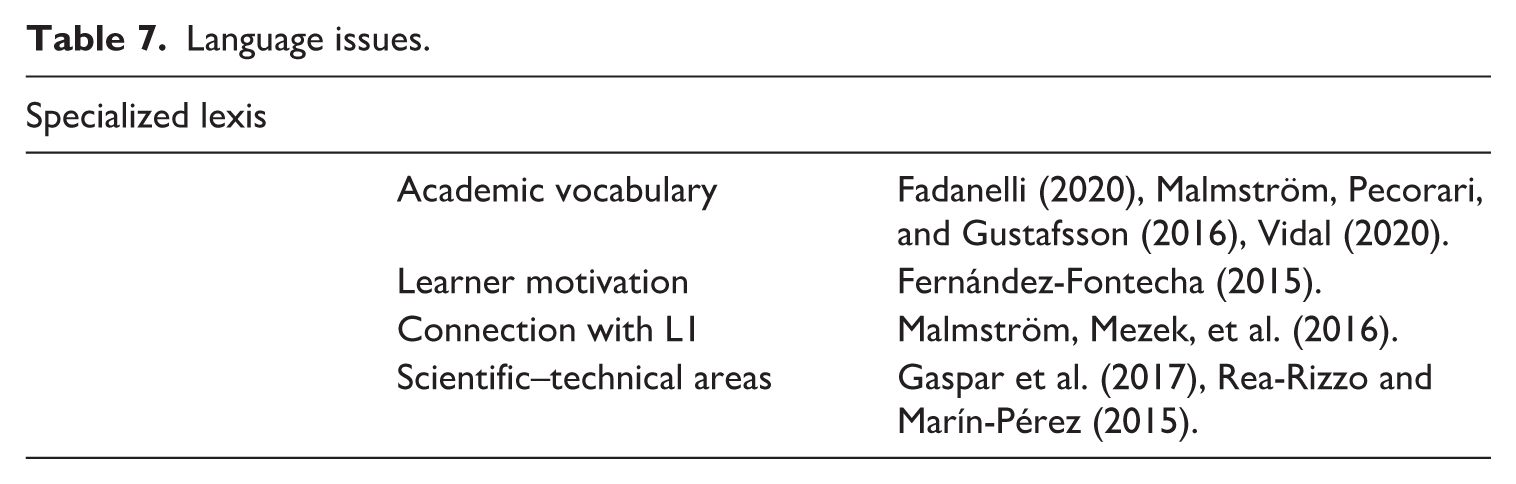
Still within the works that have come close to analyzing genuinely linguistic aspects, we note how attention has been directed second in terms of frequency to exploring the challenges involved in using specialized vocabulary (Table 7). From providing an overview of how to deal effectively with academic vocabulary, the impact that an adequate treatment of this type of vocabulary can have on learner motivation, the combination with specialized vocabulary in the mother tongue or the treatment given to this type of vocabulary in scientific–technical areas such as engineering and telecommunications.
Language issues.
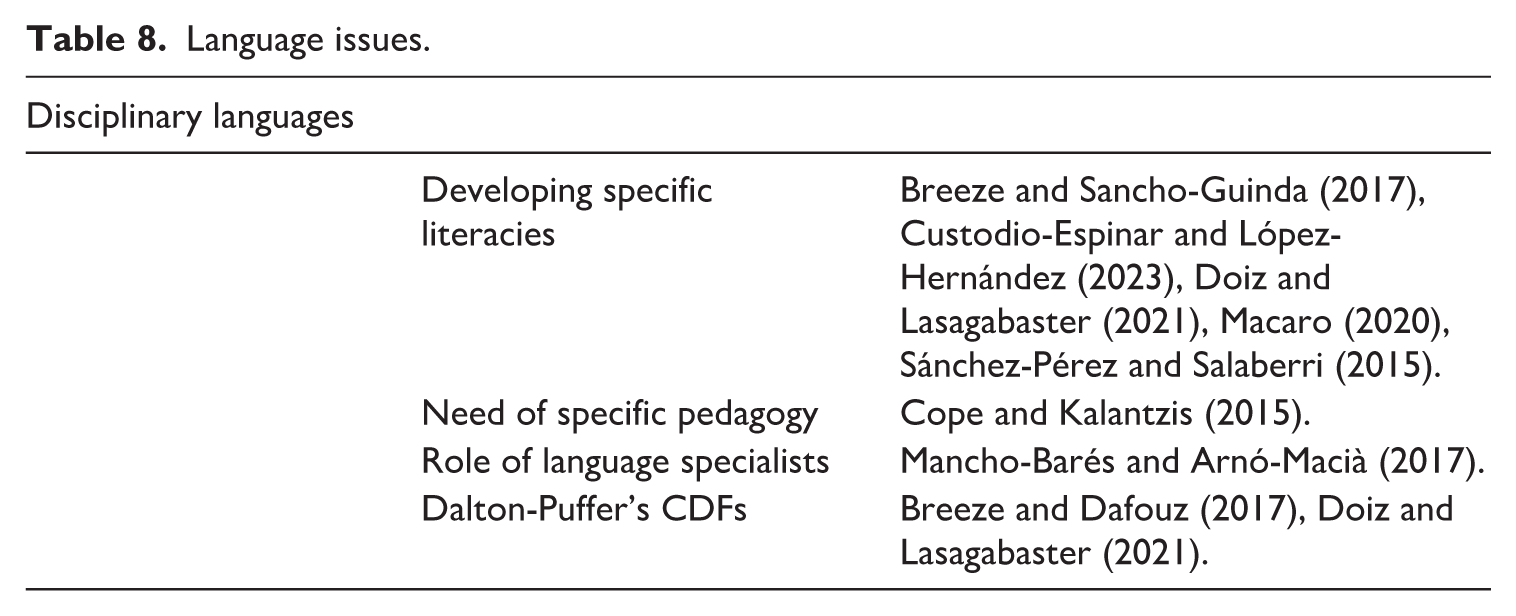
Finally, as a third topic related to the use of language in the classroom, our scoping review has found a worthy concern about the use of academic language related to the contents of the subjects, also known as disciplinary languages (Table 8). This type of approach can be made in a general way, starting from the consideration that the specific work with textual genres acquires a crucial importance to develop these literacies, emphasizing the use of a special pedagogy aimed at developing multiliteracies or analyzing the possibility of managing to train teachers in a better way by taking into account the contributions coming from the field of specific languages. It is also worth noting that we have found works in which the authors have focused on reviewing the development of pluriliteracies, multiliteracies and, in general, academic language, from the perspective of what is known as cognitive discourse functions (CDFs) according to the model established by Dalton-Puffer (2013).
Language issues.
3 Information and communication technologies
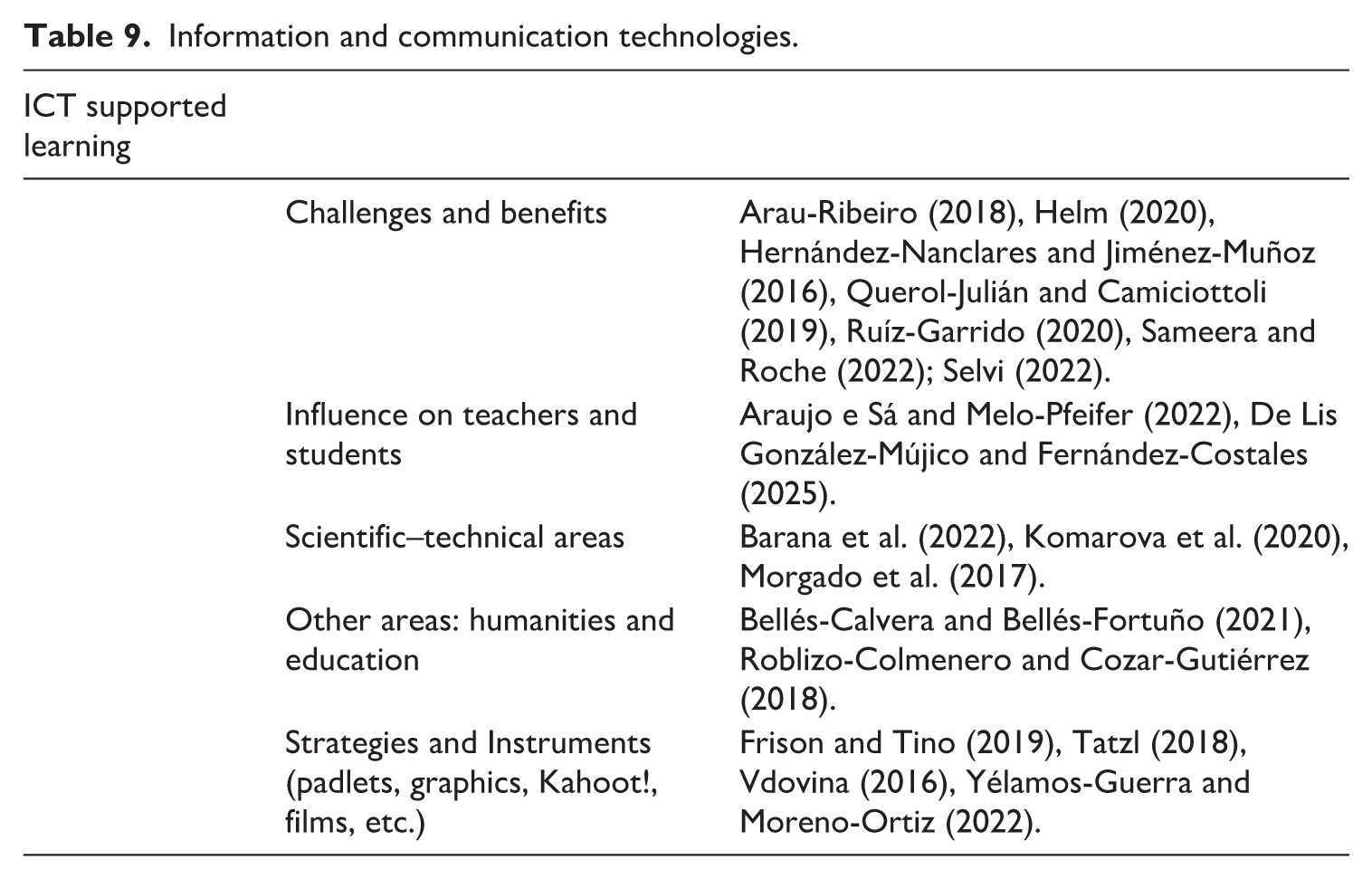
The third of the large sections into which we have grouped the proposals found in the review focuses on describing how new technologies, especially those of a digital nature, can contribute to making bilingual teaching more profitable (Table 9). Thus, in general, we find contributions that describe the challenges and benefits of using digital technologies in EMI/ICLHE or review existing ones. Sometimes the highlighting of the relevance of the use of this type of technologies for bilingual programs at the university is particularly focused on reviewing how this type of teaching affects the profiles of teachers and students in an environment in which interaction should be prioritized and the way it affects the students’ psycho-affective dimension. On the other hand, we have found proposals specifically aimed at a particular type of studies, especially those related to scientific–technical areas such as engineering and mathematics, although also for courses belonging to the humanities, such as history and education. In other cases, attention has been directed to review the benefits and difficulties of applying a certain strategy or instrument, such as the use of padlets, online recruitment through advertisements, graphic visualization tools, or the use of Kahoot!, short films, and Book Tubes.
Information and communication technologies.
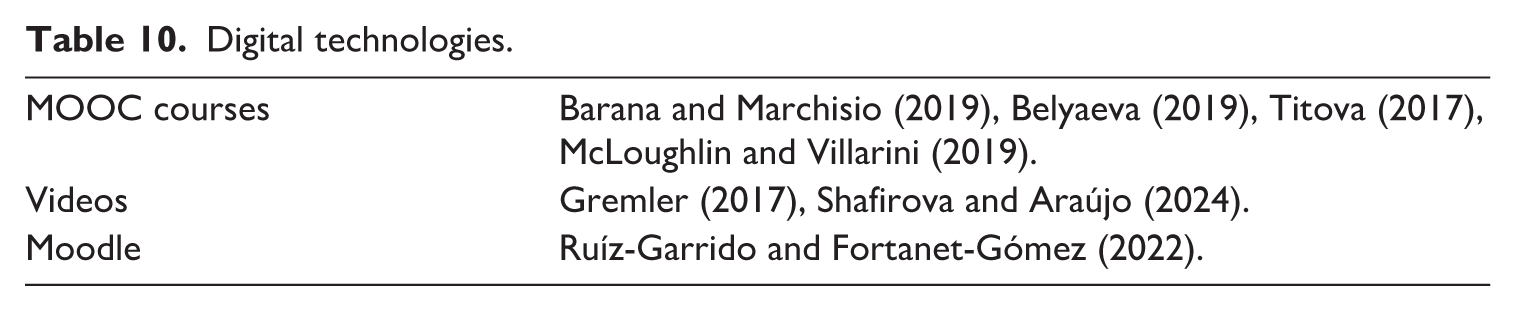
Still within the framework of ICT (Table 10), one of the areas that have been treated with some frequency within the interest in providing innovative proposals in the field of digital technologies has to do with the use of massive open online courses (MOOCs), a type of online course typically offered for free designed to be accessible to many participants. Much less attention is given to the pedagogical use of videos as a tool for autonomous learning and, more surprising in our view, the little attention given to the use of platforms for online teaching, such as Moodle.
Digital technologies.
IV Discussion
From a general perspective and regarding the objectives posited in this review, the identification of pedagogical approaches, methodologies, resources, and teaching strategies proposed by experts in EMI/ICLHE contexts, it seems evident that most of the experts’ contributions deal with topics that must do directly with the way in which teachers carry out their teaching practices in the classroom. But right from the start, it is somewhat surprising to see that, contrary to what might seem the most obvious, that teaching practices and didactic strategies occupy the interest of experts and students most frequently; on top of this, there is a visible interest in addressing topics that are strictly related to the use of language in the classroom (Tsui & Macaro, 2024).
We believe that it is important to point out this fact since we are not dealing with aspects that could be considered strictly related to pedagogy, but which, nevertheless, have a dramatic effect on the achievement of positive results. The fact that the students do not possess sufficient basic linguistic ability to be able to function fluently in an English-taught context will undoubtedly determine the effectiveness of the classes and, ultimately, of the whole program (Kamasak & Sahan, 2023; Soruc et al., 2021). Hence, there is considerable interest in exploring the mechanisms, techniques and strategies necessary to compensate for this deficit (Fürstemberg & Kletzembauer, 2015), including the use of the mother tongue (Muguruza et al., 2023). To conclude this general comment, it can also be said that it has been interesting to find quite a lot of expressed attention to the digital dimension of teaching through proposals that emphasize the relevance of the use of ICT.
With respect to the specific didactic proposals, again we observe that although we would expect to see much attention given to describing the pedagogy and resources needed to achieve the learning objectives, the focus is primarily directed to analyzing the benefits of a possible collaboration between content language specialists (Aguilar-Pérez et al., 2025). We believe that this not-so-strictly pedagogical perspective stems from the realization that two of the greatest dangers to the effectiveness of bilingual teaching need to be addressed. First, the need to provide students with the linguistic tools necessary for the understanding and manipulation of academic content, and that to achieve this it is not enough for students to have a certain general level of the foreign language, but rather that they exhibit a sufficient command of the academic language of the subjects they are studying (Ploettner, 2019). Second, and related to the previous idea, we face the problem that the chosen educational model itself can bring to light this deficiency. The fact is that in EMI there is no express attention to the care in the use of language as an essential element for the construction of knowledge (Dafouz & Grey, 2022; Morton, 2024), which explains why there is so much concern that not all students may be adequately equipped with the linguistic knowledge necessary to handle complex academic content, which is why most publications focus on resolving this potential problem.
Continuing with the findings related to the specific didactic practices, the attention received by the intercultural and multicultural component by the experts should be noted. We believe that there are some reasons for the attention given to the intercultural component in bilingual education at the university level. First, university graduates are expected to communicate and collaborate across cultures and intercultural awareness equips students to navigate diverse professional environments, enhancing their employability (Aguilar-Pérez, 2018). Second, language is embedded in culture, which means that teaching language without addressing cultural context can lead to superficial understanding or miscommunication. This is why engaging with multiple cultural viewpoints fosters intellectual flexibility, empathy, and critical self-awareness (Yang, 2021). In addition, including intercultural elements in bilingual education helps internationalize the curriculum without requiring physical mobility. It contributes to building a campus culture of inclusion, diversity, and mutual respect and allows students to connect local academic traditions with global discourse (Doiz et al., 2013). Finally, it supports equity and inclusion as an intercultural approach encourages pluralism and respect for diverse epistemologies, helping all students feel represented and valued (Deardorff, 2006).
If we stick more closely to reviewing the results obtained in the most genuinely pedagogical areas, we observe that the attention given to project-based work stands out among all the proposals. Whether in its denomination as project-based learning or problem-based learning, it is presented to us as one of the most effective options for improving student learning. One of the main characteristics underlying this type of learning model is that it promotes meaningful learning through key elements such as research and continuous information search, creativity, critical thinking, problem solving, authenticity, participation in decision-making by students, self-regulation (Larmer et al., 2015; Stoller & Myers, 2020), and, above all, the interaction that occurs among students and the consequent increase in the use of language. This last aspect is obviously perceived as key with frequency since, together with the learning-by-doing strategy advocated by this model, it adds additional values through cooperative and collaborative group work and the ability to display information in different formats and languages. We believe that this is a powerful reason to highlight this proposal among the most effective strategies on EMI and ICLHE.
If one of the objectives is to stimulate interaction, it is not surprising that the pedagogical use of feedback is also encouraged (Serna-Bermejo & Lasagabaster, 2025). In addition, our findings indicate that for many experts the use of questions in the classroom (Mancho-Barés & Aguilar-Pérez, 2020) could be a very positive element for a number of reasons. First, because they help to stimulate interaction with the consequent increase in the use of the language. Second, because they offer an opportunity to revisit the contents and favor a type of indirect scaffolding on them (the term scaffolding understood as the process of structuring, simplifying, or supporting complex academic content to make it accessible and comprehensible to students who are still developing proficiency in the language of instruction) (Richardson et al., 2022). Third, because they help to control the model of how comprehension is being produced by the students and, therefore, their learning. Fourth, because they also offer an invaluable help as a language modeling element to linguistically scaffold the language of the students. It is curious in our opinion, however, that an area as relevant as assessment (Huang, 2015) has not received, comparatively speaking, as much attention as its very essence would seem to suggest it deserves. However, it must be said that several of the works found offer a very accurate diagnosis of the needs that bilingual problems require at the university level and provide adequate guidance to be able to carry them out correctly, so we can conclude that in qualitative terms the results found have been satisfactory, as may be seen for example in Otto and Estrada (2021). Almost the same thing we have just mentioned regarding the scarcity of quantitative results in terms of assessment could also apply to the field of creating materials for EMI/CLIL/ICLHE. Thus, not many contributions have been found in this area according to the eligibility criteria used, although those that have been included offer a rather useful view of how this area should be approached. There is a shared view that one of the most important elements to be considered is the need to use authentic materials that are clearly linked to students’ academic and professional interests. However, as pointed out by Pinner (2013, 2014), authenticity should also encompass tasks, purposes, and classroom interaction, not just the materials themselves. Moreover, we should challenge the rigid dichotomy between “authentic” and “inauthentic” materials, making space for linguistically adapted or scaffolded materials to still be considered authentic, provided they are used in meaningful, relevant tasks
To finish with the review of didactic contributions, we find a mix of proposals that could be framed within what are called active methodologies (Galloway & Rose, 2024; Yu & Kaur, 2024). Thus, for example, the use of gamification is proposed as a useful and effective resource to promote student engagement and encourage participation, and the same could be said of the contributions related to flipped learning, a pedagogical model whose main virtue is the development of student autonomy with respect to their learning, but which also involves more active learning, better integration between theory and practice, and a degree of flexibility in teaching that makes the student more aware of and in control of what they are learning (Baig & Yadegaridehkordi, 2023). Quite interestingly, in our view, is the presence of proposals aimed at encouraging reflective practices for both students and teachers. The authors probably try to defend the necessity to strengthen self-awareness and critical thinking, decision making, reflection on their own mistakes, consolidation of what they have learned, and the development of constant self-evaluation (Yadav & Bhatia, 2024) as essential strategies to promote effective learning.
As has been observed, the major concern of the academic community about the essentially linguistic domain in bilingual teaching lies in determining the implications of the use of the mother tongue in the classroom (Beltrán-Palanqués et al., 2024). It must be said, however, that the role of the L1 in the bilingual classroom is a matter of debate as it has always been in the foreign language classroom (Ting, 2020). In the case of bilingual programs, the presence of mother tongue and foreign language turns out to be even more controversial in programs where there is no combination of L1 and foreign language as languages of instruction throughout the curriculum (Coyle & Tsui, 2025). Regarding the general consideration that experts have about its possible use in the classroom, there has always been a traditional clash of stances (De Soete, 2025). On the one hand, there are those who consider that the use of the L1 should be eradicated or reduced, based on the assumption that the L1 decreases the time of exposure to the foreign language and can be detrimental to its growth. However, for many others the use of L1 is reported in bilingual settings as a pedagogical tool that has obvious use and potential to help scaffold content and can contribute to the development of academic literacy. This second opinion is argued because the use of L1 facilitates access to possible knowledge that learners may not be linguistically able to attain (Cenoz & Gorter, 2025b). However, there is also a consensus that one should employ it judiciously, because when overused, it can lead students to disengage from the foreign language, causing the pedagogical benefits to disappear (Moncada-Comas, 2022). In any case, we are faced with a debate that is difficult to settle given the different contexts, models and objectives of the various educational bilingualism programs in the university setting.
The problems associated with the use of specific vocabulary is also s topic of interest for scholars in each of the subjects being addressed. We concur that the mastery of vocabulary is key because it determines the understanding of the content being addressed, since it is the gateway to the content (Masrai et al., 2022). If the essential terms are not understood, it will be difficult to understand the content in depth (Othman, 2024). For these reasons, the works that have been found particularly emphasize the need to find ways to facilitate the understanding of specialized terms and to make students use them in a natural way.
Continuing our review of the consideration given to language use in bilingual programs at the university level, we note that academic language is perceived as fundamental to the understanding and manipulation of content, since subject content can only be accessed, understood and managed if this type of language is used effectively (Mancho-Barés & Arnó-Maciá, 2017). However, it is found that the main problem in achieving such a goal is that teachers need to establish in their subjects an explicit connection between the cognitive demands of academic language and the content matter (Aizawa et al., 2025). This is why the attention paid to this type of language is based on two ideas necessary to study the relationship between language and content for the construction of meaning and to assess the effectiveness of bilingual teaching programs. On the one hand, the development of this type of specialized literacy since the study of how language helps construct meaning constitutes one of the central elements in describing the cognitive processes at work during the transmission and handling of academic content (Van den Broek & Helder, 2017). This is a key area at all stages of education, including university (Dafouz et al., 2023; Lasagabaster & Doiz, 2021), which is why teachers must be very aware of the importance of language and use it correctly to facilitate understanding of the content. On the other, that learners must learn to progress efficiently in content subjects by making use of appropriate knowledge and use of subject-specific literacies, also known as disciplinary languages (Beacco et al., 2010). In line with this objective, it is interesting to highlight the attention that some experts are paying to the seven CDFs model ideated by Dalton-Puffer (2013), which seems to be better suited than Bloom’s taxonomy (Bloom et al., 1956; Krathwohl, 2002) to the task of providing a description of the processes involved in the construction of meaning. In her view, what triggers learners’ overall ability to understand and verbalize content is their ability to classify, describe, define, evaluate, report, explain, and explore, and beyond this, their ability to use the particular discourse strategies associated with these functions. The problem, as noted by some experts, is that although content teachers generally understand the importance of language for the construction of meaning, they often refuse to take full responsibility for helping to develop subject-specific literacies (Airey, 2012).
The third major thematic grouping identified in this scoping review concerns the growing interest in exploring the potential of ICT in bilingual education. While the role of ICT has long been evolving (Querol-Julian & Camiciottoli, 2019), the COVID-19 pandemic significantly accelerated its integration into educational practices, acting as a catalyst for innovation across instructional contexts (Lai, 2023). This shift has drawn renewed attention to how digital tools can enhance the delivery of English-medium content, particularly within EMI and ICLHE programs. The literature reviewed highlights several pedagogical affordances of ICT. First, these tools are seen as enabling greater accessibility to content and fostering more dynamic interaction between students and instructors, both of which align with the broader move toward collaborative and intercultural learning environments. These dimensions are increasingly recognized as essential to the success of bilingual programs in higher education. Second, technological platforms, ranging from learning management systems and educational apps to MOOCs, discussion forums, and virtual classrooms, are frequently noted for their capacity to support active participation, especially among students who may feel less confident in traditional classroom settings (De Caro-Barek, 2019). Importantly, ICT also contributes to the development of learner autonomy. Through sustained engagement with digital resources outside of class, students can extend their exposure to English in more flexible and personalized ways. We believe that the interest of the experts is clearly to highlight that the ongoing interaction not only reinforces the students’ language competence but also fosters a sense of ownership over their learning process. Like them, we also think that technology can serve not merely as a tool for content delivery but as a transformative element that reshapes the pedagogical landscape of bilingual education.
V Conclusion
We believe that, as a general conclusion, it can be stated that, considering the results obtained in this scoping review, the main concern of teachers involved in bilingual programs is related to the problems involved in the correct use of language as a tool for knowledge construction. It is true that there is indeed also a visible interest in exploring and describing the most effective strategies and techniques for successful teaching and the achievement of the established learning objectives. It is also worth highlighting the interest in applying active methodologies, in attending to the multicultural component, in highlighting the importance of specialized lexicon and disciplinary languages, and in benefiting from the help that new technologies can provide.
As regards the limitations of this review, it is apparent that the decision to leave out publications from outside Europe (except for Turkey and Russia) has left out numerous contributions on the results of didactic proposals and other ways of proceeding from other contexts that would certainly have enriched the findings of this review. The decision to concentrate on European sources was made to ensure contextual coherence, given the shared educational policies, language-in-education frameworks, and institutional structures within the region. As such, the results reflect patterns and practices that are representative and relevant within this specific context. Although perspectives from outside Europe may offer additional insights, their exclusion does not introduce bias into the analysis, as the study’s objectives were clearly framed within a European framework from the outset.
This scoping review includes only publications indexed in recognized academic databases, a decision that may exclude some relevant but nonindexed sources. While this limitation is acknowledged, the criterion was adopted to ensure the academic rigor, traceability, and peer-reviewed quality of the literature analyzed. Indexed publications typically meet established standards of scholarly credibility, which supports the reliability and validity of the review’s findings. Although nonindexed sources might offer additional perspectives, their exclusion does not compromise the integrity of the results, as the aim was to synthesize research that adheres to widely accepted academic standards.
Nevertheless, we hope that this may be an interesting contribution to the field of pedagogy specific to EMI/ICLHE and that it may help to better understand the issues of concern to experts in this type of program.
Footnotes
Funding
The authors disclosed receipt of the following financial support for the research, authorship, and/or publication of this article: Funding for this research was provided by the Erasmus + Cooperation Partnerships Project CLIL4ALL (2022-1-DE01-KA220-HED-000086844).
