







Abstract
Background
Alzheimer's disease (AD) is characterized by amyloid-β plaques and tau aggregates, with autophagy dysfunction playing a key pathogenic role. While autophagy modulation shows therapeutic promise, comprehensive bibliometric analyses are lacking.
Objective
This study aims to map the research landscape of autophagy in AD through bibliometric analysis, identifying key trends, contributors, and emerging focus areas.
Methods
We analyzed 4018 publications (2003–2023) from Web of Science using VOSviewer and CiteSpace. Publication trends, influential authors, countries, institutions, and research hotspots were examined through co-occurrence, burst detection, and clustering analyses.
Results
Annual publications have steadily increased, peaking in 2022. The US led in output and citations, with major contributions from the University of California and New York University. Ralph A. Nixon emerged as the most influential author. Early research (2003–2013) primarily focused on protein degradation mechanisms, whereas recent studies (2014–2023) emphasize mitochondrial dysfunction, apoptosis, and related pathways. Key evolving topics include endoplasmic reticulum stress and chaperone-mediated autophagy, with significant implications for therapeutic innovation.
Conclusions
Autophagy plays a critical role in AD pathogenesis and represents a promising therapeutic target. Despite mechanistic advances, clinical translation remains challenging. Future research should prioritize multi-omics integration, drug delivery optimization, and managing risks associated with excessive autophagy activation. These findings provide valuable insights for developing novel AD therapies targeting autophagy.
Introduction
Alzheimer's disease (AD) is a progressive neurodegenerative disorder characterized by cognitive impairment and memory loss, imposing a substantial burden on individuals and healthcare systems worldwide. 1 As a disease closely associated with aging, its prevalence rises dramatically after 65 years of age, driven by the global aging population. 2 Dementia affected 50 million individuals worldwide in 2019, a number expected to rise to 152 million by 2050, with 50%–70% of cases linked to AD.3,4 The pathogenesis of AD is complex and multifactorial, involving hallmark pathological features such as the extracellular deposition of amyloid-β (Aβ) plaques and the intracellular formation of neurofibrillary tangles composed of hyperphosphorylated tau proteins in cortical and limbic regions. 5 Autophagy, a cellular process responsible for the degradation and recycling of damaged components, plays a critical role in the clearance of Aβ and tau protein aggregates, which are central to the pathogenesis of AD. Moreover, autophagy is essential for maintaining neuronal homeostasis. 6 Increasing evidence has established that dysfunction in autophagy is a key driving factor in the progression of AD.
Research over the past two decades has significantly expanded the understanding of the interaction between autophagy and AD. Dysregulation of autophagy has been identified as a crucial factor in the onset and progression of the disease, providing new perspectives for potential therapeutic targets. 7 However, the scope of autophagy research extends far beyond AD, encompassing a wide range of diseases, including cancer, metabolic disorders, and cardiovascular diseases. 8 The discovery of ATG genes and the characterization of autophagic pathways, through pioneering work by Yoshinori Ohsumi, who won the Nobel Prize for his groundbreaking research, have shed light on the essential role of autophagy in cellular degradation processes.9,10 Additionally, Daniel J. Klionsky's research on autophagy-related genes involved in the cytoplasm-to-vacuole transport pathway furthered our knowledge of the molecular mechanisms underlying autophagy. 11 These foundational discoveries have been instrumental in advancing the study of autophagy in various diseases, including neurodegenerative conditions like AD.
Autophagy is classified into three major types: macroautophagy, microautophagy, and chaperone-mediated autophagy (CMA). Macroautophagy, the most extensively studied subtype, involves the sequestration of cytoplasmic components into autophagosomes, which subsequently fuse with lysosomes to degrade and recycle their contents. 12 Microautophagy occurs through invagination of the lysosomal membrane, facilitating selective or non-selective degradation of substrates CMA is highly specific, targeting proteins with KFERQ-like sequences that are recognized by the chaperone HSPA8/HSC70, transported to lysosomes, translocated across the lysosomal membrane via LAMP2A, and subsequently degraded.13,14 In addition to these primary forms, mitochondrial autophagy, or mitophagy, maintains mitochondrial homeostasis by selectively degrading damaged or dysfunctional mitochondria. 15 Proper autophagic function is indispensable for neuronal health, as disruptions lead to the accumulation of toxic protein aggregates—a hallmark of AD and other neurodegenerative disorders.16,17 Research has consistently demonstrated that autophagy dysfunction aggravates AD pathology, emphasizing its role as a key driver of disease progression.6,18,19 These findings highlight the therapeutic potential of targeting autophagic pathways in AD treatment. Targeting autophagy for AD therapy has become an increasingly prominent research focus. Resveratrol has shown potential in combating AD by modulating autophagy through AMPK-SIRT1-mediated or miRNA-mediated signaling pathways, effectively addressing tau hyperphosphorylation, neuroinflammation, BACE1 activity, and Aβ accumulation. 20 Additionally, correcting lysosomal pH defects associated with PSEN1 mutations has been demonstrated to improve autophagy dysfunction and mitigate AD-related pathologies in experimental models. 21 The activation of autophagy-related transcription factors, such as TFEB and PPARA, has been found to enhance autophagic clearance of pathological aggregates, including excess Aβ and tau proteins, thereby potentially alleviating AD pathology. 22 Collectively, these findings highlight the pivotal role of autophagy in the pathogenesis of AD and underscore its potential as a therapeutic target. Moreover, the growing body of research in this area not only deepens our understanding of AD's molecular mechanisms but also offers promising avenues for developing innovative treatment strategies aimed at autophagy modulation.
Despite the growing body of literature on autophagy and AD, a comprehensive overview of publications, contributing countries, authors, institutions, journals, and commonly used keywords remains lacking. This absence of detailed information poses significant challenges in identifying hotspots and emerging trends within this field. Although a comprehensive literature review is not within the scope of this manuscript, this study offers a bibliometric analysis to provide a quantitative overview of research trends in autophagy and AD. Bibliometric analysis, a robust quantitative and qualitative methodology, has been widely employed in neuroscience to evaluate research progress using scientific databases such as Web of Science. 23 To address this gap, we utilized bibliometric tools, including VOSviewer and CiteSpace,24,25 to perform a comprehensive analysis of literature on autophagy and AD spanning the past two decades (2003–2023). By employing bibliometric and visualization techniques, this study examines publication and citation patterns, leading authors, institutions, countries, journals, and research hotspots, offering valuable insights into the research landscape of autophagy and AD and facilitating the identification of key trends and opportunities for future investigation.
Methods
Search strategy
The search strategy was developed using MeSH terms identified in the PubMed database and conducted on October 5, 2024, through The Web of Science Core Collection (WOSCC). The search query was structured as follows: (TS = (Alzheimer Syndrome OR Alzheimer-Type Dementia OR Alzheimer Type Dementia OR Dementia, Alzheimer-Type OR Alzheimer's Diseases OR Alzheimer Diseases OR Alzheimers Diseases OR Alzheimer Dementia OR Alzheimer Dementias OR Dementia, Alzheimer OR Alzheimer's Disease OR Dementia, Senile OR Senile Dementia OR Dementia, Alzheimer Type OR Alzheimer Type Dementia OR Senile Dementia, Alzheimer Type OR Alzheimer Type Senile Dementia OR Primary Senile Degenerative Dementia OR Alzheimer Sclerosis OR Sclerosis, Alzheimer OR Dementia, Primary Senile Degenerative OR Dementia, Presenile OR Presenile Dementia OR Acute Confusional Senile Dementia OR Senile Dementia, Acute Confusional OR Alzheimer Disease, Early Onset OR Early Onset Alzheimer Disease OR Presenile Alzheimer Dementia OR Alzheimer Disease, Late Onset OR Late Onset Alzheimer Disease OR Alzheimer's Disease, Focal Onset OR Focal Onset Alzheimer's Disease OR Familial Alzheimer Disease OR Alzheimer Disease, Familial OR Familial Alzheimer Diseases OR FAD OR ATD)) AND TS = (Autophagy OR Autophagocytosis OR Autophagy, Cellular OR Cellular Autophagy OR Lipophagy OR Ribophagy OR Reticulophagy OR ER-Phagy OR ER Phagy OR Nucleophagy)。The search was restricted to articles published between January 1, 2003, and December 31, 2023. Only original research articles and reviews written in English were included. After excluding duplicate records, a total of 4018 articles were identified and included for further analysis.
Data analysis
The study exported the complete records and cited references of 4018 publications in RefWorks format to ensure data integrity and consistency. VOSviewer (version 1.6.20) was used to visualize the contributions of countries, institutions, authors, and journals, as well as citation patterns, uncovering key contributors and their collaborative networks in the field of autophagy and AD. Additionally, CiteSpace (version 5.8.R3) was employed for an in-depth analysis of keywords, including co-occurrence, burst detection, and clustering, to identify research hotspots and emerging trends in this domain between 2003 and 2023.
The CiteSpace parameters were set as follows: the time slice covered 2003 to 2023 with 1-year intervals; the TopN parameter was applied to filter the most representative nodes. The analysis utilized the pathfinding network algorithm combined with network pruning strategies such as “Pruning Sliced Networks” and “Pruning Merged Networks” to optimize the results. Furthermore, Excel was used for quantitative analysis of the retrieved data, including publication counts, citation frequencies, and contributions from leading countries and institutions. These methods collectively provided a comprehensive overview of research dynamics in the field of autophagy and AD.
Results
Analysis of publication trends
As illustrated in Figure 1, the number of publications focusing on autophagy in AD has increased significantly over the past two decades. Between 2003 and 2010, the volume of related research was relatively low, indicating an initial exploratory phase in this field. Starting in 2011, a notable growth in publication output was observed, with a particularly rapid increase between 2015 and 2020. This trend reflects the growing recognition of autophagy's critical role in AD pathogenesis, especially its association with autophagy dysfunction and disease progression. Post-2021, the number of publications continued to rise, reaching a peak in 2022 with 509 articles. This surge highlights the field's transition into a period of active research, characterized by more sophisticated investigations into molecular mechanisms and the development of potential therapeutic strategies. Overall, the rising trend underscores the increasing importance of autophagy in AD research, with future studies expected to delve deeper into complex interactions and therapeutic applications.
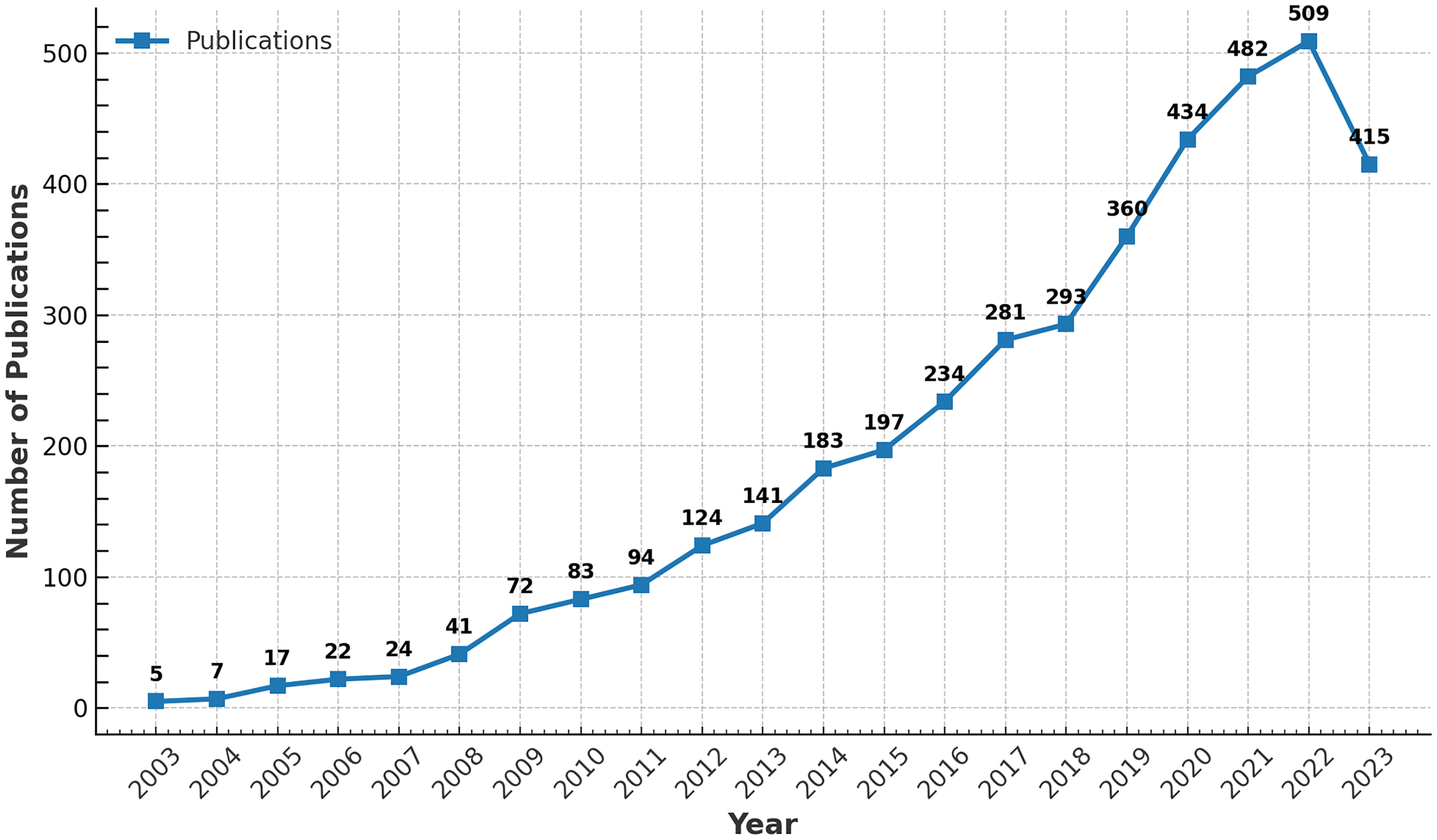
Publication trends in autophagy research related to AD from 2003 to 2023.
Countries/regions analysis
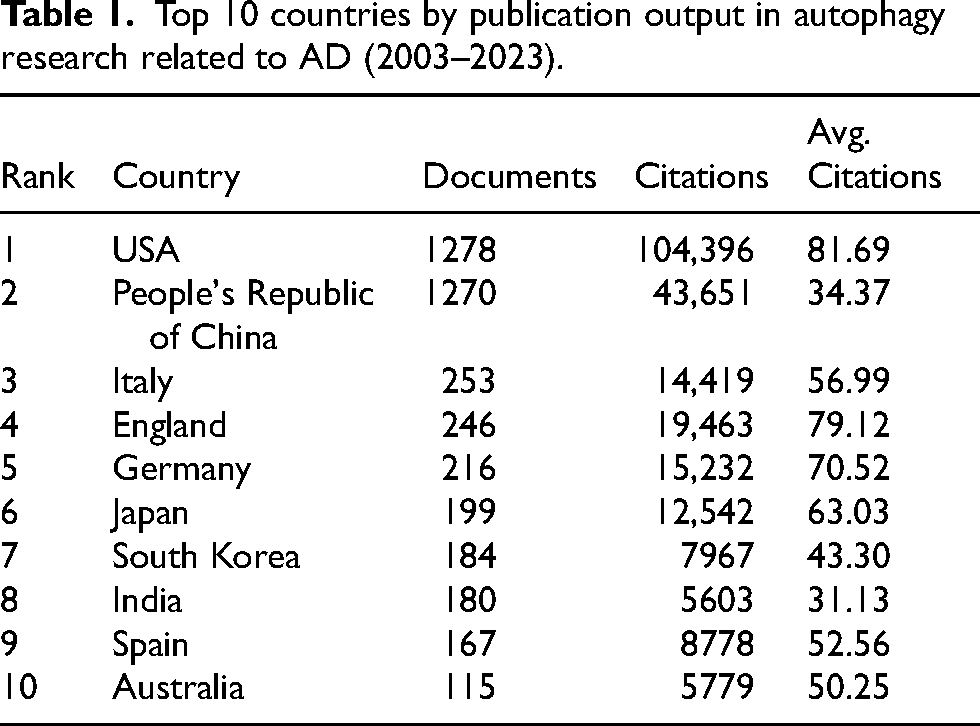
Figure 2(a) depicts the global collaboration network among 54 countries in the field of autophagy research related to AD over the past two decades. As summarized in Table 1, the USA leads in publication output with 1278 articles and an impressive citation count of 104,396. The average citations per document for the USA is 81.7, underscoring its dominant role and significant impact in this research domain. The People's Republic of China ranks second with 1270 articles; however, its total citation count (43,651) and average citations per document (34.4) are significantly lower, suggesting a comparatively limited international influence despite high publication volume. Italy follows in third place, contributing 253 articles with a total of 14,419 citations, yielding an average of 57.0 citations per document.
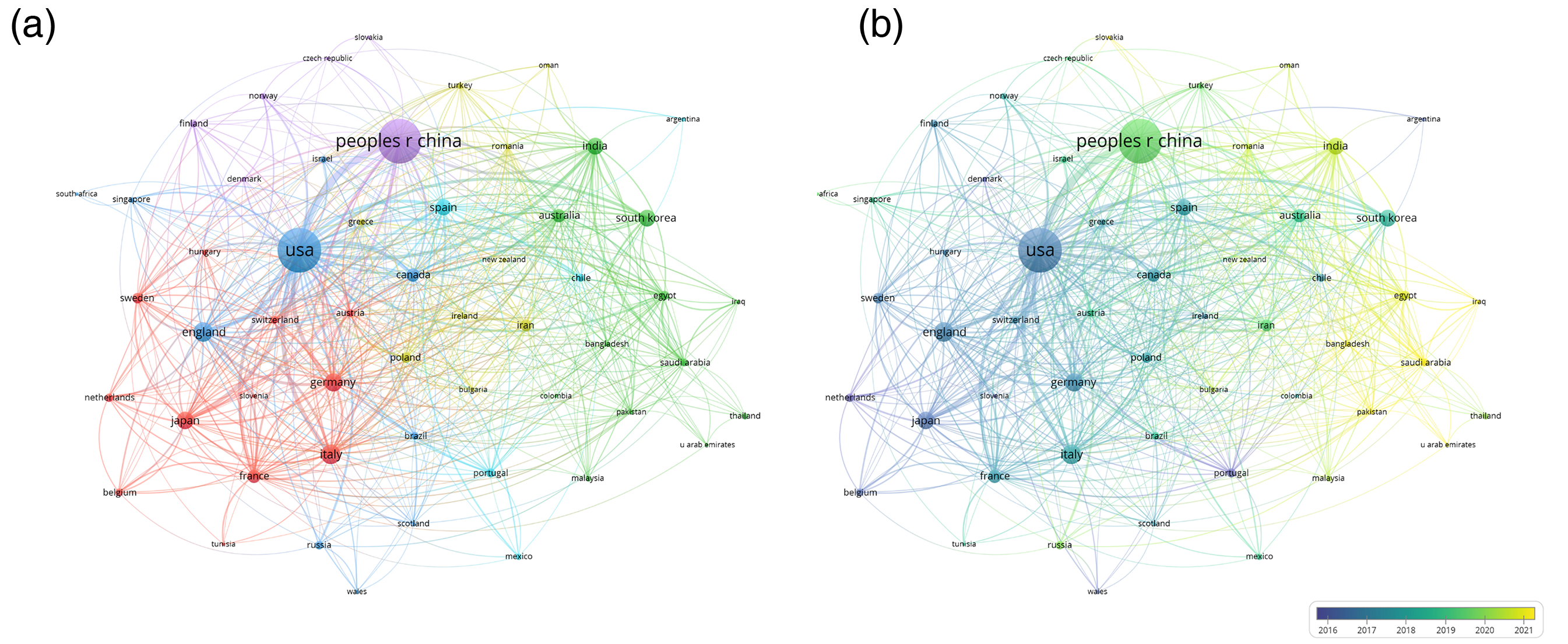
(a) International collaboration network of 54 countries in autophagy research related to AD (2003–2023). Colors represent research clusters, with stronger ties between countries of the same color. The size of the bubbles reflects the number of publications, with larger bubbles indicating more publications. (b) Temporal distribution of major contributing countries in autophagy research related to AD (2003–2023). The color gradient indicates publication years, with darker colors for earlier years and lighter colors for more recent years. Bubble size corresponds to the total number of publications (colors are visible in the online version).
Top 10 countries by publication output in autophagy research related to AD (2003–2023).
From a temporal perspective, the USA was the earliest to investigate the role of autophagy mechanisms in AD, establishing itself as a pioneer in advancing the field. Italy followed shortly thereafter, while China entered this research domain at a comparatively later stage, as illustrated in Figure 2(b). This temporal disparity reflects the evolving contributions of these nations, with a growing emphasis on international collaboration in recent years.
Institutional analysis
Figure 3(a) presents the global collaboration network of 100 institutions involved in autophagy research related to AD over the past two decades. Among the top 10 institutions by publication output, the University of California leads with 99 articles, maintaining a respectable average of 87.9 citations per document. The University of Cambridge follows with 50 publications and an average of 78.1 citations per document. On the other hand, the Chinese Academy of Sciences, despite contributing 75 articles, has a lower average citation rate of 40.5 citations per document, indicating its comparatively lower citation impact despite a high publication output. In terms of citation influence, New York University (NYU) stands out with an impressive 11,214 citations and the highest average citations per document of 228.9, as shown in Table 2. This extraordinary citation impact highlights NYU's prominent role in advancing research on autophagy mechanisms in AD, further emphasizing its leading position in the field.
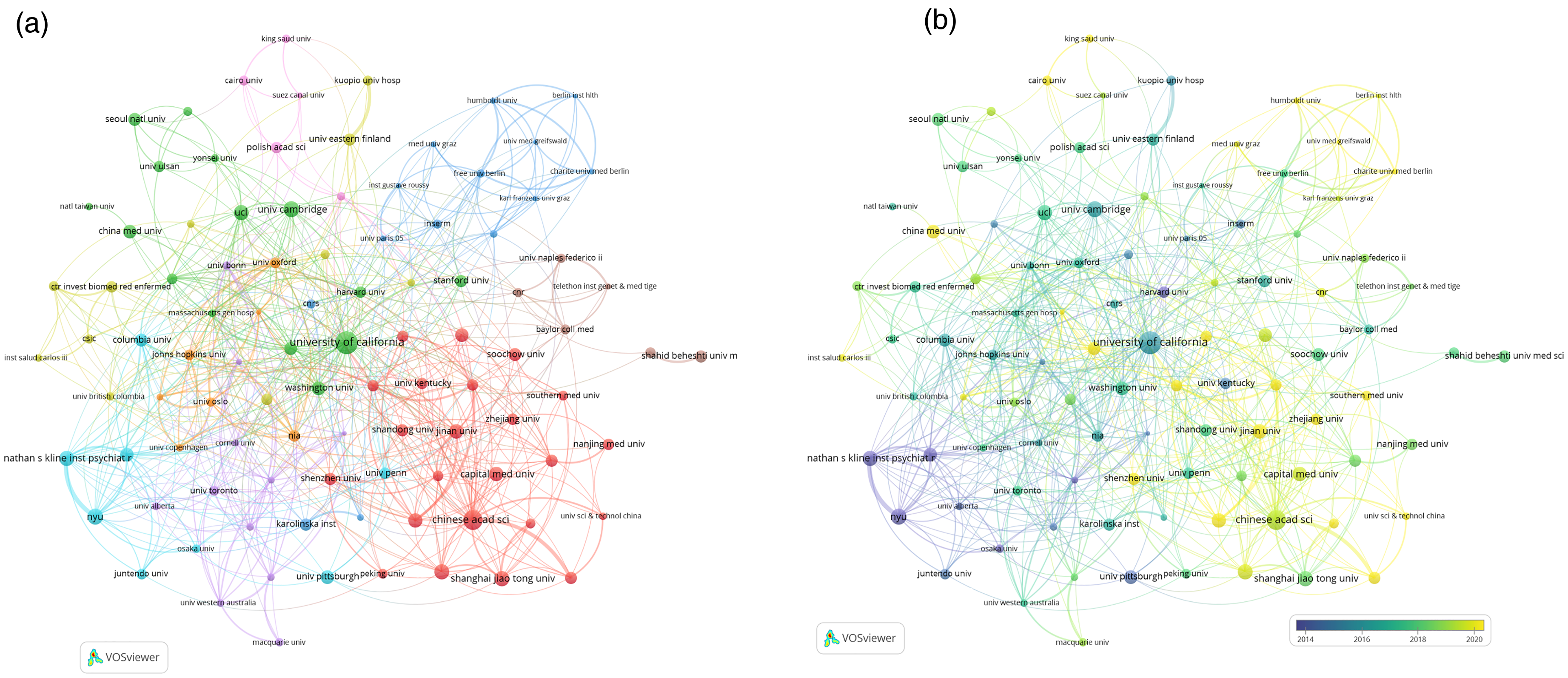
(a) Collaborative network of 100 global institutions in autophagy research related to AD (2003–2023). Colors represent different research clusters, with institutions within the same color indicating closer research collaboration. The size of the bubbles corresponds to the number of publications from each institution, with larger bubbles indicating more publications. (b) Temporal distribution of research initiation by major institutions in autophagy research related to AD (2003–2023). The color gradient represents publication years, with darker colors indicating earlier years and lighter colors representing more recent years. The size of each bubble reflects the total number of publications from each institution, with larger bubbles indicating higher publication output (colors are visible in the online version).
Top 10 institutions by publication output in autophagy research related to AD (2003–2023).
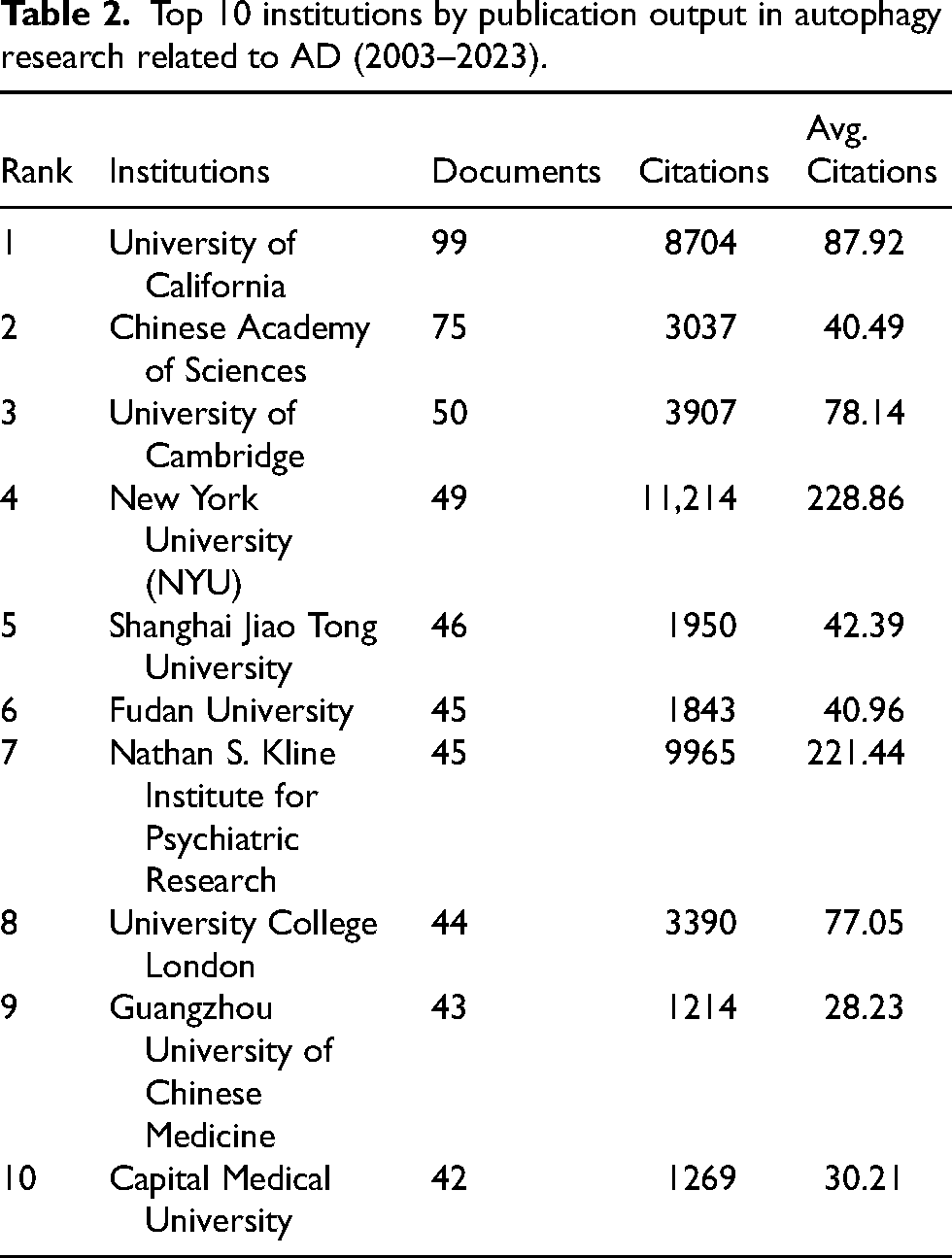
Temporal trends, as depicted in Figure 3(b), reveal that NYU was among the earliest institutions to explore autophagy mechanisms in AD, establishing itself as a pioneer. The University of California and University of Cambridge quickly followed suit. The Chinese Academy of Sciences, while making significant contributions in recent years, entered this research domain later than other top institutions. This temporal evolution underscores the growing emphasis on autophagy research in AD and the dynamic contributions of these leading institutions.
Author analysis
Figure 4(a) illustrates the collaboration network of authors who have significantly contributed to research on autophagy mechanisms in AD over the past two decades. As summarized in Table 3, the top three authors by publication output are Ralph A. Nixon (37 articles), Kenneth Maiese (34 articles), and David C. Rubinsztein (27 articles). Notably, Ralph A. Nixon leads not only in the number of publications but also in citation frequency, with a total of 9361 citations, highlighting his substantial academic influence in this field.
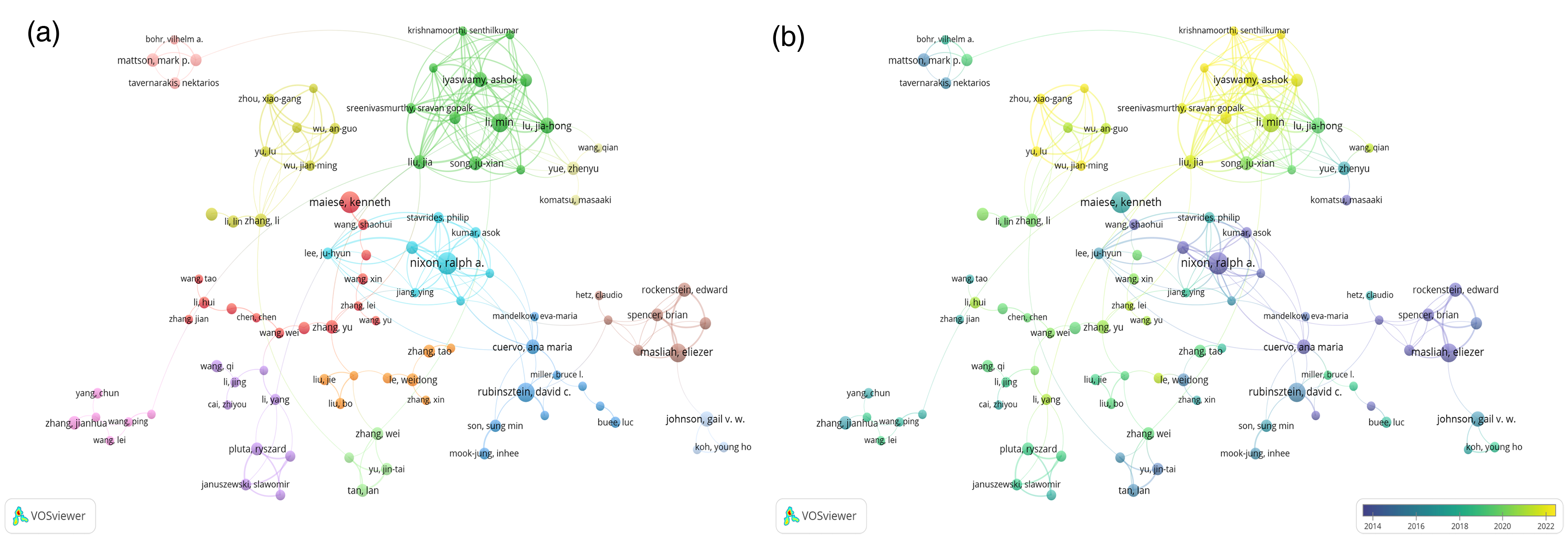
(a) Collaborative network of authors in autophagy research related to AD (2003–2023). Colors represent different research clusters, with authors in the same color indicating stronger research collaboration. The size of the nodes corresponds to the number of publications by each author, with larger nodes indicating more publications. (b) Average publication year of leading authors in autophagy research related to AD. The color gradient indicates the average publication year of each author, with darker colors representing earlier years and lighter colors representing more recent years. Larger nodes correspond to authors with a higher volume of publications (colors are visible in the online version).
Top 10 authors by publication output in autophagy research related to AD (2003–2023).
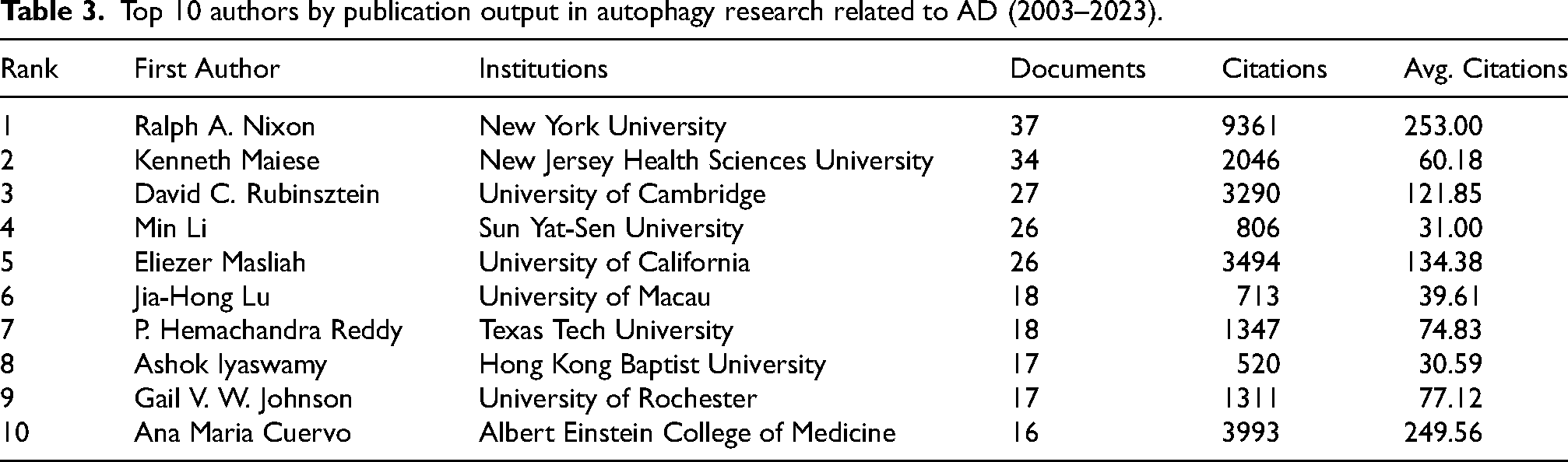
While Nixon has made the most extensive contributions in terms of both publication volume and citation impact, his research timeline began earlier than that of many contemporaries, with Eliezer Masliah following closely behind in both publications and citation count. This temporal progression is reflected in the timeline distribution shown in Figure 4(b), which underscores the pioneering role of these researchers in advancing the understanding of autophagy mechanisms in AD and their lasting influence on the field.
In terms of institutional affiliation, Ralph A. Nixon is affiliated with New York University (ranked #4 by publication volume in the field), David C. Rubinsztein with University of Cambridge (ranked #3 by publication volume in the field), and Eliezer Masliah with University of California (ranked #1 by publication volume in the field). These leading institutions have made substantial contributions to the research in this domain, further reinforcing the scholarly impact of these authors.
Journal analysis
Figure 5(a) illustrates the bibliographic coupling network of the top 50 journals publishing research on autophagy mechanisms in AD over the past 20 years. As summarized in Table 4, the International Journal of Molecular Sciences leads the top 10 journals by publication output, with a total of 135 articles. It is followed closely by the Journal of Alzheimer's Disease with 131 articles and Autophagy with 97 articles.
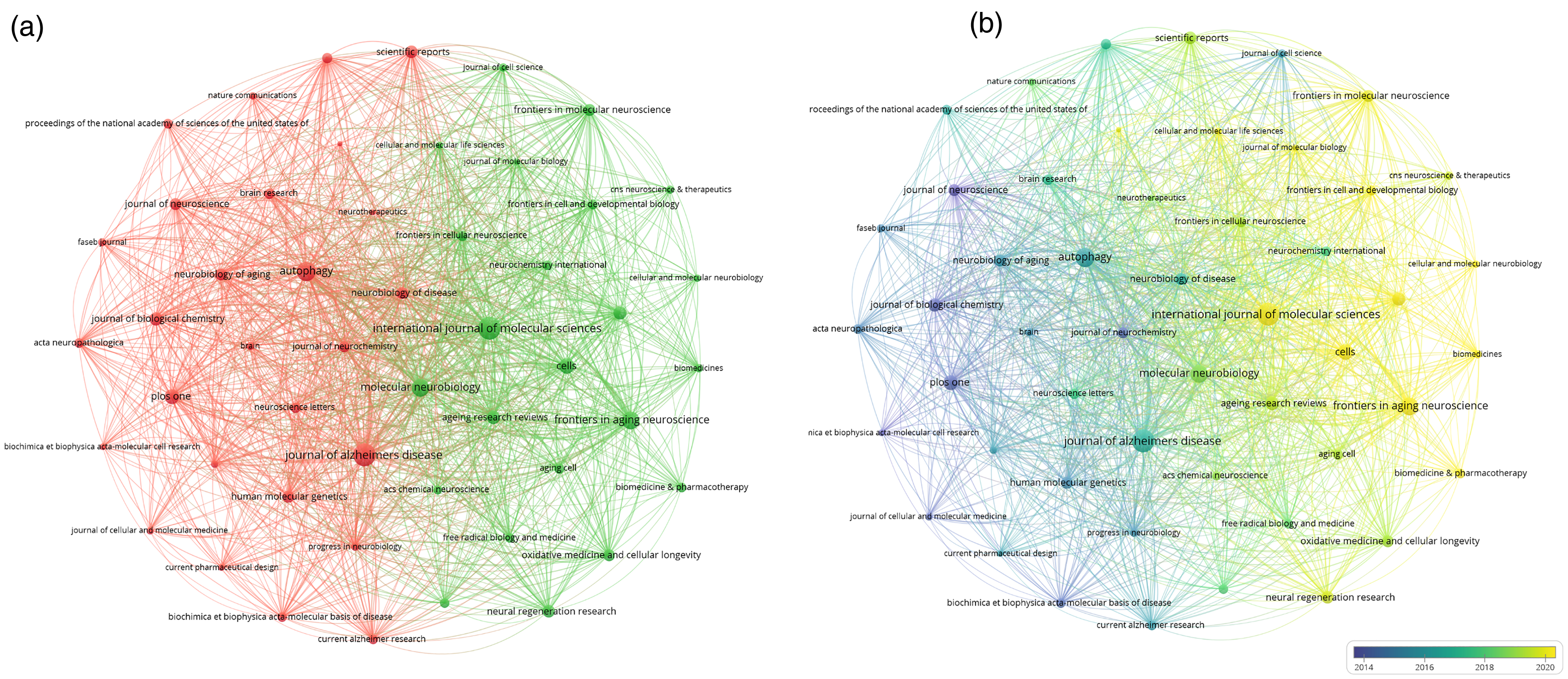
(a) Bibliographic coupling network of the top 50 journals in autophagy research related to AD (2003–2023). Colors represent different clusters of journals based on bibliographic coupling, with journals in the same color indicating closer research connections. The size of the nodes corresponds to the number of publications from each journal, with larger nodes indicating more publications. (b) Average publication year of major journals in autophagy research related to AD (2003–2023). The color gradient represents the average publication year of each journal, with darker colors indicating earlier years and lighter colors representing more recent years. Larger nodes indicate journals with higher publication volumes (colors are visible in the online version).
Top 10 journals by publication output in autophagy research related to AD (2003–2023).
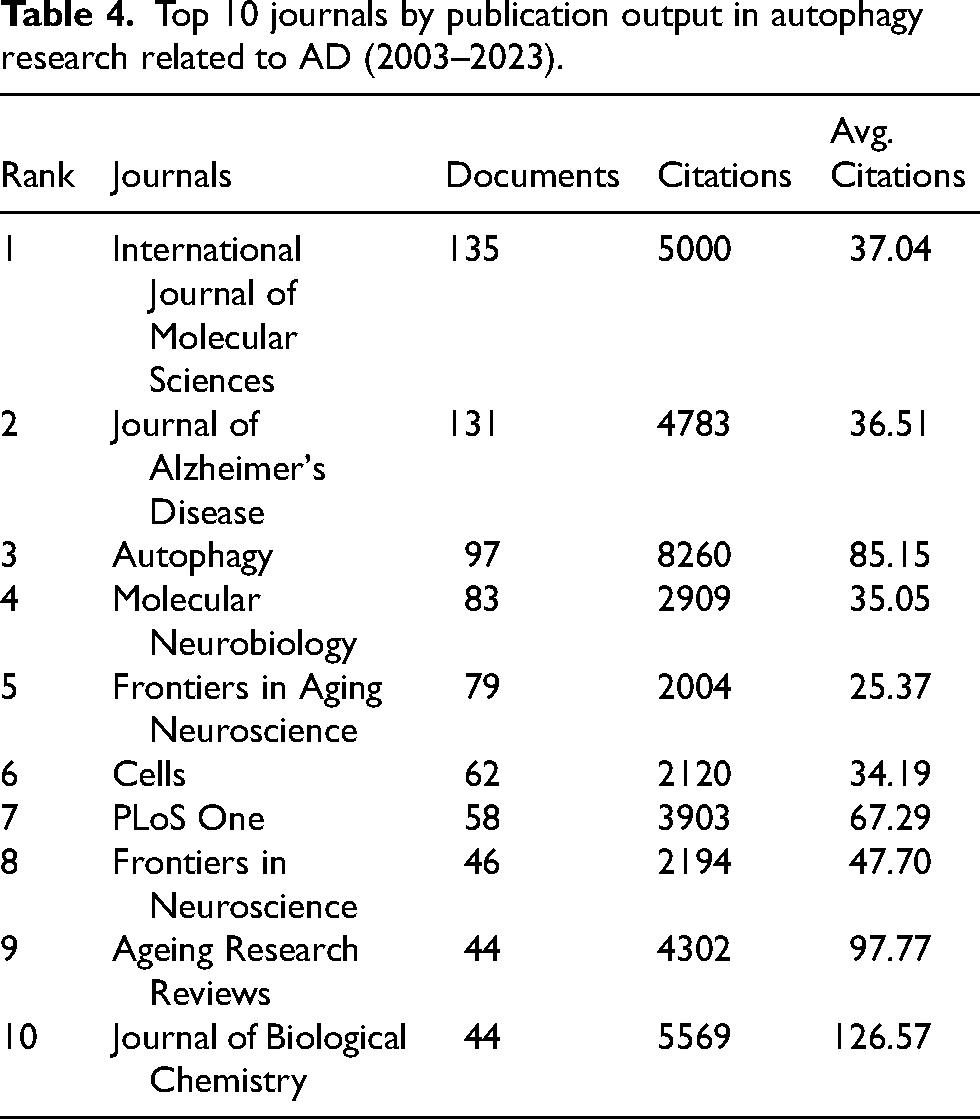
In terms of citation impact, Autophagy stands out with 8260 citations, followed by the Journal of Biological Chemistry with 5569 citations and the International Journal of Molecular Sciences with 5000 citations. The average citation count per article, however, is highest in Journal of Biological Chemistry (126.57 citations per article), followed by Ageing Research Reviews (97.77 citations), and Autophagy (85.15 citations). These citation figures indicate the significant academic influence and impact of these journals in the field.
Notably, Autophagy was relatively early in publishing articles on this topic, reflecting its important role in disseminating foundational research on autophagy mechanisms in AD. This temporal advantage is clearly depicted in Figure 5(b), which shows the journal's significant contribution to advancing our understanding of autophagy in AD, with its early and sustained involvement in this research domain.
Publications and references analysis
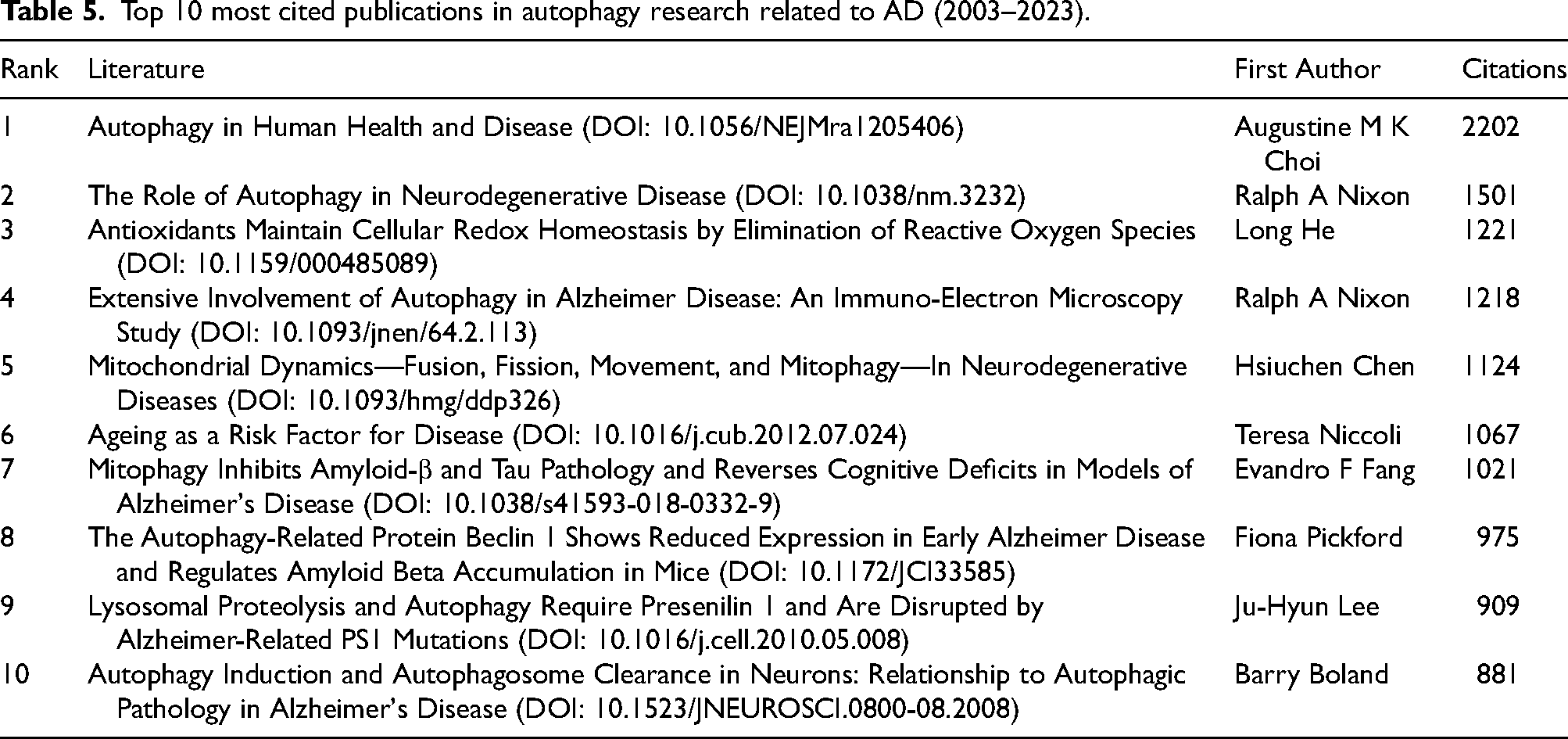
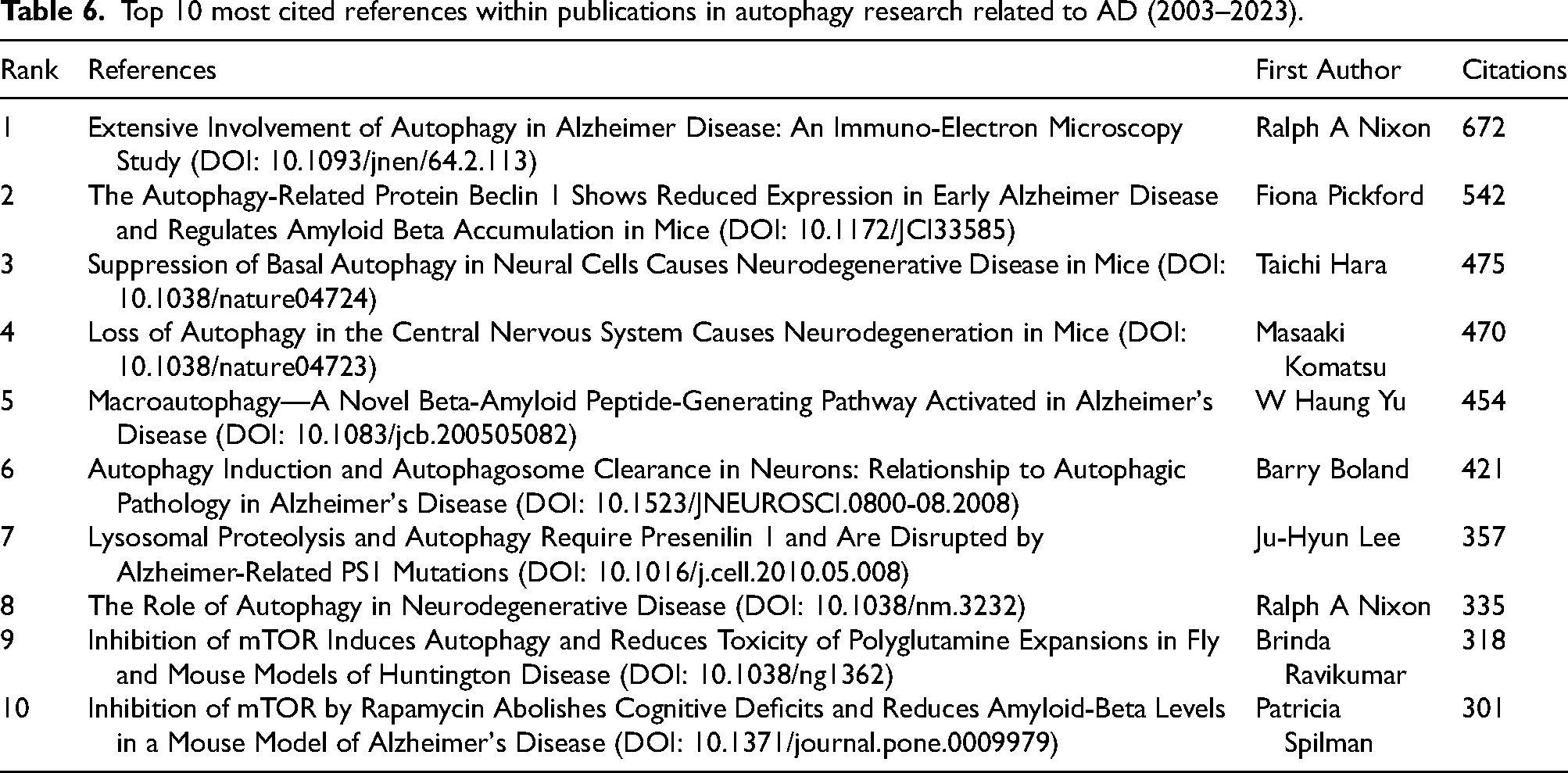
Figure 6(a) displays a co-citation network of 57 highly cited articles (each with >400 citations) within the 4018 publications analyzed, focusing on autophagy mechanisms in AD. Notably, the article titled ‘Autophagy in Human Health and Disease’ ranks first with 2202 citations (Table 5). In contrast, Figure 6(b) depicts the collaboration network of 83 references cited more than 100 times across the analyzed publications. The most frequently cited reference, ‘Extensive involvement of autophagy in Alzheimer disease: an immuno-electron microscopy study’, ranks first among the top 10 references listed in Table 6. Table 5 lists the most cited articles from the 4018 publications, reflecting their broad impact on the scientific community, whereas Table 6 identifies the most cited references within the 4018 publications, underscoring their foundational role in guiding research on autophagy and AD. Together, these analyses provide a comprehensive overview of the key drivers and intellectual foundations of this rapidly evolving field.
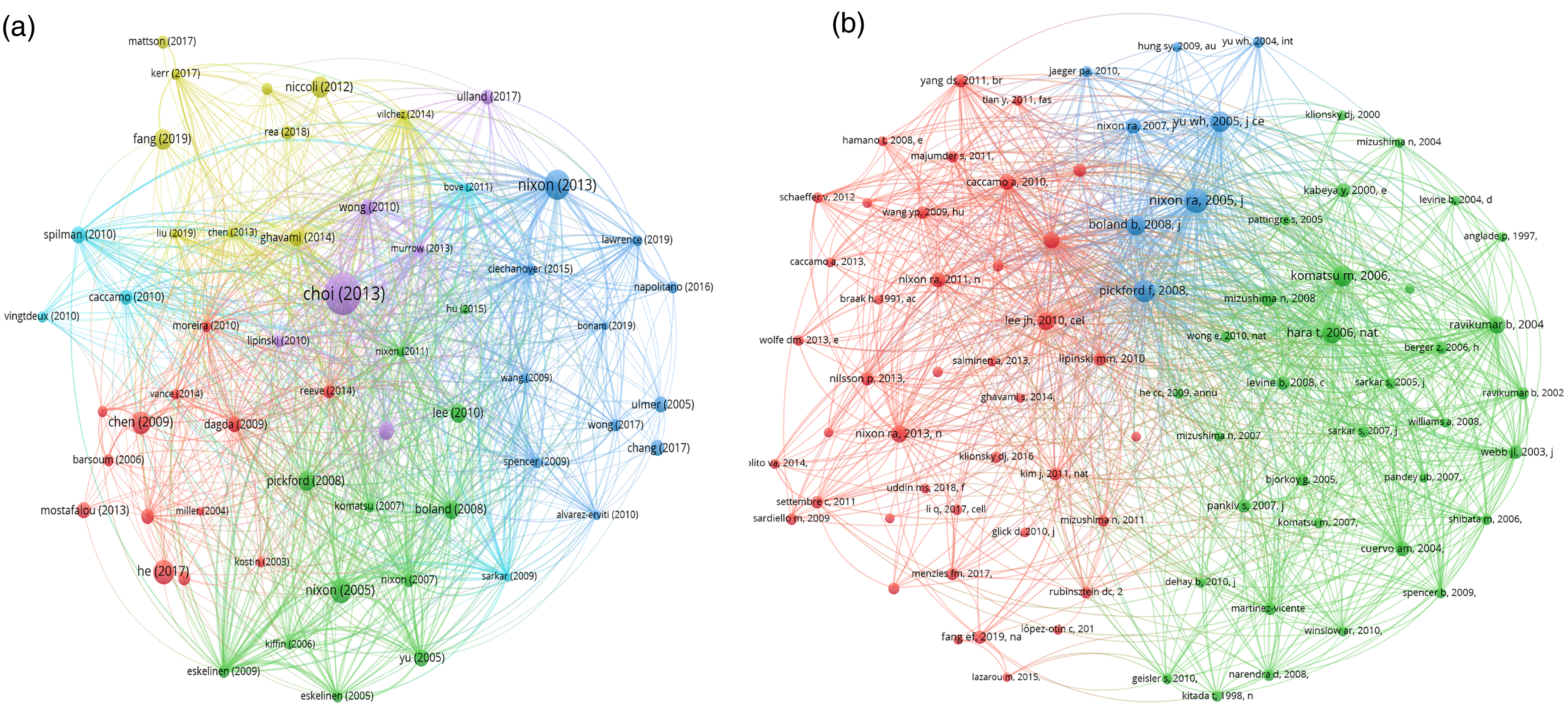
(a) Co-citation network of core publications with over 400 citations in autophagy research related to AD (2003–2023). (b) Citation network of references with over 100 citations in autophagy research related to AD (2003–2023). The color gradient reflects the publication years, with darker colors representing earlier years and lighter colors representing more recent years. The size of the nodes corresponds to the number of citations, with larger nodes indicating higher citation counts (colors are visible in the online version).
Top 10 most cited publications in autophagy research related to AD (2003–2023).
Top 10 most cited references within publications in autophagy research related to AD (2003–2023).
Keyword analysis
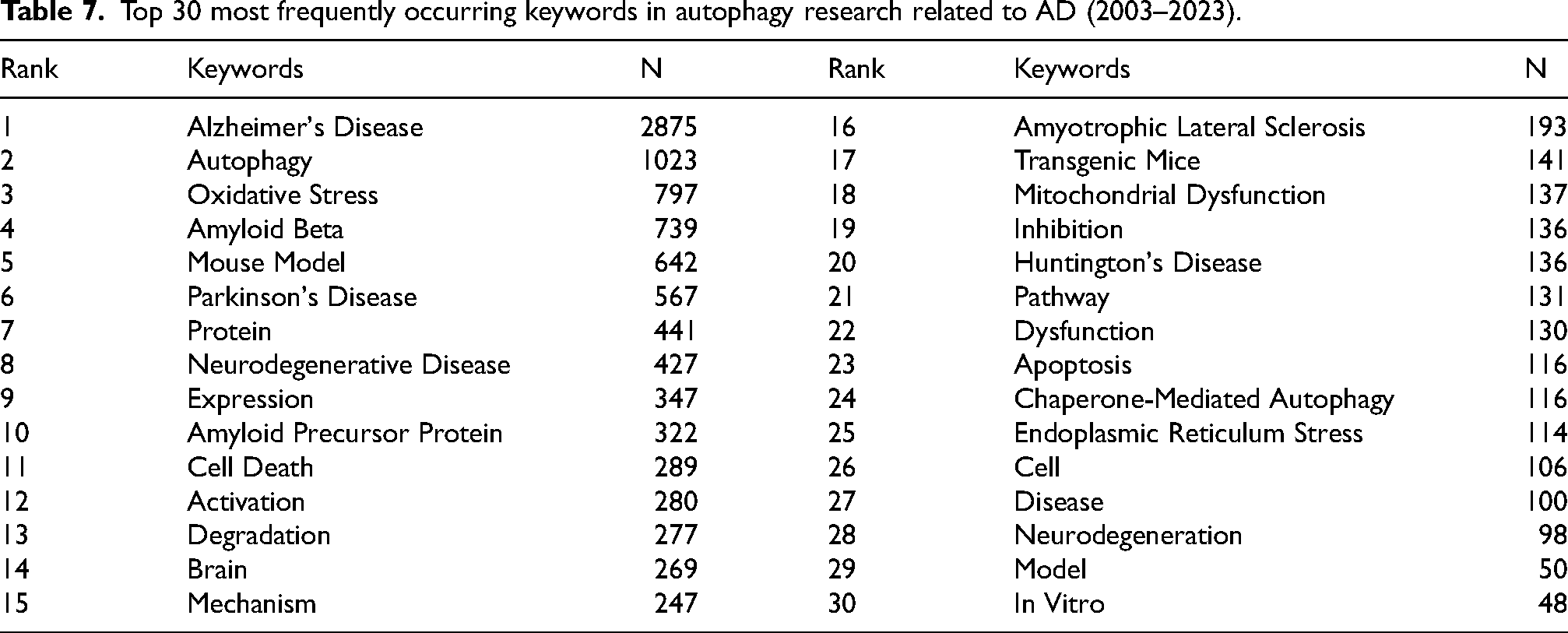
Figure 7(a) illustrates the co-occurrence network of keywords in the field of autophagy and AD, encompassing 171 nodes and 653 connections. The analysis includes keywords with a minimum frequency of 10. As detailed in Table 7, the most frequently occurring keywords are Alzheimer's disease (2875 occurrences) and Autophagy (1023 occurrences), highlighting the primary focus of research in this domain. Figure 7(b) presents the burst detection analysis of keywords, identifying emerging trends and research priorities over time. Figure 7(c) shows the clustering analysis results, with a Modularity Q score of 0.8499 and a Weighted Mean Silhouette score of 0.9477, indicating high-quality clustering. A total of 12 clusters were identified, representing distinct research themes: #0 Neurodegenerative diseases, #1 Therapeutic application, #2 Autophagic degradation, #3 Heat shock protein, #4 Axonal mitochondrial transport, #5 Frameshift protein, #6 Neurodegenerative disorder, #7 Polyglutamine neurodegeneration, #8 Different effect, #9 Autosomal dominant familial neurohypophyseal diabetes insipidus, #10 Autophagy modulation, and #11 Aminoterminal huntingtin fragment. These clusters reflect the diverse and evolving research areas within the field of autophagy and AD, highlighting both fundamental mechanisms and potential therapeutic targets.
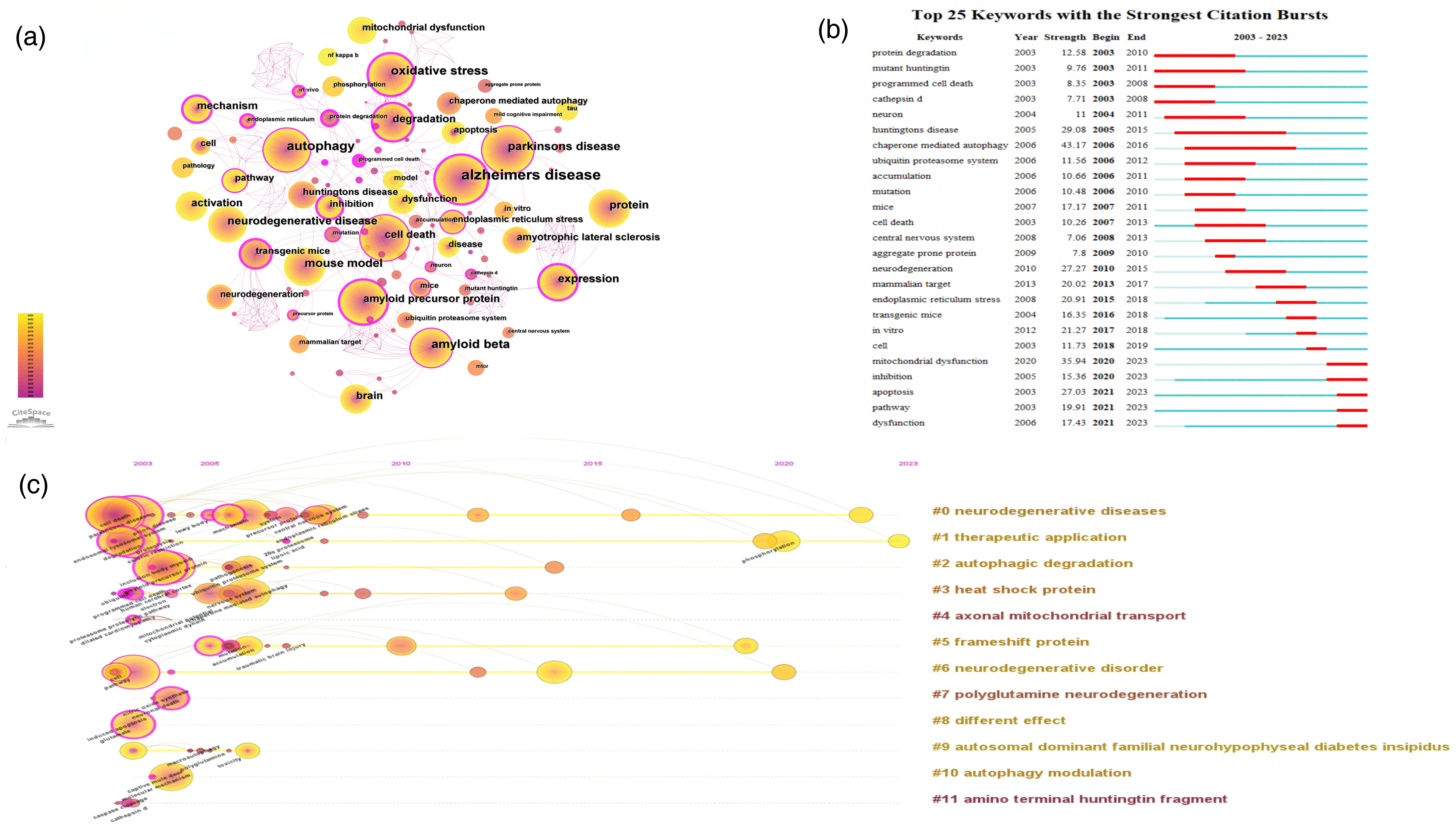
(a) Keyword co-occurrence network in autophagy research related to AD. (b) Burst detection analysis of keywords in autophagy research related to AD. (c) Keyword clustering analysis in autophagy research related to AD.
Top 30 most frequently occurring keywords in autophagy research related to AD (2003–2023).
Discussion
Through bibliometric analysis of 4018 publications published between 2003 and 2023, this study reveals the close relationship between autophagy and AD and demonstrates the increasing research interest in this field. The United States leads globally in both the number of publications and citation frequency, highlighting its dominant role in this research area. Notably, the University of California ranks first in terms of publication volume, while NYU stands out in citation impact. It is worth mentioning that Professor Ralph A. Nixon is the most prolific author in this field. His two highly cited papers explore the central role of autophagy in neurodegenerative diseases, emphasizing the critical position of autophagy dysfunction in AD pathology, and propose autophagy modulation as a potential therapeutic strategy.26,27 Additionally, the most cited papers further emphasize the vital role of autophagy in maintaining cellular homeostasis, indicating that its dysfunction is not only associated with AD but also with various other diseases such as cancer and infections. 28
Keyword clustering and burst analysis reveal the core themes and emerging hotspots in autophagy and AD research. Several keyword clusters correspond closely with the results of keyword bursts. Key clusters include neurodegenerative diseases (#0 and #6), the role of autophagy in clearing abnormal protein aggregates (#2), regulation of autophagy through genes, proteins, and signaling pathways (#8 and #10), and therapeutic strategies targeting autophagy in AD (#1). Burst analysis of keywords suggests a shift in research focus from early basic mechanisms to more complex biological processes. Early studies primarily concentrated on the mechanisms by which autophagy and the ubiquitin-proteasome system degrade AD-related abnormal proteins, laying an important foundation for understanding autophagy's role in maintaining cellular homeostasis and clearing pathological protein accumulations.29,30 Autophagy is a fundamental cellular process that helps maintain cellular homeostasis by degrading damaged organelles and misfolded proteins. Dysfunction of autophagy is closely related to the development of neurodegenerative diseases such as AD.1,31 In AD, impaired autophagy leads to reduced degradation of Aβ and hyperphosphorylated tau proteins, promoting their accumulation, which in turn exacerbates neuronal damage and cognitive decline. 32 Additionally, autophagy dysfunction disrupts the degradation of amyloid-β protein precursor and its cleavage products, further promoting Aβ accumulation, 33 and intensifying neuroinflammation and cytotoxicity.
Over time, research focus has shifted from basic protein degradation mechanisms to more complex biological processes. Keywords such as in vitro models, animal models, mammalian targets, endoplasmic reticulum stress, and CMA have increasingly become research hotspots. These studies have uncovered the increasingly intricate molecular mechanisms underlying autophagy and AD, offering new insights for the development of potential therapeutic targets. Transgenic mouse models, such as APP, PS, tau, and triple 3xTg-AD, have been widely employed in AD research. 34 For example, studies using APPswe/PS1ΔE9 and 3xTg-AD mice models show that activating autophagy pathways through gene knockout or pharmacological inhibition of mGluR5 can reduce neurotoxic protein aggregation and slow AD progression. 35 In 3xTg-AD and 5xFAD mice, enhancing the activity of the CCZ1-MON1A complex promotes autophagy maturation, reduces the accumulation of neurotoxic proteins such as APP-CTFs, Aβ, and Phosphorylated tau, and alleviates cognitive deficits through RAB7 activation. 36 Furthermore, studies using APP/PS1 mice have shown that activating autophagic mitochondrial degradation through targeting MCL-1 reduces Aβ plaque accumulation and improves cognitive function, a process that can be further enhanced by the BH3 mimetic UMI-77. 37 In vitro studies also support the protective role of autophagy, indicating that normal autophagic function helps enhance cell survival and reduce Aβ accumulation, while excessive Aβ loading disrupts mitochondrial function and autophagy.38,39
Autophagy regulation is mediated through multiple signaling pathways, with the mTOR pathway being a key negative regulator of autophagy. In AD, excessive activation of mTOR suppresses autophagy, leading to the accumulation of pathological proteins. 40 In contrast, inhibiting mTOR can promote autophagy activation, enhance the degradation of Aβ and tau, and alleviate neuronal damage. 41 AMPK, as an intracellular energy sensor, initiates autophagy by inhibiting mTOR and directly activating ULK1.42,43 However, since mTOR is involved in gene translation and cellular growth, long-term suppression of mTOR could have adverse effects, warranting further investigation. 44 The interaction between endoplasmic reticulum stress and autophagy shows a dual effect: short-term endoplasmic reticulum stress activates autophagy to clear misfolded proteins, while prolonged endoplasmic reticulum stress eventually impairs autophagic function and exacerbates Aβ and tau accumulation. 45 Therefore, balancing endoplasmic reticulum stress and autophagy may be a promising strategy for AD treatment.44,46 CMA, a selective autophagic pathway, degrades soluble pathological proteins and prevents their toxic aggregation. 47 Unlike macroautophagy, CMA offers higher efficiency and specificity by directly transporting specific proteins across the lysosomal membrane. 48 In AD, decreased CMA activity leads to the accumulation of harmful proteins, while restoring CMA activity has been shown to lower Aβ and tau levels and improve cognitive function. 49 Enhancing CMA activity by upregulating LAMP2A or activating heat shock proteins shows potential for alleviating AD pathology. 50
In recent years, research has shifted further towards pathways, mitochondrial dysfunction, apoptosis, and other directions. The autophagy-lysosome pathway is crucial for the formation, maturation, and fusion of autophagosomes with lysosomes, which plays an important role in clearing Aβ and tau proteins. 51 Decreased expression of Beclin-1 and TFEB impairs autophagosome formation, while reduced levels of PICALM and VPS35 hinder the fusion of autophagosomes with lysosomes, affecting protein clearance. 52 Furthermore, non-classical pathways such as LC3-associated endocytosis (LANDO) also play a role in Aβ clearance. LANDO activity in microglial cells helps alleviate neuroinflammation and disease progression, while its dysfunction accelerates pathological development. 53 Mitochondrial dysfunction is one of the earliest detectable abnormalities in AD, typically occurring before hallmark features such as Aβ plaques and tau neurofibrillary tangles. 54 Mitochondrial dysfunction leads to energy deficits, metabolic dysregulation, and excessive reactive oxygen species production, which further drives disease progression.55,56 Excessive reactive oxygen species generation can cause oxidative damage, exacerbating mitochondrial dysfunction, thus creating a vicious cycle.57,58 Mitophagy, or selective degradation of damaged mitochondria, has shown potential in delaying early AD progression.59,60 Autophagy and apoptosis are closely related processes that play a critical role in AD pathogenesis. Autophagy dysfunction leads to the accumulation of abnormal proteins and damaged organelles, triggering apoptosis. Conversely, excessive autophagy under certain conditions may also lead to cell death.61,62 Modulating key signaling pathways, such as mTOR, PINK1/Parkin, and Bcl-2, can restore the balance between autophagy and apoptosis, reduce neurodegeneration, and improve cognitive function. 63 These findings provide a solid theoretical foundation for developing targeted therapeutic strategies for AD.。
However, one limitation of this study is that the bibliometric analysis starts from 2003, thus excluding foundational literature from the late 1980s to the early 2000s. While the choice of 2003 as the starting point was made to focus on more recent research trends, this decision inevitably overlooks the early discoveries and pioneering studies on the relationship between autophagy and AD. Early research provided essential insights into the role of autophagy in neurodegenerative diseases, including the discovery of autophagy-related genes and their critical role in clearing neurotoxic proteins. Therefore, future studies could consider integrating earlier works to complement the historical perspective that is not addressed in this study. Nevertheless, this study still offers a comprehensive understanding of the current state of research in the autophagy and AD field and highlights significant developments and research directions in recent years.
Conclusion
The bibliometric analysis and comprehensive review of literature from 2003 to 2023 underscore the increasing recognition of autophagy as a pivotal mechanism in AD pathology and therapeutic exploration. Despite significant advancements in elucidating its molecular pathways and interactions with oxidative stress, mitochondrial dysfunction, and protein aggregation, the complexity and multifactorial nature of these processes remain a challenge.
Future research should integrate multi-omics approaches to uncover disease-specific autophagic mechanisms, refine therapeutic targets, and bridge the gap between preclinical findings and clinical application. Additionally, addressing the potential risks of excessive or indiscriminate autophagy activation is critical to ensuring the safety and efficacy of therapeutic interventions. Leveraging innovative drug delivery systems, gene editing technologies, and personalized medicine strategies will be key to unlocking the full potential of autophagy modulation. These advancements will not only benefit AD but also other neurodegenerative disorders with overlapping pathological features. An integrated and multidisciplinary approach will drive the development of transformative therapies to alleviate the global burden of AD and related diseases.
Footnotes
Acknowledgments
We extend our sincere gratitude to all the authors whose work has been included in this study. Their contributions to the field of Alzheimer's disease psychosis are invaluable and have significantly advanced our understanding of this complex area.

Ethical considerations
This study does not involve ethical considerations, as it does not include human participants or animals in the research.
Author contributions
Tianyi Wang: Conceptualization, Formal analysis, Methodology, Writing – original draft, Writing – review & editing. Haochen Jiang: Conceptualization, Formal analysis, Methodology, Writing – original draft. Ruwen Zheng: Conceptualization, Formal analysis, Writing – review & editing. Chuchu Zhang: Conceptualization, Investigation, Methodology, Writing – review & editing Xiumei Ma Conceptualization, Investigation, Writing – review & editing Yi Liu Conceptualization, Methodology, Writing – review & editing.
Funding
The authors received no financial support for the research, authorship, and/or publication of this article.
Declaration of conflicting interests
The authors declared no potential conflicts of interest with respect to the research, authorship, and/or publication of this article.
Data availability statement
The original contributions presented in this study are included in the article. Further inquiries can be directed to the corresponding authors.