







Abstract
Background
Oligodendrocyte (OL) lineage biology is increasingly recognized as a contributor to Alzheimer's disease (AD) pathophysiology, but its global knowledge structure and emerging frontiers remain unclear.
Objective
To map the development, major contributors, intellectual bases, and research frontiers of OL-related AD research using bibliometric and visualization approaches.
Methods
English-language articles and reviews published from 1990 to 2025 were retrieved from the Web of Science Core Collection on January 2, 2026. After deduplication, 1746 records were analyzed. VOSviewer 1.6.20 assessed publication output, contributors, collaborations, and citation networks. CiteSpace 6.1.6 performed keyword co-occurrence, clustering, and burst detection.
Results
Annual publications increased from 5 in 1990 to 149 in 2025, peaking at 154 in 2024, with acceleration after 2020. The United States led in productivity and impact (684 publications; 54,075 citations). Harvard University was the most productive institution (46 publications), whereas the University of California, Los Angeles had the highest average citation impact among leading institutions (147.20 citations per publication). Acta Neuropathologica was the most productive journal (66 publications; 6548 citations). Mathys et al. was the most influential cornerstone reference. Keyword clustering was robust (Q = 0.701, S = 0.958), identifying “white matter” as the central thematic cluster.
Conclusions
OL-related AD research is expanding rapidly and shifting toward white matter-centered, cell state-resolved, and multi-omics paradigms. Future priorities include defining OL and oligodendrocyte precursor cell transcriptional states, clarifying myelin vulnerability and repair mechanisms, and linking OL pathology to amyloid-related processes.
Introduction
Dementia is among the most prevalent neurological disorders in older adults, and its global burden is expected to increase markedly with population growth and population aging—from 57 million cases in 2019 to 150 million by 2050. 1 Alzheimer's disease (AD), the most common form of dementia, is characterized by progressive episodic memory impairment and cognitive decline, leading to functional deterioration and increasing dependence, thereby contributing substantially to disability-adjusted life years and the overall disease burden. 2 Current pharmacotherapies for AD primarily target cholinergic and glutamatergic neurotransmission; although these treatments can alleviate symptoms to some extent, they do not halt or reverse the underlying disease process.3,4 Consequently, there is an urgent need for disease-modifying strategies that directly address AD pathobiology.
In recent years, therapies targeting amyloid-β (Aβ) pathology have advanced rapidly. Anti-amyloid monoclonal antibodies targeting Aβ pathology (e.g., lecanemab and aducanumab) have been approved by the U.S. Food and Drug Administration for the treatment of AD. 5 Despite limitations related to high cost, stringent eligibility requirements, and safety concerns, clinical evidence indicates that these agents can reduce Aβ pathology and may modestly slow cognitive decline in selected patients at early stages of AD. 6 These developments underscore the importance of targeting disease mechanisms and highlight the need to identify additional cellular and molecular targets that could broaden therapeutic options and improve outcomes. Traditional models of AD have largely emphasized neuronal dysfunction within vulnerable cortical and hippocampal circuits driven by extracellular Aβ plaques and intracellular tau neurofibrillary tangles.7,8 However, converging evidence from genetics, neuropathology, and systems neuroscience supports a broader “cellular phase” of AD, in which dynamic interactions among neurons, glial cells, and vascular components critically shape disease initiation and progression.9–11 Microglia and astrocytes have been extensively studied as active regulators of neuroinflammation, synaptic remodeling, the clearance and propagation of misfolded proteins, and blood–brain barrier integrity in AD.12,13 In contrast, oligodendrocytes (OLs) and myelin were long considered secondary consequences of neurodegeneration, but are increasingly recognized as central contributors to AD pathophysiology.14,15
OLs ensheath axons with myelin to enable saltatory conduction and provide essential metabolic support, thereby sustaining long-range communication and network stability. 16 Accumulating neuropathological and neuroimaging evidence indicates that AD is accompanied by widespread white matter abnormalities, including demyelination, reduced myelin integrity, microstructural alterations of major association tracts, and OL morphological changes—alterations that may be detectable during prodromal or even preclinical stages.17–19 Importantly, such white matter abnormalities may arise not only from intrinsic OL/myelin dysfunction but also from vascular pathology. White matter hyperintensities/lesions are an important imaging marker of cerebral small vessel disease (CSVD) and are associated with increased risks of cognitive decline and AD.20,21 Moreover, OL lineage cells are particularly vulnerable to ischemic injury and chronic hypoperfusion, suggesting that vascular dysfunction may contribute directly to myelin damage and white matter disruption in AD.22,23 Thus, OL-related pathology in AD should be interpreted within a broader neurovascular framework, in which vascular injury, glial responses, and myelin dysfunction likely interact throughout disease progression. Longitudinal diffusion-weighted imaging studies further suggest that white matter alterations may precede or accompany grey matter atrophy and cognitive decline, supporting the view that OL- and myelin-related dysfunction, together with vascular-related white matter injury, may represent an early and mechanistically relevant component of AD progression. 24 Collectively, these findings highlight OL-related pathology as a promising area for mechanistic investigation, biomarker development, and potential therapeutic exploration.
Research on OLs in AD has expanded rapidly across multiple disciplines, underscoring the need for a systematic, field-level synthesis to delineate the global research landscape, identify influential studies and collaboration patterns, and track evolving research hotspots. Bibliometric analysis provides a rigorous framework for such an assessment and has been increasingly applied in AD research, with previous studies focusing predominantly on topics such as autophagy, microglia, and biomarkers. However, to the best of our knowledge, no comprehensive bibliometric and knowledge-mapping analysis has specifically characterized the global landscape of OL-related research in AD.25–27 To address this gap, we used the Web of Science Core Collection (WoSCC) as the primary data source and performed a bibliometric and knowledge-mapping analysis of global OL-related research in AD from 1990 to 2025. Using established bibliometric methods and visualization tools (VOSviewer and CiteSpace), we mapped publication trends, major contributors, and thematic structures, and identified key hotspots and emerging frontiers at the intersection of OL biology and AD mechanisms. Collectively, our findings provide an integrated overview of this growing field and may help inform future research priorities and opportunities.
Methods
Search strategy
The search strategy was developed on the basis of Medical Subject Headings identified in PubMed and was implemented in the WoSCC on 2 January 2026. The following topic search query was applied: TS = (“Alzheimer disease” OR “Alzheimer's disease” OR “Alzheimers disease” OR “Alzheimer dementia” OR “Alzheimer's dementia” OR “Alzheimer-type dementia” OR “Alzheimer type dementia” OR “Alzheimer syndrome” OR “early-onset Alzheimer disease” OR “early onset Alzheimer disease” OR “late-onset Alzheimer disease” OR “late onset Alzheimer disease” OR “familial Alzheimer disease” OR “familial Alzheimer's disease”) AND TS = (oligodendrocyte* OR oligodendroglia* OR “oligodendrocyte progenitor cell*” OR “interfascicular oligodendroglia” OR “perivascular oligodendroglia” OR “perineuronal oligodendroglia” OR “perineuronal satellite oligodendrocyte*”). The search was restricted to records published between 1 January 1990 and 31 December 2025. Only English-language original articles and review articles were included. After removal of duplicate records, a total of 1746 publications were retained for subsequent analyses.
Data analysis
The complete records and cited references of all included publications were exported from the WoSCC in RefWorks format to ensure data integrity and consistency. VOSviewer (version 1.6.20) was used to map the contributions of countries/regions, institutions, authors, and journals, as well as citation relationships, thereby identifying major contributors and delineating their collaboration networks in the research area linking OL and AD. In parallel, CiteSpace (version 6.1.6) was employed to perform in-depth keyword analyses, including co-occurrence mapping, burst detection, and clustering, in order to characterize research hotspots and emerging frontiers in this field from 1990 to 2025.
For CiteSpace, the time span was set from 1990 to 2025 with a 1-year time slice, and keyword was selected as the node type for co-occurrence and clustering analyses. A TopN = 5 threshold was applied in each slice to retain the most representative nodes. Network construction was refined using Pathfinder, Pruning Sliced Networks, and Pruning Merged Networks. Keyword clusters were generated in CiteSpace based on the constructed keyword co-occurrence network, and cluster labels were extracted using the log-likelihood ratio (LLR) method. In addition, Microsoft Excel was used for descriptive bibliometric analyses, including the annual number of publications, citation counts, and the output and impact of leading countries and institutions. Taken together, these approaches provided a comprehensive scientometric overview of research dynamics at the interface between OL biology and AD.
Results
Publication output and temporal trends
As shown in Figure 1, the annual number of publications on OL-related AD research increased steadily from 1990 to 2025, indicating sustained and growing scholarly attention. Annual output rose from 5 publications in 1990 to 149 in 2025, with the highest productivity observed in 2024 (154 publications). Overall, publication activity remained relatively low with minor fluctuations during the 1990s and early 2000s, followed by a gradual increase from the mid-2000s to the early 2010s. Since the mid-2010s, the field has entered a sustained expansion phase, with a marked acceleration after 2020 and a pronounced surge from 2022 onward, suggesting that OL-related topics have become an increasingly active research direction within the broader AD literature.
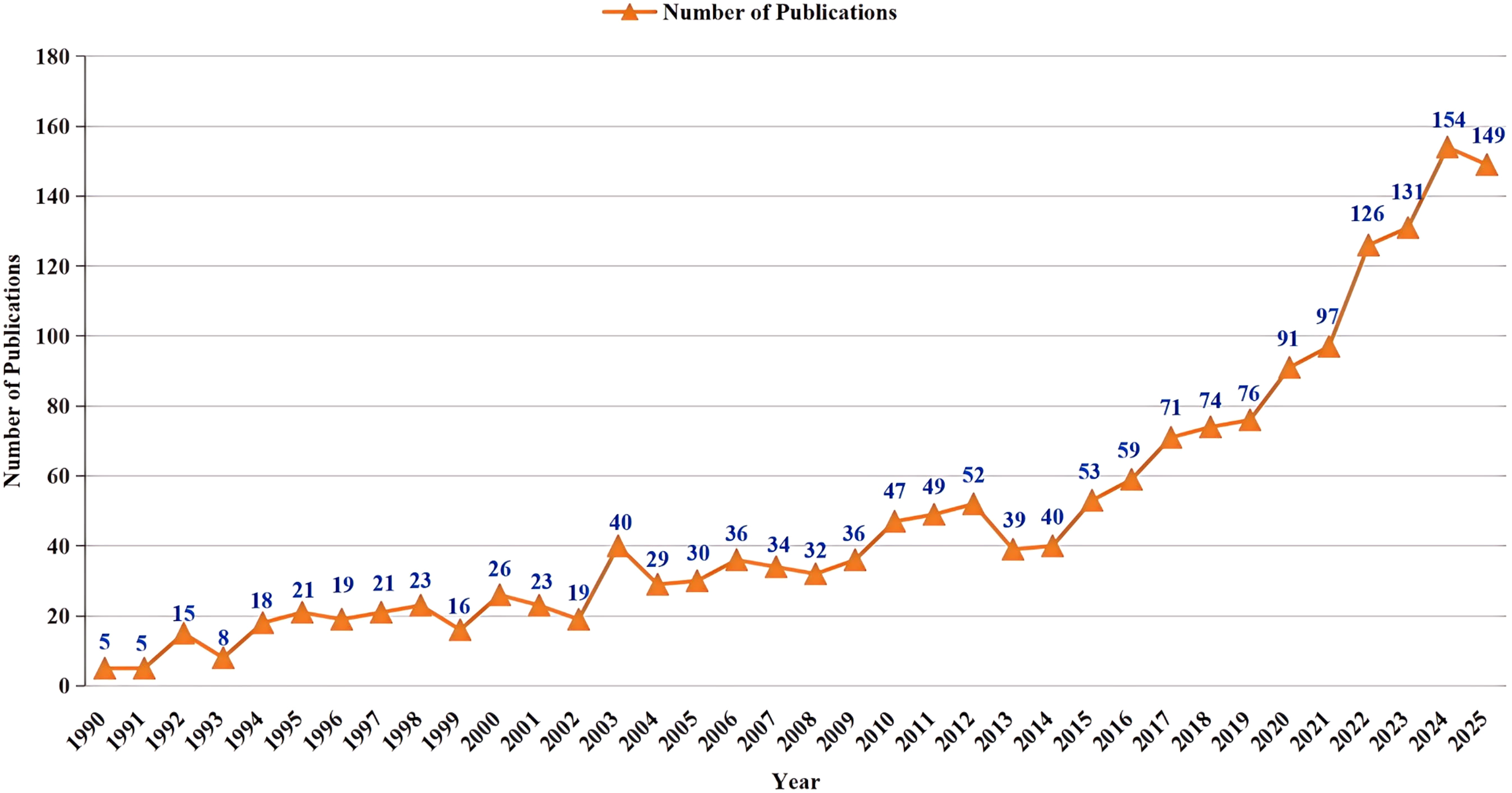
Annual publication output on OL-related research in AD, 1990–2025.
Countries/regions and international collaboration
Figure 2A presents the international co-authorship network among 40 countries/regions in OL-related AD research from 1990 to 2025, highlighting broad cross-national collaboration across the field. The overlay map (Figure 2B) suggests temporal differences in national engagement, with Japan showing earlier participation, followed by the United States, whereas China became more active in later years.
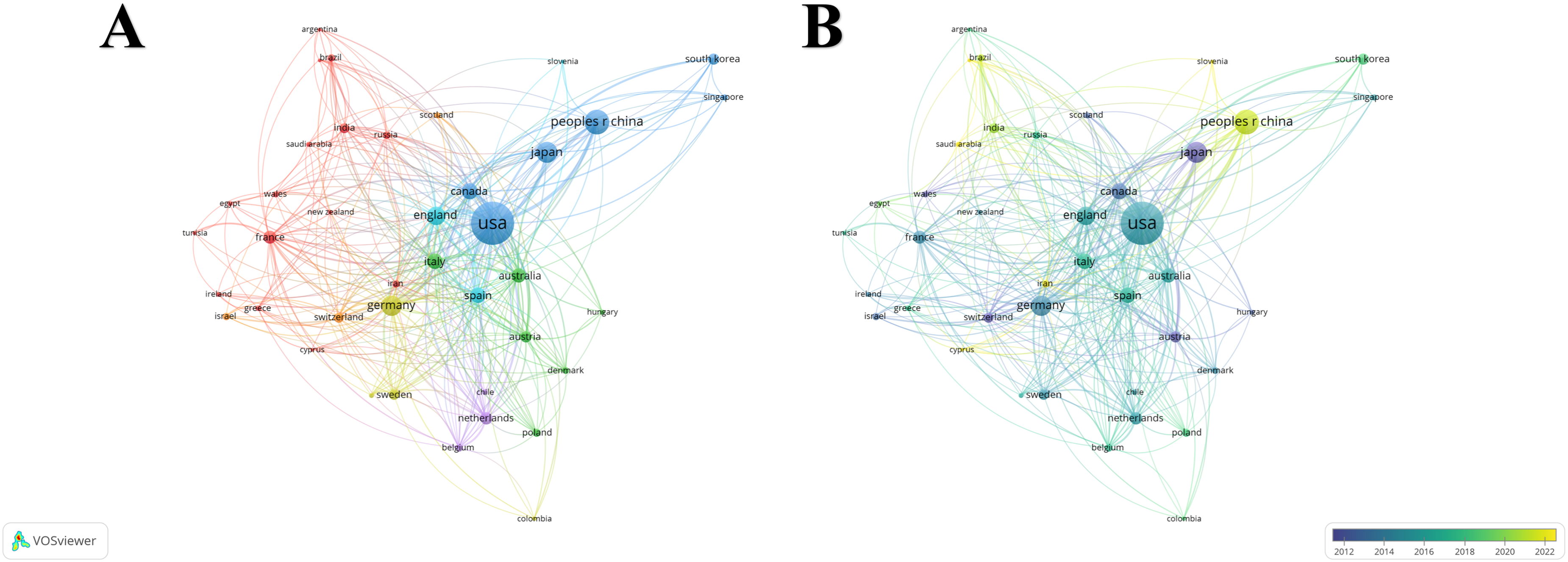
International collaboration network among 40 countries/regions in OL-related AD research (1990–2025). Note: Colors indicate collaboration clusters. Node size is proportional to the number of publications. Links represent co-authorship relationships, and thicker links indicate stronger collaboration.
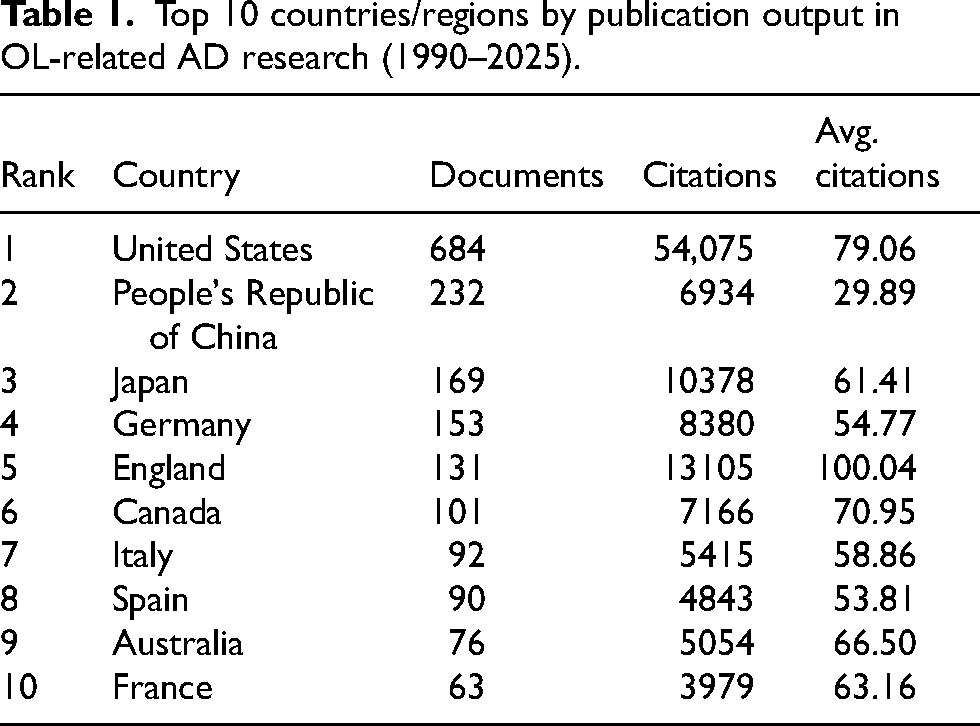
Table 1 lists the top 10 productive countries/regions over the study period. The United States ranked first in publication output (n = 684) and citations (n = 54,075), with a high average citation rate (79.06 citations per paper), indicating strong productivity and high citation visibility within this field. The People's Republic of China ranked second by output (n = 232); however, its total citations (n = 6934) and average citations (29.89 per paper) were lower than those of leading countries, suggesting that citation impact has not yet matched its rapid growth in publication volume. Japan ranked third (n = 169) with 10,378 citations and an average of 61.41 citations per paper, reflecting sustained contributions and relatively high impact.
Top 10 countries/regions by publication output in OL-related AD research (1990–2025).
Institutional contributions and collaboration
Figure 3A shows the institutional collaboration network comprising 72 institutions in OL-related AD research from 1990 to 2025, revealing active inter-institutional partnerships and several distinct collaboration clusters. Table 2 summarizes the top 10 institutions by publication output. Harvard University ranked first (n = 46) and exhibited a high average citation rate (104.74 citations per publication), suggesting strong productivity and notable citation performance in this field. The University of California, Los Angeles (UCLA) ranked second (n = 35) with the highest average citations among the top institutions (147.20 citations per publication). The University of British Columbia ranked third (n = 34) with 92.74 citations per publication, indicating sustained contributions with substantial visibility.
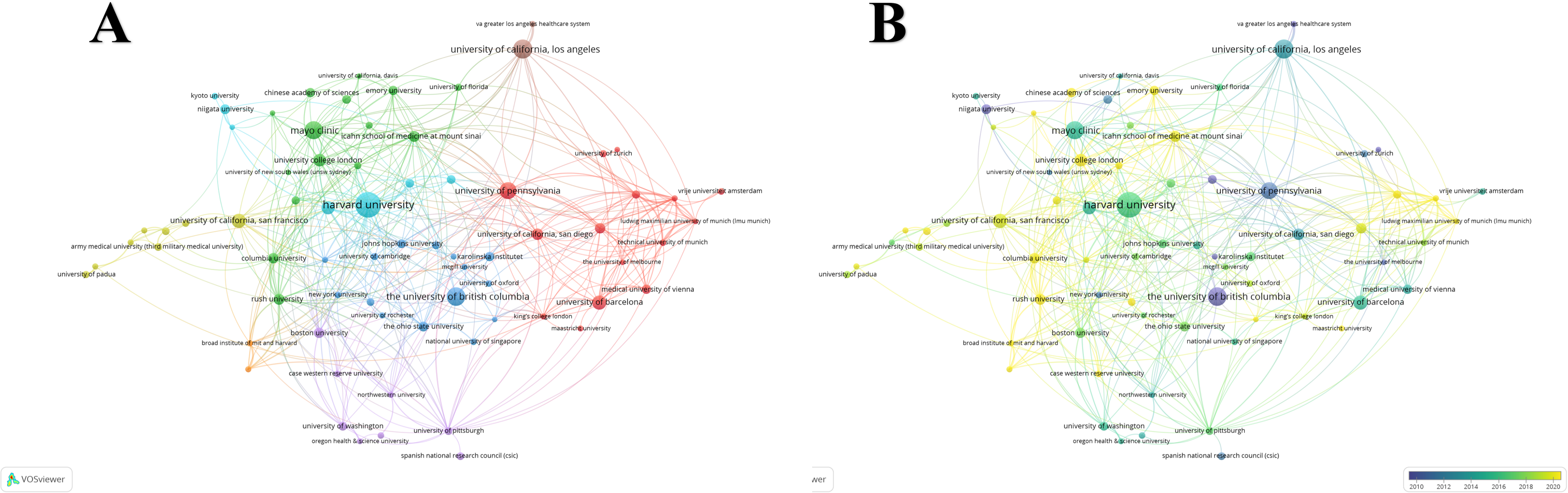
Institutional collaboration network in OL-related AD research (1990–2025). Note: Colors indicate collaboration clusters. Node size is proportional to publication output. Links represent inter-institutional co-authorship; thicker links indicate stronger collaboration.
Top 10 institutions by publication output in OL-related AD research (1990–2025).
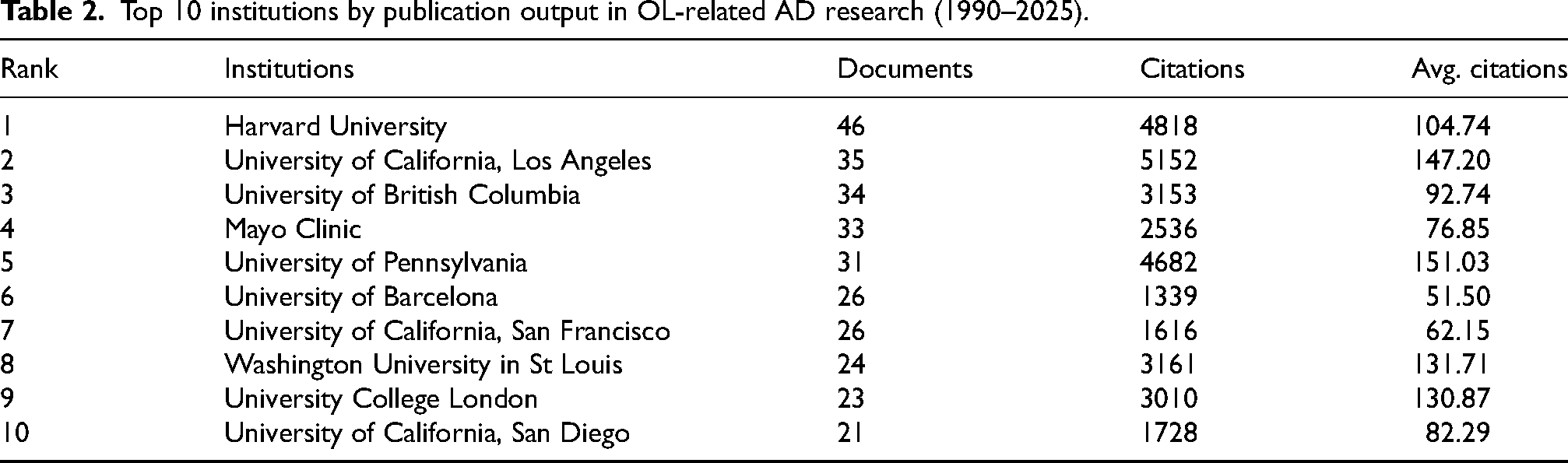
The overlay map (Figure 3B) suggests that the University of British Columbia showed relatively earlier activity in this research area, followed by the University of Pennsylvania and UCLA, which increased their contributions in subsequent years. Taken together, the collaboration structure and temporal distribution indicate that a concentrated set of leading institutions has played a central role in shaping the early development and continued expansion of OL-related AD research.
Author productivity and collaboration
Figure 4A depicts the author collaboration network in OL-related AD research from 1990 to 2025, indicating multiple collaboration clusters and several active research communities. According to Table 3, the most productive authors were David A Bennett (n = 13), Isidro Ferrer (n = 13), and Gabor G Kovacs (n = 12). David A Bennett also accumulated the highest total citations (n = 2668), suggesting high citation prominence within the field. Citation impact, however, varied markedly among leading authors. Notably, Virginia M-Y Lee showed high influence with 2591 citations and the highest average citations per publication (235.55), despite a smaller publication count than the top-ranked authors.
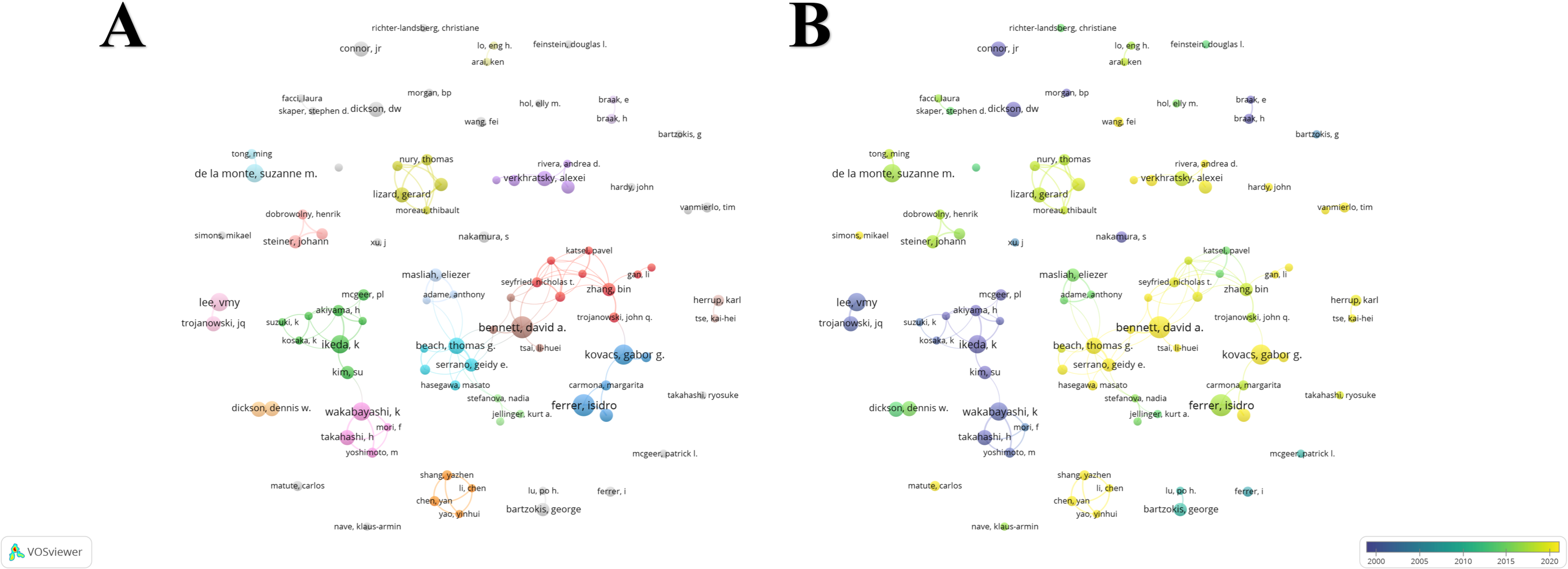
Author collaboration network in OL-related AD research (1990–2025). Note: Colors indicate collaboration clusters. Node size is proportional to publication output. Links represent co-authorship relationships; thicker links indicate stronger collaboration.
Top 10 authors by publication output in OL-related AD research (1990–2025).
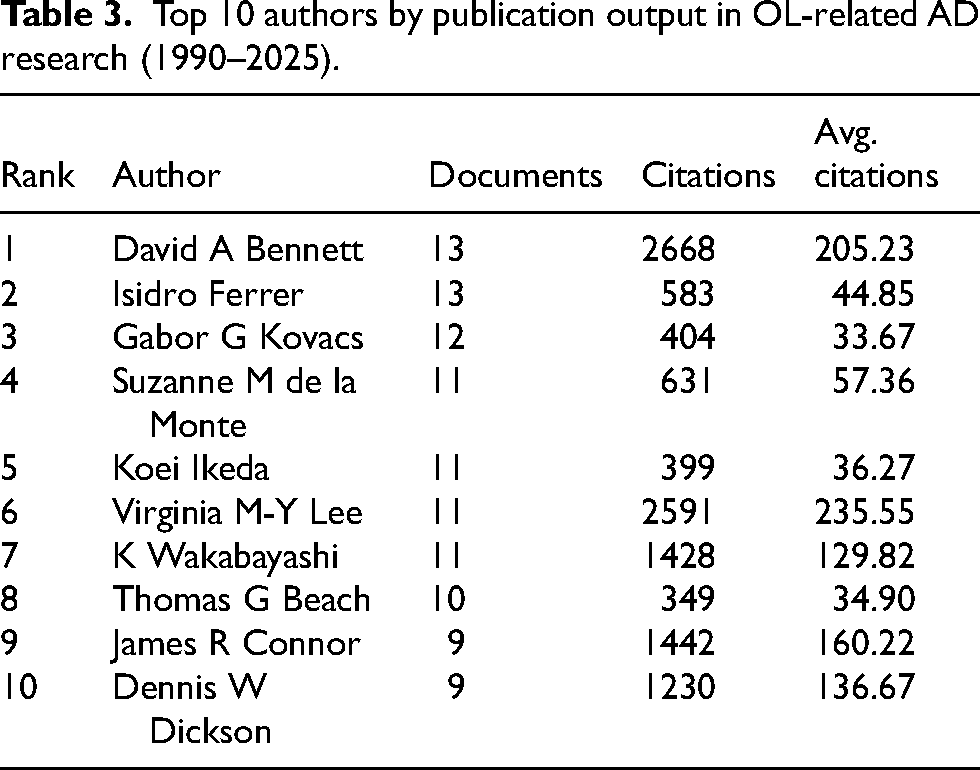
The overlay map (Figure 4B) indicates heterogeneity in the temporal distribution of author activity. Authors such as Koei Ikeda exhibited relatively earlier contributions, whereas David A. Bennett showed more intensive publication activity in later years. Overall, these patterns suggest that OL-related AD research has been shaped by both earlier contributors and more recent high-impact authors, reflecting continued growth and increasing diversification of the field.
Journal distribution and bibliographic coupling
Figure 5A presents the bibliographic coupling network of journals publishing OL-related AD research from 1990 to 2025, suggesting that the literature is distributed across multiple journal clusters linked by shared reference patterns. As shown in Table 4, Acta Neuropathologica ranked first by publication output (n = 66), followed by the International Journal of Molecular Sciences (n = 47) and the Journal of Neurochemistry (n = 45).
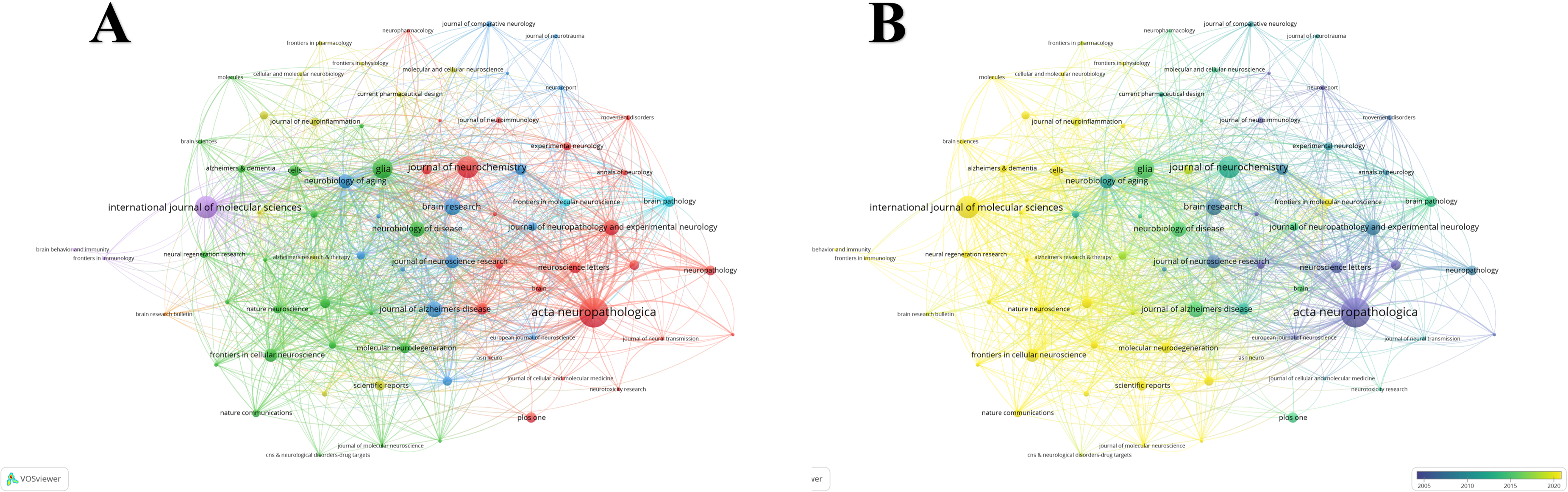
Bibliographic coupling network of journals in OL-related AD research (1990–2025). Note: Links indicate bibliographic coupling relationships (i.e., shared references) between journals; thicker links represent stronger coupling. Colors denote coupling-based clusters. Node size corresponds to publication output.
Top 10 journals by publication output in OL-related AD research.
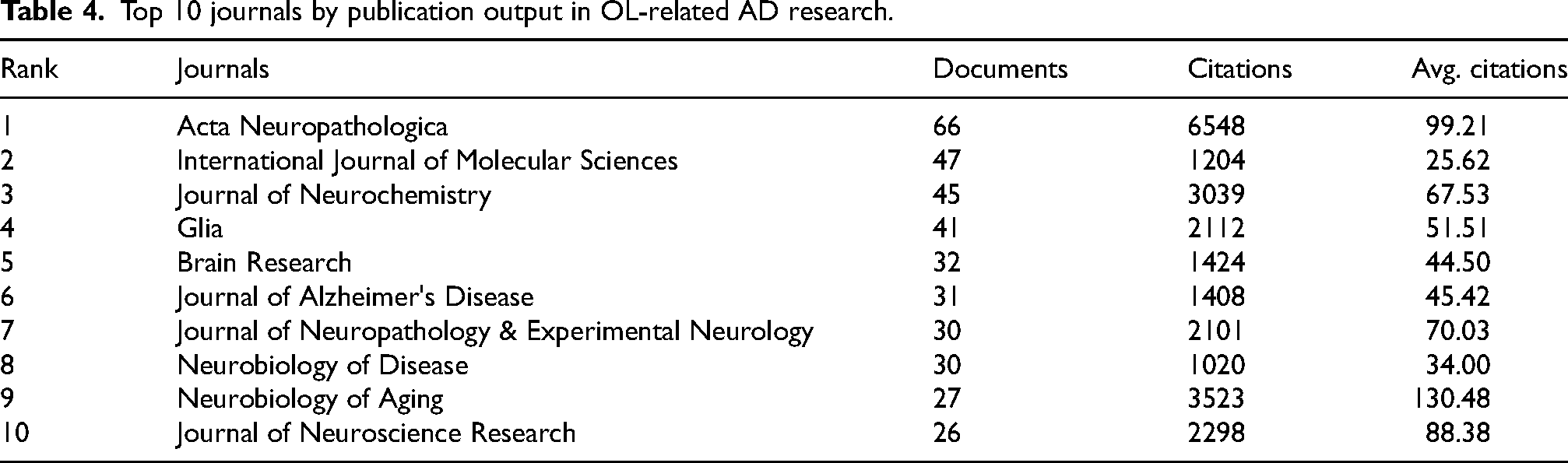
In terms of citation performance, Acta Neuropathologica also accumulated the highest total citations (n = 6548), highlighting its prominent citation presence and visibility in this research area. It was followed by Neurobiology of Aging (n = 3523) and the Journal of Neurochemistry (n = 3039). Notably, Neurobiology of Aging exhibited the highest average citations per publication (130.48), indicating strong citation impact relative to its publication volume. The overlay map (Figure 5B) suggests relatively earlier engagement of Acta Neuropathologica in publishing OL-related AD studies, consistent with its early contribution to the dissemination of key neuropathological findings relevant to this topic.
Influential publications and co-cited references
Figure 6A depicts the reference co-citation network constructed from the 1746 included publications. Using a threshold of ≥40 co-citations, 45 references were identified as the core knowledge base underpinning OL-related AD research. As shown in Table 5, Single-cell transcriptomic analysis of Alzheimer's disease (Mathys et al.) was the most frequently co-cited reference (n = 122), reflecting its central position in the intellectual structure of the field.
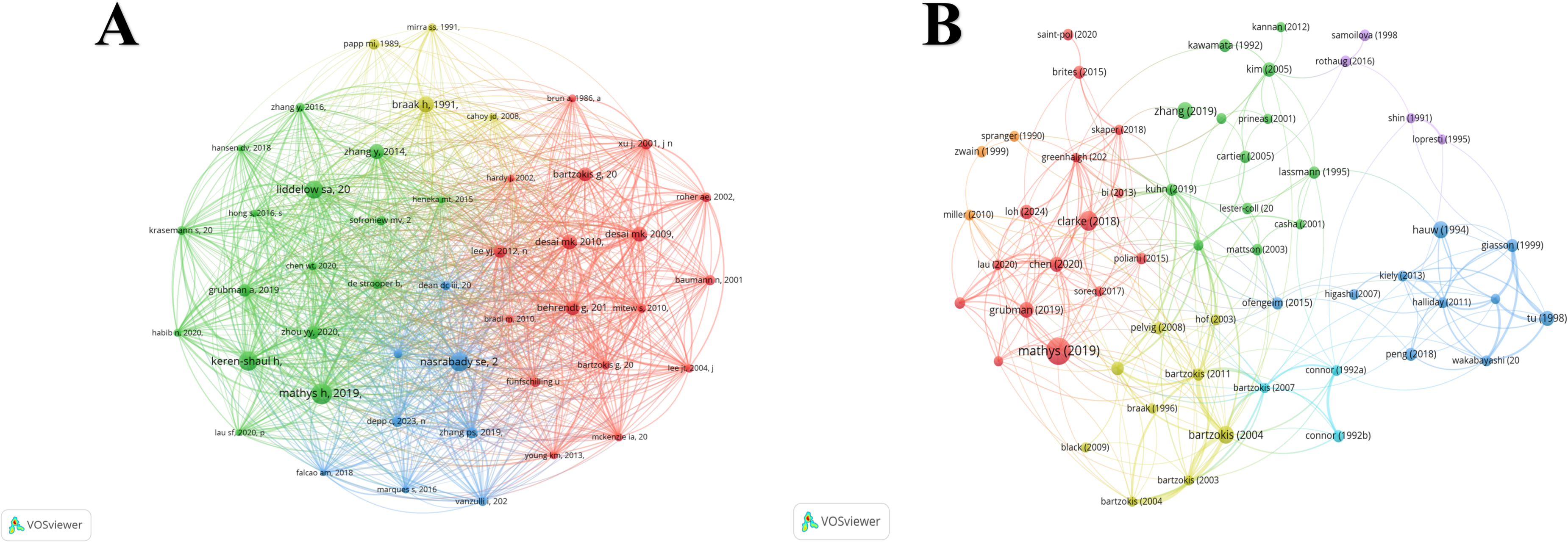
Co-citation network of referenced literature in OL-related AD research (1990–2025). Note: Nodes represent cited references; node size is proportional to co-citation frequency. Links indicate co-citation relationships; thicker links represent stronger co-citation strength.
Top 10 co-cited references in OL-related AD research (1990–2025).
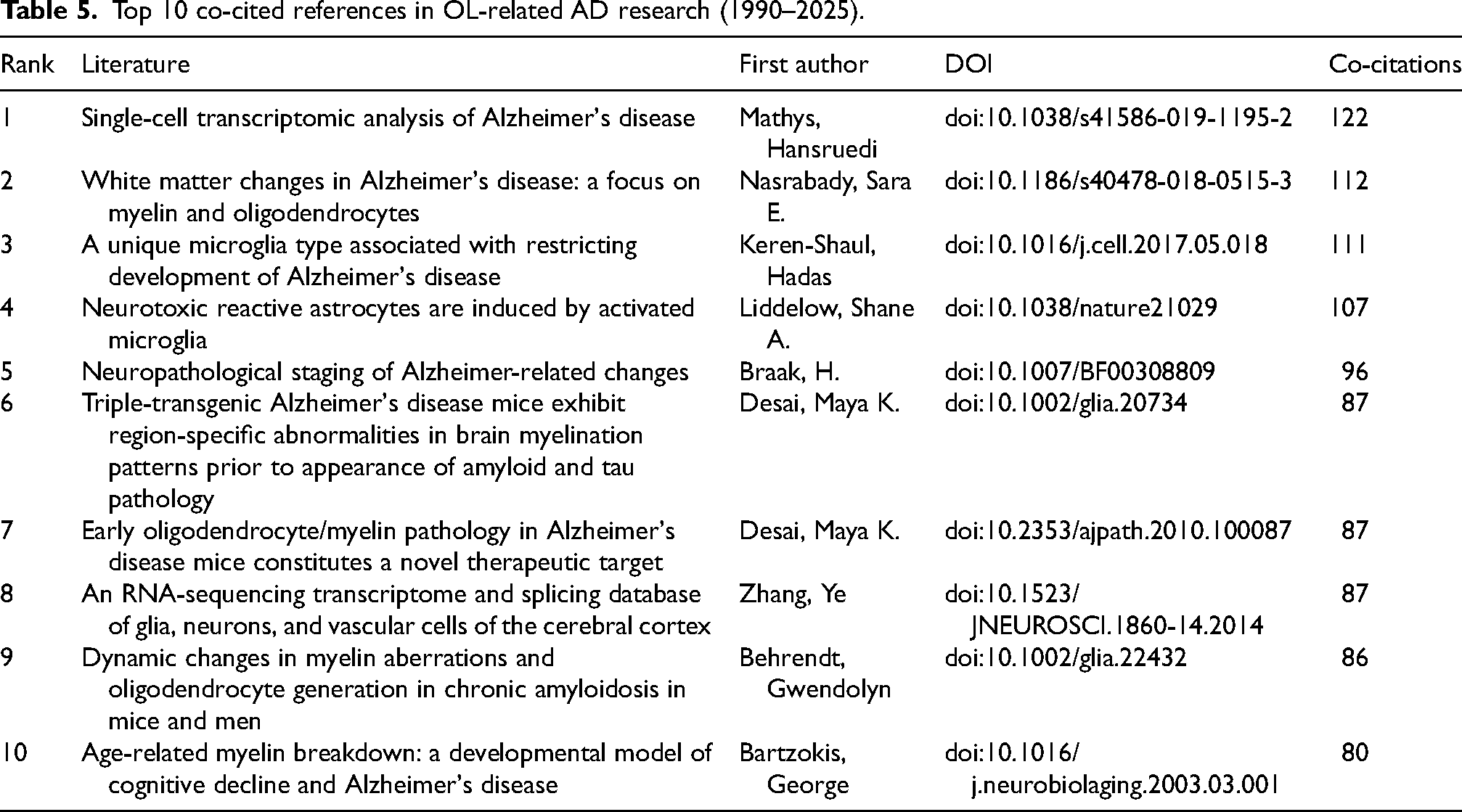
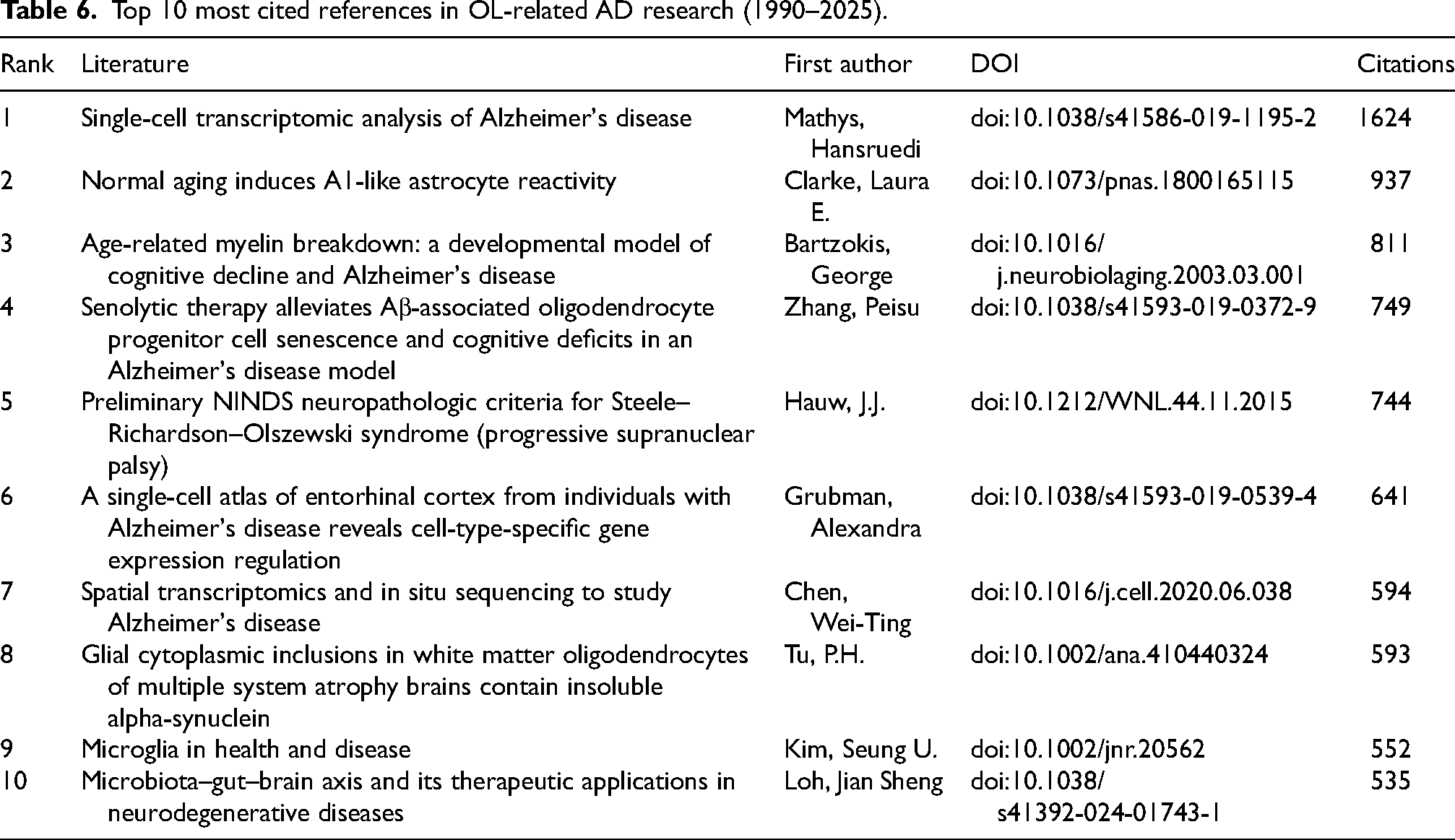
Figure 6B displays a citation network of 57 references that were cited ≥300 times by the analyzed dataset, representing the most widely referenced literature in OL-related AD research. As reported in Table 6, Single-cell transcriptomic analysis of Alzheimer's disease (Mathys et al.) ranked first with 1624 citations, indicating that it is both a highly co-cited cornerstone and the most broadly cited reference across the corpus. Together, the concordant prominence of this work in co-citation and citation analyses suggests its broad relevance across multiple OL-related AD research themes.
Top 10 most cited references in OL-related AD research (1990–2025).
Keyword co-occurrence, clustering, and burst detection
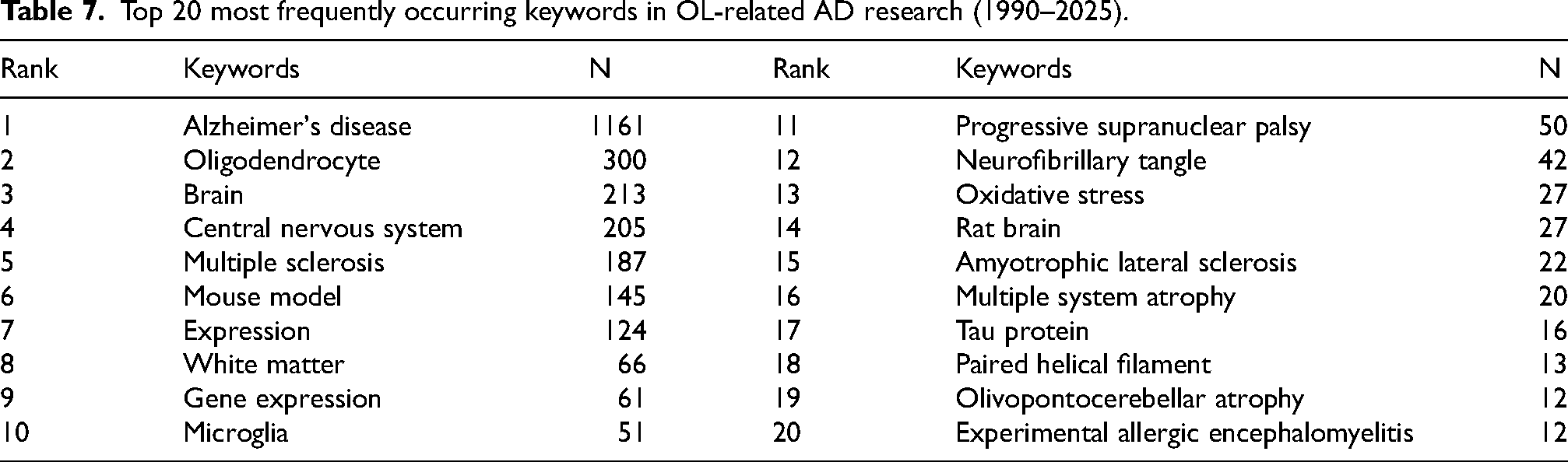
Figure 7A presents the keyword co-occurrence network in OL-related AD research (1990–2025). As expected, the most frequent keywords were “Alzheimer's disease” (n = 1161) and “oligodendrocyte” (n = 300) (Table 7), reflecting the core focus of the retrieved literature. Beyond these query-related terms, frequently occurring keywords included “brain”, “central nervous system”, “multiple sclerosis”, and “mouse model”, indicating that OL-related AD studies are often discussed in broader neurodegeneration and white matter/demyelination contexts and are frequently supported by experimental model-based research.
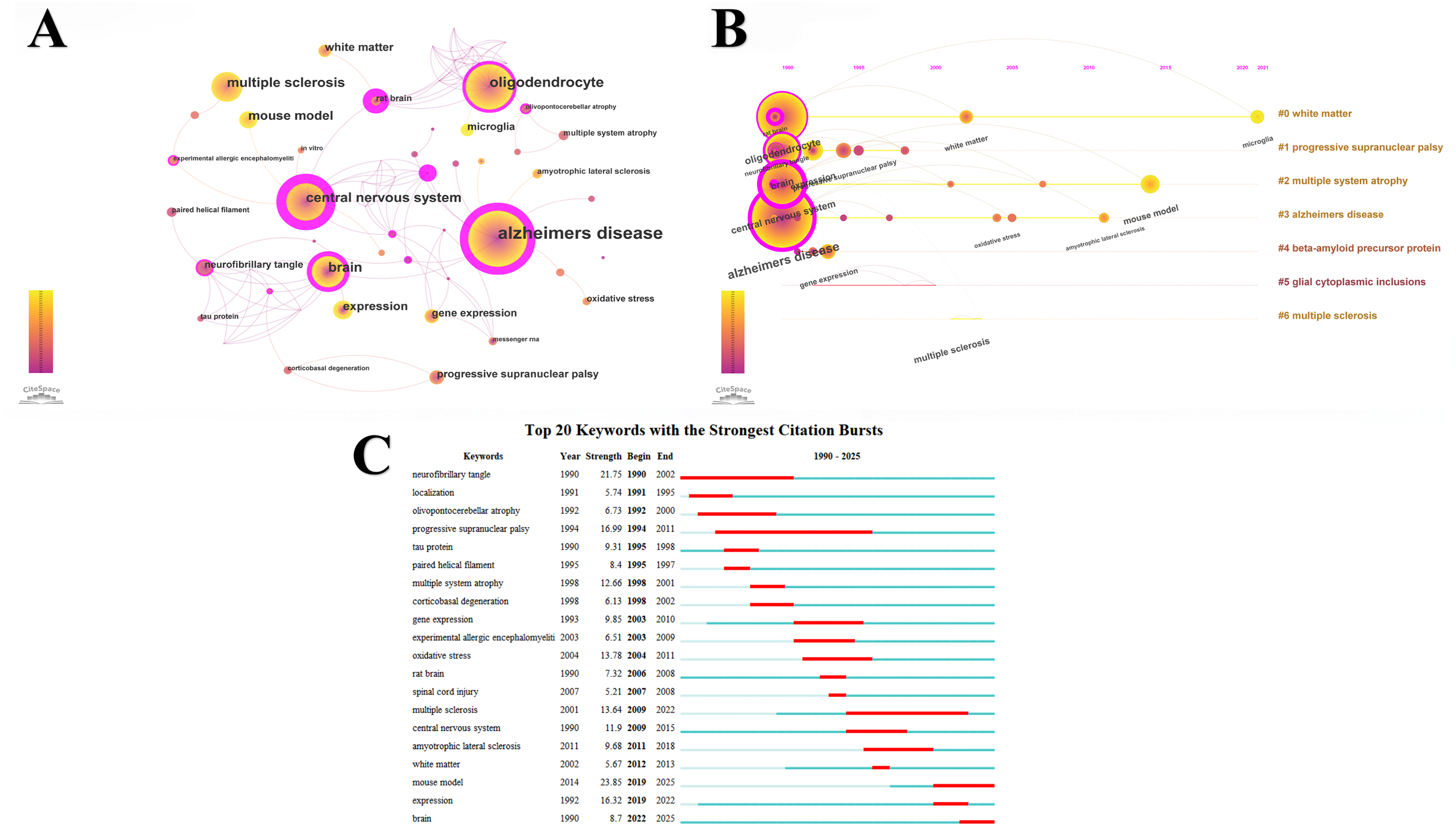
Keyword co-occurrence network in OL-related AD research (1990–2025). Note: Node size indicates keyword frequency; links indicate co-occurrence strength. Colors reflect publication year (earlier to later); purple rings indicate higher betweenness centrality.
Top 20 most frequently occurring keywords in OL-related AD research (1990–2025).
Keyword clustering analysis (Figure 7B) yielded a modularity Q value of 0.701 and a weighted mean silhouette S value of 0.958, suggesting a well-defined cluster structure with high internal consistency. Seven major clusters were identified: #0 white matter, #1 progressive supranuclear palsy, #2 multiple system atrophy, #3 Alzheimer's disease, #4 beta-amyloid precursor protein, #5 glial cytoplasmic inclusions, and #6 multiple sclerosis. Collectively, these clusters emphasize white matter/OL-related pathology as a central theme, while also reflecting thematic intersections with other neurodegenerative or demyelinating disorders and with key AD-related molecular mechanisms.
Furthermore, the keyword burst analysis (Figure 7C) identifies keywords with rapid increases in attention during specific periods, thereby capturing emerging topics and shifts in research emphasis and providing additional insight into evolving frontiers in OL-related AD research.
Discussion
Based on a bibliometric analysis of 1746 publications published between 1990 and 2025, OL-related AD research has shown a sustained increase in output, with marked acceleration after 2020 and a pronounced surge beginning in 2022. This expansion is consistent with a broader shift in AD research from a predominantly neuron-centered framework toward a more integrative, cell-type-resolved perspective, which has driven increasing interest in glial contributions to disease vulnerability, progression, and therapeutic response. Within this evolving paradigm, oligodendrocytes and myelin biology have emerged as important research themes in AD. As a bibliometric study, the present analysis is intended to map research activity, thematic evolution, and knowledge structure rather than to establish biological mechanisms directly; accordingly, the following discussion of mechanistic topics is provided primarily to contextualize the identified hotspots and trends.
At the global level, the United States contributed the largest publication volume and demonstrated the strongest citation performance, underscoring its leading role in shaping the field. At the institutional level, Harvard University ranked among the most productive contributors, whereas the University of California, Los Angeles showed particularly high average citation impact, suggesting the strong visibility and influence of its outputs. With respect to publication venues, Acta Neuropathologica was the most productive journal in OL-related AD research, highlighting the central role of neuropathology-oriented journals in this field. At the author level, David A. Bennett and Isidro Ferrer were among the most prolific contributors. Notably, however, publication productivity did not necessarily align with citation prominence, suggesting that scholarly influence may be concentrated in specific methodological or conceptual contributions rather than being evenly distributed across highly productive authors.
A notable finding from both the co-citation and citation analyses was the prominence of Mathys et al.'s single-cell transcriptomic analysis of Alzheimer's disease as a cornerstone reference in OL-related AD research. The high visibility of this study suggests that single-cell and single-nucleus approaches have become central to the field and that transcriptional alterations in OL-lineage cells are increasingly recognized as an important research theme in AD. 28 Rather than establishing mechanisms directly, the prominence of this reference reflects growing scholarly interest in cell-state heterogeneity, myelin-related gene programs, and white matter-associated pathology in the AD literature.
Keyword co-occurrence and clustering further clarify how OL-related AD research is conceptually organized and how its frontiers have shifted over time. Beyond general terms such as brain and central nervous system, high-frequency keywords including white matter, gene expression, microglia, and mouse model suggest that the field is increasingly framed around white matter biology, cell-state regulation, and inter-glial interactions rather than a purely neuron-centric interpretation of AD. Consistent with this pattern, the hub-like cluster “#0 white matter” indicates that OL- and myelin-related changes constitute a major organizing axis of the literature. From a bibliometric perspective, this finding suggests that recent studies have increasingly focused on the potential relevance of white matter integrity, myelin homeostasis, and OL-lineage function to cognitive decline and disease progression in AD. Clinically, accumulating evidence links declining white matter integrity across the continuum from subjective cognitive decline to mild cognitive impairment and AD dementia with impairments in executive function, working memory, and processing speed.29,30 Given that white matter consists largely of myelinated axonal tracts and that myelin, a multilamellar membrane structure generated by OLs, is essential for axonal conduction and network efficiency, 16 these observations provide biological context for the growing body of literature linking OL-related white matter changes to cognitive dysfunction in AD. Moreover, myelin is continuously challenged by oxidative and metabolic stressors and therefore requires lifelong repair and remodeling by OL-lineage cells; AD-related pathology may disrupt these homeostatic processes, thereby increasing susceptibility to white matter injury and impaired remyelination.31,32
In addition to white matter-centered themes, the cluster “#4 beta-amyloid precursor protein (APP)” suggests a thematic convergence between OL-lineage biology and amyloid-related pathways in the literature. Previous studies have detected the expression of APP and key processing components, including BACE1 and γ-secretase-related subunits, in OPCs and mature OLs, and in vitro evidence suggests that OL-lineage cells can generate and release Aβ peptides, challenging the overly strict assumption that neurons are the sole source of pathogenic Aβ. 33 Furthermore, OL-lineage-specific genetic perturbation of amyloid-processing pathways, such as Bace1 manipulation in OL-lineage cells, has been reported to modulate amyloid deposition and burden in AD model mice, supporting a cell-type-specific contribution of OL-lineage APP processing to the broader amyloid landscape.34,35 Taken together, these studies help explain why amyloid-related mechanisms have emerged as an important topic within OL-related AD research. However, in the context of the present bibliometric analysis, this cluster should be interpreted as representing a prominent research theme rather than as direct mechanistic evidence generated by this study.
Keyword burst analysis provides an additional temporal perspective, illustrating how OL-related AD research has evolved from classical neuropathology-driven description toward mechanistic frameworks centered on cell states, myelin homeostasis, and white matter structure. Early bursts were dominated by hallmark histopathological terms, such as neurofibrillary tangles, tau protein, and paired helical filaments, as well as localization-oriented descriptors, reflecting an anatomical staging narrative that organized disease progression primarily around Aβ and tau aggregation and distribution. Within this framework, OL-related findings were often presented as features of affected cell types rather than as candidate initiating mechanisms.36,37 Subsequently, several burst terms captured cross-disease concepts closely linked to OL pathology, including progressive supranuclear palsy (PSP), multiple system atrophy (MSA), and multiple sclerosis (MS), corresponding to clusters such as “#1 PSP,” “#2 MSA,” “#5 glial cytoplasmic inclusions,” and “#6 MS.” In PSP, tau pathology involves both neurons and glia, with characteristic astrocytic and OL inclusions, including tufted astrocytes and coiled bodies. 38 MSA is an α-synucleinopathy defined by α-synuclein-positive glial cytoplasmic inclusions within OLs.39,40 MS is a chronic inflammatory demyelinating disorder in which immune-mediated injury to OLs and myelin is central and in which OL regeneration and remyelination critically influence functional recovery.41–44 The emergence of these disease entities as burst terms suggests that OL-related AD research has increasingly drawn on concepts and comparative frameworks from other neurodegenerative or demyelinating disorders. Accordingly, the AD field appears to be leveraging OL-centered disease models to refine hypotheses regarding myelin vulnerability, glial stress responses, and the limits of remyelination across related pathological contexts. 45
In later phases, burst terms shifted toward molecular and cellular themes, such as gene expression and oxidative stress, as well as immune- and demyelination-related experimental contexts, indicating increased attention to stress-related pathways, metabolic regulation, and remyelination-associated processes relevant to OL vulnerability in AD. Mitochondrial dysfunction, which is frequently implicated in AD, can increase reactive oxygen species production, disrupt mitochondrial dynamics and mitophagy, and interact bidirectionally with Aβ and tau pathology, collectively intensifying oxidative stress and challenging myelin homeostasis. 46 Experimental studies further suggest that mitochondrial impairment can hinder OPC differentiation and reduce myelin lipid availability, leading to structural abnormalities such as myelin thinning.47,48 Elevated oxidative stress may also directly impair OPC development and differentiation, contributing to OPC dysfunction and insufficient remyelination. 49 These lines of evidence converge with the broader literature on OL metabolism, which emphasizes that myelin formation and maintenance require tightly coordinated energy and lipid metabolism. Consequently, oxidative and metabolic constraints may represent shared bottlenecks that impair remyelination across diseases and contribute to persistent white matter vulnerability. 50
More recently, burst terms have concentrated on white matter and model- or omics-oriented keywords, such as MS, white matter, mouse model, and expression, indicating that the frontier has shifted toward white matter-centered and cell-type-resolved investigation of OL-lineage biology. In this phase, single-cell, single-nucleus, and spatial omics approaches have become key methodological tools for reconstructing cell-state trajectories and exploring potential causal links between OL-lineage programs and AD pathology. Reviews of single-cell approaches have highlighted their ability to resolve transcriptional alterations at the level of specific cell subpopulations and to define disease-associated cell states as mechanistic units in AD. 51 Consistently, recent single-nucleus studies have reported variant- or risk-associated enrichment of particular glial states and have identified OL states linked to AD risk pathways, including immune and autophagy-lysosome signatures, thereby providing direct human-tissue evidence that OL-lineage cells undergo definable and trackable state transitions in the AD brain. 52 Taken together, these bibliometric patterns suggest that the field is increasingly framing OLs and myelin not merely as secondary pathological features but as important components of current research on AD heterogeneity and progression. From the perspective of knowledge mapping, recent studies appear to be moving toward white matter-centered and cell-state-resolved frameworks, which may help guide future mechanistic and translational investigations, including strategies aimed at preserving myelin integrity, restoring remyelination capacity, and modulating inter-glial signaling.
This study has several limitations. First, the analysis was based exclusively on the WoSCC, which is one of the most widely used and authoritative databases in bibliometric research due to its broad coverage, standardized indexing, and compatibility with citation-based analytical tools. Therefore, the use of WoSCC provides a robust and consistent data source for mapping the overall knowledge structure of this field. However, limiting the analysis to a single database may have resulted in the omission of relevant publications indexed in other sources, such as Scopus, PubMed, or Embase. Second, citation-based indicators should be interpreted with caution. While bibliometric analyses commonly use metrics like total citations and average citations per publication to assess scholarly attention, these indicators can be influenced by several factors, including publication age, disciplinary citation patterns, self-citation, and database indexing coverage. As a result, citation-related findings in this study should be understood as reflections of academic attention, rather than definitive measures of scholarly quality or influence. Additionally, since bibliometric analysis identifies thematic prominence rather than causal mechanisms, the present findings should not be interpreted as evidence that white matter changes in AD are driven predominantly by oligodendrocyte-intrinsic processes. Vascular dysfunction and small-vessel disease mechanisms likely represent an important overlapping substrate.
Conclusion
In summary, this bibliometric analysis delineates the intellectual structure and temporal evolution of OL-related AD research from 1990 to 2025. The field has expanded steadily and accelerated markedly in recent years, reflecting a broader transition from neuron-centric models toward cell-type-resolved and multi-glial frameworks. Co-citation patterns identify single-nucleus transcriptomic studies, exemplified by Mathys et al., as pivotal in redefining OL-lineage dysregulation and myelin-related gene programs as recurrent features of AD. Keyword clustering and burst analyses further indicate that current frontiers are converging on white matter-centered mechanisms, including myelin homeostasis, oxidative and metabolic constraints on OPC differentiation and remyelination, and inter-glial crosstalk with immune pathways. Together, these findings support a refined conceptual view in which OLs and myelin are not merely downstream targets of neurodegeneration but may contribute to disease heterogeneity and progression through definable and trackable cell-state transitions. Future studies integrating multiple bibliographic databases with longitudinal human datasets, spatially resolved multi-omics, and cell-type-specific perturbation models will be essential for clarifying how vascular dysfunction, CSVD, and ischemia-related white matter injury intersect with OL-lineage damage across the AD continuum, establishing causal links, and translating OL- and myelin-directed strategies into therapeutic opportunities for AD.
Footnotes
Acknowledgements
We sincerely thank all the authors whose studies were included in this analysis. Their important contributions to research on oligodendrocytes in Alzheimer's disease have substantially advanced understanding in this field.

Ethical considerations
Not applicable
Consent to participate
Not applicable
Consent for publication
Not applicable
Author contribution(s)
Funding
The authors received no financial support for the research, authorship, and/or publication of this article.
Declaration of conflicting interests
The authors declared no potential conflicts of interest with respect to the research, authorship, and/or publication of this article.
Data availability statement
The original contributions presented in this study are included in the article. Further inquiries can be directed to the corresponding authors.