






Abstract
An operating condition identification method for axial piston pumps based on improved Variational Mode Decomposition (VMD) and optimal feature selection is proposed to address the low accuracy in complex operating condition identification caused by the non-stationary, nonlinear, and multi-condition feature redundancy of axial piston pump vibration signals. First, a parameter-optimization criterion based on the dual variation rate of the spectral centroid is established to enable adaptive determination of the VMD mode number K. Then, a multi-stage reconstruction strategy is proposed. This strategy combines Pearson Correlation Coefficients (PCC) with Constant False Alarm Rate (CFAR) techniques, employing principal component screening and weak feature restoration to achieve high-fidelity reconstruction while filtering out noise. Subsequently, mixed time-frequency-domain features are extracted, and secondary screening is performed using the ReliefF-PCC cascading strategy. High-discriminative features are selected using the ReliefF algorithm while eliminating redundant, highly correlated features via PCC. Finally, the selected features are input into a Support Vector Machine (SVM) for classification. Experimental results demonstrate that the proposed method overcomes the non-stationary interference in piston pump vibration signals, achieving an identification accuracy of 99.77%. Comparative analysis against EMD-SVM, WT-SVM, and IVMD-ReliefF-PCC-BP models reveals significant advantages in classification accuracy and robustness, validating the effectiveness and engineering feasibility of the proposed model in complex operating condition identification.
Keywords
1. Introduction
As a critical power component in hydraulic systems, the hydraulic piston pump requires high reliability, which directly impacts the operational safety of equipment in vital fields such as construction machinery and aerospace. 1 During service, piston pumps operate continuously under dynamic conditions with variable rotational speeds and loads, driven by complex and variable load conditions as well as energy-saving control strategies. Hence, piston pumps are highly prone to performance degradation or component damage. The operating conditions may even trigger system instability or safety incidents, resulting in significant economic losses and social repercussions.2,3 As a result, research into the prognostics and health management (PHM) of axial piston pumps has become particularly urgent.
However, existing PHM research primarily focuses on fault diagnosis while neglecting the identification of operating conditions during normal pump operation.4–6 In reality, piston pumps consistently operate under highly non-steady-state conditions, such as variable speed and load. The vibration characteristics of piston pumps fluctuate significantly under varying operating conditions. Furthermore, dynamic fluctuations are intensified by complex fluid phenomena within the pump. Cavitation-related acoustic phenomena in hydraulic pumps have been experimentally investigated by Kollek et al. 7 Significant acoustic emissions are generated by the collapse of vapor bubbles during cavitation. Subsequently, the noise level elevates, with higher harmonic components dominating over the fundamental frequency. Consequently, the actual operating environment becomes more complex due to the generated fluid-borne noise, which may affect the reliability of condition monitoring in hydraulic systems. Without precise condition identification capabilities, the existing models are prone to misinterpreting normal high-load operation as faults or to masking early, subtle fault signatures under dynamic interference from changing conditions.
Beyond the aforementioned diagnostic limitations, the lack of operating condition identification also leads to significant energy efficiency losses. Existing research indicates that axial piston pump auxiliary systems lacking operating condition identification capability often operate in an unnecessarily high, constant high-pressure state. This fixed operating condition leads to significant power loss and energy waste. 8 Gear pumps equipped with variable frequency systems are occasionally utilized as alternatives to flow rate regulation. However, gear pumps may exhibit reduced volumetric efficiency and increased leakage under high-load operating conditions.9–11 In comparison, axial piston pumps generally provide better pressure-bearing capability and operational stability in high-pressure hydraulic systems. Furthermore, the volumetric regulation of axial piston pumps is highly sensitive to external load variations. Without precise operating condition identification, the system experiences response delays and even diminished energy efficiency. 12 Therefore, achieving high-precision operating condition identification is not only fundamental to ensuring safety but also central to reducing losses and advancing green, low-carbon development.
The existing monitoring systems primarily utilize multi-sensor fusion methodologies, integrating pressure, speed, temperature, and flow sensors to acquire comprehensive operational data. 13 Although these technologies offer high precision, their substantial additional costs and excessive spatial requirements severely limit their practical application in engineering projects. 14 In contrast, vibration signals can capture the dynamic behavior and performance degradation patterns of piston pumps during operation. Thus, these signals have been extensively adopted in operating condition identification and fault diagnosis.15,16 Consequently, non-intrusive monitoring utilizing a single accelerometer demonstrates significant engineering utility due to its cost-effectiveness, ease of deployment, and minimal interference with the original system. 11 However, the single-accelerometer acquisition scheme lacks the spatial filtering gain provided by multi-channel arrays, significantly reducing the signal-to-noise ratio. 17 The central challenge of this study is to determine effective features that can be extracted amid noise interference and achieve precise identification of operating conditions for piston pumps under complex, variable-speed, and variable-load operating conditions.18–20
Methods such as short-time Fourier transform (STFT), 21 wavelet transform (WT), 22 and empirical mode decomposition (EMD) 23 can extract key features from non-stationary signals. However, the STFT is constrained by the uncertainty principle, making it challenging to achieve high temporal and frequency resolution. 24 Furthermore, EMD and its derivative methods, while exhibiting adaptive capabilities, are severely limited by mode aliasing and end-point effects. 25 In addition, WT feature extraction heavily relies on basis function selection and lacks adaptability.26,27 As a non-recursive variational solution method, variational mode decomposition (VMD) resolves the modal overlap issue in EMD and demonstrates enhanced frequency-domain partitioning capabilities.28,29 However, the accuracy of VMD decomposition heavily depends on the preset number of modes K. Deviations in K values can lead to severe under- or over-decomposition, thereby misleading diagnostic results.5,30 Some researchers have attempted to introduce algorithms, such as particle swarm optimization,31,32 gray wolf optimization, 33 and grasshopper optimization, 34 to search for the optimal number of modes, K. However, such optimization strategies require repeated invocations of VMD during iteration, resulting in a prohibitive computational burden for online monitoring. Moreover, these algorithms are prone to getting stuck in local optima within the complex, non-convex solution space of multiple operating conditions. 35 Therefore, abandoning cumbersome iterative optimization and exploring an efficient and robust parameter adaptation strategy is the primary prerequisite for achieving efficient signal decomposition.
After achieving precise signal decomposition, another major challenge in operating condition identification is eliminating background noise from the intrinsic mode functions (IMFs) and accurately reconstructing a clean signal containing subtle operating condition features. Traditional signal reconstruction methods predominantly rely on hard-thresholding strategies such as the Pearson correlation coefficient (PCC) or kurtosis values, neglecting the statistical distribution characteristics of background noise in residual signals. However, such hard-thresholding approaches are highly prone to losing weak transient impact features under strong noise interference, thereby distorting the reconstructed signals. 36 Hence, the constant false alarm rate (CFAR) detection technique is introduced to replace traditional hard-thresholding methods and address these limitations. CFAR dynamically adjusts detection thresholds by leveraging the statistical properties of residual background noise.37,38 This capability allows the algorithm to capture faint impact transients submerged in strong interference, thereby overcoming the high false-negative rates associated with fixed-threshold approaches.
After obtaining high-fidelity reconstructed signals, constructing a multidimensional feature set encompassing time-domain statistics and frequency-domain parameters is typically required to comprehensively capture the operational status of piston pumps under various operating conditions. While this extraction strategy prevents the omission of critical features, it also expands the feature space. Consequently, the curse of dimensionality arises, significantly reducing the accuracy of operating condition identification.39,40 The existing mainstream methods exhibit significant limitations in feature selection. For example, dimension reduction techniques, such as principal component analysis (PCA), 41 are effective but yield features that are linear combinations of the raw data, thereby losing physical interpretability. The ReliefF algorithm can calculate feature weights to identify relevant features and is highly robust to noise. However, ReliefF overlooks multicollinearity among features, leading to high feature redundancy. 42 PCC suppresses redundancy but cannot evaluate class separability. 43 Therefore, a cascaded feature selection strategy should first be established that integrates the strengths of ReliefF and PCC, using ReliefF to screen highly relevant features. Then, PCC should be employed to suppress highly redundant components and retain key discriminative features.
In this paper, a method based on the improved variational modal decomposition (IVMD) with optimal feature selection is proposed to identify operating conditions of axial piston pumps and address the aforementioned technical bottlenecks. The main contributions of this paper are summarized as follows: • An adaptive strategy for VMD parameters based on dual variation rates of the spectral centroid is proposed. The proposed strategy enables the precise determination of the VMD mode number K and addresses the computationally intensive issue in swarm intelligence algorithms. • A multi-level signal reconstruction mechanism combining PCC preliminary screening with CFAR-based effective residual signal recovery is developed to address the high false-negative rates of weak features in traditional hard-thresholding strategies, achieving high-fidelity signal restoration. • A ReliefF-PCC cascaded feature selection strategy is designed to address the curse of dimensionality and information redundancy in high-dimensional feature spaces.
The subsequent sections are organized as follows: The operating mechanism of axial piston pumps and a brief review of the relevant fundamental theories are provided in Section 2. The identification process for operating conditions, along with the experimental platform setup and data-acquisition scheme, is proposed in Section 3. Experimental validation is conducted in Section 4 by comparing the proposed method against the existing mainstream models. Finally, the main contributions and conclusions of this work are provided in Section 5.
2. Theoretical method
2.1. Characteristic frequency of piston pumps
Axial piston pump vibration is primarily categorized into two types: fluid vibration and mechanical vibration. Fluid vibration is mainly induced by the periodic pressure changes and impacts within the piston chamber during the pump’s suction and discharge switching cycles. During the operation of the piston pump, the flow rate undergoes periodic variations, which induce pressure pulsations and corresponding vibrations in both the suction and discharge pipelines. Under such operating conditions, the local pressure at the suction side may drop below the fluid vapor pressure, causing cavitation in the suction pipeline and resulting in intensified vibration and noise.
44
On the other hand, mechanical vibration encompasses three main types: • Dynamic response vibration of the swashplate and variable mechanism. • Natural vibration of the bearings. • Forced vibration caused by eccentricity or imbalance in the rotating pump body.
10
The fundamental frequency of piston pumps can be expressed as follows:

The flow delivered by the axial piston pump is inherently pulsating due to the cyclic reciprocating motion of multiple pistons with phase differences.
45
These flow pulsations induce pressure fluctuations within the hydraulic system, and the interaction with system impedance further generates pressure pulsations and mechanical vibrations, which are influenced by nonlinear fluid–structure interactions and system resonance. The harmonic components of these pulsations are determined by the number of pistons, rotational speed, and swash plate angle, which collectively define both the fundamental frequency and the spectral distribution of higher-order harmonics. Variations in these operating parameters directly alter the harmonic structure of the pressure pulsation spectrum.
46
As the rotational speed increases, the excitation frequency generated by piston reciprocation increases proportionally, leading to corresponding shifts in harmonic components within the vibration spectrum, with its characteristic frequency defined as:

2.2. VMD
The core concept of VMD involves constructing and solving a constrained variational problem to adaptively decompose complex original signals into a series of IMF components that are sparse and characterized by center frequencies. The constrained variational model of VMD can be expressed as follows:

The alternating direction method of multipliers (ADMM) is adopted to solve this constrained variational problem by successively updating


2.3. Calculation of spectral centroid
Since the modal decomposition number K significantly impacts the effectiveness of VMD decomposition, the optimal decomposition layer is determined by analyzing the spectral centroid (SC) distribution characteristics and rate of change across individual intrinsic mode functions (IMFs). The spectral centroid calculation formula is defined as follows:

2.4. Support vector machines
Support vector machine (SVM) is employed as the classifier to evaluate the effectiveness of feature extraction methods. SVM constructs an optimal hyperplane that maximizes the margin between samples of different categories and can handle nonlinear classification problems using a kernel function.47,48 The core optimization objective function of an SVM can be expressed as follows:

The kernel function computes the inner product of the mapped data once the data are mapped to a high-dimensional feature space. The radial basis function RBF kernel adopted in this study can be expressed as follows:

3. Experimental design and test procedure
3.1. Experimental conditions
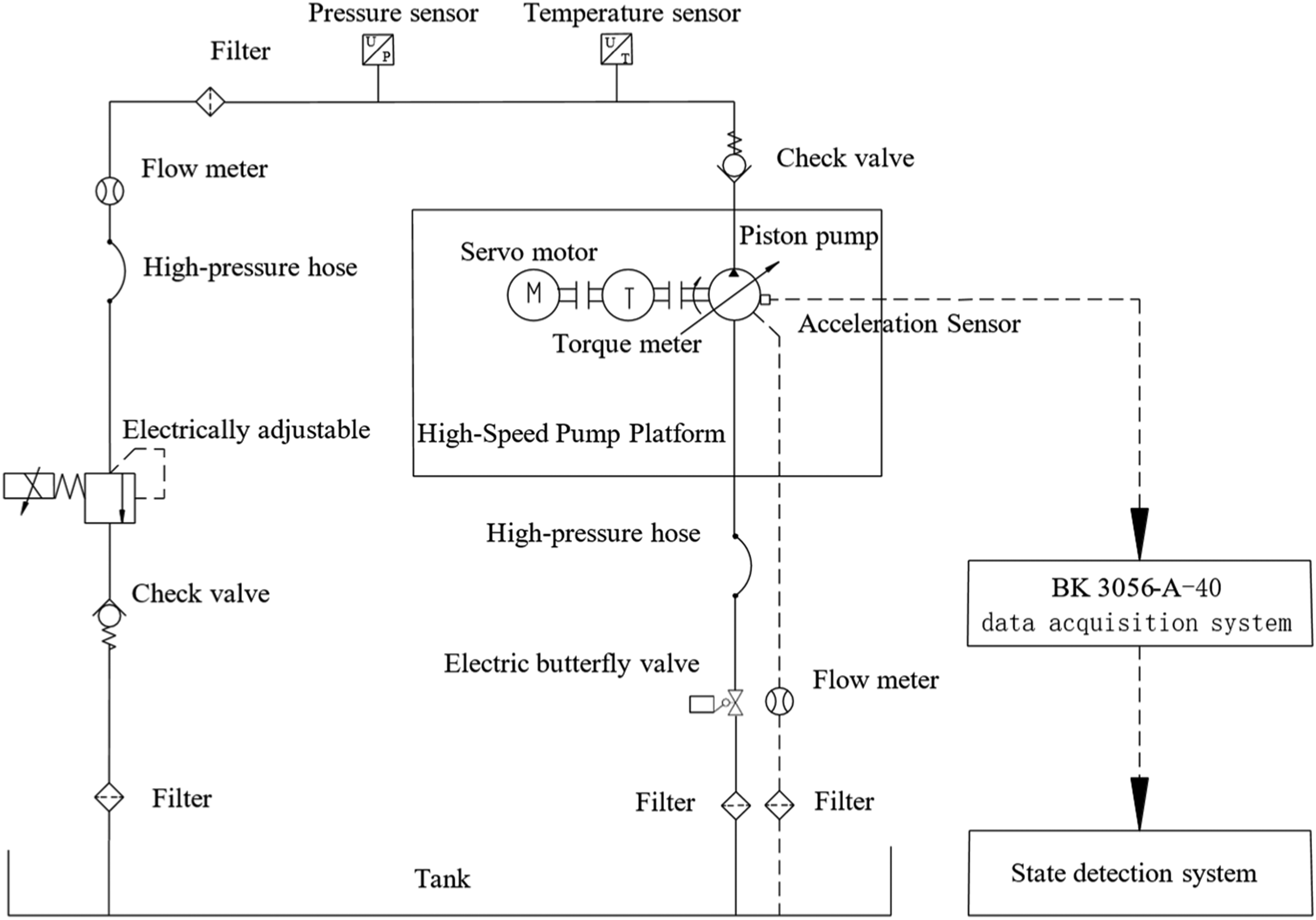
A piston pump test platform was constructed to acquire vibration data under variable-speed and variable-load conditions. The platform was also used to validate the feasibility of a piston pump operating condition identification method based on IVMD and optimal feature selection. The test bench and the schematic of the hydraulic system are shown in Figures 1 and 2, respectively. A Rexroth A10VSO18DFR axial piston pump with nine internal pistons is employed as the test subject. The torque and rotational speed between the pump and a Festo U310 series servo motor are monitored via a torque-speed sensor. The pump is integrated into a closed-loop hydraulic system comprising multiple flexible high-pressure hoses, a proportional relief valve, inlet and outlet lines, and pressure measurement points. This configuration enables controlled monitoring of flow and pressure dynamics while simulating variable-load operating scenarios. In addition to rotational speed and torque, the test bench measures the inlet and outlet pressures of the piston pump, leakage oil pressure, temperature, and the flow rates of both the inlet and leakage oil. Pressures are measured using identical Huba Control Type 511 pressure transmitters, with a relative pressure range of -1 to 600 bar and an accuracy of 0.1% FS. An IEPE piezoelectric accelerometer with a sensitivity of 100 mV/g is mounted directly on the pump housing using adhesive in the axial direction (Y-axis). Vibration signals from the piston pump are captured using a Brüel & Kjær 3056-A-40 data acquisition system. Experimental test bench for operating condition analysis of axial piston pumps. Schematic diagram of the hydraulic system for the axial piston pump condition analysis test bench.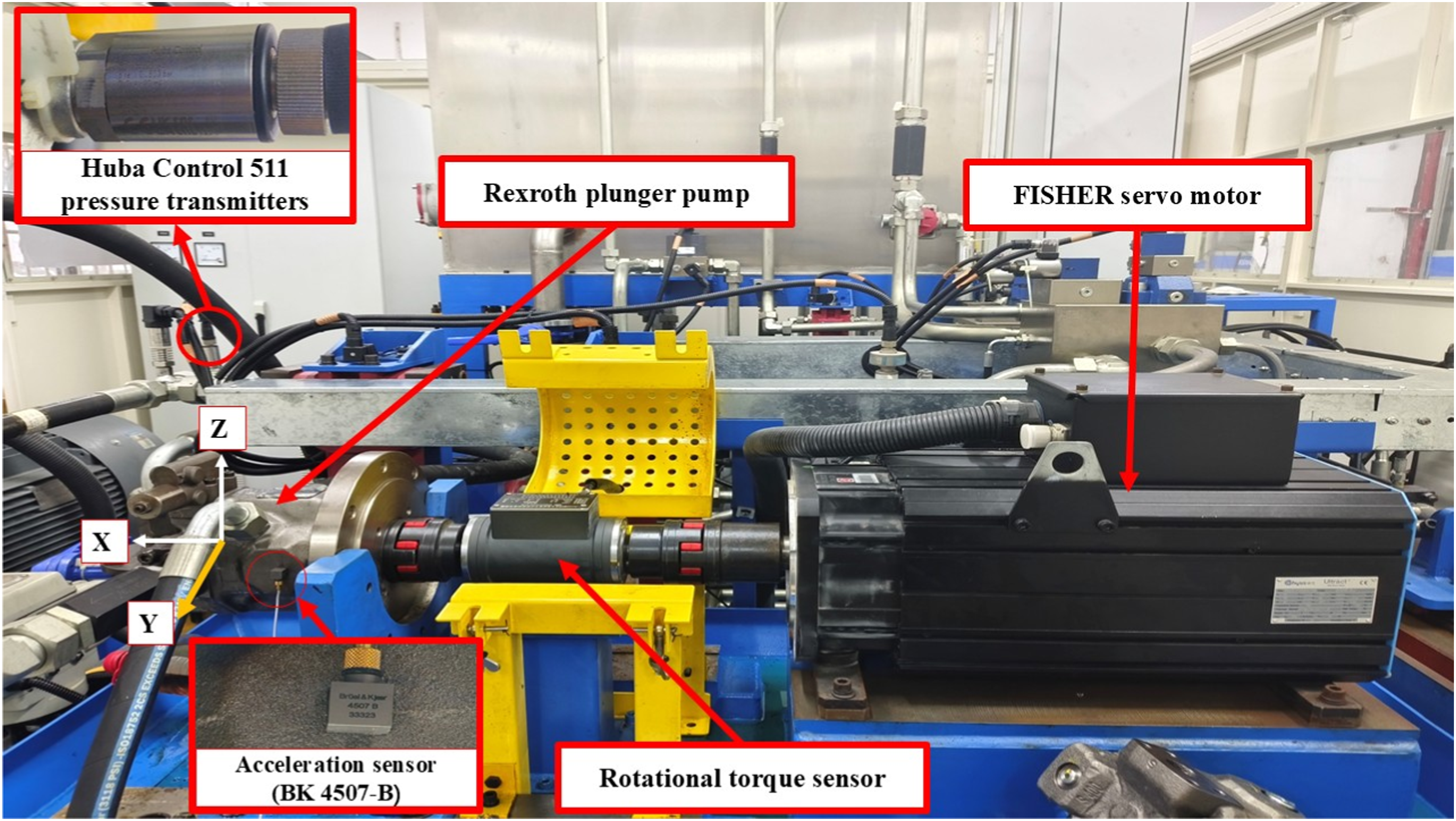
Vibration data were collected under four distinct rotational speeds (500 rpm, 1,000 rpm, 1,500 rpm, and 2,000 rpm) and four pressure levels (5 MPa, 10 MPa, 15 MPa, and 20 MPa). The test was configured with a sampling frequency of 4,096 Hz and a sampling duration of 100 seconds. Each sampling interval was divided into segments of 2048 data points, with 200 samples selected from each category, for a total of 3,200 samples.
3.2. Test procedure
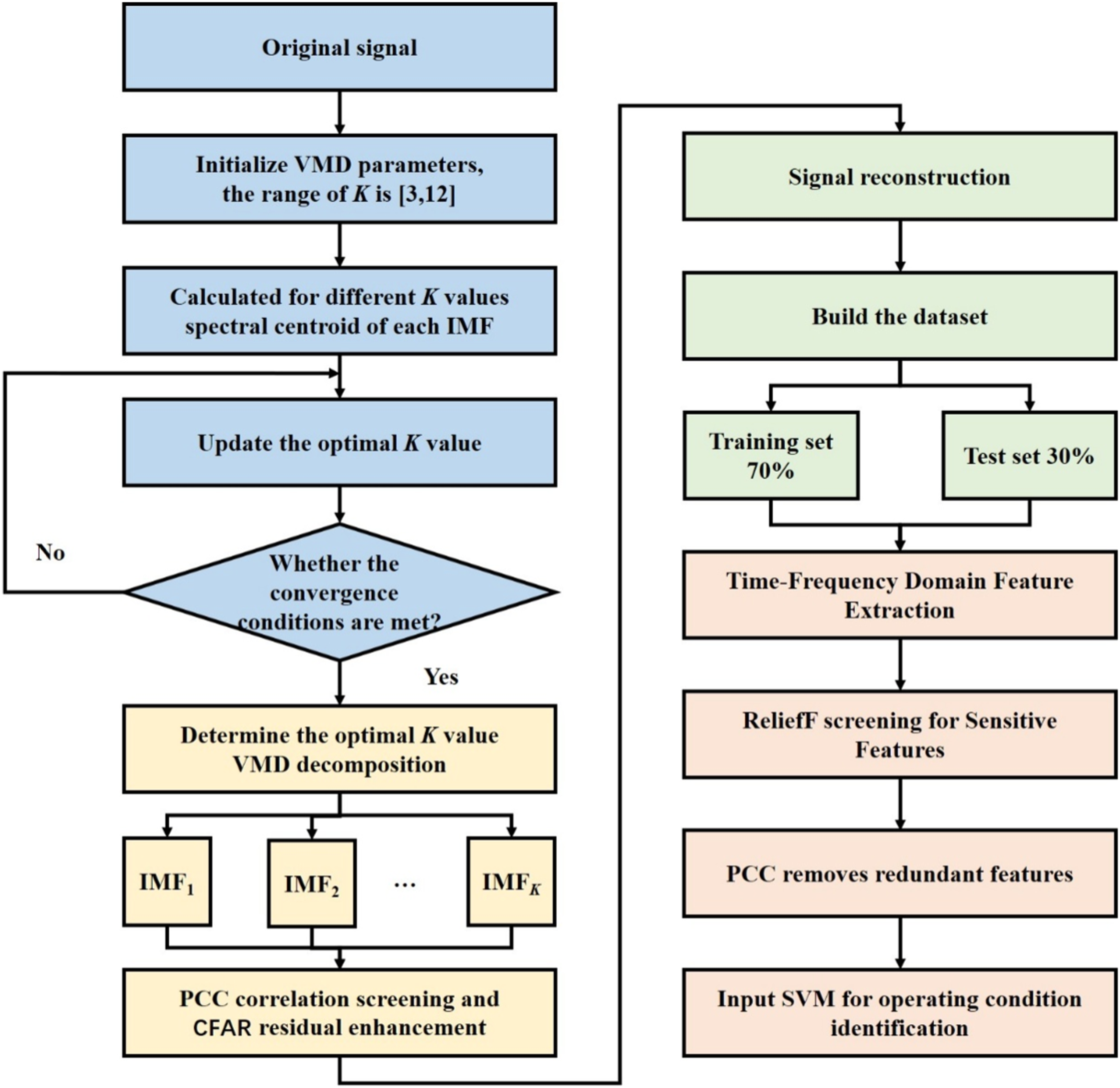
An operating condition identification method based on IVMD and optimal feature selection is proposed in this paper. The systematic procedure, as visually outlined in Figure 3, comprises the following steps: Step 1: The VMD algorithm settings are initialized. The search range for the number of modes K is set to, [3,12] with an iteration step size of 1, using a dual spectral centroid change rate convergence criterion and multi-step stability verification to determine the optimal K. Step 2: VMD decomposition is performed on the original signal based on the optimal K value to obtain IMFs. The PCC between IMFs and the original signal is calculated to select the main components. Lastly, CFAR technology is introduced to recover weak features in the residual signal. Step 3: The extracted main component (IMF) is fused with the weak feature signal recovered from the residual to enable signal reconstruction and to establish a feature set. The training and validation sets are divided in a 7:3 ratio, with precautions taken to prevent data leakage between the training and validation sets. Step 4: The ReliefF-PCC cascaded feature selection strategy is applied to eliminate redundant features while retaining a highly sensitive feature subset. This filtered feature subset is used to train and validate an SVM, achieving precise identification of complex operating conditions in piston pumps. Flowchart of the condition identification method for axial piston pumps.
4. Analysis of test results
4.1. Basic feature analysis
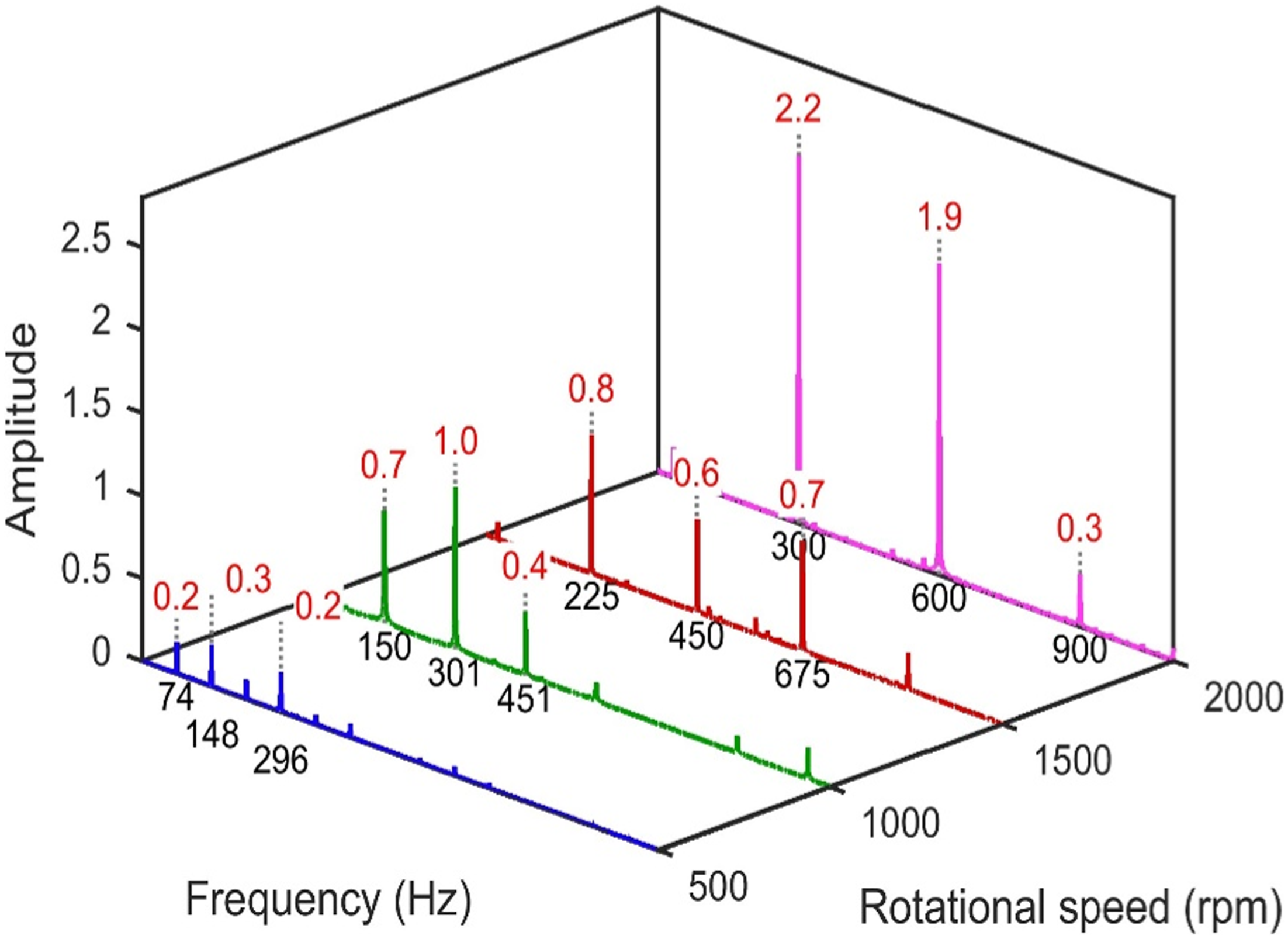
The vibration signal data of the nine-piston piston pump used in this experiment are analyzed under four pressure conditions at 1,500 rpm. The frequency-domain characteristics are presented in Figure 4, exhibiting a characteristic frequency of 225 Hz and its harmonics, calculated based on Equation (2). The vibration signal spectra at 10 MPa under four rotational speeds (500 rpm, 1,000 rpm, 1,500 rpm, and 2,000 rpm) are shown in Figure 5. Characteristic frequencies for each speed are calculated using Equation (2) as 75 Hz, 150 Hz, 225 Hz, and 300 Hz. This theoretical result aligns with experimental testing, validating the accuracy of both analytical and testing methodologies. Frequency domain diagram under variable pressure conditions at 1,500 rpm. Frequency domain diagrams under variable rotational speed conditions at 10 MPa.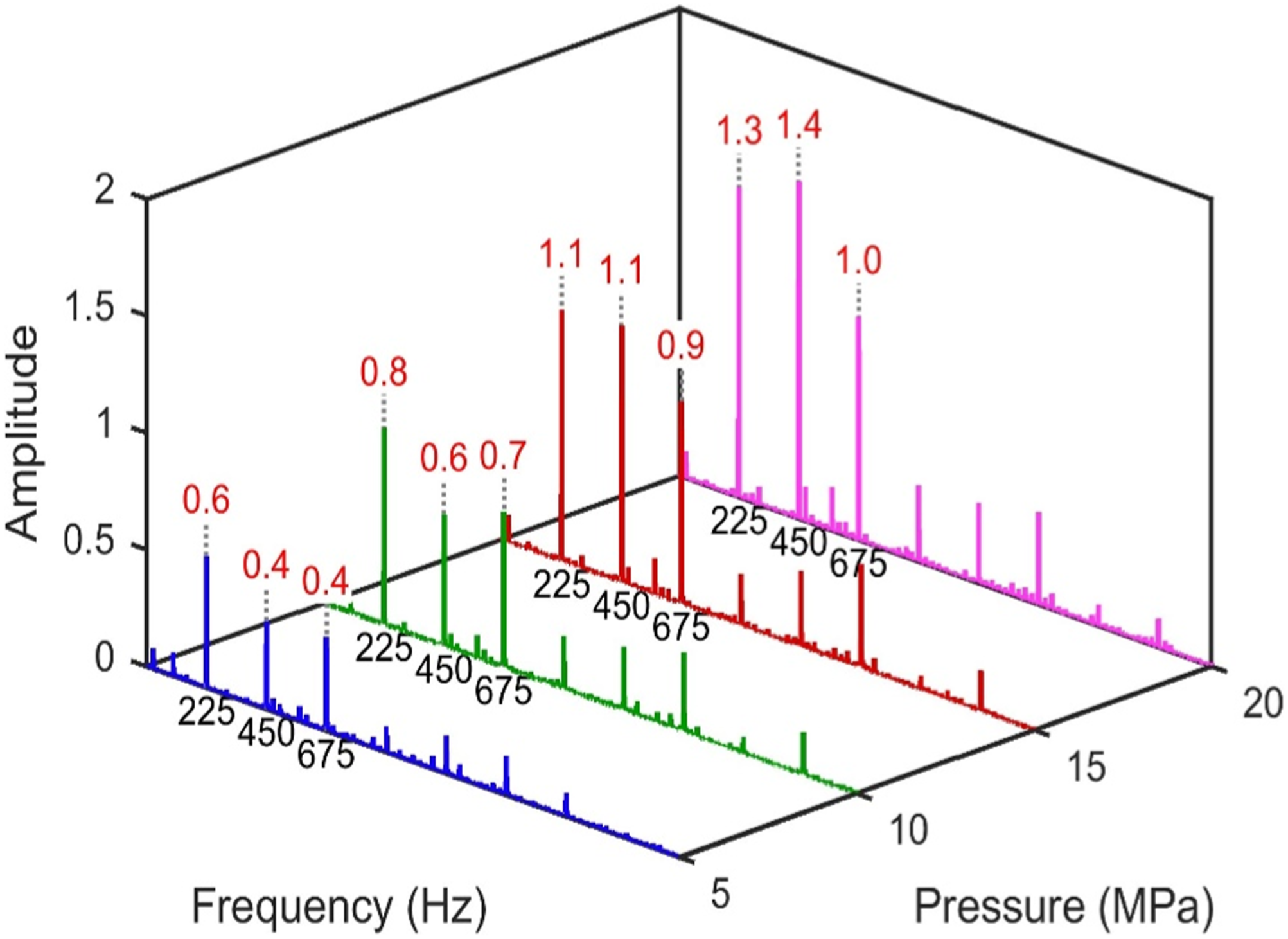
Operational data at 1,500 rpm and 5 MPa were selected for analysis, with a 1-second vibration signal sample extracted. The time-domain and frequency-domain plots are shown in Figure 6. The vibration signal energy is primarily concentrated at three low-frequency points: 225 Hz, 450 Hz, and 675 Hz, with faint signals at other frequencies. This complex spectral structure contains rich operational information, indicating a broadband, multimodal distribution. Subsequent VMD algorithms must adaptively match this distribution to achieve precise signal separation, with the core challenge being the accurate determination of the number of modes K. Time-domain and frequency-domain plots of the original signal at 1,500 rpm and 5 MPa.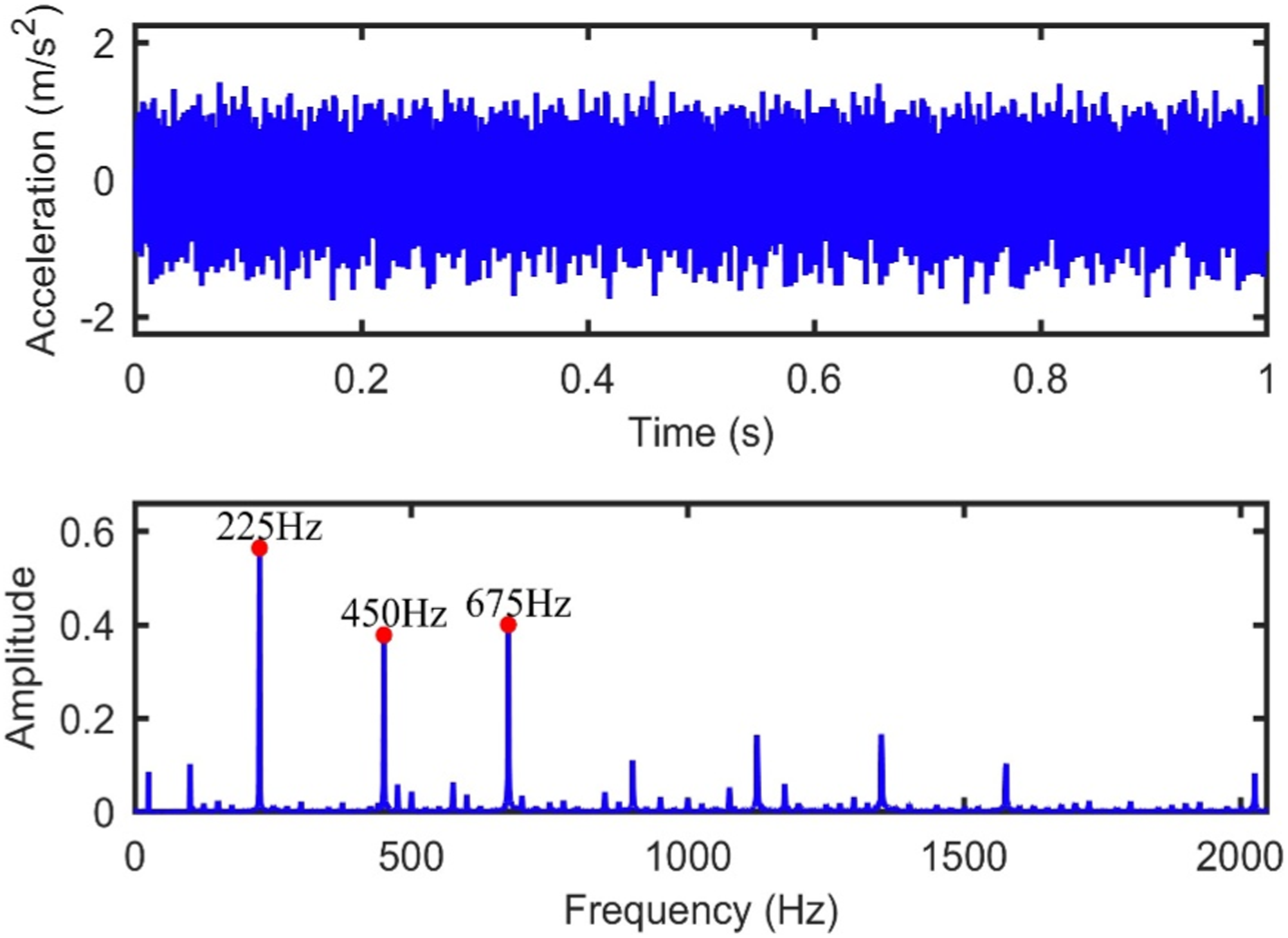
4.2. Adaptive optimization of K based on spectral centroid metrics
The selection of the modal number K directly determines the effectiveness of VMD decomposition. Chen et al. 32 suggested an optimal K range of [3,10] for rolling bearing faults. Figure 6 shows that axial piston pump vibration signals contain fundamental frequencies and multiple higher harmonics, exhibiting a broader, more complex frequency distribution. Based on Zhou et al.'s 31 criteria, the K range is set to [3,12] in this paper to ensure coverage of key feature components.
Yan et al. 49 proposed a boundary stability criterion based on the spectral centroid range to determine specific K values, evaluating decomposition adequacy by observing whether the spectral centroid boundary converges. However, axial piston pump vibrations are strongly coupled and non-stationary, and absolute spectral centroid metrics are susceptible to noise, which may lead to premature convergence or trapping in local optima. To address this, a dual-evaluation strategy integrating the maximum spectral centroid change rate with the average spectral centroid change rate is proposed, supplemented by a multi-step continuous stability verification mechanism that actively tracks K evolution. Once the indicators for three consecutive orders, K, K+1, and K+2, all satisfy the convergence conditions, the first stable K value is determined as the optimal decomposition order.
The optimization process for the mode number K under operating conditions of 1,500 rpm and 5 MPa is illustrated in Figure 7. For K∈, [3,7] both the maximum and average spectral centroids increase, with the maximum rising from 676.3 Hz to 1,352.5 Hz, representing a cumulative increase of 100%. Subsequently, when K ranges from 5 to 7, the change in the maximum spectral centroid frequency is only 8 Hz, corresponding to a change rate of less than 1%. This phenomenon exhibits a typical pseudo-stable state. The proposed multi-step stability verification mechanism effectively bypasses this pseudo-convergence point and continues the K value search. Optimization plot of mode number K under the operating condition of 1,500 rpm and 5 MPa.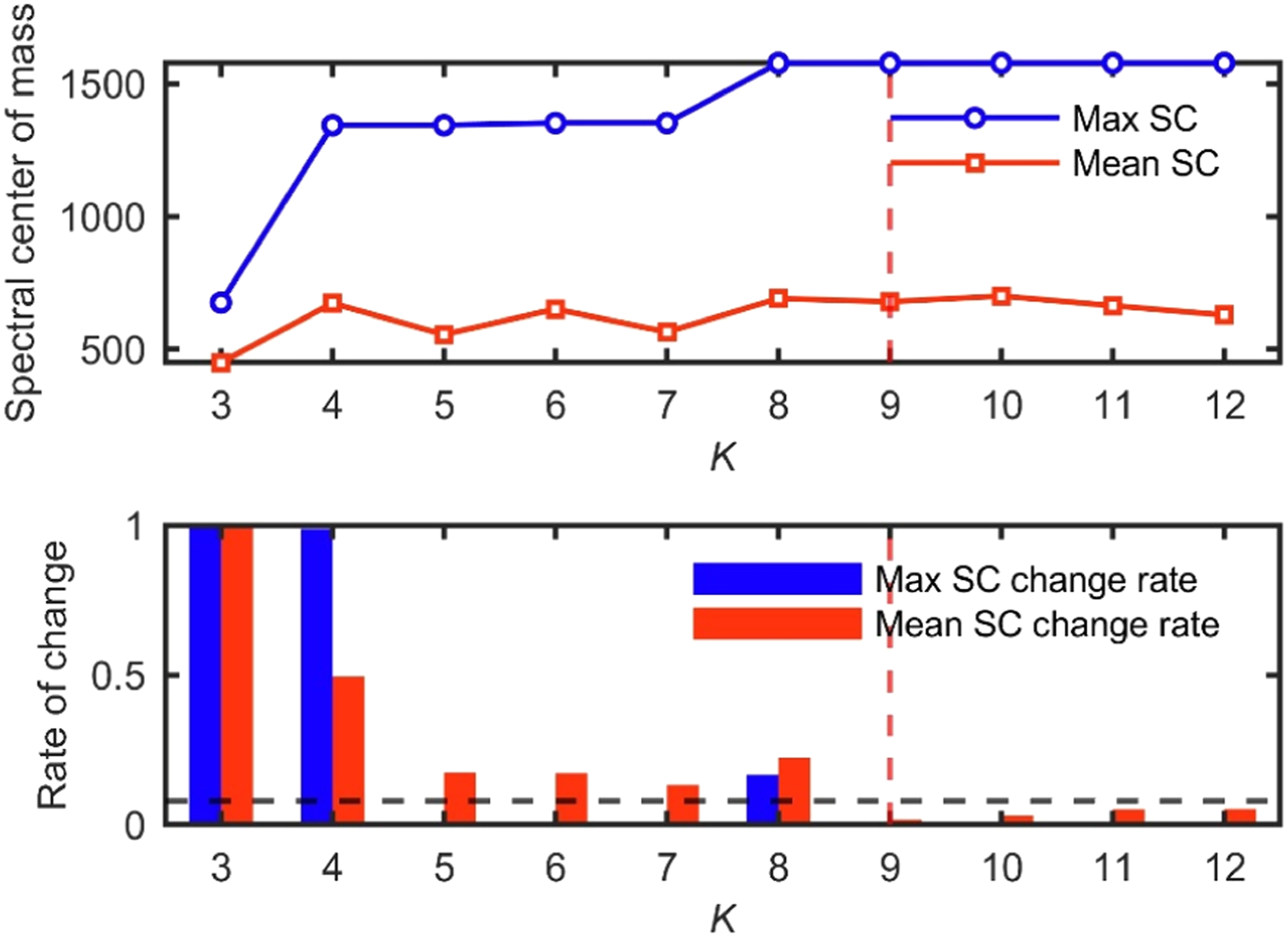
When K increases from 7 to 8, the spectral centroid change rate exhibits a step-like behavior, with the maximum spectral centroid jumping from 1,352.5 Hz to 1,578.2 Hz. This increase indicates effective decoupling of critical signal features and validates the robustness of the proposed method in distinguishing true convergence from pseudo-stability. Convergence resumed at K= 9 and remained stable for K= 10 and 11, leading to the selection of K= 9 as the optimal robust convergence point according to the multi-step decision criterion.
Spectral centroid values of IMFs at different decomposition levels.
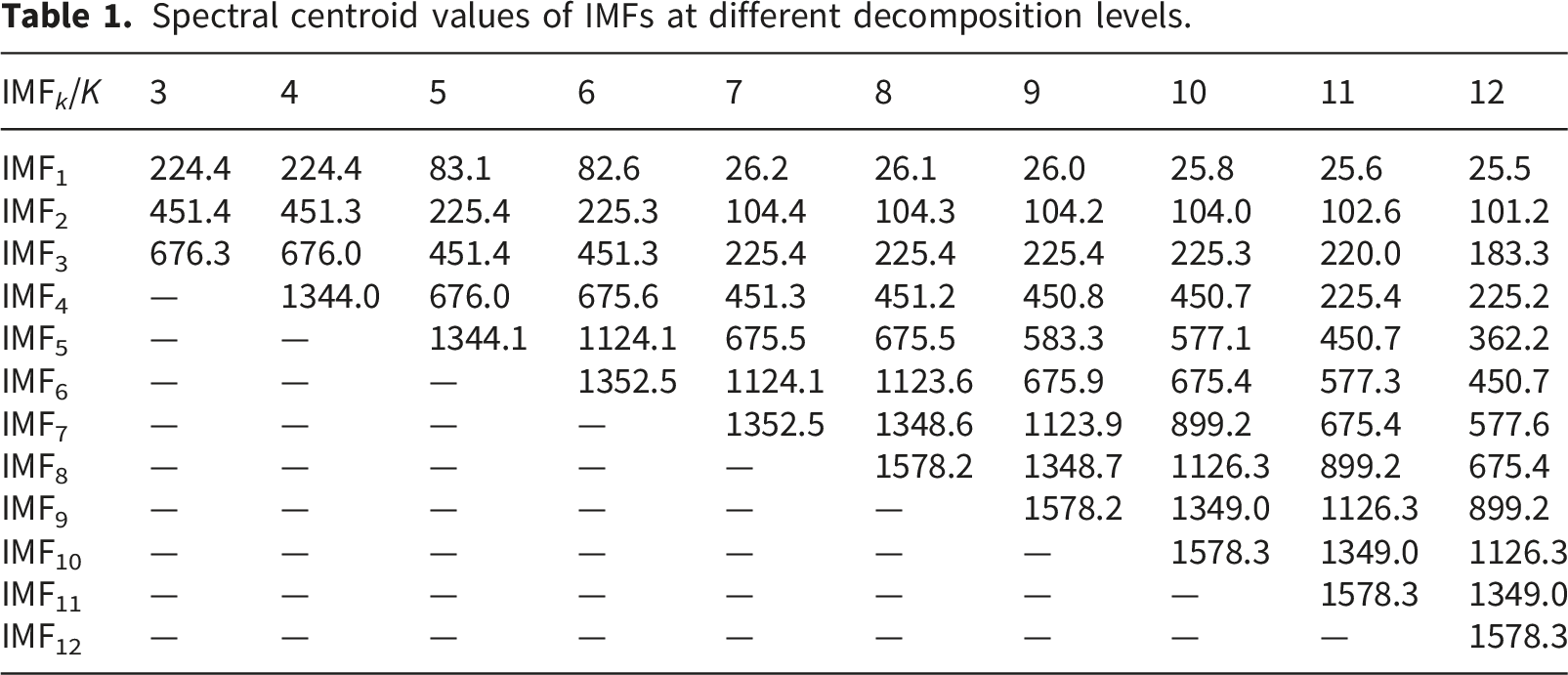
Table 1 observation indicates that further increases in K yield only a limited improvement in signal decomposition results.
In summary, setting K= 9 achieves the extraction of key feature information and effective noise suppression. The PSO-VMD algorithm is employed for comparison, using the envelope spectrum crest factor (Ec) as the fitness function to optimize K under the same operating conditions data.
32
The population size is set to 10, with a maximum of 15 iterations. As shown in Figure 8, Ec converges rapidly to the optimal K between iterations two and five and then remains stable. The proposed method yields an optimal K that is nearly identical to that obtained by PSO-VMD, while significantly reducing computational cost. These results are consistent with the spectral centroid-based analysis, demonstrating that the proposed approach achieves comparable accuracy with higher computational efficiency. PSO-based optimization curve of the mode number K.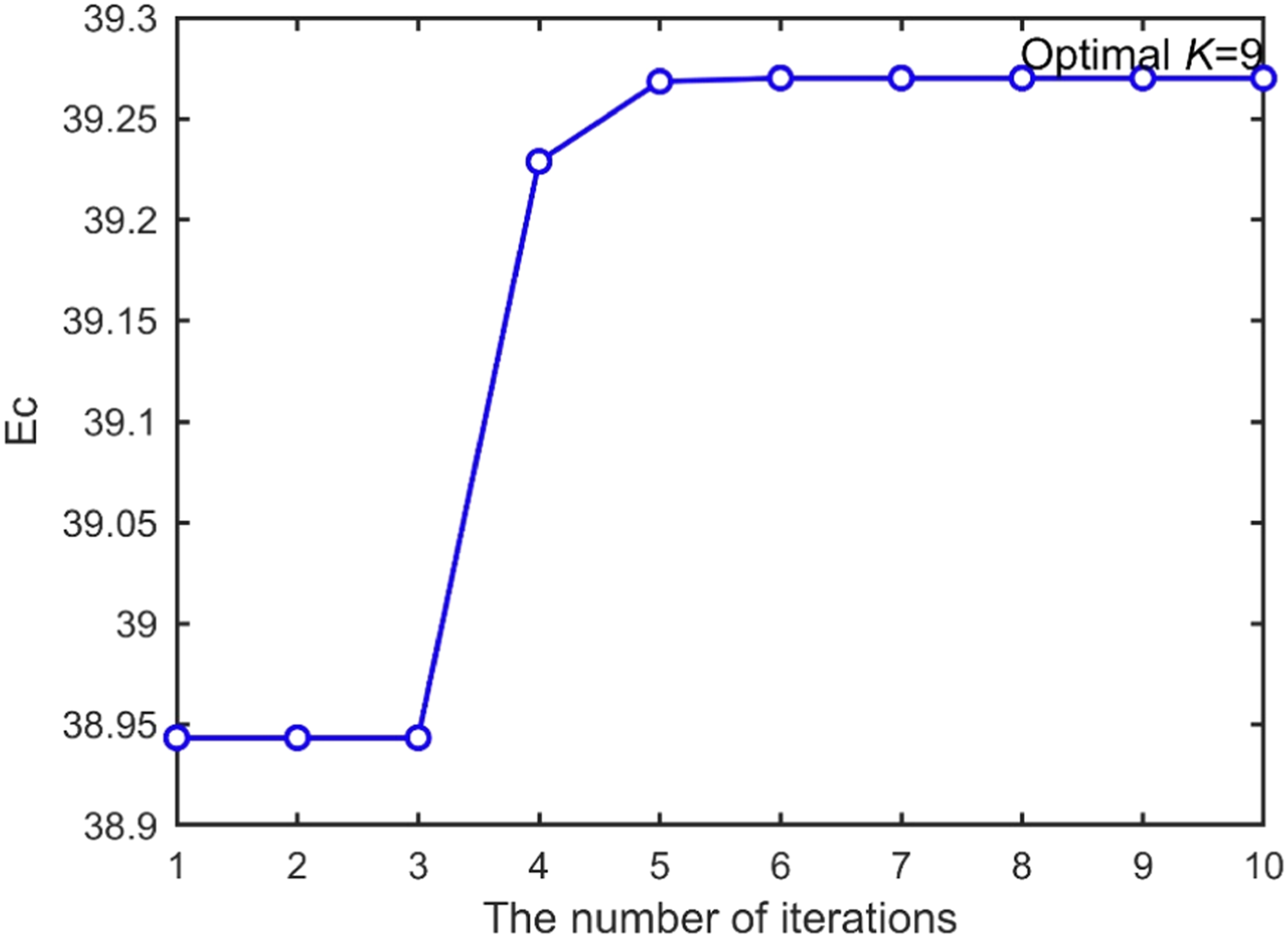
VMD decomposition of the original signal was performed with the optimal mode number K= 9. The time-domain and frequency-domain plots of each modal component under this operating condition are shown in Figures 9 and 10. Each IMF exhibits good concentration and separation in the frequency domain, with no significant modal overlap. Time-domain waveforms of modal components at 1,500 rpm and 5 MPa operating conditions. Frequency-domain diagrams for each modal component at 1,500 rpm and 5 MPa operating conditions.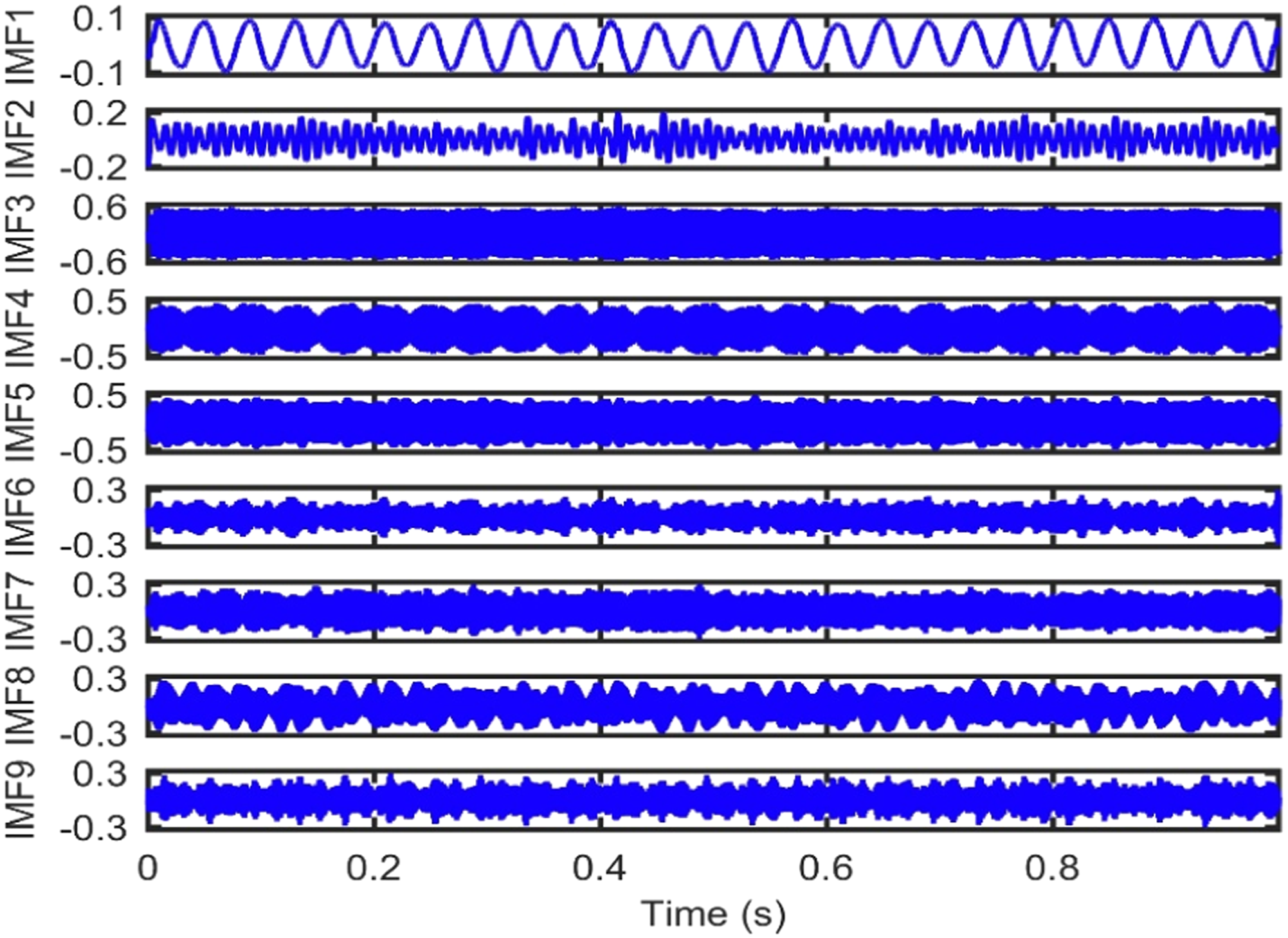
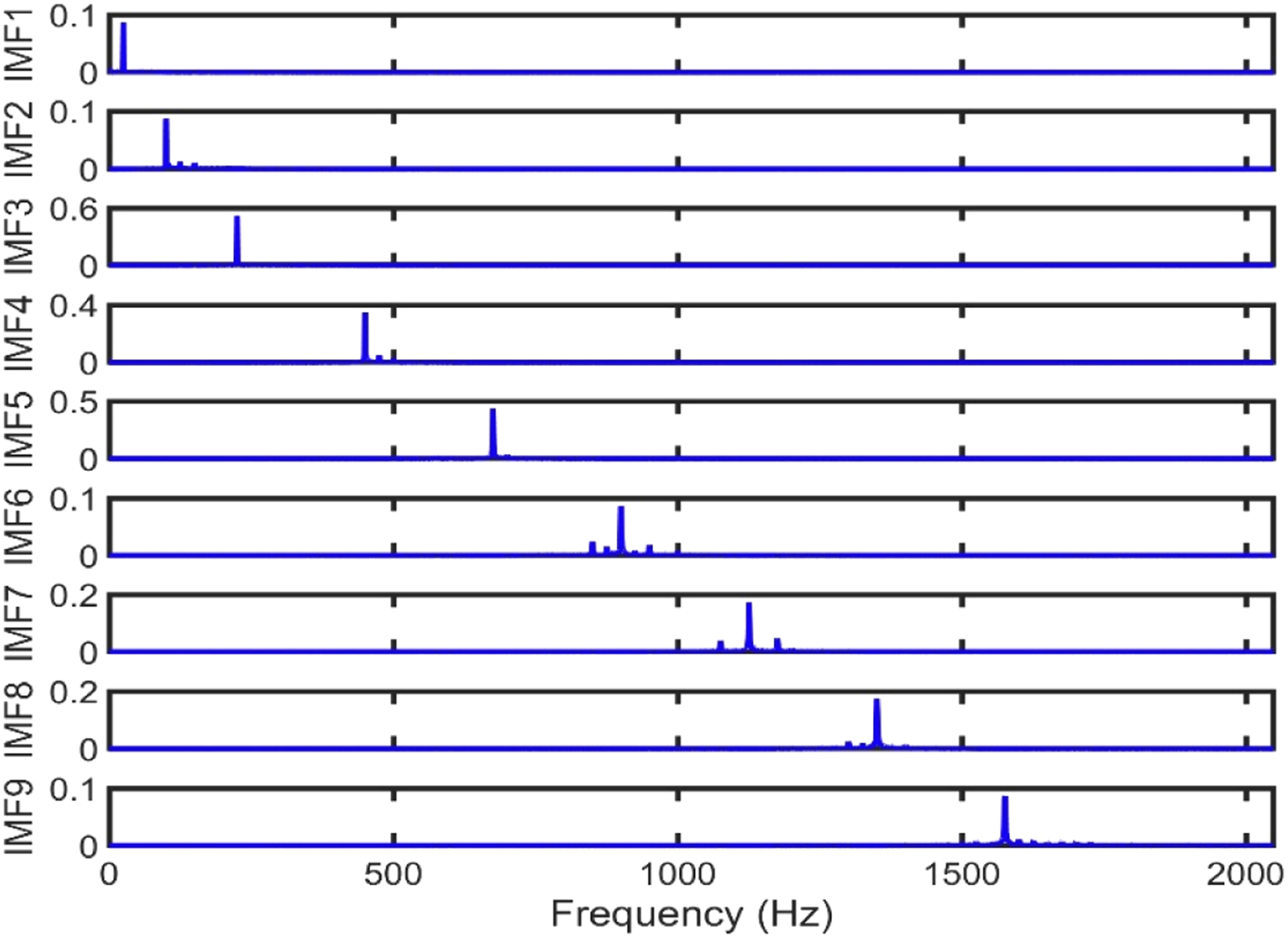
As shown in Figures 9 and 10, the VMD algorithm decomposes the original vibration signal into 9 IMFs. The setting of the mode retention ratio during the principal component selection phase directly determines the fidelity of signal reconstruction. Experimental results show that useful modal information is lost when the ratio is below 40%, while excessive noise is introduced when it exceeds 40%. Therefore, the top 40% of correlation-ranked components are selected as the optimal IMF retention threshold. Figures 11 and 12 show that the selected IMF3, IMF4, and IMF5 are identified as the dominant correlation-ranked modes, with correlation coefficients of 0.61, 0.43, and 0.47, respectively. Their center frequencies are 225 Hz, 450 Hz, and 675 Hz, which correspond to the principal components of the original signal. Correlation screening of IMF components. Principal component signal spectrum diagram based on PCC screening.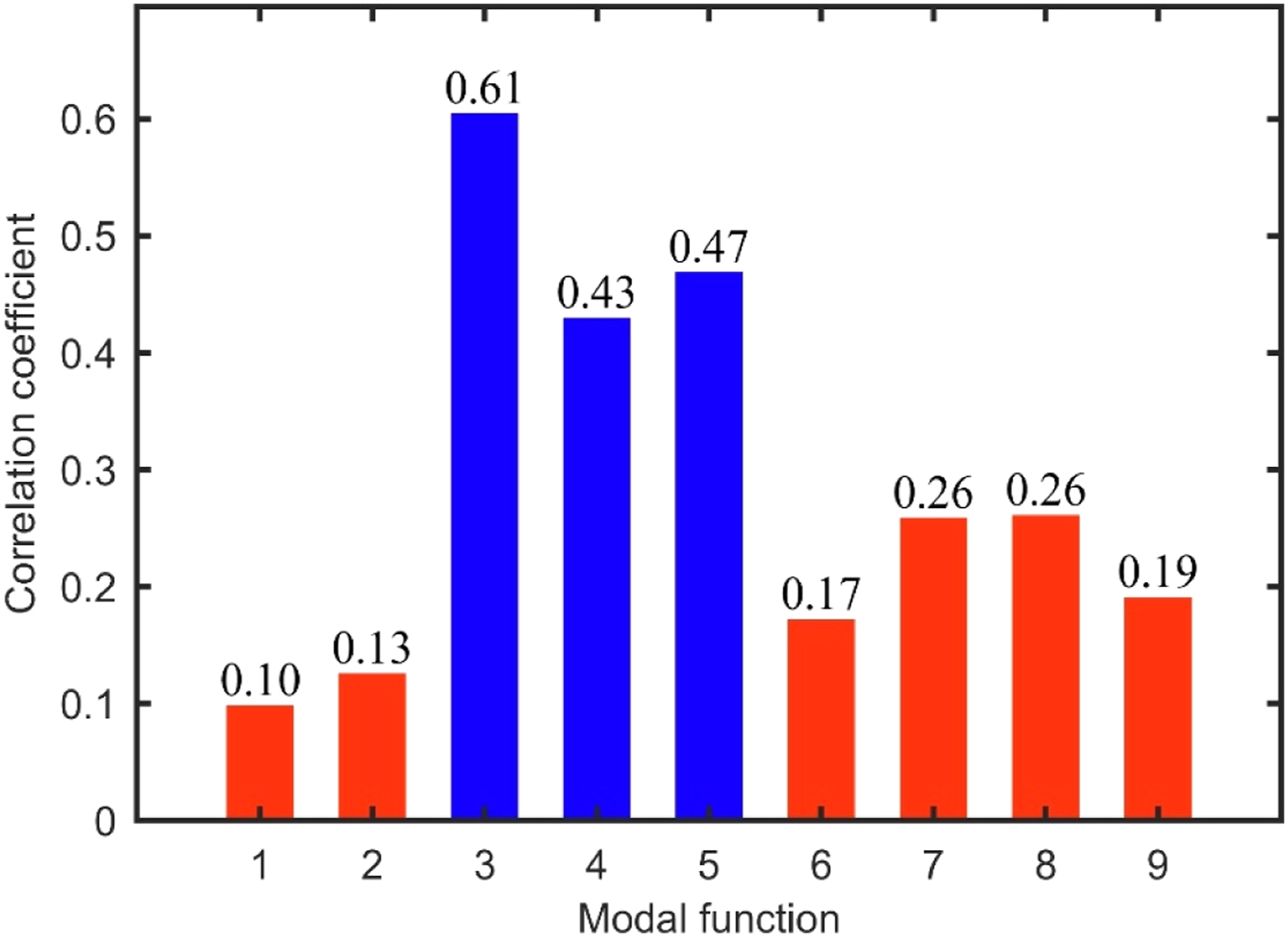
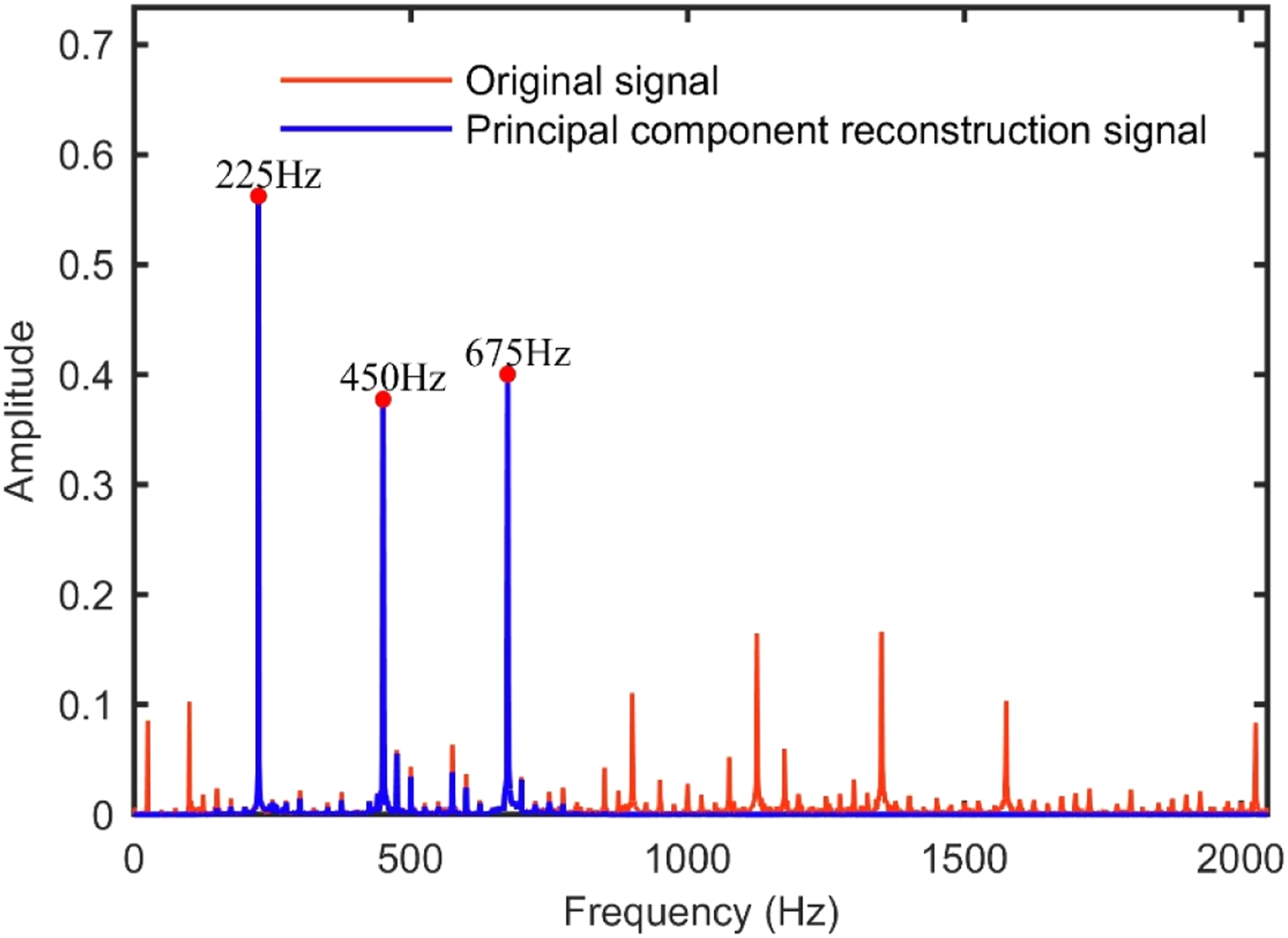
Although the residual components contain faint feature information, their low signal-to-noise ratio renders conventional fixed-threshold methods ineffective. CFAR adaptively adjusts the detection threshold according to local background noise statistics and has therefore been widely applied for weak-feature detection in noisy environments.50,51 Figure 13 illustrates the residual signal restoration process using CFAR in the frequency domain. Specifically, the local noise power is estimated from neighboring training cells, and an adaptive threshold, represented by the blue dashed line, is generated accordingly. Frequency components exceeding this threshold are identified as effective faint features and are subsequently used for residual signal reconstruction. CFAR-based residual signal spectrum extraction.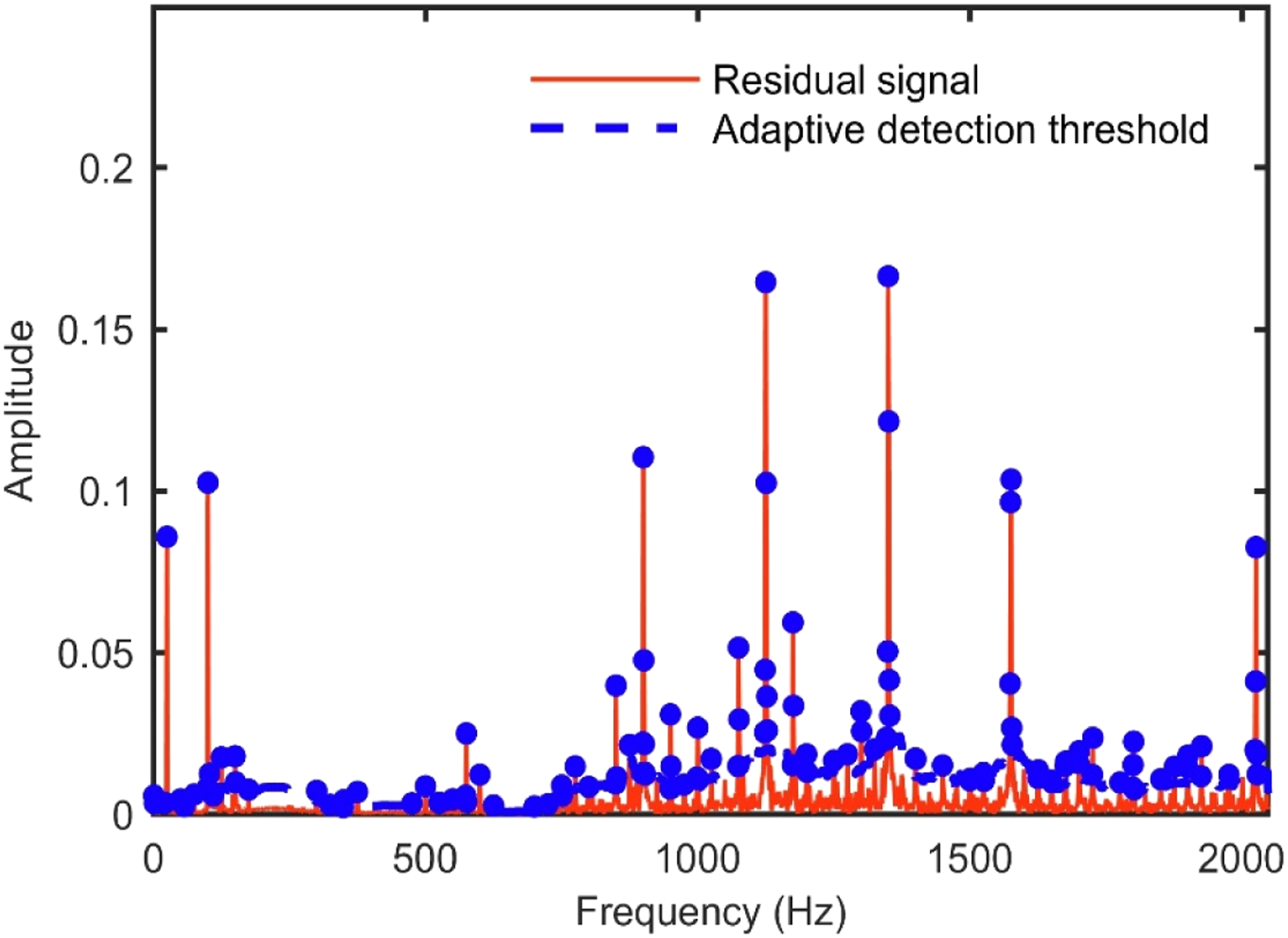
The dominant components identified in Figure 12 are superimposed with the faint features recovered from the residual signal in Figure 13. This frequency-domain fusion produces the final reconstructed signal shown in Figure 14. Comparative analysis with the PCC-only reconstruction method reveals that this fusion strategy suppresses noise interference and preserves the signal frequency structure. The high-energy characteristics of the dominant frequency band complement the recovered subtle frequency band details, significantly enhancing the signal-to-noise ratio of the reconstructed signal. Final reconstruction of signal spectrum diagram.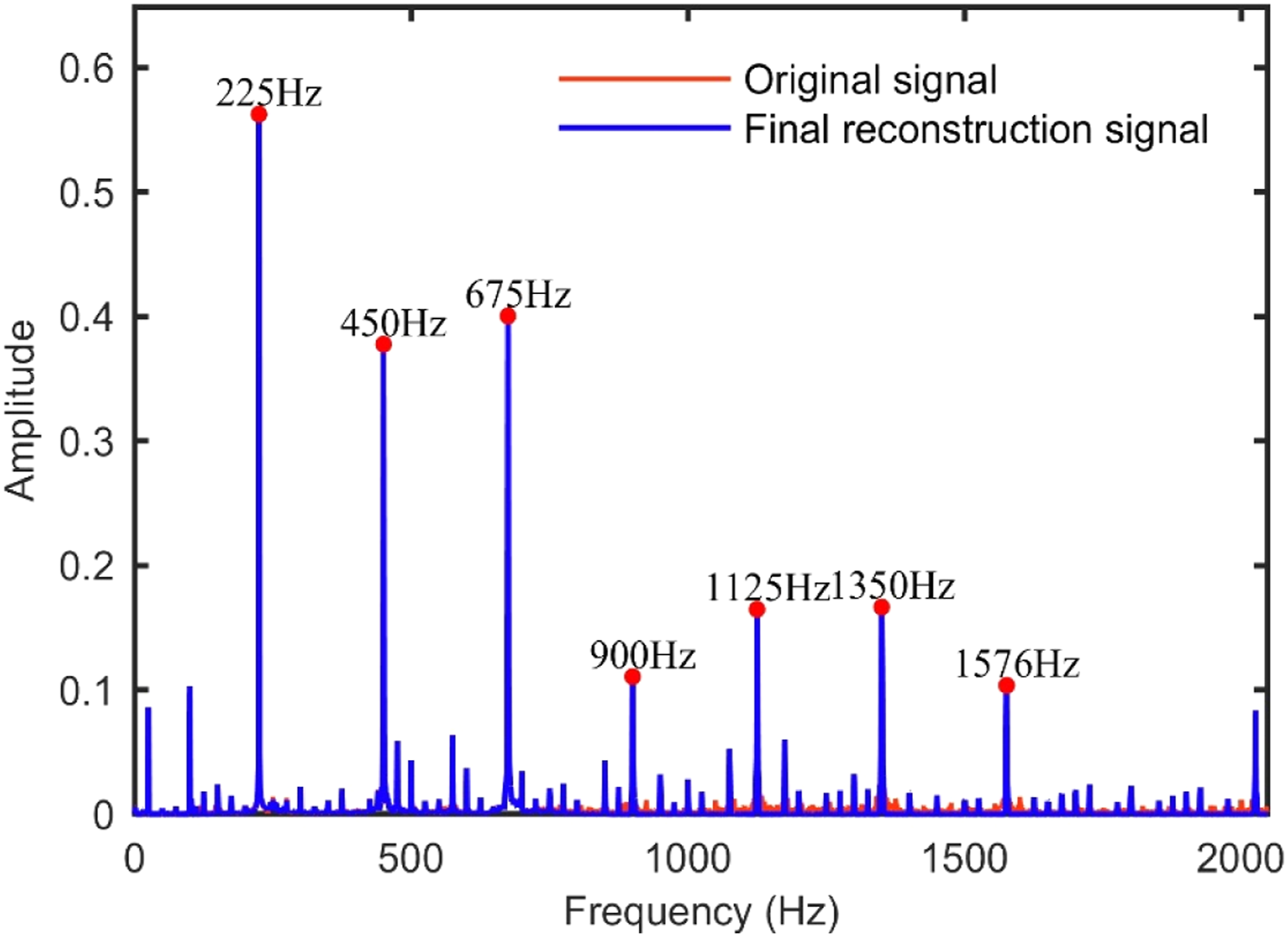
4.3. Feature selection and operating condition identification
The training and validation sets were split in a 7:3 ratio when constructing a dataset comprising 3,200 denoised samples. An isolation buffer zone was established between the two datasets, in which multiple independent samples were extracted from the boundary regions, to prevent data leakage. This process blocks feature leakage pathways at the data-sampling level, thereby ensuring the model’s generalization capability. Twelve mixed time-frequency domain features were extracted from the reconstructed signals of 16 operating conditions, encompassing: • Time-domain features - RMS, kurtosis, waveform factor, pulse factor, margin factor, and logarithmic energy. • Frequency-domain features - mean frequency, root mean square frequency, frequency standard deviation, frequency skewness, frequency kurtosis, and spectral entropy.
High-dimensional feature sets often contain substantial redundancy, leading to the curse of dimensionality and significantly increasing the computational burden for subsequent classifiers. Therefore, a ReliefF-PCC cascaded optimal feature selection strategy is proposed in this paper. First, raw features undergo standardization, followed by ReliefF for quantitative importance assessment, which initially selects features with high sensitivity to variations in operating conditions. However, strong coupling may still exist among these high-weight features. As a result, the PCC matrix of the feature set is computed to assess feature similarity and further eliminate multicollinearity.
52
According to the existing literature, the correlation similarity threshold is set to 0.85 in this paper; features with correlation coefficients exceeding this threshold are removed.
53
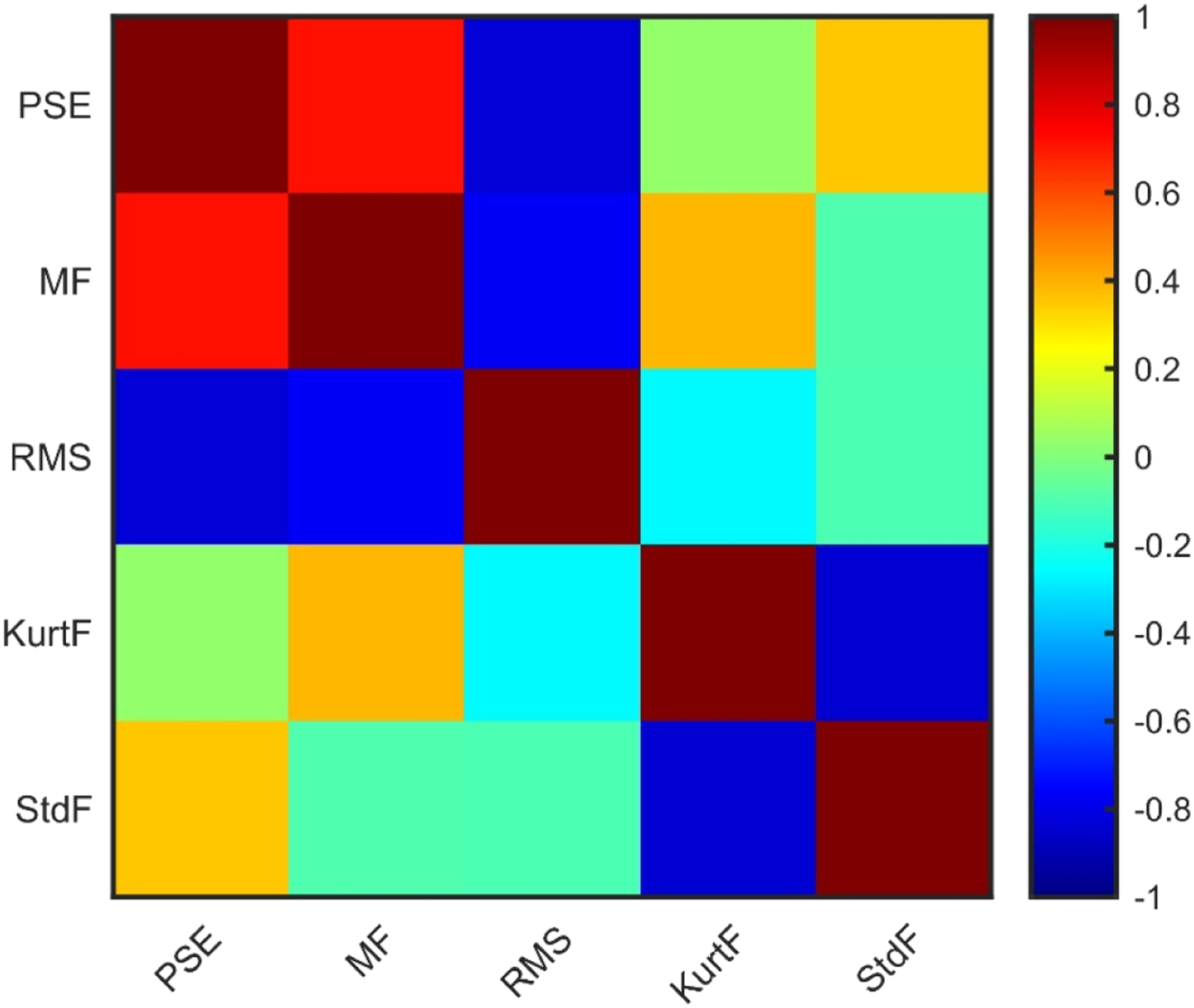
Through this cascaded filtering process, five optimal features are ultimately retained from the initial twelve: RMS, margin factor, frequency standard deviation, frequency kurtosis, and spectral entropy, as shown in Figures 15 and 16. These five features exhibit both high sensitivity and low mutual redundancy, serving as the optimal input feature subset for subsequent operating condition identification. Comprehensive index ranking and selection. Heat map of feature similarity matrix.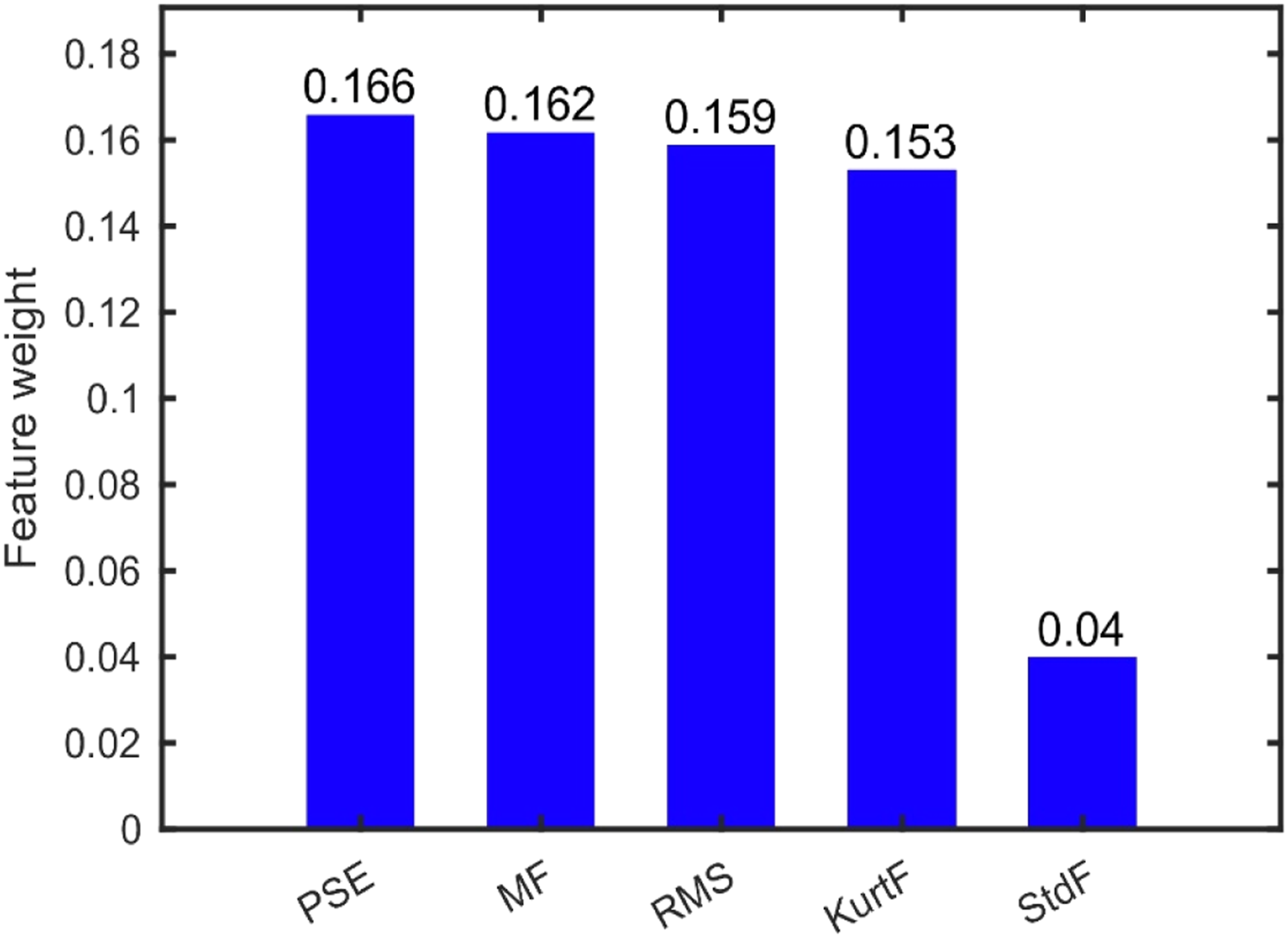
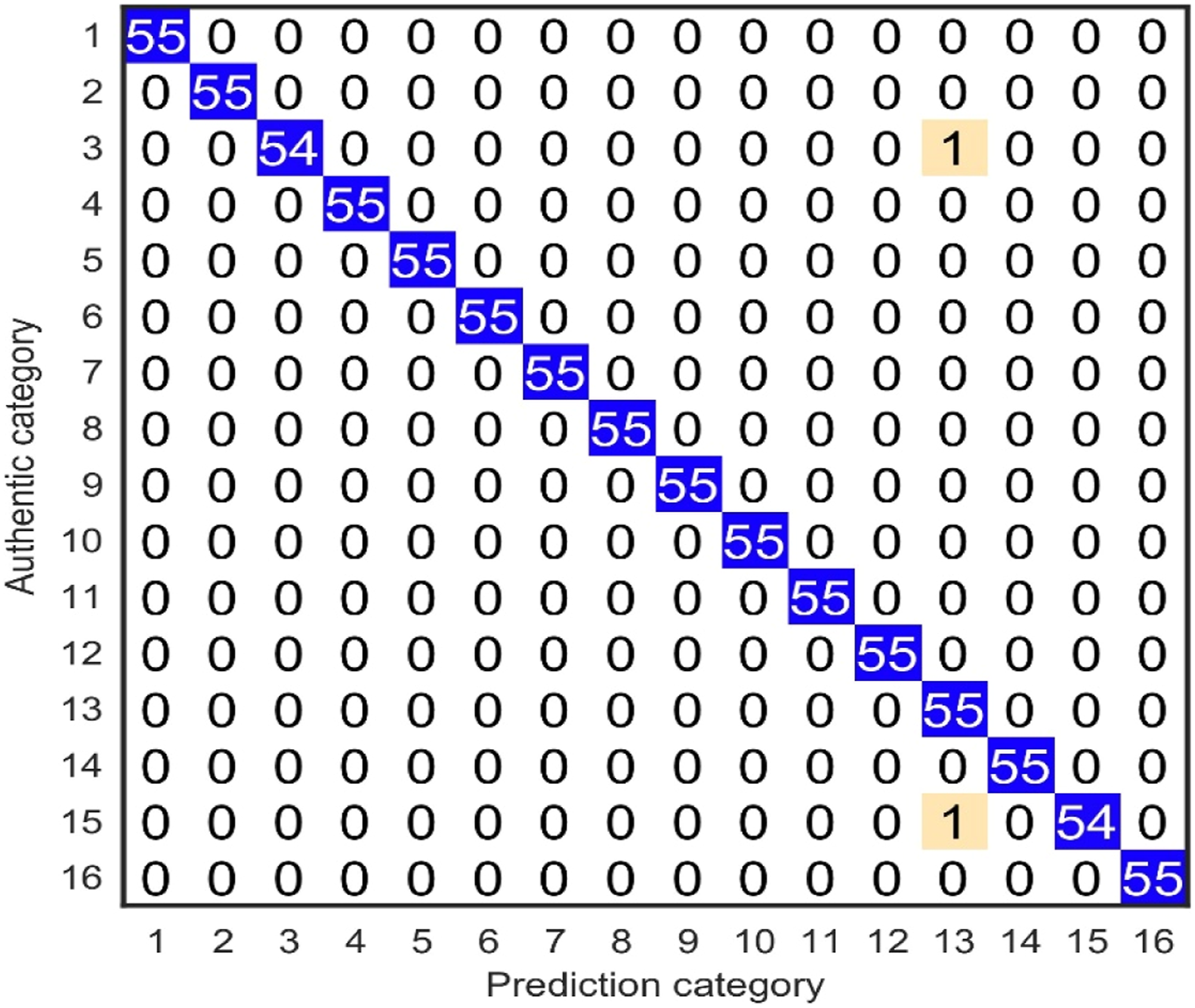
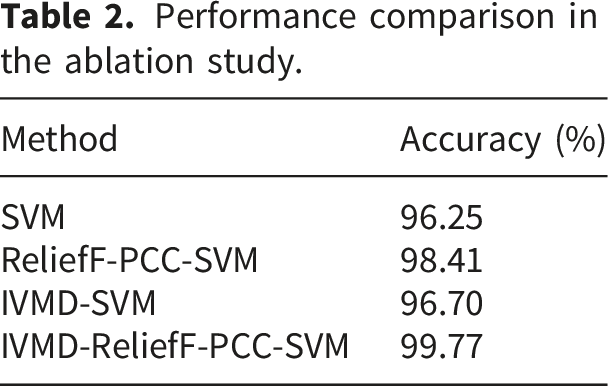
An SVM classification model is constructed based on the selected optimal feature subset and applied to classify the test set. The classification accuracy reaches 99.77% after training with the optimal feature subset, as shown in Figure 17. This indicates that these five features already adequately represent the discriminative information between different operating conditions. The final five features selected through this strategy are used for subsequent analysis. The SVM classification results are presented in a confusion matrix, as shown in Figure 18. The accuracy curve. Confusion matrix for the SVM classifier.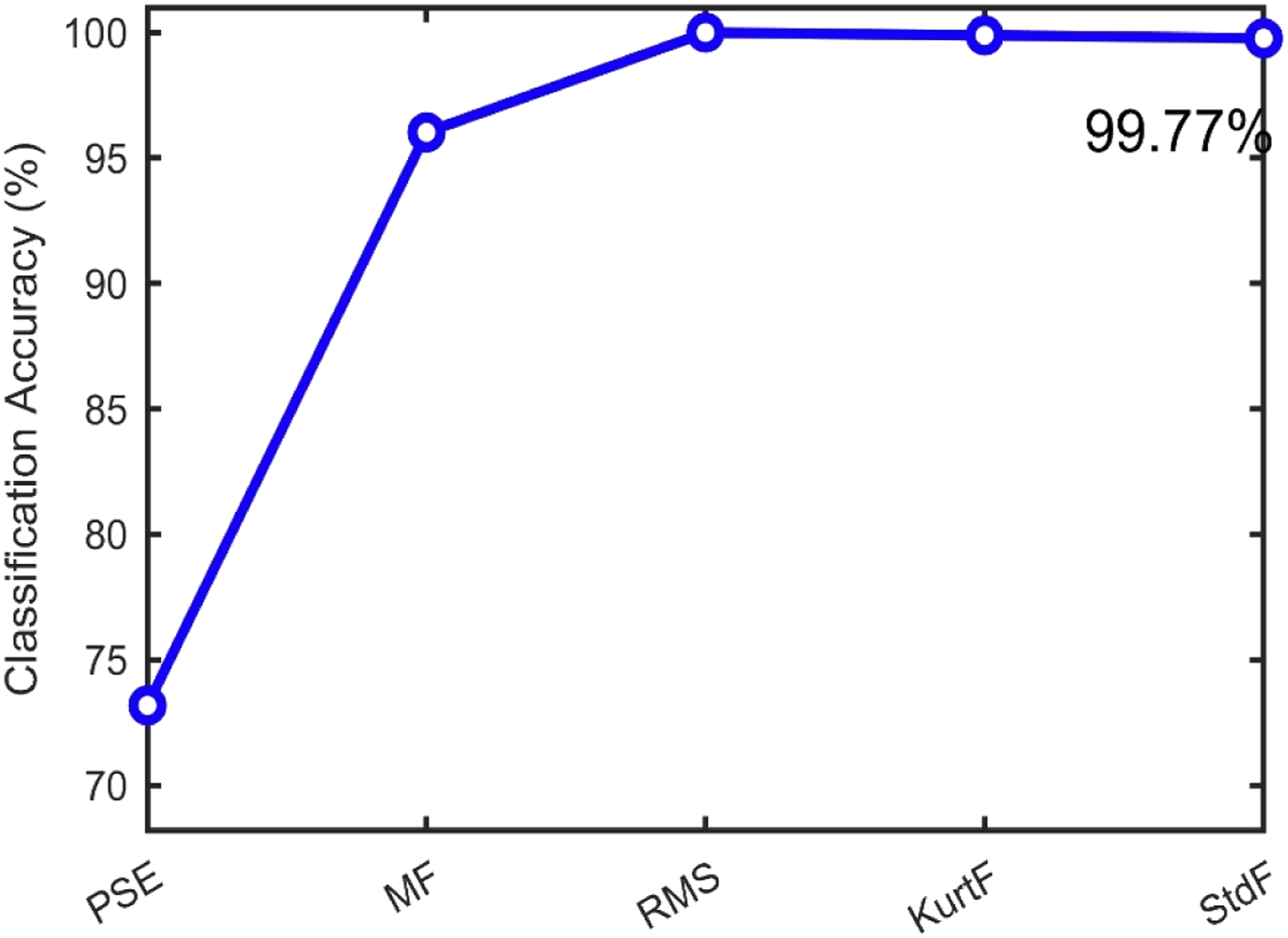
The t-SNE algorithm is used to visualize the classified samples, as shown in Figure 19. The visualization results reveal that the sample points corresponding to 16 operating conditions each cluster into distinct groups with clear structures. Visualization results using t-SNE.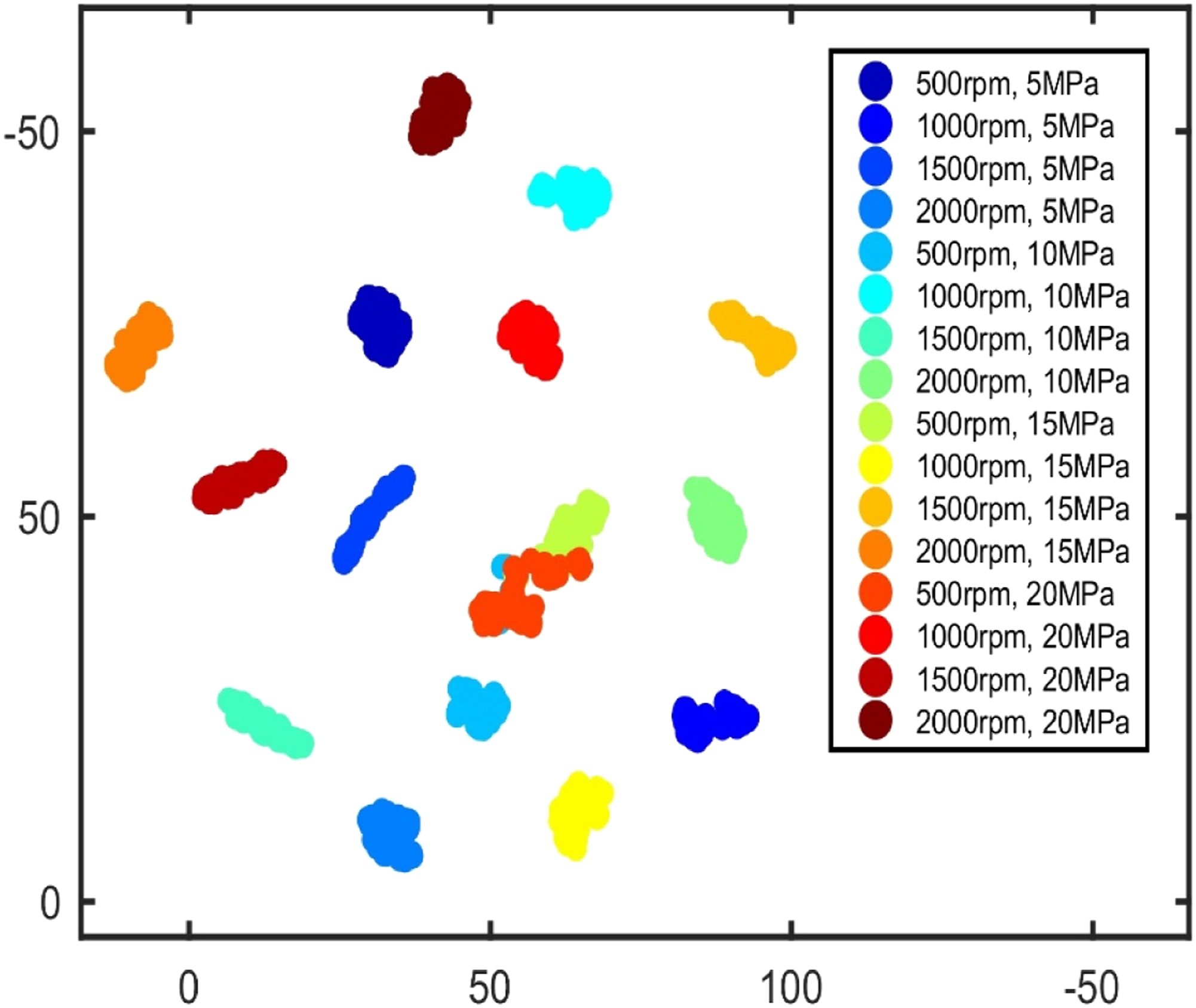
4.4. Ablation test comparison
Performance comparison in the ablation study.
4.5. Methods comparison and evaluation
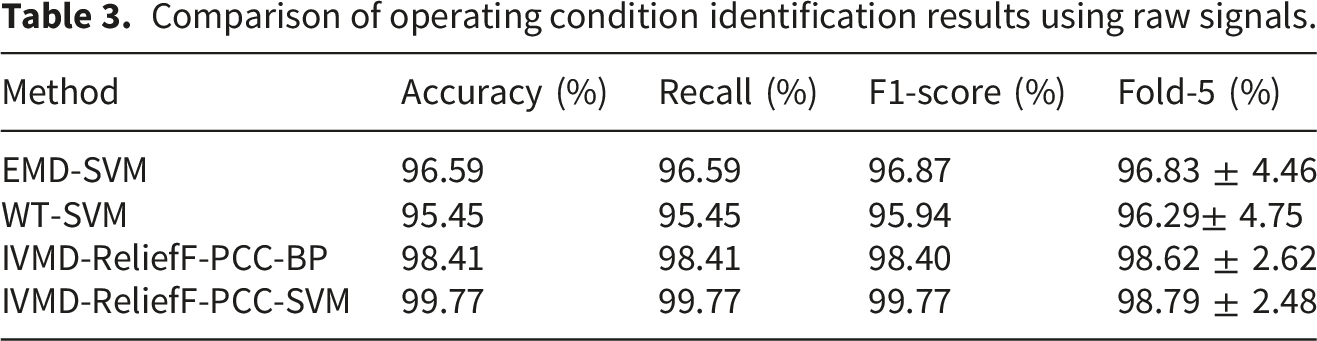
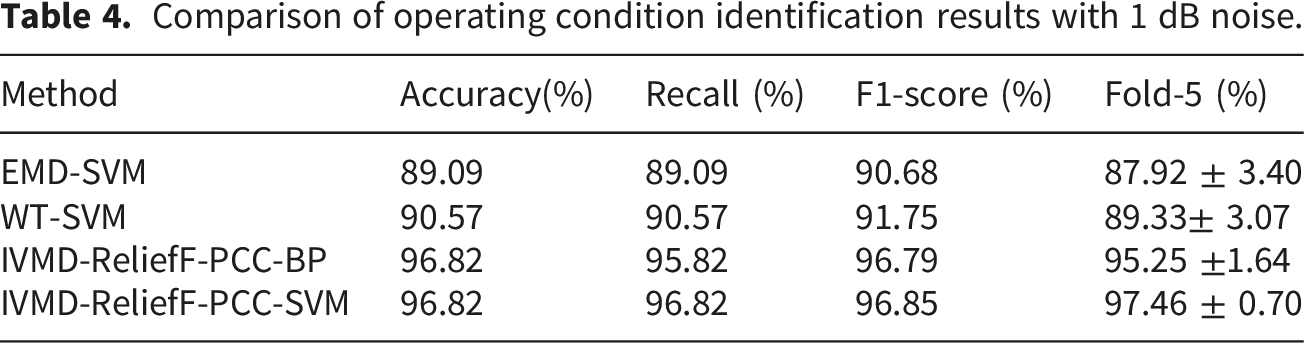
Four identification frameworks are constructed for comparative validation to thoroughly evaluate the proposed model in complex operating condition identification tasks. The training and validation set partitioning criteria remain consistent with Section 4.3. The proposed method is compared against a selection of benchmarks that balance classical time-frequency analysis methods with optimal feature selection strategies, including: EMD-SVM, WT-SVM, and IVMD-ReliefF-PCC-BP.
Comparison of operating condition identification results using raw signals.
Comparative experiments were conducted by adding 1 dB noise to the original signal to evaluate the model’s noise resistance. Time-domain and frequency-domain plots after noise addition are shown in Figure 20. The empirical signal-to-noise ratio (ESNR) is used to quantify denoising effectiveness,
54
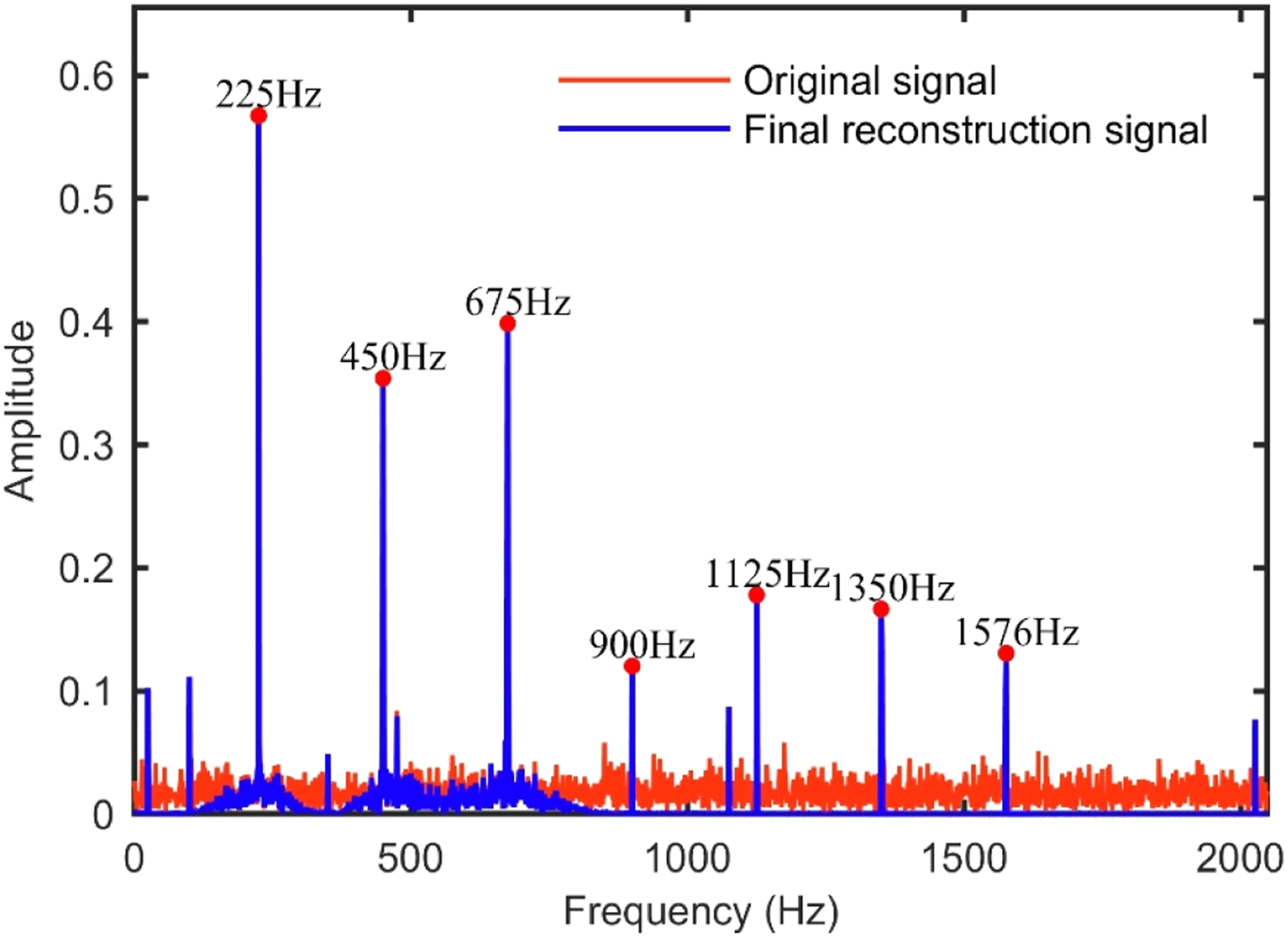
with results indicating a 6.76 dB ESNR improvement. Figure 21 compares the signal before and after denoising. Principal components selected by PCC exhibit minimal energy attenuation at 225 Hz, 450 Hz, and 675 Hz, while weak features restored by CFAR at 900 Hz, 1,125 Hz, and 1,350 Hz are effectively preserved. The IVMD-ReliefF-PCC technique effectively maintains key frequency-domain features while filtering the majority of noise. Frequency domain diagram when 1 dB noise is added. Comparison of images before and after noise reduction with a 1dB noise signal added.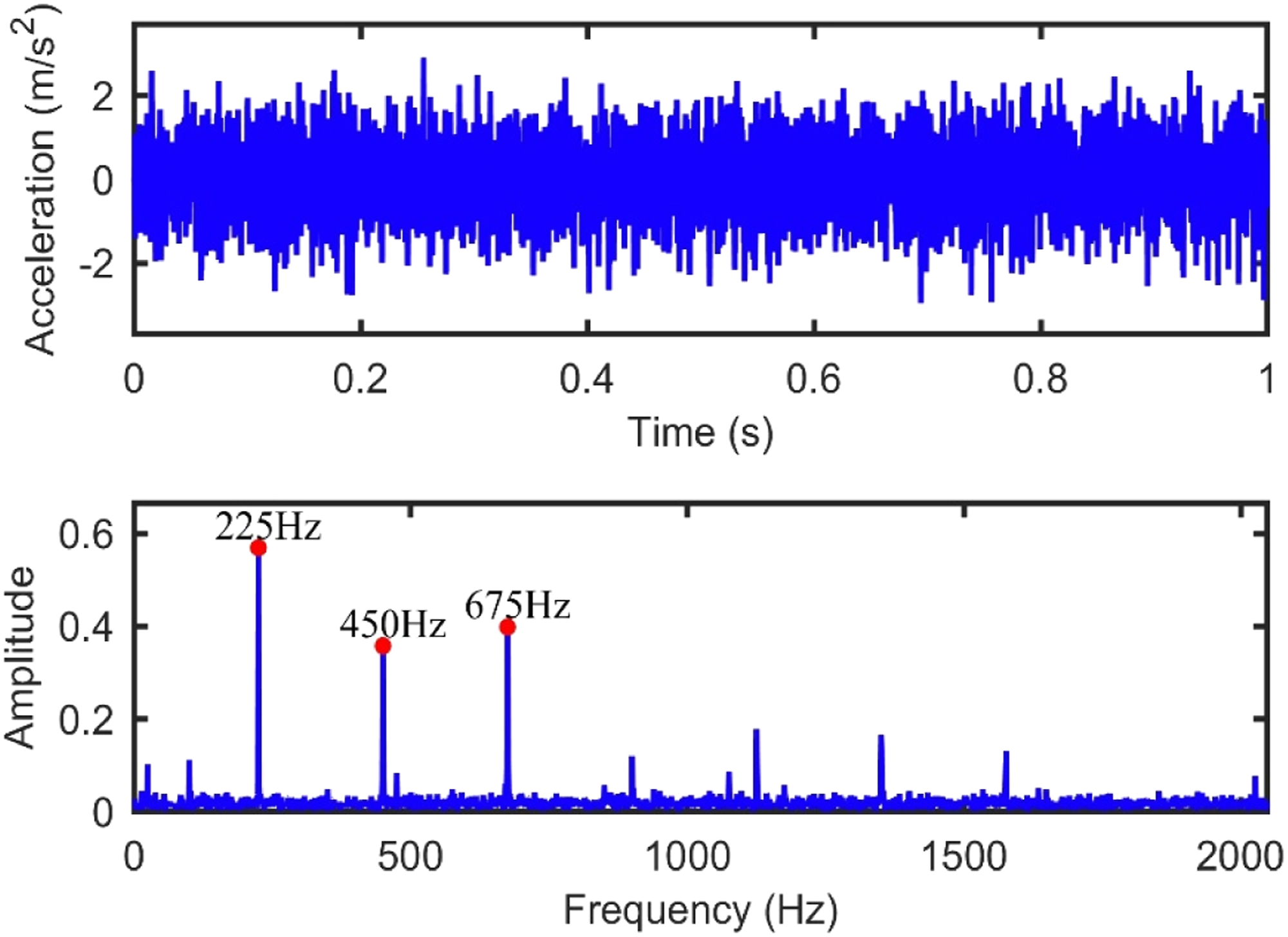
Comparison of operating condition identification results with 1 dB noise.
5. Conclusions
In this paper, an operating condition identification method based on Improved Variational Mode Decomposition and optimal feature selection was proposed to address the low accuracy in complex operating condition identification caused by the non-stationary, nonlinear, and multi-condition feature redundancy of axial piston pump vibration signals. Experimental validation yields the following conclusions: (1) The proposed parameter adaptation strategy based on dual variation rates of spectral centroid enables precise determination of the optimal modal number K for VMD. Hence, the dual challenges faced by traditional optimization algorithms, such as susceptibility to local optima and excessive computational time in iterative processes, are resolved. (2) The established PCC-CFAR multi-level signal reconstruction mechanism achieves high-fidelity reconstruction of signals under varying conditions through principal component selection and weak feature recovery. Consequently, the limitation of traditional hard-threshold denoising, which often leads to the loss of weak features, is addressed. (3) The designed ReliefF-PCC cascaded feature selection strategy optimally selects highly relevant features while eliminating redundant information. This process addresses the curse of dimensionality in high-dimensional feature spaces, significantly improving the accuracy and efficiency of operating condition identification for piston pumps under variable-speed loading conditions.
In summary, the model proposed in this paper offers a novel approach for precise state identification of axial piston pumps under complex operating conditions. Furthermore, enhancing the model’s generalization capabilities, reducing computational burden, and exploring lightweight network architectures suitable for efficient online monitoring will be the core focus of future research efforts.
Footnotes

Funding
The authors disclosed receipt of the following financial support for the research, authorship, and/or publication of this article: This research was funded by National Natural Science Foundation of China, grant number 52372365, U23B2098, 52402484, and 52302521, Education Department of Guangdong Province, grant number 2023KTSCX157, and Natural Science Foundation of Guangdong Province, grant number 2025A1515010327.
Declaration of conflicting interests
The authors declared no potential conflicts of interest with respect to the research, authorship, and/or publication of this article.