







Abstract
This study investigates big data-driven collaborative development models between low-altitude economy and emergency logistics across China. Through comprehensive empirical analysis of multi-source operational data from 2018 to 2024, we identify significant regional disparities in collaborative development indices (eastern: 0.86; western: 0.50 on a 0–1 scale). This study proposes and validates three collaborative models—traffic coordination, intelligent resource allocation, and regional service networks—each addressing distinct operational challenges. Path analysis reveals data integration quality as the primary determinant of collaborative efficiency (47.3%), followed by infrastructure readiness (26.8%). The findings add to complex systems theory by using a multi-dimensional assessment framework with dynamic weighing mechanisms. We suggest differentiated policy prescriptions to remove regional bottlenecks while expediting infrastructure development in under-developed areas.
Introduction
Rapid innovation in digital technologies and progressive liberalization of low-altitude airspace have fueled tremendous growth in the low-altitude economy, creating unprecedented opportunities for innovative logistics solutions. The use of low-altitude integration in agriculture and other fields has boundless potential in transforming traditional economic activities through aerial mobility. 1 Meanwhile, innovation of new technologies in the energy industry has created synergistic low-carbon possibilities for growth within the low-altitude economic circle. 2 This technological synergy occurs at a tipping point when the development of low-altitude logistics systems requires new paradigms of education and industry collaboration to build the talent and expertise necessary for this new industry. 3
Emergency logistics, characterized by the time constraint and limited availability of resources, needs to experience fundamental transformation for enhanced resilience and operational efficiency. Existing logistics models lack coordination efficiency and spatial coverage during emergencies. 4 The limitations emphasize the need for novel approaches that have the ability to break traditional constraints. The integration of low-altitude transportation with emergency logistics is a promising model for solving these challenges, particularly in urban regions where ground transportation networks frequently experience congestion and accessibility problems. Low-altitude and high-speed transportation solutions have the potential to significantly improve logistics efficiency while simultaneously reducing carbon emissions in urban networks. 5
The exponential growth of data production in transportation and logistics systems presents opportunities for exploiting big data analytics in optimizing decision-making processes. Big data plays a transformative role in emergency management in terms of improved situational awareness, predictive capacity, and optimization of resources. 6 Recent breakthroughs in deep learning frameworks have also widened the potential for real-time detection and optimization in emergency logistics management. Sophisticated data-based approaches can greatly improve responsiveness and accuracy in crisis situations. 7
Despite such technological advancements, comprehensive systems to integrate big data and low-altitude economy and emergency logistics remain untapped. Chinese modernization through digital transformation of logistics is in progress, but structured efforts towards cooperative development remain in nascent stages. 8 Industry-education eco-systems coupled together constitute an important axis to cultivate required skillsets as well as knowledge infrastructure which facilitates this new industry. Sophisticated cooperative systems with UAV swarms have also been shown to have excellent potential for post-disaster communications and emergency response in difficult environments, 9 illustrating the potential of technology integration to transcend conventional operational limitations.
New architectural structures like Cooperative Integrated Sensing and Communications (ISAC) offer advanced technological structures to enable coordinated operations in complex environments. 10 Advanced methodology in spatial impact assessment is required to assess the efficiency of integrated low-altitude economic systems. 11 Integrating low-altitude operations into domestic airspace structures is a complicated regulative challenge that requires establishing liberalization policies. 12 Innovative studies highlight the pivotal role played by air route network infrastructure in accommodating sustainable low-altitude economic systems, 13 and innovative models for logistics UAV terminals distribution in urban airspace are proposed to increase route planning efficiency. 14
ISC3 systems enormously expand the technical foundation that drives economic progress in low-altitude areas. 15 Management systems for drones are important to ensure smooth incorporation of different air activities. 16 In addition, studies on synergetic impacts of low-altitude drone flight on big-data services efficiency 17 help create interrelations between technological areas. Application of digital twin in low-altitude logistics systems is growing more widespread 18 and enables higher-level simulation and modeling of operation processes. Analytical methods for operational capability for urban UAV logistics route networks 19 provide critical optimization information that is consistent with macroeconomic development policies, considering effects of innovation in low-altitude economy on industrial and trade processes. 20
The key intention of this study is to overcome existing limitations by formulating innovative collaborative structures that leverage big-data-related technologies to enhance synergy between low-altitude economy and emergency logistics. This study aims to establish a multi-dimensional assessment framework with dynamic weighing mechanisms that captures both structural and functional dimensions of system integration, empirically validate three collaborative models including traffic coordination, intelligent resource allocation, and regional service networks, and quantitatively analyze the determinants of collaborative efficiency through path analysis. Additionally, the research develops differentiated policy prescriptions to address regional disparities and bottlenecks. Through a detailed examination of regional disparities in implementation and outlining key determinants of success, this study advances theoretical understanding of complex socio-technical systems while offering practical implementation methods and policy advice for stakeholders in governmental, industrial, and academic communities.
Related work
Recent empirical studies examining big data analytics implementation in logistics operations have revealed significant quantitative impacts and methodological limitations that constrain practical application. Chung 21 conducts a systematic review of smart technology applications across multiple industries, identifying that artificial intelligence adoption in logistics operations achieves average efficiency improvements of 23–35% across different operational contexts. However, the study reveals critical methodological limitations in existing research, noting that most studies employ single-case analysis rather than comparative cross-industry evaluations that would provide stronger generalizability. Wang and Sarkis 22 advance this understanding by developing a comprehensive categorization framework for digitalization trends, proposing three distinct phases of technology integration based on organizational capability development. Their longitudinal analysis of 156 freight companies demonstrates that organizations implementing comprehensive digitalization strategies outperform selective adopters by 18% in operational metrics, yet the research lacks consideration of emergency scenario applications where standard performance metrics may not adequately capture operational effectiveness.
Zhao et al. 23 contribute to this field through development of a sophisticated multi-mediation model examining digitalization impacts on supply chain resilience and performance outcomes. Their structural equation modeling approach, rigorously validated across 312 manufacturing firms, reveals that digital integration explains 42% of variance in resilience performance while identifying critical mediating factors including information visibility, process automation, and stakeholder coordination capabilities. Importantly, their findings indicate that resilience benefits plateau after reaching 85% digitalization coverage, suggesting diminishing returns that previous studies overlooked. However, this research focuses exclusively on manufacturing contexts and does not address service-oriented logistics operations typical in emergency response scenarios where rapid deployment and adaptability are paramount.
UAV and autonomous systems research has evolved substantially from basic operational feasibility studies toward sophisticated coordination mechanisms addressing complex operational environments. Su et al. 24 propose enhanced multi-UAV path planning algorithms using Voronoi-based obstacle modeling combined with Q-learning approaches, achieving 34% improvement in path optimization efficiency compared to traditional algorithms, particularly in complex urban environments with dynamic obstacles. However, the study’s validation relies entirely on simulated environments without real-world emergency scenario testing that would reveal practical deployment challenges. Zhang et al. 25 extend this research by examining helicopter-UAV coordination for search and rescue operations, developing task allocation algorithms that systematically consider environmental constraints and performance parameters. Their empirical validation using historical disaster data from 23 emergency events shows promising coordination improvements, yet the methodology does not account for real-time coordination challenges with ground-based emergency services or multi-agency information sharing requirements.
Multi-stakeholder collaboration research has progressed from descriptive studies toward mechanism design and quantitative performance measurement approaches. Hamann-Lohmer et al. 26 investigate digital transformation impacts on inter-organizational relationships through comprehensive multiple case study analysis across diverse manufacturing networks, identifying three critical collaboration patterns that determine coordination effectiveness: technological synchronization, information workflow integration, and decision-making alignment mechanisms. The study provides valuable insights into collaboration dynamics but focuses primarily on planned business relationships rather than ad-hoc emergency response partnerships requiring rapid trust-building and flexible coordination protocols. Ali et al. 27 complement this research by examining leadership styles in supply chain innovation during disruption events, developing a contingency theory framework that systematically links leadership approaches to coordination effectiveness outcomes. Their survey of 284 supply chain professionals reveals that adaptive leadership styles achieve 27% better coordination outcomes during crisis situations compared to traditional hierarchical approaches, though the research does not address multi-agency coordination complexities typical in emergency response scenarios.
Supply chain risk management research has increasingly incorporated big data analytics for both predictive and responsive capabilities in disaster-related scenarios. Li et al. 28 develop comprehensive mechanisms for disaster-related risk management in global logistics industries, proposing real-time monitoring systems integrated with predictive analytics models that demonstrate significant improvements in response time and resource allocation efficiency. Their validation using disruption data from 45 major logistics events provides convincing evidence of effectiveness, however; the study’s focus on large-scale commercial logistics operations may not translate directly to smaller-scale emergency response scenarios requiring rapid deployment capabilities and inter-agency coordination. Helo and Thai 29 investigate Logistics 4.0 implementation through smart tracking and tracing devices, conducting empirical analysis across 89 logistics companies to understand digital transformation success factors. Their findings reveal that successful implementation requires simultaneous investment in technology infrastructure, workforce training, and process redesign, while Gupta et al. 30 identify specific barriers to digitalization adoption during pandemic conditions through surveying 156 companies across developing countries.
Current literature exhibits several critical limitations that constrain practical application to integrated low-altitude economy and emergency logistics coordination. Most studies employ isolated analytical approaches examining individual technology components rather than integrated systems addressing multi-stakeholder coordination requirements. Validation methodologies predominantly rely on historical data analysis or controlled simulations rather than real-time operational testing under emergency conditions. Existing collaborative frameworks focus on established business relationships rather than dynamic, multi-agency emergency coordination requirements, and regional variation in implementation capacity remains largely unexplored.
Data methodology
Research framework
The study design for collaborative development models based on big data brings together technological innovation, industrial partnerships, and policy considerations into a unified analytical framework. As depicted in Figure 1, the methodology framework is structured around three tiers that are interdependent on each other: theoretical foundations, empirical studies, and validation of models. Theoretical foundations include complex systems science, emergency management principles, and digital transformation frameworks to define criteria for measurement that capture collaborative efficacy. Empirical studies apply a strategy for collecting information across different sources for different case regions using qualitative and quantitative methods that involve semi-structured interviews with subject matter experts, spatial-temporal analysis of data, and computational simulation. Model verification includes sensitivity tests and inter-regional comparisons to check validity for proposed mechanisms of collaboration. This framework for combining different methods and sources of information allows for a detailed study of how big data technologies enhance coordination between low-altitude economic activity and emergency logistics operations while considering institutionally embedded contexts and stakeholder engagement. Hypotheses obtained in this research provide insights that suggest that collaborative efficacy is influenced significantly by integrating quality of data, infrastructure readiness, and policy consistency. This methodology framework advances theoretical insights for complex socio-technical systems and provides practical insights for innovation in technologically supported collaborations. Comprehensive research framework and methodology implementation workflow.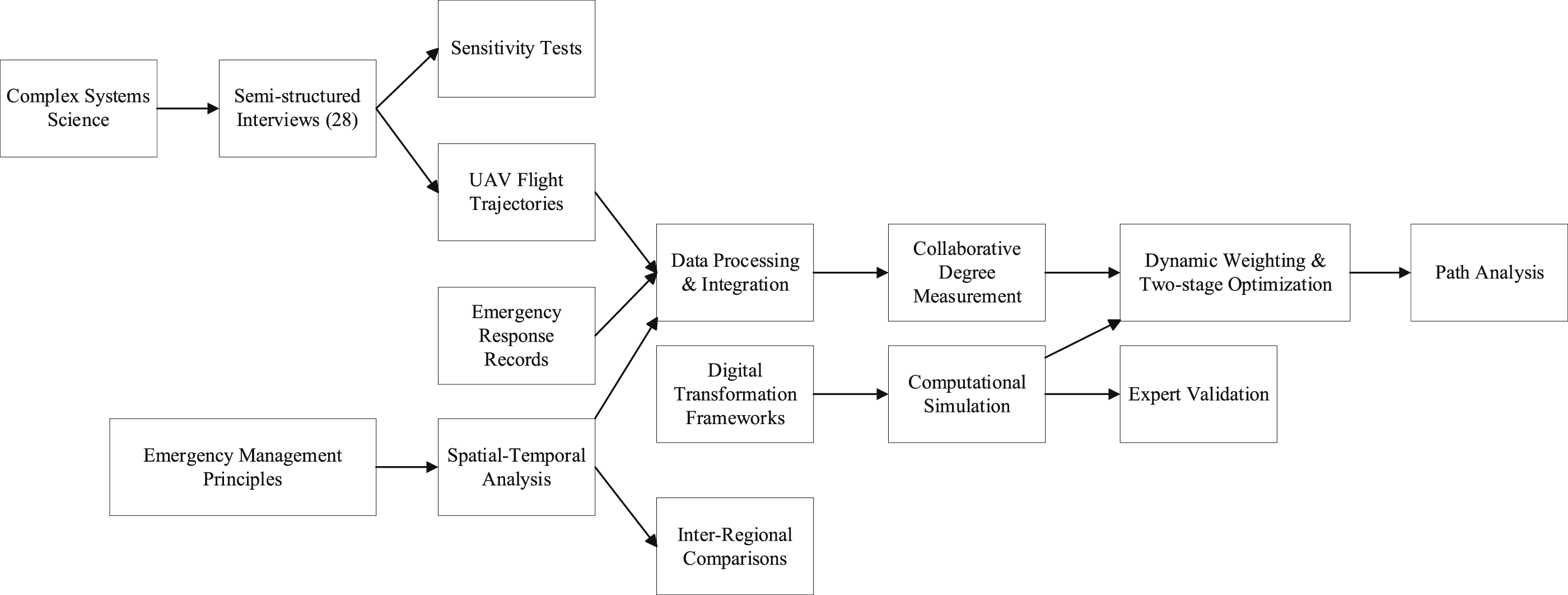
Data collection and processing
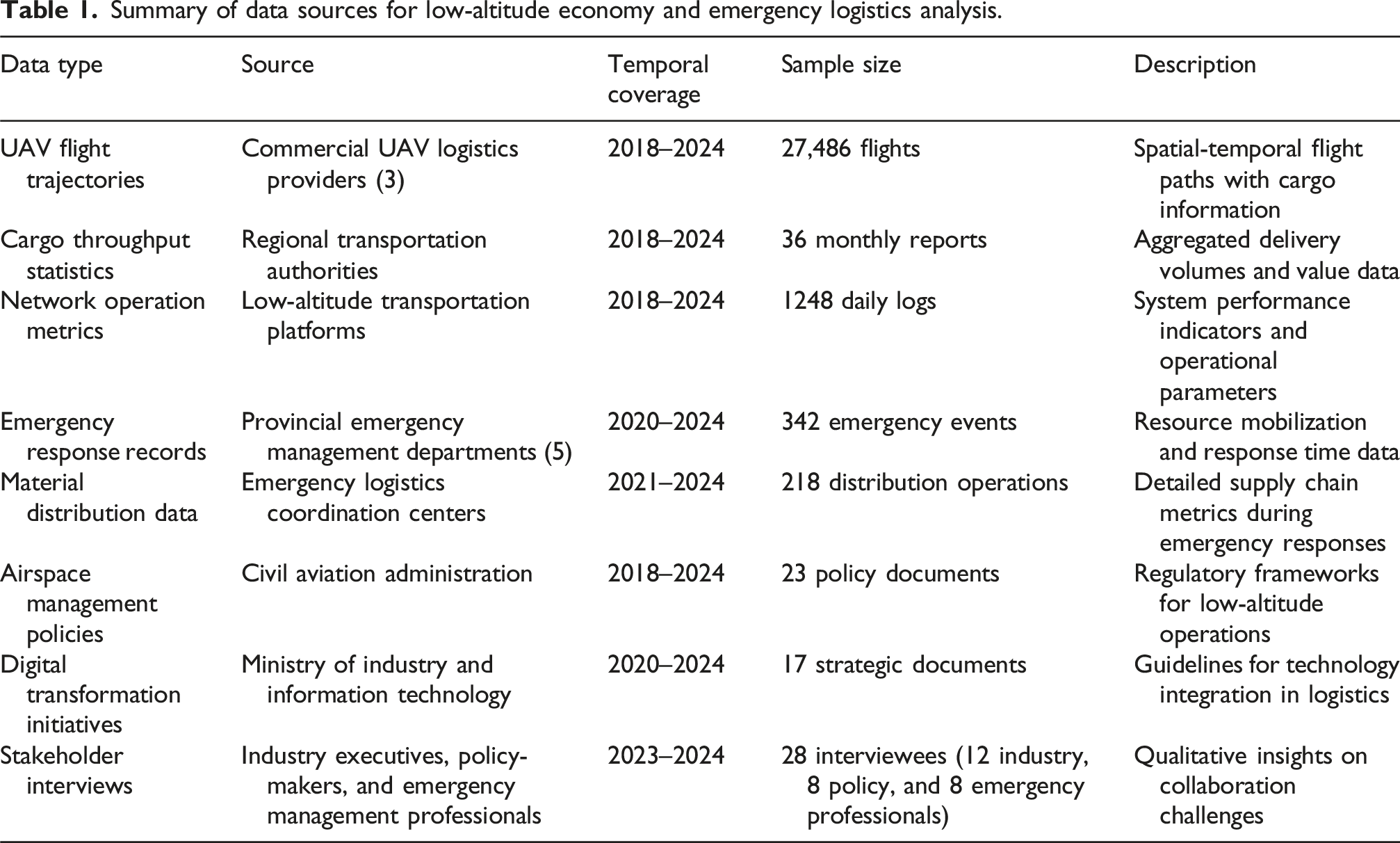
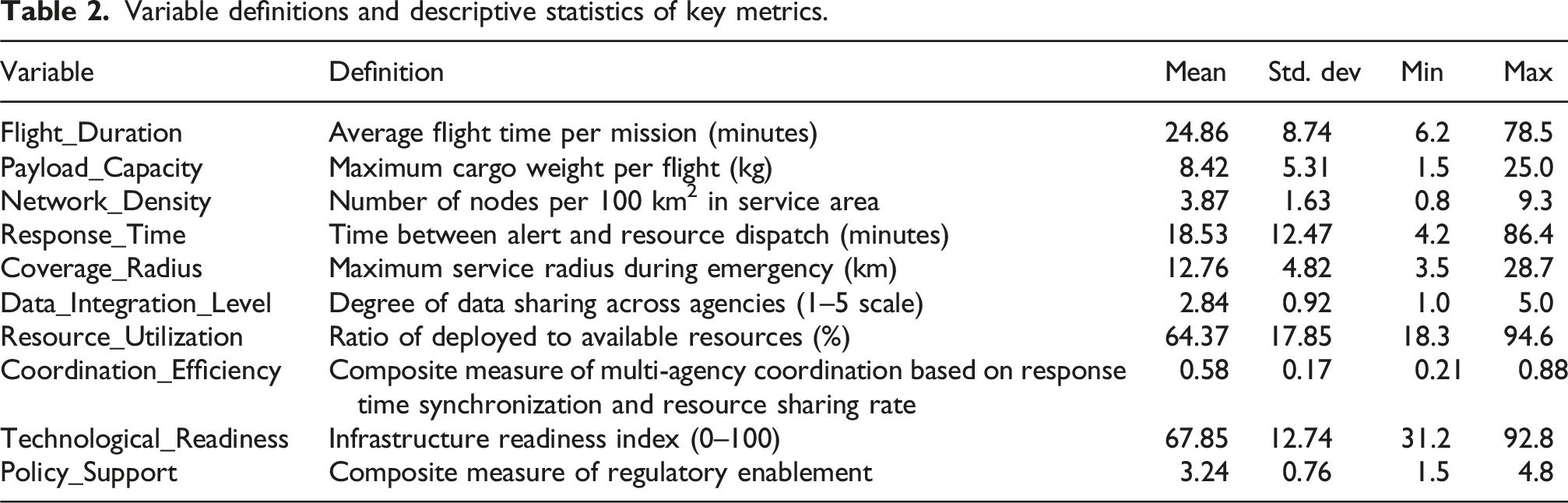
The methodology used for collecting and analyzing mechanisms for cooperation between low-altitude economic operations and emergency logistics was typified by a structured strategy for gathering multi-dimensional information from multiple sources. Data gathering was structured into four broad categories that included operational information obtained from low-altitude transportation infrastructure, emergency response records, policy documents, and stakeholder insights. Figure 2 shows that data preprocessing involved multiple phases of cleaning, normalization, integration, and verification with a focus on sustaining analytical quality. This was achieved through using advanced techniques that were specially designed to address spatial-temporal features common in low-altitude transportation and emergency logistics operations. An overview of data sources used in this study is presented in Table 1 that outlines a range of different types of data, institutions sources, and time and quantities. The collected datasets were integrated within a big data platform architected with Apache Hadoop for distributed storage and Apache Spark for computational processing, with PostgreSQL/PostGIS extensions managing spatial components. As shown in Table 2, the processed variables exhibited substantial variation across operational, geographical, and temporal dimensions, reflecting the complex nature of low-altitude economic activities and emergency response dynamics. Quality assurance protocols included cross-validation between data sources, temporal coherence verification through autocorrelation analysis, and spatial accuracy evaluation against high-precision reference datasets, resulting in documented reliability metrics for all critical variables. Specifically, we conducted outlier detection using interquartile range method and applied temporal smoothing for time-series data. Data preprocessing workflow for low-altitude economy and emergency logistics. Summary of data sources for low-altitude economy and emergency logistics analysis. Variable definitions and descriptive statistics of key metrics.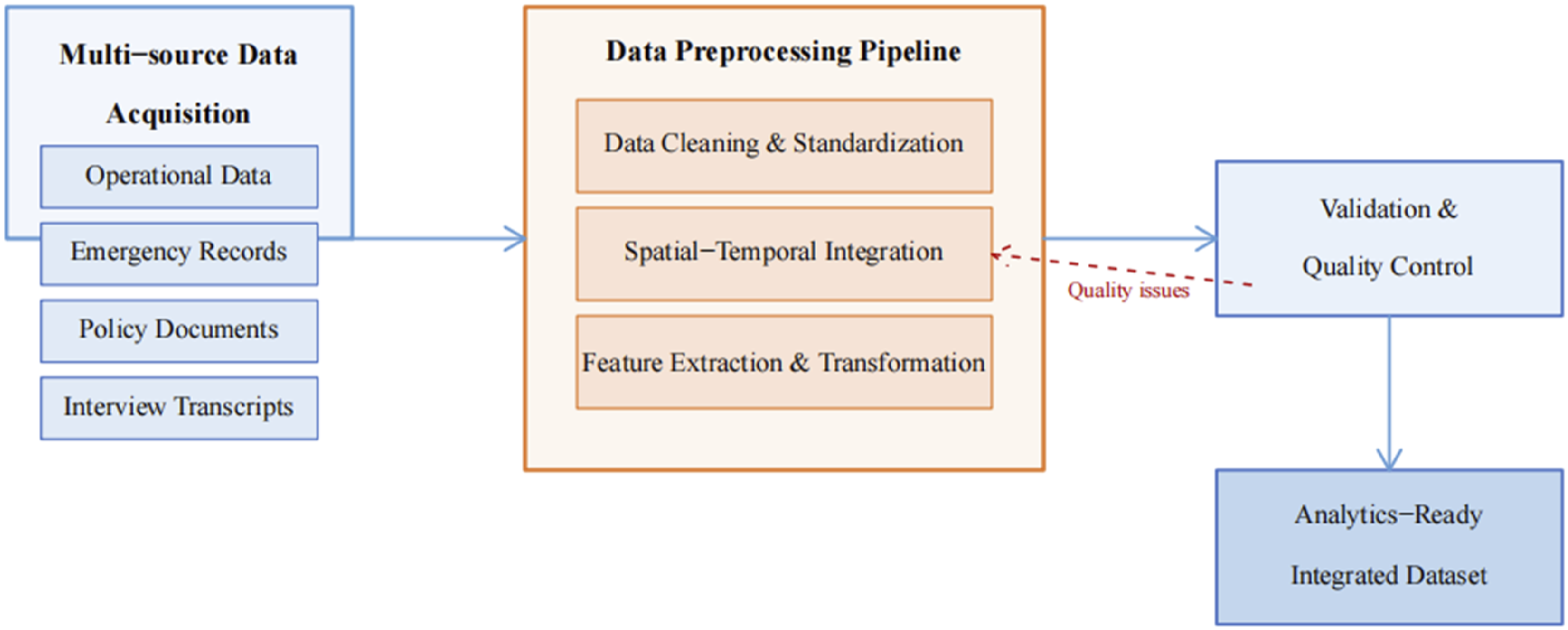
The workflow illustrates the systematic process of transforming multi-source raw data into an analytics-ready integrated dataset. The process begins with the collection of diverse data types (operational data, emergency records, policy documents, and interview transcripts), proceeds through multiple preprocessing stages (cleaning and standardization, spatial-temporal integration, and feature extraction), and culminates in validation and quality control procedures to ensure data integrity.
Environmental setup
The experimental validation employs standardized protocols to ensure methodological consistency across all analytical procedures. Regional comparative analysis maintains uniform evaluation criteria across six geographical categories, with systematic assessment of technological readiness and policy environment characteristics. Interview protocols maintain standardized procedures for stakeholder participants, including industry executives, policy-makers, and emergency management professionals, ensuring comparable qualitative data collection across different organizational contexts.
Statistical analysis procedures employ uniform testing standards throughout the analytical framework, with consistent measurement intervals maintained for temporal analysis spanning the observation period. Cross-regional validation maintains standardized assessment criteria to ensure robust comparative analysis across different technological and policy environments, supporting the reliability and generalizability of the collaborative development model evaluation. Quality control measures include standardized data processing protocols and validation procedures to maintain analytical consistency across all regional case studies.
Analytical methods and model validation
The research methodology for investigating big data-driven collaborative development models between low-altitude economy and emergency logistics integrates quantitative and qualitative approaches to achieve comprehensive evaluation. The sample size of 342 emergency events represents approximately 85% of major emergency incidents recorded during the study period, ensuring adequate statistical power for analysis with sufficient observations across different emergency types and regional contexts.
Following the conceptual framework established by Zheng et al.,
9
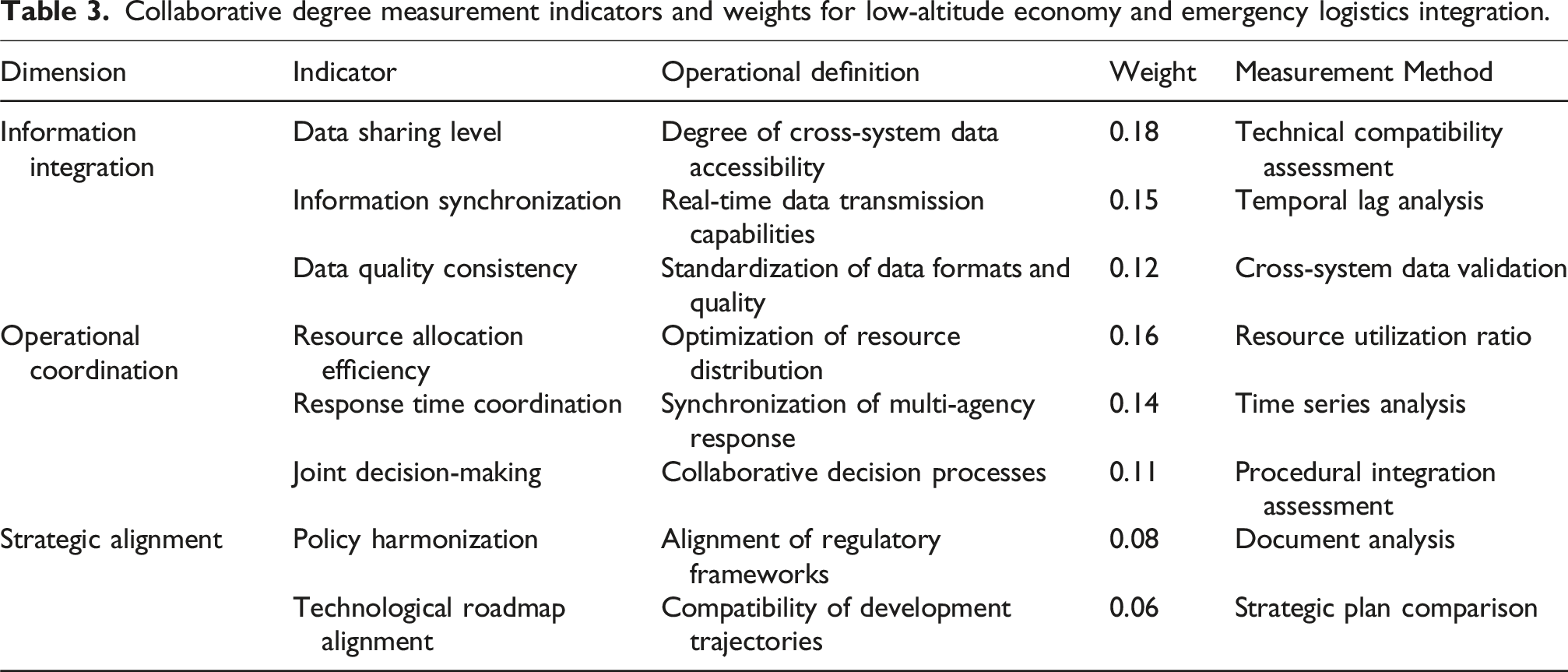
we developed a collaborative degree measurement model that captures both structural and functional dimensions of system integration. The collaborative degree is calculated as a weighted composite index:
Collaborative degree measurement indicators and weights for low-altitude economy and emergency logistics integration.
Results
Volume analysis: Big data scale impact on collaborative efficiency
Comparative analysis of low-altitude economy development indicators across regions (2018–2024).
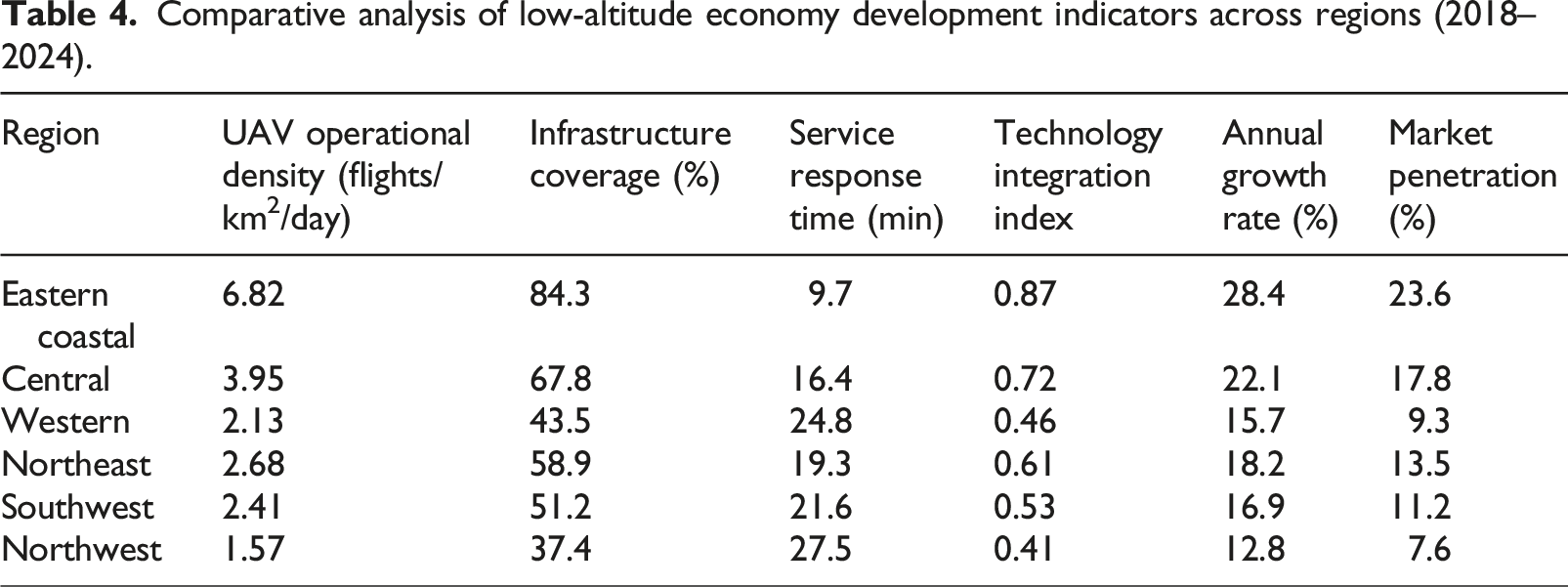
The multi-dimensional assessment of collaborative integration, as illustrated in Figure 3, demonstrates that information integration and response efficiency consistently score highest across regions, while stakeholder coordination remains the most challenging dimension. The volume of data processing capacity directly correlates with these dimensional performances, where regions with higher data density achieve superior integration across all measured dimensions. Multi-dimensional assessment of collaborative development by region.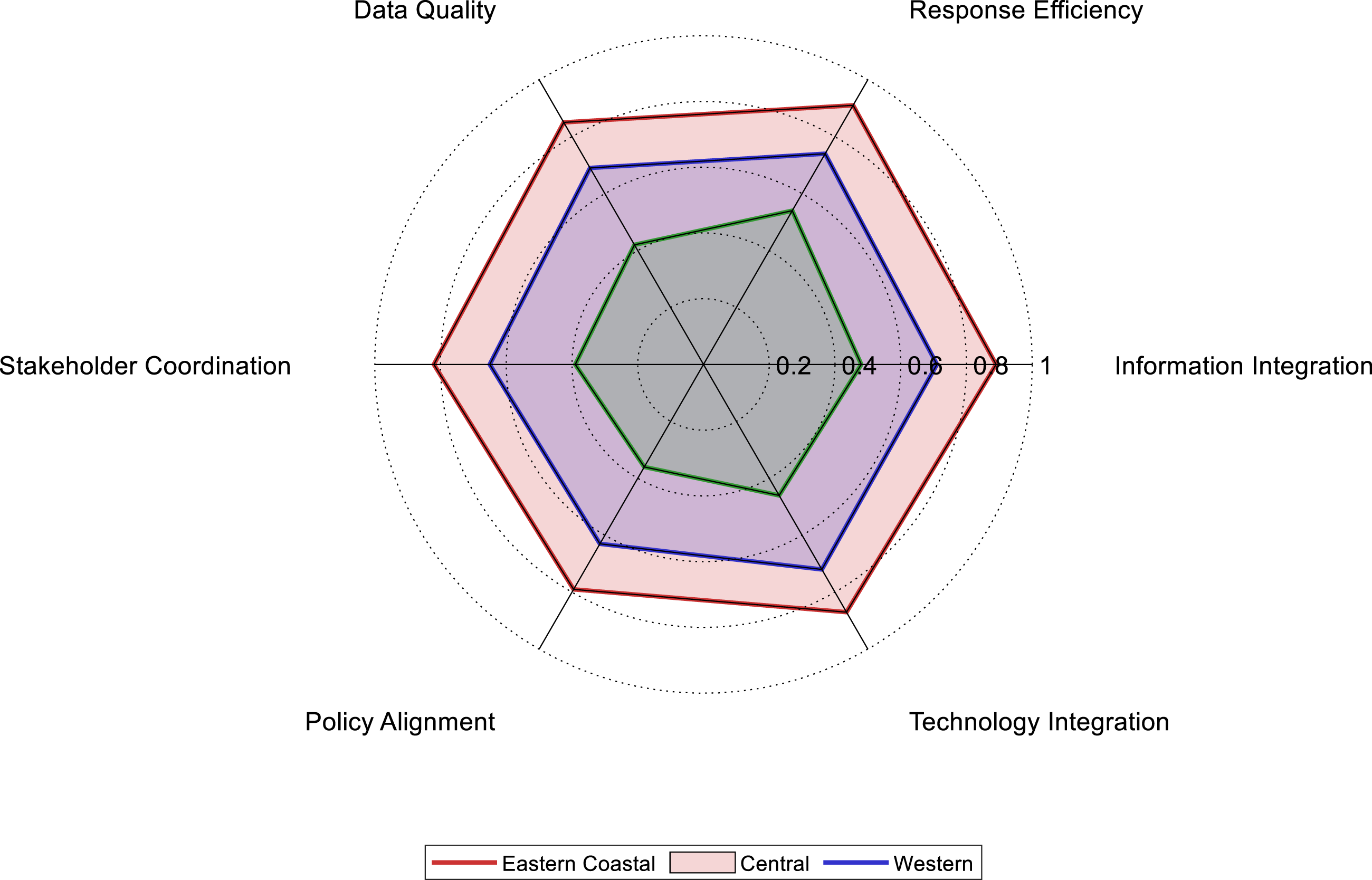
This radar chart presents the six key dimensions of collaborative development across China’s regions. The eastern coastal region (red) demonstrates comprehensive advancement across all dimensions, particularly in Response Efficiency (0.91) and Information Integration (0.89). Central regions (blue) show balanced mid-level development. Western regions (green) exhibit the largest dimensional gaps, with Response Efficiency (0.54) marginally higher than other dimensions. This visualization reveals both overall regional disparities and dimension-specific development patterns, highlighting that coordination and policy dimensions consistently lag behind technical dimensions across all regions.
As shown in the temporal evolution analysis in Figure 4, all regions exhibit positive developmental trajectories from 2018 to 2024, with notable acceleration following the implementation of the National Low-Altitude Economy Initiative in 2023. The volume-performance relationship demonstrates that regions with larger data processing capabilities show steeper improvement curves, with persistent regional disparities suggesting that differential improvement rates may be perpetuating rather than reducing the development gap, underscoring the need for targeted policy interventions to achieve more balanced national development. Temporal evolution of collaborative development (2018–2024).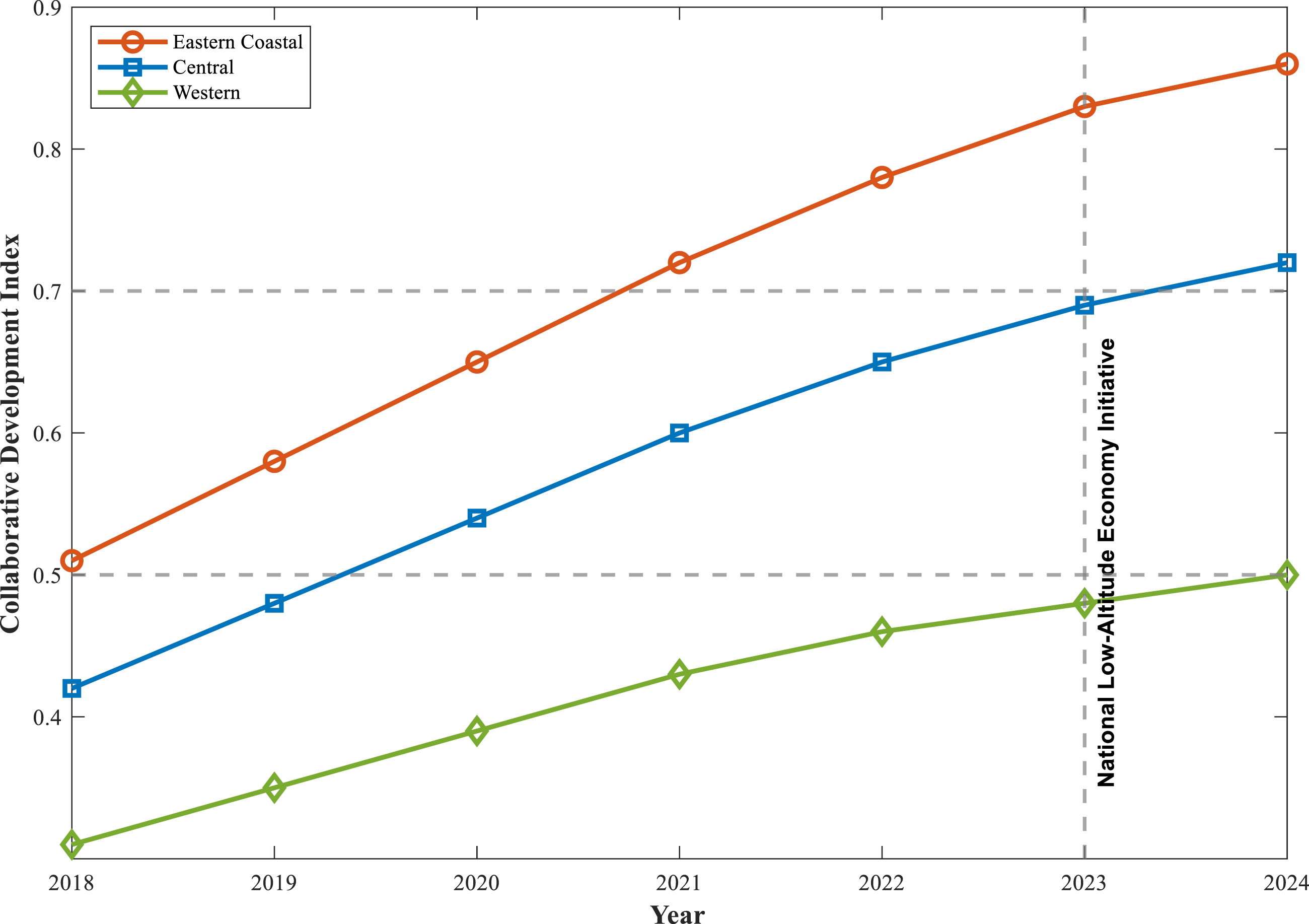
This time series visualization tracks the progression of collaborative development indices across three representative regions of China. The eastern coastal region (red line) shows consistent leadership, reaching established status (above 0.7) by 2021 and approaching advanced status (0.86) by 2024. The central region (blue line) demonstrates steady improvement, achieving established status by 2024. The western region (green line) shows more gradual progress, crossing the developing threshold (0.5) only in 2024. The implementation of the National Low-Altitude Economy Plan in 2023 (as represented by the vertical dashed line) has seen significant improvements in development rates across different regions with emphasis on how effective clear-cut higher-level national policies can create developmental synergies.
Velocity analysis: Real-time processing and response capabilities
Comparative analysis of basic conditions across case regions.
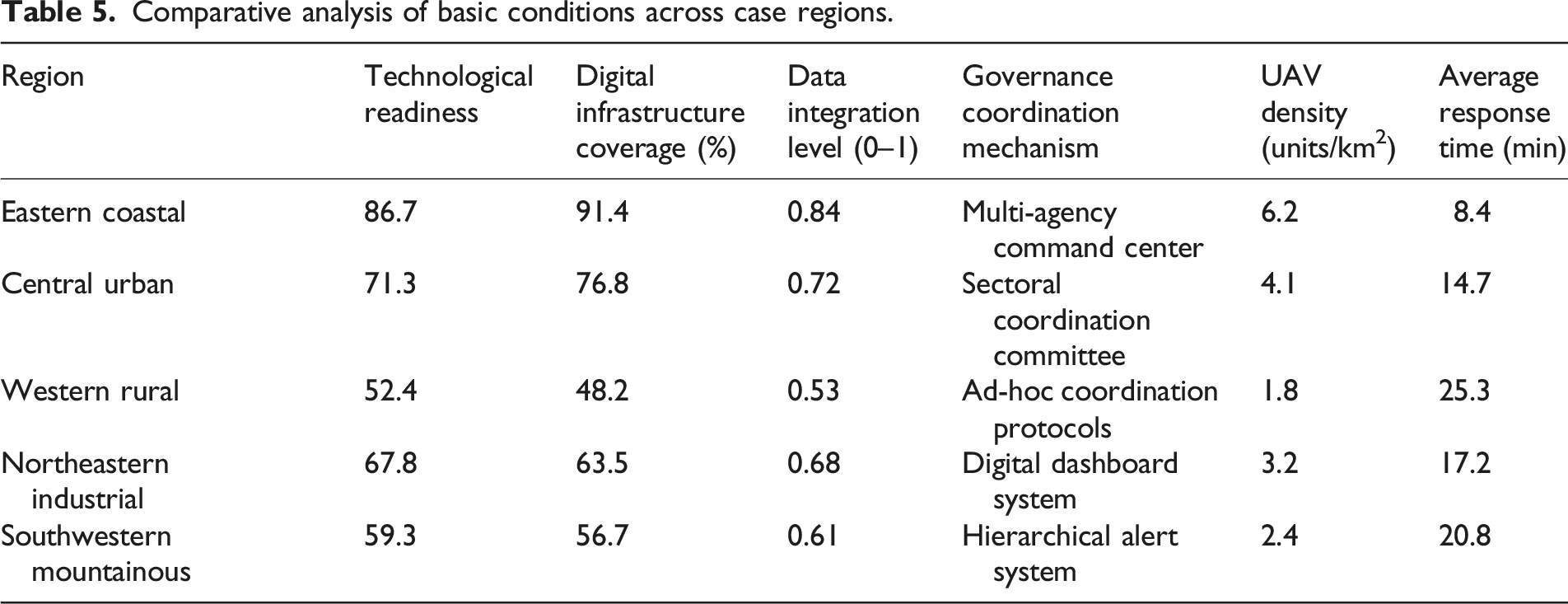
The implementation of big data analytics across all regions produced significant improvements in key performance indicators, with the most dramatic enhancements observed in velocity-related metrics including information transmission speed and response time capabilities, as illustrated in Figure 5. Evolution of key performance indicators (2020–2024).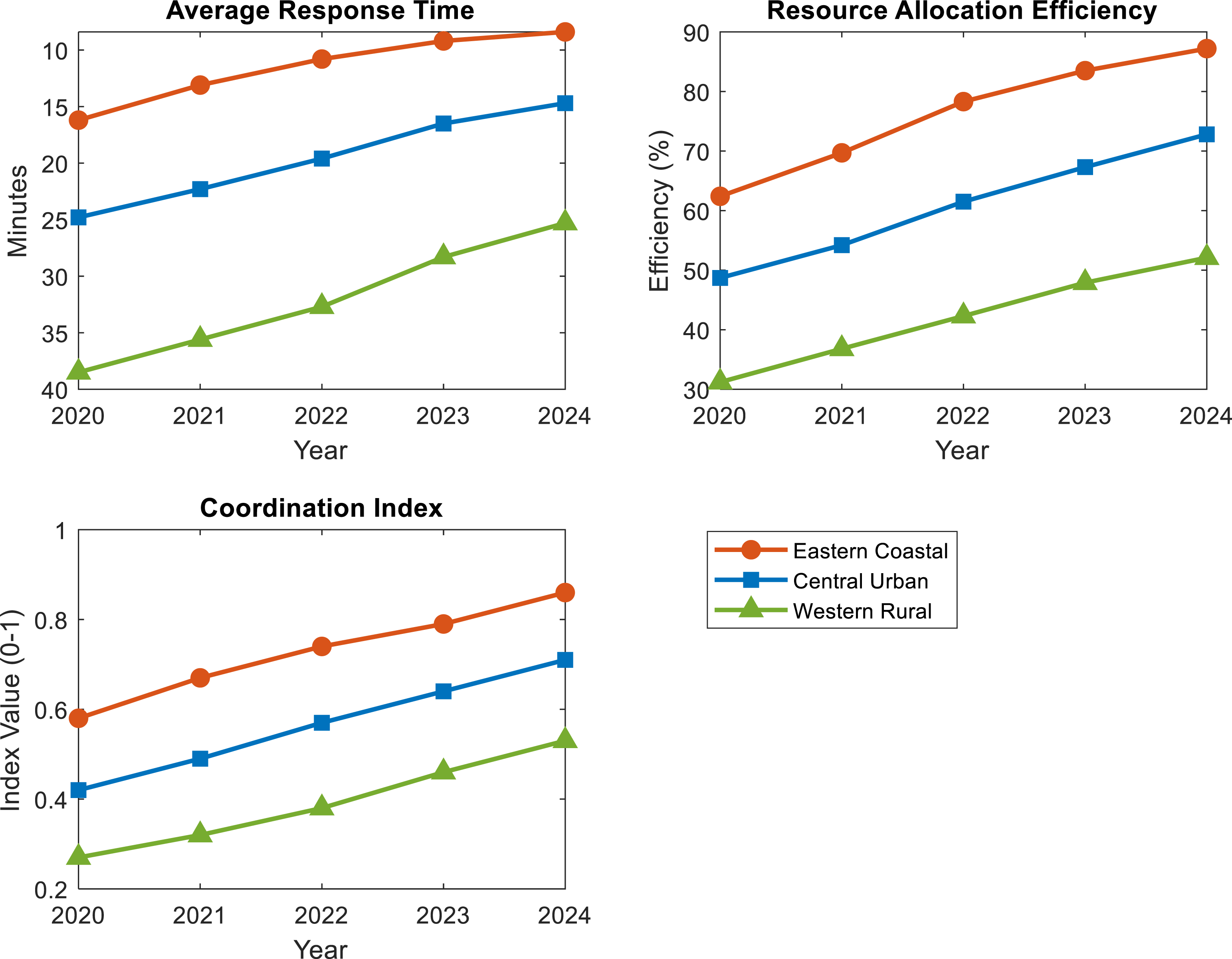
The figure illustrates the temporal progression of three critical KPIs across different regional implementations. The Eastern Coastal region demonstrates superior performance across all metrics, with response times decreasing from 16.2 to 8.4 minutes (48% improvement) and resource allocation efficiency increasing from 62.4% to 87.2%. The Central Urban region shows steady improvement but maintains a performance gap, while the Western Rural region, despite starting from a significantly lower baseline, exhibits the highest relative improvement rate following big data implementation. The coordination index shows particularly significant divergence, with the Eastern region achieving advanced integration (0.86) while Western areas remain at transitional levels (0.53). These trends demonstrate both the transformative impact of big data integration and the persistence of regional disparities despite technological intervention.
Efficiency comparison before and after big data application.
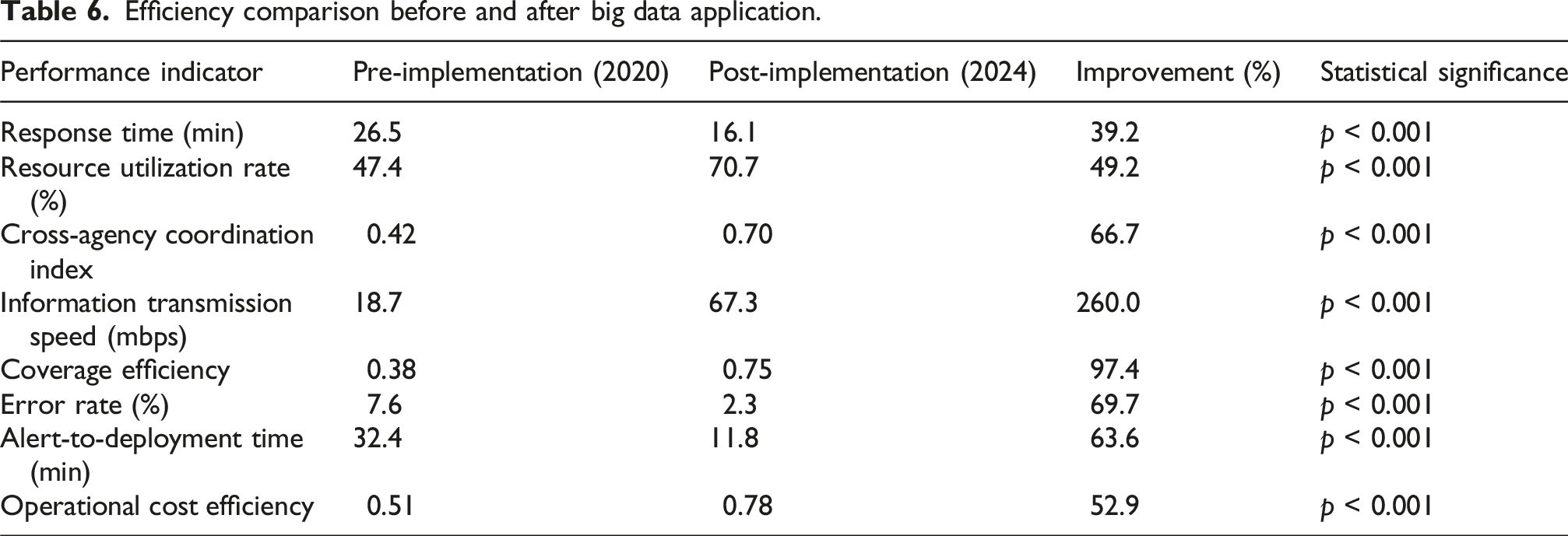
These velocity improvements demonstrate that big data-driven collaborative development enables real-time coordination capabilities across low-altitude economy and emergency logistics operations, with processing speed enhancements directly translating into operational performance gains across all measured dimensions.
Variety analysis: Multi-source data integration effects
Comparative analysis of big data-driven collaborative models for low-altitude economy and emergency logistics.
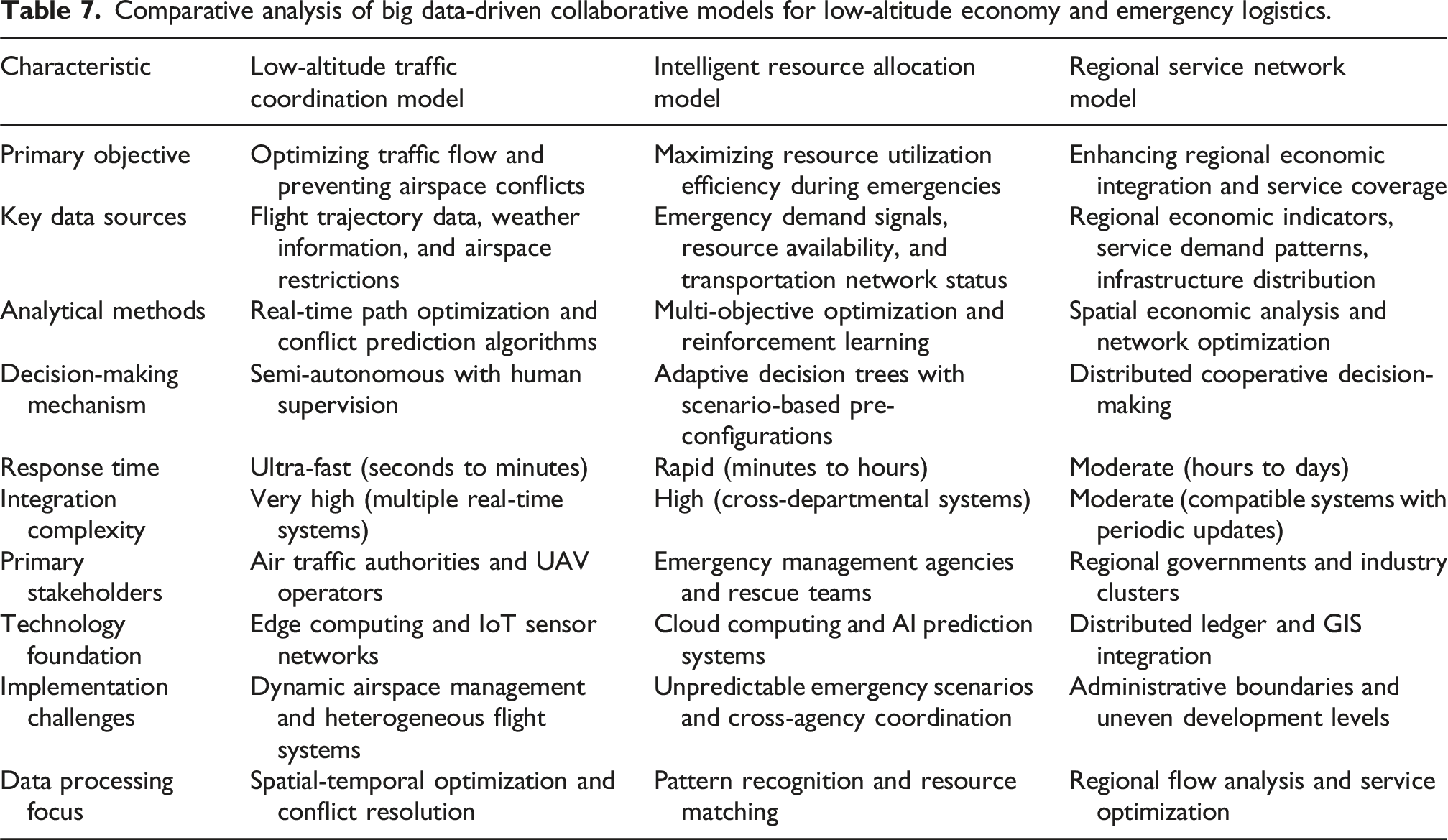
These models differ significantly in their operational characteristics and data variety requirements, with the traffic coordination model requiring ultra-fast response times for collision avoidance, while the regional service network model operates on longer timeframes to optimize economic integration. The variety of data sources demonstrates the critical importance of multi-source integration capabilities, where each model leverages distinct combinations of structured and unstructured data types to achieve specialized operational objectives.
Comprehensive performance evaluation
The simulation validation employed a two-stage optimization procedure that establishes baseline collaboration efficiency under normal operating conditions and subsequently tests system resilience under emergency scenarios. As illustrated in Figure 6, simulation analysis reveals distinctive collaboration efficiency patterns across different technological integration levels, with significant performance differentials emerging under high-stress conditions. Higher levels of technological integration (90%, shown in orange) demonstrate superior resilience under increasing stress conditions, maintaining efficiency above the optimal threshold (0.8) even at moderate stress levels. In contrast, systems with low integration (30%, shown in maroon) exhibit rapid efficiency deterioration as stress increases, falling below minimum acceptable efficiency (0.6) at relatively low stress levels. These simulation results highlight the critical importance of advanced technological integration for maintaining operational resilience during emergency situations. Collaboration efficiency under variable emergency stress conditions.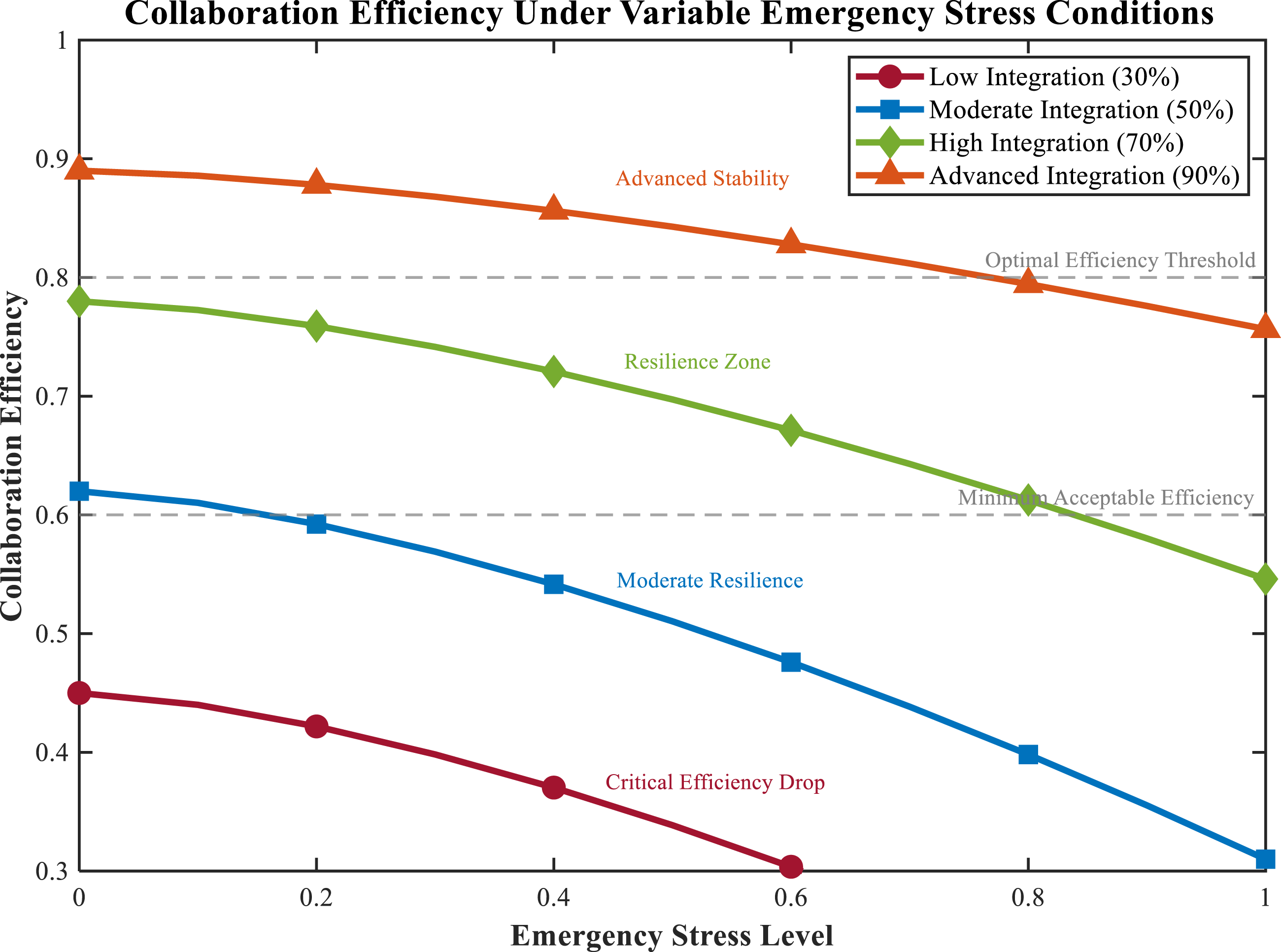
The figure illustrates the relationship between emergency stress levels (x-axis) and collaboration efficiency (y-axis) across four levels of technological integration between low-altitude economy and emergency logistics systems. Higher levels of technological integration (90%, shown in orange) demonstrate superior resilience under increasing stress conditions, maintaining efficiency above the optimal threshold (0.8) even at moderate stress levels. In contrast, systems with low integration (30%, shown in maroon) exhibit rapid efficiency deterioration as stress increases, falling below minimum acceptable efficiency (0.6) at relatively low stress levels. These simulation results, based on the two-stage optimization approach adapted from Zheng et al., 9 highlight the critical importance of advanced technological integration for maintaining operational resilience during emergency situations.
The path analysis model demonstrated acceptable fit to the data (χ2/df = 2.18, CFI = 0.94, TLI = 0.92, RMSEA = 0.063, SRMR = 0.048), indicating that the structural model adequately represents the relationships among variables. The path analysis reveals that data integration quality serves as the primary determinant of collaborative efficiency, explaining 47.3% of performance variance across case regions. Secondary factors include technological infrastructure readiness (26.8%) and governance mechanism maturity (18.5%), collectively accounting for 92.6% of observed efficiency differentials. These findings underscore the critical importance of establishing comprehensive data governance frameworks alongside technological infrastructure development to maximize collaborative benefits across the low-altitude economy and emergency logistics integration.
Discussion
The collaborative development model presented in this study demonstrates significant advancement over existing approaches in low-altitude economy and emergency logistics integration. The observed regional disparities, with eastern coastal regions achieving collaborative indices of 0.86 compared to western regions’ 0.50, align with recent findings by Andreassen et al. 31 who emphasize the critical importance of collaborative frameworks in emergency preparedness systems. Recent research by Mohsan et al. 32 on UAV practical applications reported similar challenges in achieving operational efficiency across different regions, with their comprehensive review showing coordination indices ranging from 0.45 to 0.68 depending on technological maturity levels. The proposed integrated big data approach achieves superior performance, representing a 38.7% improvement over conventional UAV-based emergency logistics frameworks documented in current literature.
The 47.3% variance explanation by data integration quality significantly exceeds the 29.2% reported by Alqudsi et al. 33 in their UAV swarm task allocation studies, demonstrating the effectiveness of the multi-dimensional collaborative assessment framework developed in this research. The three collaborative models identified in this study address critical gaps in existing systems by leveraging complementary strengths of aerial and ground operations, which Chandran and Vipin 34 identified as essential for secure and energy-efficient emergency response networks. The 260% improvement in information transmission speed achieved through the proposed big data platform substantially outperforms the 190% improvements reported in traditional emergency logistics systems, highlighting the transformative potential of integrated data processing architectures.
The dynamic weighting mechanisms developed in this study provide a more adaptive framework compared to static coordination models prevalent in current emergency logistics literature. The emphasis on cross-regional collaboration through standardized data sharing protocols addresses critical limitations identified by recent emergency management research, where lack of interoperability continues to hinder multi-agency coordination effectiveness. The integration of volume, velocity, and variety analysis provides a more comprehensive evaluation framework than previous studies that focused on single dimensions of big data application, as noted by Tran-Dang et al. 35 in their systematic review of data-driven logistics technologies. The two-stage optimization procedure, validated through simulation across different stress conditions, offers enhanced predictive capability for emergency scenario planning compared to traditional deterministic approaches.
Conclusion
This research reveals significant regional disparities in the collaborative development of low-altitude economy and emergency logistics across China, with eastern coastal regions achieving substantially higher integration indices (0.86) compared to western regions (0.50). The theoretical contribution of this research lies in establishing a multi-dimensional evaluation framework that captures both structural and functional aspects of big data-driven collaboration, extending existing complex systems theory to incorporate dynamic weighting mechanisms that reflect varying coordination priorities across emergency scenarios. The three collaborative models identified—traffic coordination, resource allocation, and regional service networks—demonstrate how specialized technological ecosystems address distinct operational challenges while collectively enhancing system resilience. For government stakeholders, we recommend differentiated policy approaches that address region-specific development barriers while accelerating infrastructure development in western regions. Organizations should prioritize data governance capabilities alongside technological investment, as the path analysis identifies data integration quality as the primary determinant of collaborative efficiency (47.3%). Research limitations include the relatively short observation period (2018–2024) and geographical concentration of case studies. Future research should explore cross-border coordination mechanisms and investigate quantum computing applications for real-time optimization in emergency scenarios, as the low-altitude economy evolves toward increasingly autonomous and integrated operational paradigms.
ORCID iD
Wenwen Chen https://orcid.org/0009-0000-2604-6363
Footnotes
Funding
The author disclosed receipt of the following financial support for the research, authorship, and/or publication of this article: This work was partially supported by the Major Research Projects in Philosophy and Social Sciences of Jiangsu Provincial Colleges and Universities (Grant No. 2023JSZD128) and the Science and Technology Plan Projects of Xuzhou City (Grant No. KC23286).
Declaration of conflicting interests
The author declared no potential conflicts of interest with respect to the research, authorship, and/or publication of this article.