






Abstract
Building Information Modeling (BIM) adoption in the Architecture, Engineering, and Construction (AEC) industry remains a complex process, particularly in developing countries. This study proposes a BIM transition framework, structured around six components: motivations, inputs, enablers, obstacles, benefits, and impacts, to ease BIM implementation. Through expert interviews in the AEC sector, 46 critical factors were identified and evaluated. Findings show that client requirements are a primary motivation, while investment in software and hardware is a key input, especially emphasized by Construction firms. Top management support is the most influential enabler, whereas its absence is a major obstacle. Results also implied that Construction companies give more importance to inputs than Engineering and Architectural companies. Overall, AEC companies experience differences in implementing BIM, and the BIM transition process proposed in this paper will help companies understand the BIM success factors, as well as their relative importance for BIM adoption.
Introduction and background
The construction industry is regarded as one of the most traditional sectors globally, often resistant to embracing innovation compared to other industries. This resistance has negatively affected the industry’s productivity. For instance, NBS (2014) reported that the gap between non-farm labor productivity and construction labor efficiency grew significantly from 1964 to 2004. 1 Despite this resistance, the construction industry has begun to evolve, driven by the rise of BIM in recent years.
The construction industry operates with traditional dynamics; however, BIM technology is increasingly being adopted across the global AEC sector. Its growing significance stems from construction firms aiming to gain a competitive edge and uphold a strong professional image. Additionally, BIM-enabled projects tend to be more profitable than those that do not implement BIM, largely because BIM helps reduce construction waste, 2 which in turn supports more precise cost estimation and scheduling. Furthermore, conventional construction projects often suffer from issues related to communication, collaboration, and coordination among stakeholders. 3 BIM tools address or alleviate many of these challenges by enhancing interaction. For example, shared data environments such as Industry Foundation Classes (IFC) facilitate more efficient collaboration and coordination among project teams. 4
Beyond project-level benefits, BIM also has a significant organizational impact. Over time, BIM adoption contributes to higher returns on investment (ROI) for construction firms. 5 This is particularly important given the high initial costs associated with BIM implementation, including investments in software, hardware, and skilled personnel. 6 Moreover, integrating BIM into company operations enhances overall business value.7,8
A review of the literature reveals numerous studies on BIM adoption and implementation. Rogers (2003) outlines the decision process as encompassing five stages: knowledge, persuasion, adoption decision, implementation, and confirmation. 9 Within the literature, scholars commonly focus on the adoption and implementation phases of BIM. However, some studies take a more comprehensive approach. For instance, Ahmed and Kassem (2018) examined the knowledge, persuasion, and adoption decision stages. 10 Additionally, other research investigates various factors categorized as technological, organizational, and environmental.11,12 These influential factors are often analyzed as drivers, barriers, benefits, and so forth.3,13
Mom et al. (2014) created an approach for developing Critical Success Factors (CSF) for the assessment of BIM technology adoption at an organizational level. 14 Another study focused on evaluating BIM adoption and analyzing BIM diffusion policies across several countries by utilizing online questionnaires and structured interviews. 15 There were also specific studies where the BIM implementation was handled concerning its impact on the construction sustainability and environmental impacts of the AEC industry. 16 A recent study presented a comprehensive framework to enhance BIM-based procurement processes, emphasizing the importance of proper documentation and practical implementation strategies. 17 Another study focused on strategies to enhance BIM implementation across the construction industry, overcoming existing barriers and improving overall efficiency. 18
Some studies specifically worked on the challenges of BIM implementation. Ndwandwe et al. (2024) identified and analyzed the challenges of BIM implementation in Malawi, utilizing a quantitative methodology based on 189 questionnaires. 19 Mishra et al. (2024) observed the top pre-adoption barriers to BIM in India, including high hardware and software costs and low adoption across the supply chain. 20
As can be observed from the literature, there is an abundance of BIM implementation frameworks worldwide. To fully observe the benefits of BIM, a transition process is necessary, 21 which is often complex and challenging for AEC firms. Comprehensive research examining the BIM transition process in detail is needed, especially to benefit BIM adoption in developing countries. To address this gap, this study conducts an in-depth analysis of the BIM transition process and evaluates key BIM success factors based on insights from experts in the AEC industry.
Methodology
This study aims to explore the key factors influencing the transition to BIM within the AEC industry in Turkey as a representative developing country. The methodology presented in Figure 1 started with an extensive literature review, which served as the foundation for developing a conceptual BIM transition framework. This framework synthesizes insights from prior studies and categorizes the influencing factors into six core components: motivations, inputs, barriers, enablers, benefits, and impacts. Given the scope of this research, particular emphasis was placed on these BIM success factors, as they are critical to understanding the drivers and perceived value of BIM adoption. To gather empirical data, online interviews were conducted with professionals—primarily engineers and architects—actively engaged in BIM implementation within their organizations. Participants were asked to evaluate the importance of various factors using a five-point Likert scale (1 = “not important” to 5 = “very important”), based on their direct experiences with BIM transition processes. The collected data were then analyzed to identify commonalities and divergences across firms, with particular attention given to variations in organizational BIM experience. This comparative approach enabled a thorough understanding of how BIM success factors are perceived across different levels of BIM maturity within the Turkish AEC sector. BIM transition flowchart.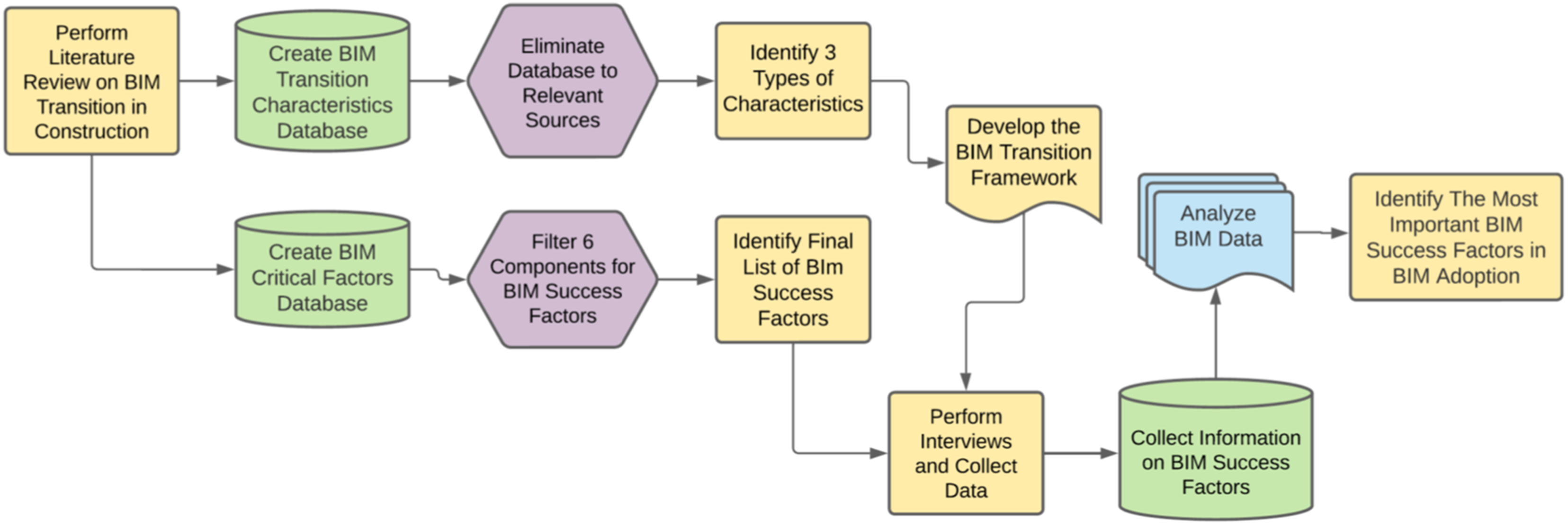
The proposed framework
A structured and multidimensional framework has been conceptualized to articulate the BIM transition process. This framework was developed through a systematic synthesis of established theoretical perspectives and BIM-specific literature. In particular, Rogers’ Diffusion of Innovations theory informed the structuring of the temporal dimension of the framework, especially the delineation of sequential stages from awareness to diffusion. The Technology–Organization–Environment (TOE) framework provided the basis for categorizing the contextual characteristics influencing BIM transition into technological, organizational, and environmental domains. Institutional Theory further contributed to understanding the role of external pressures—such as regulatory requirements, industry norms, and client demands—in shaping adoption behavior. In addition, prior BIM studies were reviewed to identify recurring adoption factors, which were consolidated into the six core components of the framework (motivations, inputs, barriers, enablers, benefits, and impacts). Further conceptual refinement was undertaken to establish the relationships between the three layers of the framework. The characteristics layer defines the contextual conditions under which BIM transition occurs, the components layer captures the key drivers and outcomes shaping the process, and the stages layer represents the temporal progression of adoption. These layers are inherently interlinked, such that contextual characteristics influence the prominence of specific components, while these components manifest differently across the sequential stages of the transition. The final framework, therefore, represents an integrative conceptualization in which theoretical foundations are adapted and aligned with empirical insights from the study, yielding a structured, contextually grounded model of BIM transition.
The framework is organized into three interrelated layers that encompass the defining characteristics, core components, and temporal phases of BIM transition. The first layer delineates three categories of transition characteristics: (1) innovation and technological attributes, (2) internal/organizational dynamics, and (3) external/environmental influences. The second layer identifies six fundamental components that shape the transition trajectory—namely, motivations, inputs, barriers, enablers, anticipated benefits, and resultant impacts. The third layer outlines the temporal progression of the transition, segmented into three overarching phases: pre-transition, transition, and post-transition. These phases are further disaggregated into six sequential stages: awareness, intention formation, adoption decision, implementation, confirmation, and eventual diffusion of BIM practices. Collectively, this framework provides a comprehensive understanding of the complexity and evolution of BIM adoption. The proposed BIM transition framework is given in Figure 2. The proposed BIM transition framework.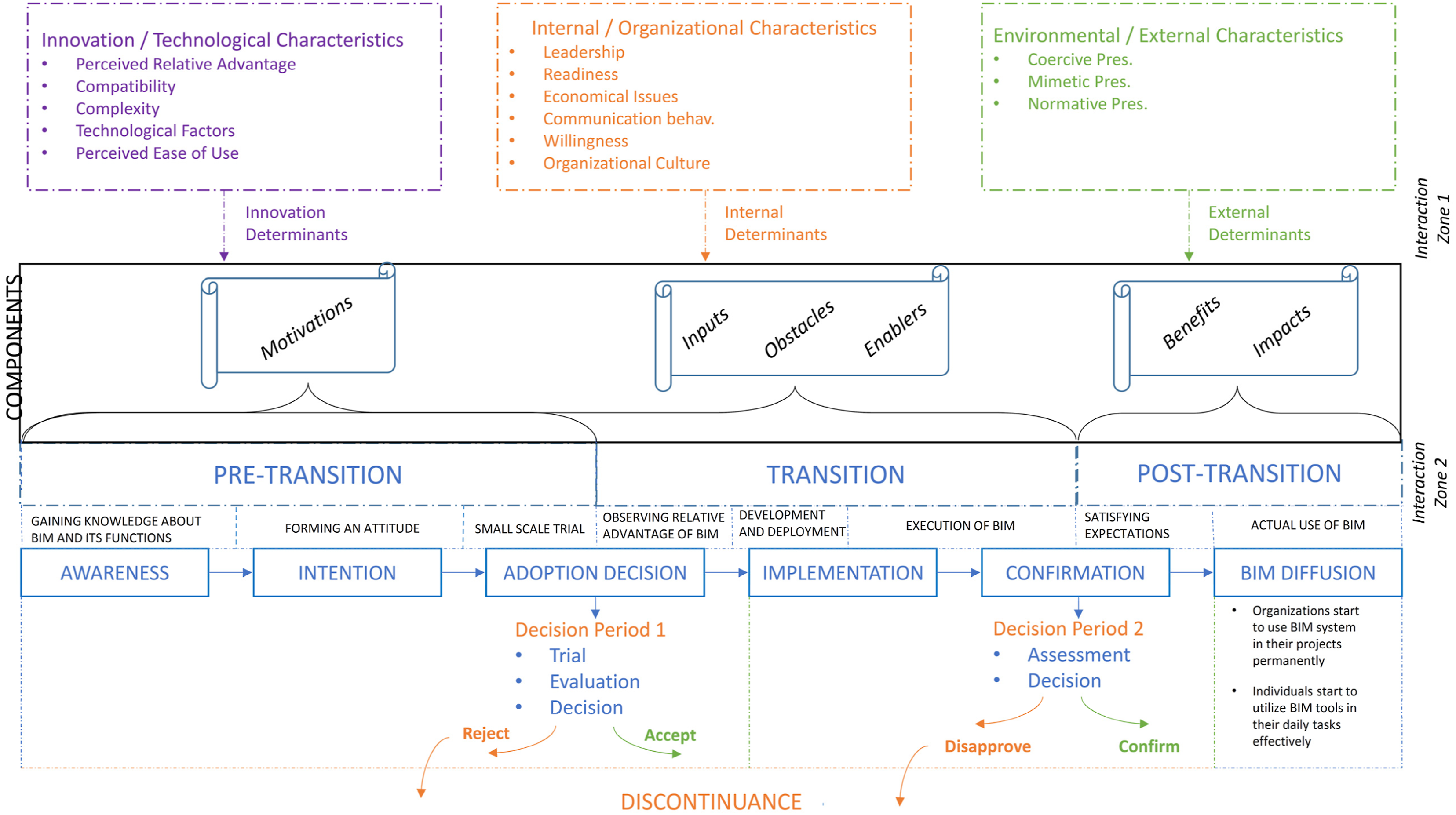
BIM transition characteristics
After a thorough analysis of BIM transition structures, three distinct types of transition characteristics have been identified, encompassing a total of 12 determinants. These determinants have been characterized based on relevant literature focusing on innovation adoption, diffusion of technology, IT adoption, diffusion, as well as BIM adoption and diffusion. • •
•
BIM transition components
A number of studies in the literature have explored the factors influencing the innovation process within the AEC industry. 28,41,45 Notably, Ozorhon (2013) developed a comprehensive framework that categorizes these influencing factors into six interconnected components, while also incorporating project participants.
26
The components identified in the framework include drivers, inputs, enablers, barriers, benefits, and impacts, all of which are interrelated. Drivers are the motivating factors that encourage firms to pursue innovation. Inputs refer to the essential elements—such as resources and tools—required for the successful adoption and implementation of innovation. Enablers are conditions or factors that support and accelerate the innovation process. In contrast, barriers are obstacles that hinder or complicate innovation efforts. Benefits are the positive outcomes observed at the project level following innovation, while impacts represent the broader achievements realized at the organizational level as a result of innovation.
26
Building upon Ozorhon’s (2013) work, BIM transition components have been identified as described below. • 1. 2. 3. 4. 5. 6. 7. 8. • 1. 2. 3. 4. 5. 6. 7. • 1. T 2. 3. 4. 5. 6. 7. 8. 9. 10. 11. • 1. 2. 3. 4. 5. 6. 7. 8. • 1. 2. 3. 4. 6. • 1. 2. 3. 4. 5.
BIM transition stages
Throughout the literature review, numerous studies were analyzed to identify suitable frameworks, models, theories, and key factors influencing the BIM transition process. Drawing from these established frameworks and theories, distinct transition phases were developed, illustrating the components of the BIM transition process. As mentioned before, the BIM transition framework consists of six stages: awareness, intention, adoption decision, implementation, confirmation, and BIM diffusion. During these stages, two key decision periods occur, culminating in a decision to accept or reject BIM. If BIM is rejected or disapproved, the process leads to discontinuance. • • • • • •
Interviews
While the proposed framework offers a holistic perspective on the BIM transition process—encompassing transition characteristics, core components, and temporal phases—this study deliberately focuses on the six fundamental components: motivations, inputs, barriers, enablers, benefits, and impacts. These elements were prioritized due to their direct relevance to the practical dynamics of BIM adoption and their capacity to capture the tangible drivers and outcomes of the transition process. Accordingly, the research design, including data collection and analysis, was structured to investigate these components. The decision to exclude the other two layers—transition characteristics and transition phases—was made to maintain analytical clarity and depth. While these layers provide valuable contextual and temporal insights, they were deemed beyond the scope of this study’s objectives. By narrowing the focus, the research aims to generate detailed empirical findings on the operational and strategic dimensions of BIM transition, thereby offering actionable insights for both practitioners and scholars.
Quantitative data were collected through interviews with 14 industry experts. These interviews were conducted via online communication platforms (e.g., Zoom, Skype) to accommodate participants’ availability and geographic distribution. The aim was to elicit expert insights into the factors influencing the BIM transition process, grounded in their professional experiences and organizational contexts. A structured questionnaire (Appendix A) was developed to guide the interviews and ensure consistency across sessions. The instrument was organized into four sections. The first section gathered background information on the interviewees, including their professional roles and levels of BIM experience. The second section focused on organizational attributes, such as the firm’s area of operation and the duration and extent of BIM implementation. The third section explored project-level BIM practices, including the types of software employed and the specific domains of BIM application. The fourth and final section presented a curated list of commonly cited factors associated with the six transition components. These factors were evaluated using a Likert scale to capture participants’ perceptions of their significance and influence.
To ensure the relevance and depth of insights gathered, specific criteria were established for the selection of interview participants. The primary criterion was that participants possess direct experience with BIM and have been actively involved in their organization’s BIM transition process. This requirement was critical, given the study’s focus on exploring how firms within the AEC industry navigate BIM adoption and the factors that shape this transition. A secondary criterion involved the operational domain of the participants’ firms and their respective levels of BIM maturity. These variables were considered essential for enabling comparative analysis across different organizational contexts and for identifying patterns in transition dynamics. A third, though less decisive, criterion was the professional role of the interviewees, which was taken into account to ensure a diversity of perspectives across managerial, technical, and strategic functions. Participants’ BIM experience was categorized into three groups to facilitate analysis based on expertise levels: (1) less than 5 years, (2) between 5 and 10 years, and (3) more than 10 years. As illustrated in Figure 3, four participants reported less than 5 years of BIM experience, five had between 5 and 10 years, and another five had over 10 years of experience. This distribution provided a balanced representation of early adopters, experienced practitioners, and long-term BIM users, enriching the study’s findings with a range of experiential insights. Bim experience of the participants.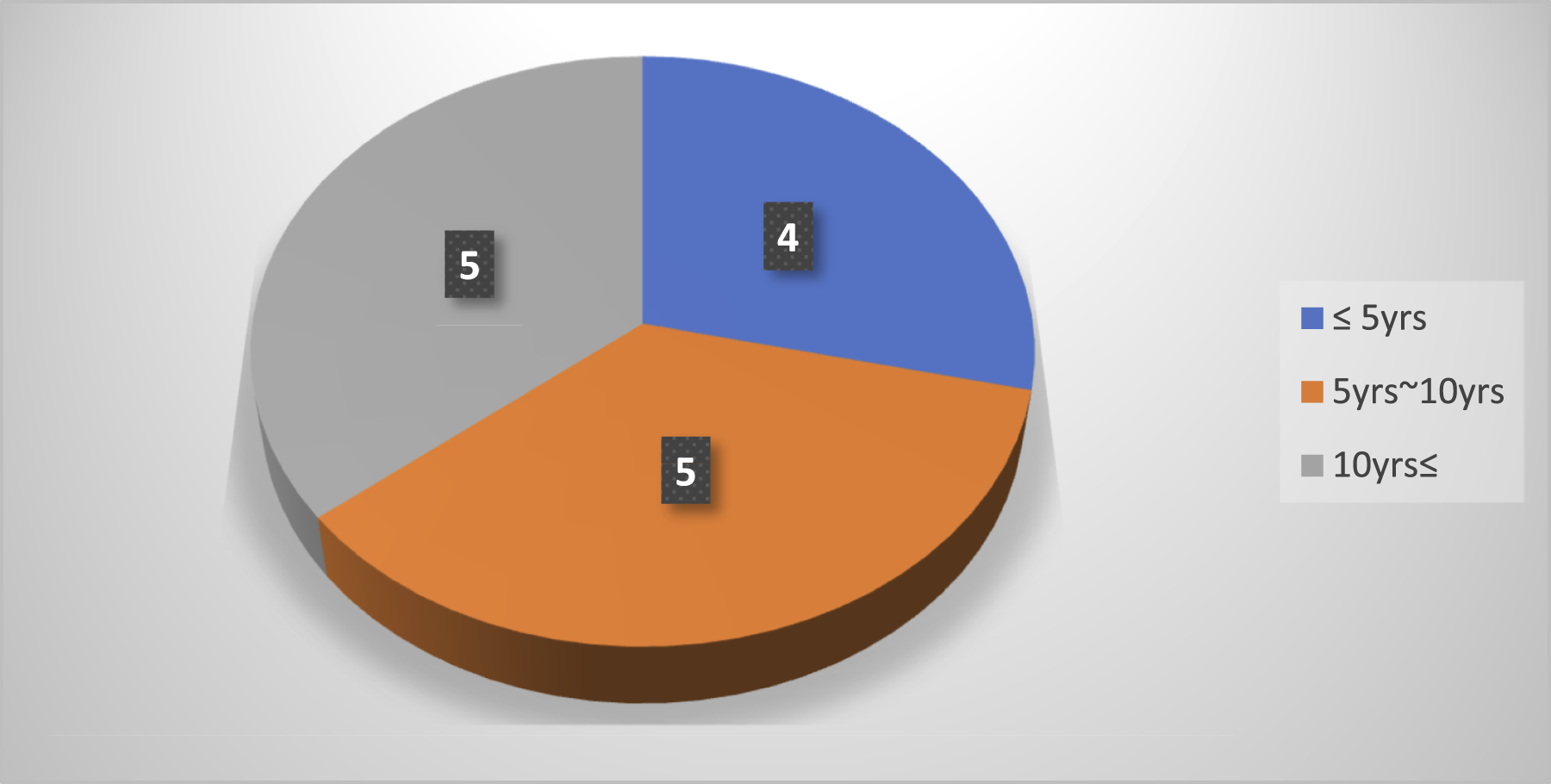
Additionally, the professional backgrounds of the participants reflected a diverse yet architecture-oriented sample. 50% of the respondents were architects, while 36% were civil engineers and 14% were mechanical engineers. This distribution ensured a multidisciplinary perspective on BIM adoption across the AEC sector. In terms of organizational representation, the participating firms were evenly distributed across architectural, construction, and engineering domains, allowing for a balanced examination of BIM practices across different operational contexts. For confidentiality and ease of reference, companies were anonymized and labeled alphabetically (e.g., Company A, Company B, etc.).
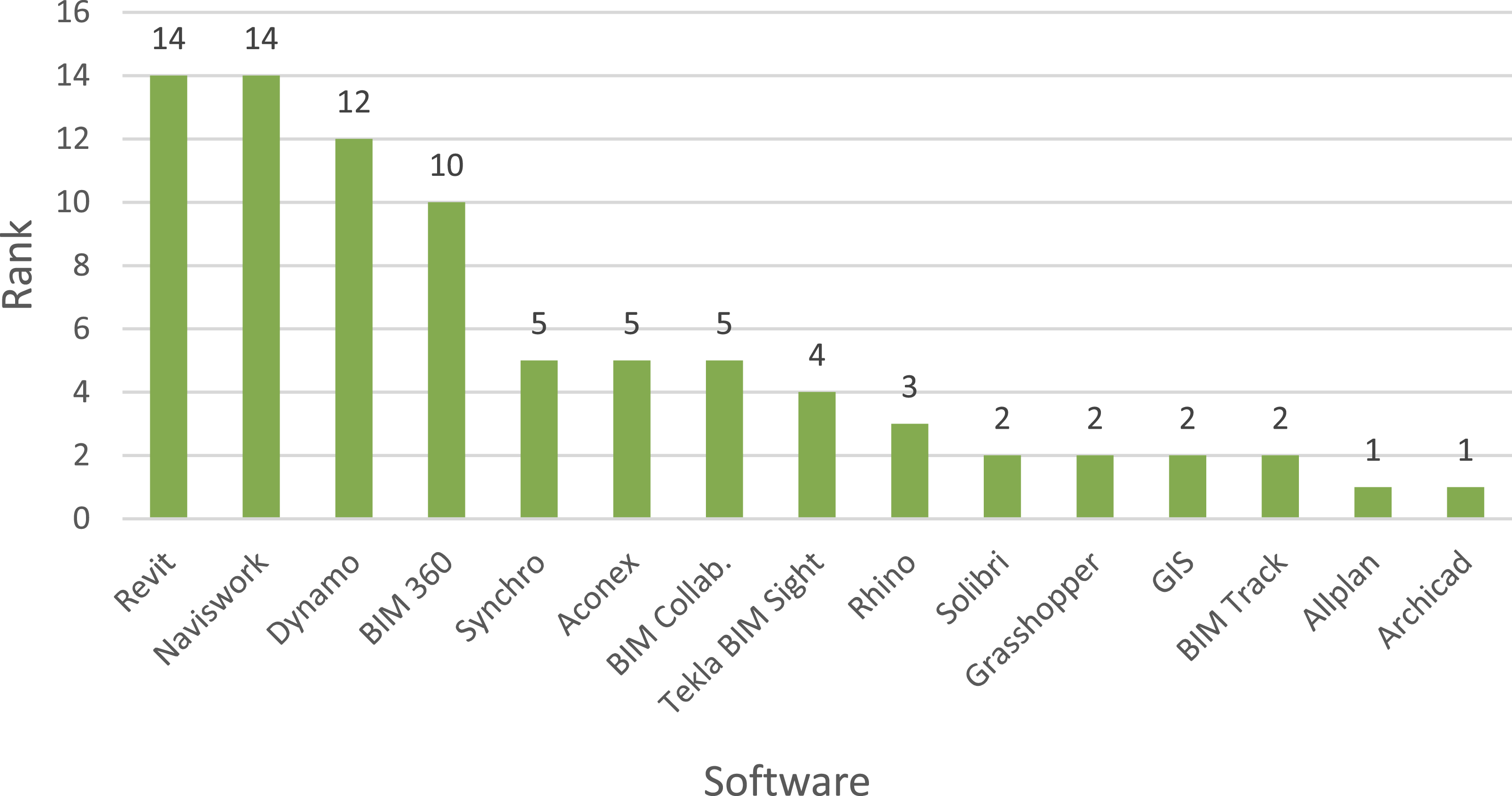
The firms’ BIM experience ranged from less than 1 year to over 10 years, as illustrated in Figure 4. During the interviews, participants were also asked to identify the BIM software utilized within their organizations. As shown in Figure 5, Revit and Navisworks emerged as the most commonly adopted tools, used by all participating firms. In contrast, ALLPLAN and Archicad were each reported by only one firm, indicating more limited adoption. BIM experience level of companies. Usage of software types.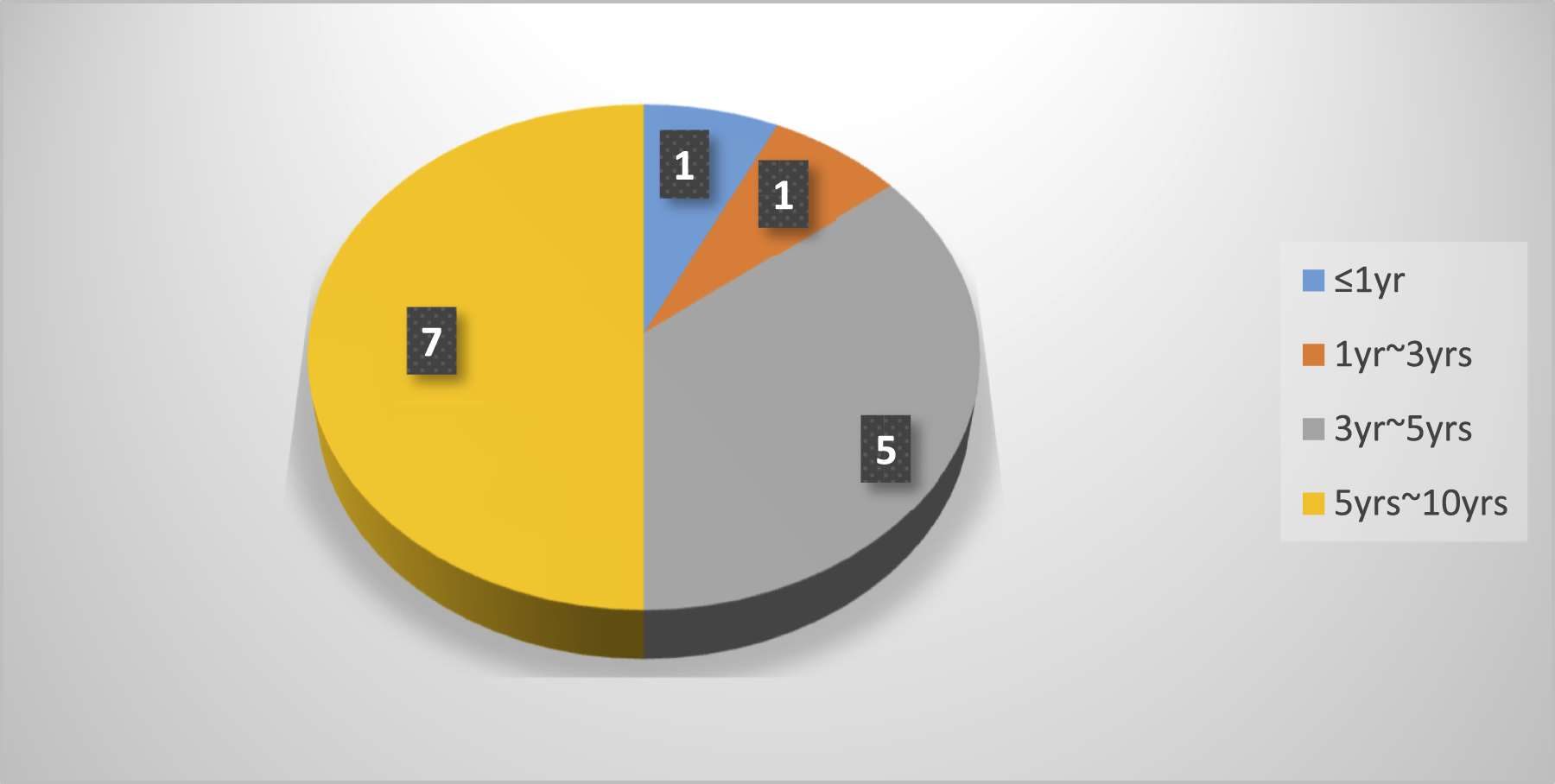
Furthermore, participants provided insights into the functional areas where BIM is applied within their projects. Figure 6 presents the distribution of BIM functions based on these responses. Notably, all firms reported using BIM for quantity take-off and clash detection, highlighting these as core applications. Conversely, energy analysis was identified as one of the least utilized functions, suggesting potential gaps or underexplored opportunities in sustainability-oriented BIM practices. BIM usage fields.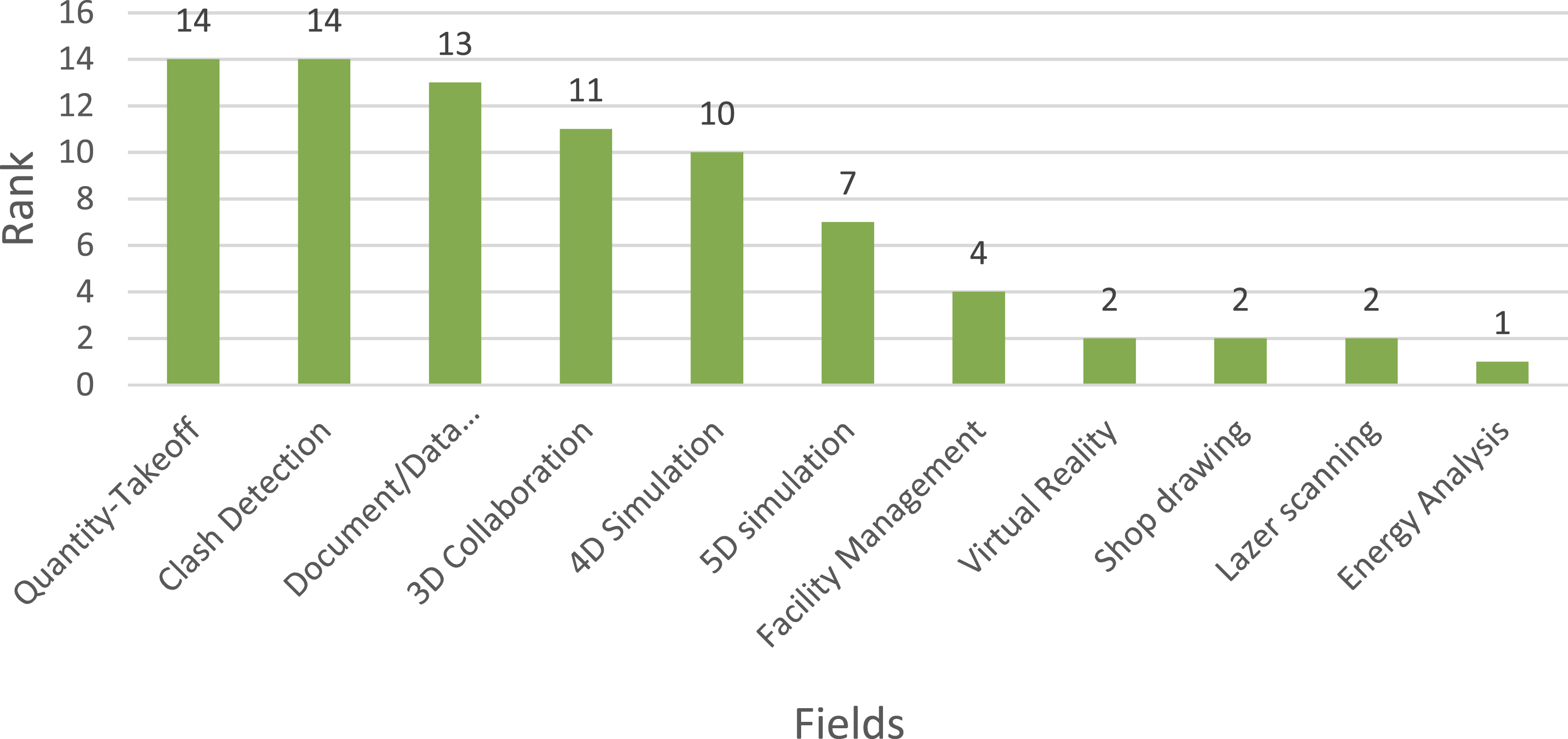
Findings
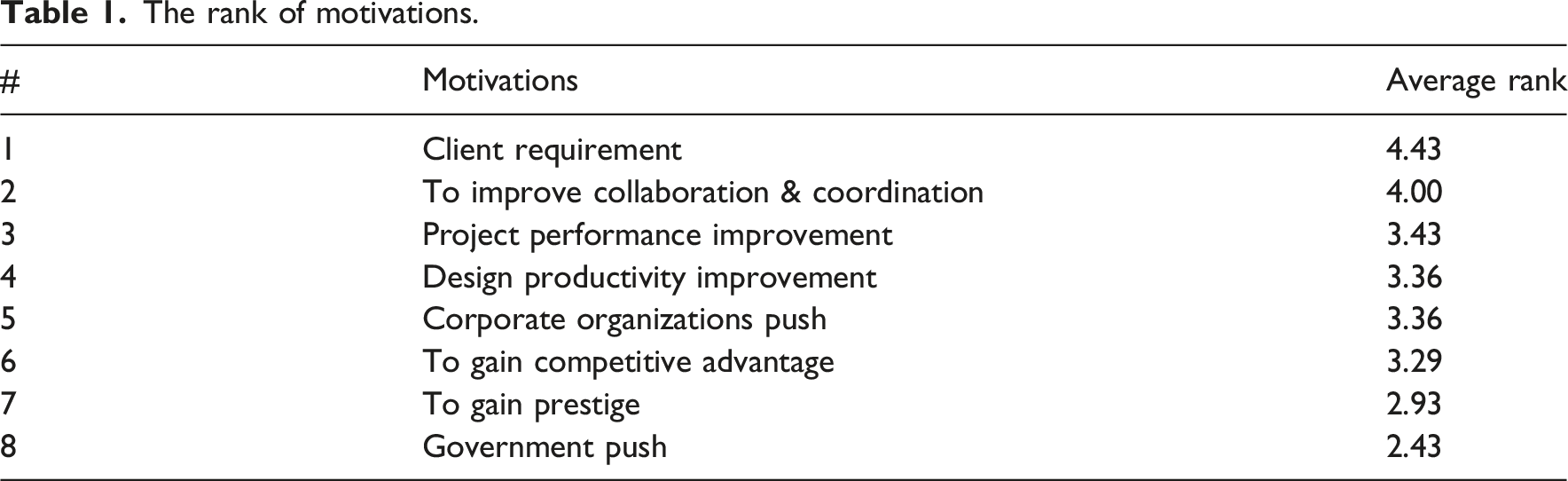
The results of the interviews will be shared in this section in terms of the rankings of CSFs, as motivations, inputs, enablers, obstacles, benefits, and impacts, based on all respondents’ responses.
The rank of motivations.
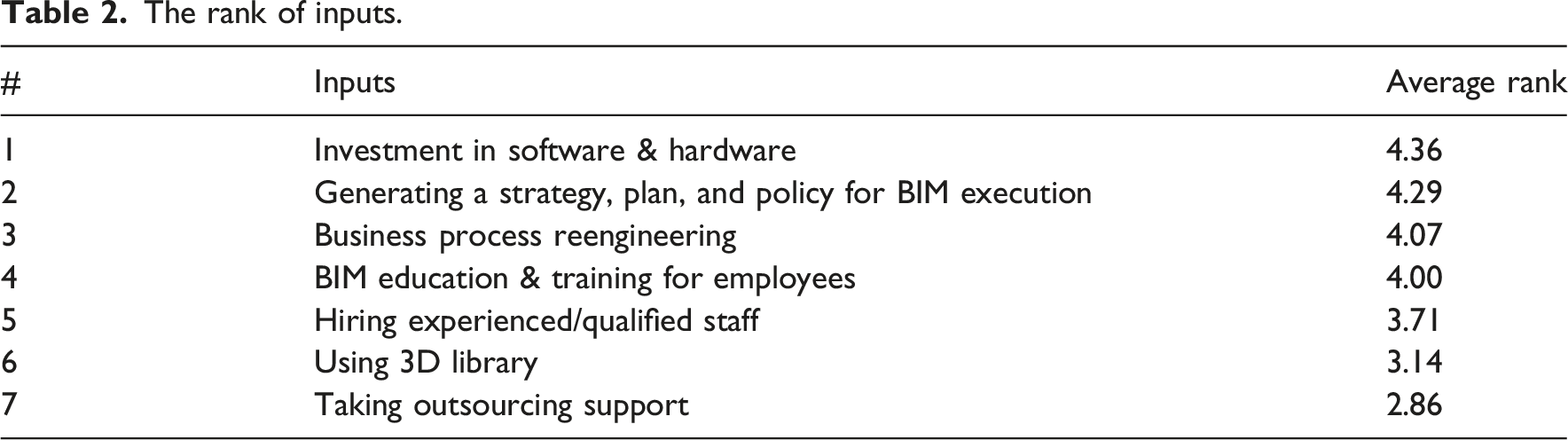
The rank of inputs.
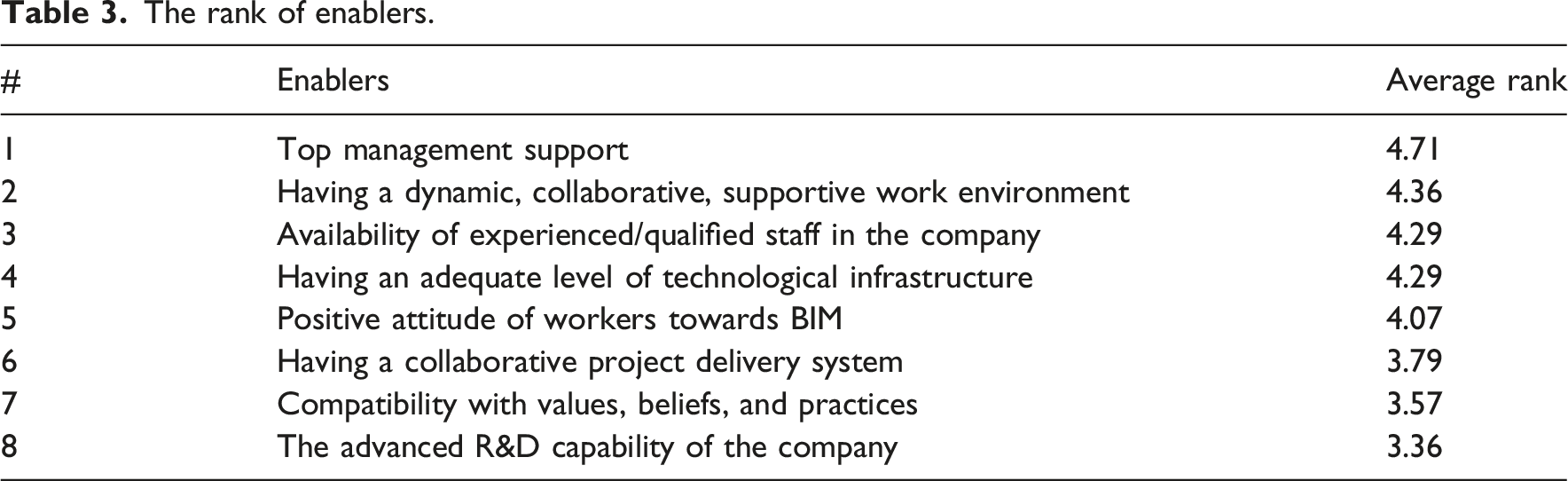
The rank of enablers.
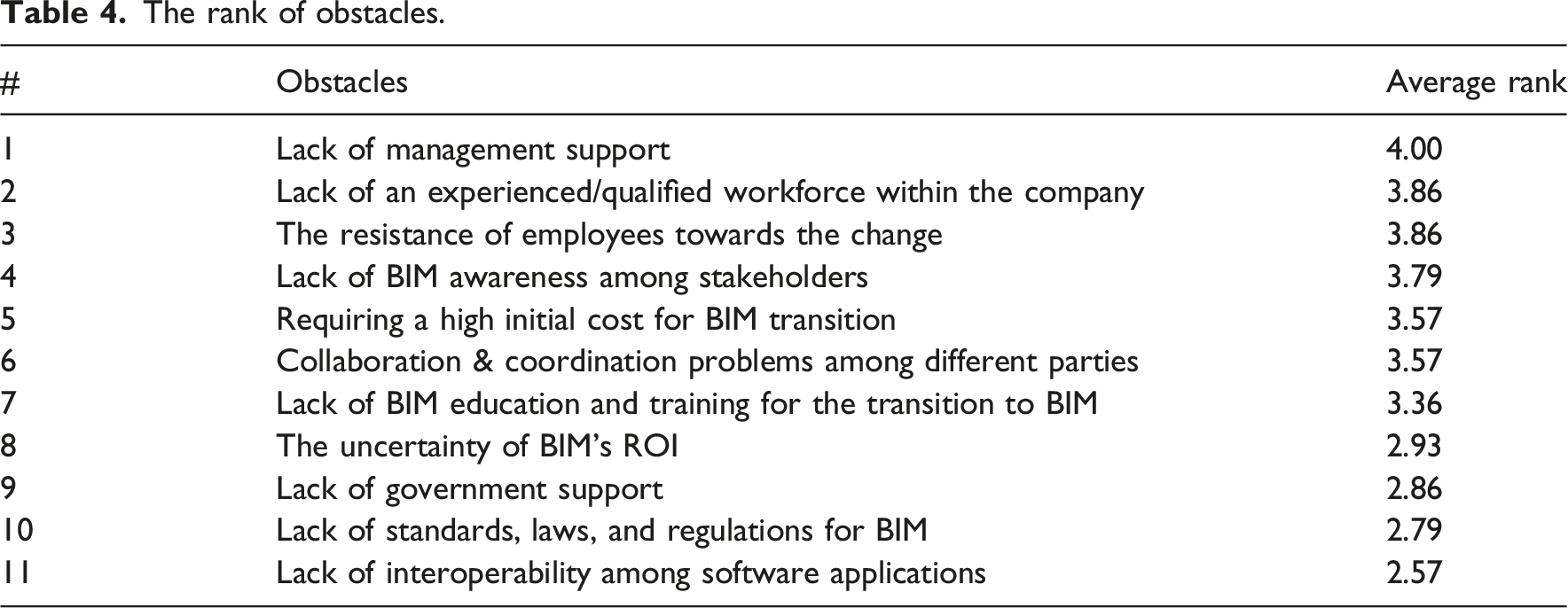
The rank of obstacles.
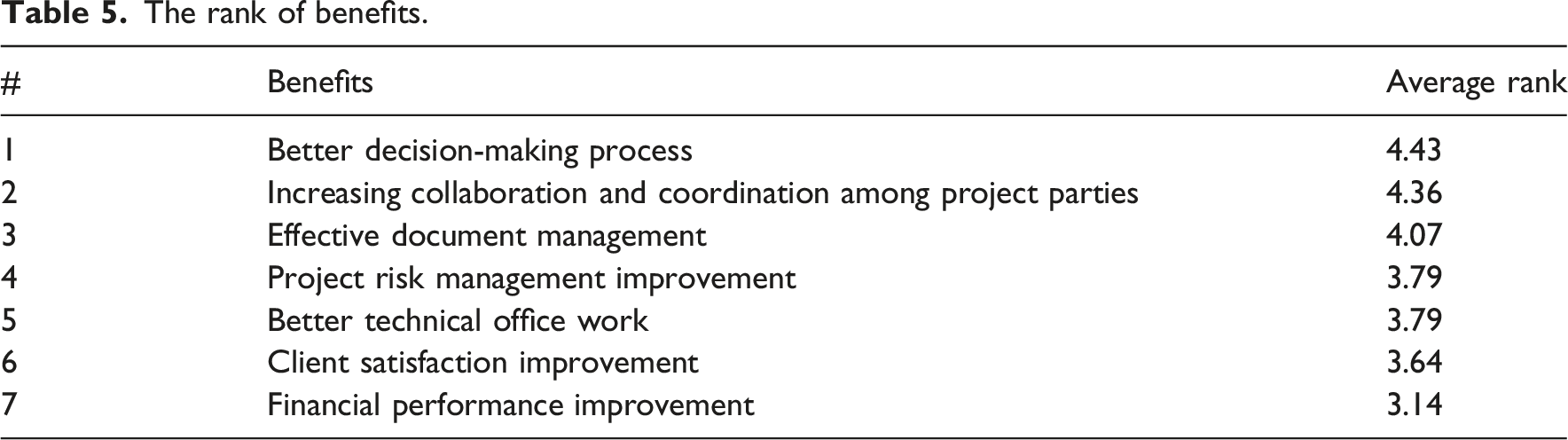
The rank of benefits.
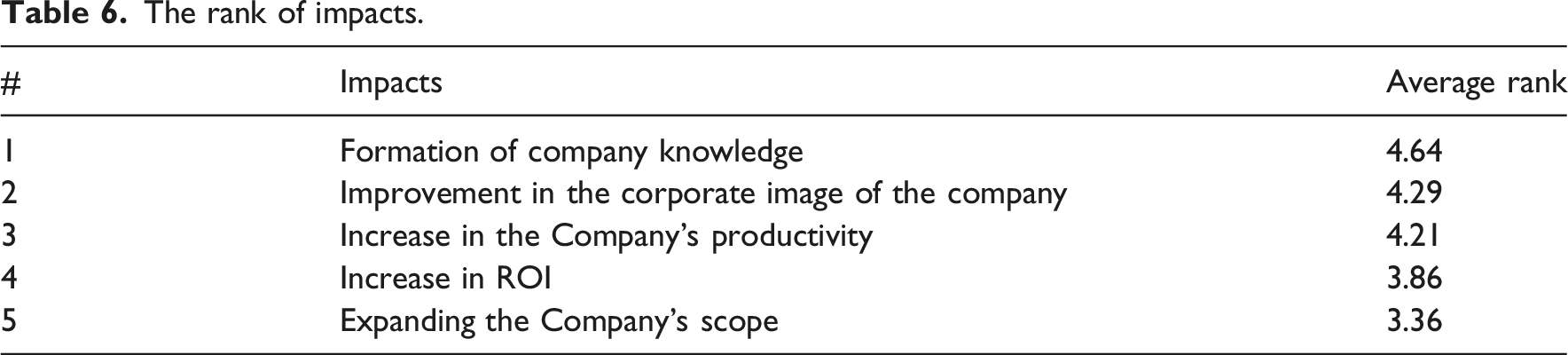
The rank of impacts.
Discussions
Comparison of motivations in terms of the Turkish AEC industry
This section compares motivations across different AEC firms. As shown in Figure 7, both Engineering and Construction firms considered “client requirement” as a highly significant motivation. In contrast, Architecture firms regarded “improving collaboration and coordination” as the key motivational factor. During the interview, the BIM manager of Company I explained: “Client requirement is not a significant factor for our motivation to use BIM because we transitioned to BIM before clients even recognized it. Many clients are unaware that we are using BIM. The most important motivation for us was improving collaboration and coordination.” Secondly, while both Architectural and Engineering firms considered government incentives to be the least effective motivator, Construction companies found “to gain prestige” to be an unimportant motivation. The BIM specialist from Company A mentioned, “For us, government push is not a motivation. We believe that one of the biggest gaps is that the government does not mandate BIM usage. Ultimately, the transition to BIM will depend on government push, as BIM imposes additional burdens on companies comfortable with their current methods. The government’s stance will be crucial.” In contrast, the BIM manager of Company J noted, “We are involved in government metro projects, and BIM has started being included in the Ministry of Transport’s specifications, which has been a major driving force for our company.” The comparison of motivations according to firms.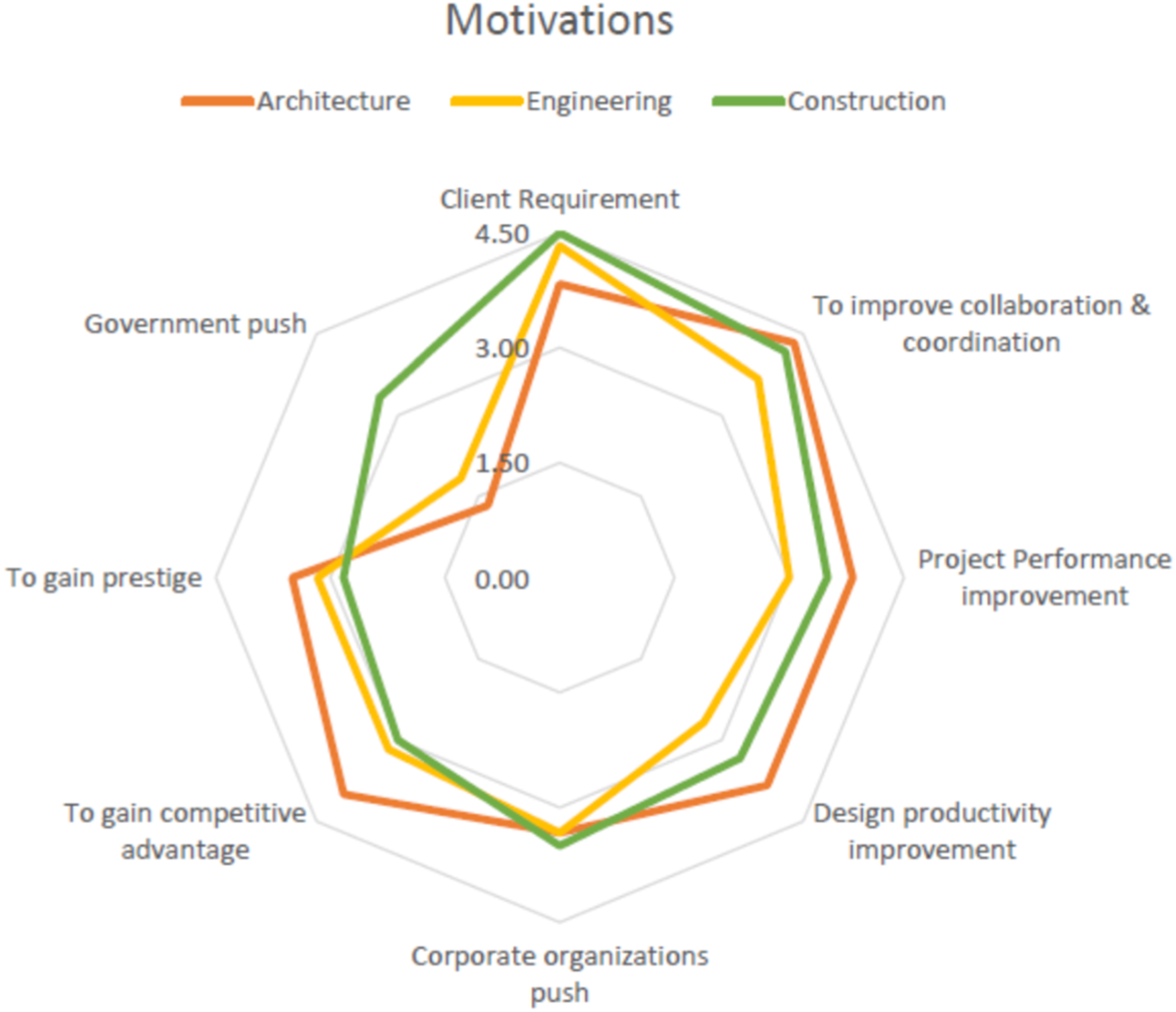
Furthermore, as seen in this figure, gaining a competitive advantage is a more significant motivation for architectural firms than Engineering and Construction firms. This may be because many Architectural firms interviewed operate internationally, where BIM is commonly required in the majority of projects. Both the BIM manager of Company K and the BIM coordinator of Company F stated, “BIM is typically included in the specifications of international projects. Therefore, competing with other firms and gaining a competitive advantage is a key driver for us.”
These findings suggest that motivations for BIM adoption in the Turkish AEC industry are shaped by both external pressures and internal value perceptions, with their relative importance varying across sectors. The dominance of client requirements, particularly among Engineering and Construction firms, indicates a reactive adoption pattern in which firms respond to market demand rather than proactively pursue innovation. This is consistent with findings from other developing countries, where BIM diffusion is often driven by clients rather than regulatory enforcement. In contrast, Architectural firms’ emphasis on collaboration and coordination reflects a more intrinsic motivation, linked to the nature of design processes.
Comparison of inputs in terms of the Turkish AEC industry
In this section, inputs are compared according to the AEC firms. As can be seen from Figure 8, Construction companies gave importance to 4 inputs equally, including “investment in software and hardware”, “generating strategy, plan, and policy for BIM execution”, “business process reengineering”, and “BIM education and training for employees”. Although “investment in software and hardware” and “generating strategy, plan, and policy for BIM execution” were ranked almost equally by firms, “business process engineering” and “BIM education and training for employees” were evaluated by Construction firms much higher than both Architecture and Engineering companies. The comparison of inputs according to firms.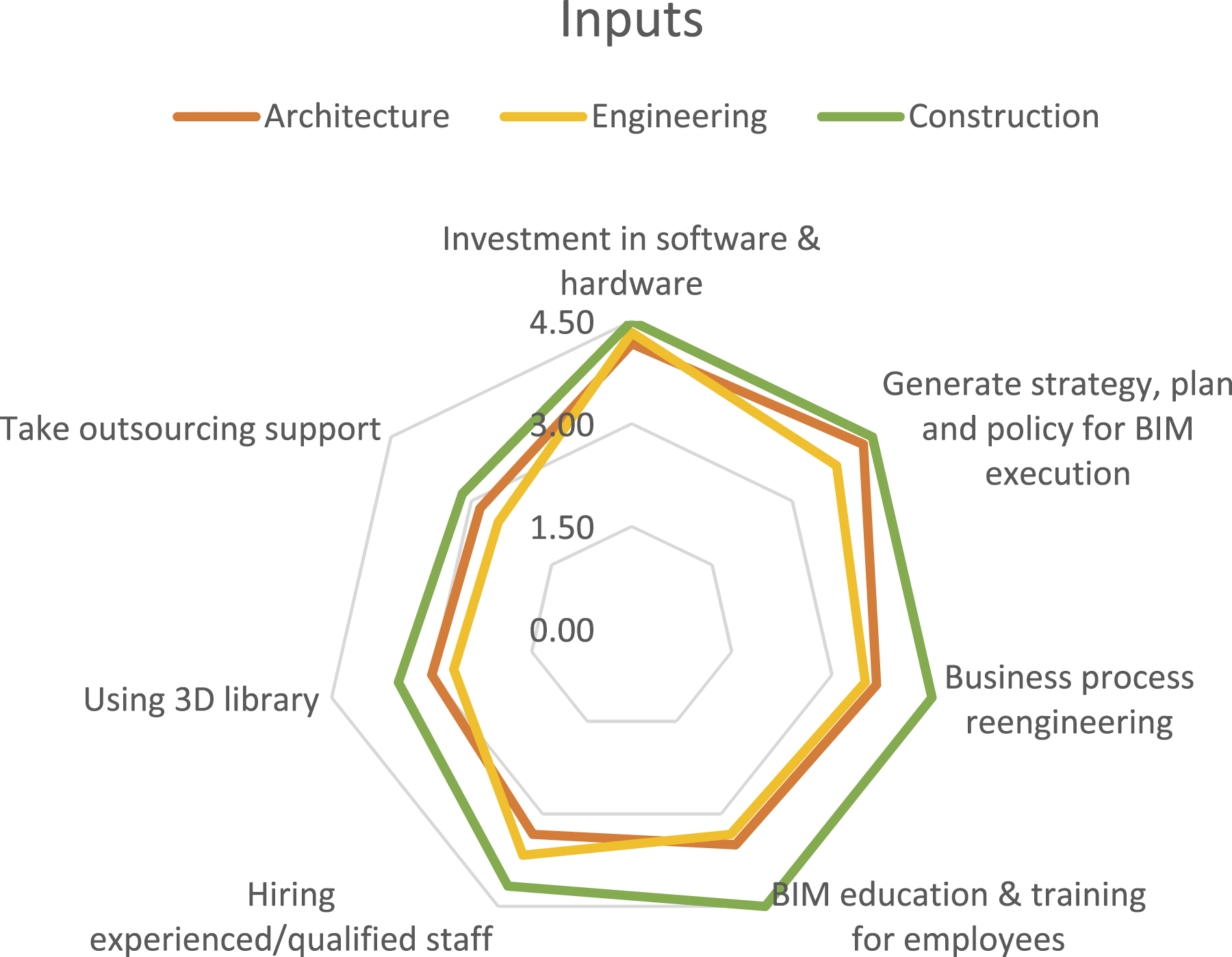
Likewise, Mutai (2009) examined success factors for BIM in U.S. leading construction firms, and he found similar results. 62 Senior information management lead in Company H stated that “Apart from the BIM department, departments such as design, planning, etc., need to have BIM awareness. At this point, BIM education and training play an important role in raising this awareness.” BIM and Technology Coordinator of Company M pointed out that “Our BIM team did not receive BIM or software training. We hired a few people who are experienced in BIM to transfer their knowledge, and we continued to learn as the project progressed.” Besides, the BIM manager of company L said that “If the business processes are not structured in accordance with BIM, then the processes cannot proceed smoothly and at some point, they become blocked.”
Based on the interview findings, architectural firms considered “developing a strategy, plan, and policy for BIM execution” as the most influential input. The BIM manager at Company F emphasized the importance of preparing a BIM execution plan before initiating a project, stating that it served as a guide throughout the project and helped maintain consistency until completion. Additionally, “receiving outsourcing support” was viewed as important by some firms, while others found it less valuable. Overall, however, it was ranked as the least critical input. For example, the BIM manager at Company D stated that firms beginning to implement BIM should seek consultancy from qualified professionals to accelerate progress. In contrast, the senior information management lead at Company H shared that their initial consultancy support offered minimal benefit, leading them to regard such assistance as nonessential.
In conclusion, Construction firms tend to place more emphasis on BIM-related inputs than Engineering and Architectural firms. Architectural companies particularly value the creation of a detailed execution plan to guide accurate BIM implementation. For Engineering firms, investing in software and hardware is seen as the top priority. Meanwhile, Construction companies highlight the importance of providing BIM training for staff and restructuring workflows to align with BIM practices. Lastly, outsourcing services such as consultancy are generally not seen as a highly impactful input within the Turkish AEC sector.
The variation in input priorities reflects sector-specific implementation logics rather than uniform adoption strategies. Construction firms’ emphasis on training and process reengineering suggests that BIM adoption in this sector is fundamentally a workforce and workflow transformation challenge rather than a purely technological upgrade. In contrast, Architectural firms’ focus on execution planning indicates a more structured and anticipatory approach, while Engineering firms’ prioritization of technological investment reflects a tool-centric adoption pathway. The mixed perceptions regarding outsourcing further suggest that external support is effective only when it leads to internal capability development, underscoring the importance of knowledge transfer mechanisms.
Comparison of enablers in terms of the Turkish AEC industry
This section presents a comparison of enablers based on input from Turkish AEC firms. As illustrated in Figure 9, “top management support” is considered a key factor in easing the transition to BIM within the Turkish AEC industry. Every firm interviewed unanimously emphasized the importance of managerial backing in adopting BIM. Similarly, Yuan et al. (2019) identified top management support as a crucial success factor in BIM implementation within China’s AEC sector.
48
The BIM and Technology Coordinator of Company M highlighted the essential role of leadership, stating, “Our managers were instrumental in facilitating the transition to BIM. Their support made the process significantly faster and smoother.” Likewise, the BIM manager of Company J noted that a top-down approach is necessary, especially to gain the cooperation of employees who might be reluctant to adopt BIM, underlining the influence top managers can have in persuading staff. The comparison of enablers according to firms.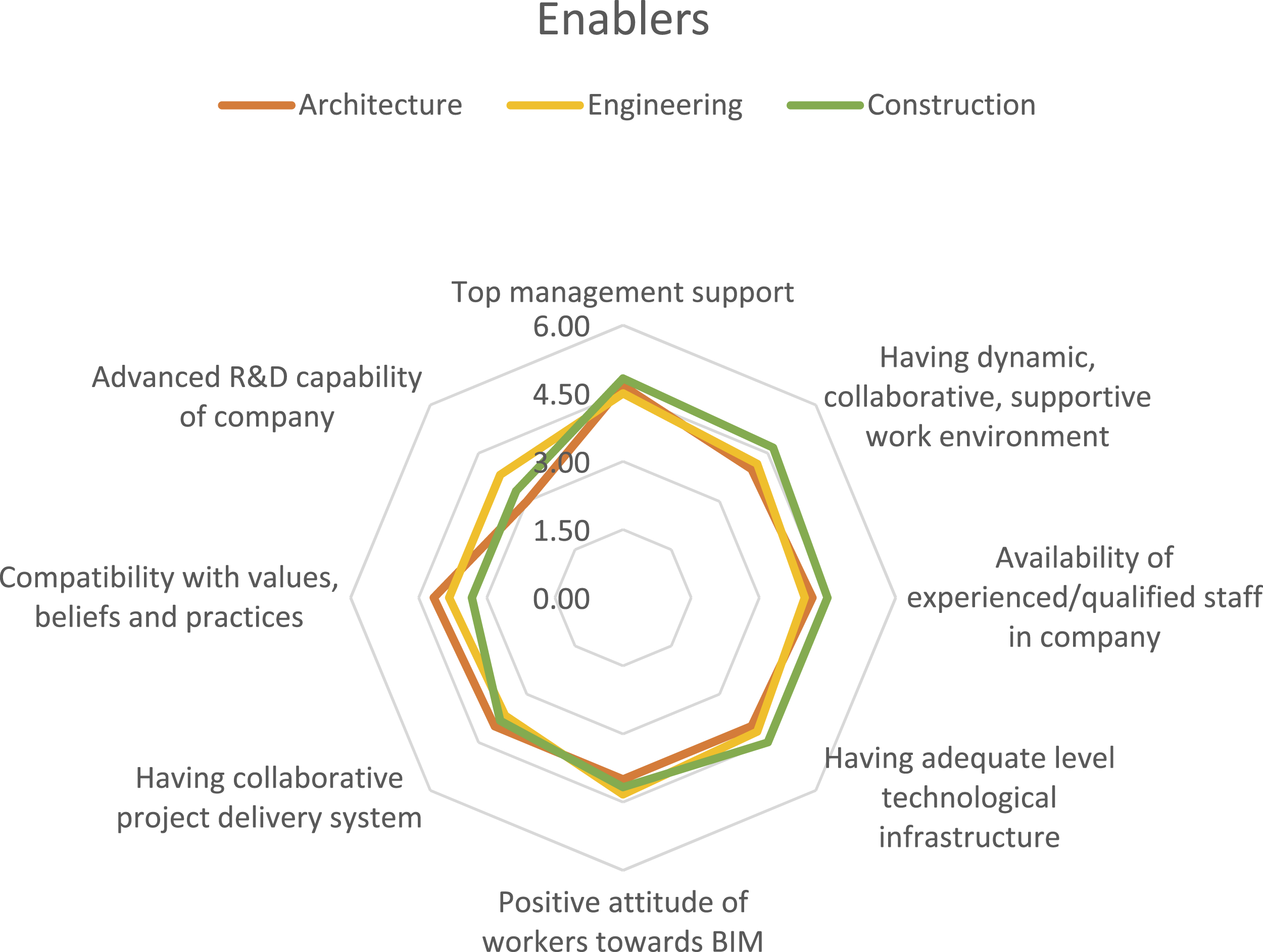
The presence of experienced personnel within the organization was identified as the second most important enabler. The BIM manager of Company D explained that having skilled BIM professionals on board helps ease the transition. However, they also noted that financially strong companies might bypass this need by allocating sufficient resources to overcome experience gaps. Another significant enabler identified was the “alignment with existing organizational values, beliefs, and practices.” As the BIM manager of Company D explained, integrating BIM into a company’s established system was essential; otherwise, resistance to change was likely. If the new tools or systems disrupt long-standing workflows, employee acceptance can be challenging.
Conversely, the “company’s R&D capabilities” were considered the least impactful enabler by Architectural and Construction firms. For example, the BIM manager at Company G shared that while engaging in R&D would be beneficial, it’s often overlooked due to time constraints and financial costs. On the other hand, the BIM manager of Company D emphasized the value of collaboration between the BIM and R&D departments, mentioning that their team dedicates specific days to R&D activities.
The prominence of top management support can be causally explained by the organizational uncertainty and resistance associated with BIM adoption, which necessitate strong leadership to drive change. This finding is consistent with the TOE framework, which holds that organizational readiness and leadership commitment are critical determinants of innovation adoption. Similarly, the importance of experienced personnel underscores the knowledge-intensive nature of BIM, where expertise directly influences implementation success. However, the relatively low importance assigned to R&D capabilities suggests that firms in the Turkish AEC industry may adopt a short-term, project-focused perspective, prioritizing immediate implementation over long-term capacity-building for innovation.
Comparison of obstacles in terms of the Turkish AEC industry
This section analyzes the obstacles to BIM adoption as perceived by Turkish AEC firms. According to Figure 10, Architecture firms identified the most significant barriers as difficulties in collaboration and coordination among project stakeholders, and the insufficient availability of BIM education and training. Similarly, Girginkaya and Maqsood (2019) found that communication gaps and training deficiencies are key challenges in architectural firms in Pakistan.
63
The BIM manager of Company G remarked that when the roles of project participants were not clearly defined in contracts, some firms hesitated to adopt BIM due to perceived financial burdens, which ultimately led to coordination problems. Additionally, the BIM manager at Company I commented, “I don’t believe anyone really understands BIM in our construction market, so the education and training provided are far from sufficient.” Moreover, Architecture firms generally did not consider the uncertainty around BIM’s return on investment (ROI) as a major hindrance. They also tend to downplay the absence of national standards and regulations as an obstacle, citing the availability of international BIM standards. Likewise, they did not view software interoperability as a barrier, thanks to the presence of data exchange formats like IFC. The comparison of obstacles according to firms.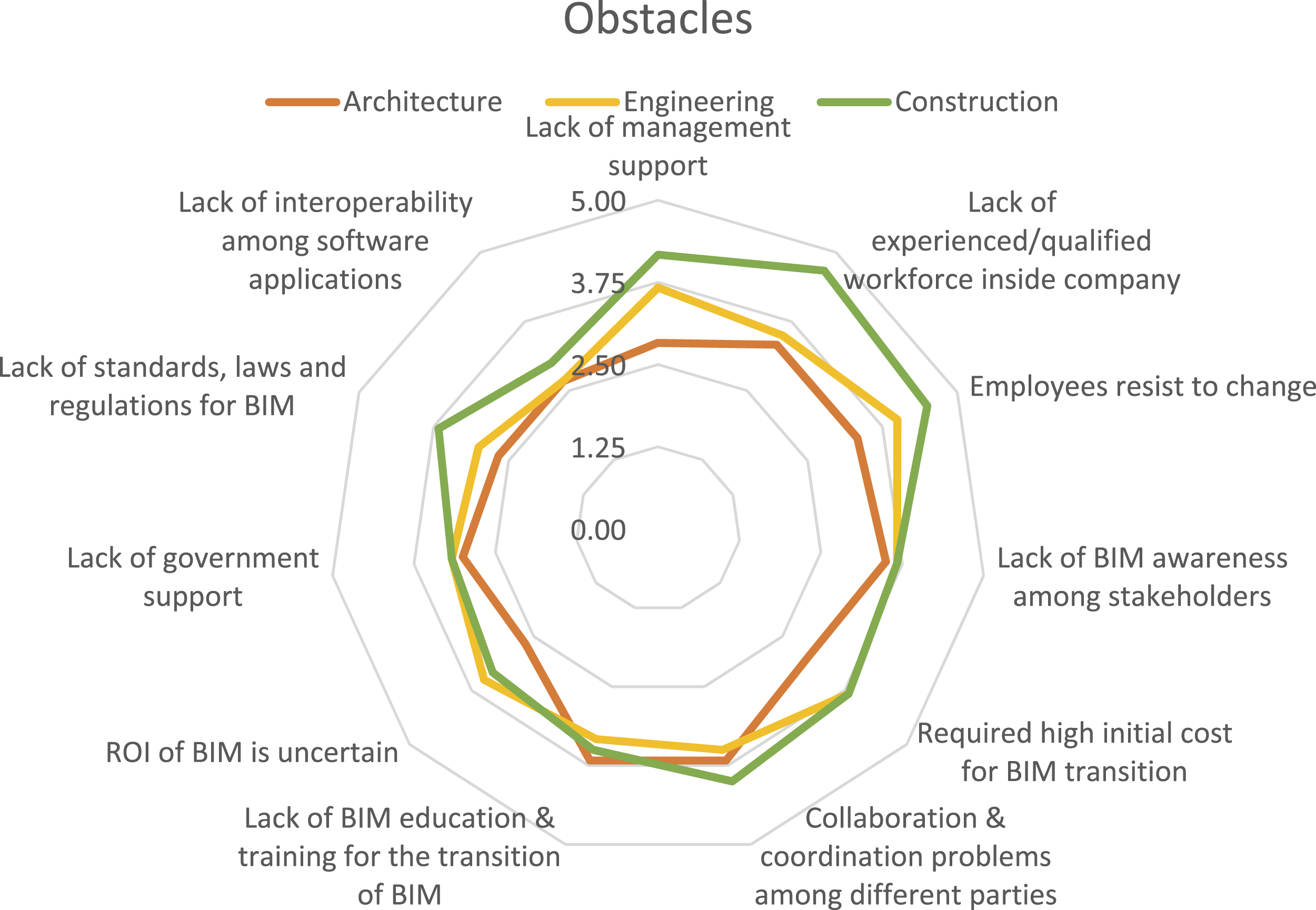
From the perspective of Construction firms, the most pressing challenges are the “lack of experienced or qualified personnel” and “employee resistance to change.” Many Construction firms noted that finding skilled BIM professionals is difficult—a situation similar to that observed in Australia, where Newton and Chileshe (2012) also reported a shortage of trained BIM staff in the construction industry. 64 The BIM manager at Company D explained that training in-house personnel requires substantial time and financial investment. The BIM specialist at Company A pointed out that many employees have been working in the same way for decades, making it hard to shift long-established habits.
Regarding ROI, Construction firms believe it is not inherently uncertain. The BIM manager of Company A stated that when implemented properly, BIM can yield 20–25% efficiency gains, particularly in long-term operations like facility management, where the true value of BIM becomes evident. Finally, Construction firms generally agree that the lack of government support is not a critical barrier to BIM adoption.
A deeper analysis of the identified obstacles reveals that they are not isolated issues but are structurally embedded within sectoral practices and industry conditions. For Architectural firms, coordination challenges and training deficiencies stem from the fragmented and collaborative nature of design processes, where unclear roles and insufficient BIM literacy amplify inefficiencies. In Construction firms, resistance to change and the shortage of skilled personnel reflect the labor-intensive and experience-driven nature of site operations, where established routines are difficult to modify. These findings highlight the need for targeted interventions addressing both skill development and institutional support.
Comparison of benefits in terms of the Turkish AEC industry
This section compares the benefits of BIM usage across Turkish AEC firms. As shown in Figure 11, all firms identified the improvement in decision-making as the most significant benefit of using BIM. This finding aligns with other studies, which noted that BIM aids practitioners in making better decisions. Additionally, both Engineering and Construction firms stated that BIM enhances collaboration and coordination among project parties. For example, BIM allows for creating “what-if” scenarios during design phases, enabling users to decide based on these alternatives. Virtual Reality (VR) technology and clash detection can support this process. Two firms indicated that they use VR technology in some projects or at least attempt to do so. When asked about the benefits, these firms highlighted better decision-making as the most important. Furthermore, it was observed that all interviewed companies use BIM for clash detection, which likely influences the results. The comparison of benefits according to firms.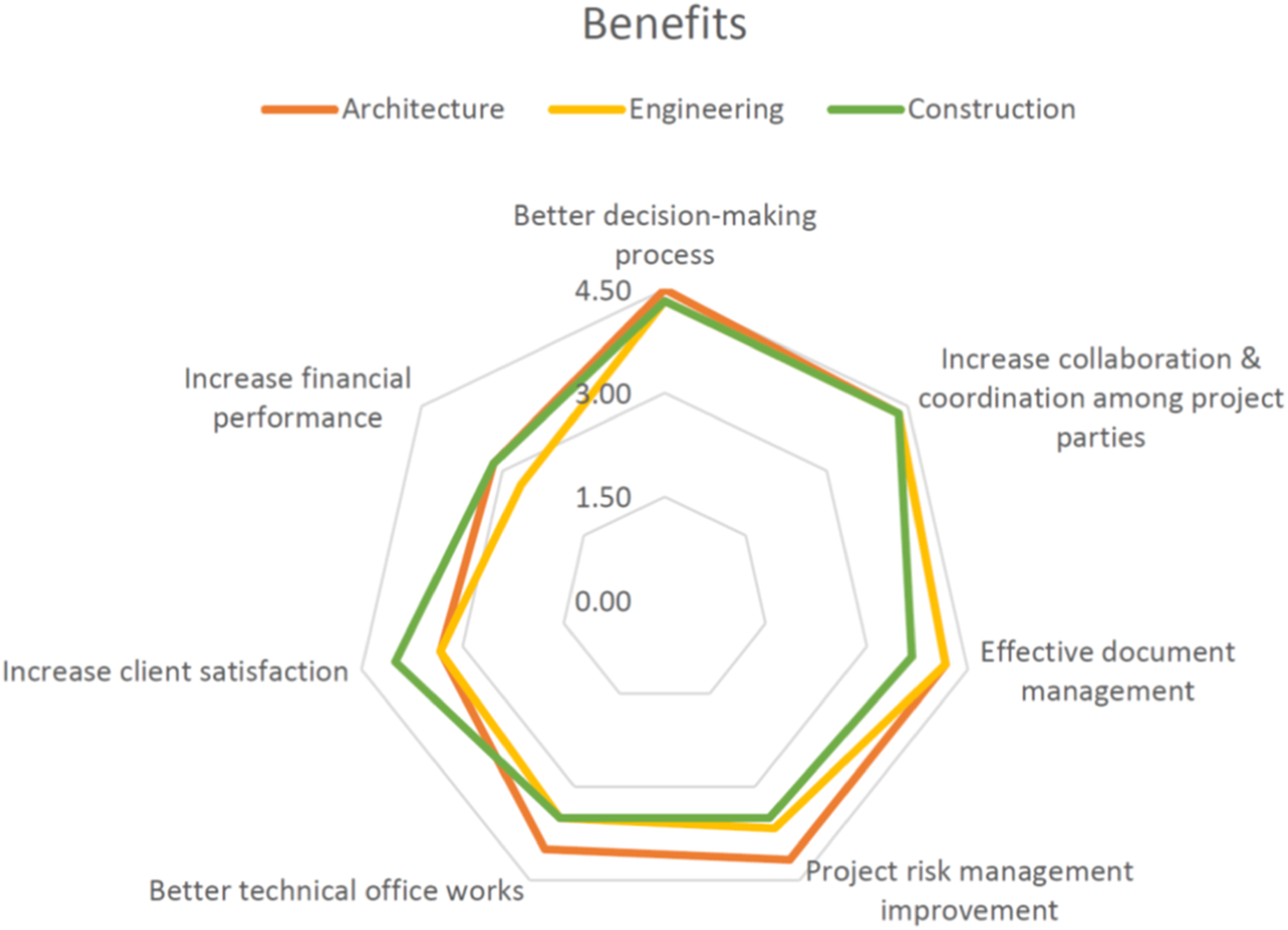
Moreover, Construction firms considered client satisfaction to be a greater benefit of BIM than the other sectors. The BIM manager of Company D explained, “When you implement the project through the BIM model, you cannot deceive the client in any way. Everything is presented transparently. Even before the project starts, the client sees what the finished project will look like, which makes them feel secure and satisfied.” Additionally, Architecture firms rated project risk management improvement as a more significant benefit than the other sectors. The BIM manager of Company G elaborated, “Risks that cannot be identified in 2D can be easily detected and mitigated with the 3D model. This allows potential site issues to be addressed before the project even begins.” Besides, Engineering and Architectural firms rated “effective document management” as a more significant benefit of BIM than Construction firms.
The identified benefits can be better understood by examining how BIM enhances information integration and decision-making processes across project stages. The prominence of improved decision-making reflects BIM’s ability to provide comprehensive and real-time project data, enabling stakeholders to evaluate alternatives and anticipate issues more effectively. The variation across sectors further indicates that BIM benefits are context-dependent: for example, Construction firms emphasize client satisfaction due to increased transparency, while Architectural firms prioritize risk management because of their early involvement in design. These differences highlight that BIM does not deliver uniform value; instead, its benefits are realized differently depending on organizational roles and project responsibilities. This observation is consistent with existing literature, which emphasizes that the perceived value of BIM evolves as firms progress through different stages of adoption and maturity.
Comparison of impacts in terms of the Turkish AEC industry
This section compares the perceived impacts of BIM across Turkish AEC firms. As illustrated in Figure 12, the “development of organizational knowledge” is regarded as the most significant long-term benefit of BIM adoption in the industry. For example, the BIM manager of Company D noted that “Over time, a knowledge base is built within the company. Additionally, a project archive is established, which can be referenced in future work.” A similar finding was reported by Arayici et al. (2012) in a UK-based case study, highlighting how BIM contributes to organizational learning, an essential element for realizing its full potential.
65
Furthermore, Architecture firms, more than others, believe that BIM enhances a company’s corporate image over time. This could be because Architecture firms often operate as subcontractors within broader construction projects, making a strong corporate image a key factor for maintaining competitiveness in the industry. The comparison of impacts according to firms.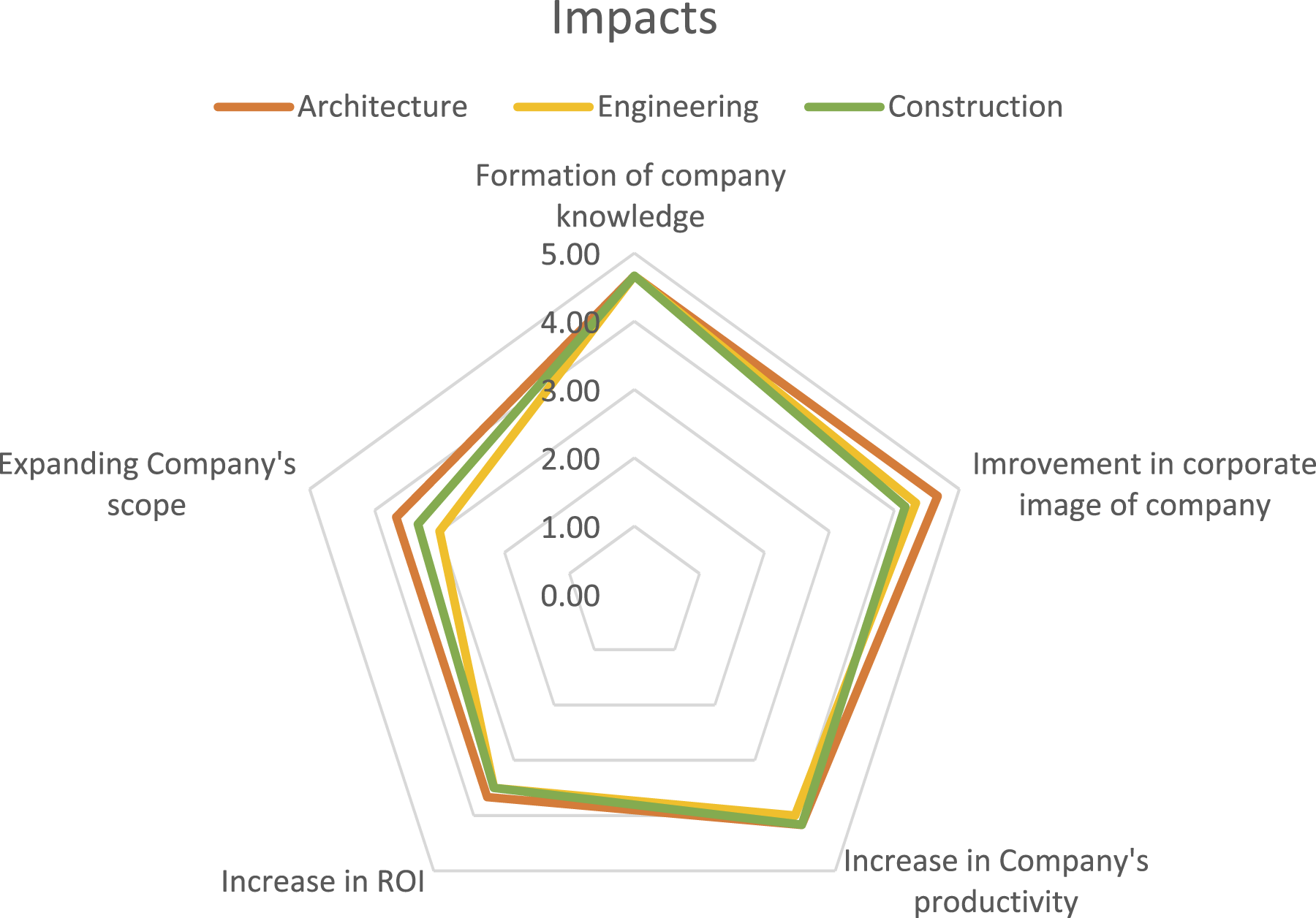
Conversely, AEC firms consider “expanding the company’s scope” and “an increase in ROI” as the least impactful long-term benefits of BIM. The BIM coordinator at Company C remarked, “If a company lacks project management skills, adopting BIM will not teach them. They’re already managing projects—they’ll just be doing it in a different way.” Additionally, the BIM manager at Company D noted that the financial benefits of BIM are most evident in facility management. However, only 4 out of the 14 firms reported using BIM in this area, which helps explain why most companies do not view BIM as significantly improving ROI.
The long-term impacts of BIM adoption reveal a transition from immediate operational benefits to strategic organizational outcomes, particularly in terms of knowledge development. The accumulation of project data and experience contributes to the formation of organizational memory, which enhances future performance and innovation capacity. However, the limited perceived impact on ROI suggests a gap between adoption and full lifecycle utilization, especially given the low implementation of BIM in facility management. This indicates that financial benefits are not inherently absent but are under-realized due to partial adoption practices. Overall, these findings suggest that the full impact of BIM can only be realized when adoption extends beyond isolated applications toward integrated and lifecycle-oriented implementation.
Implications for AEC firms and BIM implementation strategies
After the framework and related components for this study had been identified as a result of an extensive literature review, the most effective BIM success factors were determined by interviewing Turkish AEC industry experts. For Architecture companies, based on the interviews, the most important motivation is “to improve collaboration and coordination among project participant”, the main input is “generating strategy, plan and policy for BIM execution”, the most facilitator factor is “top management support”, the most powerful impediments are “collaboration and coordination difficulties” and “the lack of BIM education and training for transition to BIM”, the main benefit is “better decision-making process”, and the most critical impacts are “formation of company knowledge” and “improvement of corporate image of company”.
For Architecture companies, “top management support” and “to improve collaboration and coordination among project participants” play a critical role in the pre-transition process. Architecture firms may become aware of the BIM system through managers who prioritize innovation and technological advancement. This awareness can lead to a positive attitude toward BIM, driven by a desire to enhance collaboration with other stakeholders. Once the decision to adopt BIM is made, firms typically develop strategies and create an execution plan prior to implementation. However, during the transition phase, they may face challenges such as insufficient BIM education and training, as well as difficulties in coordinating with project participants. Despite these obstacles, the implementation of BIM can lead to improved decision-making processes. In the long term, Architecture firms build their internal knowledge base and project archives, which in turn contribute to strengthening their corporate image.
For Engineering companies, based on the interviews, the most important motivation is “client requirement”, the main input is “investment in software and hardware”, the most facilitator factor is “top management support”, the most powerful impediments are “the resistance of employees towards the change”, the main benefit is “better decision-making process” and “increase collaboration and coordination among project parties”, and the most critical impact is “formation of company knowledge”.
From the perspective of Engineering firms, client demands often trigger awareness of BIM, while the support or initiative of top management plays a crucial role in the decision to adopt it, sometimes one influencing the other. Once the decision is made, these firms typically invest in the necessary software and hardware to build a suitable infrastructure for BIM implementation. However, during the transition phase, resistance from employees can emerge, as many are reluctant to alter their established work routines or adopt new tools. Upon completing the implementation, engineers benefit from improved decision-making and recognize enhanced collaboration and coordination with other project stakeholders. In the long term, Engineering firms are able to build a valuable knowledge archive based on their past projects and experiences.
For Construction companies, based on the interviews, the most important motivation is “client requirement”, the main input is “business process reengineering” and “BIM education and training for employees”, the most facilitator factor is “top management support”, the most powerful impediments are “lack of experienced/qualified workforce inside company”, the main benefit is “better decision-making process” and “increase collaboration and coordination among project parties”, and the most critical impact is “formation of company knowledge”.
Compared to Engineering and Architecture firms, Construction companies undergo a similar experience during the BIM transition process. Awareness of BIM and the development of a positive attitude toward it are largely influenced by client demands and the support of top management. Once the decision to adopt BIM is made, Construction firms must revise their business processes and ensure their staff receive proper BIM education and training before applying it in projects. By the end of the implementation stage, these firms report improved communication and benefit from enhanced decision-making. In the long term, like their Engineering and Architecture counterparts, Construction companies can build valuable knowledge archives from past BIM projects, which can support and refine future BIM implementations.
Stage-based BIM transition guidelines
Building on the findings, this section provides stage-based guidance to support BIM transition across six stages: awareness, intention formation, adoption decision, implementation, confirmation, and diffusion. • Awareness Stage: BIM adoption at this stage is driven mainly by client demand and competitive pressure, requiring firms to monitor market expectations. Efforts should focus on building basic understanding and demonstrating practical benefits such as coordination and visualization. • Intention Formation Stage: Firms evaluate BIM’s relevance by aligning it with organizational goals and project needs. Developing an initial BIM strategy and securing top management engagement are key priorities. • Adoption Decision Stage: Firms assess costs, benefits, and readiness, often through pilot projects or feasibility analysis. Strong management support and targeted actions to address skill gaps and resistance are critical for informed decision-making. • Implementation Stage: Successful implementation requires coordination across technology, processes, and people, with emphasis on training and process alignment. Firms should build internal capabilities while defining clear roles to reduce coordination challenges. • Confirmation Stage: Firms evaluate outcomes such as decision-making, collaboration, and client satisfaction to refine practices. Extending BIM use across project phases is essential to improve value realization and perceived ROI. • Diffusion Stage: BIM practices are scaled and institutionalized through standardization and knowledge sharing. Expanding applications to lifecycle stages supports long-term benefits, including organizational learning and innovation.
These guidelines demonstrate how key components evolve across stages, providing a clear and actionable BIM transition pathway for practice.
Conclusions
This paper examined the BIM transition process and its critical factors from the perspective of the Turkish AEC industry. The primary goal of this study was to identify frameworks, models, and theories related to the BIM transition process through a systematic literature review and propose a BIM transition framework. The second objective was to identify and categorize the BIM success factors influencing the transition process, also based on an extensive literature review. The third aim was to evaluate the significance of these factors through online interviews, categorized by companies’ fields of operation. The final objective was to analyze the interview findings to clarify the BIM transition process by comparing the factors based on responses from AEC companies.
The results showed that while BIM awareness has grown in the Turkish AEC industry over the past decade, its usage remains relatively low. Demonstrating the variety of BIM success factors is crucial to encouraging potential users in developing countries. However, this alone is not sufficient to persuade firms to adopt BIM. It is also essential to show how to adopt and implement BIM effectively and to identify the critical success factors that ensure a smooth transition, which would only be possible with the proposed BIM transition framework.
After examining the BIM success factors in this study, companies can prioritize their BIM implementation strategies. Especially by observing obstacles and impacts of BIM, users and companies can improve their BIM implementation and training processes. It is recommended to tailor BIM implementation strategies to different stakeholders, namely the government, client, company, and non-governmental organization. For example, the government can provide financial aid to small and medium companies willing to adopt BIM and establish a BIM education center for new graduates as state-supported training. The client may generate information-sharing protocols among project participants to ensure collaboration. The company’s motivation to improve collaboration and coordination with other stakeholders would be a key initiative for BIM adoption. Non-governmental organizations can organize seminars and conferences to increase awareness and foster a positive attitude towards BIM, especially in developing countries. In the long term, construction companies can build valuable knowledge archives from their prior BIM projects to develop the BIM implementation process based on the proposed framework for future projects and to improve collaboration with Architecture and Engineering companies. For a future study, the BIM transition process can be examined at the industry level, as this approach is often recommended and used to develop comprehensive roadmaps. Additionally, the roles of various stakeholders—such as non-governmental organizations—can be clearly outlined, enabling the development of a BIM transition guide that is accessible and applicable to all parties involved.
Supplemental material
Supplemental Material - BIM transition in developing countries: A framework based on evidence from the Turkish AEC industry
Supplemental Material for BIM transition in developing countries: A framework based on evidence from the Turkish AEC industry by Gulbin Ozcan-Deniz, Beliz Ozorhon, Cankat Guler in International Journal of Architectural Computing
Footnotes
Acknowledgments
During the preparation of this work, the authors used generative artificial intelligence to improve readability and language. After using this tool/service, the authors reviewed and edited the content as needed and take full responsibility for the publication’s content.

Funding
The authors received no financial support for the research, authorship, and/or publication of this article.
Declaration of conflicting interests
The authors declared no potential conflicts of interest with respect to the research, authorship, and/or publication of this article.
Supplemental material
Supplemental material for this article is available online.
References
Supplementary Material
Please find the following supplemental material available below.
For Open Access articles published under a Creative Commons License, all supplemental material carries the same license as the article it is associated with.
For non-Open Access articles published, all supplemental material carries a non-exclusive license, and permission requests for re-use of supplemental material or any part of supplemental material shall be sent directly to the copyright owner as specified in the copyright notice associated with the article.
