






Abstract
Objective
Stentless aortic valves have shown superior hemodynamic performance and faster left ventricular mass regression compared to stented bioprostheses. Yet, controversies exist concerning the durability of stentless valves. This case-matched study compared short- and long-term clinical outcomes of stentless LivaNova-Sorin Pericarbon Freedom™ (SPF) and stented Carpentier-Edwards Perimount (CEP) aortic prostheses.
Methods
From 2003 through 2006, 134 consecutive patients received aortic valve replacement with SPF at our institution. This cohort was matched, according to 20 preoperative clinical parameters, with a control group of 390 patients who received CEP prosthesis during the same time. The resulting 55 + 55 matched patients were analyzed for perioperative results and long-term clinical outcomes.
Results
Early mortality was 0% for both groups. Lower transvalvular gradients were found in the SPF group (10.6 ± 2.9 versus 15.7 ± 3.1 mmHg, P < 0.001). Overall late mortality (mean follow-up: 10.03 years) was similar for both groups (50.1% versus 42.8%, P = 0.96). Freedom from structural valve degeneration (SVD) at 13 years was similar for both groups (SPF = 92.3%, CEP = 73.9%, P = 0.06). Freedom from aortic valve reinterventions did not differ (SPF = 92.3%, CEP = 93.5%, P = 0.55). Gradients at 13-year follow-up remained significantly lower in SPF group (10.0 ± 4.5 versus 16.2 ± 9.5 mmHg, P < 0.001). Incidence of acute bacterial endocarditis (ABE) and major adverse cardiovascular and cerebrovascular events (MACCE) was similar.
Conclusions
SPF and CEP demonstrated comparable long-term outcomes related to late mortality, SVD, aortic valve reinterventions, and incidence of ABE and MACCE. Superior hemodynamic performance of SPF over time can make this valve a suitable choice in patients with small aortic root and large body surface area.
Central Message
This study examined results after aortic valve replacement in 2 groups of patients receiving LivaNova-Sorin Freedom stentless or Carpentier-Edwards Perimount stented valve, and matched according to 20 preoperative parameters. The 2 cohorts were evaluated and compared at short- and long-term follow-up for hemodynamic performance and valve durability.
Introduction
The search for the ideal valve substitute in patients requiring aortic valve replacement is still ongoing. This is particularly true for the younger population between 20 and 50 years of age, where early structural deterioration and the need for reoperation remains an important issue. Among aortic bioprostheses, stented valves are the most popular ones, due to their simple and reproducible implantation technique, along with acceptable durability. However, the presence of a rigid stent and fabric sewing ring, absent in stentless valves, decreases the prosthetic effective orifice area (EOA). This may result, particularly for small-size valves, in severe patient–prosthesis mismatch (PPM) and incomplete regression of left ventricular hypertrophy (LVH), often related to unfavorable outcomes. Stentless valves benefit from more favorable hemodynamics, but their extensive use is limited by the more complex and time-consuming implant technique.
Besides hemodynamic behavior, durability of stented and stentless aortic bioprostheses has been an important issue. While Carpentier-Edwards Perimount (CEP) has shown excellent long-term outcomes up to 20 years after implant, only a few studies exist in the literature reporting long-term results after implant of LivaNova-Sorin Pericarbon Freedom™ (SPF) prostheses. Some authors have emphasized the high rate of premature structural valve deterioration and early explantation of the Freedom Solo stentless pericardial valve. Though the 2 prostheses, SPF and Freedom Solo, share the same valve design, the implant technique is slightly different as the SPF is fixed on a double-suture line instead of the single-suture line of Freedom Solo. Therefore, the outcomes of these 2 prostheses cannot be compared.
In this study, we aimed to analyze the hemodynamic performances and long-term outcomes of CEP and SPF aortic prostheses implanted during the same timeframe in the same institution by 2 different surgeons, taking care to make cohorts fully homogeneous by means of a propensity-matching model.
Methods
Between 2003 and 2006, 134 consecutive SPF and 390 consecutive CEP prostheses were implanted at our institution to replace the aortic valve. Indication to valve replacement followed the current American Heart Association/American College of Cardiology and European Society of Cardiology/European Association of Cardiothoracic Surgery guidelines. Cases of concomitant surgical procedures, reoperations, acute bacterial endocarditis (ABE), or emergency operations were not excluded from the study. For comparative assessment between the 2 groups, 21 variables were chosen for a 1:1 matching analysis. As a result, a total of 55 + 55 paired patients having homogeneous characteristics were assigned to each group. The study was approved by the Institutional Ethical Committee; preoperative, perioperative, and postoperative datasets were collected from our hospital medical records and informed consent was obtained from all patients.
Early mortality was defined as 30-day/in-hospital mortality. To collect all follow-up data, all patients were contacted by the same researcher using a brief questionnaire and echocardiography data were gathered from the patient’s own cardiologist or from referring hospitals. Follow-up was 97% complete (mean follow-up time: 10.03 ± 3.6 years, range 0.2 to 14.8 years). After 13 years, only 10% of the caseload was available. Therefore, in order to preserve consistency of data analysis, all Kaplan–Meier calculations were performed at the 13-year mark, with number at risk stated in graphs for each timepoint. All patients were operated on slightly hypothermic cardiopulmonary bypass (CPB), aortic cross-clamping (ACC), and cardioplegic arrest, through a median sternotomy. Implantation of CEP prosthesis was achieved for all cases in supra-annular position using 2–0 pledget braided U stitches. The SPF valve was implanted in subcoronary position after some trimming of excess pericardial tissue, in order to adapt the valve to the aortic root. Double-line 4–0 polypropylene sutures were used to fix the prosthesis to the aortic annulus and to the wall of the aortic root. Concomitant procedures were conducted before aortic valve replacement in all cases. Before weaning from CPB, a routine transesophageal echocardiogram was carried out; in stentless cohort, special care was applied in order to exclude residual valve incompetence or cusp malalignment. Patients receiving a CEP valve were subjected to oral anticoagulation for 3 months. A low-dosage aspirin along with low-dosage statins were routinely given for 1 year after surgery to patients having an SPF implanted, excluding cases necessitating of lifelong anticoagulation. At follow-up echocardiographic controls, mean and peak transprosthetic gradients were measured using the modified Bernoulli equation, ensuring the highest possible velocity obtained by variation of the acoustic window and transducer orientation. Intravalvular or perivalvular regurgitation was quantified by color-doppler echocardiography. Analysis of left ventricular function, ejection fraction (EF), and change of interventricular septum thickness were assessed in the short axis of a parasternal view at hospital discharge and at follow-up.
Statistical Analysis
All patient data were entered prospectively into the Institutional Dataset, consisting of baseline descriptive variables and operation-related variables. As the stentless and stented groups differed significantly regarding many clinical variables, a propensity score analysis was used to reduce confounding factors between categories. The scoring itself was produced by means of a logistic regression between treatment type and relevant baseline clinical characteristics; best neighbor method was then used to obtain 2 one-to-one matching cohorts. Efficacy of the process was then tested again and proved satisfactory as shown in Table 1.
Baseline Demographic and Matching Data.
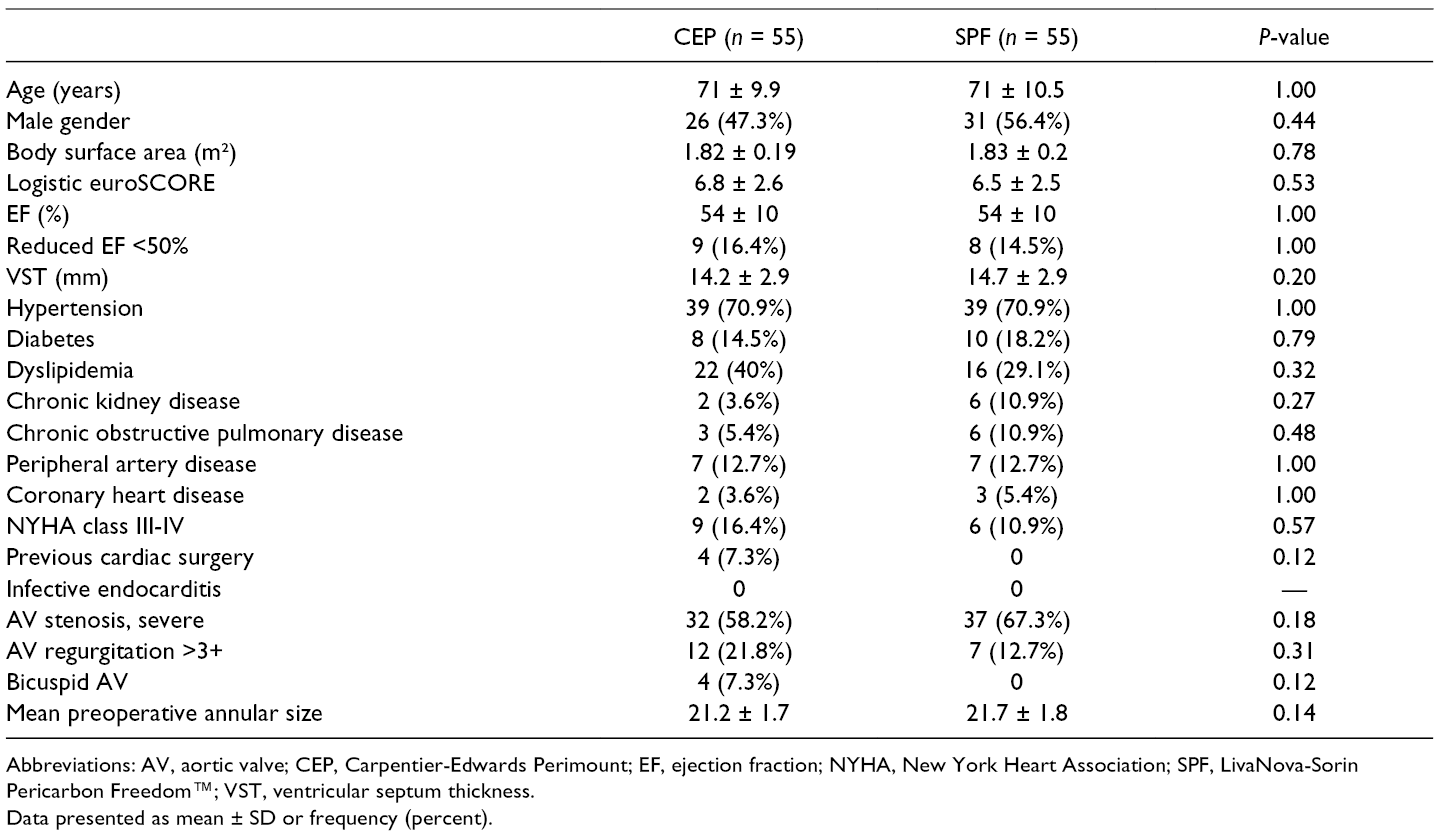
Abbreviations: AV, aortic valve; CEP, Carpentier-Edwards Perimount; EF, ejection fraction; NYHA, New York Heart Association; SPF, LivaNova-Sorin Pericarbon Freedom™; VST, ventricular septum thickness.
Data presented as mean ± SD or frequency (percent).
Descriptive parameters are shown in Table 1; continuous data are expressed as means and standard deviations. Categorical data are presented as absolute values and percentages. Differences were tested with unpaired or paired Student’s t-test (depending on type of variable) for continuous variables, and with χ2 test for categorical variables. The association between clinical and treatment variables and long-term end-point variables was assessed by means of a Cox proportional hazards regression analysis. All time-related endpoints were evaluated using Kaplan–Meier curves and log-rank test. Kaplan–Meier calculations were interrupted when the caseload reached 5% of the original cohorts. Time zero for all time-to-event analyses was the time of the first procedure performed. A probability value of ≤5% was considered significant. IBM SPSS Statistics Version 21.0 (IBM Corp., Armonk, NY, USA) and Excel (Microsoft Corporation, Redmond, WA, USA) were used for data analysis.
Results
After matching analysis based on 21 baseline parameters, no significant differences were present among the resulting 55 + 55 patients from SPF-valve and CEP-valve groups. Age (71 ± 9.9 versus 71 ± 10.5 years), male gender (47.3% versus 56.4%), logistic euroSCORE (6.8 ± 2.6 versus 6.5 ± 2.5), reduced EF (16.4% versus 14.5%), and ABE were similar among the 2 cohorts. Only the presence of bicuspid aortic valve and the rate of previous cardiac surgery were more frequent in the CEP group but did not reach statistical significance (P = 0.12). Baseline demographic and matching data are reported in Table 1.
Rate of surgical procedures, such as CABG or interventions on the ascending aorta or on the mitral valve, was similar in both groups. Aortic valve pathology, ventricular function, and endocarditis did not differ in the 2 cohorts. Mean extracorporeal circulation (ECC) time was shorter in the CEP group (87.6 ± 19.9 versus 129.7 ± 26.5, P < 0.001), as well as mean ACC time (58.2 ± 18.8 for CEP versus 92.3 ± 18.1 for SPF, P < 0.001). Mean length of stay in the intensive care unit and ventilation time were similar in the groups. Mean label-size of prostheses was larger in the SPF group (24.9 ± 1.8 versus 21.7 ± 2.1, P < 0.001) compared to the CEP cohort, despite the mean and median preoperative annular size not differing between the cohorts. Perioperative data are reported in Table 2. Nearly half (59%) of the implanted CEP valves were of size 19 and 21 versus 9% in SPF, whereas 91% of SPF valves were of size 23 to 29 versus 51% of CEP prostheses (Fig. 1). During the 30-day/in-hospital follow-up, no patient died in the entire cohort. All patients were discharged home in satisfactory clinical conditions (New York Heart Association Class I-II). Mean EF at hospital discharge was similar between the groups (53% ± 10% versus 54 ± 10%, P = 0.60). Hemodynamic data observed by echocardiography obtained at 30-day follow-up revealed a lower peak gradient in patients receiving an SPF implant (17.5 ± 7.0 mmHg versus 24.8 ± 10.4 mmHg, P < 0.001) compared to CEP group. Similarly, mean transaortic gradient was lower in the SPF group of patients (10.6 ± 2.9 mmHg versus 15.7 ± 3.1 mmHg, P < 0.001). Mild-to-moderate aortic valve regurgitation (AVR) was present in the CEP cohort, in all cases due to some residual trivial paravalvular leak, whereas this was absent in the SPF patients (7.3% versus 0%, P = 0.12). Data are illustrated in Table 2. Rate of in-hospital complications (i.e., re-exploration for bleeding or pacemaker implantation) was similar among the 2 groups.
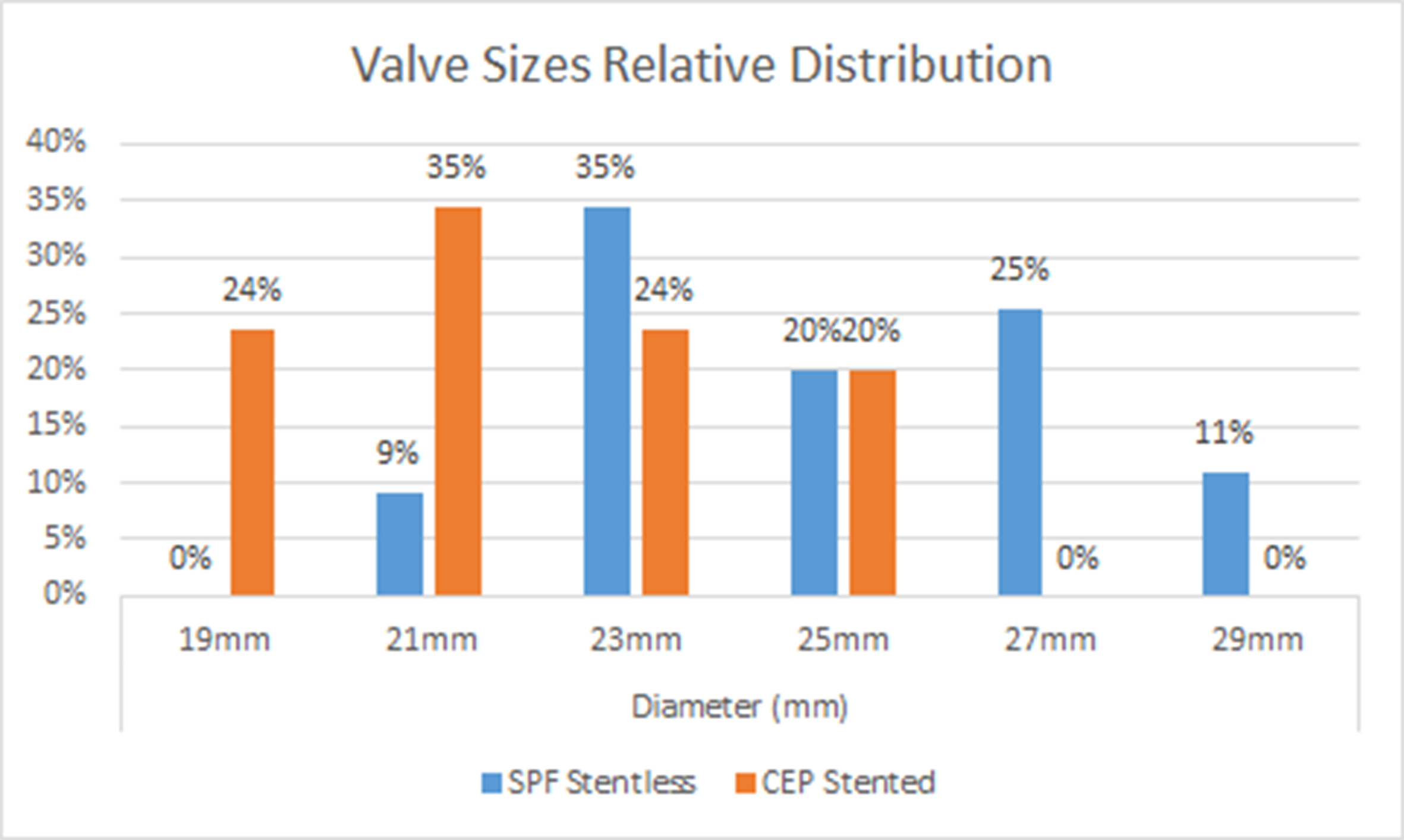
Relative size distribution of CEP and SPF valves. CEP, Carpentier-Edwards Perimount; SPF, LivaNova-Sorin Pericarbon Freedom™.
Perioperative and Discharge/30-Day Clinical and Echocardiographic Data.
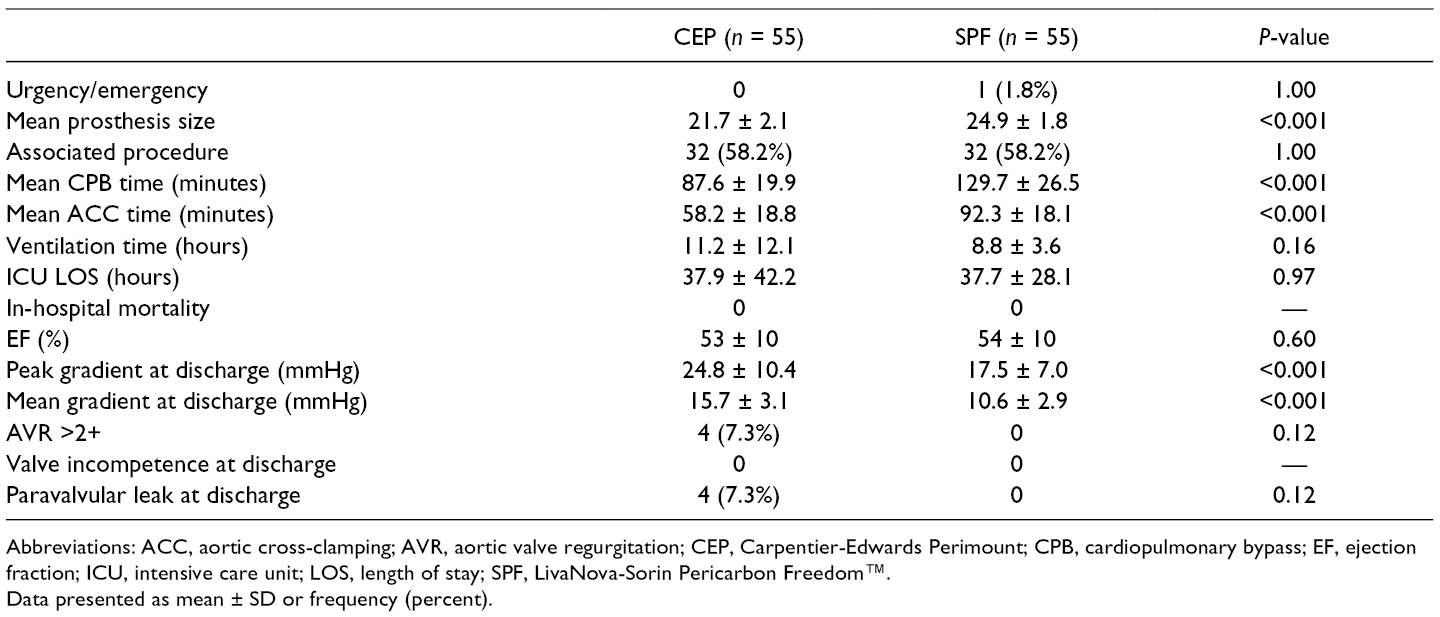
Abbreviations: ACC, aortic cross-clamping; AVR, aortic valve regurgitation; CEP, Carpentier-Edwards Perimount; CPB, cardiopulmonary bypass; EF, ejection fraction; ICU, intensive care unit; LOS, length of stay; SPF, LivaNova-Sorin Pericarbon Freedom™.
Data presented as mean ± SD or frequency (percent).
Overall, actual mortality at 13-year follow-up did not differ between the 2 cohorts, with 57.2% in the CEP group versus 49.9% in the SPF group (P = 0.96). Actual mortality for cardiac causes at 13 years was 13.1% in the CEP group versus 11.3% in the SPF group (P = 0.67). Actuarial freedom from all-cause death and cardiac death was similar between SPF and CEP (Fig. 2). At 13-year follow-up, more patients with CEP were in functional class III–IV (43.6%) compared to those in SPF group (0%), who also reported a significantly (P < 0.001) better quality of life. Freedom from acute infective endocarditis during the follow-up time was 89.3% for CEP and 92.3% for SPF (P = 0.55). Freedom from major adverse cardiovascular and cerebrovascular events (MACCE) was similar among the groups (67% in CEP versus 81.9% in SPF, P = 0.26; Fig. 3).
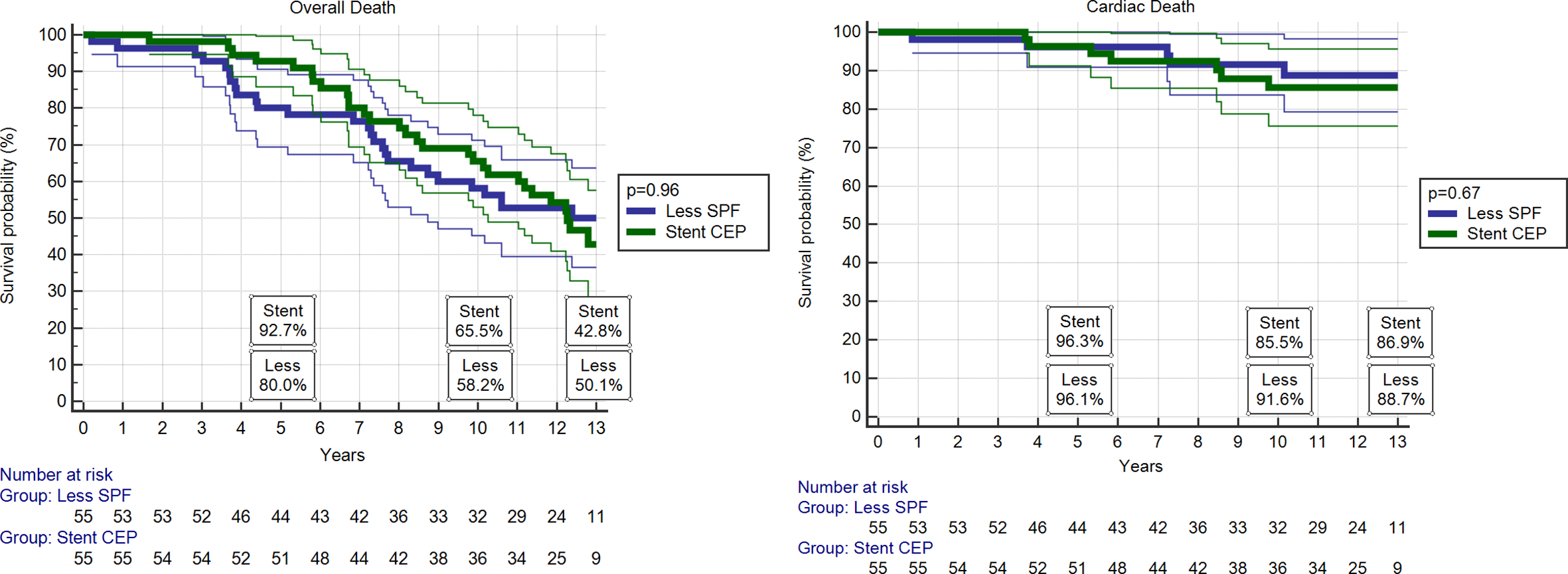
All-cause survival and cardiac-related survival. CEP, Carpentier-Edwards Perimount; SPF, LivaNova-Sorin Pericarbon Freedom™.
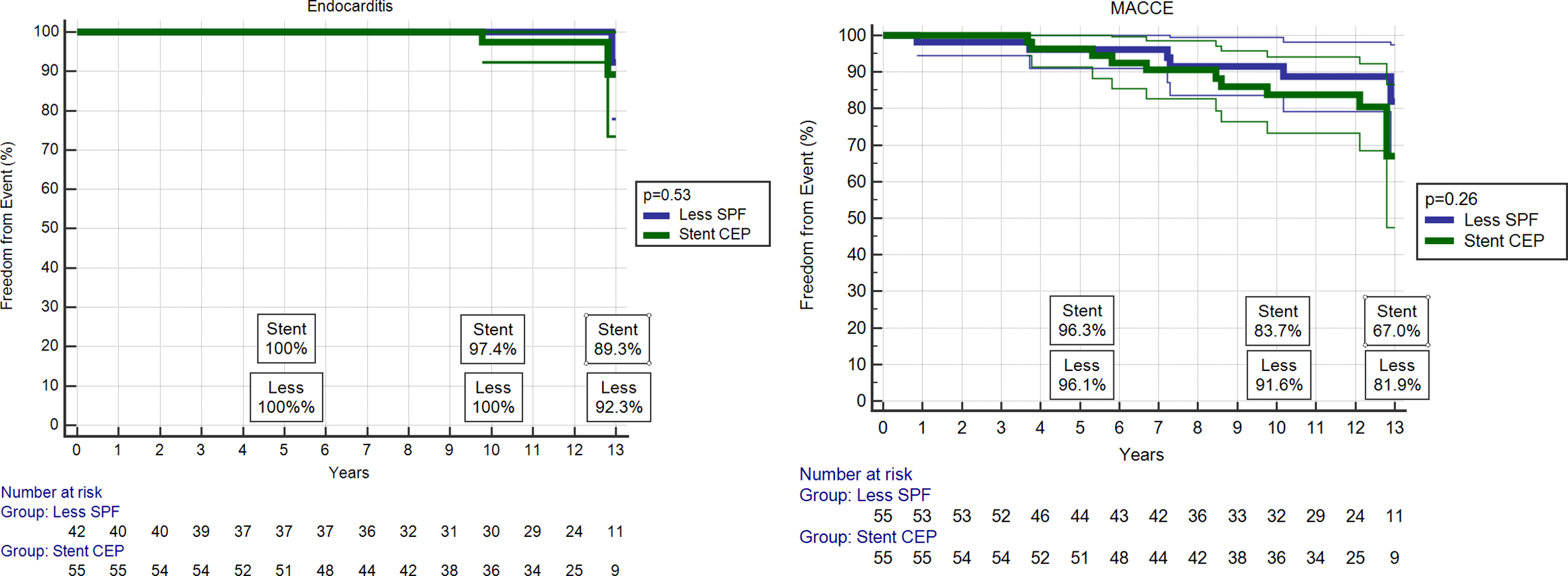
Incidence of acute bacterial endocarditis and MACCE during follow-up. CEP, Carpentier-Edwards Perimount; MACCE, major adverse cardiovascular and cerebrovascular events; SPF, LivaNova-Sorin Pericarbon Freedom™.
A diagnosis of structural valve degeneration (SVD) was determined when the mean transprosthetic gradient was >20 mmHg and/or in the presence of an aortic insufficiency (AI) >3+. SVD and aortic valve-related reoperation rate during follow-up time were not different between these 2 prostheses. Freedom from SVD at 5 years was 100% for both groups. At 10 years, it was 100% in SPF and 95.5% in CEP group. At 13 years, it was 92.3% in SPF and 73.9% in CEP group (P = 0.06).
Actuarial freedom from valve-related reoperation was 100% at 5 years for both prostheses. At 10 years, it was 100% for SPF and 97.4% for CEP. At 13 years, it was 92.3% for SPF and 93.5% for CEP (P = 0.59). Freedom from SVD and valve-related reoperation are reported in Figure 4.
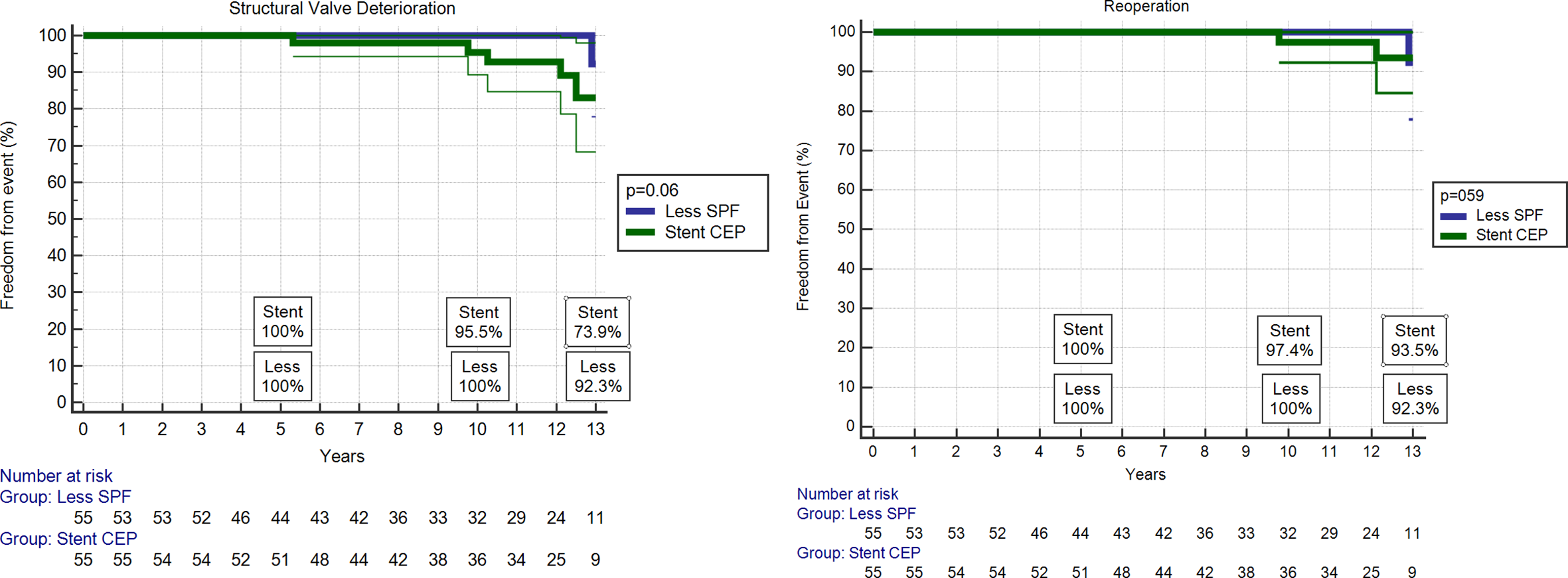
Incidence of overall structural valve deterioration and valve-related reoperation for CEP and SPF. CEP, Carpentier-Edwards Perimount; SPF, LivaNova-Sorin Pericarbon Freedom™.
SVD related to age (cut point at 60 years) was not found to be significantly different between the groups at 13-year follow-up (Fig. 5). In particular, SVD associated to aortic incompetence >3+ was similar in both groups (9.1% in CEP versus 1.8% in SPF, P = 0.21), whereas the diagnosis of SVD with AI <2+ was more frequent in patients with a CEP implant (29.1% versus 3.6%, P < 0.001), and that could be related to the higher occurrence of paravalvular leaks from this group (Table 3). Evaluation of hemodynamic behavior of the 2 prostheses during follow-up time was done by transthoracic echocardiography. When compared to the CEP valve, the SPF yielded lower transprosthetic peak gradients (respectively 18.8 ± 3.6 mmHg versus 28.0 ± 6.6 mmHg, P < 0.001) and lower mean gradients (10.0 ± 4.5 mmHg versus 16.2 ± 9.5 mmHg, P < 0.001; Table 3). These data, beyond the structural design of the prosthesis, may be influenced by the larger average size of implanted SPFs. Data of peak and mean gradients of SPF and CEP at 15-year follow-up according to valve size are reported in Figure 6.
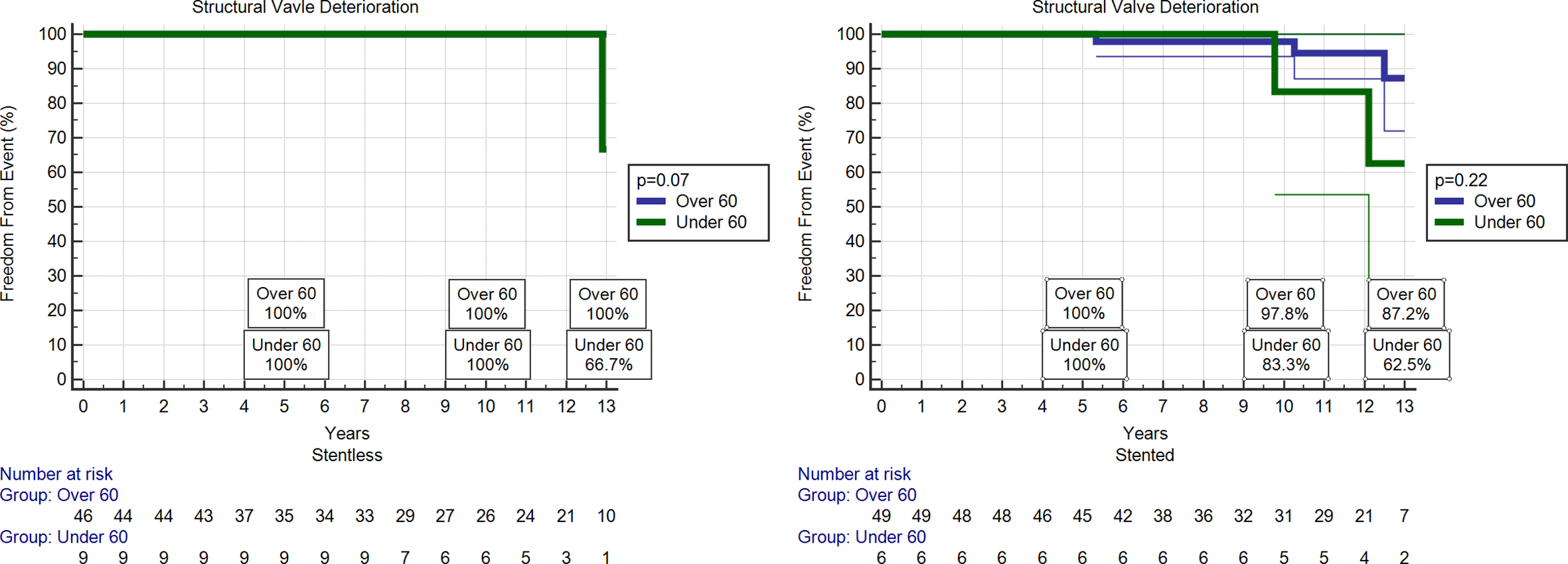
Incidence of structural valve deterioration in both groups according to patient age. CEP, Carpentier-Edwards Perimount; SPF, LivaNova-Sorin Pericarbon Freedom™.
Long-Term Follow-Up.
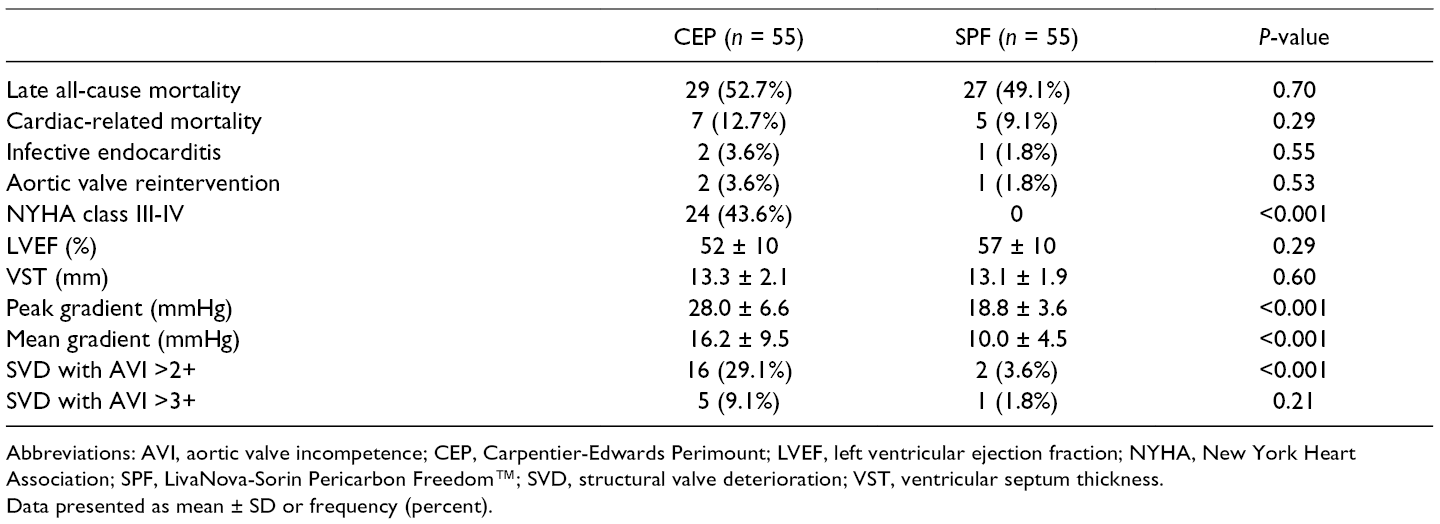
Abbreviations: AVI, aortic valve incompetence; CEP, Carpentier-Edwards Perimount; LVEF, left ventricular ejection fraction; NYHA, New York Heart Association; SPF, LivaNova-Sorin Pericarbon Freedom™; SVD, structural valve deterioration; VST, ventricular septum thickness.
Data presented as mean ± SD or frequency (percent).
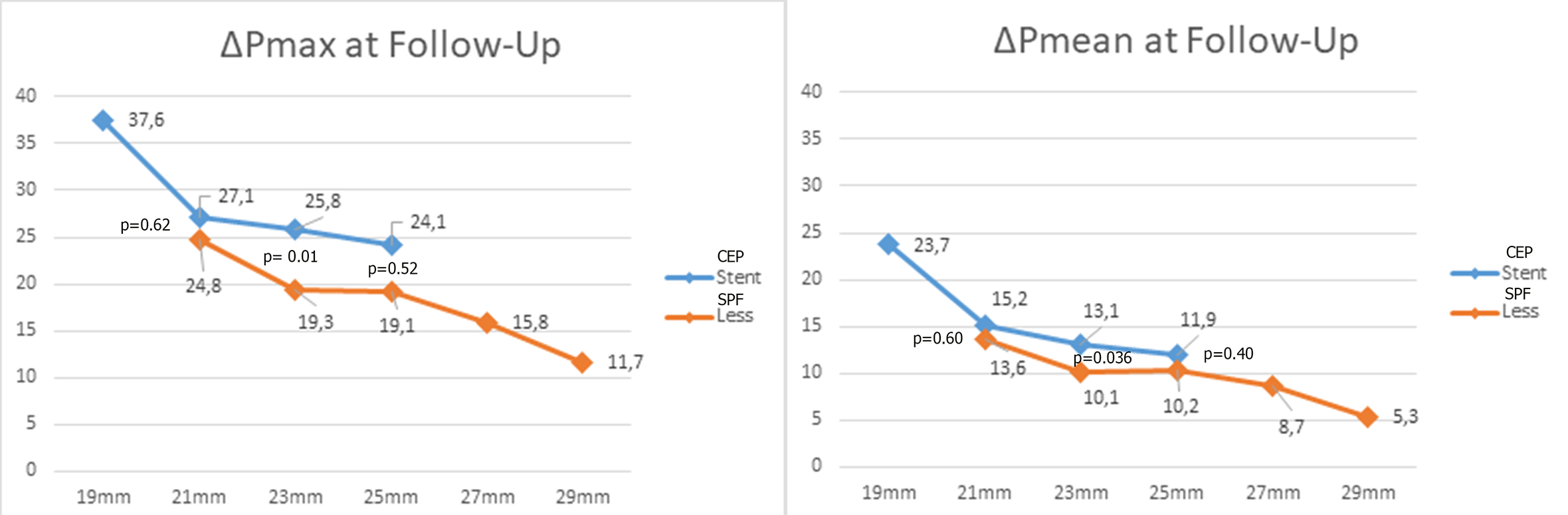
Peak and mean transvalvular gradients at last follow-up of SPF and CEP prostheses. CEP, Carpentier-Edwards Perimount; SPF, LivaNova-Sorin Pericarbon Freedom™.
Discussion
Presently, bioprostheses represent more than 80% of the implanted aortic valves. Increasing age, avoidance of anticoagulant medication, and novel transcatheter valve therapies to treat bioprosthetic failure are the main reasons for this trend. However, despite excellent short-term results, aortic valve replacement still leads to unsatisfactory long-term outcomes. This has been mainly related to age at surgery (<65) and the presence of important comorbidities of the patients. 1,2 Several papers are available in the literature comparing results after aortic valve replacement using stented versus stentless bioprostheses 3 -5 , where the majority of these reported outcomes after follow-up times of 10 years or shorter, and compared the CEP or the CEP Magna to the Freedom Solo valve. 6 -9 To the best of our knowledge this is the first report analyzing long-term outcomes of SPF valve versus CEP by a case-matched analysis.
Choice of bioprosthesis for aortic valve replacement should be based on criteria of better survival, optimal hemodynamic performances, and reduced structural valve deterioration. 1,2 When the bioprosthesis implanted is too small in relation to body size, a PPM can occur, along with high transvalvular pressure gradient (PG). PPM is not infrequent after AVR, with a reported incidence from 20% to 70%, and may represent a strong and independent predictor of short-term mortality 10 -13 and of reduced exercise capacity. 14
Stentless aortic bioprostheses were developed with the aim of improving hemodynamic performances and achieving a more rapid and complete left ventricular mass regression (LVM), when compared to stented valves. 5,15 Moreover, in the cases of patients with small aortic annulus and elevated body surface area (BSA), stentless valves represent a valid alternative to surgical enlargement of aortic annulus or Bentall operation. 16 Undoubtedly, SPF benefits of a larger EOA when compared to CEP prosthesis, mainly due to the absence of a rigid strut and of a fabric sewing ring. For example, in the case of a 19 Ø prosthesis implanted in a patient with a BSA of 2 m2, the expected PPM would be absent in SPF (EOA = 1 cm2/sqm), while it would be severe in CEP (EOA = 0.64 cm2/sqm).
Borger et al., in a study conducted on 737 patients receiving AVR (310 stentless versus 427 stented), confirmed the hemodynamic superiority of stentless valve compared to stented. 17 Dunning et al. evaluated a population of 60 patients (31 stentless versus 29 stented) in a prospective-randomized study, and concluded that stentless bioprostheses resulted in lower postoperative PGs, greater EOA, with earlier regression of LVH. 18 -20 .More recently, Shaefer et al. published a case-matched comparison of long-term follow-up of 2 groups of 77 + 77 patients receiving, respectively, an SPF Solo® and a CEP aortic prosthesis. They confirmed the superior hemodynamics of stentless valves. 21 Stanger and Carrel reported suboptimal outcome of SPF Solo in term of SVD. 22,23
The SPF valve is constructed from 2 separate sheets of thin glutaraldehyde fixed bovine pericardium and detoxified with homocysteic acid treatment. The prosthesis is very pliable and user-friendly, with the possibility of trimming the inflow-outflow pericardium according to the anatomy of the aortic root and is fixed in subcoronary position by a double-line continuous suture. 24
Worldwide, the CEP is the most used stented aortic bioprosthesis. It is constructed using 3 bovine pericardial leaflets mounted on a flexible cobalt-chromium stent. Magna Ease represents the evolution of CEP and is characterized by a lower profile and better hemodynamic performance. The pericardium is treated with the ThermaFix detoxification process. It is generally implanted in supra-annular position by interrupted or continuous sutures.
Several studies have been published describing excellent long-term outcomes of CEP aortic valve. Bourguignon et al. have reported in a recent paper a study on 2,659 patients who received a CEP from 1984 and 2008. Overall, operative mortality was 2.8% and survival rates of 52.4%, 31.1%, and 14.4% after 10, 15, and 20 years, respectively. Expected valve durability was 19.7 years for the entire cohort. 25
Conversely, only few papers have reported long-term outcomes of SPF, despite its presence on the market since 1992. 26,27 We have recently published the results after 322 consecutive SPF implanted from 2003 to 2015, which, to the best of our knowledge, is the longest follow-up of a consistent series of SPF reported in the literature to date. Early mortality was 1.6%, and overall survival probability at 14 years was 82.7%. Freedom from SVD at 14 years in patients >70 years old was 88.9%, and 67.5% for the entire cohort. We concluded that SPF is a valuable aortic bioprosthesis, particularly indicated in cases of small annulus in patients with large BSA. 28 Despite reinterventions for replacement of a failed bioprosthesis carry a low mortality rate nowadays, transcatheter valve-in-valve procedures (TAVI-VIV) have become the treatment of first choice to replace a failing bioprosthesis, particularly for older patients with associated comorbidities. 29 In cases of CEP failure the technique is well codified and associated with acceptable results even in size 19 and 21. TAVI-VIV results otherwise more complex in cases of degenerated SPF prosthesis, due to the serious risk of coronary occlusion. In such a case, from our experience, a safer alternative consists of the failed SPF replacement with a LivaNova Perceval sutureless implant. Take-down of the old prosthesis is limited to leaflets removal, and CPB and ACC time are reduced to a very short time. We have treated 4 patients using this approach with excellent early and intermediate-term outcomes.
In this case-matched study, CEP and SPF shared a similar outcome concerning long-term all-cause and cardiac-related survival, as well as incidence of MACCE and ABE. Freedom from SVD and freedom from valve-related reoperation were similar for the 2 analyzed bioprostheses.
It is acknowledged that this retrospective, single-center study has limitations. First, patients were not randomized to treatment group. Second, despite similar baseline patient characteristics, some differences can be biased by hidden confounders. Third, a bias concerning practice with the 2 prostheses may be present, due to the higher number of CEP implanted during the study time frame. Finally, while echocardiographic examinations of CEP at follow-up were performed by different physicians, SPF evaluations were conducted by the same cardiologist.
Conclusions
From our study comparing 2 valuable aortic pericardial bioprostheses, we can conclude that early and long-term outcomes are excellent for both valves, as evidenced by results in terms of mortality, SVD, and rate of aortic valve reinterventions as well as incidence of ABE and MACCE. SPF valve may have a proper indication in cases of small aortic annulus in patients with large BSA, as alternative to procedure of aortic root enlargement, or in young and active patients willing to have a bioprosthesis. In these cases, this stentless valve can offer the patient a better quality of life and a lower rate of valve-related complications.
Supplemental Material
Supplementary Material 1 - Supplemental material for Stentless Pericarbon Freedom Versus Stented Perimount Aortic Bioprosthesis: Propensity-Matched Long-Term Follow-Up
Supplemental material, Supplementary Material 1, for Management of Type A Aortic Dissection with Malperfusion Syndrome: A Case Report by Guglielmo Stefanelli, Fabrizio Pirro, Vincenzo Smorto, Alessandro Bellisario, Emilio Chiurlia, and Luca Weltert in Innovations: Technology and Techniques in Cardiothoracic and Vascular Surgery
Footnotes
Declaration of Conflicting Interests
The author(s) declared no potential conflicts of interest with respect to the research, authorship, and/or publication of this article.
Funding
The author(s) received no financial support for the research, authorship, and/or publication of this article.
References
Supplementary Material
Please find the following supplemental material available below.
For Open Access articles published under a Creative Commons License, all supplemental material carries the same license as the article it is associated with.
For non-Open Access articles published, all supplemental material carries a non-exclusive license, and permission requests for re-use of supplemental material or any part of supplemental material shall be sent directly to the copyright owner as specified in the copyright notice associated with the article.
