







Abstract

“Oats are a highly accessible and affordable whole grain that comes in various forms, making them excellent candidates for dietary incorporation.”
A whole grain contains the entire kernel—the bran, germ, and endosperm—retaining all its beneficial fiber, nutrients, and phytochemicals. Whole grains are a nutritious source of energy in the form of starch, and they provide essential nutrients, including fiber, protein, several B vitamins, vitamin E, healthy unsaturated fat (including omega-3s), antioxidants, phytochemicals, and minerals such as iron, zinc, manganese, magnesium, and selenium. Dietary fiber is a key nutrient essential for maintaining a healthy gut microbiome. Crucially, a high intake of whole grains is associated with a decreased risk of developing diabetes, whereas diets abundant in refined grains—such as white flour products and white rice—are associated with an increased risk.1-9
Whole Grains and Blood Glucose
For patients managing blood glucose levels, two characteristics of grains are particularly important for optimal postprandial blood glucose control. 1. The grain must be whole, retaining all its components. 2. The particle size matters.
10
Whole grains typically possess lower Glycemic Index (GI) values compared to their refined counterparts. A low GI indicates slower glucose absorption, which is key to improving insulin sensitivity in patients with prediabetes or diabetes.
Low GI foods, with a GI of 55 or less, include many fruits and vegetables, beans, steel-cut oats, barley, low-fat dairy foods, and nuts. Moderate-GI foods, ranging from 56 to 69, include foods such as white and sweet potatoes, corn, white rice, couscous, and some breakfast cereals like Cream of Wheat and Mini Wheats. High GI foods, with a GI of 70 or higher, consist of items such as white bread, most crackers, bagels, cakes, doughnuts, croissants, and the majority of breakfast cereals.
The way a grain is processed significantly impacts its particle size, which, in turn, dictates how quickly it is digested and how rapidly glucose is released into the bloodstream. As a grain undergoes greater processing, its particle size decreases, leading to quicker digestion and the potential for spiking postprandial blood glucose levels.
Therefore, clinicians should guide patients toward less processed, larger particle size forms of whole grains for superior blood glucose management, as these forms tend to exhibit lower GI values, including: • Whole oat groats and steel-cut oats • Pearl barley • Wheat and rye berries • Wheat bulgur • Black rice • Quinoa • Wild rice
Conversely, certain cooked whole grains, such as instant and quick oats, brown rice, whole-grain cornmeal, and polenta, register moderate to high on the GI scale and should be limited for optimal blood glucose management.
Oats: A Culinary Medicine Staple
Oats are a highly accessible and affordable whole grain that comes in various forms, making them excellent candidates for dietary incorporation. However, the processing method directly influences their impact on glucose management. All forms of oats are considered whole grains, but their particle size varies significantly: from whole oat groats down to whole oat flour.
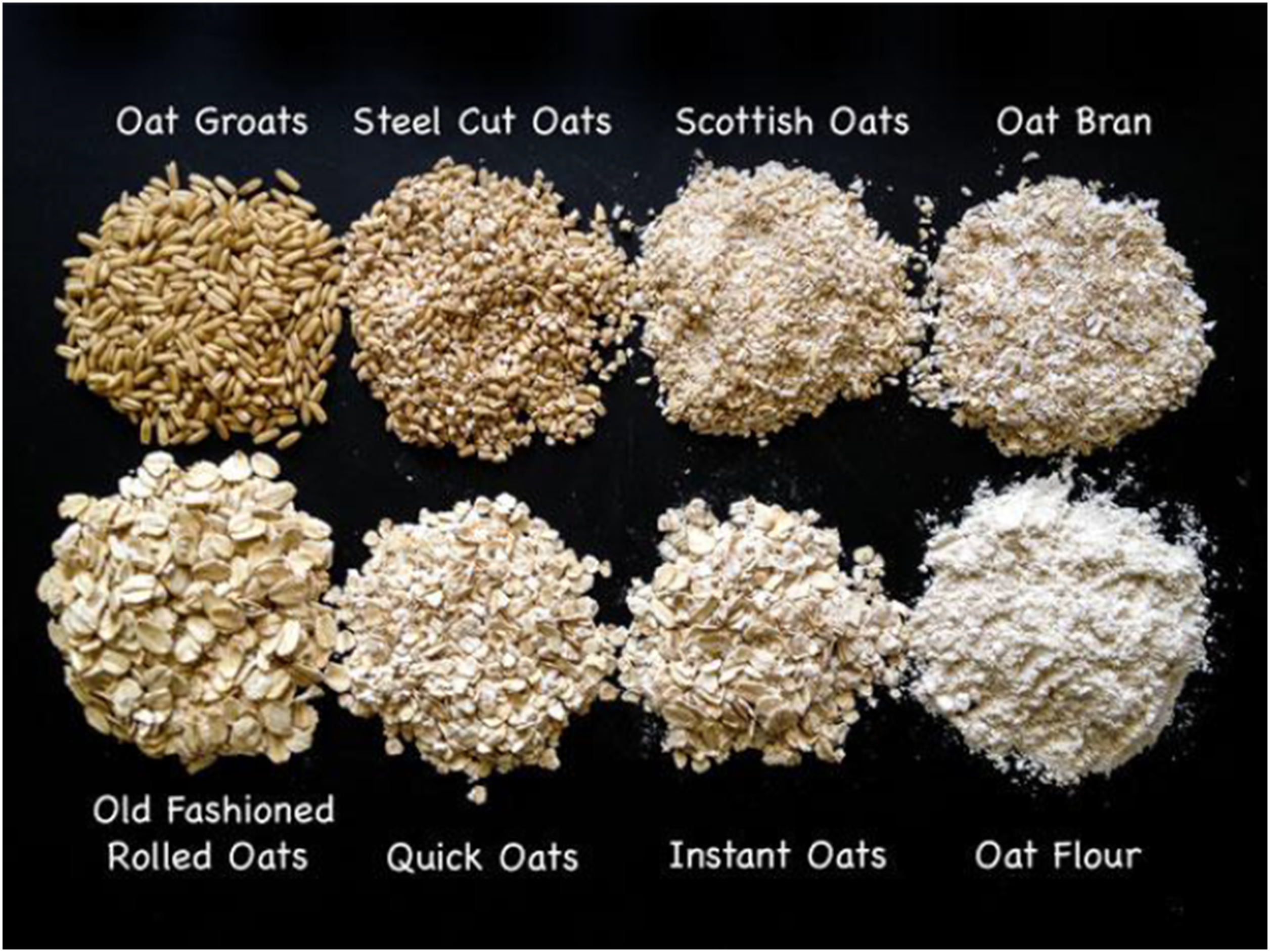
For optimal blood sugar management, recommending less processed oats is critical. Here is a review and set of recommendations for the most commonly used forms of oats in cooking oatmeal: steel-cut oats, old-fashioned rolled oats, and instant oats. There are also several methods for cooking oatmeal, including stovetop, microwave, pressure cooker, and crockpot. Be advised of the methods available to patients.
Steel-Cut Oats
These are the least processed forms. Steel-cut oats are simply whole oats that have been thinly sliced, without being steamed or rolled. Their large particle size ensures slower digestion and the slowest delivery of glucose, placing them firmly on the low GI list with a GI of 53. 11 They do take longer to cook—up to 20-30 minutes on the stovetop. Quick cooking steel-cut oats are a faster cooking option. They are cut into even smaller sizes and cook in under 10 minutes, and are less processed than old-fashioned rolled oats.
Old-Fashioned Rolled Oats
These oats are steamed and rolled, which partially cooks them. This partial cooking leads to quicker digestion and a faster delivery of glucose compared to steel-cut oats. However, old-fashioned rolled oats have a GI value of 56, which is right at the lower limit of a moderate-GI food, making them a much better choice than quick or instant varieties, which have a GI of 67. 11 To maintain the lowest possible GI value when preparing old-fashioned rolled oats, patients should be advised not to over-stir during cooking and to use water or an unsweetened, low-fat milk.
Old-fashioned rolled oats cook on the stovetop in five minutes once they reach a boil, and in the microwave, they cook in just three minutes.
What about overnight oats? Overnight oats utilizing old-fashioned rolled oats have become quite popular and are a good option. Patients should limit the quantity to a half-cup of old-fashioned rolled oats and avoid soaking them in juice or sweetened milk. 12 Topping overnight oats with low-glycemic fruits, such as berries, or fruits with pits and cores, like peaches and pears, will add natural sweetness and more fiber to the meal.13,14
Quick and Instant Oats
These oats are cut into very small pieces before rolling, and deliver glucose to the bloodstream even faster than old-fashioned rolled oats. Quick and instant oats are not ideal for individuals with blood glucose issues due to their small particle size, rapid digestion, and a high GI of 67. 11 These should be consumed in moderation. While instant varieties offer convenience, old-fashioned rolled oats can be prepared almost just as quickly in the microwave in approximately three minutes.
Culinary Medicine: Enhancing the Oatmeal Experience
Culinary Medicine translates nutritional science into practical food preparation and consumption. Clinicians can leverage the versatile nature of oats to integrate them into meals beyond traditional breakfast. Research underscores the value of starting the day with oats; studies have shown that oatmeal for breakfast helps maintain satiety, keeping participants feeling full for hours compared to eating ready-to-eat breakfast cereal. 15
Encourage the adoption of whole grains, especially cooked in liquid, such as steel-cut or old-fashioned oats for oatmeal. Cooked oats can serve as a base, much like brown rice or quinoa. Furthermore, adding vegetables and beans to oatmeal is highly recommended, as beans are noted as one of the best foods to include in meals for improving blood glucose management.16,17 This can be especially important if instant oats are the only form available to patients. Focusing on herbs and spices over fat and salt is also a helpful strategy for transforming basic oat recipes and keeping the meal lower in fat and sodium for better health. These enhance both flavor diversity and nutritional impact.
Oat Recipe Applications
The following examples, courtesy of Full Plate Living, illustrate how oats can be prepared to optimize blood glucose management and enhance flavor.
Apple Pie Oatmeal
This recipe is a perfect sweet treat for breakfast. It utilizes steel-cut oats—the preferred choice for blood glucose management. The minimal processing of the steel-cut oats maximizes slow digestion while delivering a sweet treat to be enjoyed at breakfast or any meal.
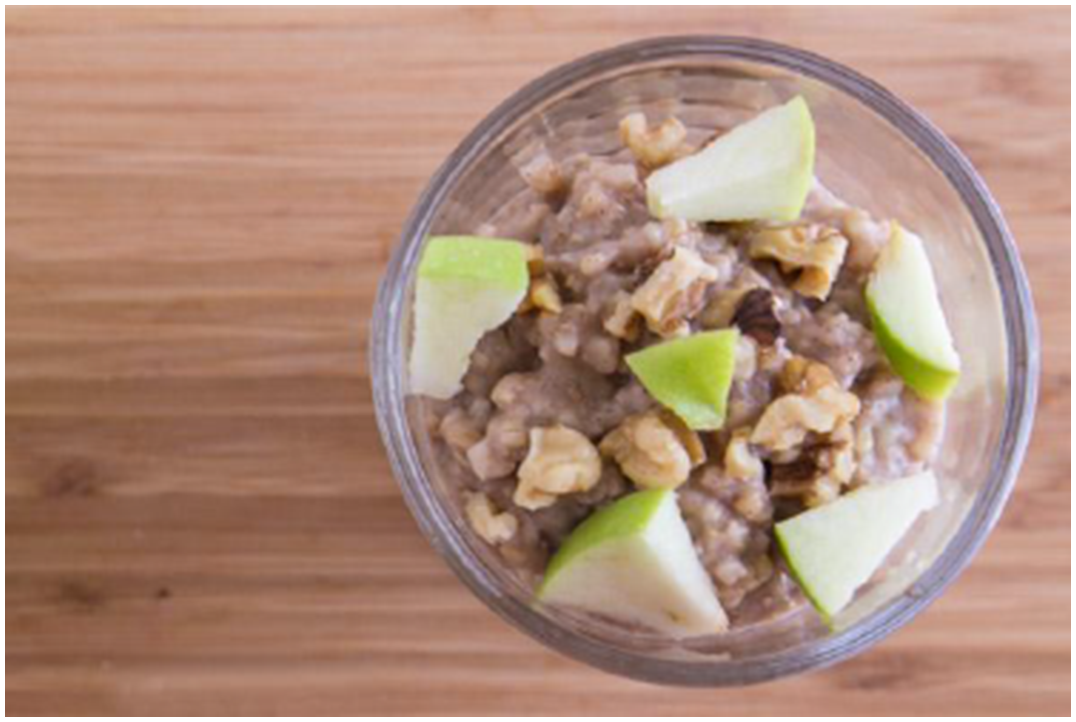
Yield: 4 cups.
1/2 cup serving: 120 calories • 2g fat • 190 mg sodium • 22g carbohydrate • 3g fiber • 3g protein.
Ingredients
• 2 cups water • 2 cups unsweetened almond milk • 1 cup steel-cut oats, uncooked • ¾ teaspoon cinnamon • 2 apples, diced small • 1 tablespoon brown sugar, packed • ½ teaspoon salt
Directions
Spray the inside of a crockpot well with cooking spray. Add the water and milk to the crockpot. In a small bowl, stir together the steel-cut oats and cinnamon, then add them to the crockpot. Add the remaining ingredients to the crockpot and mix well. Set the crockpot to low, cover it, and cook for 6-7 hours. Stir before serving.
Leftovers can be stored in the refrigerator for about a week and are easily reheated by moistening them with a bit of water or milk.
Recipe Modification
Cooking steel-cut oats can be a lengthy process, which is why a crockpot recipe is provided. If cooking on a stovetop, which I enjoy doing, follow the package directions, and add the cinnamon, apples, and sugar during stovetop cooking.
Quick cooking steel-cut oats is another option to use in this recipe. These oats are cut into even smaller pieces than regular steel-cut oats, making them cook much quicker. Cook these according to the package directions, which typically is less than 10 minutes, and add the cinnamon, apples, and sugar while cooking on the stovetop or in the microwave.
Southwest Oats
This savory dish utilizes the more accessible old-fashioned rolled oats, incorporating powerful blood-glucose-managing ingredients like black beans, corn, tomatoes, and avocado. The inclusion of black beans helps counteract the slightly faster digestion of the old-fashioned rolled oats. Flavor is driven by lime juice, chili powder, onion, and garlic. A deciduous meal for breakfast, lunch, or dinner. It’s also perfect for those who are not a fan of sweets.
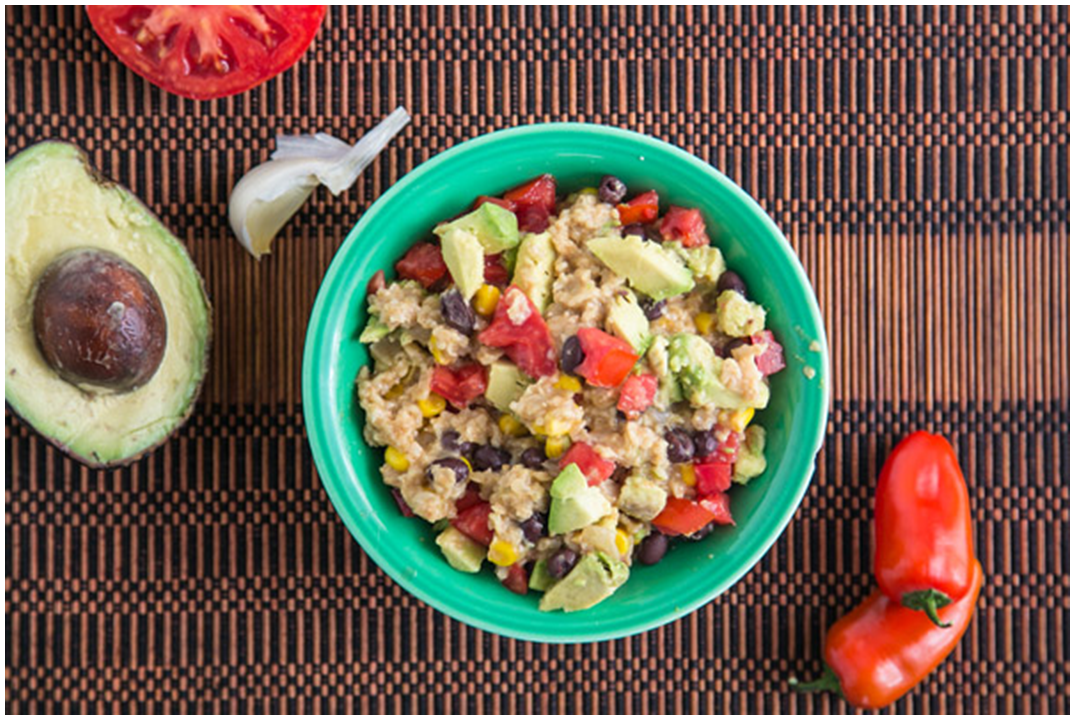
Yield: 1 Serving—Serving Size: 1 bowl.
340 calories • 14g fat • 660 mg sodium • 50g carbohydrate • 10g fiber • 9g protein.
Ingredients
• 1 teaspoon olive oil • 1/4 cup onion, diced • 1 clove garlic, minced • 1 cup water • 1/2 cup old-fashioned rolled oats • 1/4 cup corn, frozen • 1/2 teaspoon chili powder • 1/4 teaspoon salt • 1/8 teaspoon Liquid Smoke • 1 tablespoon lime juice • 1/4 cup tomato, diced • 1/4 cup avocado, diced • 2 tablespoons black beans, rinsed and drained
Directions
In a small saucepan, sauté the onions and garlic in olive oil until the onions are translucent. Add water, stir, cover, and bring to a boil. Then, add the oats, corn, chili powder, salt, liquid smoke, and lime juice. Stir briefly, reduce the heat to medium-low, cover, and simmer until the oatmeal reaches your desired consistency, about 5 minutes. While the oatmeal cooks, prepare the tomatoes, avocado, and black beans. Once the oatmeal is done, transfer it to a serving bowl, then top with the tomatoes, avocado, and beans.
Rosemary Veggie Oats
A fun twist on oatmeal. This recipe uses old-fashioned rolled oats but is enriched with Great Northern beans, kale, zucchini, portobello mushrooms, and rosemary. The high-fiber additions of vegetables and beans contribute significantly to improved blood glucose management. For some, this recipe might seem like a culinary adventure. Encourage the exploration of new flavors and ingredients, and share the compelling health benefits associated with the ingredients.
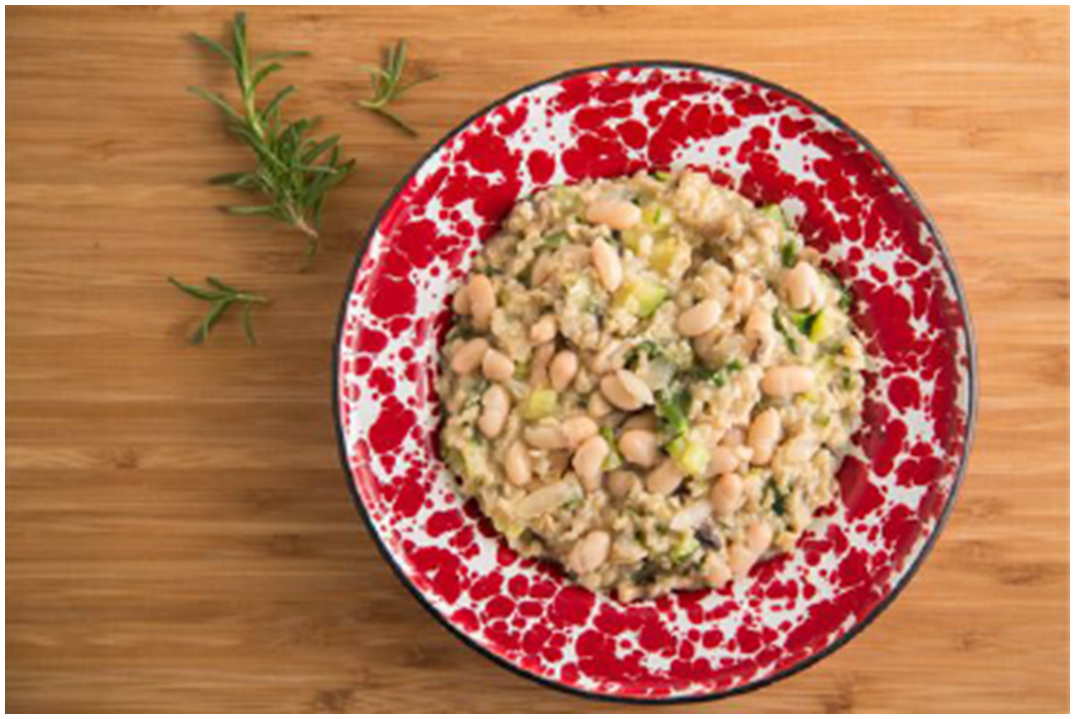
Yield: 1 Serving—Serving Size: 1 bowl.
330 calories • 8g fat • 820 mg sodium • 53g carbohydrate • 10g fiber • 15g protein.
Ingredients
• 1 teaspoon olive oil • 1/4 cup onion, diced • 1 clove garlic, minced • 1/2 cup portobello mushrooms, sliced thin • 1.5 teaspoons rosemary, fresh or 1/2 teaspoon dried • 1 cup water • 1/2 cup old-fashioned rolled oats • 2 teaspoons soy sauce, low sodium • 1/8 teaspoon salt or to taste • 1/2 cup kale, fresh, chopped • 1/2 cup zucchini, diced • 1/4 cup Great Northern beans, low-sodium, rinsed and drained
Directions
In a small saucepan, sauté the onions, garlic, mushrooms, and rosemary in olive oil until the onions are translucent. Add the water, stir, cover, and bring to a boil. Add the oats, soy sauce, salt, kale, and zucchini. Stir together briefly, reduce the heat to medium-low, cover, and simmer until the oatmeal reaches the desired consistency, about 5 minutes. Put in a serving bowl and top with beans.
Final Thoughts
Whole grains cooked in liquid, especially in their less processed forms, such as steel-cut oats, offer a powerful, affordable, and accessible tool for patients aiming to manage or prevent insulin resistance and chronic diseases. By prioritizing larger whole grain particle sizes and incorporating high-fiber additions, such as fruits, vegetables, and beans, clinicians can guide patients toward optimized nutritional choices that help stabilize glucose levels.
By encouraging the adoption of small, achievable habits—such as eating oatmeal for breakfast or switching from instant oats to old-fashioned rolled oats or incorporating beans with oats—clinicians are actively working toward a future where healthy lifestyles are the cornerstone of preventing and reversing chronic disease.
Footnotes
Declaration of conflicting interests
The authors declared no potential conflicts of interest with respect to the research, authorship, and/or publication of this article.
Funding
The authors received no financial support for the research, authorship, and/or publication of this article.