






Abstract
Nowadays, the construction is one of the main European sectors responsible for the high levels of energy consumption and raw material extraction. Increasingly, the energy consumption from renewable sources and industrial waste reuse are the only ways to minimize these environmental and societal problems. Simultaneous incorporation of phase change materials and fly ash in the mortars increases the energy efficiency and decreases the waste materials landfilled. The development of mortars with phase change materials and fly ash incorporation contributes to a significant improvement of the building comfort parameters and the environmental quality. The phase change materials possess the capability to normalize the temperature flux inside the buildings, using the solar energy as resource. The main purposes of this study were the physical, mechanical, and thermal characterization of mortars with phase change materials and fly ash incorporation. It was concluded that the phase change materials and fly ash simultaneous incorporation leads to homogeneous and suitable mortars with increased thermal behavior compared with the phase change material addition alone.
Keywords
Introduction
Nowadays, energy is a topic of immense importance in the world, mainly driven by the high consumption in the developed countries and by the increase in the economic activities in the emerging countries (Kantar et al., 2016). Thus, the European Union has developed strategies in order to decrease the primary energy consumption, decreasing the CO2 emissions to the atmosphere and increasing the use of renewable energy sources (Santiago et al., 2014).
In Europe, the building sector is responsible for high environmental impacts, due to the high energy consumption, about 40% and high waste generation, about 50% (Behera et al., 2014; Bilgen, 2014; Pampuri et al., 2016). Energy statistics show that 68% of the energy consumption in buildings is used for heating, while only about 15% is used for lighting and electrical appliances, 12% for water heating, and 4% for cooking (Pampuri et al., 2016). Despite the energy efficiency measures developed in Europe, the global energy consumption in buildings continues to increase, in particular, related to the air conditioning equipment (Pampuri et al., 2016). Thus, the decrease in the buildings’ air conditioning needs represents an important energy saving opportunity. However, currently, the industrial waste generation increased worldwide, where industrial waste reuse becoming increasingly important in order to reduce its landfill. Therefore, taking the huge negative impact caused by the building construction and use into account, it becomes imperative to develop constructive solutions that will minimize the energetic consumption and will increase the waste reuse, improving the construction quality and contributing to the environmental quality.
The phase change materials (PCM) are functional materials which allow regulation of temperature inside the buildings using only solar energy as a resource, decreasing the air conditioning needs based on a renewable energy source. The fly ash (FA) is a waste released during the coal combustion for energy production, generating millions of tons of wastes. Thus, the simultaneous utilization of PCM and FA in cement mortars for building applications can be seen as a possibility to reduce the high energetic consumptions and the waste disposal in landfills.
The PCM is activated by the ambient temperature; when it increases, the PCM change from solid to liquid state, picking and storing energy. The cycle is completed when the environmental temperature decreases. In this situation, the material releases the previously stored energy to the environment, changing from liquid to solid state.
The simultaneous addition of PCM and FA in the interior mortars introduces some social, economic, and environmental benefits, indicating a huge impact in order to obtain a more sustainable construction. The social benefits are directly connected with decrease in temperature fluctuations inside the buildings, increasing the thermal comfort. The environmental benefits are related to decrease in the fossil fuel extraction caused by decreased air conditioning equipment usage. However, the use of FA as a partial replacement for cement in mortars has numerous benefits including the reduction amount of the waste disposed on landfill, greenhouse gas emissions, energy consumption, and pressure on natural resources (Bagheri et al., 2013). The economic benefit is related to reduction in energy consumption, high energy consumption time delay, and use of cheaper materials, like industrial wastes.
Recently, different works have been published in the area of PCM applied to construction products. Based on these studies, significant changes were observed in fresh and hardened properties of the materials (Cunha et al., 2015c, 2015d). Cunha et al. (2015c) investigated PCM mortars based on different binders, concluding that the incorporation of PCM causes an increase in the water/binder ratio and a consequent decrease in the mechanical properties. Other study was published regarding the influence of incorporation of different PCM, proving that the physical and mechanical properties of the mortars were affected (Cunha et al., 2014).
Although the studies performed with PCM, the simultaneous incorporation of PCM and FA still remains an undeveloped subject. Thus, principal goal of this study was the development and characterization of cement mortars with simultaneous addition of PCM microcapsules and FA. The tests were performed with 12 different compositions, evaluating the physical, mechanical, and thermal properties.
Materials and mix compositions
Materials
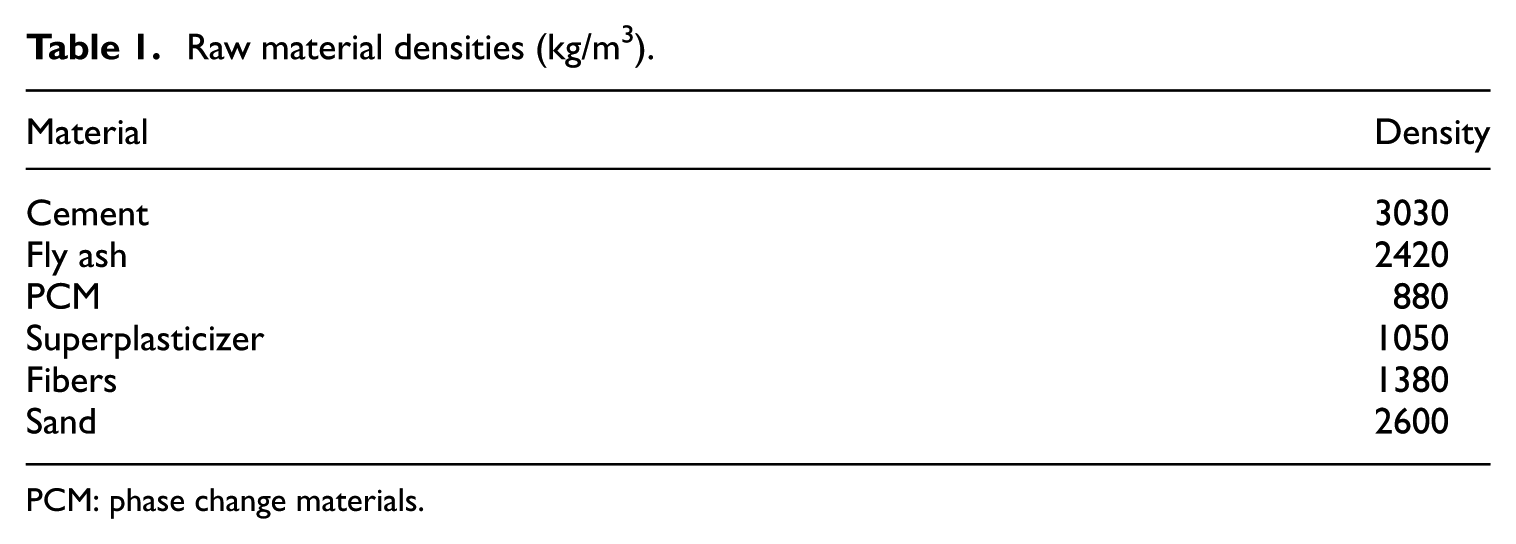
The material selection took previous works into account (Cunha et al., 2012a, 2012b, 2013, 2015a, 2015b, 2015c). The developed mix compositions of mortars are based on different materials: Portland cement type II 32.5, FA, PCM, sand, superplasticizer, and fibers. Table 1 shows the raw material densities.
Raw material densities (kg/m3).
PCM: phase change materials.
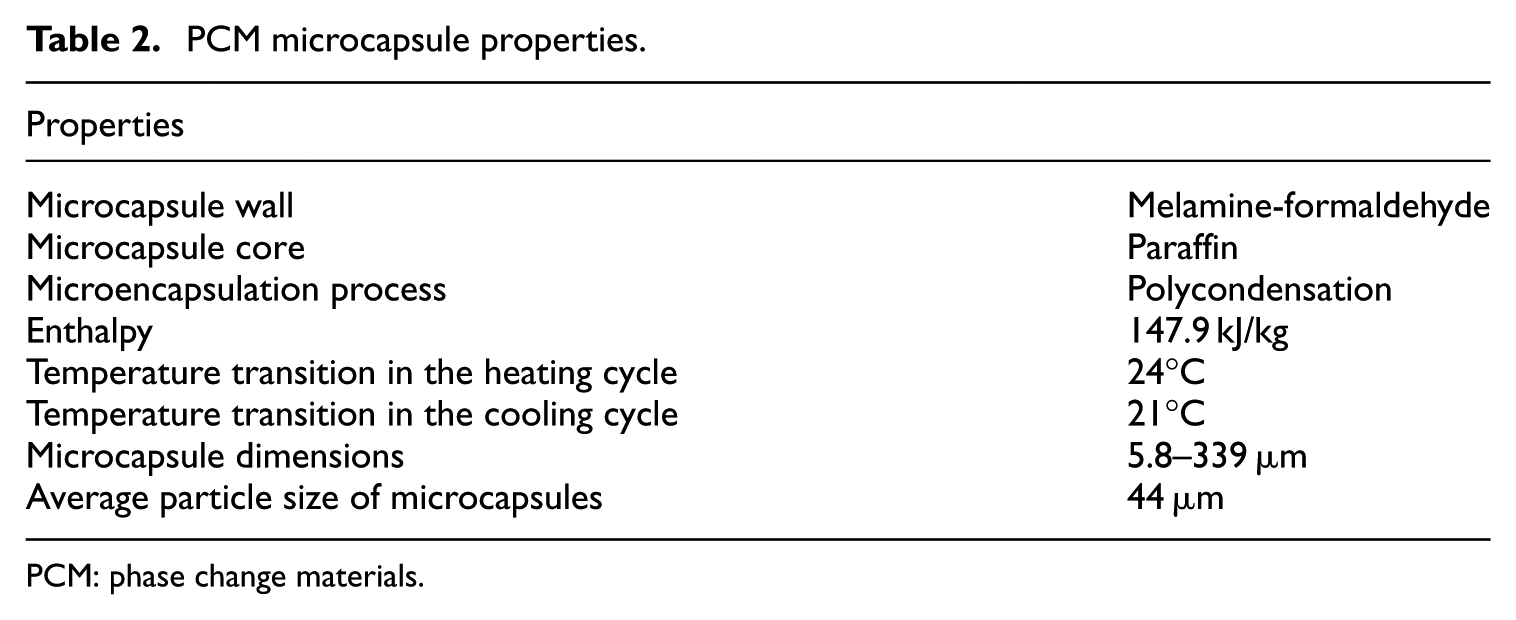
The size of sand particles is between 0 and 1 mm. Table 2 shows the PCM microcapsule main properties. The superplasticizer used is based on polyacrylate. Portuguese FA produced in the Pego Thermoelectric Central was also used. The FA presents loss of ignition (category A) and fineness (category N). Finally, the used fibers are polyamide, with length and diameter of 6 mm and 22.3 µm, respectively.
PCM microcapsule properties.
PCM: phase change materials.
Mix compositions
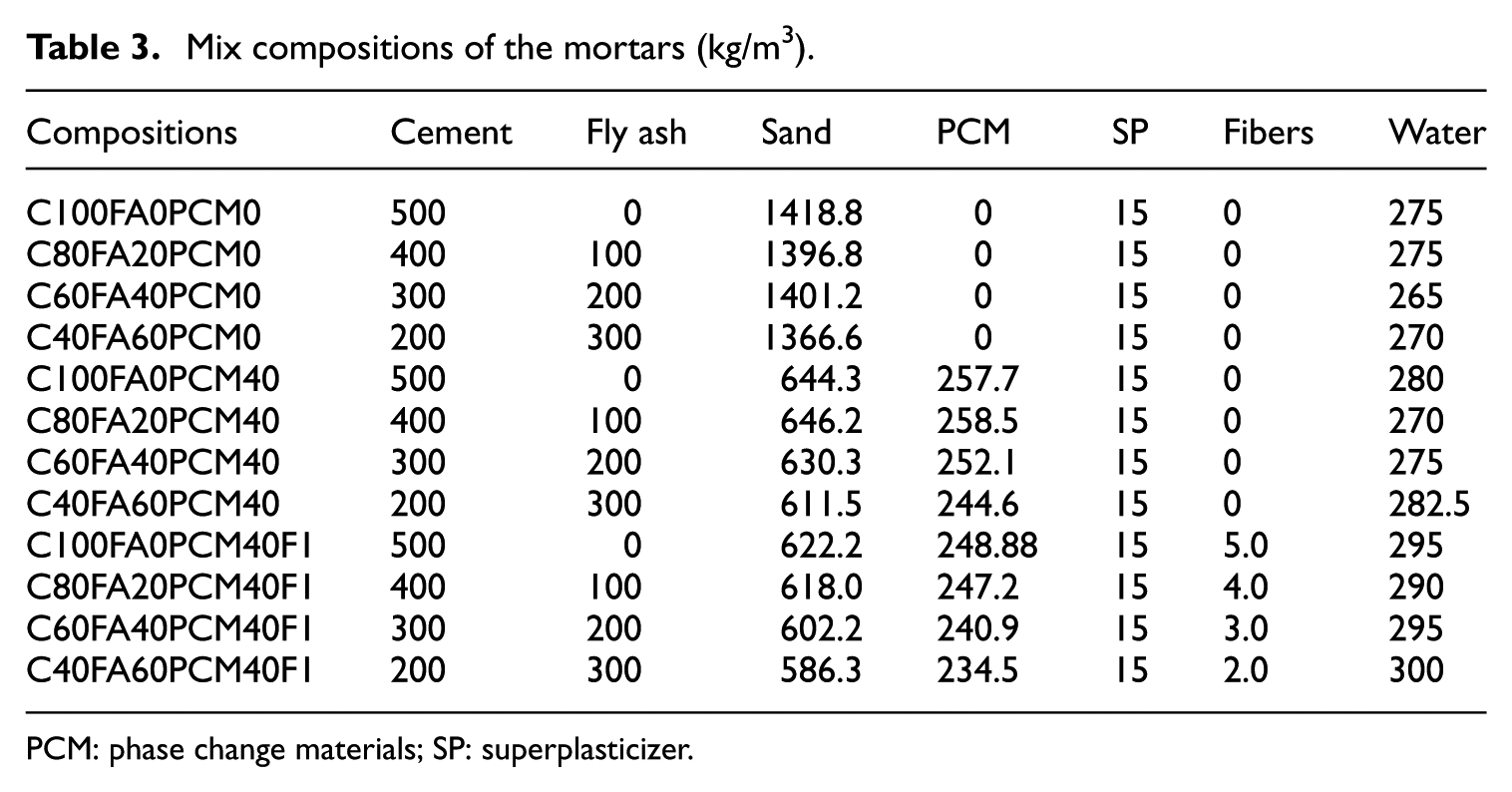
For this study, 12 different compositions were developed and evaluated from the fresh state up to 28 days. The PCM content was fixed as a percentage of the aggregate total mass. Two PCM contents were used: 0% and 40%. The FA content was fixed as a percentage of the total cement mass. Four FA contents were used: 0%, 20%, 40%, and 60%. The fiber content was fixed at 0% and 1% of the total cement mass. The mortar constituent contents (cement, sand, PCM, fibers, and superplasticizer) were selected based on earlier studies (Cunha et al., 2012a, 2012b, 2013, 2015a, 2015b, 2015c). Table 3 shows the developed compositions. The nomenclature used to designate the compositions was based on the quantities and constituents of the mortars. For example, the composition named C80FA20PCM40F1 was constituted by 80% of cement, 20% of FA, 40% of PCM, and 1% of polyamide fibers. The contents of cement, FA, and polyamide fibers are relative to the binder mass. The PCM content is relative to the sand mass.
Mix compositions of the mortars (kg/m3).
PCM: phase change materials; SP: superplasticizer.
Experimental procedures
For all performed tests, the specimens were prepared and stored based on the European Standard EN 1015-11:1999 (1999). The specimens were stored 7 days in polyethylene bags with relative humidity of 95% ± 5%. Successively, the specimens were placed 21 days in the laboratory conditions at constant temperature of 22°C.
Physical characterization
The workability was evaluated by the flow table method, in accordance with the European Standard EN 1015-3:2004 (2004). The flow value was measured by the mean diameter of a test sample of the fresh mortar which has been placed on a flow table disk by means of a mold, and given a number of vertical impacts by raising the flow table and allowing it to fall freely. A truncated conical mold was used, with a height of 60 mm and an internal diameter of 100 mm at the bottom and 70 mm at the top. The test was considered valid only when the resulting value was equal to 205 ± 5 mm. For each composition, three tests were made in order to confirm the flow value.
The mortar’s microstructure was evaluated based on scanning electron microscope observations. Two specimens with diameter and height of 10 mm were observed.
Water absorption by capillarity and immersion tests were executed based on the European Standard EN 1015-18:2002 (2002) and Portuguese specification LNEC E 394:1993 (1993), respectively. For each composition, three prismatic specimens were prepared with dimensions of 40 × 40 × 160 mm3. Subsequently, the specimens were subjected to flexural tests, resulting in six parts. Regarding the water absorption by capillarity, the quantification of the absorbed water was performed by conducting successive weightings, beginning with the specimens’ first contact with water. Relative to the water absorption by immersion tests, the dried, saturated, and hydrostatic masses were determined.
Mechanical characterization
The study of flexural and compressive strengths was performed based on the European Standard EN 1015-11:1999 (1999). For each composition, three prismatic specimens were prepared with dimensions of 40 × 40 × 160 mm3. The flexural and compressive tests were executed with load control, at a speed of 50 and 150 N/s, respectively.
The adhesion tests were performed based on the standard EN 1015-12:2000 (2000). Five tests were made, for each composition.
Thermal efficiency characterization
In order to better control all parameters, the thermal tests were performed in a climatic chamber. Different real temperature cycles were selected, representative of each season of the year (spring, summer, autumn, and winter). Small-scale test cells with dimensions of 200 × 200 × 200 mm3 were made with resource to extruded polystyrene boards with thickness of 30 mm (Figure 1). The mortars to be tested were applied in the interior walls of the small-scale test cells. The thickness of mortar layer was about 10 mm. A thermocouple was placed in the middle of each small-scale test cell. The thermocouples were directly connected to a data acquisition system (AGILENT 34970A, Agilent Technologies, USA). The thermocouples used were type K, allowing the temperature measurement with good precision for this application (±0.01°C). Figure 2 shows the thermal test setup.
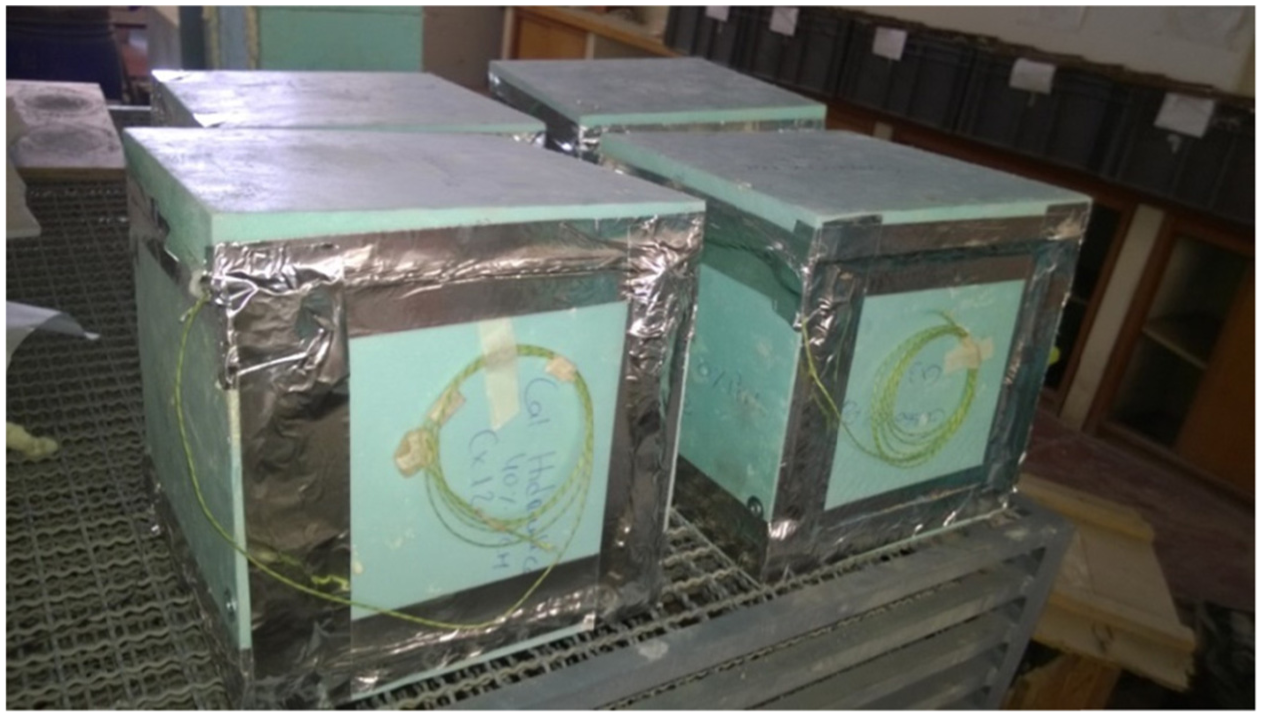
Small-scale test cells used for the thermal efficiency characterization.
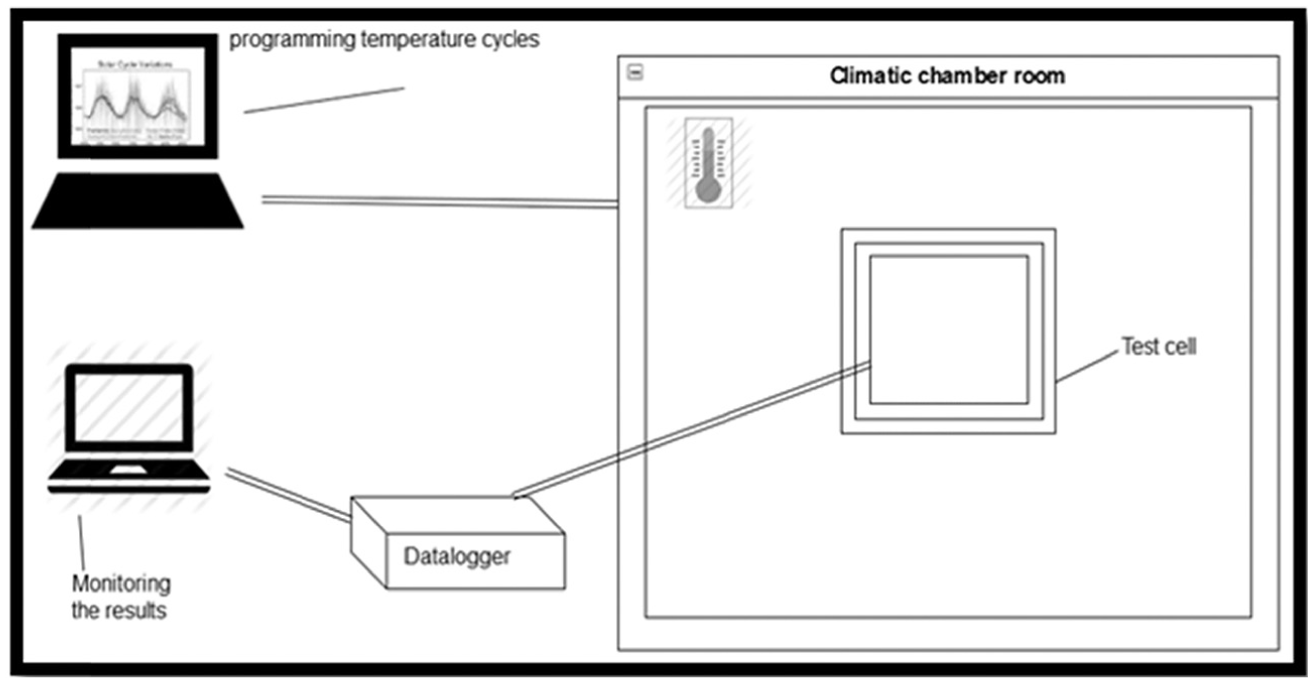
Thermal test setup.
The real temperature cycles selected to simulate a typical day of summer, spring, autumn, and winter were obtained based on the climatic data collected at the weather station existing in the Campus of the University of Minho in Guimarães, Portugal. The real temperature cycles allow that the PCM reached the transition temperature (21°C–24°C), enabling the observation of the energy storing and releasing from/to the environment (Figure 3). Thus, the influence of the simultaneous incorporation of PCM and FA in the mortars was quantified in the interior room temperatures. To simulate each season of the year, three cycles were executed with duration of 24 h, each one.
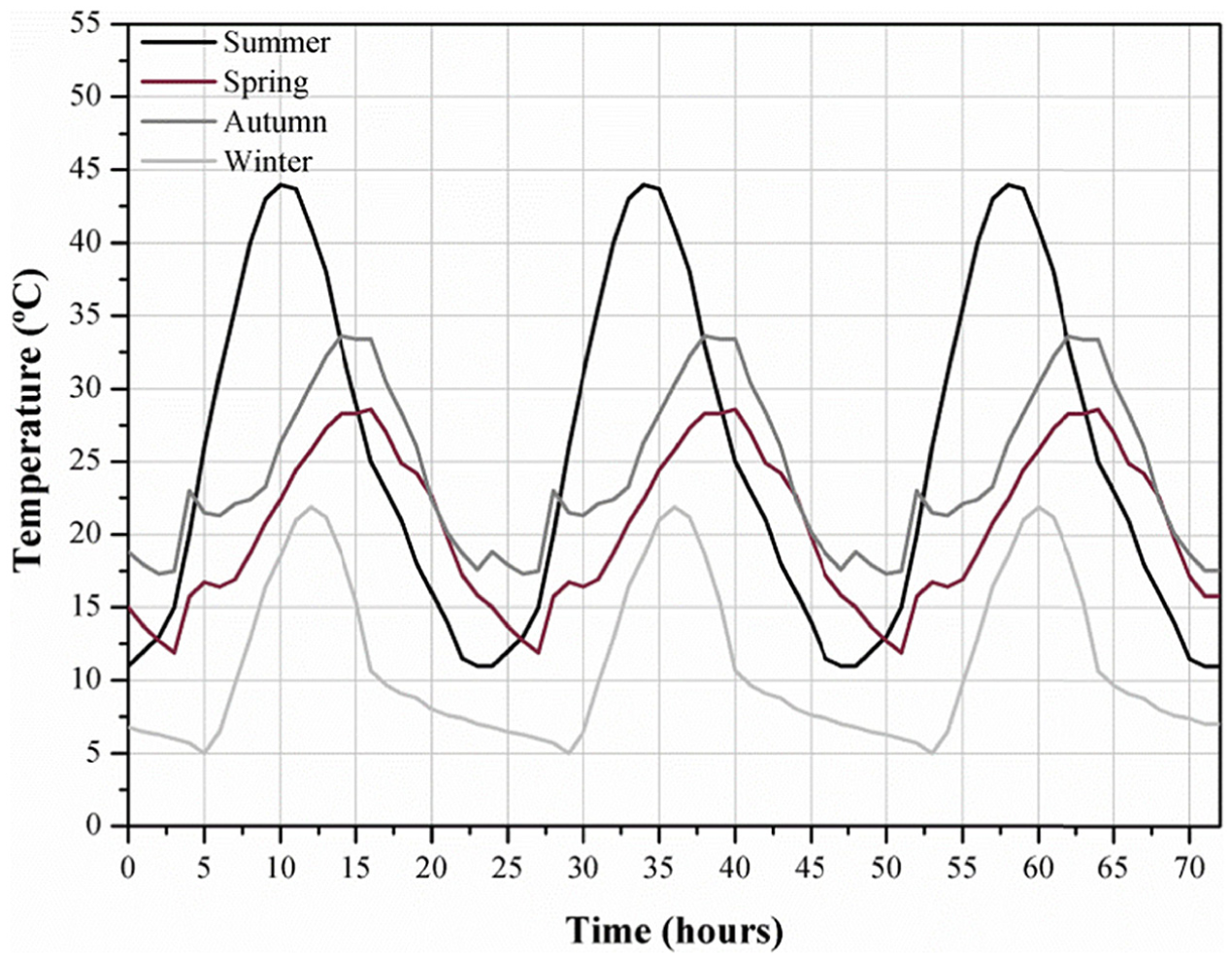
Real temperature cycles used to simulate the different seasons of the year.
Test results and discussion
Workability tests
The mortar application facility in the fresh state is directly related to its workability. According to Table 4, the flow value was maintained relatively constant. So, all the developed mortars showed similar workability, independent of their compositions.
Flow values of the developed mortars.
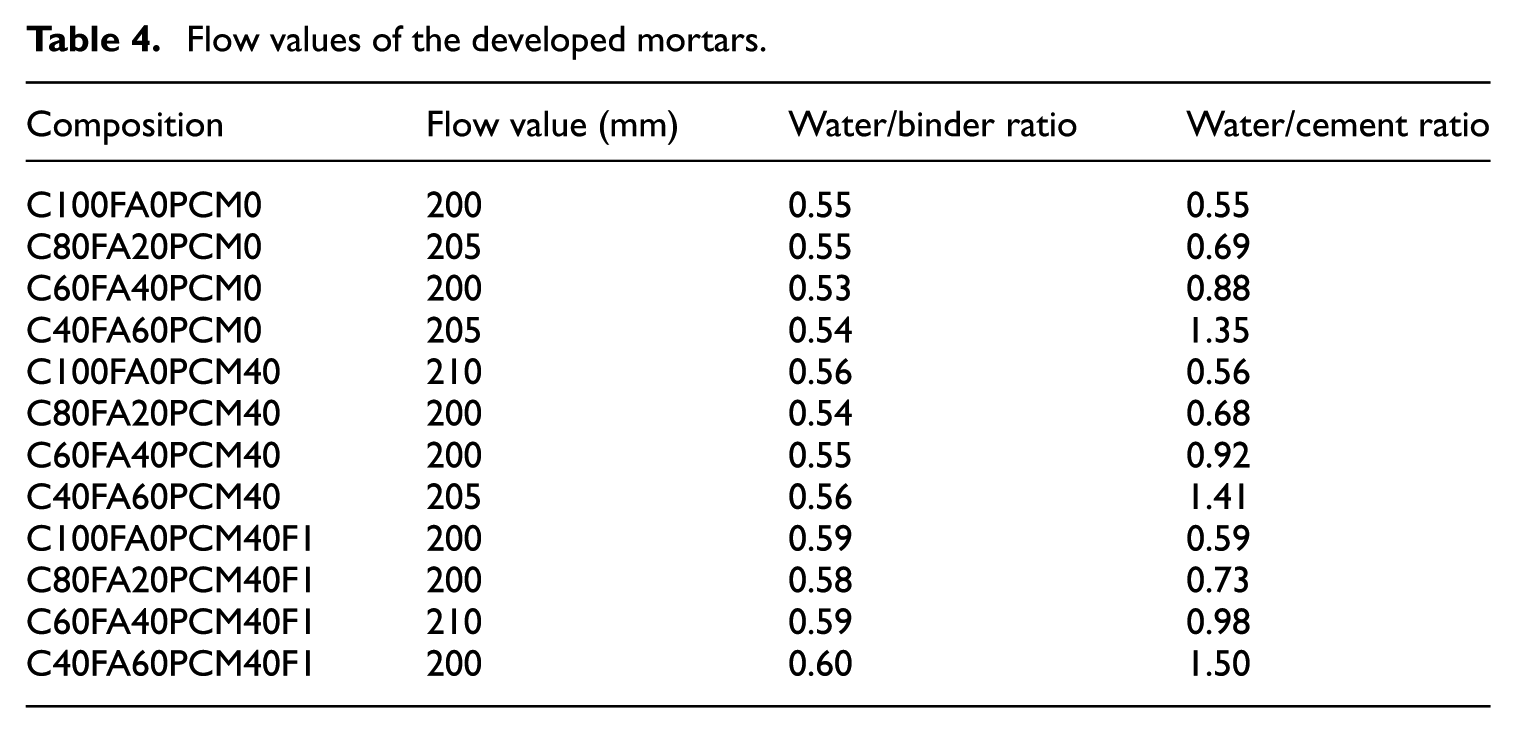
The FA incorporation leads to an increase in the water/cement ratio due to the decrease in the cement content (Figure 4). However, the FA incorporation leads to a slight modification in the water amount of the cement-based mortars (Table 3).
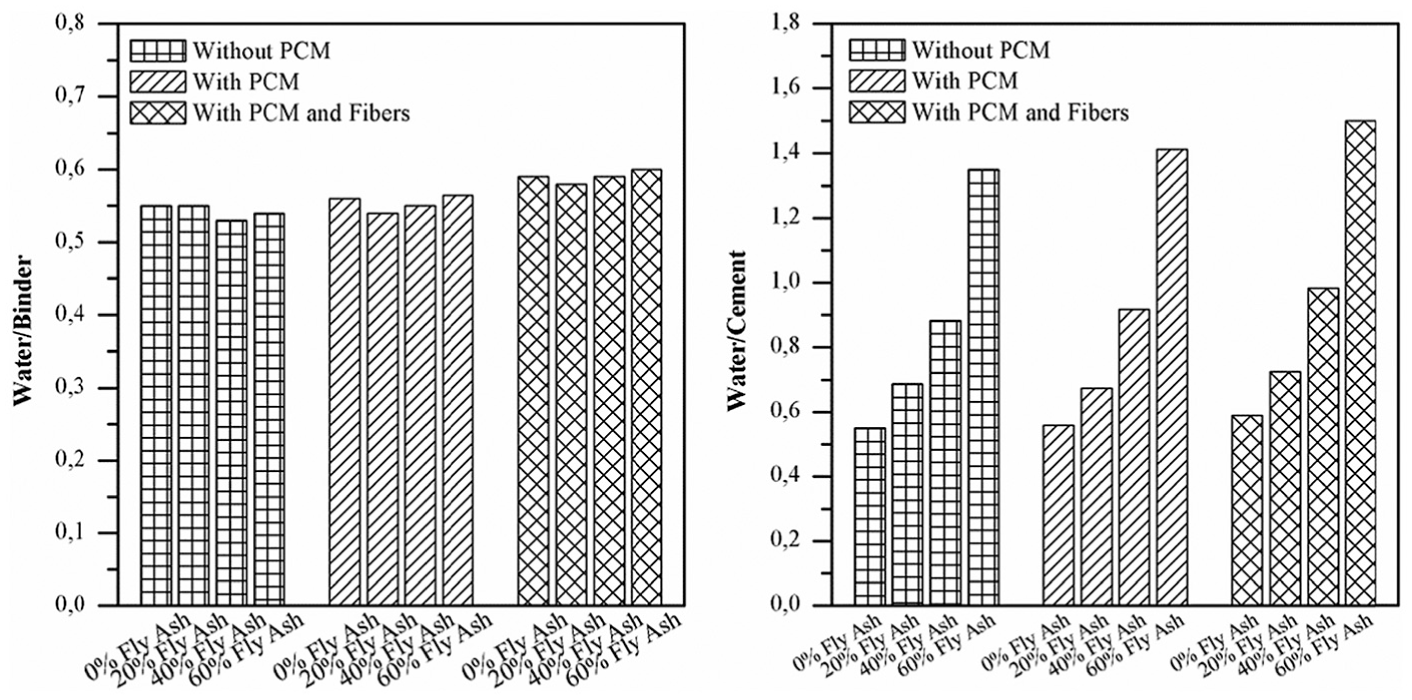
Water/binder and water/cement ratios of the mortars.
The cement mortars with simultaneous incorporation of PCM and fibers showed a slight decrease in the water amount for the 20% FA incorporation. This behavior can be justified by the more spherical shape of FA particles when compared to the other mortars constituents (Camões et al., 2002). However, the addition of higher FA amounts causes a slight increase in the water content, maintaining relatively constant flow values. However, regarding the mortars without PCM incorporation, it was verified that the 20% FA incorporation did not cause any change in the water amount added to the cement mortar. However, there was a slight decrease in the water amount for the 40% FA incorporation and a slight increase for the 60% FA addition.
For 20% FA incorporation, it was observed a tendency to decrease the water amount added to the mortars. This can be justified by the fact that the FA particles possess a form closer to the spherical shape when compared to the cement particles. However, when the FA content increases, a tendency to increase the water amount was verified, due to the presence of higher quantity of small-size particles in the mortars.
It was also observed that the cement mortars with PCM and fibers incorporation showed a greater water need compared with the cement mortars with PCM addition. This situation can be justified with the agglomeration effect caused by the fibers.
Microscope observations
Figure 5 shows the microstructure of different mortars developed, such as a cement mortar without any addition and cement mortars with addition of PCM microcapsules, FA, and fibers. The microstructural observations show a good interaction between the different materials, due to the absence of cracks. However, a homogeneous distribution of PCM microcapsules was observed in the mortar matrix. The PCM microcapsules did not present any rupture or damage signal. Thus, it was observed that the PCM microcapsules can adequately resist to the mortar processes of mixing, application, and curing. It was also verified that there was a good association between the different binder (cement and FA) compounds.
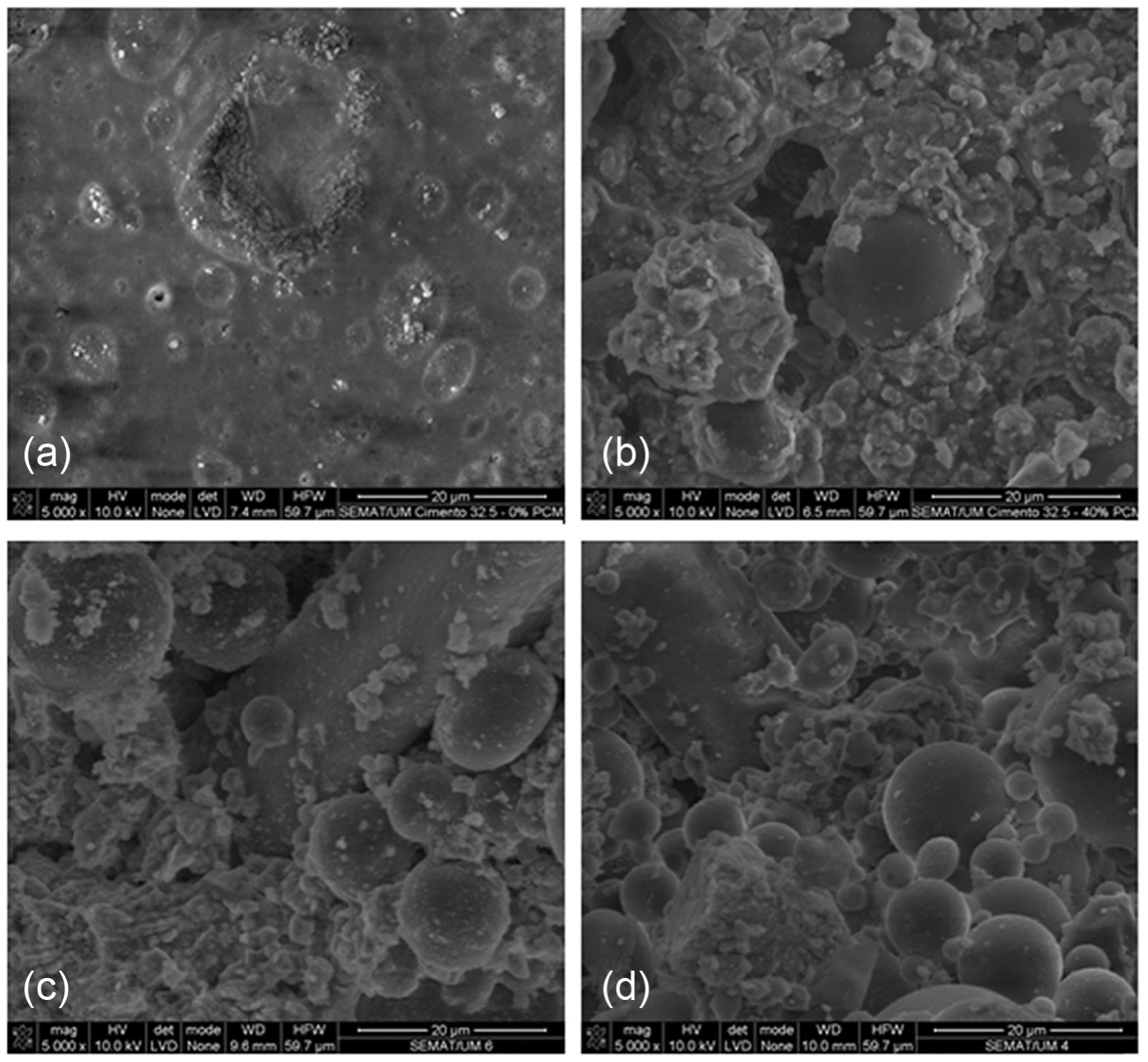
Microstructure of the cement mortars, enlargement of 5000×: (a) C100FA0PCM0, (b) C100FA0PCM40, (c) C100FA0PCM40F1, and (d) C100FA60PCM40F1.
Figure 6 shows the increase in the cement-based mortars’ microporosity with 40% PCM microcapsules and 1% fibers incorporation. The reference mortar presented a more compact microstructure (Figure 6(a)). However, the mortars with PCM and fibers incorporation presented micropores with higher dimensions (Figure 6(b)). This behavior can be justified by the increase in the water content with the PCM and fibers incorporation in the mortars, due to the fineness of these materials.
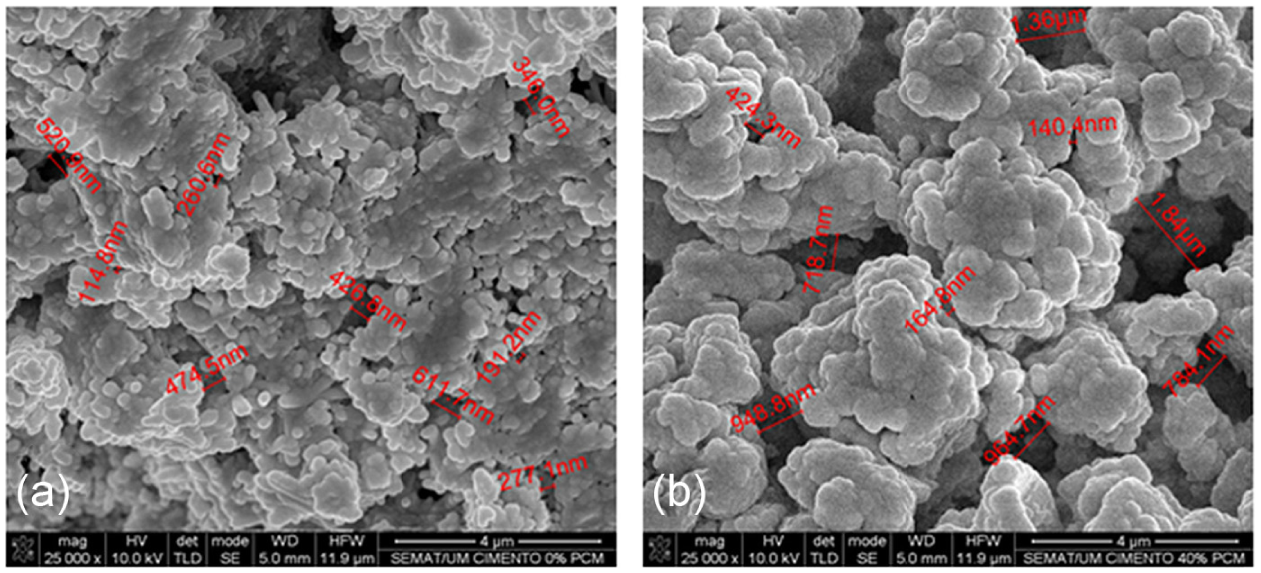
Microscopic observation of the cement mortars, enlargement of 25,000×: (a) C100FA0PCM0 and (b) C100FA0PCM40F1.
Figure 7 shows that the mortars with more FA incorporation present an increase in the lower dimension micropore quantity. This is due to the delay in the hydration reactions and the increase in the small-size particles.
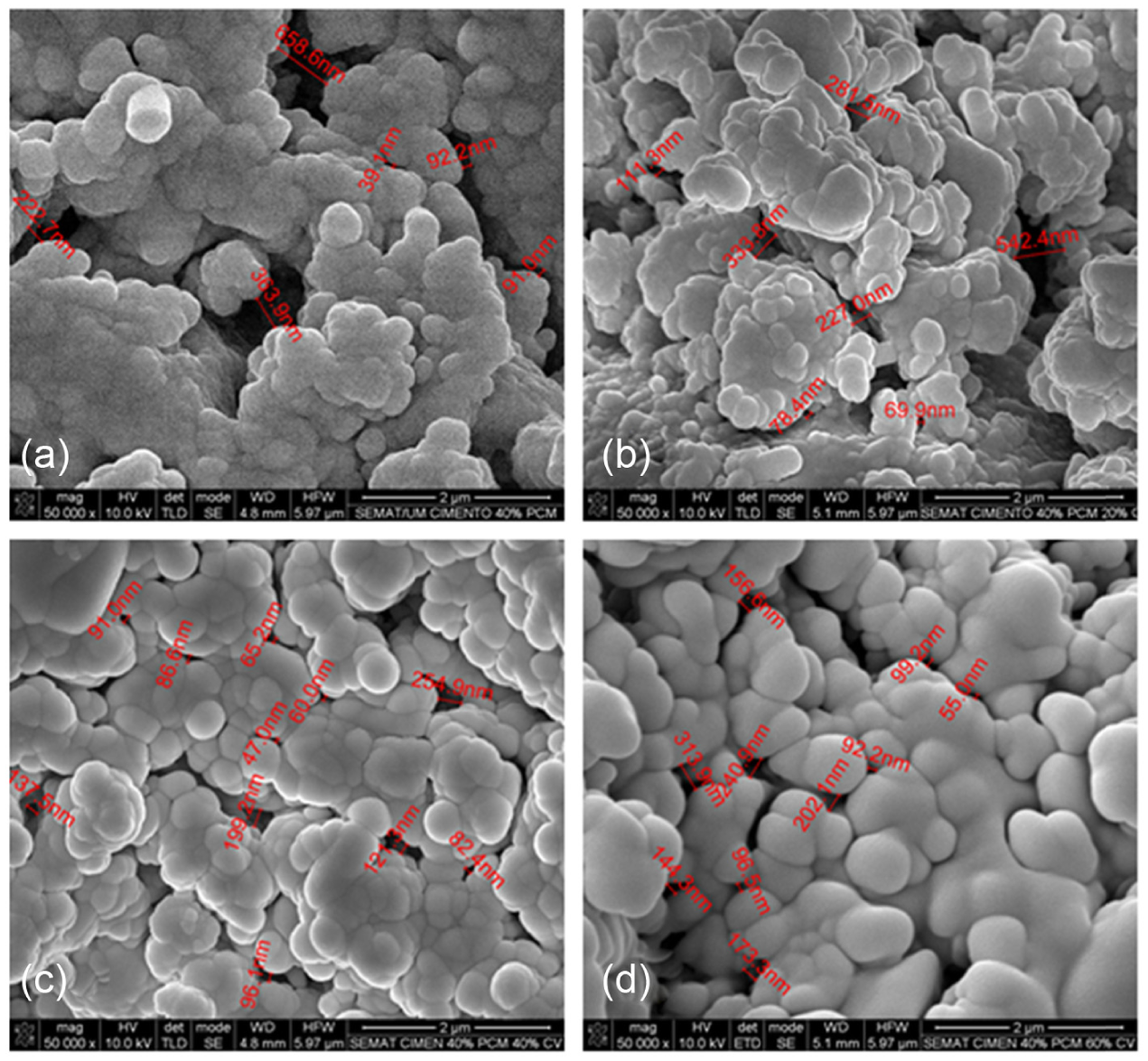
Microscopic observation of the cement mortars, enlargement of 50,000×: (a) C100FA0PCM40F1, (b) C80FA20PCM40F1, (c) C60FA40PCM40F1, and (d) C40FA60PCM40F1.
Flexural and compressive strengths
Figure 8 shows that flexural and compressive strengths decrease with the increase in the FA content. This is due to the lower reaction speed of FA compared with the cement (Huang et al., 2013a, 2013b; Xu and Li, 2014). Concerning the flexural strength, the 20% FA addition resulted in a decrease superior to 25%. Regarding the compressive strength, the 20% FA incorporation revealed a decrease superior to 30%.
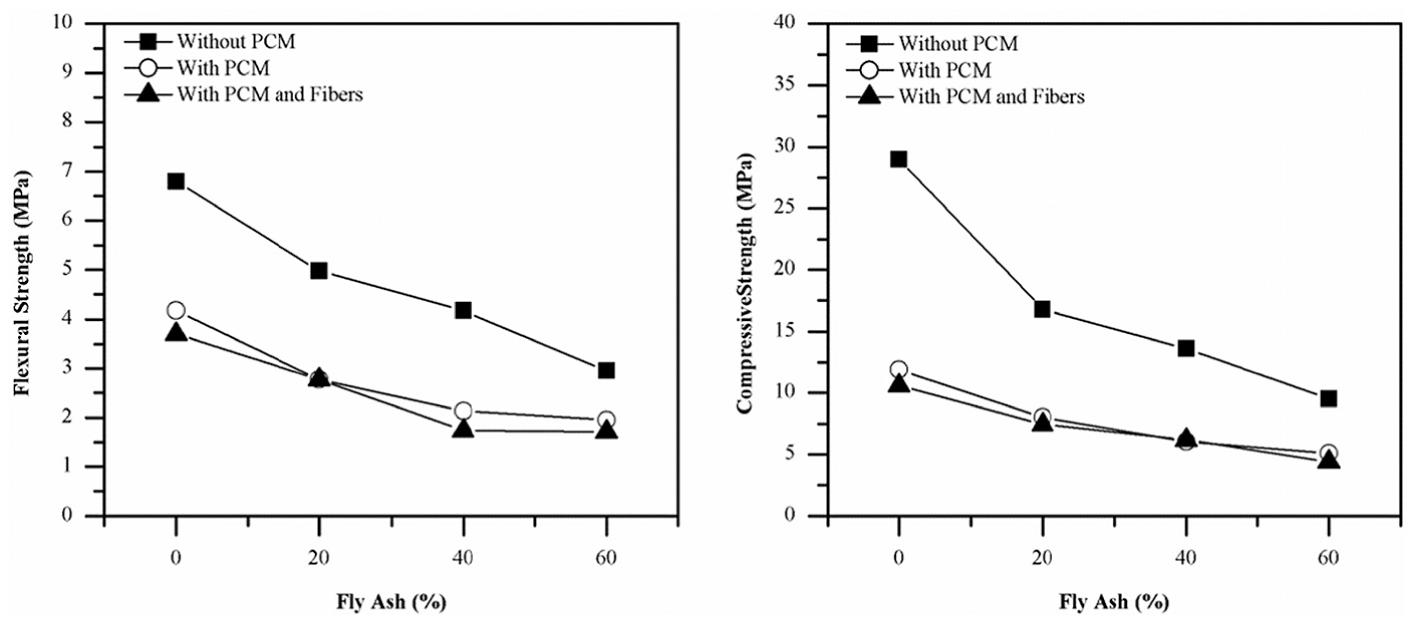
Flexural and compressive behavior of the cement mortars.
The incorporation of 40% PCM microcapsules causes a decrease in flexural and compressive strengths higher than 34% and 46%, respectively. This situation is directly connected with the water/cement ratio increase, due to the PCM incorporation. The higher water content need with the PCM microcapsules incorporation is related to the small size of material particles. Thus, the higher water content leads to the higher mortar microporosity (Figure 6). It is also important to note that the connection between the sand particles and the mortar matrix is higher compared with the adhesion between the PCM microcapsules and the mortars’ cementitious matrix, which justify the decrease in flexural strength. The compressive strength decrease can also be explained with the replacement of the sand particles by the PCM once the PCM microcapsules possess a lower resistance compared with the sand.
The incorporation of polyamide fibers in the PCM cement mortars leads to a flexural and compressive strengths slight reduction. This situation can be justified by the mortars’ water content increase.
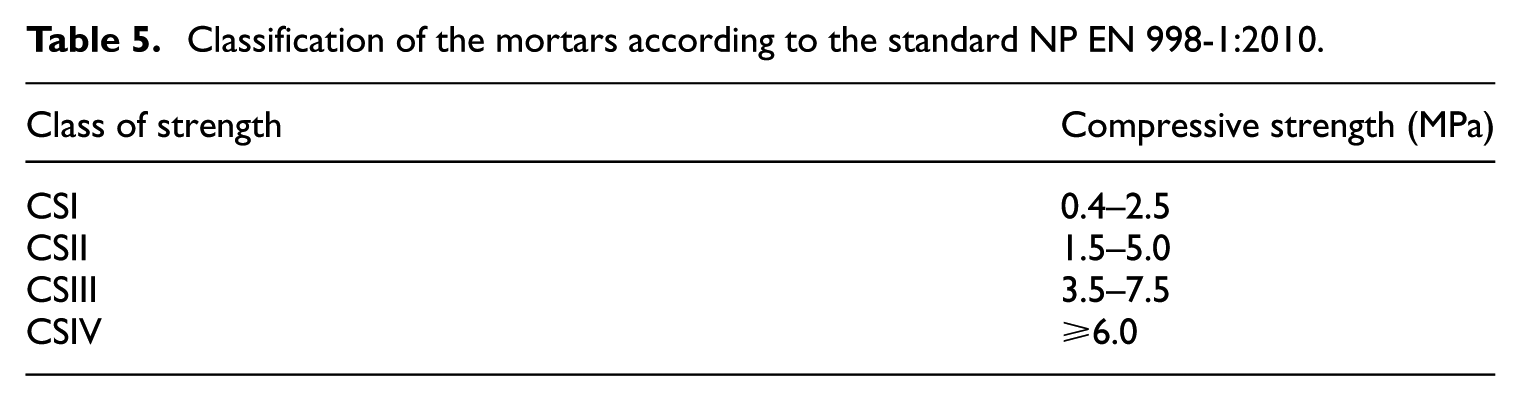
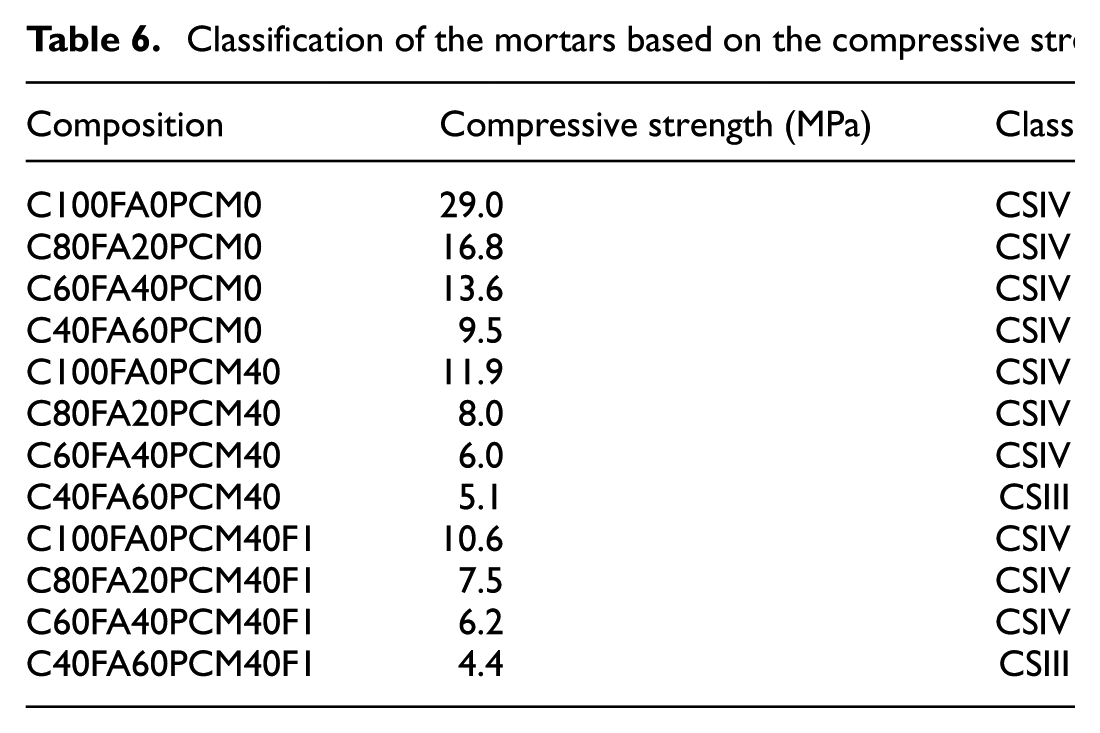
It is important to note that one of the objectives of this study was the development of cement mortars with a minimum classification of CSII. Thus, the developed mortars were classified based on the compressive strength, in accordance with the European Standard NP EN 998-1:2013 (2013) (Table 5). The PCM microcapsules and FA particles addition resulted in a lower classification, for some cases. However, the classification achieved for all the mortars was superior to CSII, and in the majority of the cases was obtained the higher classification (CSIV) established by the standard (Table 6). Thus, it is possible to obtain mortars with appropriate mechanical behavior, incorporating FA and PCM.
Classification of the mortars according to the standard NP EN 998-1:2010.
Classification of the mortars based on the compressive strength.
Adhesion strength
The adhesion tests were only performed for the compositions without PCM microcapsules and with PCM and fibers incorporation, due to the presence of cracks in the remaining mortars surface.
The cement mortars without PCM presented cohesive failure in the substrate, with exception of 60% FA mortars that showed cohesive failure in the mortar. The PCM and fiber cement mortars also showed cohesive failure in the mortar.
Figure 9 shows an adhesion decrease superior to 5% caused by the 20% FA introduction, justified by the slow FA reaction. However, the 40% PCM microcapsule incorporation leads to a decrease in the adhesion of about 83%, due to the lower adhesion between the PCM microcapsules and the cementitious matrix compared with the connection between the sand and the mortar matrix. This is confirmed by the type of failure. The cement mortars with PCM incorporation always showed cohesive failures in the mortar.
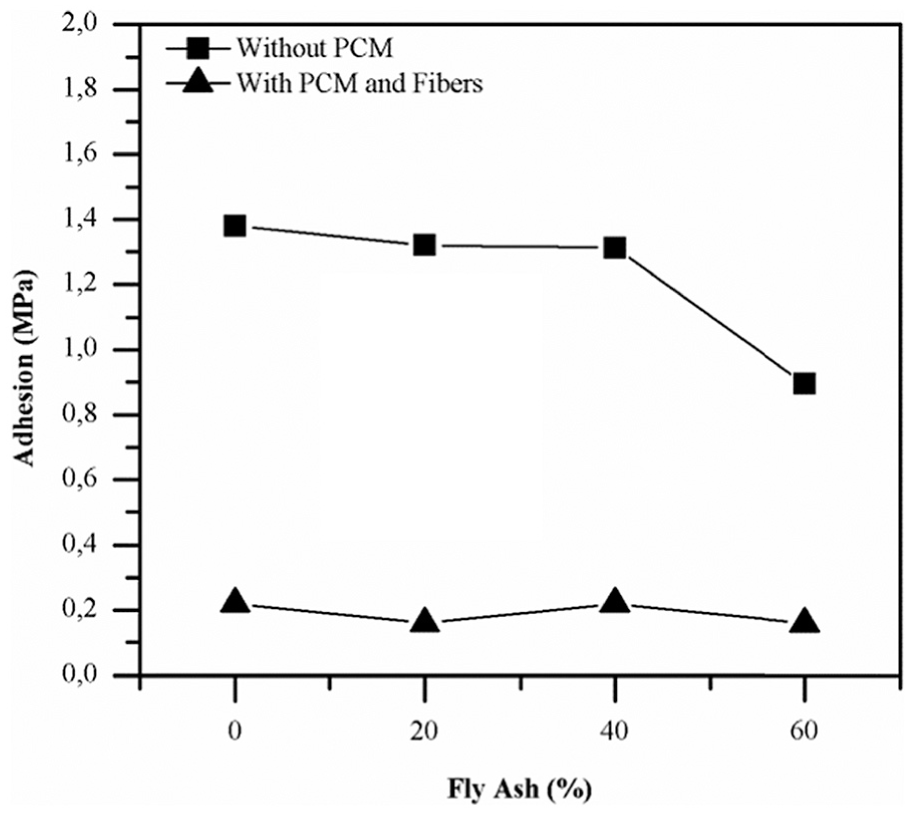
Adhesion of cement mortars.
Water absorption
Figure 10 shows a slight decrease in capillary absorption coefficient for the mortars with 20% FA incorporation. This situation can be explained by the decrease in the microporosity. However, the 40% and 60% FA incorporation leads to the increase in capillarity absorption coefficient, due to the increase in mortars’ microporosity. The 40% FA incorporation causes an increase greater than 69%, with exception of mortars without PCM in which no significant change was observed. The 60% FA incorporation causes an increase greater than 5%. This situation can be explained by the increase in the lower dimension micropore quantity (Figure 7).
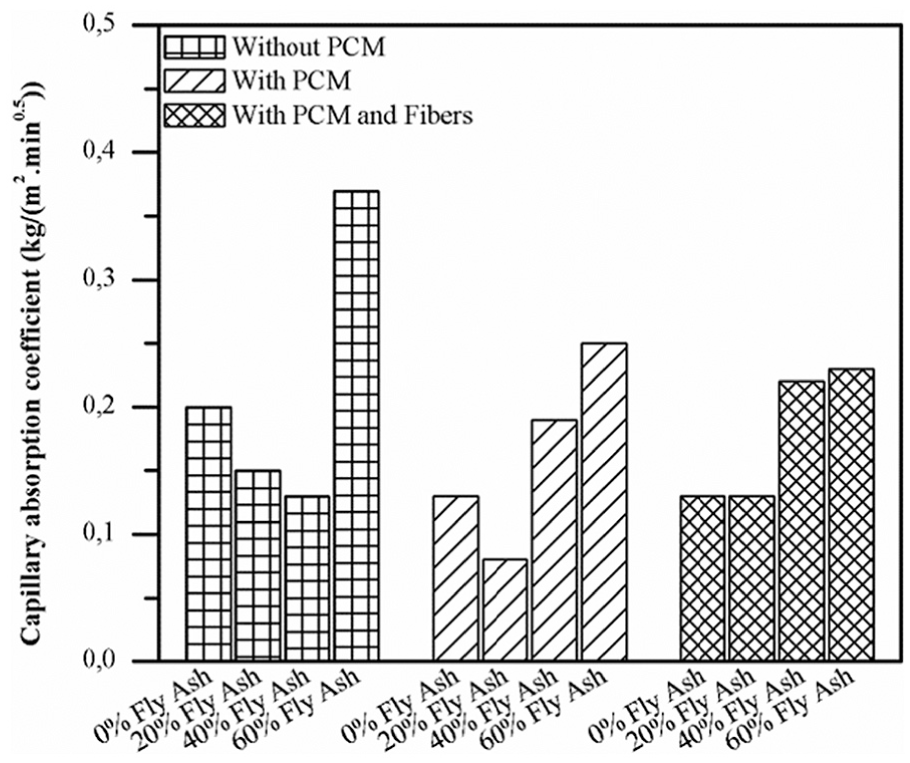
Capillary absorption coefficient of cement mortars.
Figure 11 shows the capillary water absorption of the studied mortars, during 15 days. It was observed that the PCM and FA incorporations lead to the increase in capillary water absorption, except for the 20% FA incorporation. The mortars with PCM and fibers incorporation showed higher levels of capillary water absorption, due to the higher microporosity.
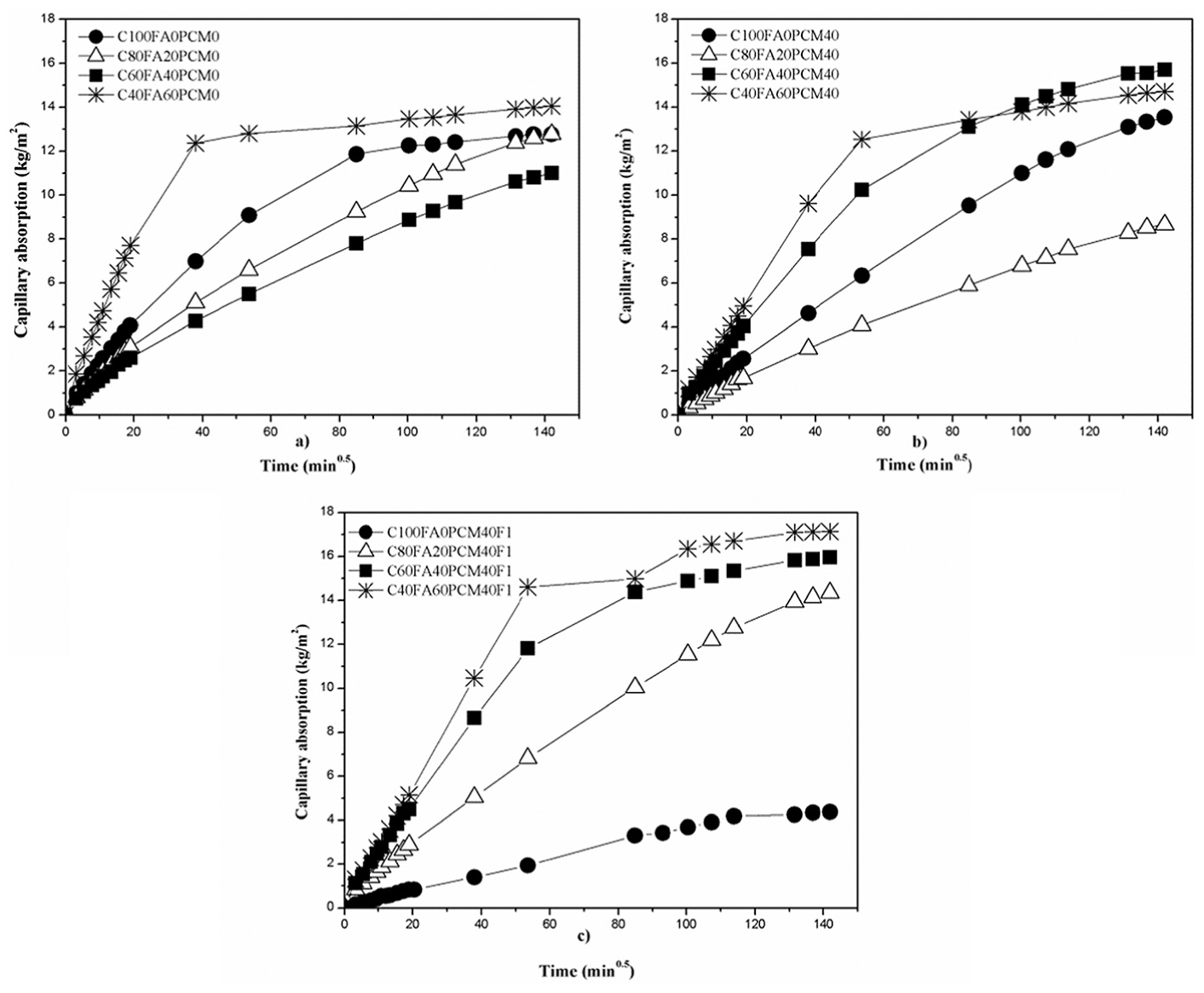
Capillary water absorption of cement mortars: (a) mortars without PCM, (b) mortars with PCM, and (c) mortars with PCM and fibers.
Figure 12 shows that the replacement of cement by FA did not result in significant alterations in the cement mortars water absorption by immersion. However, it was possible to identify that the 40% and 60% FA incorporation caused a slight increase in water absorption, due to the increase in microporosity of these compositions.
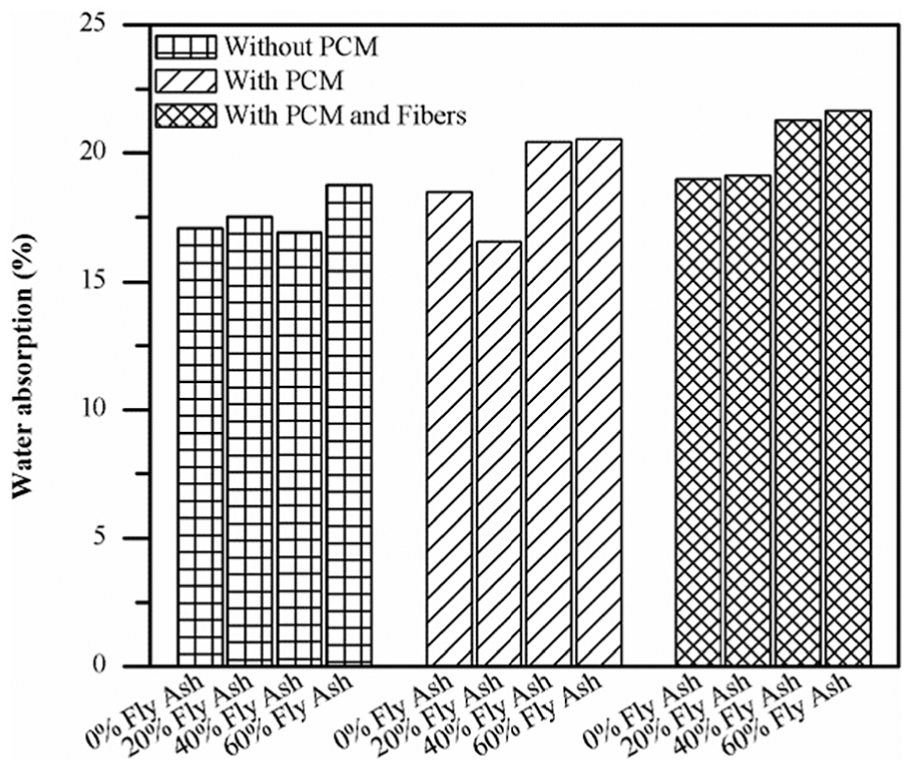
Water absorption by immersion of the cement mortars.
Thermal behavior
For all seasons of the year, differences were detected between the behavior of the mortars without PCM and with 40% PCM microcapsule incorporation. In the cooling situation (temperatures higher than 25°C), the PCM mortars showed a higher heating rate and an inferior maximum temperature. A similar performance was verified in the heating situation (temperatures below 20°C), the PCM mortars showed a rise in the minimum temperature and a consequent decrease in heating needs.
The objective of this work was to simulate real temperatures, representative of each season of the year in Portugal. However, the PCM effect evaluation in a winter situation was not possible because the real temperature cycle does not achieve the PCM melting point. Thus, it will be necessary to use heating equipment in order to increase the temperatures inside the small-scale test cells till the PCM melting point. However, in this study, the main objective was to test the thermal behavior without any contribution of air conditioning equipment.
It is important to note that the thermal behavior characterization was made for the PCM and FA mix compositions with better physical and mechanical behaviors. Reference mortars without FA and PCM and FA incorporations were also studied. Thus, the studied mix compositions were C100FA0PCM0, C100FA0PCM40F1, C80FA20PCM40F1, C60FA40PCM40F1, and C40FA60PCM40F1.
Summer behavior
Figure 13 shows the summer behavior of cement mortars. The beneficial effect of the PCM incorporation and the simultaneous incorporation of PCM and FA in the cement mortars is evident by the highest and the lowest temperatures in different cells. It was observed that the FA addition affects the thermal behavior of the cement mortars. Thus, it was observed that the temperature inside the 20% FA mortar test cell remains stable for a longer period of time. According to this behavior, it was possible to predict an effective energy saving, due to the shortest operation time of heating, ventilation, and air conditioning (HVAC) systems.
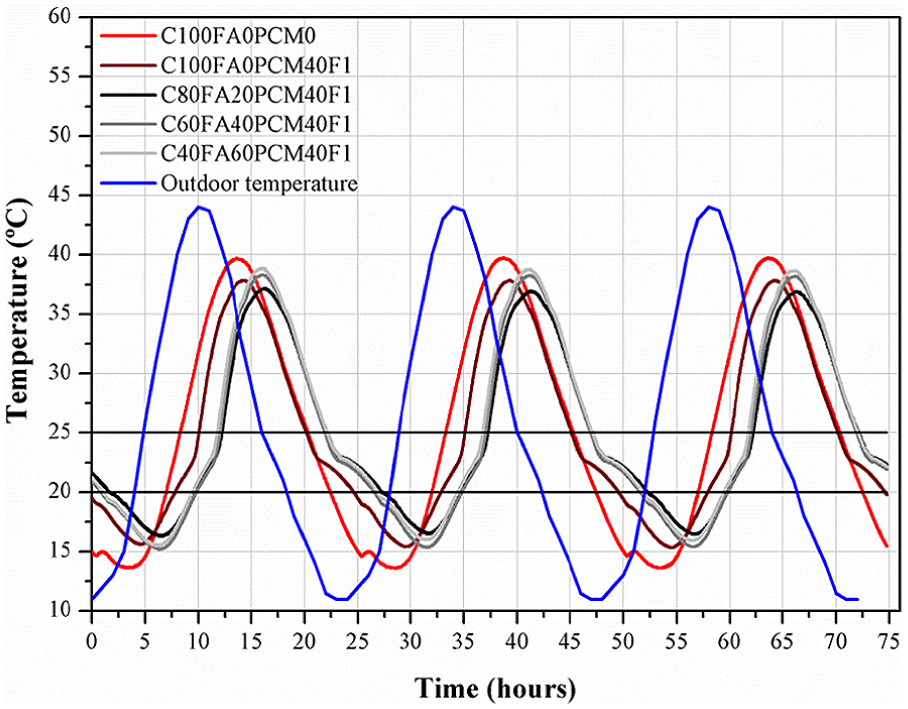
Thermal behavior of developed cement mortars in a summer situation.
Theoretically, it was expected that replacing cement by FA does not present any change in the thermal behavior, since the content of PCM was maintained. However, the mortar with PCM and 20% FA simultaneous incorporation leads to a decrease in the maximum temperature of 2% and an increase in the minimum temperature of 7%, compared to the mortar with PCM and without FA. Thus, the composition with 40% PCM and 20% FA (C80FA20PCM40F1) exhibits the best thermal performance, decreasing the maximum temperature during the cooling situation in 6% and increasing the minimum temperature during the heating situation in 20% (Figure 14 (a)), compared to the mortar without PCM and FA. This behavior is justified by the micropores quantity increase (Figure 7), water absorption by capillarity (Figure 11), and by immersion (Figure 12) caused by the FA incorporation. However, the micropore dimensions should not decrease below an optimal value, as it happens with the 40% and 60% FA mortars (Figure 7).
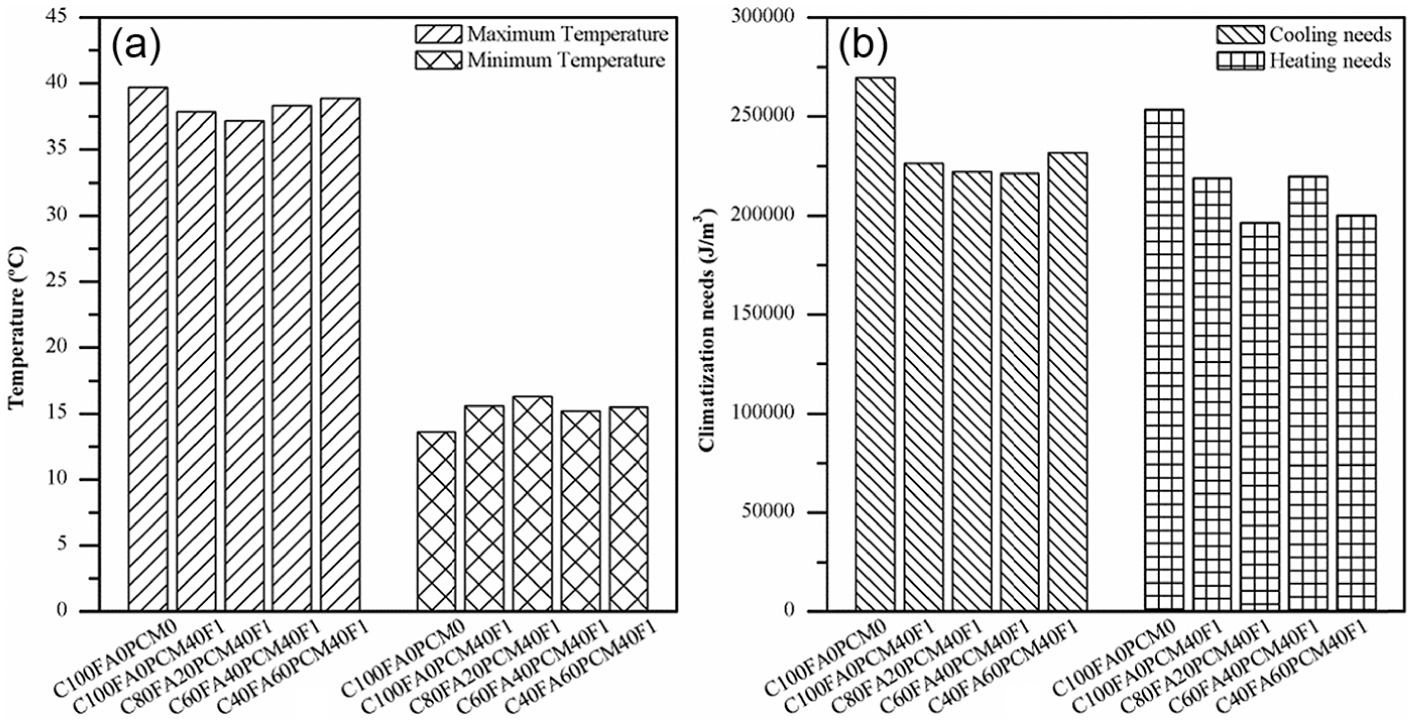
Summer season: (a) maximum and minimum temperatures and (b) cooling and heating needs.
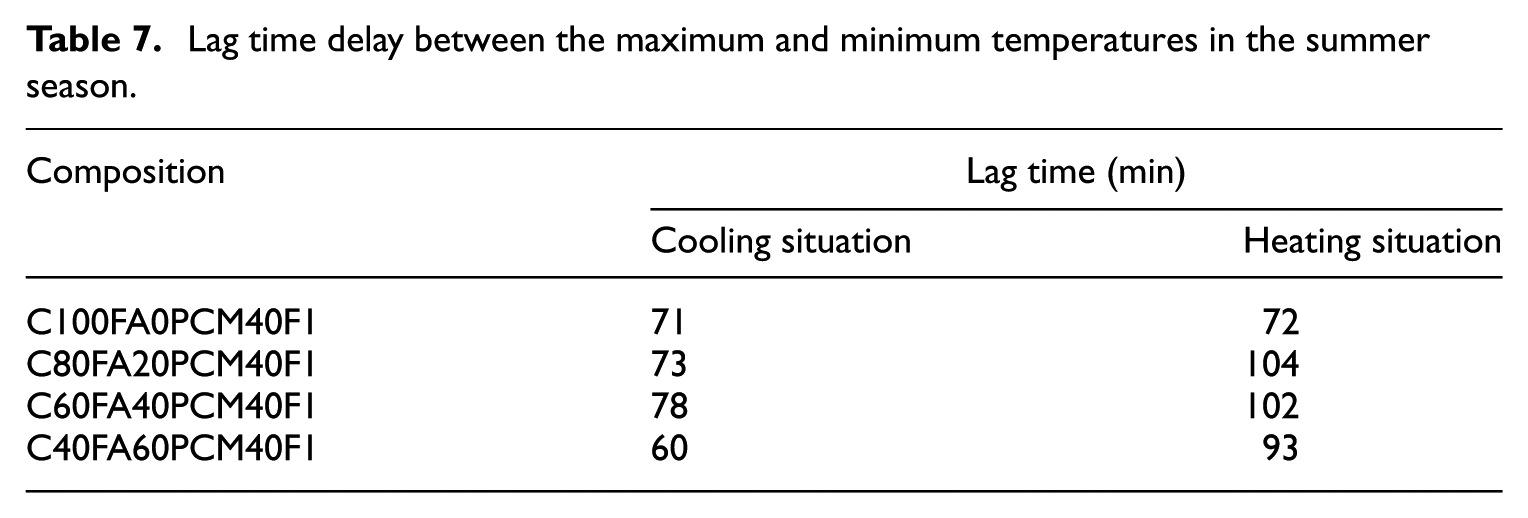
During these tests, a lag time of maximum and minimum temperatures was also observed (Table 7). These values were obtained comparing the different mortars with the reference mortar (C100FA0PCM0) behaviors. It was observed that the composition with 40% PCM and 20% FA incorporation (C80FA20PCM40F1) presents the highest lag time, in the heating situation. However, the composition with 40% PCM and 40% FA incorporation (C60FA40PCM40F1) shows the highest time delay in the cooling situation. Thus, once again, it was verified the positive effect of the PCM and FA simultaneous incorporation. Knowing that there are different energetic tariffs between day and night and that the major part of the buildings electricity consumption is used for air conditioning, this shift to off-peak period leads to a clear building users’ economical advantage, decreasing the energy price.
Lag time delay between the maximum and minimum temperatures in the summer season.
The verification of the effect caused by the PCM incorporation is extremely important. However, it is also important to accurately quantify the cooling and heating needs, with the aim to evaluate the energy saving actually achieved. The cooling and heating needs were calculated integrating the thermal curves above 25°C and below 20°C, respectively, in each season and for each composition. Figure 14(b) shows the cooling and heating needs with different mortars. It was verified that the PCM incorporation caused a decrease in the cooling and heating needs of 14% and 13%, respectively. The incorporation of 20% FA caused a decrease of 2% and 10% in the cooling and heating needs, respectively. It was also observed that the 40% PCM and 20% FA mortar presents the best performance, showing the highest decrease in the cooling and heating needs, about 18% and 23%, respectively.
Spring behavior
Regarding the spring situation (Figure 15), once again, a beneficial effect was verified in the temperature regulation, increasing the thermal behavior with the simultaneous incorporation of PCM and FA in the mortars. It was also observed a maximum temperature decrease with the PCM incorporation of about 14% and a minimum temperature increase of about 11% (Figure 16(a)). The FA incorporation highlighted this behavior since the 40% PCM and 20% FA mortar (C80FA20PCM40F1) presented a maximum temperature decrease of 15% and a minimum temperature increase of 16%. This behavior is caused by the microporosity increase (Figure 7). However, the 40% and 60% FA incorporation did not contribute to increase the thermal behavior. This is due to the micropore dimensions decrease below an optimal value (Figure 7).
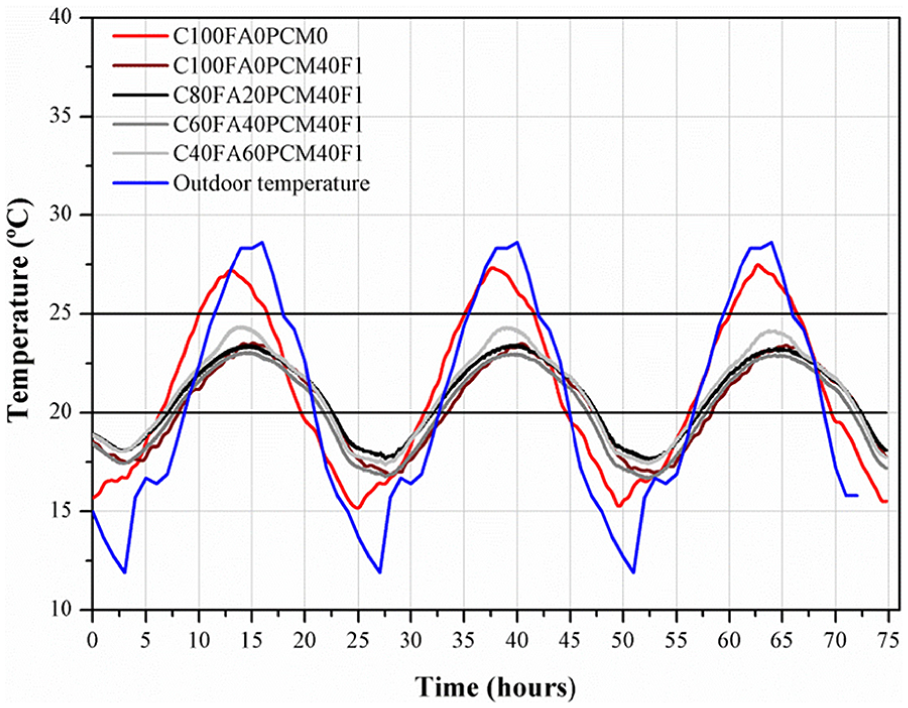
Thermal behavior of the developed cement mortars in a spring situation.
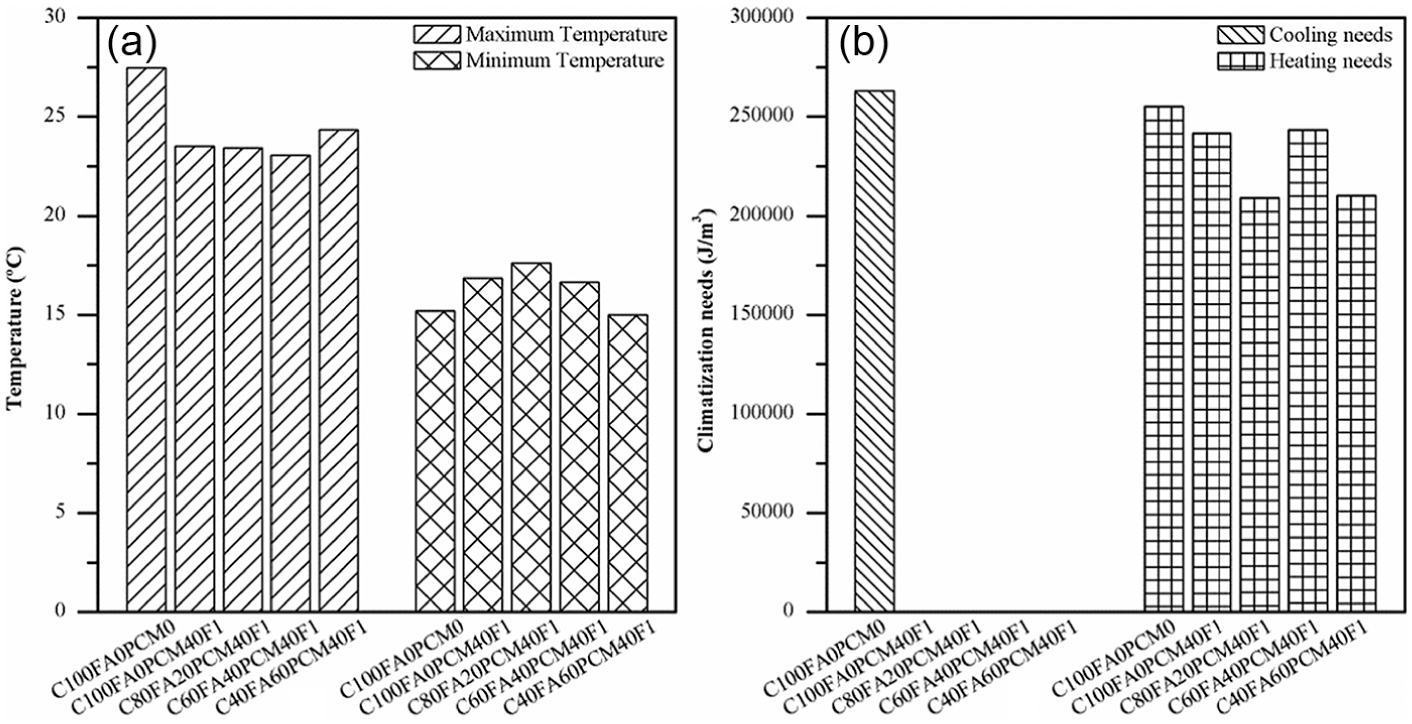
Spring season: (a) maximum and minimum temperatures and (b) cooling and heating needs.
In this season, the PCM mortars better influence was observed in the cooling situation. According to Figure 16(b), it was observed that the cooling needs were eliminated for all PCM mortars. The heating needs showed a decrease superior to 5% with the PCM incorporation. However, the mortars with PCM and FA simultaneous incorporation, except the 40% FA mortar, presented a decrease of 14% in the heating needs compared with the mortars with PCM incorporation. It was also observed that the mortar with 40% PCM and 20% FA incorporation presents the best performance, showing the highest decrease in the heating needs, about 18%, and the cooling needs elimination.
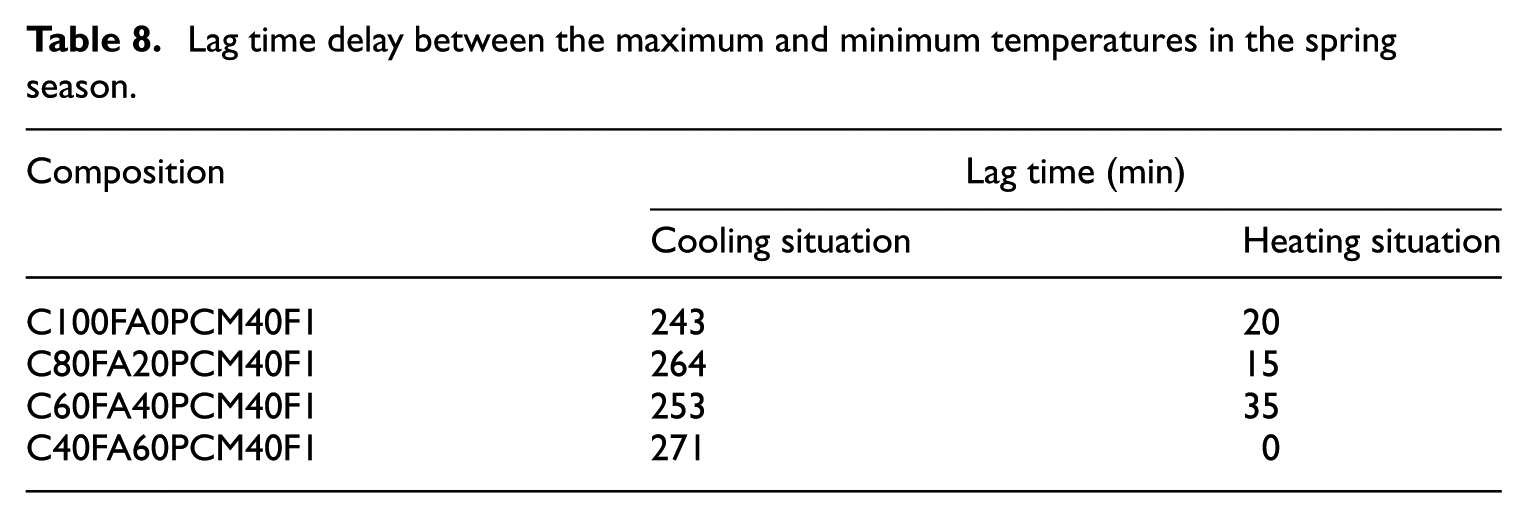
Table 8 shows that the lag time delay is superior to 243 min in the cooling situation. In this season, a lower lag time delay was observed in the heating situation due to the lower influence of PCM incorporation. However, it was verified that the compositions with simultaneous incorporation of PCM and FA present better performance.
Lag time delay between the maximum and minimum temperatures in the spring season.
Autumn behavior
Figure 17 presents the thermal behavior in the autumn season. It was verified the elimination of the temperatures below 20°C, comparing the PCM mortars and the reference mortar (C100FA0PCM0) behaviors. It was also observed that the maximum temperatures did not suffer significant variation and a minimum temperature increase superior to 10% (Figure 18(a)). Regarding the air conditioning needs, it was verified a cooling needs decrease superior to 15% and the heating needs elimination (Figure 18(b)), comparing the PCM mortars and the reference mortar (C100FA0PCM0) behaviors. In this season, the mortar with 40% PCM and 40% FA incorporation (C60FA40PCM40F1) showed the best behavior, reducing in 23% the cooling needs.
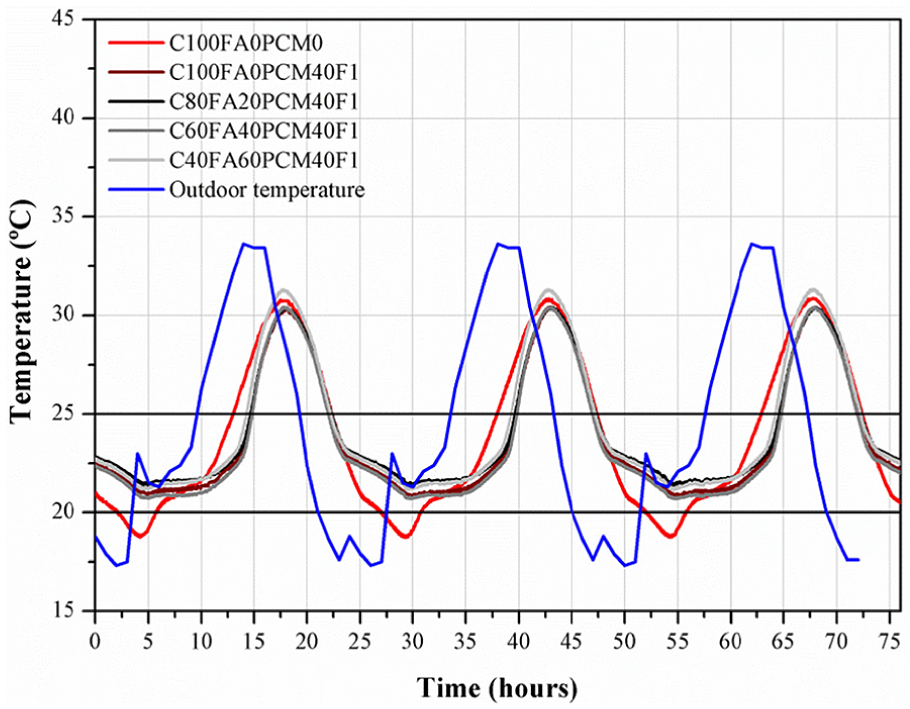
Thermal behavior of the developed cement mortars in an autumn situation.
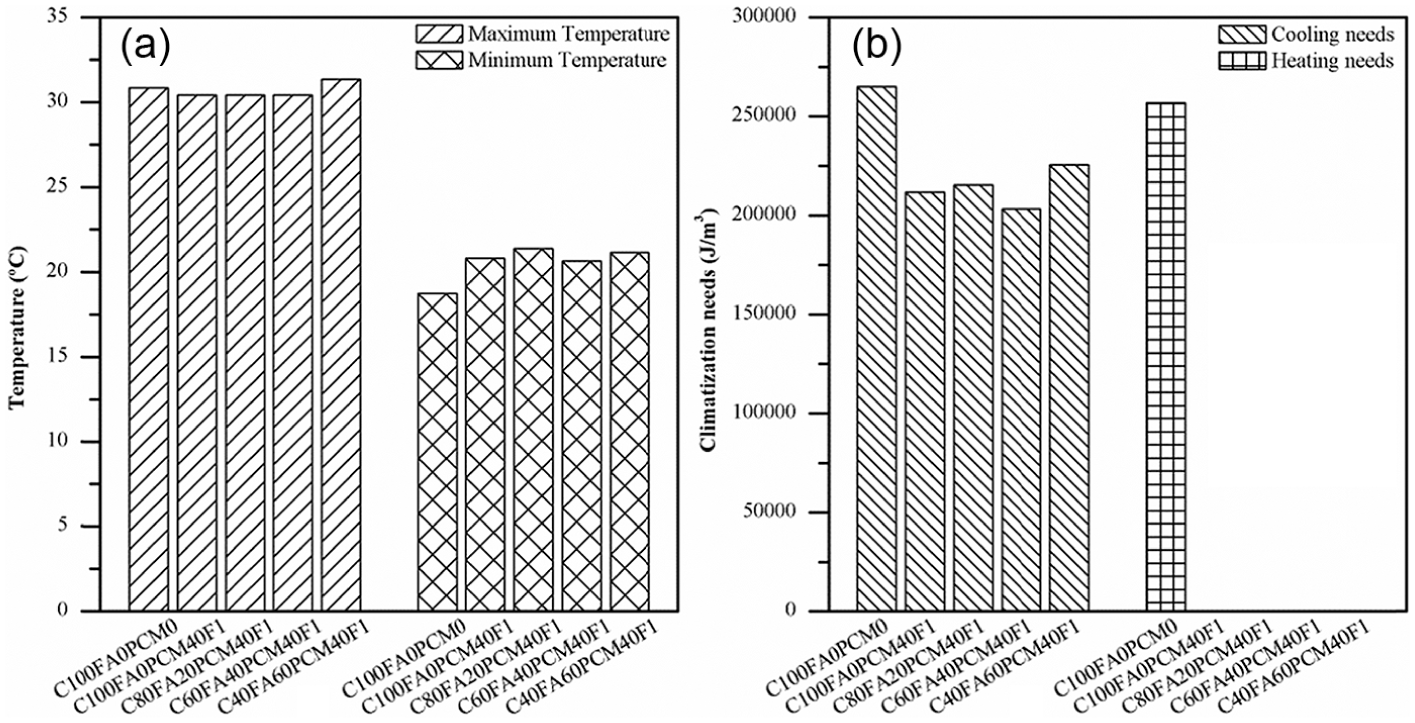
Autumn season: (a) maximum and minimum temperatures and (b) cooling and heating needs.
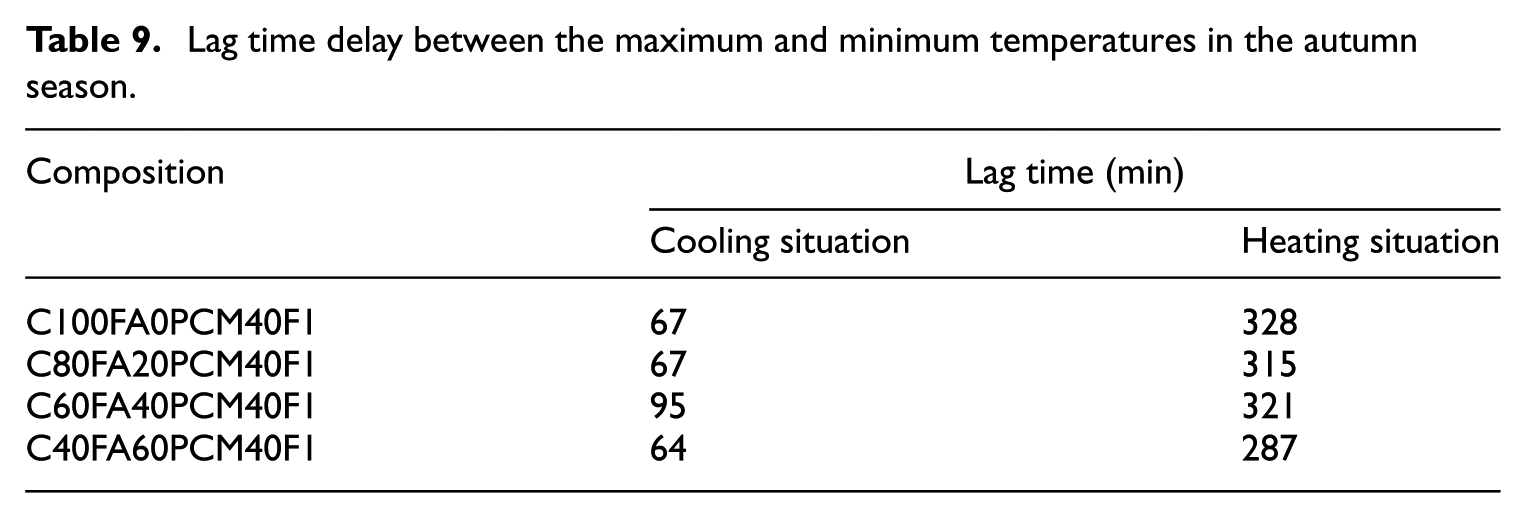
Table 9 shows that the lag time delay is superior to 64 and 287 min, in the cooling and heating situations, respectively. Once again, the composition with 40% PCM and 40% FA incorporation presents the best behavior.
Lag time delay between the maximum and minimum temperatures in the autumn season.
According to the thermal tests results, it can be concluded that the simultaneous incorporation of FA and PCM increases the thermal behavior of the developed mortars. However, the FA incorporation, replacing part of the cement, should not exceed 20%. This situation can be justified by the microporosity increase in the FA mortars, evidenced by the higher quantity of lower dimension micropores and higher water absorptions. However, the micropore dimensions should not decrease below an optimal value.
Conclusion
This study evaluated the mechanical, physical, and thermal behaviors of cement mortars with simultaneous incorporation of PCM microcapsules and FA. It was verified the possibility of PCM and FA simultaneous incorporation in cement plastering mortars. However, addition of these materials leads to significant changes in the fresh and hardened properties.
The obtained results show that the PCM incorporation in mortars leads to the water content increase, in order to obtain a suitable workability, due to the small dimensions of the PCM microcapsules. However, the 20% FA incorporation leads to the water content decrease, because its particles possess a form closer to the spherical shape compared to the cement particles.
The microstructure observations showed a good interaction between all cement mortars constituents, evidenced by the absence of cracks and the presence of hydrated cement particles connected with the PCM microcapsules. Moreover, the absence of agglomerated material shows that the used mixing procedure was appropriate.
As expected, it was observed that the flexural, compressive, and adhesion strengths decrease with the PCM and FA incorporation. This phenomenon is a consequence of the slower reactivity of the FA particles when compared with the cement particles. However, the higher water content leads to the increase in the microporosity of mortars. However, it is important to note that all the obtained mortars can be classified as CSIII at least.
According the thermal behavior, the use of cement mortars with PCM incorporation proved to be an efficient strategy to develop sustainable buildings, due to the extreme temperature reduction and the peak time delay increase. The FA incorporation resulted in an increase in energy efficiency of the mortars incorporating PCM. However, the FA incorporation, replacing part of the cement, should not exceed 20%. Thus, the PCM and FA simultaneous incorporation leads to the decrease in the energy consumption, the fossil fuel depletion, and the negative environmental impacts associated with the air conditioning systems utilization. The industrial waste incorporation still allows an environmental improvement, since it reduces the amount of materials deposed on landfill and the extraction of natural raw materials.
Footnotes
Declaration of conflicting interests
The author declared no potential conflicts of interest with respect to the research, authorship, and/or publication of this article.
Funding
The author received no financial support for the research, authorship, and/or publication of this article.