






Abstract
Micro-textured tools and advanced lubrication can reduce friction and improve milling stability of difficult-to-machine superalloys. This study quantified the effects of micro-texture geometry and lubrication mode on dynamic cutting load in GH4169 milling. Circular micro-textured tools with different spacing (Ls), diameter (D), and edge distance (Le) were tested under dry milling, MoS2, cold-air minimum quantity lubrication (CMQL), and supercritical CO2 minimum quantity lubrication (scCO2MQL). Three-channel spindle electrical signals were analyzed by short-time Fourier transform, and total time–frequency energy, tooth-passing band energy, and spectral entropy were extracted. CMQL showed the best performance, reducing average total time–frequency energy by 9.57%, 7.74%, and 3.65% compared with dry milling, MoS2, and scCO2MQL, respectively. The minimum energy under optimal CMQL reached 5842.62, with spectral entropy of 2.9937. The dominant texture factor varied with lubrication mode, confirming the applicability of spindle electrical signals for lubrication evaluation.
Keywords
Introduction
High-temperature alloys are a class of austenitic metals with high alloying content based on iron, nickel, or cobalt, capable of long-term service under temperatures exceeding 600 °C and high-stress conditions. Due to their excellent high-temperature strength, creep resistance, thermal stability, and fatigue performance,1,2 these materials are widely used in aerospace engines, gas turbines, nuclear power equipment, and petrochemical applications that demand exceptional thermal stability. 3 However, their high strength and low thermal conductivity lead to accelerated tool wear, increased cutting forces, and degraded surface quality during machining, making high-temperature alloys typical difficult-to-machine materials. 4 Therefore, effectively reducing tool wear, minimizing cutting forces, and improving milling performance are critical research objectives in precision machining of these alloys. 5
In recent years, micro-textured cutting tools have attracted considerable attention in machining due to their unique surface structures.6,7 Appropriately designed micro-textures on the tool's rake face can significantly modify the tool–chip friction state and enhance surface wettability, thereby improving tool wear resistance and cutting stability.8,9 Previous studies have shown that micro-textures can shorten the tool–chip contact length, regulate friction distribution, and mitigate adhesive wear, achieving both friction reduction and load reduction.10,11 Moreover, micro-textures can serve as lubricant reservoirs, extending the oil film lifetime under minimum quantity lubrication (MQL) conditions and further enhancing lubrication efficiency.12,13 When solid lubricants such as MoS2 are embedded into micro-textured grooves, self-lubricating tools can be realized, maintaining excellent wear resistance even in the absence of external cooling media.14,15
Cooling and lubrication strategies play a crucial role in cutting friction and load variation during high-temperature alloy machining. Conventional dry milling often results in excessive cutting-zone temperatures and severe tool wear due to the lack of cooling medium. In conventional flood cooling, cutting fluids may not adequately penetrate the cutting zone, limiting cooling effectiveness. Minimum quantity lubrication (MQL) has emerged as an efficient and environmentally friendly alternative, combining cooling and lubrication functions. By atomizing a small amount of lubricant with compressed air and delivering it to the cutting zone, MQL significantly improves interfacial cooling and lubrication.16–21 Further enhancements can be achieved using low-temperature media such as cold air or liquid nitrogen to reduce cutting-zone temperatures. Supercritical CO2 MQL (scCO2MQL) leverages the high specific heat and excellent thermal conductivity of CO2 to achieve effective cooling and lubrication with minimal lubricant supply.22,23
Although existing studies have shown that micro-textured cutting tools can improve the machining performance of hard-to-cut materials by reducing tool–chip friction, cutting force, tool wear, and interfacial contact length, 24 and that advanced cooling and lubrication strategies such as minimum quantity lubrication (MQL), cold-air-assisted MQL, and supercritical CO2-assisted MQL can further improve cutting stability and reduce thermal–mechanical loads, 25 the coupled influence of micro-texture geometry and lubrication condition on dynamic load variation has not been sufficiently quantified. In particular, most previous studies have focused on cutting force, tool wear, surface roughness, or temperature, while limited attention has been paid to evaluating lubrication performance through spindle electrical signal characteristics. Therefore, the novelty of this work lies in establishing a spindle electrical signal-based evaluation method to quantify the effects of lubrication mode and micro-texture geometry on cutting load level and milling stability. In this study, milling experiments with circular micro-textured tools were conducted under dry milling, MoS2 solid lubrication, cold-air minimum quantity lubrication (CMQL), and supercritical CO2 minimum quantity lubrication (scCO2MQL) conditions. Short-time Fourier transform (STFT) was used to extract total time–frequency energy, tooth-passing frequency band energy, and spectral entropy from spindle electrical signals. The effects of texture spacing (Ls), texture diameter (D), and texture edge distance (Le) were quantitatively compared, and the lubrication mechanisms were further discussed from the perspectives of texture geometry, lubricant transport, and boundary film stability.
Experimental
Experimental platform for multi-lubrication milling
To investigate the influence of different lubrication methods on the milling performance of micro-textured tools when machining GH4169 superalloy, a three-axis vertical milling experimental platform capable of operating under multiple lubrication modes was established. GH4169 superalloy was selected as a representative difficult-to-machine nickel-based superalloy because its high strength, low thermal conductivity, and tendency toward tool–chip adhesion readily induce cutting load fluctuations and tool wear during milling. The workpiece material was GH4169 superalloy, with dimensions of 140 mm × 80 mm × 20 mm. The workpiece dimensions were kept constant to ensure consistent tool engagement length, clamping conditions, and signal acquisition duration among different tests. Climb milling was adopted as the machining strategy, and the tool path is illustrated in Figure 1.
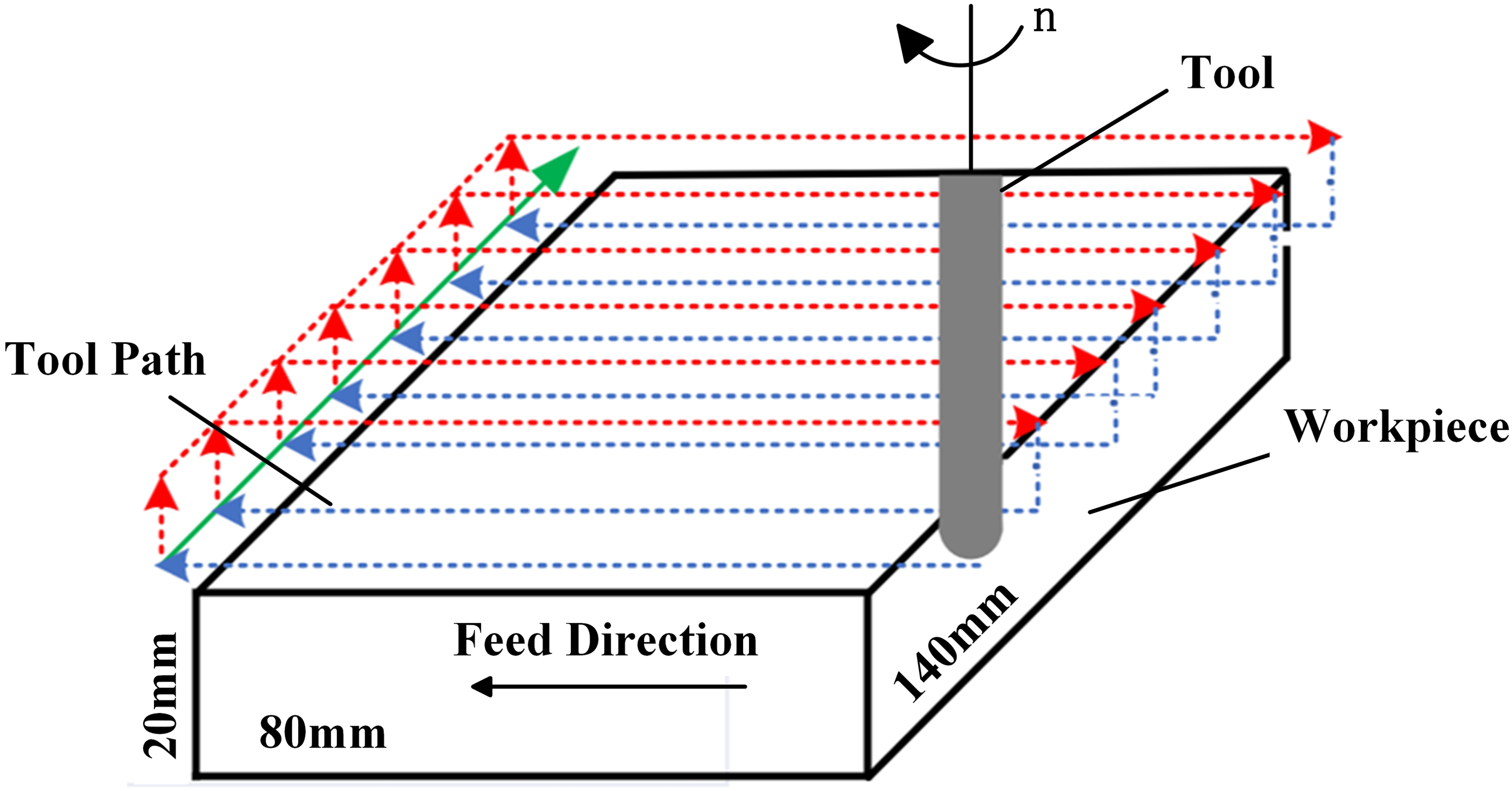
Schematic of the milling process and tool path.
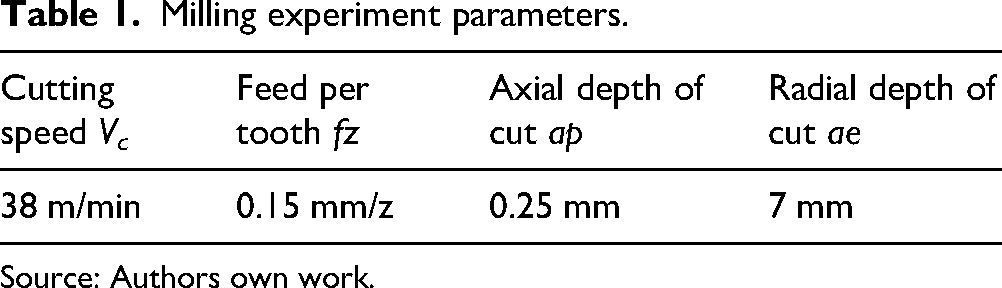
Four lubrication strategies were applied: dry milling, MoS2 solid lubrication, cold-air minimum quantity lubrication (CMQL), and supercritical CO2 minimum quantity lubrication (scCO2MQL). The experimental setup and measurement system are shown in Figure 2. The main milling parameters are summarized in Table 1. These parameters were selected with reference to the applicable operating range of the cemented carbide milling cutter, previous milling studies on nickel-based superalloys, and preliminary tests aimed at obtaining a stable cutting segment for spindle electrical signal analysis. Before each test, the workpiece surface was cleaned, the tool and workpiece clamping conditions were checked, and the lubrication delivery system was stabilized. For MoS2 solid lubrication, the micro-textures were filled before machining.

Milling experiment setup and associated testing equipment.
Milling experiment parameters.
Source: Authors own work.
In this study, milling performance was evaluated mainly using spindle electrical signal features, including total time–frequency energy, tooth-passing frequency band energy, spectral entropy, and STFT spectral continuity, which characterize cutting load level and process stability under different micro-texture and lubrication conditions.
Micro-textured tool fabrication and parameter design
The experiments employed cemented carbide face milling cutters, on which circular micro-textures were fabricated on the rake face using laser processing technology. The fabrication procedure is illustrated in Figure 3, and the geometric parameters of the micro-textures are shown in Figure 4. Three micro-texture geometric parameters were considered: spacing (Ls), diameter (D), and edge distance (Le). The parameter ranges were determined based on previous studies on micro-textured cutting tools, laser fabrication feasibility, and preliminary machining considerations. Specifically, the texture spacing was selected to maintain sufficient lubricant storage while avoiding excessive texture density, which may weaken the rake face and disturb chip flow. The texture diameter and edge distance were selected to ensure effective lubricant retention and accessibility to the tool–chip contact region while maintaining the strength of the cutting edge.
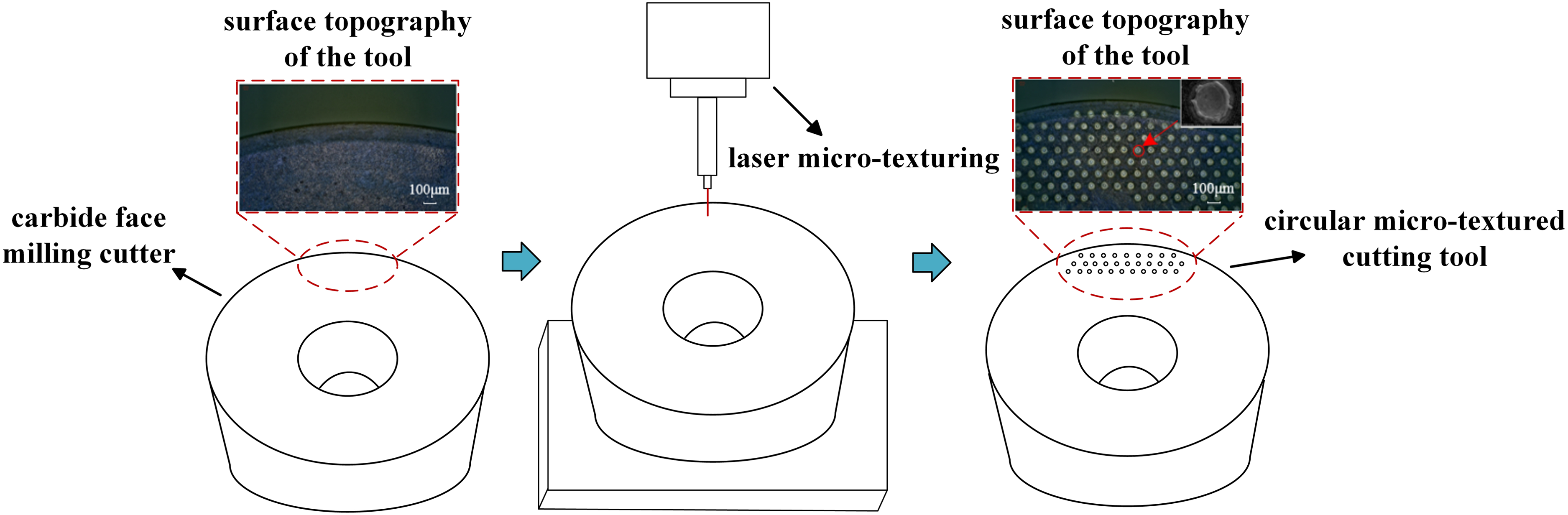
Process flow for fabricating micro-textures on a cemented carbide disc milling cutter.
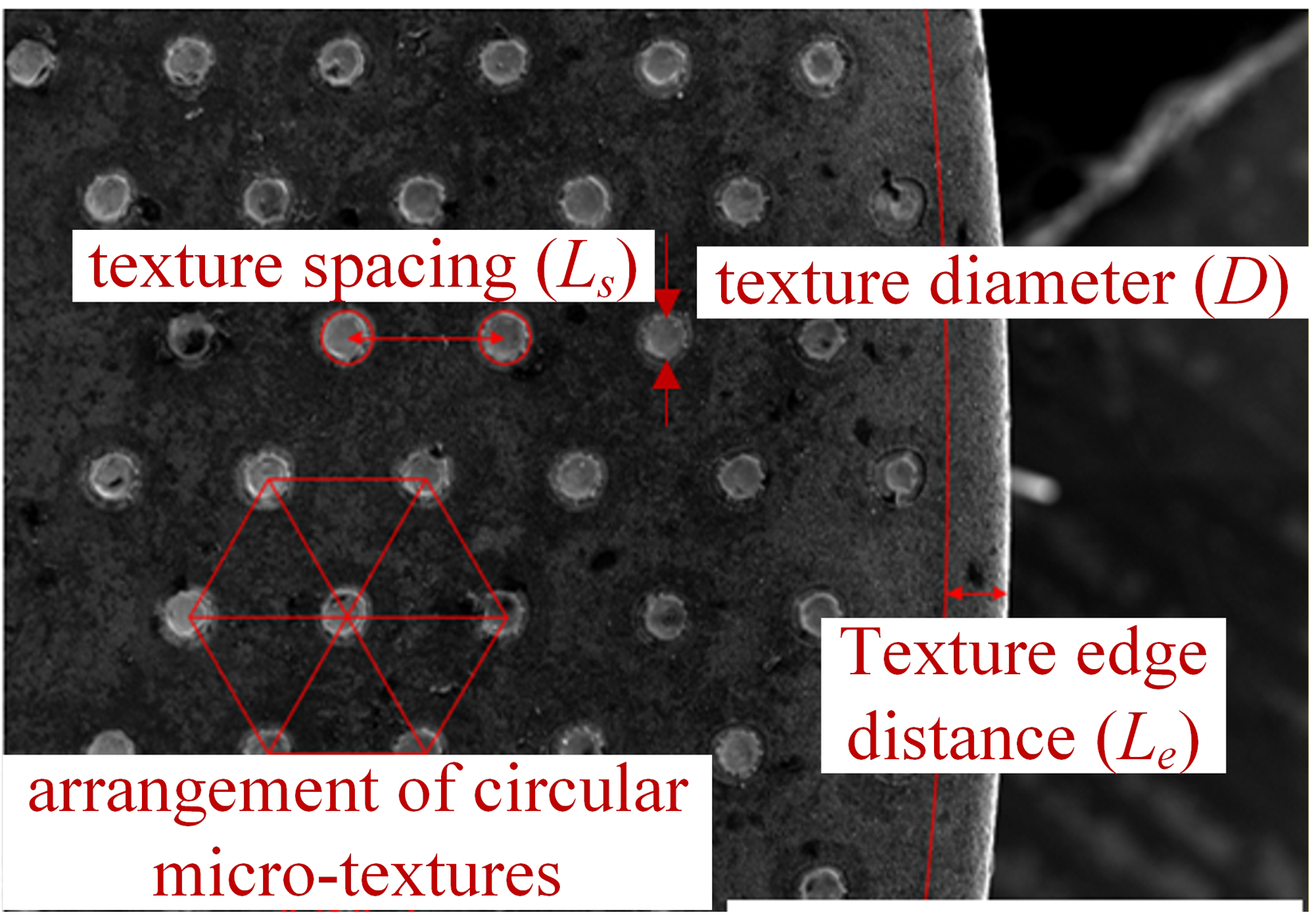
Schematic diagram of the micro-textured tool geometry parameters.
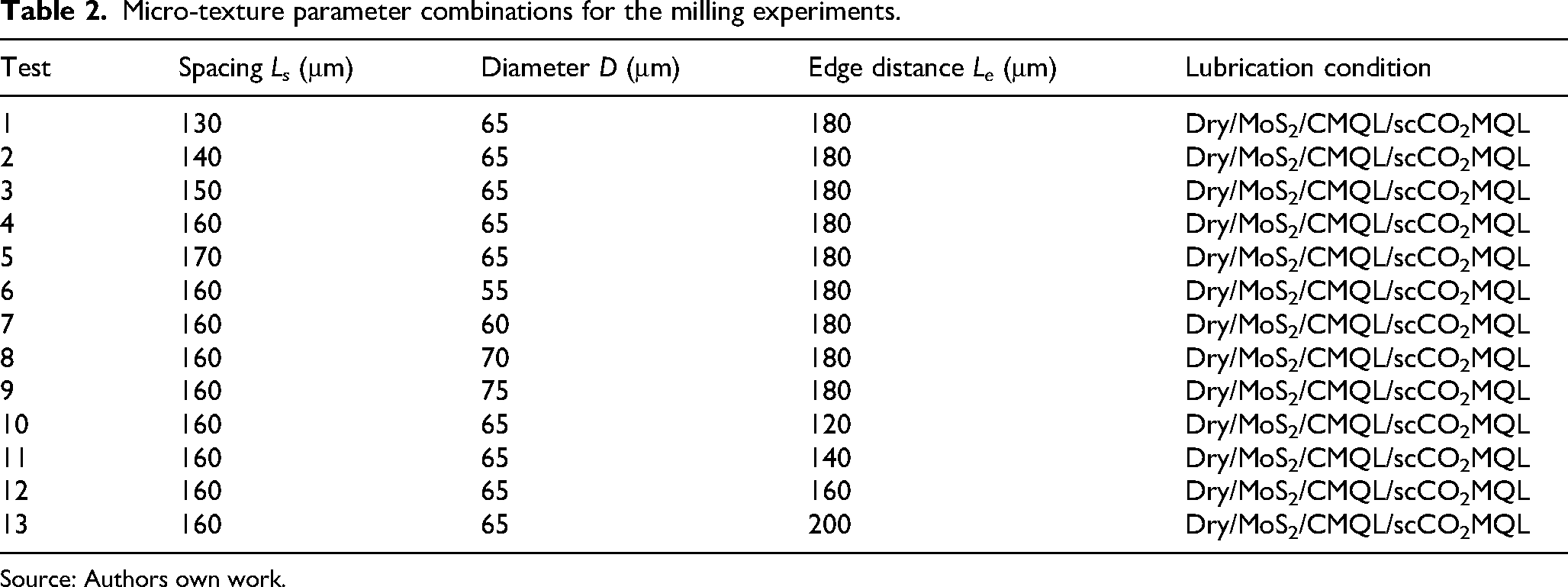
A total of 13 unique micro-texture parameter combinations were designed, as summarized in Table 2. Under four lubrication conditions—dry milling, MoS2 solid lubrication, CMQL, and scCO2MQL—the effects of Ls, D, and Le on milling performance were investigated through single-factor analysis. For the statistical analysis of each geometric factor, the baseline parameter combination was included in the spacing, diameter, and edge-distance series, resulting in 15 grouped datasets under each lubrication condition. For simplicity, these parameters are hereafter referred to as Ls, D, and Le throughout this study.
Micro-texture parameter combinations for the milling experiments.
Source: Authors own work.
Results and discussion
STFT-based analysis of spindle electrical signals
Spindle electrical signals can indirectly reflect variations in cutting load and are an important means for investigating the dynamic characteristics of milling forces. Since spindle current is linearly correlated with cutting torque, analysis of spindle current signals during the steady-state phase allows evaluation of tool load variations under different lubrication conditions. 26
Milling is a discontinuous cutting process. For each test, ten passes were performed along the pre-designed tool path, while three-channel synchronous spindle electrical signals were simultaneously recorded. A single-pass signal exhibits three channels of comparable magnitude, near-zero mean values, and pronounced periodic fluctuations, as shown in Figure 5(a), reflecting the spindle's electrical response during the milling process. Due to the large volume of information contained in the raw signals, direct assessment of cutting performance is not feasible. In this study, short-time Fourier transform (STFT) was employed to conduct time–frequency analysis of the three-channel synchronous spindle signals, and a composite signal was constructed to extract characteristic values, facilitating comparison of the effects of micro-texture parameters under different lubrication conditions.
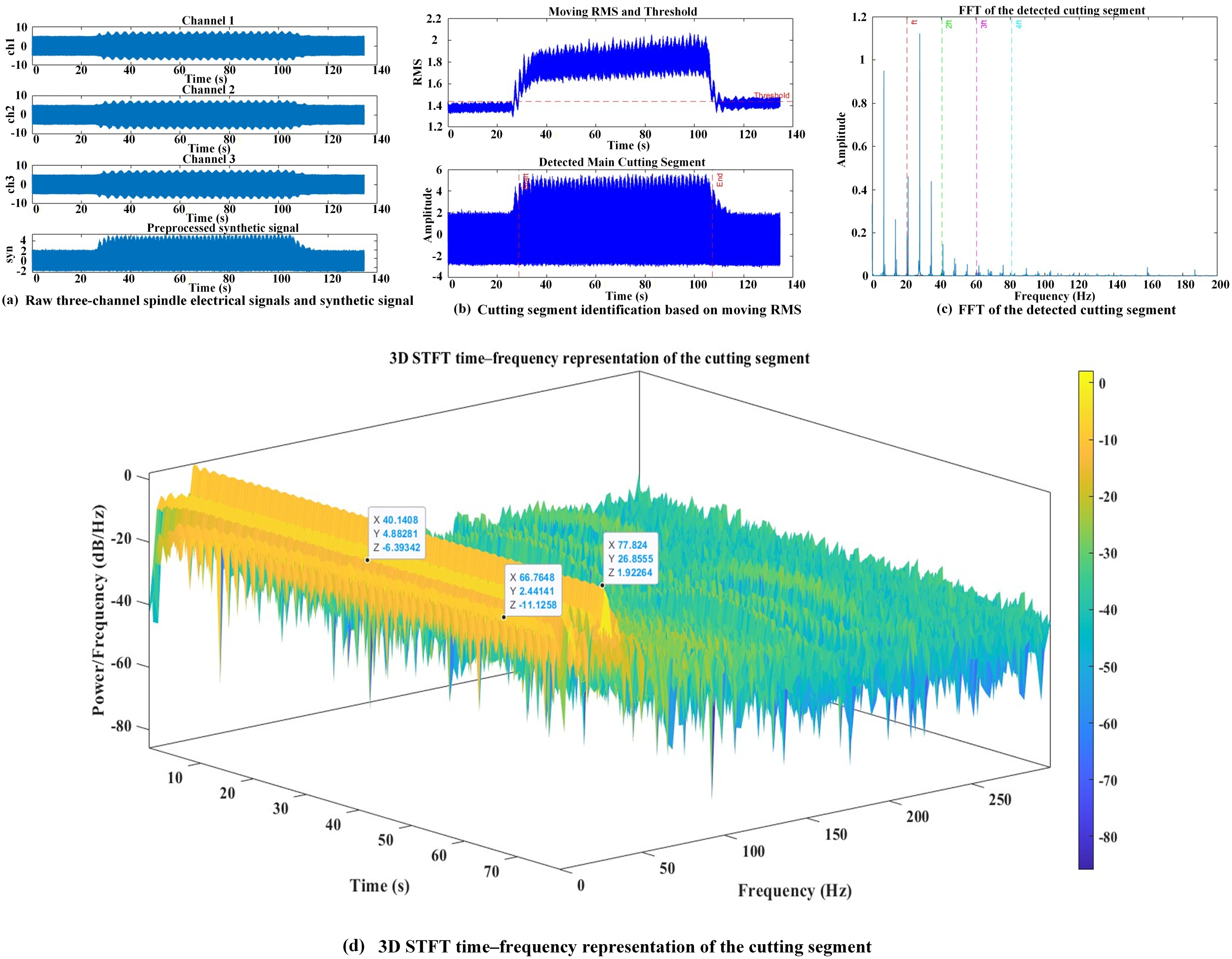
Short-time Fourier transform (STFT) analysis of a single cutting pass: (a) raw three-channel spindle electrical signals and the synthesized signal; (b) cutting segment identification based on moving RMS; (c) FFT of the detected cutting segment; (d) 3D STFT time–frequency representation of the detected cutting segment.
After preprocessing the three-channel spindle signals and constructing the composite signal, clear stage-dependent variations were observed in the complete recording, indicating coverage of the tool entry, steady-state cutting, and tool exit phases. The total duration of a single pass was approximately 134.716 s. Moving root-mean-square (RMS) analysis was used to track the local amplitude variation of the spindle electrical signal over time and to identify the stable cutting interval by distinguishing it from the transient tool-entry and tool-exit stages. This segmentation is important because the entry and exit stages contain non-steady engagement effects that may interfere with the extraction of representative cutting-load features. Based on the moving RMS result, the main cutting segment from 28.73 s to 107.23 s was identified, with a duration of approximately 78.51 s, as shown in Figure 5(b). Fast Fourier transform (FFT) analysis of this interval revealed distinct energy peaks near the theoretical tooth-passing frequency of 20.17 Hz and its harmonics (Figure 5(c)), demonstrating that spindle electrical signals can capture the periodic load characteristics associated with single-tooth milling.
Further STFT-based time–frequency analysis of the main cutting segment revealed the evolution of low-frequency bands and broadband energy over time, as illustrated in Figure 5(d). The prominent time–frequency ridges correspond to dominant frequency components with concentrated energy, while localized peaks and broadband elevations reflect stage-dependent load fluctuations and non-stationary characteristics during the cutting process.
Time–frequency analysis of spindle electrical signals under different lubrication conditions based on STFT
To investigate the load characteristics under different lubrication conditions, STFT-based time–frequency features of spindle electrical signals were compared for identical micro-texture parameters across various lubrication strategies. Figure 6 presents the three-dimensional STFT comparison of the spindle signals during the fifth pass under four lubrication conditions, including the original time–frequency maps, Z-score enhanced maps, and Demean enhanced maps.
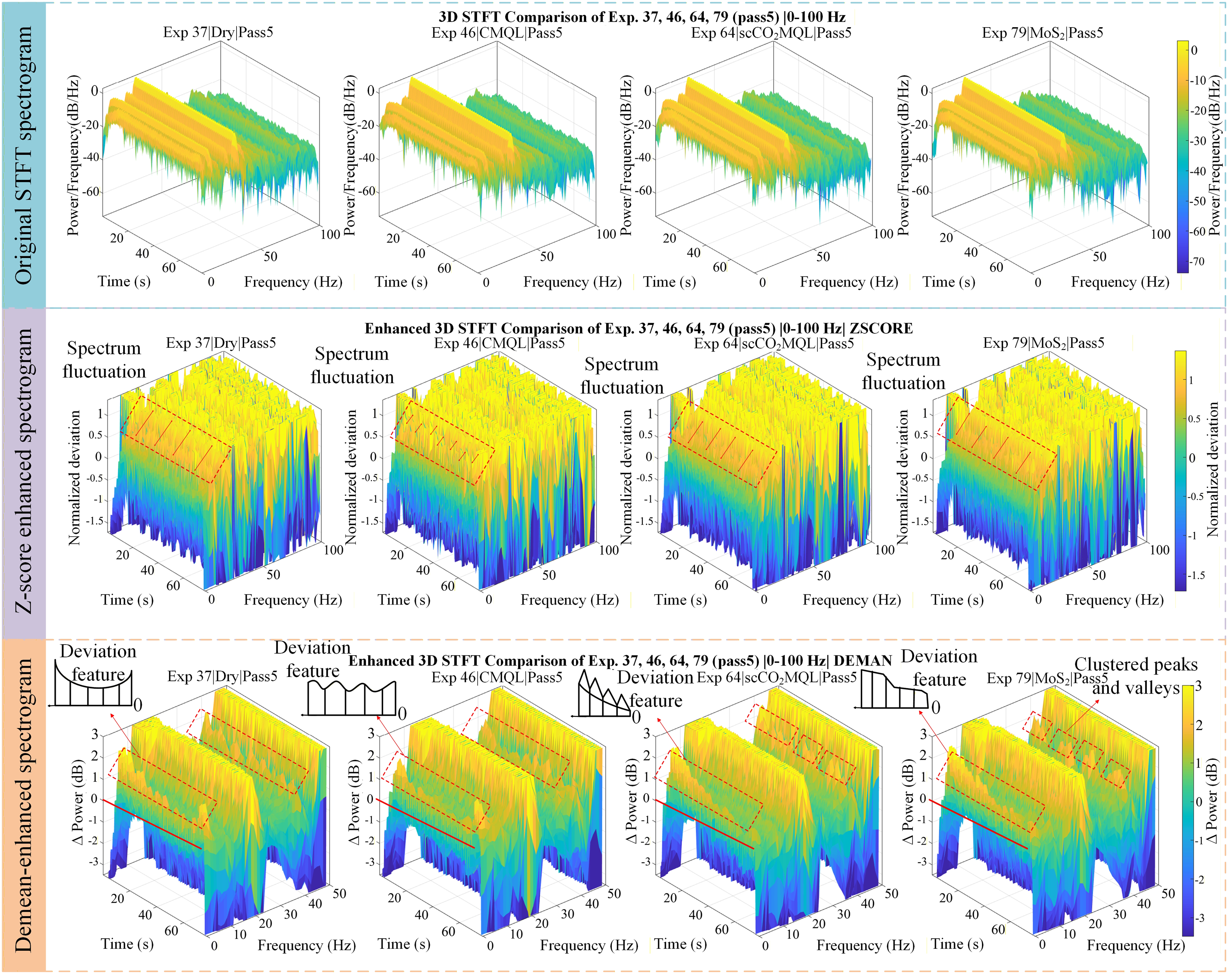
Comparison of 3D STFT maps of spindle electrical signals during the 5th cutting pass under four lubrication conditions: (a) original 0–100 Hz STFT maps; (b) Z-score-enhanced STFT maps; (c) demean enhanced STFT maps.
From the original time–frequency maps, it can be observed that the spindle signals under all four lubrication conditions exhibit pronounced low-frequency dominance, with primary energy concentrated around 20–30 Hz and neighboring bands. This indicates that the dominant periodic response of the cutting process remains generally consistent across different lubrication scenarios. The results suggest that changes in lubrication primarily affect the energy intensity, spectral continuity, and local perturbation levels of the dominant frequency band, rather than shifting its position.
Previous studies have highlighted that normalization of STFT spectra enhances the discernibility of local anomalies, improving contrast between different conditions. 27 In the Z-score enhanced maps, each frequency component is standardized, effectively mitigating the masking effect of strong background signals and making subtle fluctuations under different lubrication conditions more discernible. 28 The maps show that under CMQL and scCO2MQL, the spectral surface is relatively smooth with weaker local undulations near the dominant frequency band. In contrast, under Dry and MoS2 lubrication, frequent local peaks and troughs appear, indicating stronger time-varying perturbations despite the same dominant low-frequency background.
Demean enhancement removes the time-averaged background of each frequency component, providing a more direct representation of local deviations relative to the mean power level. 29 Under CMQL, local positive and negative deviations around the dominant frequency band are minor, and the spectral surface exhibits good overall continuity. This judgment was further supported by the lower total time–frequency energy and spectral entropy obtained under CMQL, indicating a more concentrated energy distribution and weaker non-stationary fluctuation. Dry and MoS2 conditions show more frequent local protrusions and depressions, with alternating positive and negative deviations in the low-frequency region, reflecting stronger load fluctuations relative to the average background. The scCO2MQL spectra exhibit intermediate characteristics, with overall stability superior to Dry and MoS2, yet still presenting some localized deviations.
Comparison of STFT feature results for micro-texture parameters under different lubrication conditions
To further analyze the load characteristics associated with different micro-texture parameters, three evaluation metrics were selected: total time–frequency energy (




Next, the normalized probability distribution is calculated:
Finally, the spectral entropy is defined as:
To reduce the influence of anomalous signals on the evaluation metrics, the results of ten milling passes were averaged for each micro-texture parameter configuration. The extracted feature values of spindle electrical signals under different micro-texture geometric conditions are presented in Figures 7–9.
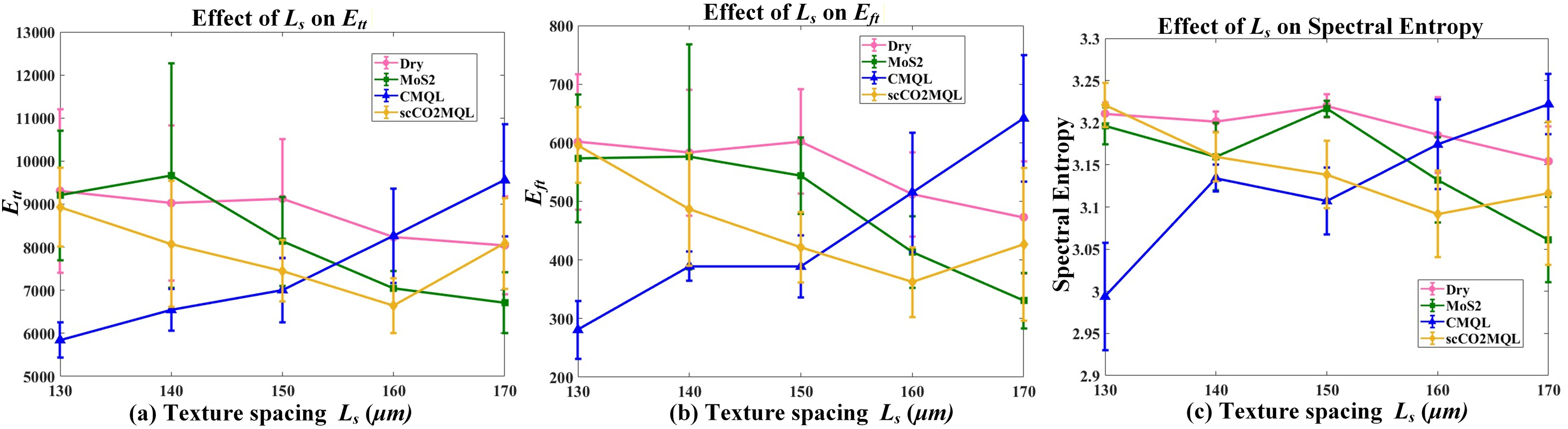
Single-factor effect of micro-texture spacing on spindle electrical signal features. (a)
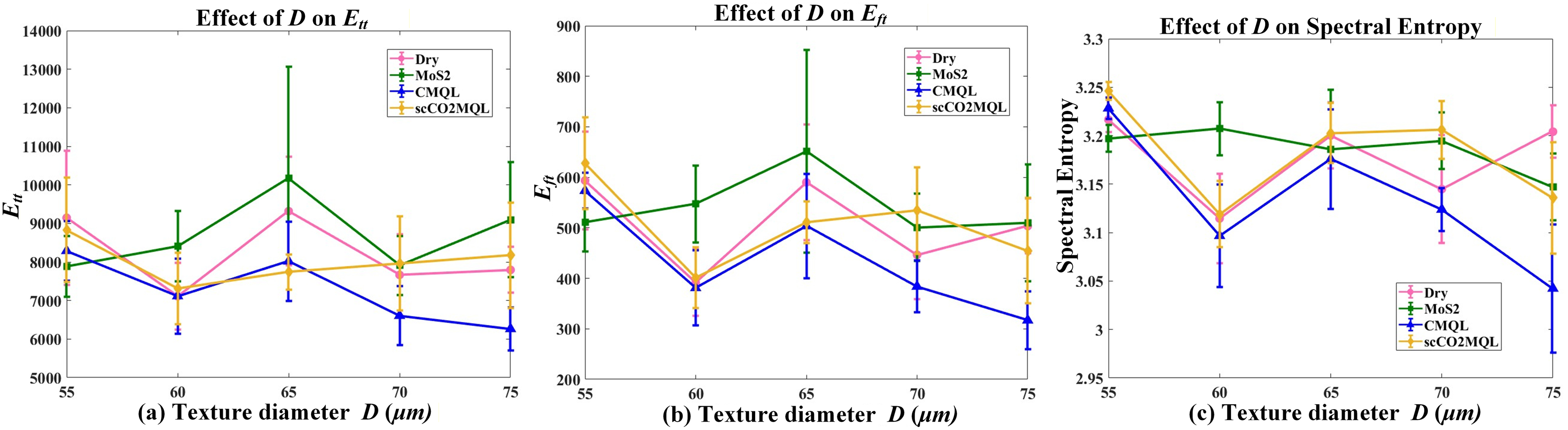
Single-factor effect of micro-texture diameter on spindle electrical signal features. (a)
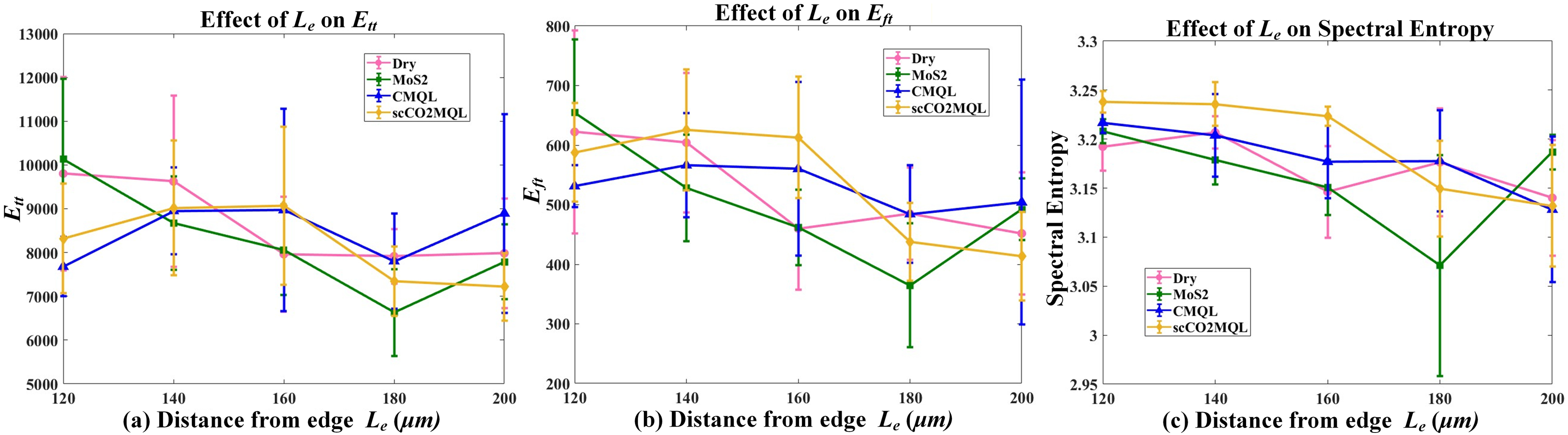
Single-factor effect of micro-texture edge distance on spindle electrical signal features. (a)
By extracting the spindle electrical signal feature values from the single-factor experiments with different micro-texture spacing (Ls), the influence of Ls on
Under CMQL,
The above trend indicates that texture spacing affects the balance between lubricant storage, texture distribution density, and chip–tool contact stability. A smaller spacing can provide more frequent lubricant supply sites and enhance the continuity of the interfacial lubrication effect, whereas excessive spacing may reduce the effective coverage of the textured region. However, overly dense textures may also disturb chip flow or reduce the load-bearing area of the rake face. Therefore, the influence of Ls differs among lubrication conditions, depending on whether the dominant mechanism is boundary film stability, solid lubricant release, or lubricant infiltration.
By extracting the spindle electrical signal feature values from single-factor experiments with different micro-texture diameters (D), the influence of D on
Under CMQL, both
The variation with texture diameter reflects the competition between lubricant retention capacity and local structural disturbance on the rake face. Increasing D can enlarge the lubricant storage volume and improve the possibility of lubricant participation in the tool–chip contact region. However, an excessively large texture diameter may reduce the effective load-bearing area and intensify local stress or chip-flow disturbance. This explains why the signal features do not change monotonically with D under all lubrication conditions, especially under MoS2 lubrication, where the filling, release, and depletion of the solid lubricant can cause more pronounced fluctuations.
By extracting the spindle electrical signal feature values from single-factor experiments with different edge distances (Le), the influence of Le on
Specifically, under CMQL,
The edge distance Le determines the relative position between the textured region and the main tool–chip contact zone. When the textures are too far from the cutting edge, the stored lubricant may not effectively enter the high-friction contact region. In contrast, when the textures are too close to the cutting edge, cutting-edge strength and chip flow stability may be affected. Therefore, an appropriate Le is required to balance lubricant accessibility and edge integrity. The relatively smoother variation under CMQL indicates that the externally supplied low-temperature lubricant helps maintain a more stable boundary film, reducing the sensitivity of the signal features to changes in Le.
To quantify the influence of the three micro-texture geometric parameters on cutting load, the range analysis method was applied to the spindle electrical signal feature values. The range of each parameter was used as a sensitivity indicator, and the optimal micro-texture parameter combinations under each lubrication condition were identified, as shown in Figure 10.
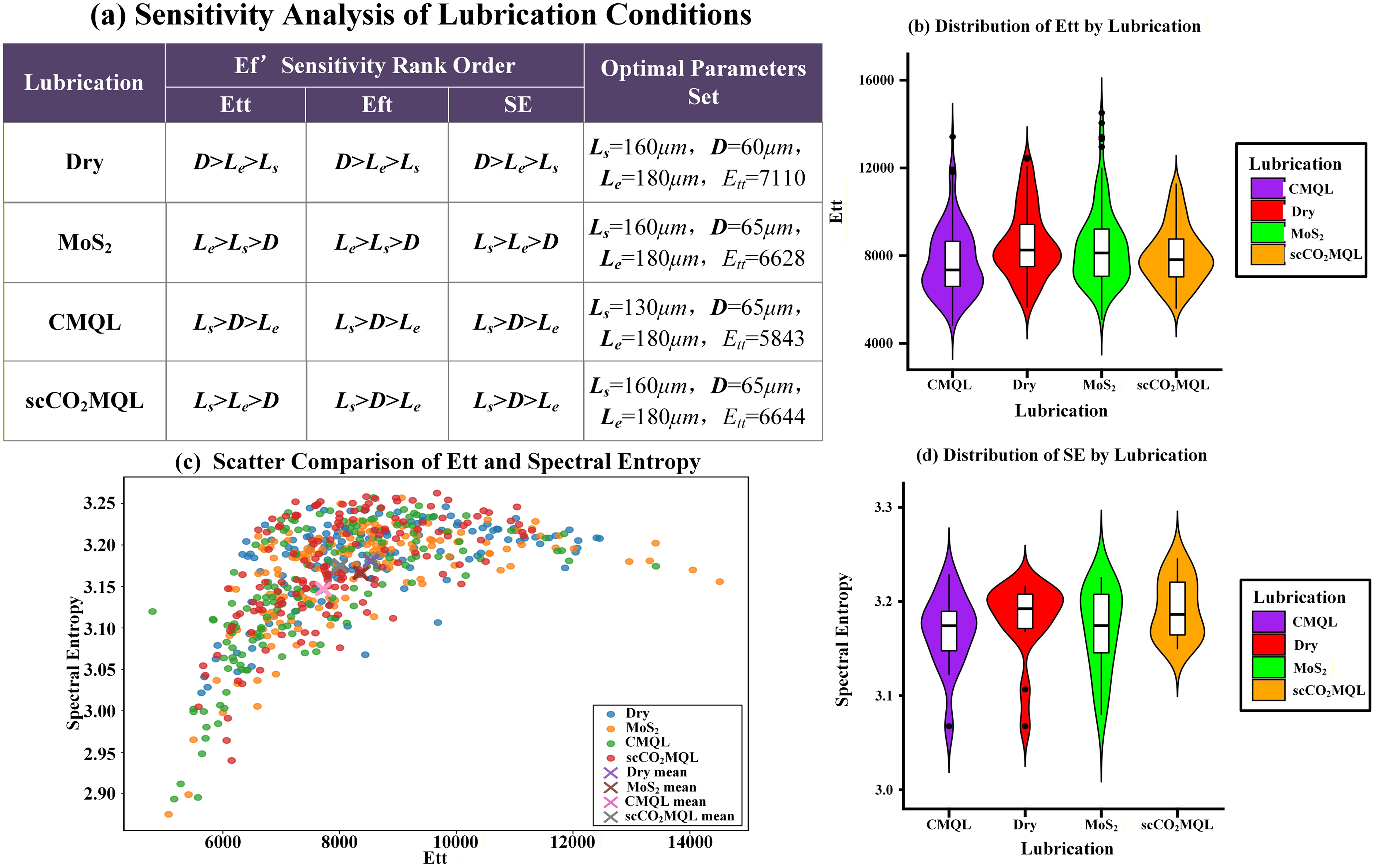
Sensitivity analysis of micro-texture parameters under different lubrication conditions.
For CMQL, the influence ranking of the parameters was Ls > D > Le, and the optimal combination was determined as Ls = 130 μm, D = 65 μm, and Le = 180 μm, with a total energy of
Analysis of lubrication mechanisms for micro-textured tools under different lubrication conditions
To further elucidate the differences in spindle electrical signal characteristics under various lubrication conditions, the lubrication behavior on the surfaces of micro-textured tools was analyzed to reveal the underlying mechanisms. Figures 11 and 12 schematically illustrate the lubrication evolution of micro-textured tools filled with solid lubricants and the formation and infiltration mechanisms of oil films under CMQL and scCO2MQL, respectively. These figures reveal the potential action pathways of different lubrication strategies, including solid lubricant storage and depletion, boundary film formation, capillary-driven transport of lubricants within the micro-textures, and the behavior of the oil film under low-temperature conditions. The overall lubrication performance of micro-textured tools is determined jointly by the geometric parameters of the textures, the type of lubricant, temperature, lubricant transport capability, and the continuity of the boundary film.
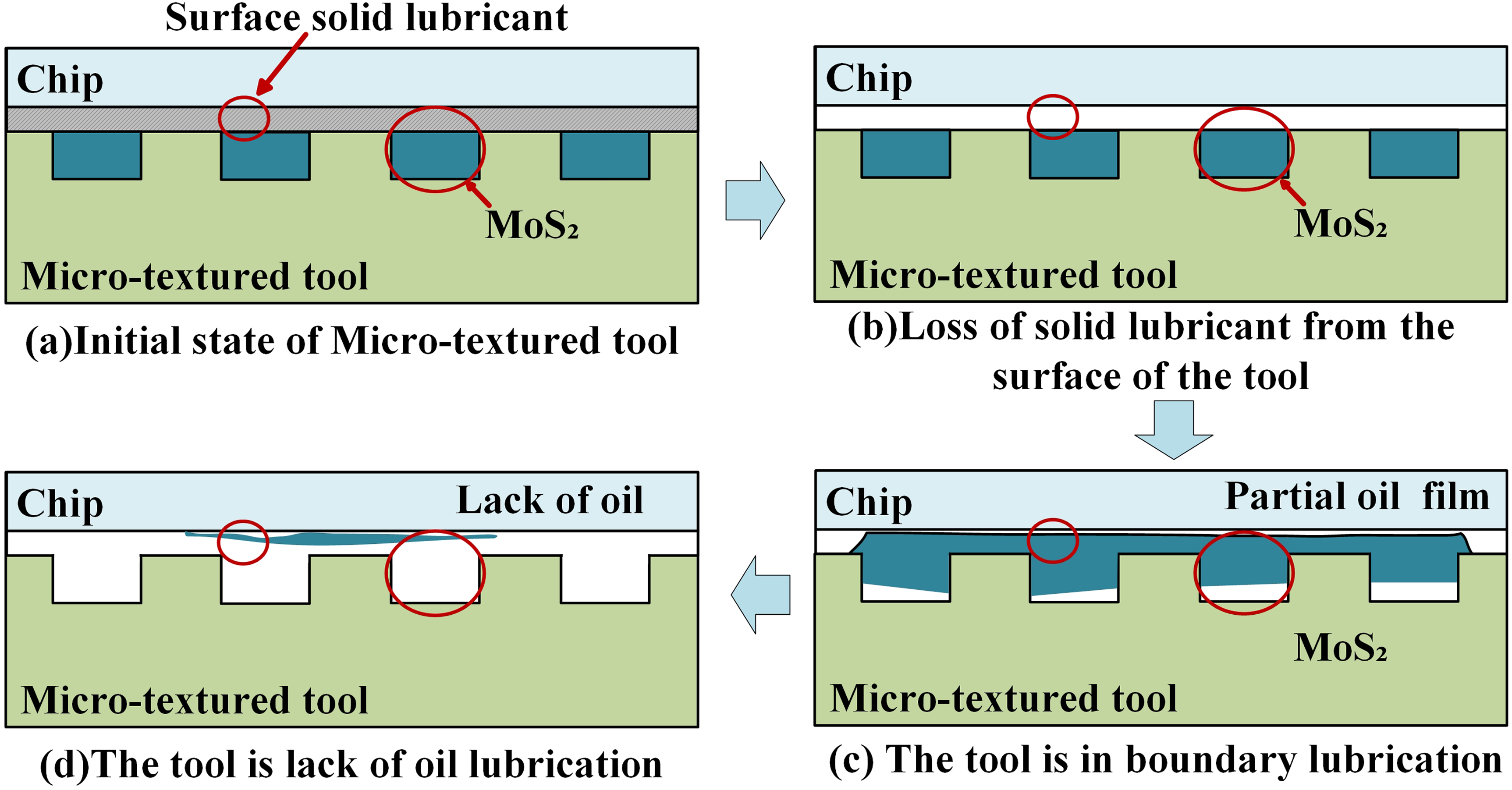
Evolution mechanism of solid lubricant storage, loss, and boundary lubrication on the surface of a micro-textured tool.
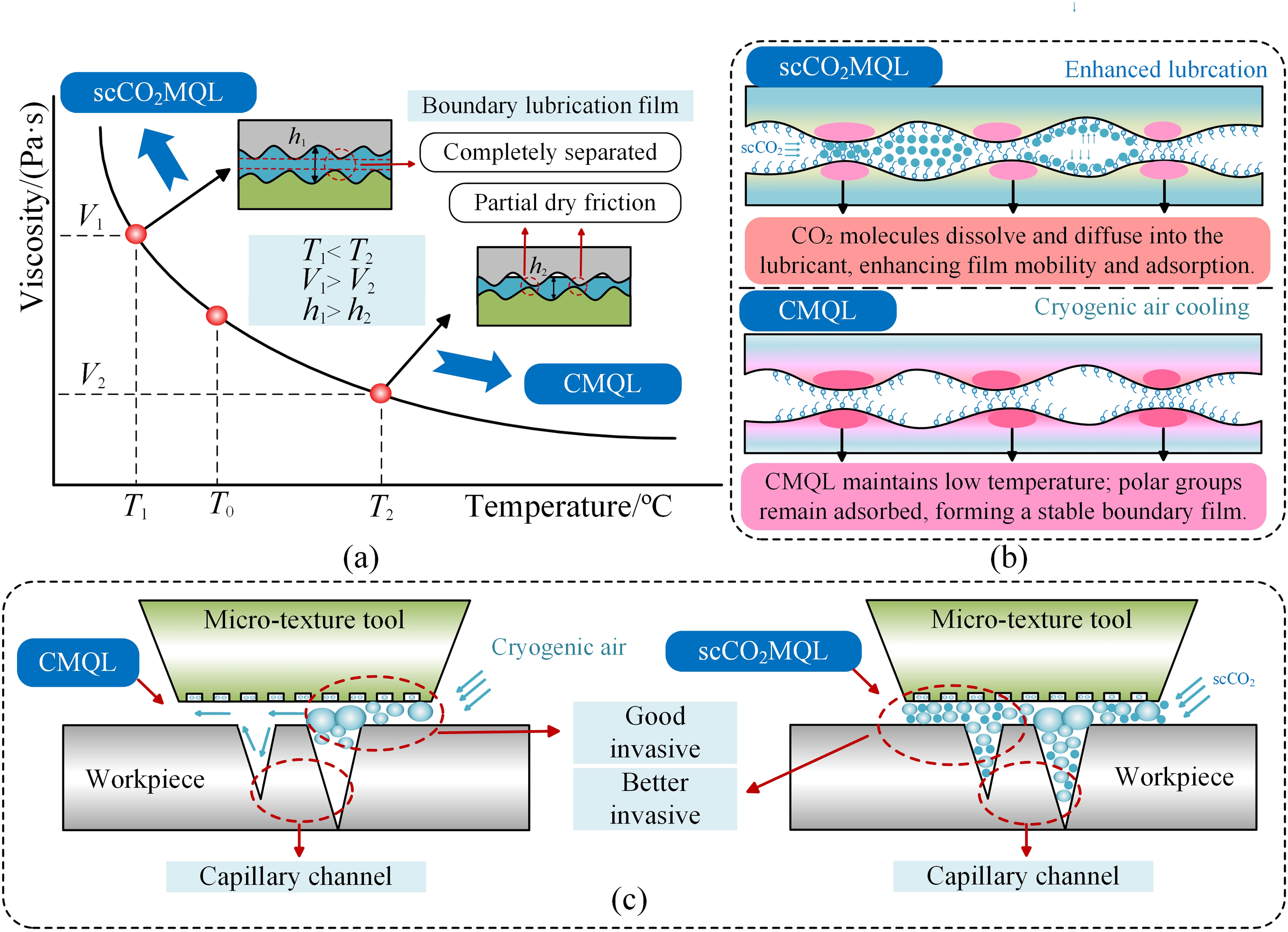
Lubricant infiltration and boundary film formation mechanisms of a micro-textured tool under CMQL and scCO2MQL conditions.
For micro-textured tools filled with MoS2, the textures initially act as reservoirs that store and gradually release the solid lubricant, reducing direct contact and friction between the tool and chip during the early stage of cutting. This behavior is mainly attributed to the lamellar crystal structure and low shear strength of MoS2. During cutting, the filled micro-textures retain solid lubricant within the grooves and release it gradually under the combined action of chip contact pressure, interfacial friction, and local temperature rise. The released MoS2 can form a transfer film on the tool–chip interface, reducing direct metal-to-metal contact and lowering interfacial shear resistance. However, as cutting proceeds, the stored lubricant is progressively consumed or removed by chip flow, which weakens the continuity of the lubricating film and may lead to increased load fluctuation. As the cutting progresses, the surface solid lubricant is gradually depleted, and the tool surface transitions from the initially filled state to partial boundary lubrication and eventually to a low-lubricant state, as illustrated in Figure 11. The lubrication effect of MoS2-filled micro-textures exhibits distinct stage-dependent behavior. Once the solid lubricant diminishes and no stable liquid boundary film is present, friction fluctuations can increase again, consistent with the observed local fluctuations in the electrical signals under MoS2 lubrication.
In contrast, scCO2MQL demonstrates strong lubricant transport capability. Supercritical CO2 facilitates the dissolution, diffusion, and redistribution of the lubricant within the micro-textures and at the tool–chip interface, enhancing oil penetration between the micro-textures. The primary advantage of CMQL lies in its low-temperature environment, which helps suppress interface temperature rise, delays lubricant film rupture, and maintains adsorption of polar groups on the metal surface, thereby promoting the formation of a continuous and stable boundary lubrication film. In general, scCO2MQL favors enhanced infiltration and flow of the lubricant, whereas CMQL emphasizes the stability and continuity of the boundary film. The difference between CMQL and scCO2MQL also indicates that the lubrication effect of micro-textured tools is governed by the coupling between texture geometry and lubricant transport. Texture spacing and diameter affect lubricant storage capacity and replenishment frequency, while edge distance determines whether the stored or externally supplied lubricant can effectively reach the main tool–chip contact zone. Under CMQL, the low-temperature lubricant supply helps maintain the continuity of the boundary film, whereas under scCO2MQL, the enhanced fluid penetration promotes lubricant transport within and between the micro-textures. Therefore, the final lubrication performance depends on the balance among lubricant storage, transport, film formation, and film stability.
The spindle electrical signal analysis corroborates these observations. Under CMQL, lower signal energy and improved cutting stability were observed. The stable boundary film formed under CMQL effectively reduces friction fluctuations and load variations at the tool–chip interface, resulting in superior overall performance as reflected in the electrical signal characteristics.
Compared with previous studies that mainly evaluated micro-textured tools and cooling and lubrication strategies using cutting force, tool wear, surface roughness, or temperature, the present work provides an electrical-signal-based evaluation of lubrication performance during milling. The STFT feature results obtained from repeated milling passes show that CMQL produced the lowest average total time–frequency energy and spectral entropy among the four lubrication strategies, which supports the observation of smoother spectral surfaces and weaker load fluctuation. These experimental signal features are consistent with the proposed lubrication mechanism, indicating that the stability and continuity of the boundary lubrication film play an important role in reducing cutting load variation. Therefore, spindle electrical signal analysis can be used as a complementary method for evaluating the effectiveness of micro-textured tools and lubrication strategies in difficult-to-machine alloy milling.
Conclusions
STFT analysis of spindle electrical signals can effectively extract the low-frequency dominant features and non-stationary perturbations during milling.
The sensitivity of micro-texture geometric parameters varies under different lubrication conditions. Under CMQL, the optimal combination was Ls = 130 μm, D = 65 μm, and Le = 180 μm, with the parameter sensitivity ranking of Ls > D > Le, indicating that micro-texture spacing has the most significant influence on lubrication performance. Under Dry, MoS2, and scCO2MQL, the sensitivity rankings were D > Le >Ls, Le > Ls > D, and Ls >Le > D, respectively, further demonstrating the lubrication-dependent effects of micro-texture parameters.
Comparative analysis of the original STFT maps and enhanced three-dimensional time–frequency maps indicates that different lubrication strategies do not alter the dominant low-frequency structure of the spindle signals, but they significantly affect the strength of local time-varying perturbations and spectral continuity. Under CMQL, the spectral surfaces are the smoothest with minimal local deviations, reflecting the most stable cutting process. In contrast, Dry and MoS2 conditions exhibit rougher spectra and stronger load fluctuations, while scCO2MQL demonstrates intermediate behavior.
Regarding the lubrication mechanisms, scCO2MQL provides strong potential for lubricant infiltration and transport, whereas CMQL is more effective in maintaining boundary film stability and continuity. Combined with the electrical signal results, it can be concluded that the persistence and stability of the boundary lubrication film are key factors influencing spindle load and cutting stability, which explains why CMQL ultimately demonstrates superior overall milling performance. These results indicate that spindle electrical signal analysis can provide a practical basis for evaluating lubrication states, selecting micro-texture parameters, and monitoring cutting stability in the milling of difficult-to-machine superalloys. The proposed evaluation method may also support the development of non-intrusive process monitoring strategies for micro-textured tool machining.
Footnotes
Acknowledgements
The authors gratefully acknowledge the support provided by Harbin University of Science and Technology for conducting this research.

Ethical considerations
This study does not involve human participants, human data, or animals, and therefore no ethical approval was required.
Author contributions
Y.Z. conceived the study and designed the experiments. Z.G. and K.L. conducted the milling tests and collected the spindle signal data. M.Y. performed the STFT and statistical analyses. Y.Z. and Z.G. wrote the manuscript, and all authors reviewed and approved the final version.
Funding
The authors disclosed receipt of the following financial support for the research, authorship, and/or publication of this article: This work was supported by the Open Project Program of the Key Laboratory for Cross-Scale Micro and Nano Manufacturing, Ministry of Education, Changchun University of Science and Technology (CMNM-KF202407).
Declaration of conflicting interests
The authors declared no potential conflicts of interest with respect to the research, authorship, and/or publication of this article.
Data availability statement
The data supporting the findings of this study are available from the corresponding author upon reasonable request.