







Abstract
GPs provide care to a large number of patients with mental health problems, and regularly perform mental health reviews. This article aims to highlight the need for a comprehensive review of patients diagnosed with severe mental illness and introduces a template to help complete the mental health review. The article focuses on the mental health review of patients with a diagnosis of schizophrenia (and other psychotic disorders), bipolar affective disorder and severe depression.
The GP curriculum and mental health review
An exploration of physical, psychological, social, cultural and spiritual issues should be integrated into both the consultation and the management of illness; cultural issues can impact on how mental health issues present and the acceptability of diagnosis Good communication skills, particularly listening skills, empathy, understanding and compassion, are key in managing people with mental health problems People with severe mental health problems have an increased risk of morbidity and mortality due to cardiovascular disease and diabetes; as a general practitioner you have a significant role in prevention, detection and management of this physical co-morbidity You should consider the mental health of a patient in every primary care consultation: 90% of people with mental health problems across the lifespan are managed in primary care Depression and anxiety are common in people with long-term physical conditions, and increase the morbidity and mortality from these conditions Mental health problems contribute to disability, unemployment and social exclusion
Mental illness involves a complex interplay of physical, psychological and social aspects of an individual’s life, resulting in a unique presentation of the illness. Management of mental illness is underpinned by an appreciation of the biopsychosocial model of mental illness. The mental health review includes a physical health check (including a medication review), a mental health assessment, a social review and formulation of an individualised care plan.
Severe mental illnesses follow a chronic disease pattern, and as for physical chronic diseases the management of severe mental illness not only involves the treatment of the specific disease, but also the wider impact on the patient and their family. There are common principles for the management of all chronic diseases (Simon et al., 2014):
Involvement of the family Collaboration between service providers and users Personalised care plans Planned follow-up Monitoring Stepped care
The mental health review in primary care is an ideal opportunity to apply these principles in a structured format to improve outcomes for patients. GPs are required to perform mental health reviews for patients on an annual basis as part of the quality outcome framework (QOF). In Scotland, the QOF does not exist, and other local performance indicators are used. Routine medication reviews provide an additional opportunity to discuss the biopsychosocial aspects of long-term conditions with patients, and can further enhance the mental health care of patients.
Why perform a mental health review?
Severe mental illness (SMI) has profound, comprehensive, and lifelong effects on patients and their families, in common with other long-term conditions. Patients with SMI are at increased risk of other long-term conditions and have poorer outcomes for these conditions. For example, patients with bipolar disorder or schizophrenia die of cardiovascular disease 10 years earlier than the general population (Westman et al., 2013; Westman et al., 2017). Patients suffering from SMI are also likely to die earlier from other co-morbidities, such as diabetes, cancer and respiratory diseases. Suffering from a SMI can affect treatment response in chronic diseases (Matcham et al., 2015). Patients with SMI are more likely to be smokers (Goff, et al., 1992), and have a coexisting alcohol or substance abuse disorder (Buckley, 1998).
Patients with SMI have less social support. One survey showed that 40% of patients with SMI had no social contact outside mental health services (Ford et al., 1993). Mental illness is the most common reason for claiming health-related benefits; some 42% of the people claiming health-related unemployment benefits are doing so primarily because of a mental health condition. Many others have a secondary mental health condition that contributes to their inability to work or return to the workplace (Department of Health, 2009; HM Government, 2010).
The aetiological factors responsible for the impact of SMI are varied:
Genetics (patients with psychosis are more likely to suffer from diabetes after exclusion of other risk factors) Lifestyle (66% smokers, higher incidence of obesity) Pharmacological treatment of the SMI (metabolic side effects of medication) Social isolation
What constitutes a mental health review?
Mental health reviews are used to formulate a patient-centered care plan addressing needs highlighted in the assessment process. Inviting patients for a mental health review also provides an opportunity to review the quality of care and identify gaps in service provision. A good mental health review can improve patient care, prescribing safety, and relationships with secondary care. Reviews may also improve commissioning of services and health outcomes for patients. We consider that mental health reviews require more than 10 minutes, and the scheduling of longer appointments facilitates more meaningful reviews and improves care plans. We have divided the mental health review into five subsections to highlight the importance of interplay between the factors in a patient’s mental wellbeing. Figure 1 graphically represents these aspects of the mental health review and how the information gathered is used to produce an effective care plan for the patient.
Flowchart depicting a mental health review.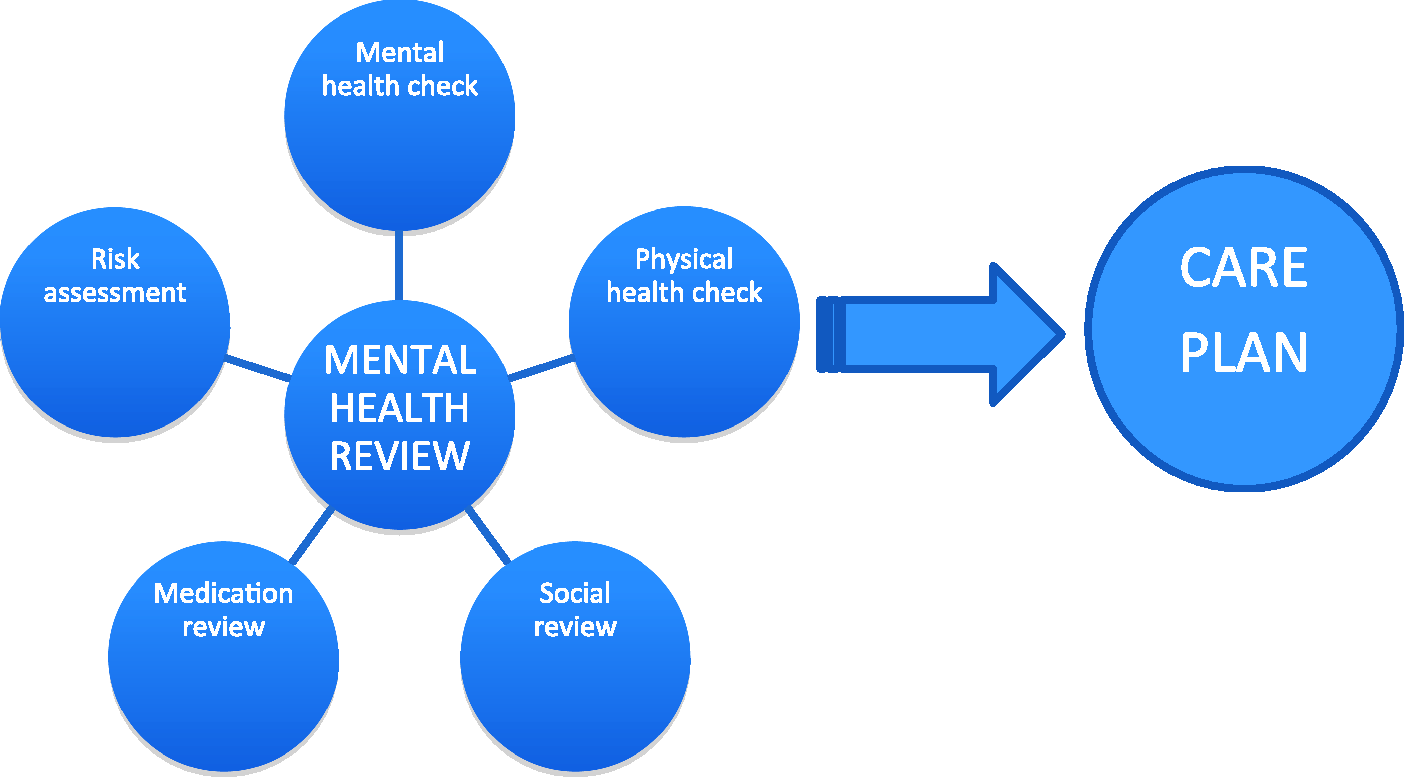
Mental health check
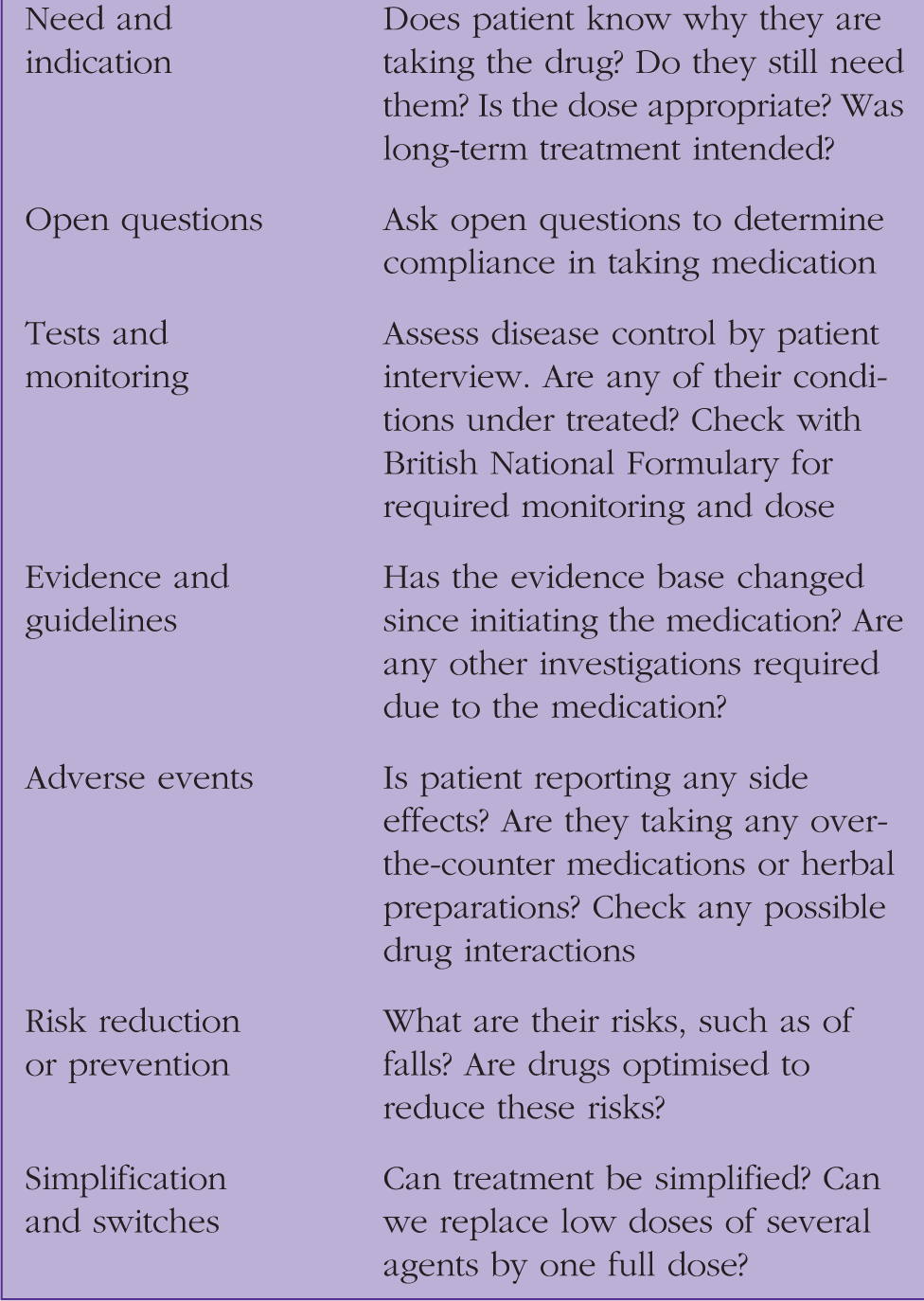
NO TEARS approach to medication review.
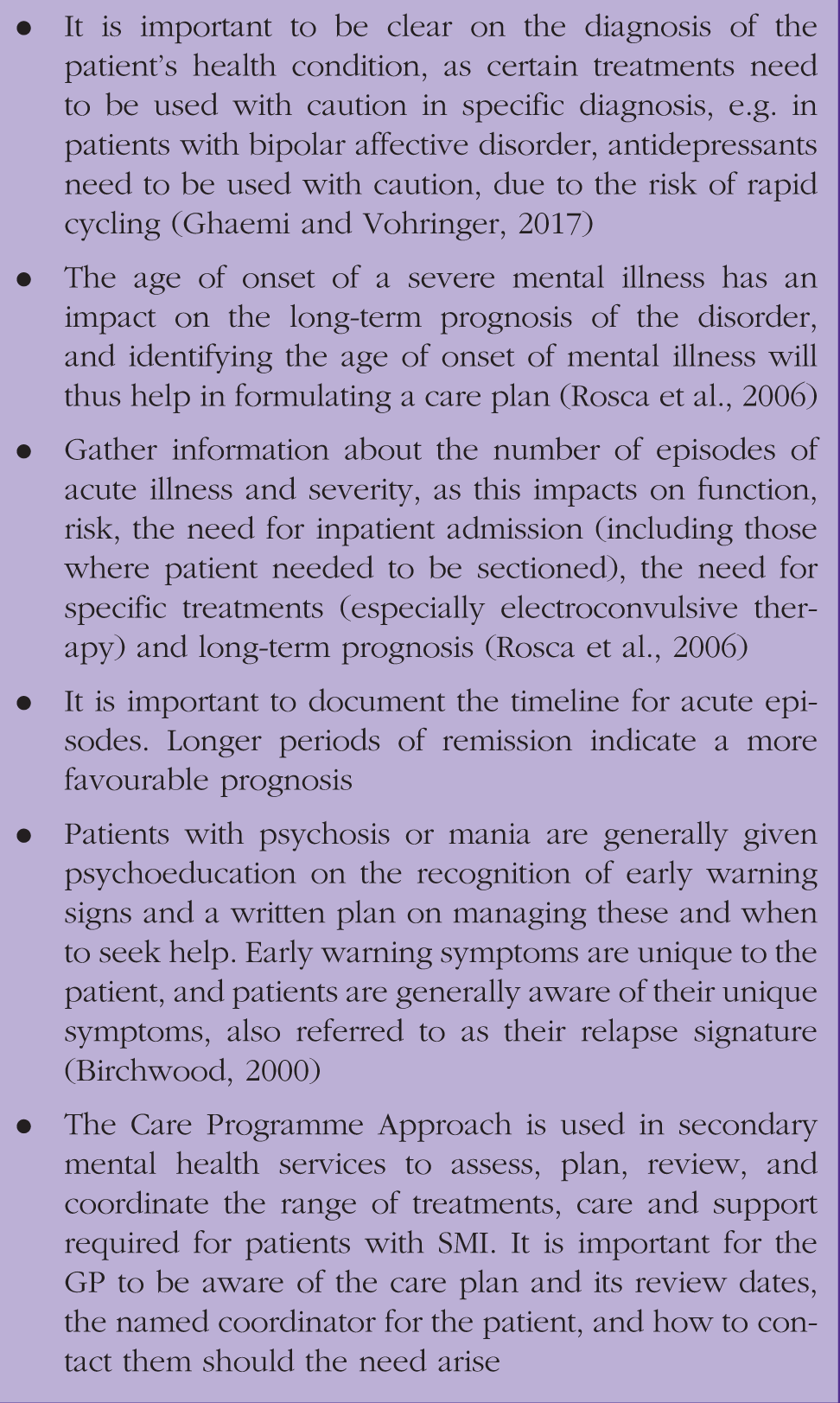
Key considerations for mental health check.
Medication review
Patients suffering with SMI are on regular medication, and thus, they require regular medication reviews to assess benefits and side effects from their prescribed medication. We have used the NO TEARS tool to facilitate medication review of mental health patients (Lewis, 2004) and Table 1 summarises salient features of this method for conducting a medication review of mental health patients.
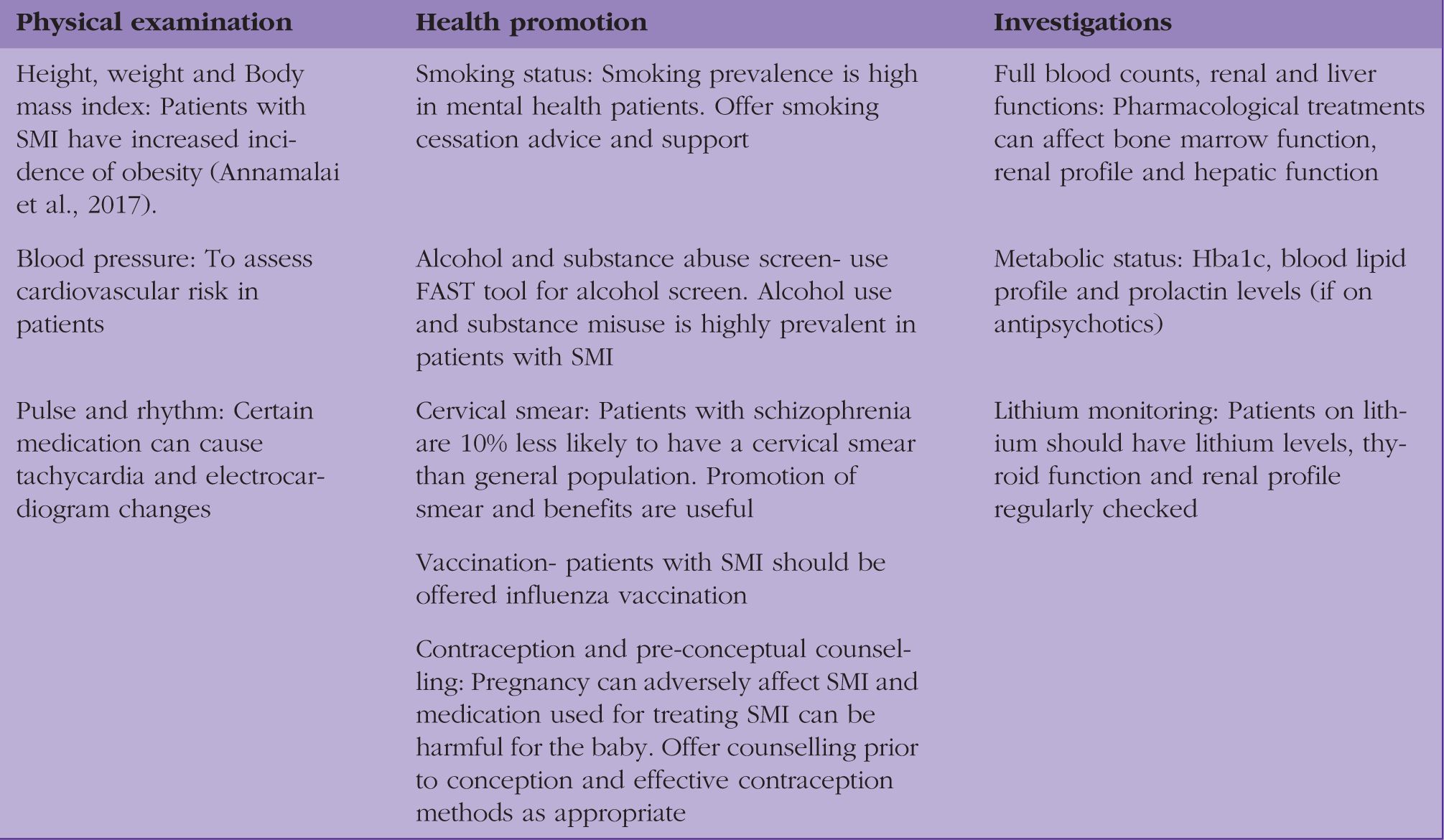
The physical health check
Domains of physical health check in mental health review.
Social review
The life of any individual is comprised of many different interactions and social factors. These interactions often play a role in the presentation of mental illness. Modification of these aspects will influence the illness and may help with management of the illness. The social circumstances of mentally ill patients are often, unfortunately, the most overlooked aspect of care (Barkley, 2009). A review of the social history should include details of living arrangements, housing and accommodation. Studies have shown a link between community disorder (high prevalence of vandalism, graffiti, drug use and trouble with neighbours, etc.) and depressive symptoms (Padraig et al., 2012).
The positive influence of employment on mental health is well known, with people generally enjoying better mental health when in work. In contrast, the longer individuals are absent from work or out of work, the more likely they are to experience depression or anxiety. Work can, therefore, play a vital role in improving wellbeing and mental health. Some patients with SMI will be unable to stay in regular employment, but having a structured daily activity, for example, through voluntary work, has been shown to benefit patients (Department of Health, 2009; HM Government, 2010).
Mental health patients often face financial challenges, which can adversely affect their mood and add to anxiety and depression. It is important to ensure patients who are incapable of paid employment receive the appropriate benefits. There is a higher prevalence of poverty among the mentally ill, with a correlation between the degree of poverty and the severity of mental illness (Vick et al., 2012).
It is important to be aware of the support network available for the patient, both formal and informal. Contact details of carers and support workers should be clearly documented in patient notes and the patient care plan. An awareness of the social network of a patient gives helpful insight and can provide reassurance to clinicians about the safety of patients.
A majority of mental health patients live independently, and are often licensed drivers. Enquiring about driving status and access to a car is useful, not only in understanding a patient’s circumstances, but also an opportunity to review patient safety. In patients suffering from psychotic illness, driving should cease during the acute illness and not resume until the patient is stable with insight for more than 3 months. During this period, they should also be free from any adverse drug effects that could impair driving. The Driver and Vehicle Licensing Agency (DVLA) ‘At a glance’ document is easily accessible and provides clear guidance on mental health conditions and suitability for driving vehicles (DVLA, 2016).
It is important to ask sensitively about the religious beliefs of patients with mental illness, as it may not only be an important part of their life, but also may be a factor in the presentation of mental health problems and a source of social support. These beliefs can provide a sense of belonging and resilience to some patients and understanding this can help clinicians to establish rapport with patients (Ho et al., 2016).
Risk assessment
Static and dynamic risks attributable to mental health illness.
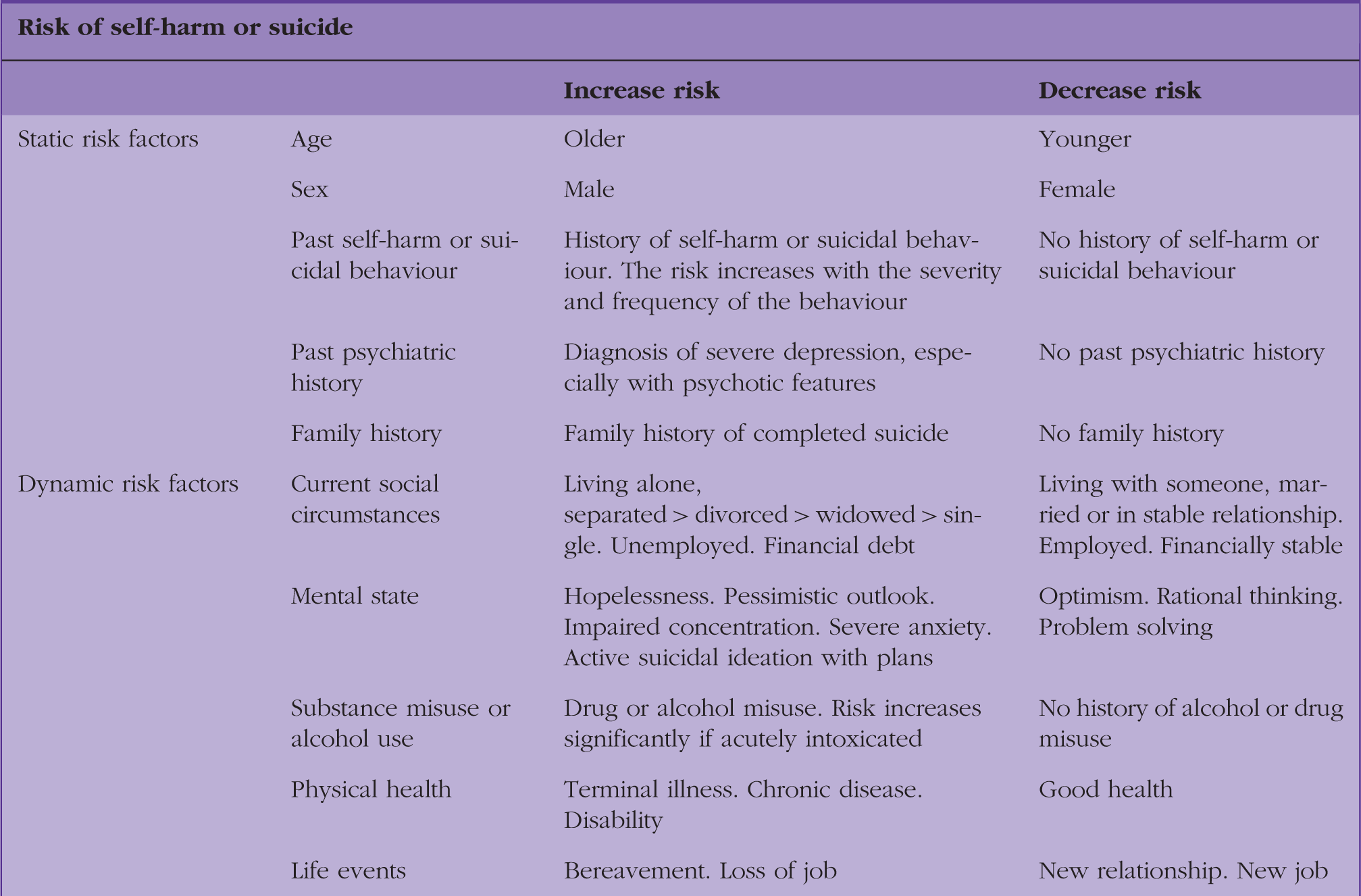
Risk assessment is a systematic and collaborative process to identify factors that influence the overall risk. Some factors are static (age, sex, ethnicity, past history) and others are dynamic (isolation, drug/alcohol intoxication, stress, supports, etc.). The assessment involves the systematic collection of information from different sources to determine the probability of an identified risk (for example, suicidal behaviour) and the pattern of circumstances that increase this risk (for example, alcohol intoxication). The management plan for the risk reflects steps to reduce the impact of modifiable factors or address the circumstances that increase the severity or frequency of risk.
A full risk assessment and management is usually performed by the psychiatric team, but it is important to be aware of the key stages and factors to consider. These key stages are depicted in Fig. 2.
Flowchart depicting the process involved in a risk assessment.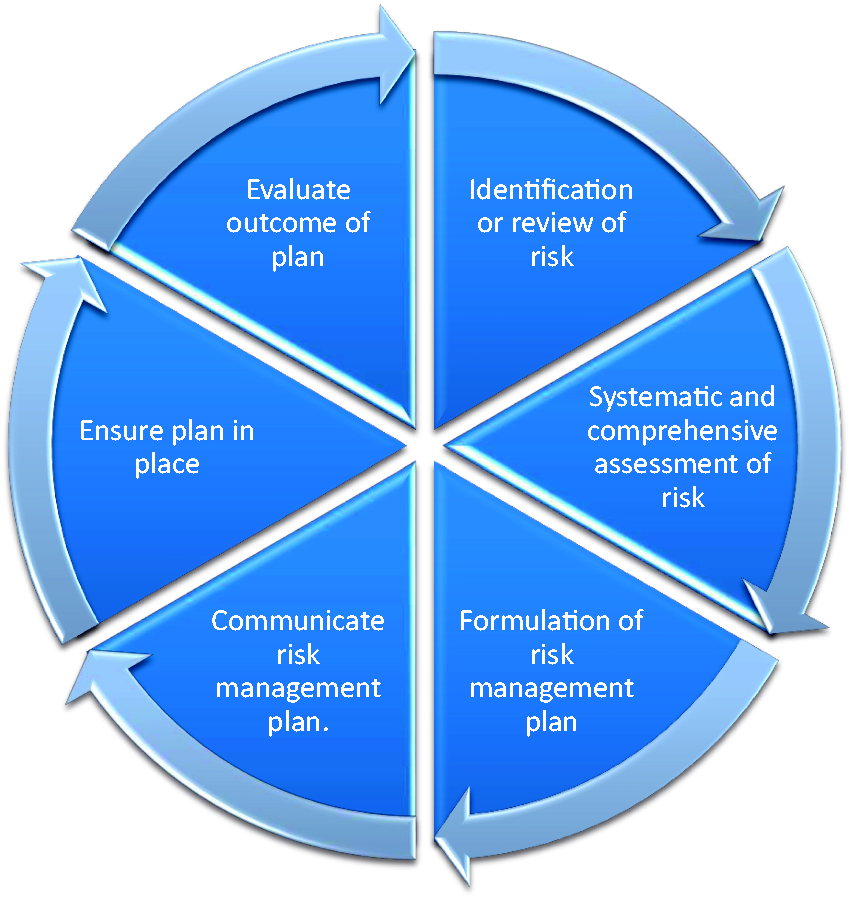
Care plan
A care plan is developed as a result of a collaborative process between the clinician and the patient. This plan is achieved after carefully exploring all key areas of a patient’s life, as covered in this article. The care plan should highlight patient’s needs and wishes and should have information about their health and social care needs. Figure 3 illustrates an example of a care plan for patients with SMI and can be used as a template when performing mental health reviews. The majority of patients suffering from SMI will be under a mental health team and having a care plan shared between primary and secondary care can enhance the care received by patients and build good relationships between the teams. Most patients will have these plans completed by secondary care, and GPs need to be aware of the care plan. They can be very useful in crisis situations. Mental health patients are more likely to miss appointments and be non-compliant with their treatment. As a result of this many patients will not have up-to-date care plans and GPs need to be mindful of this when reviewing patients.
Illustration of template for mental health care plan.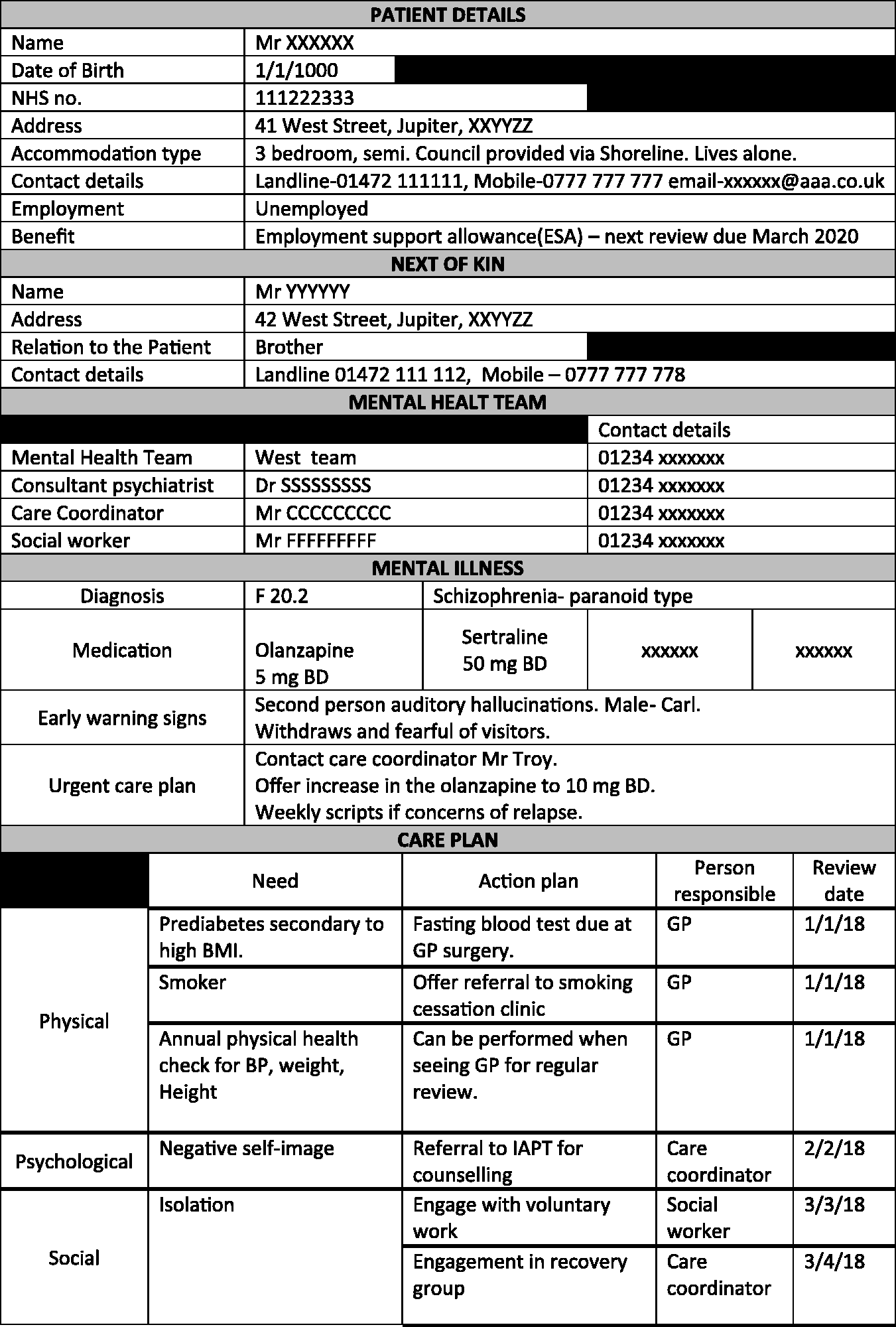
KEY POINTS
Management of SMI follows the principles of management of other long-term conditions (diabetes, asthma, chronic obstructive pulmonary disease, heart failure etc.) Patients with SMI are more at risk of developing other chronic health problems, alcohol and addiction problems, social problems and neglect; they are also less likely to seek help from health professionals The mental health review is an opportunity for interventions with profound and positive effects on the management of SMI, and GPs are well placed to ensure that patient care is holistic The social review is often an overlooked part of the mental health review and addressing social issues can have a significant positive impact on the overall management of the mental illness Use of a template to capture essential information can ensure all aspects of the mental health review are completed and coordinated with existing psychiatric service