






Abstract
Background:
In the European Union (EU), all medicines are mandated to be provided with a patient information leaflet (PIL). Many patients express concerns about the length and complexity of some PILs, and this can be a disincentive for patients to read the PILS. In order to address this, the UK’s regulatory body (Medicine and Healthcare products Regulatory Agency [MHRA]) suggested leaflets might include a headline section—information presented prominently at the beginning of a leaflet that summarizes key safety messages about a drug.
Objective:
To explore the extent to which readers used a headline section in a PIL, using a form of diagnostic testing called user-testing, which examines how readers find and understand key information.
Methods:
The study used a cross-sectional design to user-test a PIL with a headline section in a target sample of 20 participants. Participants were provided with an exemplar PIL, and the performance of the PIL was evaluated by a questionnaire and semistructured interview.
Results:
The results showed that a headline section was used just over one-third of the time (39%); 90% of participants used the headline section to find information when they initially began the user-test. The qualitative findings suggested that the participants valued the presence of the headline section.
Conclusion:
The research suggests there does not appear to be any negative impact from including a headline section in a PIL, and it is a technique that is highly valued by the consumers of medicines information.
Introduction
In the European Union (EU), all medicines are mandated to be provided with a patient information leaflet (PIL), which provides essential information for patients to enable safe and effective use. 1 It is known that patients express concerns about the length and complexity of some PILs, and these concerns may be a disincentive for patients to read the PILs. 2 It is also known that not all patients read the PIL, and that some only read part of the leaflet and therefore might not be aware of important information about their medicines. 3,4
The inclusion of a headline section has been suggested by the Medicine and Healthcare products Regulatory Agency (MHRA), the UK medicine’s regulatory body, as something that might help patients extract key messages from a PIL. 2 They describe headline information as being “presented prominently at the beginning of a PIL and summarizing a few key messages for safe and effective use” in order to maximize visibility and the likelihood of it being read.
The use of a headline section generally in written instructions is not a widely researched area. There is a small amount of literature suggesting that a summary in text can be useful to aid patient recall. 5 However, there are some concerns that the use of certain techniques, such as boxes and outlines, can separate the information from the main body of text, and this can impact negatively upon a reader’s comprehension, although the evidence for this is unclear. 6 Currently, very little is known about the effectiveness of a headline section in PILs and how people might use it. In 2005 in the EU, it became a requirement that all PILs were subject to “consultations with target patient groups” to ensure that they were legible, clear, and easy to use. 7 This has been implemented through a method known as user-testing, and the MHRA concluded that such studies could provide evidence on the use of headlines in PILs.
There has been one such user-testing study so far, which compared patient’s use of 2 leaflets, one with a headline section and one without. This did not show any difference in the participant’s ability to find and understand key information. 8 However, the study did find that a headline section was valued by study participants as a positive addition to the leaflet. In a more recent study, we undertook qualitative research exploring public opinion on the inclusion of a headline section in a PIL, based on a PIL for a statin medicine, used to lower cholesterol. 9 This study also concluded that the users of written medicines information value and feel positive about the use of a headline section. The aim of the current study was to explore how readers use a headline section in a PIL in a user-test of the finding and understanding of key information.
Methods
This study used a cross-sectional design to user-test a PIL with a headline section, in a target sample of 20 participants. User-testing is a performance-based method that employs both a quantitative and qualitative approach. A questionnaire is used to assess the user’s ability to find and understand key points of information, followed by a brief qualitative semistructured interview where the participant’s general views on the leaflet are gathered.
Participants
A total of 20 participants were recruited to 2 rounds of user-testing (10 participants in each round). User-testing is a diagnostic process that when applied in practice can identify problems with information content and design using small samples. The standard process is meant to be carried out iteratively in rounds of 10, with the target being that 90% of users can find the information, and that 90% of those can understand each key point of information. 10,11
Participants were recruited from a database of members of the public who had expressed an interest in participating in the user-testing of health information materials. As is usual with user-testing, the participants were those in the target group for the medicine to which the information related—in this case statins, which meant anyone older than 50 years.
Inclusion criteria: age over 50 years had not previously taken part in a user-test
Exclusion criteria: had received a prescription for the type of medicine on which the exemplar leaflet was based (a statin medicine) unable to read a PIL in English health care professional or in a role where they provide information about medicines.
The following demographic details were recorded: age, highest level of educational attainment, and use of written documents as part of their work. A predefined quota was used as a framework for recruitment. Each round was recruited to include no more than 2 participants with level 3 education and a similar mix of level 1 and 2 educations. Each group included participants from age range 50-59, 60-69, 70-79, 80+. A mix of literature use was also recruited. This quota was applied to search the database for the target sample ensuring each round of participants was recruited to a similar profile of age, education, and use of documents. The characteristics of the participants are reported in Table 1.
Participant Characteristics.
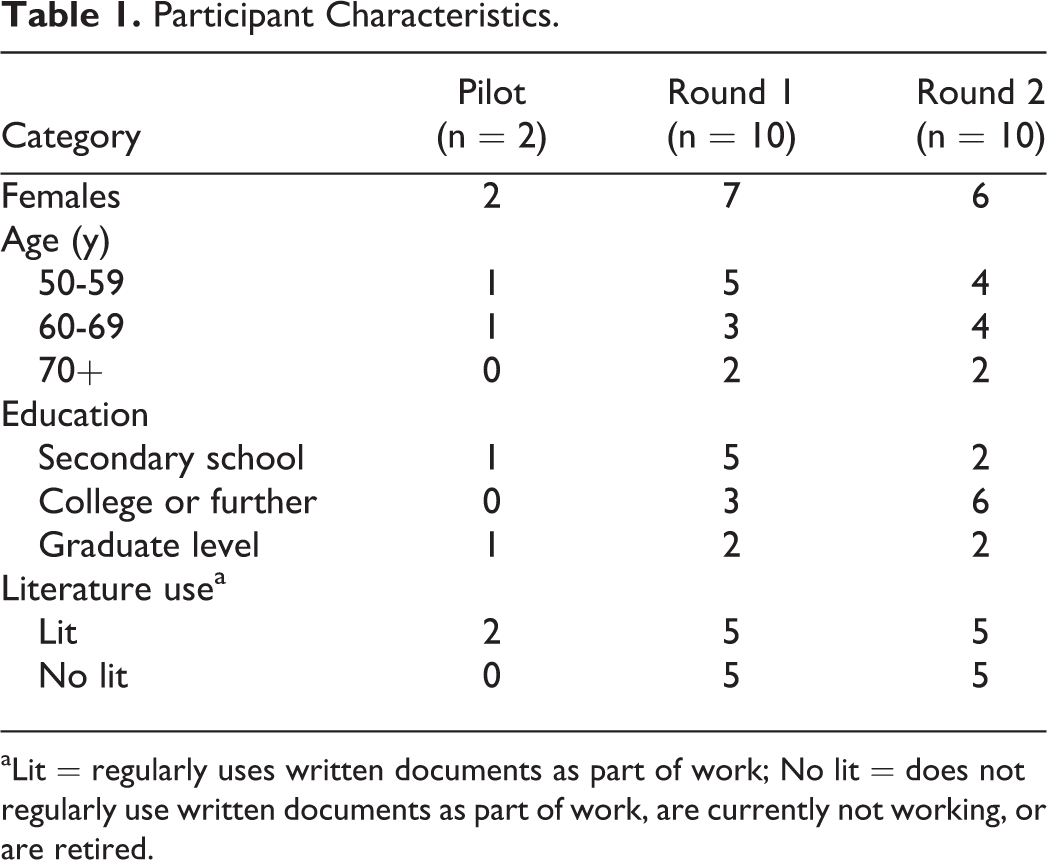
aLit = regularly uses written documents as part of work; No lit = does not regularly use written documents as part of work, are currently not working, or are retired.
Materials
Patient Information Leaflet
We used an exemplar PIL for a statin medicine.
Design of the headline section
The design of the headline section was developed in accordance with guidance from the MHRA. 12 The headline section was presented as a gray-shaded box inserted at the beginning of the leaflet and contained 6 key points of information about the medicine.
The previous study had suggested the need for improved navigation through the leaflet; hence, we developed signposting in the form of text and as graphical markers. The leaflet was presented in a two-column format and printed on 2 sides. The 2-column format is recommended by the MHRA, as the short line length helps poorer readers 13 (see Figures 1 and 2).
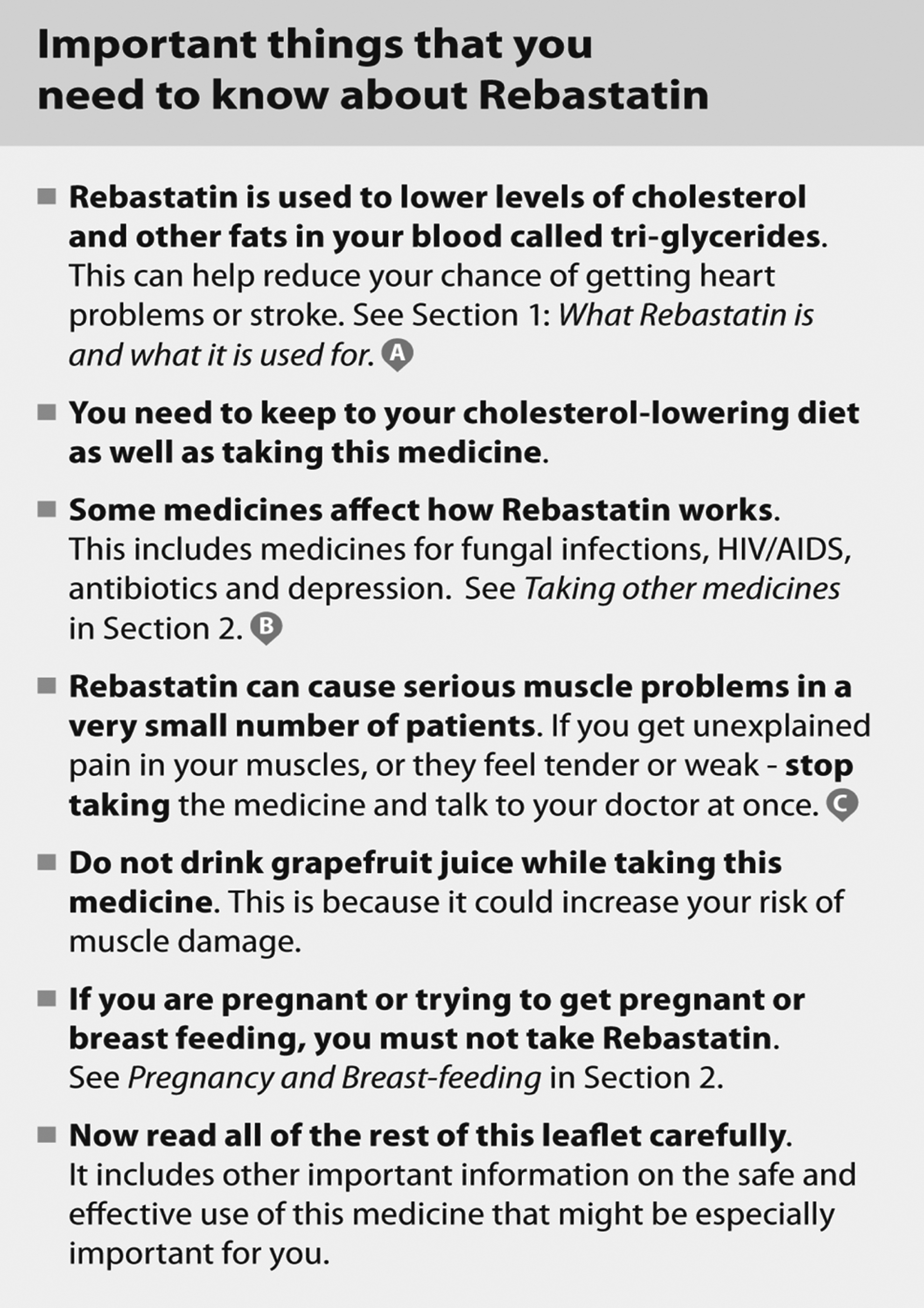
Headline section used in the leaflet.
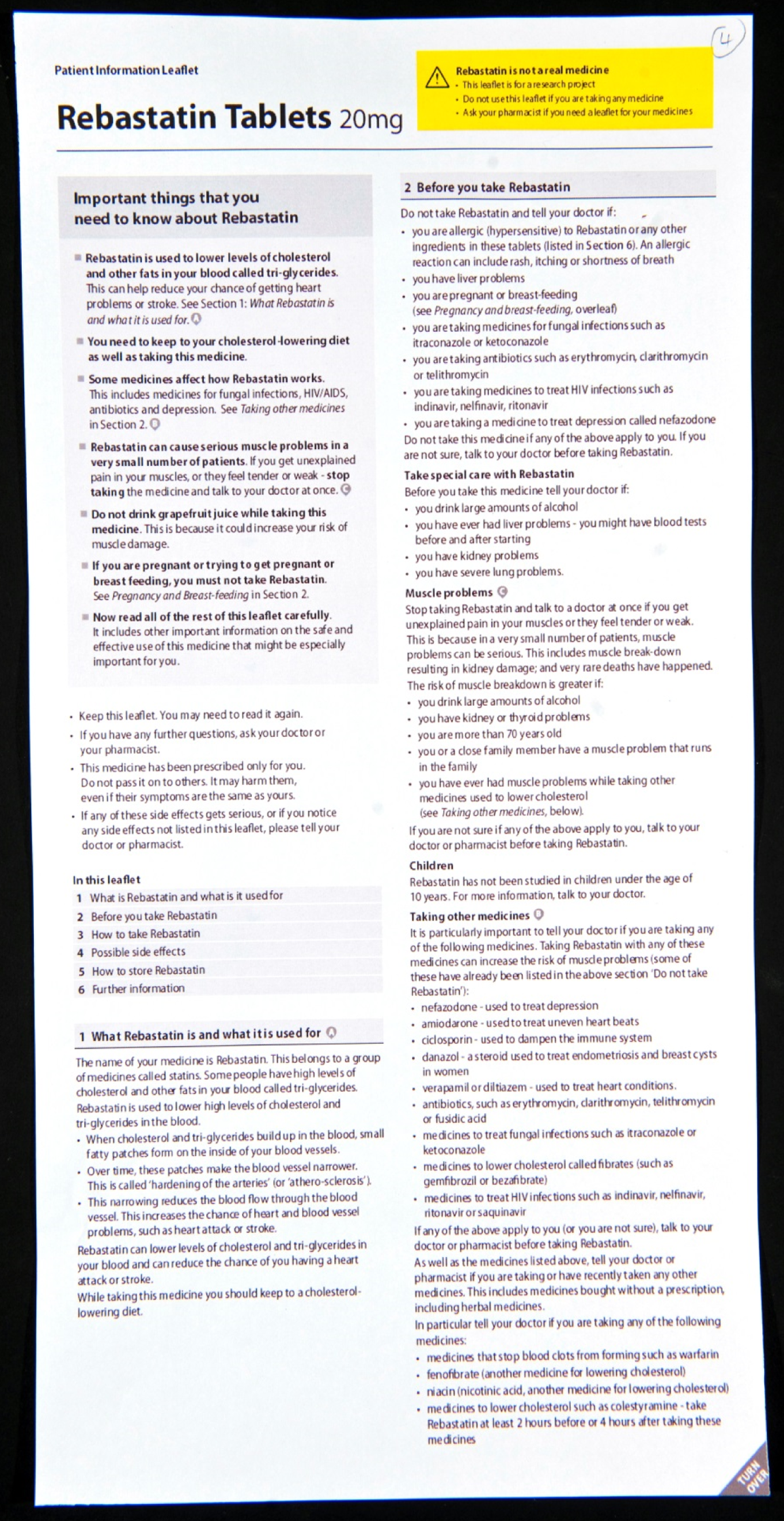
Photograph of the headline section to show positioning in the leaflet.
Content
The content of the main part of the leaflet followed guidance provided by the European Commission 14 and the Co-ordination Group for Mutual Recognition and Decentralized Procedures–Human on the presentation of patient information leaflets 15 and was based on a standard leaflet for simvastatin.
The key information included in the headline section was proposed by the two pharmacist members of the research team (D.K.R. and J.M.).
A graphic designer (B.P.) was consulted and provided guidance on the design of the headline section, in particular the signposting.
Textual signposting
Where the headline section contained additional information that was expanded upon in the main body of the leaflet, there was a textual signpost directing the reader to the appropriate section of the leaflet where the additional information could be found (eg, “See Section 1: What Rebastatin is used for?”)
Graphical signposting
Graphical markers such as  were included after the textual signpost for 3 of the key points. This was an additional signpost designed to direct the reader using a visual cue. These signposts were repeated in the body of the leaflet where the appropriate information was to be found.
Questionnaire
In user-testing, the key points for safe and effective use of the medicine are identified (on average 12-15 points for a standard leaflet). These key points were selected here by one pharmacist member of the team (D.K.R.) and were assessed for face validity by another pharmacist member (J.M.). The questions examining these key points were then developed by the researcher in collaboration with a member of the Luto Research team. The questionnaire was initially piloted with 2 participants to evaluate the usability of the questionnaire in a test scenario.
The purpose of the questionnaire was to Test a participant’s ability to find and understand 15 key pieces of information. Determine participants’ general views on the document.
The questions are listed in Figure 3; and there were 6 questions related to information in the headline section. For 5 questions, the answer could be found in its entirety in the headline section (Questions 1, 3, 7, 9, and 13). Two questions (Questions 6 and 10) were devised to test whether the headline section would be used as a point of reference to find additional information elsewhere in the leaflet and whether the reader would use either the textual or visual signpost. For the second, qualitative, part of the interview, a brief topic guide was prepared covering 6 points (see Figure 4).
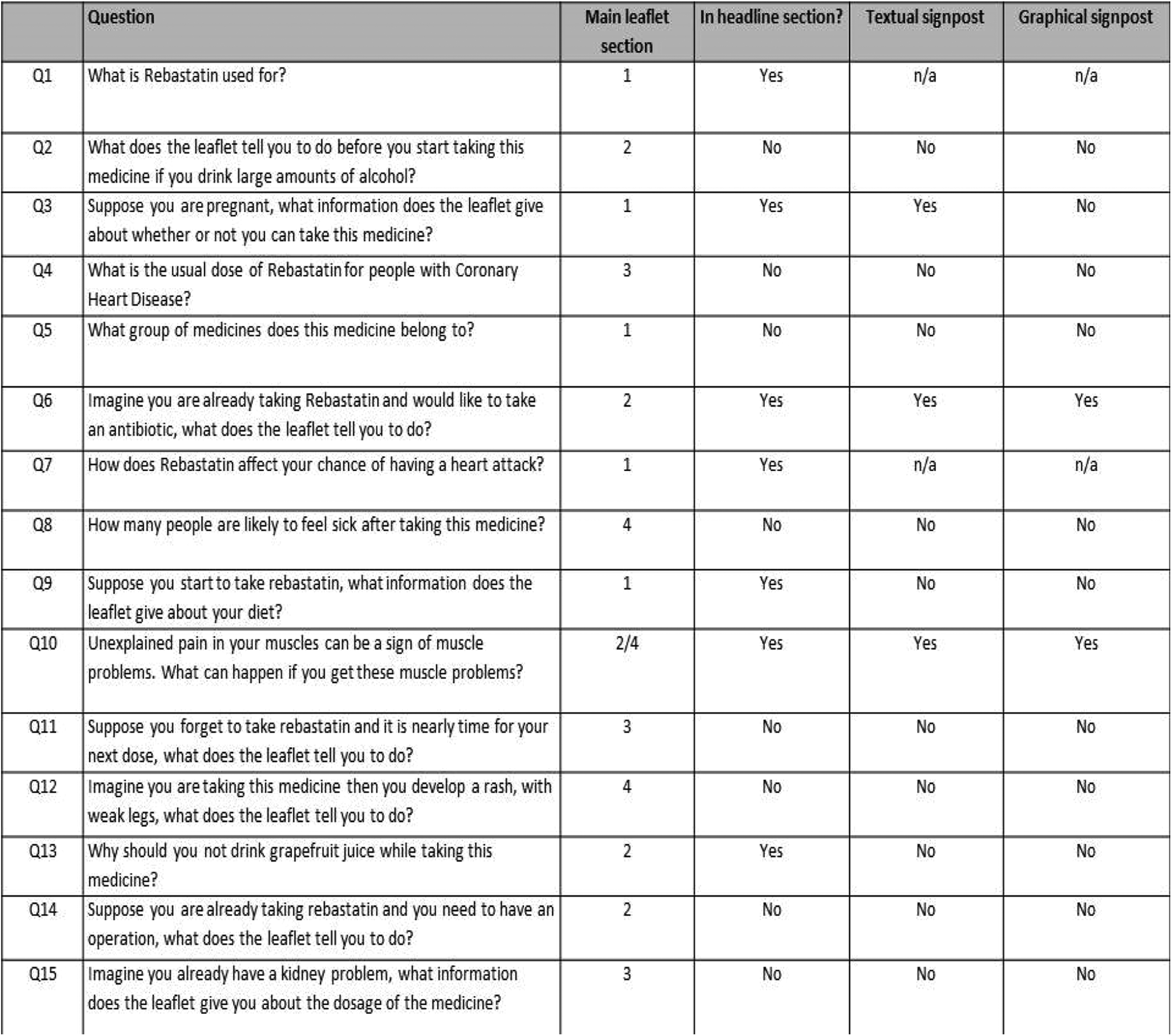
User-testing questionnaire.
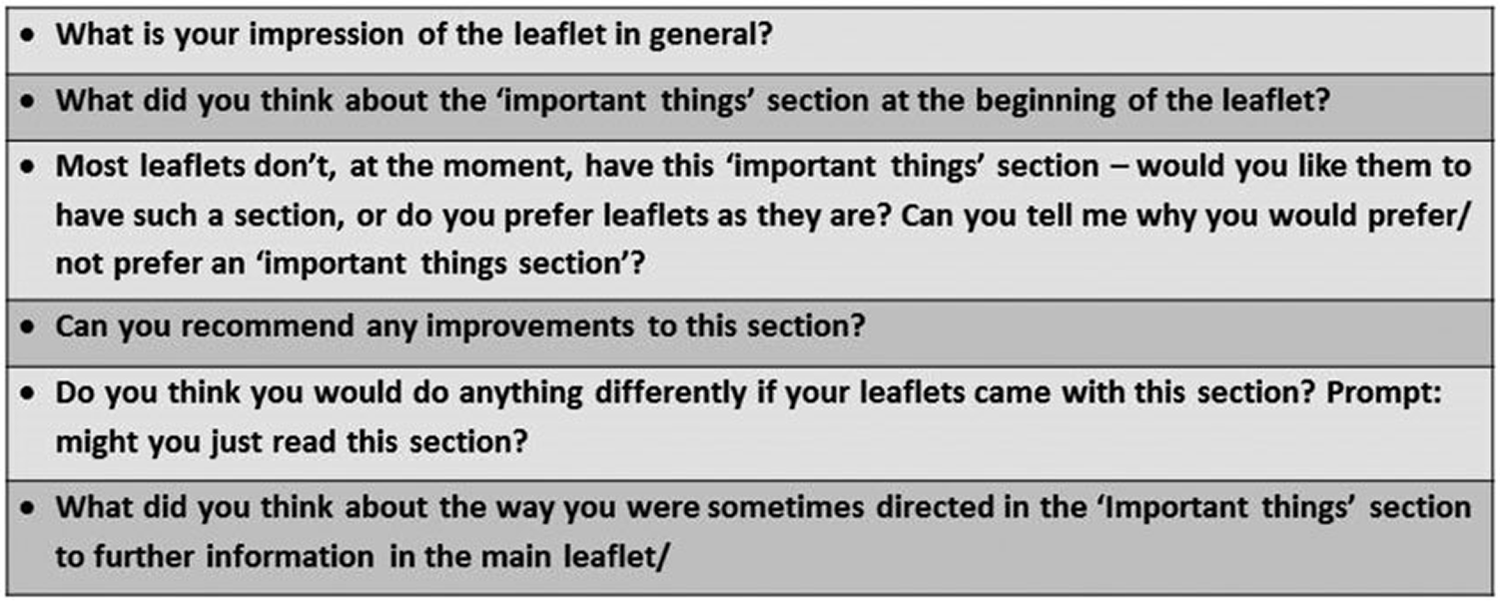
Qualitative questions.
Procedure
Interviews were conducted in an interview room with the researcher (R.D.). After the procedure of the research was discussed, the participant was provided with the exemplar PIL and the user-test began immediately. The researcher recorded the following outcomes: Whether the participant could find and understand the answers to the question. (Using a dichotomous score of yes/no). The location in the PIL from where the answer was found. It was noted whether the answer to the question was found from the headline section. If the location was not obvious to the interviewer, she asked the participant to point it out on the PIL. Whether the participant used the textual or graphical signpost—evaluated through observation and questioning if necessary.
Data Analysis
Data analysis comprised 2 distinct phases.
Quantitative
The performance of the leaflet was measured in the following ways: The total number of answers that were found or not found, was recorded. If questions were found and understood by 80% or less of participants, this was taken as an indication that there was an issue that might need to be resolved (in accordance with the threshold recommended in EU legislation on the testing of medicine leaflets). Whether the information was located in the headline section was recorded for each question (where relevant). This enabled the researcher to compare and contrast the use of the headline section use across the questions. The number of opportunities to use the headline section and number of times the answer was located in the headline was recorded. Whether a signpost was used was noted for each question where this was relevant.
Qualitative
The qualitative data were analyzed using content analysis. The interviews were listened to and transcribed verbatim (R.D.). The data were then charted according to participants’ responses by question. This enabled the researcher to explore any common responses and explore the data according to participant response and characteristics. Each response was summarized and grouped into corresponding themes. The themes were grouped into coherent categories. The coding strategy and subsequent emergent themes were discussed during group meetings; there were no formal checks of reliability or validity.
Research Ethics
The research was approved by the University of Leeds, School of Healthcare Research Ethics Committee (SHREC RP/271).
Results
Twenty participants were recruited and formed 2 testing rounds of 10 people. Their characteristics are reported in Table 1.
Quantitative Findings
The aim of the study was specifically to evaluate the use of the headline section, and as a result the presentation and analysis of the results will focus on those questions relating to information found in the headline section.
Overall, the leaflet performed well. The data collected in round 1 identified 2 problematic questions. These questions were as follows:
(1) “What does the leaflet tell you to do before you start taking this medicine if you drink large amounts of alcohol?” (7/10 found the information and 7/10 showed understanding) and (2) “Imagine you are already taking Rebastatin and would like to take an antibiotic, what does the leaflet tell you to do?” (8/10 found and 7/10 understood the information).
As the issues identified with the questions were not related to the use of the headline section, a decision was made not to make changes between the rounds, as changes would not affect the use of the headline section.
In round 2, at least 80% of the participants found and understood all the information (which is in accordance with the threshold recommended in EU legislation on the testing of medicine leaflets). 14 No significant problems with the leaflet were identified.
Using the Headline Section
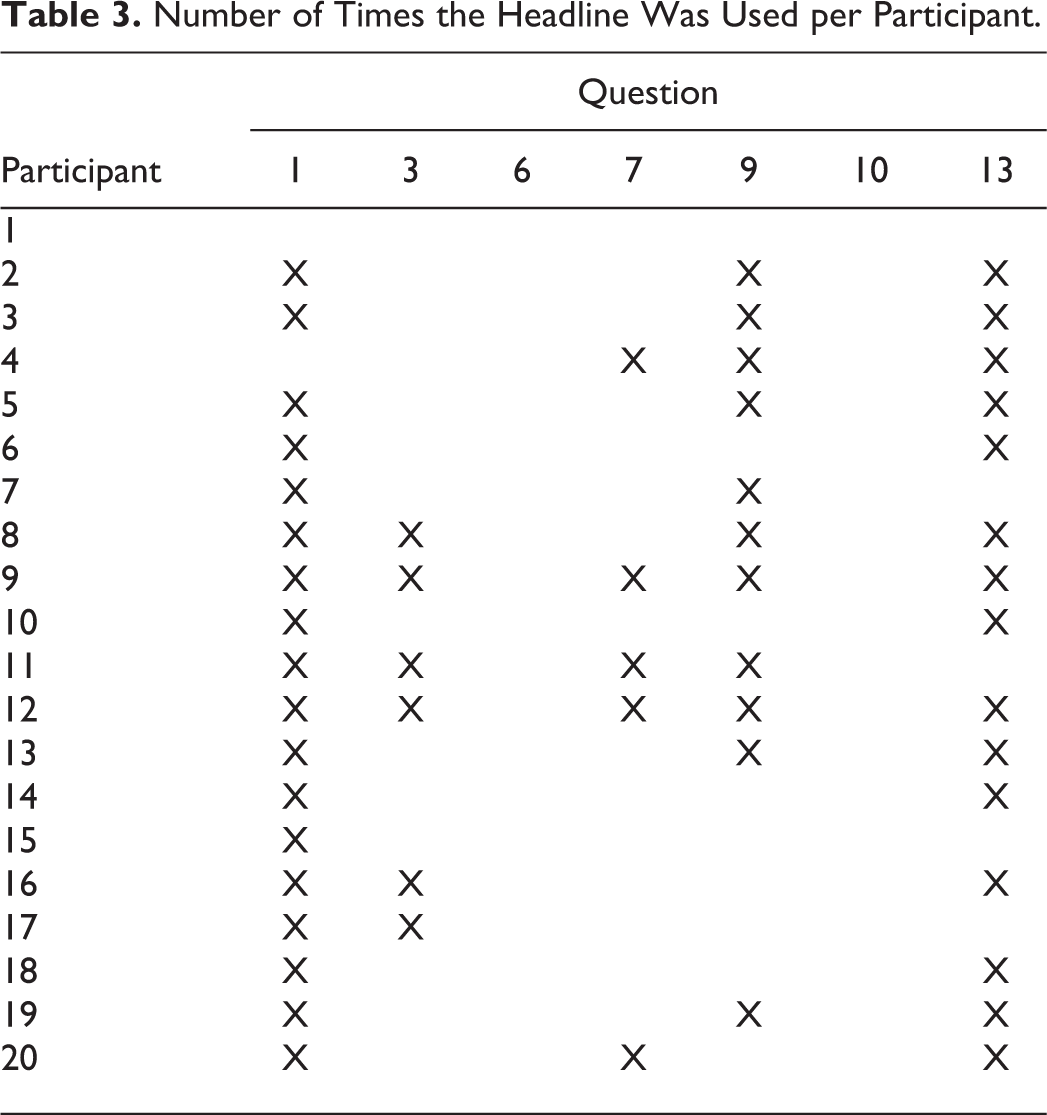
It was apparent that the headline section was used by the participants to answer the questions, although it was not used all time. When the data were collated, a range of frequencies of headline use was identified, depending on question type. Tables 2 and 3 show the scoring for the questions that assessed the frequency of use for the headline section per round and per participant (Questions 1, 3, 7, 9, and 13), whereas Table 4 shows the scoring for the use of the signposts (Questions 6 and 7).
Frequency of Use of the Headline Section per Round.a
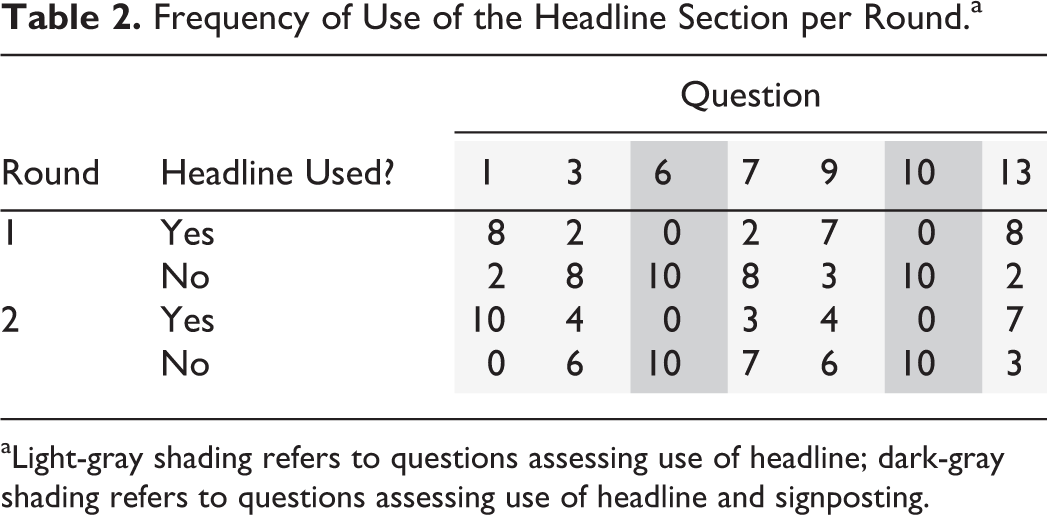
aLight-gray shading refers to questions assessing use of headline; dark-gray shading refers to questions assessing use of headline and signposting.
Number of Times the Headline Was Used per Participant.
Frequency of Use of the Signposting (Both Textual and Graphical).a
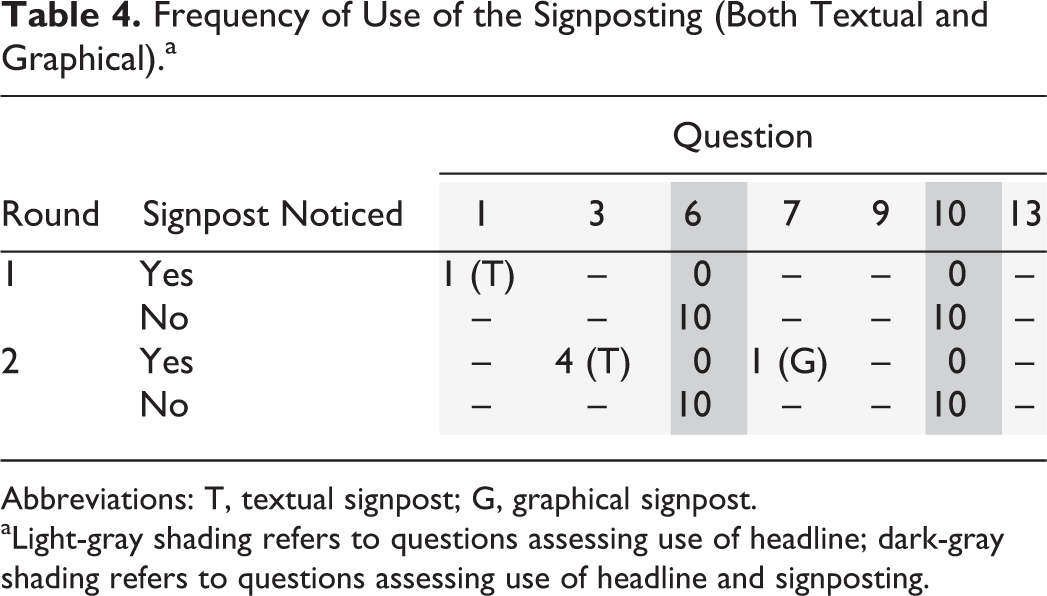
Abbreviations: T, textual signpost; G, graphical signpost.
aLight-gray shading refers to questions assessing use of headline; dark-gray shading refers to questions assessing use of headline and signposting.
The headline was used by the participants for a median of 3 out of 7 questions (range, 0-5). The headline was most frequently used to answer Question 1 (“What is Rebastatin used for?”). This was the first question, and the majority of the participants looked immediately at the beginning of the leaflet in the headline section (18 of 20, 90%). The headline section was used infrequently for the remaining questions (Questions 3, 7, 9, 13). If the information was self-contained in the headline section (ie, there was no further information about the point in the main body of the leaflet), then there appeared to be a greater chance that the headline would be used to locate it. Both Question 9 (“Suppose you start to take Rebastatin, what information does the leaflet give about your diet?”) and Question 13 (“Why should you not drink grapefruit juice while taking this medicine?”) had answers that were found either in the headline or in only one other place in the leaflet. Neither of these pieces of information could be easily found under a logical heading elsewhere in the leaflet. In contrast, information about pregnancy, for example, could be found under a subheading, “Pregnancy and Breastfeeding,” which was highlighted in bold. The answers to these 2 questions were contained within larger bodies of text and were often isolated (i.e., not surrounded by relevant information, as they were standalone statements). For Question 9, the headline was used 11 of 20 times (55%), and for Question 13 the headline was used to locate the answer 15 of 20 times (75%).
Question 3, which referred to whether the medicine could be taken during pregnancy, was found 6 of 20 times (30%) in the headline. Information about pregnancy was available in 2 places in Section 2.
Finally, Question 7 (“How does Rebastatin affect your chance of having a heart attack?”) was located in two places in the leaflet, but presented in the headline alongside other information about the uses of the medicine. This headline was used to locate this information 5/20 (25%).
To conclude, during the 2 rounds of user-testing there were 140 opportunities for the reader the use the headline section find or assist with the location of important information. The headline was used, in total, for 55/140 opportunities (39%) (see Table 2).
Use of the Signpost
Two items, Question 6 (“Imagine you are already taking Rebastatin and would like to take an antibiotic, what does the leaflet tell you to do?”) and Question 10 (“Unexplained pain in your muscles can be a sign of muscle problems. What can happen if you get these muscle problems?”), were designed to test whether participants used the signposts by being designed so that the participant could find a partial reference to the answer in the headline, but to find the full answer they needed to use the signpost to find the answer elsewhere in the leaflet. The headline was not used to retrieve the answers to these questions. It was observed that some of the participants noticed and used the textual signpost for some of the other questions when the headline section was used. One participant reported they had used the textual signpost on Question 1, and 4 participants reported usage of the signpost on Question 3. There was no evidence that the graphical signpost was used (Table 4).
Qualitative Results
Overall, the majority of the participants described the headline section as a valuable inclusion in a PIL. Only 1 participant did not voice positive views.
Helping People Engage With Information
The headline section was viewed as a useful tool to assist the reader to engage with information; however a small number of participants stated they either did not see the headline section initially or at all: I didn’t realise why that was there and I haven’t really read that much. That’s like the bullet points of what is going to be in the information leaflet. (participant 17, 60-year-old woman) I’d probably be more likely to read that bit because it is highlighted in bold and it appears to carry the most important type of information. (participant 8, 56-year-old man) I think you are right to put it first because that’s the most important things. (participant 10, 63-year-old woman) Well, it brings you to important facts straight away, rather than trying to find individual facts throughout the leaflet. You can go straight to that and the most important parts of the document. (participant 9, 50-year-old man) I think from a glance at the front you can identify if you are going to fall into any categories where this might be a risk. (participant 12, 58-year-old woman)
Suggested Improvements to the Headline Section
A minority of participants did not suggest any improvements to the headline section, reporting that the headline met their information needs in its current format. When suggestions were recommended, they fell into 3 categories: content, format, and the leaflet as a whole.
Improvements to content
Key recommendations were for the headline section to contain more information about side effects, drug interactions, and dosage. You haven’t got anything there about side effects. I think you should have it in your box thing … you should say … this medicine can cause side effects, please see section whatever. (participant 4, 62-year-old woman)
Improvements to format
Suggestions to improve the format of the headline included to enhance the noticeability of the headline by using either a text box or a colored box. I would put a clearer boundary around it so it is separated from the rest, because there is nothing to make it stand out. Even making this little box, the headline, a brighter colour and the one that screams “important” is red … If there was a border around it and it was a separate colour then I would be inclined to read that before I go anywhere else … I shouldn’t need to read the whole thing. (participant 16, 57-year-old man)
Improvements to the leaflet as a whole
One suggestion was to adapt the design of the leaflet in some way so it emphasized the headline section. A small number suggested the leaflet take a booklet format, with different pages (with a difference emphasis on each page). Another suggestion was that the leaflet should be folded so that the headline is the first thing patients see when they remove the leaflet from the box. I think it is a good idea, if these are folded in such a way that it is on the front when you pull it out. You may well get people to at least read that little bit. (participant 6, 65-year-old man)
Signposting and Navigation
On the whole, the headline itself was positively viewed as a tool that could help participants locate and retrieve information about the medicine. It gives the headline and which section to go to. (participant 16, 57-year-old man)
Graphical signposts
When prompted to express their views most participants were generally quite positive about the graphical markers, considering them to be a potentially useful tool in aiding with finding information. However, several participants stated that they had not noticed the graphical markers at all and despite the participants’ enthusiasm for this tool, the graphical marker was commonly skipped over or ignored or misunderstood. Oh like A, B and C, Oh yeah I didn’t notice them. I didn’t see them and I should’ve and I didn’t. I didn’t see them. I didn’t take any notice. I think a lot of people are like me though … No, I didn’t see them. I didn’t take any notice of them. (participant 1, 52-year-old woman)
While the graphical markers did not appear to hinder the reader in any way, a number of participants misunderstood their purpose or did not notice them at all.
Textual signposts
Not everyone noticed the textual signposts and some participants reported they skipped over them when looking for information elsewhere in the leaflet. Others did notice and appeared to value the inclusion of the textual signposts. Some participants described how they helped them navigate the leaflet. One participant noted how the headline and the textual signposts responded to how people use information in the age of the internet. People are more geared up for bullet points and this participant felt the headline was like using a webpage. I think that’s very good, particularly for those who are impatient. Some people will read things from top to bottom. Quite a lot of us won’t … I will pick out the key points.… So if there is something which says to me “if you want to know more about this go here,” then it’s the equivalent of if you are on a website. You get the little thing that says “click here” and it throws you into that section. (participant 3, 63-year-old woman)
Reported Influence on Behaviors
The participants reported 3 ways in which the inclusion of a headline section might impact on the way in which they, or others, read their leaflets.
People might read more of their leaflets
Not all the participants read all of their leaflets. A small number stated that the headline section might encourage them to read at least the “important things” section. It was considered that the summary of important information might also encourage them to access and find other relevant information further on in the text: I think this is good because it gives you a brief insight into what problems there might be and then you would be inclined to look at the rest of it. (participant 18, 64-year-old man) If you’re the type of person who doesn’t read leaflets at all, then maybe there is a greater chance that they would read that rather than nothing at all. If you could get the absolute most important information in their memory, then that would be a good innovation. (participant 8, 56-year-old man)
People might read less of their leaflets
Some participants noted that they might only read the headline section and may not be encouraged to read elsewhere in the leaflets. I think I would be more liable to read that bit and not any of the other, just read the important things bit and not read any of the other. (participant 2, 56-year-old woman) I’d go straight to that section, rather than turn it over and look it over. I’d go straight to that part straight away. (participant 8, 56-year-old man)
People would not change their behavior
A few participants stated that they would not change their behavior if their leaflet contained a headline section and that they would continue to read the leaflet as they usually did.
Finally, one participant made a comment about getting used to the headline section. Although he found himself skipping over the headline section during the user-test, he noted its utility in the long-term. Once I had worked out what it was for, I found it more useful. (participant 8, 56-year-old man)
Discussion
The aim was to determine how people use a headline section by user-testing a PIL incorporating a headline section. The results showed that a headline section was used just over one-third of the time—in total for 55 of 140 opportunities (39%). Other notable findings included that 18 of 20 (90%) of participants used the headline section to find information about what the drug is used for when they initially began the user-test, which suggests it was the first place a participant looked in the leaflet when initially trying to find important information. The results also suggest that there was a tendency for patients to use a headline section to locate self-contained pieces of information that might not be naturally positioned elsewhere within the leaflet.
The headline did not appear to be commonly used as a signpost for the reader to look elsewhere in the leaflet. In particular, the graphical markers used to signpost the reader elsewhere were not used at all. Participants were observed to use the textual signposts to assist with navigation of the leaflet, although this was infrequent and the textual signposts were only helpful for a small minority of people.
The methods were not explicitly designed to assess any possible harmful effects of the headline section. However, there is no evidence that it hinders the reader, and the qualitative findings suggested that the participants valued the presence of the headline section. On the whole, the headline was viewed as a useful tool that helped the reader engage with the information; it was noticed by participants and appealed to those with concerns about the length and complexity of current PILs. 3,16,17 The headline responded to people’s needs for information that can match the type and format of information provided on a website: short, succinct information that can be accessed easily. These findings echo those of another study 8 and of an unpublished focus group study 9 which also found that patients valued the headline section and were enthusiastic about its inclusion in PILs.
The research reported in this study followed on from a study by Dolk et al 8 in 2011, but explored the use of the headline section using a modified user-testing approach. The setting was still experimental but the user-test was adapted in order to replicate what might happen when a patient initially receives a PIL. It was hypothesized that the headline might be useful to help a reader find key information when they are unfamiliar with the leaflet and are first looking at it.
The user-test in this research did not use the same methods as Dolk et al, 8 as there was no leaflet without a headline section control group. The findings show that in a “modified” user-test scenario, where participants did not have the opportunity to familiarize themselves with the leaflet, the headline was used about a third of the time to source important information. It was noted that the headline was used to locate information to answer the first question in 18 of 20 opportunities (90%), which suggests that the headline is seen and used immediately by a participant who is unfamiliar with a leaflet.
Strengths and Limitations of the Research
User-testing is a diagnostic process that is currently the process used to regulate PILs before they are licensed. Since 2005, it has been mandatory for PILs in the EU to be user-tested to ensure that leaflets are legible and easy to use. 18 The evidence base for the use of this method to test patient information has developed over the past few years, and applying this process to a leaflet has been shown to develop information that responds to a patient’s needs and that can improve the reader’s ability to find and understand key pieces of information. 7,11,19,20
User-testing has also been criticized for the use of a small sample size. The choice of rounds of 10 for each user-test is a convention that is not necessarily evidence based, although it is accepted that this diagnostic approach can be useful in identifying problems with information using only small numbers.
The user-testing study did not have a control group. It is possible that a controlled trial with a larger sample might come to different conclusions about the inclusion of a headline section in a PIL. It is possible that the inclusion of headline section has no discernible impact on the reader’s ability to find and understand information in a leaflet. However, there is no evidence that it hinders the reader either, and the findings from the qualitative study suggest it is a popular and welcome inclusion in a PIL. It is important to note that the use of user-testing reflects the methods used currently to test PILs prior to licensing in the EU.
Impact of the Research and Recommendations for Further Research
Participants tended to use the headline to locate standalone pieces of information; therefore, a suggestion is that the headline section should include and prioritize such pieces of information. Lengthy and complex information, which could be found elsewhere in the leaflet, did not appear to be found during the experiment in the headline, but instead in the appropriate section in the leaflet.
The headline did not appear to be commonly used as a method for the reader to be signposted to elsewhere in the leaflet. The textual signposts were used more frequently than the graphical signposts, although both were used infrequently. The findings of this study suggest that caution should be taken when considering the use of graphical markers. One suggestion was to have the headline section folded so it is the first thing seen when a patient removes the leaflet from the box. This is a novel idea and the use of this, and whether it encourages participants to read the headline section, would be something that could be explored in more detail using a modified user-testing process in future research.
Conclusion
Inclusion of a headline section aims to assist a reader to locate important information about key issues associated with their medicines in a PIL. Previous research into a headline section did not show that it performed any better than a leaflet with a headline section in helping readers find and understand key information about their medicines. This study has shown that a headline section in a PIL is used to locate key information about a third of a time. The research suggests that there does not appear to be any negative impact from including a headline section in a PIL and that it is a technique that is highly valued by the consumers of medicines information. The use of a headline section in a PIL should be considered as a way of communicating key safety issues about medicines in patient information.
Footnotes
Acknowledgments
This study would not have been possible without the invaluable support of Dr June Raine, Director of Vigilance and Risk Management of Medicines, MHRA. We are grateful for the help of Brian Parkinson in designing the graphical markers and for his advice on the leaflet design in general. Thanks also go Luto and their staff, for their advice and support in producing the leaflets, support with recruitment, and use of premises for the user-testing.
Declaration of Conflicting Interests
David K. Raynor is cofounder and academic advisor to Luto Research, which develops, refines, and tests health information materials.
Funding
The author(s) disclosed receipt of the following financial support for the research, authorship, and/or publication of this article: Rebecca Dickinson’s work on this study was supported by a doctoral studentship funded jointly by the UK Medicines and Healthcare products Regulatory Agency and the School of Healthcare, University of Leeds, UK.