







Abstract
Informality and climate risks are defining features of urban life in the global South. This study explores the relationship between willingness to accept (WTA) and willingness to pay (WTP) for green infrastructure as indicators of its acceptability and economic viability for climate resilience in an informal African urban context. A questionnaire-based survey was conducted in Ajegunle, a major informal settlement in Lagos, Nigeria. Findings show that older, more educated and higher-income residents were more inclined to support green infrastructure. Both high WTA and WTP reflect strong perceived climate vulnerability and entrenched informality. WTP exceeded WTA, yet both showed a significant positive correlation, suggesting perceived value and feasibility. The study finds that socio-demographic and perceptual factors shape behavioural intentions, with urban informality exerting more influence than climate vulnerability. To boost adoption, strategies must include education, participatory planning and socio-economic empowerment to bridge the gap between willingness and real engagement.
Introduction
Informality is a defining feature of urban life in the global South, particularly in African cities where rapid urbanisation and population growth have driven the expansion of informal settlements (Finn & Cobbinah, 2023; Georgiadou et al., 2020). These settlements emerge from socio-economic inequality, inadequate urban planning and housing shortages, resulting in slums and informal economies (Fox & Resnick, 2022). Across sub-Saharan Africa, 238 million people live in informal settlements, with over half of urban residents lacking secure tenure, adequate infrastructure and basic services (UN Stats, 2020; United Nations Office for Disaster Risk Reduction [UNDRR], 2021). This pervasive informality fosters a cycle of vulnerability that undermines climate resilience, especially as these areas face heightened exposure to floods, heatwaves and other climate-related risks, despite contributing minimally to global emissions (Fonjong et al., 2024; Georgiadou et al., 2020).
Green infrastructure (GI) consists of networks of natural, semi-natural and engineered systems that deliver ecosystem services, offering a promising strategy to strengthen urban resilience in these contexts (Staddon et al., 2018; Tzoulas et al., 2007). Examples include parks, urban forests, community gardens, green roofs and permeable surfaces (Choi et al., 2021; Van Oijstaeijen et al., 2020). GI enhances cities’ adaptive capacities, especially in informal settlements, by addressing both ecological risks and social inequities (Junqueira et al., 2021; Pamukcu-Albers et al., 2021).
Understanding residents’ willingness to pay (WTP) and willingness to accept (WTA) is essential for designing inclusive GI interventions that meaningfully reflect local needs and priorities (Mandziuk et al., 2025; Tien et al., 2024). Yet, empirical research engaging these valuation mechanisms remains limited within informal African urban contexts. This study addresses this gap by examining both WTA and WTP for GI as complementary indicators of support for equitable and climate-resilient urban interventions. In doing so, WTA is applied in its full economic sense, defined as the minimum compensation required by respondents to forego or lose the benefits of GI, in line with the contingent valuation method, rather than as a general expression of acceptance or approval (Horowitz & McConnell, 2003; Mitchell & Carson, 1989; Venkatachalam, 2004).
Within this framework, economic viability is not understood solely in terms of commercial profitability or conventional cost–benefit efficiency. Instead, it is conceptualised as social–economic feasibility, reflecting the degree to which residents perceive GI as valuable, possess the capacity and willingness to provide financial support and operate within institutional conditions capable of sustaining such investments over time. This perspective is particularly salient in informal urban settings, where formal markets, secure tenure and municipal financing mechanisms are often constrained or absent (Horowitz & McConnell, 2003; Mitchell & Carson, 1989; Van Oijstaeijen et al., 2020).
Literature Review
Applying the Contingent Valuation Method to GI in Informal Urban Settlements
The contingent valuation method (CVM) is a widely applied non-market valuation technique used to estimate the economic value of public goods or ecosystem services by eliciting individuals’ WTP for benefits or WTA compensation for losses (Mitchell & Carson, 1989; Venkatachalam, 2004). CVM presents respondents with hypothetical market scenarios to assess perceived values of non-market resources such as GI (Kalfas et al., 2022). A consistent issue in CVM is the divergence between WTP and WTA, which are expected to align under classical economic theory but often differ due to factors like loss aversion, property rights and income effects (Horowitz & McConnell, 2003; Tunçel & Hammitt, 2014).
In informal urban settlements, GI is frequently overlooked in planning. CVM offers a means to quantify how residents perceive and value GI’s intangible benefits. A high WTA reflects GI’s perceived irreplaceability for climate resilience, while a high WTP indicates strong community demand (Kabisch et al., 2017; Pearce et al., 2006).
Empirical Review of Past Studies
Influence of Demographic Status on WTA and WTP for GI
Research highlights significant variation in how socio-demographic factors influence WTP for GI across contexts. The relationship between age and WTP is complex. While some studies show younger individuals having high WTP due to environmental awareness (Reynaud et al., 2017; Sato et al., 2017), studies by Li et al. (2021) and Wang et al. (2023) show that middle-aged adults’ (28–38 years) WTP is high, likely due to greater financial stability. Gender effects are inconsistent: in Xi’xian New Area, women displayed higher WTP, whereas in Xianyang, men did (Wu et al., 2023); other studies report no significant gender differences (Ho et al., 2005; Teotónio et al., 2020; Zhang et al., 2023), pointing to regional and cultural variation. Education consistently correlates with higher WTP, as seen in six Chinese sponge cities (Zhang et al., 2023), likely due to increased environmental awareness (Qiao & Randrup, 2022). However, education does not always lead to financial support (Derkzen et al., 2017). Income is a reliable predictor: higher-income individuals, such as those in Xi’xian and Chifeng, show stronger WTP (Li et al., 2021; Wu et al., 2023). Although less studied, WTA also varies with demographics. Scarlett et al. (2021) found that women, people of colour and less-educated groups were more likely to engage in stormwater management, suggesting elevated WTA among marginalised populations facing greater environmental risk.
Influence of Knowledge and Perception on WTA and WTP for GI
Self-assessed knowledge, reflecting an individual’s awareness and understanding of GI, is a significant determinant of WTP. In China’s pilot sponge cities, residents familiar with the sponge city concept were markedly more willing to support GI financially; in Nanning, prior knowledge increased WTP likelihood more than threefold (Wang et al., 2023). Similarly, in Xi’xian New Area, higher cognitive awareness of GI correlated with increased WTP, whereas in Xianyang, where awareness was lower, no significant link was found (Qiao & Randrup, 2022). In residential contexts, familiarity with features like green roofs and walls significantly increased WTP, as individuals recognised their environmental and aesthetic benefits (Teotónio et al., 2020; Zalejska-Jonsson et al., 2020). While WTP has been widely studied, the influence of knowledge on WTA compensation for GI loss or implementation is less explored, highlighting a gap for future research. Perceptions of GI, particularly regarding its aesthetic, ecological and recreational value, also shape public support. In Northwest China and Shanghai, positive perceptions increased both WTP and participation (Wang et al., 2023; Yu et al., 2019). In Ghana, urban forests viewed as providers of key ecosystem services encouraged governance participation (Abdulai, 2025), suggesting that favourable perceptions may reduce WTA by lowering resistance and the perceived need for compensation.
Influence of Urban Informality on WTA and WTP for GI
Residents in informal settlements often recognise the multiple benefits of GI, including better health, social cohesion and environmental quality (Kamjou et al., 2024a). In Lagos, Nigeria, Dipeolu et al. (2024) found that while residents viewed existing green spaces as inadequate, they believed improved GI would enhance community trust and interaction, revealing a latent WTP. In Johannesburg’s Kya Sands, Adegun (2019) observed self-help greening efforts, suggesting an intrinsic WTP linked to quality-of-life improvements. Similarly, in Nairobi’s Kayole, informal waste practices reflected environmental awareness and a desire for sustainable urban living (Odongo et al., 2024). However, WTA emerges when GI threatens livelihoods or causes displacement. In Tehran, GI projects led to evictions, prompting resistance from residents concerned about socio-economic stability (Kamjou et al., 2024b). These contrasting cases illustrate how WTP is driven by perceived benefits, while WTA reflects fear of disruption and loss.
Influence of Climate Vulnerability on WTA and WTP for GI
The relationship between self-assessed climate vulnerability and WTP or WTA for GI is complex and context specific. Scarlett et al. (2021) found that marginalised groups, including women and people of colour, showed higher willingness to engage in stormwater management due to heightened concern over local hazards. In Brazil, Bressane et al. (2024) reported that public WTP for urban green spaces was strongly linked to perceived health benefits. While research on WTA is limited, Ardeshiri et al. (2019) found that WTP for coastline protection in New South Wales did not vary with beach deterioration, implying intrinsic value and likely high WTA for loss. Similarly, Hu et al. (2014) linked green roofs and walls to improved living conditions, suggesting that climate-vulnerable individuals may exhibit both higher WTP and WTA for GI.
Relationship Between WTA and WTP for GI
A growing body of research demonstrates a consistent valuation asymmetry between WTP for GI and WTA for its loss, with WTA often significantly higher. Zalejska-Jonsson et al. (2020) found that while residents were willing to pay premiums for GI in residential developments, their WTA for its removal or absence was substantially greater, reflecting a loss aversion effect. Similarly, Hu et al. (2022) showed that proximity to non-developable green spaces increased property values, again suggesting WTA exceeds WTP. In Costa Rica, Tavárez et al. (2022) observed that while rural communities expressed moderate WTP for interventions like reforestation, their WTA for system degradation was notably higher, highlighting the perceived intrinsic value of ecosystem services. In China’s sponge cities, Wu et al. (2023) reported that awareness drove WTP for GI maintenance, but WTA for removal remained stronger. Teotónio et al. (2020) found Portuguese residents valued green roofs and walls more in loss contexts. In Lagos, Nigeria, Aguome et al. (2024) showed that environmental and health concerns led to higher WTA than WTP for green retrofitting. Similar patterns emerged in Mediterranean cities (Cristiano et al., 2023), urban China (Wikurendra et al., 2024), Shanghai (Zhang & Yin, 2022) and Northwest China (Wang et al., 2023), reinforcing this global trend.
Methodology
Study Context and Data Collection
This study employs CVM, a widely used stated-preference technique, to estimate individuals’ WTP or WTA compensation for changes in non-market goods, including environmental and public assets (Sabyrbekov et al., 2020). The CVM was used to assess public attitudes towards the maintenance of GI and the associated costs within an informal urban context.
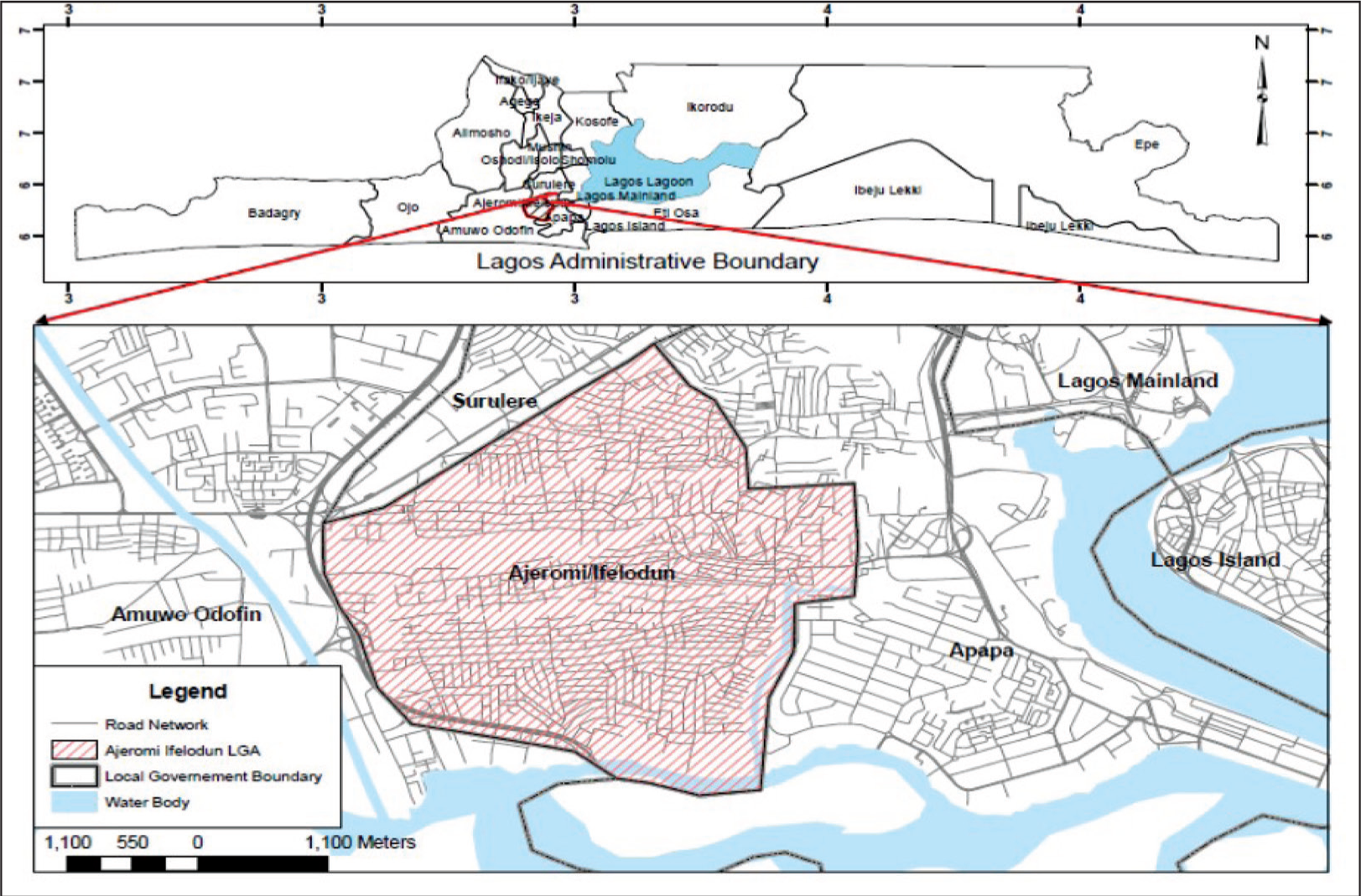
This study was conducted in the densely populated informal settlement of Ajegunle, located in the Ajeromi-Ifelodun Local Government Area of Lagos, Nigeria, as shown in Figure 1. With an estimated population of about 550,000 residents, Ajegunle is often described as a ‘city within a city’ due to its spatial isolation, infrastructural deprivation and vibrant informal economy (Iwegbu, 2024). The area faces severe environmental challenges such as flooding, waste accumulation and poor drainage, making it a relevant case for examining local perceptions of GI as an adaptive and infrastructural necessity (Iloerika-Okafor et al., 2024). Despite its vulnerabilities, Ajegunle also demonstrates strong social networks and community resilience.
Map of Lagos showing Ajegunle and Its Environs. Used with permission from Odunuga Shakirudeen of the Department of Regional and Urban Planning, University of Lagos, Nigeria.
A pilot survey involving 50 participants was conducted in January 2025 to pre-test and refine the instrument. The survey instrument presented in the Appendix was a structured, face-to-face questionnaire designed to elicit stated preferences for GI using standard contingent valuation scenarios. It comprised three sections: study purpose; socio-demographic data (e.g., age, gender, education and income); and constructs measuring knowledge, perception and experience related to urban GI and vulnerability. Each construct consisted of multiple Likert-scale items. The constructs are:
Sampling Strategy
The sampling strategy followed a purposive, eligibility-based selection with elements of spatial stratification to capture variation across different neighbourhoods in Ajegunle. Enumerators were assigned to seven spatial zones within the community based on density, flood risk and proximity to existing green areas or water bodies. The eligibility criteria followed Qiao and Randrup (2022) and included:
Adults aged 18 years and above, Residents who were not renting their homes (to ensure a sense of long-term attachment or ownership) and Individuals with a regular source of income, either from the formal or informal sector.
The restriction of the sample to non-renting residents was a deliberate methodological choice intended to ensure a minimum level of decisional autonomy in stated WTP and WTA responses. Nonetheless, this approach necessarily excludes renters and more tenure-insecure households that constitute a substantial proportion of informal settlement populations (Fox & Resnick, 2022; Georgiadou et al., 2020). Consequently, the findings should be interpreted as reflective of a relatively more stabilised and socioeconomically advantaged sub-group within Ajegunle, rather than as representative of the broader informal urban population. This sampling strategy rests on the assumption that WTP and WTA are more meaningfully elicited among individuals with greater control over household decisions and a longer-term stake in the physical and ecological conditions of their living environment. In total, 251 residents were approached, of whom 240 provided complete and valid responses, yielding a response rate of approximately 95.6 per cent.
Data Analysis
Data analysis was conducted using Python 3.13.150.0. Frequencies, percentages and decomposed means of socio-demographic characteristics and constructs were computed. Construct reliability and validity were assessed using Cronbach’s α and confirmatory factor analysis. Bivariate correlations between socio-demographic variables and constructs were analysed using Pearson’s r. Finally, a path analysis model was used to examine factors influencing WTP and WTA, treating them as dependent variables with correlated factors as predictors.
Ethical Consideration
The research, involving no physical risks, was conducted with unwavering adherence to core ethical principles, even without formal approval. Voluntary informed consent was secured verbally from all non-vulnerable participants (over 18, not pregnant and not from vulnerable sections). Confidentiality and anonymity were paramount: No personal identifiers were collected, and data were stored anonymously with reference codes to prevent identity theft. Questions were respectful of cultural values, and participants retained the unconditional right to withdraw, ensuring their dignity and protection throughout the study.
Results
Profiles of Respondents’ Demographic Status
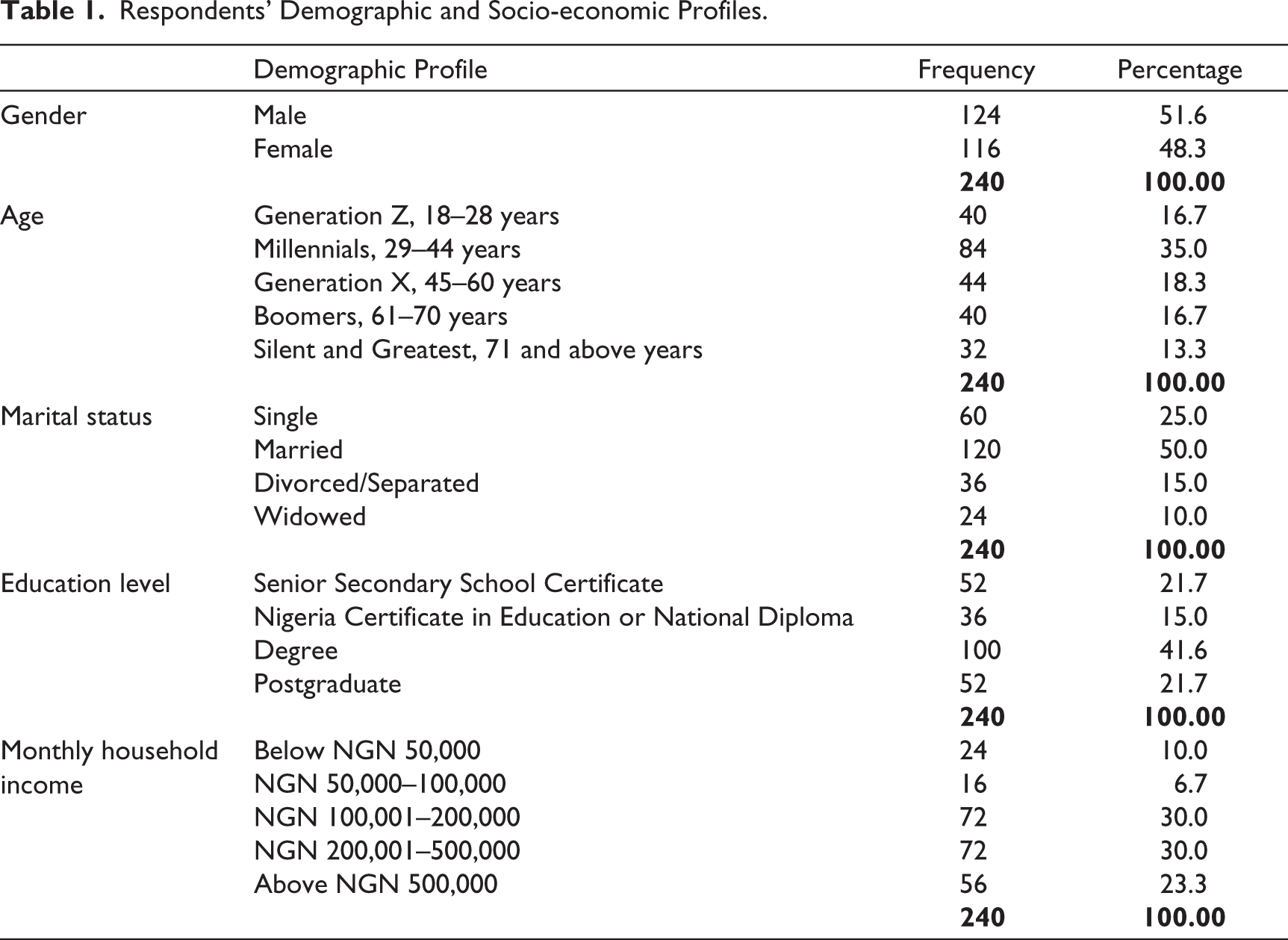
Table 1 presents the demographic profile of respondents (N = 240). The sample was nearly gender-balanced, comprising 51.7 per cent males, predominantly millennials (35.0%) and highly educated individuals with first degrees (41.6%). Participants were mostly married (50.0%) with varied monthly incomes, with 30.0 per cent earning NGN 100,001–500,000 and 23.3 per cent exceeding NGN 500,000, representing a diverse socio-economic cross-section.
Respondents’ Demographic and Socio-economic Profiles.
Constructs Validity and Reliability
The survey’s construct validity and confirmatory factor analysis show strong internal consistency and validity. Cronbach’s α values range from 0.735 (acceptable) to 0.932 (excellent), all exceeding the 0.70 threshold, as shown in Table 2.
Result of Survey Constructs Validity Tests.
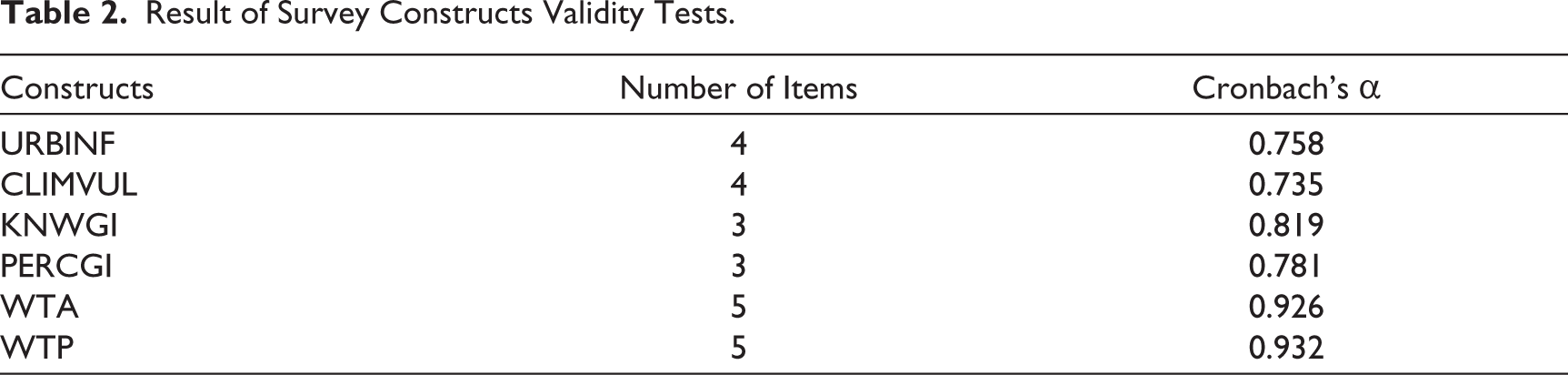
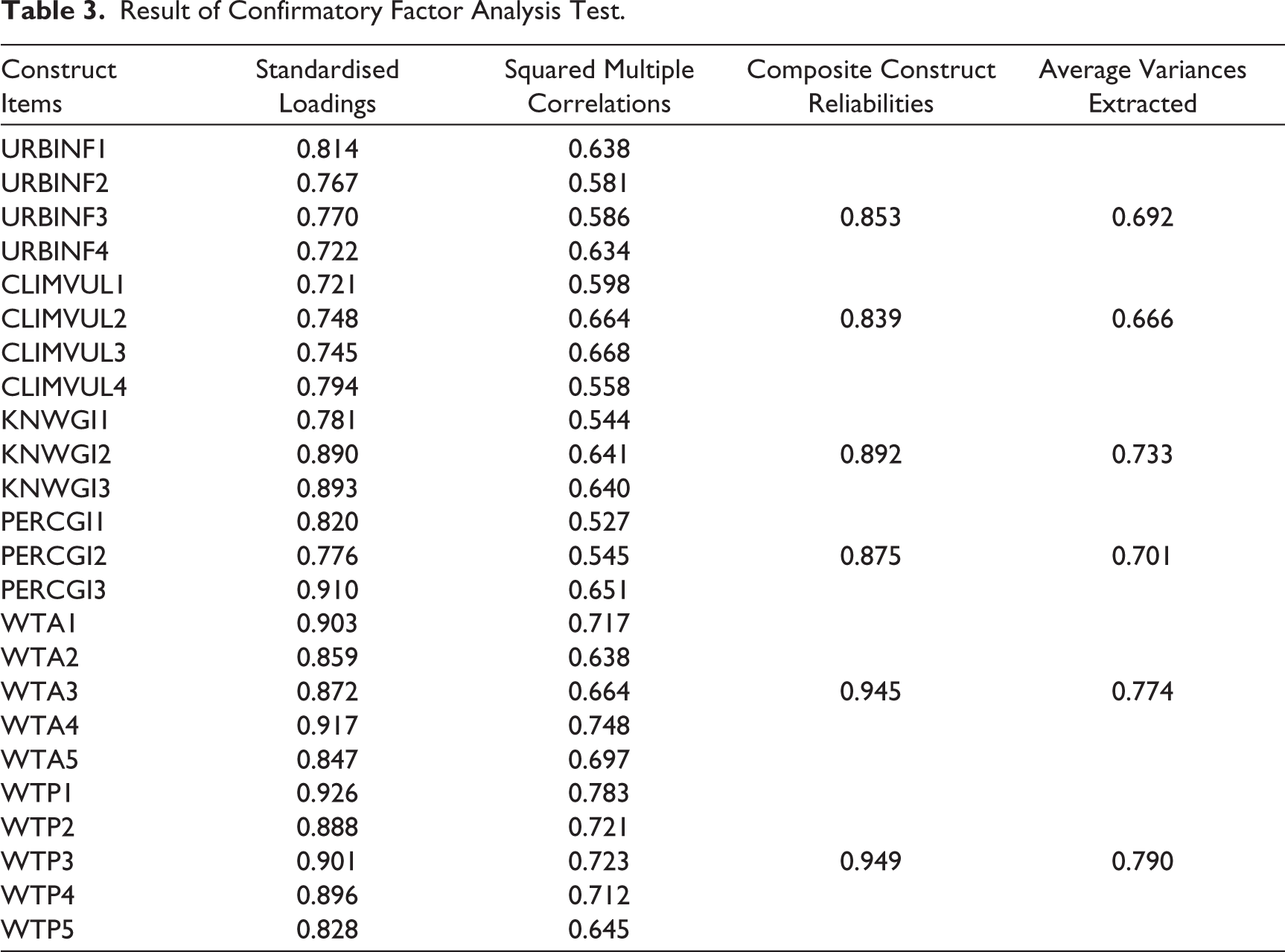
Table 3 confirms construct validity and reliability. All item loadings exceed 0.70, with R-squared values above 0.50. Composite reliabilities (0.839–0.949) and AVEs (≥0.666) surpass thresholds. KNWGI and PERCGI show strong validity. Overall, the survey instrument demonstrates sound convergent validity and reliability across all constructs.
Result of Confirmatory Factor Analysis Test.
Descriptive Statistics of Measured Constructs
Table 4 shows PERCGI had the highest mean (4.05), followed by URBINF and CLIMVUL. WTA scored lowest (3.29) with high variability, similar to WTP (mean = 3.58).
Descriptive Statistics of Constructs.
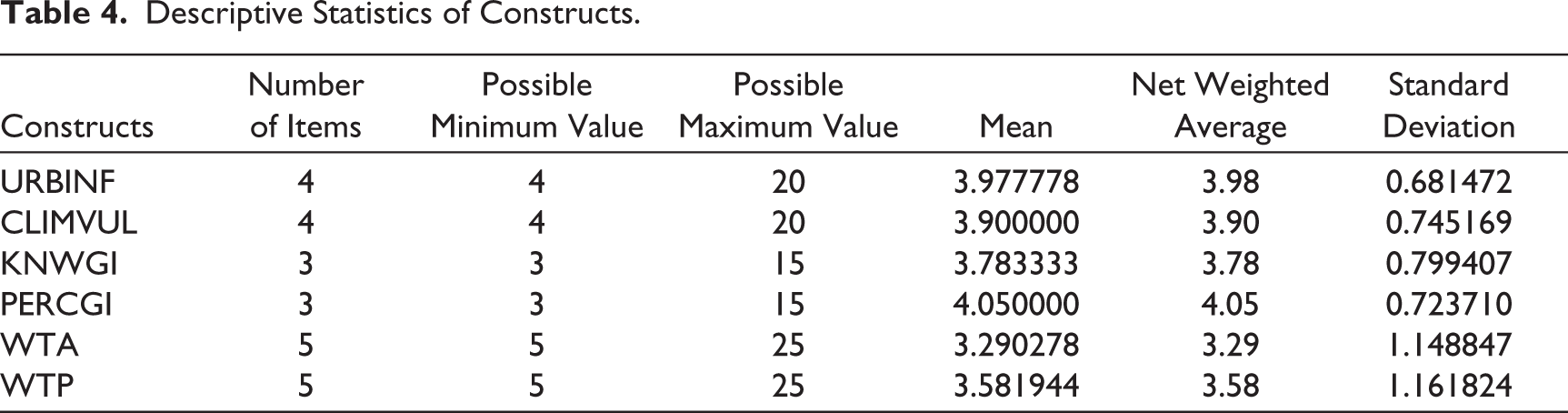
Table 5 shows strong agreement on URBINF (76.25%), PERCGI (77.22%) and CLIMVUL (71.67%). KNWGI had lower agreement (65%), while willingness constructs scored lowest, with over 22% disagreement each.
Classification of Survey Results.
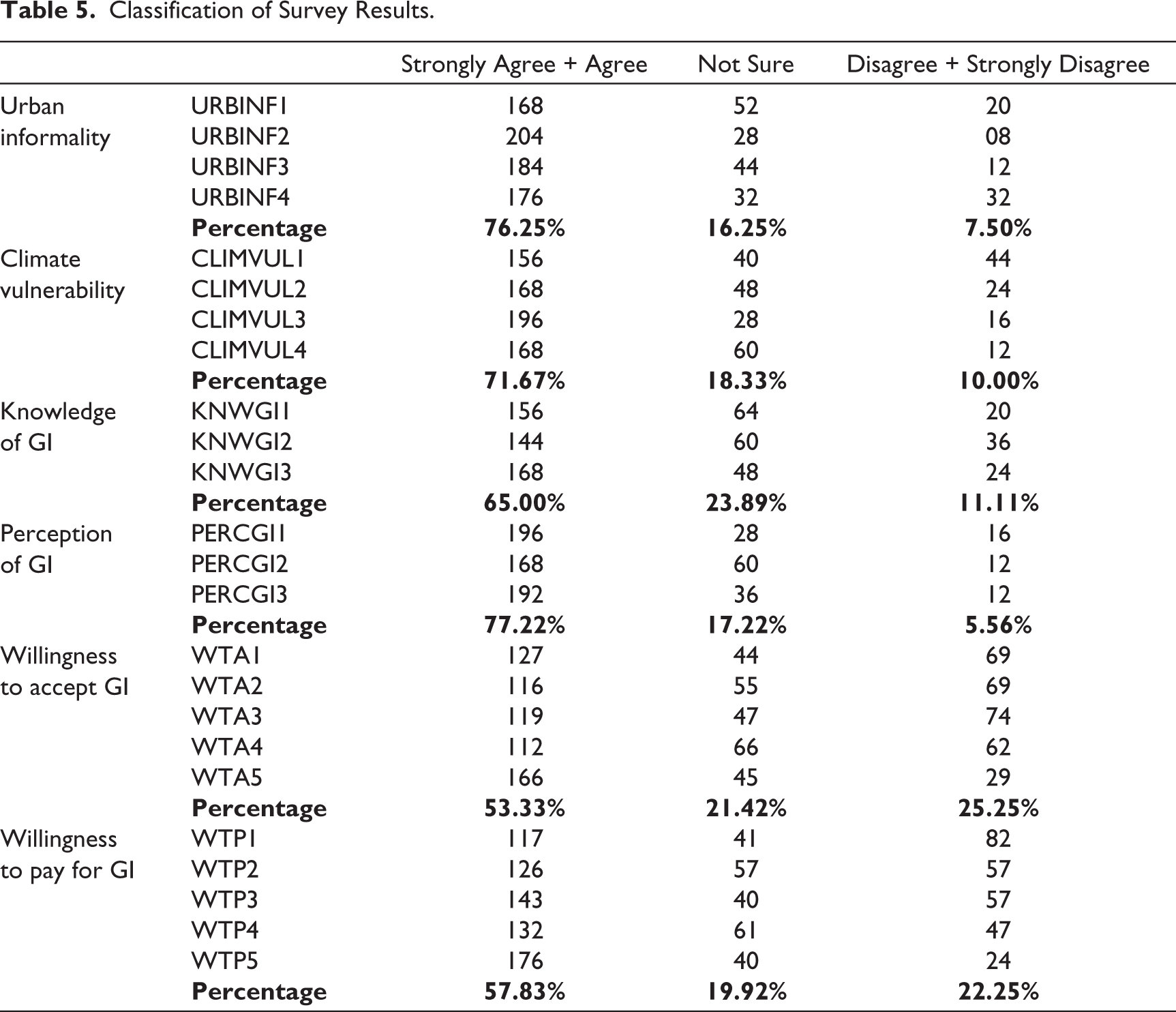
Table 6 disaggregates means by demographic variables, revealing significant variation in perceptions and behavioural intentions. Women generally scored higher than men, especially in WTP and WTA. Older respondents (61–70 and 71+ years) had the highest scores, while the youngest group (13–28 years) scored lowest, notably in WTA (2.04) and WTP (2.45). Divorced, separated and widowed individuals reported higher means, especially in CLIMVUL and willingness constructs, followed by married respondents; singles scored lowest, particularly in WTA (2.00). Educational level strongly influenced responses: postgraduates scored highest and SSCE holders lowest. Income mattered significantly: higher earners showed stronger support, especially those earning above NGN 200,000.
Decomposed Mean of Survey Measure Items.
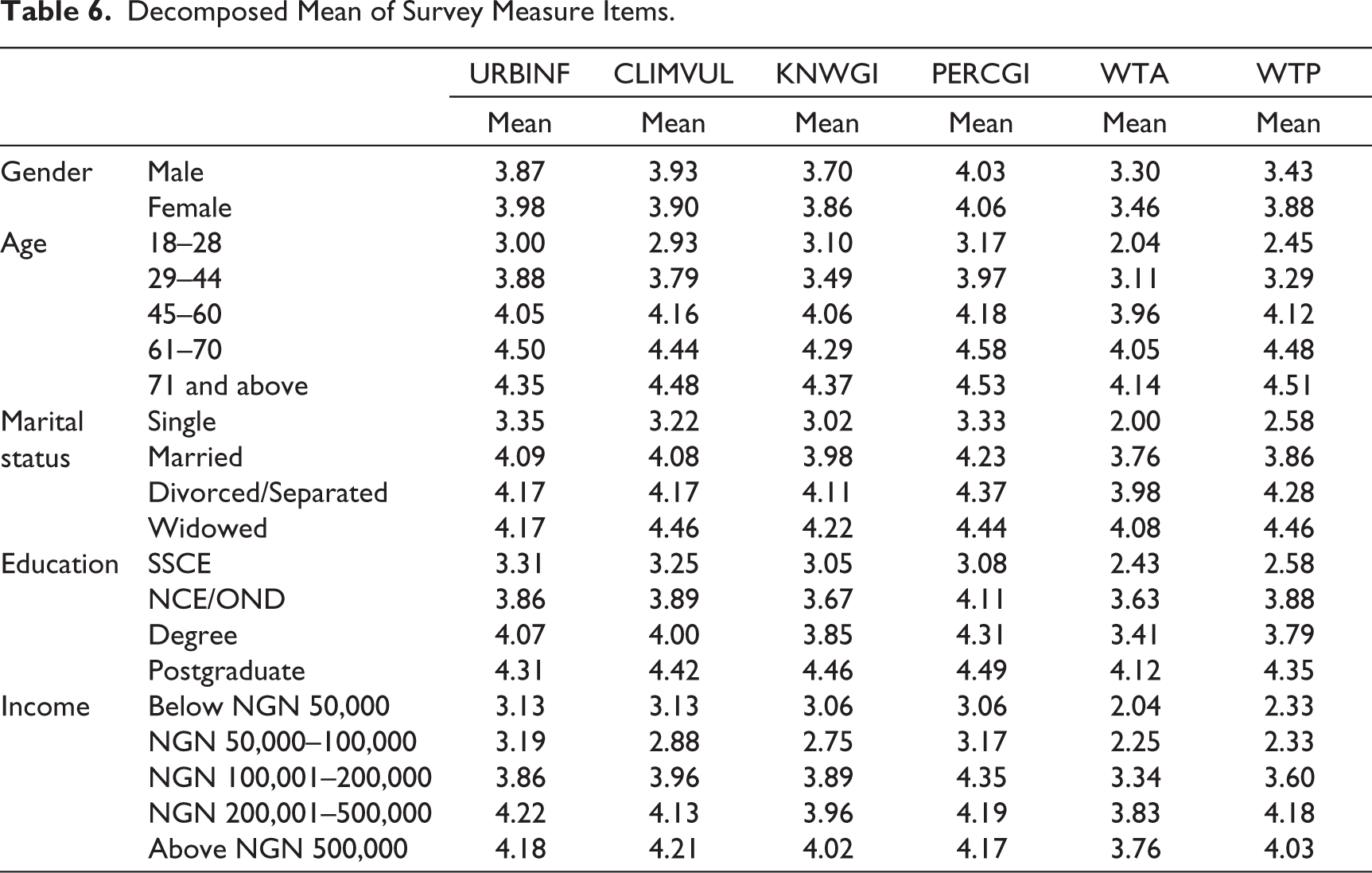
These patterns reflect lived realities within Ajegunle, where older, more educated and higher-income respondents likely associate GI with reduced flood losses, health risks and daily environmental stressors. Lower willingness among younger and lower-income groups appears to reflect precarious livelihoods and short-term survival priorities, rather than a rejection of GI per se.
Factors Influencing WTA and WTP
The relationship analysis between socio-demographic factors and the six constructs reveals varied degrees of association, with most relationships being statistically significant, as presented in Table 7. Gender showed no significant correlation with any construct except WTP (r = 0.171, p = .0078). Age demonstrated the strongest and most consistent correlations across all constructs. Notably, it had strong positive relationships with CLIMVUL (r = 0.646), WTA (r = 0.609) and WTP (r = 0.660), all with p < .0001. Marital status also showed significant but weak positive correlations with all constructs. Education presented a particularly strong correlation with PERCGI (r = 0.670). Income was significantly associated with all constructs, especially CLIMVUL (r = 0.509) and WTA/WTP (r = 0.493). Overall, age, education and income emerge as key socio-demographic predictors of environmental attitudes and behaviour.
Relationship Between Socio-demographic Factors and Constructs.
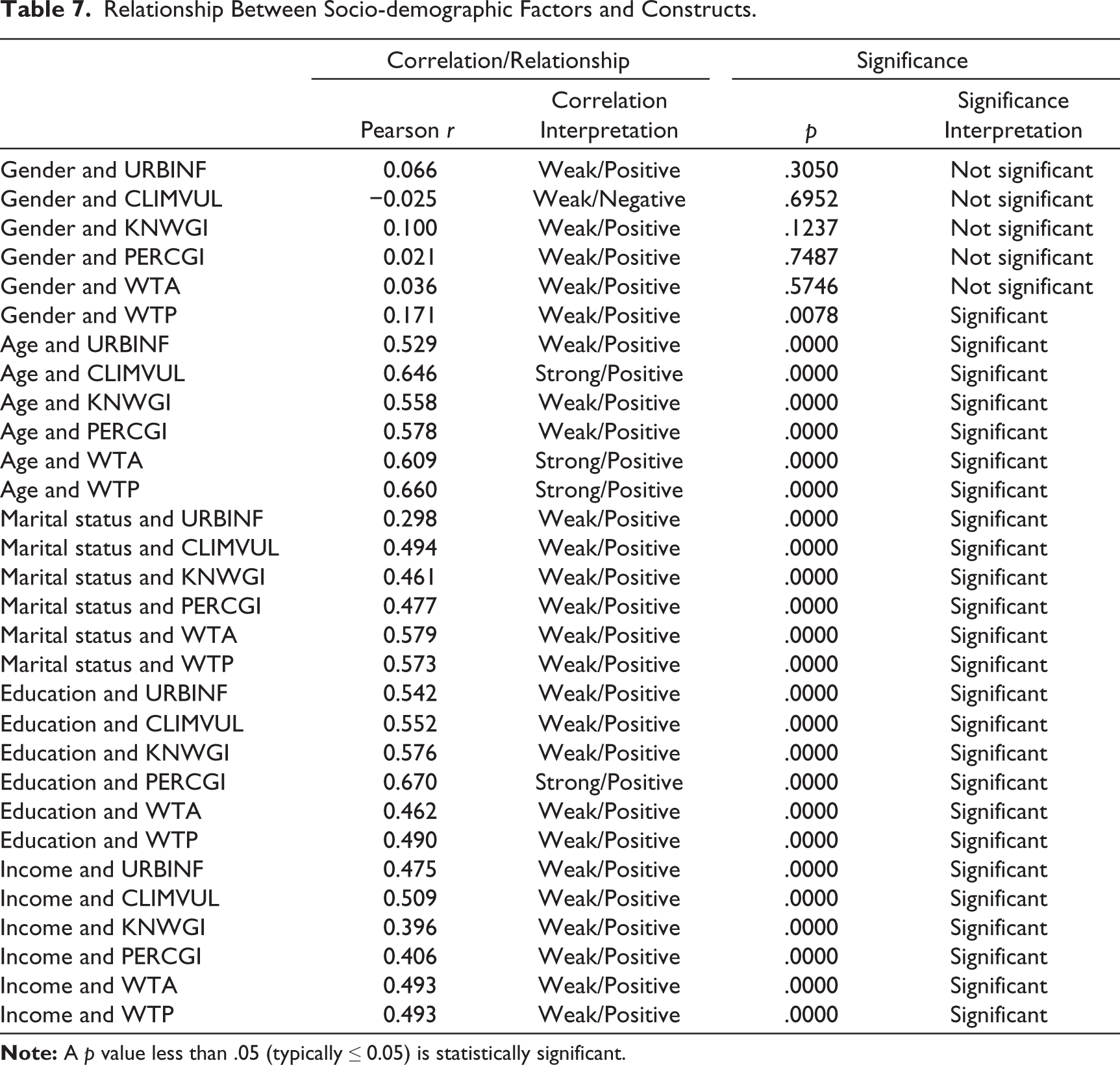
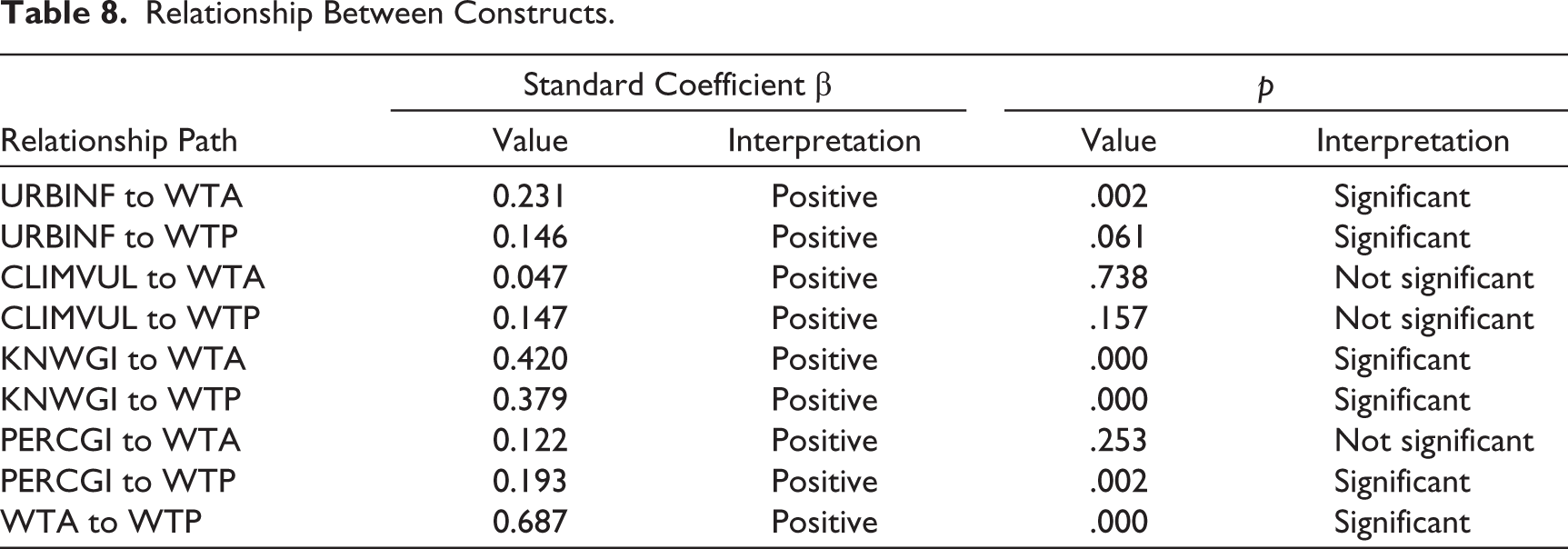
Table 8 presents the relationships between several constructs and their influence on WTA and WTP, along with standardised coefficients (β) and significance levels (p). URBINF shows a significant positive effect on both WTA (β = 0.231, p = .002) and WTP (β = 0.146, p = .061). CLIMVUL has positive but statistically insignificant effects on both WTA (β = 0.047, p = .738) and WTP (β = 0.147, p = .157). KNWGI demonstrates a strong and significant positive effect on both WTA (β = 0.420, p = .000) and WTP (β = 0.379, p = .000). PERCGI also shows a significant positive relationship with WTP (β = 0.193, p = .002), but its relationship with WTA (β = 0.122, p = .253) is not statistically significant. Finally, WTP has a very strong and significant positive influence on WTA (β = 0.687, p = .000). Overall, KNWGI and PERCGI play key roles in shaping WTP, while URBINF also contributes meaningfully to both WTP and WTA.
Relationship Between Constructs.
Discussion of Findings
This study explored the behavioural intentions regarding GI within informal urban areas in Nigeria, emphasising residents’ WTP for its upkeep and their WTA compensation for its removal. These indicators provide valuable insights into the potential adoption of GI, its perceived value and its long-term viability, especially in environments characterised by infrastructural instability, insecure land tenure and inadequate formal governance. From this perspective, WTP and WTA jointly serve as proxies for the economic viability of GIs in settings characterised by weak tax bases, insecure tenure and fragmented urban governance. High WTP signals perceived affordability and demand for GI, while high WTA indicates that such infrastructure is seen as a critical asset for climate resilience, whose loss would impose substantive economic and social costs on already vulnerable households.
In summary, the results indicate a predominantly favourable attitude towards GI; however, this is influenced by notable gaps in knowledge, insufficient institutional backing and limited financial resources. These obstacles align with the typical conditions found in informal settlements such as Ajegunle, where prolonged state neglect, poor service delivery and disorganised urban growth have led to compounded vulnerabilities. Although a significant number of participants recognised the advantages of GI, the moderate WTP and even lower WTA levels suggest that GI has not yet been fully assimilated into the urban experience. The particularly low WTA indicates that the absence or loss of GI infrastructure may not currently be perceived as a significant cost, likely due to a lack of exposure to effective GI in everyday life.
The socio-demographic analysis uncovered several significant trends. Factors such as age, education and income played a crucial role in shaping attitudes towards GI, with respondents who were older, more educated and had higher incomes demonstrating greater awareness and stronger financial backing. These results align with previous research conducted in climate-vulnerable areas, which highlights the impact of socio-economic resources on both the ability and willingness to participate in environmental initiatives. While gender disparities were minimal in this investigation, the larger framework of informal urbanism—characterised by an unequal distribution of caregiving responsibilities, varying levels of risk exposure and differing access to decision-making—calls for future intersectional studies.
Knowledge regarding GI emerged as a notably significant predictor of both WTP and WTA, indicating that awareness does more than merely inform—it also enhances valuation and encourages protective actions. This connection between cognitive comprehension and behavioural commitment underscores the necessity for ongoing, localised education and engagement. The perception of the benefits of GI was similarly linked to increased WTP, although its impact on WTA was minimal. This discrepancy suggests that while favourable perceptions can promote investment, they may not foster resistance to the degradation of GI unless residents believe that governance frameworks can guarantee continuity and protection.
This disparity between perception and action reveals a more profound governance issue. In informal settlements, infrastructural improvements are frequently implemented without substantial community involvement or sustainable institutional support. Ineffective planning systems, unclear land rights and fragmented responsibilities among urban governance stakeholders erode public trust and restrict collective ownership of environmental resources. Even when residents convey positive attitudes, these sentiments are often mitigated by a feeling of transience and limited agency. Therefore, a crucial conclusion of this research is that behavioural intentions regarding green infrastructure are influenced not only by individual beliefs or socio-economic factors but also by the fact that valuations of GI in informal settlements are rooted less in abstract climate concerns and more in everyday experiences of infrastructural deficit, livelihood precarity and limited institutional support.
The perception of urban informality has been shown to significantly predict both WTP and WTA, highlighting that individuals most affected by infrastructural shortcomings, such as inadequate drainage, flooding and overcrowding, assign the greatest importance to green interventions. Nevertheless, this does not automatically equate to an ability to pay, revealing a gap between environmental necessity and financial capability. Notably, perceived climate vulnerability did not have a significant effect on either WTP or WTA. This may indicate how climate risks are perceived in daily life: In Ajegunle, immediate and tangible issues often overshadow more abstract or long-term threats like sea-level rise or increasing temperatures. The elevated net weighted average scores for urban informality in comparison to climate vulnerability further support this interpretation.
A strong positive correlation between WTP and WTA was observed, indicating that the respondents who are willing to financially support GI are also those most inclined to resist its loss. This pattern points to an intrinsic form of valuation, whereby GI is perceived not merely as an optional urban amenity but as an essential component of everyday urban functioning. However, the persistence of such intrinsic value is contingent upon supportive governance arrangements that enhance affordability, build institutional trust and create participatory pathways for the co-production and stewardship of urban infrastructure. The positive association between WTP and WTA should therefore be interpreted as an expression of protective value: individuals willing to pay for GI are also those who most strongly oppose its removal, underscoring its role as a critical buffer against urban insecurity rather than a dispensable luxury.
The evidence provided here strengthens the assertion that GI cannot be effectively implemented or sustained through technical solutions alone. In informal urban settings, GI must be woven into broader urban governance frameworks that prioritise inclusion, recognition and accountability. This encompasses addressing land tenure insecurity, aligning GI projects with service delivery priorities and ensuring that community perspectives influence both the design and execution processes. Without this approach, even well-meaning interventions risk can become temporary, disconnected or underutilised.
Conclusion and Recommendations
This study demonstrates that residents of informal settlements in Lagos generally hold favourable attitudes towards GI. The results build directly on the study’s core argument that willingness measures function not merely as economic indicators, but as social expressions of how individuals negotiate risk, informality and governance gaps in their everyday lives. Accordingly, support for GI is shown to be grounded in lived experiences of urban vulnerability, rather than arising solely from environmental awareness or abstract climate discourse. Nevertheless, WTP for maintenance or WTA is mediated by one’s socio-economic position, prior experiences and perceptions of institutional effectiveness. Variables such as age, education, income and awareness of GI significantly shape levels of support, while perceptions of urban informality exert a stronger influence than perceived climate vulnerability. Collectively, these findings underscore the centrality of everyday infrastructural conditions in shaping how residents evaluate and engage with environmental interventions.
The positive correlation between WTP and WTA suggests an increasing sense of ownership and appreciation for GI among specific demographic segments, especially those with higher levels of knowledge. Nevertheless, these attitudes are susceptible to decline due to inadequate governance frameworks, financial instability and a lack of institutional consistency. Consequently, future planning for GI in informal urban settings must extend beyond mere aesthetic or ecological considerations, prioritising equity, governance and community involvement in the design of interventions.
Policy measures should focus on enhancing local governance structures to ensure consistent and participatory planning processes. Instead of viewing GI as an ancillary or donor-driven initiative, it should be integrated into broader development strategies that tackle issues such as land rights, access to services and social safety nets. Concurrent investments in community education, civic participation and institutional collaboration are essential for closing the knowledge–action divide and promoting sustainable stewardship.
Affordability continues to pose a significant obstacle; therefore, it is essential to explore flexible financing options, such as micro-contributions, public subsidies and community-managed funds. These approaches can help guarantee that GI remains accessible to those who appreciate its value yet lack the financial means to contribute. Additionally, presenting GI in terms of everyday advantages, including flood prevention, heat mitigation and improved air quality, can render climate adaptation more concrete and pressing for individuals situated at the crossroads of urban marginalisation and environmental vulnerability.
In conclusion, the sustainability of GI projects in informal settlements hinges on their design being collaborative with the communities they aim to benefit, rather than being imposed upon them. This necessitates a fundamental revaluation of both policy and planning frameworks towards fostering more inclusive, accountable and resilient governance. Only through such a transformation can GI evolve from merely a technical solution into a democratic tool for promoting environmental justice and facilitating urban transformation. Given the sampling strategy, the conclusions of this study are intentionally cautious and apply primarily to relatively stabilised, non-renting households within informal settlements. Extending these findings to renters and more tenure-insecure groups requires further empirical investigation, which future research should prioritise.
Footnotes
Data Availability Statement
The anonymised datasets underlying the results are available from the corresponding author upon reasonable request and in compliance with data protection regulations.
Declaration of Conflicting Interests
The author declared no potential conflicts of interest with respect to the research, authorship and/or publication of this article.
Ethical Approval and Informed Consent Statements
This study employed appropriate research methods while upholding transparency and ethical integrity. No respondents or field workers were exposed to harmful substances. Ethical standards were strictly followed, including informed consent, confidentiality, debriefing, the right to withdraw and respect for cultural values. Participants were adults over 18, not pregnant or breastfeeding and not part of any vulnerable or marginalised group. Data falsification and plagiarism were avoided, with all sources properly cited to respect intellectual property rights.
Funding
The author received no financial support for the research, authorship and/or publication of this article.
Appendix. Survey Instrument.
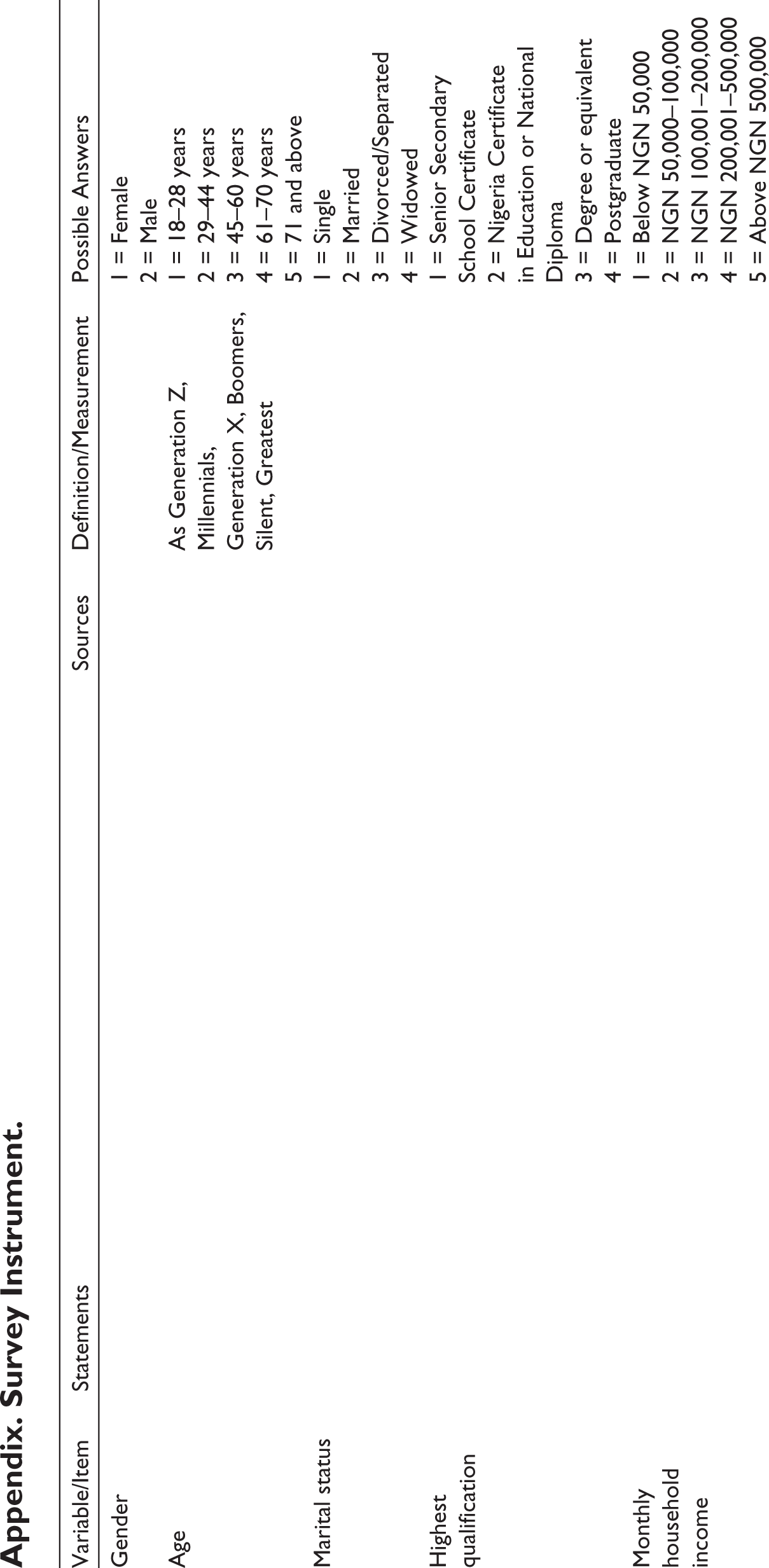
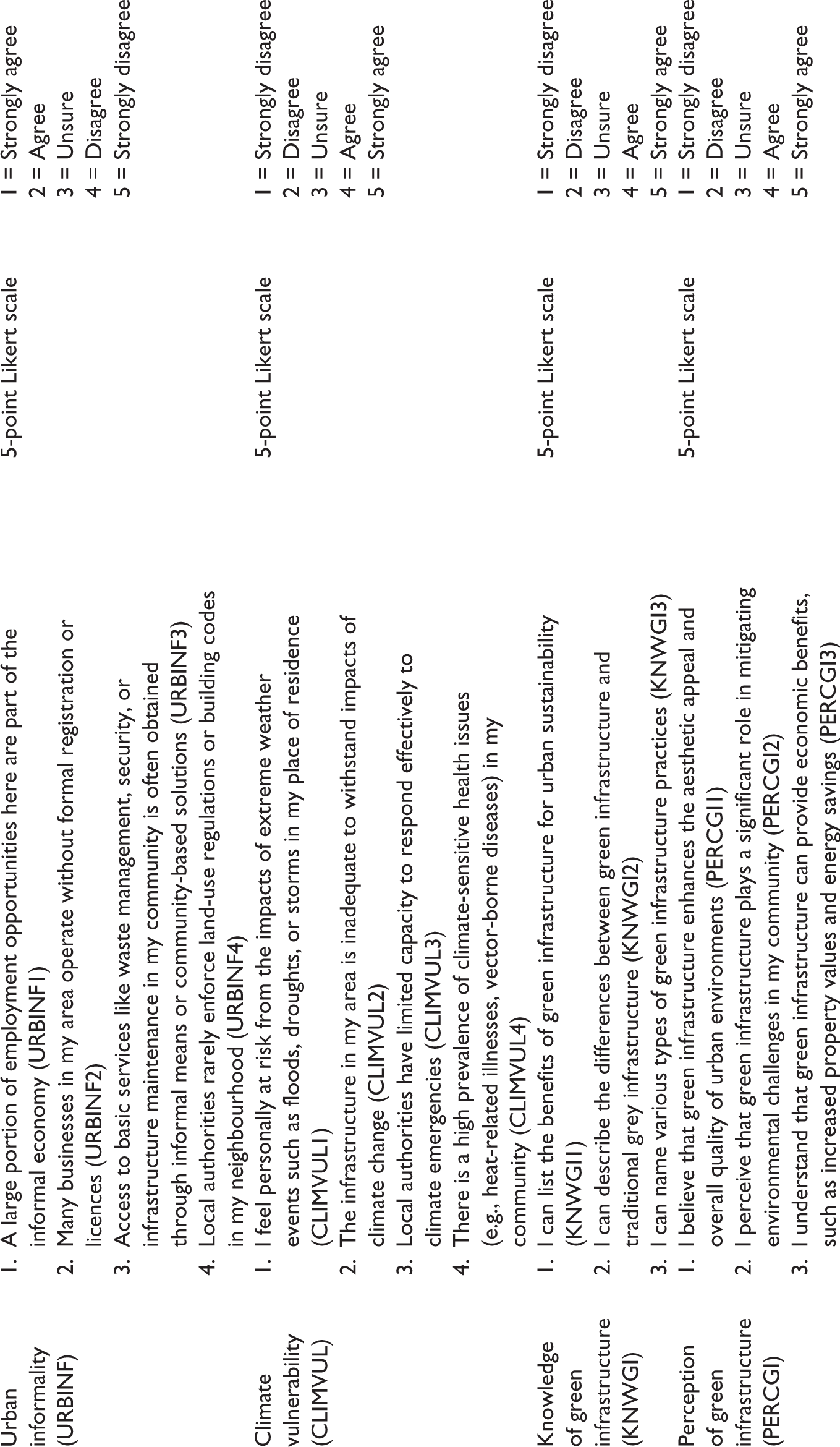
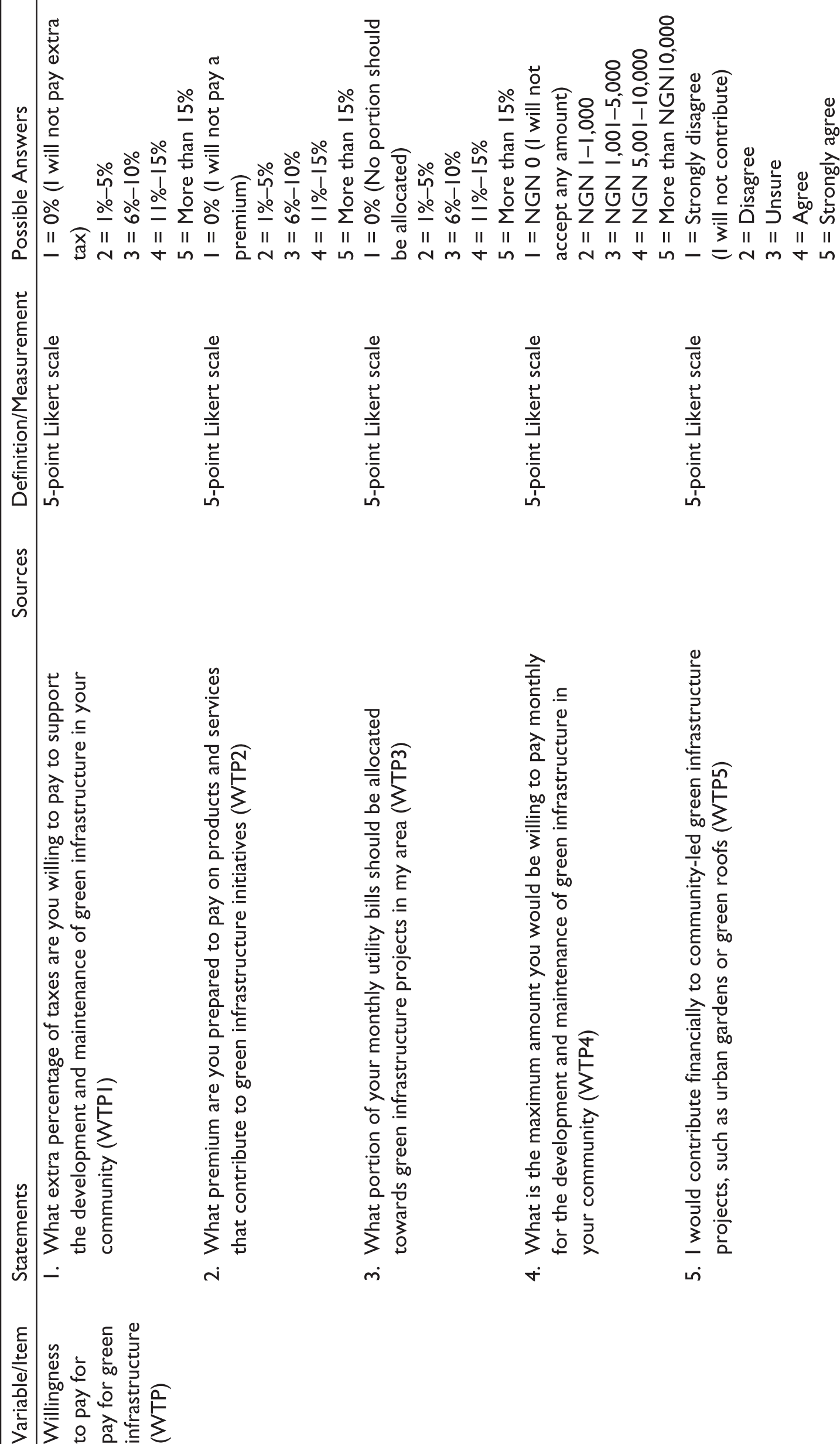
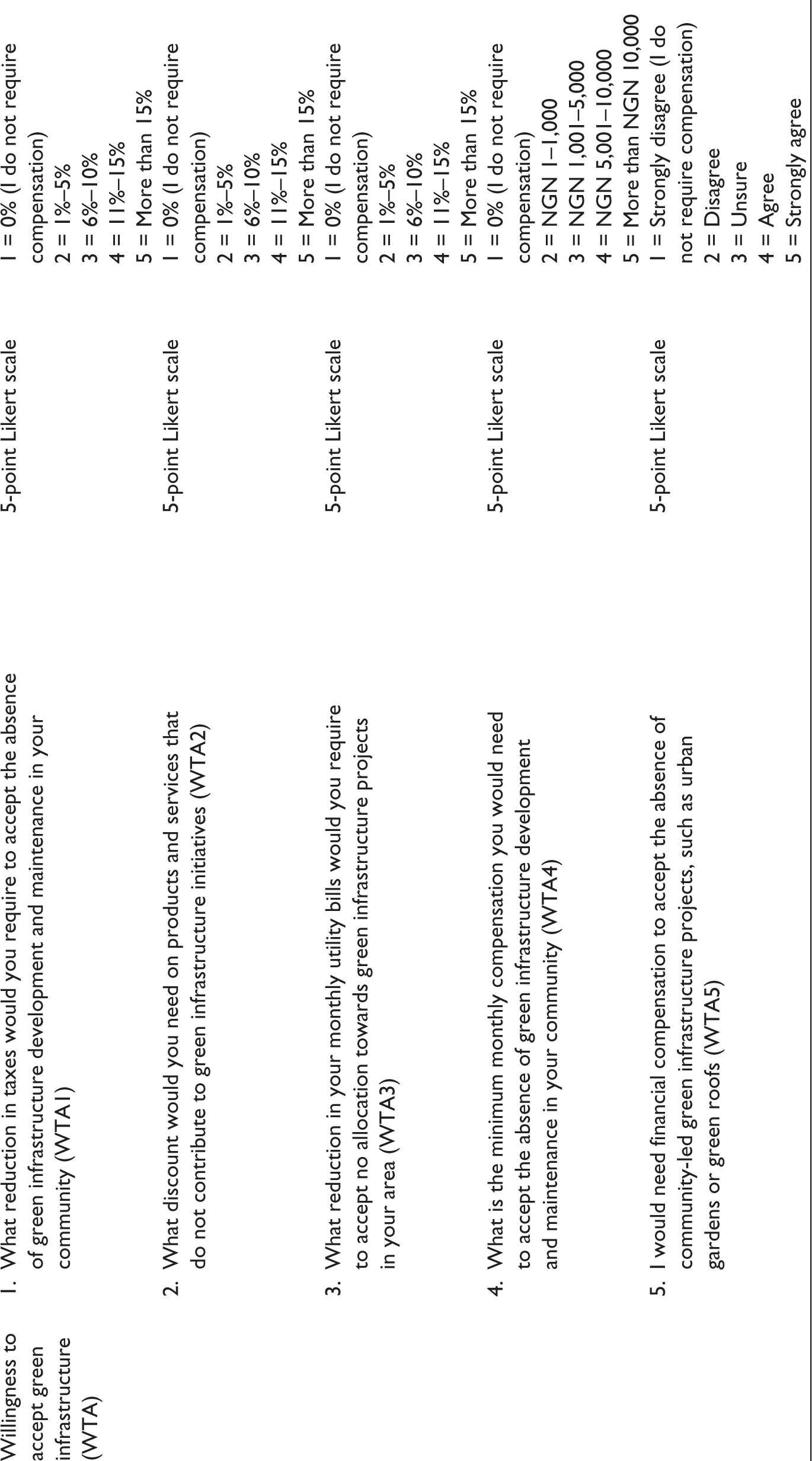
| Variable/Item | Statements | Sources | Definition/Measurement | Possible Answers |
| Gender | 1 = Female 2 = Male |
|||
| Age | As Generation Z, Millennials, Generation X, Boomers, Silent, Greatest | 1 = 18–28 years 2 = 29–44 years 3 = 45–60 years 4 = 61–70 years 5 = 71 and above |
||
| Marital status | 1 = Single 2 = Married 3 = Divorced/Separated 4 = Widowed |
|||
| Highest qualification | 1 = Senior Secondary School Certificate 2 = Nigeria Certificate in Education or National Diploma 3 = Degree or equivalent 4 = Postgraduate |
|||
| Monthly household income | 1 = Below NGN 50,000 2 = NGN 50,000–100,000 3 = NGN 100,001–200,000 4 = NGN 200,001–500,000 5 = Above NGN 500,000 |
|||
| Urban informality (URBINF) | 1. A large portion of employment opportunities here are part of the informal economy (URBINF1) 2. Many businesses in my area operate without formal registration or licences (URBINF2) 3. Access to basic services like waste management, security, or infrastructure maintenance in my community is often obtained through informal means or community-based solutions (URBINF3) 4. Local authorities rarely enforce land-use regulations or building codes in my neighbourhood (URBINF4) |
5-point Likert scale | 1 = Strongly agree 2 = Agree 3 = Unsure 4 = Disagree 5 = Strongly disagree |
|
| Climate vulnerability (CLIMVUL) | 1. I feel personally at risk from the impacts of extreme weather events such as floods, droughts, or storms in my place of residence (CLIMVUL1) 2. The infrastructure in my area is inadequate to withstand impacts of climate change (CLIMVUL2) 3. Local authorities have limited capacity to respond effectively to climate emergencies (CLIMVUL3) 4. There is a high prevalence of climate-sensitive health issues (e.g., heat-related illnesses, vector-borne diseases) in my community (CLIMVUL4) |
|
5-point Likert scale | 1 = Strongly disagree 2 = Disagree 3 = Unsure 4 = Agree 5 = Strongly agree |
| Knowledge of green infrastructure (KNWGI) | 1. I can list the benefits of green infrastructure for urban sustainability (KNWGI1) 2. I can describe the differences between green infrastructure and traditional grey infrastructure (KNWGI2) 3. I can name various types of green infrastructure practices (KNWGI3) |
|
5-point Likert scale | 1 = Strongly disagree 2 = Disagree 3 = Unsure 4 = Agree 5 = Strongly agree |
| Perception of green infrastructure (PERCGI) | 1. I believe that green infrastructure enhances the aesthetic appeal and overall quality of urban environments (PERCGI1) 2. I perceive that green infrastructure plays a significant role in mitigating environmental challenges in my community (PERCGI2) 3. I understand that green infrastructure can provide economic benefits, such as increased property values and energy savings (PERCGI3) |
|
5-point Likert scale | 1 = Strongly disagree 2 = Disagree 3 = Unsure 4 = Agree 5 = Strongly agree |
| Willingness to pay for pay for green infrastructure (WTP) | 1. What extra percentage of taxes are you willing to pay to support the development and maintenance of green infrastructure in your community (WTP1) |
5-point Likert scale | 1 = 0% (I will not pay extra tax) 2 = 1%–5% 3 = 6%–10% 4 = 11%–15% 5 = More than 15% |
|
| 2. What premium are you prepared to pay on products and services that contribute to green infrastructure initiatives (WTP2) | 5-point Likert scale | 1 = 0% (I will not pay a premium) 2 = 1%–5% 3 = 6%–10% 4 = 11%–15% 5 = More than 15% |
||
| 3. What portion of your monthly utility bills should be allocated towards green infrastructure projects in my area (WTP3) | 5-point Likert scale | 1 = 0% (No portion should be allocated) 2 = 1%–5% 3 = 6%–10% 4 = 11%–15% 5 = More than 15% |
||
| 4. What is the maximum amount you would be willing to pay monthly for the development and maintenance of green infrastructure in your community (WTP4) | 5-point Likert scale | 1 = NGN 0 (I will not accept any amount) 2 = NGN 1–1,000 3 = NGN 1,001–5,000 4 = NGN 5,001–10,000 5 = More than NGN 10,000 |
||
| 5. I would contribute financially to community-led green infrastructure projects, such as urban gardens or green roofs (WTP5) | 5-point Likert scale | 1 = Strongly disagree (I will not contribute) 2 = Disagree 3 = Unsure 4 = Agree 5 = Strongly agree |
||
| Willingness to accept green infrastructure (WTA) | 1. What reduction in taxes would you require to accept the absence of green infrastructure development and maintenance in your community (WTA1) |
5-point Likert scale | 1 = 0% (I do not require compensation) 2 = 1%–5% 3 = 6%–10% 4 = 11%–15% 5 = More than 15% |
|
| 2. What discount would you need on products and services that do not contribute to green infrastructure initiatives (WTA2) | 5-point Likert scale | 1 = 0% (I do not require compensation) 2 = 1%–5% 3 = 6%–10% 4 = 11%–15% 5 = More than 15% |
||
| 3. What reduction in your monthly utility bills would you require to accept no allocation towards green infrastructure projects in your area (WTA3) | 5-point Likert scale | 1 = 0% (I do not require compensation) 2 = 1%–5% 3 = 6%–10% 4 = 11%–15% 5 = More than 15% |
||
| 4. What is the minimum monthly compensation you would need to accept the absence of green infrastructure development and maintenance in your community (WTA4) | 5-point Likert scale | 1 = 0% (I do not require compensation) 2 = NGN 1–1,000 3 = NGN 1,001–5,000 4 = NGN 5,001–10,000 5 = More than NGN 10,000 |
||
| 5. I would need financial compensation to accept the absence of community-led green infrastructure projects, such as urban gardens or green roofs (WTA5) | 5-point Likert scale | 1 = Strongly disagree (I do not require compensation) 2 = Disagree 3 = Unsure 4 = Agree 5 = Strongly agree |