







Abstract
The heteroaromatic azo-polymer poly(azo-thiourea) has been prepared using 4-(4-aminobenzyl)benzenamine and diazonium salt solution of 2,6-diaminopyridine. The polymer was processable using polar organic solvents and had high molar mass of 62 × 103 gmol−1. Various concentrations of azo-filler were blended in solution phase using tetrahydrofuran or dimethylformamide with poly(styrene–butadiene–styrene). Morphology, thermal, and mechanical properties of styrene–butadiene–styrene/poly(azo-thiourea)blends have been studied using field-emission scanning electron microscopy, thermogravimetric analysis, differential scanning calorimetry, and tensile tests. Field-emission scanning electron microscopy micrographs of styrene–butadiene–styrene/poly(azo-thiourea) blends revealed fine granular filler dispersion in the matrix and development of conducting pathways. Accordingly, filler content from 10 to 60 wt% increased the conductivity from 0.99 × 10⁻¹ to 1.61 S cm−1. A relationship between poly(azo-thiourea) loading and thermal stability of the materials was evident. Temperature for 10 wt% thermogravimetric weight loss increased from 467℃ to 483℃, while glass transition was enhanced from 151℃ to 155℃. Thermal and conductivity properties showed better results relative to pristine elastomer but less significant than the conducting filler used. Tensile properties were also dependent on the solvent used. In the dimethylformamide cast system, elongation at break was 345–387% versus the tetrahydrofuran system at 33–38%. The dimethylformamide cast blends tensile modulus was 599–769 MPa versus 876–1032 MPa for the tetrahydrofuran system. Thermal and conductivity behaviors were the same for both hybrid systems. Stress-induced birefringence in these blends has also been studied to find out the suitability of materials for waveguide applications.
Keywords
Introduction
With the discovery of intrinsically conducting polymers, a fascinating subject of research has been initiated due to the attractive characteristics and several application potentials of these materials. 1 Polymers with intrinsic electrical conductivity have a wide range of commercial relevance such as rechargeable batteries, electro-rheological materials, and sensors.2,3 However, these intrinsically conductive polymers may have poor thermal stability along with deprived mechanical properties.4,5 A successful approach to surmount these tribulations has been the fabrication of such composite or blend materials that enclose conductive polymer dispersed in thermoplastic elastomer. In this regard, various techniques have been exploited to introduce a conductive polymer into an insulating matrix such as thermomechanical mixing, solution mixing and electrochemical methods.6,7 Among the conducting polymers, polyaniline (PANI) is quite promising because of its ease of synthesis, low cost, and tunable properties. 8 The conductivity of PANI can be improved through the selection of a suitable dopant and level of doping and also by controlling its structure during synthesis. 9 Elastomer blends have been constantly exploited in various industries to attain finest conciliation of physical properties along with processability, price, etc. Incidentally, styrene–butadiene block copolymers constitute an essential group of thermoplastic elastomers. Consequently, poly(styrene–butadiene–styrene) (SBS) triblock copolymer has been subjugated as matrix for conductive materials. Among heterogeneous systems, one constituted by SBS as insulating matrix is rather beneficial because of its thermoplastic-elastomeric nature and exceptional mishmash of physical properties and solvent miscibility. 10 SBS may present a morphology segregated into different phases attributable to thermodynamic incompatibility of polystyrene and polybutadiene blocks. 11 Some studies regarding SBS block copolymer melt-blended with PANI have been found in the literature. Furthermore, research has also been conducted related to conducting SBS/PANI blends by solution process.12–14 Conducting blends of SBS/PANI or polypyrrole have also been developed.15–18
In this article, we reported on an electrically conductive, soluble, and thermally stable heteroaromatic poly(azo-thiourea) (PAT) as filler. The aim of this study was to investigate electrically conductive blends produced by combining an elastomeric material SBS with different amounts of PAT using a solution mixing method. Solution blending of SBS with PAT, instead of some traditional conducting polymeric filler, produced high-performance blend materials. Mechanical strength, electrical conductivity, heat stability, and morphology of SBS/PAT blends have been studied as a function of the increasing heteroaromatic azo-filler content. Comparison of the physical properties with respect to pure SBS and PAT and structure–property relationship in SBS/PAT blends has also been made. Owing to the outstanding properties, novel materials can be utilized in electronic, automotive and other engineering film applications.
Experimental
Materials
Poly(styrene-co-butadiene) (styrene 45 wt%), color: off-white; form: rubbery chunk; density: 0.965 g mL−1 at 25℃, 2,6-daminopyridine (97%), and 4-(4-aminobenzyl)benzenamine (ABA) (97%) were provided by Aldrich. Ammonium thiocyanate (98%) and tetrahydrofuran (THF) (99.5%) were procured from Merck.
Measurements
NMR spectra were scanned at room temperature using BRUKER Spectrometer (300.13 MHz for 1H NMR) in deuterated dimethyl sulfoxide (DMSO-d6). IR spectra were recorded using Fourier transform infrared (FTIR) Spectrometer, Model No. FTSW 300 MX, manufactured by BIO-RAD (4 cm−1 resolution). The number and weight-average molecular weight (Mn and Mw) were calculated through gel permeation chromatography using THF as an eluent and refractive index detector. Field-emission scanning electron microscopy (FESEM) of freeze fractured samples was performed using JSM5910, JEOL Japan. Samples were first frozen by placing in liquid nitrogen, and then fractured for morphology study. Thermal stability was verified by METTLER TOLEDO thermogravimetric analysis (TGA)/SDTA 851e thermo gravimetric analyzer using 1–5 mg of the sample in Al2O3 crucible at a heating rate of 10 C min−1. Differential scanning calorimetry (DSC) was performed by METTLER TOLEDO DSC 822e differential scanning calorimeter taking 5–10 mg of samples in aluminum pans and heated at a rate 10℃ min−1. Electrical conductivity of thin films was measured using a Keithley 614 electrometer and the four-probe method. Stress–strain response of the samples was obtained on Universal Testing Machine INSTRON 4206 according to the ASTM 638 method. A crosshead speed of 100 mm min−1 was used during the test. Bright field microscopy was performed using an Olympus CKX41 inverted microscope equipped with a Basler area scan camera.
Synthesis of monomer
Synthesis of 1-(4-(4-thiocarbamoylaminobenzyl)-phenyl)thiourea
On a steam bath, ABA (0.2 mol), concentrated HCl (16 mL), ammonium thiocyanate (0.2 mol), and deaerated water (120 mL) were mixed and heated in a porcelain dish (2 h). The mixture was allowed to cool down to room temperature. The mixture was then evaporated to dryness (6–7 h). The product was boiled with small quantity of charcoal (ethanol), filtered, and cooled. Finally, 1 -(4-(4-thiocarbamoylaminobenzyl)-phenyl)thiourea (TCABPT) was re-crystallized from methanol and dried under vacuum at 90℃ (36 h). 19 Elemental Anal. Calcd for C15H16N4S2 (%): C, 56.93; H, 5.10; N, 17.71. Found (%): C, 56.39; H, 4.92; N, 17.21. FTIR (KBr): 3409 cm−1, 3336 cm−1 (N–H stretch), 3016 cm−1 (aromatic C–H stretch), 2917 cm−1 (aliphatic C–H stretch), 1595 cm−1 (N–H bend), 1411 cm−1 (C–N stretch), 1155 cm−1 (C = S stretch). 1H NMR (300.13 MHz, DMSO-d6, δ ppm): 4.21 (s, 4H, Ha), 9.45 (s, 2H, Hb), 6.31 (d, 4H, Hc), 6.77 (d, 4H, Hd), 3.72 (s, 2H, He). 13 C NMR (75.47 MHz, DMSO-d6, δ ppm): thiocarbonyl C=S 173.2 (C1), 131.4 (C2), 127.2 (C3), 129.9 (C4), 137.2 (C5), 47.9 (C5).
Diazotization
2,6-Diaminopyridine (0.04 mol) was first added to concentrated hydrochloric acid (10 mL) and then dissolved in distilled water (50 mL). The mixture was placed in a freezing-bath to cool to −10℃, ensuing a brown-colored precipitate. To the above suspension, 0.04 mol sodium nitrite solution (20 mL) was added with constant stirring. After complete addition, the mixture was stirred for 1 h at −10℃, to avoid the decomposition of diazonium salt. At the end, excess nitrite was removed by the addition of urea (2 g) with stirring of 20 min, resulting in a brown-colored diazonium salt solution.
Synthesis of PAT
TCABPT (0.02 mol) was dissolved in sodium hydroxide (10%) and the diazonium salt solution obtained (see section ‘Diazotization’) was added dropwise keeping the temperature below −10℃. After 3 h of stirring, the mixture was acidified with dilute HCl (10%). The resulting precipitate was filtered, washed with hot water, and then with hydrochloric acid (3%). The precipitate was again dissolved in sodium hydroxide (3%) followed by re-precipitation in HCl.
20
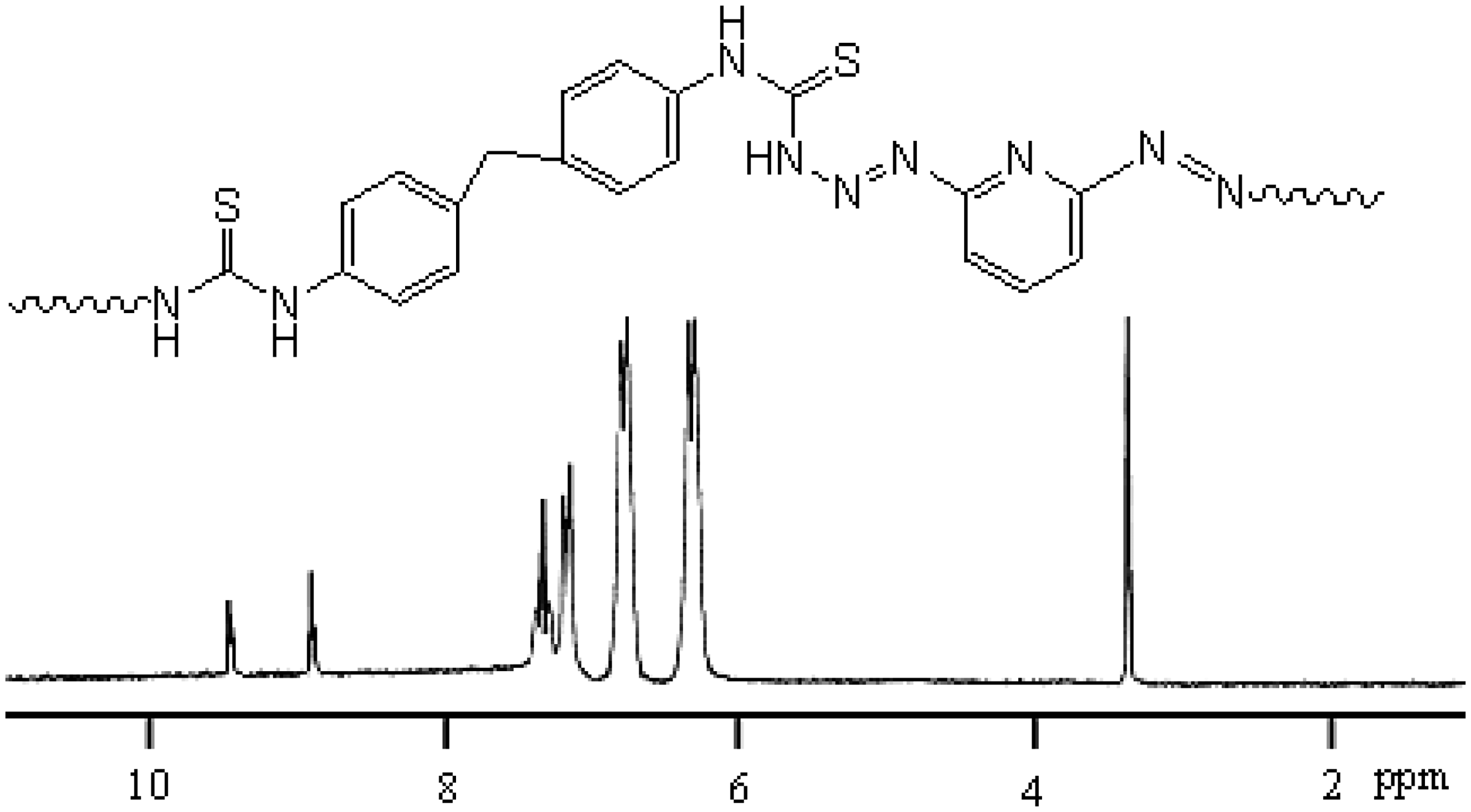
The polymer was dried under vacuum at 80℃. FTIR (KBr) (Figure 1): 3244 and 1595 cm−1 (sec. amine N–H stretch and bend), 3088 cm−1 (aromatic C–H stretch), 2827 and 2893 cm−1 (aliphatic C–H stretch), 1414 cm−1 (−N = N− stretch), 1124 cm−1 (C = S stretch), and 827 cm−1 (C–S stretching). 1H NMR (300.13 MHz, DMSO-d6, δ ppm) (Figure 2): 8.83 (s), 9.95 (s) (N–Hs chemical shifts), 7.19 (d), 7.34 (t) (pyridine unit), 6.33 (d), 6.71 (d) (diamine unit), 3.31 (CH2).
Fourier transform infrared spectrum of poly(azo-thiourea). 1H NMR spectrum of poly(azo-thiourea).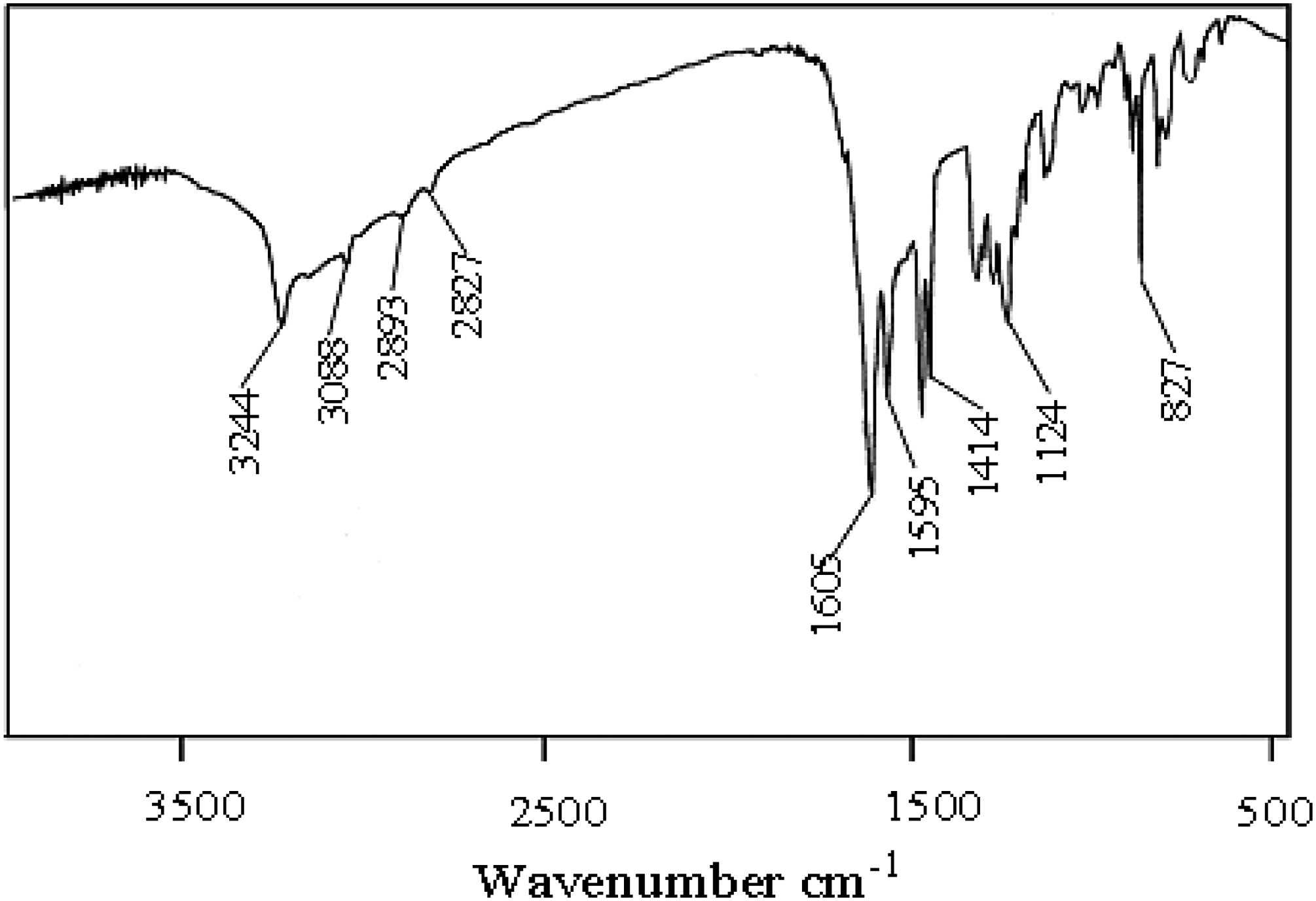
Fabrication of PAT/SBS blends
Solution blending technique was employed for the preparation of novel materials. Solutions of pure SBS and pure PAT were prepared in THF and dimethylformamide (DMF), individually. PAT solution was added to the solution of SBS at desired proportions (10, 30, and 60 wt%). SBS/PAT 10 was, thus, prepared by mixing a solution of SBS dissolved in THF with the solution of 10 wt% PAT. Similarly, elastomer dissolved in THF was blended with 30 and 60 wt% PAT (THF). The mixed solutions were ultrasonicated (30 W and 50 Hz) for 5 h. Thin blend films were prepared by pouring the blend solution on glass Petri dishes, and the solvent was evaporated at 60℃ for 24 h. Similarly, thin films for pure SBS and PAT were casted. The films obtained were subjected to various characterization techniques.
Results and discussion
Preparation of PAT and SBS/PAT blends
Mechanical testing
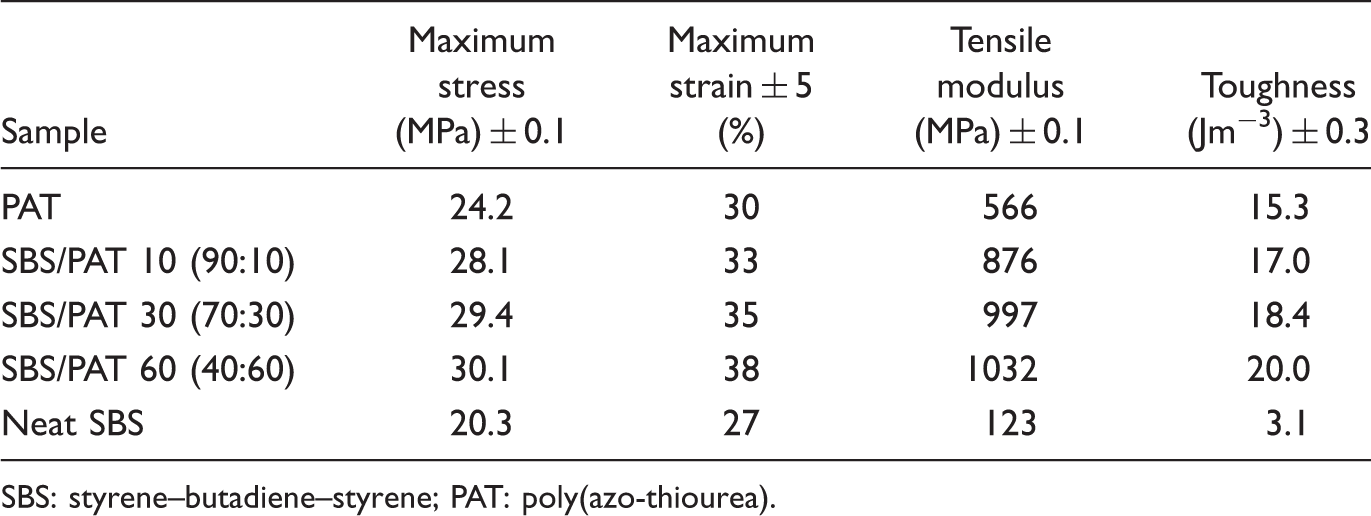
With the addition, a continued increase in tensile modulus was obvious, as it showed an increase up to 1032 MPa for 60 wt% PAT, and from 876 MPa for 10 wt% PAT in the matrix. Toughness, estimated by integrating the area under stress–strain curve, of blend with 10 wt% conducting heteroaromatic filler showed a value of 17.0 J m−3 that increased with further addition of reinforcement, as 18.4 J m−3 for 30 wt%, and a maximum of 20.0 J m−3 for 60 wt% content.
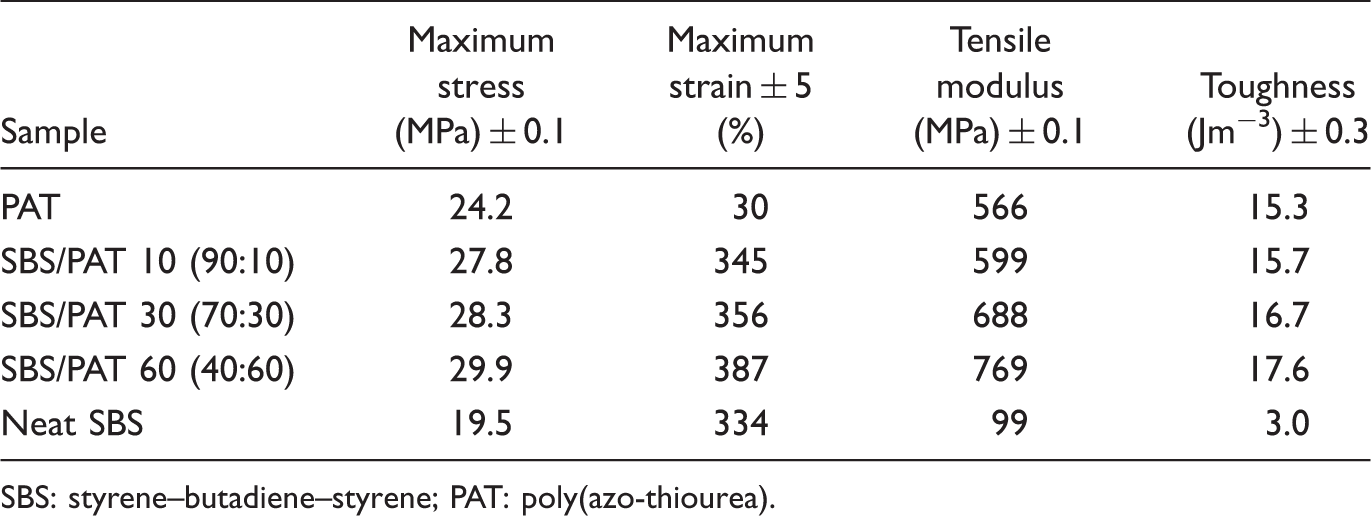
To study the effect of the solvent used on the tensile properties of SBS/PAT blends, another series of same hybrids was cast using DMF as solvent. It is generally known that the mechanical properties of solution cast styrenic block copolymer elastomer systems strongly depend on the type of solvent. Depending on the composition of thermoplastic elastomer, casting from some solvents may result in extremely stiff and brittle materials. On the other hand, casting the same polymer from some other solvents would result in conventional elastomeric properties; however, the chemical composition of the elastomer is the same. 10 In our case, THF cast neat SBS and blends were stiffer in nature, whereas casting of the same SBS/PAT blends system using DMF resulted in less rigid materials having larger strain values. From the data presented in Table 2, it can be seen that DMF solvent created a less stiff material with enhanced elongation at break around 345–387%. However, the tensile modulus suffered a decrease of 599–769 MPa. Evidently, use of a more polar aprotic solvent DMF renders the hybrids with the conventional elastomeric properties.
The mechanical properties of the blends were, thus, improved with the addition of conducting polymer and tensile measurement indicated that azo-filler imparted strength to the elastomer. Currently, the research work on embrittling, fracture, and toughening mechanisms of blends is still in progress in our laboratory.
Morphological aspect
Mechanical properties of SBS/PAT blends (tetrahydrofuran).
SBS: styrene–butadiene–styrene; PAT: poly(azo-thiourea).
Mechanical properties of SBS/poly(azo-thiourea) (PAT) blends (dimethylformamide).
SBS: styrene–butadiene–styrene; PAT: poly(azo-thiourea).
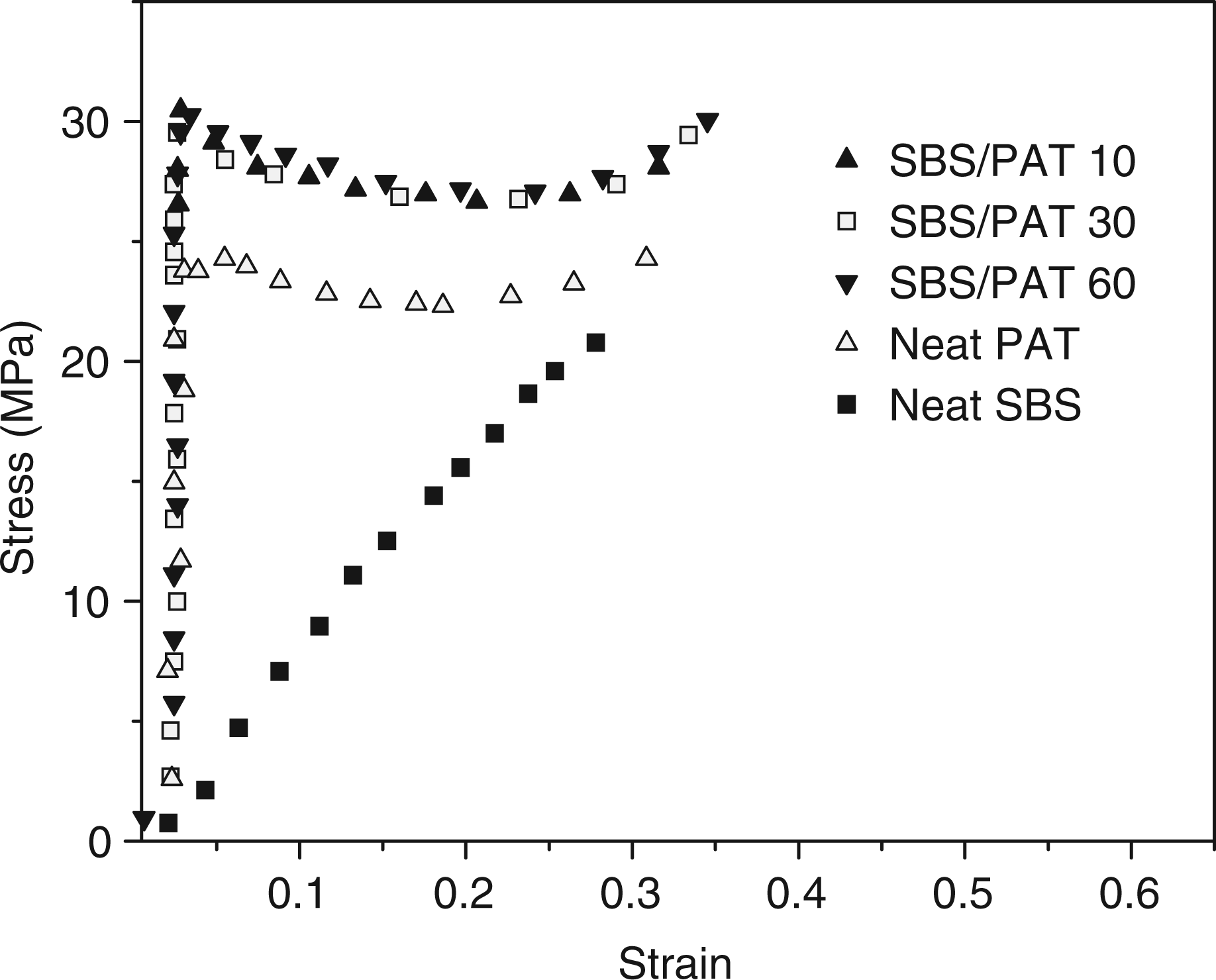
Stress–strain curves of SBS and SBS/PAT blends.
FESEM images of new SBS/PAT blends are shown in Figure 4(a) to (d). We can see that the conducting filler was distributed in grainy form along with the matrix chains, forming a granular morphology. Because of fine solvent miscibility of heteroaromatic azo-polymer, these blends contain finely dispersed SBS and PAT phases forming a continuous structure that bridges the dispersed conducting phase, thus, promoting the conductivity of the material. Additionally, some holes/gaps formed during blending can be observed in the fractured specimen. Owing to the chemical affinity of hydrophobic chains of PAT with SBS, the matrix and azo-polymer were fairly compatible. The size of dispersed heteroaromatic azo-phase was increased from 10 to 60 wt% composition; the effect was more pronounced at 60 wt% filler content (Figure 4(d)). A better adhesion of dispersed phase in the matrix can be recognized in the micrograph along with a decrease in the number of holes. No conducting polymer aggregates were perceived in these micrographs. Higher level of molecular mixing constrained the chain conformation mobility and thus improved the conductivity performance of new blends. For better understanding of the results, micrographs for pure SBS (Figure 4(e)) and PAT (Figure 4(f)) are also shown. This morphology composed of dispersed nano-pores was accountable for fine conductivity in new blends as compared with previous SBS/PANI.
21
FESEM images of: (a) SBS/PAT 10 (1 µm), (b) SBS/PAT 10 (300 nm), (c) SBS/PAT 30 (500 nm), (d) SBS/PAT 60 (500 nm), (e) SBS (500 nm), and (f) PAT (500 nm).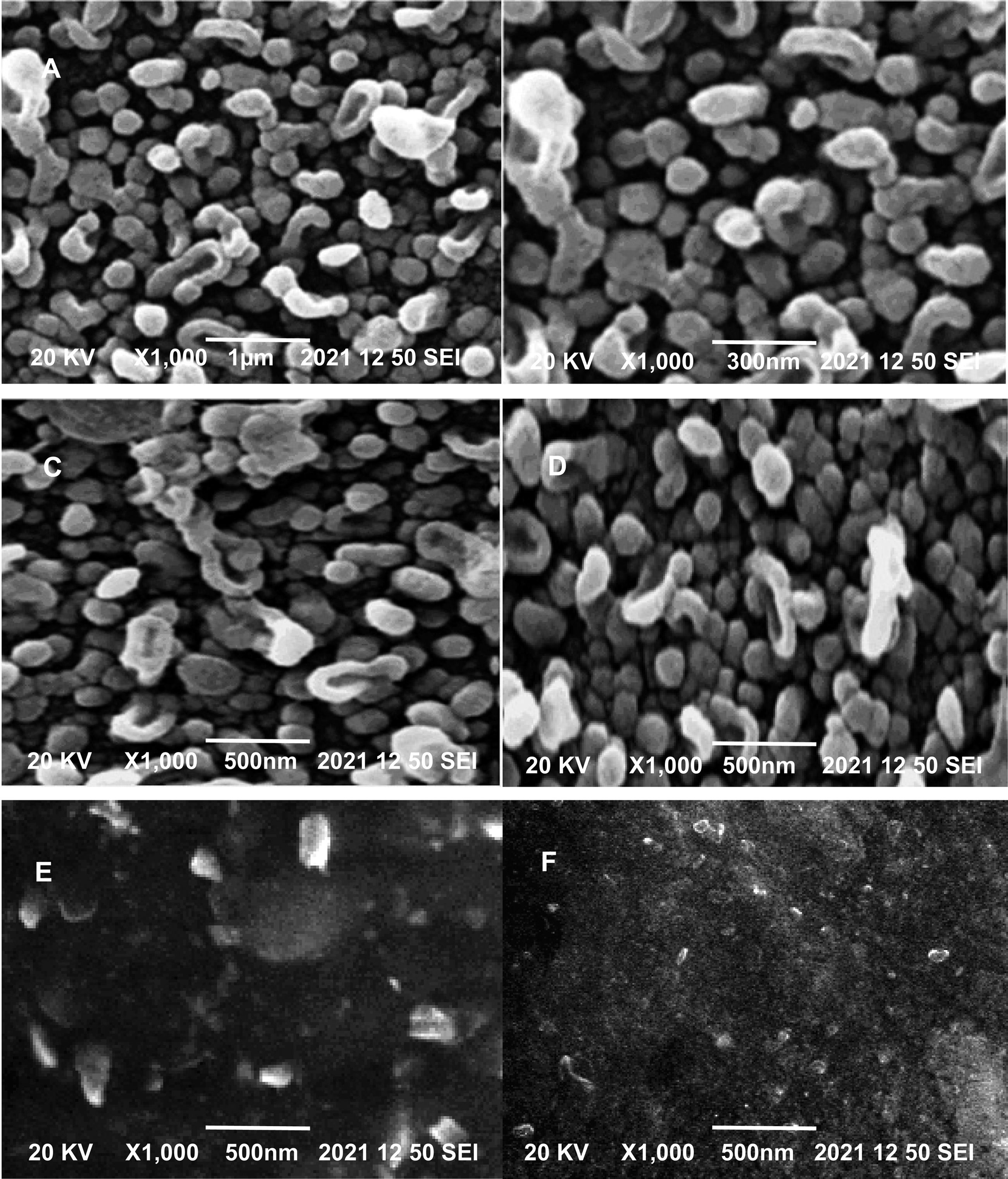
To gain better insight into the blend morphology, a thin film of SBS/PAT 10 was prepared for optical microscopic study. Figure 5 shows that the blend exhibited a typical two-phase morphology composed of round drops of diameter of several micrometers. The matrix which was the majority phase was expected to change to the continuous phase while filler was dispersed as spheres. This observation also supported the high-resolution studies by scanning electron microscopy.
Microscopic image of bright field of SBS/PAT 10 blend.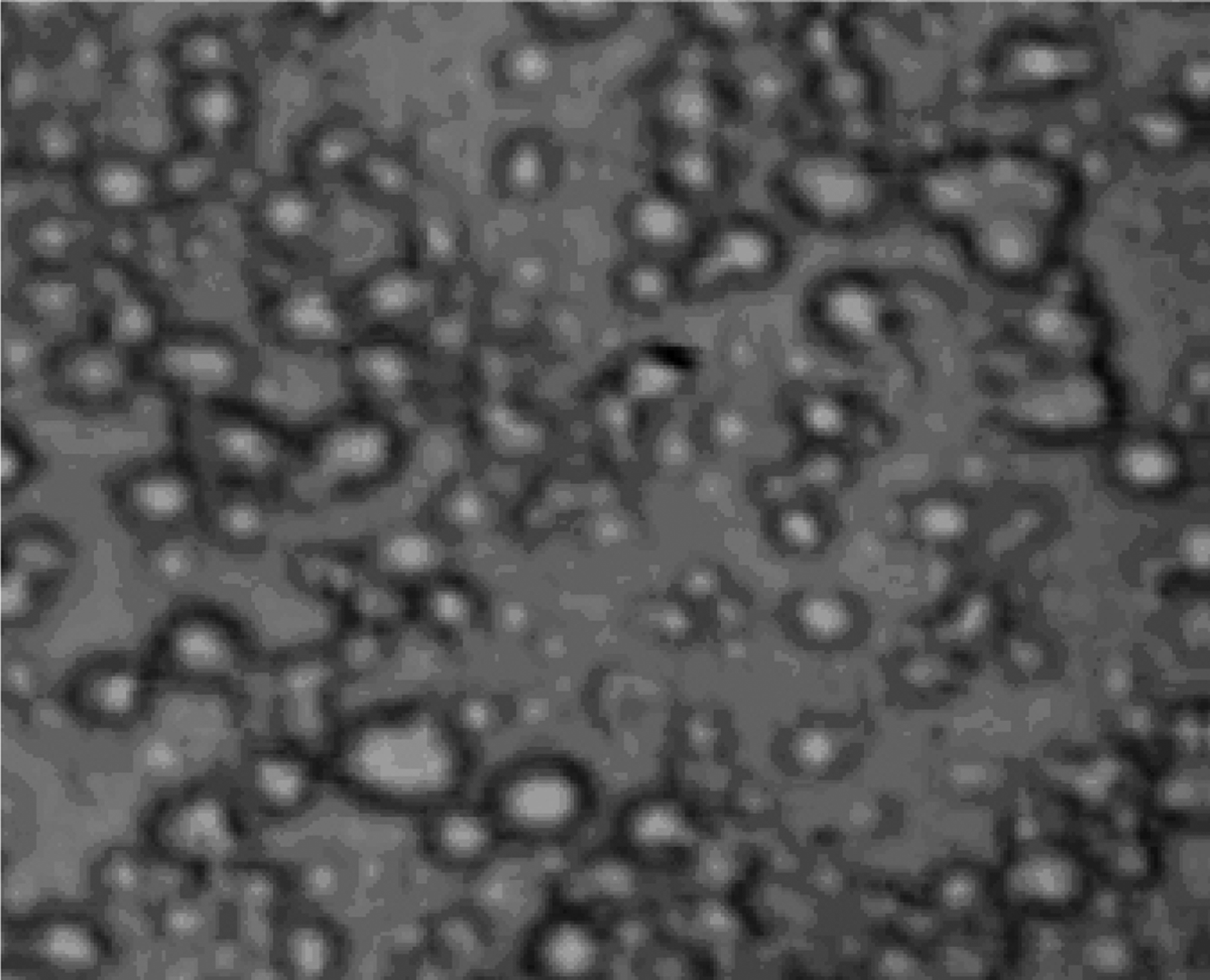
Thermal stability
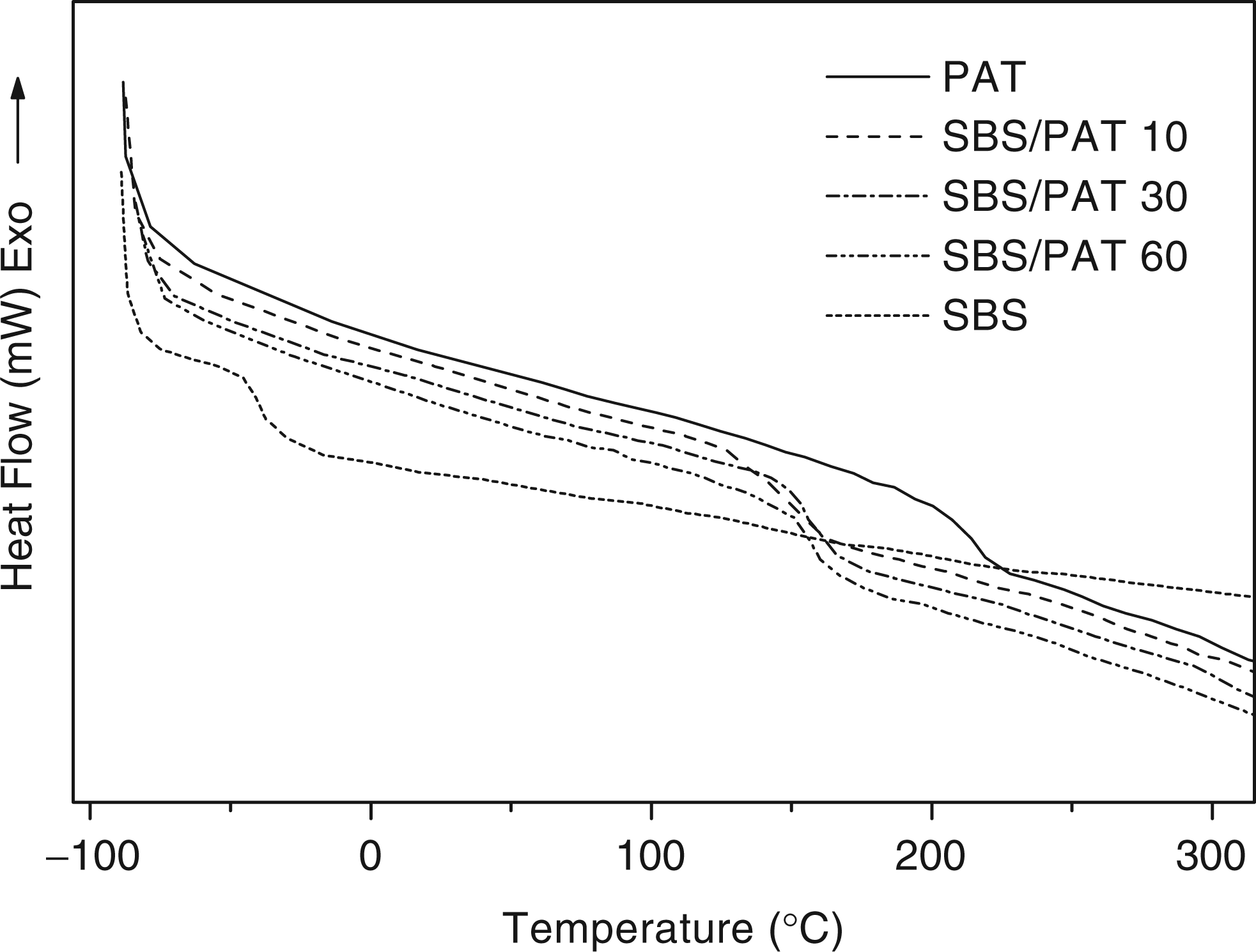
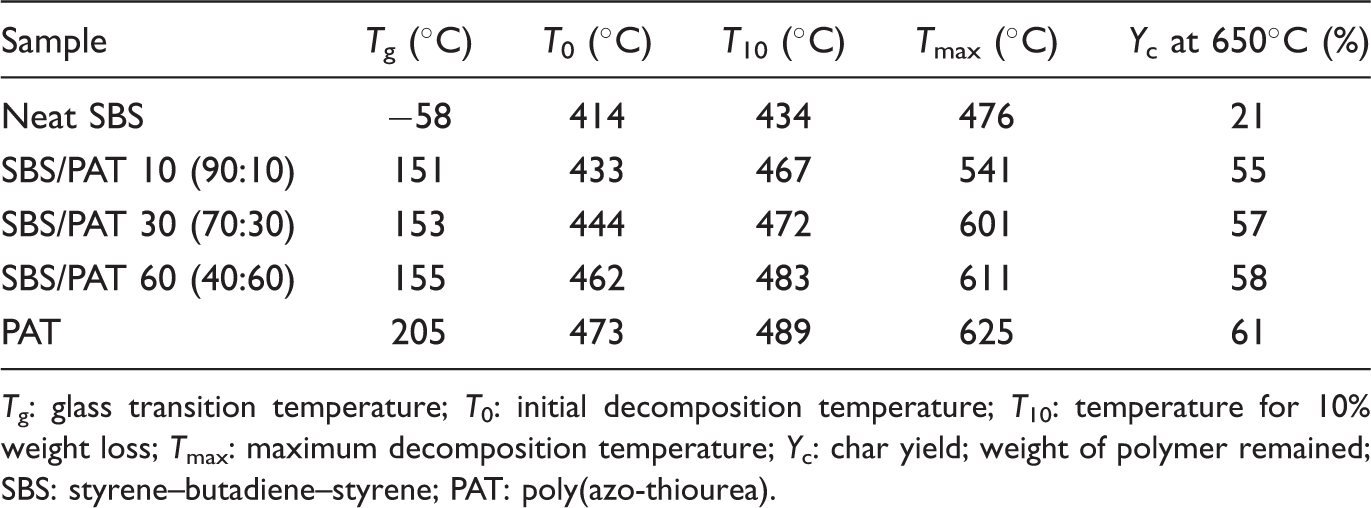
Thermal stability of pure SBS, SBS/PAT blends, and heteroaromatic azo-filler (THF or DMF cast) was investigated through TGA and DSC. Figure 6 depicts TGA thermograms of pure PAT, elastomer, and SBS/PAT blends and data are presented in Table 3. Azo-polymer showed somewhat two-stage decomposition starting at 473℃ and main weight loss occurred around 500℃ and 600℃. Thermogravimetric curve exhibited initial decomposition T0 at 433℃, 10% gravimetric loss at 467℃ and the decomposition continued up to 541℃, for 10 wt% filler blend. In contrast, increasing azo-filler from 30 to 60 wt%, the degradation occurred at further higher temperature. SBS/PAT 30 exhibited T0 of 444℃, T10 of 472℃, and Tmax up to 601℃. Whereas, SBS/PAT 60 showed higher heat stability amid new blends i.e. T0 of 462℃, T10 of 483℃, and Tmax was up to 611℃. Inclusion of reinforcement having rigid-rod azo design increased the heat stability of novel elastomeric blends significantly. Char yield of these blends was also high, 55–58% at 650℃, indicating good heat stability relative to SBS. However, the thermal stability values of pure PAT were higher, relative to blends, owing to rigid heteroaromatic structure. Figure 7 represents DSC thermograms of SBS/PAT blends containing 10–60 wt% filler and filler without SBS. Glass transition of neat PAT appeared at higher temperature 205℃ relative to those blended with the elastomer. Thermal transition for SBS/PAT 10–60 was recorded in the range 151–155℃. As obvious from the thermograms, a shift in Tg occurred to the right with the increasing filler content. The 90:10 blend showed relatively lower Tg value of 151℃ due to the flexibility of PAT backbone caused by the substitution of rigid bonds by freely rotating elastomer chains. However, SBS/PAT 30 and 60 were higher, 153℃ and 155℃, respectively. So, Tg values of new blends were, intermediate between that of the pure matrix (205℃) and the filler (−58℃). Thermal data, hence, exposed that the adding up of azo-polymer to SBS has affirmative effect on the thermal properties. Compared with the previously prepared SBS/PANI blends, the new materials were thermally more stable.22,23 Here, the change of solvent THF or DMF did not seem to affect the thermal properties or glass transition of new blends. The reason behind was that the thermal properties of polymeric systems depend on the chemical nature of backbone. The hybrids encompassed same chemical structure regardless of the solvent used in the processing, therefore depicted similar heat resistance.
Thermogravimetric analysis curves of poly(azo-thiourea) and blends at a heating rate of 10℃min−1 in N2. Differential scanning calorimetry thermograms of poly(azo-thiourea) and blends at heating rate of 10℃min−1 in N2.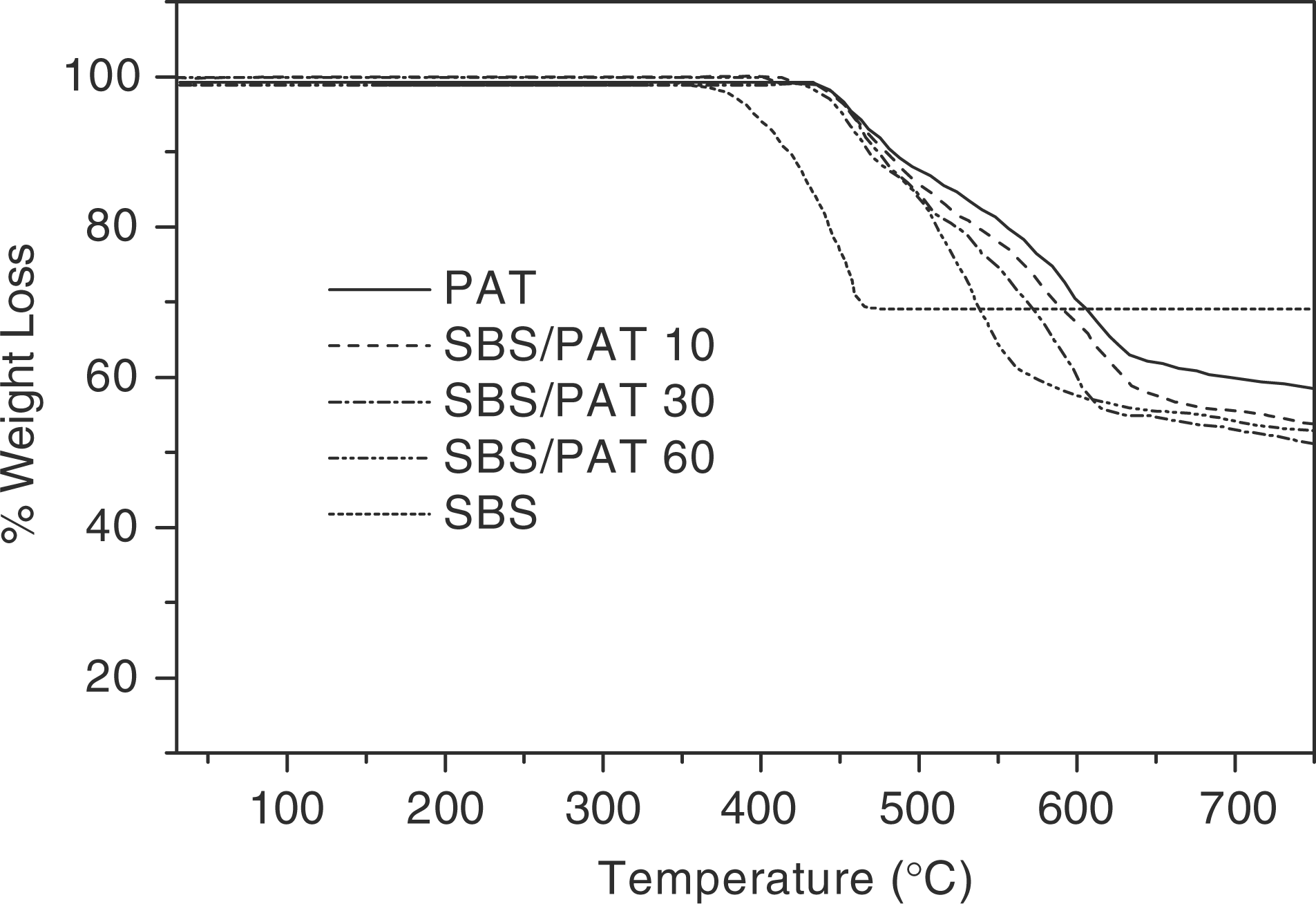
Scheme 1 illustrates the preparation of PAT, having the exclusive combination of azo and thiourea linkages, via simple route. High molar mass PAT (62 × 103 gmol−1) showed good solvent miscibility especially in THF. Structural architecture of PAT renders fine electrical conductivity and heat stability of new materials. Afterward, the conducting polymer was exploited as reinforcement in SBS elastomeric matrix to enhance the conducting, mechanical, and thermal properties of new materials. The increase in PAT content was, therefore, found to enhance the conductivity and other physical characteristics of SBS/PAT system.
Scheme for the synthesis of poly(azo-thiourea). Thermal analyses data of poly(azo-thiourea) (PAT) and blends (tetrahydrofuran or dimethylformamide). Tg: glass transition temperature; T0: initial decomposition temperature; T10: temperature for 10% weight loss; Tmax: maximum decomposition temperature; Yc: char yield; weight of polymer remained; SBS: styrene–butadiene–styrene; PAT: poly(azo-thiourea).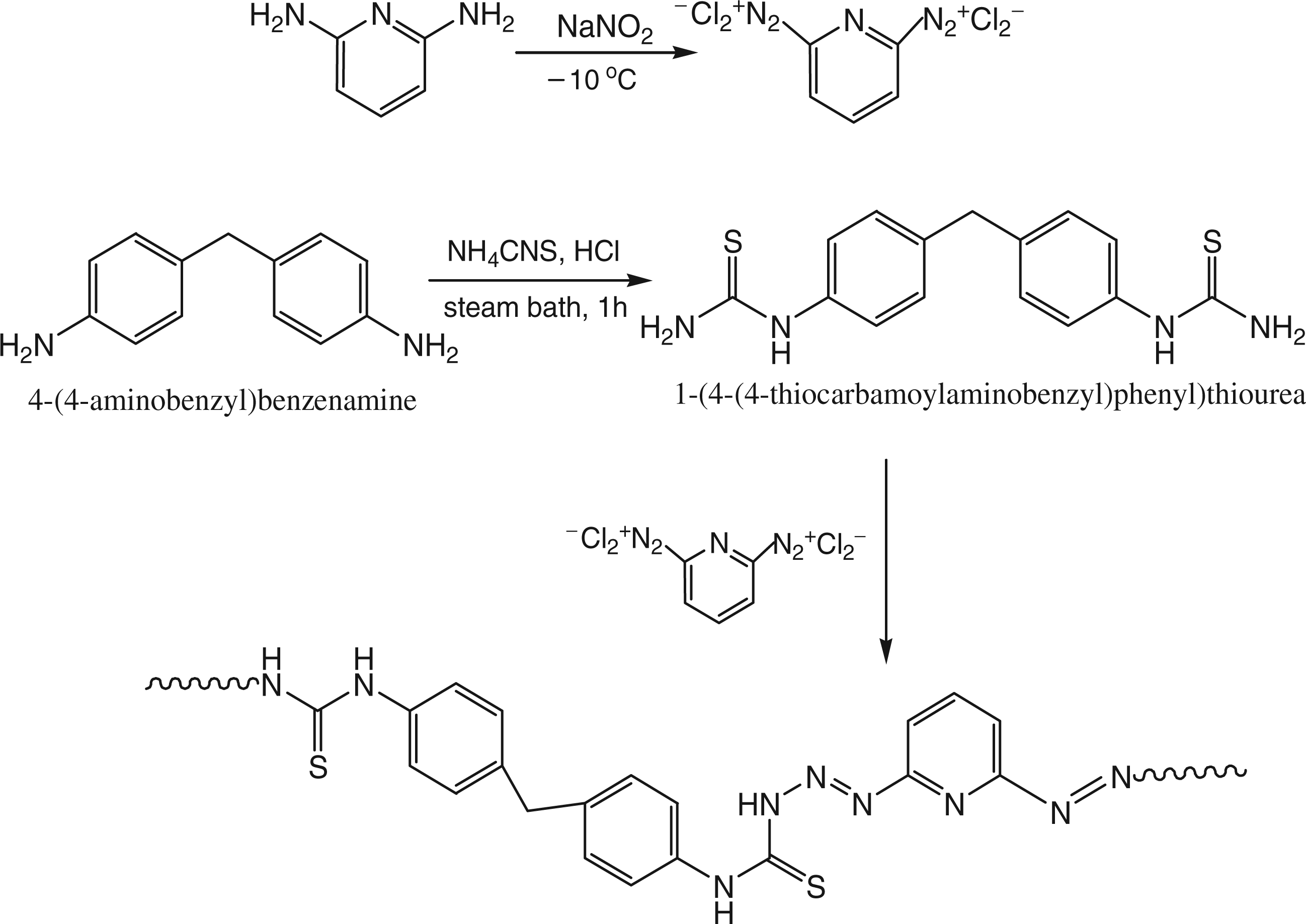
Electrical conductivity
Conductivity measurement of SBS/PAT blends (tetrahydrofuran or dimethylformamide).
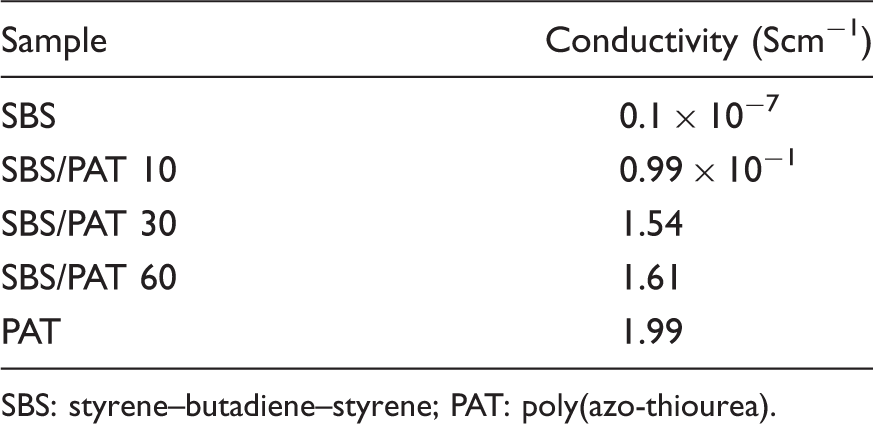
SBS: styrene–butadiene–styrene; PAT: poly(azo-thiourea).
The good conductivity was also obvious from the morphological investigations as azo-polymer along with SBS, formed certain conducting pathways. In the conductivity measurements, results obtained for THF or DMF solvent cast hybrids were essentially the same as shown in Table 4. The conductivity of SBS-based materials was actually due to the azo and heteroaromatic pyridine structure introduced in the matrix, therefore remained unaffected by the change of solvent.
Stress-induced birefringence in blends
Birefringence in polymer films measures polymer orientation, which is related to physical properties of the films. The polymer science studies have spotlighted the relationships between orientation of amorphous and semicrystalline polymers and their shrinkage, tensile properties, and tear resistance. For low orientations polymers, the stress and strain were related to birefringence. 26 The development and use of a birefringence technique for on-line or off-line quantitative measurement of orientation in transparent films, sheets and bottles have been significant in the materials science. 27 Similarly, the applications of a birefringence technique (on-line or off-line quantitative measurement of biaxial orientation) have been explored in transparent films and sheets of different thickness in which birefringence values from 0.0005 to 0.25 can be measured. 28 Moreover, polymers have been explored extensively in fabricating planar waveguides which plays an important role in the telecommunications industry. 29

Estimation of stress-caused birefringence in SBS/PAT 10.
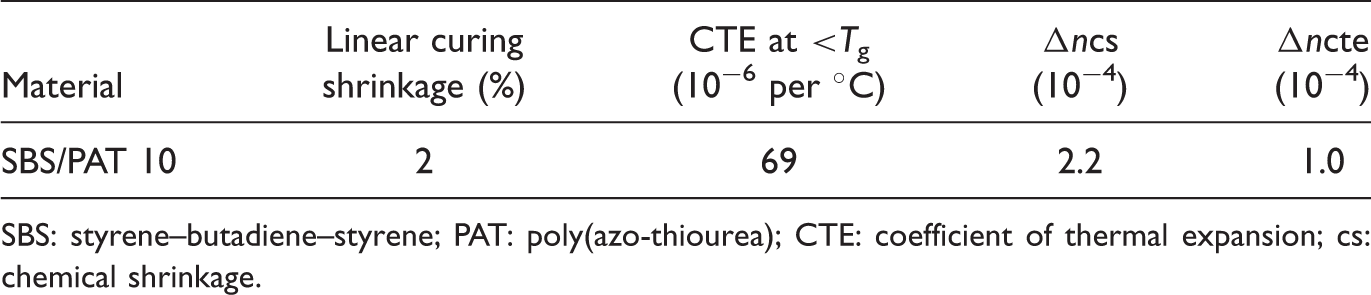
SBS: styrene–butadiene–styrene; PAT: poly(azo-thiourea); CTE: coefficient of thermal expansion; cs: chemical shrinkage.
Conclusion
The conducting heteroaromatic PAT have been prepared in this attempt using the solution blending technique. The article also demonstrated that the solution blending of SBS elastomer with PAT in THF or DMF resulted in new high-performance materials with improved properties compared with the pristine materials. Novel blends presented good electrical conductivity ranging from 0.99 × 10⁻¹ to 1.61 S cm−1; however, the conductivity value of pure azo-polymer was rather high 1.99 S cm−1. Owing to the affinity of hydrophobic chains of PAT with SBS, a fine granular morphology was observed promoting the conducting path ways. High-mechanical performance of the conductive blends was also observed. Tensile strength, modulus as well as toughness increased with the addition of the conductive component. Additionally, tensile properties were dependent on the solvent used. In DMF cast system, the elongation at break increased by 345–387% (33–38% in THF), whereas the tensile modulus of DMF cast blends suffered a decrease of 599–769 MPa. So the conventional elastomeric properties were observed in more polar aprotic solvent DMF, although, thermal and conductivity behaviors of the hybrids were independent of the solvent used. Thermal stability investigation suggested that blending SBS with 10–60 wt% PAT could produce heat stable materials with 10% gravimetric loss of 467–483℃ and glass transition of 151–155℃. Moreover, new heteroaromatic filler exhibited higher glass transition, thermal, and electrically conducting properties relative to the elastomer used and blends prepared owing to rigid backbone aromatic azo structure. Exclusive thermal, mechanical, and conducting properties supported by morphological profile also supported the fine miscibility in SBS/PAT blends.
Footnotes
Acknowledgments
A Kausar thanks the Higher Education Commission (HEC) of Pakistan for the financial support.
Conflict of interest
None declared.