







Abstract
As new environmentally friendly techniques, hydride materials have been proposed to be introduced to fast reactor (FR) cores in this paper. Hydrogen atoms in metal hydride can efficiently moderate fast neutrons. Based on this fact, some metal hydrides have been investigated for their potential environmentally friendly application as nuclear materials to be used in FR cores. Two types of utilisation of metal hydrides in FR cores are discussed in this paper. One is the application of hafnium hydride as neutron absorber in FR cores. The core design has been carried out to examine its characteristics as well as to evaluate the cost reduction effect. Demonstration of the fabrication of hydride pins has been performed using hydride pellets and stainless steel claddings. The coating technique of the inner cladding surface has also been developed to reduce the permeation of hydrogen through the stainless steel cladding. The physical and chemical properties of the pellet have been measured for the purpose of designing a hafnium hydride pin. Irradiation test of the hydride pins has been performed in the experimental FR, JOYO, Japan Atomic Energy Agency. The other application is the utilisation as a transmutation target of long lived nuclear wastes. Hydride fuel containing 237Np, 241Am and 243Am has been studied for a candidate transmutation target to be used to reduce the radioactivity of long lived nuclides contained in the nuclear wastes, which are obtained after reprocessing spent fuels.
Introduction
General aspects
Nuclear power plants can generate large amounts of electricity stably and almost without emitting CO2 to the environment. However, they generate high level radioactive wastes, i.e. long lived minor actinides (MAs) and long lived fission products, which may damage the human environment in the future. This is why it has been eagerly studied to transmute MAs and long lived fission products into stable or short lived nuclides. Transmutation of high level radioactive wastes can be achieved by their irradiation in fast reactors (FRs). Increasing the transmutation rate would be quite an environmentally friendly technology development.
In today's FRs, boron carbide (B4C) is utilised as neutron absorber, the life of which is rather short since it is limited by its swelling caused by the nuclear reaction of 10 B with neutrons to generate helium gas. To introduce a new material as neutron absorber that does not generate He would be another environmentally friendly technology development.
Application of hydrides to nuclear reactor cores
Some metal hydrides have high hydrogen atom densities nearly equivalent to that of liquid water. Fast neutrons are efficiently moderated by hydrogen atoms in such metal hydrides. So far, the hydride fuel consisting of U–Zr hydride developed by General Atomics has been in use worldwide for >40 years in a lot of Training, Research, Isotopes and General Atomics (TRIGA) reactors in both constant power and pulsed power operating conditions. 1 The TRIGA reactors were designed with inherent safety, guaranteed by the laws of nature. Much of the moderation of neutrons in TRIGA reactors is made due to the hydrogen atoms that are mixed with the fuel itself. In accidental conditions such as sudden removal of control rod(s), warming of neutrons inside the fuel causes diminishing rate of nuclear fission in the fuel, which leads to automatic reduction of the reactor power. Recently, application of hydride fuel for longer life light water reactor core designs has been studied by Olander and Ng 2 as a nuclear energy research initiative project of the Department of Energy, USA.
In this paper, two types of application of metal hydrides in FRs are discussed. One is the application of Hf hydride as neutron absorber for FRs.3,4 Today, B4C is widely used in FRs as the neutron absorber in control rods. The lifetime of the B4C control rod is limited by the pellet cladding mechanical interaction failure due to the swelling of B4C pellets. He gas is generated by the nuclear reaction of 10 B with neutron. Accumulation of He gas in the B4C pellet with increase in burn-up causes swelling of the pellets. On the other hand, the generation of 4 He is not involved in the nuclear reaction of Hf with neutrons. Fast neutrons generated in the driver fuel region are transported to the Hf hydride region of the control rod assembly, where they are moderated and efficiently captured by Hf atoms. The nuclear reaction processes of Hf with neutrons is expressed as 177Hf (n,γ) 178Hf (n,γ) 179Hf (n,γ) 180Hf, where 178Hf and so on, to be generated by the neutron capture reaction of 177Hf and so on, have also large neutron capture cross-sections. This implies that the Hf hydride control rod can be used longer than the B4C control rod.
The other application of hydride is utilisation as a transmutation target of long lived nuclear wastes. 5 A currently available method of final disposal of high level radioactive wastes is to vitrify them under rigid control, to store them in monitored spots until the radiation level decays to allowable ones and to dispose them underground. To reduce the need of work for this type of isolation, many kinds of transmutation methods have been proposed and studied. Transmutation rate, which is one of the most important indices to judge their validities, is mainly determined by the product of the neutron flux and the nuclear reaction cross-section. In case of light water reactors, the neutron spectra are so soft that the neutron reaction cross-sections of the relevant fission products and MAs are relatively large, whereas the neutron fluxes are not so high. On the contrary, FRs provide high fast neutron flux, while the neutron reaction cross-sections are much smaller compared with those for thermal neutrons. To compromise this dilemma, the authors have proposed hydride fuel containing MAs such as 237Np, 241Am and 243Am as a transmutation target that can make locally thermalised area to be formed within it.
Hafnium hydride
Because Hf has not only high absorption cross-sections for thermal neutrons but also excellent mechanical properties and also excellent corrosion resistance, it is widely used as control rods in boiling water reactors. While in this proposal, its hydride is aimed to be applied as control rods for FRs. As seen in Fig. 1, the fast neutrons generated in the driver fuel region are moderated in the Hf hydride absorber region of the control rod assembly, so that the Hf hydride control rod can more efficiently absorb the neutrons than the Hf control rods. The core design has been carried out to examine its characteristics and to evaluate the cost reduction effect, as depicted in Ref. 4. The core design adopting the hydride control rod showed that it is capable of extending the lifetime of the control rod as well as of reducing the reactivity of the core, which leads to the elongation of the core cycle.
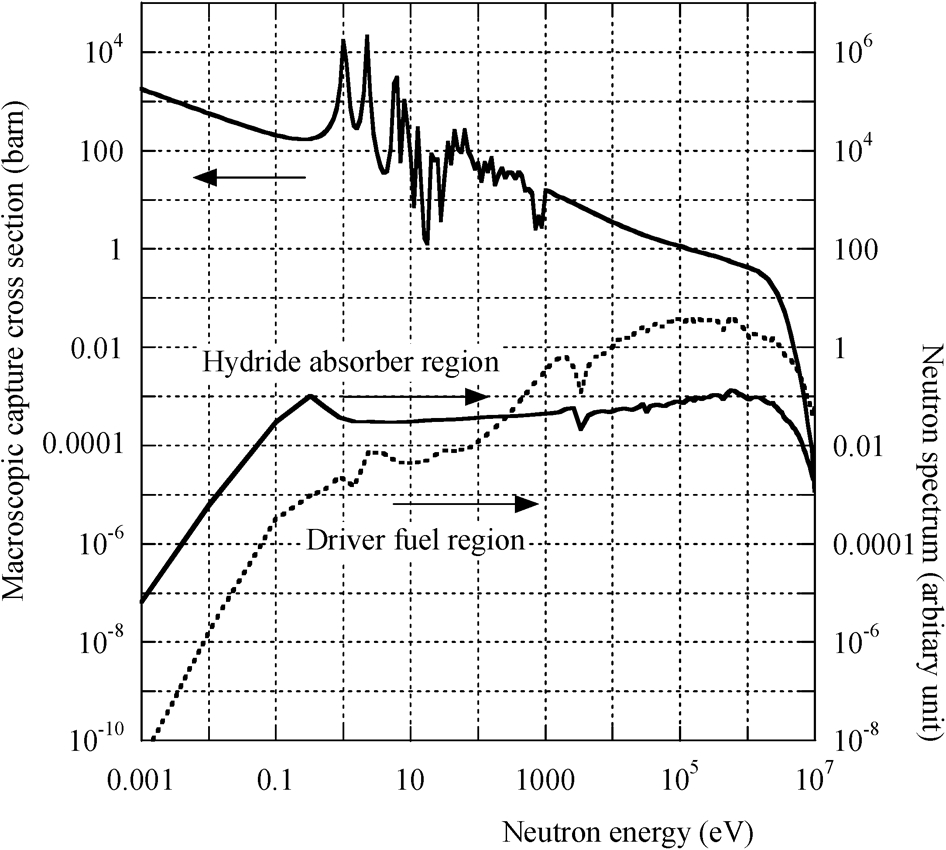
Effective capture cross-section of Hf and neutron spectra in Hf hydride absorber region as well as in driver fuel region
Hf can, in principle, be a better neutron absorber than B4C, the latter of which is, however, used widely today in FRs. Figure 2 shows the comparison between the neutron absorption processes in 10 B and those of Hf isotopes. In B4C, He gas is built up to form gas bubbles to cause swelling of the B4C control rod that limits its lifetime, while Hf does not form gas bubbles due to the reaction with neutrons. Still more, 177Hf absorbs neutrons stepwise up to 180Hf, so that Hf can absorb three times more neutrons per absorber atom than 10 B.
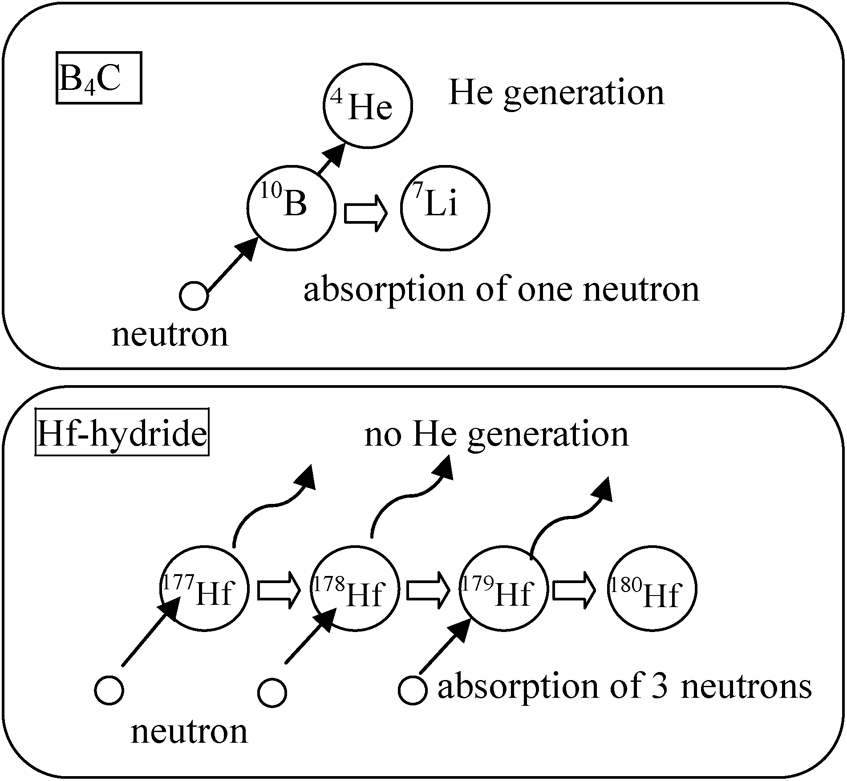
Comparison between neutron absorption processes in 10 B and those of 177Hf
The study on the Hf hydride control rod was carried out in the framework of the ‘Development study of fast reactor core with hydride neutron absorber’ entrusted to Tohoku University by the Ministry of Education, Culture, Sports, Science and Technology (MEXT). A model control rod consisting of Hf hydride cladded with stainless steel is shown in Fig. 3. The upper and lower end plugs are welded to the cladding tube. The Hf hydride pellets are prepared by hydrogenating Hf metal pellets in a Sieverts type apparatus. Figure 4a shows the outlook of an Hf hydride pellet prepared in this study, while Fig. 4b shows the inner surfaces of the cladding tube with and without the coating of Al2O3. This coating was applied to the inner surfaces of the cladding tubes by supercalorising treatment in order to inhibit the permeation of H2 through the cladding tube during irradiation. The calorising technique for Al2O3 coating was selected from the viewpoint of integrity of the coating under in core conditions. 6
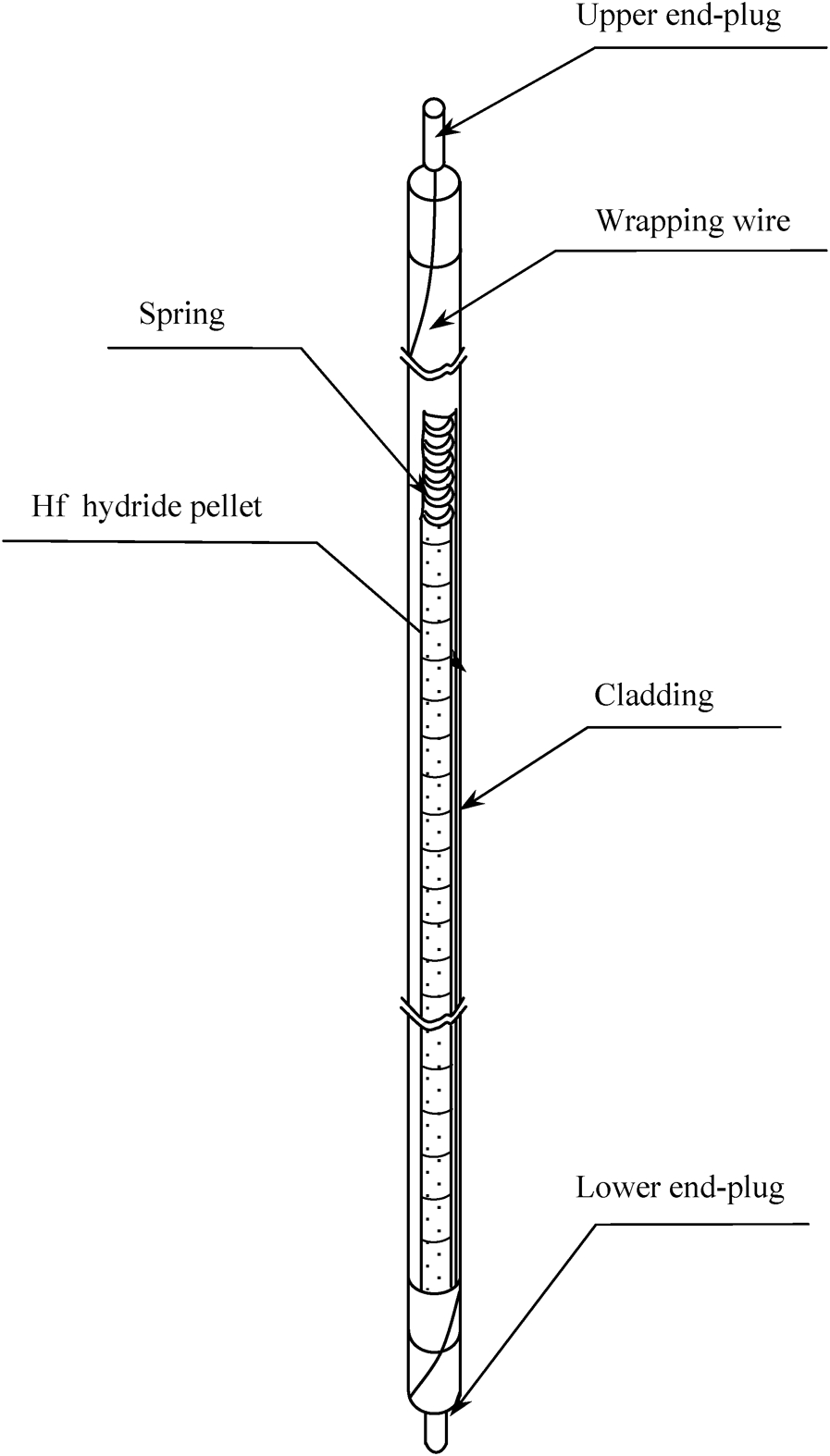
Structure of proposed Hf hydride control rod for FRs
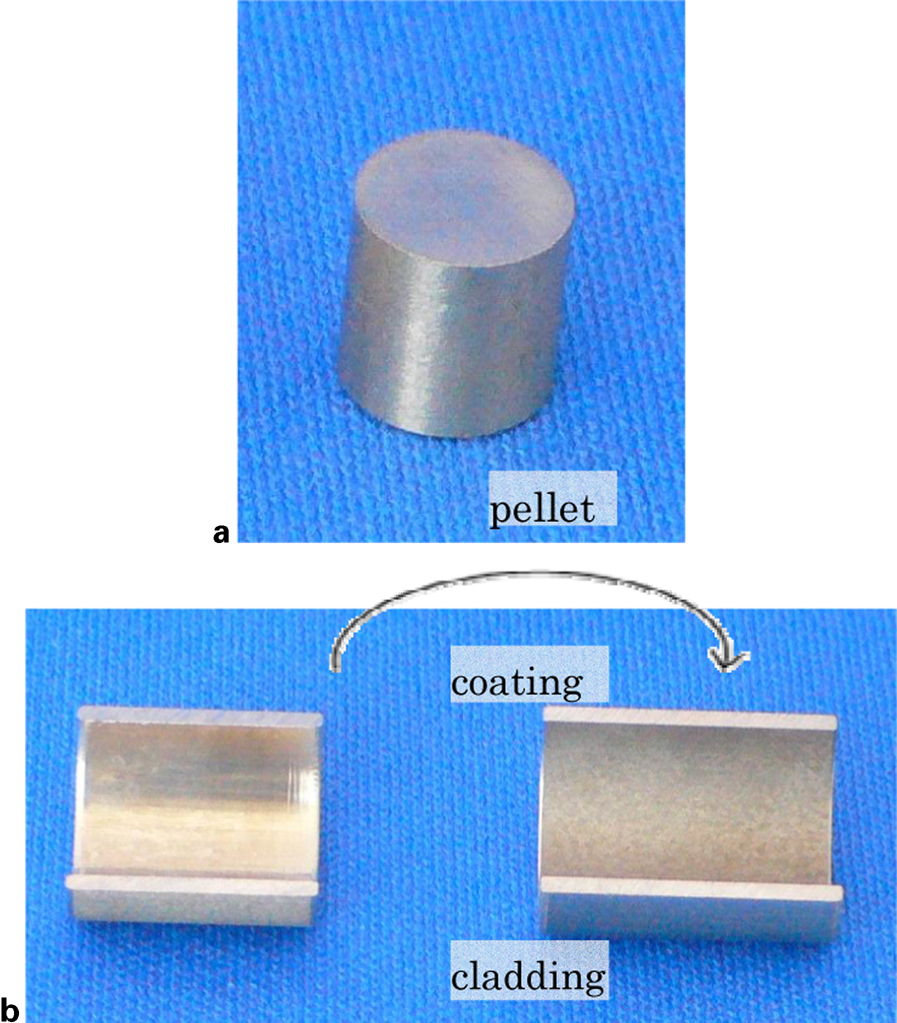
a Hf hydride pellet and b stainless steel cladding tube with and without Al2O3 coating
The heat capacity was measured in an argon atmosphere with a flowrate of 100 mL min−1 using a differential scanning calorimeter over the temperature range from room temperature to ∼673 K.
The thermal diffusivity was measured with a laser flash method in vacuum of ∼10−4 Pa over the temperature range from room temperature to ∼650 K. The thermal conductivity was evaluated from the thermal diffusivity, the heat capacity and the sample density. 7 Figure 5 shows the evaluated thermal conductivity of HfH1·66 as compared with that of ZrH1·66. The elastic properties, such as Young modulus and stiffness, were also measured. 8
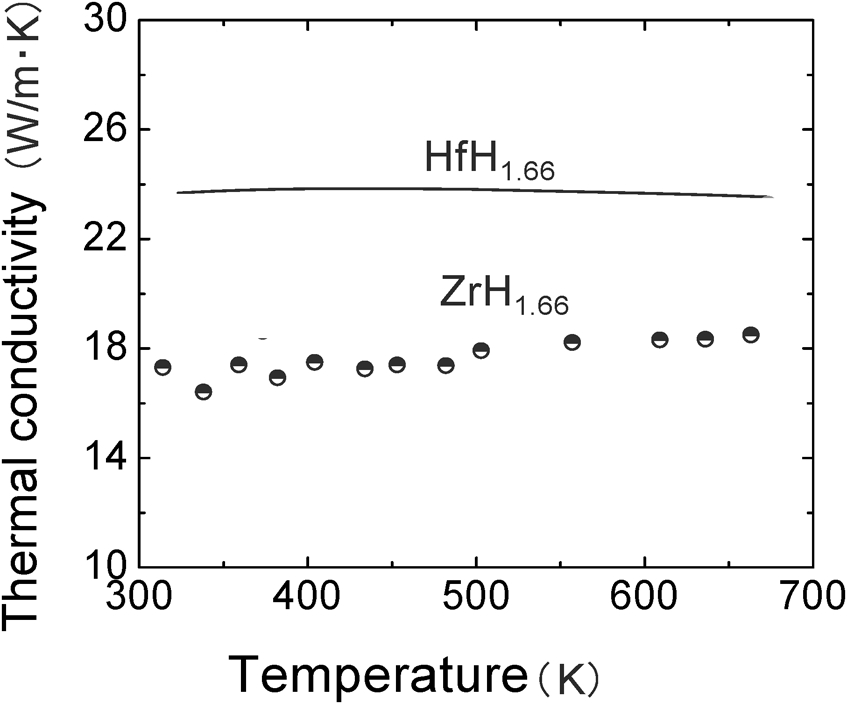
Thermal conductivities of HfH1·66 and ZrH1·66
Irradiation test of the Hf hydride neutron absorber was conducted in the fast experimental reactor, JOYO, Japan Atomic Energy Agency (JAEA), where Hf hydride discs were irradiated with neutron fluence of 2·92×1021 n cm−2 (E>0·1 MeV). The irradiation temperature was 863 K. After the irradiation, the capsule containing the hydride discs was examined with X-ray computed tomography inspection method, as shown in Fig. 6. The result showed that the capsule kept its integrity during irradiation. Chipping or cracking of the discs of Hf hydride was not found. After non-destructive examinations, the capsule was cut for sampling the irradiated hydride discs for destructive examinations: weight measurement, metallographic test, X-ray diffraction test and thermal diffusivity measurement. No swelling was found in the discs. Figure 7 shows the results of thermal diffusivity measurement. Thermal diffusivity data of the unirradiated sample are also plotted with diamond symbols in Fig. 7 for comparison with irradiated data plotted with rectangular symbols. Figure 7 shows that no significant effect of neutron irradiation on the thermal diffusivity of Hf hydride up to the fluence of 2·92×1021 n cm−2 (E>0·1 MeV) was found. This is the first experimental result on the thermal diffusivity of irradiated Hf hydride. On the contrary, for UO2, it is well known that the thermal diffusivity decreases with the increase in accumulated neutron irradiation dose because of radiation damage. It is noteworthy that the thermal diffusivity of irradiated Hf hydride observed in this study is quite contrasting. The mechanism for this abnormal phenomenon has not been clarified yet.
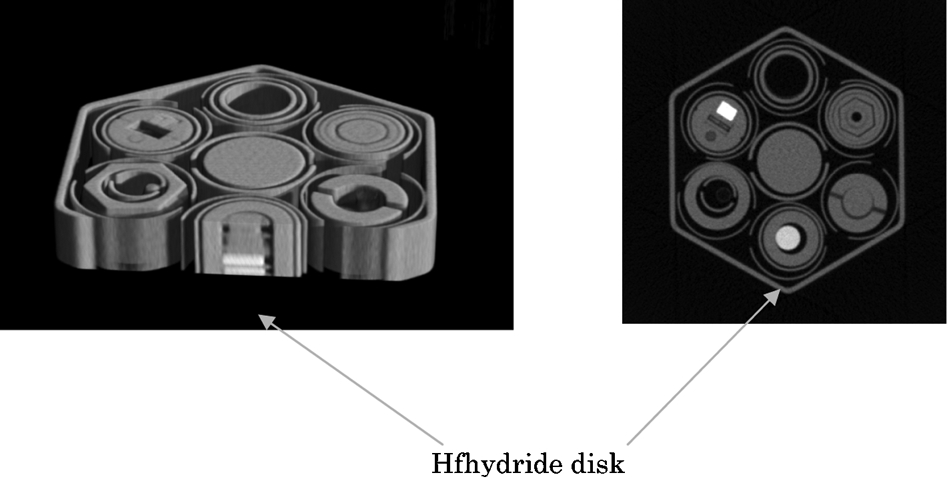
X-ray CT image of irradiated capsule (white areas show hydride samples)
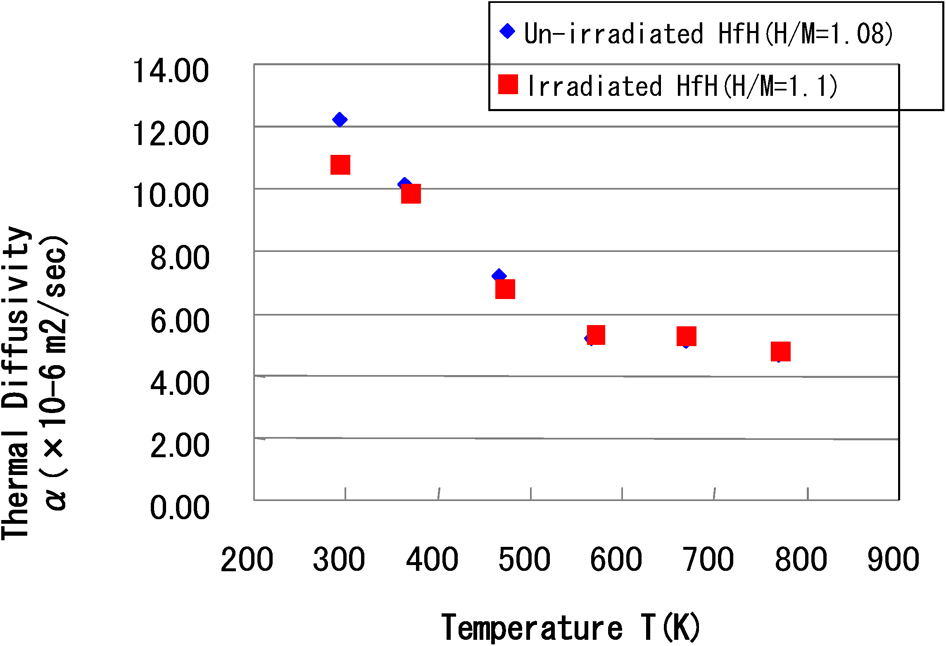
Comparison of thermal diffusivity of irradiated Hf hydride disc and that of unirradiated one
Since the hydride pellet might make contact with sodium in case of a cladding breech incident, the compatibility of Hf hydride pellets with sodium was investigated. The hydride specimen with the H/Hf atomic ratio of 1·1, 1·3 and 1·5 each was immersed in stagnant sodium at 873 K for 1000, 3000 and 6000 h each. After each run, the weight change of the specimen was measured using a microbalance. The density change before and after soaking in sodium was negligibly small. From eye inspection and the SEM images, no damages, such as resolving or cracking, were found. Only a minor colour change was observed from bronze either to black or to liver brown. The SEM surface observation did not show local wear mark. The machining traces produced during its fabrication remained on the surface after sodium soaking. These observations support that the HfHx pellet is highly compatible with sodium.
The results of the above described tests, including measurements of thermophysical properties and irradiation tests, were encouraging enough to allow the phase II study of the ‘Development study of fast reactor core with hydride neutron absorber’ started in 2009 with permission from MEXT to extend the research to realise this absorber for application to FRs.
Actinide hydrides
The feasibility of actinide hydride containing 237Np, 241Am and 243Am as a transmutation target fuel to reduce the amount of long lived actinides in high level nuclear waste was studied by employing UTh4Zr10Hx as a simulated actinide hydride fuel. Th was used as a surrogate for MAs from the viewpoint of handling radioactive material as well as its similar thermodynamic stability as those of MA hydrides. The pellets of this simulated actinide hydride fuel were successfully fabricated through alloying and hydrogenation within expected diameter errors. Figure 8 shows that U–Th–Zr hydride consists of three phases: U metal, ThZr2Hx and ZrHx. As shown in Fig. 9, U–Th–Zr hydride can hold more hydrogen at temperatures above 1173 K than U–Zr hydride. 9 This is realised due to the higher thermodynamic stability of ThZr2Hx phase formed in U–Th–Zr hydride than U–Zr hydride used in TRIGA reactors. This finding led to the present concept of hydride fuel target containing 237Np, 241Am and 243Am for effective transmutation. 10
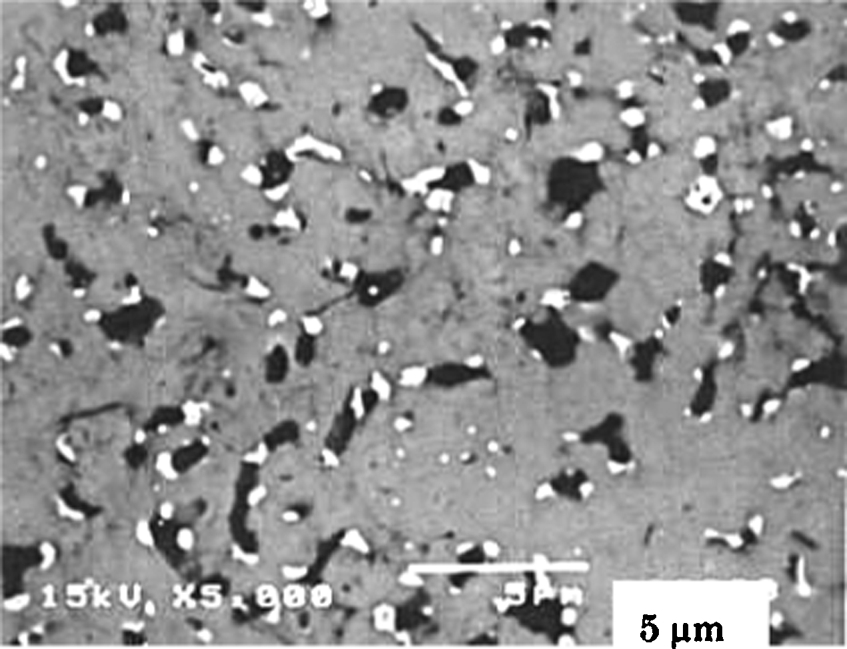
Backscattered electron image of UTh4Zr10H20: black areas consist of Zr hydride, grey region of ThZr2Hx and white areas of U metal
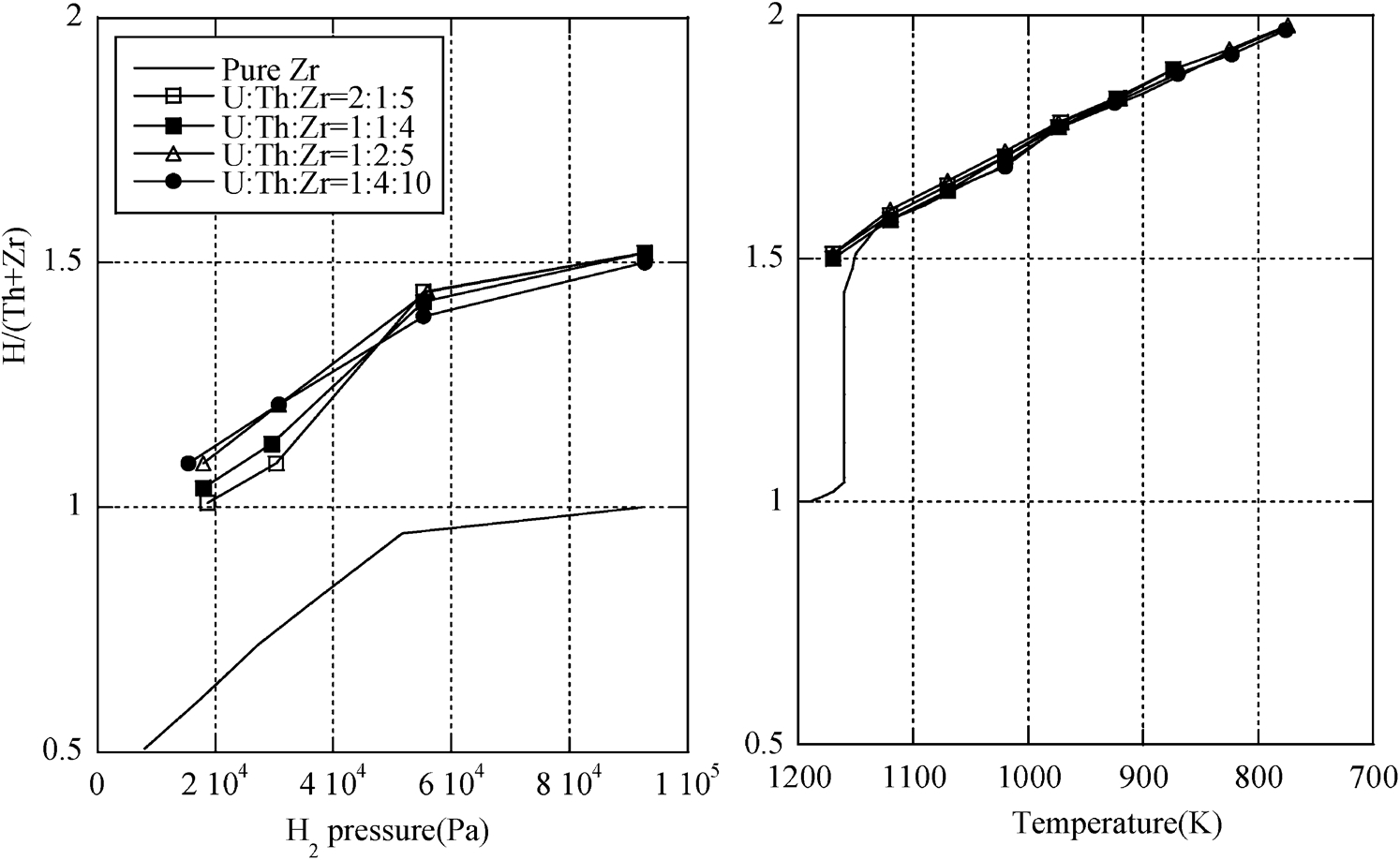
Equilibrium hydrogen concentration in U–Th–Zr alloys under various hydrogen pressures at 1173 K (left figure) and that at various temperatures under 105 Pa (right figure): those of unalloyed Zr are shown as solid lines without symbols attached 9
Fundamental properties, such as thermal diffusivity (Fig. 10) and thermal expansion (Fig. 11), have been measured for the hydride fuel pin design. The thermal diffusivities α of UTh4Zr10H18–27 were measured using a laser flash method
11
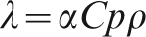
in the temperature range from room temperature to 950 K, as shown in Fig. 10. The thermal diffusivities have been measured during both increase and decrease in temperature. The results of the respective values were in good agreement. This indicates that the hydrogen release from the specimens was negligible during the measurement. The thermal diffusivity is described as the sum of the lattice contribution and the electronic contribution. The defects due to hydrogen losses in the crystal structure of the hydride increase with decrease in hydrogen content. The marked decrease in thermal diffusivity at temperatures of lower than ∼650 K seems to be attributed to the effect of such hydrogen defects on the lattice contribution. The thermal conductivity λ (W cm−1 K−1) of UTh4Zr10Hx was calculated from the following relation of the measured α, the literature data of the density ρ and the estimated value of specific heat Cp
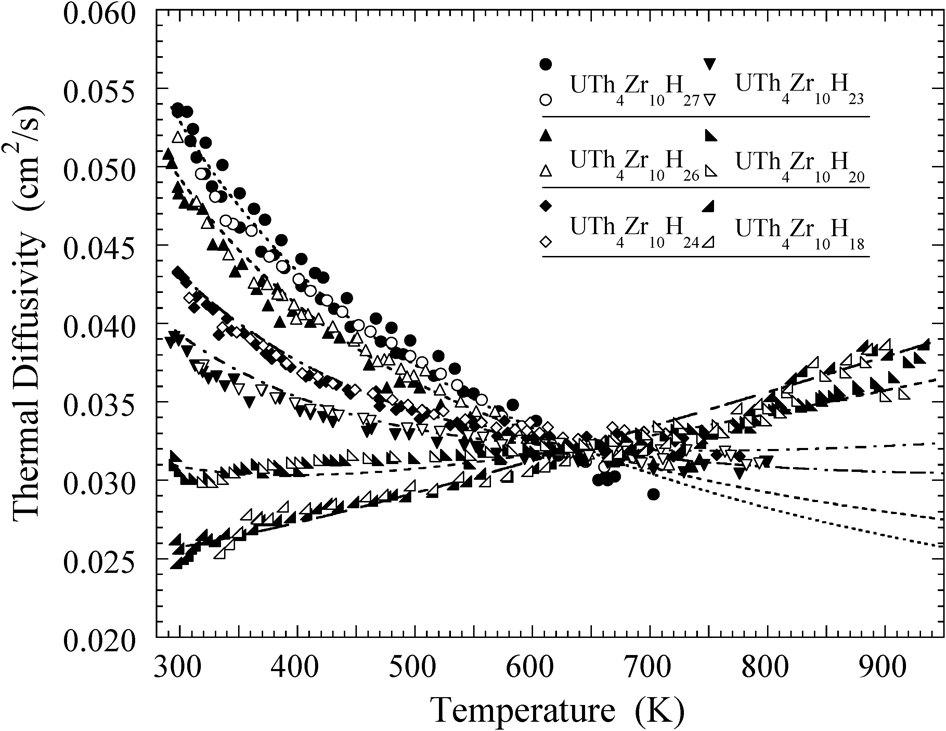
Thermal diffusivity of UTh4Zr10H18–27 (open symbols: increasing temperature; solid symbols: decreasing temperature)
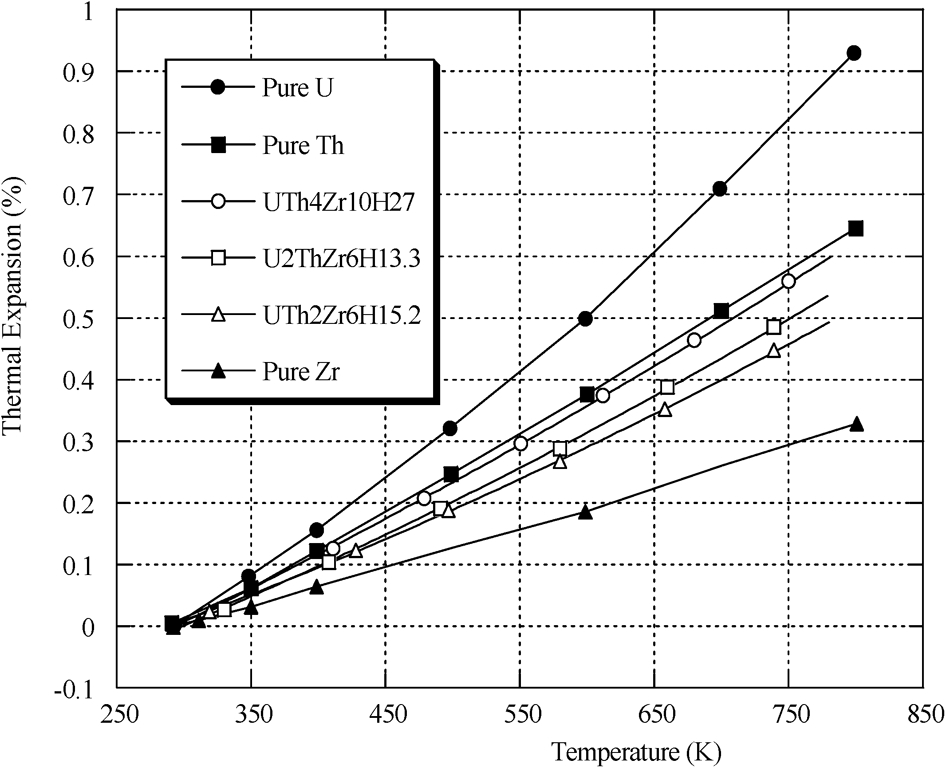
Thermal expansions of U–Th–Zr hydrides
Irradiation tests of the simulated actinide hydride target have been conducted in the Japan Material Testing Reactor, JAEA. Two irradiation tests of the U–Th–Zr hydride fuel were carried out. The irradiation conditions of the first test were burn-up of 0·2% fraction per initial metal atom, linear heat rate of 140 W cm−1, fast neutron dose of 1·10×1019 n cm−2 and thermal neutron dose of 1·23×1020 n cm−2. The irradiation conditions of the second test were changed to burn-up of 1·1% fraction per initial metal atom, linear heat rate of 178 W cm−1, fast neutron dose of 4·66×1019 n cm−2 and thermal neutron dose of 6·43×1020 n cm−2. After irradiation, non-destructive and destructive examinations were performed in each test. It was confirmed that the integrity of the hydride fuel was kept intact through irradiation, supporting the appropriateness of the present concept for the hydride fuel target.
The thermal conductivity evaluated in this study and the thermal expansion measured in this study are essentially important to estimate the temperature and the mechanical integrity of the hydride fuel during irradiation. The hydride fuel decomposes at high temperature so that the temperature evaluation and mechanical behaviour estimation are especially important for this fuel.
Summary
As new environmentally friendly techniques, hydride materials have been proposed to be introduced to FR cores in this paper.
First, the application of hafnium hydride as neutron absorber in FRs has been investigated. The core design adopting the hydride control rod showed that it is capable of extending the lifetime of the control rod as well as of reducing the reactivity of the core, which leads to the elongation of the core cycle. Many test results, including measurements of fundamental thermophysical properties and irradiation tests, were encouraging enough to allow the phase II study of the MEXT project on hydride absorber development started in 2009 to extend the research to realise this absorber for application to FRs.
Second, the feasibility of actinide hydride containing 237Np, 241Am and 243Am to be used as a transmutation target fuel to reduce the amount of long lived actinides in high level nuclear waste has been studied by employing UTh4Zr10Hx as a simulated actinide hydride fuel, where Th is a surrogate for MAs. The pellets of the simulated actinide hydride fuel were successfully fabricated through alloying and hydrogenation within expected diameter errors. It was shown that the U–Th–Zr hydride fuel has higher stability at high temperature than U–Zr hydride. The fundamental properties of UTh4Zr10Hx, such as thermal diffusivity and thermal expansion, have been measured, and then the thermal conductivity was evaluated. These properties are important to evaluate the temperature and mechanical integrity of the hydride fuel during irradiation. Irradiation tests of the simulated hydride fuel were carried out in the Japan Material Testing Reactor, JAEA. It was confirmed that the integrity of the hydride fuel was kept intact through irradiation.
Footnotes
Acknowledgements
The present study includes the result of the ‘Development study of fast reactor core with hydride neutron absorber’ entrusted to Tohoku University by the Ministry of Education, Culture, Sports, Science and Technology of Japan (MEXT).