







Abstract
Wireless body sensor networks have gained significant importance across diverse fields, including environmental monitoring, healthcare, and sports. This research is concentrated on sports applications, specifically exploring the viability of a wireless body area network tailored for high-performing athletes. The paper is divided into three sections. First, the design of the node location that is used for real-time monitoring of a sportsperson in which the node position, such as the human thigh, foot, arm, wrist, and chest, was estimated and the best position was selected. Second, the accuracy of an application when related to the other schemes such as TDMA with ZigBee and RA-TDMA & PA-TDMA was done. The reliability using RA-TDMA performed well and showed approximately 98% reliability. Finally, the features of wireless communiqués that affect the presentation of the network for RA-TDMA were estimated, such as delay and jitter. These findings collectively contribute to advancing the understanding of optimizing wireless body sensor networks for sports applications, with notable achievements including the identification of the arm as the optimal sensor placement, achieving a 98% success rate, and surpassing alternative techniques in network performance parameters like packet delivery rate.
Introduction
Wireless Body Area Networks (WBANs) have emerged as a crucial technology in various applications, including healthcare, environmental monitoring, and sports. In the realm of sports, WBANs play a pivotal role in monitoring vital body signs, recognizing gestures, analyzing gait patterns, and enhancing athletic performance. A critical factor in achieving accurate and reliable data collection in sports applications is the strategic placement of sensor nodes on the athlete’s body. Moreover, optimizing communication protocols is essential to ensure seamless data transmission and minimize information loss.
Traditionally, Time Division Multiple Access (TDMA) has been a cornerstone technique in wireless communication systems, facilitating the organized allocation of time slots for data transmission and reception. The proper functioning of TDMA relies on accurate time synchronization, ensuring that nodes transmit and receive data precisely within their designated time slots.
To bolster the foundational understanding of TDMA, it is imperative to draw attention to noteworthy works such as the BATS (Adaptive Ultra Low Power Sensor Network for Animal Tracking) project by Duda et al. (2018) [1]. This study emphasizes the significance of time synchronization in TDMA-based networks, particularly in scenarios involving ultra-low power consumption and efficient communication for animal tracking. The WBAN plays an important role in health and sports applications. The various objectives in sports include the monitoring of vital body signs, gesture recognition, and gait analysis, and important factors are the running style of the athlete and the location of the sensor nodes. Various algorithms were devised and proposed for the location, and for the determination of wireless communication, the RA-TDMA algorithm was devised, which helped reduce data loss. The paper focuses on three objectives the first focus on the time location points and the running style of the athlete, which is also the location of the nodes. The second focuses on the accuracy of systems that face techniques such as sending fast receivers quickly, better rate allocation, and real-time scheduling. These techniques gave good accuracy on network parameters. Third, we focused on the latest algorithm RA-TDMA, which is used for the determination of the network performance parameters. The algorithm proved that the reliability was better than the previous algorithms. Additionally, the performance was measured using the PA-TDMA mechanisms.
When the number of sensors in a network increases, it is difficult to transmit the data over a bandwidth limit. So staggered communication is required. Sensor placement theory forms a high-quality output to the network. Factors to be considered in the design of this method are that the size of the network increases; therefore, data acquisition becomes difficult, and the entire setup becomes more expensive. Therefore, a centralized approach can be used so that the reliability of the network increases. All the data cannot be transmitted at a single time; therefore, the timestamp is treated as a sensor placement problem and where the system can be observed optimally.
Motivation
This research is motivated by the need to tackle challenges arising from the growing number of sensors in a network, requiring staggered communication to ensure efficient data transmission within bandwidth constraints. The exploration of sensor placement theory, particularly as the network scales, underscores a dedication to crafting a system that is both efficient and cost-effective. Proposing a centralized approach aims to improve network reliability, addressing the intricacies associated with simultaneous data transmission.
Current research, exemplified by the BATS project conducted by Duda et al. (2018) [1], underscores the significance of time synchronization within Time Division Multiple Access (TDMA)-based networks. This is especially crucial in scenarios characterized by ultra-low power consumption, playing a pivotal role in ensuring efficient communication, as demonstrated in applications such as animal tracking. This work stands as a foundational reference, underscoring the critical role of communication protocols in specific monitoring contexts.
Additionally, investigations into sensor placement in Wireless Body Area Networks (WBANs) contribute valuable insights to contextualize the broader research landscape. For instance, research on optimal sensor placement for health monitoring and activity recognition [2] sheds light on the challenges and considerations inherent in such endeavors. By amalgamating findings from these studies, we can validate the necessity for a tailored approach in sports applications, where factors like the running style of athletes and the precise location of sensor nodes assume paramount importance.
In essence, the synthesis of insights from existing literature enables us to forge a robust connection between the identified problem of optimizing wireless body sensor networks for sports monitoring and the specific research objectives outlined in our study.
Contributions
The research presented in this paper contributes to the field of wireless body sensor networks in sports applications through the following key advancements: The study endeavors to identify the optimal placement of sensor nodes on athletes’ bodies for accurate real-time monitoring. Various body positions, including the thigh, foot, arm, wrist, and chest, are examined, and the most suitable location is selected for effective monitoring of athletes’ movements and running patterns. In response to the need for heightened accuracy in sports applications, this research delves into a comprehensive accuracy assessment of the proposed system. By comparing it with alternative techniques such as TDMA with ZigBee and RA-TDMA & PA-TDMA, the paper highlights the superiority of real-time scheduling and rate allocation methods in achieving improved system accuracy. The development and deployment of the RA-TDMA algorithm significantly contribute to the enhancement of wireless body sensor networks. This algorithm optimally addresses challenges related to data loss and reliability, outperforming existing algorithms and showcasing approximately 98% reliability in sports applications. A thorough evaluation of network performance parameters, including delay and jitter, is conducted. This evaluation centers around the RA-TDMA algorithm, shedding light on its impact on network performance and its capability to ensure reliable and efficient data transmission.
By elucidating these contributions, the paper aims to provide a comprehensive understanding of the role and potential of wireless body sensor networks in elevating athlete training, refining running patterns, and enabling advanced real-time monitoring. The subsequent sections of the paper delve into these contributions, providing detailed insights into each facet of the research.
Related work
The movement of the athlete’s wrist is monitored by accelerometer sensors. The sensor nodes were programmed in a manner to collect the data from it and transmit it to the hub [2]. The paper focused on the network reliability of 50 Hz movement acceleration during the movement of an athlete, such as running and jumping. Reliability can be achieved by controlling the time slots dynamically [3, 4]. Body sensors are used by athletes to determine the speed and movement of athletes. Force-sensitive resistors (FSRs) were used to ensure foot events and provided a detailed analysis of profiling the sprints of an athlete. A profiling algorithm was used to estimate the sprints of the athlete [5]. BSN is reused as an important technology in the field of medicine and sports to collect health data and data related to athletes. The WBAN focuses on the reliability and energy in a network to optimize the physical layer (PHY) and the medium access control layer (MAC). Some characteristics of the WBAN are less energy, a wearable sensor, scalable data rates, security of data, distance of network within 2 m, and quality of service. Physical and physiological signals from the human body are weak; therefore, they need to be amplified and filtered. A multiplexer can be used to switch between each sensor node, and ADC is used to convert the signals for further processing. The movement of the athlete’s hand or leg allows the BSN to synchronize in time to receive the packets from the nodes by the hub [6]. Packet delivery within indoor, outdoor, and any medium [7]. The best node location on a human body is achieved so that there is a reliable connection between the hub and the nodes and the angular window for the transmitting nodes is found [8]. The order of the time is set between the hub and the nodes for different runners. The hub sends a synchronization pulse during every transmission to the nodes and sets a unique time window for each node [9]. The Kalman filter algorithm was used to integrate the accelerometer and the other signals. RMSE was used to find the error in the values [10]. Recent studies have enriched the domain of WBSNs with innovative contributions. Jayabalan and Pugazendi [11] introduced a Cluster-based Routing Protocol empowered by a reinforced learning algorithm and a Q-Learning approach. This novel protocol expedites packet routing compared to alternatives. Moreover, Wan et al.’s study [12] focused on rigid body localization within WBSNs. Leveraging wireless sensor networks, their approach aims to estimate non-line-of-sight parameters for enhanced positioning accuracy. The significance of this study lies in its potential real-time applications. Lastly, Zhao and Xing [13] explored WBSN reliability analysis, considering challenges posed by random isolation time (RIT). Their methodology encompasses competitions and RIT, offering insights into accurate system reliability assessment.
The comprehensive critical analysis as in Table 1 reveals strengths and limitations of the recent studies in the WBSN domain. To overcome these limitations, the proposed study seeks to address a wider range of application scenarios beyond rigid body localization, explore scalability challenges through comprehensive routing comparisons, consider more flexible sensor placements and communication ranges, delve into advanced protocols and routing techniques, and extend the focus to broader challenges in WBSNs. These enhancements are aimed at fostering a more comprehensive and holistic understanding of WBSNs and their potential applications.
Discussion of related works
Discussion of related works
Design of the node location and running pattern that is used for real time monitoring of a sportsperson
In wireless body area networks, the sensor nodes are placed at various parts of the body, such as the arm, wrist, thigh, leg, and chest [14–18]. To understand the various locations of the node, a self-calibrating algorithm can be adopted. By using the previous methods, we understand that different runners have different running methods. This self-calibrating algorithm provides reliable communication between the hub and the nodes [19–24]. In this hub, two operations are performed: transmit and receive modes. In transmitting mode, it requests the node to send the data, and in receiving mode, it receives the accelerated data. The overall idea of the proposed work is given in Fig. 1.
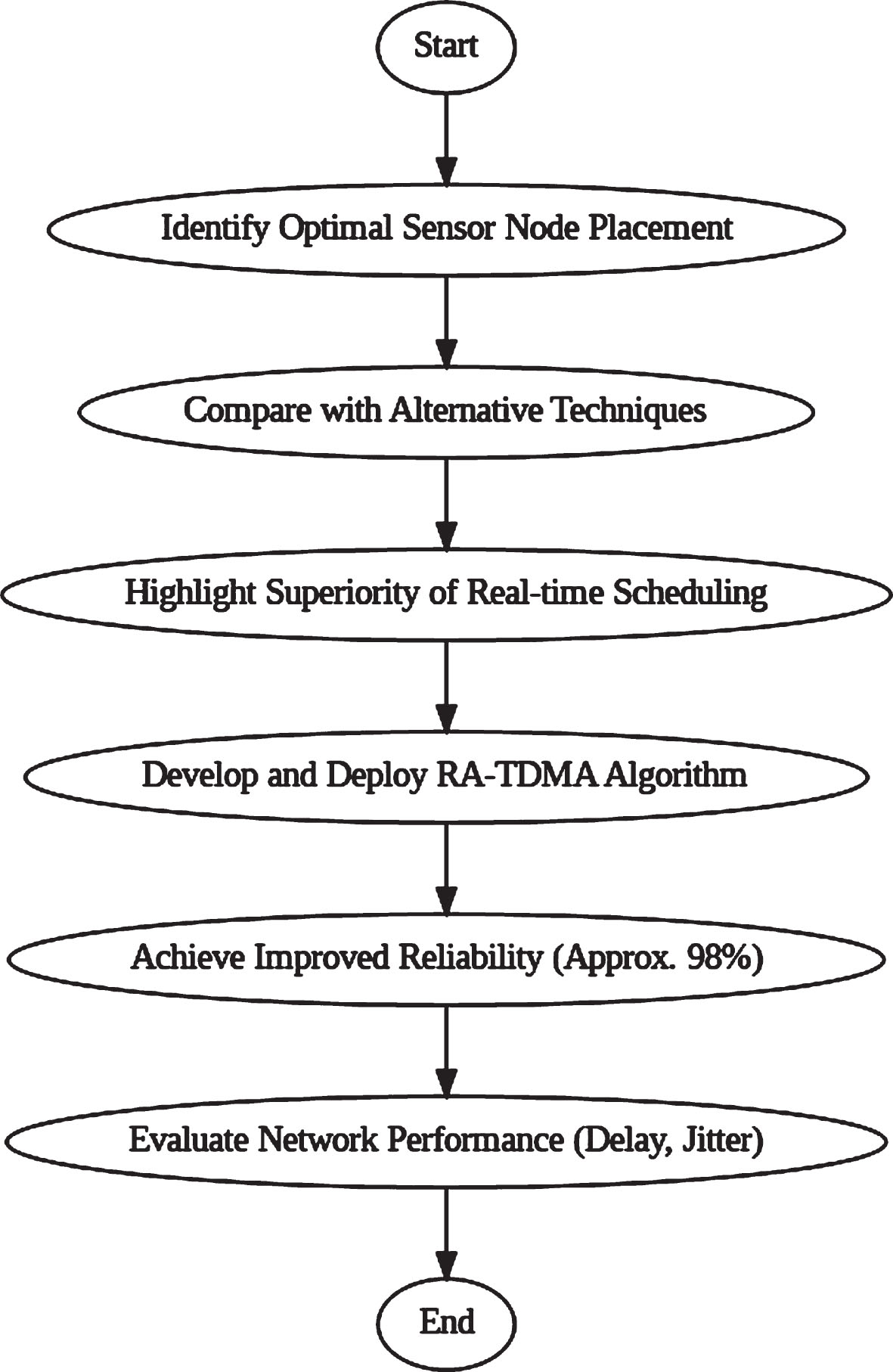
Proposed flow diagram in wireless body sensor networks for sports applications.
To better understand the nuances of athletes’ movements and optimize the real-time monitoring system, various techniques are employed to analyze their running patterns and motion dynamics. These techniques offer insights into key parameters that help refine the accuracy and effectiveness of the monitoring system. Among these methods, the following approaches stand out as vital contributors to this endeavor:: Step frequency (SF) – It Can be Calculated from the Magnitude of the Calculated Data Calculated by the formula
SF represents the Step Frequency.
Sx, Sy, and Sz are the magnitudes of acceleration data collected from the three different axes (x, y, and z).
Magnitudes are collected from three different axes. Normalized foot contact (NFC) – a time duration in which a foot is on the ground normalized by the step duration. Athletes try to shorten the NFC.
Table 2 shows some of these methods used to find the running pattern of the athlete. The methods showed that the best locations for sensor nodes to be kept in a human body are the wrist and the arm. These positions gave success rates of 96% and 98%, respectively.
Average successful data transmission for the various positions
Various reliable mechanisms are studied, and the most efficient system is discussed below.
Send Fast Receive quickly (SFRQ)
In this case, the transmitted data are received at the proper hub without any error. In this traffic flows from the hub to multiple nodes. Here, it is assumed that the data packets are fragmented into smaller segments. It provides lossless delivery and minimizes the overheads. Here, the code segments that are broken are propagated slowly in the network so that the segments are not flooded in the hub [25–28]. The error propagation here is exponential. Therefore, when a node receives a sequence one number ahead of the previous one, we can identify that it is an error. When an error is found, it is a loss, and the node will not forward until the loss is retrieved. In this packet delivery, the ratio is very high, and the error can be minimized.
Better rate allocation
This mathematical formula is used to find the data rate of the packets.
Step 1: Determine the average Throughput R. R = 1/T, that is, it is the inverse of the time interval.
Step 2: Divide R among the number of nodes such that data = R/n;
Step 3: Find the rate of the hub node rdatacordinator through listening to the control message.
Step 4: Compare rdata with rdatacordinator and propagate the smaller rate segments to the nodes.
Real-time scheduling
In applications that involve control and actuators in the sporting, the data communication included timing in the form of end-to-end targets. SPEED-based scheduling (SBS) is an architecture for speed-based communication. It is a packet scheduling technique that determines the relay in which packets are transmitted. It takes time t until the packet deadline is reached. The distance between the hub and the node is represented by d. The velocity of the packet is given by v = d/t. The packets are a scheduled basis of earliest deadline first and round robin fashion. That is, node1 first followed by node2, node 3 and node 4.
Relay speed is given by
da is the distance between hub and node a
db is the distance between hub and node b
tab is the time taken for the packet to transmit and receive by the hub.
Here, the data rate is calculated, and the allocation of the path is for all the nodes.
The connectivity between the nodes in terms of mathematical models can be analyzed with the help of graph theory. The Bernoulli graph can be considered G (a.b), which is formed by taking a node and placing random links between nodes and hub independently with probability b. A random model for wireless networks G (a, b), in which geometric random graph nodes are placed at random with uniform distribution. There is an edge (x, y) in the pair of nodes. One of the main objectives of a wireless network is to have a path between two nodes. This can be achieved by K connectivity. The path-observability metric can be used to track moving persons.
Localization is performed on the nodes to identify which nodes have a priority location other than other nodes. The Localization must be performed at the very beginning of the network operation. It can be done at very different points in the network. The sensor might work in different environments, and the observations from the sensor are characterized based on the set {T, S, M}, where T is the time of measurement, which is the spatial location of the measurement, and M is the measurement itself.
Sleep is one of the important factors of the nodes. The basic parameters that can be modified are node mobility, power control of the nodes and sleep scheduling.
The nodes undergo various stages, such as active, sleep, listening and discovering.
Figure 2 represents the various timings between each state are represented by Ta, Tl and Ts. Ta is the time stamp of activeness of the sensor, Tl is the listening period of the sensor and Ts is the duration of sleep of the sensor node.

State transition diagram of nodes.
The important parameters to be considered for energy efficient routing are: Link quality is received through periodic monitoring, that is, by packet reception rates. Link distance, which is a dynamic access to the link distance, can be used for link quality and energy consumption. Location information that can be received by geographic routing. Mobility information that is recorded information about a mobile node.
The metric used for energy efficient routing is represented by Eer, which minimizes the number of transmission paths. The assumption is that the transmission is done with the help of ACK signals for every packet. The probability of successful delivery (PRR) is represented by Ps, and the probability that ACK is received is represented by Pa. By the Bernoulli trial, the expected number of transmissions for delivery of packets is:
E mcu → total energy of the MCU
E mcu → the energy of the sensor
E cal → total energy of the calibrator
E adc → total energy of the ADC converter
E de → the total energy of the data encoder
E comm → the total energy of the communication
Here, a request acknowledgment time division multiple access (RA-TDMA) algorithm was designed in which the poll request from the hub and the other nodes takes place. A mechanism of autoacknowledgment is used in which the nodes automatically switch to transmit and receive modes. In the TDMA technique, only time is allocated for each node in a round robin fashion, and transmission occurs at a particular time slot.
Figure 3 represents the request of Hub with other nodes. That is, ‘H’ is a hub, and there are four nodes in which separate time periods are allocated, such as Ta, Tb, Tc and Td, for all nodes. This method is followed in TDMA, and there are few data losses. Time synchronization is necessary, which consumes more energy to send and receive signals. A network reliability of approximately 90% was achieved.
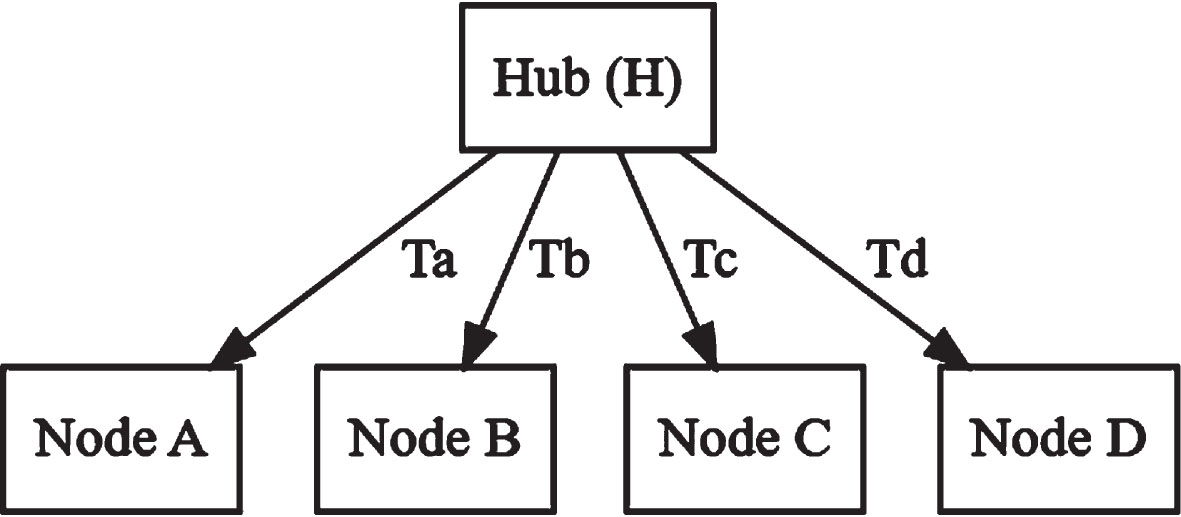
The request of nodes with hub.
Efficient data transmission in wireless networks often requires meticulous allocation of time intervals, known as data slots. These slots govern when and how nodes within the network can transmit their data. This process is crucial for optimizing communication, minimizing collisions, and ensuring reliable information exchange. In the proposed communication protocol, a strategic approach to data slot assignment is employed, aiming to enhance the overall network performance. The allocation of data slots takes place in a dynamic manner, adapting to the number of nodes within the network area. This adaptability optimizes the utilization of available resources and reduces the chances of data collision.
The figure illustrates the allocation of data slots at the transmitter side of the network. Each slot corresponds to a specific time interval, and the organization of these slots is carefully managed to achieve optimal channel utilization. This allocation technique ensures that data transmission occurs in a synchronized and efficient manner, minimizing delays and enhancing the reliability of the network. The use of both transmit and control nodes further enhances the effectiveness of the data slot assignment. Transmit nodes are responsible for transmitting data packets, while control nodes manage the allocation of slots and request necessary information from other nodes. This differentiation streamlines communication and contributes to the overall energy efficiency of the network. This strategic allocation of data slots is a pivotal aspect of the proposed protocol, contributing to the seamless exchange of information and the optimization of data transmission
Figures 4, 5 represents the data slot of the nodes at the transmitter and the receiver side respectively. A slot assignment was used in which the channel utilization is improved. The protocol changes frame length in dynamic, and the number of nodes in the area is used to increase the unassigned slots. Here, two modes are used as transmit and control nodes. First, the transmit mode, which consists of a data packet (DAT) that has the information about frame length and slots assigned to the sender and maximum frame length of the nodes. SECOND, the control node is used to request information on the length of the frame, and it contains the request packet, information packet, suggestion packet, and reply packet [17]. The Body Area Network system is based on two channels: a control channel (c-c) and a data channel (d-c). A control channel is used to deliver from which node the data need to be collected. The requirements of the BAN are energy efficiency, coordination between the nodes and hub, quality of service, and timely access mechanism. Data channels are portioned into time intervals known as Interval Beacon intervals (IBIs). The hub has an inactive period in which, when no transmission occurs, it goes to that’s stage so the power will be minimized.
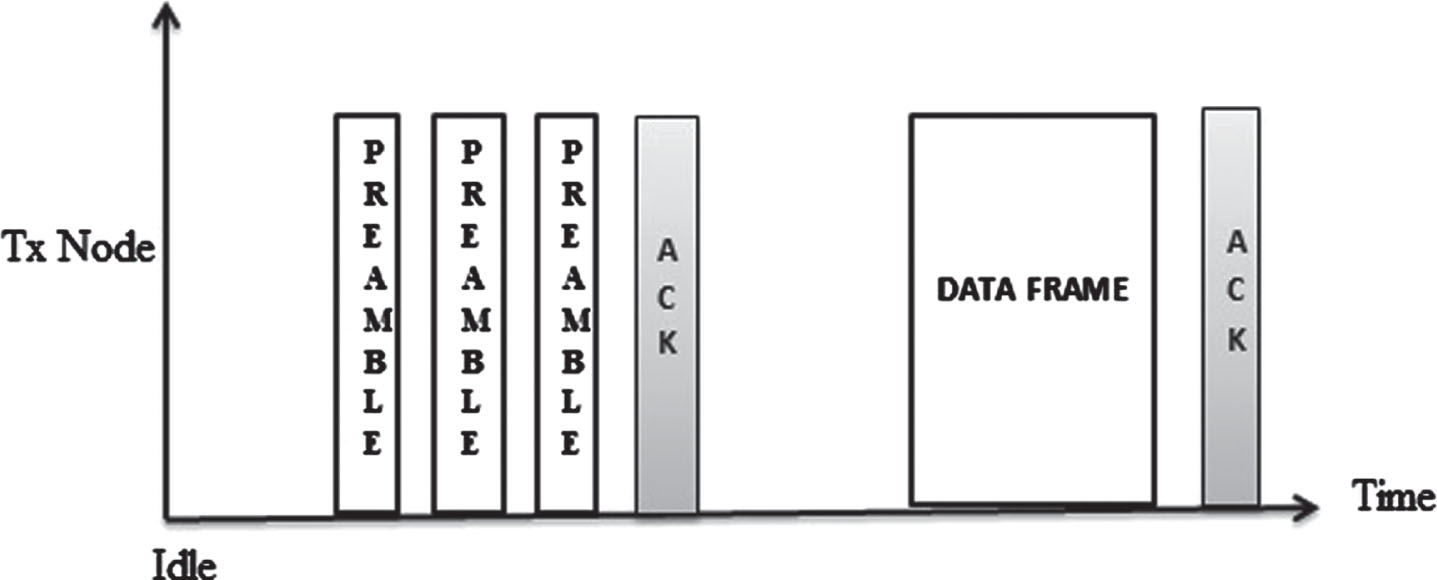
Data slot at transmitter side.
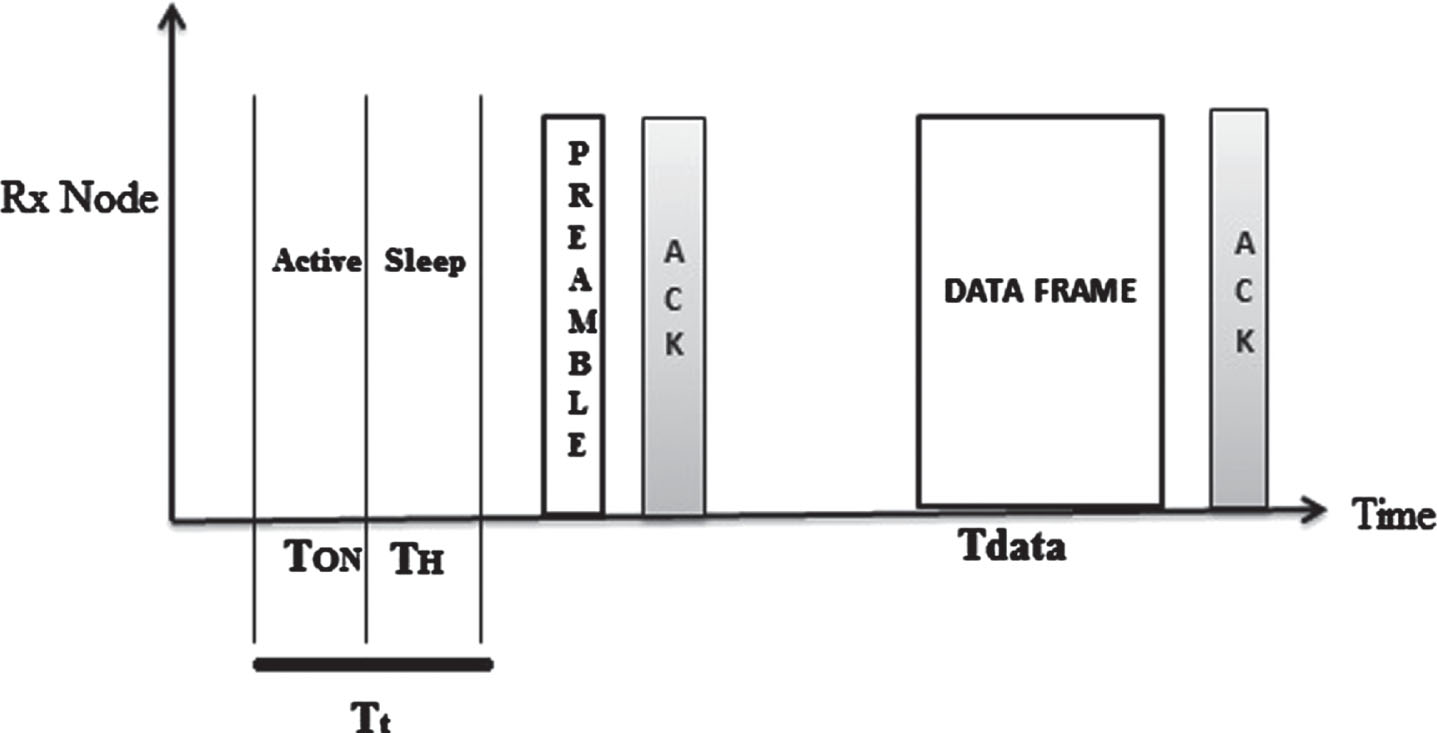
Data slot at receiver side.
In the pursuit of enhancing communication reliability and optimizing energy consumption, the Polling Acknowledgment Technique (PA-TDMA) stands as a key innovation. This technique operates by leveraging the communication channel efficiently, ensuring that individual nodes actively listen and respond when necessary.
Figure 6 shows a sampling interval of 10 sec in which the hub polls request packets for each node from N1, N2, and N3 up to Nm and a signal for each node.
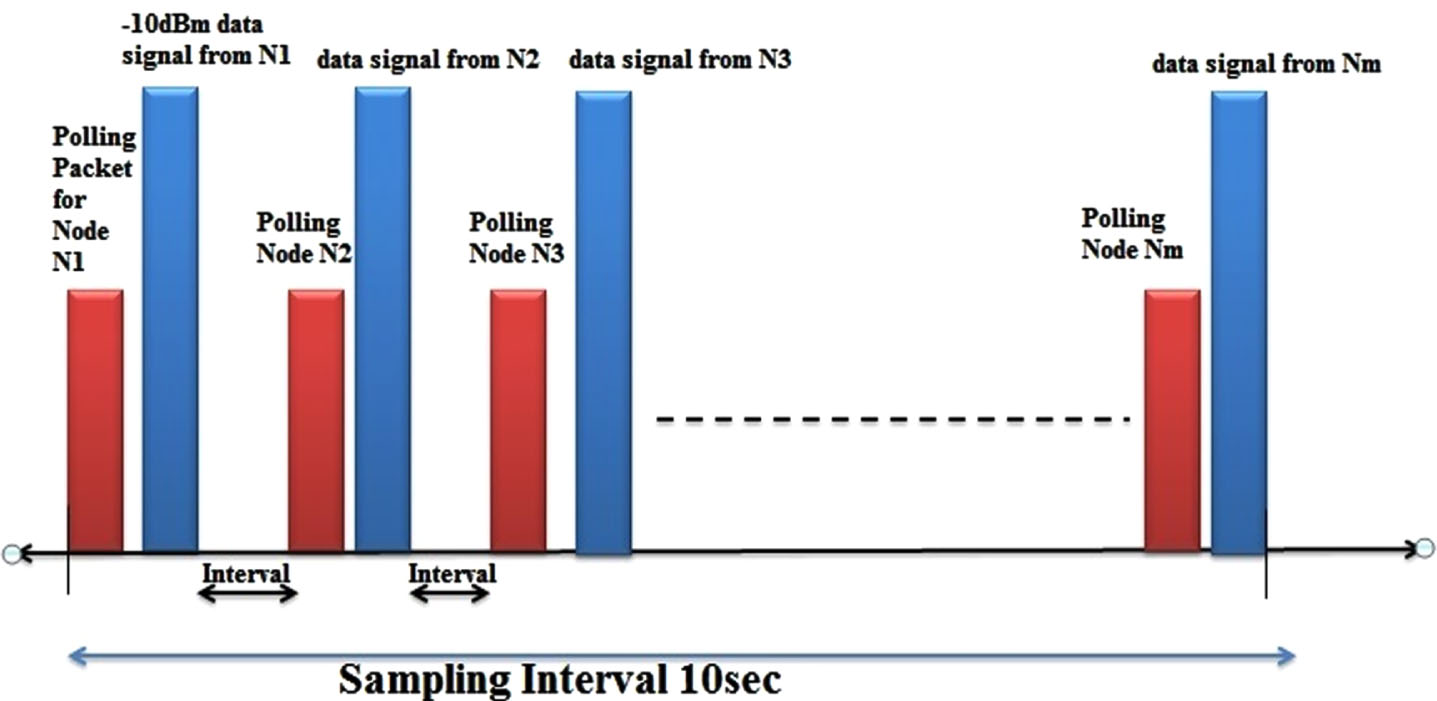
Sampling interval of the nodes.
In PACK-TDMA, the frame is divided into M time slots. The time slots have an idle interval and a wakeup interval. In the first slot, which is an idle interval, the nodes go into sleep mode in order to avoid the extra power coordinator receiving the address they receive the data packet from the polled node. Nodes send request messages to their assigned polling slots [16]. Figure 7 represents the packet with the time frame which consists of the coordinator and the nodes. The coordinator (HUB) acknowledges, and in receipt of an acknowledgment, it sends the data packets to the coordinator. The coordinator getting the acknowledgment receives the data packets; if acknowledgment is not received, it polls for other nodes.
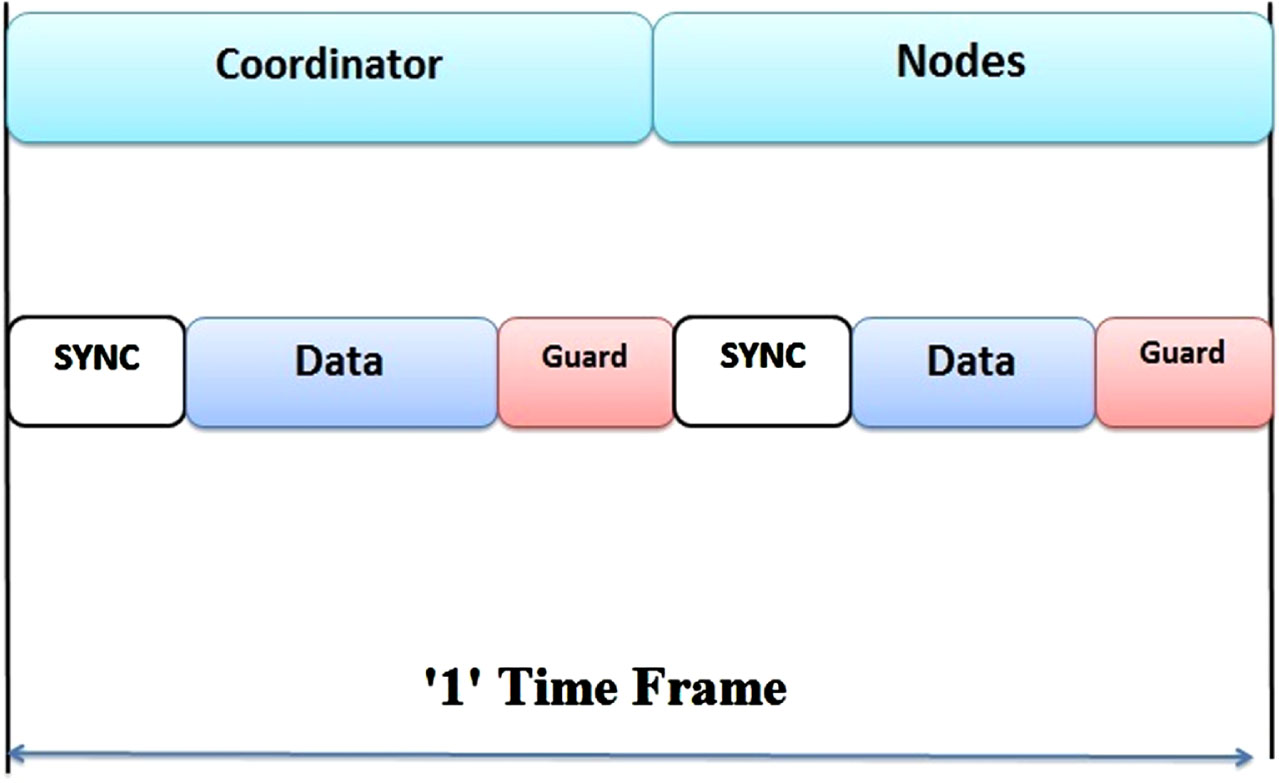
Packet with time frame.
From Fig. 8 the frame of a Polling Acknowledgment, the coordinator represents the hub, and the nodes communicate with the hub. There is also a guard band to distinguish between the various data packets that is being transmitted.
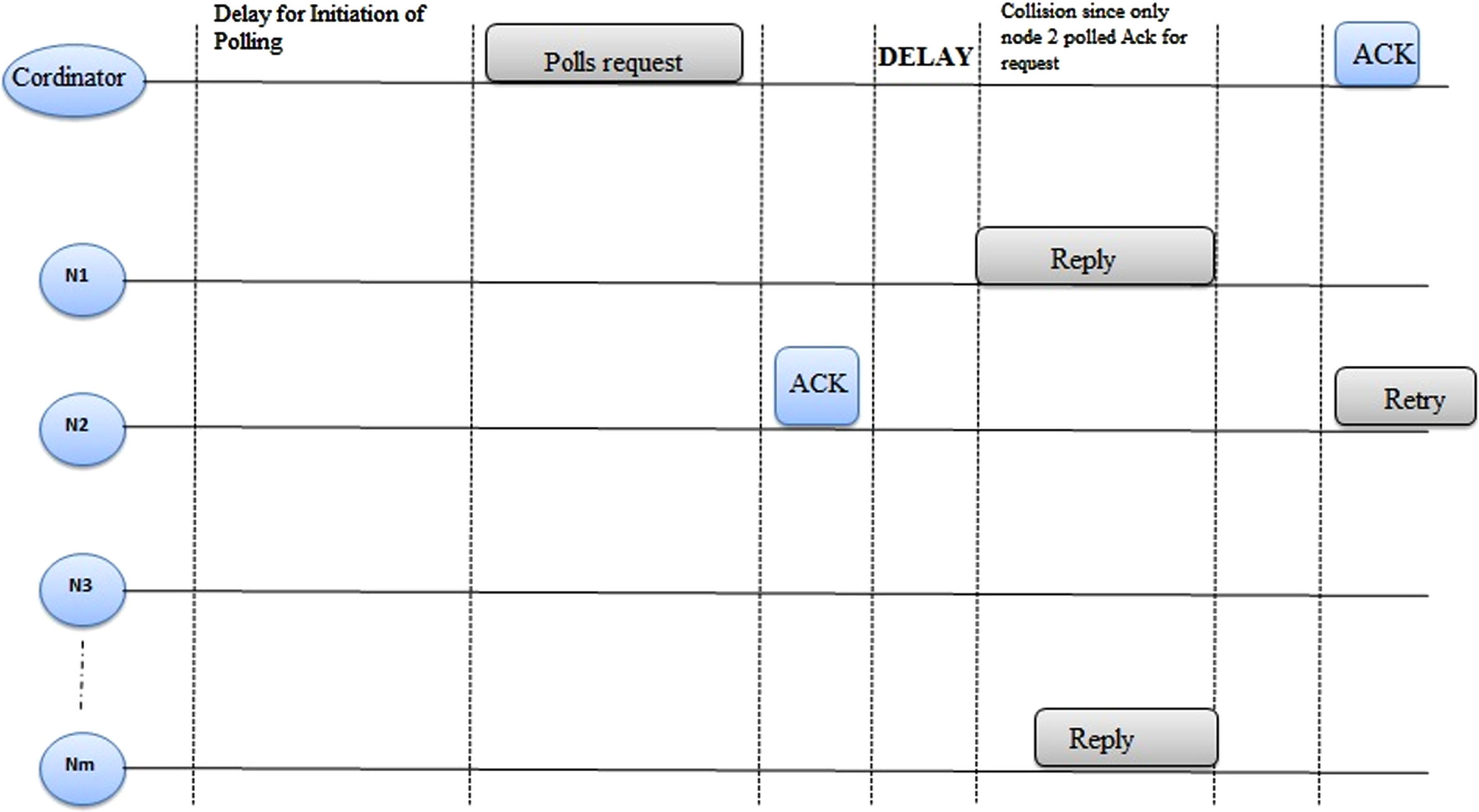
Working of P-ack.
The effectiveness of the proposed methodology was evaluated through rigorous simulations using NS2 (Network Simulator 2). To comprehensively assess the system’s performance, a variety of parameters were considered, including packet size, simulation environment, protocols, and algorithms. This section presents the simulation parameters along with the results and discussions that shed light on the performance of the proposed approach. The simulation framework was set up using NS2 as shown in Table 3. to evaluate the performance of different algorithms. Various key performance metrics, including end-to-end delay, jitter, packet delivery ratio, and throughput, were calculated to gauge the effectiveness of the proposed protocols and algorithms. The results of these simulations are discussed in the following sections.
Simulation parameters
Simulation parameters
The performance of the proposed RA TDMA & PA TDMA protocols was extensively analyzed and compared against existing algorithms. The focus was on metrics such as packet delivery ratio, end-to-end delay, jitter, and throughput. These metrics offer valuable insights into the reliability, efficiency, and stability of the communication system.
Figure 9 provides a visual representation of the comparative performance of the different protocols in terms of their reliability. The comparison unveils the strengths and weaknesses of each algorithm under various conditions, thereby allowing for a comprehensive assessment of their suitability for real-time sports monitoring applications. The discussion of the results presented in this section aims to provide a comprehensive understanding of the strengths and limitations of the proposed RA TDMA & PA TDMA protocols, offering insights into their applicability and potential for enhancing real-time monitoring in sports scenarios.
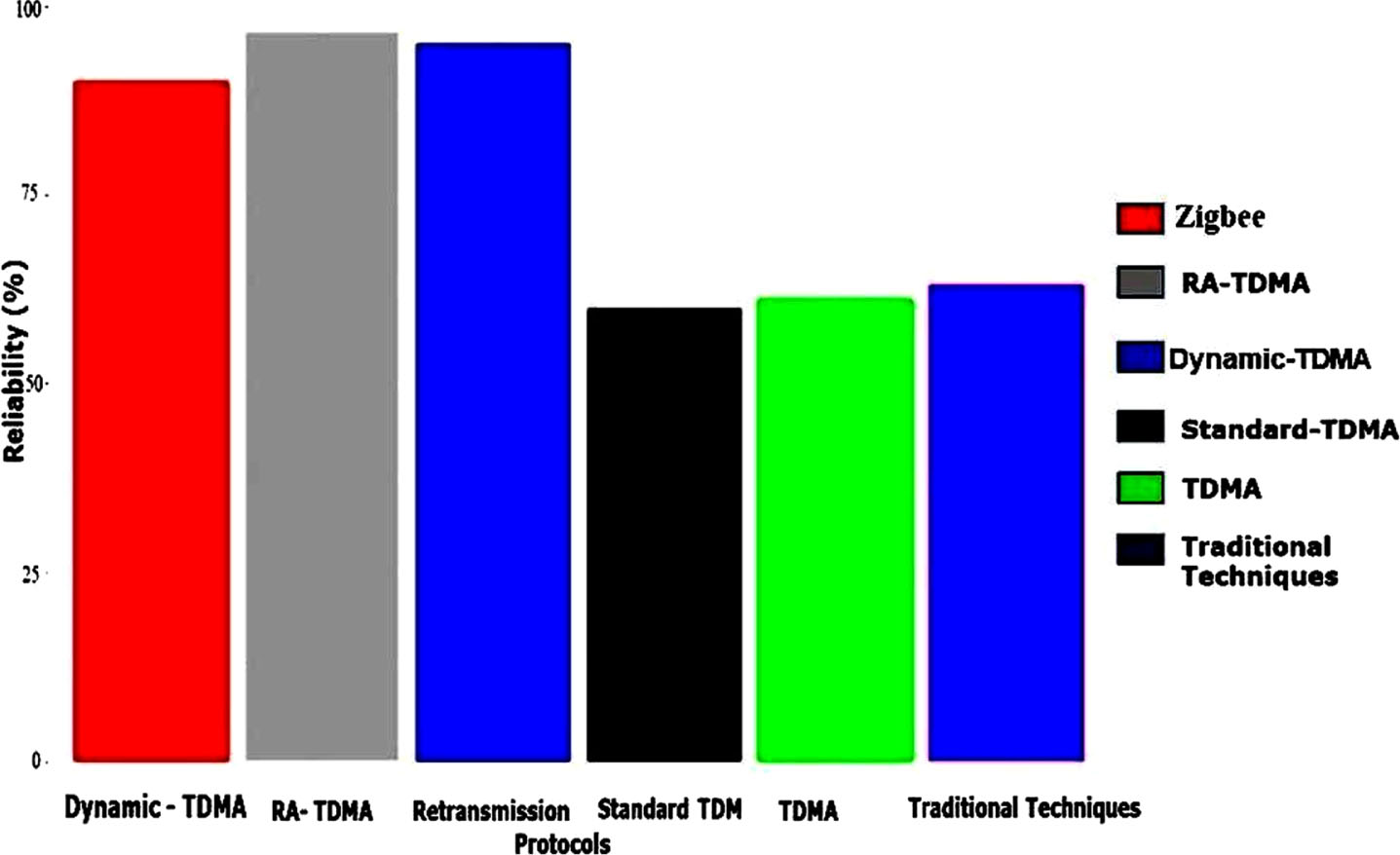
Depicts the comparative reliability.
From Figs. 9, 10 it is inferred that the reliability of the network using standard TDM and TDMA techniques are 60% and 61%, respectively. Dynamic TDMA showed a reliability of 90% with retransmission of 95%. From Table 4, it can be seen that the proposed algorithm of RA – TDMA, the reliability was increased up to 2% with 98% reliable communication and no collision. Figure 11 shows the comparison of performance of PA-TDMA protocols with Others.
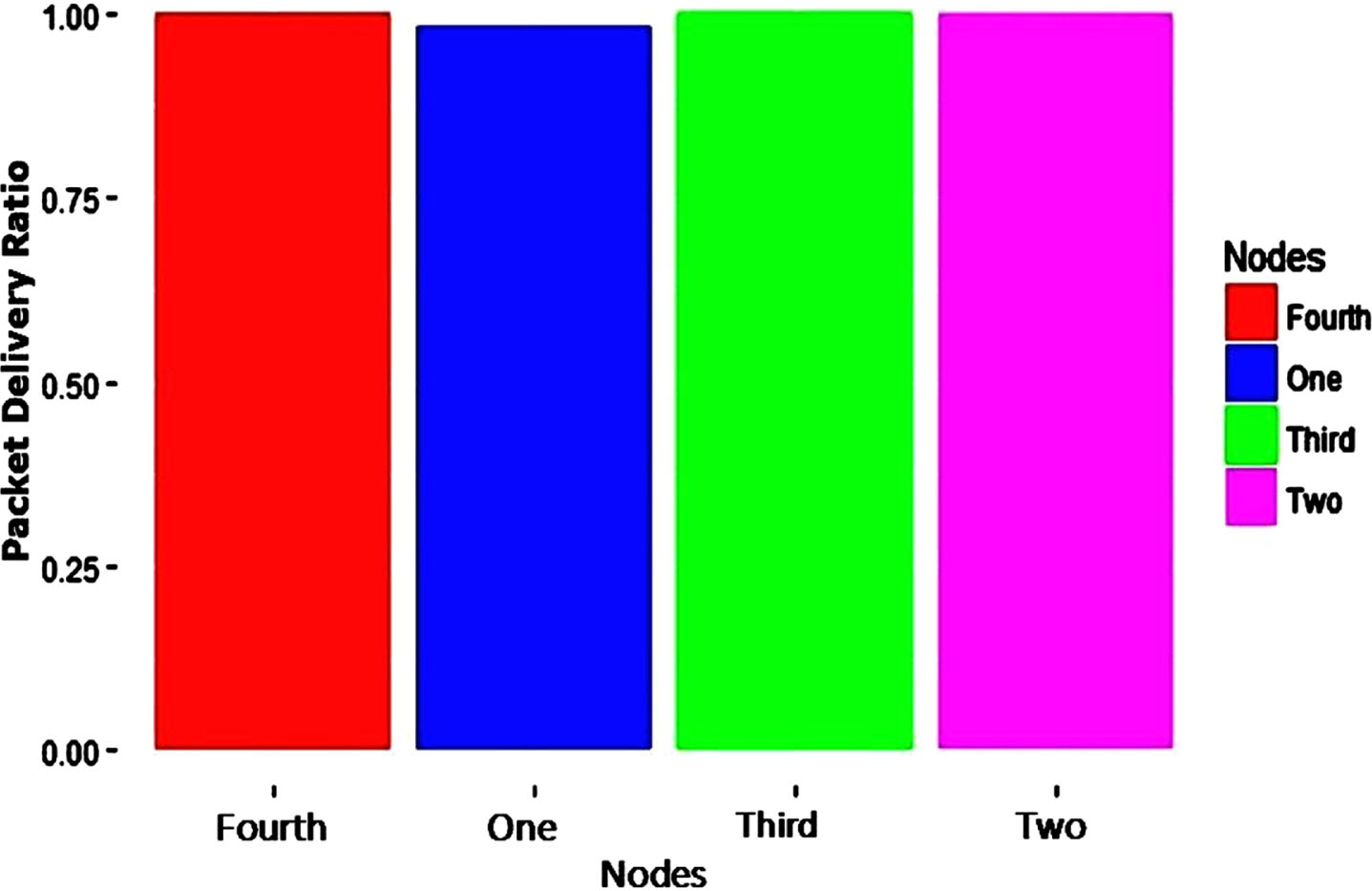
Packet Data rate of four nodes transmitting to the coordinator.
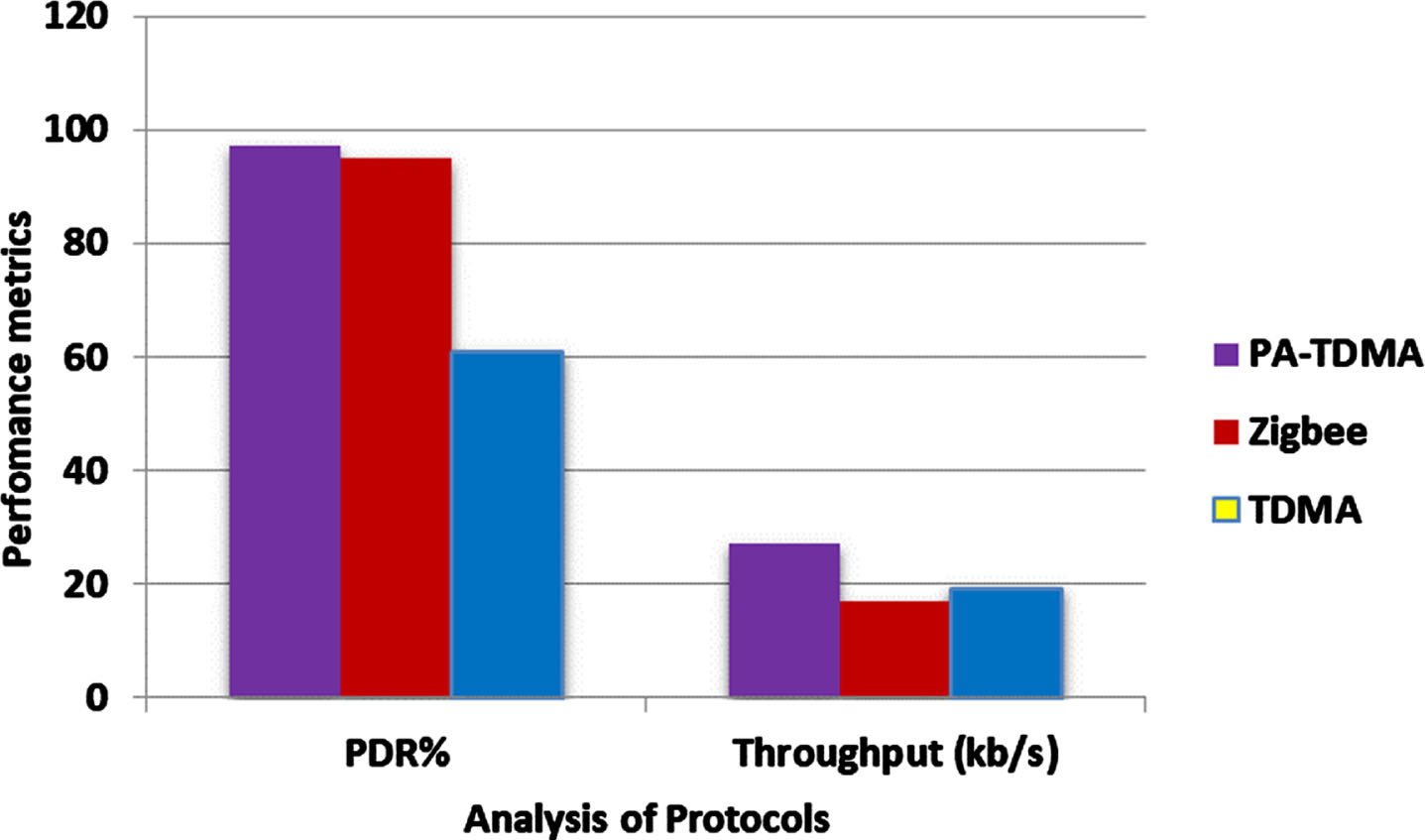
Comparison of performance of PA-TDMA protocols with others.
Simulation results of the various protocols with the performance metrics
To gauge the scalability of the proposed methodology, we examined the performance under different network sizes. By varying the number of nodes, ranging from 10 to 50, we sought to understand how the system scales as the network expands. The simulation results, as shown in Table 5 and Fig. 12, reveal a consistent trend where the proposed PA TDMA protocols maintain a high packet delivery ratio even as the number of nodes increases. This substantiates the ability of our approach to handle larger networks effectively while ensuring reliable communication.

Comparison of PDR and delay.
Impact of varying simulation parameters on system performance
Another critical factor affecting real-world scenarios is the duration of operation. We conducted simulations with varying simulation times, ranging from 10 seconds to 50 seconds. The results, depicted in Table 5, showcase that the proposed protocols exhibit stable performance across different time frames. The packet delivery ratio remains consistently high, indicating that the proposed methodology is not only effective but also robust over extended periods of operation.
Impact of packet size
Packet size is a key parameter that influences data transmission efficiency. By varying the packet size from 100 bytes to 2000 bytes, we assessed the adaptability of our approach to diverse packet sizes. Therefore, the proposed PA TDMA protocols maintain a high packet delivery ratio and throughput, showcasing their versatility and ability to handle varying data sizes.
Impact of traffic type
We also evaluated the performance of the proposed methodology under different traffic types, including Constant Bit Rate (CBR) and Variable Bit Rate (VBR). The results in demonstrate that our approach remains effective across different traffic patterns, highlighting its suitability for dynamic and diverse data streams in real-time sports. The analysis of the impact of varying simulation parameters underscores the robustness and effectiveness of the proposed RA TDMA & PA TDMA protocols. The results consistently show high packet delivery ratios, minimal end-to-end delays, low jitter, and efficient throughput across different scenarios. This adaptability and reliability validate the applicability of our approach in enhancing real-time monitoring in sports applications, offering valuable insights for practitioners and researchers in the field.
Our method distinguishes itself through several key components:
Conclusion
This research is centered on the optimization of wireless body sensor networks for real-time monitoring of athletes. The study involves selecting the best sensor placement on athletes’ bodies, assessing system accuracy, and evaluating the performance of different protocols. The proposed methodologies, including RA-TDMA and PA-TDMA algorithms, were extensively simulated and compared against existing techniques to gauge their effectiveness. The study also extensively investigated optimal sensor placement on athletes’ bodies, revealing the arm as the most effective location. Throughput calculation and relay speed analyses were employed to evaluate system accuracy. The network’s performance parameters, including the packet delivery rate (98%), excelled in comparison to alternative techniques. Multiple studies concurred on the arm’s efficacy as the prime sensor placement, boasting a remarkable 98% success rate. While the RA TDMA & PA TDMA protocols show promising performance, it’s crucial to acknowledge specific limitations for future exploration. The study presupposes a static environment, potentially posing challenges in scenarios with heightened node mobility. Furthermore, delving into the energy efficiency of the protocols and conducting scalability tests in larger networks is imperative for uncovering potential hurdles. Subsequent research endeavors could delve into evaluating the protocols’ resilience in dynamic network conditions and addressing security considerations to enhance their applicability.
Footnotes
Declarations
Competing interests
Authors declare no conflict of interest.
Availability of supporting data
Available on request.
Consent for publication
We confirm that this manuscript is original, has not been published before and is not currently being considered for publication elsewhere. All author read and approved the manuscript.