







Abstract
In order to improve the melt strength of Poly(butylene succinate) (PBS) resin, the silane graft-crosslinked PBS copolyester materials were prepared by melt blending method with vinyltriethyl silane as graft material and benzyl peroxide (BPO) as initiator. At the same time, the environmentally friendly compound foaming agent (citric acid and sodium bicarbonate) was used as foaming agent. The results showed that the tensile properties and melt strength of PBS resin were greatly improved after silane grafting and cross-linking, and the graft and cross-linking reaction between PBS resin and silane occurred, forming a three-dimensional space network structure, and the viscosity and elasticity of polymer melt was changed, which increased the entropy elasticity of the material and strengthened the polymer melt strength. The additional amount of compound foaming agent and the cross-linking degree of material had important influence on the diameter and distribution of PBS foaming material.
Introduction
Polymer melt strength referred to the fracture characteristics of polymer melt under a certain shear force, and had an important influence on the foaming process of the material. The success of a polymer in producing a foam material depended largely on whether the material had the right melt strength. Poly(butylene succinate) (PBS)1–5 as the representative of biodegradable plastic has good biological compatibility, but it belonged to the linear polymers, its molecular weight was usually not high, so its melt strength was low. It was not easy to grow bubbles and stabilize foam holes in the foaming process of PBS resin, so it was difficult to obtain foam materials with high expansion rate, which limited its application in the field of foam insulation packaging materials.
At present, the main methods to improve the strength of PBS melt strength could be divided into chain extension modification, organic peroxides cross-linking, irradiation cross-linking, 6 ultraviolet-induced cross-linking, 7 multi-functional group reaction, and blending with high viscosity polymer. Among them, the traditional organic peroxides cross-linking method could improve the melt strength of PBS resin, but the polymer cross-linking process was too large and the gel content was high, which was not conducive to material foaming. For example, Chuai et al. 8 used benzoyl peroxide (BPO) as an initiator to prepare polybutylene glycol succinate (PBS) cross-linking resin. The experimental results showed that with the increase of BPO addition, the gel content of the crosslinked PBS system gradually increased and the viscoelastic behavior was changed. The complex viscosity, storage modulus, and loss modulus of crosslinked PBS resin were also improved to some extent. This paper referred to the silane crosslinked polyethylene technology developed in the late 1960s. 9 In this technology, polyethylene, silane, peroxide, and other additives could be mixed in a certain proportion by one-step reaction method, and then extruded directly into the extruder. After cross-linking in warm water, silane could be directly grafted to crosslinked polyethylene. The existence of cross-linking network resulted in the enhancement of mechanical properties of silane crosslinked polyethylene. Silane grafted-crosslinked PBS resin with high melt strength was prepared by a method similar to silane grafted-crosslinked polyethylene. At present, there are few reports on the preparation of silane grafted-crosslinked PBS copolyesters by melt blending. In the later stage, the environmentally friendly foaming agent made by ourselves was used for foaming, and PBS foaming material was successfully prepared, so that it could be used in packaging material industry to improve the increasingly serious environmental problems.
Experimental
Materials
PBS, extrusion grade, Anqing Hexing Chemical Co., LTD. Vinyl triethoxy silane (A151), Shanghai Aladdin Biochemical Technology Co., LTD. Benzoyl peroxide (BPO), Shanghai Tianlian Fine Chemical Co., LTD. Citric acid, Shandong West Chemical Industry Co., LTD. Sodium bicarbonate, Tianjin Bodi Chemical Co., LTD. All reagents are analytically pure.
Preparation of modified foaming agent
A quantity of citric acid was added to anhydrous ethanol and stirred until dissolved. The amount of sodium bicarbonate was then added to the citric acid solution. The modified foaming agent of PBS foaming material was obtained by stirring the solution regularly until the ethanol was completely volatilized.
Preparation of silane graft-crosslinked PBS and its foaming materials
In the Haake torque rheometer, PBS, BPO, and A151 were mixed in a certain proportion and then melt blending was carried out. The reaction temperature was 130°C, the reaction time was 15 min, and the rotor speed was 30 r.min−1. After silane grafting and cross-linking, PBS resin and modified foaming agent were mixed uniformly at a temperature lower than the decomposition temperature of foaming agent. The foaming temperature was 160°C, the pressure was 10 MPa, and the molding time was 10 min, and the foamed PBS sheet was obtained. The preparation process of PBS foaming material was shown in Scheme 1. Preparation process of PBS foaming material.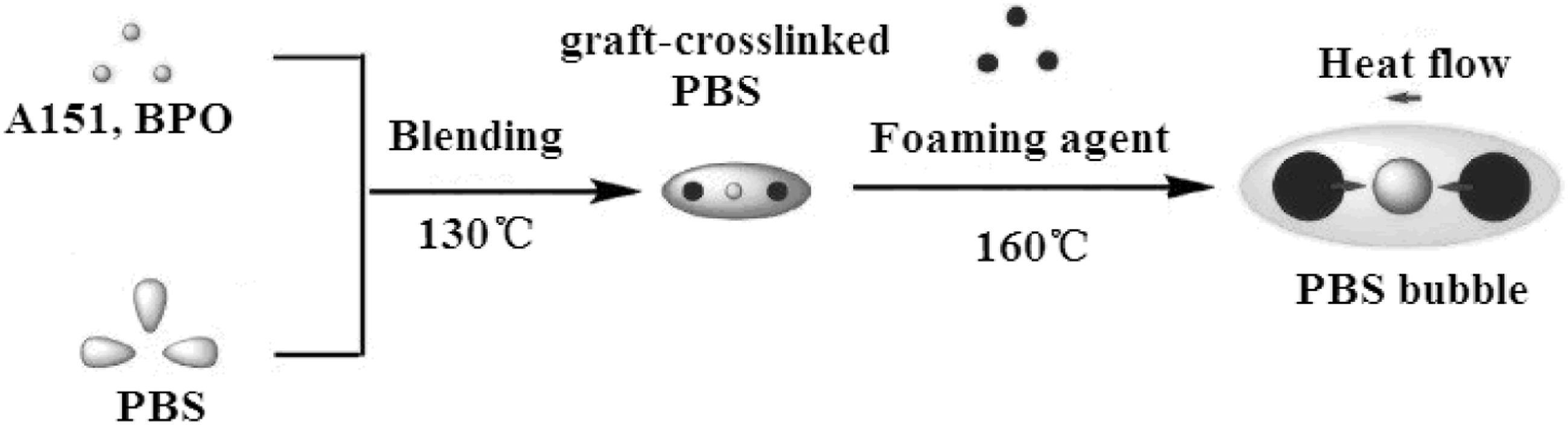
Analytical procedures
The soluble portion of graft-crosslinked PBS resin was dissolved in deuterium chloroform for 1HNMR test. The chemical structure of graft-crosslinked PBS product was analyzed by NMR spectrometer (DRX-400 MHz) from Bruker company, using tetramethylsilane (TMS) as internal standard.
The foaming temperature of modified foaming agent was analyzed by differential scanning calorimeter (204F1) from Germany Thremo Electron Company. The modified foaming agent was heated to 200°C at a heating rate of 10°C/min, and the heating curve was recorded.
Dynamic rheological behavior of graft-crosslinked PBS resin was analyzed by adopting the German Thremo Electron company MARS Ⅲ type dynamic rheological tester. Strain control mode was adopted during the test, with scanning frequency ranging from 0.1 Hz to 100 Hz, experimental temperature of 130°C and strain of 0.05.
Tensile tests of silane graft-crosslinked PBS copolymers were performed by using electronic universal tensile testing machine (RGL-5, Shenzhen Ruigel Instrument Co. LTD). The experimental tensile rate was 50 mm.min−1, and the experimental temperature was room temperature.
The foam-pore structure of PBS foamed material was observed by polarizing microscope (DM 4000M LED) from Germany Leica Electron Microscope Company.
Determination of gel content
About 0.5 g dried sample was placed in a copper mesh metal cage and tested in a Soxhlet extractor. By using dichloromethane as the solvent, the sample was extracted for 12 h. Then, it was dried in an oven at about 70°C until the mass was constant, and the weight of the dried residue was weighed. We repeated the above tests for three times to get the average value, and calculated the gel rate according to Formula (1-1)

Results and discussion
Determination of foaming temperature
The untreated sodium bicarbonate (NaHCO3) foaming agent was an environmentally friendly endothermic foaming agent. However, due to its low decomposition temperature and long decomposition temperature range, it was extremely difficult to meet the processing temperature of general plastics. Therefore, it was an urgent problem to improve the decomposition temperature and shorten the decomposition temperature range of sodium bicarbonate. As shown in Figure 1, sodium bicarbonate was adjusted with citric acid to obtain a compound foaming agent with a high foaming temperature and a narrow temperature range. The foaming temperature was set at 160°C according to the experimental results. DSC curves of NaHCO3 and its modified foaming agent.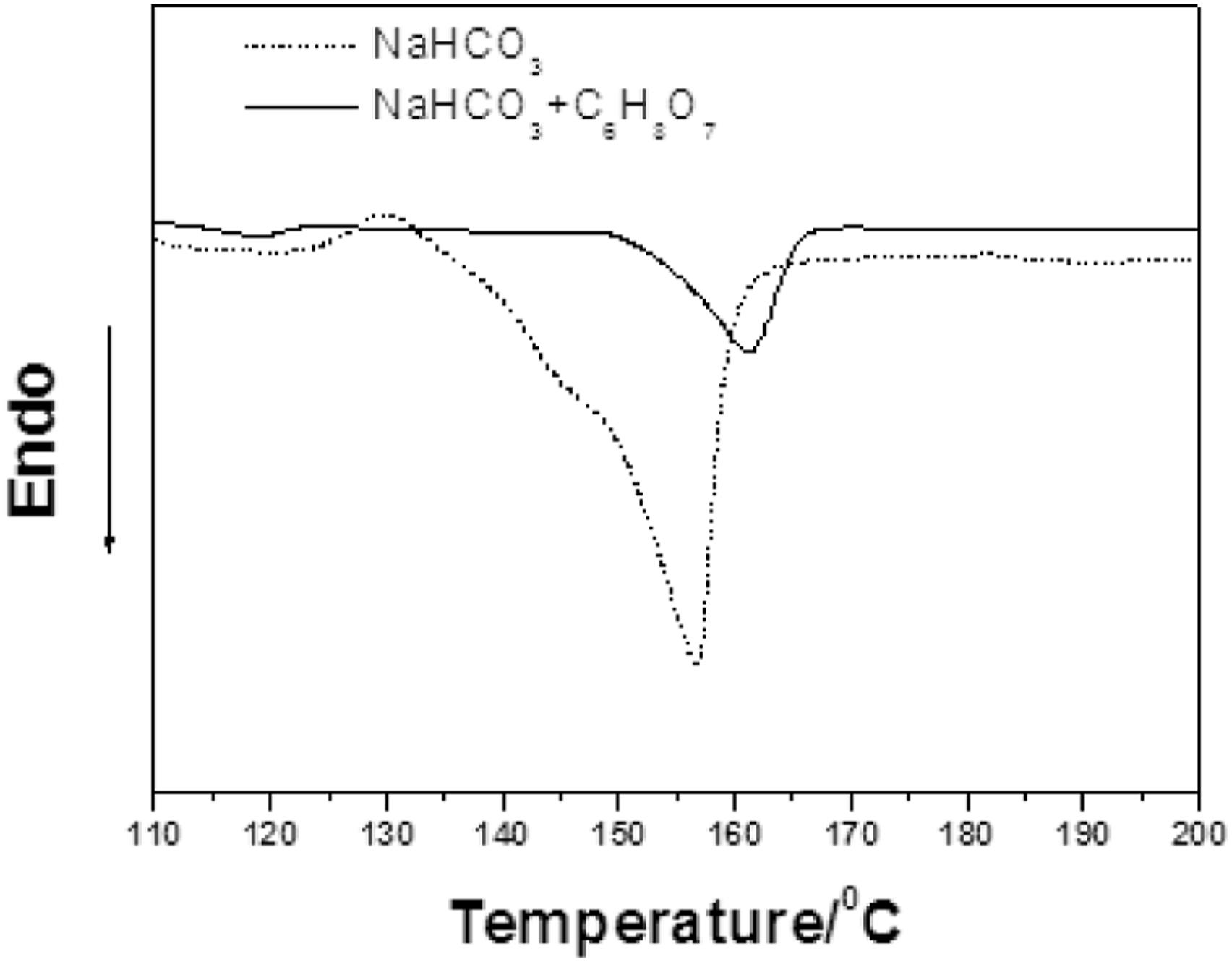
Characterization of silane grafted-crosslinked PBS copolyesters
In order to improve the melt strength of PBS resin, PBS resin was melt blending with initiator BPO and vinyl triethoxy silane (A151). As shown in Figure 2, the torque of the blend was significantly increased, and grafting and cross-linking reactions occurred simultaneously between A151, BPO, and PBS resin. The cross-network structure formed gradually, the melt viscosity increased, leading to the increase of torque value. The time to reach the gel point gradually shortened and the gel content gradually increased with the increase of BPO mass (see Table 1). Possible mechanisms could be described. First, initiator BPO was decomposed into active radical by heat, and hydrogen on PBS main chain was captured, so that grafting point was generated on the main chain. The double bond in silane A151 was opened and binded to the vacant point on the PBS backbone, making it possible for silane to graft onto the PBS backbone. At the same time, the active points on the main chain of PBS could also react and bond with each other to form a crosslinked structure. So, the graft reaction and cross-linking reaction could occur simultaneously in the melt blending process of PBS with initiator BPO and vinyl triethoxy silane (A151). Curves of torque versus time for silane grafted-crosslinked PBS copolyesters. Gel content of samples.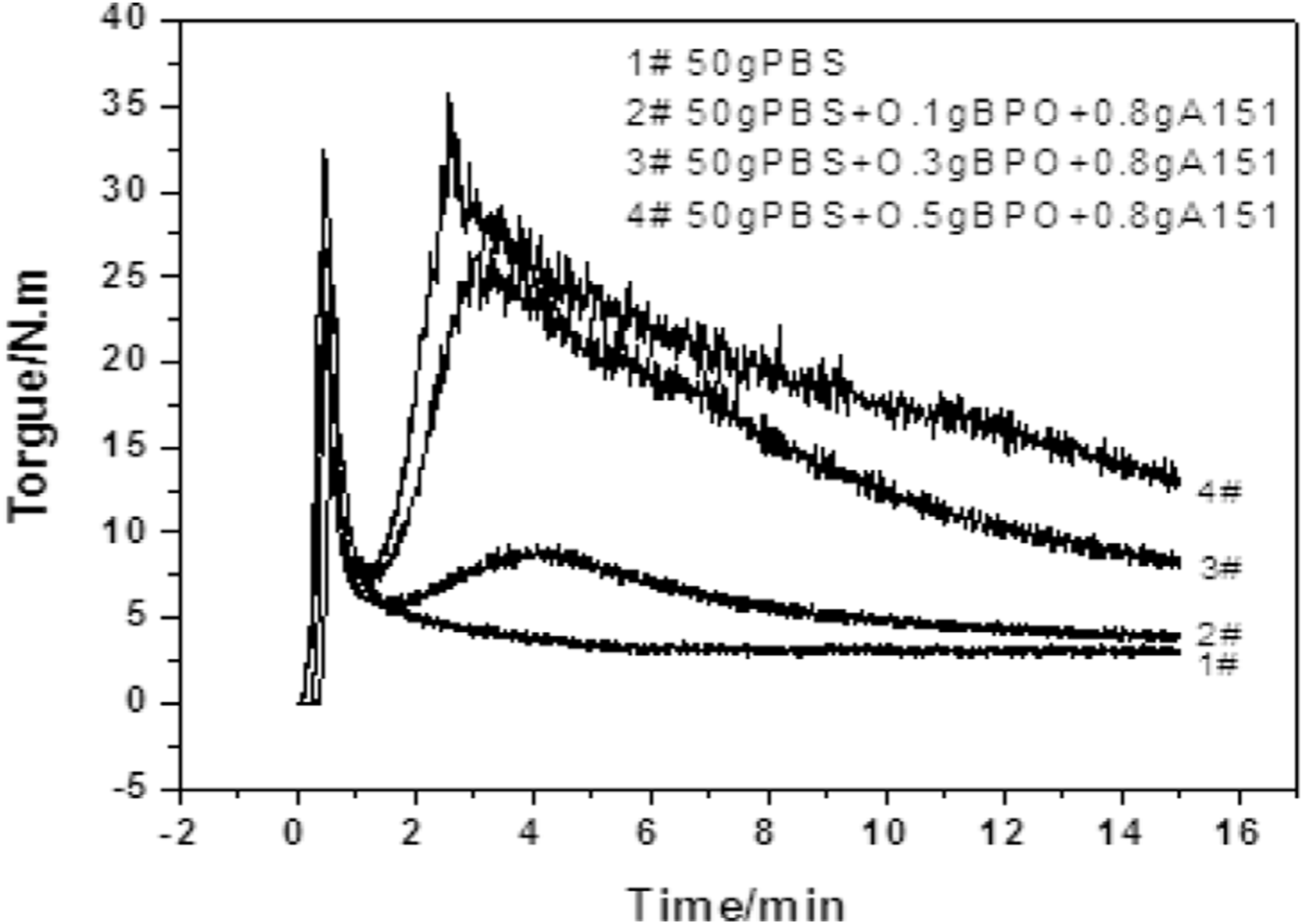

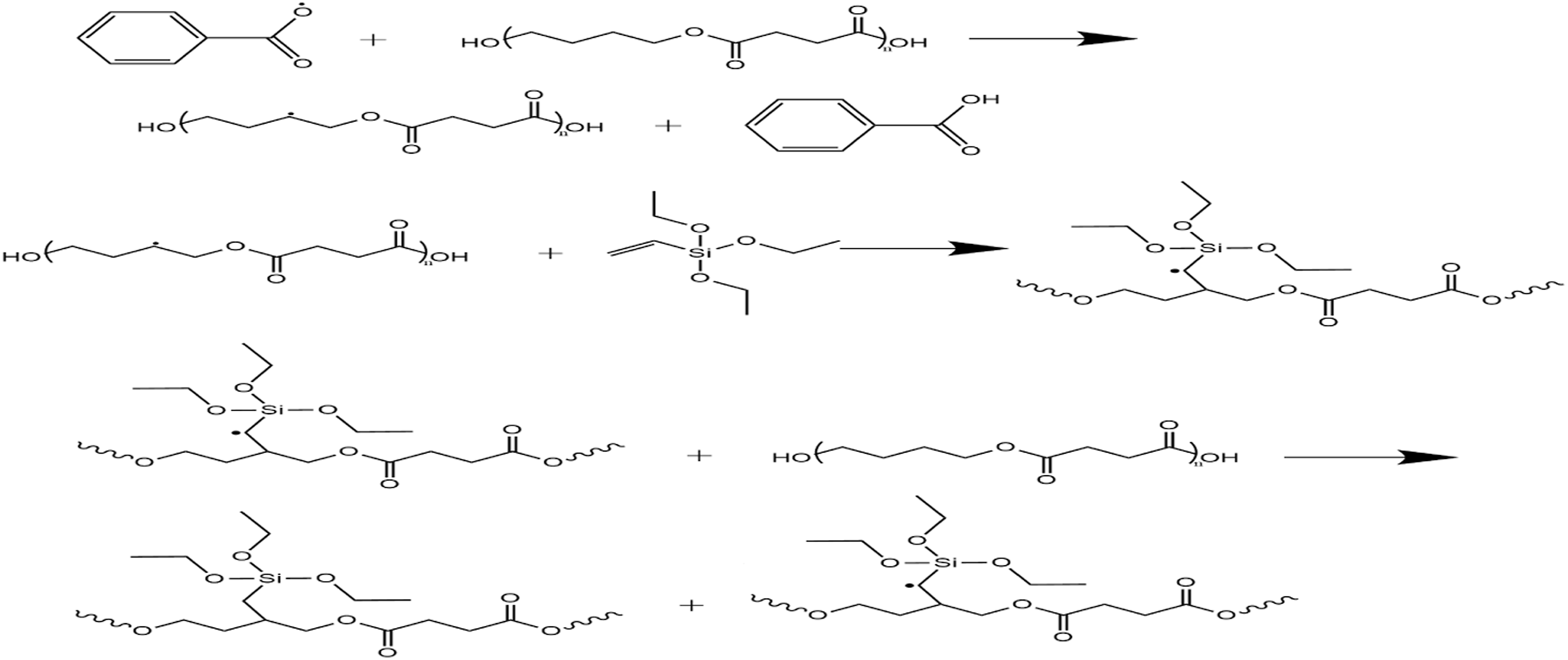
In order to prove the graft reaction of PBS and silane in melt blending process, the soluble substance of the product in dichloromethane was precipitated by methanol, and then the structure of sample was analyzed using NMR. As shown in Figure 3, the characteristic peaks of methylene group belonging to 1, 4-butanediol on the main chain of PBS were divided into two peaks. The corresponding chemical shifts were 1.64 ppm and 1.50 ppm, respectively. It was proved that graft reaction occurred between PBS and silane, resulting in new characteristic peaks. The possible mechanisms are shown in Scheme 2. 1H NMR spectra of silane grafted PBS copolyester. Possible mechanism of silane grafting reaction.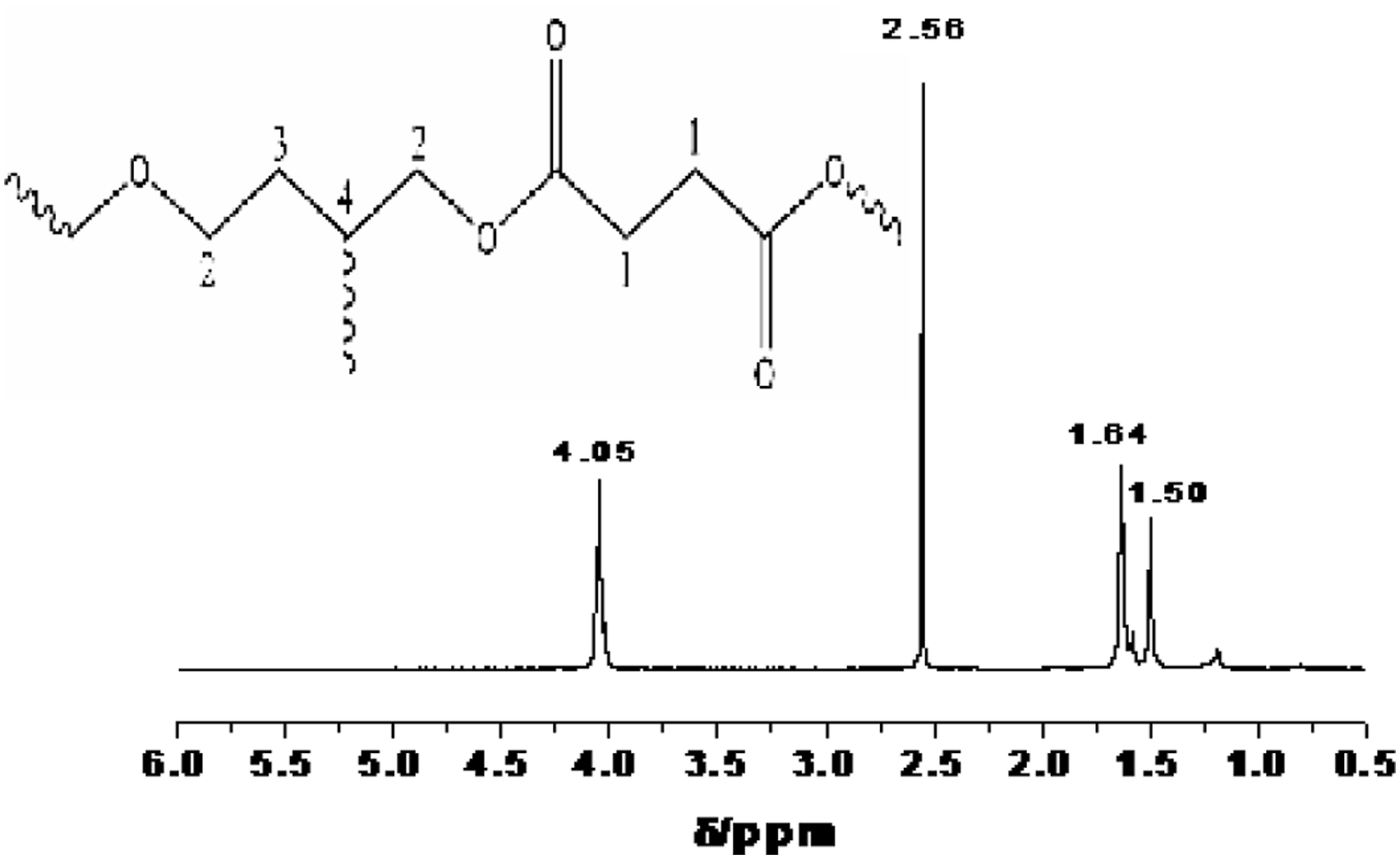
Tensile properties of silane grafted-crosslinked PBS copolyesters
The stress–strain curves of BPO with different mass fractions, quantitative silane coupling agent and PBS melting blend are shown in Figure 4. After adding appropriate amount of A151 and BPO, the tensile strength and elongation at break of PBS resin were significantly increased. After PBS resin was melt blending with 0.1 g BPO and 0.8 g A151, the elongation at break reached 550.8%, and the tensile strength reached 17.3 MPa. Compared with the linear structure of pure PBS, the three-dimensional network structure of the system improved the interaction between macromolecular chains, and it was more conducive to the stress transfer. When the amount of BPO reached 0.5 g in blend, the elongation at break decreased significantly. The addition of excessive BPO produced a large amount of gel, eventually resulting in local stress concentration. The tensile curve of silane graft-crosslinked PBS copolyester.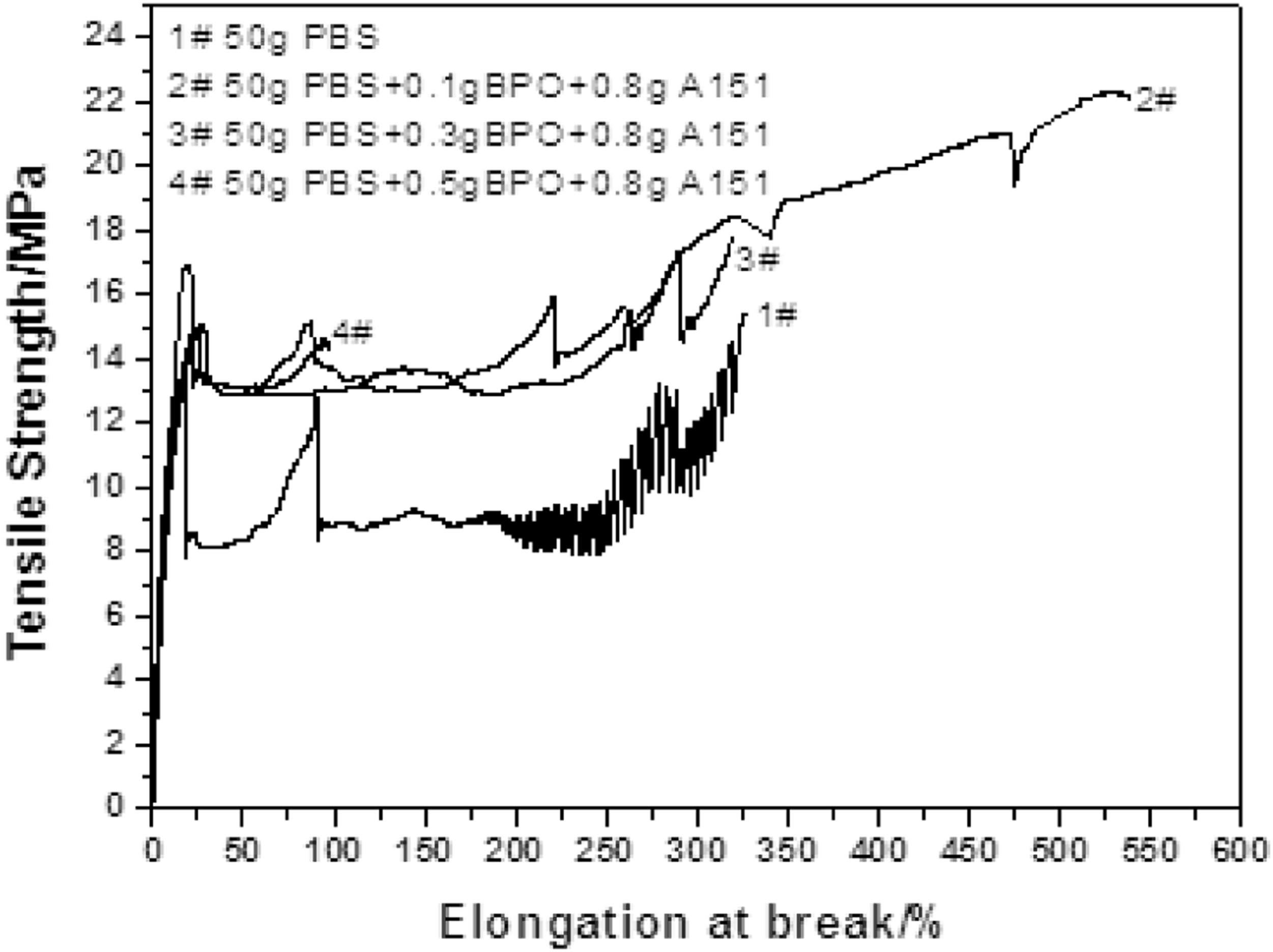
Rheological properties of silane grafted-crosslinked PBS copolyesters
It can be seen from Figure 5 that the storage modulus of pure PBS was greater than its loss modulus, while PBS materials with the addition amount of 0.8 g A151 and 0.1 g BPO were opposite. According to Busse,
10
there was a certain interdependence between the melt elasticity of polymer and its melt strength. Under certain experimental conditions, the greater the melt elasticity, the greater the melt strength would be. For pure PBS, the adhesive behavior of melt was obvious. On the contrary, the elastic behavior of PBS blend melt was obvious. This indicated that the formation of cross-linking network could inhibit irreversible sliding deformation of PBS molecular chains, thus increasing entropy elasticity and melt strength. With the increase of melt strength, it was possible to prepare PBS foaming material. The relation curve of G′ and G″ of PBS and PBS blend with frequency.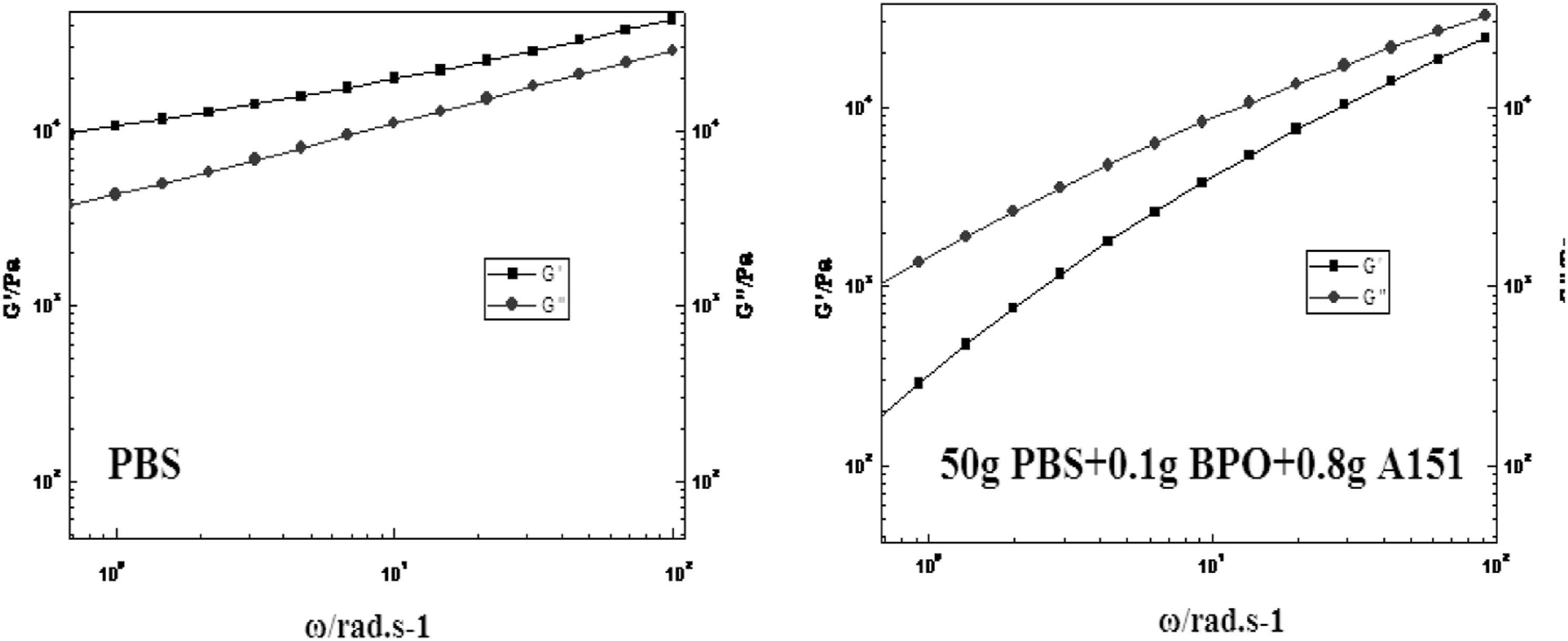
Enzymatic degradation analysis of silane grafted-crosslinked PBS copolyesters
The enzymatic hydrolysis of silane grafted-crosslinked PBS copolyesters with different BPO content was tested using pseudomonas cepacia lipase at a constant temperature of 40°C. The experimental results were identified by the SEM analysis of the sample surfaces during the enzymatic degradation, as shown in Figure 6. SEM photographs of the degradation after 60 days for samples were recorded. Three samples were degraded to different degrees. Among them, the degradation rate of the silane grafted and crosslinked PBS sample with 0.1 g BPO was the fastest. The surface pores of the samples were obviously increased after enzymolysis with the decrease of BPO content. In general, biodegradation was inhibited by cross-linking reaction, and the higher the degree of cross-linking, the slower the degradation rate. SEM photographs of the silane grafted-crosslinked PBS copolyesters after enzymatic degradation for 60 days. (a) 0.1 g BPO; (b) 0.3 g BPO; (c) 0.5 g BPO.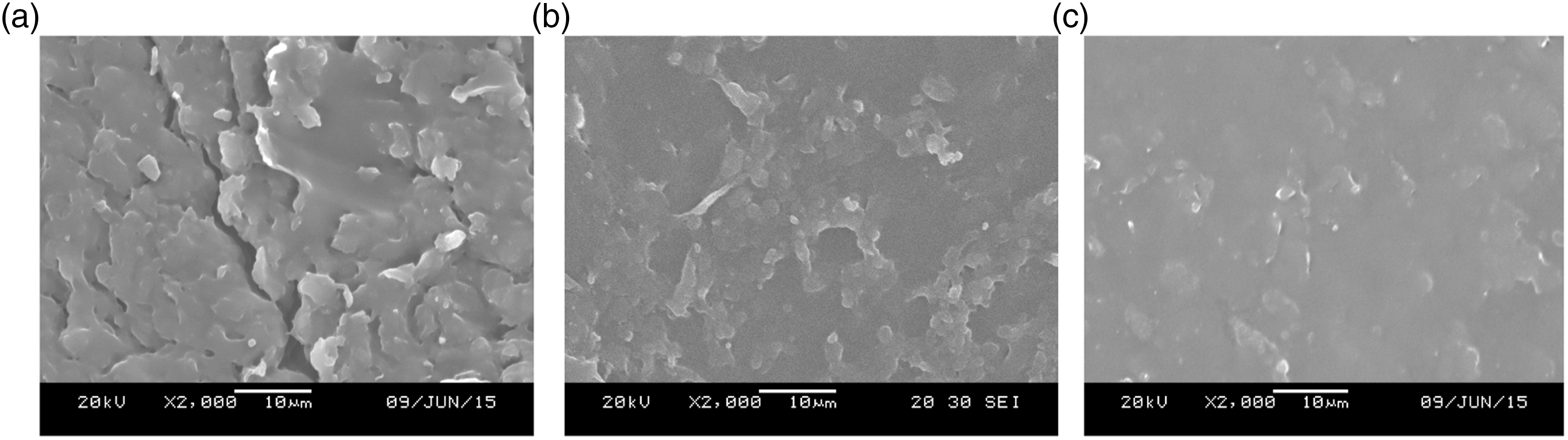
Analysis on the structure of PBS foams
2# blend and 4#blend were selected for foaming, and its bubble structures are shown in Figure 7. By comparing Figure 7(a) and Figure 7(b), when the added amount of modified foaming agent was 3.0 g, the average diameter of the bubble hole was measured at about 355 m, while when the added amount was 2.6 g, the average diameter of the bubble hole was about 248 m, and the diameter of the bubble hole was reduced. Therefore, the size of the bubble hole diameter was related to the amount of adding modified foaming agent, the amount of adding foaming agent should be appropriate to avoid the rupture of bubble hole. By comparing Figure 7(b) and Figure 7(c), 4 # blend had a large degree of cross-linking and too high gel content. In the foaming process, the foam holes were unstable and not easy to foam. PLM image of PBS foaming materials section. (a) 2#blends, 3g foaming agent; (b) 2#blends, 2.6 g foaming agent; (c) 4#blends, 2.6 g foaming agent.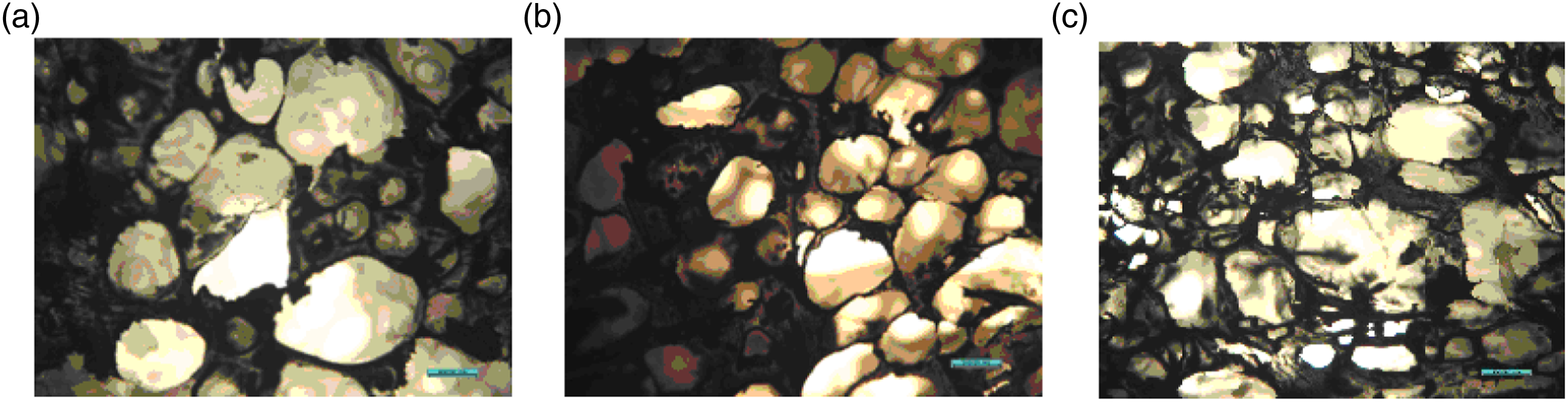
Conclusions
In the process of melt blending of PBS resin with initiator BPO and silane, silane graft reaction and macromolecular cross-linking reaction occurred simultaneously, and the melt strength of the blend was significantly improved. The amount of foaming agent and the gel content of the material had a very important effect on the structure of the bubble.
Footnotes
Declaration of conflicting interests
The author(s) declared no potential conflicts of interest with respect to the research, authorship, and/or publication of this article.
Funding
The author(s) received no financial support for the research, authorship, and/or publication of this article.
