





Abstract
Polylactic acid (PLA) and its composites have gained significant attention for the fabrication of complex biomedical devices because of their biodegradability, biocompatibility and reliable mechanical performance. Despite the various advantages of PLA, the use of pure PLA is limited because of its brittleness, low strength, poor crack resistance and slow degradation. To overcome these limitations, composites of PLA matrix with various reinforcements such as zinc oxide (ZnO) and tricalcium phosphate (TCP), has been focused in current continuation. The inspection of tensile data reveals that suspension of TCP enhanced the strength of composite material, while zinc helps in increasing the ductility and strength. The collective transport of ZnO and TCP into PLA yield to composite materials with impressive mechanical features inconstant to traditional PLA. A well balanced suspension of PLA/30TCP/1ZnO composite has been claimed with moderate degradability. Further 3D printing compatibility of various parts such as screw, bone plates was tested using the PLA/30TCP/1ZnO composites.
Introduction
The additive manufacturing (AM) referred as a three-dimensional (3D) printing, has attained the focus in various biomedical applications because of its compatibility to fabricate the complex geometries with simplicity, high-precision and cost-effectiveness.1,2 Recent developments in the biomedical manufacturing have specified an increasing role of bioinspired and intelligent fabrication strategies for various regenerative applications. For instance, the mesenchymal stem cell–inspired microneedle platforms have been used for representation of NIR-responsive immunomodulation as well as accelerated tissue regeneration. 3 Similarly, an AI-assisted 4D printing technique associated to natural systems, like carnivorous plant–based microneedle architectures, are developed for adaptive the therapeutic delivery. 4 Among the various compatible materials for 3D printing, polylactic acid (PLA) is most used materials because of its biodegradability, biocompatibility and reliable mechanical performance. 5 Further, biomedical-grade PLA is approved material for the fabrication of biomedical devices such as screws, bone plates etc. 6 PLA has been widely used for temporary orthopedic devices such as interference screws, bone plates, and fixation systems, where load-bearing capability is required during the healing phase, followed by gradual resorption without the need for secondary surgery.7,8 However, the inherent brittleness, limited toughness, and relatively slow degradation rate of neat PLA restrict its broader application in demanding orthopedic environments.9,10
To overcome these limitations, PLA has been reinforced with bioactive and inorganic fillers such as tricalcium phosphate (TCP) and zinc oxide (ZnO), which are known to enhance mechanical performance, bioactivity, and degradation characteristics.11,12 TCP, owing to its chemical similarity to the mineral phase of bone, has been extensively used to improve osteoconductivity and interfacial bonding with surrounding tissue, while ZnO has attracted attention for its antibacterial properties, degradation-modulating effects, and potential to improve ductility when incorporated at low concentrations.13,14,15 Hussain et al. 16 compared the mechanical performance of PLA/ZnO, PLA/MgO and PLA/ZrO2 with pure PLA and PLA/TCP composites under tensile load. In all these composites, nanospheres of ZnO, MgO and ZrO2 were used as the reinforcement. All the tensile test specimens were fabricated via solution casting and tested under similar ambient conditions. The results showed that the addition of 1 to 2 wt% of MgO, ZnO and ZrO2 nanospheres increased the significant ductility of PLA as compared to pure PLA and PLA/TCP composites. Further, the results showed that PLA/ZnO composites exhibit improved load-carrying capabilities as compared to other types of composites. The investigation of Hussain et al. 17 comprises the biomedical applications subject to the PLA/TCP/ZnO hybrid suspension. It has been claimed that both ZnO and TCP enhances the mechanical and degradation performance of PLA as compared to pure PLA, PLA/TCP, and PLA/ZnO composites. Hence, the synergistic incorporation of TCP and ZnO within a PLA matrix offers a promising strategy to tailor both mechanical integrity and degradation behavior, which are critical parameters for orthopedic device performance. Dejene et al. 18 discussed the challenges in the manufacturing of PLA/ZnO nanocomposites. Uniform dispersion and interfacial compatibility of ZnO is a challenge for industrial applications.
Several studies have fabricated PLA-based composites using FDM. Mani et al. 19 studied the effect of post-processing treatment on 3D printing of PLA. Pandian et al. 20 studied the impact of filler and varying infill densities on the properties of PLA. Chong et al. 21 fabricated the PLA/ZnO filament for biomedical applications. The effect of mixing strategy and filler concentration was investigated. The results showed that the 3D printing compatibility decreased as the filler concentration increased. Kumar et al. 22 fabricated the PLA/ZnO filament for 3D printing applications. The effect of filler concentration and input parameters of twin-screw extruder on mechanical and thermal properties was studied. Investigation based on decomposition of PLA/TCP to analyze the 3D printability of these composites for the fabrication of scaffolds was performed by Barzanouni et al. 23 The effect of filler concentration (0 to 60 wt%) on compressive strength was investigated. Results showed that the PLA/20TCP composites exhibit maximum strength (28.21 MPa) at a 20 wt% TCP content. Harb et al. 24 prepared the PLA composites reinforced with TCP (10 to 90 wt%) and ZnO (1 to 10 wt%) via FDM. The results showed that PLA/TCP composites containing 5% ZnO particles exhibit optimized degradation and mechanical properties. There is a lack of systematic understanding of how bioactive fillers such as TCP and ZnO influence the performance of FDM-printed structures under physiological degradation conditions. No research has focused on the combined effect of ZnO and TCP and 3D printing compatibility of PLA. Addressing this gap is essential for translating laboratory-scale materials into clinically viable orthopedic implants. Several studies have fabricated PLA-based composites using FDM. The effect of mixing strategy and filler concentration was investigated. Kumar et al. 22 fabricated the PLA/ZnO filament for 3D printing applications. The effect of filler concentration and input parameters of twin-screw extruder on mechanical and thermal properties was studied. Barzanouni et al. 23 prepared the PLA/TCP composites using FDM and investigated the 3D printability of these composites for the fabrication of scaffolds. The effect of filler concentration (0 to 60 wt%) on compressive strength was investigated. Results showed that the PLA/20TCP composites exhibit maximum strength (28.21 MPa) at a 20 wt% TCP content. Harb et al. 22 prepared the PLA composites reinforced with TCP (10 to 90 wt%) and ZnO (1 to 10 wt%) via FDM. The results showed that PLA/TCP composites containing 5% ZnO particles exhibit optimized degradation and mechanical properties. There is a lack of systematic understanding of how bioactive fillers such as TCP and ZnO influence the performance of FDM-printed structures under physiological degradation conditions. No research has focused on the combined effect of ZnO and TCP and 3D printing compatibility of PLA. Addressing this gap is essential for translating laboratory-scale materials into clinically viable orthopedic implants.
In this study, PLA/TCP, PLA/ZnO, and hybrid PLA/30TCP/1ZnO composites were developed and processed into filaments suitable for FDM. The composites were fabricated into standardized test specimens and orthopedic device geometries, including interference screws and bone plates, to evaluate their mechanical performance and in vitro degradation behavior. The primary objective of this work is to elucidate the role of composite formulation and FDM processing on the structural integrity, degradation characteristics, and suitability of PLA-based composites for biodegradable orthopedic applications.
Materials and Methods
Selection of Materials
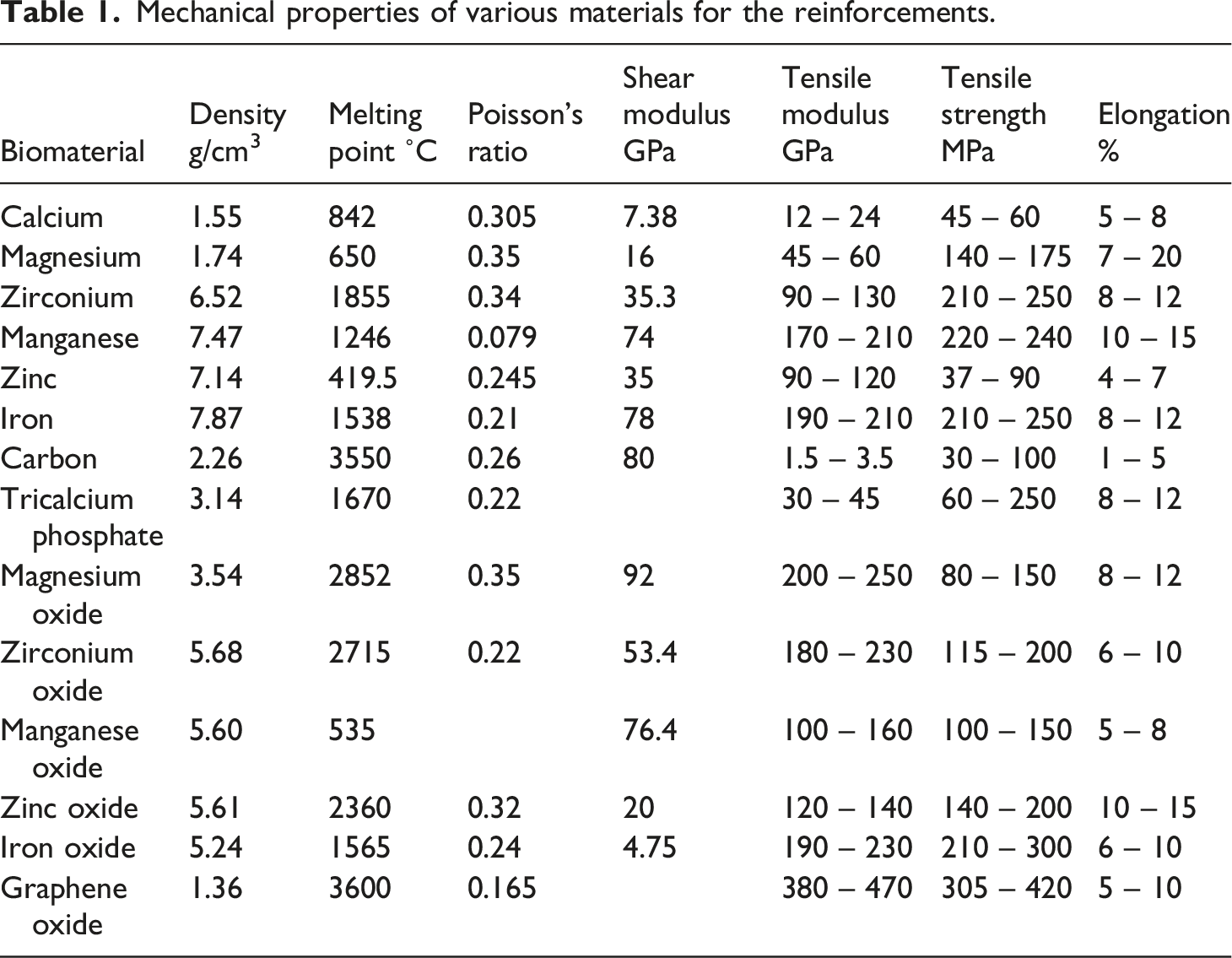
Mechanical properties of various materials for the reinforcements.
Criteria for the selection of materials for the reinforcements.
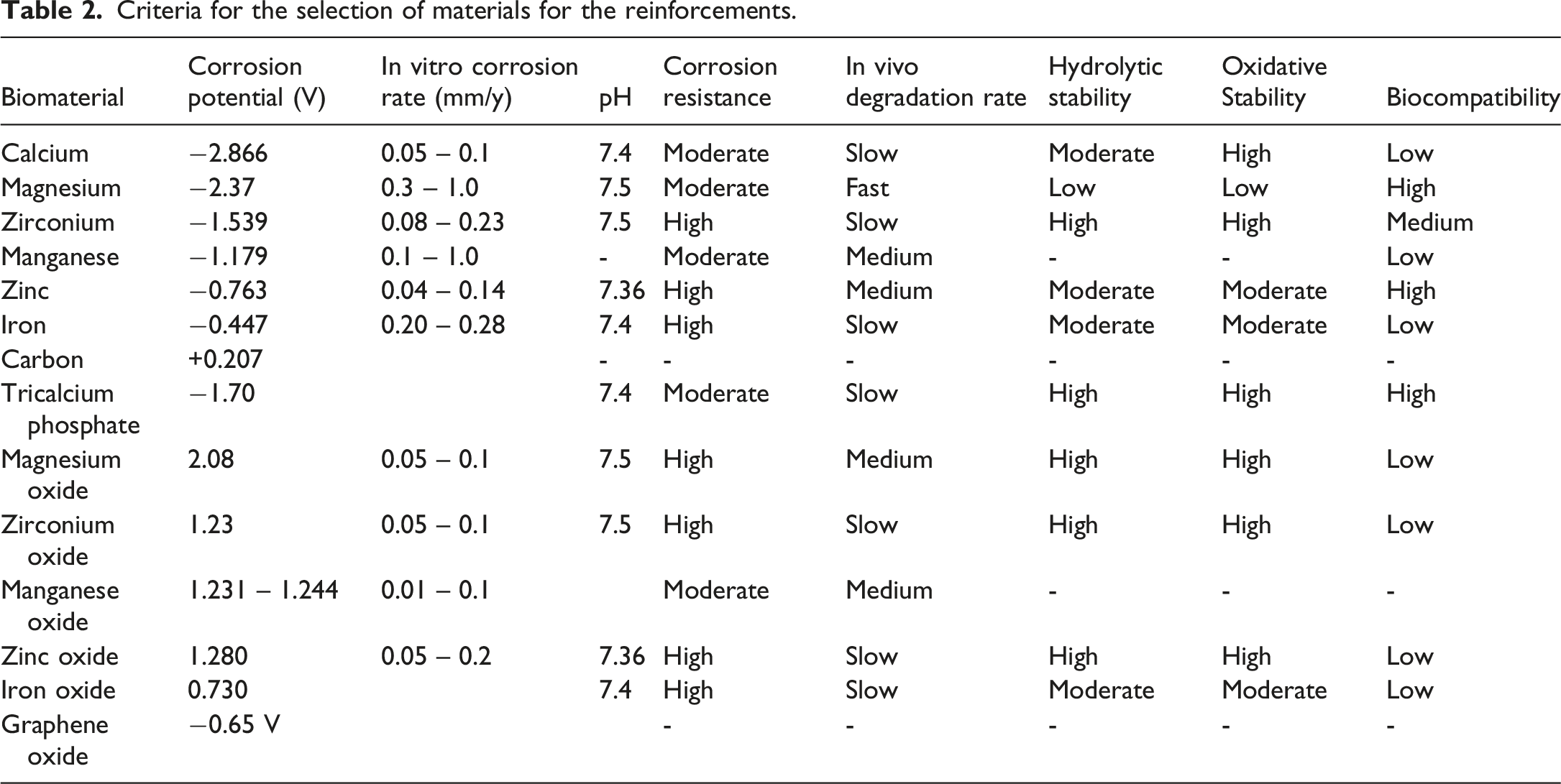
Based on the above data sheets, zinc oxide (ZnO), and TCP were selected for the fabrication of PLA composites.
Prediction of Elastic Modulus
Various micromechanical models such as Hirsch, Tsai-Pagano, Halpin Tasai, the role of the mixture (ROM), Bowyer-Bader Discrete, etc. are used for the prediction of mechanical properties of composite materials. Halpin-Tasai model was used for the prediction of the mechanical properties of composite materials. For composites with aligned short reinforcements, this model describes the modulus of elasticity of the composite (



For the composites with randomly oriented fillers, the equation for the elastic modulus of composites is described as equations (5)–(7).



The elastic modulus values of PLA/Ca, PLA/Mg, PLA/Zr, PLA/Mn, PLA/Zn, PLA/C, PLA/TCP, PLA/MgO, PLA/ZrO2, PLA/MnO, PLA/ZnO, PLA/Fe2O3, and PLA/GO were predicted using the above relation. The volume fraction of each nanoparticle was considered constant (2 wt %), size of each particle was considered the same (50 nm diameter). The calculations showed that all the composites exhibit more than 5 GPa tensile modulus. The tensile properties of composites can be increased by modifying the geometry of reinforcements.
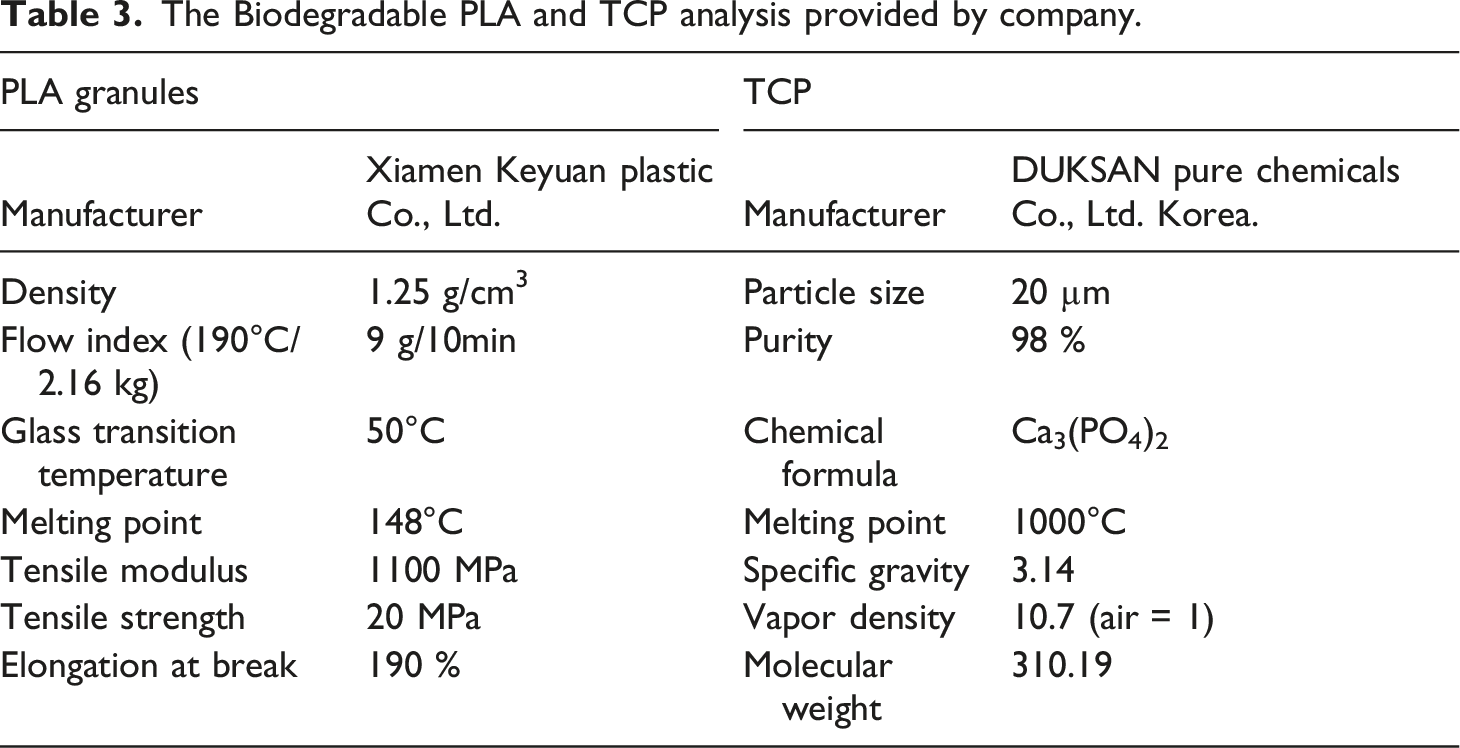
Materials for Fabrication of Composites
The Biodegradable PLA and TCP analysis provided by company.
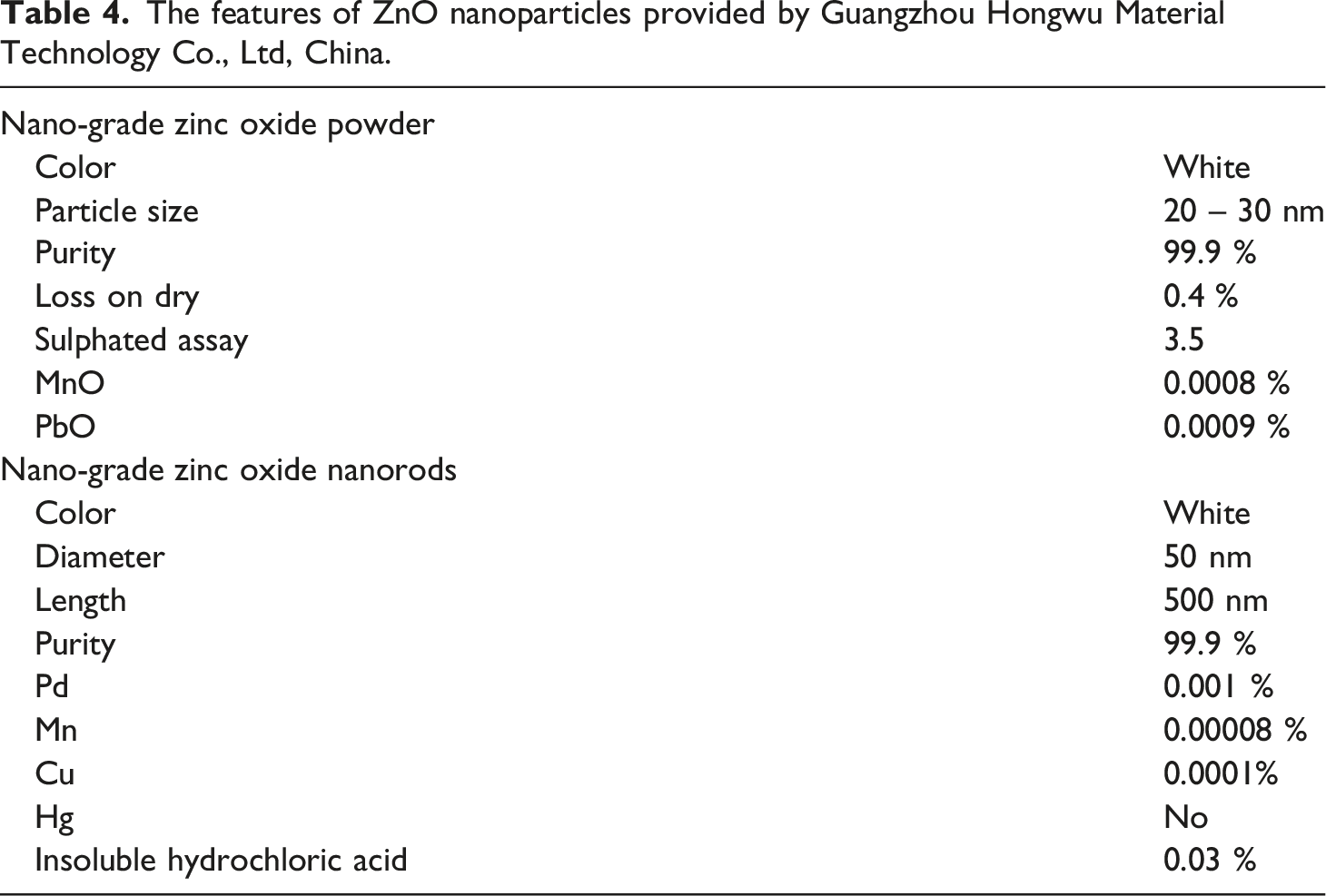
The features of ZnO nanoparticles provided by Guangzhou Hongwu Material Technology Co., Ltd, China.
3D Printing
PLA solution was prepared with solution of PLA granules to chloroform at normal temperature with 24 hours of the magnetic stirring. For PLA/30TCP composites, a 30 wt% TCP was mixed in PLA solution, while for the PLA/1ZnO nanocomposites, 1 wt% of ZnO nano-powder was mixed in PLA solution. All the samples were stirred for 24 hours and then sonicated for 3 hours. The yield material was cast into the Petri dish which is further dry via solvent evaporation, resulting the composite films. For PLA/30TCP/1ZnO suspensions, the formulation of films is associated to choice of 1 wt% ZnO and 30 wt% concentrated TCP into the PLA solution. The mixture was placed in a petri dish and dried at room temperature. The dried films were crushed into fine pieces and dried in an oven before the production of filament. The twin screw extruder was used for the production of pure PLA and composite filaments. The initial temperature of the extruder was maintained during the process of extrusion to ensure the continuous extrusion process without degradation. The extruder (conveyor belt) speed has been adjusted for retaining the die pressuring and achieve the required diameter (1.5 to 2 mm) of pellets. Multiple batches of filaments with varying fractions of filler materials were collected for the fabrication of required specimens. Figure 1 involving the procedure of fabrication of PLA decomposition. Schematic for the preparation of pure PLA and PLA composites.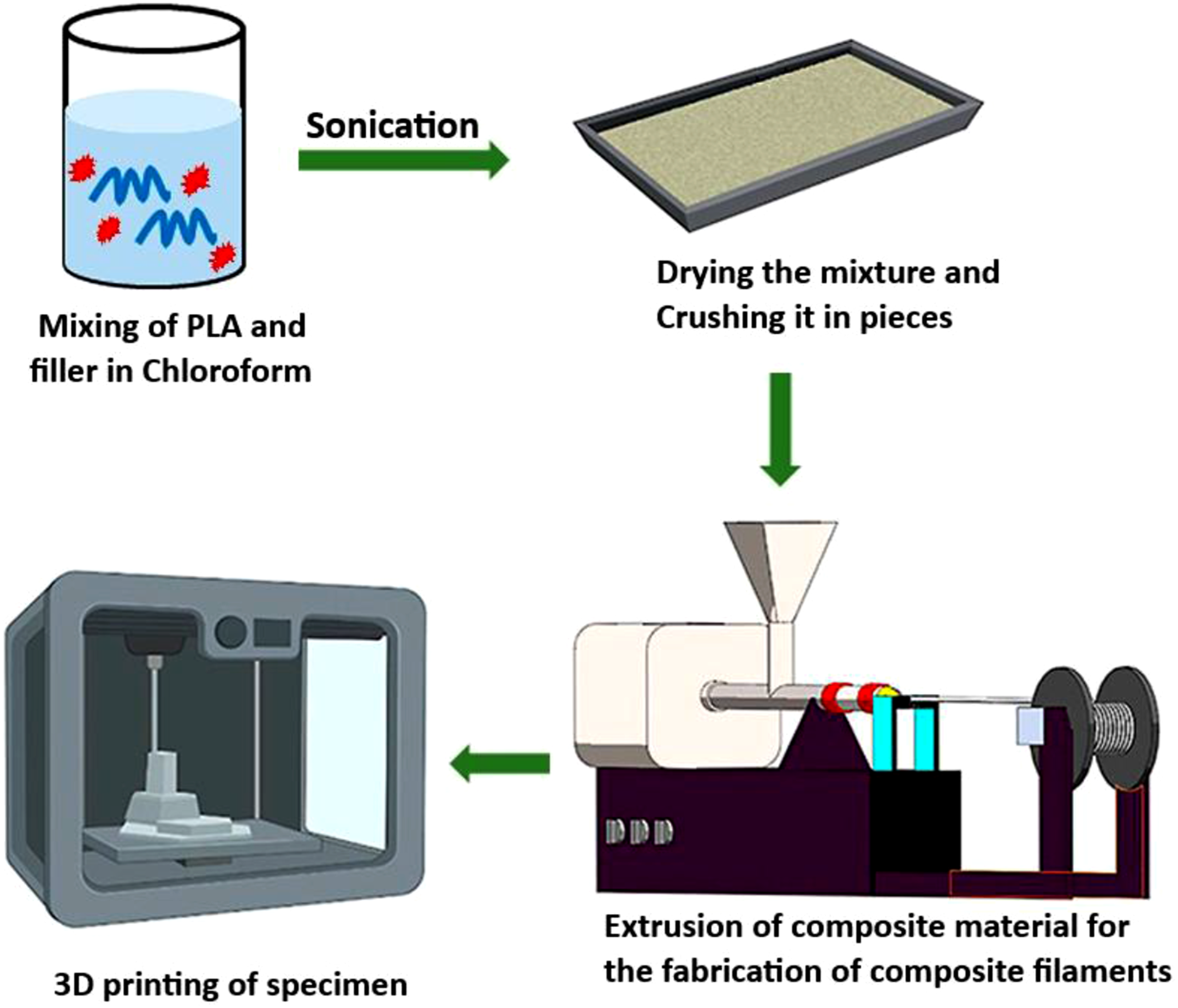
The tensile test specimen was modeled according to the ASTM standard D638 (type 1) in Creo Parametric software and then the *.STL file was saved. All the dimensions of the specimen are mentioned in Figure 2(a). 3D printed specimens (a) Dimensions of the specimen as per standard D638 (b) CAD and actual model of interference screw (c) CAD and actual model of bone plate.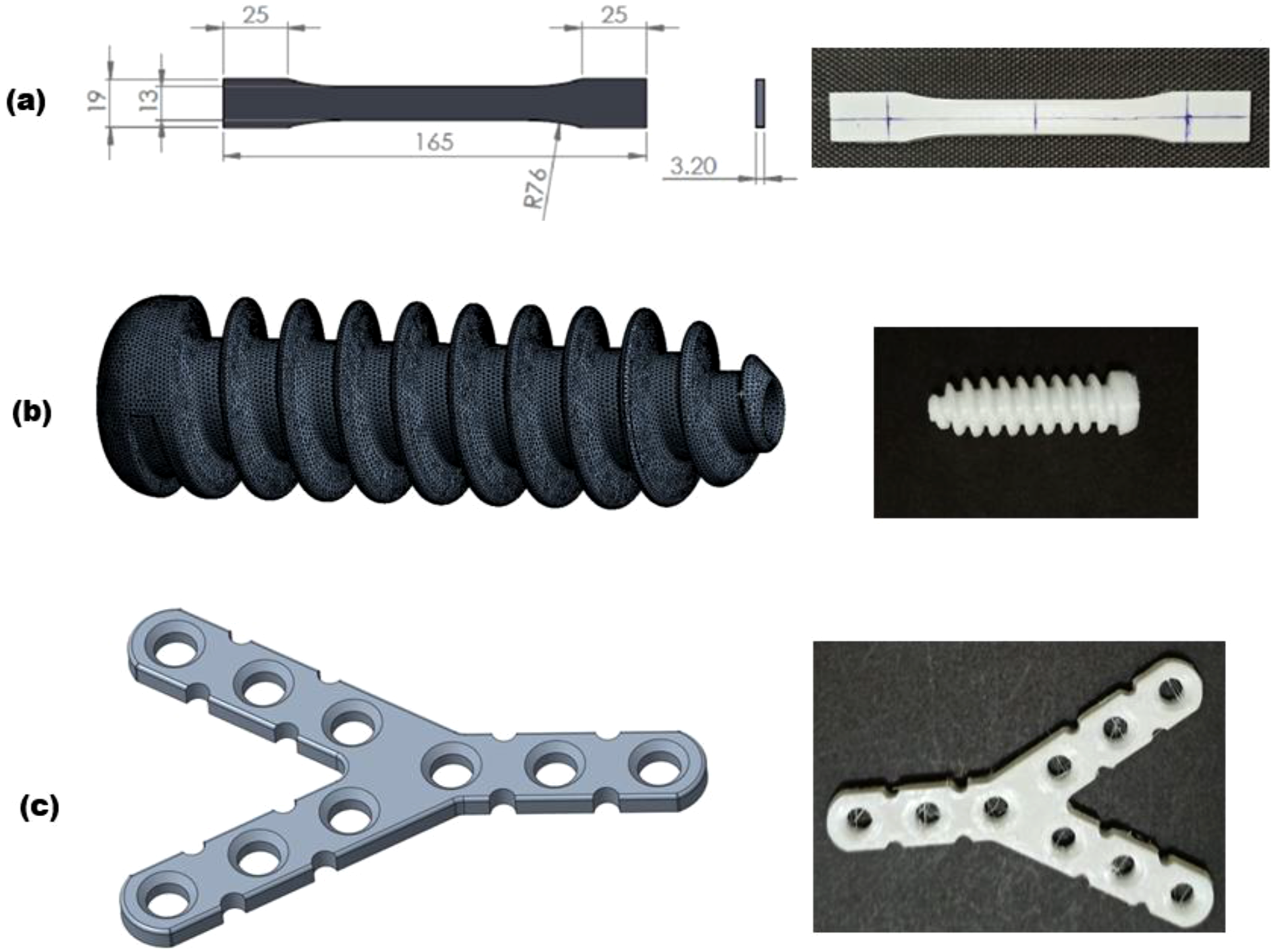
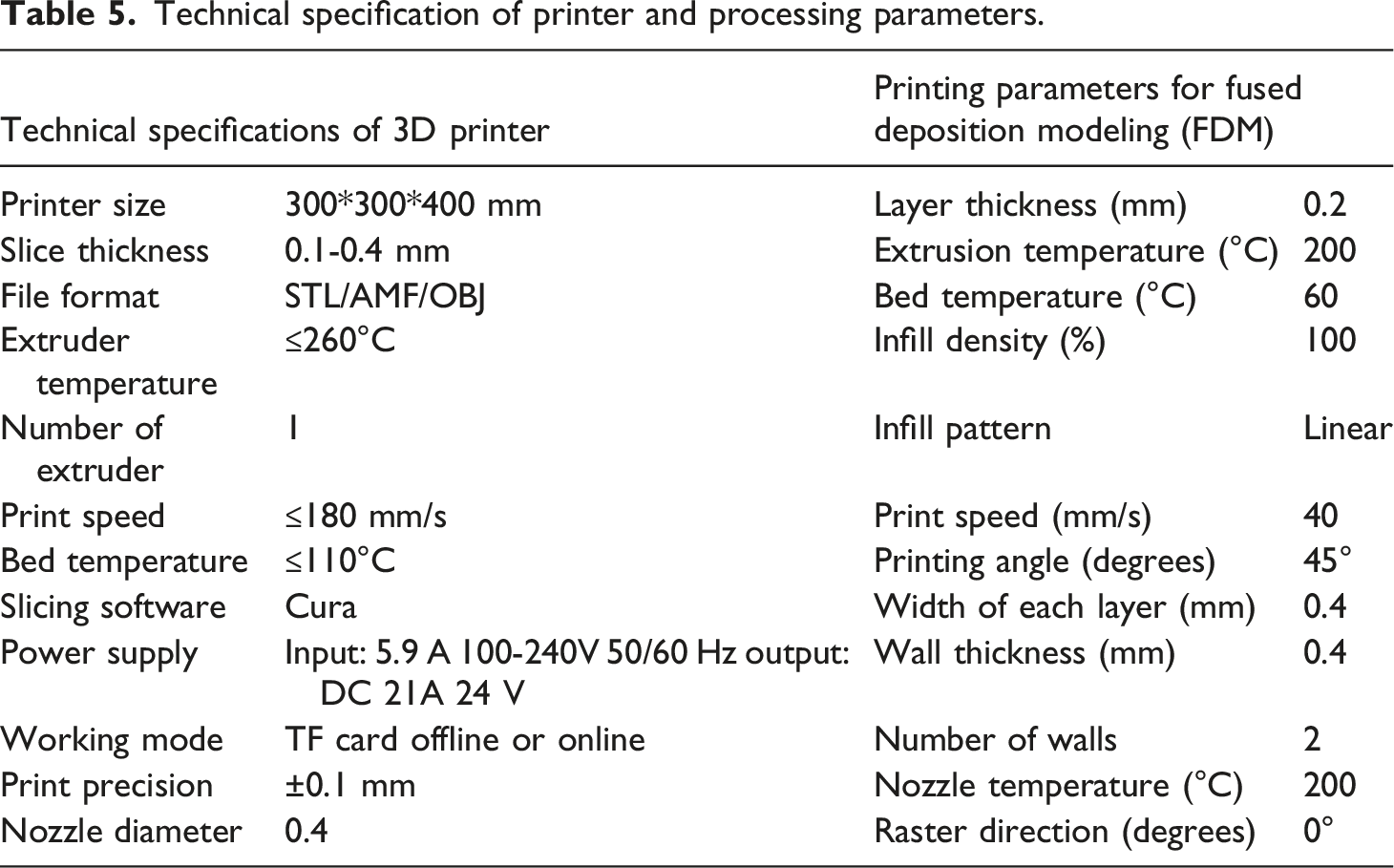
Technical specification of printer and processing parameters.
A completely threaded interference screws having distinct sizes are introduced by different companies like Stryker, Zimmer Biomet, Arthrex etc. These companies accomplish similar dimensions and designs of interference screws. A round dead structure of Arthrex interference screw (10 × 35) has been chosen for the 3D printing capacity of PLA/30TCP/1ZnO composite filament. The PTC Creo Parametric approach is followed to model the screw. The screw maintaining the dimeter of 10 mm and length 35 mm. The profile of threaded is based on cut profile on helical path in such a way that the minimum diameter attains smaller at the tip of screw. The hole of diameter is created in screw. Detailed simulation studies on this screw are published. 23 A hexagonal socket head of diameter was made. The image of model is shown in Figure 2(b). Similarly, cad model of bone plate was modeled to check the 3D printing compatibility of PLA/30TCP/1ZnO composites. Some Cad models are shown in Figure 2(c). 25 The image of model is shown in Figure 2(b). Similarly, cad model of bone plate was modeled to check the 3D printing compatibility of PLA/30TCP/1ZnO composites. Some Cad models are shown in Figure 2(c).
Testing of Specimens
The specimens were tested under Fourier transform infrared (FTIR) analysis using the FTIR spectroscopy. FTIR data was recorded over the wavenumber range of 4000–500 cm−1. The chemical structure and functional group present in PLA matrix were identified by FTIR. To ensure the participation of nanoparticles in thin film, the -ray diffraction (XRD) framework is carried out with help of Empyrean diffractometer. The diffractometer involving the operation at 40 kV and 30 mA with help of Cu tube. The rnage of XRD spectra at free stream temperautre in range of 5.000 – 80.004° have been recoreded. The nanoparticles of metals were confirmed by this method. Later on Energy-Dispersive X-ray (EDX) framework was presented via scanning electron microscope (SEM). All the elements present in PLA-based composites were identified by this method. The tensile test properties were investigated by material testing system (MTS-810). The tests were performed to collect stress-strain and force-displacement data under tensile load. At the end the SEM analysis was performed using SEM. The images were collected to identify the morphology of reinforcements in PLA matrix.
The phosphate buffered saline (PBS) environment has been followed to perform the degradation behavior of pure PLA and PLA-based composites. Material degradation in PBS was conducted following the ISO 13,781 guidelines. Rectangular strips of the material having a width of 10 mm and length of 100 mm were cut and placed in Eppendorf tubes, which were then filled with PBS to maintain a ratio of at least 30 mL to 1 g of the sample. The tubes were stored in a water bath at 37°C for up to 1 year. At regular intervals, samples were taken in triplicate, and the pH of the PBS solution was measured using a pH meter.
The weight-loss data was recorded for 120 days. The biocompatibility of PLA material was assessed using an indirect cytotoxicity test with pre-osteoblast cells from the MC3T3-E1 Subclone 4 cell line. The cells were cultured in the presence of PLA, and PLA composites for 24, 48, and 72 hours. Following incubation, cell viability was measured using an MTT assay, which quantified the metabolic activity of the cells by detecting formazan production. An optical density (OD) was calculated at 570 nm using a spectrometer, and the results were used to determine the cytotoxic effects of the composites.
Results and Discussions
FTIR/EDX/XRD
Figure 3(a) illustrates the FTIR spectra of neat PLA and PLA-based composites recorded over the wavenumber range of 4000–500 cm−1. FTIR analysis was conducted to identify the characteristic functional groups of PLA and to examine possible interactions between the polymer matrix and nanoparticles. In the spectrum of pure PLA, a strong absorption band at 1749 cm−1 is assigned to the ester carbonyl (C = O) stretching vibration, which is a defining feature of PLA.26,27 The absorption bands observed near 1182 cm−1 and 1080 cm−1 correspond to C–O–C stretching vibrations associated with the ester linkages in the polymer backbone.
28
An additional band around 752 cm−1 is related to C–H bending vibrations and is commonly associated with the crystalline domains of PLA. In case of PLA-based nanocomposites the similar peaks at 1182 cm−1, 1080 cm−1, and 752 cm−1 were recorded. However, the intensity of peaks was significantly reduced.
29
Figure 3(a) illustrates the FTIR spectra of neat PLA and PLA-based composites recorded over the wavenumber range of 4000–500 cm−1. FTIR analysis was conducted to identify the characteristic functional groups of PLA and to examine possible interactions between the polymer matrix and nanoparticles. In the spectrum of pure PLA, a strong absorption band at 1749 cm−1 is assigned to the ester carbonyl (C = O) stretching vibration, which is a defining feature of PLA.26,27 The absorption bands observed near 1182 cm−1 and 1080 cm−1 correspond to C–O–C stretching vibrations associated with the ester linkages in the polymer backbone.
26
An additional band around 752 cm−1 is related to C–H bending vibrations and is commonly associated with the crystalline domains of PLA. In case of PLA-based nanocomposites the similar peaks at 1182 cm−1, 1080 cm−1, and 752 cm−1 were recorded. However, the intensity of peaks was significantly reduced.
29
Nanostructure studies (a) FTIR spectra of PLA and PLA-based composites (b) XRD spectra of PLA and its composites (c) EDX results (a) Pure PLA and its composites.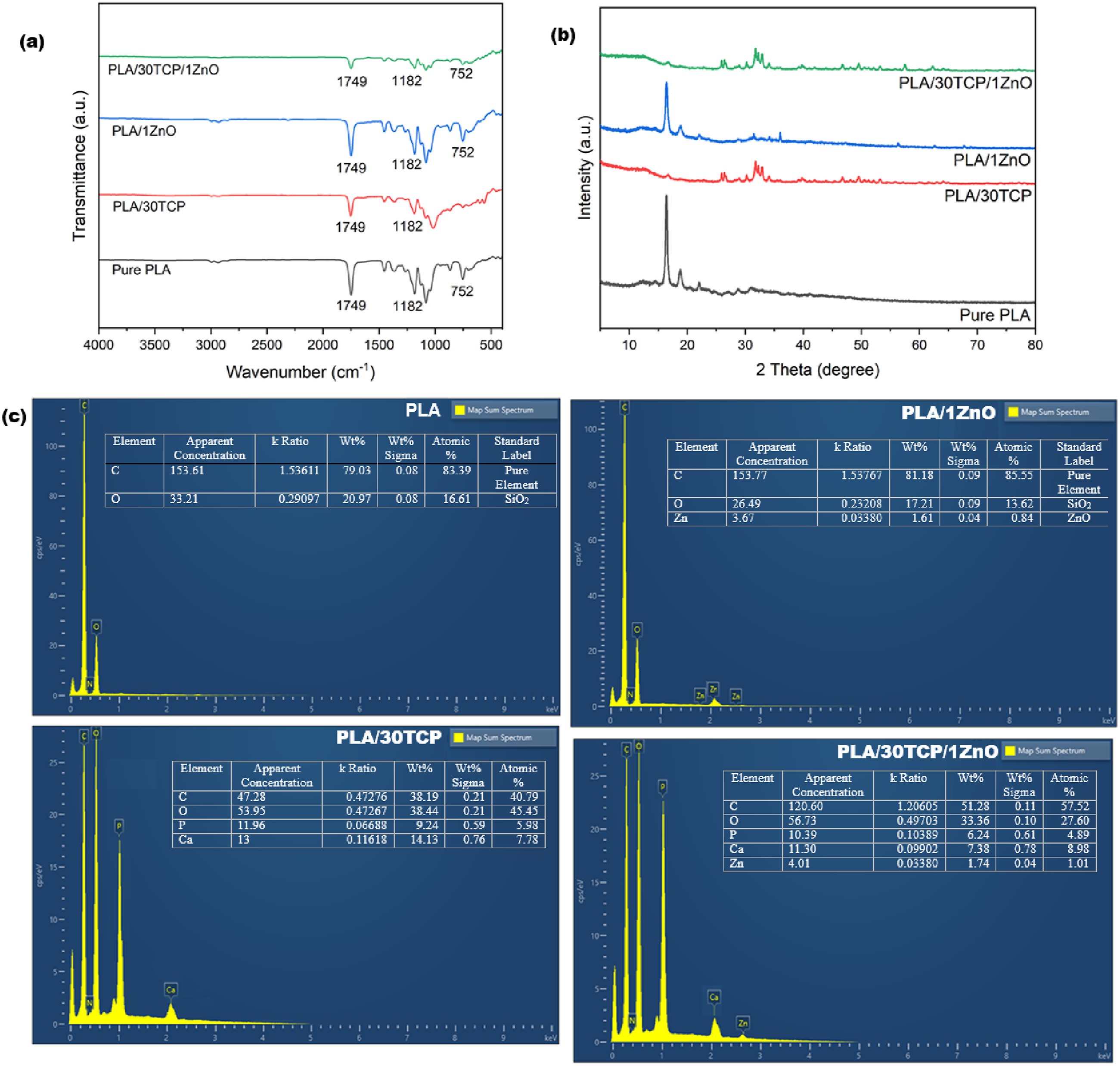
Figure 3(c) presents the EDX elemental analysis of pure PLA and the PLA-based composites, confirming the successful incorporation of TCP and ZnO fillers within the PLA matrix. For pure PLA, only carbon and oxygen peaks are detected, with high carbon (≈79 wt%) and oxygen (≈21 wt%) contents, which is consistent with the chemical structure of PLA and indicates the absence of impurities or inorganic phases.
In the PLA/30TCP composite, the appearance of calcium (Ca) and phosphorus (P) peaks alongside carbon and oxygen clearly verifies the presence of TCP within the polymer matrix. The reduction in carbon content compared to pure PLA, accompanied by increased oxygen content, reflects the replacement of part of the organic PLA phase with the inorganic TCP filler. The Ca and P weight percentages and their atomic ratios are in good agreement with the expected composition of TCP, suggesting uniform distribution of the ceramic phase within the composite.
For the PLA/1ZnO composite, a distinct Zn signal (∼1.6 wt%) is observed in addition to carbon and oxygen, confirming the successful incorporation of ZnO into PLA. The relatively small Zn content corresponds well with the low filler loading (1 wt%), while the dominant carbon and oxygen signals indicate that the PLA matrix remains the continuous phase. The absence of additional elemental peaks suggests good purity and no secondary phases. In the hybrid PLA/30TCP/1ZnO composite, the simultaneous presence of Ca, P, and Zn peaks demonstrates the successful co-dispersion of both TCP and ZnO within the PLA matrix.
The XRD spectra of pure PLA and its composites is presented in Figure 3(b). The XRD pattern of pure PLA exhibits weak diffraction peaks at approximately 2θ ≈ 14.7°, 16.7°, and 19.0° and 19.0° corresponding to the (110/200), (203), and (210) planes. 30 The peak at around 16.7° is associated with the α-crystalline phase of PLA, while the overall broad nature of the pattern confirms the amorphous structure of PLA.31,32 In PLA/30TCP composites, the major TCP-related peaks are observed at approximately 2θ ≈ 25.8°, 27.8°, 31.0–31.5°, 32.8–33.2°, 34.0°, 35.8°, 39.8°, 47.0°, and 49.5°. Such a shift of peaks in PLA/TCP composites can be associated to the formation of new compounds on the surface. 33 In PLA/ZnO composites, the characteristic ZnO peaks are located at approximately 2θ ≈ 31.7°, 34.4°, and 36.2°, with weaker peaks observed at about 47.5°, 56.6°, and 62.8°. The relatively low intensity of these peaks is attributed to the low ZnO content and its uniform dispersion within the PLA matrix, while the PLA crystalline peaks at around 14.7°, 16.7°, and 19.0° remain largely unchanged.32,33 The XRD spectra of pure PLA and its composites is presented in Figure 3(b). The XRD pattern of pure PLA exhibits weak diffraction peaks at approximately 2θ ≈ 14.7°, 16.7°, and 19.0° and 19.0° corresponding to the (110/200), (203), and (210) planes. 30 The peak at around 16.7° is associated with the α-crystalline phase of PLA, while the overall broad nature of the pattern confirms the amorphous structure of PLA.29,30 In PLA/30TCP composites, the major TCP-related peaks are observed at approximately 2θ ≈ 25.8°, 27.8°, 31.0–31.5°, 32.8–33.2°, 34.0°, 35.8°, 39.8°, 47.0°, and 49.5°. Such a shift of peaks in PLA/TCP composites can be associated to the formation of new compounds on the surface. 31 In PLA/ZnO composites, the characteristic ZnO peaks are located at approximately 2θ ≈ 31.7°, 34.4°, and 36.2°, with weaker peaks observed at about 47.5°, 56.6°, and 62.8°. The relatively low intensity of these peaks is attributed to the low ZnO content and its uniform dispersion within the PLA matrix, while the PLA crystalline peaks at around 14.7°, 16.7°, and 19.0° remain largely unchanged.34,35
In the PLA/30TCP/1ZnO hybrid composite, diffraction peaks corresponding to PLA, TCP, and ZnO phases are simultaneously observed. The PLA-related peaks appear at approximately 14.7°, 16.7°, and 19.0°, while the TCP phase contributes peaks at around 25.8°, 27.8°, 31–33°, 34.0°, 35.8°, 39.8°, 47.0°, and 49.5°. In addition, ZnO-related reflections are evident at approximately 31.7°, 34.4°, 36.2°, 47.5°, 56.6°, and 62.8°. The absence of additional peaks or noticeable peak shifts indicates that no new crystalline phases were formed during composite fabrication and that the structural integrity of all constituent phases was preserved.
Tensile
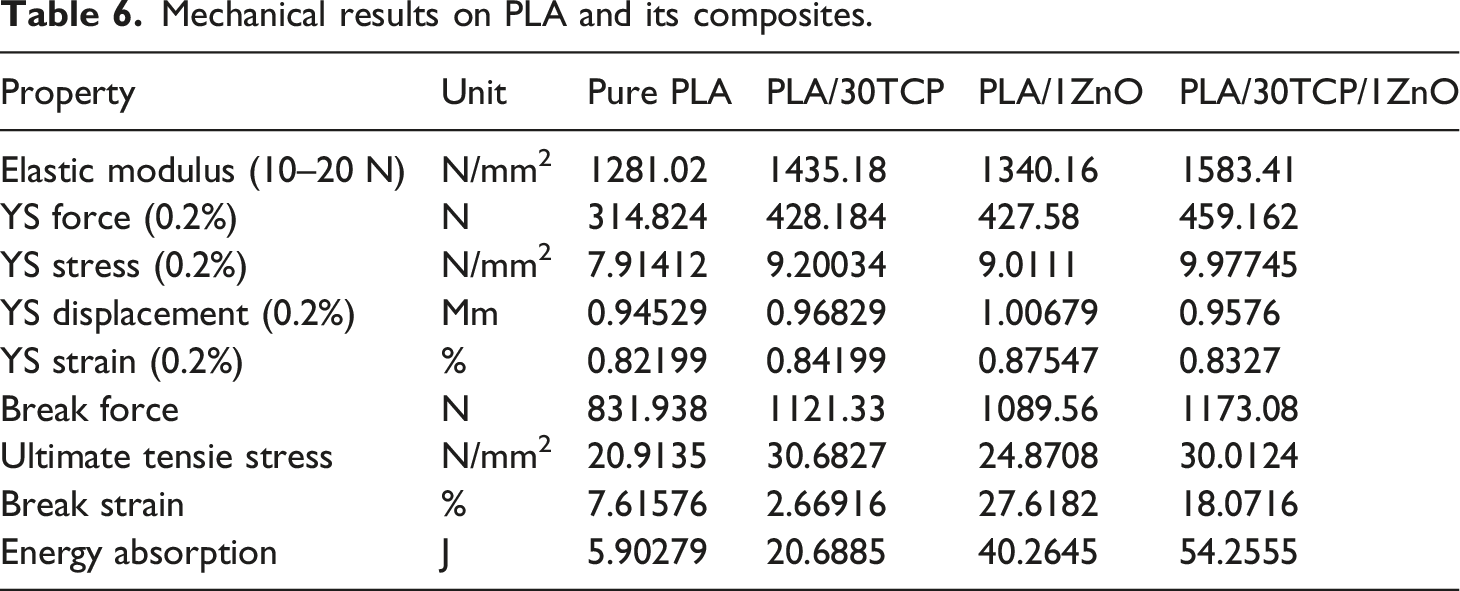
The tensile stress–strain behavior of pure PLA as shown in Figure 4(a) demonstrates a typical response of a relatively stiff and brittle thermoplastic processed by fused deposition modeling. As shown in the figure, the stress increases almost linearly with strain in the initial region, reflecting elastic deformation, which is supported by the high elastic modulus of 1281.02 N/mm2. The material reaches its 0.2% offset yield point at a yield stress of 7.91 N/mm2 and a corresponding strain of 0.82%, indicating the onset of plastic deformation with limited molecular chain mobility. The break strain of 7.62% confirms the brittle nature of PLA, with limited ductility prior to failure. The relatively low energy absorption value of 5.90 J further indicates poor toughness, which restricts the use of pure PLA. Stress-strain behavior under tensile load (a) Pure PLA under tensile load (b) PLA/30TCP under tensile load (c) PLA/30TCP under tensile load (d) PLA/30TCP/1ZnO under tensile load.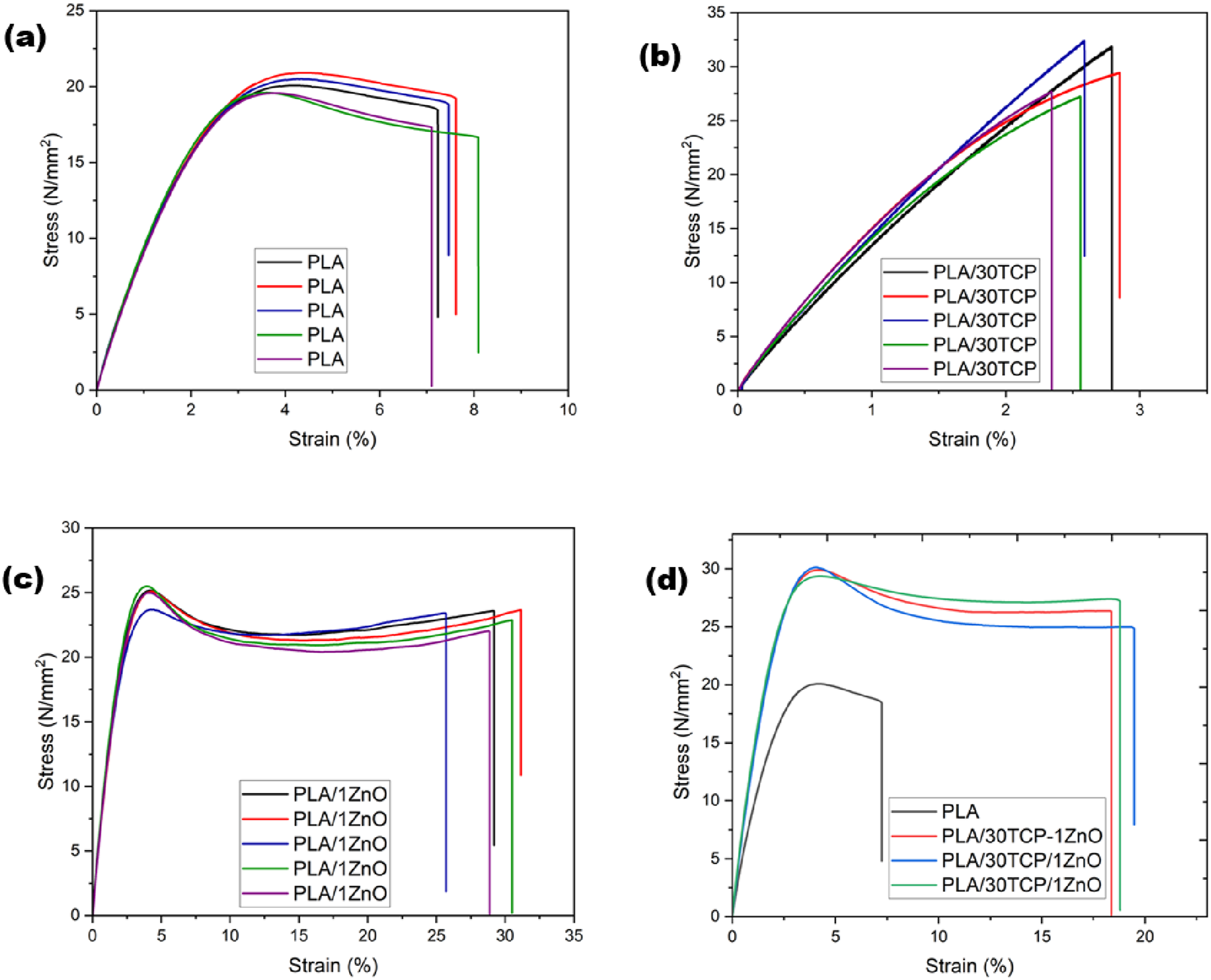
The stress–strain behavior of the PLA/30TCP composite shown in Figure 4(b). The steeper slope indicates enhancement in strength and stiffness compared to pure PLA. The higher elastic modulus (1435.18 N/mm2) indicates the efficient load transfer capability of PLA as compared to pure PLA. The PLA/30TCP composite exhibits a significantly higher ultimate tensile stress of 30.68 N/mm2, confirming the strong reinforcing effect of TCP. However, fracture occurs at a much lower break strain of 2.67%, demonstrating a clear reduction in ductility and a more brittle failure behavior compared to pure PLA.
Figure 4(c) shows the stress-strain behavior of PLA/1ZnO composites, showing a typical semi-ductile polymer behavior with elastic, yielding, plastic deformation, and fracture stages. Initially, the curve rises steeply, indicating elastic deformation which reflects improved elastic modulus and stiffness due to the presence of ZnO particles within the PLA matrix. The onset of yielding occurs at a 0.2% offset yield stress of 9.01 N/mm2 with a corresponding yield force of 427.58 N and yield strain of 0.88%, indicating that ZnO addition increases resistance to plastic deformation compared with neat PLA. After yielding, the material exhibits a stable plastic flow region where stress slightly decreases and then gradually increases again, attributed to molecular chain alignment and strain hardening during deformation.
The composite reaches an ultimate tensile stress of 24.87 N/mm2, demonstrating good load-bearing capacity. Fracture occurs at a relatively high break strain of 27.62%, confirming that the material retains considerable ductility despite the ceramic filler. The break force of 1089.56 N and energy absorption of 40.26 J further indicate enhanced toughness, implying that ZnO particles contribute to improved energy dissipation during tensile loading.
The tensile test results of 3D printed PLA and PLA/30TCP/1ZnO composites are presented in Figure 4(d). PLA/30TCP/1ZnO captures more impressive strength with boosted elongation. Pure PLA exhibits 20.913 MPa tensile strength, while PLA/30TCP/1ZnO samples exhibit an average tensile strength of 30.01 MPa. The ductility of PLA is influenced with increasing manner due to addition of 1 wt% ZnO in PLA. The elongation of specimen increases up to 4.2 times as compared to pure PLA. Moreover, the choice of ZnO particles also fluctuated the deformation behavior. Such enhanced is associated to reinforcing features of fillers, which enhances the load bearing capacity of the composite.
Figure 5 shows the image of deformed specimen under tensile loads. All the specimens exhibit failure in gauge length section. Pure PLA broke close to the upper jaws of UMT, while PLA/30TCP/1ZnO composites showed failure in the middle of the jaws. In case of PLA, the necking occurs near the top grip section. Further the fractured surface showed the brittle to semicrystalline failure mode due to the low chain-mobility and low toughness of PLA polymer. Illustrates the deformation and fracture behavior of pure PLA tensile specimens tested. Failure behavior of pure PLA and PLA/30TCP/1ZnO samples under tensile load.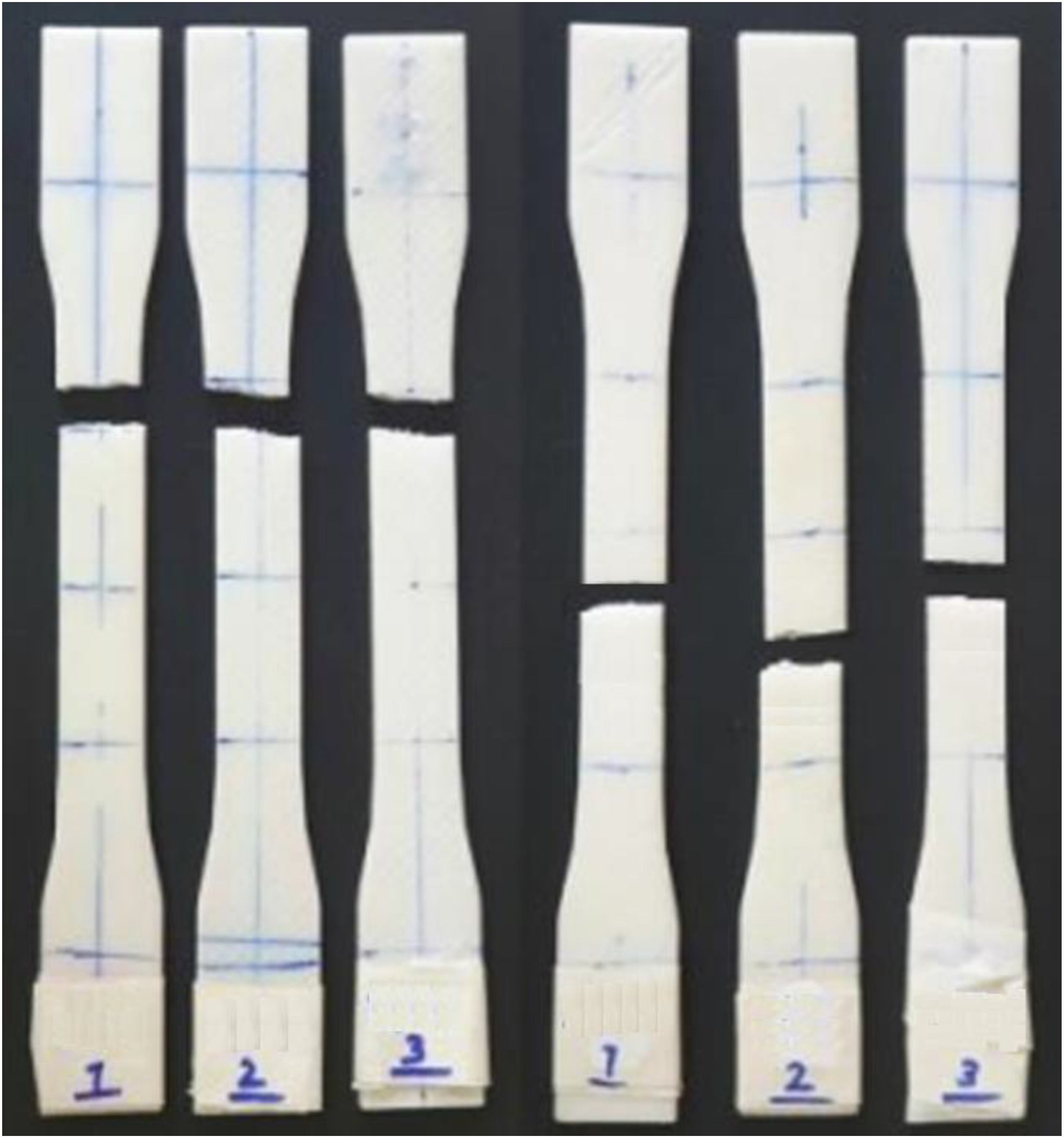
Mechanical results on PLA and its composites.
Degradation
The degradation results shown in Figure 6 show that neat PLA, PLA/30TCP, PLA/1ZnO and PLA/30TCP/1ZnO composites undergo a gradual increase in weight loss with increasing immersion time in PBS solution, indicating significant hydrolytic degradation of the PLA matrix. Pure PLA exhibits the lowest weight loss throughout the 6-month period, reaching only 7.57% at 180 days. This slow degradation is attributed to the inherent hydrophobic nature of PLA and the absence of any catalytic or hydrophilic fillers, which limit water diffusion and ester bond hydrolysis within the polymer matrix. Degradation behaviour of pure PLA and its composites.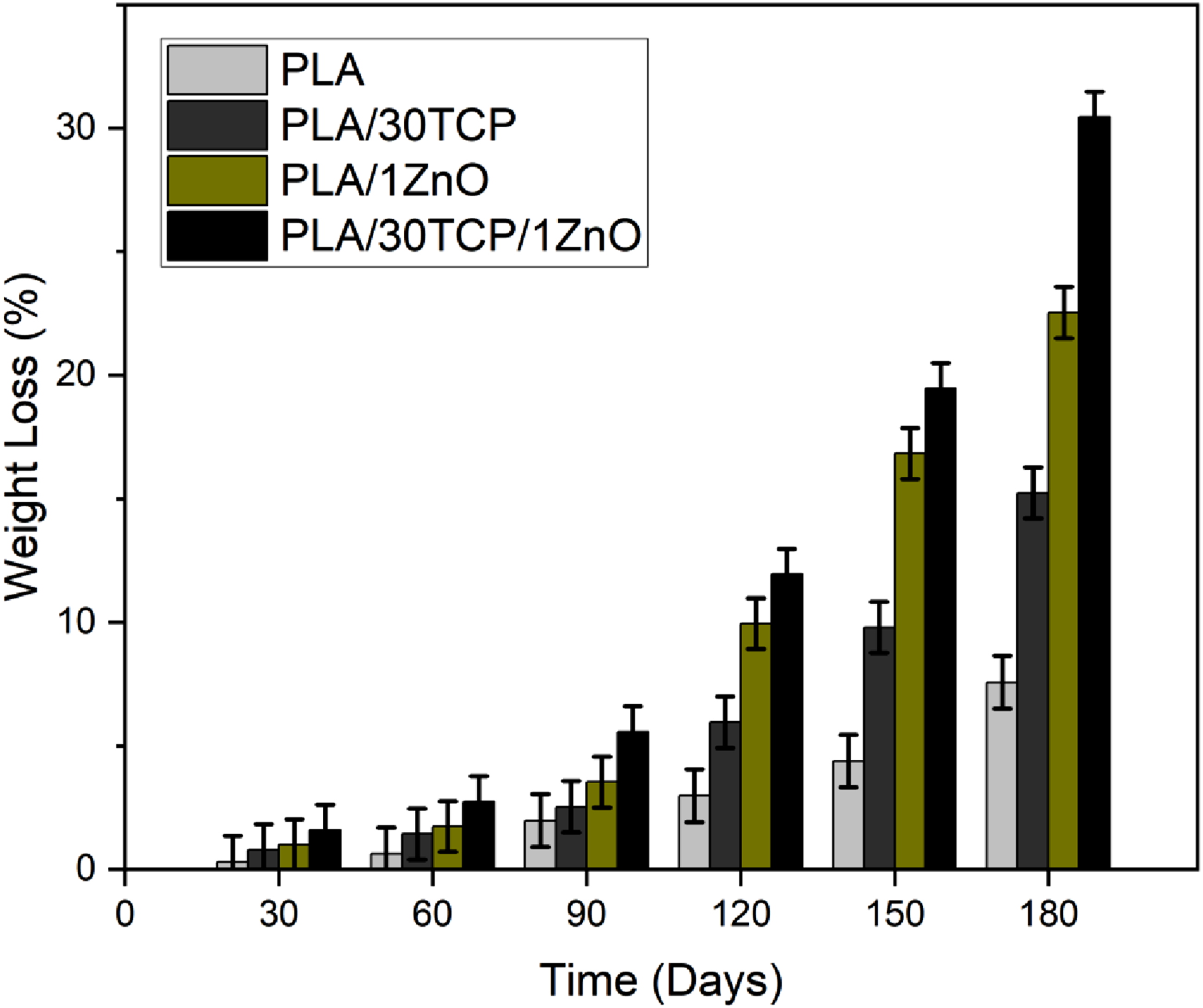
In comparison to pure PLA, PLA/1ZnO exhibits an even higher degradation rate, reaching 22.54%, which can be attributed to the catalytic role of ZnO nanoparticles. PLA/1ZnO nanocomposites exhibit increased degradation probably due to the addition of ZnO nanoparticles. The biodegradability of ZnO nanospheres also facilitates the degradation behavior.
The presence of TCP increases water uptake and creates micro-pathways at the polymer–ceramic interface, leading to enhanced hydrolysis and a weight loss of 15.23% after 180 days. Notably, the PLA/30TCP/1ZnO hybrid composite shows the highest weight loss (30.46%), suggesting a synergistic effect between TCP and ZnO. TCP facilitates moisture penetration while ZnO accelerates hydrolytic cleavage, together resulting in rapid mass loss.
Biological
The biological results shown in Figure 7 showed that PLA-based composites exhibit improved optical density in comparison to control, indicating the improved cell proliferation and cell viability. All materials show higher OD values compared to control, confirming their biocompatibility nature. The results indicate that the addition of MgO nanowires promote cell-material interactions and support cell growth. Biocompatibility of pure PLA and its composites.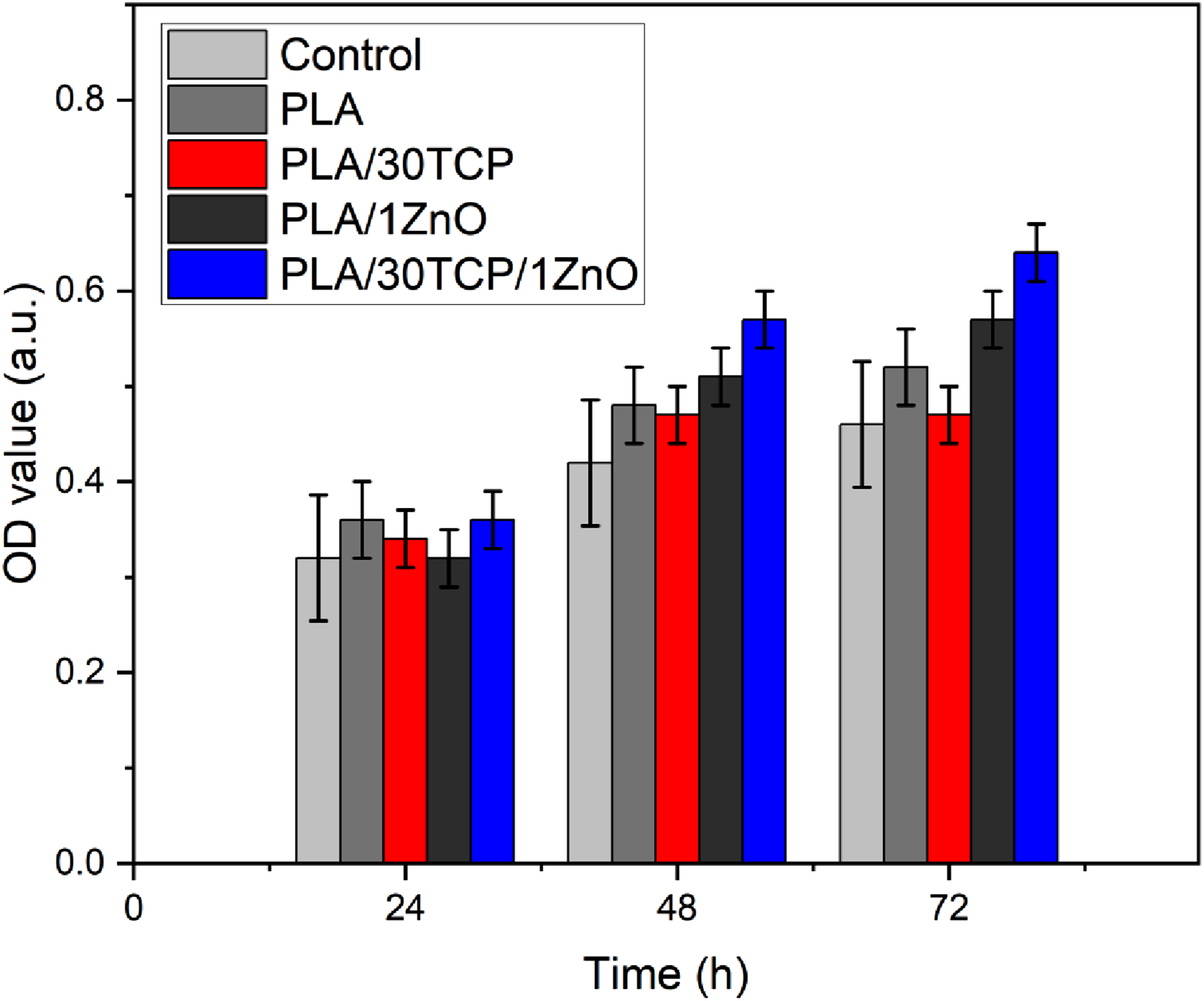
ZnO can reduce bacterial contamination and improve cell viability due to its antimicrobial properties. Moreover, Zn ions have been reported to promote osteoblast proliferation at certain concentrations, which could explain the higher OD values in the PLA/1ZnO group. The PLA/30TCP/1ZnO composite demonstrates the highest OD value at 72 hours, suggesting that the addition of TCP enhances cell proliferation. TCP’s release of calcium and phosphate ions likely contributes to creating a more bioactive surface, stimulating not only osteogenic differentiation but also supporting cell attachment and proliferation. The synergistic effect of TCP and ZnO could thus be responsible for both increased ALP activity and enhanced cell proliferation.
SEM
This SEM image illustrates the surface morphology of a PLA/30TCP/1ZnO composite at 5000x magnification. The larger, well-defined faceted particles visible in the image are micro-sized tricalcium phosphate (TCP), characterized by their angular and crystalline appearance. These particles are distributed throughout the sample and serve as bioactive fillers, enhancing the composite’s biocompatibility and potential for bone tissue applications.
Surrounding and partially coating the TCP particles are smaller, nanoscale zinc oxide (ZnO) particles. These appear as finer, less angular features, often forming clusters or dispersed individually across the surface. The presence of ZnO nanoparticles improves the mechanical strength and imparts antibacterial properties to the composite. The overall morphology suggests a relatively uniform distribution of both fillers within the PLA matrix, indicating effective composite formulation. The SEM image for PLA/1ZnO/30TCP is shown in Figure 8. SEM images of (a) pure PLA (b) PLA/30TCP (c) PLA/1ZnO (d) PLA/1ZnO/30TCP composites.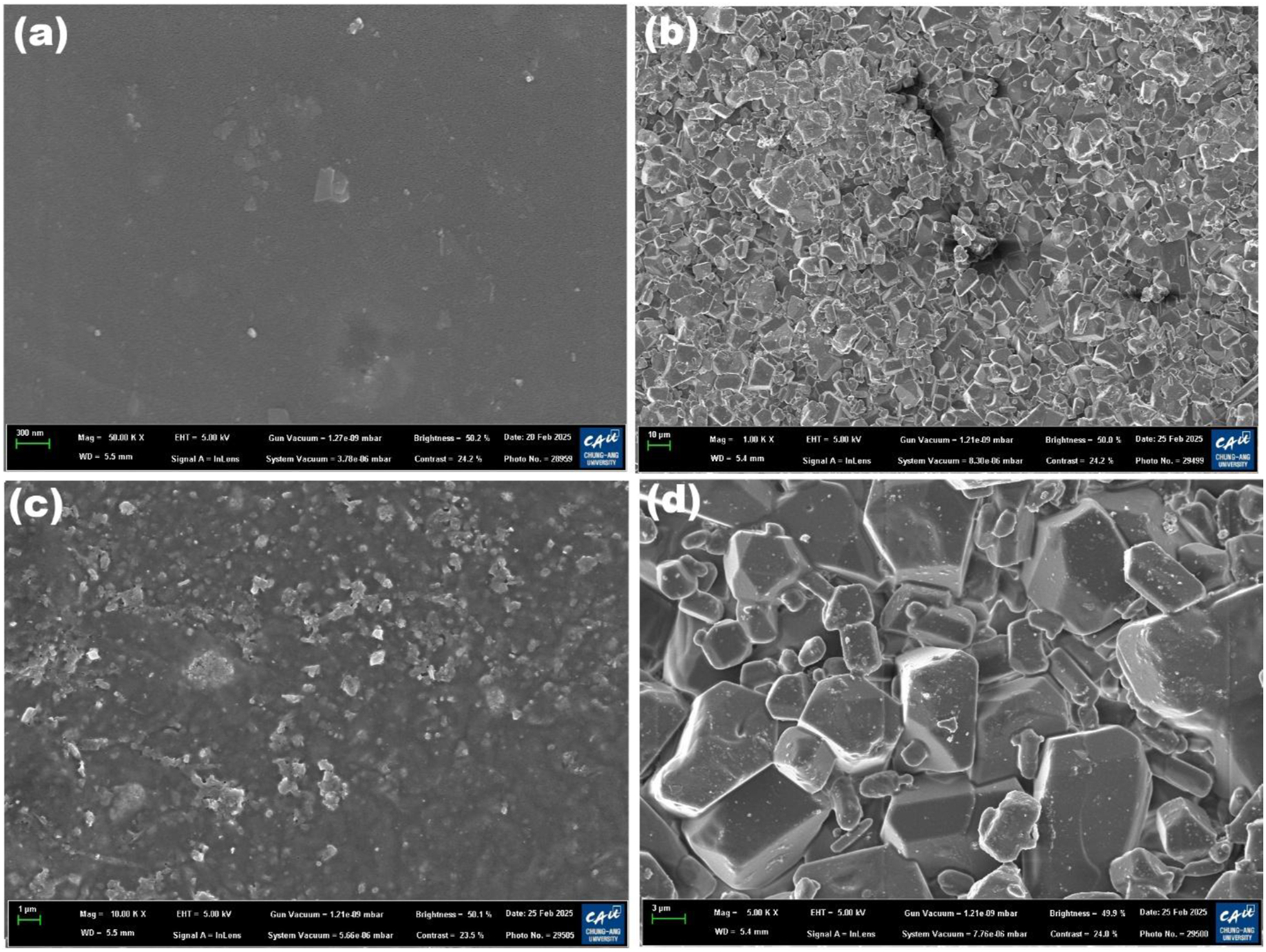
Conclusion
3D printing of complex biomedical devices using PLA-based biodegradable materials via FDM has gained significant attention in modern era. Various composites materials of PLA have been fabricated and tested for FDM. This study focuses on the FDM of PLA/30TCP/1ZnO composites for the fabrication of orthopedic devices such as screws, bone plates, scaffolds etc. FTIR analysis confirms the presence of ester-functional groups in pure PLA and its composites. Further, it confirms the no chemical interaction between PLA matrix and reinforcements. XRD analysis confirms the presence of metals in PLA-based composites and confirms the semi-crystalline nature of both PLA and PLA/MgO nanowire composites. The crystallinity is increased with decomposition of ZnO-TCP in PLA matrix. Major observations are: ➢ Incorporating 30 wt % TCP nanoparticles into PLA composites resulted in a significant increase in tensile strength compared to pure PLA, with a percentage increase of approximately 46.71%. However, there was a reduction in elongation at the break by approximately 64.74%. ➢ Incorporating 1 wt % ZnO nanoparticles into PLA composites led to improved mechanical properties, with a percentage increase in tensile strength of about 18.922% and a percentage increase in elongation at break of approximately 262.64%. ➢ The cumulative effect of TCP and ZnO nanoparticles into PLA can lead to a composite material with improved mechanical properties compared to pure PLA. Novel PLA/30TCP/1ZnO composite showed optimum properties with a 43.507 % increase in tensile strength, 137.29 % increase in break strain and 23.57 % increase in elastic modulus. ➢ The degradation in PBS solution for 180 days showed the addition of TCP and ZnO accelerates the degradation rate of PLA. PLA/30TCP/1ZnO specimens exhibit accelerated degradation as compared to pure PLA and other composites. ➢ Cytocompatibility test in terms of OD value confirms the biocompatibility of both PLA and PLA/ZnO as compared to control. ➢ 3D printing compatibility of PLA, PLA/ZnO and PLA/30TCP/1ZnO composites was tested by FDM. The tensile results showed that PLA/ZnO, and PLA/30TCP/1ZnO composites exhibit improved tensile strength and ductility. ➢ Comprehensive bio-safety testing is essential to confirm clinical suitability. The inclusion of TCP and ZnO provides osteoconductive and antimicrobial benefits, but their long-term ion release and degradation products must be carefully quantified to ensure safety over the full implantation period.
Footnotes
Declaration of conflicting interests
The authors declared no potential conflicts of interest with respect to the research, authorship, and/or publication of this article.
Funding
The authors received no financial support for the research, authorship, and/or publication of this article.
